
June 15, 2015, Sitka-
It’s said by the locals here, that eagles in Sitka are like pigeons elsewhere, and that black bears are like rats. I didn’t see any bears, anywhere in southeast Alaska, but there were eagles aplenty, thought they took exception to photography, most of the time.

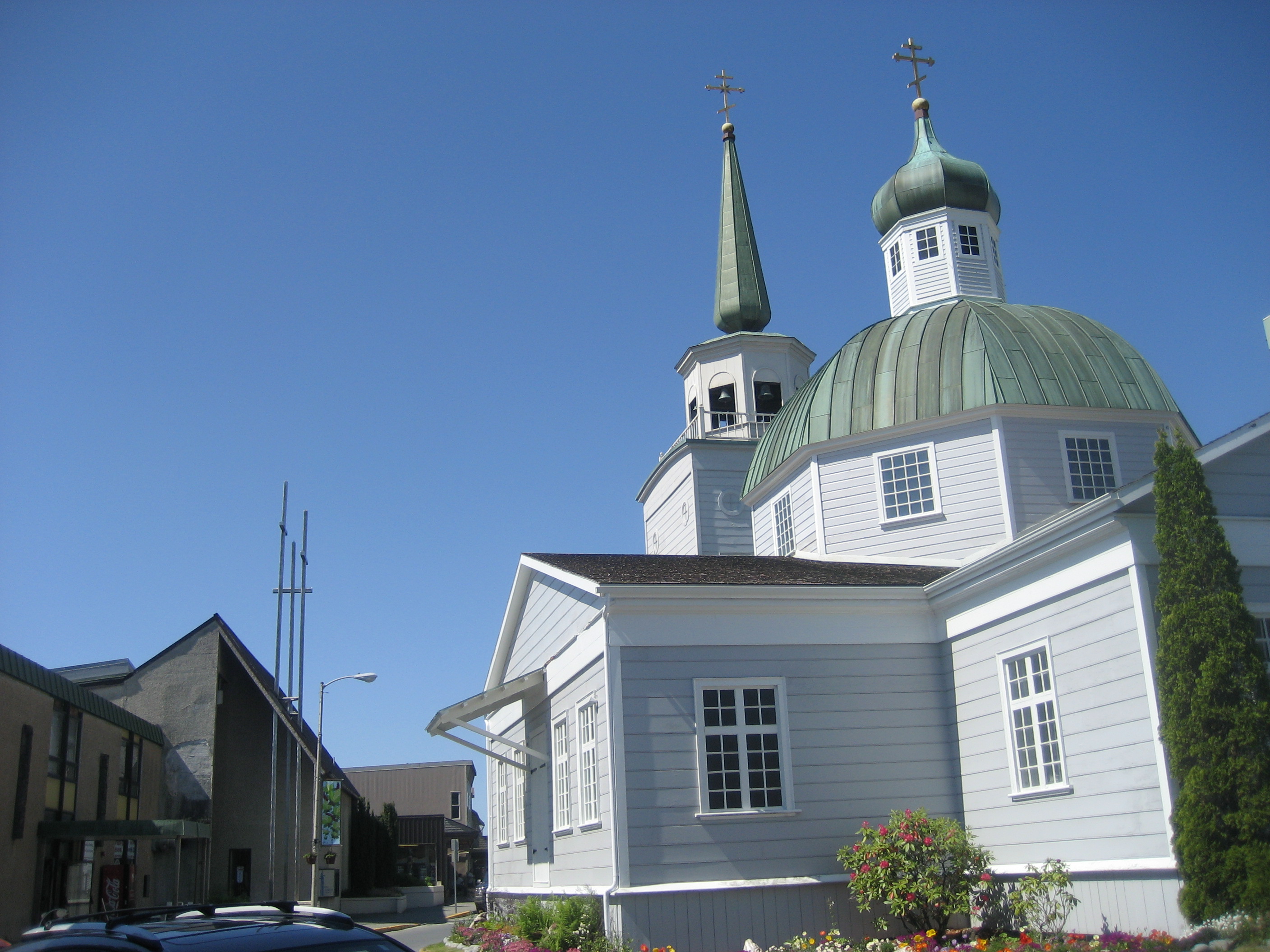
There have been eagles perched on the steeple of the Lutheran Church, and atop the adjacent St. Michael’s Eastern Orthodox Cathedral.
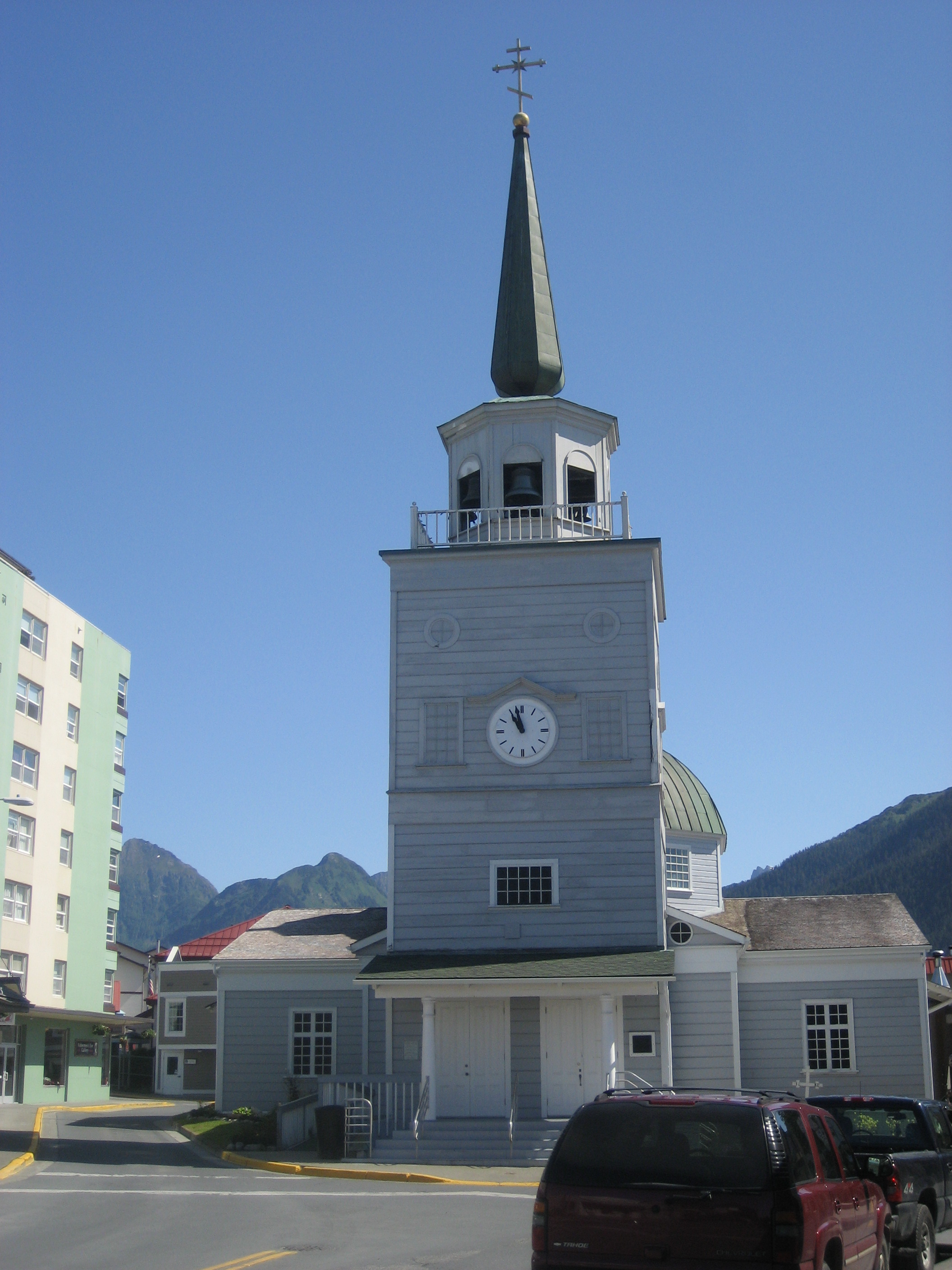
The Lutheran Church was built to accommodate Finnish shipwrights, who were brought to Sitka, both to build and repair ships, and to build the Russian Bishop’s House. The house was the residence of the man now known as St. Innocent. The church was placed across the street from the Orthodox Church, mostly so that the bishop could keep an eye on the Finns.
Both churches burned to the ground, in 1966. Both have, of course, been rebuilt, and both are still active institutions in Sitka life.
The Lutheran Church is austere, though it has a fine old organ.

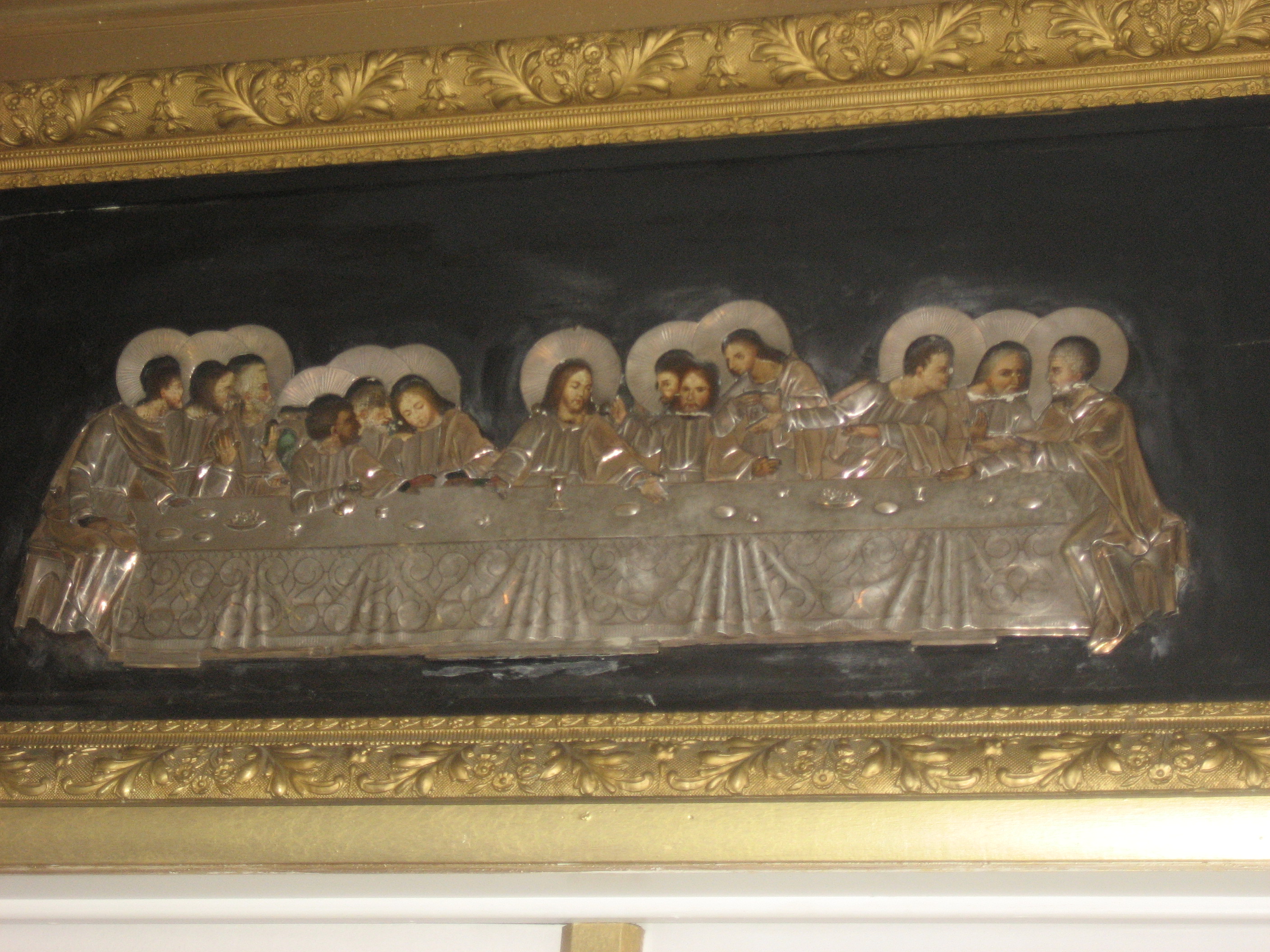
The Orthodox Church is replete with the gold, for which that denomination is well-known.
After looking at the interiors of the churches, I went to investigate the central waterfront. A local boy was quite impressed with the work of a Haida canoe builder. He was busy telling some other unruly kids to stay out of the canoe.

The Russian Bishop’s House is the centerpiece of Sitka National Historic Site.

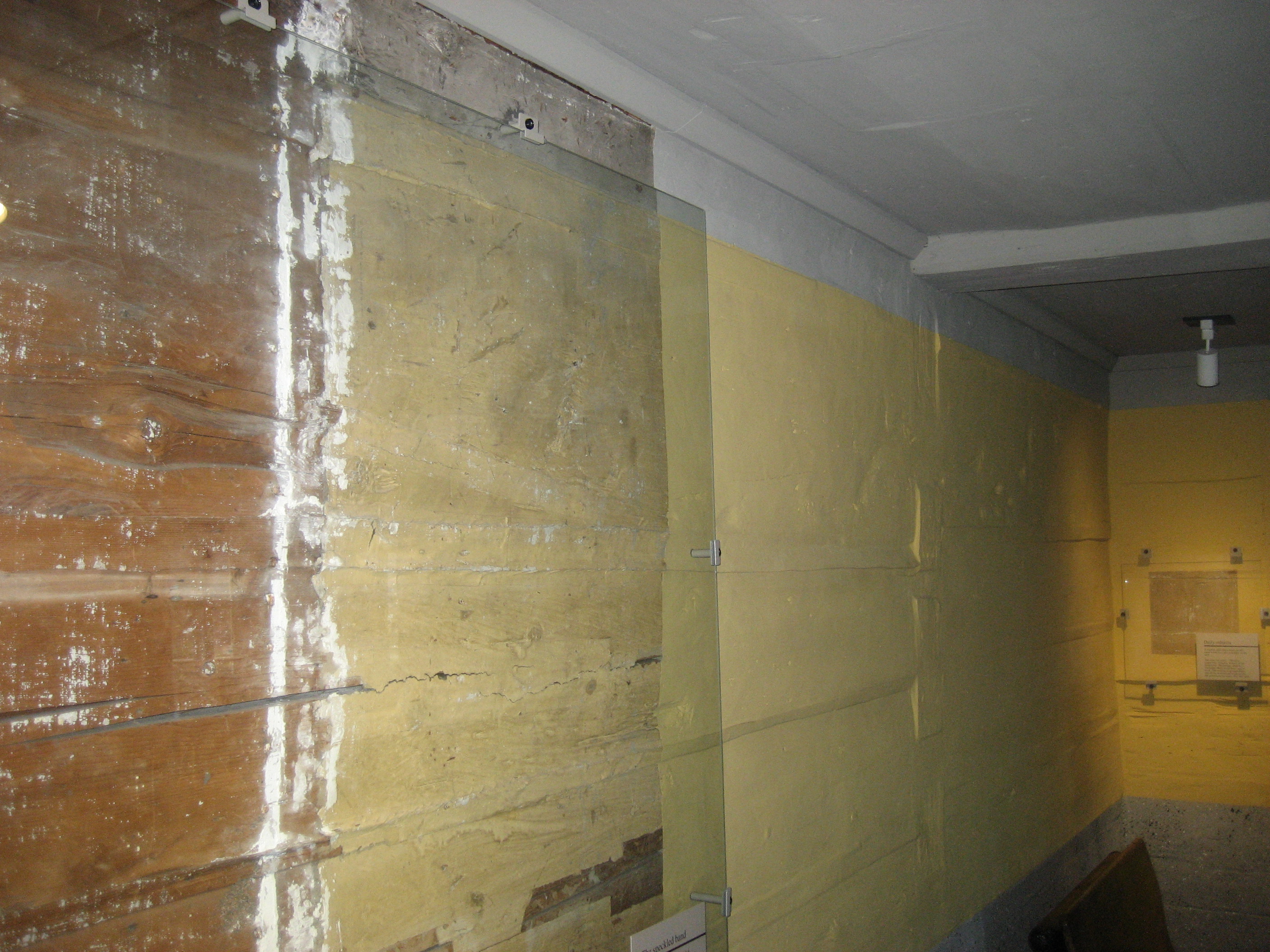
I took a guided tour of the upstairs. The docent explained that the home was built by Finnish shipwrights. Their methods are obvious here, even today.
The Southeast Alaska Marine Center keeps close watch on sea stars, and other key creatures, as well as maintaining active fish-spawning ladders, primarily for salmon. Volunteers, including our hostel manager, Katherine, are checking the beaches, most days, for marine creature health.
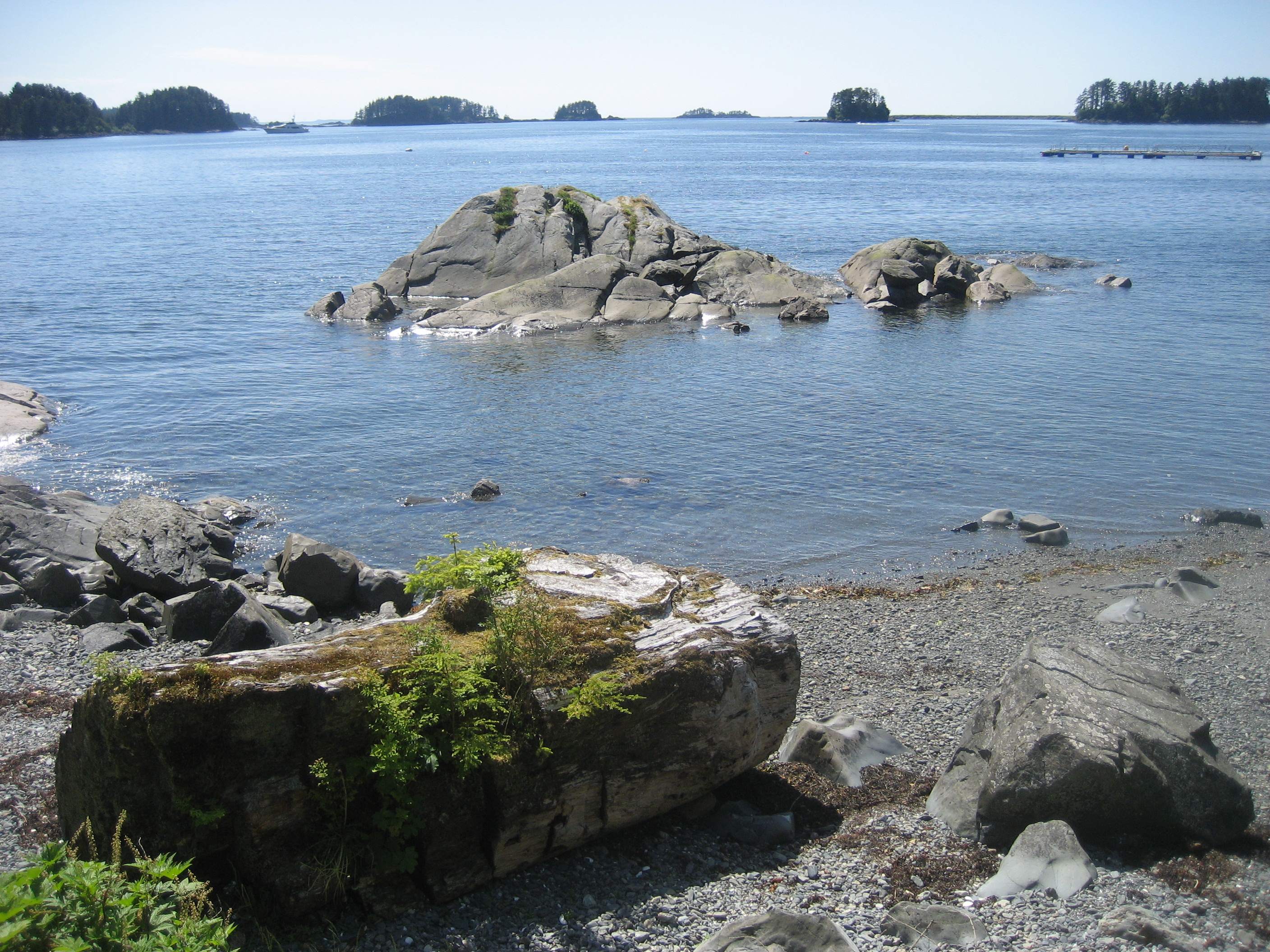
 This is Whale Park, to which our friend, Mary, took us, as part of her guided visit to the north and south ends of the island.

I visited the Totem Pole Trail on my own, prior to Mary’s guiding my new friend, A.,, and me.
Every town in the Pacific Northwest has totem pole displays.

For the most part, the totem poles on display are replicas. Those in the wire cage below, are originals. All on this site, and elsewhere, are sacred to the Tlingit, Tsimshian and Haida people, throughout the southeast islands and peninsulas.

This pole marks the site of the Battle of Sitka, in 1704, in which the Russians defeated an army of Tlingits. To this day, Tlingits look upon Russians with grave suspicion.
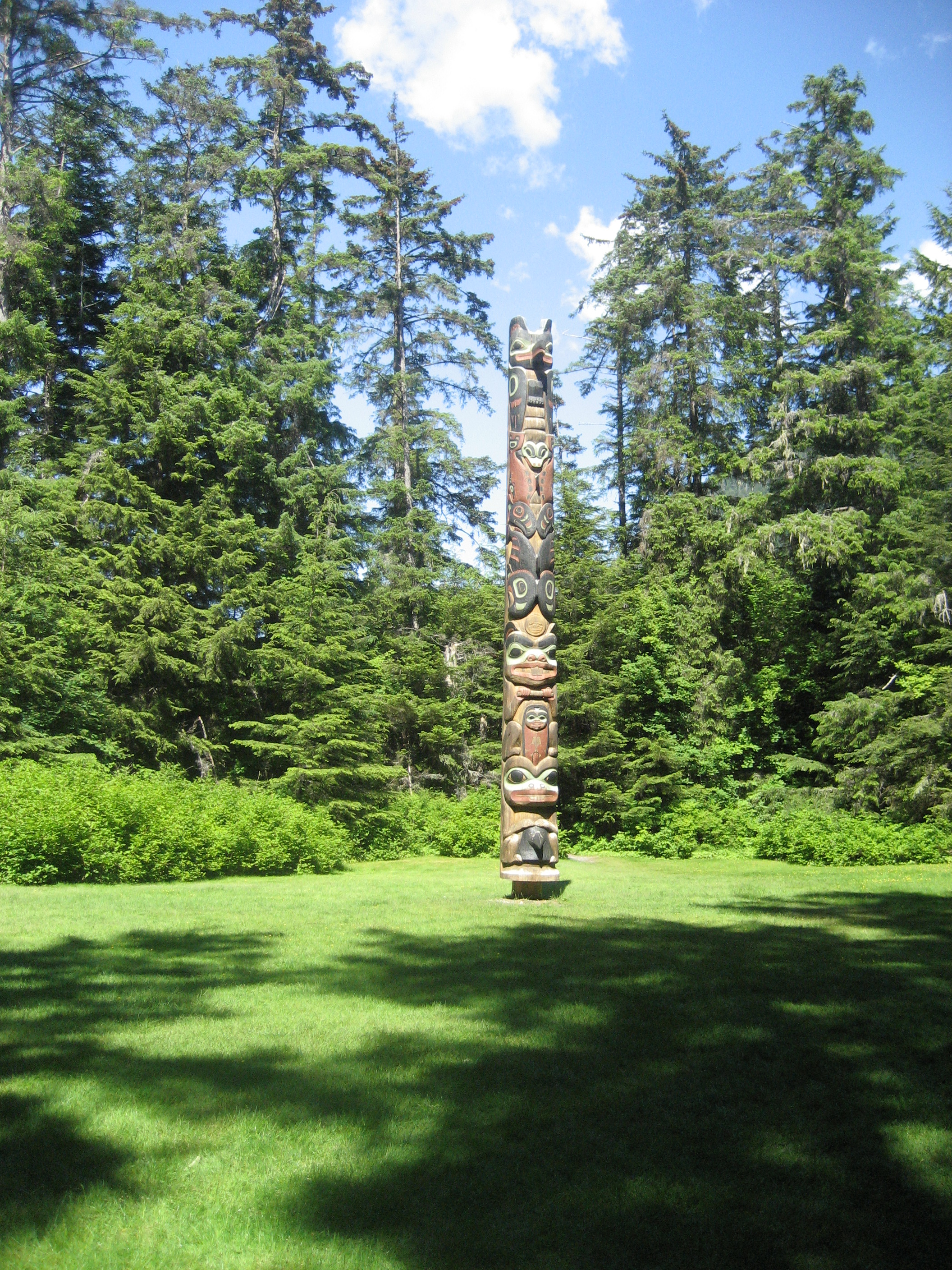
A. and I were photographed separately, at the south end signpost.
The north end of the island has an artesian well, from which many locals obtain their drinking water.

Our last stop in Sitka, that evening, was the Baranof Totem Pole, on Castle Hill,so built for Count Baranof, one of the last Russian governors of the territory.

I ended my time in Sitka, early the next morning, flying out to Ketchikan, on which I began Mile 200.
 A Sagittarian Seeker
I loved Sitka when I was there — for the scenery, for the history, and for the totems and other artifacts. I love that the local boys protect the artistry of the local canoe builders 🙂 . It seems to me that green and white building must be new — I hope they’re not building more around the old orthodox church and the Finnish Lutherans’ church!
LikeLike
The green and white building is the Westmark Hotel. It’s been around along time, but floors were added to it.
LikeLike
Things do change with time! I stayed in a Westmark Hotel in Sitka when I was there — but it was a couple of blocks down and around the corner! The added stories to the green and white building explain well why I didn’t recognize it as having been there at all!
LikeLike
I love your life 🙂
LikeLike
I love the photos and the environment. 😎
LikeLike
Me, too! 🙂
LikeLike
Quite beautiful.
LikeLike
🙂
LikeLike
What an amazing journey! I love seeing these places I may only ever visit through your blog.
LikeLike