
July 22, 2024, Halfmoon Bay, BC- The earnest young guide touted West Coast Trail, a strenuous 75-mile trail that incorporates just about every skill a wildland fire fighter, or candidate for the Survivor reality series, would need in order to meet with success. He is in university, and so has not set aside his own time to do the trek-but I could see in his eyes that the will is there. The trail’s northern terminus is near Bamfield, southeast of the Ucluelet-Tofino main segment of this Reserve. Its southern trailhead is just northeast of Port Renfrew, which itself is 110 km west northwest of Victoria. The route is on par with Newfoundland’s East Coast Trail, Ireland’s Wild Atlantic, the Florida Trail, Rim-to-Rim in the Grand Canyon and Michigan’s Keweenaw Peninsula Trail. It would be a good prep for an Appalachian, Pacific Crest, Continental Divide, Colorado, or Arizona Scenic trek.
My own short hikes today gave me a good sense of what a dedicated exploration of the area would entail. Stops were at Radar Hill, Grice Bay, Combers Beach, Rainforest Trail and Kwisitis Visitor Center (where the young man was touting the trail.)
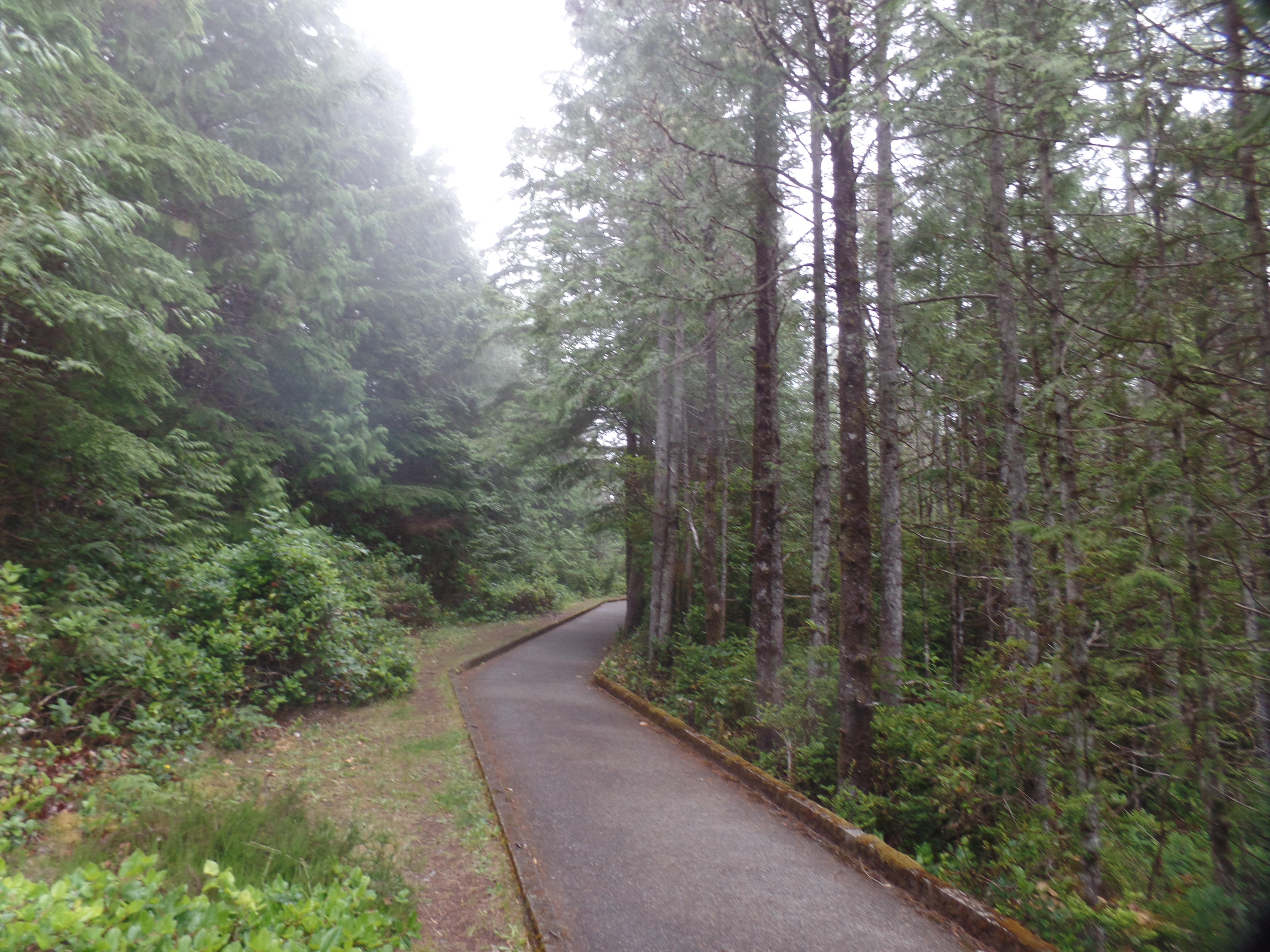
Here are scenes from those spots.
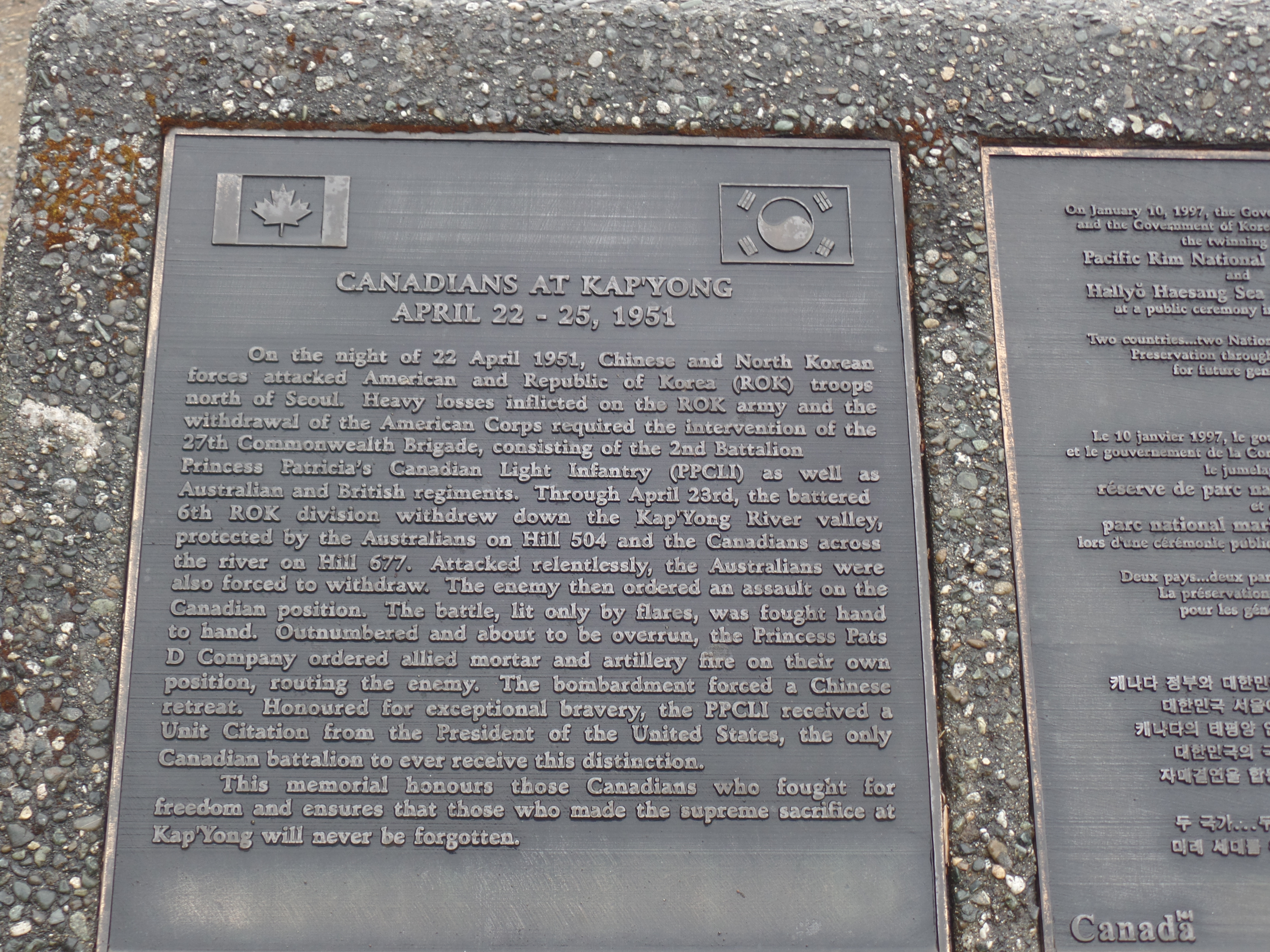
Canada was a key member of the Allied forces in the Korean War, as well. This plaque commemorates the Canadian Forces’ landing at Kapyong.

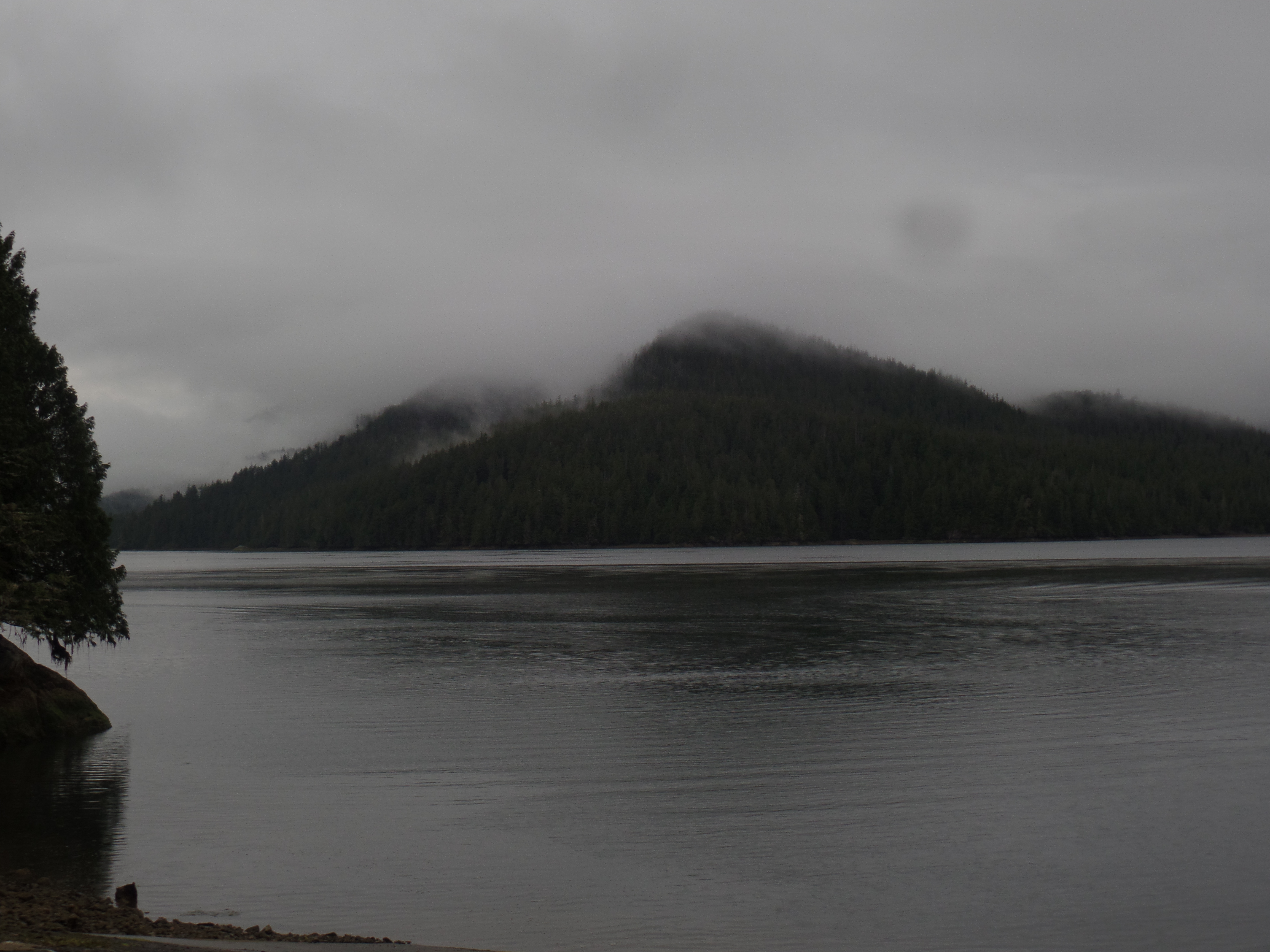
Grice Bay lies about three kilometers east of the main Pacific Rim (Tofino-Ucluelet) Highway. It’s a major recreational fishing area, as one might expect, and there were quite a few boats being launched, while I was checking the place out.


The trail to Combers Beach has several elements of the rain forest, in and of itself.

Driftwood forts are everywhere at Pacific Rim. Combers Beach reminded me of Kalaloch, Washington, in that respect. (Next two photos)


The surf at Combers looks as enticing as any I’ve seen, north of Doheny. The beach is famous for its riptides, and guidance on how to handle a riptide is prominently displayed here.

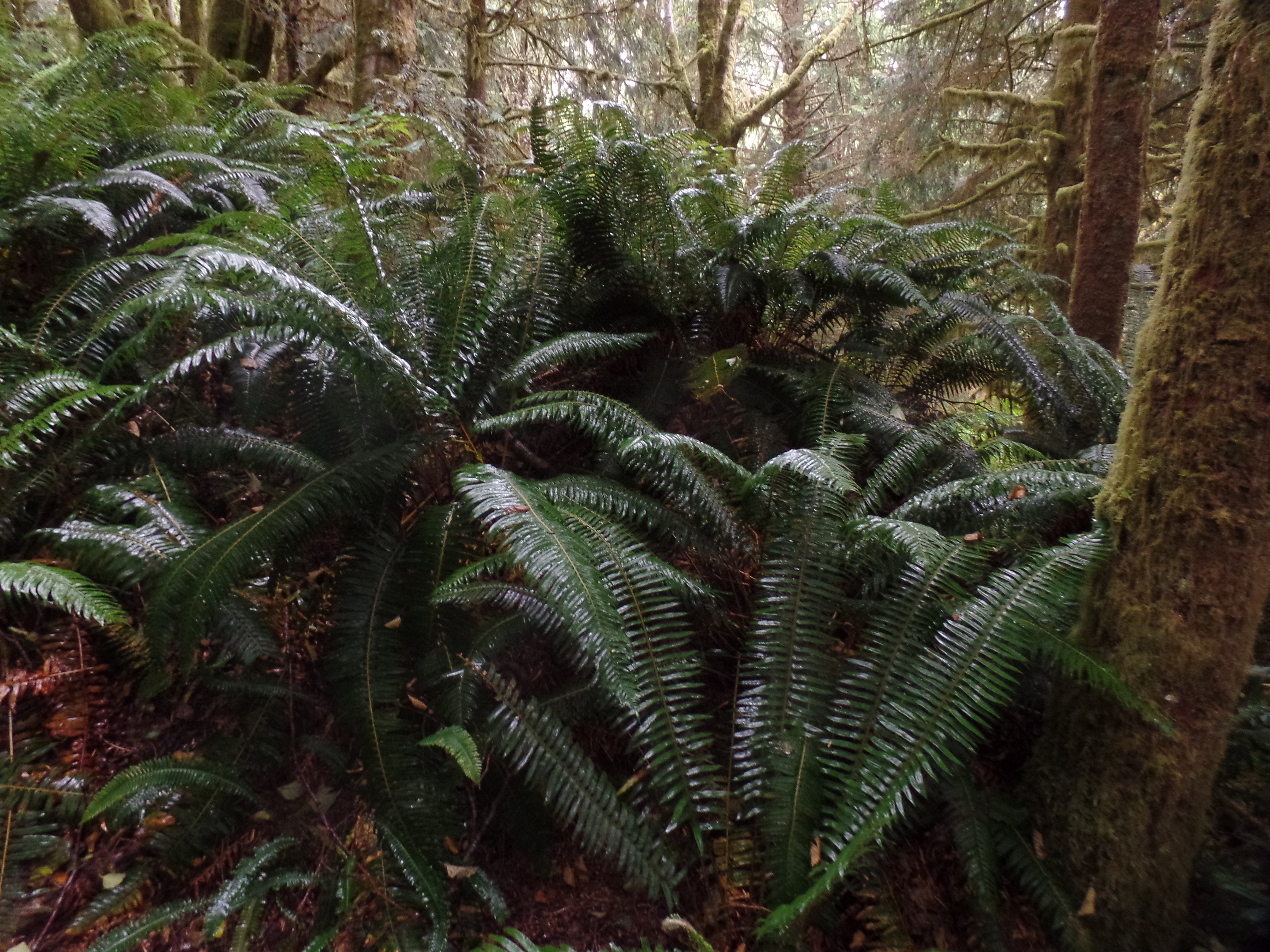
Next up was Rainforest Trail. It was not really redundant, after the Combers experience, reinforcing the importance of recognizing the fragility of both the water table and the soil. Water storage is not strong here, because the soil is so thin. For communities like Tofino and Uculuet, this means taking strong conservation measures, despite the high average yearly rainfall. Rainforests endure more droughts than one might think.
Canopies help to preserve water, by limiting sunlight.


Finally, at Kwisitis, there was a feast of driftwood and black basalt.


In this Visitor Center, we learned much about the sacredness with which the Tla-o-qui-aht and neighbouring nations approach the whale hunt, to this day. The bowhead is taken with the same reverence that other Indigenous hunters approach the hunting of bison, deer or elk. The entire animal is put to use, once the kill is made, and there was/is a strict limit on the hunt.
The balance of nature weighs on the minds of all who wish to see our Planet thrive. The Nuu-cha-hulth-aht, of Ucluelet, are no exception.
 A Sagittarian Seeker
A beautiful post verbally and visually!
LikeLiked by 1 person
Thanks so much, Val!
LikeLike
Your attention to detail is impressive and the pictures make the reader feel your experience even more.
LikeLiked by 1 person
Thank you; that is my intention.
LikeLike
This post reminds me of a couple of drives I took around the Olympic Peninsula when I lived in Seattle in the early ’60’s! The rain forest and the coast are both beautiful, despite the gray nature of the skies — the greens and the adaptations of the environment truly majestic!
LikeLiked by 1 person
It is indeed salubrious. It is also fragile, as you know. The rainfall has to be carefully stored, due to the shallowness of topsoil and the problem of excess runoff.
LikeLike