The Road to Diamond, Day 329, Part II: A Sacred Triangle

0

October 22, 2025, Dublin- In any given new city, my wont is to wander a bit, usually towards a spire, dome or other prominent landmark-and sometimes off to a nearby spot that captures my attention.

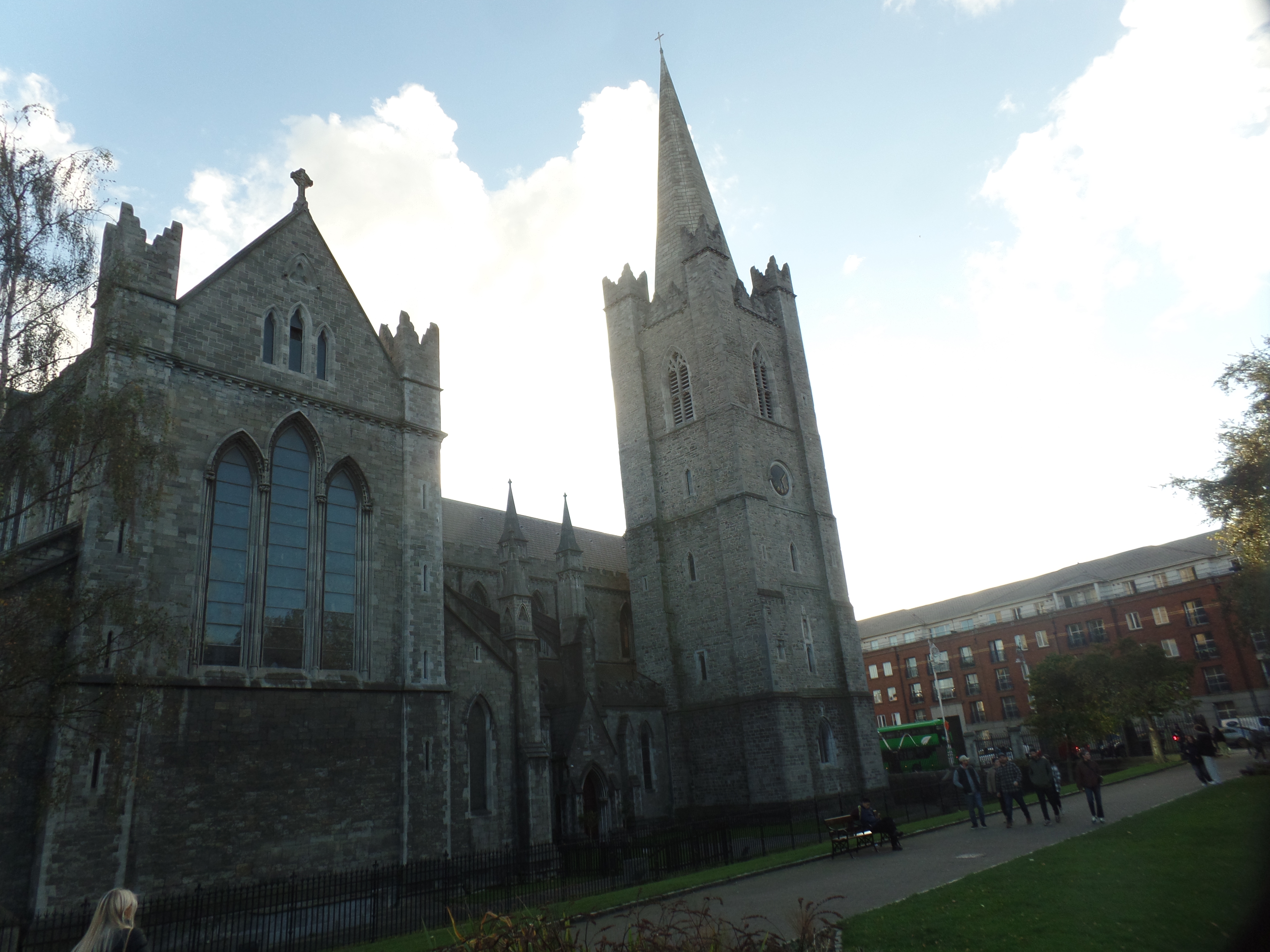
After leaving Peace Park, that meant heading towards St. Patrick’s Cathedral. Knowing that it had closed to visitors for the day, I still wanted to get a sense of the exterior and the ambiance of the cathedral close. This was the deanery of one of 17th-18th Century Ireland’s most fascinating thinkers: Jonathan Swift. His satire was brought to me, early on. I treasured reading “Gulliver’s Travels”, when I was nine. I discussed “A Modest Proposal” with a cousin, when I was twelve. His admirers were the original “Swifties”.

The seat of the Church of Ireland was the second point in what turned out to be a triangular route. Here are some scenes of the exterior and of St. Patrick’s Park.
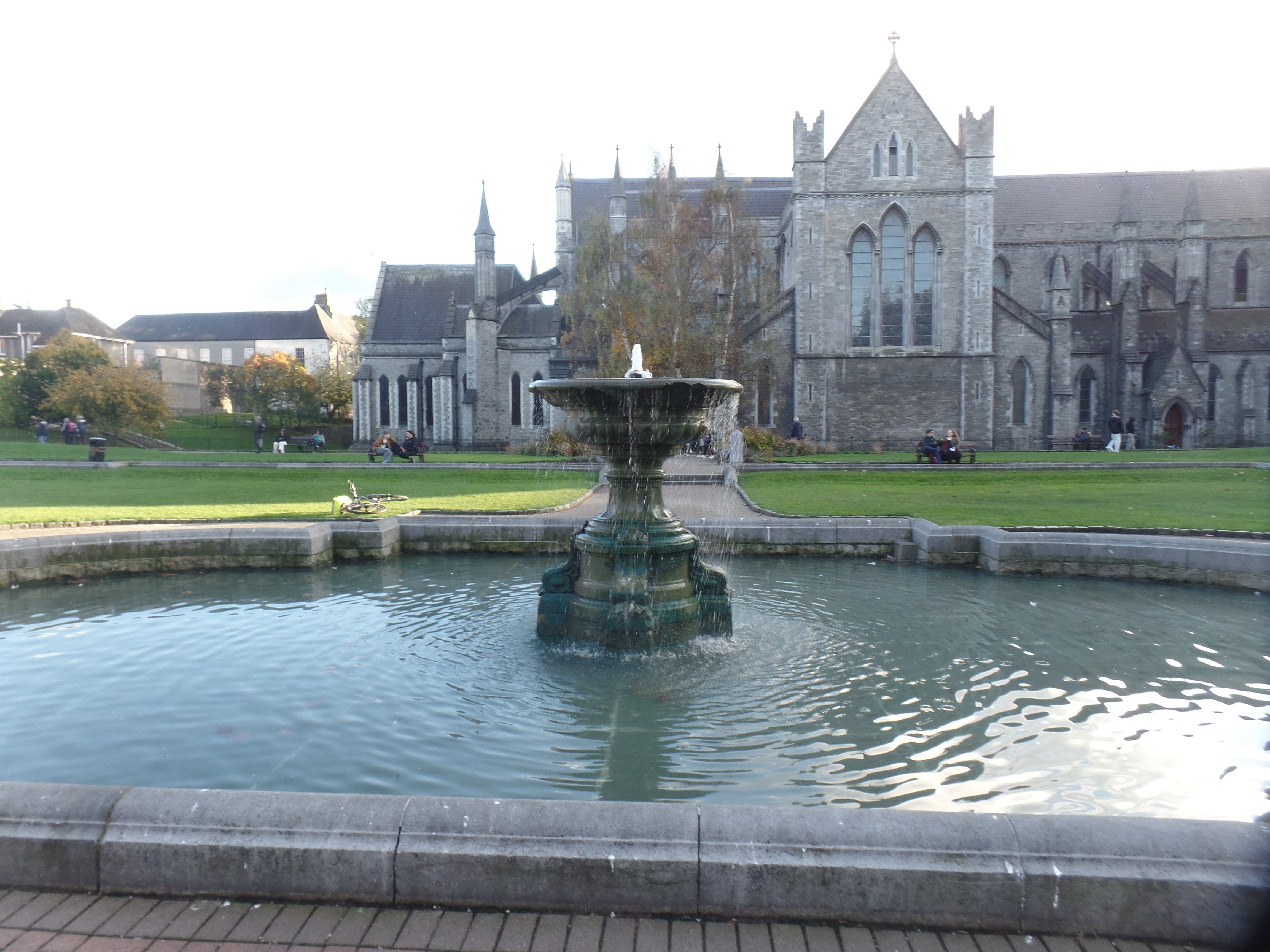
Main fountain, St. Patrick’s Park, Dublin
North face, St. Patrick’s Cathedral, Dublin (above and below)
Bridge between Towers, St. Patrick’s Cathedral
West face (front) of St. Patrick’s Cathedral, Dublin

I will return here some day and look into the interior of the great cathedral. For now, my quest turned a bit westward in Wood Quay, and past 18th Century row houses near St. Patrick’s Close.
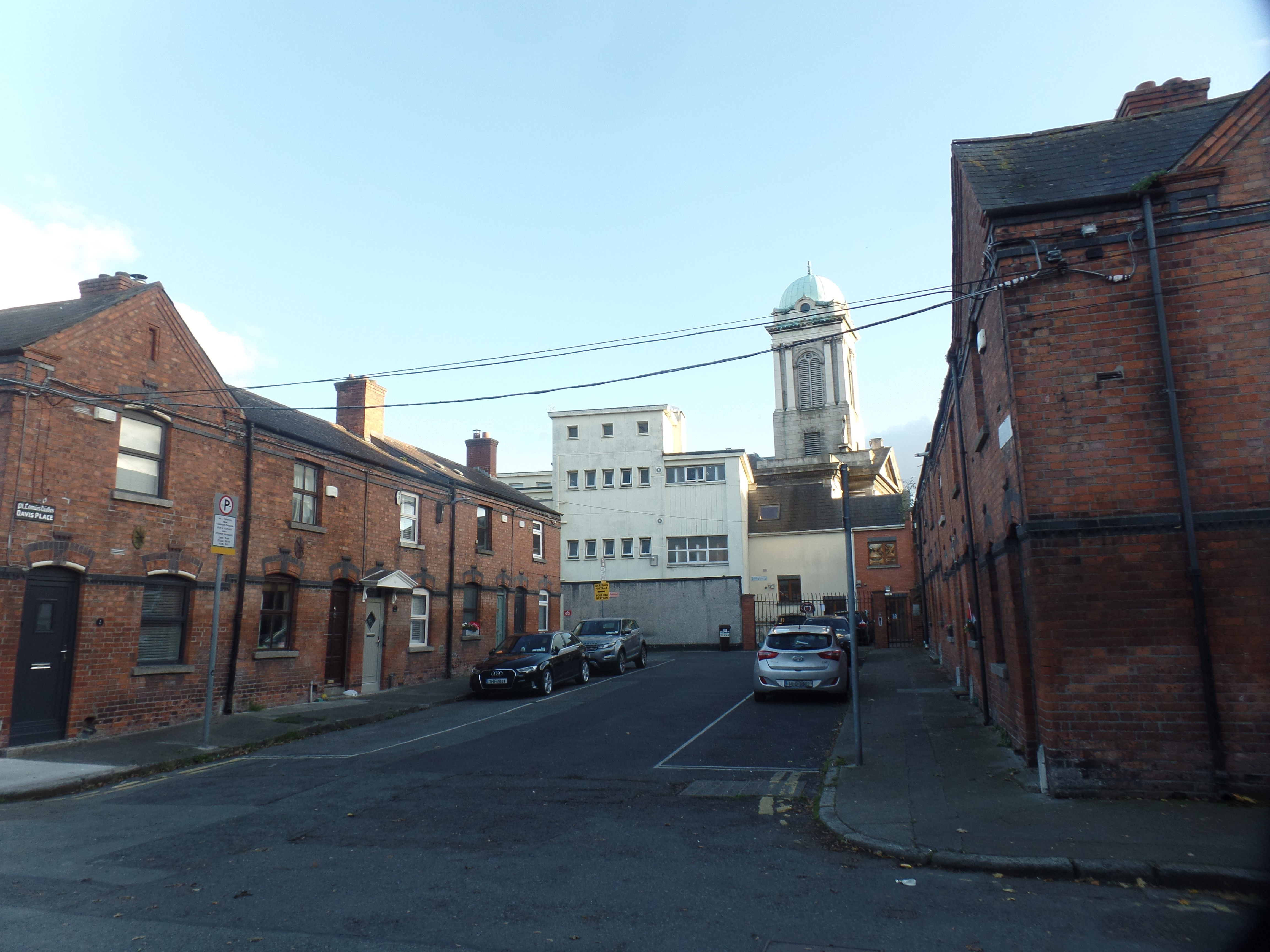
Row houses of Davies Place, Dublin (above and below). There was an election scheduled for Friday, thus the signs for Polling Place.
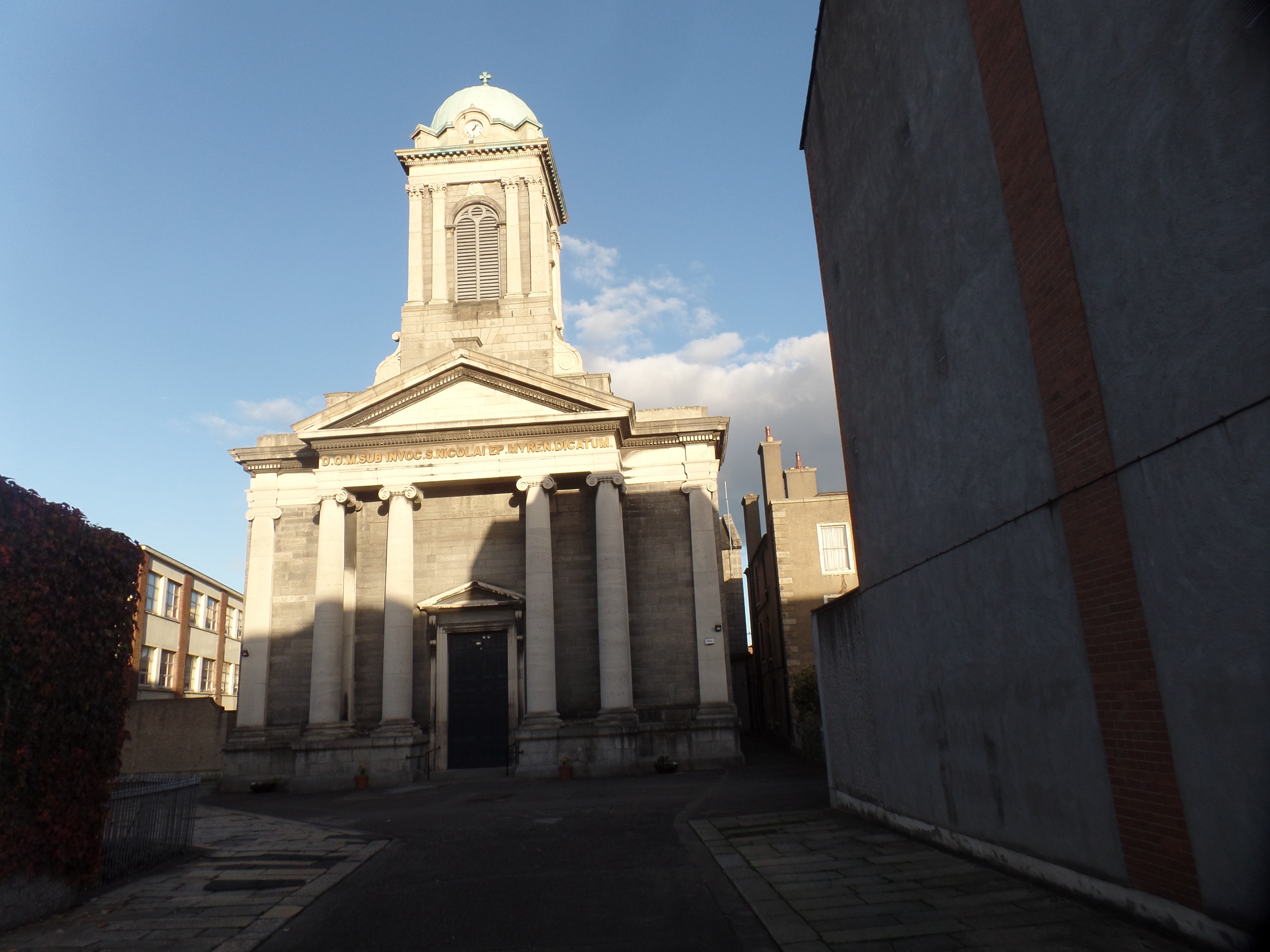
St. Nicholas Church, Francis Street, Dublin. This little gem is tucked away, behind a secure gate.
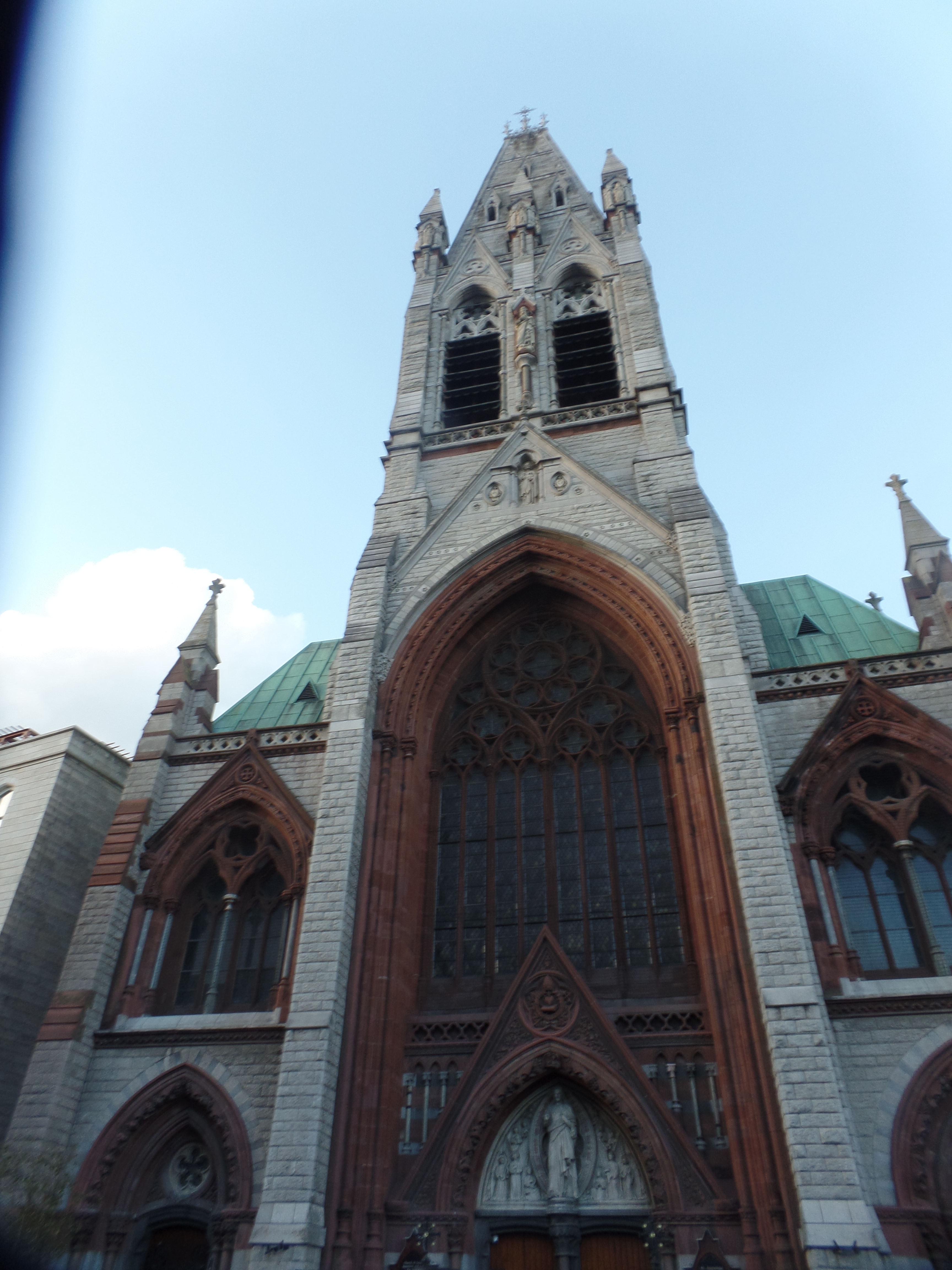
Church of St. Augustine and St. John (aka John’s Lane Church, Dublin. It is a Catholic Church, with the highest steeple in Ireland.
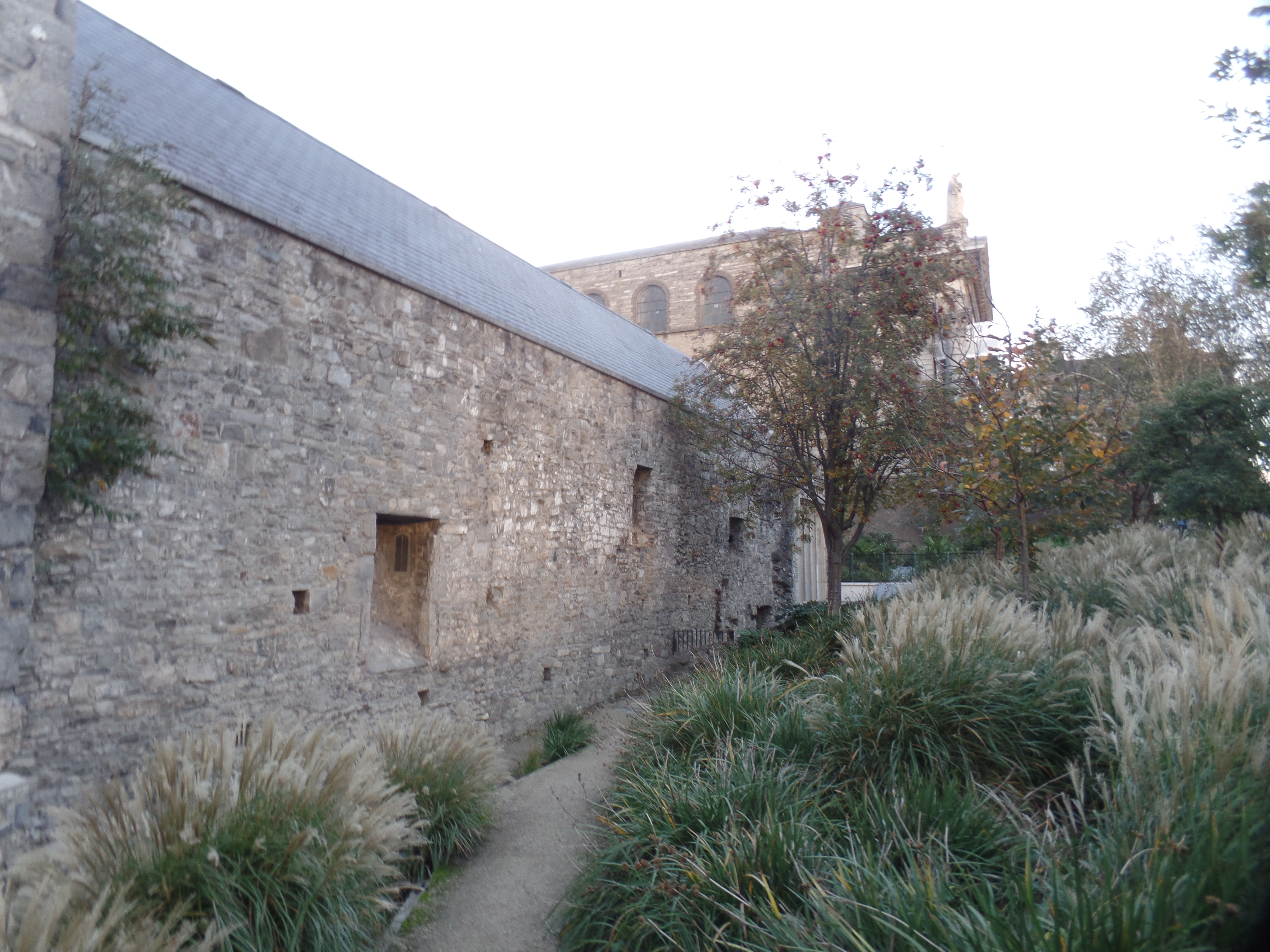
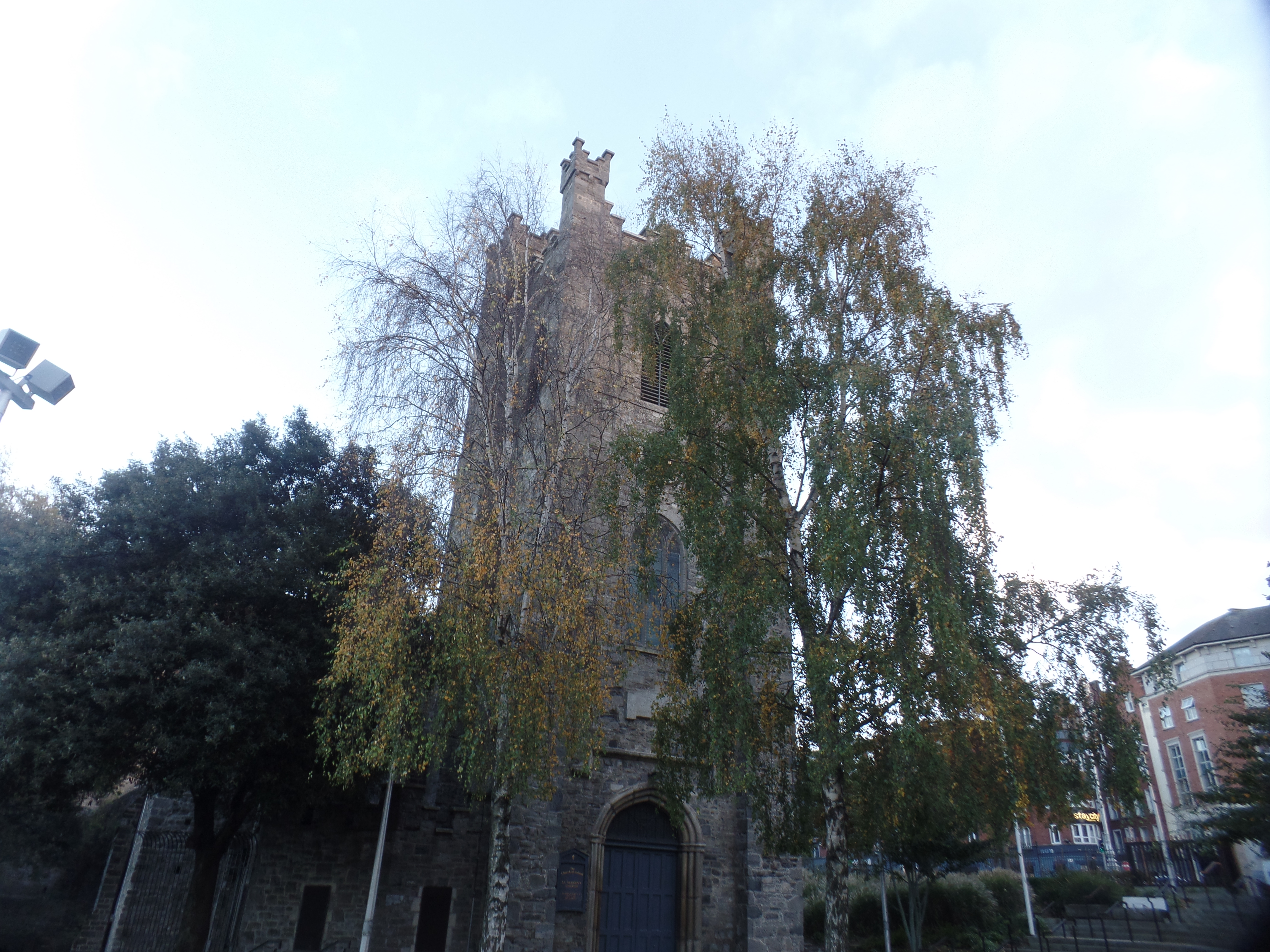
St. Audoen’s Church. This is the third point on the triangular route I took today. It was built in the late Twelfth Century and named for St. Ouen, a Norman French cleric. St. Audoen’s also served as the west gate to Dublin and was the last gate still intact in the 20th Century. Today, it serves Polish Catholics.
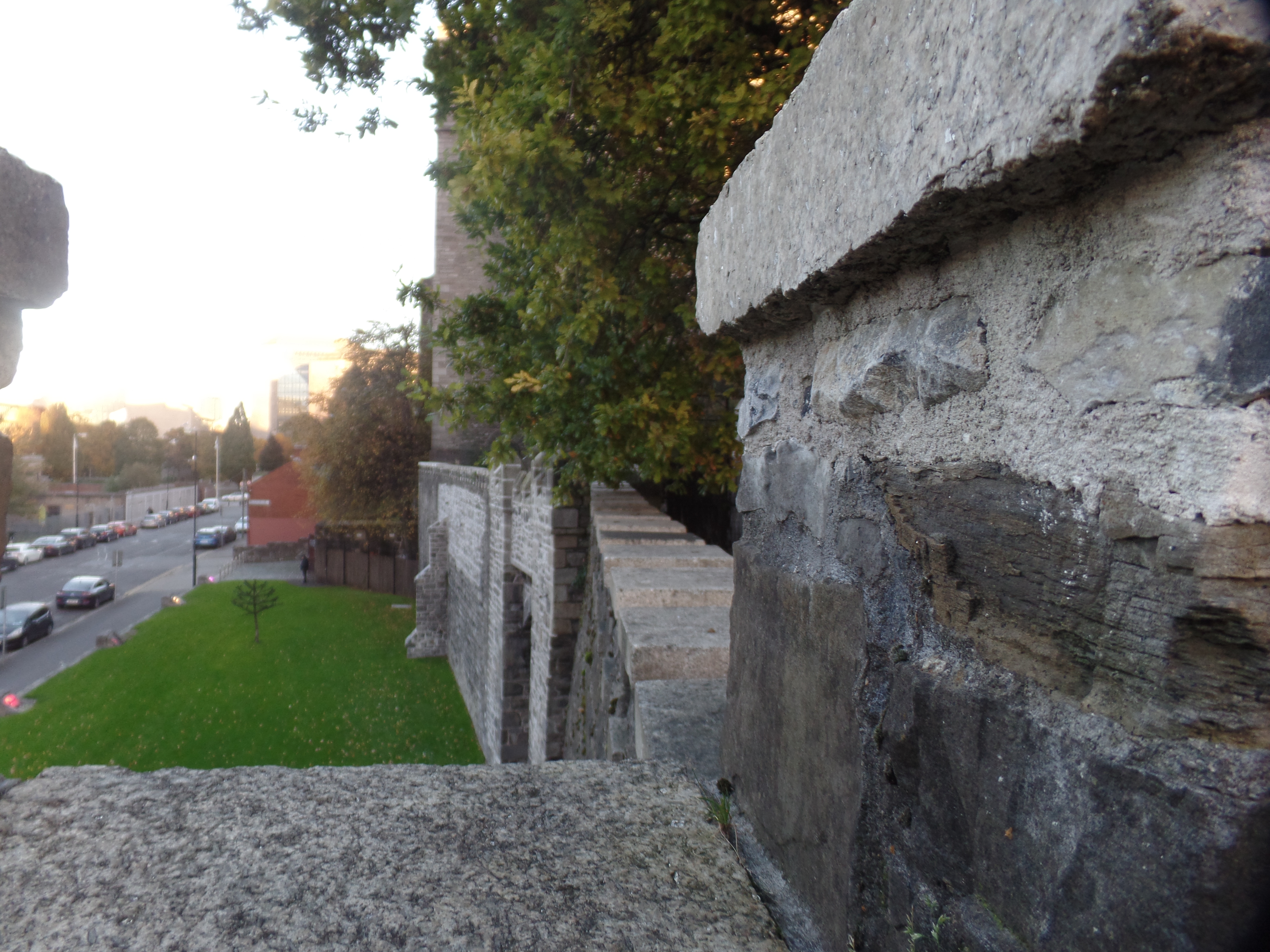
West Wall of Dublin, near St. Audoen’s Church (Above and below)
St. Audoen’s Church, behind linden trees
The Singing Hollow, St. Audoen’s Park, Dublin. Anyone who puts their head in the hollow and makes a noise, will hear it amplified.
Child’s drawing of a medieval nun, St. Audoen’s Park
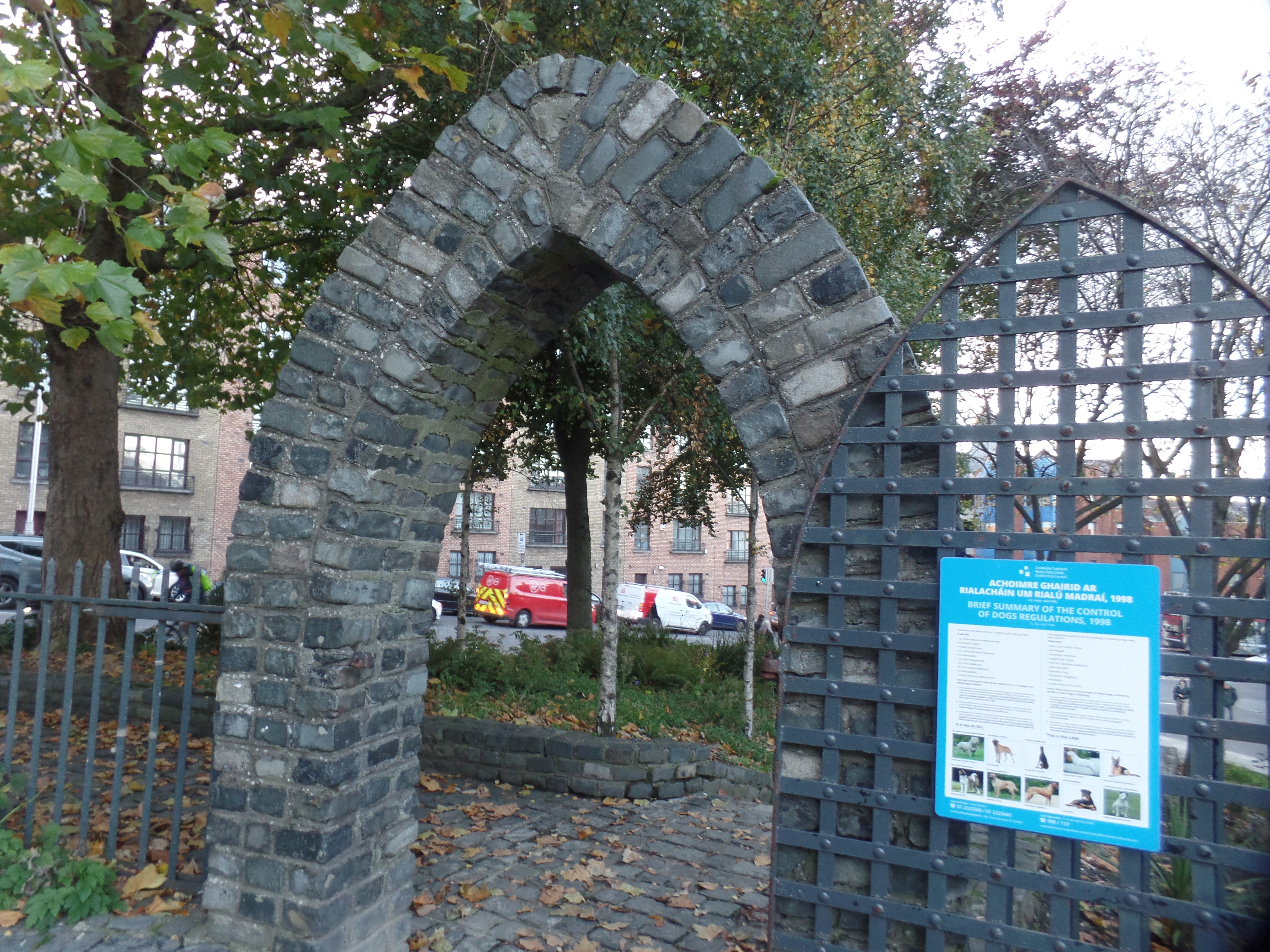
West Gate of Dublin

Walking back towards Temple Bar, I passed Dublin City Hall. Of course, all business was finished for the day, but it still stood in stately pose.
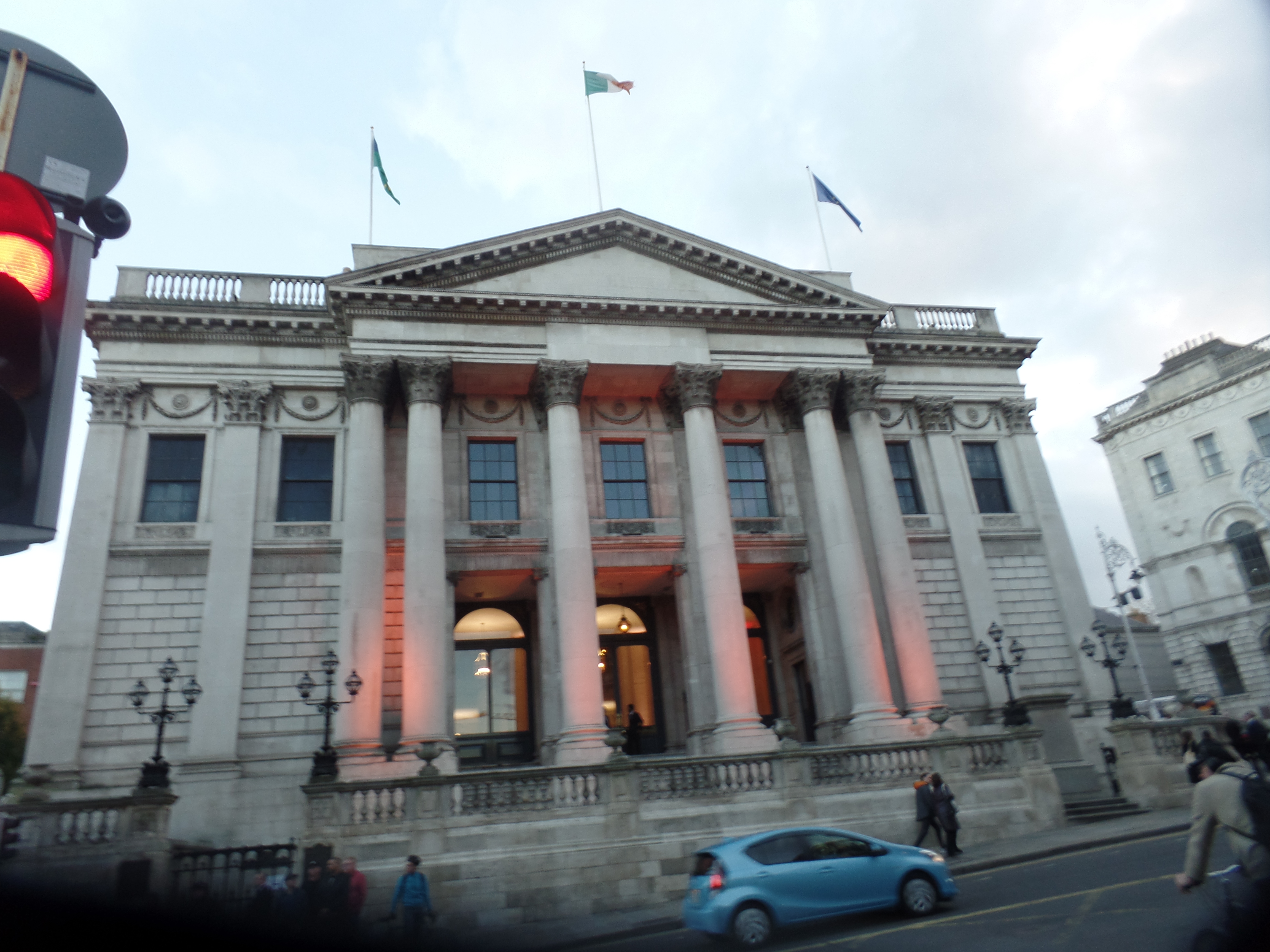
Dublin City Hall

Molly Malone stood selling cockles and mussels, by Dublin Castle.
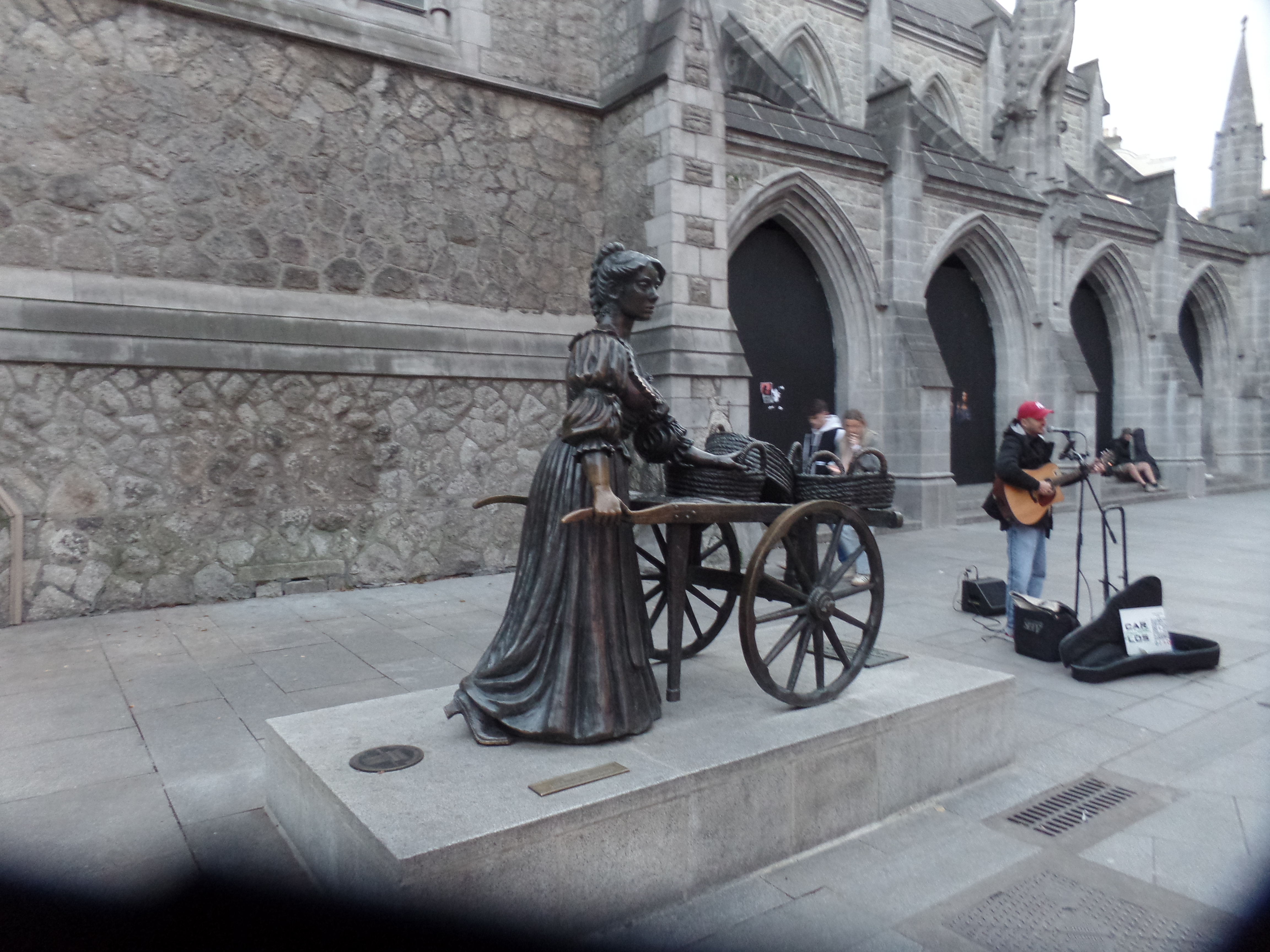
Statue of maiden selling wares, near Dublin Castle

It was a tad late, so I found Tapped, a small pub that serves a small variety of comfort food sandwiches, and whose main line is, of course, beer. I stuck with my N/A beverage and got decent service from the lone young lady who was zipping around the floor and taking the best care she could of the sizable crowd of rowdies. Cajun Chicken took care of my appetite.

Tomorrow will be another very full day-Birth of Baha’ullah celebration at the National Gallery of Ireland, a visit to Dublinia- a museum of city history, focused on the Vikings and a reunion with an old Baha’i friend from our Phoenix years.

The Road to Diamond, Day 314: Back Across A Calm Border

0

October 7, 2025, Zagreb- The bus conductor pretended to be livid, shouting in Serbian: “Five minutes means five minutes!”, as I came back from seven minutes in a supermarket queue. Some things are more essential than others, and as he well knew, no one cuts in front of a mother and two children, with a modest basket of groceries. No one does that, anywhere in the world.

The driver shrugged his shoulders and made up the two lost minutes, once we were back on the highway. We didn’t stop again until the Croatian border. There, with two buses ahead of us, we sat for ten minutes. Then, we go out, and were exited by the Bosnian border police, got back on the bus, waited until our time to re-enter Croatia, and got back off the bus. We retrieved our luggage from the storage bins and fell in line again.

A pleasant, business-like young woman stamped everyone’s passport, checked to see that the bins were empty then joined her two colleagues in the baggage inspection room. We were especially selected for the spot check, because there were a few people on board from countries which were being watched by Europol. The U. S. is not among those countries, but I have nothing to hide, regardless. The passport stamper checked my bags, educating herself about American dietary supplements in the process. I was glad to oblige. I would proudly claim that woman as a daughter, the way she dove into her tasks and joined her teammates without being told.

The rest of the way was quiet, the conductor, who was now the driver, maneuvered his way through Zagreb’s rush hour traffic-hardly Los Angeles or Berlin, but a slowdown nonetheless. The first driver got off the bus at a truck stop and the rest of us went to the now familiar West Zagreb Terminal. From there, I caught a tram to near the Mickey Mouse Apartment-a variation on Alora-Heart of Zagreb, except the apartment was on the fourth floor, instead of in the basement. It was of similar size to Alora, and was across the hall from Mini-Suite, which had Madame Mouse on the front door. This start-up apartment business seems to be unique to Zagreb, but it’s a nice idea, even if it wouldn’t work for all travelers.

The day had started a bit less organized. Sarajevo is a larger city than one might think, and there is a world of difference between the Old Town and the modern downtown, which looks pretty standard. No one near the Miljacka River bank knew where the bus station was, but a bartender (open at 8:30 a.m.) said it was too far to walk. I caught a tram, advised by a university student, and a woman who had just taken her kids to school, that it was eight stops ahead. A young woman from Germany joined me in the luggage pile section, and we power-walked together to the bus terminal, doing a 10-minute walk in 7. She sat and waited for her bus, and I caught mine outside, leaving my Bosnian Mark coins with a destitute young man who stood, forlorn, on the platform.

Here are some scenes of the day.

Sacred Heart Cathedral, downtown Sarajevo
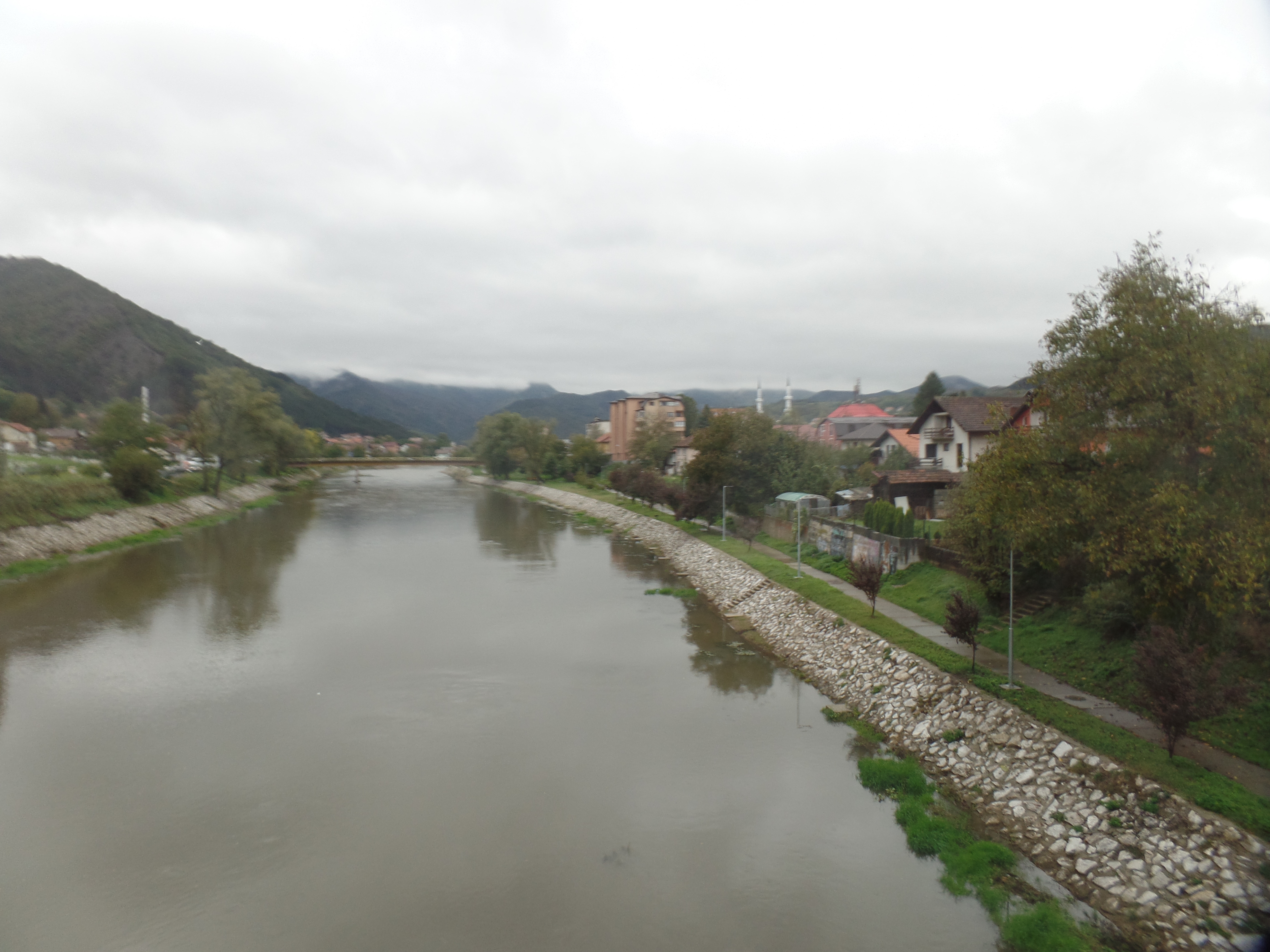
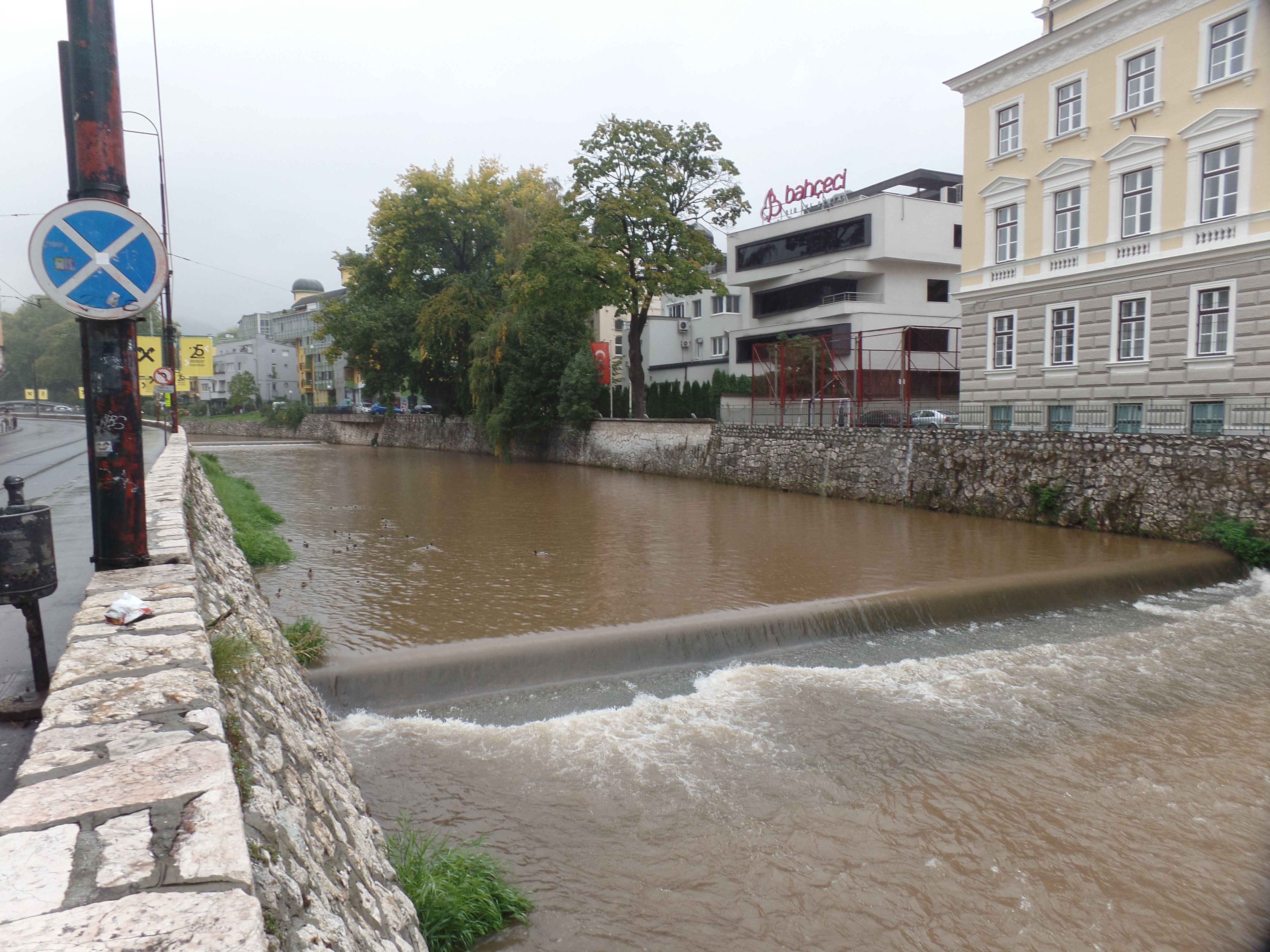
Miljacka River, Sarajevo
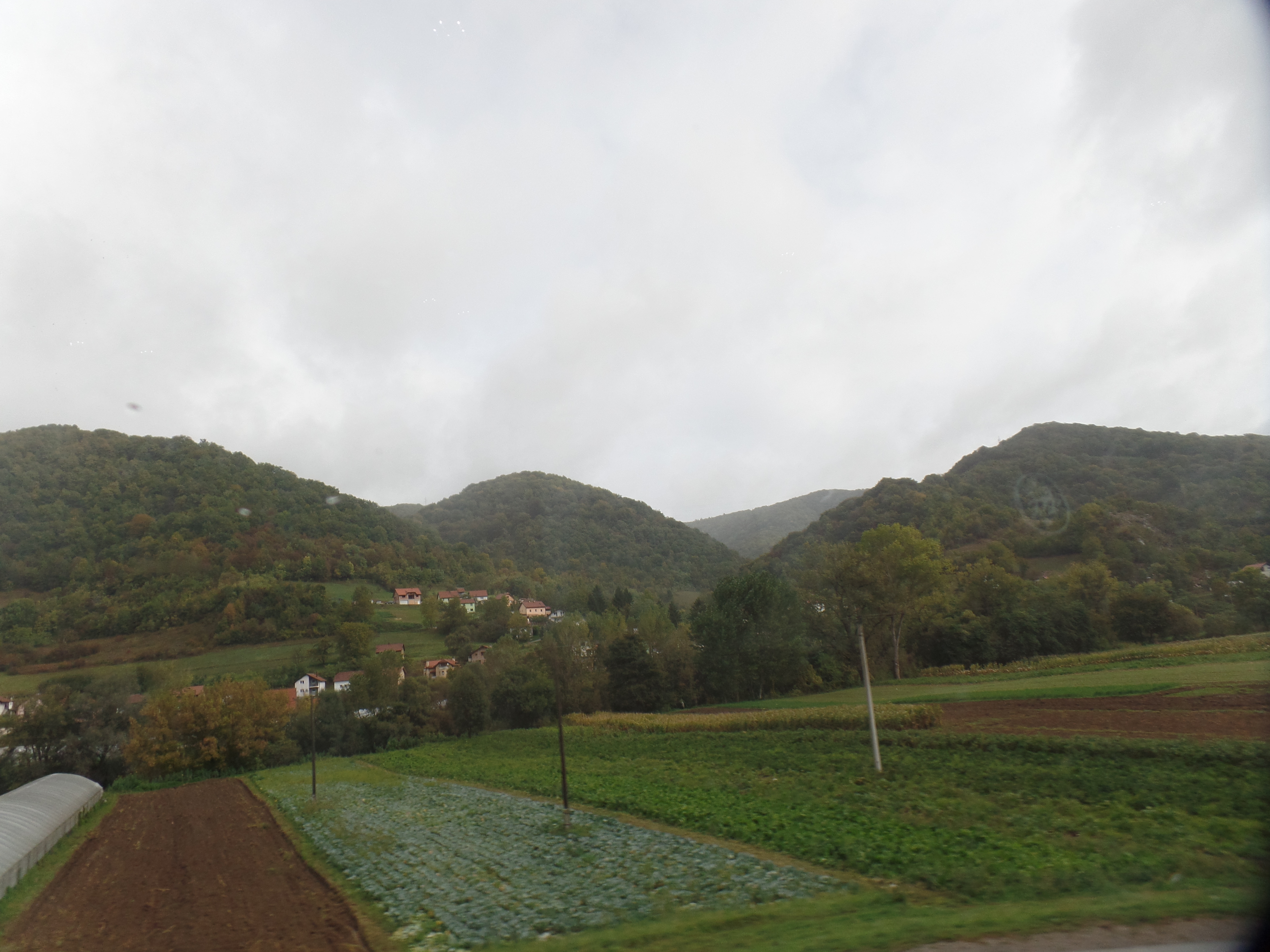
Outside Visoko, Bosnia
Bosna Bucha River, north of Visoko
Bosna Bucha River, near Zenica (Zeneesa). That town had the supermarket at the bus station.

Safely in Mickey Mouse Apartment, I bid all a good night. Tomorrow, it’s off to Salzburg, probably via Slovenia.

The Road to Diamond, Day 329, Part I: The Cat, The Rat and The Cathedral

0

October 22, 2025, Dublin- The story is as old as mammals themselves: A pest is pursued by its primary predator, and tries to escape into a safe haven. The only problem is, the hiding place is big enough for the pursuer as well. In the end, neither got out.

Christ Church Cathedral is one of three major houses of worship in Dublin. It was the only one of the three that I was able to enter and wander its two accessible floors. Time and the flow only allow for a little on any given day. St. Patrick’s Cathedral and St. Audoen’s Church offered glimpses of their exteriors and closes. The interiors will wait for another time.
I spent last night in the company of fellow Baha’is, at our Faith’s National Centre, in Ballsbridge on the near South Side. We celebrated the Birth of al-Bab which, as readers may remember, occurs back-to-back with the celebration of the Birth of Baha’ullah. It is these Holy Days which give me the reason to stay in one place for 2-3 days, and what finer place is there than the capital of the Irish Republic, with its spirit of independent investigation and expression of truth.

Christ Church Cathedral lies almost due west of stately Dublin Castle, the old seat of the British Viceroys. These two were the focus of today’s walkabout, once I set out from Abigail’s Hostel, a bit north of them in Temple Bar, across from the River Liffey. This is the heart of Dublin and, despite their association with colonialism and the Reformation, Castle and Cathedral are reflective of the fierceness of Irish spirit.

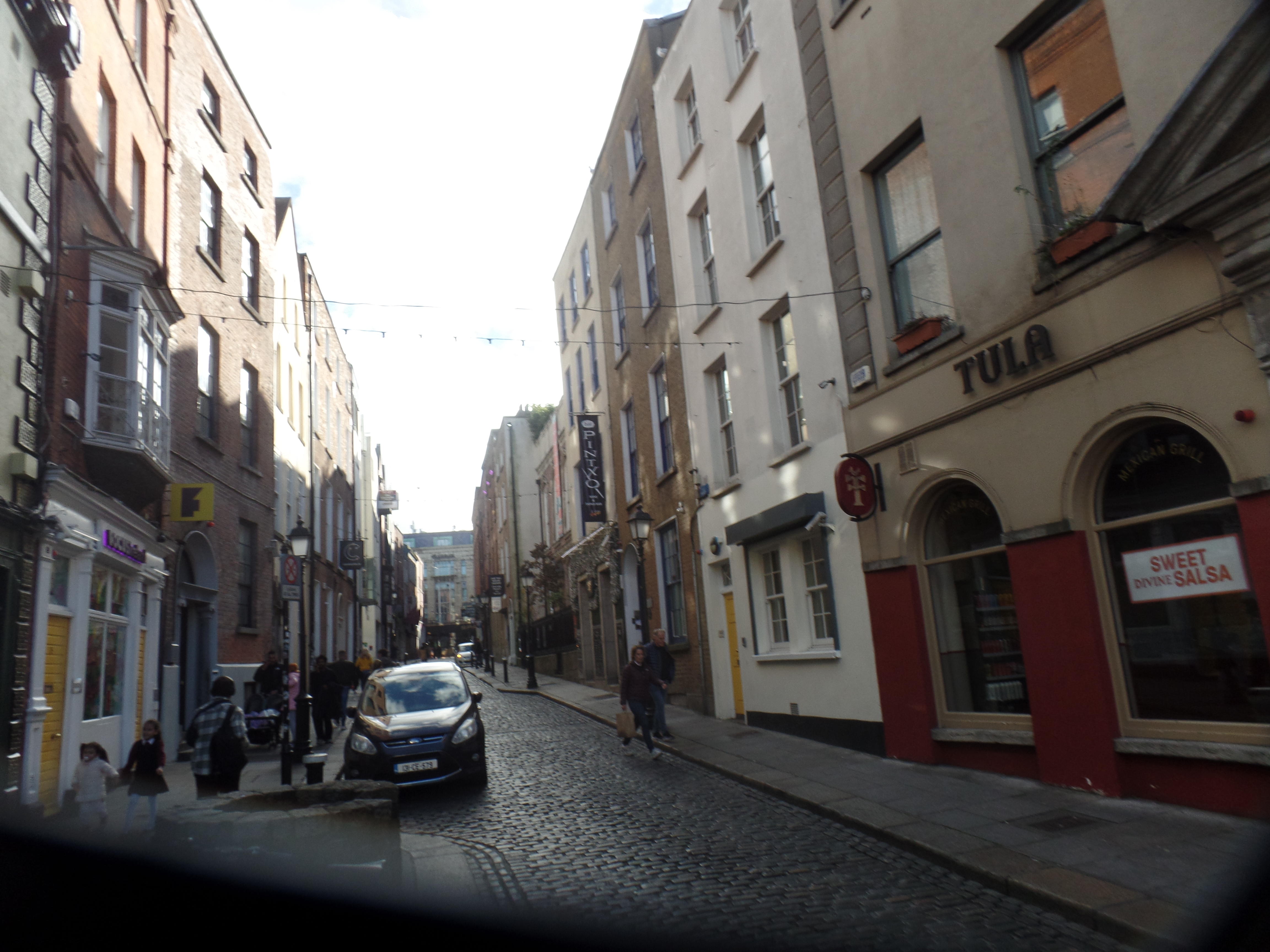
A Temple Bar scene, Dublin

I began at the Castle, and its adjacent Chapel.

North Arch, Dublin Castle
Dublin Castle (Above and below)
Chapel Royal, east of Dublin Castle
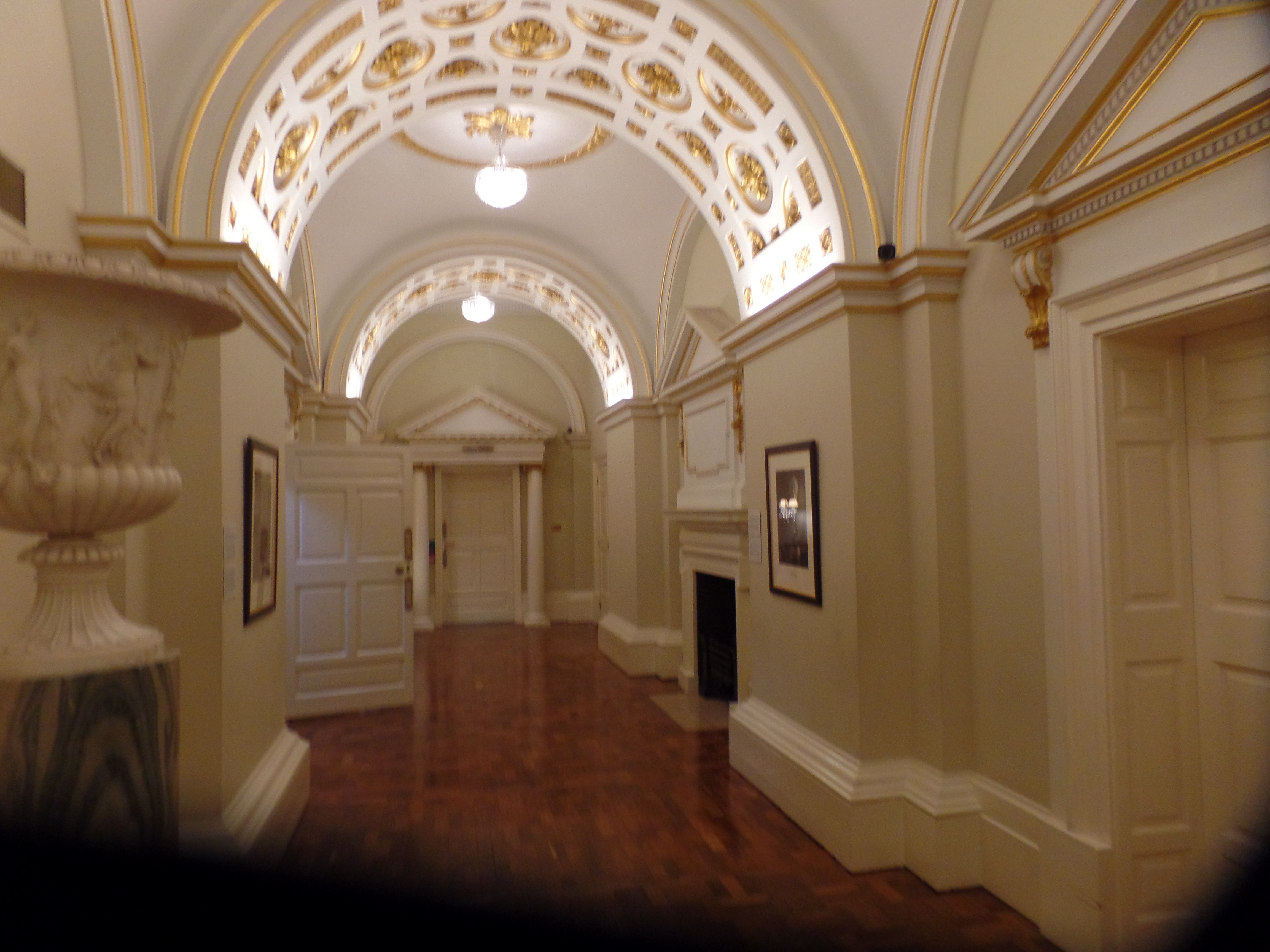
Grand Hallway, Dublin Castle

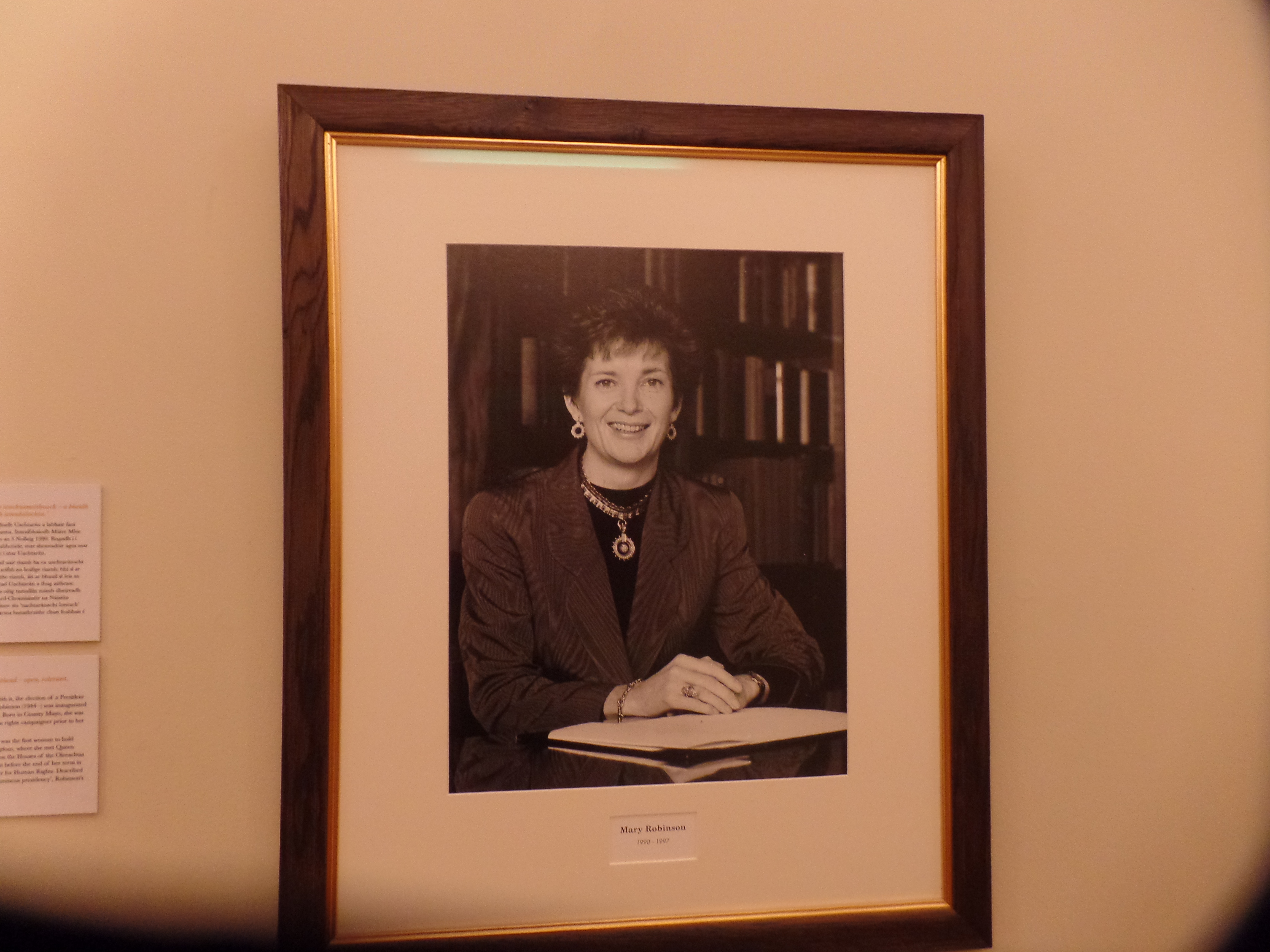
The Presidents of Ireland have their portraits hung here, as did the Viceroys of the British regime before them. Thus has the Irish nation made use of a building that was once the symbol of subjugation.

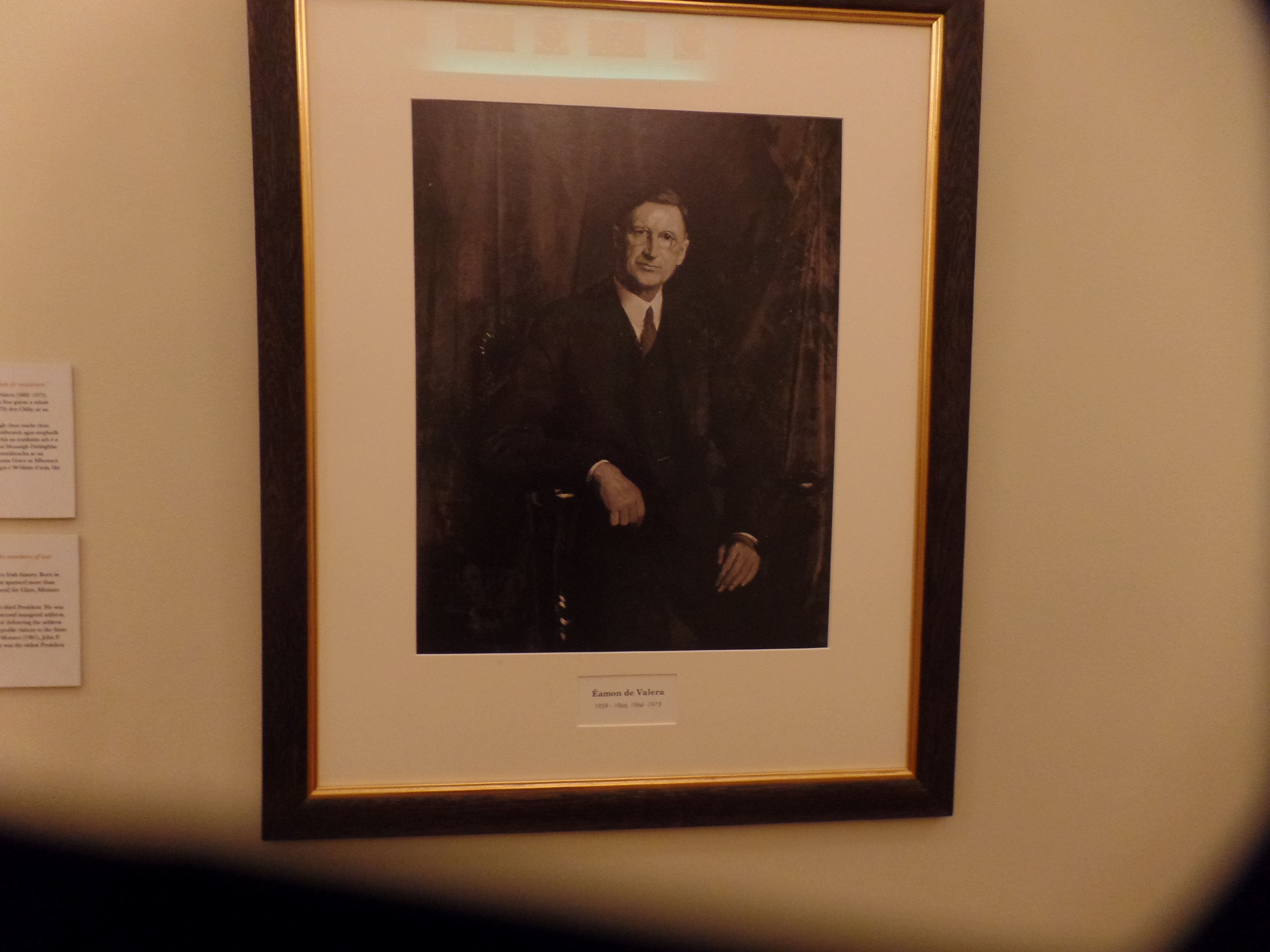
The first Irish President I remember from childhood was Eamon de Valera. He was one of the few remaining heroes of the Easter Rising (1916) and was also a celebrated figure among the Irish of eastern Massachusetts, New York, Chicago and elsewhere in North America.

Eamon de Valera, President of Ireland from 1959-1973.
Mary Robinson, first female President of Ireland (1990-97)

After going through the crown rooms of the Castle, it was time to go to the Cathedral. A short five minute walk found me at the entrance to Christ Church, seat of the Church of Ireland.

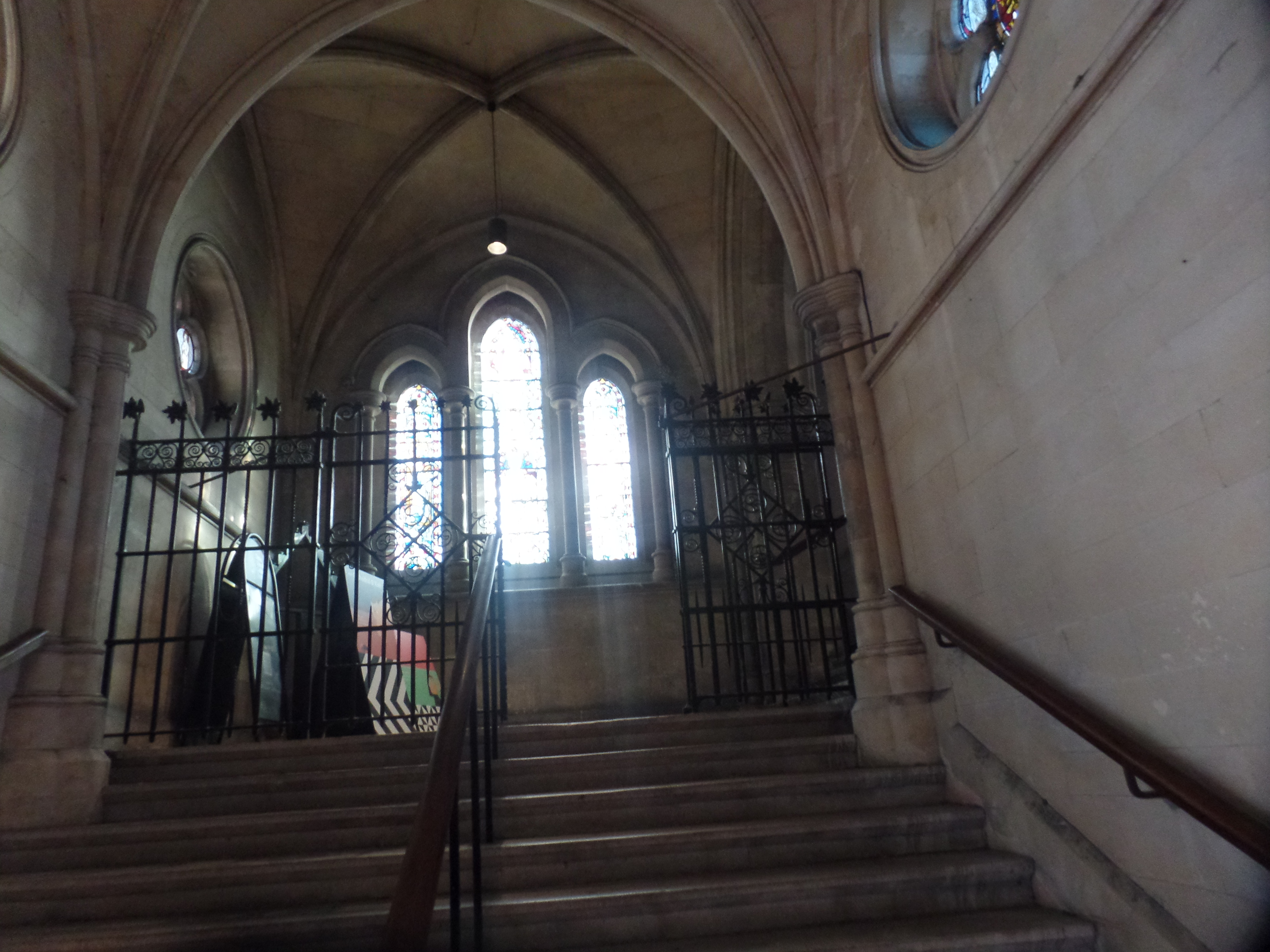
Foyer, Christ Church Cathedral, Dublin
Nave, Christ Church Cathedral (above and below)
Nave and transept, Christ Church Cathedral
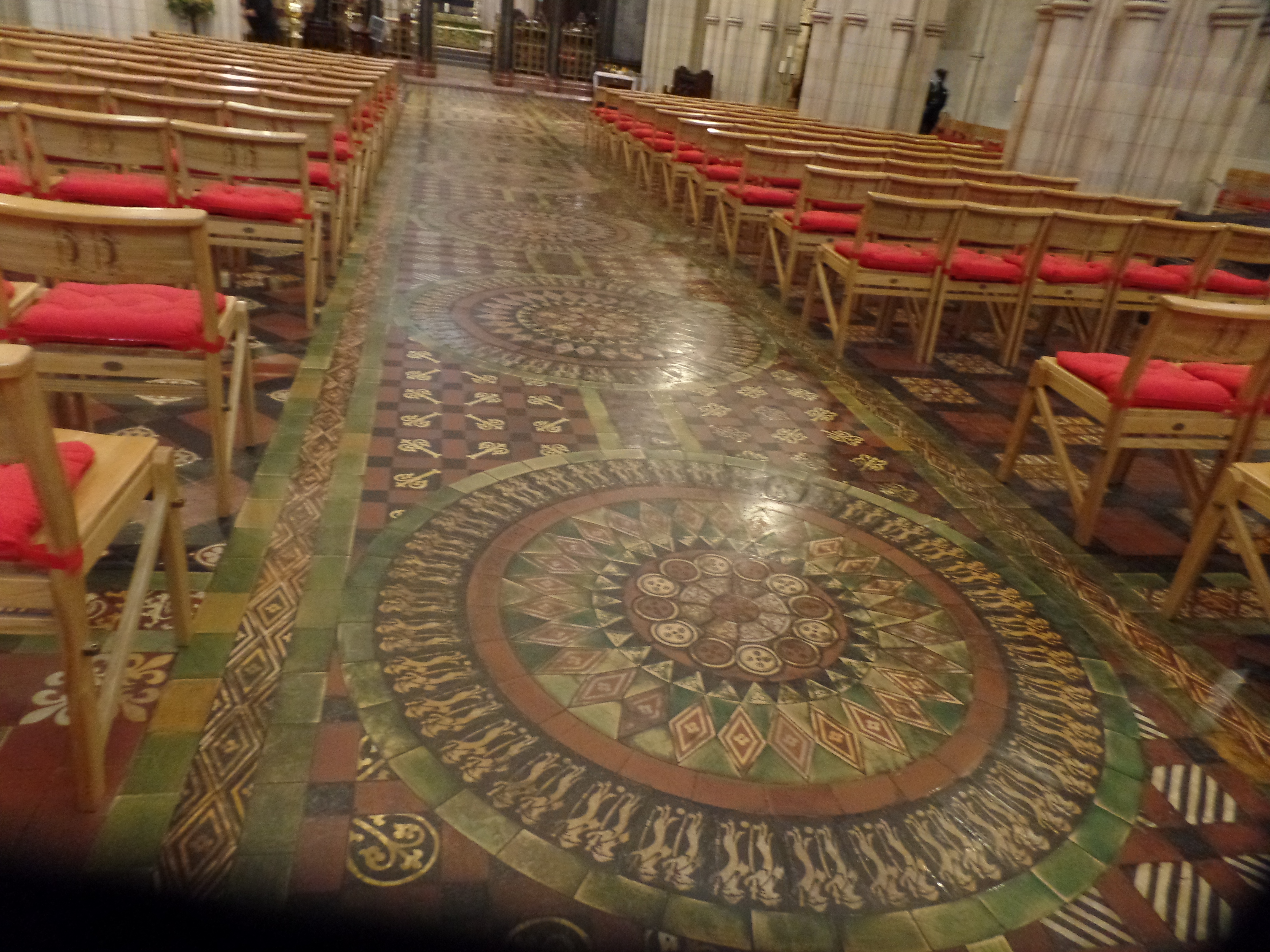
Tiled floor, Nave of Christ Church Cathedral
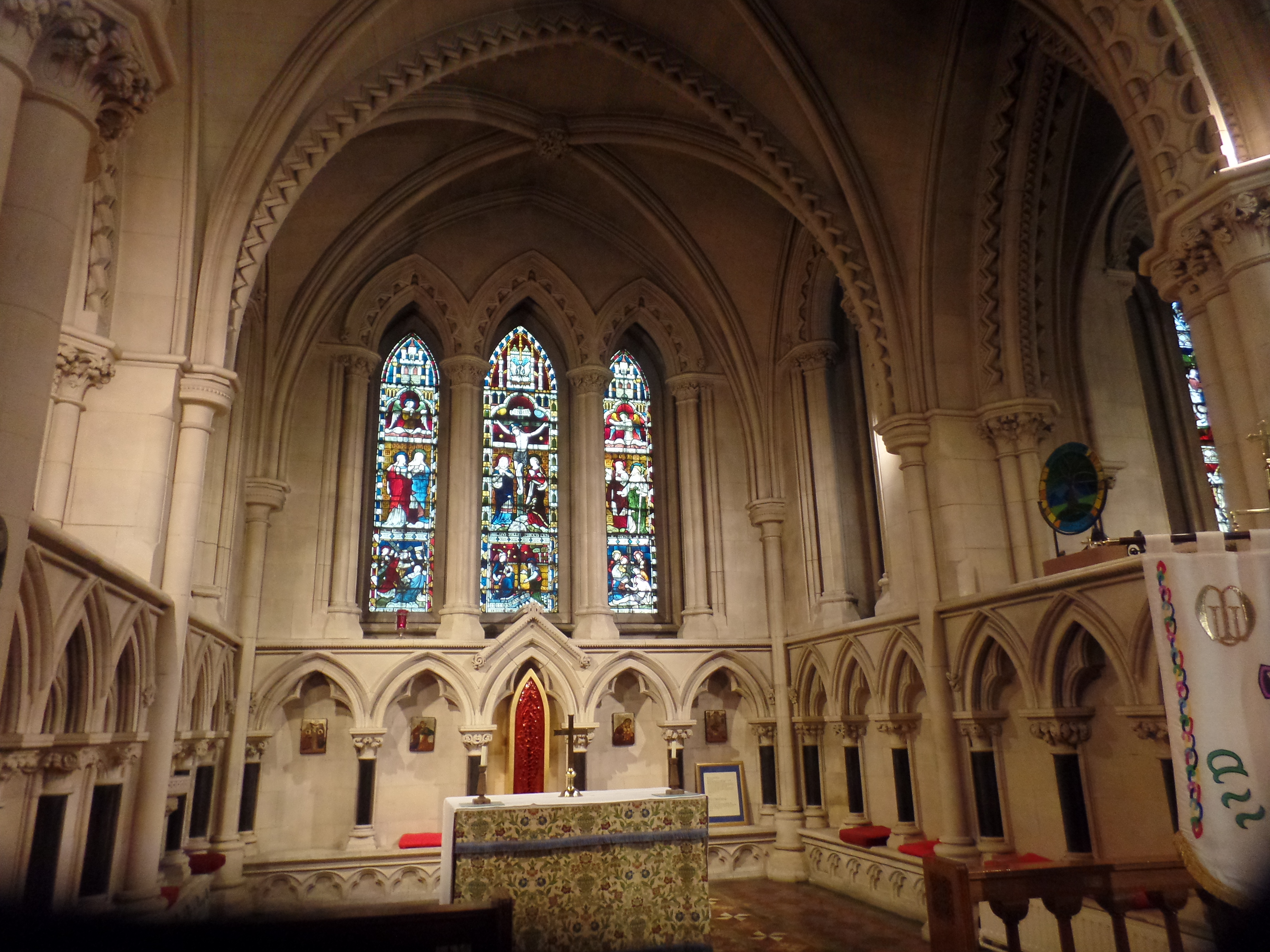
Tiled floor of the south chapel, Christ Church Cathedral
Altar and sanctuary, South Chapel, Christ Church Cathedral
Great organ, Christ Church Cathedral
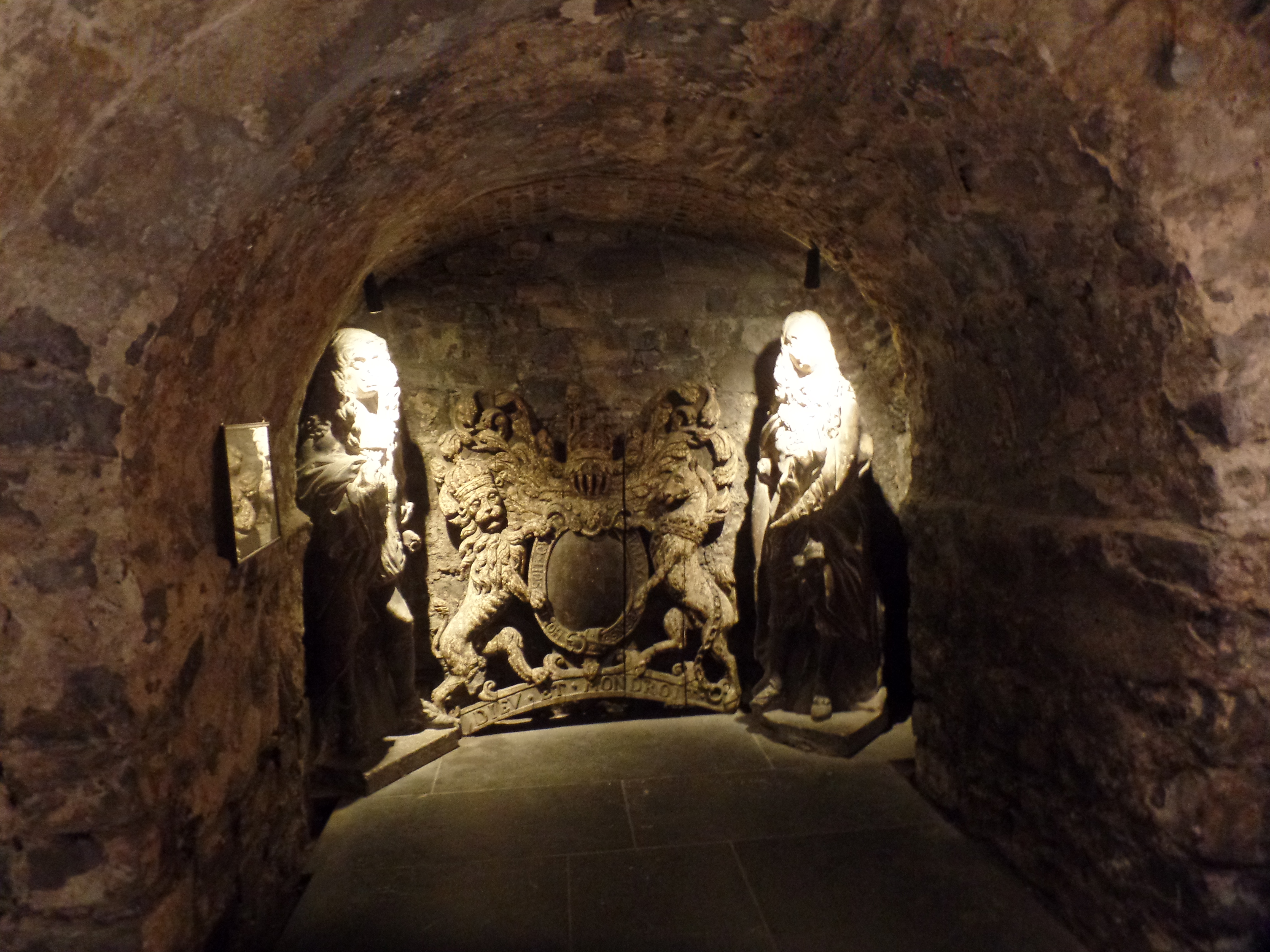
A scene from the Crypt, Christ Church Cathedral (above and below)

This brings us to the titular cat and rat. The two were found, mummified, inside the great organ. They are now framed and placed next to the Crypt toilets.

Two errant adversaries

Once I left the Crypt, lighter figures greeted me.

Millennium Child, Peace Park, Dublin
Peace Park, Dublin
Peace Park, Dublin

With that, my attentions were drawn to the exterior and close of St. Patrick’s Cathedral, about which more in the next post.

The Road to Diamond, Day 328: An Ancient Surprise

2

October 21, 2025, Dublin- The two ladies, ecstatic at seeing one another after an apparently long time, began excitedly chatting as the bus left Rosslare, for central Wexford. They were mirrors of my mother, and two of her three sisters.

I know that my grandfather’s family left this part of Ireland for Germany, sometime in the late 15th or early 16th century. That information was passed to me as a child, by my eldest maternal aunt, who looked exactly like the silver-blonde haired woman holding court on the bus. The other two ladies could have been Mom and her closest sister, when they were in their forties. I have long felt a bond with the Irish, and with Celts in general, without really knowing why-until today.

Once in Wexford, I had about an hour to while away, until the train to Dublin was ready to leave. So, with bag and baggage, I walked about Redmond Square and the West Side Cultural District. Here are some scenes from this town that, in an ancient surprise, was likely the ancestral home of the Cooks, who became the Kusch family, once in Germany.

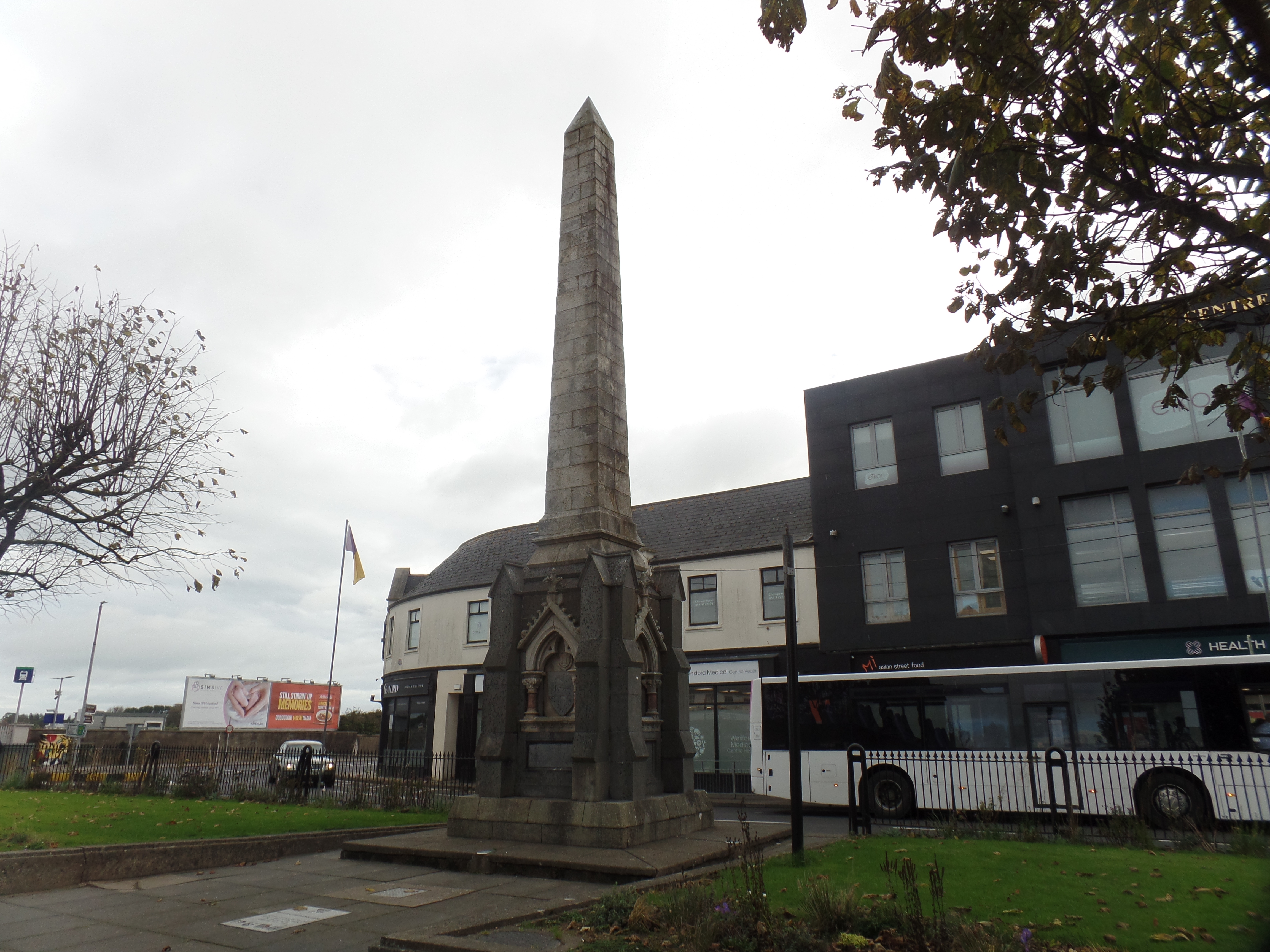
Redmond Obelisk, Wexford
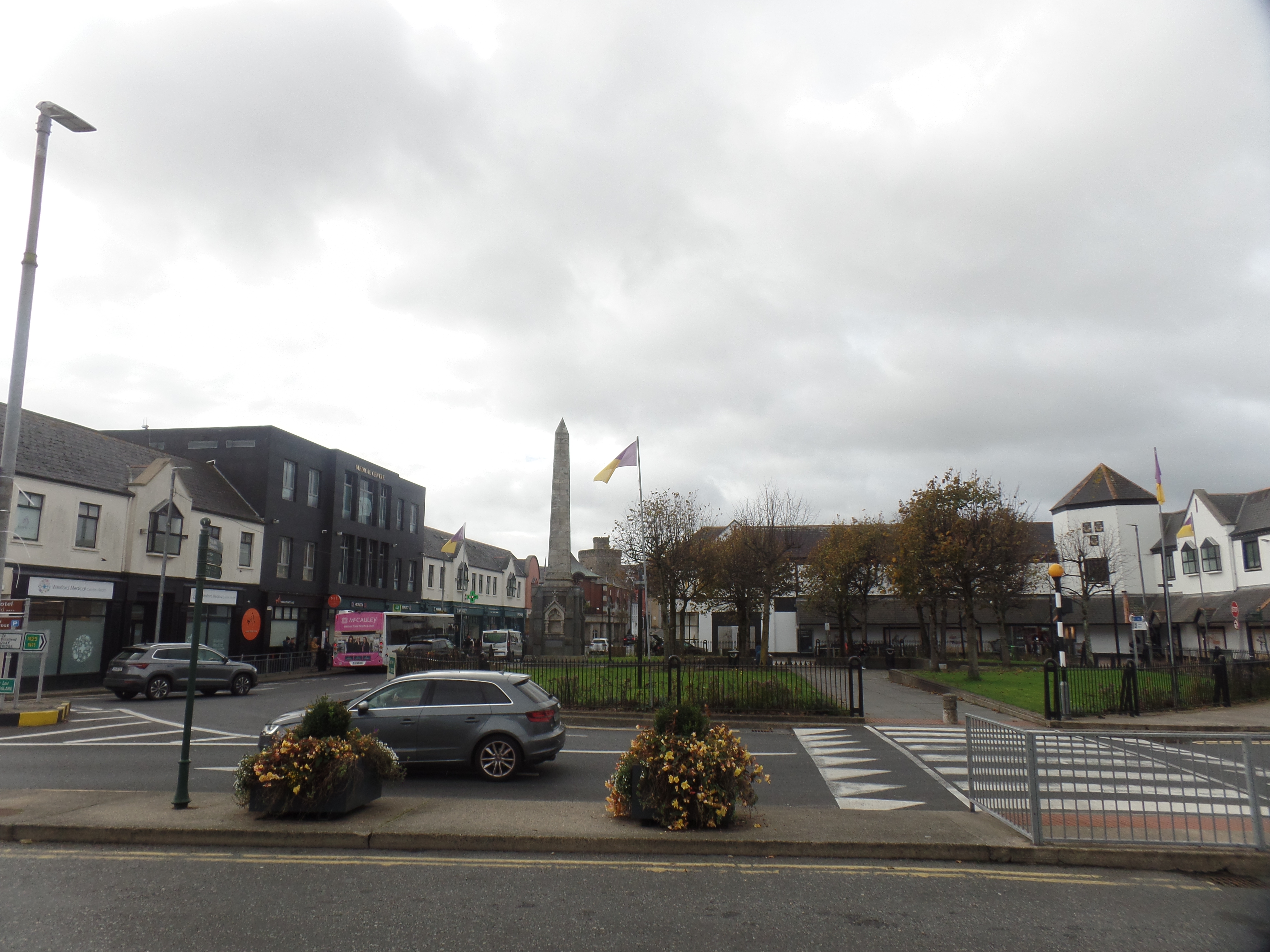
A broader view of Redmond Square, Wexford

The Redmond family brought the train to Wexford and drained marshland, to make the area fit for human habitation.

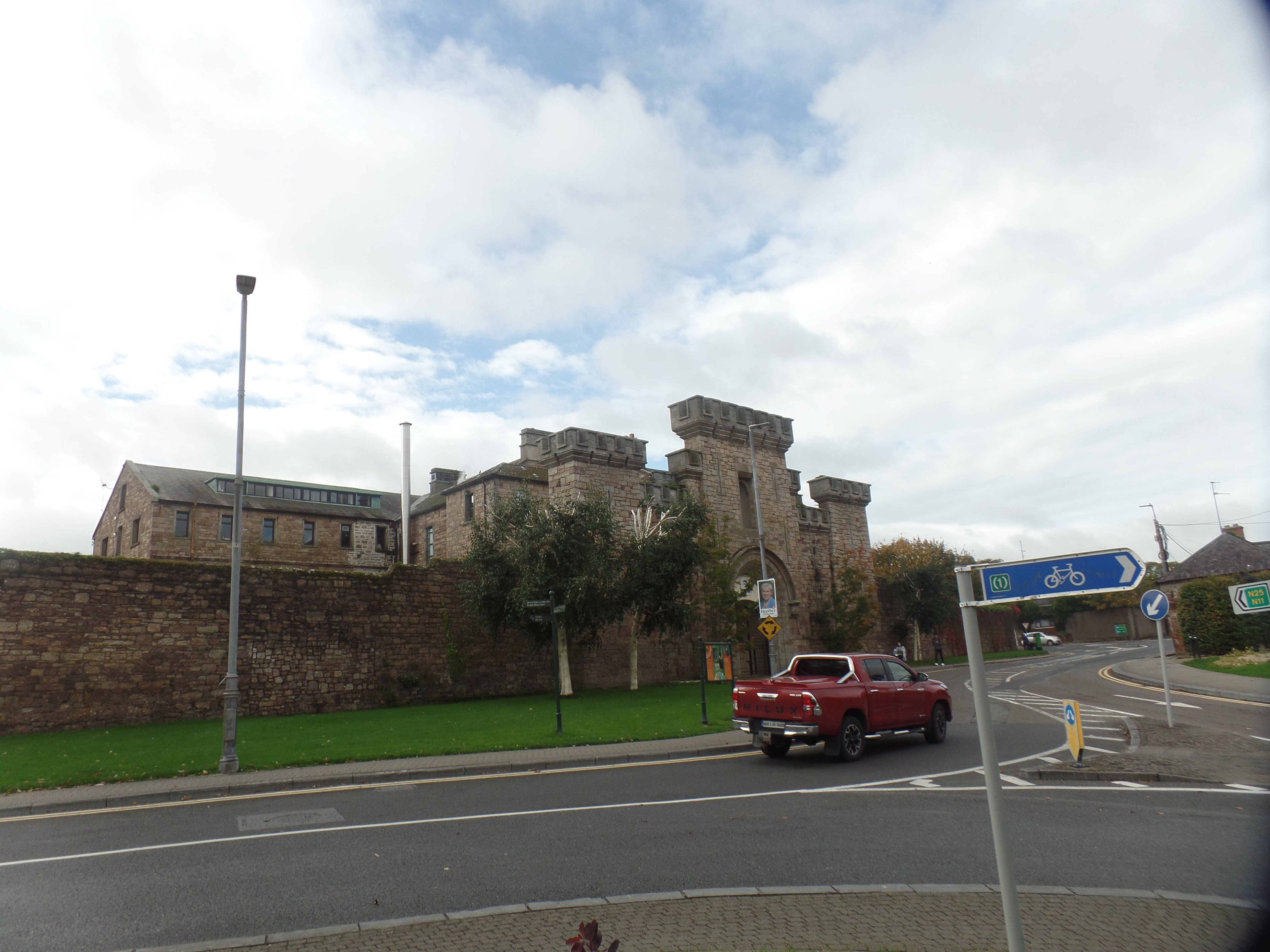
West Gate, Old Wexford
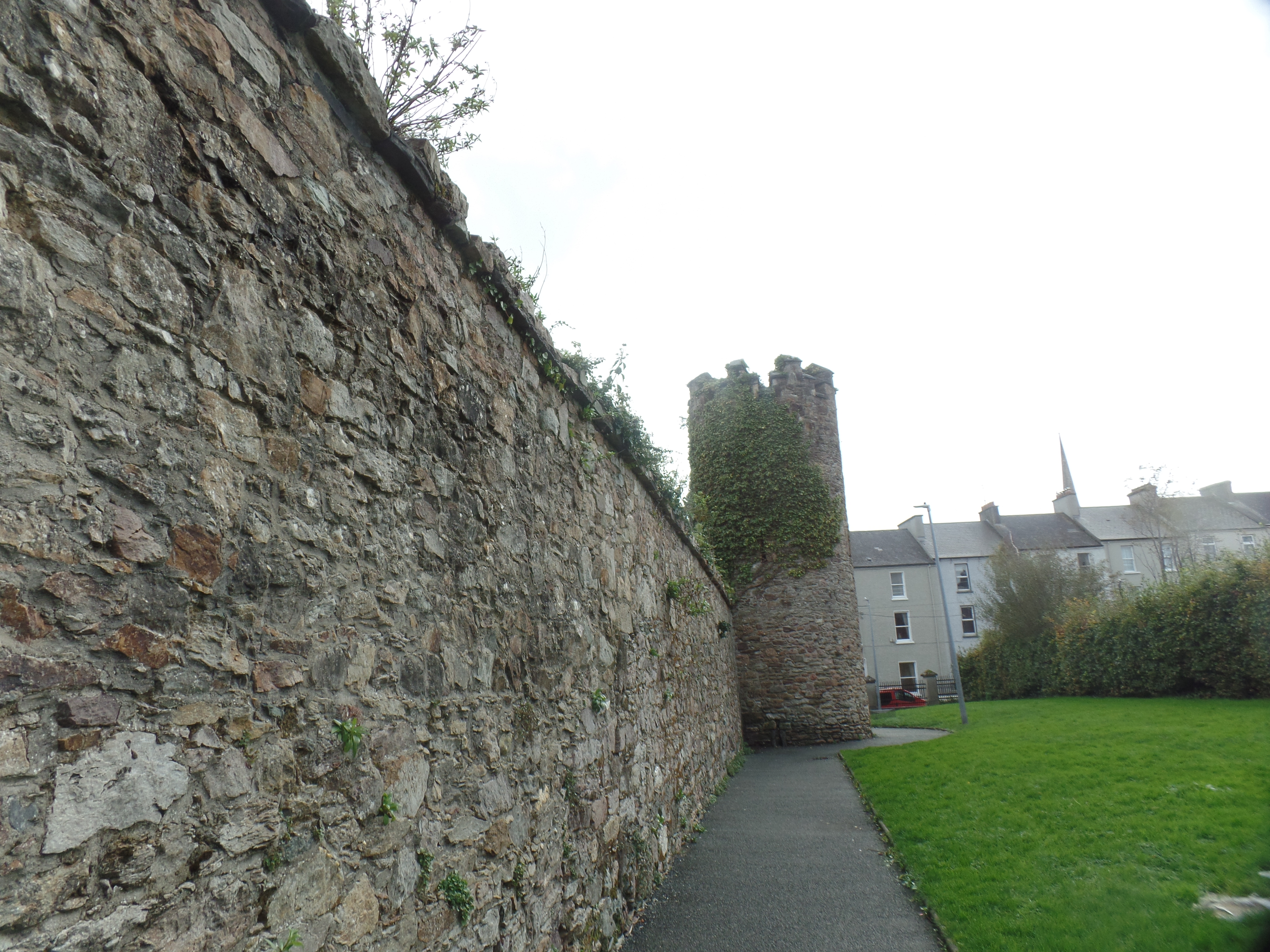
West Wall, Wexford (above and below)
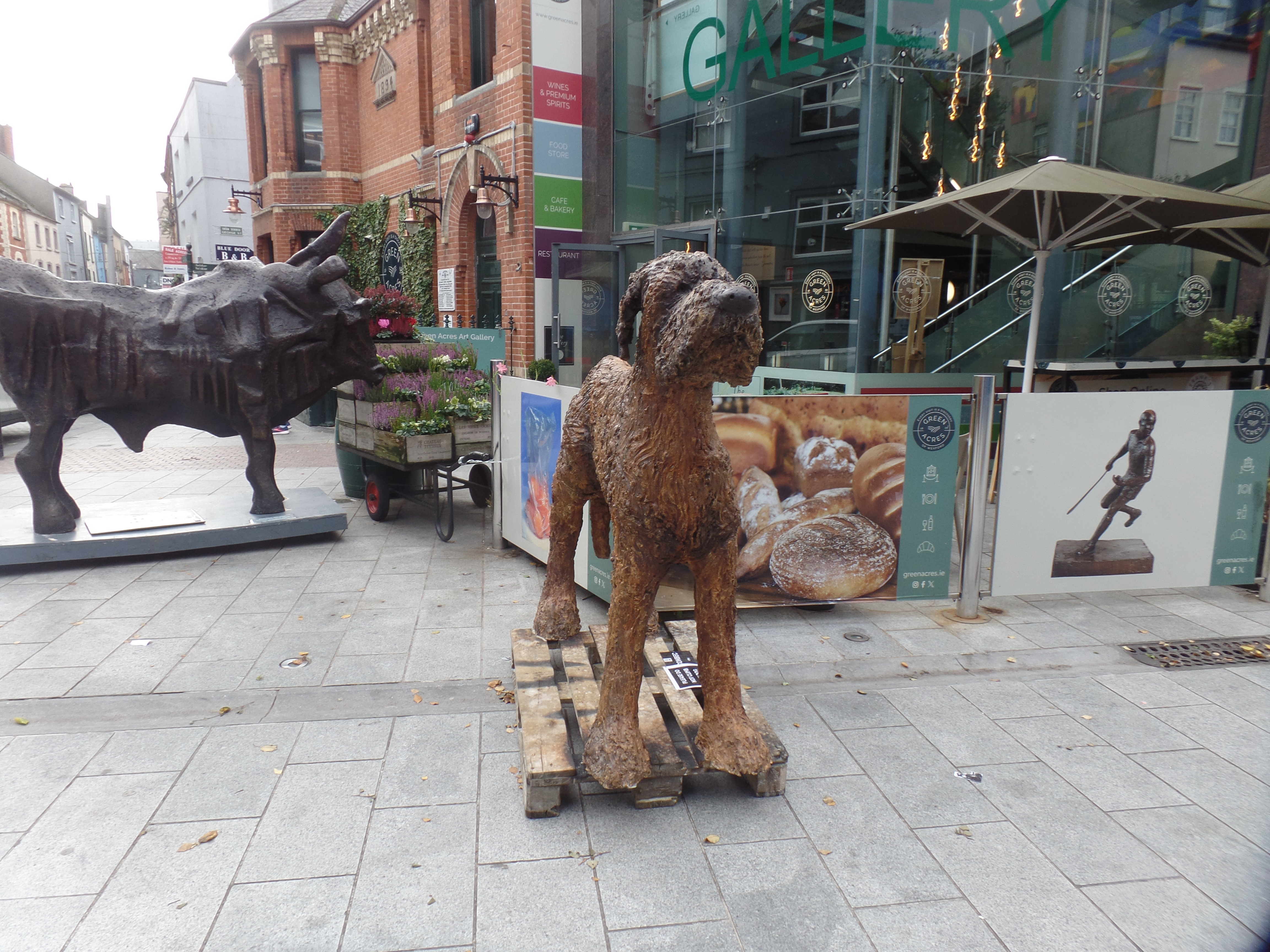
The “Sheriff Street Bull” of Old Wexford. Ironically, the sculpture by John Behan is titled after Sheriff Street, Dublin, which is where he grew up. There is another replica, I’m told, in Galway, western Ireland. John was fascinated with bulls, which he likened to the Irish male, who felt forced to move away or to return to an uncertain future. That may well have been the case with my Cook forebear, off to Germany to seek his fortune, in the days of the Hanseatic League.
Statue of Irish Wolfhound, Westgate, Wexford
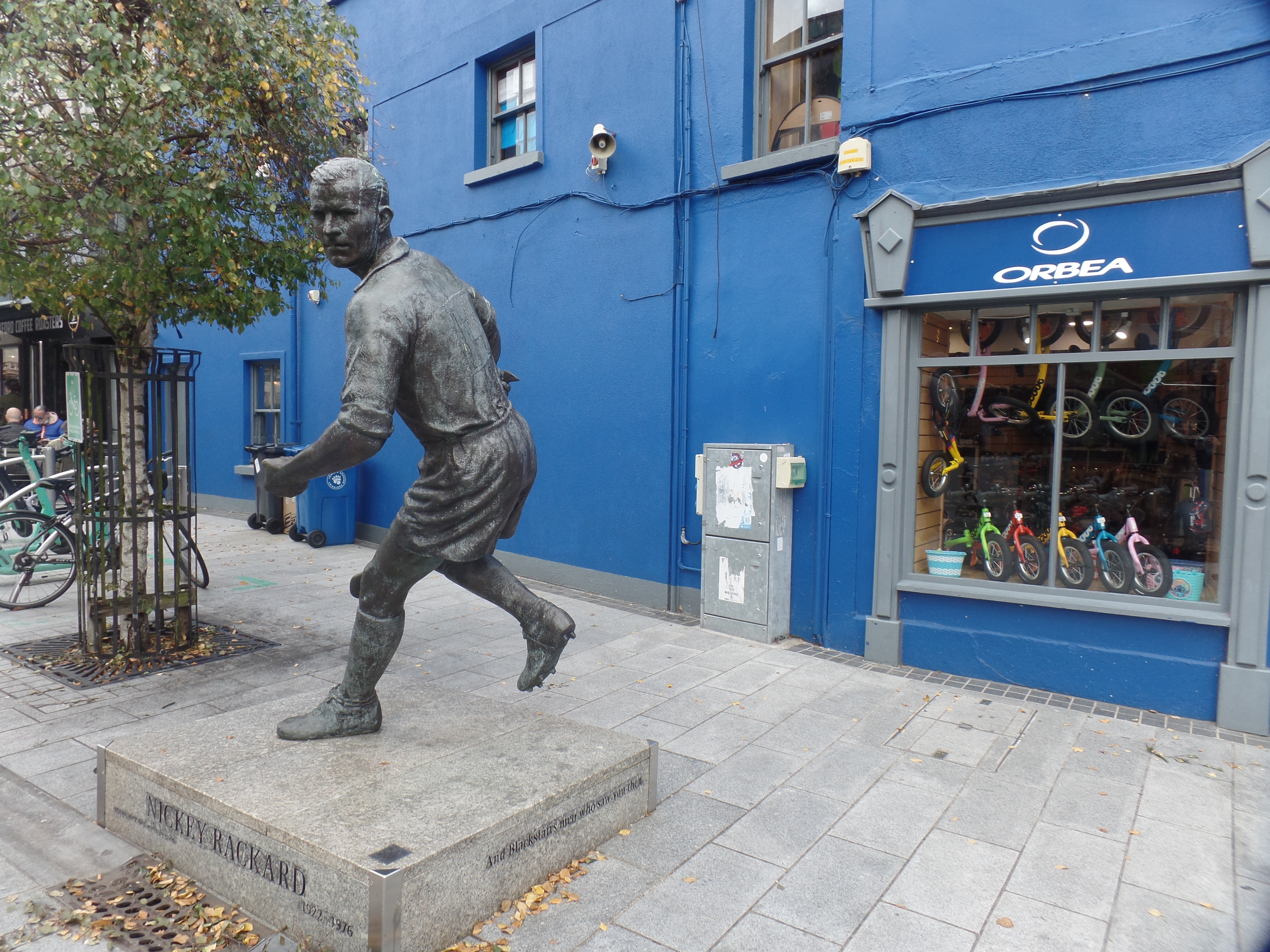
Nicky Rackford, a legendary Irish Hurler, who hailed from Wexford. Hurling is an ancient Gaelic sport, akin in many ways to Gaelic football. It is described more fully here: https://en.wikipedia.org/wiki/Hurling
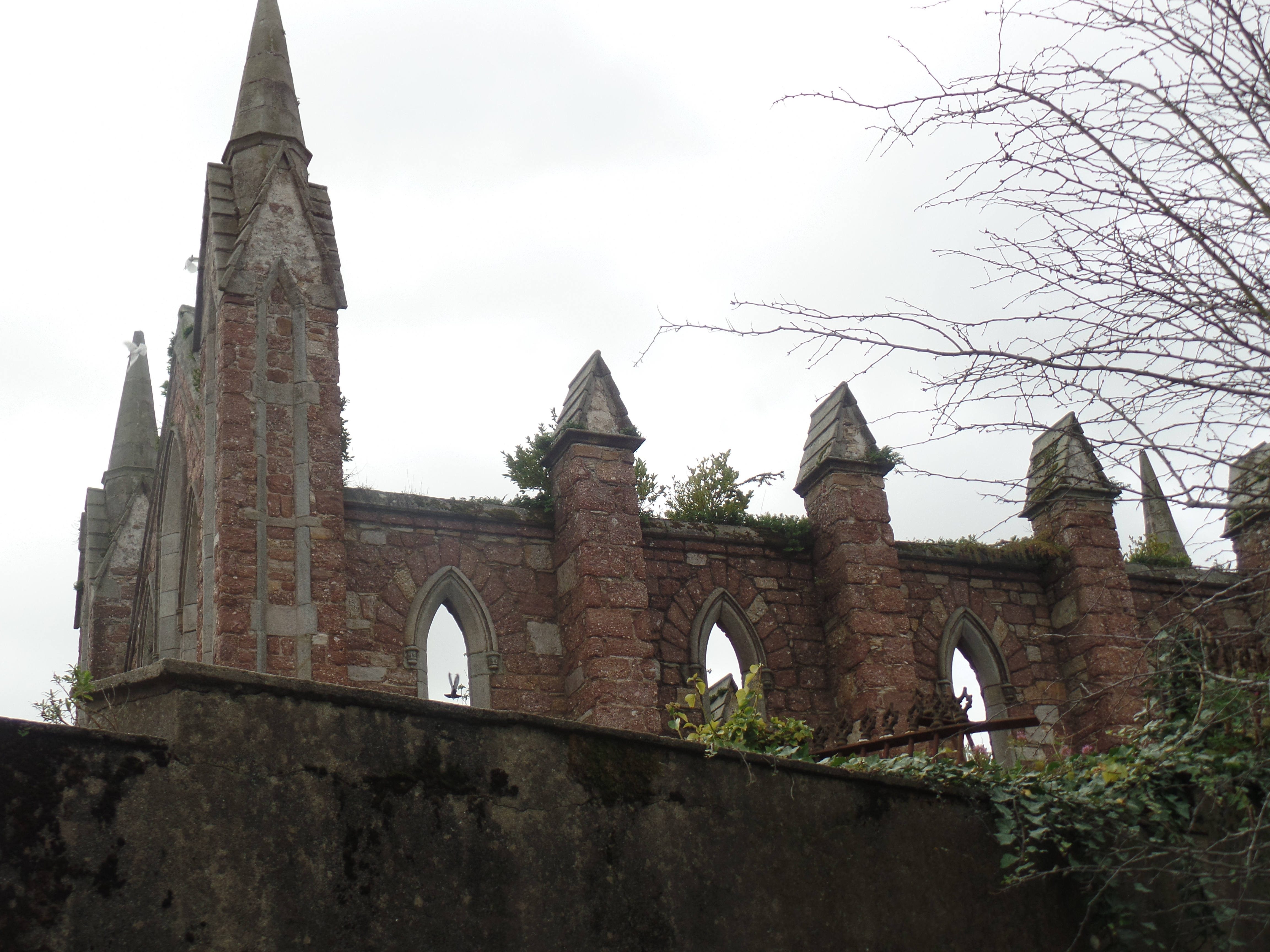
Ruins of Selskar Abbey, an Augustinian monastery of the 12th Century. (Above and below)
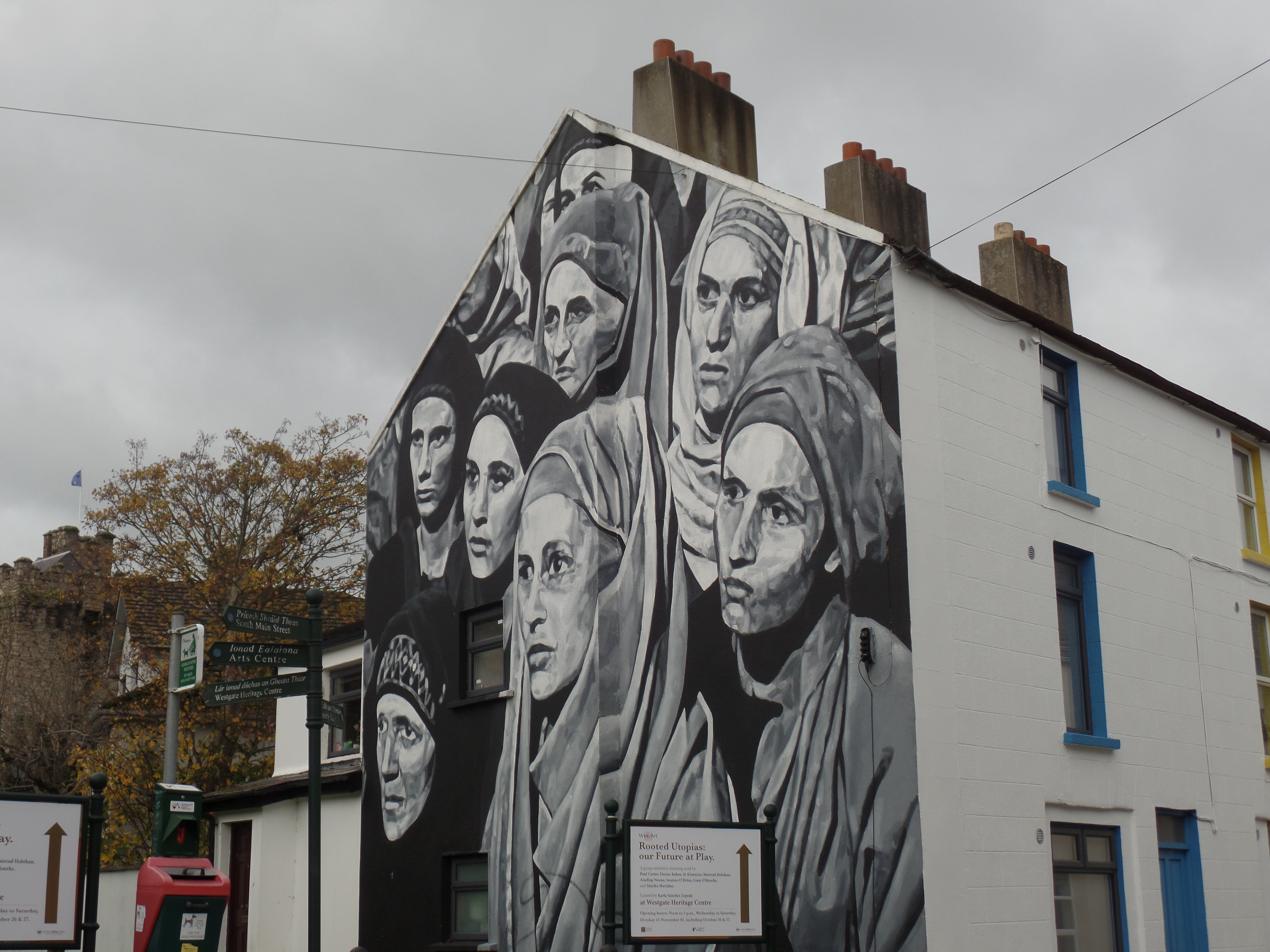
The indomitable Irish women, celebrated in Westgate, Wexford

It was time to board the train, so I left things like the John F. Kennedy Arboretum for another time. I did get a few glimpses of Muir Eirann (Irish Sea) from the train, between Wexford and Dublin.

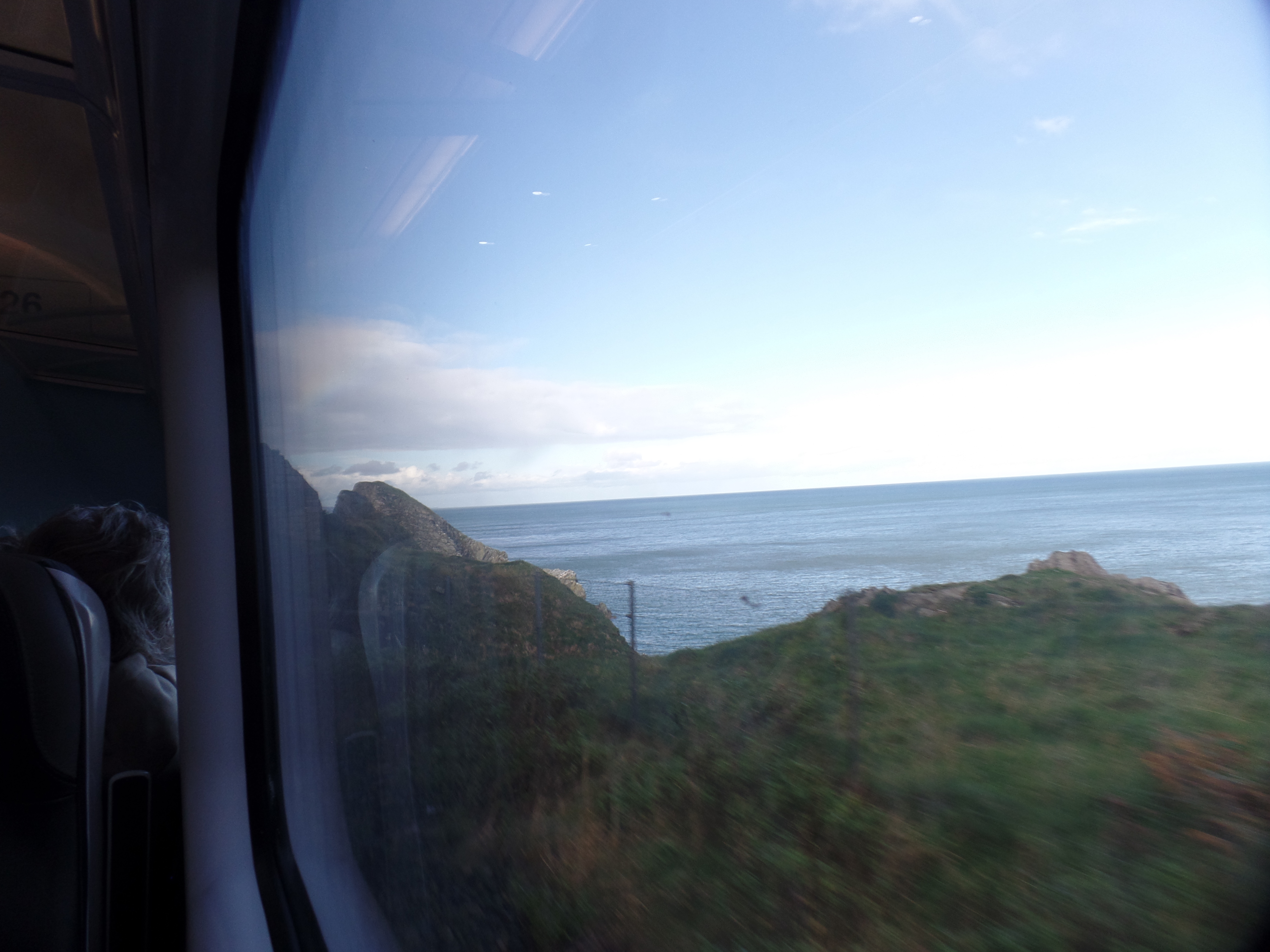
Irish Sea, south of Arklow
Irish horses, enjoying life by the sea
North end of inlet, above Wexford
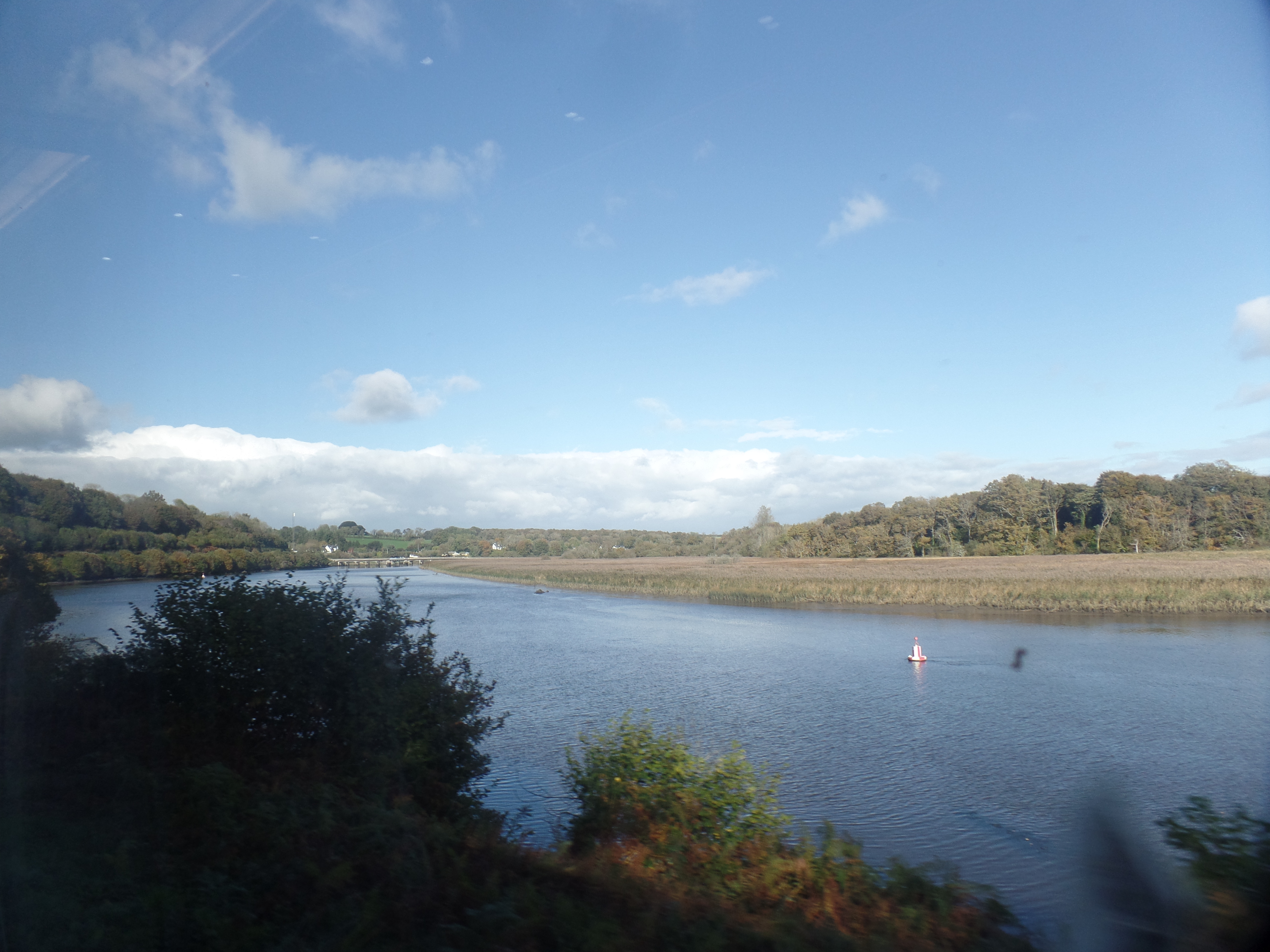
Avoca River, near Wicklow
Foliage, outside Wicklow
River Vartry, near Wicklow
Rainbow above Irish Sea
Wicklow Head
Wicklow
Irish Lights Building, Dun Laoghire (pronounced dun leary)

At long last, we arrived at Connolly Station.

River Liffey, from Connolly Station

To my Cook relatives, your song resonates through the centuries. To my Connolly relatives (on my Dad’s side), this station is named for your distant cousin, an Irish national hero-but you knew that.