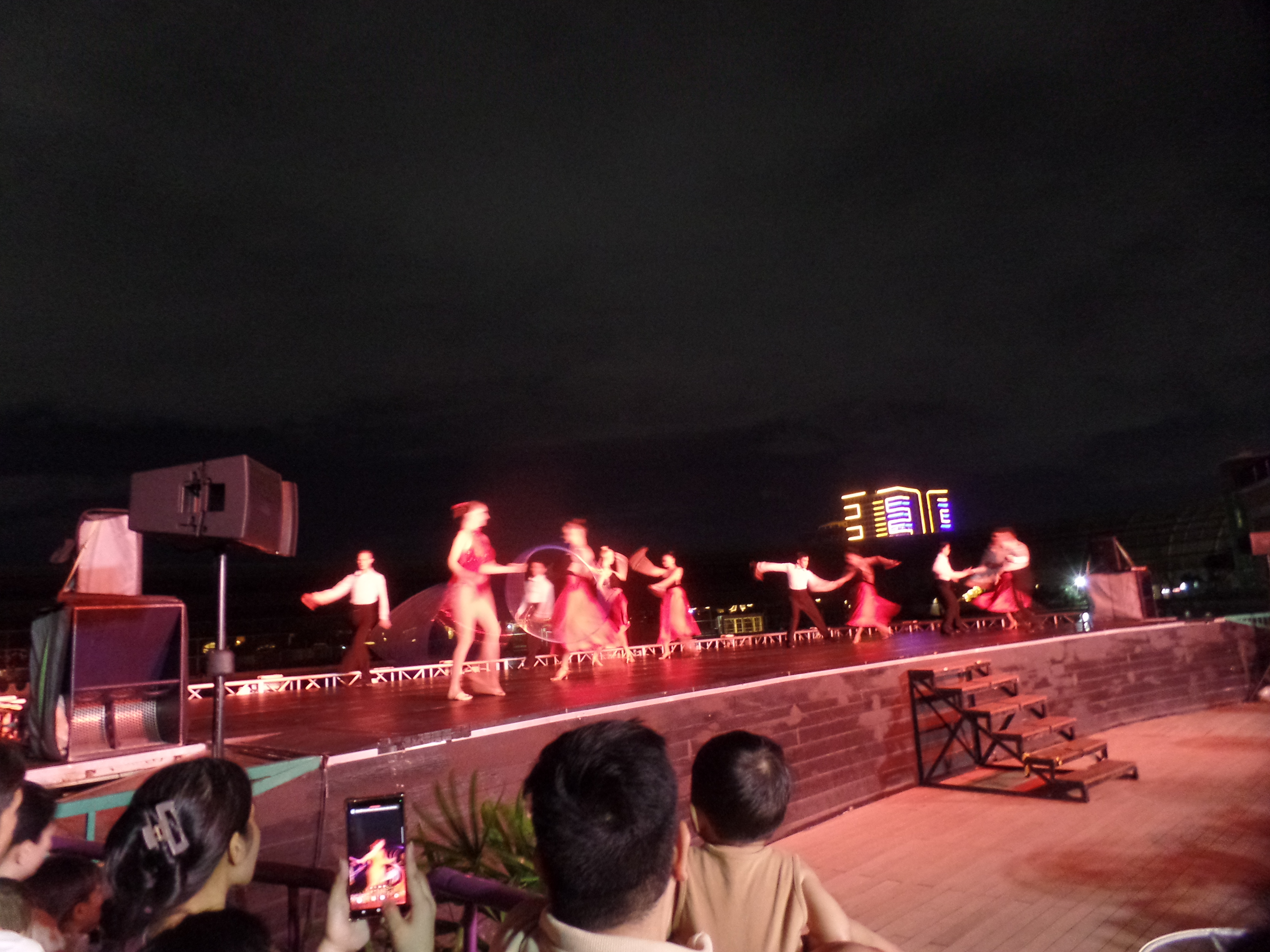
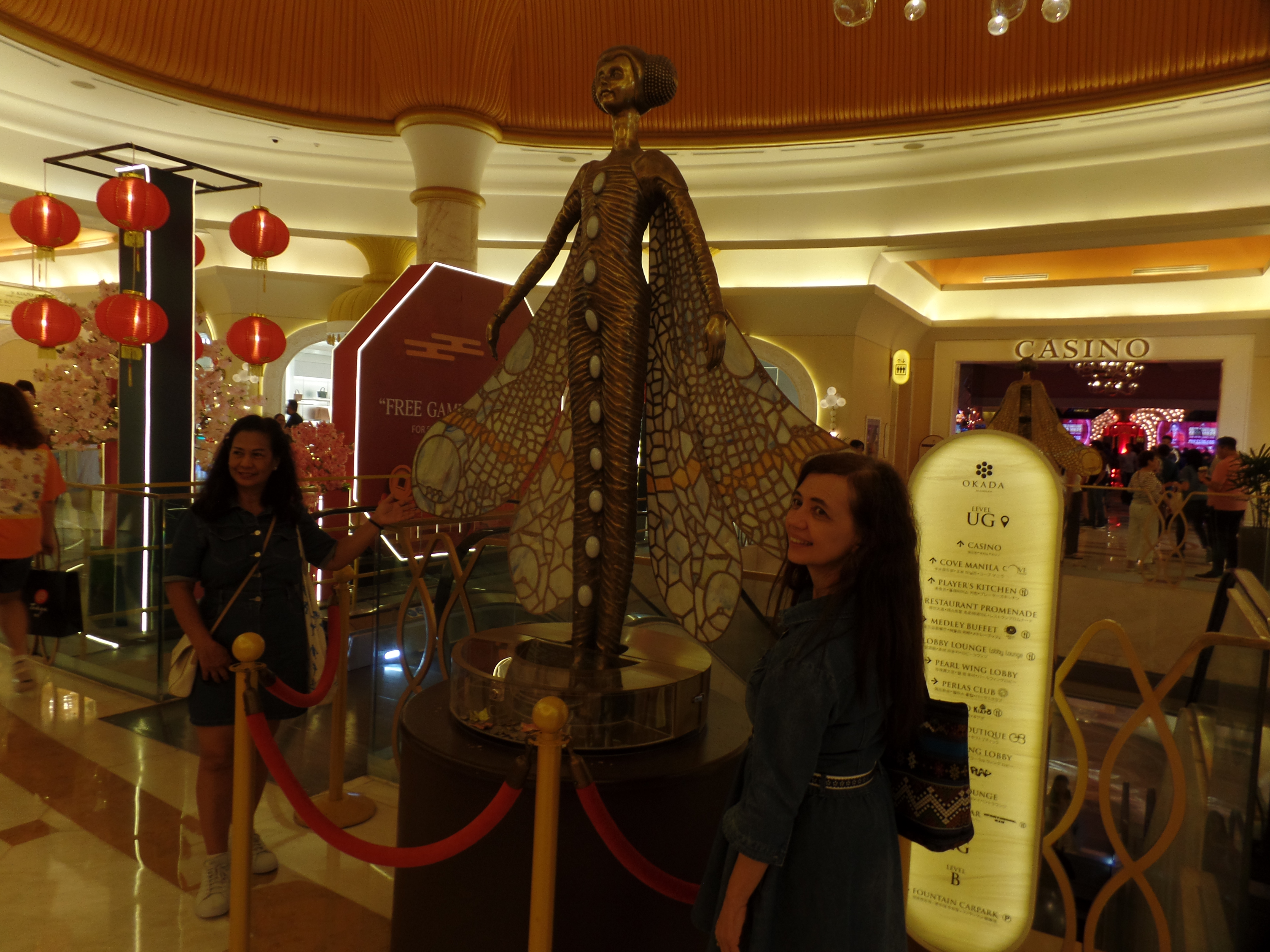
A Cordillera Sojourn, Day 4: An Igorot Origin Story

2

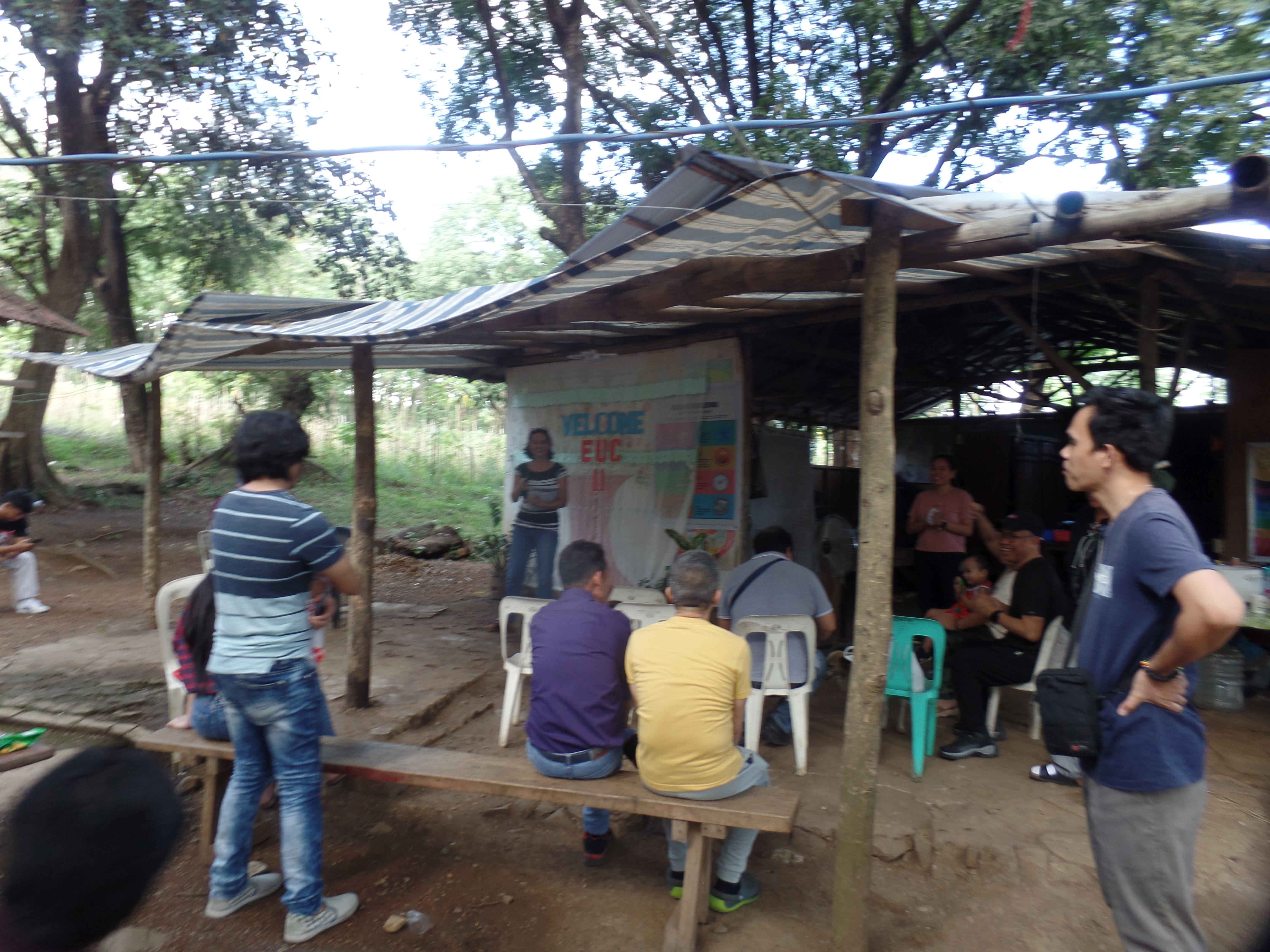
September 22, 2024, Manila- The wooden Ibaloi warrior sat in my crafts souvenir bag, keeping watch over the bus, and me-like Little Bear, in “The Indian in the Cupboard”. I would not have been surprised, had he come to life and begun murmuring fiercely in the Ibaloi dialect of the time. The history of the indigenous people of the vast Malay archipelago: East Malaysia, Brunei Darussalam, Indonesia, Timor L’Este and the Philippines mirrors that of the First Nations of the Americas. Indeed, they were all subjugated by the same European conquerors-and their successor cultures.

Mabel Cook Cole provides us with this account of the origin of the Igorot nations

The Creation

Igorot

In the beginning there were no people on the earth.

Lumawig, the Great Spirit, came down from the sky and cut many reeds. He divided these into pairs which he placed in different parts of the world, and then he said to them, “You must speak.”

Immediately the reeds became people, and in each place was a man and a woman who could talk, but the language of each couple differed from that of the others.

Then Lumawig commanded each man and woman to marry, which they did. By and by there were many children, all speaking the same language as their parents. These, in turn, married and had many children. In this way there came to be many people on the earth.

Now Lumawig saw that there were several things which the people on the earth needed to use, so he set to work to supply them. He created salt, and told the inhabitants of one place to boil it down and sell it to their neighbors. But these people could not understand the directions of the Great Spirit, and the next time he visited them, they had not touched the salt.

Then he took it away from them and gave it to the people of a place called Mayinit. These did as he directed, and because of this he told them that they should always be owners of the salt, and that the other peoples must buy of them.

Then Lumawig went to the people of Bontoc and told them to get clay and make pots. They got the clay, but they did not understand the molding, and the jars were not well shaped. Because of their failure, Lumawig told them that they would always have to buy their jars, and he removed the pottery to Samoki. When he told the people there what to do, they did just as he said, and their jars were well shaped and beautiful. Then the Great Spirit saw that they were fit owners of the pottery, and he told them that they should always make many jars to sell.

In this way Lumawig taught the people and brought to them all the things which they now have.”-Source: Mabel Cook Cole, Philippine Folk Tales (Chicago: A. C. McClurg and Company, 1916), pp. 99-101.

The First Nations of the Malay Archipelago, including the Philippines, have much the same richness in their cultures and in their societies, as have the First Nations of the Americas-and in fact, all the First Nations, across the globe. It was all too easy for Europeans and their settler descendants to have lost sight of this, because no sooner had a wave of Eurasian nomads come across from the steppes of the landmass’s center and settled down (the Celts, the Aryans, the Teutonic tribes, the Huns, Avars and Turks), than another wave of nomads, the Mongols being the last, came thundering across the plains, to conquer and disrupt society. Each successive wave of settlers disdained those they found in place. So did the ethos of conquest become ingrained in the European mindset-and in many ways, the wisdom of the indigenous people was discounted and overlooked.

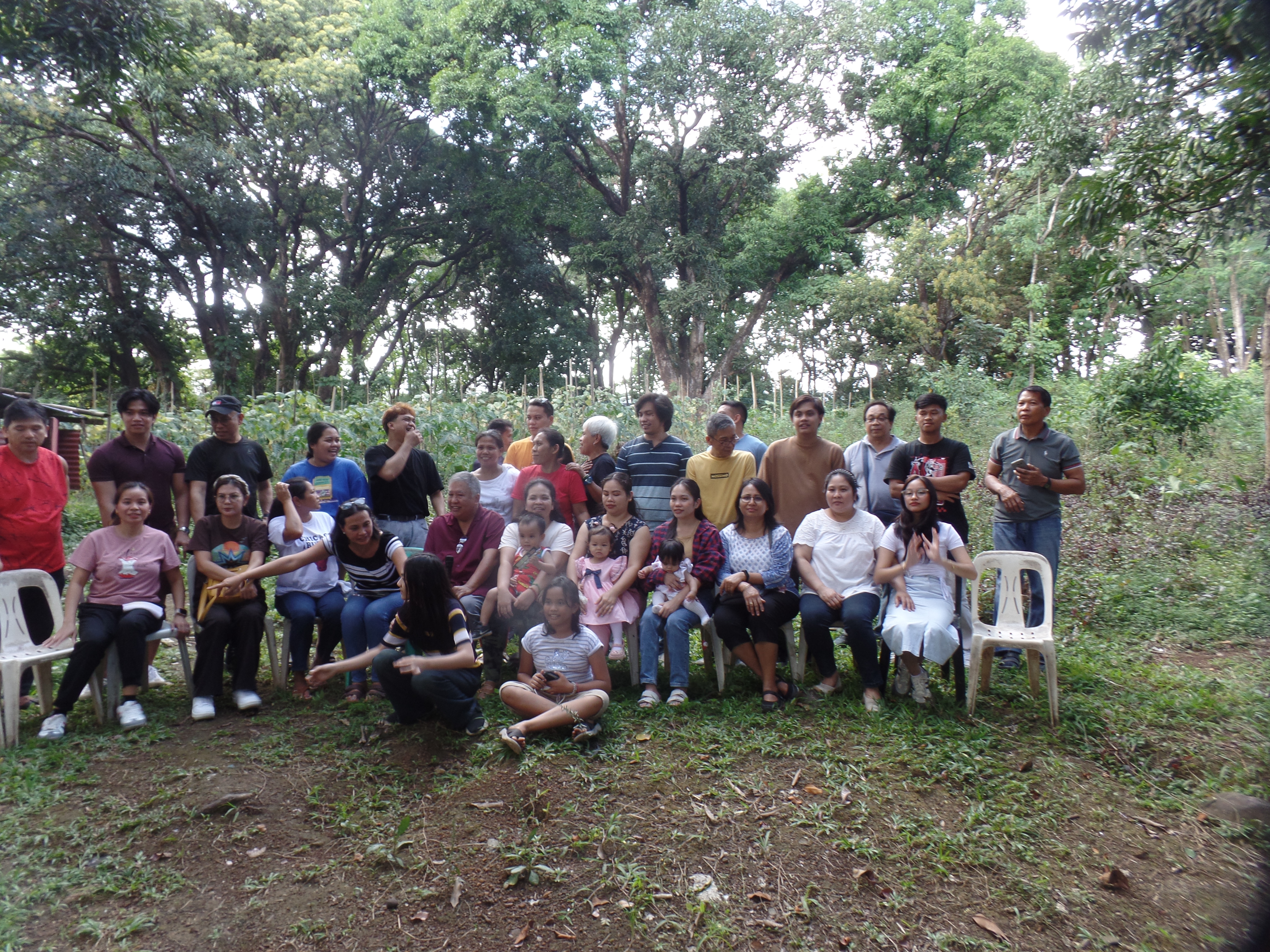
I am grateful to have had a small amount of time with the Idaloi. I will be back, possibly as early as next month.

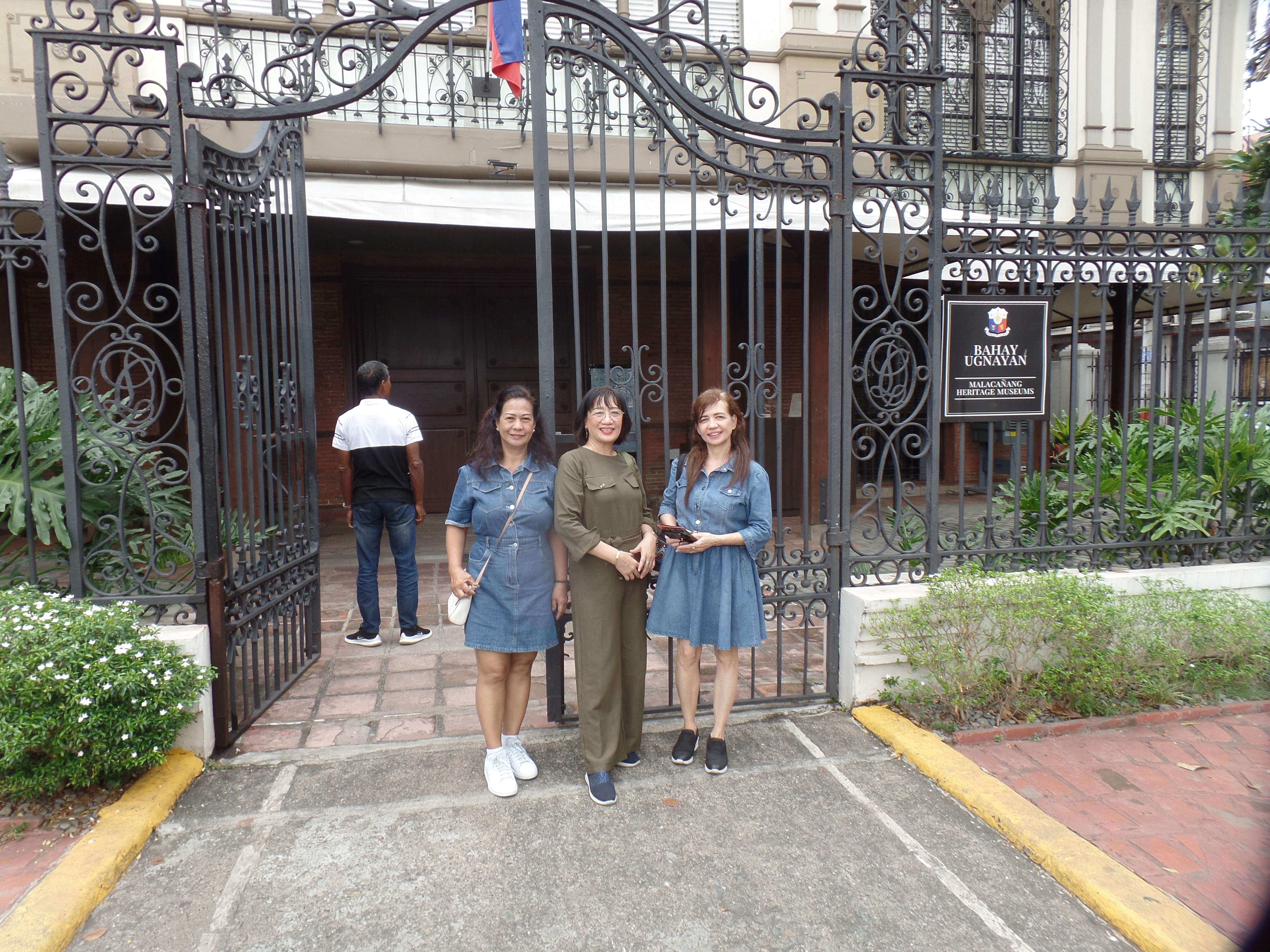
I came back to the capital, this afternoon. The return trip was made the way the average Filipino makes it-via a local bus, that stopped in four different depots and two rest areas. The bus picked up roadside passengers in the countryside between Baguio and Sison, which was the first rest area. We continued through small cities, like Urdaneta and Moncada, stopped at a second rest area, in Angeles, and still got to Pasay Victory Line Terminal in five hours. Now, there are four days to regroup and replenish, before going to Palawan, the “frontier” of the Philippines, in the southwest.

Here, as a bonus, is a collection of Igorot legends.

A Cordillera Sojourn,Day 3: Ili-Likha

0

September 21, 2024, Baguio- The sweet young woman was ecstatic that I had come to view and purchase several of her creations. My goal is to support indigenous artisans, around the Philippines, as I have over the years with Dineh and Hopi people. So, the wood carvings and knits of the Ibaloi lady were right in keeping with that goal. A couple of them will be for K, and one or two will go with me to Arizona.

Ili-Likha Artists’ Watering-Hole is primarily a gathering place for artists and visitors, with several restaurants and cafes. Ili-Likha is a hybrid term: Ili means “village”, in Kankanaey, one of the Igorot languages, and Likha means “create”, in Tagalog. The craft shop I visited, on the first floor of this tree-house like structure, had everything I wanted from this first visit to Baguio. Heaven on Earth, with its vurgers and other vegetarian treats, is right next door. Having had a sumptuous pizza wrap, at Pizza Volante, about 30 minutes prior, I contented myself with a refreshing cold glass of tskolate. (You guessed it, it’s chocolate!)

This evening, enjoying a lovely dinner with my hosts, at Rosevilla Transient House, I left the door open for a return visit to Baguio, later in my hopefully-extended stay in the Philippines, which would let me be in the country until October 26. If so, then my first beeline would be to Tam-awan, which is actually not that far from the guest house. Tam-awan is a living history site, much like many we have in North America (Old Sturbridge, Colonial Williamsburg, L’Anse aux Meadows, Lincoln’s New Salem, etc.) It is certainly an effort well-made, as the Igorot nations deserve to be recognized for the strength and beauty of their culture. They largely resisted the Spanish, and were in fact never completely subjugated-even by the Japanese, during the occupation of 1941-45.

A Cordillera Sojourn, Day 2

0

September 20, 2024, Baguio- The little boy was curious about what was in my soup bowl, so he started to approach the small table where I sat, in James Wright Cafe, at Baguio’s SM CIty . His mother was having none of it, and sternly called him back to their table, explaining the etiquette of dining in public.

SM is a chain of supermarkets and malls, across the Philippines and in China. It started in 1948, when Henry Sy opened a Shoe Mart, in Manila’s Quiapo District. His business plan gradually allowed for expansion into the supermarket concept, then into full service shopping malls, with a great number of satellite shops. Baguio’s SM has two stories and a plethora of shopping options. I contented myself with food that I could prepare back at my suite, and a few treats to share with my hosts, besides the lunch at James Wright Cafe.

I went into town by jeepney, after enjoying breakfast at Badihoy’s Aqua Garden Cafe. Here is a remarkable view of the Cordillera rain forest, from Aqua Garden’s terrace.

Kordilerya Rainforest, Badihoy, Baguio

Once the langganisa breakfast, with Chocolate Bomb, was finished, it was on to the parks and other sights of Baguio’s City Center. The first stop was a monument to Dr. Jose Rizal, the national hero of the Philippines.

“The Golden Blood”, celebrating modern day heroes-soldiers and sailors defending the Philippines, and first responders.
Monument to Dr. Rizal

Next was Burnham Park, named for its designing architect, Daniel Burnham, of Chicago. He wanted a park that American forces stationed at Baguio could enjoy and one that would appeal to Filipinos, as well. Thus, there is a small lake, with paddle boats and pontoon boats for rental, as well as numerous small gardens, with many stone sitting benches, and a few tables.

Bust of Daniel Burnham, at Burnham Park, Baguio
Some of Pine City’s pines, Burnham Park
Filipinos are quite focused on community health.
A long view of Burnham Park
Celosias make you take notice!
A young fashionista was posing for several “walking photos”, at this bed of daisies. I gladly waited my turn. The girl reminded me of one of our friends in Manila, who also likes to pose in style.
Have paddle boat, will cruise the lake!
Mural honouring small holder farmers, Burnham Park (above and below)
When I was a child, the Swan Boat at Boston Common was a delight. Glad to see that some are still around-pontoons at Burnham Lake.
Wherever one goes, cats rule.
Honouring Igorot warriors, defending their homeland- Igorot Garden Park, Baguio (above and below)
Baguio Cathedral. There was a Mass being said, so I did not go inside.

The way back was interesting, in and of itself. The rain was heavy, but that did not deter anyone, including me, who needed to get somewhere. I found a jeepney, which took me further than I needed to go. With help from a Guisad Barangay worker named Kim, I got back just fine, though.

Tomorrow’s outing to an indigenous craft shop will be better planned out. I will take note of landmarks, so as to not overshoot this little sitio of Badihoy.

A Cordillera Sojourn, Day 1

8

September 19, 2024, Baguio- The skies are open, full tilt and the Cordillera (Kordilyera) of central Luzon is taking the brunt of the downpour-but that is part of what I expected, before coming here. Baguio is often described as the “coldest place in the Philippines”, with temperatures as low as 48.2 F, or 9 C., in January and February. It is 67 F here, this evening.

The road here, once leaving the National Highway, resembles the back road from Wickenburg to Prescott, or either of the paved roads that go to Jerome. It is winding, there are some spots that are one lane,due to construction and the city is sprawling- “Welcome to Baguio ” signs appear in Puga, some 25 kilometers south of town.

Baguio is also in the homeland of the Igorot people, who are actually nine distinct indigenous nations that have been aggregated into “Igorot” or “Ifugao”- since the Spanish conquest of the northern Malay archiplelago, in the sixteenth century. The people themselves call their conglomeration Ipugaw. Each of the terms simply means “mountain people”. The Ibaloi and Karao Nations are the most common Ipugaw, around Baguio. The other seven nations are found across northern Luzon, in all the interior provinces. I will have more to say about the Ibaloi and Karao people, in Saturday’s post.

I arrived here around 2:30 p.m., about the time that my friend in Makati had predicted, though some optimistic staff at Pasay Victory Line’s terminal in the City of Pasay, near Manila, had said 1:30. Kathy has had boots on the ground in Baguio, so her assessment carried more weight. I got a couple of empanadas at the Bus Station’s Food Court-and that was a snunch-a late snack-lunch. My host, Rose, came and got me, then we met her son at his school, and the three of us took a taxi in the rain, to Rosevilla Transient Guest House, in the heights above the city center. I will do a solo trip downtown, tomorrow. It will be fascinating-involving both my intuition and consulting locals along the way, as needed.

Here are some scenes of the barangay to the south of this area, which is called Guisad. “Our” barangay is called Trancoville.

Views of Guisad neighbourhood, Baguio (above and below)
The area is also called Badihoy- which seems to be the name of a sitio, or subunit, of the barangay.

There is enough in Baguio and vicinity to occupy a traveler for four or five days. I have two full days, so I will pick and choose carefully.

Metro Manila, Day 8: Branching Out

2

September 18, 2024, Manila- Remembering the old saw that goes: “You can’t tell if someone is disabled, just by looking at him”, I nonetheless walked past the muscular young man who was sitting on the sidewalk, holding out a paper cup. I don’t, as a matter of course, reward begging. There are cases where I will purchase snacks, especially packaged ones, from street vendors. That constitutes reward for some kind of work. Sorry, not sorry, but begging is not work.

I decided to give my friends at the Baha’i Center some space today, and opted to walk about 5 kilometers total, from Ola! Hostel to the light rail station at Vito Cruz, and from Gil Puyat station to Libertad, which took me past the Metro Manila World Trade Center. From Libertad, I took the light rail back to Vito Cruz, then walked to Ola!

World Trade Center, north of Ninoy Aquino International Airport (above and below)

Most people were just going about their business, and did not pay me any mind. A little girl asked if I needed any help, when I stopped to put my camera back in its sleeve. It was kind of her, but I was making myself feel useful and capable, so I continued on-and she went back to wherever she had been people watching.

After doing my laundry, in advance of tomorrow’s bus ride to Baguio, I sent a message to Kathy, touching base about the arrangements she had made for said ride. The answer came back that the information would be at the Baha’i Center, so I went there after all, in the evening. She brought the paperwork, after a fashion, and I saw the work that had kept her busy, these past few days: A thick binder of documents. This woman is nothing, if not dedicated and the work was largely done. I sat with her and several others, a conversation dovetailing between English and Tagalog ( the latter of which I could only understand a smidgen). Were it not for tomorrow’s activities, which start with an early morning Zoom call, I could have sat and talked for hours. It was, at least an hour well-spent, talking about the Baha’is of the United States, and our schools/institutes.

Bend a little, and get a lot in return. Show independence, and get support.

Metro Manila, Day 7: The Envelope Girl

2

September 17, 2024, Manila- The little girl clutched her assigned supply of envelopes and note cards with one hand and held onto my arm with the other. She desperately wanted to get some pocket change, which I could have spared-but for the fact that a boy appeared, also carrying envelopes and note cards-and it is pretty much guaranteed that ten more “vendors”, along with a few pickpockets, would have surfaced, in short order. I walked along, with a platonic friend who is like a sister to me, and the little angel still clinging to my arm. No one got anything from me, and after I said “Palaam” (goodbye), at the corner, the pair hung back, looking surprised, but resigned.

Many of us, in the course of our lives, are like the Envelope Girl and her partner in grift. We hope for something from another person-whether it is commerce, approval, friendship or even some level of romance. Sometimes-oftentimes, we can get what we want. On other occasions, the answer is “No”, or “Maybe, just not right now”.

I have been both seeker and sought, plenty of times. Growing up, I was a well-liked, but never loved, adolescent-a permanent resident of what is nowadays called “The Friend Zone”.

There is no Friend “Zone”. There are only friends, those towards whom one feels fondly, with whom one is glad to share good times, thoughts and experiences. There are levels of friendship, from “acquaintance” (whatever that is) to a marital bond-and many levels in between. I can’t, however, recall any person in my life who has been consigned to a limited, stifling place in my world. There have been false friends, whose design was either transactional (like the street urchins above) or vengeful(their whole shtick being to teach me a lesson). Those have been let go, blocked/deleted. There have been those who have been physically attracted to me, but the converse has not been true-and we have managed to build solid, platonic/fraternal bonds. The same is true of many to whom I have been drawn-and the converse has also been true.

At the top of the scale, there are two: Penny, my departed wife, and a person to whom I have made several references, of late. Penny was, when we first met, immediately in full-on attraction mode, (as was I, to her). That settled into a period of retraction, during which she had space to deal with residual feelings towards former beaux, a dalliance with a more dashing suitor and sorting out all manner of conflict between making a commitment and having “freedom”. My feelings never went away, but I stayed in the background, as long as she needed me to. After 18 months, we were married, had a solid, if sometimes stormy, wedlock and I was by her side through it all-including thirteen years of physical and cognitive decline, as I have described in earlier posts.

I met K last year, and had the same immediate attraction. Time will tell, if the friendship will approach the level that Penny and I reached. There are many variables, and all I can say is that my feelings aren’t going away, even as my person gives her the space that I gave Penny. A beloved soul deserves no less. Our lives will continue, will remain full and our goals-both mutual and separate-will be achieved. No two people, no matter how drawn to one another, can possibly meld into a unit where one is indistinguishable from the other. “Between them is a barrier that they overpass not.”-Baha’u’llah.

It has been a wonderful ride, to this point. I’m here, if she needs me.

Metro Manila, Day 6: Transcending Limits

4

September 16, 2024- “Every exit is an entrance to someplace else”-Sign in the Rooftop Restaurant, at Ola! Hostel. I am nearing the end of the first Manila phase of my visit here. It’s just as well. My friend needs to get on with her day job, and I have promises to fulfill, in the outlying areas. After hopefully helping one of the other Manila friends with filing a claim, tomorrow, I will try to get to Corregidor on Wednesday and head for Baguio, in central Luzon, from Thursday to Sunday. The first few days of next week are uncertain, especially given my dearest friend’s work schedule, but I will head to Palawan, for five days, on Sept. 26. Visits to Mindoro and the Bicol region may follow, as October gets underway.

Every trial, every effort one makes, comes with a valuable lesson. Those lessons are what allow for transcendence. One such lesson was with respect to the One SIM card I tried using. It cannot receive text messages from the United States, so it ended up being useless and I have gone back to my regular number. The other thing about trials is that they call me out on whether I mean what I say. I do, but there is always a need to prove that to those who are important to me, but don’t know me all that well.

A long day has come to a close. My intuition, with regard to K, is ever spot on and I will continue to be her rock. The woman has so much to offer this world. That’s all I can say.

Metro Manila, Day 5: A Day of Study, Then A Deluge

2

September 15, 2024, Manila- There was an insistent parade of kids, in and out of the small conference room, as our study group continued on its course-looking into the Baha’i concept of Huquq’u’llah, or Right of God. This fund, which I have described before, is a voluntary obligation. Simply put, if a Baha’i accumulates a certain amount of money, above and beyond what is needed for expenses, it behooves the person to check into the current price of gold, and if s(he) has accumulated wealth equal to, or above, the value of 2.2246 ounces (69 grams), then 19 % of that amount may be paid to Huquq’u’llah. That satisfies the obligation, until another amount that meets that criterion is accumulated. One’s primary residence, primary vehicle and necessary household effects are exempt from this obligation. The bottom line is that such giving is between the individual and the Divine. Even those managing the fund have no business overseeing the frequency of giving.

My friend, Kathy, led the group study and discussion, setting a tone of gentleness and grace towards the children, who mostly just wanted to be sure their parents had not forgotten them, in the course of the meeting. The kids were in the capable hands of a separate instructor, but there is just nobody who can replace Mom and Dad. So, the in and out parade went on, as did our study, the two weaving around one another. It all served to increase my feelings of love and respect for her, and for Filipino culture.

We all dispersed, around 3 p.m., with the group members all going on with their family activities, and me going on, to do my laundry and post the photos from yesterday’s outing. The evening was quiet, at Ola! Hostel and the nearby Sasa Cafe, until it wasn’t. Around 10 p.m., the skies opened up, and the loud thunder that had been rumbling for over an hour, was accompanied by mildly flooded streets. This is nothing new to Manilenos, of course, and being up three floors from the ground level, I found nothing alarming, either. It just added an exclamation point to a mildly declarative day.

Metro Manila, Day 4: Peekaboo with a Volcano

4

September 14, 2024, Manila- Taal Volcano was once a destination for boaters and horseback riders. Not that long ago, another Baha’i who is fairly prominent, and who I met once or twice at gatherings,, came to Manila. Kathy took him to see Taal and there was at the time a horseback ride to the crater. The mountain has, since last year, been consistently in eruption mode, and so the horses and boat landings are in abeyance.

Our little group of six headed towards the city of Tagaytay, 59.3 kilometers (36.8 miles) southwest of Manila, early this morning. We found our first stop Lake Hotel, enveloped in fog and low cloud cover. Kathy told me that this establishment was the scene of a triple homicide, a few weeks after she and her sons came here for a mini-holiday. Jack Torrance, Lloyd the Barkeep and the crazy Englishman, from “The Shining” were nowhere in sight, so we had nothing to worry about. (The actual killer is in custody, and faces trial soon).

What is often a prime spot for viewing Taal Volcano was barely a good vantage point for seeing the surrounding lake. Nonetheless, the intervening forest was itself a worthy subject for photography. So, as always, were K and her friends.

View of rainforest between Lake Hotel, Tagaytay and Lake Taal. (above and below)
Lake Taal and its boat wharves, from Lake Hotel.
Presenting Taal Volcano, (in the background)

Our next venue was closer to the mountain: Island Dreams Resort, which offers a lovely, spacious courtyard, boat rides around the lake (but no island stopover, or horseback ride to the caldera, as were formerly on the bill of fare) and grace for those who add to their purchased meals with food of their own. That was us, as we had planned on a picnic-at Picnic Grove Park, above the Lake, but were guided to this venue, by a cordial tout who was drumming up business, at Picnic Grove’s gate. We walked through a cloudburst, with umbrellas lent us by the hopeful Island Dreams boat concessionaires. The ladies turned down the ride, though, and I stood by them-as who wants to ride in an open boat in a downpour? We did enjoy the beef shank soup and a plate of fried bancus fish. Bancus are only found in Lake Taal, though they resemble smelts, which are a delicacy from the North Atlantic, and a few other species of unscaled fish.

Taal Volcano, from the boat dock at Island Dreams Resort
Island Dreams Resort, lower Tagaytay.

Our delectable hybrid meal finished, we the sextet headed off on a few more of K’s places of interest. Fantasy World, a would-be replica of Disneyland’s Fantasy Land, was built and never opened, we discovered. The family of roadside vendors who manned the gated entrance told us it was to finally open to the public in December. We bought snacks from them and posed for photos-a staple of the day, and of any trip involving K and her lady friends. As you can guess, I never tire of that practice.

The once and future Fantasy World, Lemery, Batangas.
The Easy-to-Please Six were not bothered by the venue being closed.
The view of Lake Taal, from the south, was as stunning as that from Island Dreams. The ladies each identified their “dream house”. Some things are universal.

Our last successful stop of the day was at Sonya’s Secret Garden. I sensed this was especially important to K, and so kept an eye out for the sign, getting the driver to do a u-turn, shortly after he overshot the access road. This lovely series of mini-gardens and wellness-related shops kept us enthralled for an hour. Kathy engaged a tour guide, who explained the workings of each garden and the different wellness operations, which include an acupuncture clinic. None of us needed to be pincushions today, but one never knows. Here are a few flower and leaf photos:

Red-leafed bushes make fragrant ground cover.
Morning glories are everywhere, and lend their name to Sonya’s restaurant.
Hera is holding up the world-quite a switch from Atlas-but she had plenty of fortitude, also.
New Guinea Creepers are among Sonya Garcia’s favourite flowers.
Even the archways are floral.
The cabana is cozy place.
This steed is taking no one anywhere!

It was a masterwork of planning by a loving and talented lady, along with what must have been an exhausting day of driving for our friend, Jerry. We missed out on only one venue: The People’s Park in the Sky. We reached the entrance at nightfall, and learned that there were no lights on the premises. Flashlight tag was not among our plans, so back to Manila we went.

I am in awe at the commitment and fortitude of my Filipino friends. The next 4.5 weeks will be equally energizing, I’m certain.

Metro Manila, Day 3: No Place for Bad Luck

4

September 13, 2024, Manila- There are two schools of thought about Friday the 13th. One holds that both Friday and the number 13 augur badly. The other counters with the cultural artifact that the day is named for Freya, Norse goddess of love, war and fertility. It also is deemed unlucky, in Norse mythology, as Loki the Trickster was the thirteenth Norse god.

The Vikings may have given themselves reason to be conflicted about Friday the 13th, but I personally have never had any hard luck associated with the day. This day was no different. I was able to extend my time at Ola! Hostel, my dear friend arranged a nice group outing for tomorrow, as well as help me get a bus ticket for a visit to central Luzon, late next week. and I was able to join a study group from Arizona online.

Most of the day was quotidian, otherwise, but that has never been a bad thing. I helped with shopping, at an open air market and house sat, while the Baha;i Cnter’s caretaker went to tend to another matter.

Every day, loud or quiet, has its advantages.