The Road to Diamond, Day 2: Fort Worth

2

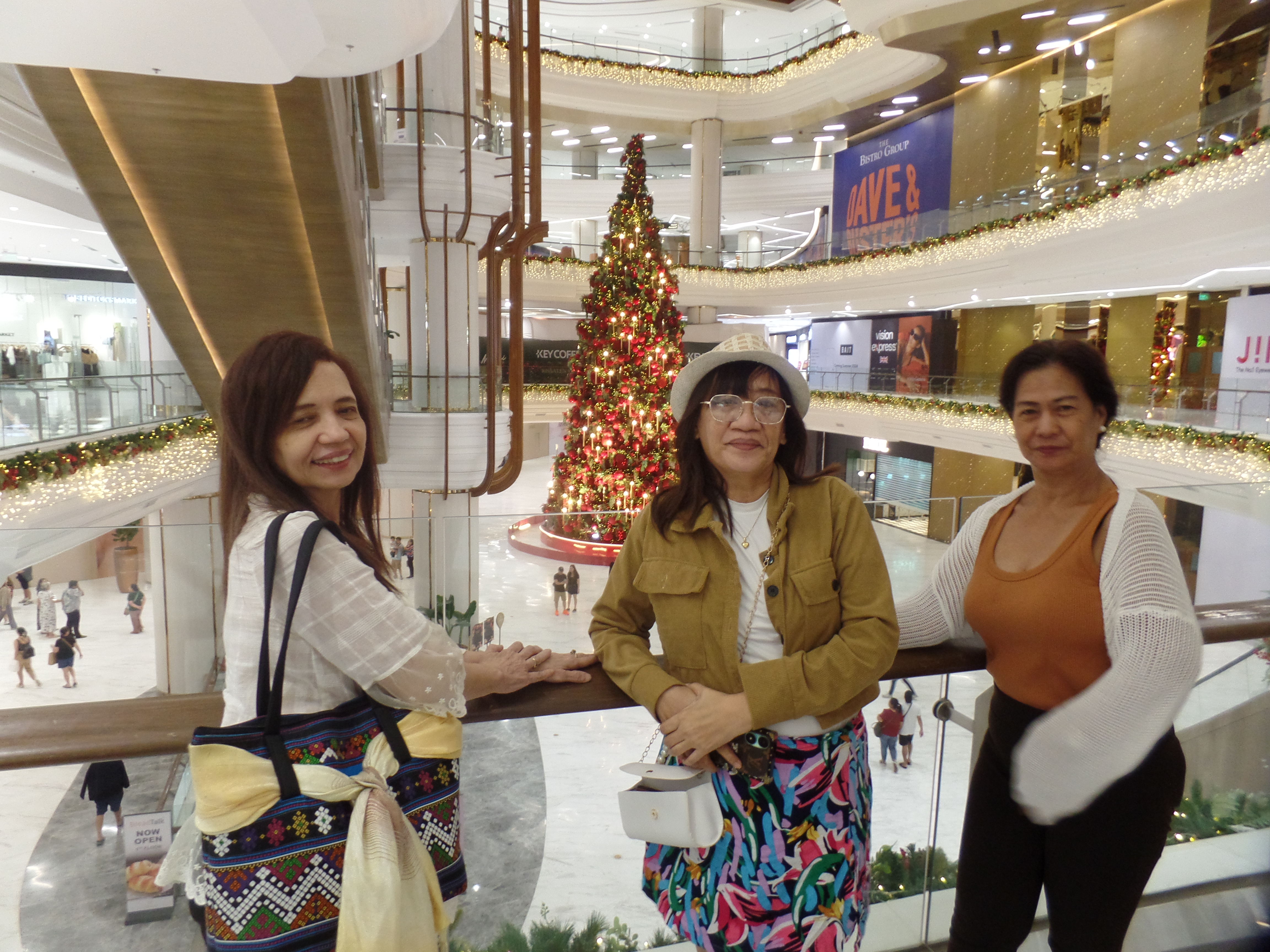
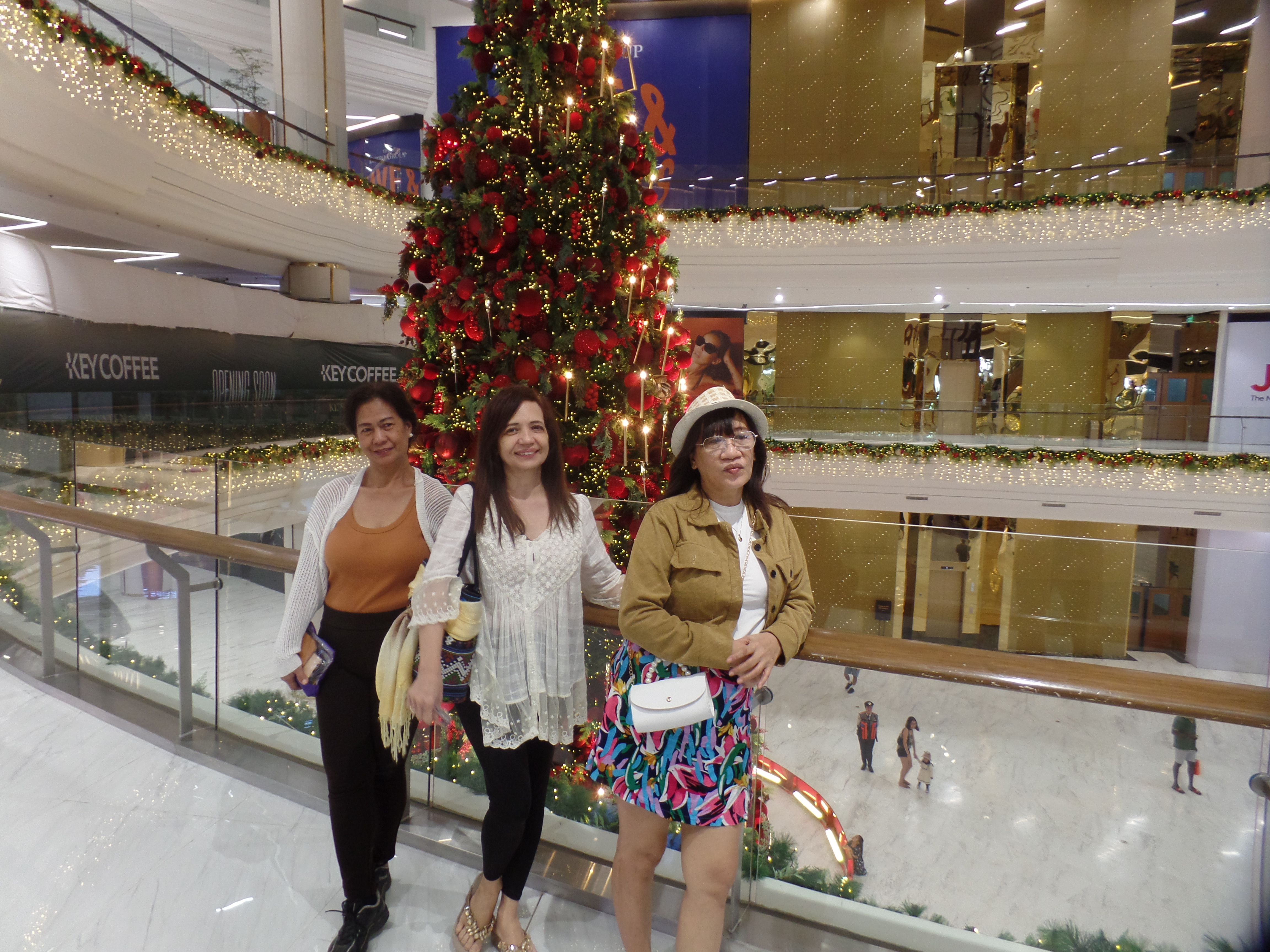
November 30, 2024, Grapevine- Donnie Wahlberg took our order, at Tokyo Cafe, carefully serving the Miso Soup, Yakisoba, Tokyokonomiyaki (savory, creamy pancake) and eel roll. Of course, it was one of Donnie’s look-alikes. He did a fine job, bringing us our late lunch.

Yesterday was spent on the northern edge of Dallas, so today was Fort Worth’s turn. Our center was Cowtown’s Botanic Garden, a sprawling gem, whose own centerpiece is the Japanese Garden. We were set on wandering mode, starting with Tropical Garden, an indoor setting, given this area’s late Fall temperatures-soon to be followed by a wintry mix. There are both tropical and subtropical flora, including a Philippine banana tree.

Banana tree, found in the Philippines and Malaysian Borneo.

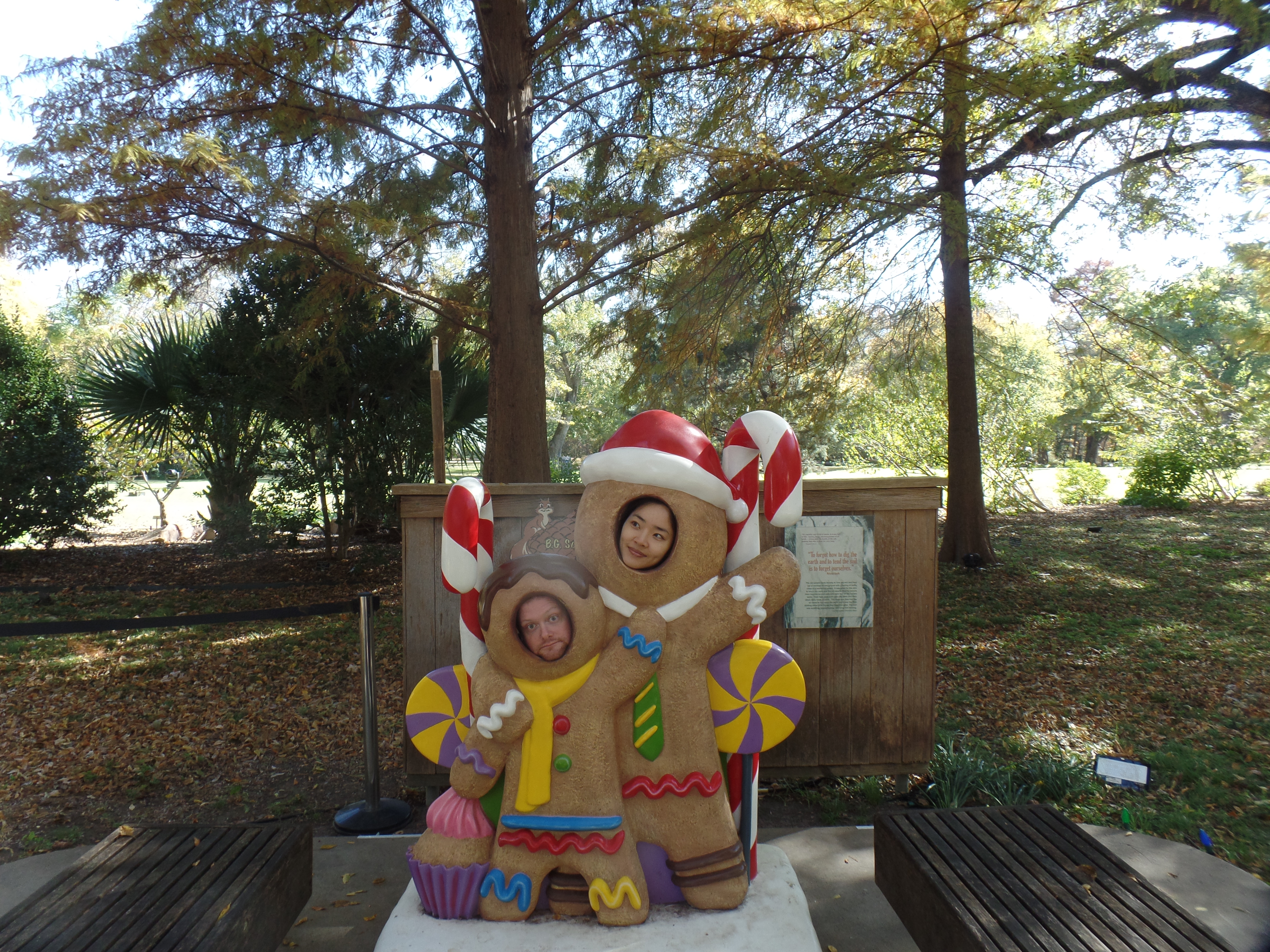
Our meanderings took us past a children’s garden, so we stopped and posed as cookies.

The Gingerbread Trio

Next, was a Kokedama Forest.

Two rows of Kokedama (above and below)

Kokedama is a Japanese botanic art, involving growing plants in a moss-covered ball of soil, contained by a web of string or monofilament fishing line.

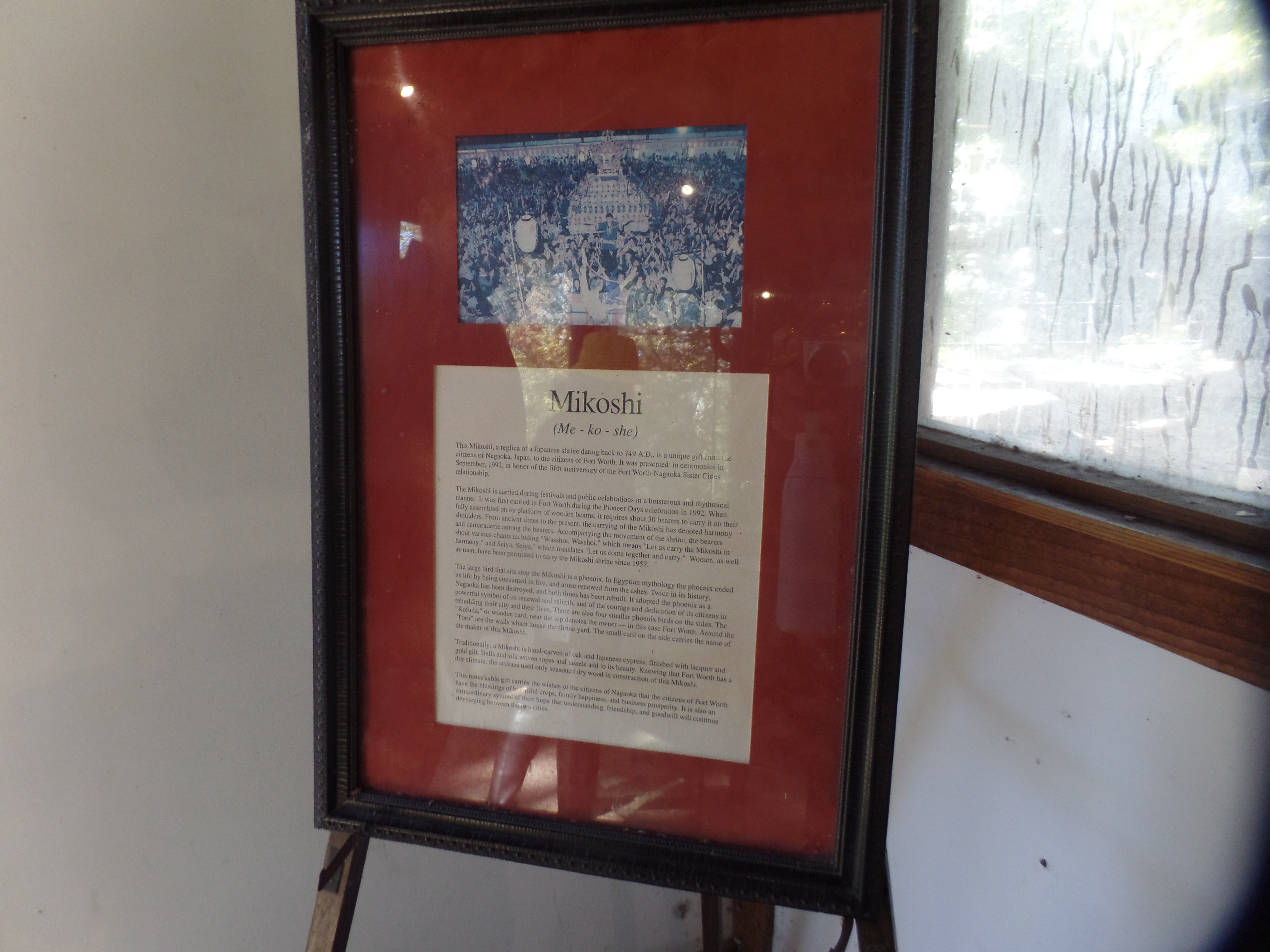
Fort Worth has a sister city in Japan: Nagaoka. A symbol of resilience was sent to the Garden, by citizens of Nagaoka. Here is a Mikoshi, topped by the figure of a phoenix.
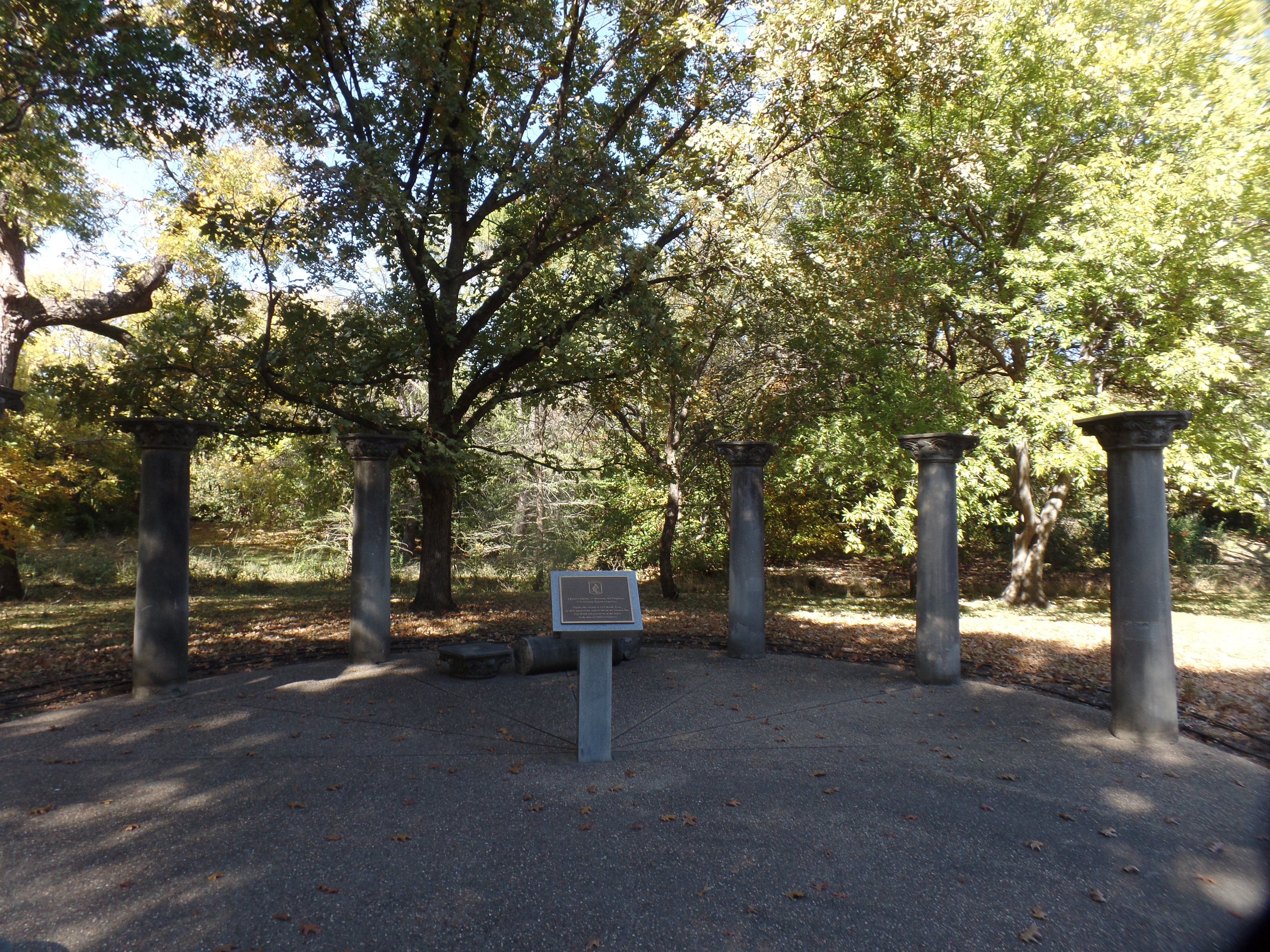
Most poignant is the Seven Pillars Monument, a tribute to soldiers who served in Viet Nam, in 1967. A lone soldier wrote to the people of Fort Worth, asking that someone acknowledge the sacrifices being waged by his comrades. The community responded with an outpouring of food and personal hygiene supplies. Seven of the soldiers made it home. Five did not. Thus, there are seven standing pillars and five “broken” ones.
The Call for Help, answered by Fort Worth.

This park promises to be a favourite of Aram and Yunhee. I will also want to stop by, when I am out this way next Spring.

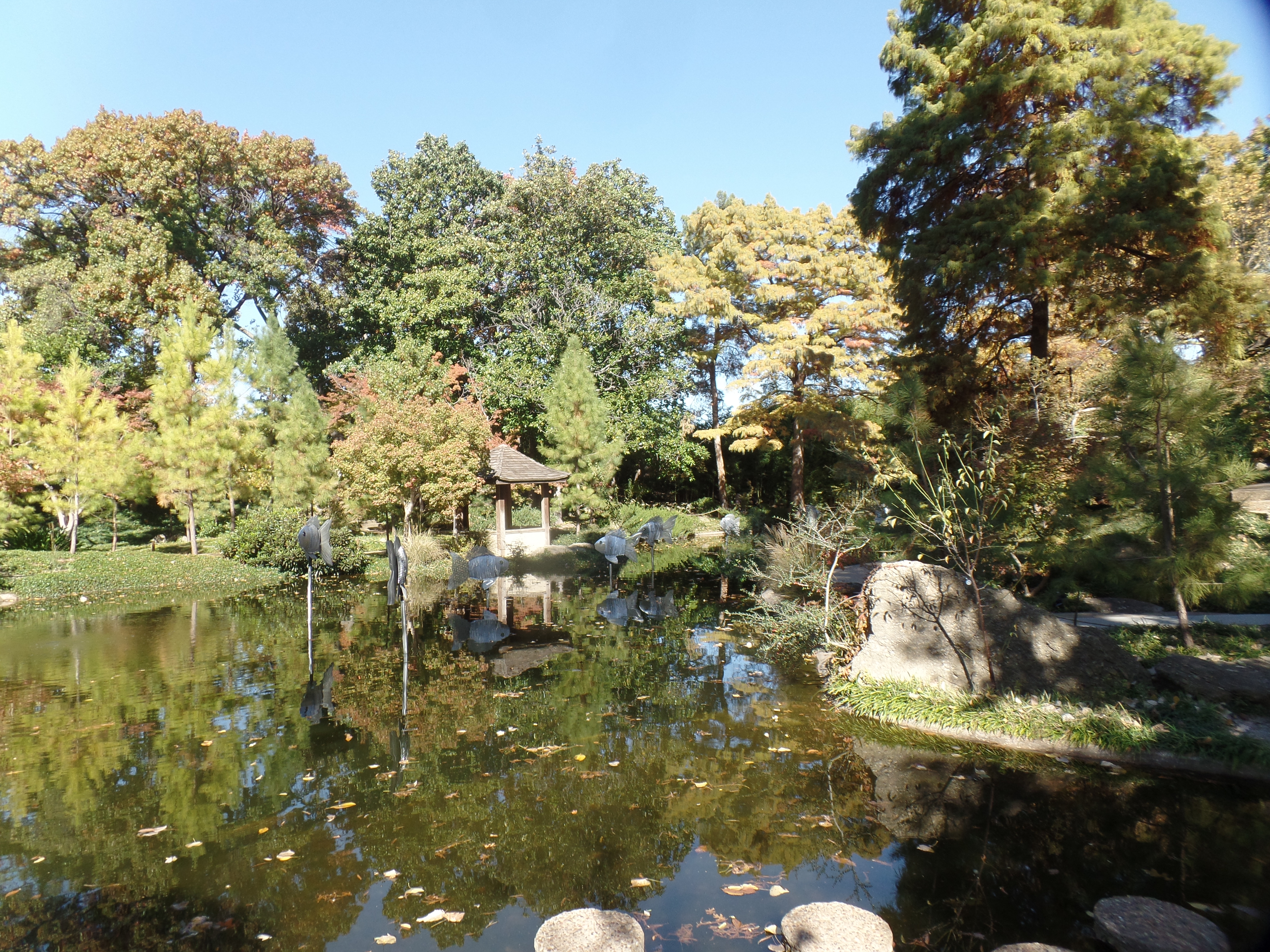
Large koi pond, Japanese Garden

The Road to Diamond-Day 1: Cedar Ridge

2

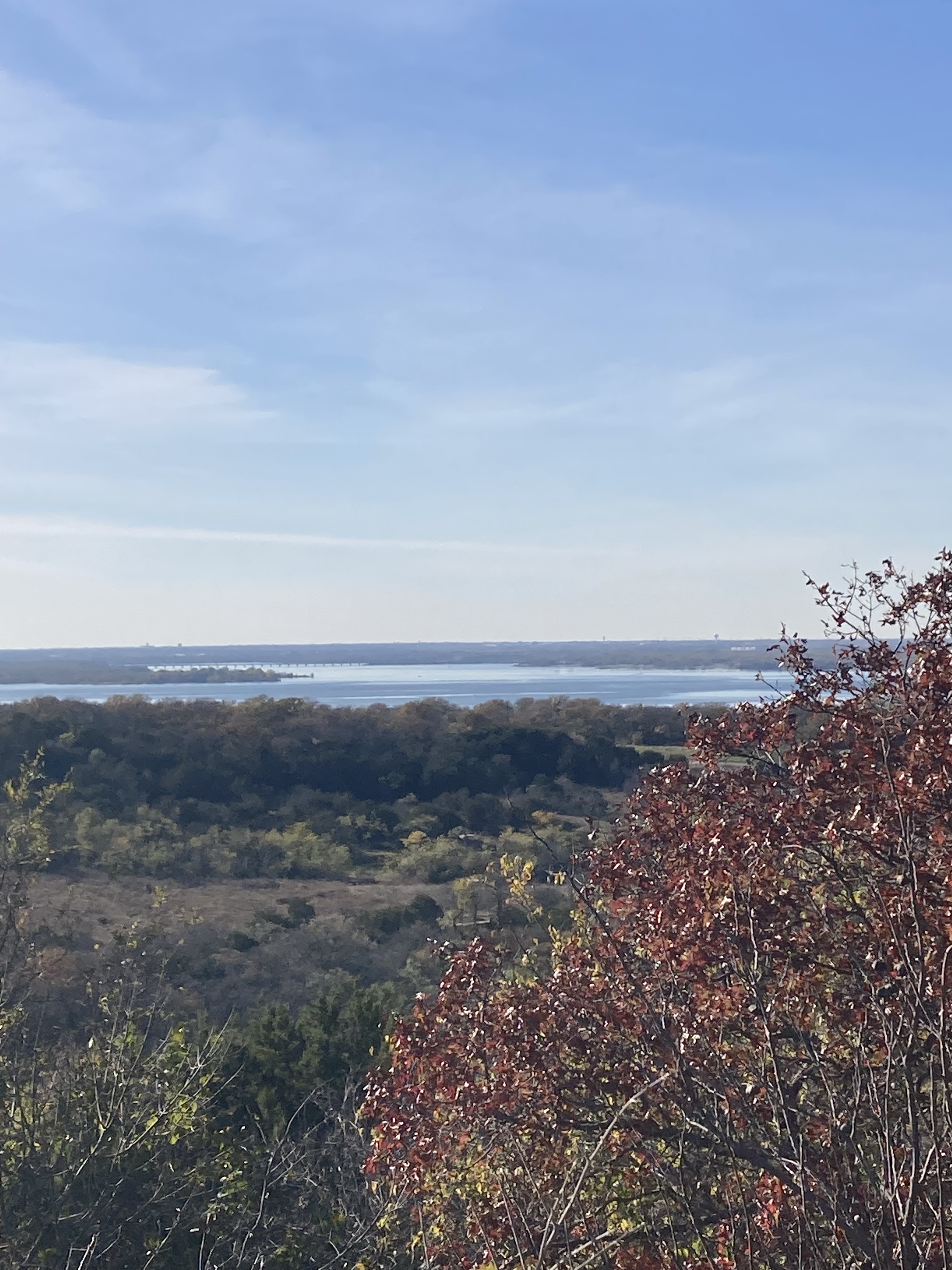
November 29, 2024, Grapevine- The three of us stood, overlooking Cattail Pond, as if it were the Pacific Ocean. In Dallas, any body of water will fill that bill. We took this 4-mile loop, after finishing off most of yesterday’s left overs, at today’s lunch.

Cattail Pond (Above and below)

Each trip around the Sun brings a theme, of sorts. Today begins a two-year stretch, centered on the notion of Diamond Jubilee-the road to that date (11/28/25), and the journey on the hard rock plateau, that follows the Jubilee. I’ve been asked, by at least one friend, how my travel plans are shaping up for 2025. The only things that are certain are that I will spend three weeks with my special someone and our circle of friends,in Home Base III, for three weeks: Late January to mid-February. From then on, I will again be in constant travel mode, save for a few key dates in the Spring that will tie things up at Home Base I. The scope and direction of my journeys will depend on what happens in February, but there will be much work to get done, regardless.

For the next few days, though, I am soaking up family love, at HB II. Partly because of my birthday having been celebrated and because of a general celebration of Thanksgiving, I have been in constant touch with friends in Prescott and the Philippines, and by extension, across the globe. It is salubrious and I thank everyone, near and far, who has taken the time to honour my life. It takes three seconds to type a “Thank you”, so that’s what I’ve done. (Jacqueline Kennedy Onassis, by contrast, wrote out hundreds of Thank You notes, in pen and ink, after each event to which she was invited, or which was held in her honour. She always was, and is, the gold standard).

Cedar Ridge is a remnant of glacial fingers extending down into the north Texas prairie, and leaving this pleasing network of hillocks and ravines, as a contrast to the sweeping riparian Plains. We had our share of short, but steep, climbs and descents. Thanks to the Audubon Society, I can’t think of a better way to “recover” from Thanksgiving Feast, part I and part II.

The sweep of Cedar Ridge Preserve, Dallas

Shining Through The Ages

4

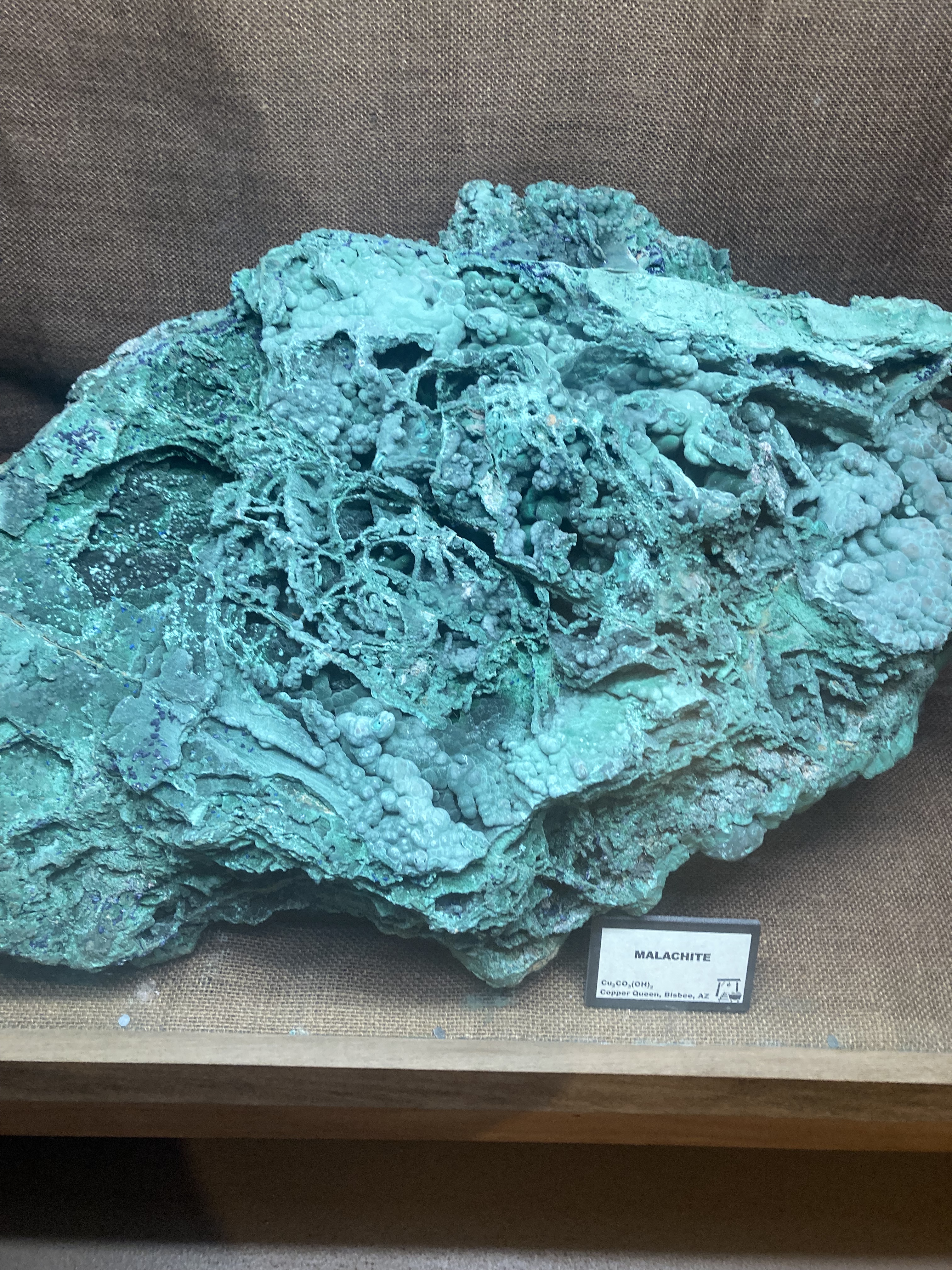
November 6, 2024- The road winds around, taking vehicle and walker alike down the hill, from the center of Jerome to Douglas Mansion, the home of Jerome State Park. In a center room on the first floor, the world of magnificent colour greets the viewer, from the safety of a locked case.

These glorious minerals, the product of high volcanic heat, come to us from a time when even the dinosaurs were still ages from appearing on Earth. The Cambrian, Ordovician and Silurian Eras were times of giant ferns, dragonflies the size of sparrows and scorpions the size of cats. These were collectively known as the Carboniferous Period, when heat and compression began to fuse minerals into gems, and transform plant and animal matter into petroleum.

I never get tired of any display of bright colours, and minerals are especially appealing, because of their longevity. That same longevity puts our perceived woes and concerns of this day and age into a very bright perspective.

In yesterday’s presidential election, a majority of voters freely chose to put the brakes on what they perceived as frenetic social change. They appeared to be opting for a “wagons in the circle” approach, the majority within this majority trying to at least buy some time, so that the changes that are buffeting the planet now may at least become manageable, comprehensible.

Real change, however, happens in stages, is often imperceptible and is definitely not easily counteracted. From the evolution of rocks and minerals into gems to the arc of human history, no impediment to change is very effective in the fullness of time.

I went to Jerome today, for the very reason of focusing on this feature of change, from the perspective of natural history. Minerals never disappoint. They shine outwardly to us, through the ages.

A Tanay Excursion-Part II

0

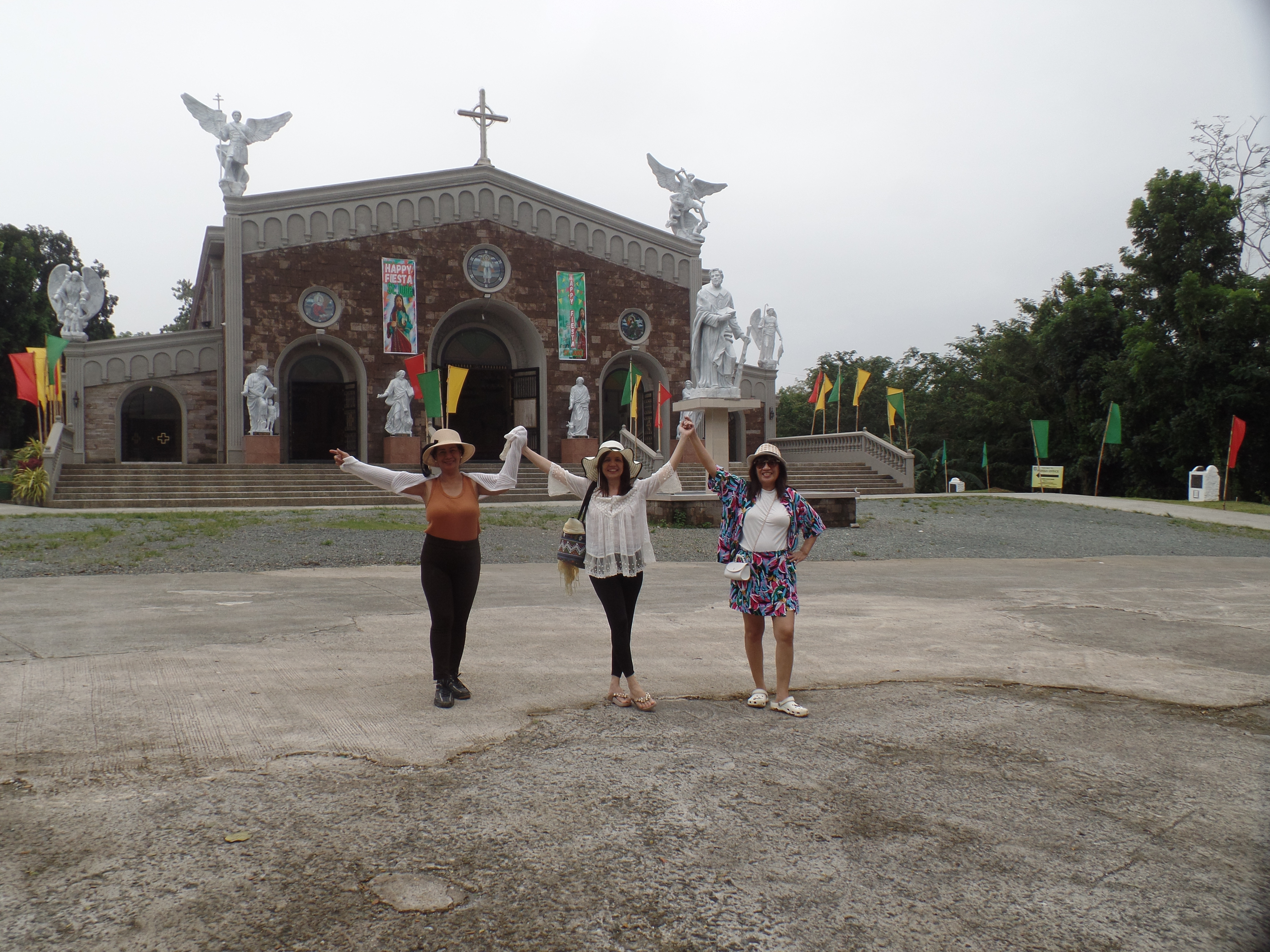
October 26, 2024, Manila- With a successful extraction from the muddy road behind us, the five adventurers took to more settled sites-the joys of central Tanay. First off was a fairly new church, Padre Pio Chapel. Here, the ladies indulged in another pose. Kathy could pose forever, and it would not get old.

Tres amigas, at Padre Pio Chapel, Tanay

We got directions from there to a chicken restaurant, Mang Inasal, in Tanay Town Center, where we enjoyed chicken inasal- grilled breast or leg. I covered this part of the meal. K bought us all Halo Halo, a treat that layers shaved us and frozen condensed milk, with bits of fruit.

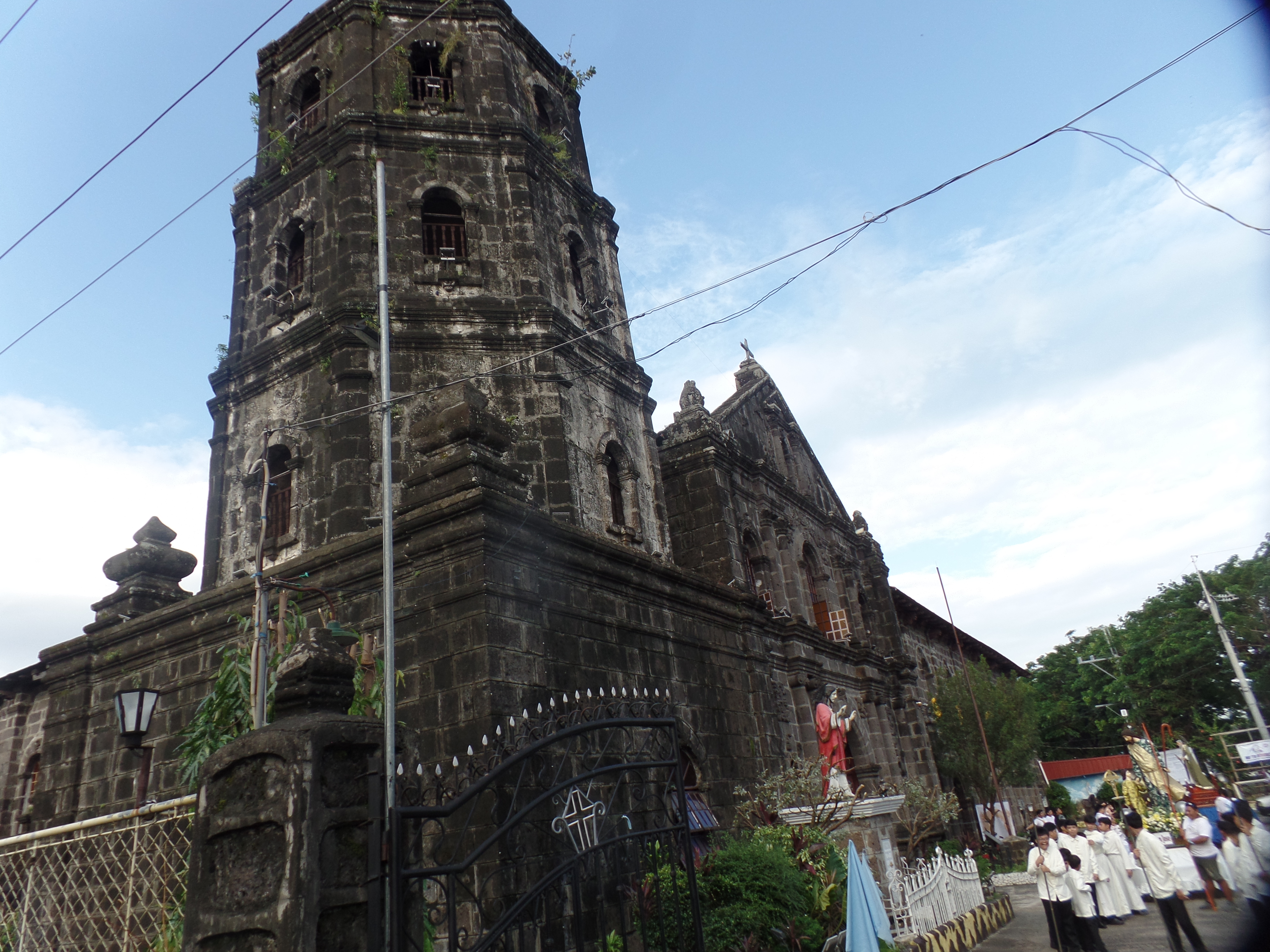
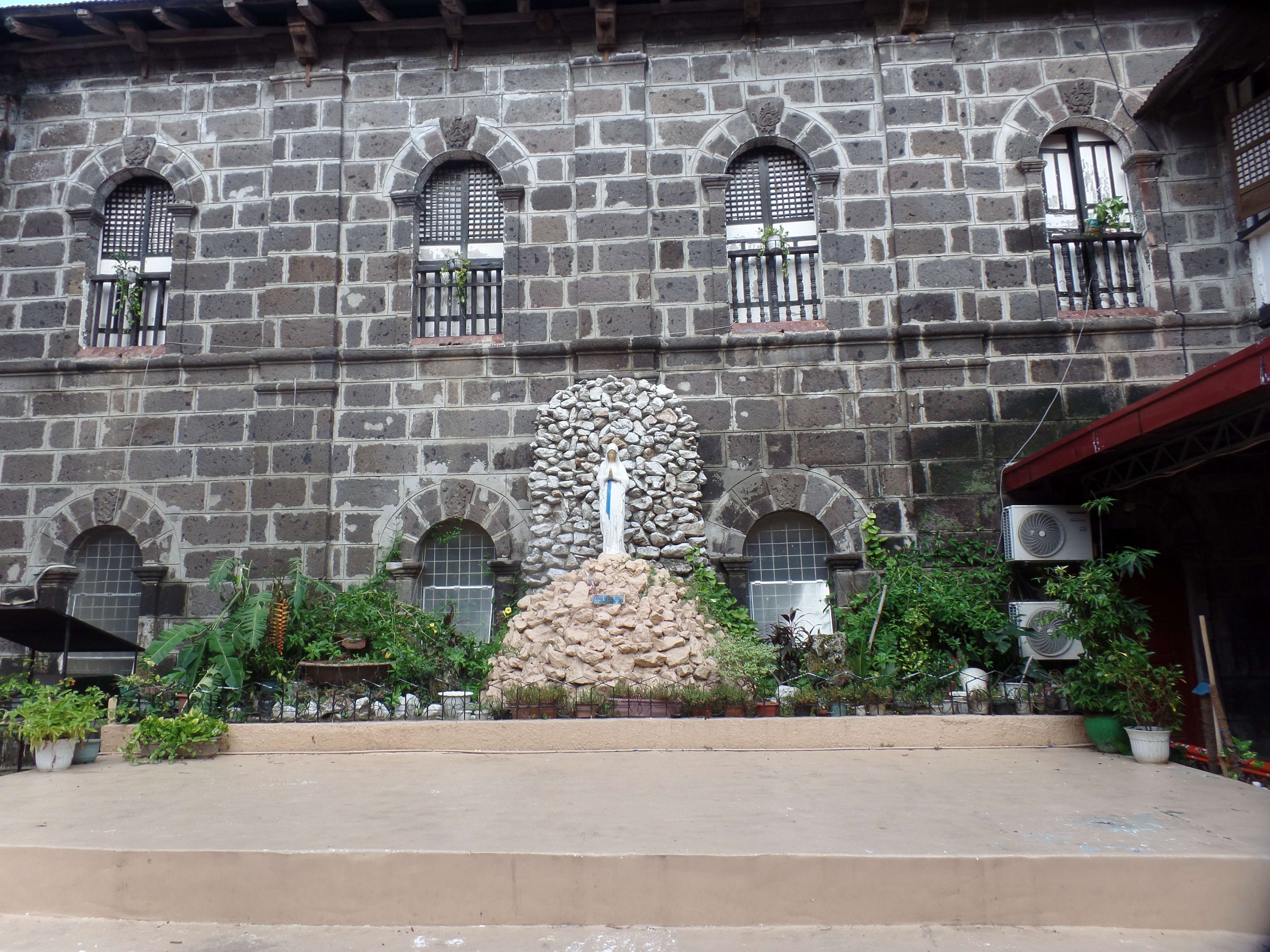
Following that delectable capstone to today’s journey, we headed over to San Ildfeonso de Toledo Catholic Church, built in 1563. There, we watched a procession of clergy and parishioners, quite common in the Philippines, following Sunday evening Mass.

Procession outside San Ildefonso de Toledo Church, Tanay
Courtyard of San Ildefonso de Toledo Church

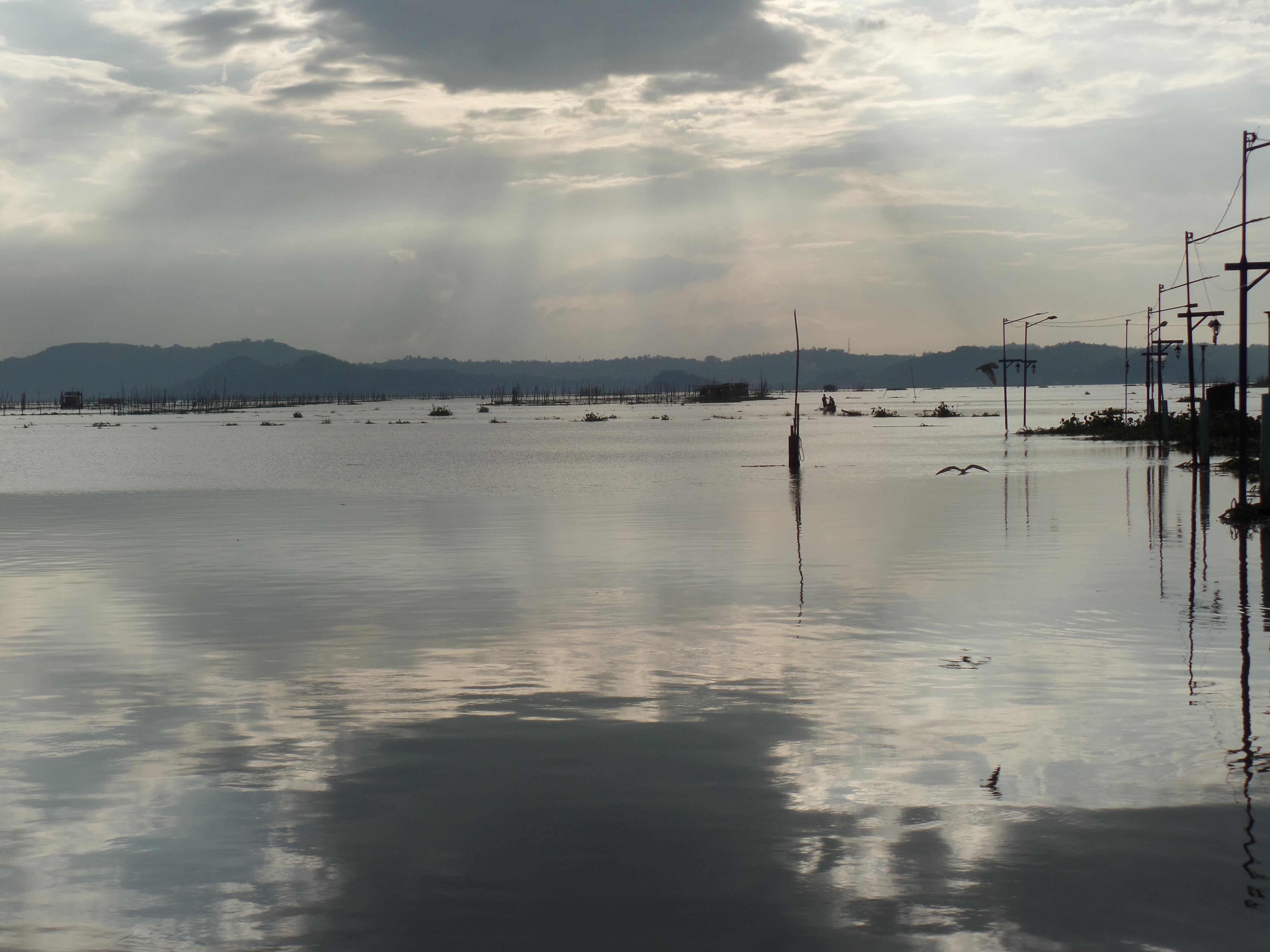
After the procession cleared, we made our way over to Tanay Wawa Park, where a small lighthouse stands on the north side of the brackish Laguna de Bay Lake, actually an inlet of Manila Bay. The lake itself is a rich fishing haven, with sea grass and water lilies in abundance, adding a relaxing air to the park.

Wawa, a thriving fishing village, south of Tanay (Above and below)
Tilapia, freshly caught: To buy or not to buy. K and I concluded that lack of a cooler was a problem.
We were satisfied with the decision.
After talking with the fisherfolk, and my climbing the steps up to the top of Tanay Wawa Lighthouse, we headed back towards Manila-but not before stopping at Opus Mall, one of Pasig City’s most opulent. There, a “personal need” became the pretext for more photos. You have to know, I am a willing photographer.

Thus ended one of the sweetest days of this journey.

A Tanay Excursion-Part I

4

October 26, 2024, Manila- The ants came marching, ten by ten, and the little one did NOT stop to do it again. The little black sugar ants were all over a piece of bamboo fence. When I rested my hand on the fence, they were all over me-and my camera. They don’t bite, but I brushed them off anyway. I warned Kathy about them, as she was about to put her hand on the same area. She wasn’t concerned, as they are not biters; but she also didn’t put her hand on the fence.

This was our introduction to Daranak Falls, which was officially closed, due to the effects of Typhoon Kristine. The caretaker let us take a few photos from the overlook and from just inside the walkway to the shuttered tourist huts. As you will see, there was no waterfall today. That is what severe typhoons do to rivers.

Tanay River, where the Falls usually hold forth. (above and below)
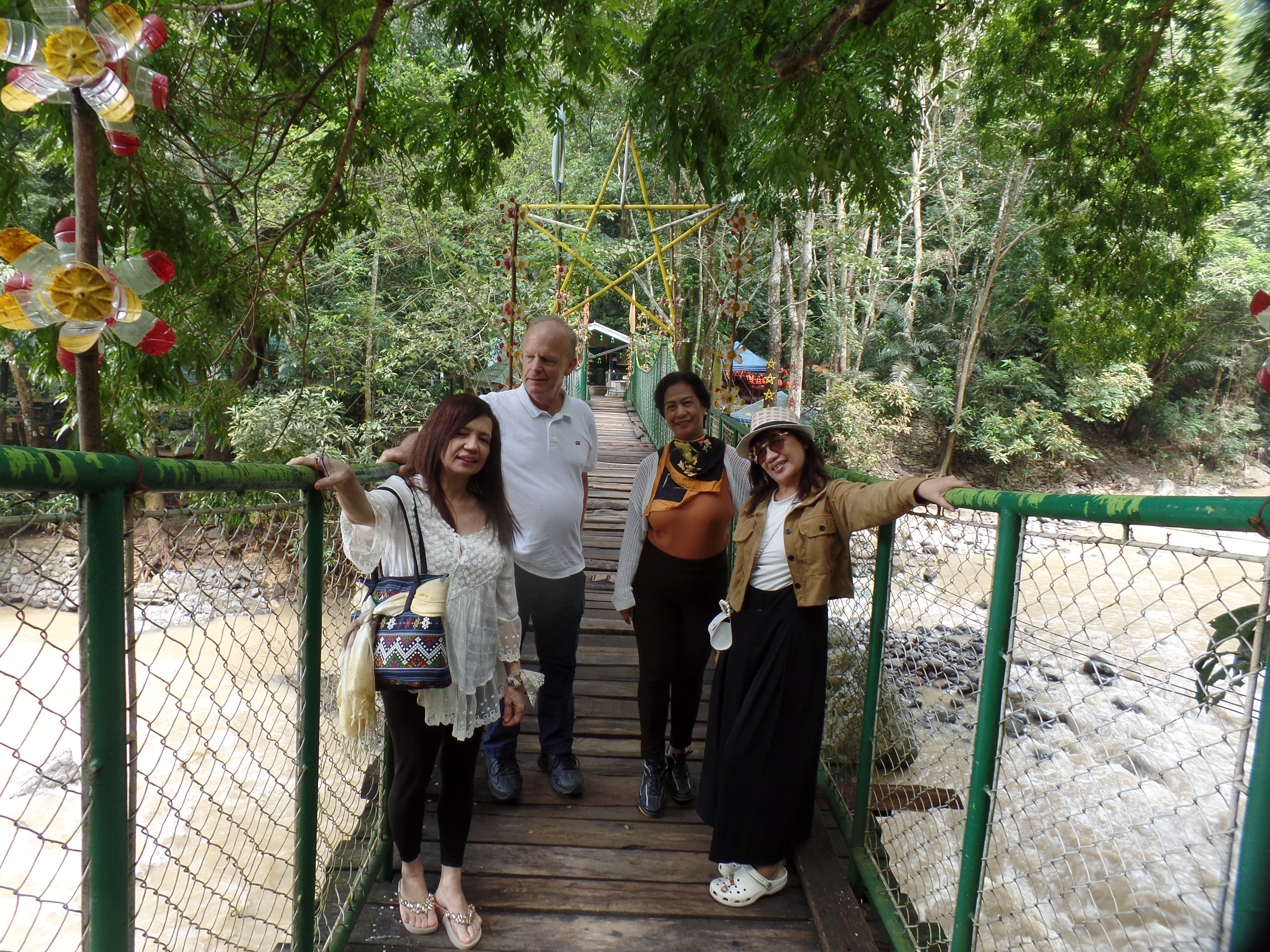
Four friends on a bouncing bridge (We didn’t jump around)

Next, we headed to a nearby cave attraction.

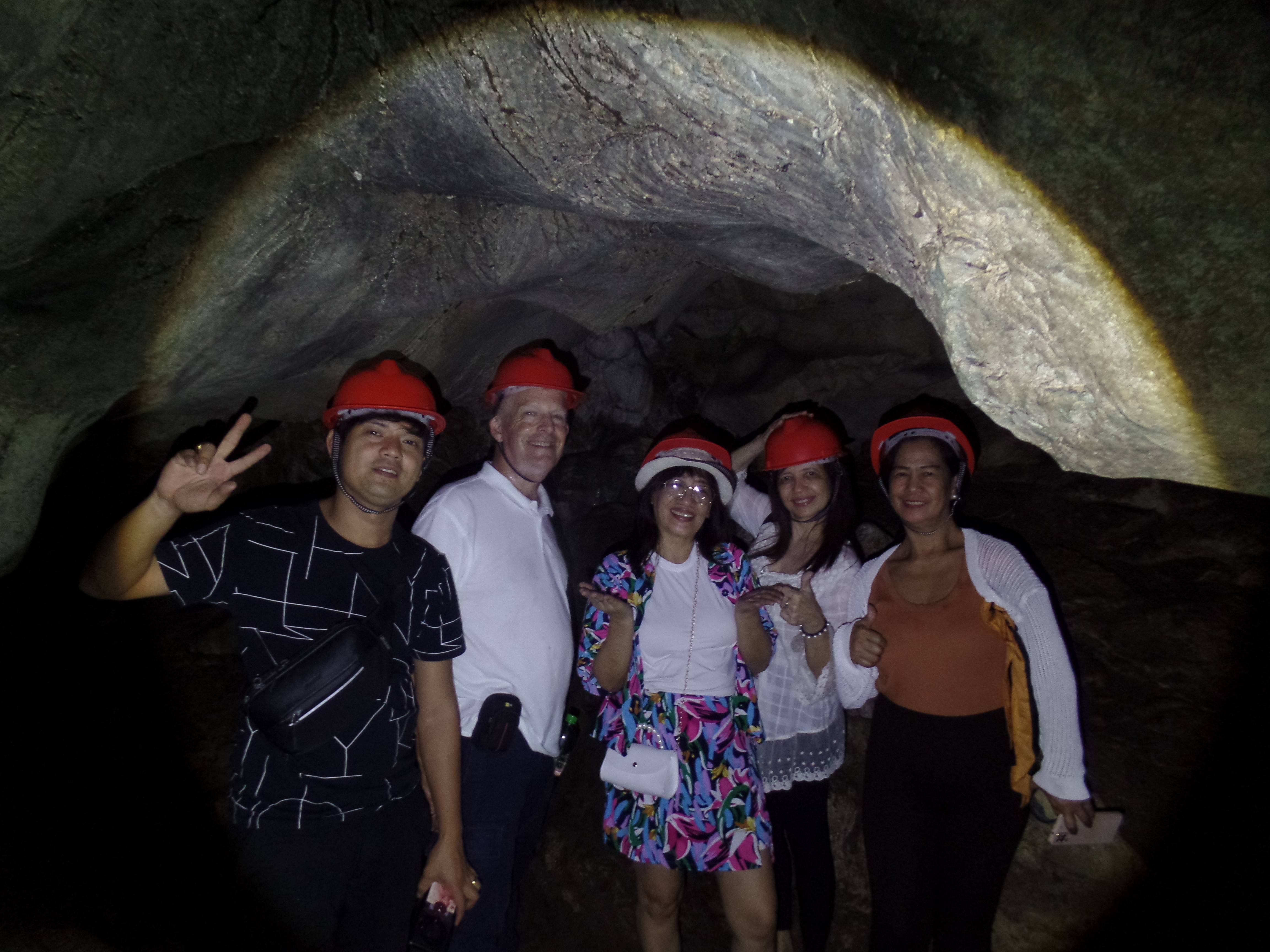
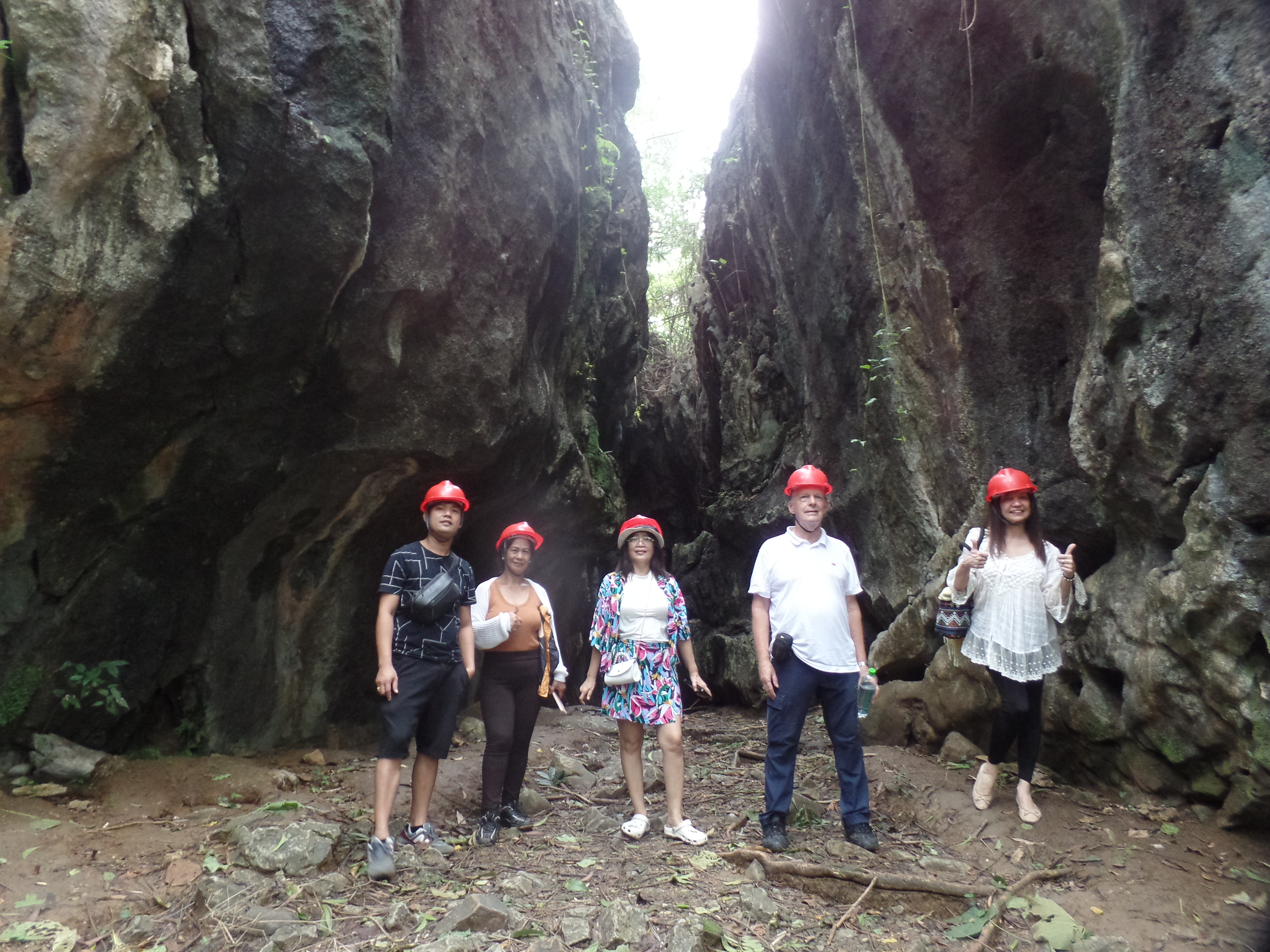
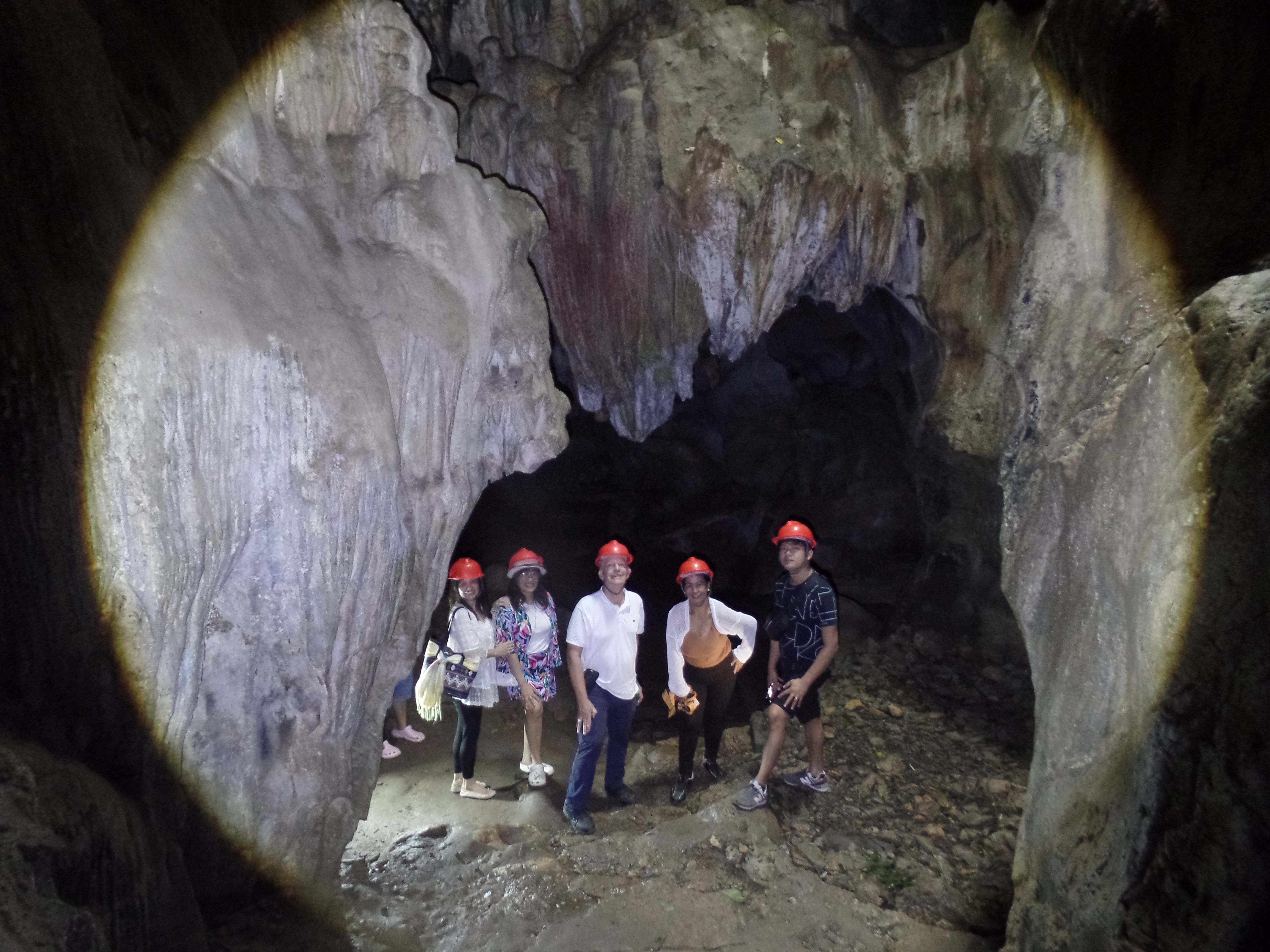
We all wore plastic hard hats, during the tour. That didn’t faze my favourite lady.
or the rest of us, for that matter.

Now, here are some views from inside the cave.

Near the entrance
Stalactite time
Into a crevice
In the Great Room
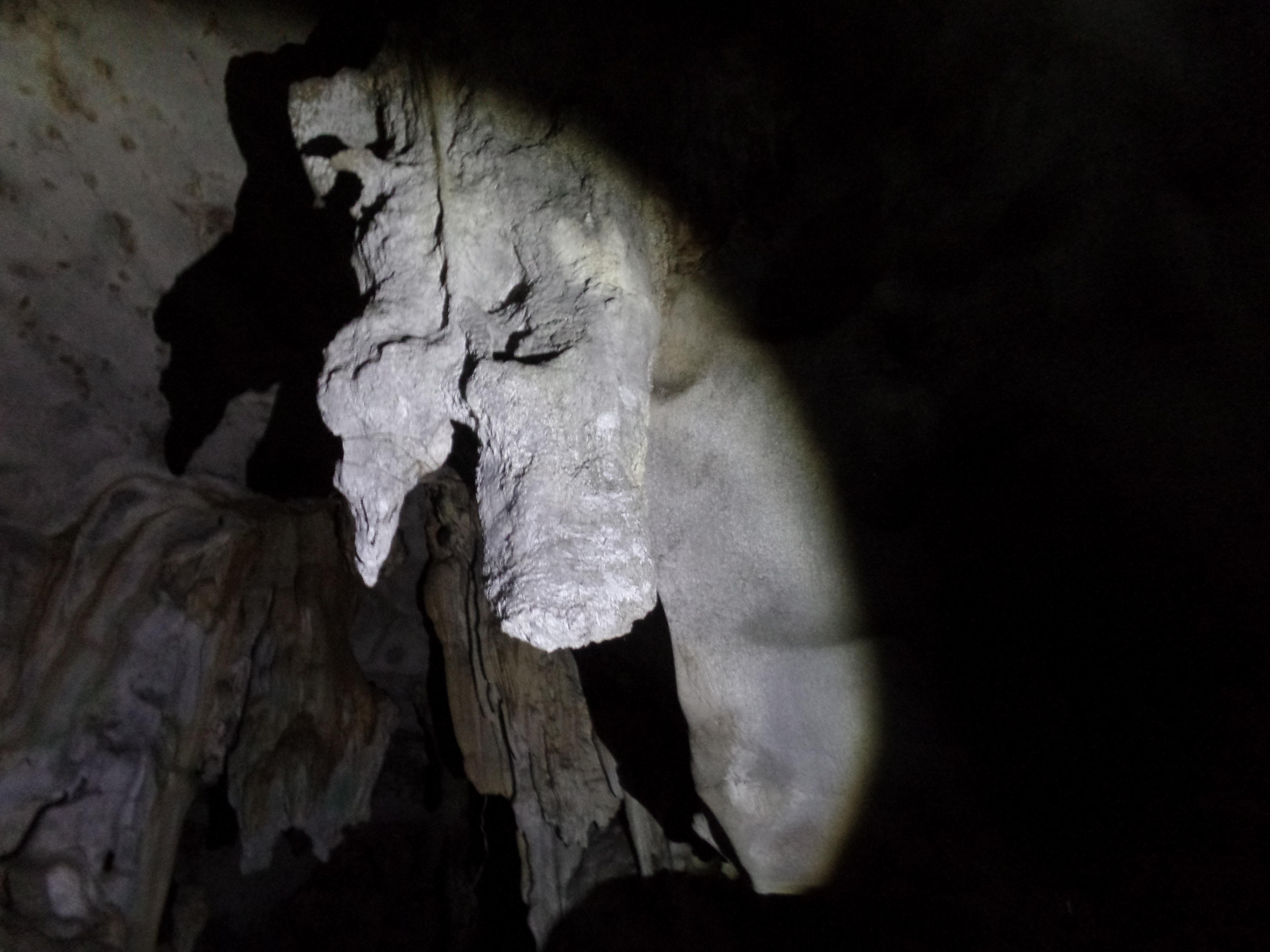
A goblin hangs out
A pillar has formed(Fusing of a stalactite and a stalagmite)
One last scene in the cave,
and one at the far entrance. We could not exit the cave here, as there was waste-high water in the final cavern room. So, we went back the way we came, and circled around on the surface. You can see how disappointed we all were.

Going back into Tanay City was its own little adventure. Being told by villagers that the short-cut to the main road was washed out, it took the four of us going to the back of the van, in order for the driver, Arjun, to back it up a hill and turn around at the small store.

In the next post, we look at the in-town delights of a church that was built in 1563 and a small park, on Manila Bay, that is centered on a lighthouse.

A Cluster of Parks, Part I

2

October 12, 2024, Manila- On days when K is busy, which are most days lately, I have determined routes for walking and found that Manila has a wealth of green spaces to check out, particularly in the area to the south and east of the Pasig River. Rizal Park, which memorializes the death of Dr. Jose A. Rizal, National Hero of the Philippines, and adjacent Luneta Park, occupy the eastern third of this greenway. This magnificent park was the second area, after Intramuros, that the ladies showed me, last year.

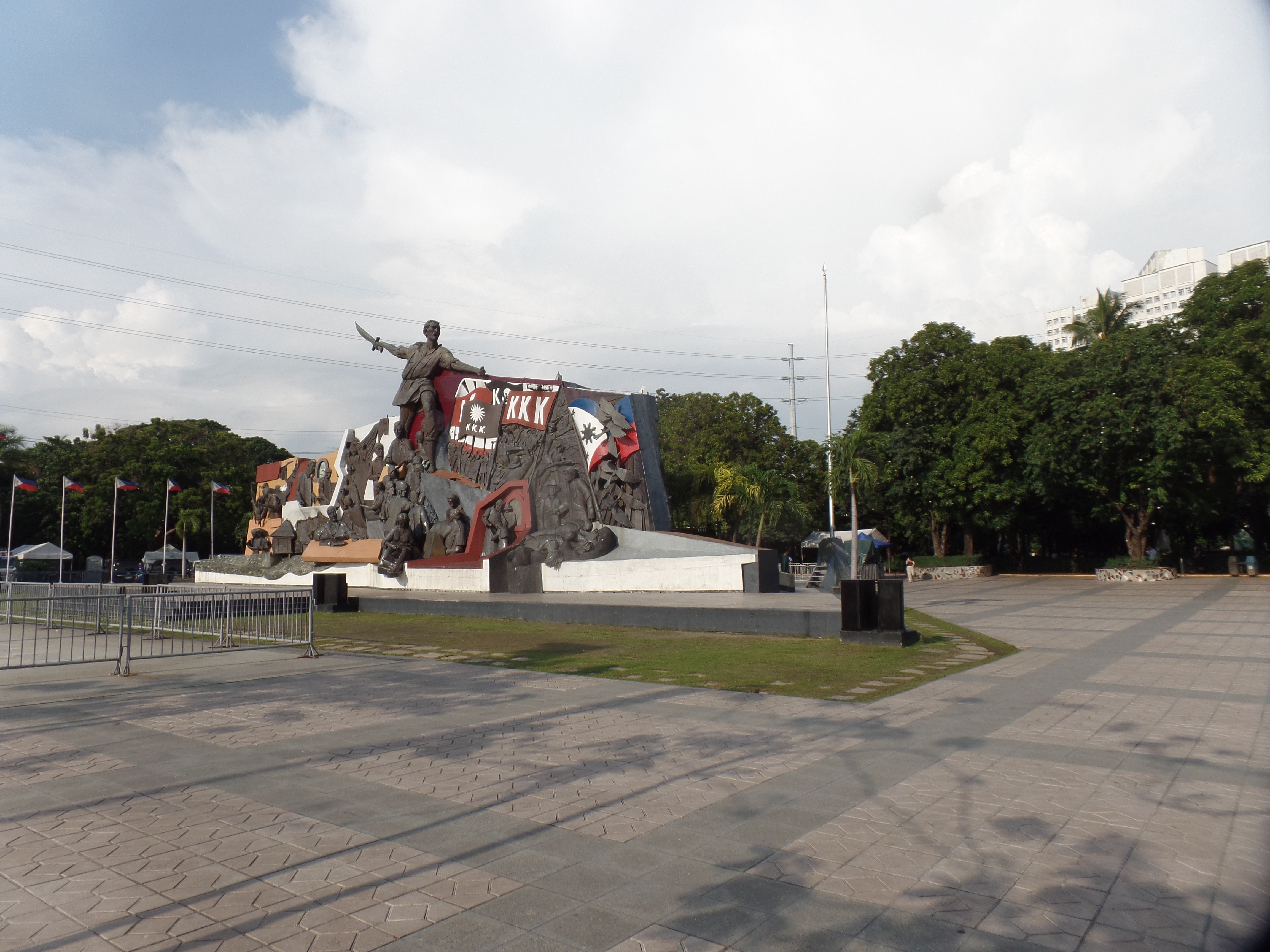
There are five smaller parks and gardens between Rizal/Luneta and the river. Yesterday, en route to a shopping run at SM City-Manila, I checked out Heroes Park. This small, but impressive, gem is also called Bonifacio Memorial. Andres Bonifacio is considered by many to have been the first President of the Philippine people, being a key leader of the movement towards a free Republic of the Tagalogs, in the mid-1890s. He was executed by the Spaniards, in 1897, and is viewed as a national hero by many, alongside his contemporary, Jose A. Rizal.

https://en.wikipedia.org/wiki/Andr%C3%A9s_Bonifacio

Bonifacio Memorial at Heroes Park, Manila (above and below)
Just so we’re clear, KKK refers to Kataastaasan Kagalanggalang na Katipunan, which is Tagalog for “Most Honourable Assembly”.

Near Heroes Park is the Clock Tower, which I captured only through the tree-tops. More on that edifice, later this coming week.

View of Manila Clock Tower, north of Heroes Park.

It is Kathy’s stated intention to get to more of the historical sites of the capital region, while I’m here. She’s doing the work of the Divine, though, so I am going to take up the slack and catalog as many sites as I can, on my own. It will make for a more interesting discourse, when we do get to visit the sites together.

My other mission was to replenish a few items and pick up some “breathable” cotton shirts, at SM City-Manila, not too far from Heroes Park. After walking past Arroceros Forest Park, a bit to the west of Bonifacio, I went about my shopping mission and enjoyed some Inasal Chicken, a breast barbecued in lime, pepper, vinegar and annatto/asuete ( derived from the seed of the achiote tree, as a natural food colouring). This style was developed in the area of Bacolod (Ba-KOO-lud), Negros. A couple of new polo shirts, some toiletries and a SIM card, w/ new adapter, for my camera accompanied me back to Ola! Hostel.

What started as a day of dark energy was turned around. Pondering the struggles of freedom fighters will do that. So will being grateful for having a certain person in my life.

Awakening Rain

4

October 7, 2024, Manila- Being on my own today, with the ladies off taking care of important business, in different directions, I chose to walk to Manila Zoo-about 3/4 mile from the hostel. It was humid, but not all that hot, and the cloud cover kept things fairly pleasant. My route went north on Pedro Ocampo Street, then veered east on Adriatico. At that point, a statue of Pedro Ocampo marked the junction.

Pedro Ocampo, the Resident Commissioner of the Philippines to the United States Congress. He took a moderate view of immediate independence for the Philippines, from American rule, while pressing for equanimity in trade between the U.S. and the Philippines. The placard at the base of this statue is aimed mainly at Filipinos, explaining Ocampo’s life and actions in Tagalog.

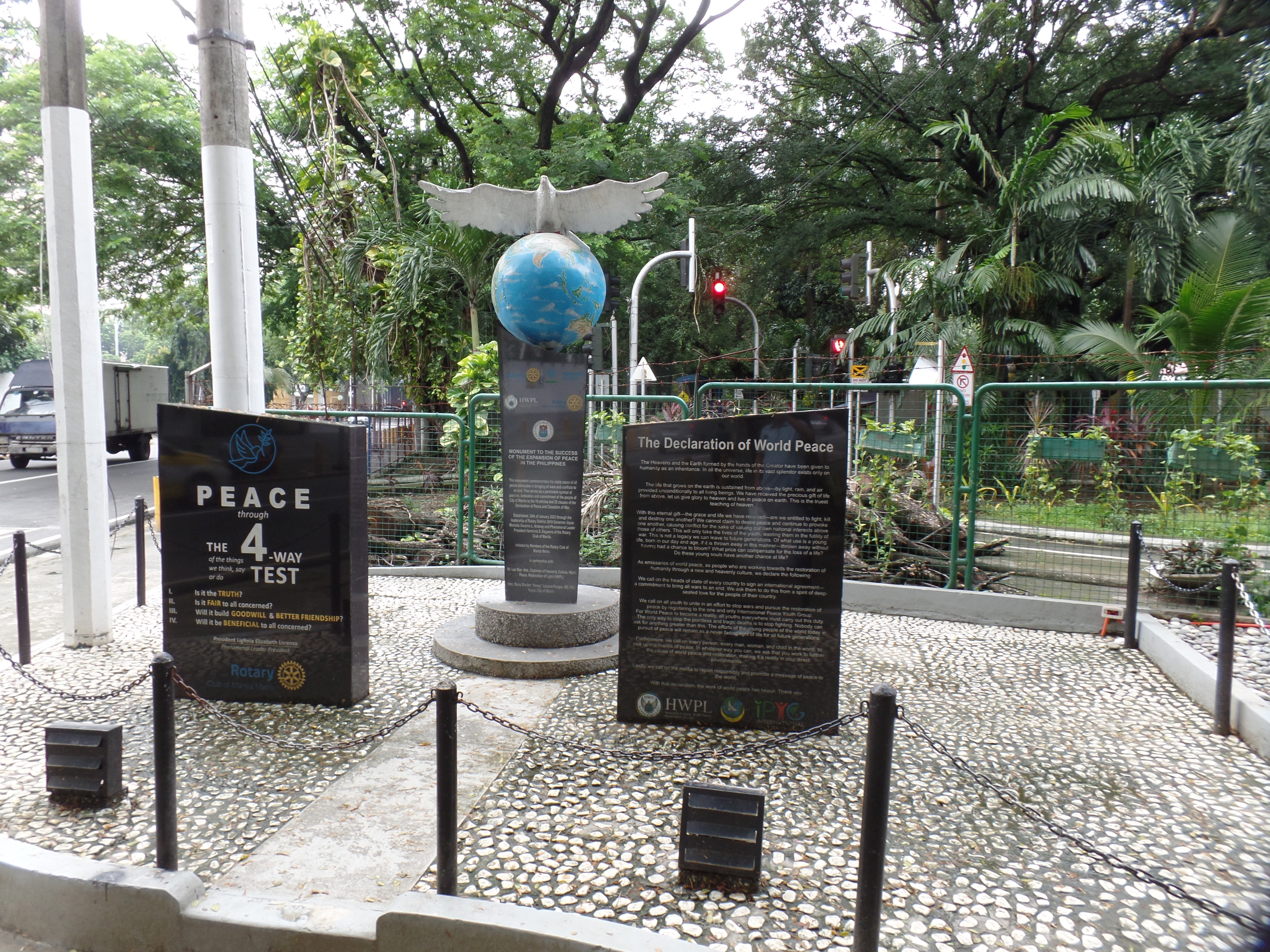
Across from the Zoo, about a quarter-mile further on Adriatico, is a Children’s Road Safety Park. Here, kids can “drive” along mock roads and learn the basics of traffic safety. Given the crowded and sometimes chaotic nature of urban Philippine roads, this novel idea may well partially account for the relative safety of navigating roads here.

As the signs indicate, this park is somewhat inspired by Rotary International.

In the zoo itself, one has any personal bags briefly checked, then a seated registration and admission payment process ensues. This is similar to other entrances to Philippine parks and museums-and accounts for setting a tone of decorum and personal safety in the facilities. I find it re-assuring.

The zoo is rather small, for a major city zoological park, but it does introduce children to both animals endemic to the archipelago and to several animals found in Africa, South America and elsewhere in Asia. The Asian elephant, though not found in the Philippines, is the statuary that greets the visitor.

Asian elephant statue
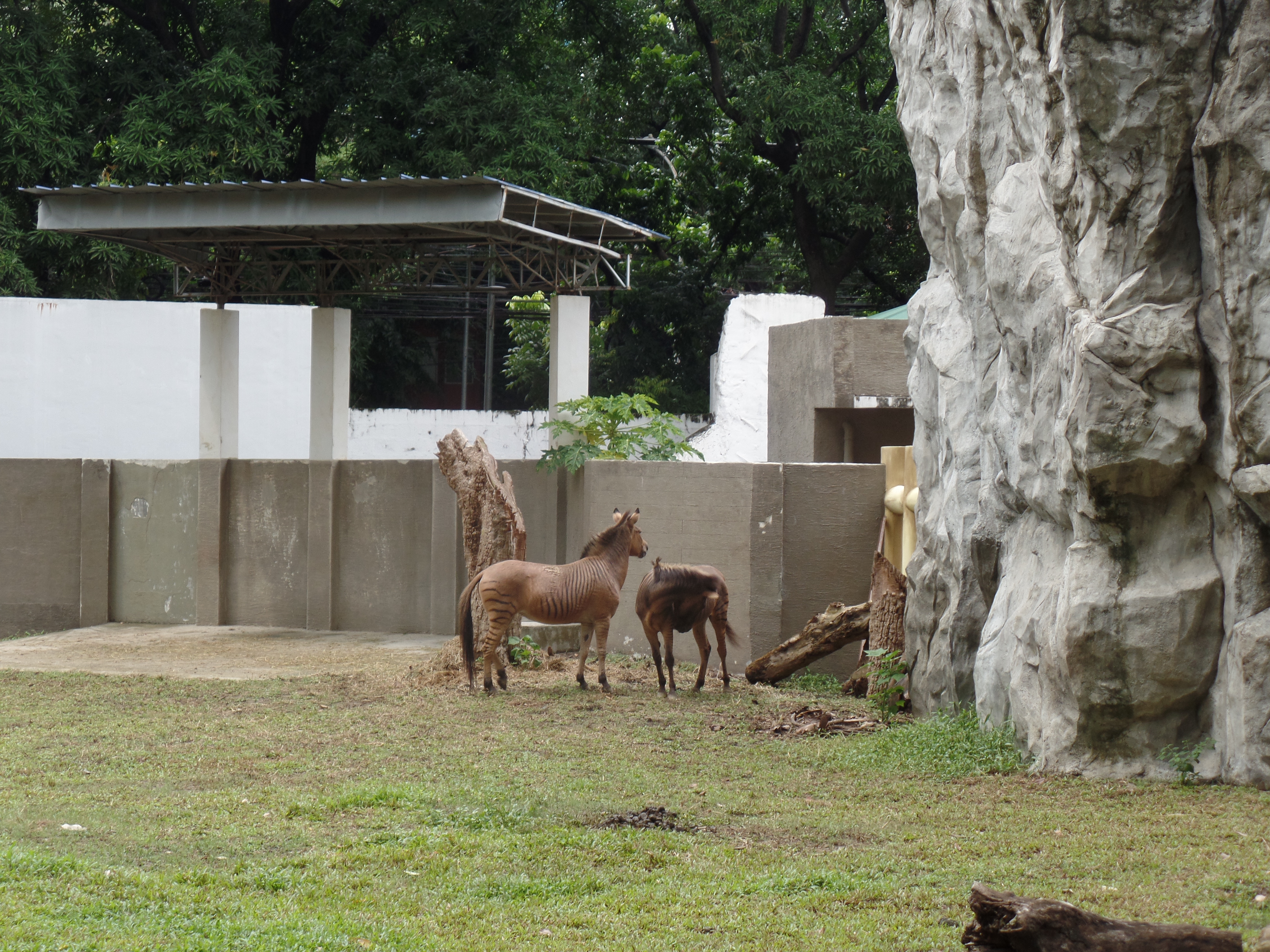
An 11-or-12-year old told his little brother, “This is a magic Horse-Zebra!” He was teasing, but it turns out he was right. These are Hebras, the offspring of a male horse and a female zebra. They are likely sterile.

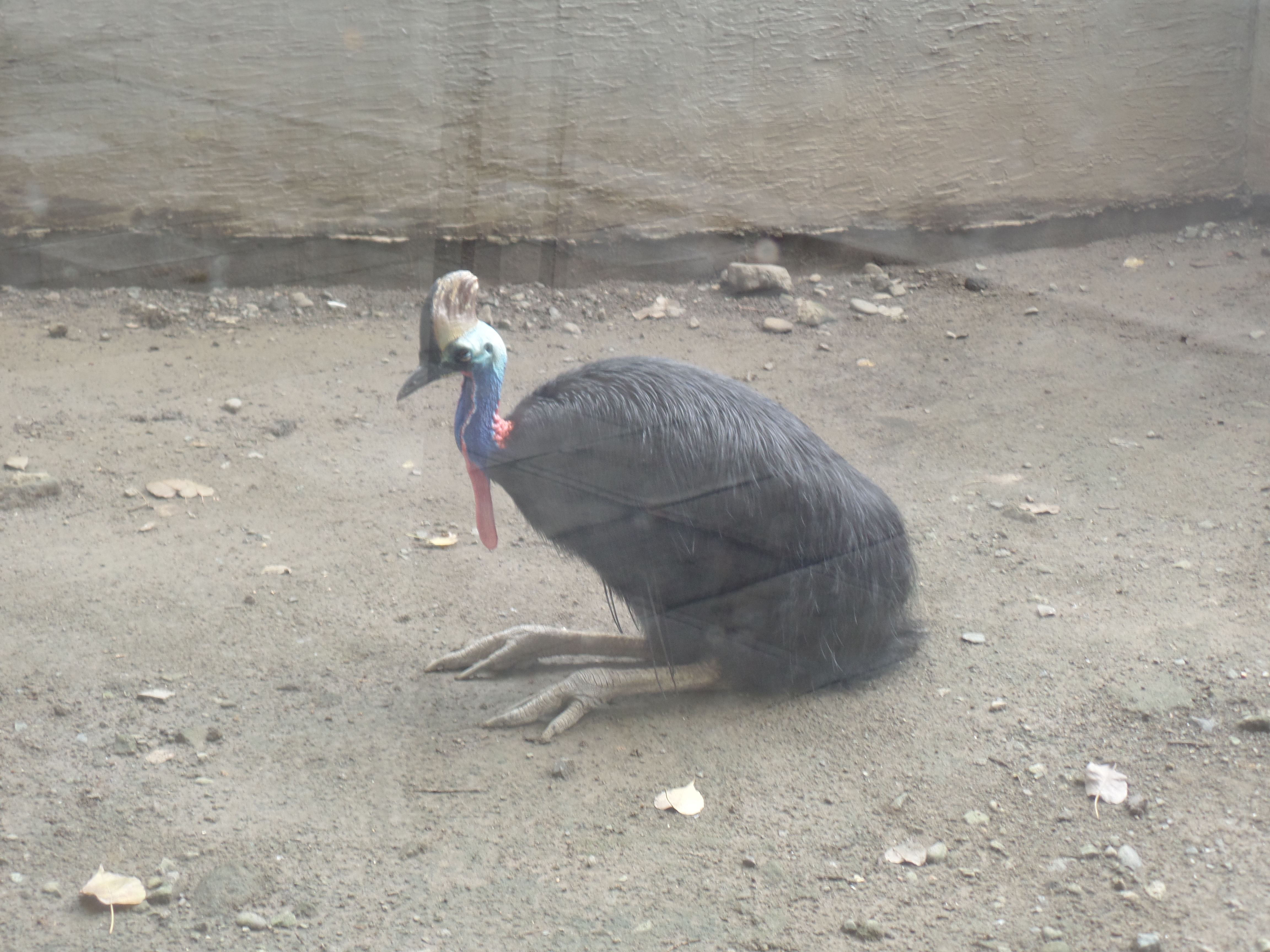
Many of the animals, from a pair of capybaras, to a laconic cassowary, and the big cats, were immobile in the late morning humidity. Once a light rain came, the lions and tigers, at least came somewhat alive.

So, too, did the cassowary, a usually feisty ratite, which counts among the most dangerous of the large, flightless birds.

Cassowary at rest
and active.

The lioness posed in a dignified manner, after regarding me for a few minutes.

African lioness
Philippine deer with African zebra

The Philippines do have predatory animals-mainly reptiles.

Philippine salt-water crocodile
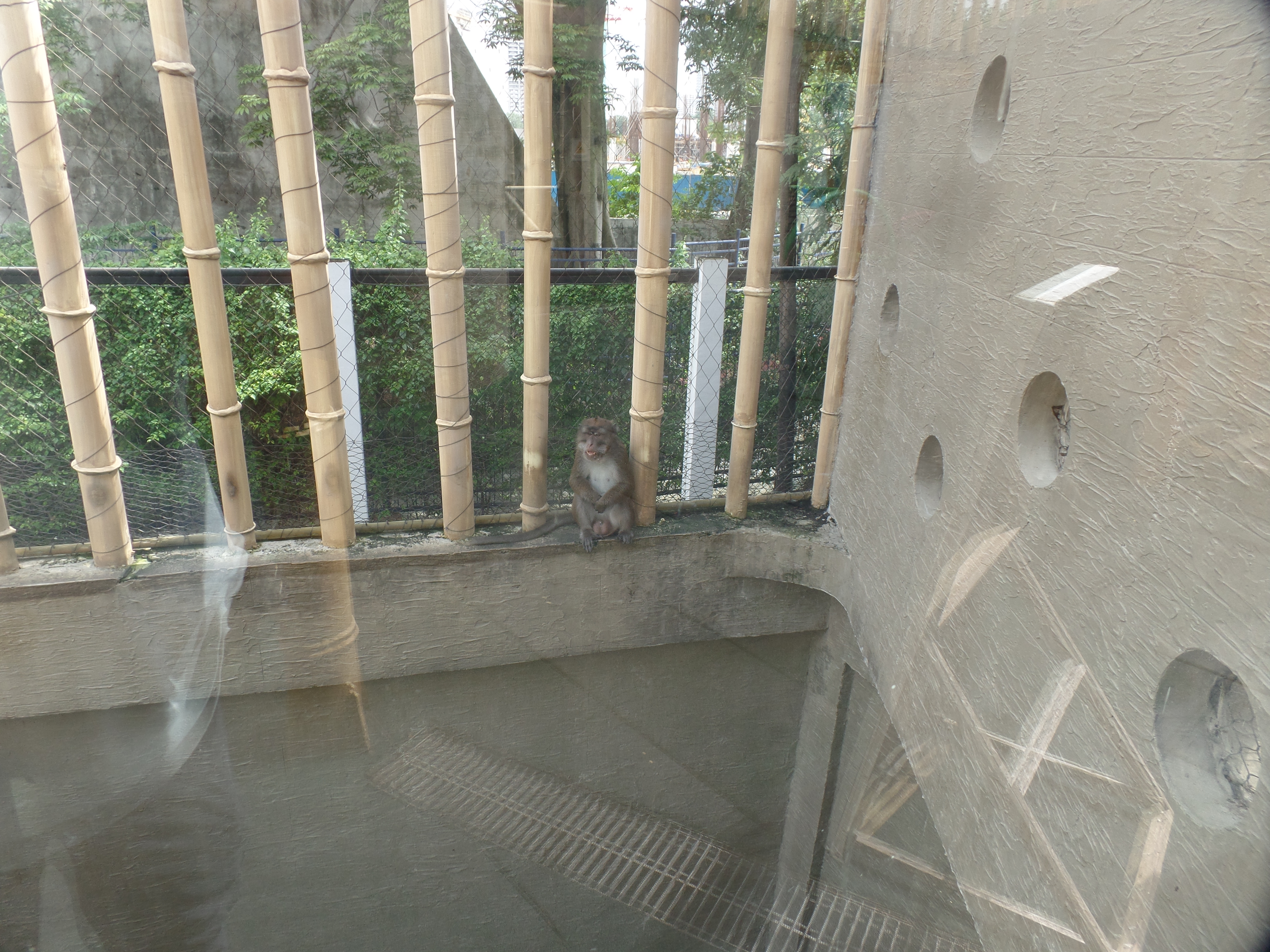
A Japanese macaque speaks his peace.

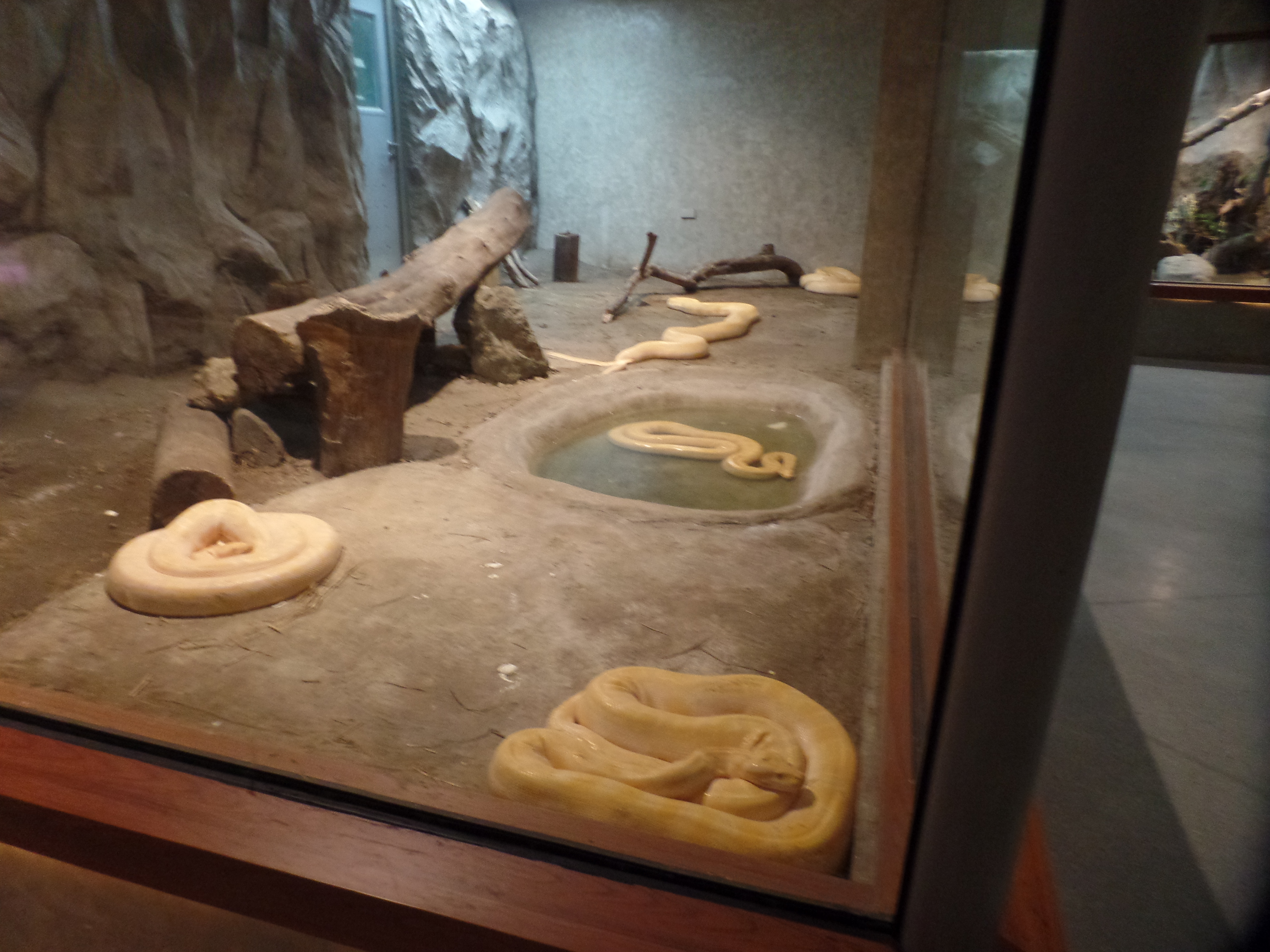
Finally, the great snakes have their due, in the Reptile House. The Philippines have two species of spitting cobra-One in northern Luzon and one on the island of Samar. There is also a species of reticulated python. As in Florida, however, the big kahuna is the Burmese python.

The pythons claim their own personal spaces.

The zoo is said to be in better shape than it was ten years ago. Like many small zoos, it does not have some of the animals indicated by the directional signs-but maybe in a year or so, they’ll be back.

Cave People, A Change Purse and a Cockroach

2

October 1, 2024, Manila- The three titular things stood out, in my visit yesterday, to Palawan Heritage Center. My guide, a knowledgeable, if soft-spoken, young lady named Irene, presented two videos: The first, on the island and its tributaries-which constitute the largest province in the Philippines. There are roughly 1, 780 islands and islets in the jurisdiction. The main island is 280 miles (450 km) long and 31 miles (50 km) wide. It is the mini-Chile of the Malay Archipelago. It is also the only part of the Philippines that was once part of mainland Asia.

The second video raised an issue of humanity: The Tau’t Bato, a small subgroup of the Palaw’an First Nation, live traditional, simple lives in the Singnapan Valley, of southern Palawan. They take shelter in nearby caves, during the rainy season. many of the Tau’t Bato came to live in cities, from Puerto Princesa to Manila and Cebu, in the 1970s to 2000s. They found urban life to be totally at variance with their experiences in the Singnapan, only finding “work” as house servants, trash pickers or purveyors of trinkets. They slept on the sidewalks and were generally treated as curiosities, at best, or outcasts, at worst. Many went back to Singnapan, though some still live in the larger communities. Fortunately, those who have returned to their homeland are protected by the provincial and national governments.

As Irene was showing me several paintings by local artists, a cockroach came onto the polished marble floor. I left it to her to decide the insect’s fate, and a janitor was summoned, whisked the creature onto a dustpan and deposited it in the garden outside. (I do this at home, when confronted with a sewer roach.)

The last item was a handmade change purse, which I bought for K, given her love of local handicrafts. I picked up a “glow-in-the-dark” trinket for myself.

Here are a few scenes of the Palawan Heritage Center..

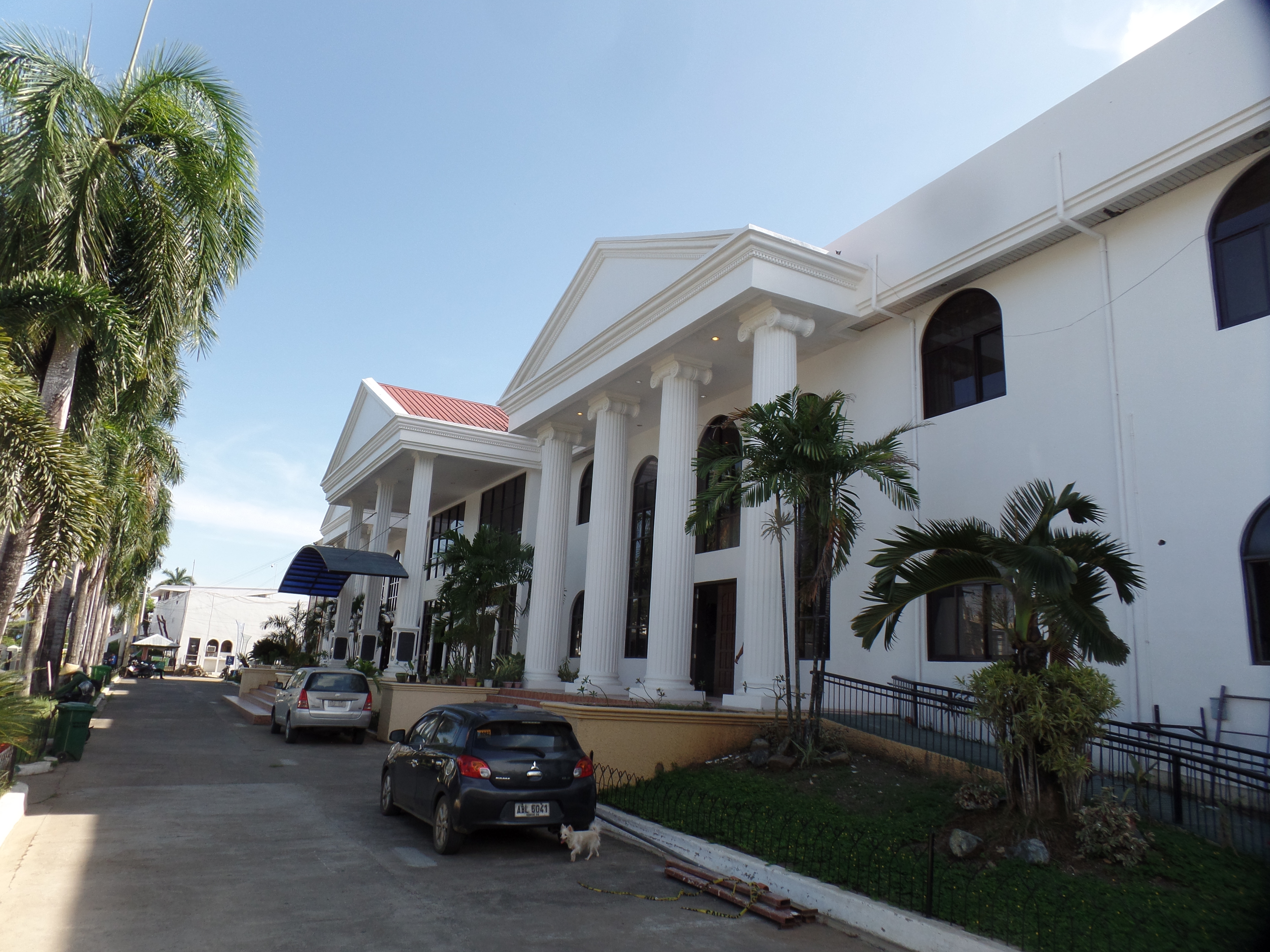
Palawan Provincial House
Some works by local painters
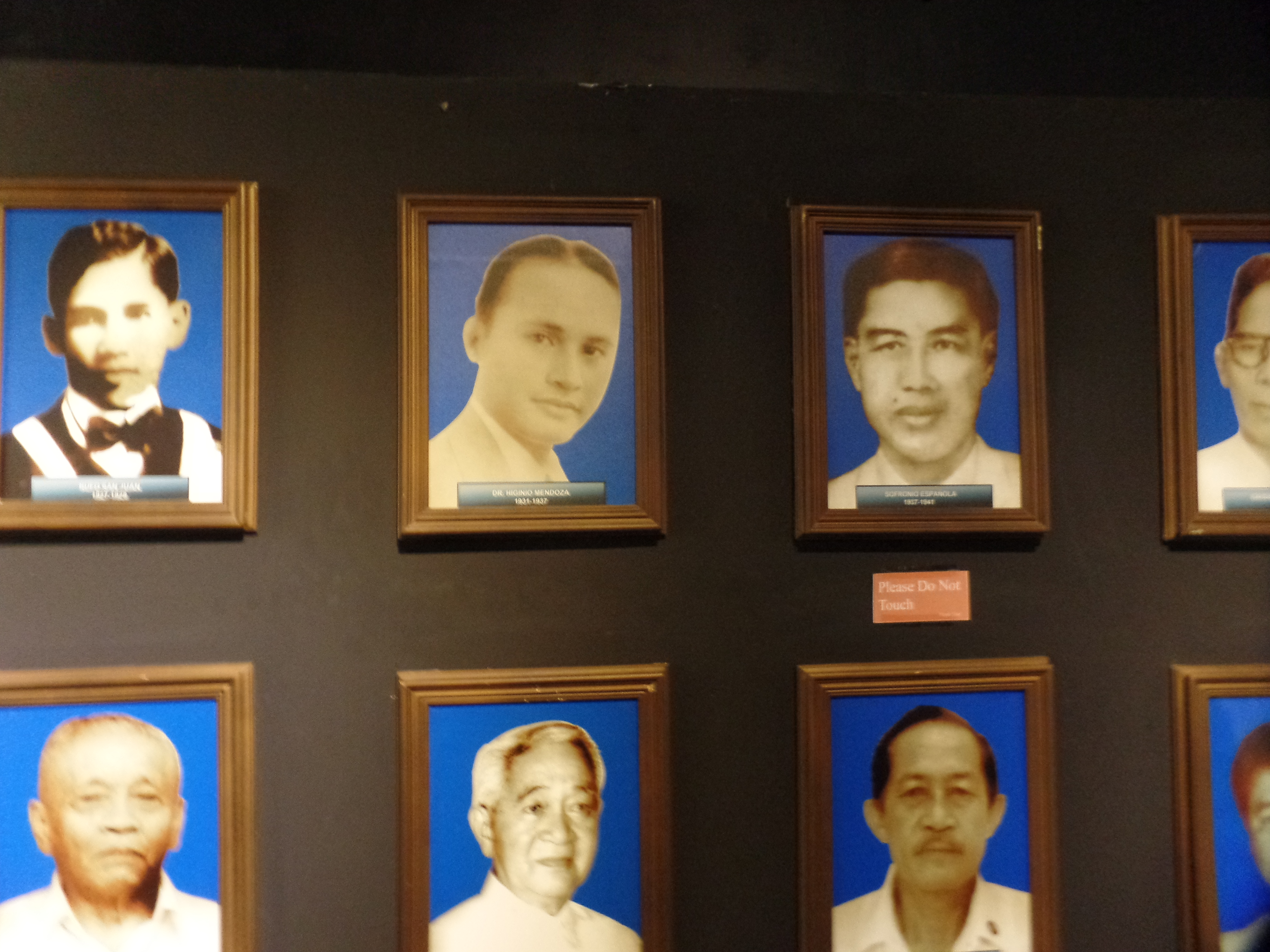
Dr. Higino Mendoza (top row, second from left) was the wartime governor of Palawan. He worked to keep his people safe from Japanese rule, and was executed for his trouble. He is regarded as the provincial hero of Palawan.
Here are more works by local artists.
Here is a replica of Plaza Cuartel’s gate, when it was intact. The present structure has fallen into disrepair.
This depiction of a babaylan ( a traditional healer) was intended, by the Spanish, to frighten children. The healer was actually a gentle soul, as a rule.
Here is a diorama of a Tau’t Bato home.
This may be as close as I get to a Palaw’an village, any time soon.

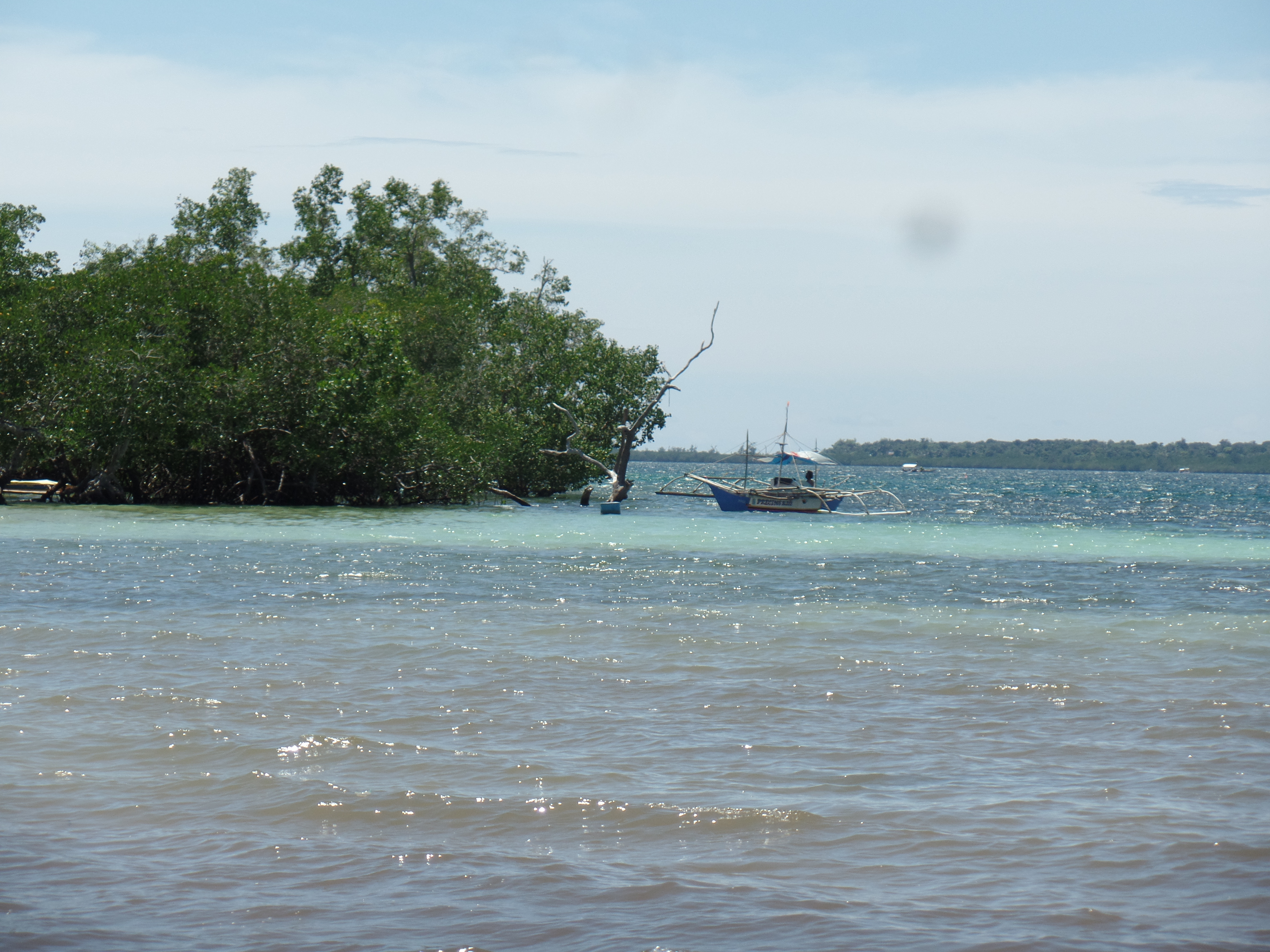
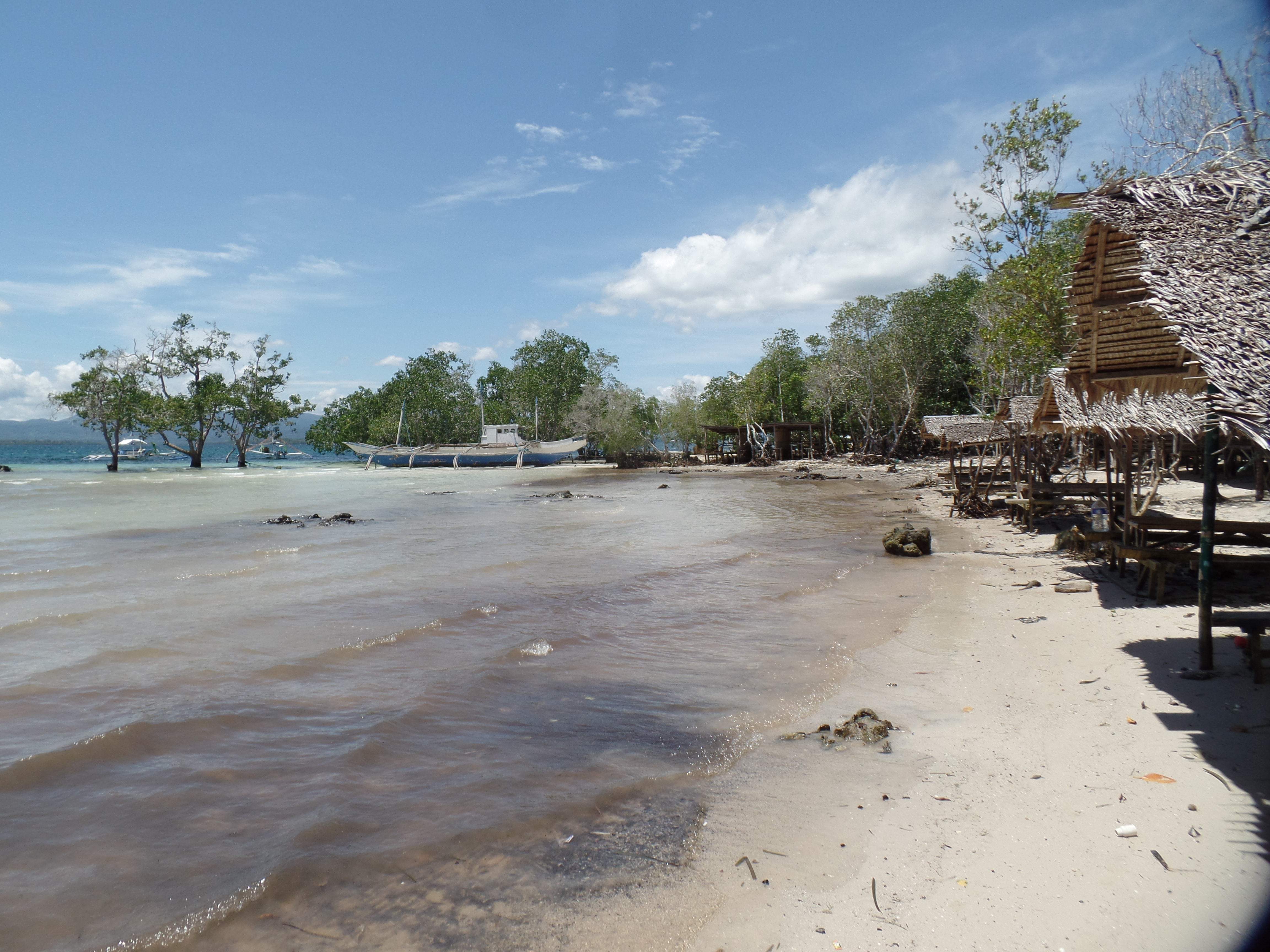
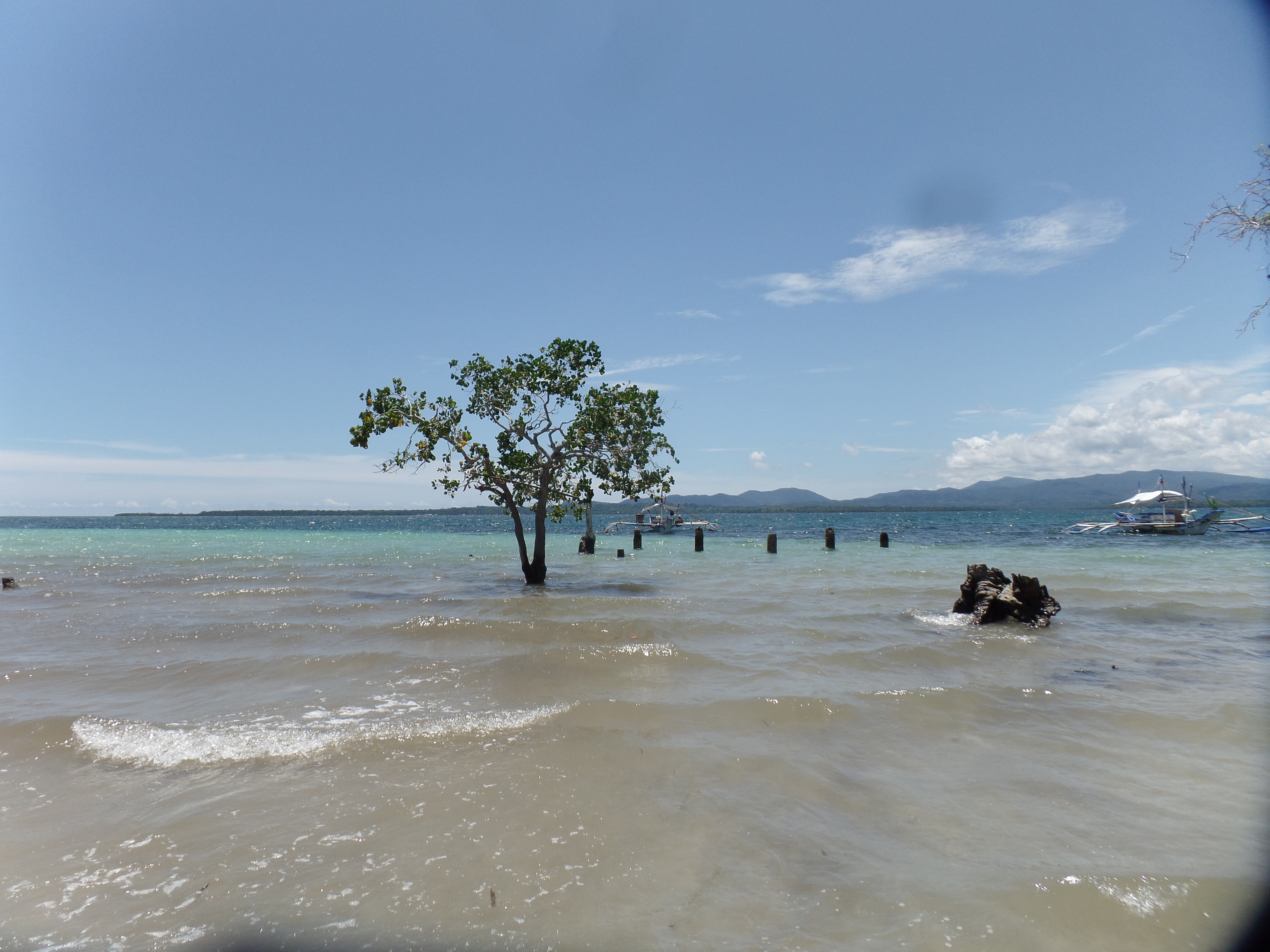
In the afternoon, I went with Roger to a small local beach, called Aquaman Beach Resort. It is in a small barangay called Bancao-Bancao. The tide was incoming, but the water was like a bath, so I walked around a bit and took some shots.

A view of the Philippine Sea, at Bancao-Bancao. (Above and below)
Roger, resembling Ernest Hemingway.
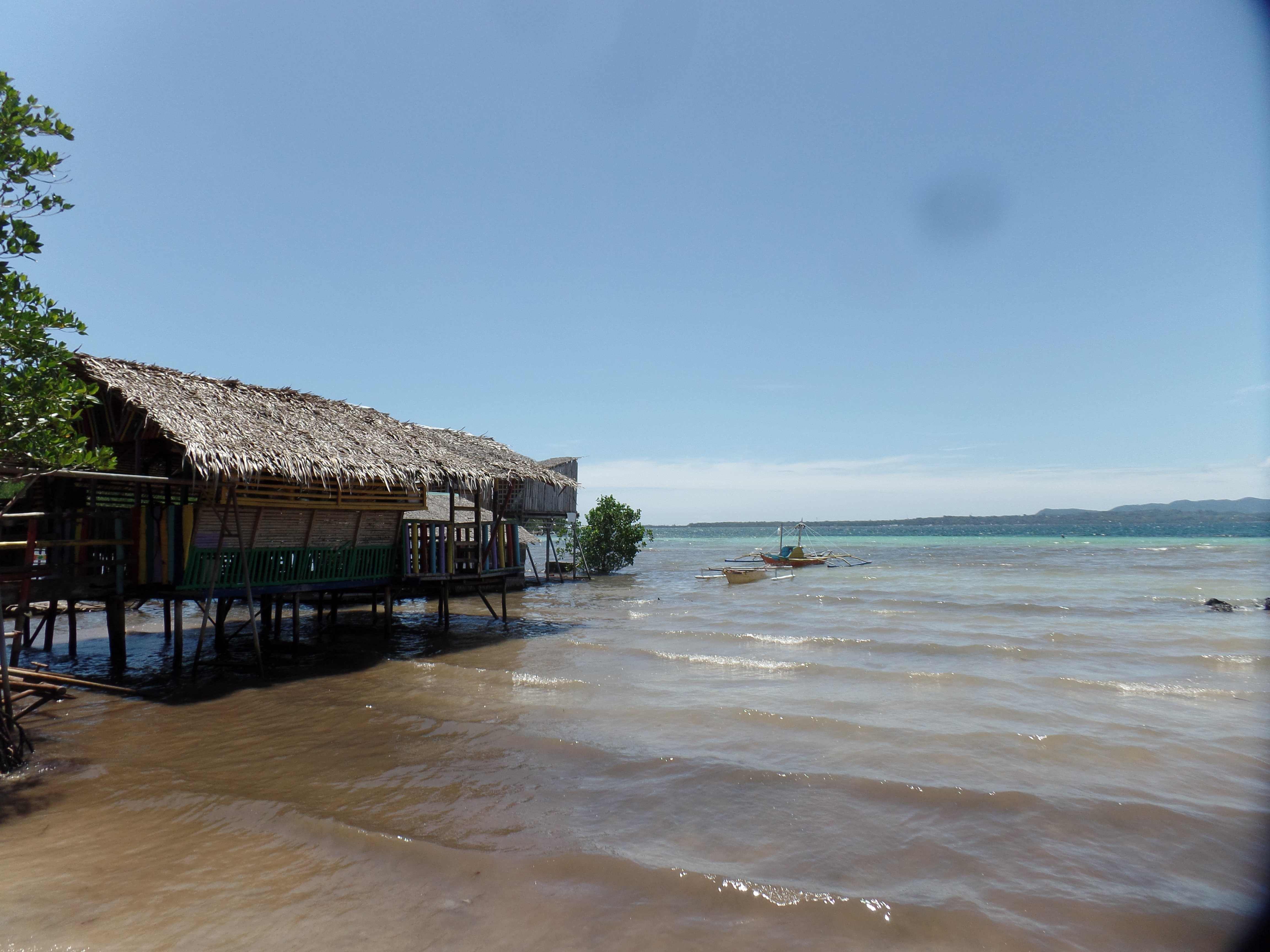
Longhouse, at high tide.
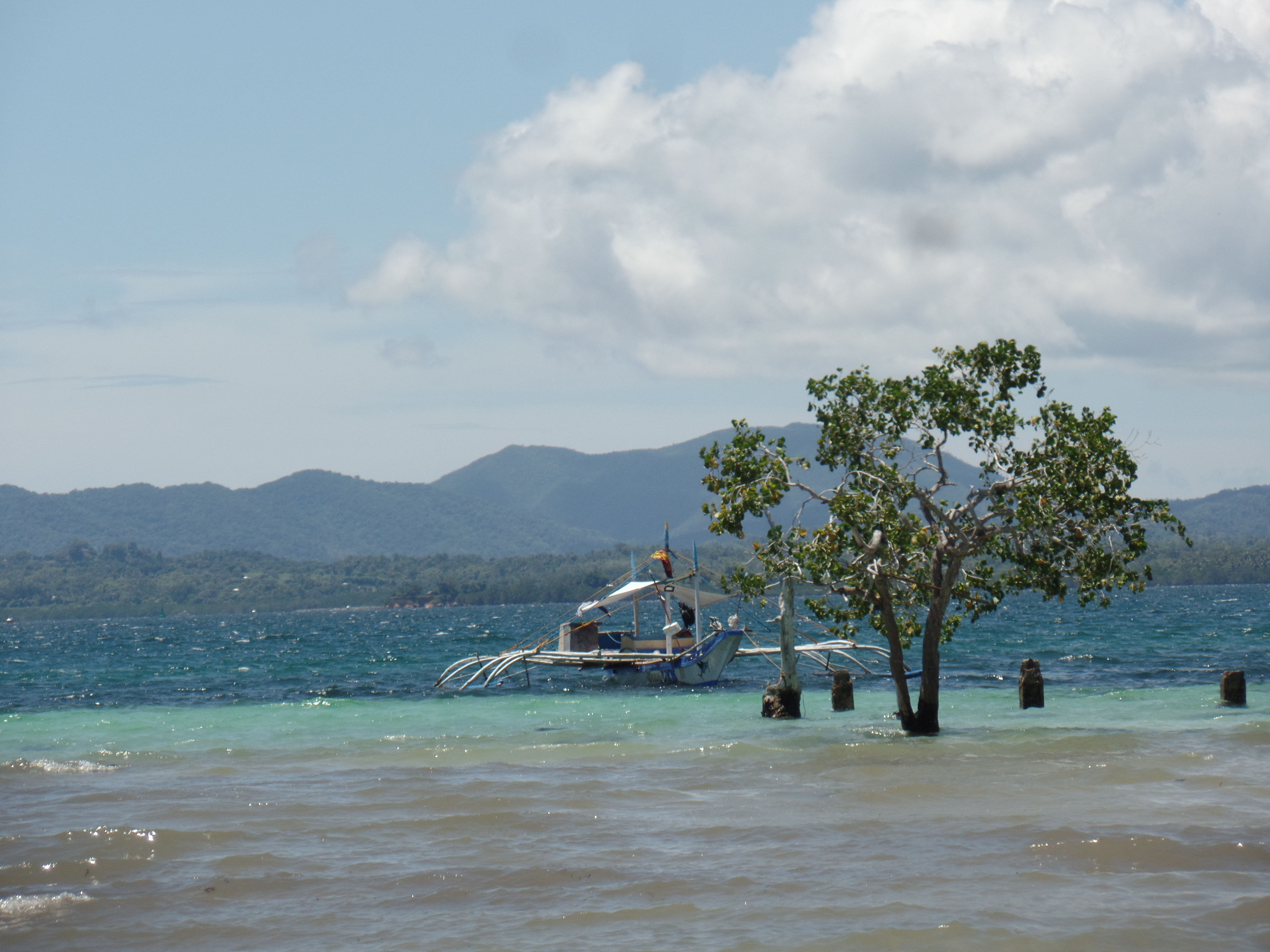
Lone tree, and a boat cabana
Long view of Aquaman Beach Resort.
Another “tree islet”
Forest trail, out of Aquaman Beach Resort.

My last day in Puerto Princesa ended with a nice meal at McCoy’s Restaurant, at Bay Walk Park. For now, having returned to the capital, Palawan will continue to exist in my heart. The Philippines as a whole will, as well, after I head back to North America, on October 27. Something tells me, though, that we will be far from done with one another.

A Cordillera Sojourn, Day 2

0

September 20, 2024, Baguio- The little boy was curious about what was in my soup bowl, so he started to approach the small table where I sat, in James Wright Cafe, at Baguio’s SM CIty . His mother was having none of it, and sternly called him back to their table, explaining the etiquette of dining in public.

SM is a chain of supermarkets and malls, across the Philippines and in China. It started in 1948, when Henry Sy opened a Shoe Mart, in Manila’s Quiapo District. His business plan gradually allowed for expansion into the supermarket concept, then into full service shopping malls, with a great number of satellite shops. Baguio’s SM has two stories and a plethora of shopping options. I contented myself with food that I could prepare back at my suite, and a few treats to share with my hosts, besides the lunch at James Wright Cafe.

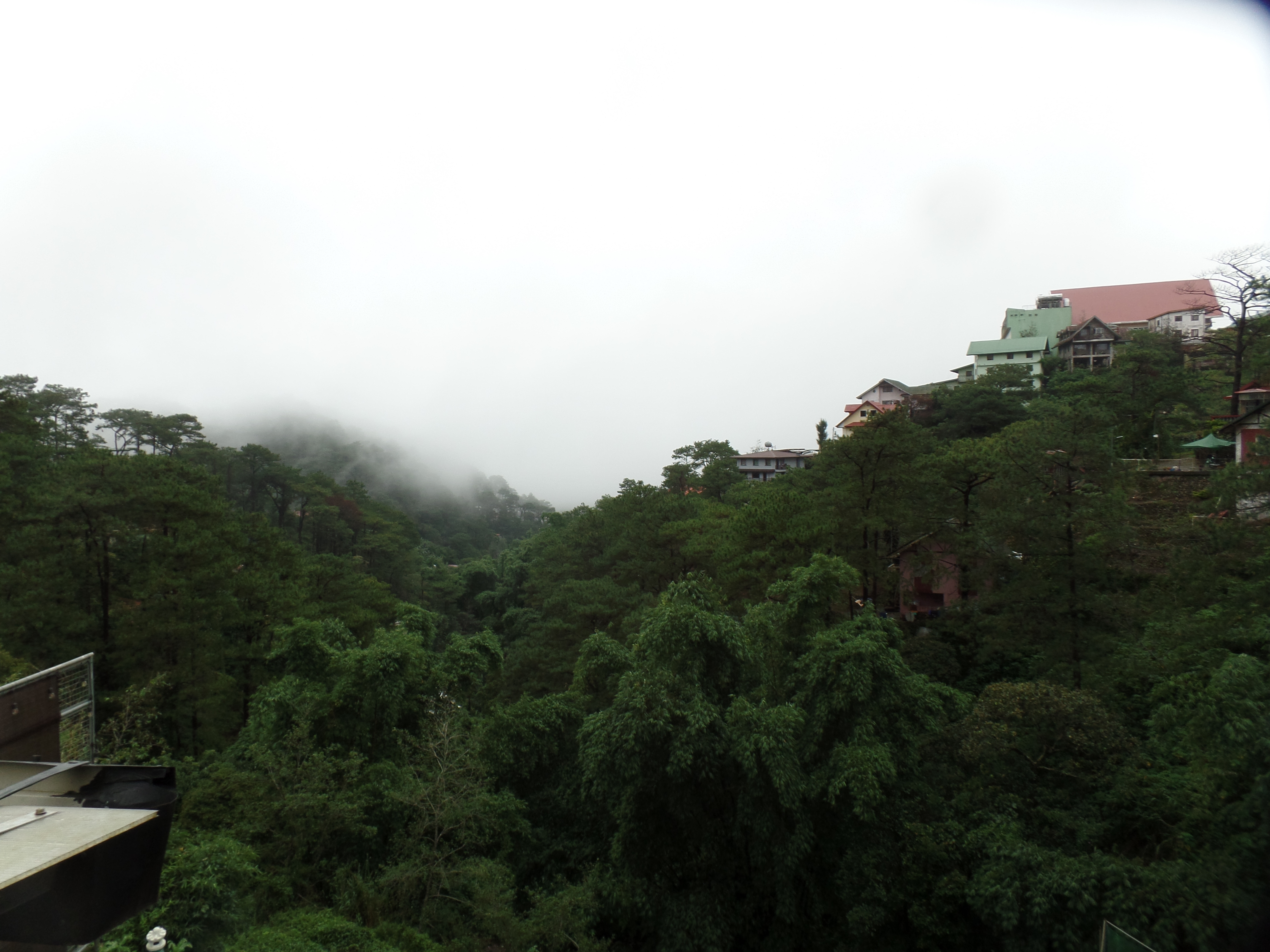
I went into town by jeepney, after enjoying breakfast at Badihoy’s Aqua Garden Cafe. Here is a remarkable view of the Cordillera rain forest, from Aqua Garden’s terrace.

Kordilerya Rainforest, Badihoy, Baguio

Once the langganisa breakfast, with Chocolate Bomb, was finished, it was on to the parks and other sights of Baguio’s City Center. The first stop was a monument to Dr. Jose Rizal, the national hero of the Philippines.

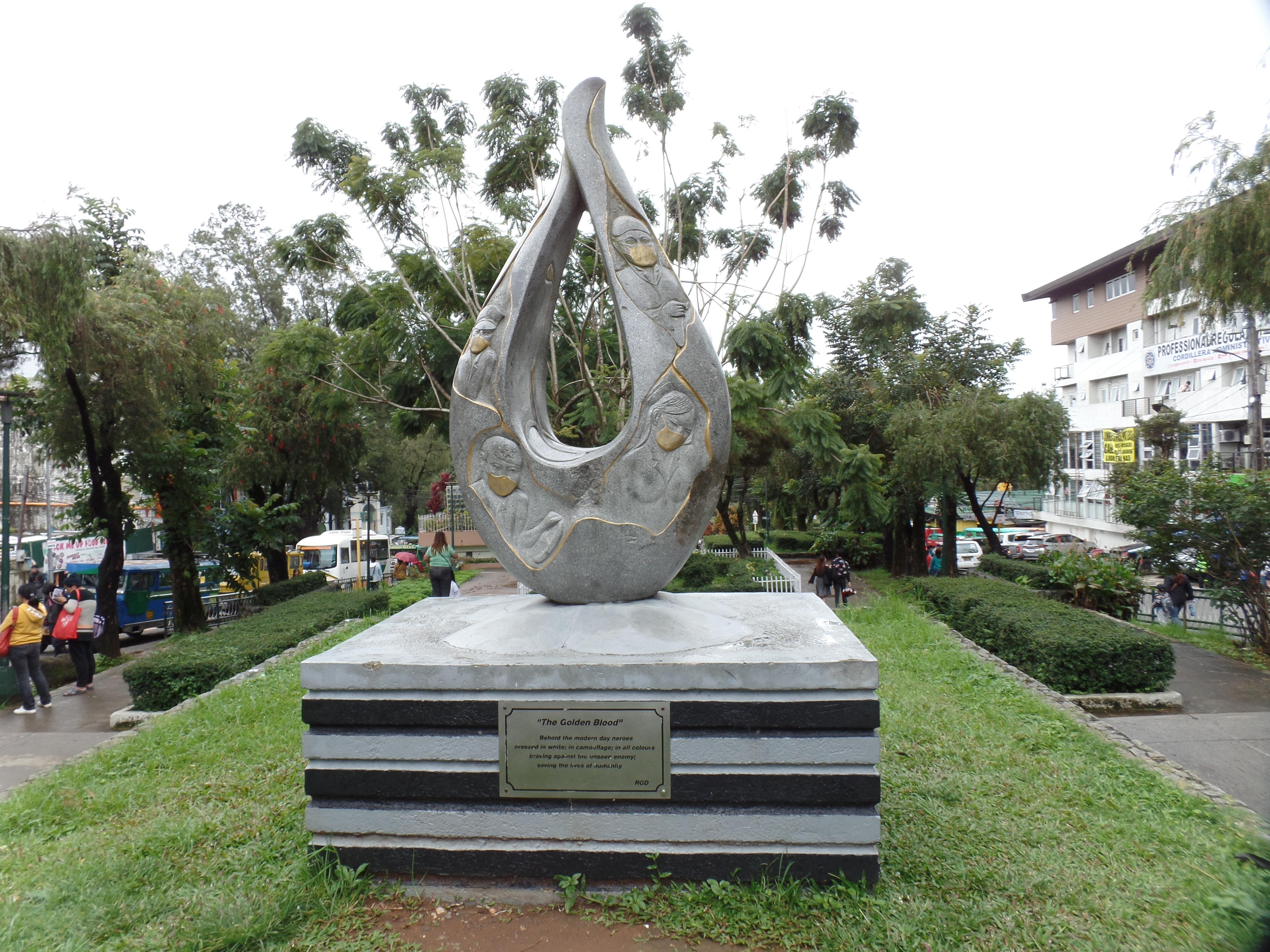
“The Golden Blood”, celebrating modern day heroes-soldiers and sailors defending the Philippines, and first responders.
Monument to Dr. Rizal

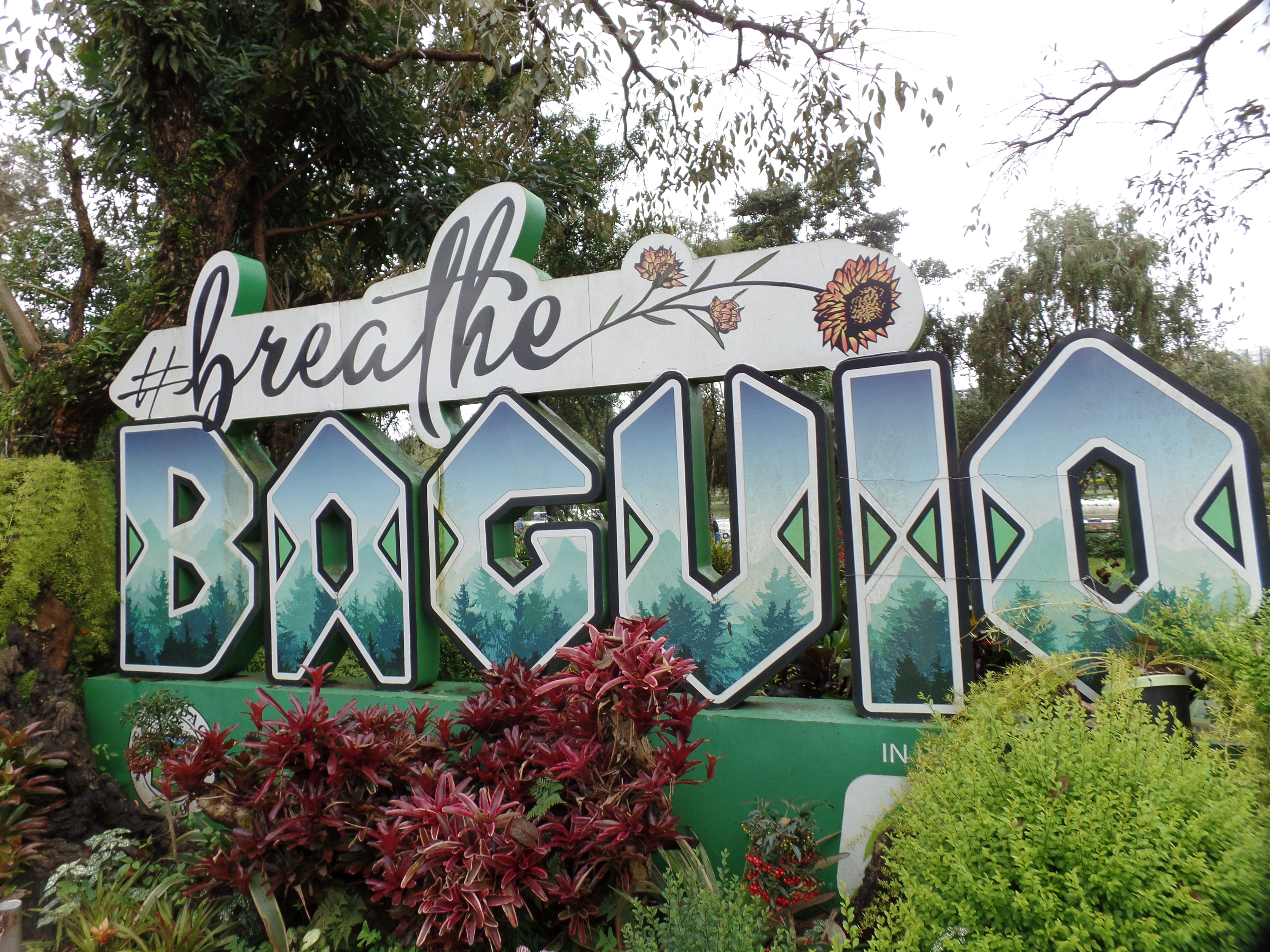
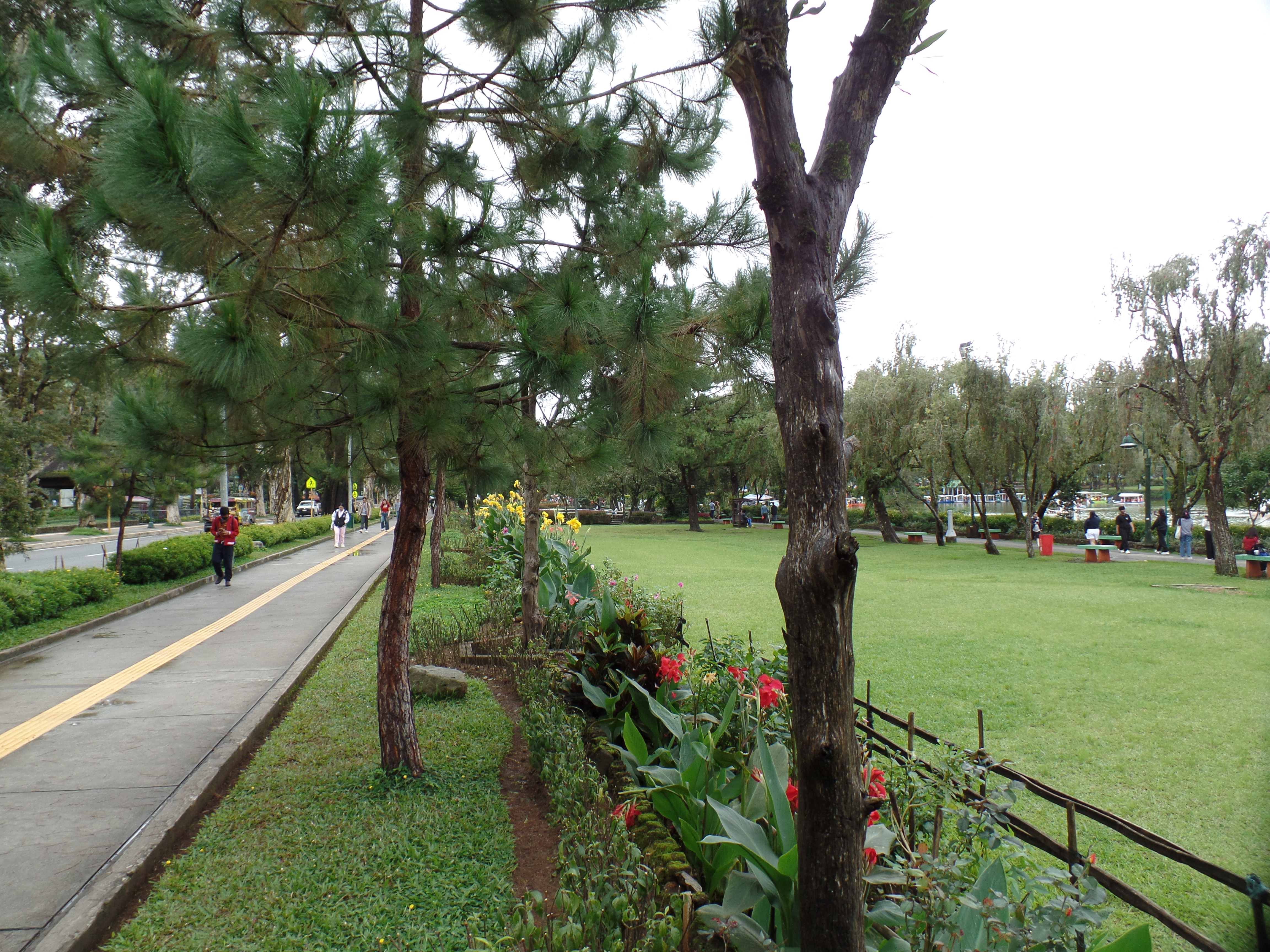
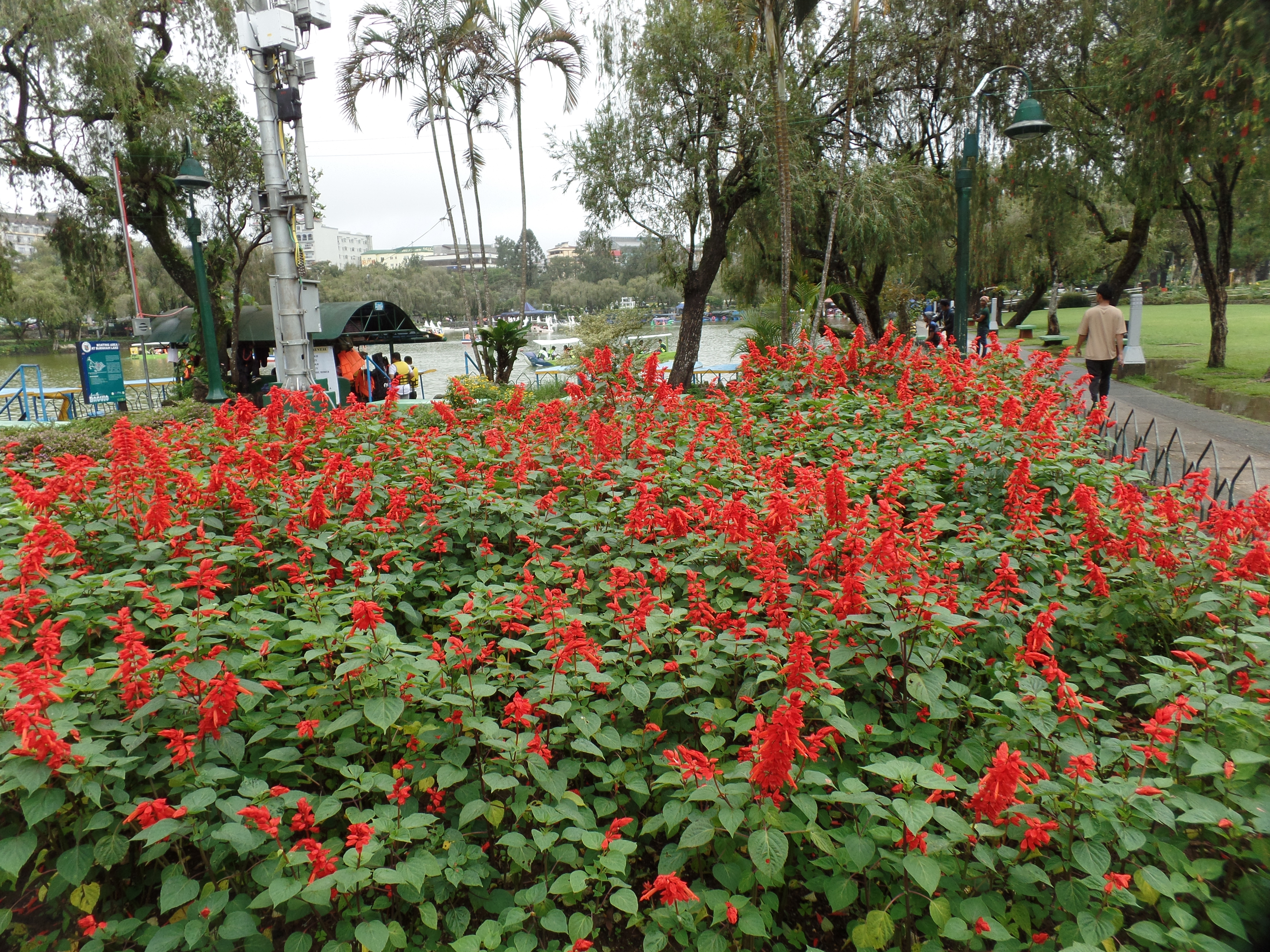
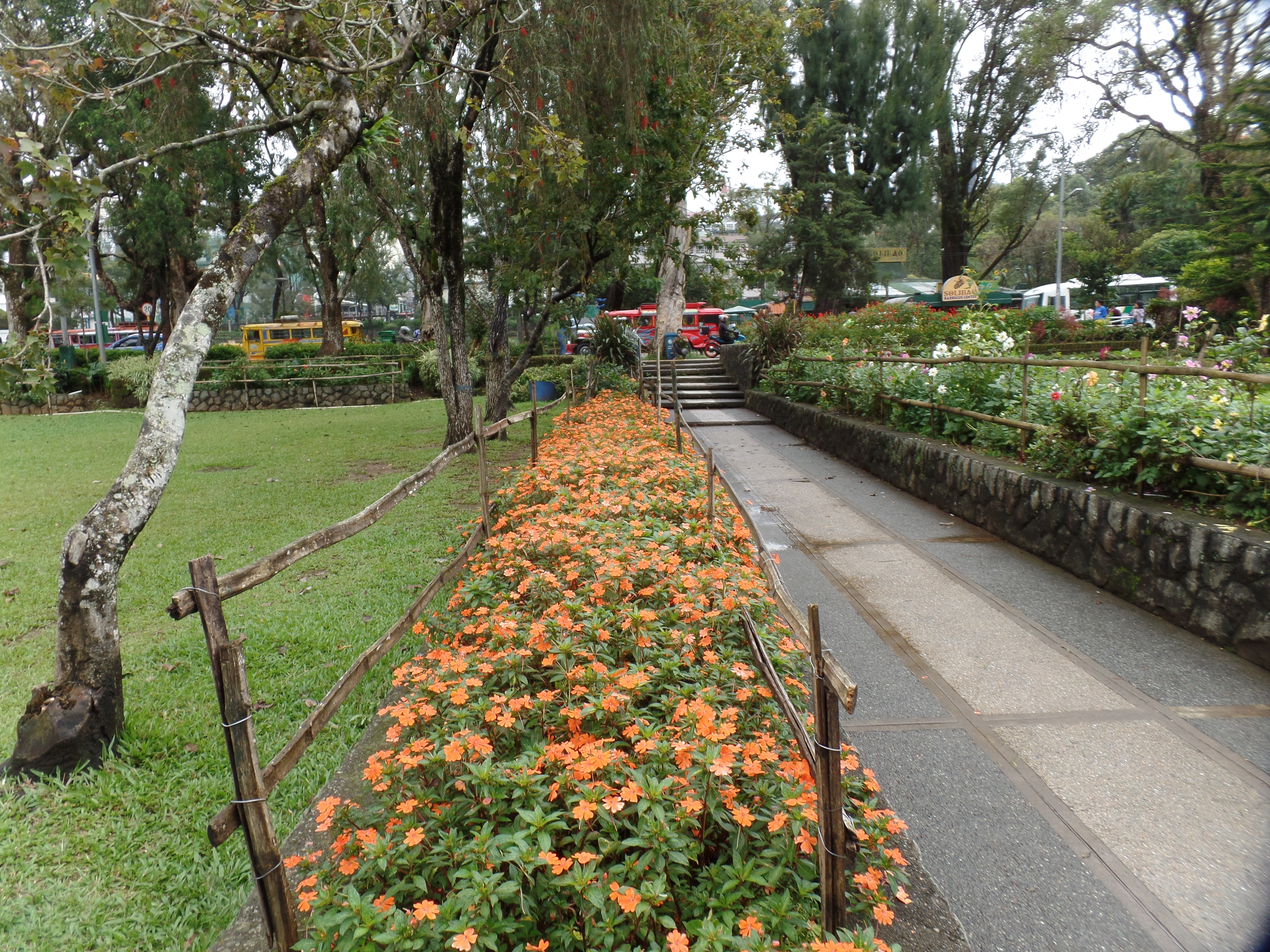
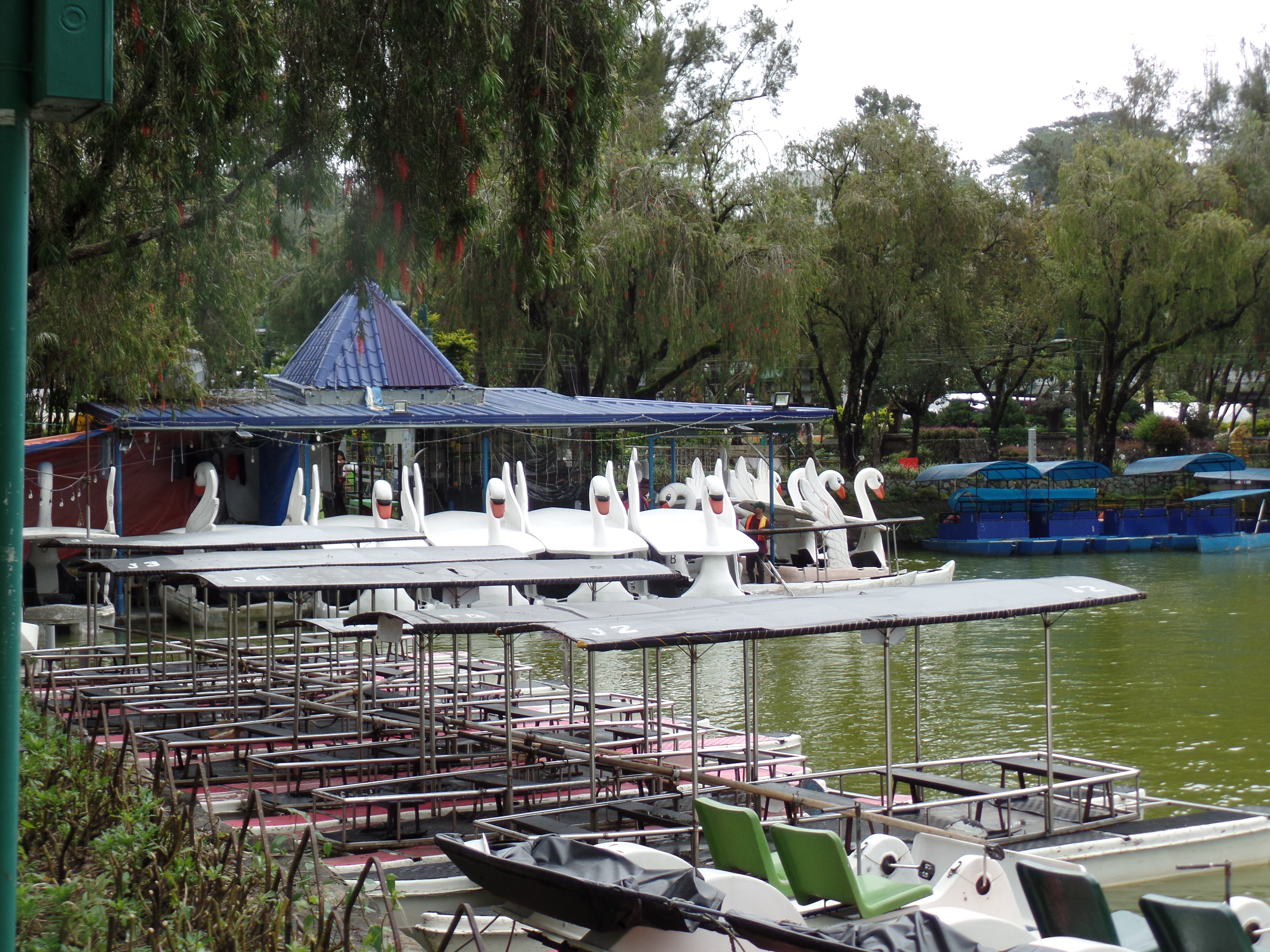
Next was Burnham Park, named for its designing architect, Daniel Burnham, of Chicago. He wanted a park that American forces stationed at Baguio could enjoy and one that would appeal to Filipinos, as well. Thus, there is a small lake, with paddle boats and pontoon boats for rental, as well as numerous small gardens, with many stone sitting benches, and a few tables.

Bust of Daniel Burnham, at Burnham Park, Baguio
Some of Pine City’s pines, Burnham Park
Filipinos are quite focused on community health.
A long view of Burnham Park
Celosias make you take notice!
A young fashionista was posing for several “walking photos”, at this bed of daisies. I gladly waited my turn. The girl reminded me of one of our friends in Manila, who also likes to pose in style.
Have paddle boat, will cruise the lake!
Mural honouring small holder farmers, Burnham Park (above and below)
When I was a child, the Swan Boat at Boston Common was a delight. Glad to see that some are still around-pontoons at Burnham Lake.
Wherever one goes, cats rule.
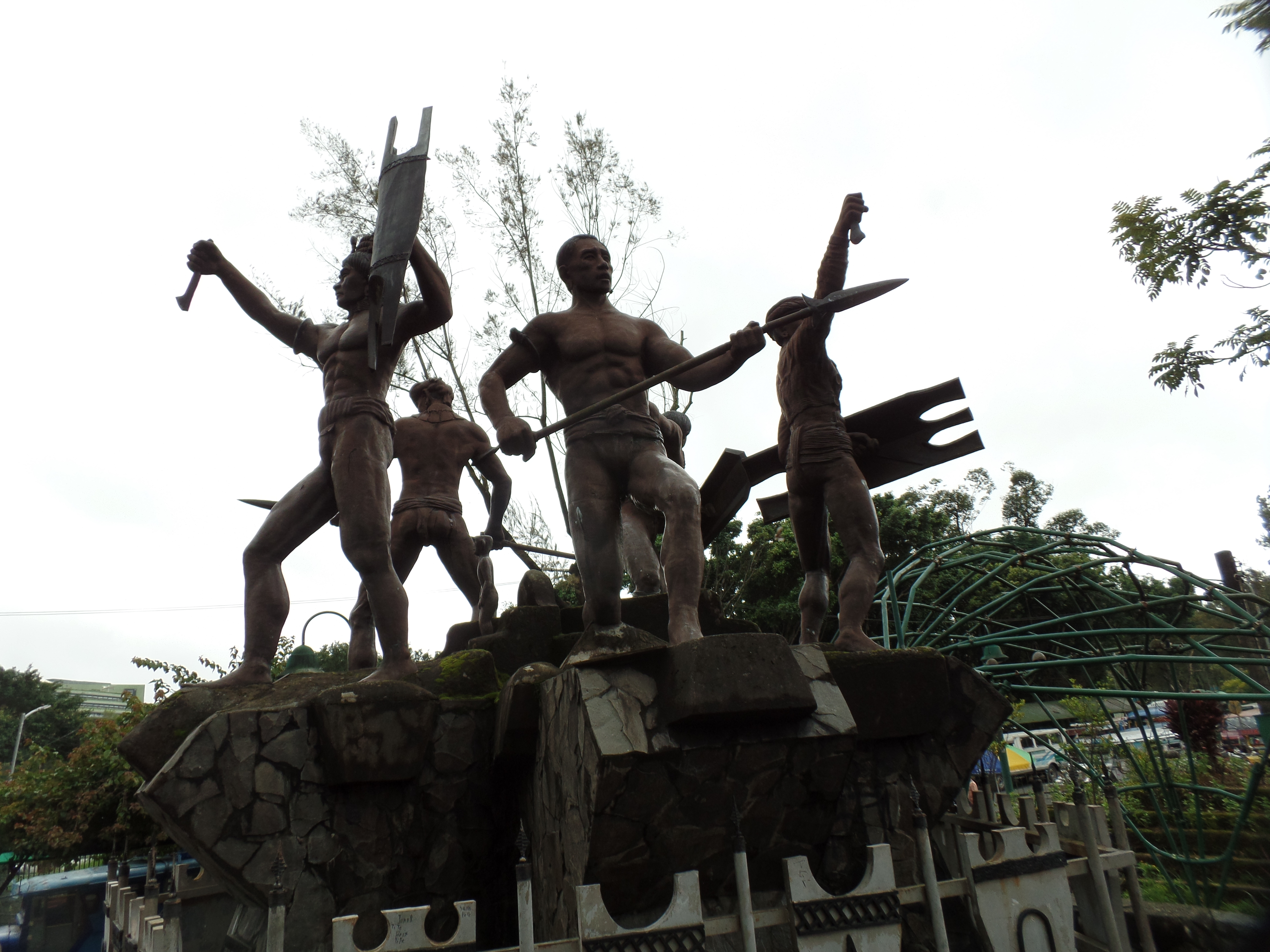
Honouring Igorot warriors, defending their homeland- Igorot Garden Park, Baguio (above and below)
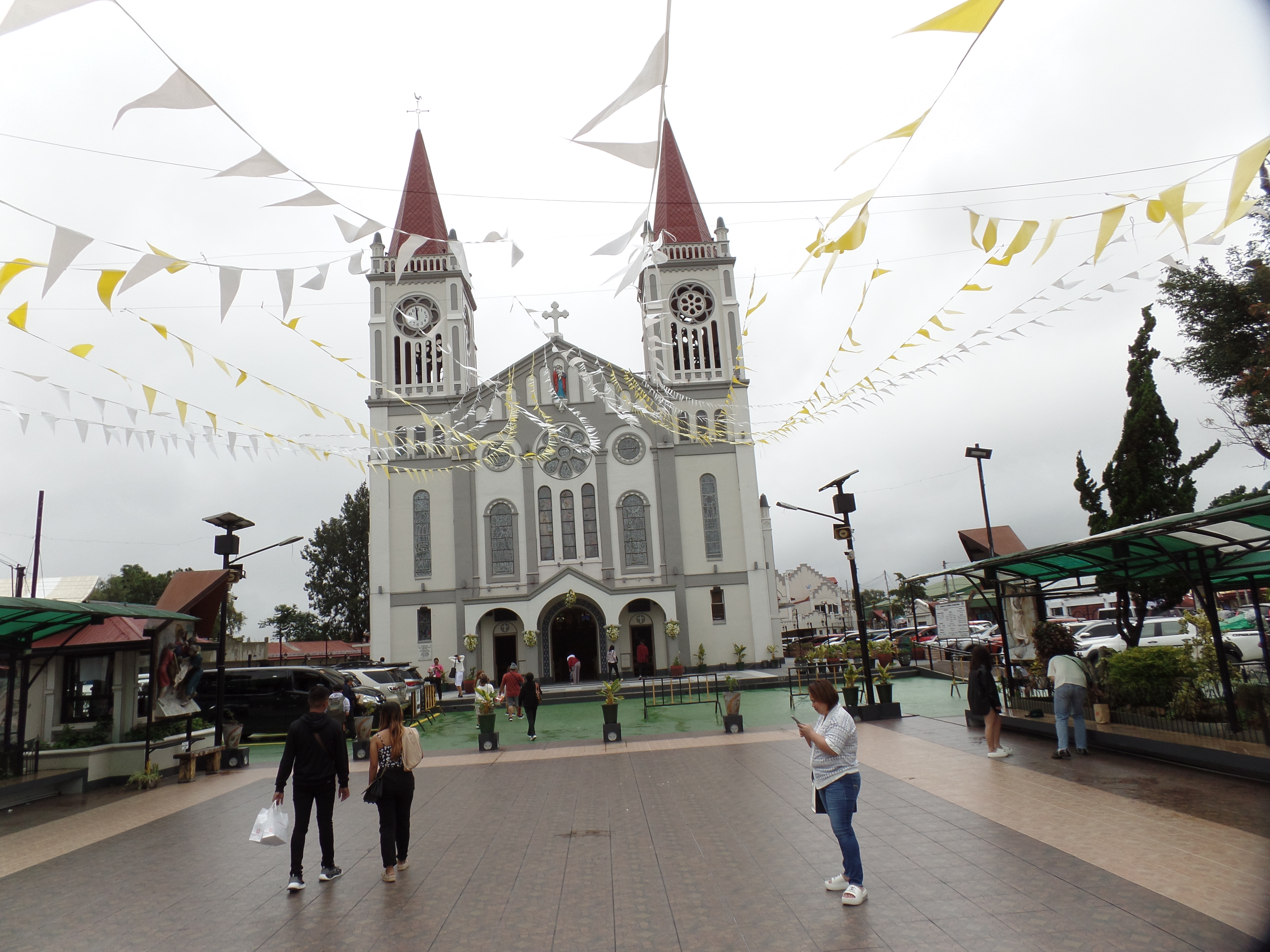
Baguio Cathedral. There was a Mass being said, so I did not go inside.

The way back was interesting, in and of itself. The rain was heavy, but that did not deter anyone, including me, who needed to get somewhere. I found a jeepney, which took me further than I needed to go. With help from a Guisad Barangay worker named Kim, I got back just fine, though.

Tomorrow’s outing to an indigenous craft shop will be better planned out. I will take note of landmarks, so as to not overshoot this little sitio of Badihoy.

Flamed Out

0

July 27, 2024, Susanville, CA- The river that was named for Susan Roop is flowing nicely. The town that was named for the daughter of the area’s first settler is thriving, despite the fires that plague its surroundings. It is a sprawling, but comfortable town; auto-centered, but fairly easy to walk, as long as one doesn’t mind the 3/4 mile that exists between cross walks, along U.S. Highway 395, in the downtown sector.

I am comfortably ensconced in Apple Motel, with an appropriate scene outside my back window.

Chinese apple tree, Apple Inn, Susanville

The reserved, but kindly, couple were almost apologetic, but requested a cash payment for tonight’s lodging. A fire, started several days ago, by a deranged man who wanted to destroy the forest, is still far from here, but its smoke has limited visibility and activity, from just east of here, southwest to Quincy, and north to Bartle. It has rattled the residents of Paradise, which burned to the ground six years ago. It has closed Lassen Volcanic National Park and is threatening some iconic structures in that national treasure.

I was intending to re-visit Lassen today, along with several dozen other people, but a lunatic had other plans, and so we adjust. I was born under the fire sign, but have spent my life determined to use fire properly, as a tool and not as a weapon. The Wabenaki, from whom I am partially descended, employed fire carefully, to keep forests in order and in a state of health. I have taken that lesson seriously and have acted accordingly, in my own dealings with the element.

This area, from Mount Shasta to Pyramid Lake, strikes me as being sacred ground. It ought to be a place of reverence. Many of the people here in Susanville certainly feel this way-including the owners of this motel, the operators and wait staff at Kopper Kettle, the family restaurant where I got enough food to last me for three meals and the young people who were out and about, making the best of the slightly smoky downtown air. The sense of reverence was clear, in downtown Weed, from which Shasta may be seen, in its glory.

Mount Shasta, viewed from the north.

Reverence was ubiquitous in Old Station, a spot along the Pacific Crest Trail, where through hikers can get a good meal, shower and do laundry (I took advantage of that last one). It even showed in the confusion that a solitary driver expressed, when I signaled to him to turn back on the road to Lassen. It was most evident in the five wildland fire units that headed towards the national park, with the aim of defending places like Manzanita Lake and the Mineral Museum.

Lassen, Chico, Bartle and all threatened points in between, will rebuild from any fire damage-as communities most often do. Paradise has, and will again, if the Park Fire finds its way there. Lahaina is making steady progress, and so are the communities around the Mediterranean that have suffered great loss, in the wildfires of 2022-23. I am an eternal optimist and I am not alone.