The Road to Diamond, Day 325, Part II: Robe and Town in Salisbury

0

October 18, 2025, Salisbury, England- I arrived at Victoria Lodge, on Salisbury’s north side, a little after 3. The kindly, proper host’s intel said that the last bus to Stonehenge would leave the train station at 4. She was going by the summer schedule, which ended on September 30.
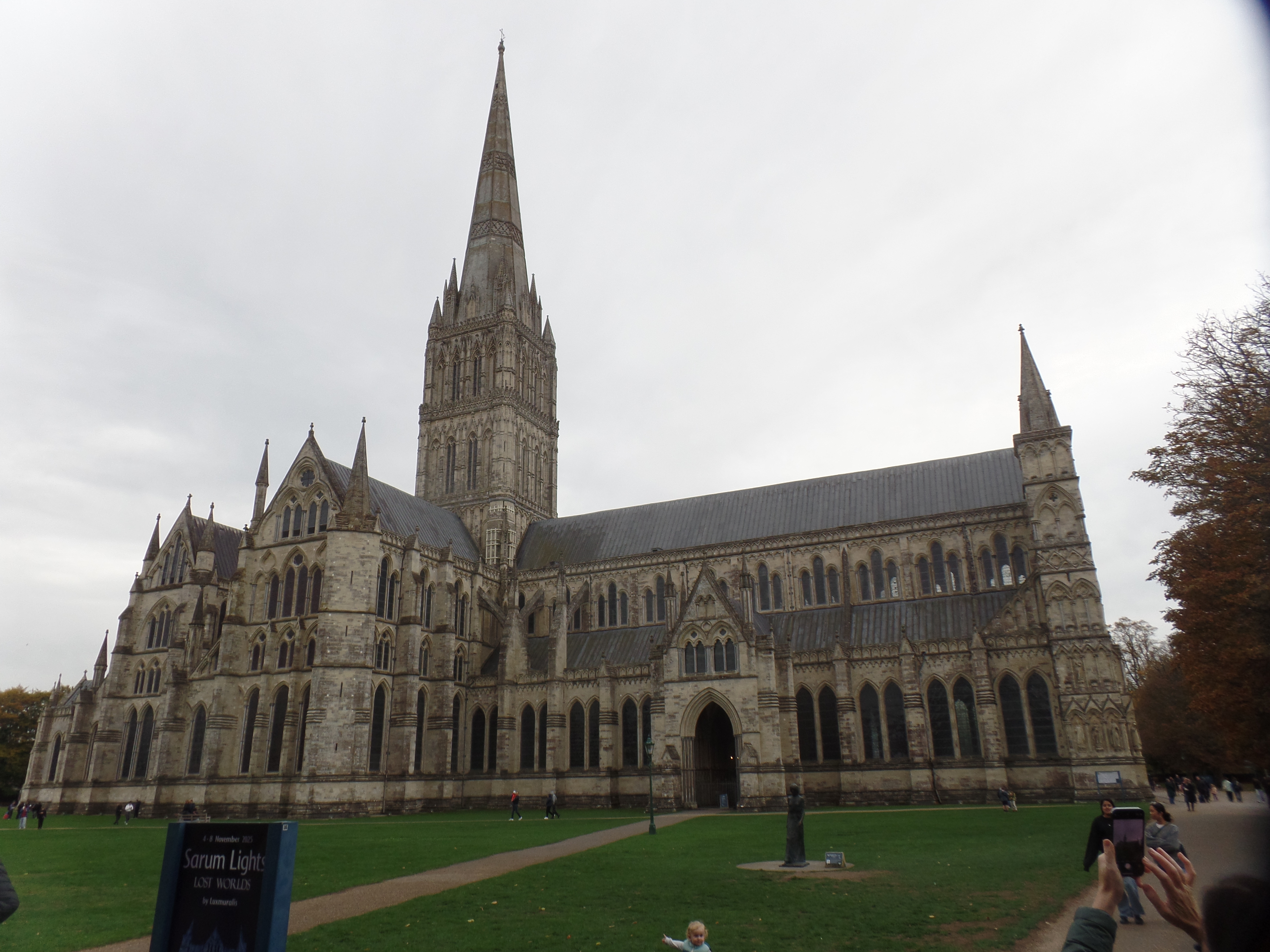
I thanked her, and realized that the afternoon was meant for Salisbury Cathedral, a place that was set aside for special study by my Art History professor, in 1973.

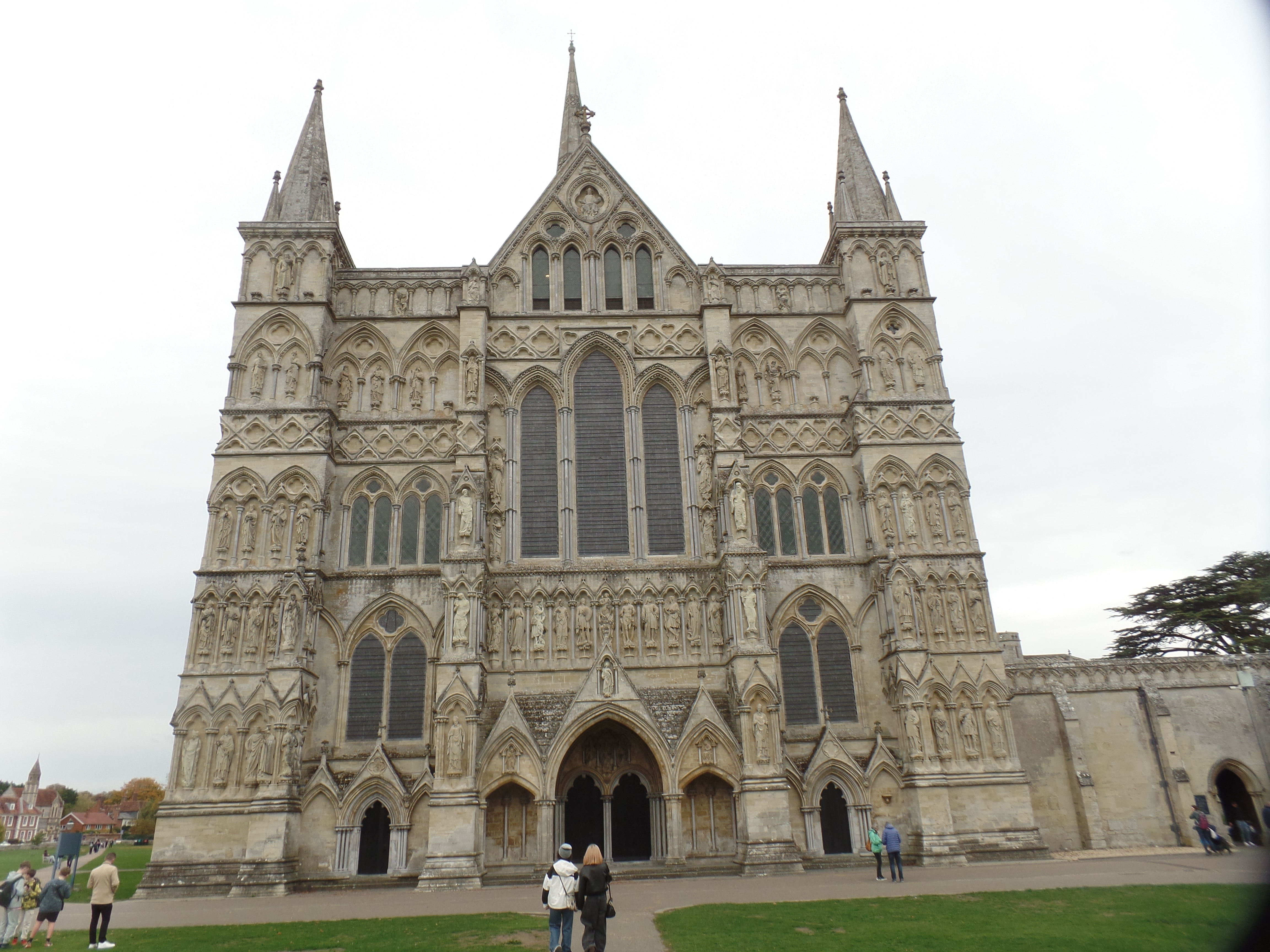
The Cathedral Church of the Blessed Virgin Mary was originally at a site now called Old Sarum, as was the community of Salisbury. Old Sarum is now an English Heritage property, a recognized and well-preserved historical site. The community moved two miles south, to its present location, in the early 13th Century (1220) and the new cathedral was completed by 1330. https://en.wikipedia.org/wiki/Salisbury_Cathedral

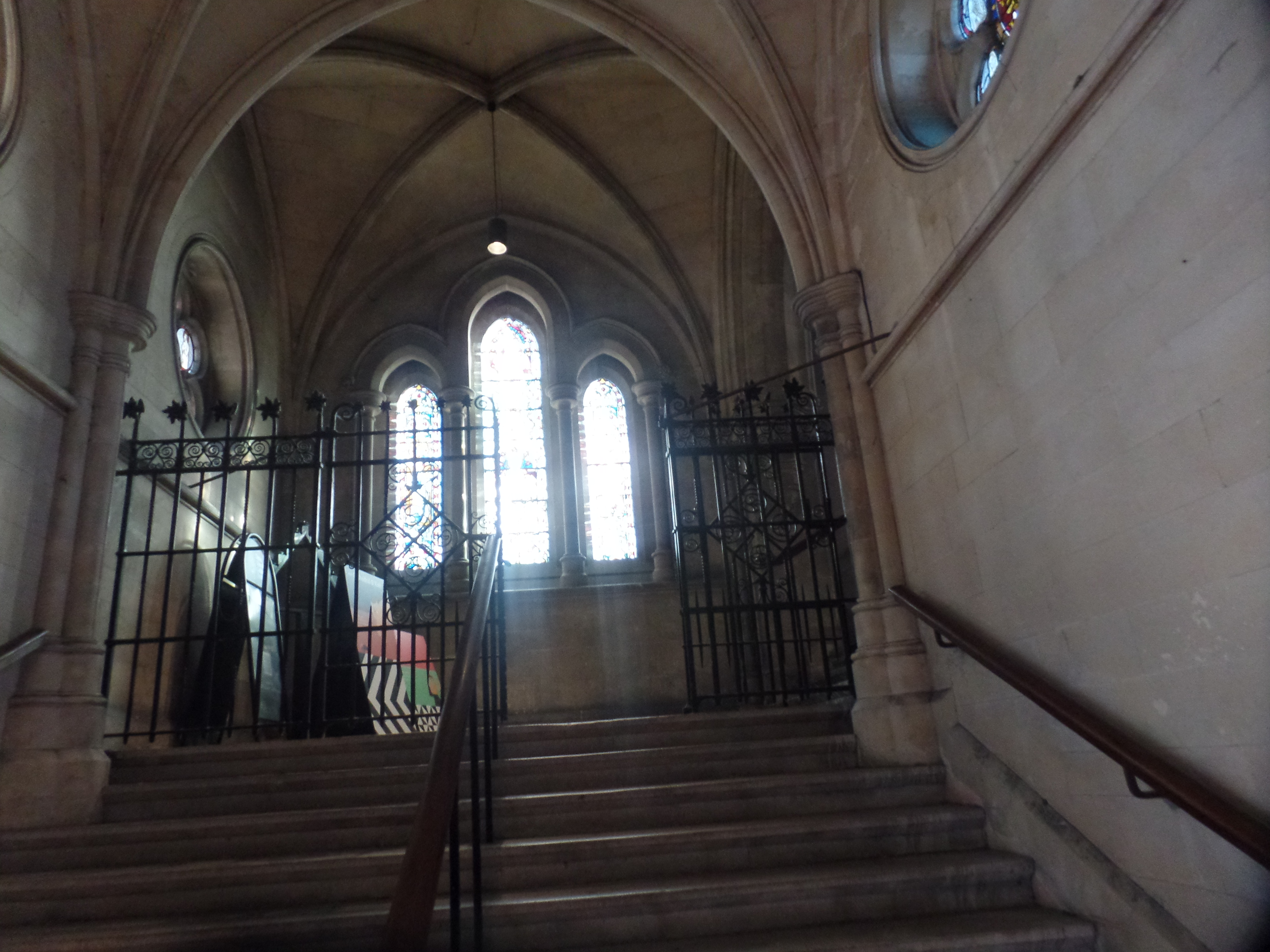
I walked about the Cathedral Close (area outside the church) first, then took in the magnificence of the use of light, which so enthralled Dr. Eichholz, back in the 1970s, that we spent nearly two weeks on various aspects of Salisbury Cathedral.

Salisbury Cathedral, full exterior
“Walking Madonna”, by Dame Elisabeth Frink, north lawn of Salisbury Cathedral
North face of Salisbury Cathedral
Stained glass of North Side, Salisbury Cathedral
Transept, Salisbury Cathedral (above and below)
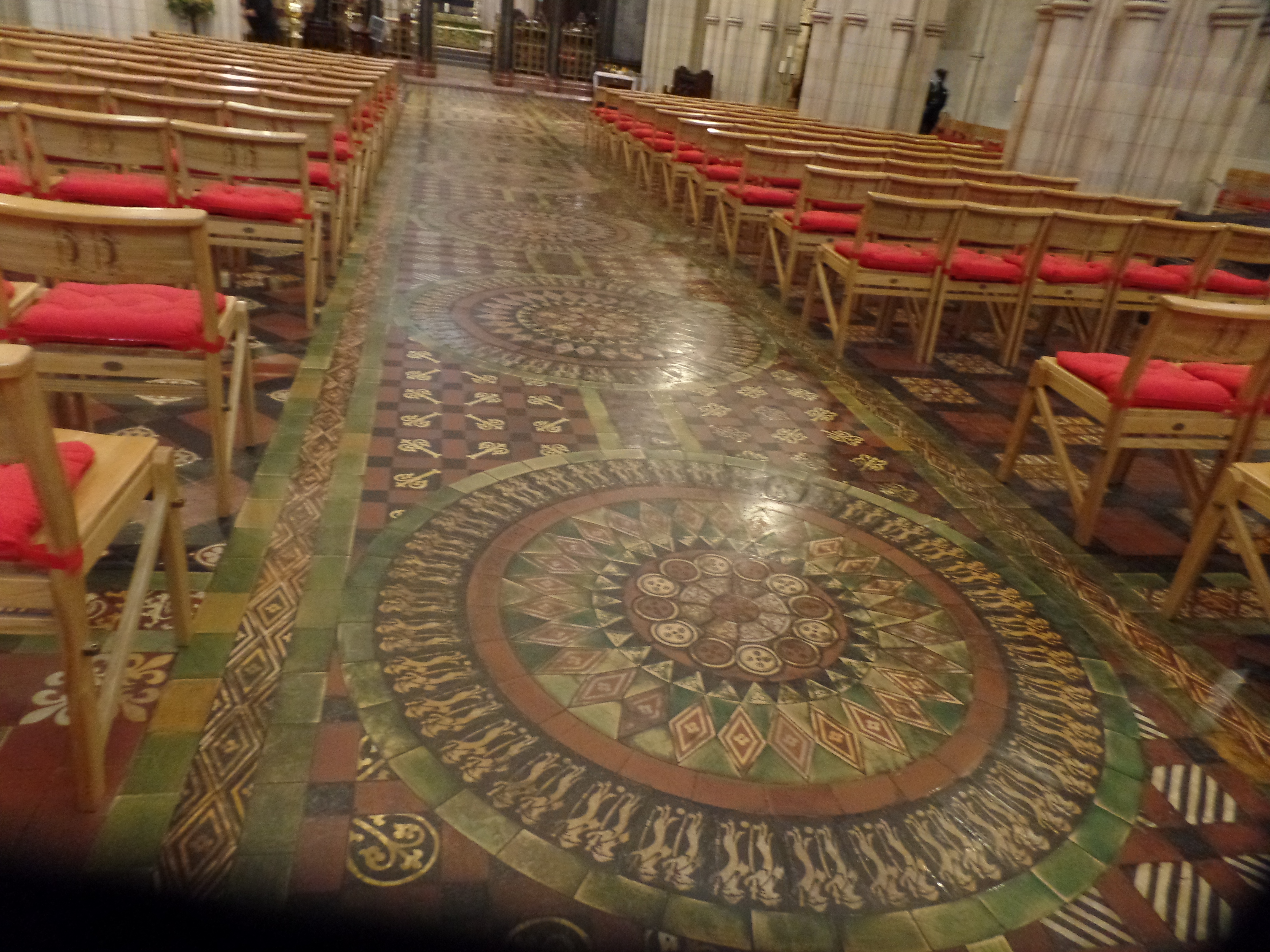
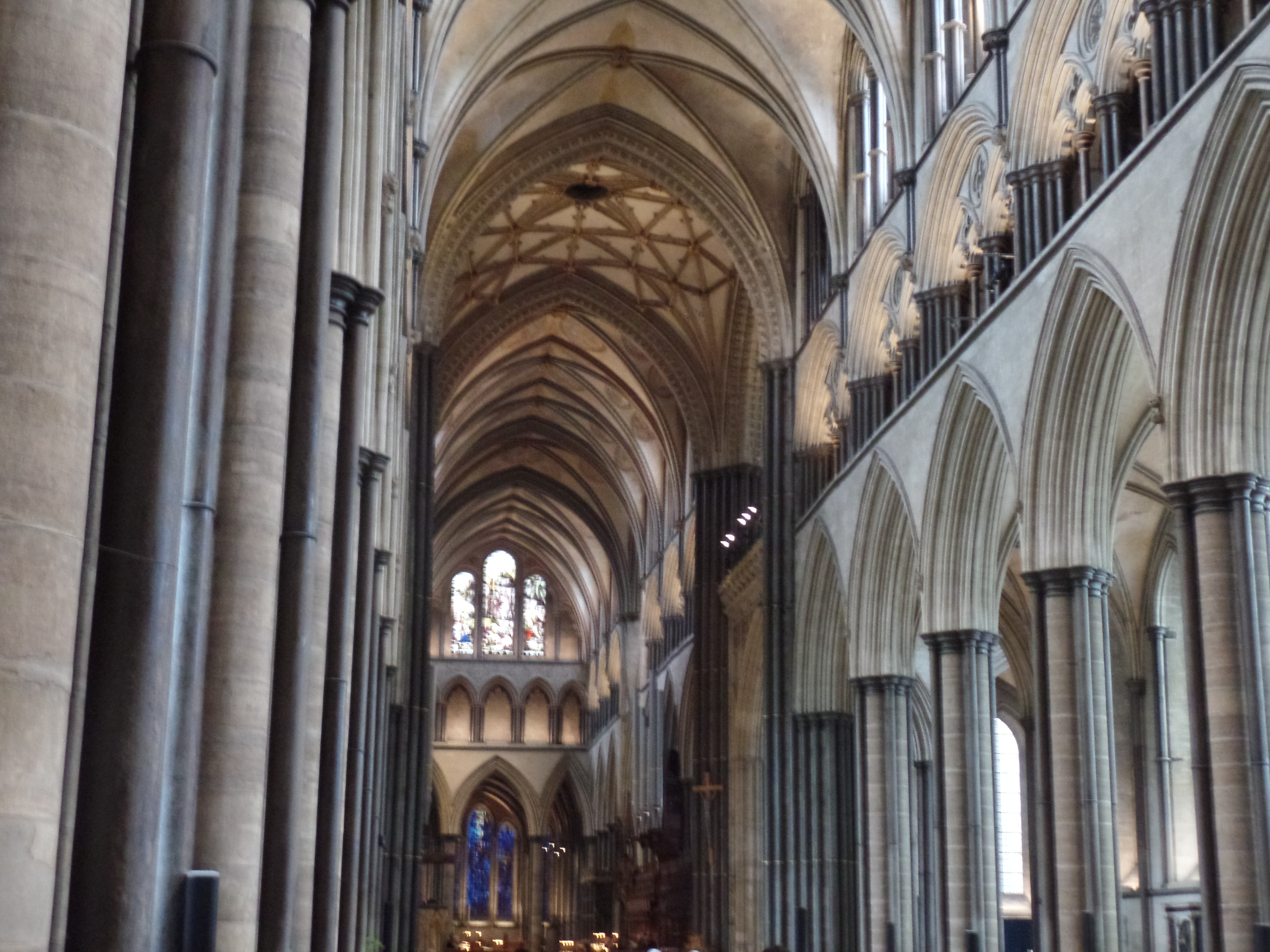
Nave, Salisbury Cathedral
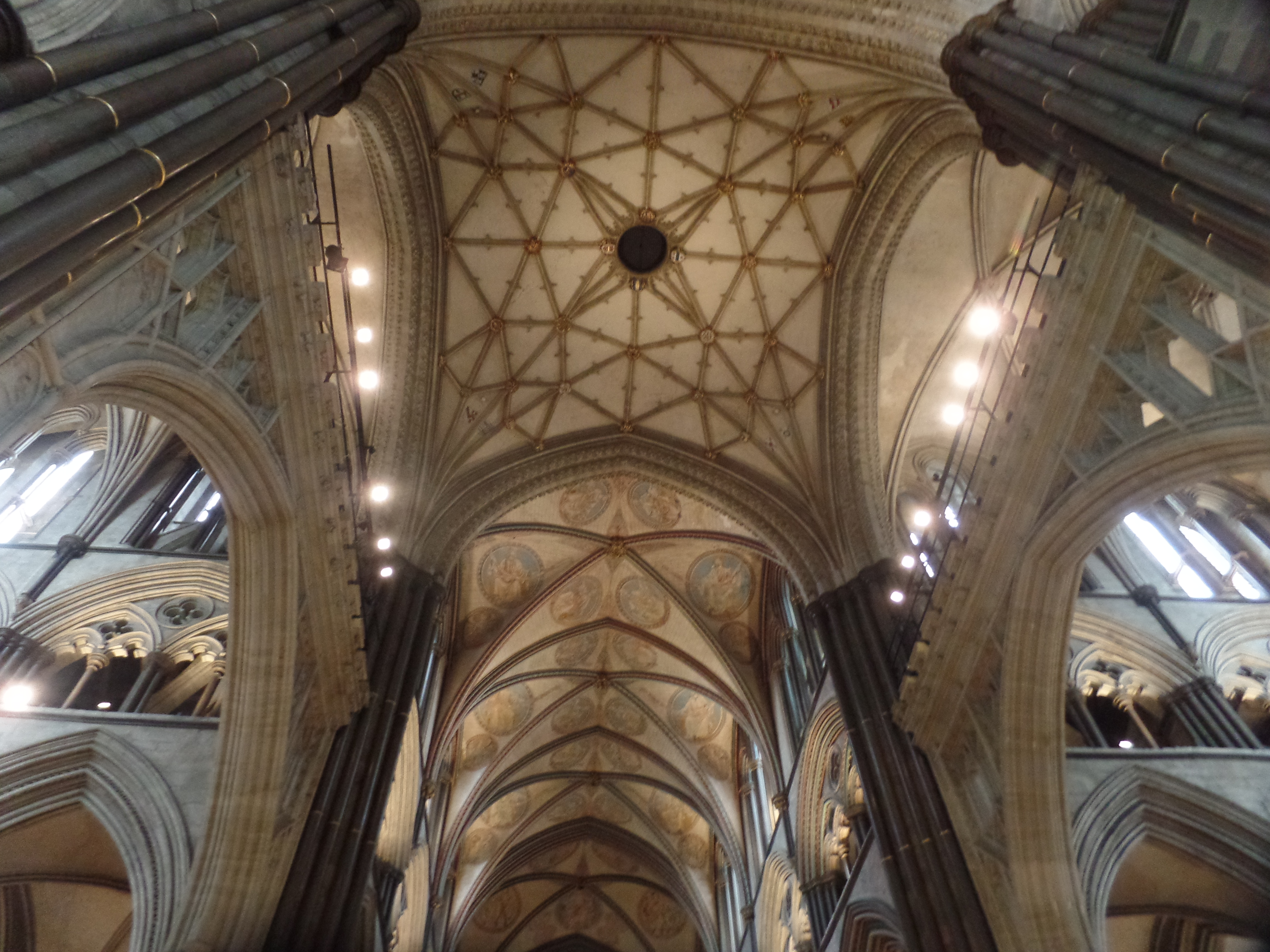
Ceiling, Salisbury Cathedral
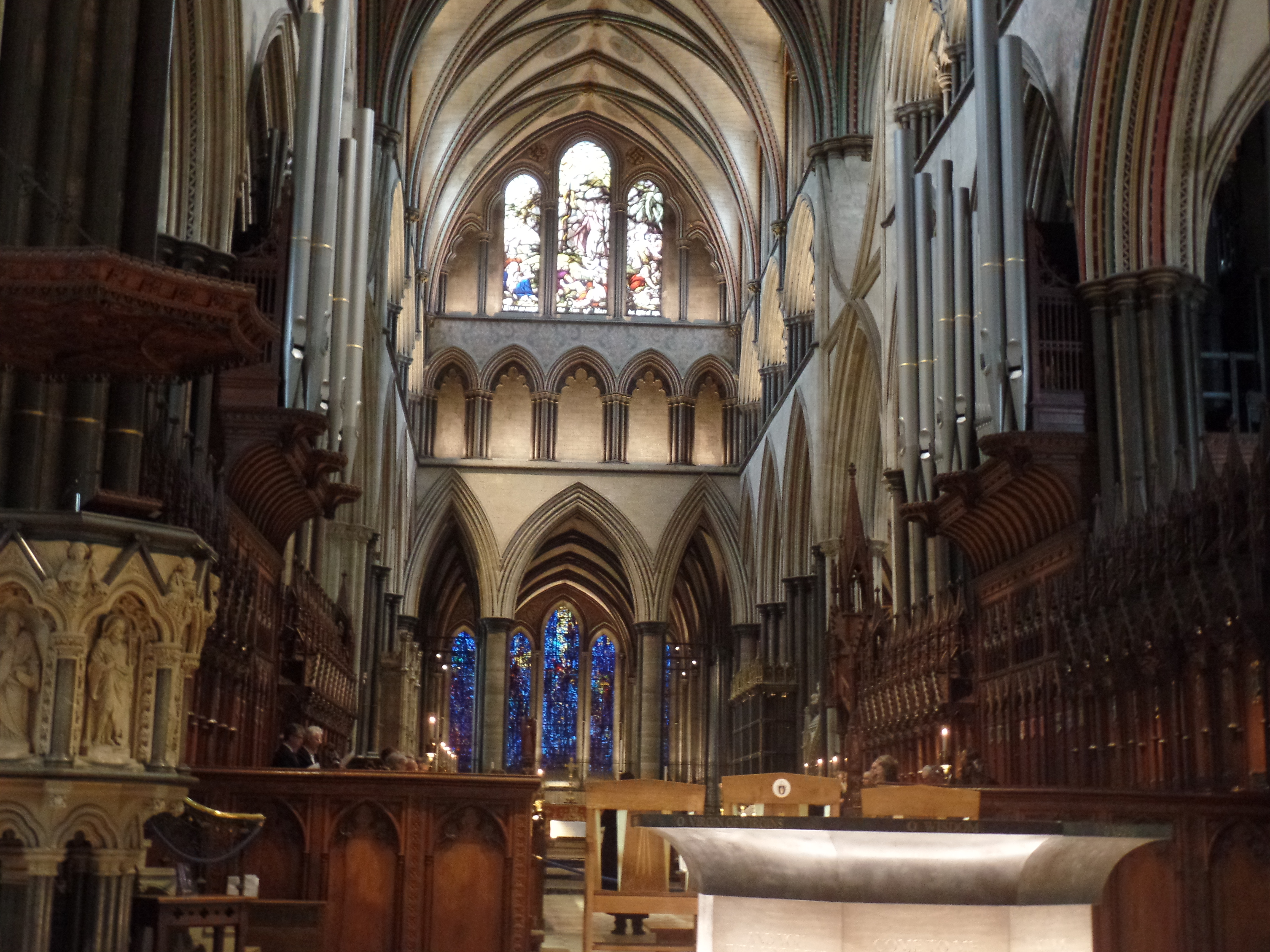
Chancel, with choir in practice, Salisbury Cathedral
Bumping Stone, Salisbury Cathedral-at which a new initiate into the choristry has his or her head bumped on the stone seven times, whilst the chorus sings.
Stained glass, above Baptismal Font, Salisbury Cathedral
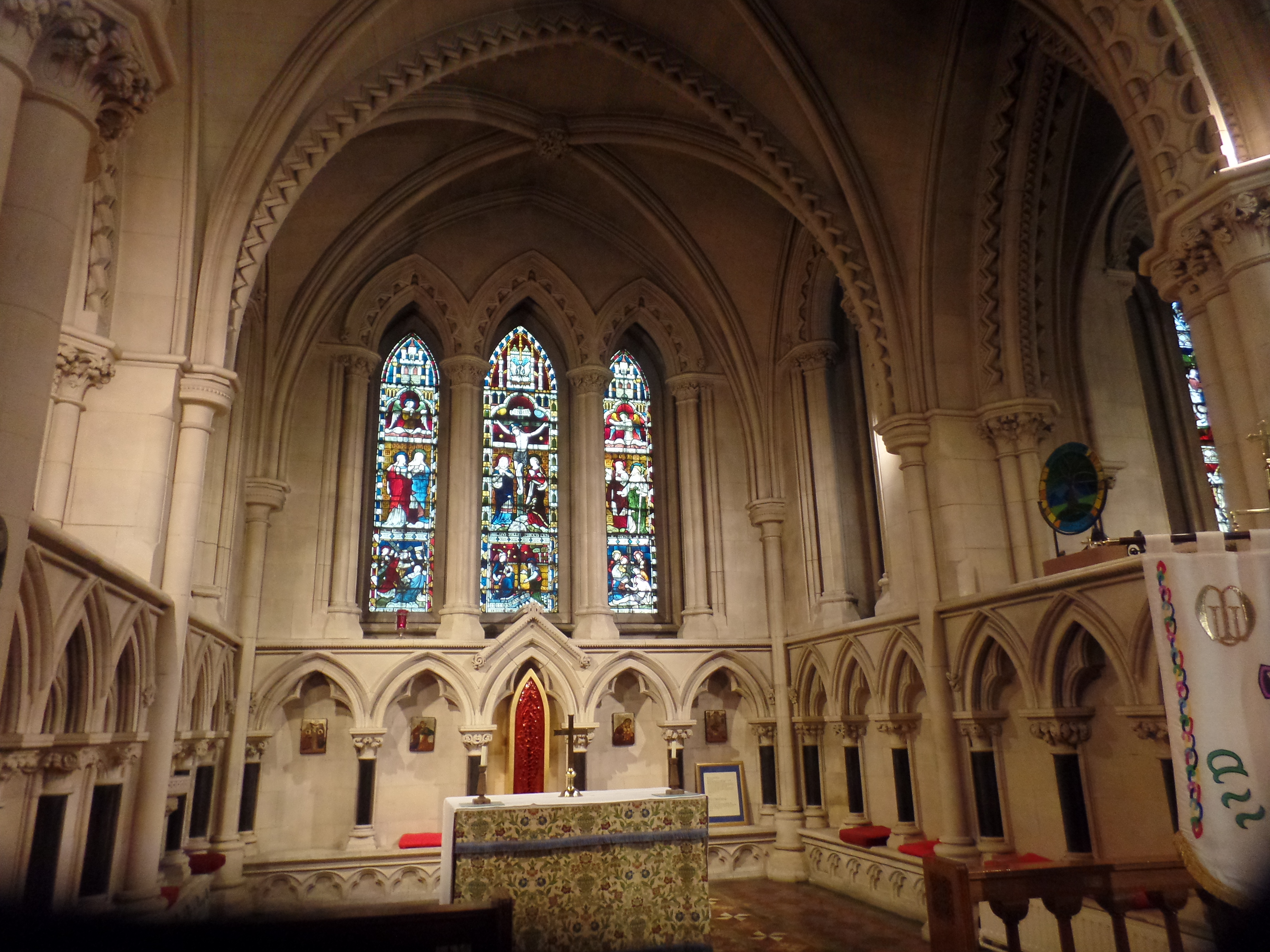
Altar, Salisbury Cathedral
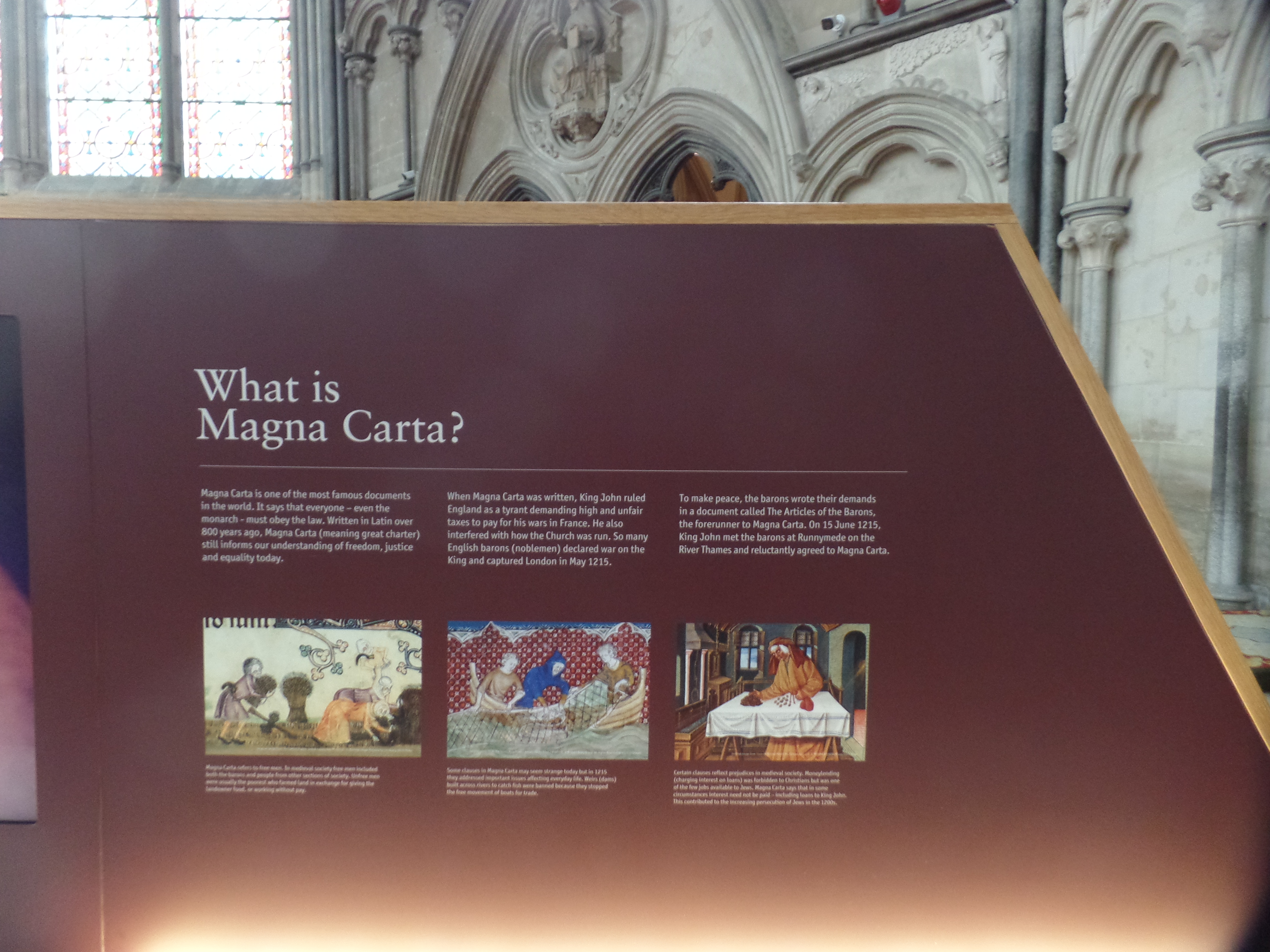
Explanation of Magna Carta, Chapter House, Salisbury Cathedral. The original was brought to Salisbury by Elias of Dereham, who had been at Runnymede, in 1215, and was now supervisor of the initial construction of the Cathedral.

The docent in Chapter House explained the course of the Magna Carta’s being first signed by King John, then repudiated by him, with the connivance of Pope Innocent IV. It was this papal duplicity that set the wheels in motion for the English Reformation, which took place 300 years later.

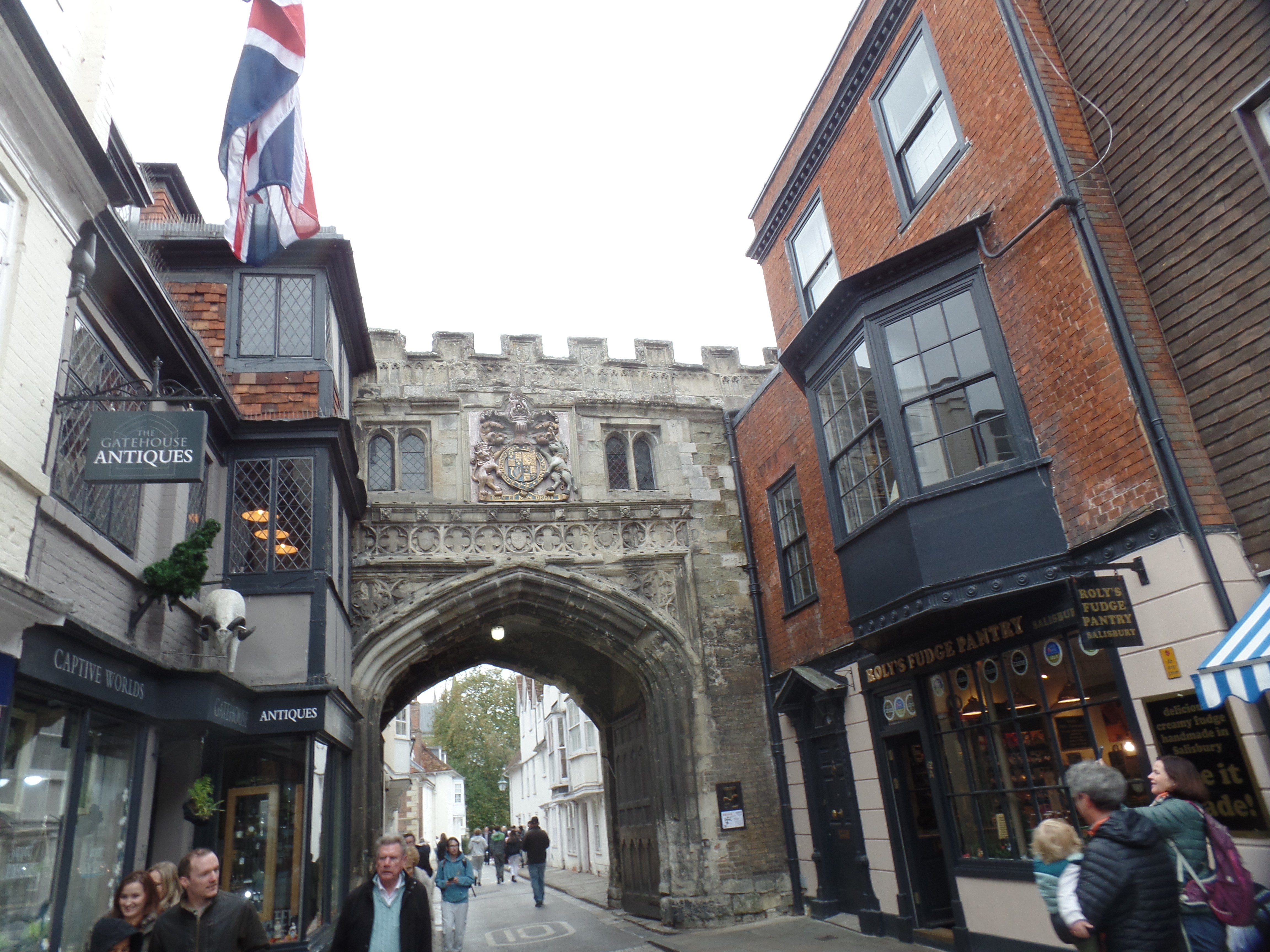
West Gate (Church Gate), Salisbury Town
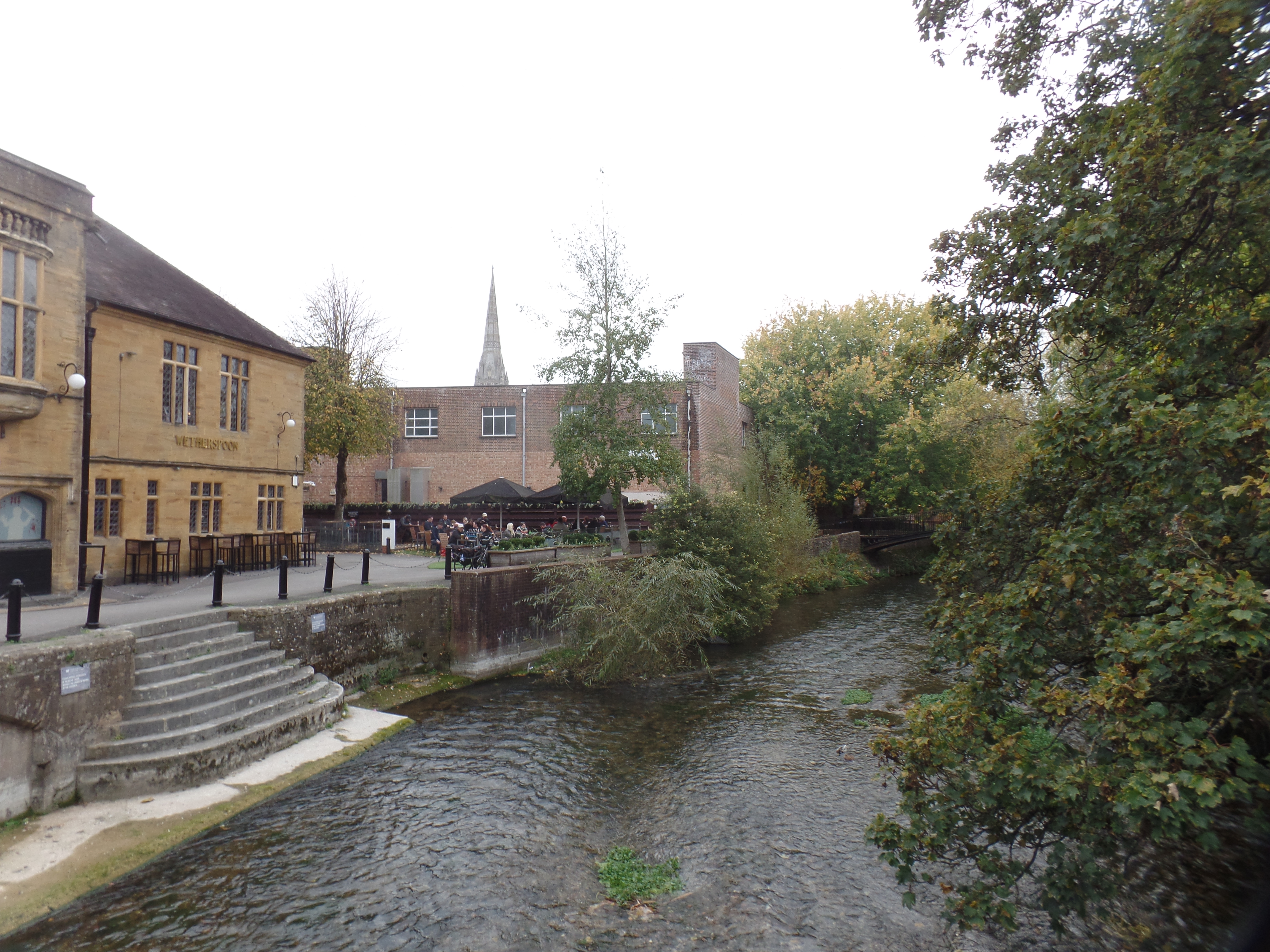
River Avon, with Cathedral spire in background.
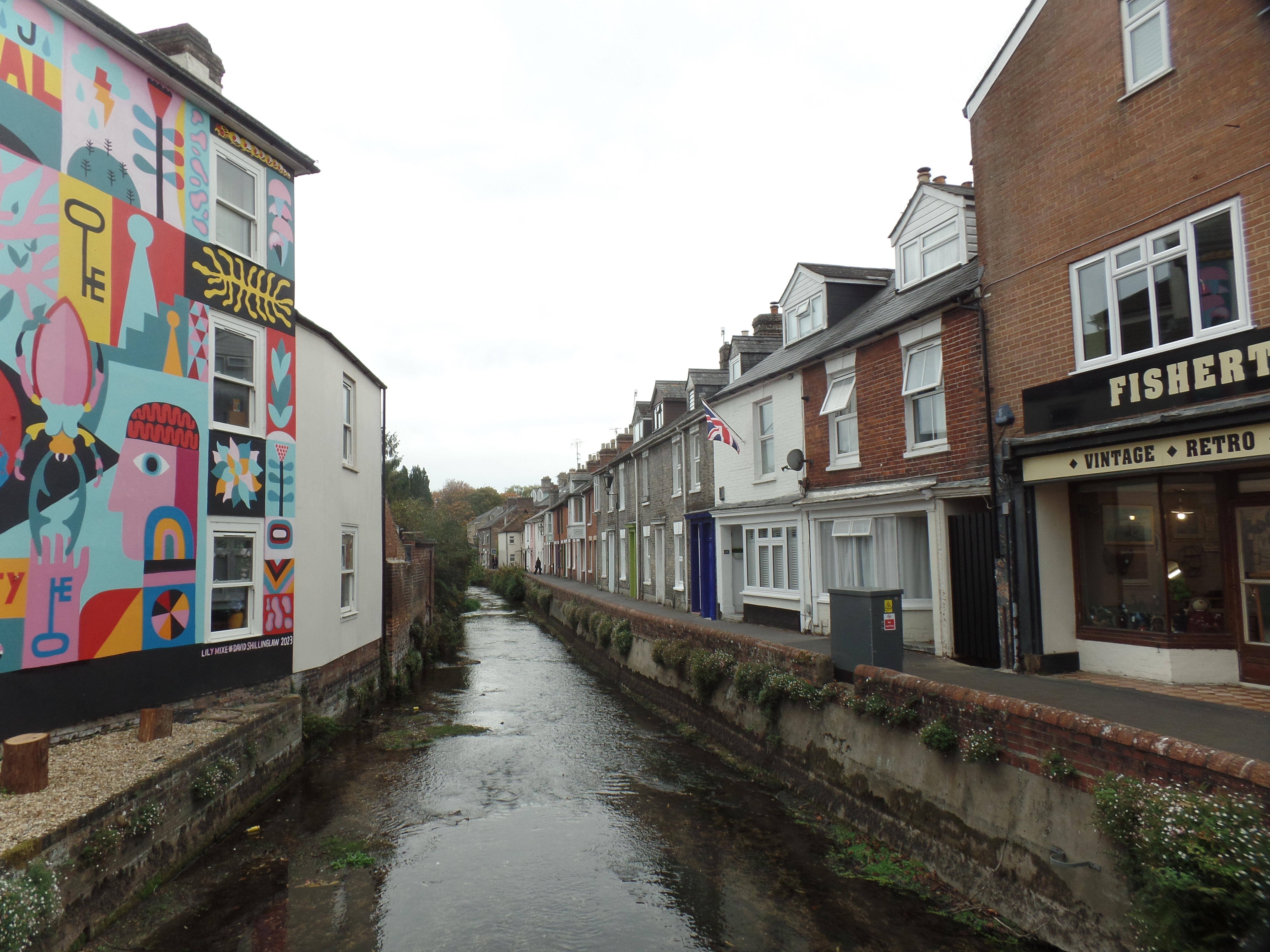
River Avon, serving as a canal, center Salisbury
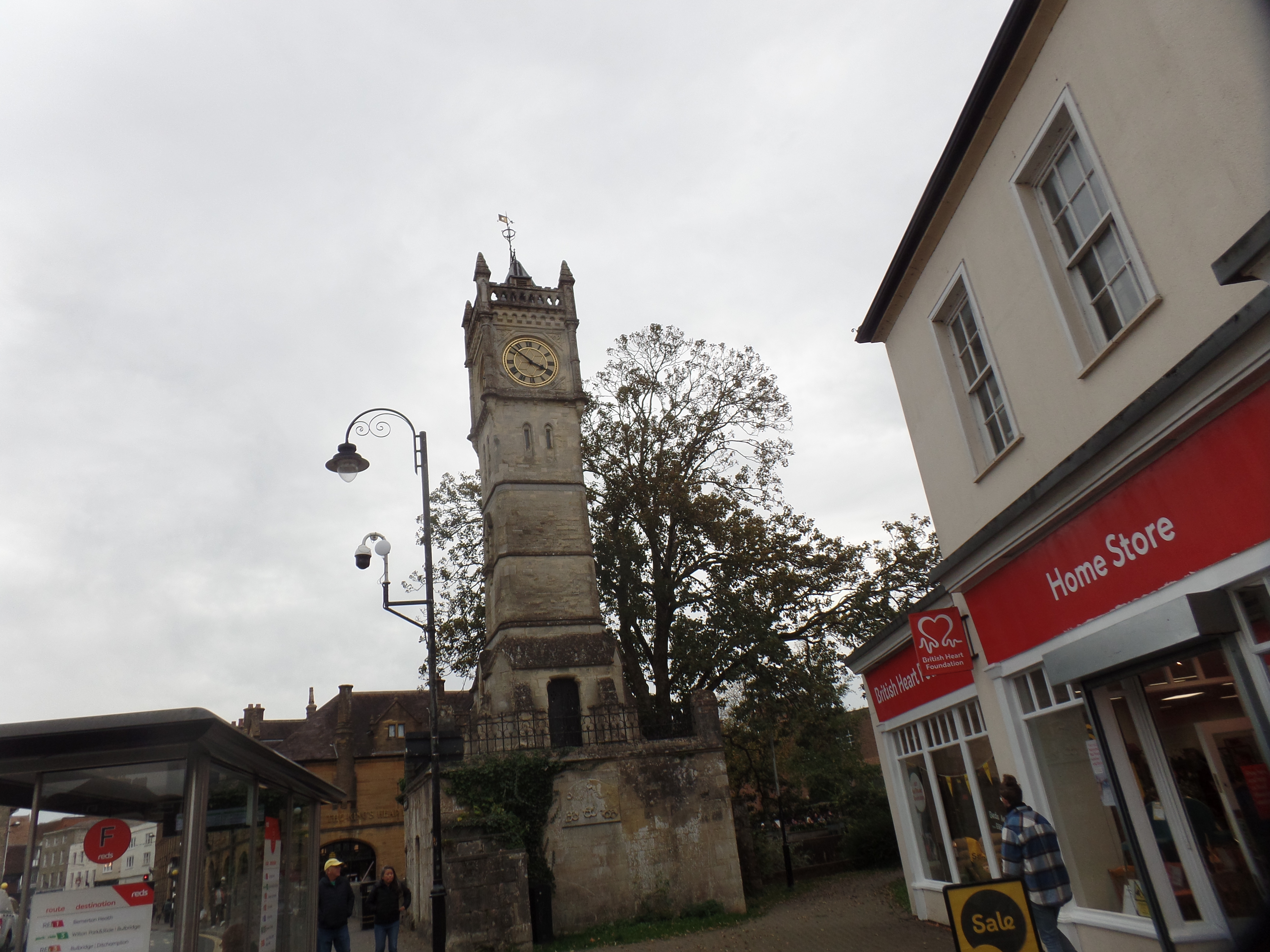
Clock Tower, Salisbury City Centre

The center of Salisbury was packed with visitors, and many dining venues were expected to be packed. I had an early dinner at Cote, a French-style cafe, then walked back to Victoria Lodge, the day having been more than full-even without Stonehenge.

The Road to Diamond,Day 325, Part I: Portsmouth’s Daylight

2

October 18, 2025, Portsmouth, England- Dawn came, the ravers and revelers had gone home and it was time to ready for another train ride. So, after the morning routine, I headed down to breakfast-greeted cheerfully, with a bit of wariness, by the Scottish hostess. It was a lovely full English spread, with bacon, scrambled eggs, grilled tomatoes and baked beans-along with the buffet standards- fresh vegetables and fruit, croissants and toasting bread, a few pastries, hot and cold beverages. It looked to be the last such buffet on this journey, so I took my time and enjoyed.

After breakfast and devotions, it was time to see Portsmouth, on the morning after. There was no huge mess left over-the street crew had come early and was still out in force. I headed first, through the east end of Guildhall with the goal of the near waterfront.

Here are some scenes of a Portsmouth morning.

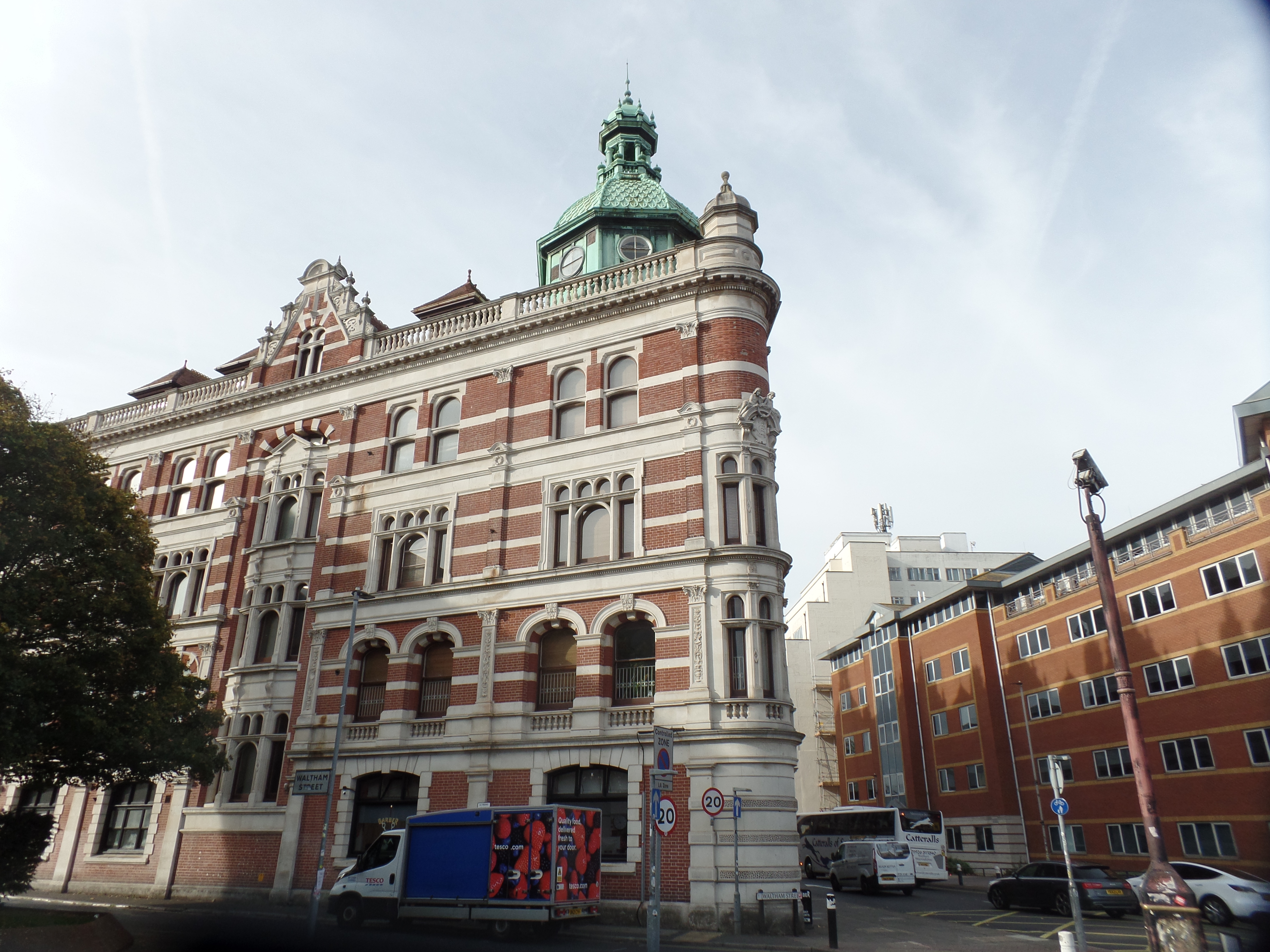
Triangular office building, Guildhall

Crossing the busy intersection, looking right, left and right again (It’s even written to do so, on the pavement), I walked past fields of young men practicing on the Rugby field-a Royal Navy facility. Portsmouth is RN headquarters, after all. At the end, there are the monuments to science and technology, with Spinnaker Tower to the right of the lower round building. Spinnaker is a place from which to get breathtaking views of Portsmouth, Southampton and the surrounding area. I had little time, though, before the scheduled train, so this was my look at the area.

Spinnaker Tower (center) and Science complex (round towers)
Street art (and “Sir Isaac Newton”) This rather offbeat focus on vision, and “sea aliens”, was at the entrance to the small wood that is in the background.

Heading back to IBIS, I retrieved my bags and started towards the train station. The majestic Guild Hall was no worse for the wear, after hosting many flirtatious youngsters and others, the previous night. It is now an event center, and does its job rather well.

Portsmouth Guildhall

Guildhall Square honours tradition.

Queen Victoria, Guildhall Square
Hampshire War Memorial

With that, I headed to the train station, expecting to board the train towards Salisbury. Yet, there was no train to Salisbury. Britrail has an occasional cancellation. This was one such. The Transit Officer explained what I would need to do to re-route, so about forty minutes later, I was on a train to Fareham, and from there to Southampton, where I changed trains again. The rigmarole meant that the train would arrive in Salisbury at 3 p.m. This meant that I would not be going to Stonehenge, as the last bus to that venerable site leaves at 2 p.m., during the “winter months”, which in tourism parlance include October.

This gave me more time to focus on Salisbury itself, and on its majestic Cathedral. More on them both, in the next post.

The Road to Diamond, Day 324: Part I- Le Havre’s New Legacy

2

October 17, 2025, Portsmouth, England- The earnest young man, a maintenance worker for the City of Dieppe, told me that the route to the ferry terminal was “not long” and was “visible straightaway from around the corner to the left.” I followed his directions, met a couple who were out walking on a delightful Friday afternoon and got more complete directions. Twenty-five minutes later, I walked into the Ferry Terminal.

Taking on the road involves just this sort of time allowance, and patience with people whose own understanding of routes and systems is not as complete as they fancy it to be. It also involves workarounds for spotty WiFi and being a quicker study for technological innovations than has ever been the case. That alone, to me, is a cure for dementia. (Disclaimer: I am not a medical professional. I just know how it feels to be adapting to a savvier world.)

The day started with a fine breakfast at JOST Hostel. Before checking out, I did a walkabout to Le Havre’s waterfront and back. Here are some scenes:
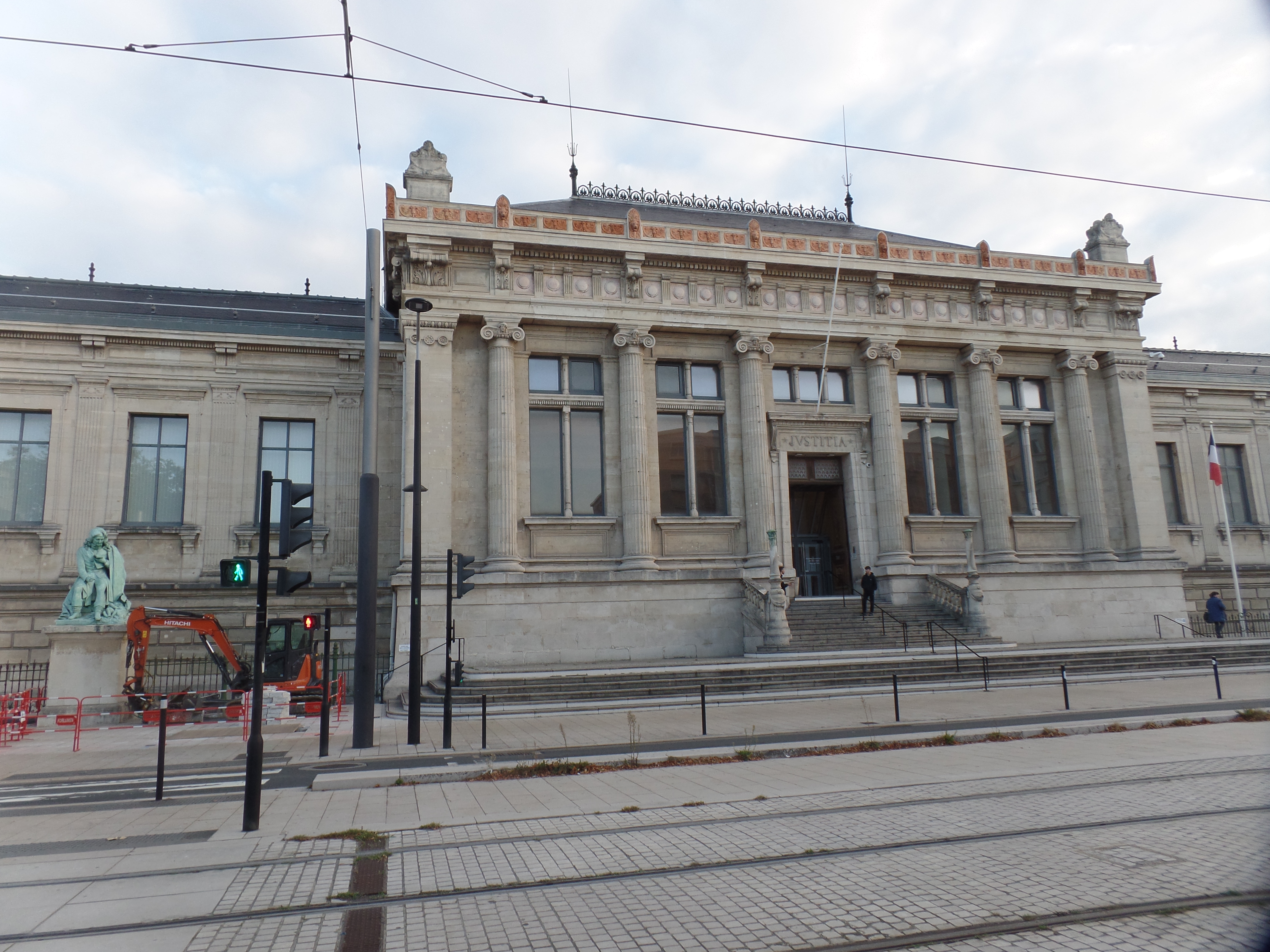
Le Havre Palais de Justice
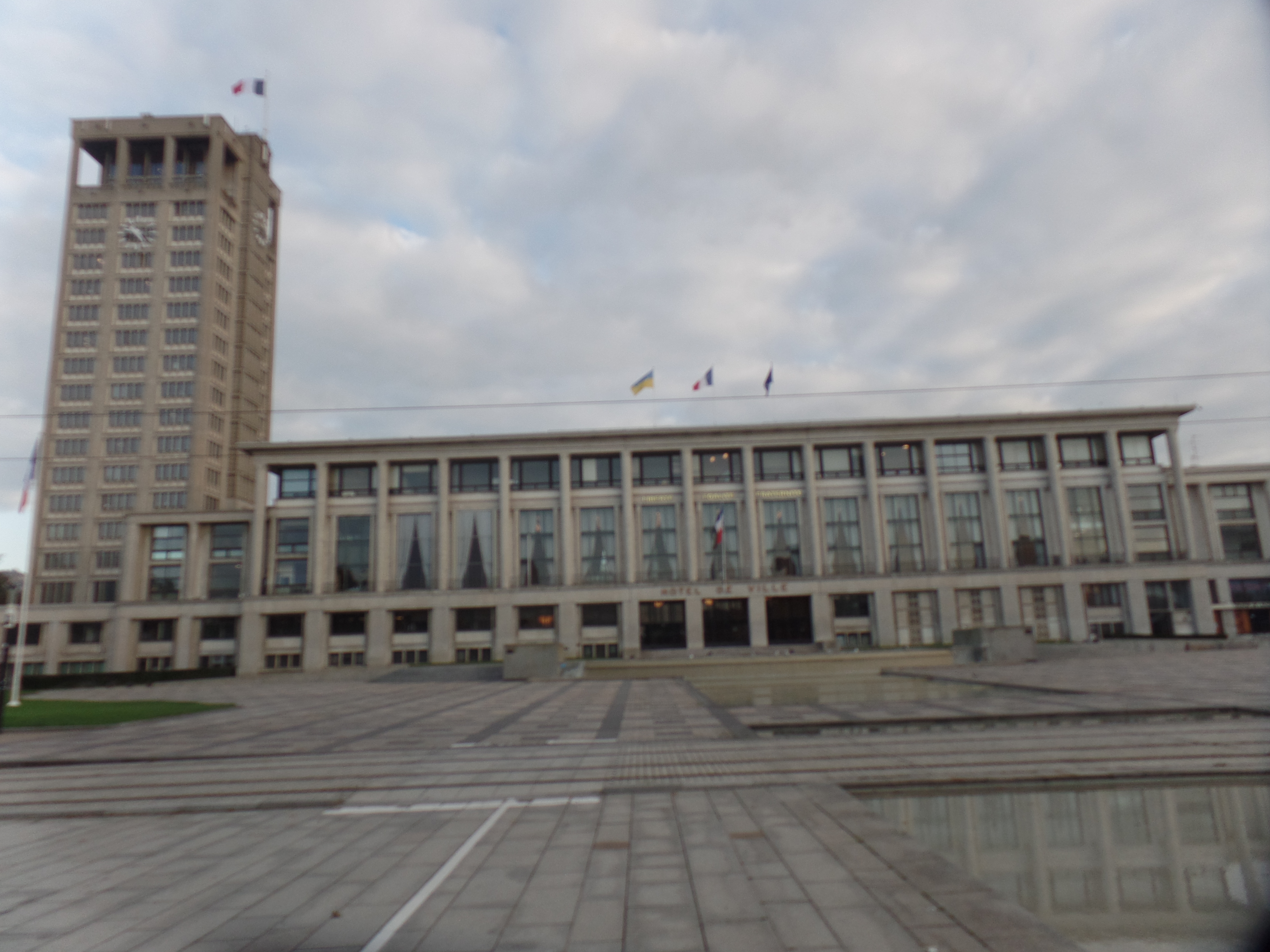
Le Havre City Hall
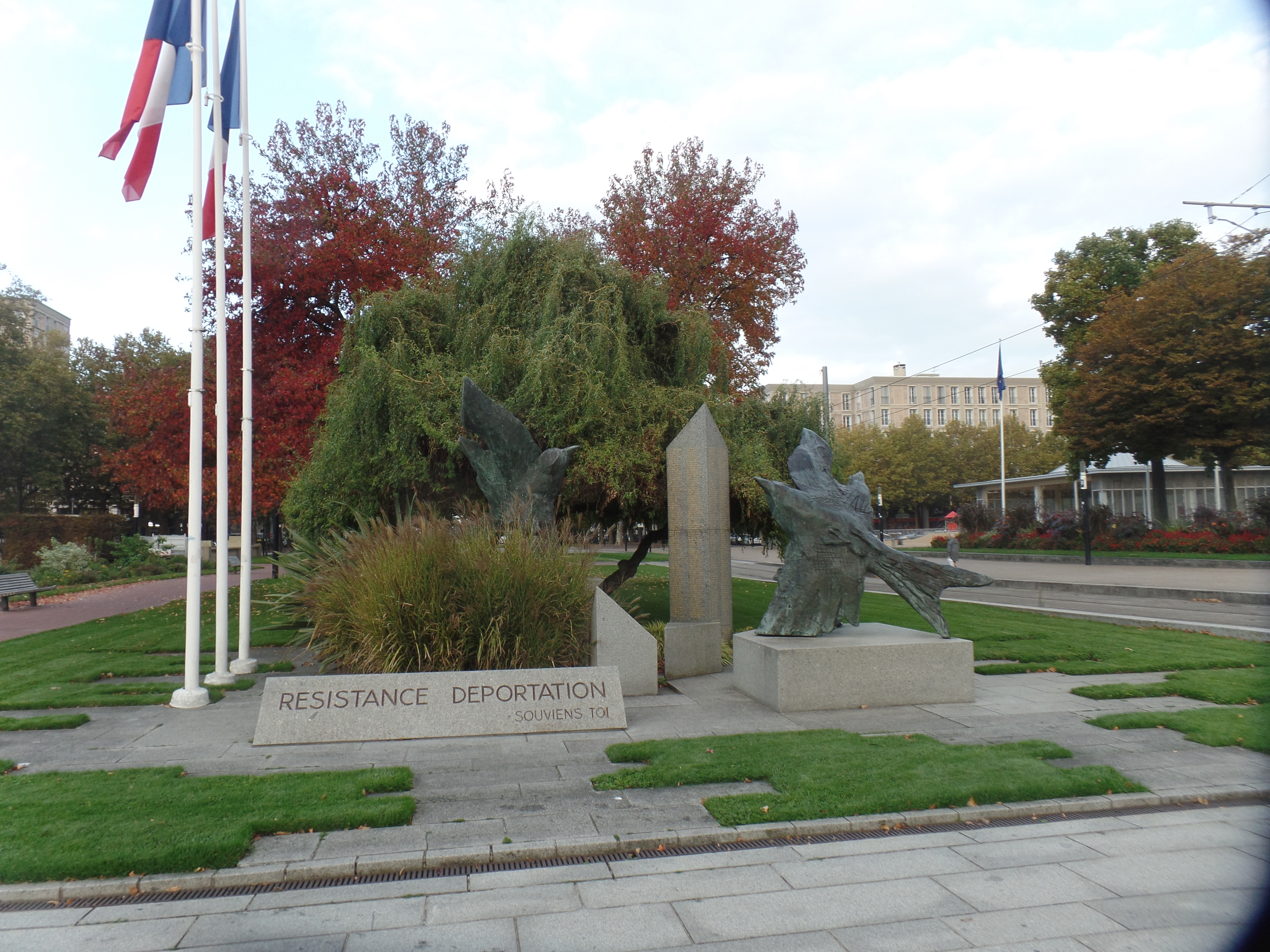
Monument to Resistance Fighters of World War II
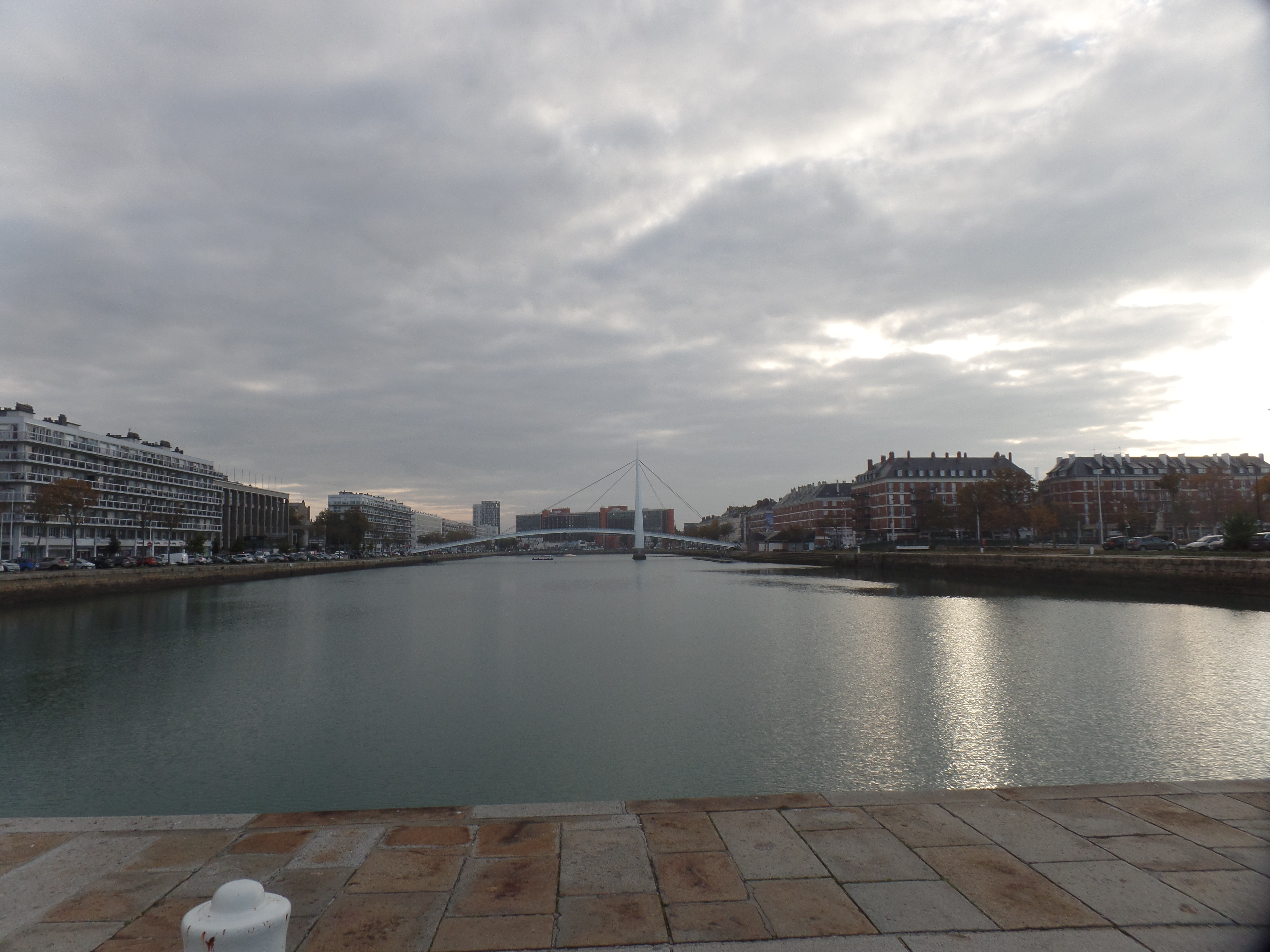
Seine River, approaching the English Channel (La Manche)
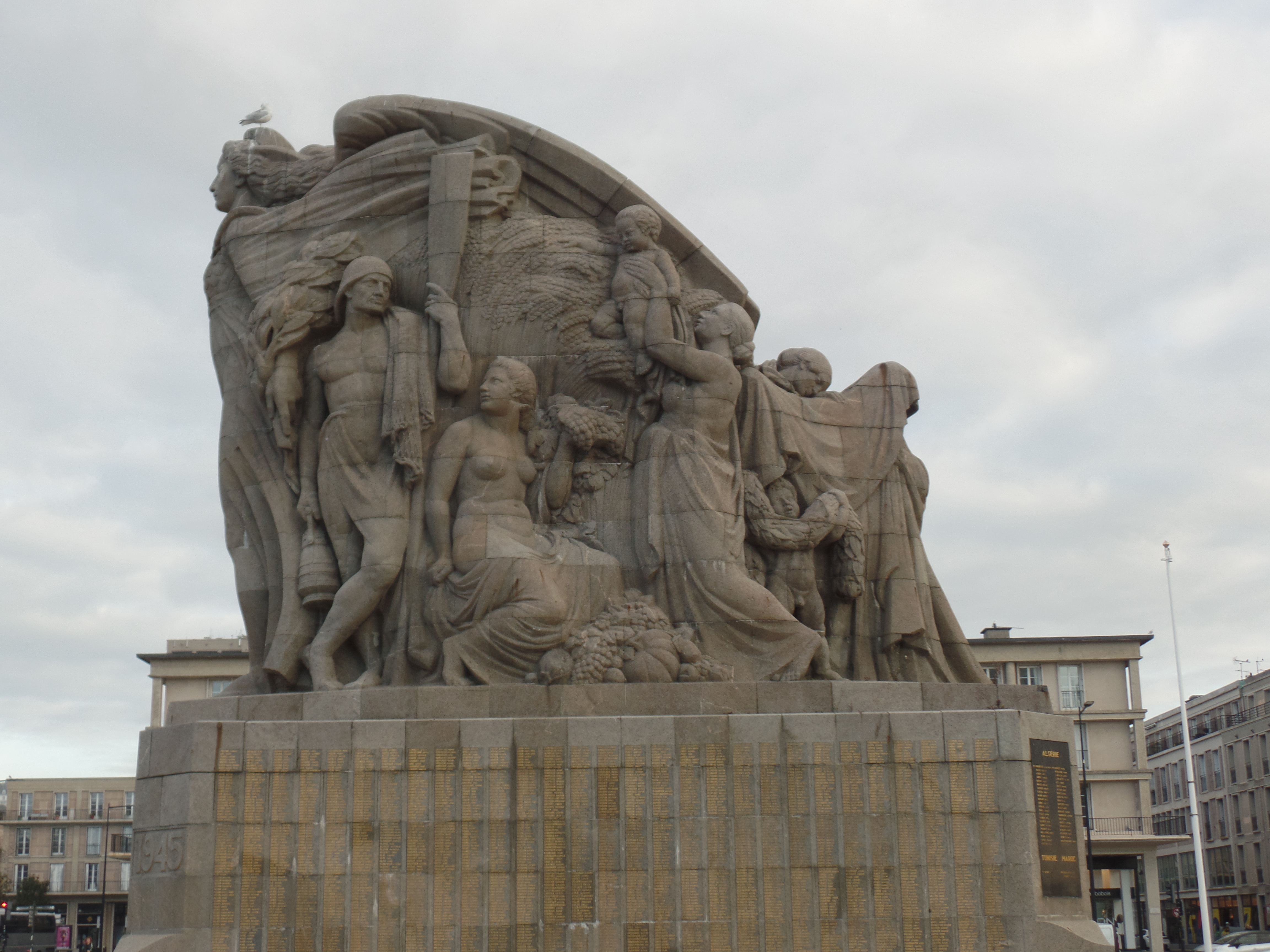
Monument aux Morts, Le Havre
Alta Tower, with fluid geometry; created by Auguste Perret
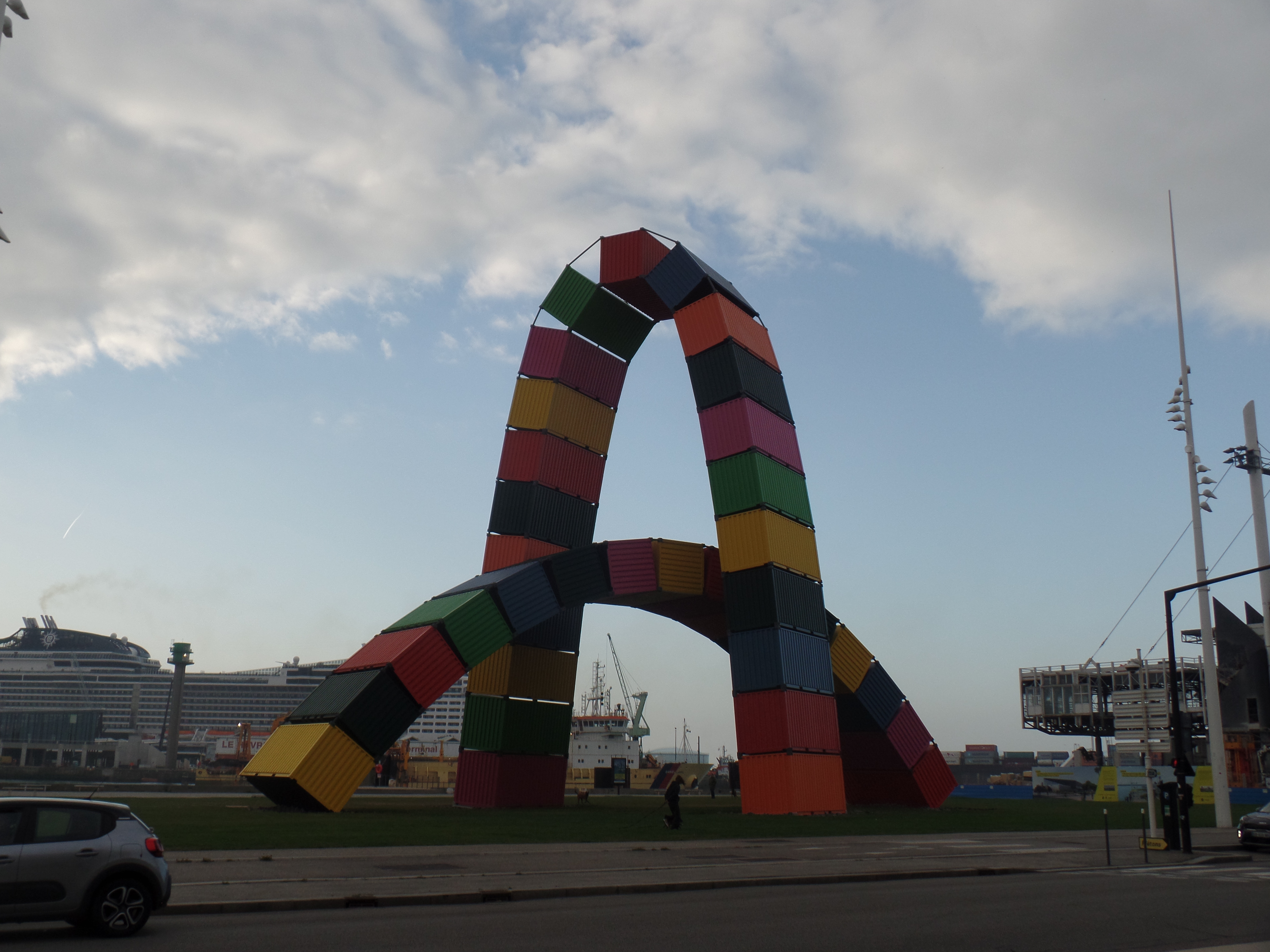
Twin Rainbow Arches, Le Havre Port. This was in celebration of Le Havre’s 500th anniversary and was also designed by Auguste Perret. It is made of 36 shipping containers, welded together.
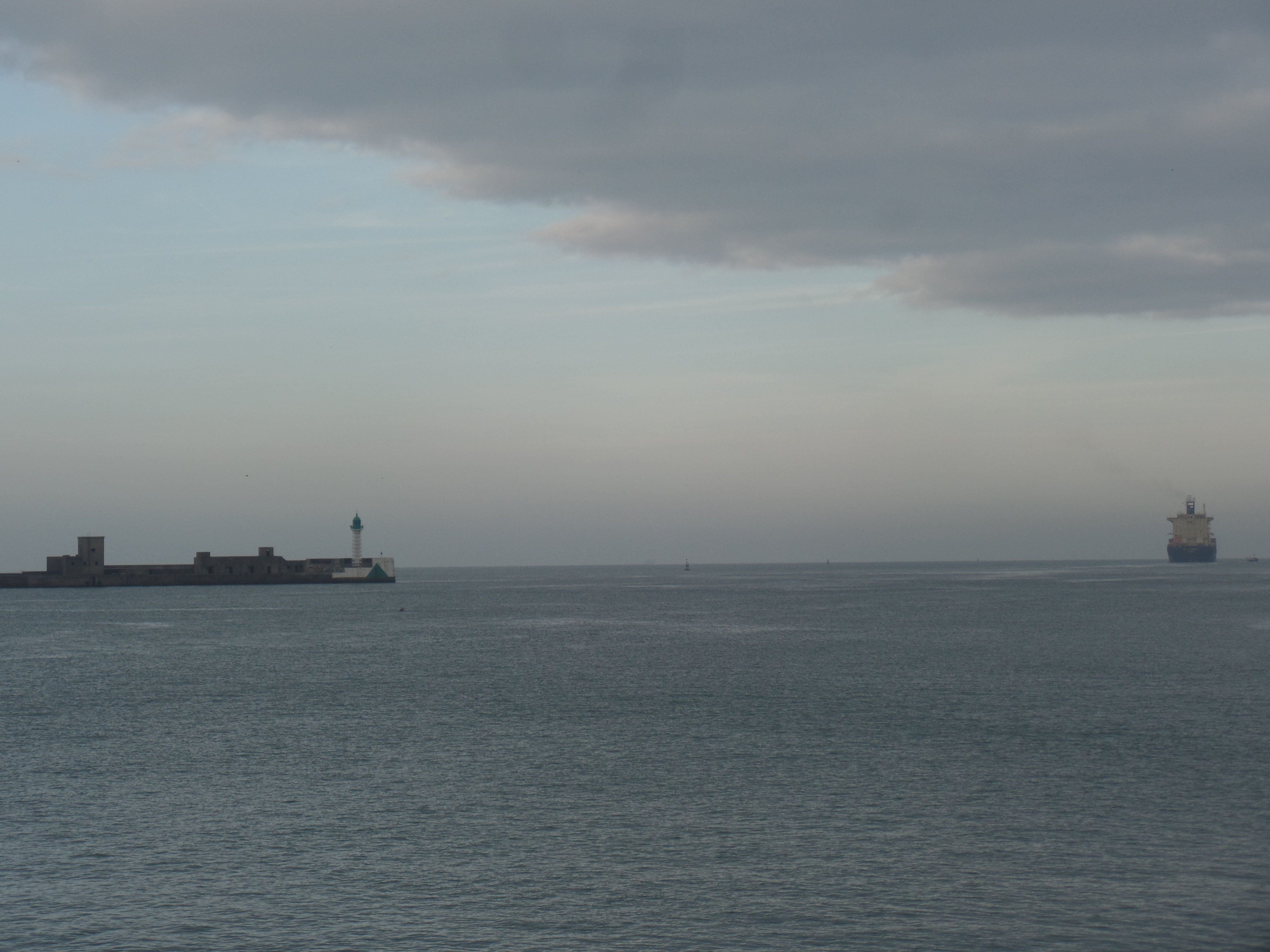
Sea gate, with approaching ferry ship.
“The Signal”, by Henri-Georges Adam, at Malraux Museum of Modern Art
Auguste Perret’s Show Apartment
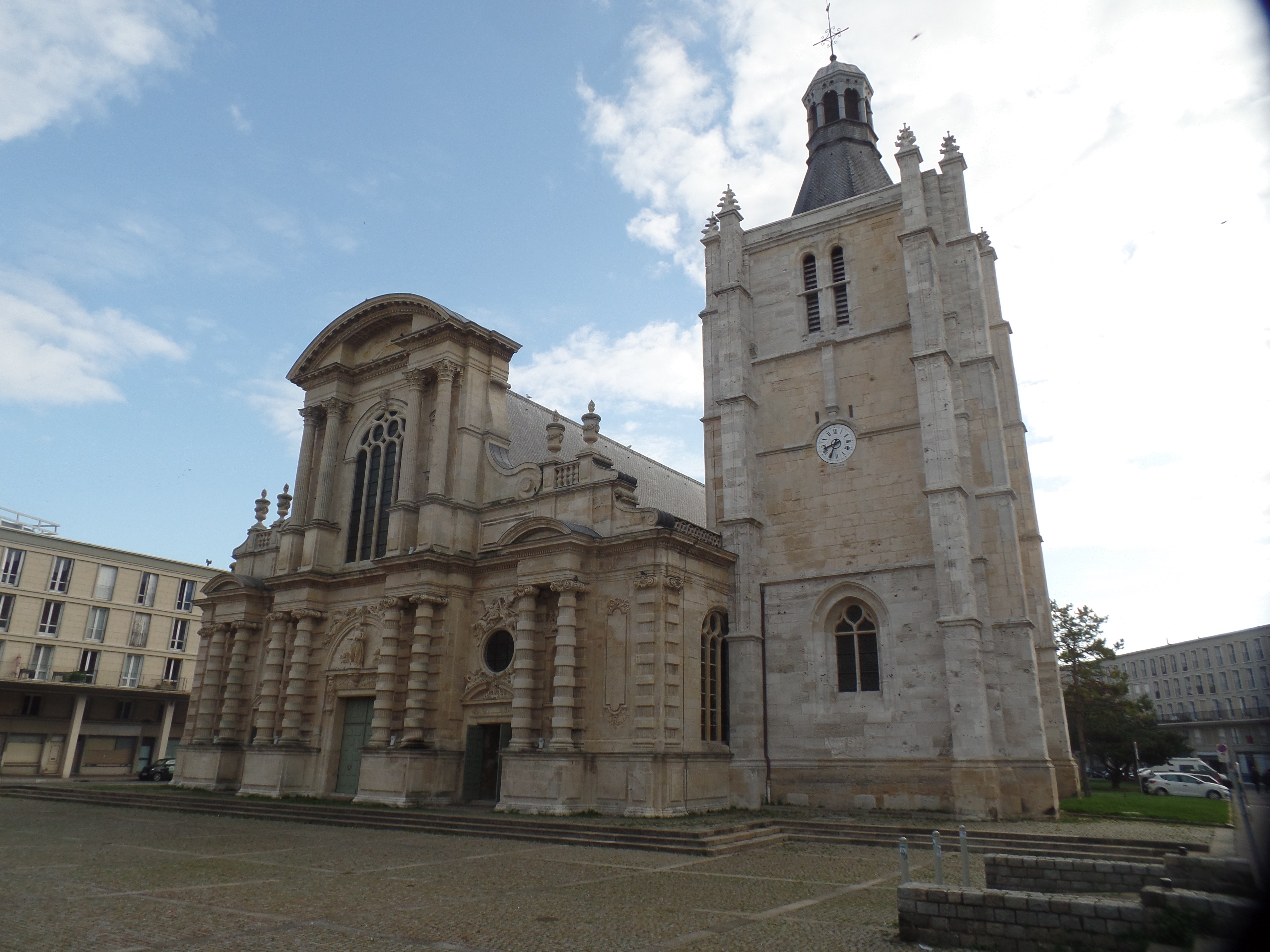
Notre Dame de Le Havre (Cathedral)
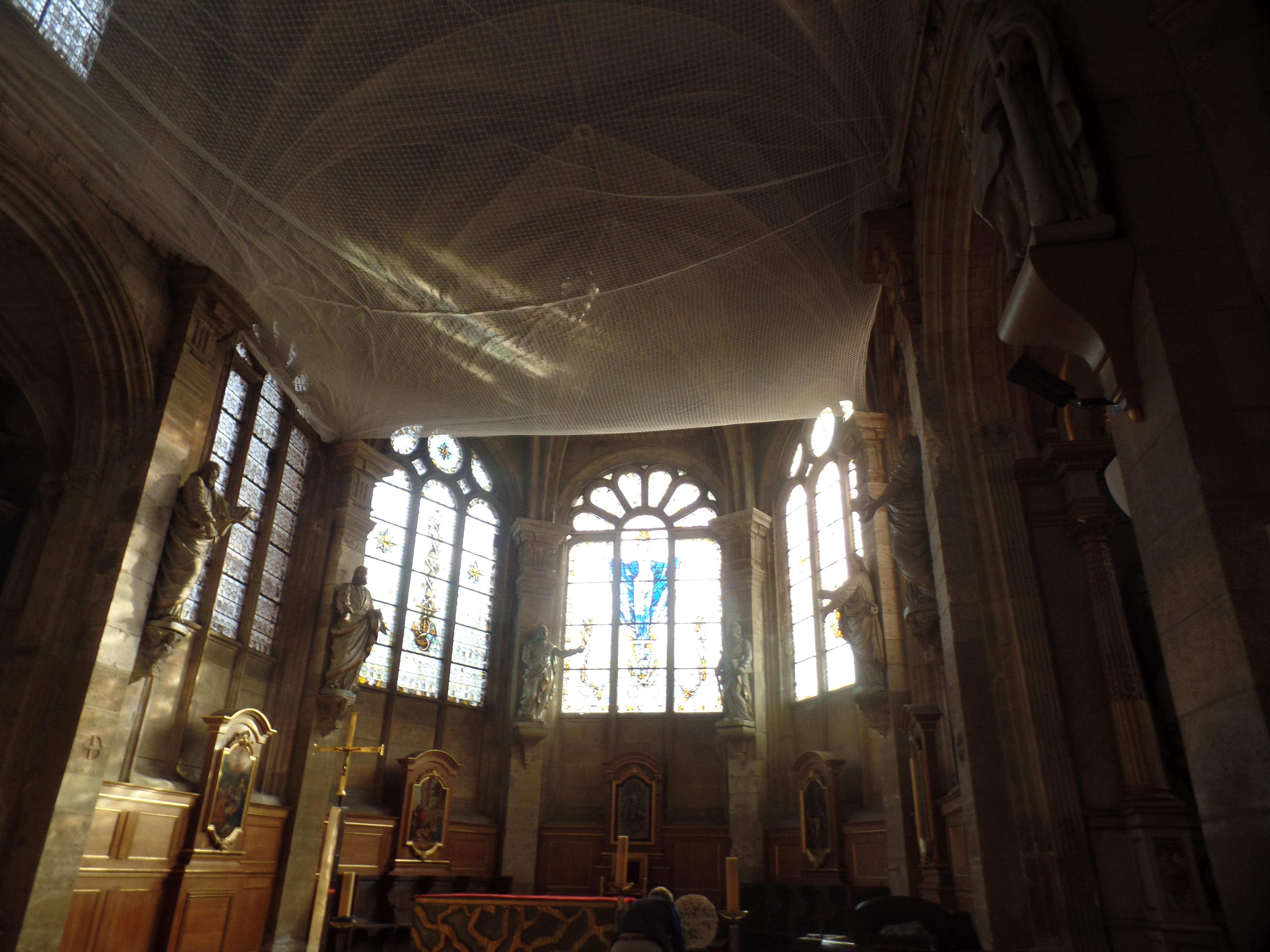
Interior of Notre Dame de Le Havre
Pipe Organ, Notre Dame de Le Havre
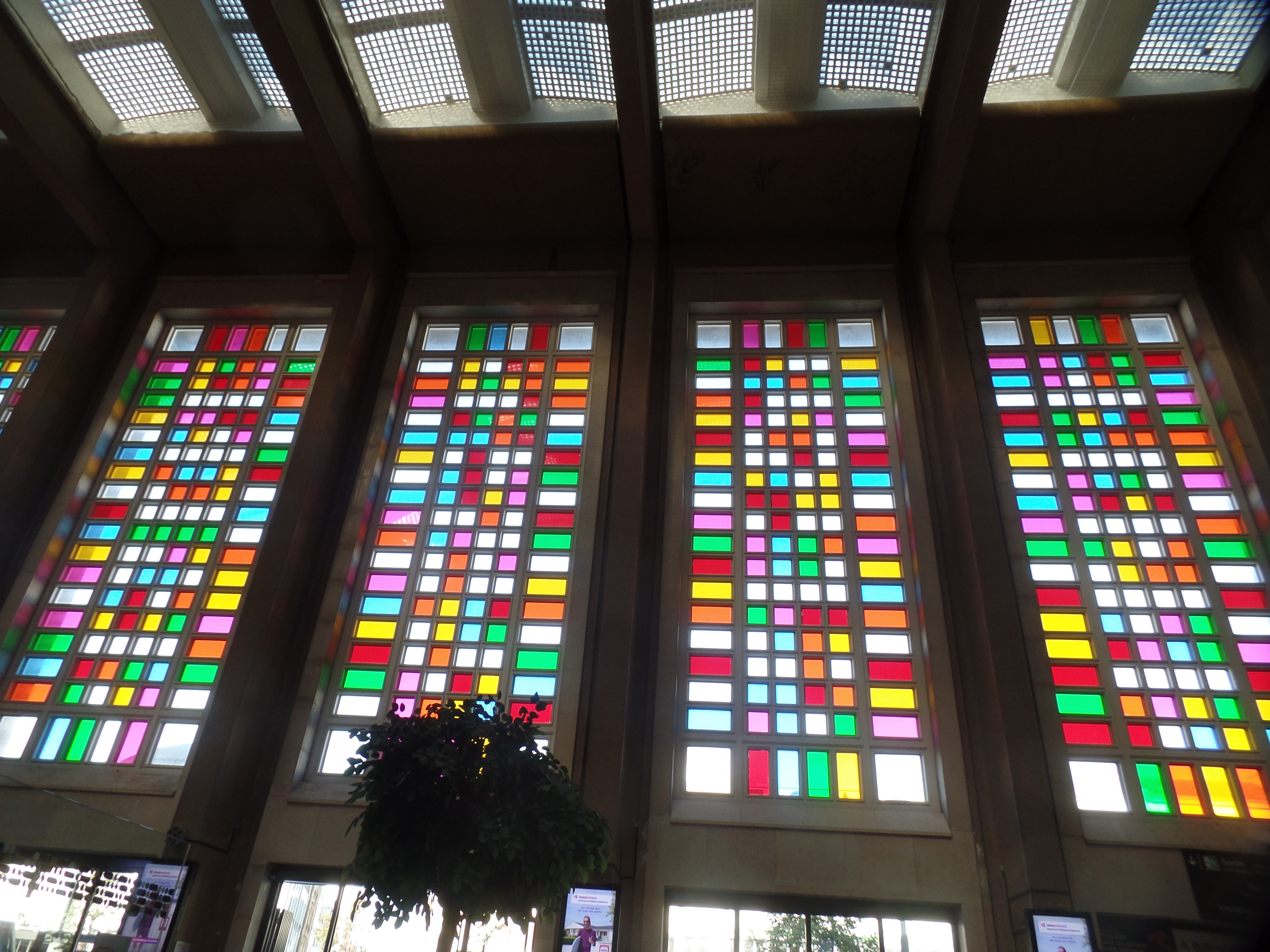
Stained glass, at Le Havre Central Train Station

With my walkabout complete, I headed on the train bound for Rouen, then transferred to another train to Dieppe.

The Road to Diamond, Day 323: The Goodwill of Immigrants

0

October 16,2025, Le Havre– I left Metz, after a sumptuous breakfast in Hotel Escurial’s fine restaurant. The train ride to Paris Est was uneventful, though the French countryside is always a tonic for the soul. Once in Paris, I asked an African immigrant, a security guard, where to find the bus to Gare St. Lazare, from which trains to Normandy and Brittany are dispatched. He personally favoured the Metro, but with baggage to handle, I was in no mood for the grifters and pickpockets who hang out in all too many Metro stations. He then directed me to the area south of the train station, where buses arrive and depart.

After a few minutes of asking around, I spotted the bus that goes to St. Lazare. Another young immigrant was getting set to start his driving shift, and invited me on, sans ticket. He maneuvered swiftly through Paris traffic, and we were near St. Lazare, with plenty of time to spare before my train to Rouen and Le Havre was set to depart. His “price”? I had to get off two stops later and walk back. “No one can have everything”, he said, knowingly. It was no big deal.

In 2014, I was on another train to Rouen, and we passed through a suburb called Mantes-La Jolie. My seat mate pointed out that there was little “jolie” about the town. This time, though, Mantes-La Jolie presented a clean, upbeat appearance-even lacking the graffiti that seems to be universal elsewhere across Europe.

Rouen, too, seemed a tad happier a place than what I saw eleven years ago. For that matter, at least in the above-ground gathering places and along surface streets, I felt perfectly safe in Paris as well. The hype about “crime-ridden France” seems to be just that-a false flag. The train strikes of two weeks ago are a blip.

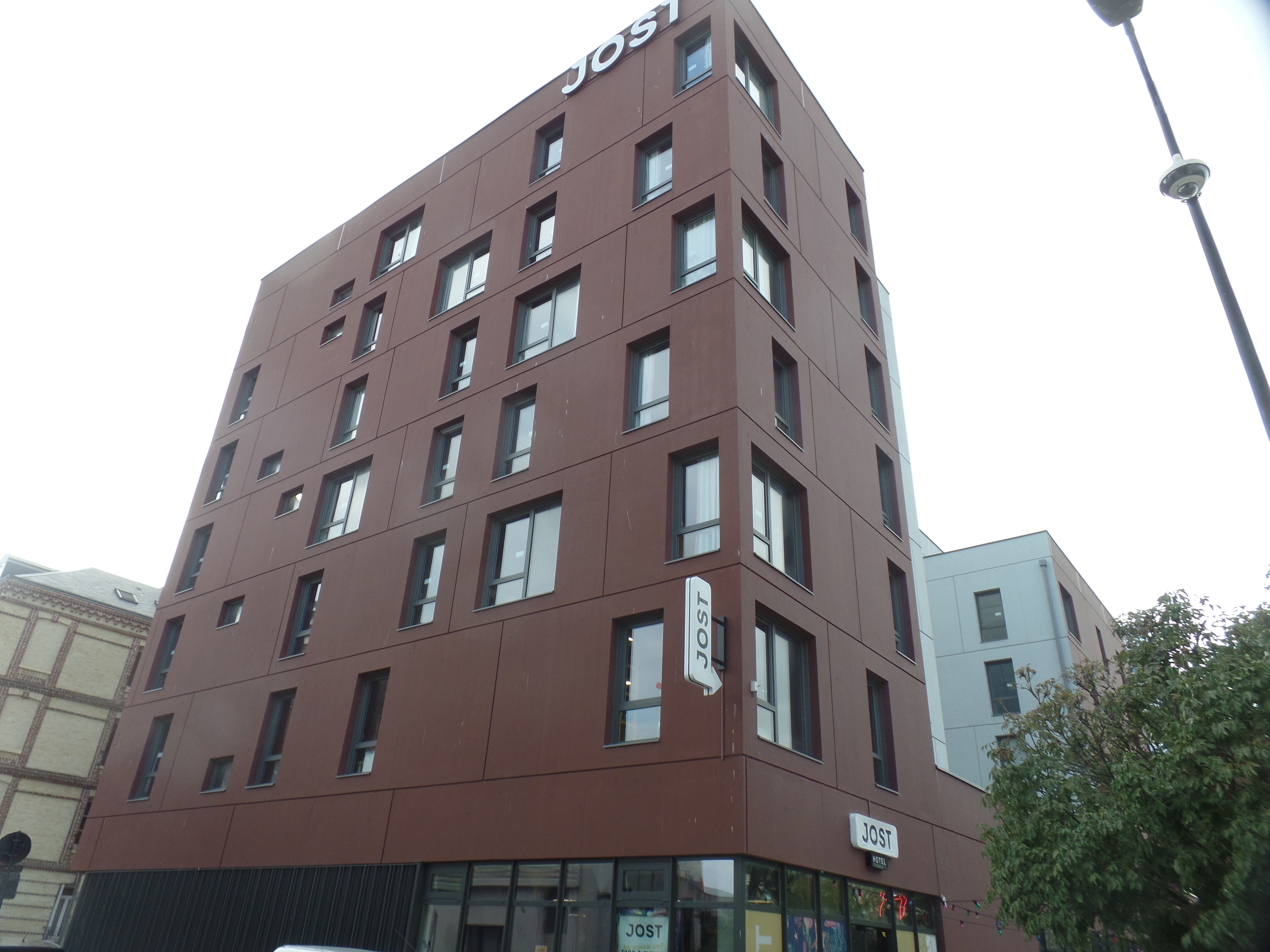
It was in an upbeat mood, bolstered by the kind, if snarky, immigrants who I encountered everywhere, that I found myself in the shiny port and university city of Le Havre. I had half expected a gritty seaport. There was none of that, and I walked a short distance to JOST (Joy of Sharing Together) Hostel. It is the closest lodging to any train station thus far, except for Helsingor. It also has a Food Court, with six restaurants under the auspices of one bar. I chose a northern Italian option.

The University quarter of Le Havre is a place of great modern art and architecture. Here are a few scenes.

JOST Hostel. I was “only” on the fourth floor.
Pole- Simone Veil. This social and sport event center is named for the late magistrate Simone Veil, who was a survivor of the Holocaust of 1941-45. She became the first President of the directly-elected European Parliament, in 1979. In her years of recovery from the horrors of war, Simone Veil was a champion of women’s rights in France and across Europe. She died in 2017, at the age of 89.
Enclosed arbor, Allee Aimee Cesar. The great social activist from Martinique offered a thought which is apt for people like me, who visit different places, almost with abandon. “Beware, my body and my soul, beware above all of crossing your arms and assuming the sterile attitude of the spectator, for life is not a spectacle, a sea of griefs is not a proscenium, and a man who wails is not a dancing bear.” It is indeed the duty of the traveler to show empathy with those visited.
Rue Le Sueur
Sidewalk cafe, Place Le Sueur
Torso in Action, Place Le Sueur

Le Havre has indeed cast off its former image as a gritty port, and is fully embracing the vibrant commercial culture that has continued across the English Channel, despite BREXIT and largely because of, rather than despite, the Chunnel. I will have time, tomorrow morning, to more fully look around this energetic port.

The Road to Diamond, Day 322: Still A Fine Metz

0

October 15, 2025, Metz- Stately Hotel Escurial is probably the easiest to find, of any hotel that hasn’t been right next to the Train Station (only the hotel in Helsingor, Denmark has fit that description). It is bordered by a health food grocer, with bright green lettering and the Hotel Cecil, which once catered to the British upper crust, is prominently to the west of Escurial. Besides, it has a regal Spanish ring to it.

I arrived here in mid-afternoon, the first stop of three, on a Strasbourg-Luxembourg route, which I last took in the opposite direction, in 2014. At that time, Metz was more a place for regrouping my energy, as Strasbourg was this time. Today was more about giving Metz the limelight.

I got my laundry done in Strasbourg, for the most part figuring out the instructions, which were in French, and managing to get the clothes washed and dried within the allotted time and walked back to Hotel Strasbourg, in plenty of time to return to the main train station. I even helped a college student and a disabled woman, just a little.

Once in Metz and settled in at Hotel Escurial, it was off to look at two different areas of the Old City. First, though, I had to get a new mouse for my computer. A shop was located about four blocks from Hotel Escurial, and the task was quickly done.

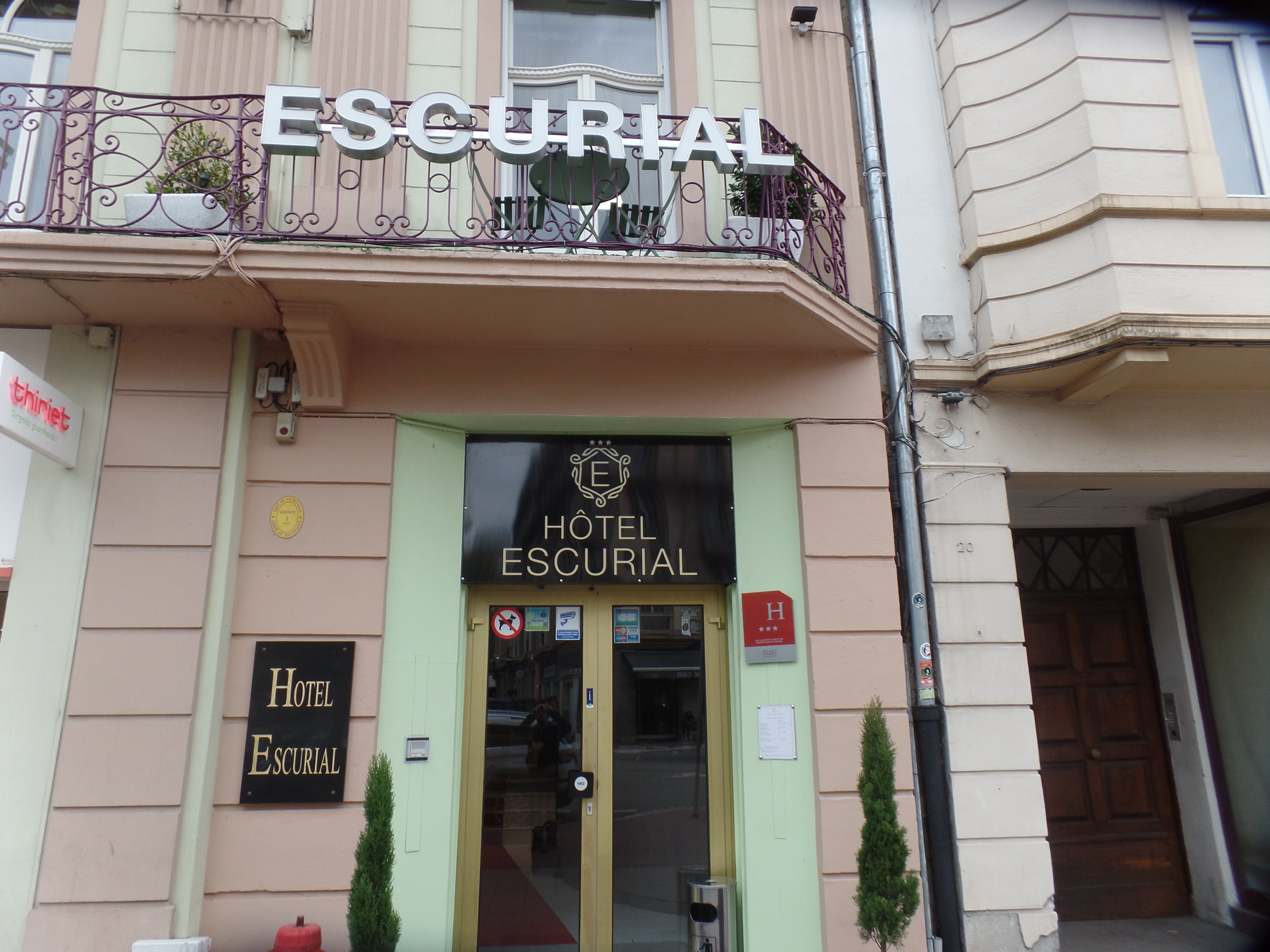
Hotel Escurial. Metz
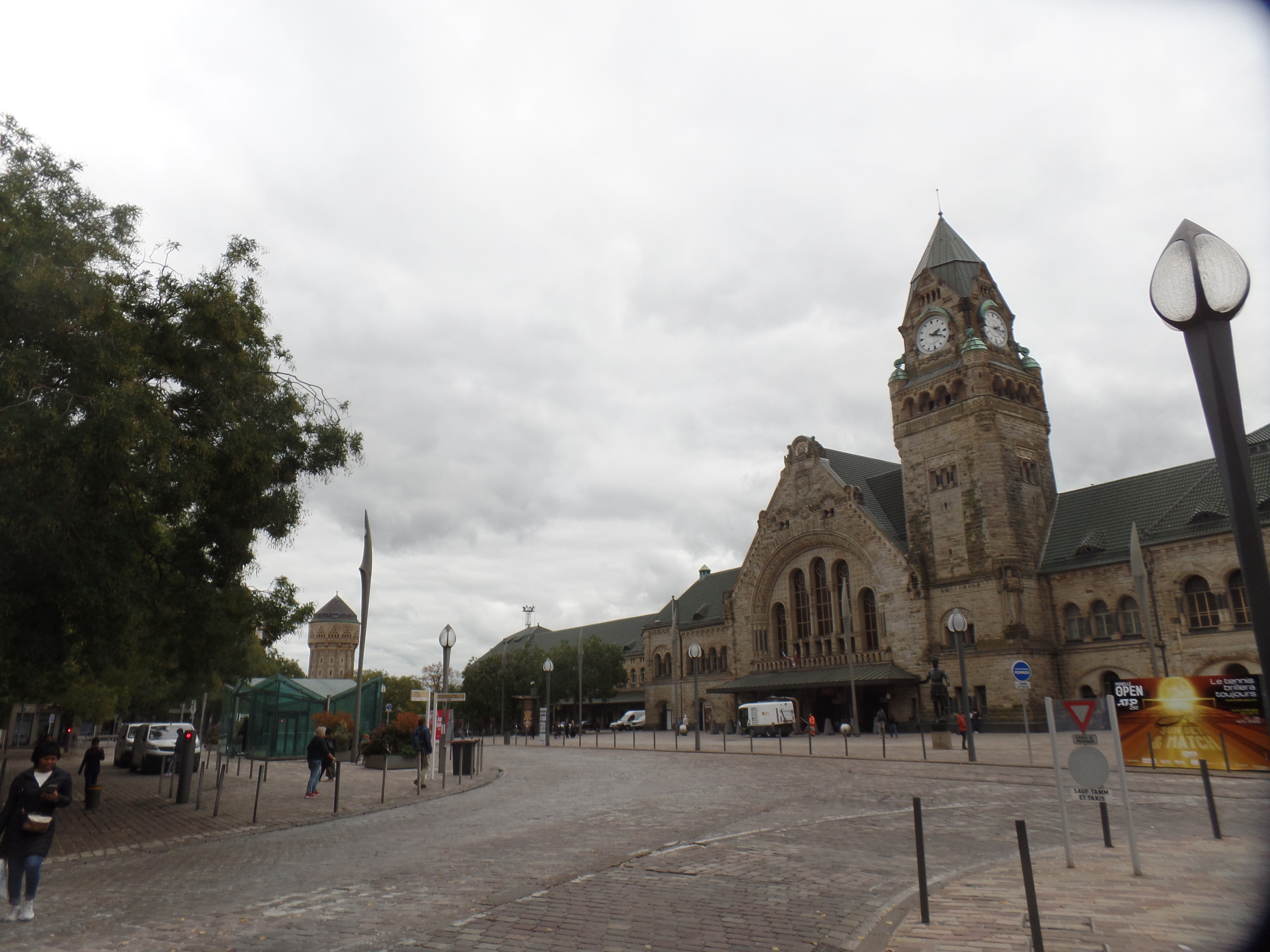
Gare Centrale (Main Train Station), Metz
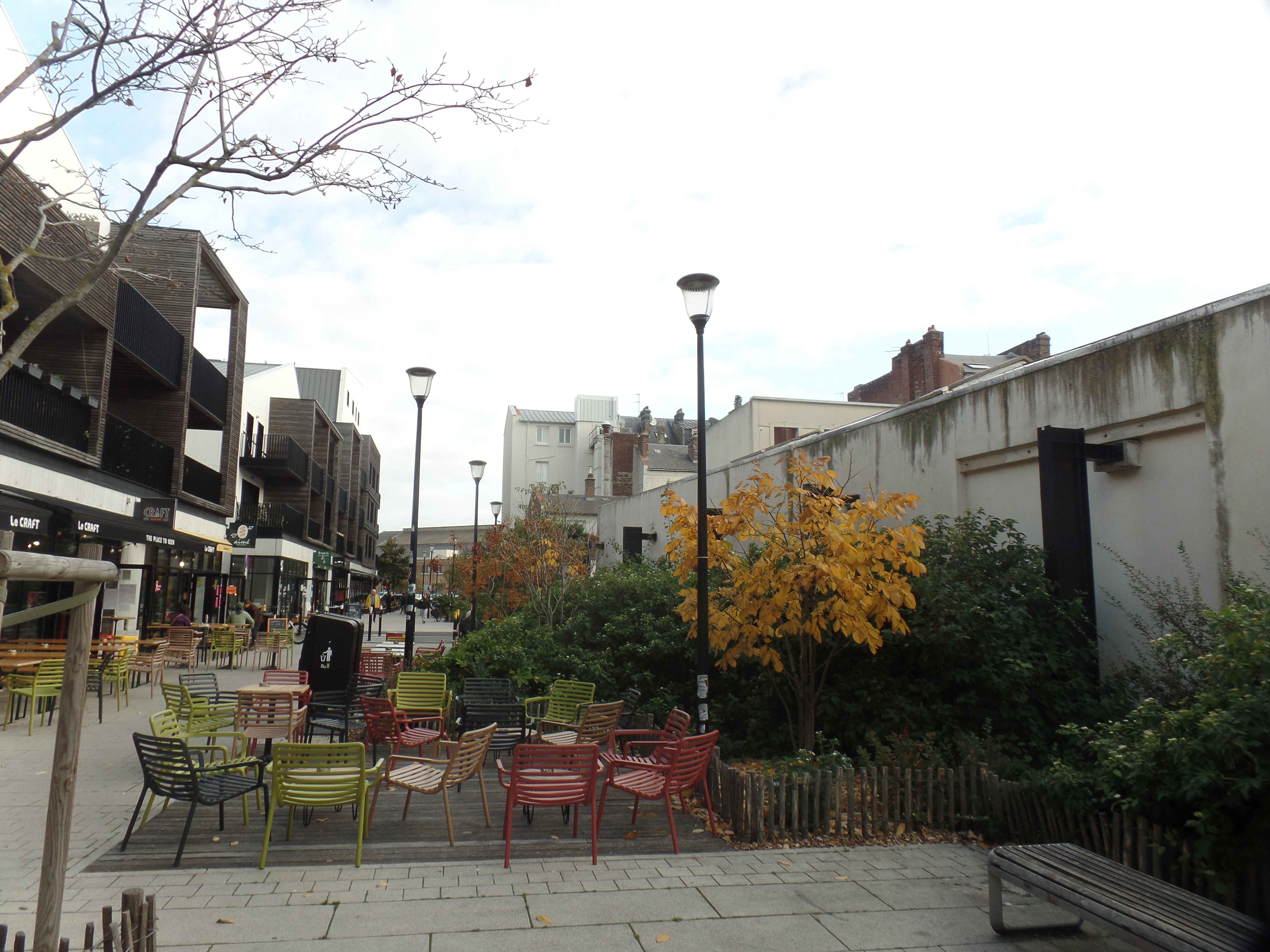
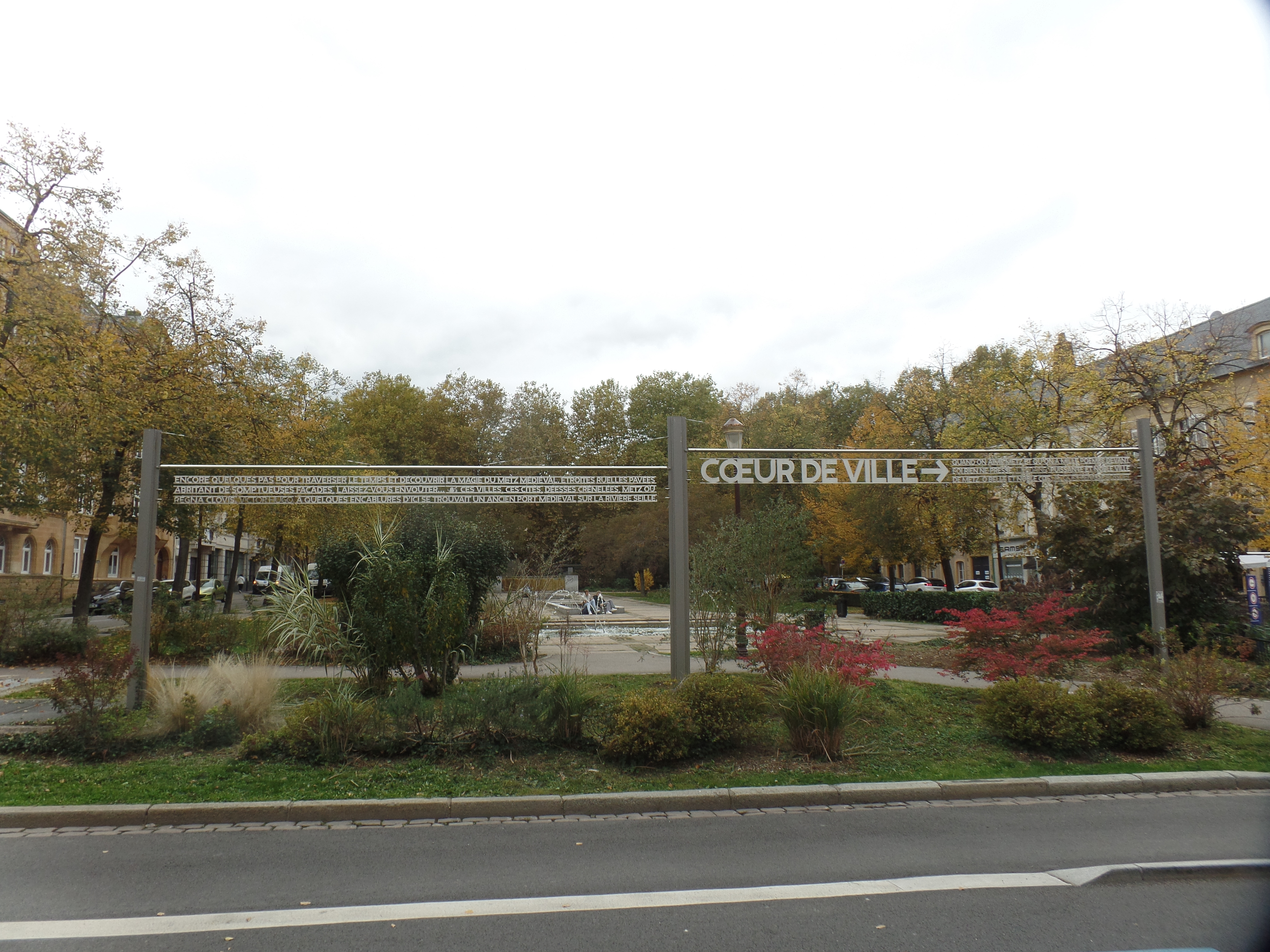
Colour matters in Metz, the year round.
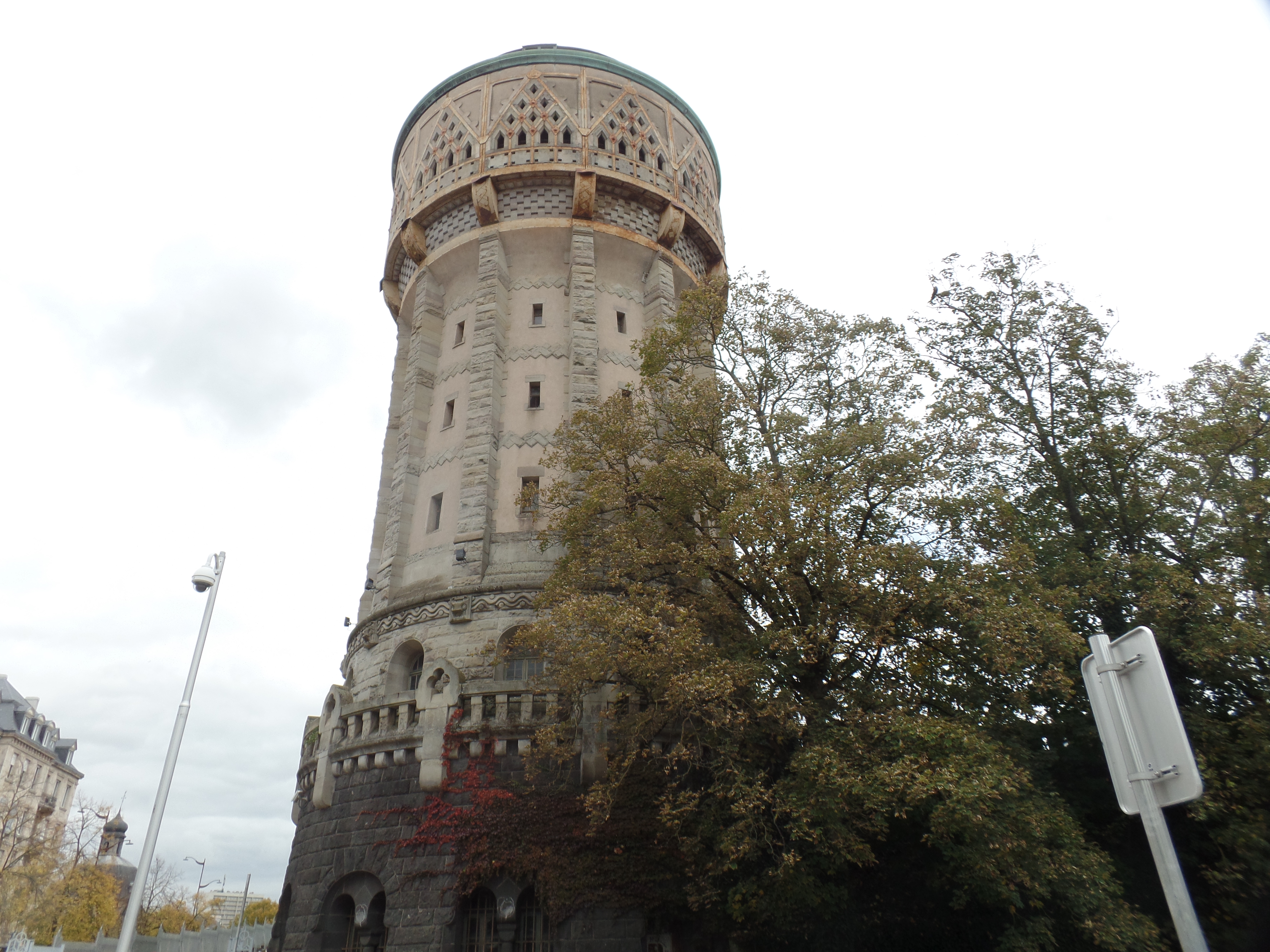
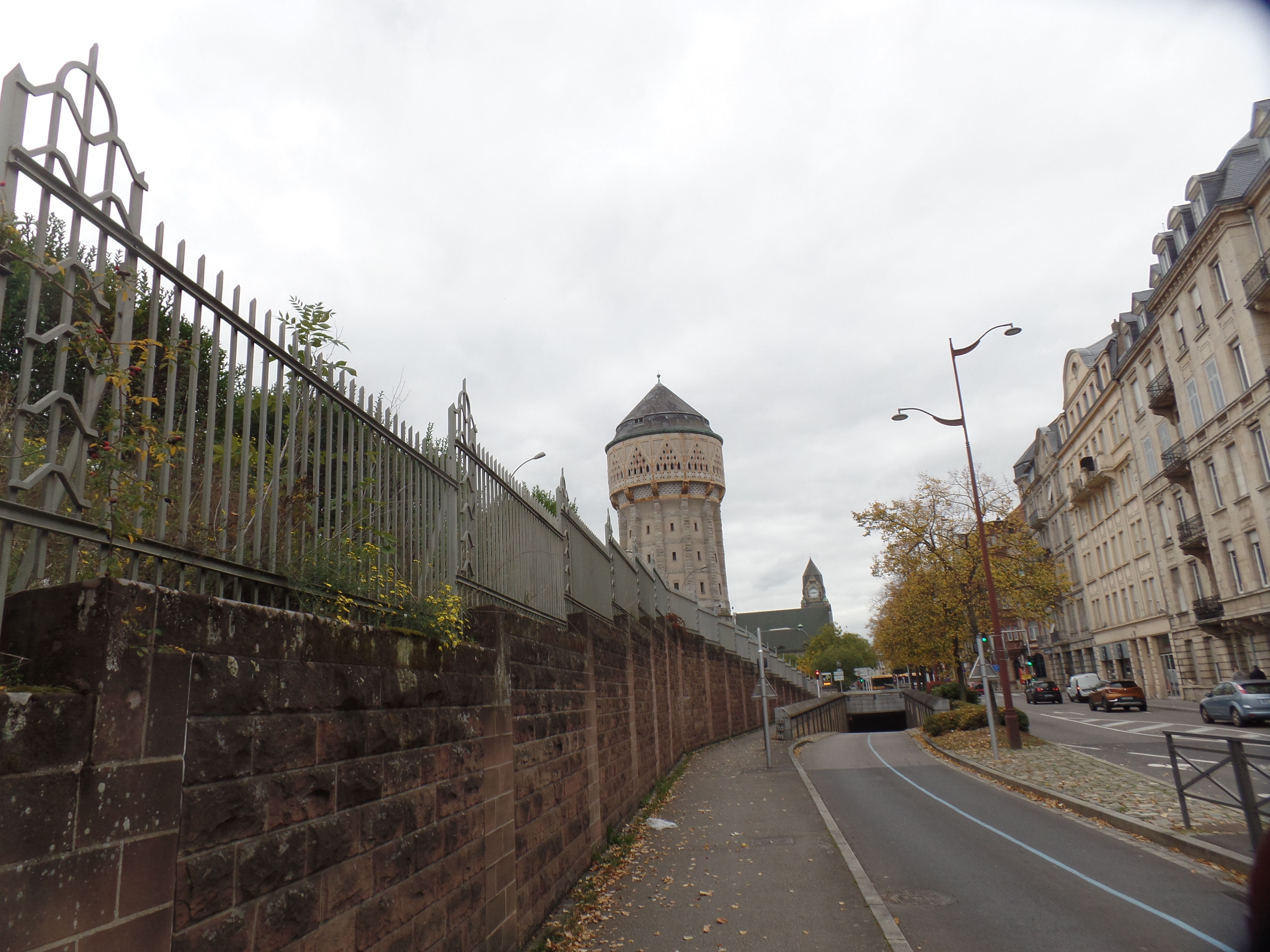
North Wall of Old City, with Water Tower in background
Old Water Tower, Metz
General Charles De Gaulle, at his square
Interior of Metz Cathedral (Above and below)
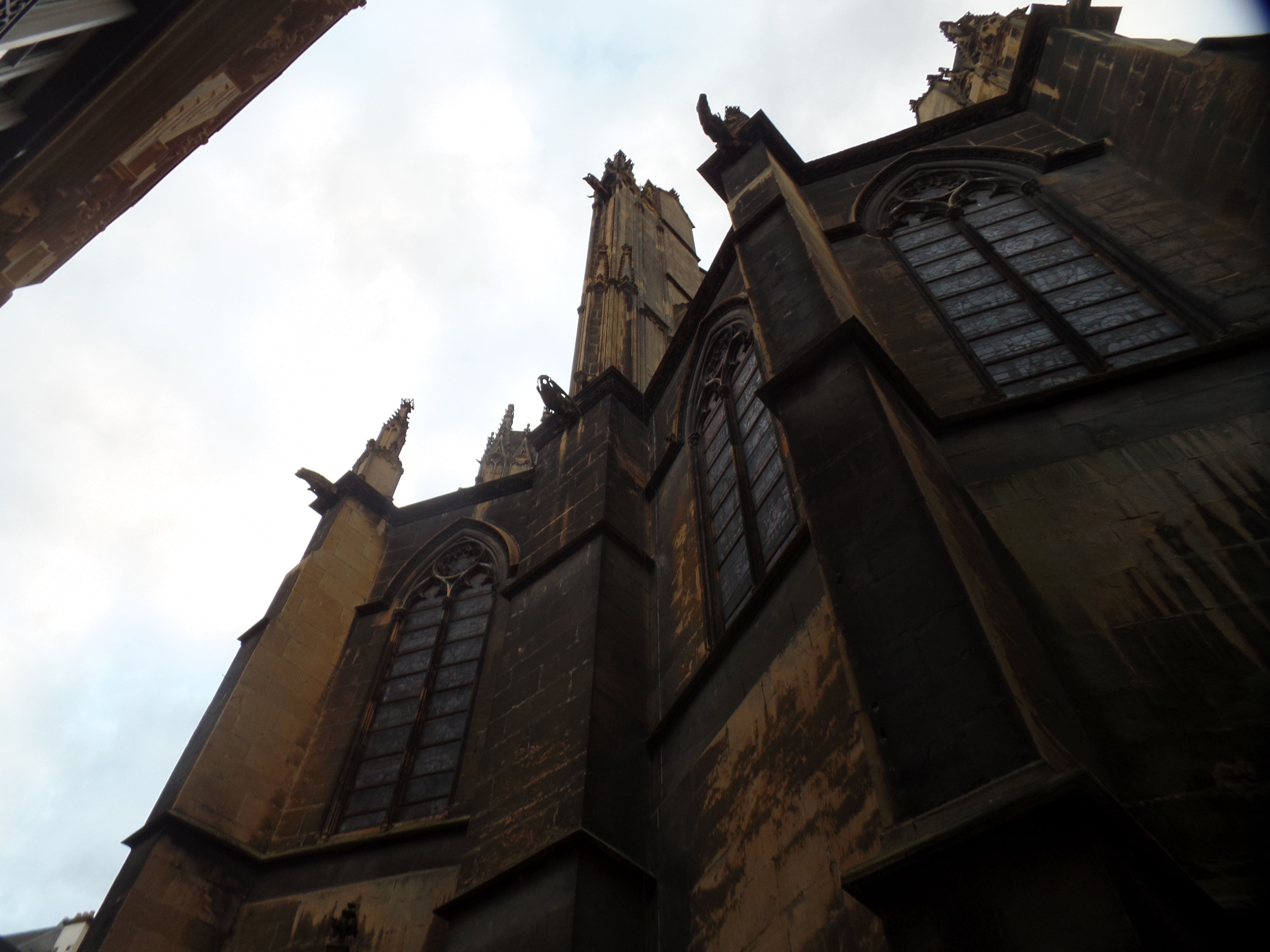
Stretching towards the sky, Metz Cathedral exterior (above and below)

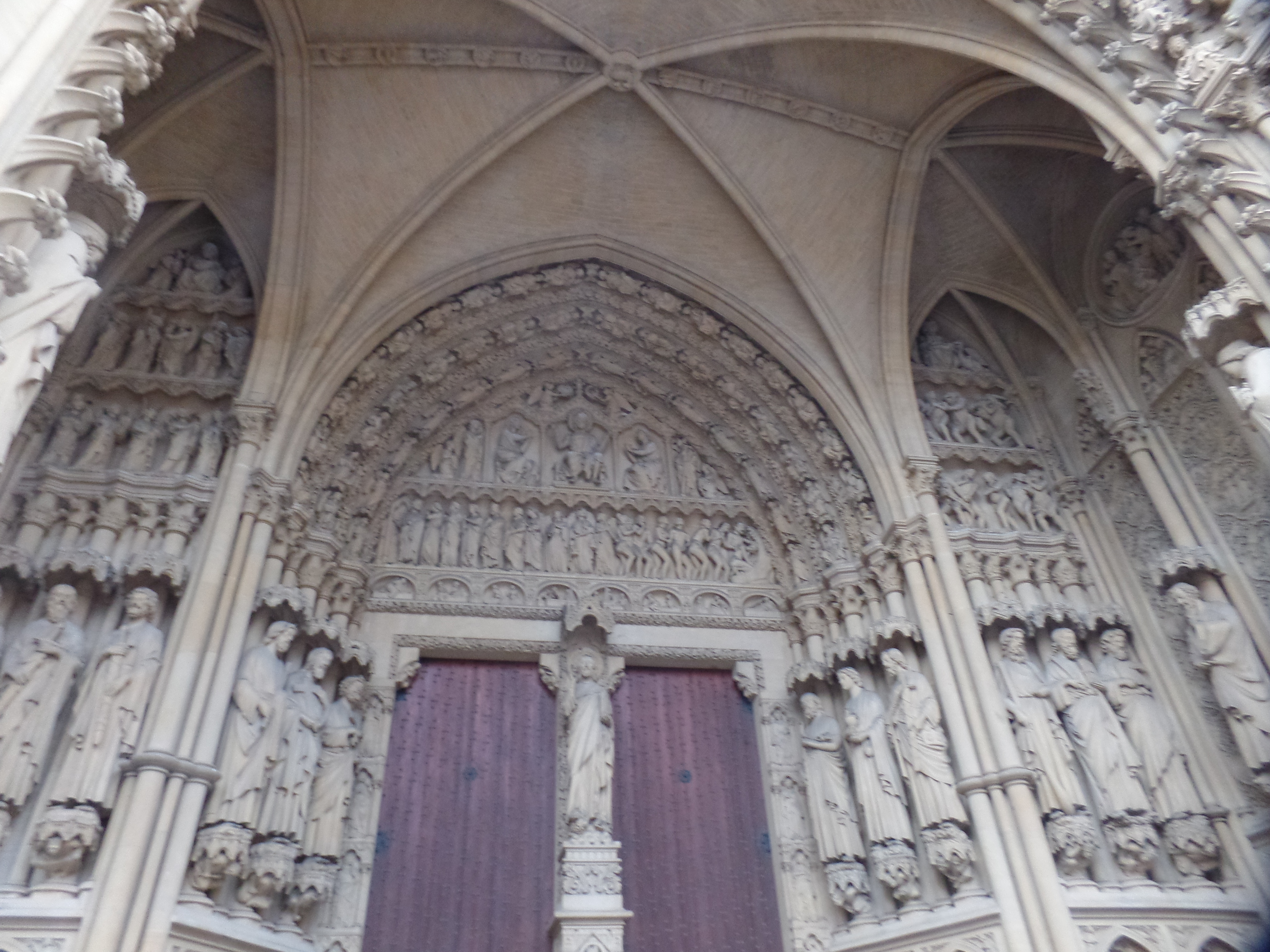
Images of saints, Metz Cathedral
Spires on southwest corner of Metz Cathedral
Western side of Metz Cathedral
Abraham de Faubert, Marshal of France under Henry IV and Louis XIII. Marshal De Faubert established new methods of siegecraft, during the constant wars between England and France during the 17th Century. He is considered a key figure in the survival of the French State, in that uncertain period.
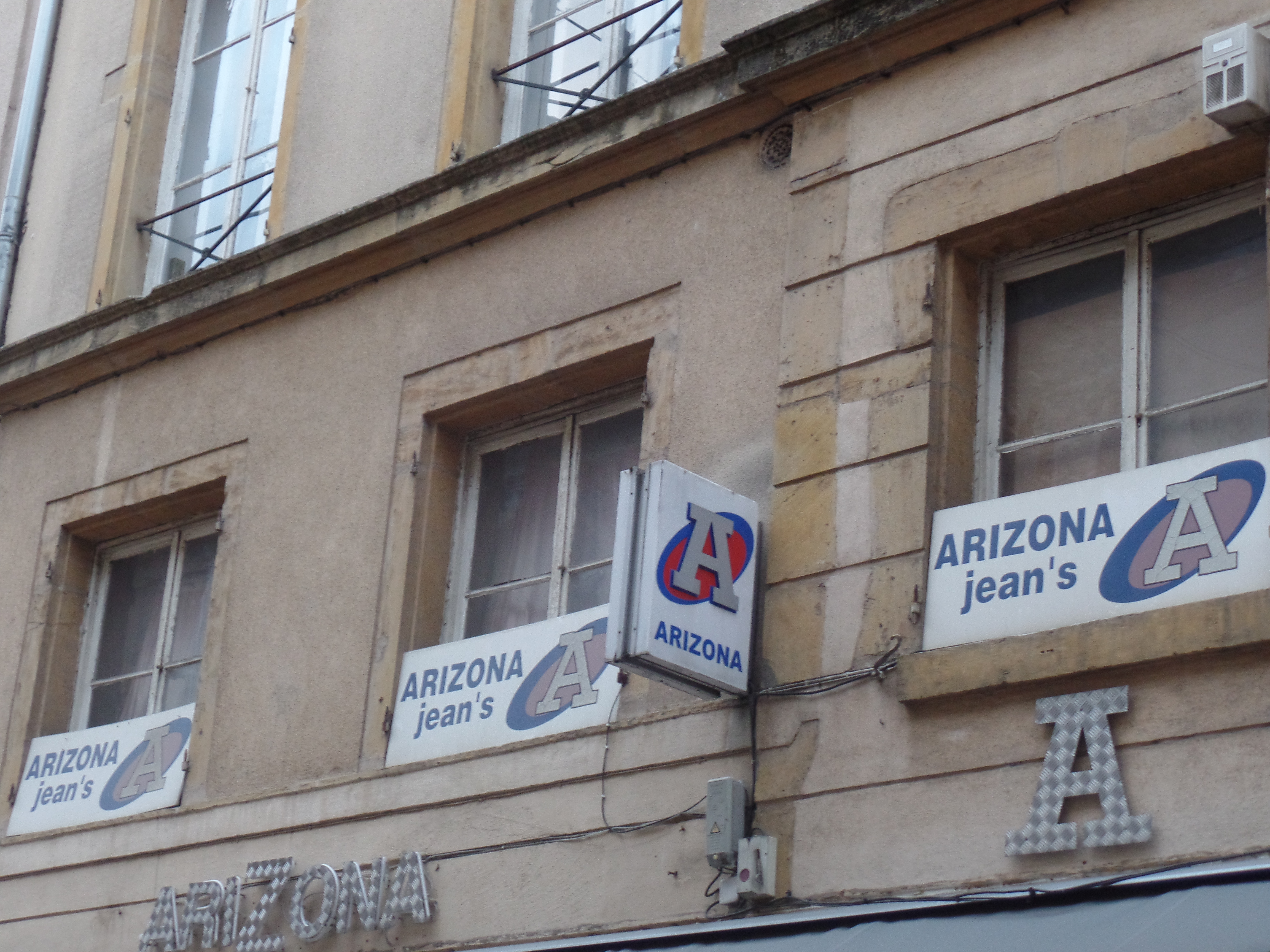
Arizona in Alsace-Lorraine
East Gate of Old City, Metz
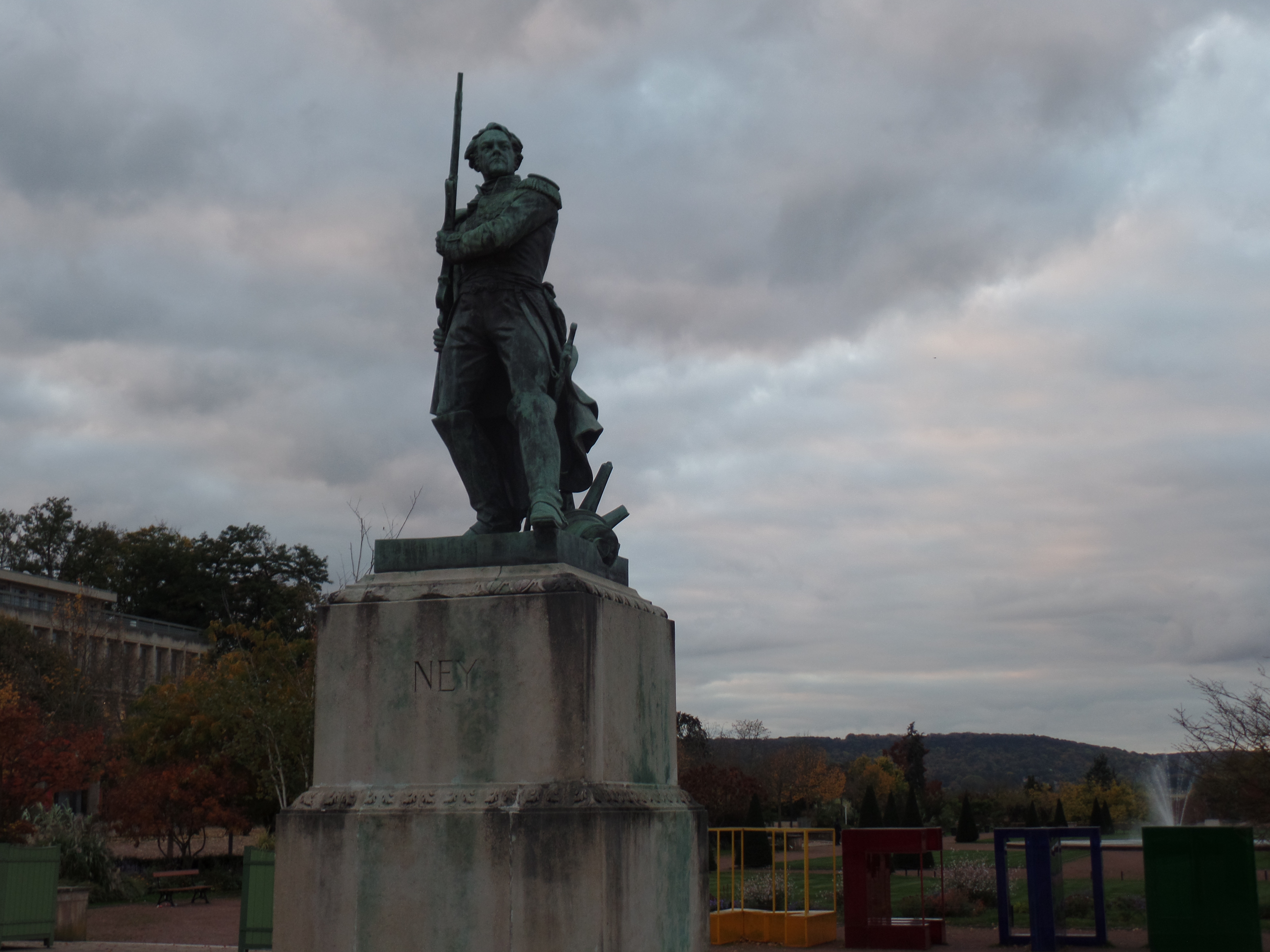
Michel Ney, Napoleon’s sub-commander, who was from Lorraine. He was executed for treason, after Napoleon’s defeat at Waterloo.

Three corkscrew spirals, Parc de Ney

My exploration of Metz was complete, for now. Dinner followed, being a simple toasted bagel with cream cheese and minced onion-at a small, cozy place named simply “The Coffee Shop”. It was a fitting end to a day devoted to a blend of simplicity and grandeur.

The Road to Diamond, Day 320: Frankfurt Revisited

0

October 13, 2025, Frankfurt-am-Main- I stayed in a nice hotel, though not a “green” one. I had a fine meal in a restaurant run by Palestinians, and there was no bratwurst on the menu. I took high-speed rail, instead of a bus, to a spot fairly close to the Baha’i House of Worship, at Langenhain, though I still got in my steps. Those were the biggest differences between this visit to Frankfurt, as well as the fact that it was not my home base this time. (That honour has been spread across several cities.)

I had no trouble catching the train from Heidelberg and there were no delays. The S-Bahn got me close to Garner Hotel, with the walk being .4 mile. Once there, I found that getting dinner involved a bit of exploration of a nearby business district, so my Sagitarrian instincts took me down the street-almost, but not quite, back to the S-Bahn drop-off.

Old watch tower at Bockenheimer Warte station, Frankfurt-am- Main
Markuskirche, near Palmengarten, Frankfurt-am-Main

My meal at Konig Doner Pizza was superb, Turkish-style served by Palestinians. It set a fine tone for the rest of my visit here. After a restful night, it was time to revisit the Baha’i House of Worship. The S-Bahn took me to the village of Lorsbach, where I found the directions from Google Maps taking me along a country highway, up a hill and into a nature preserve.

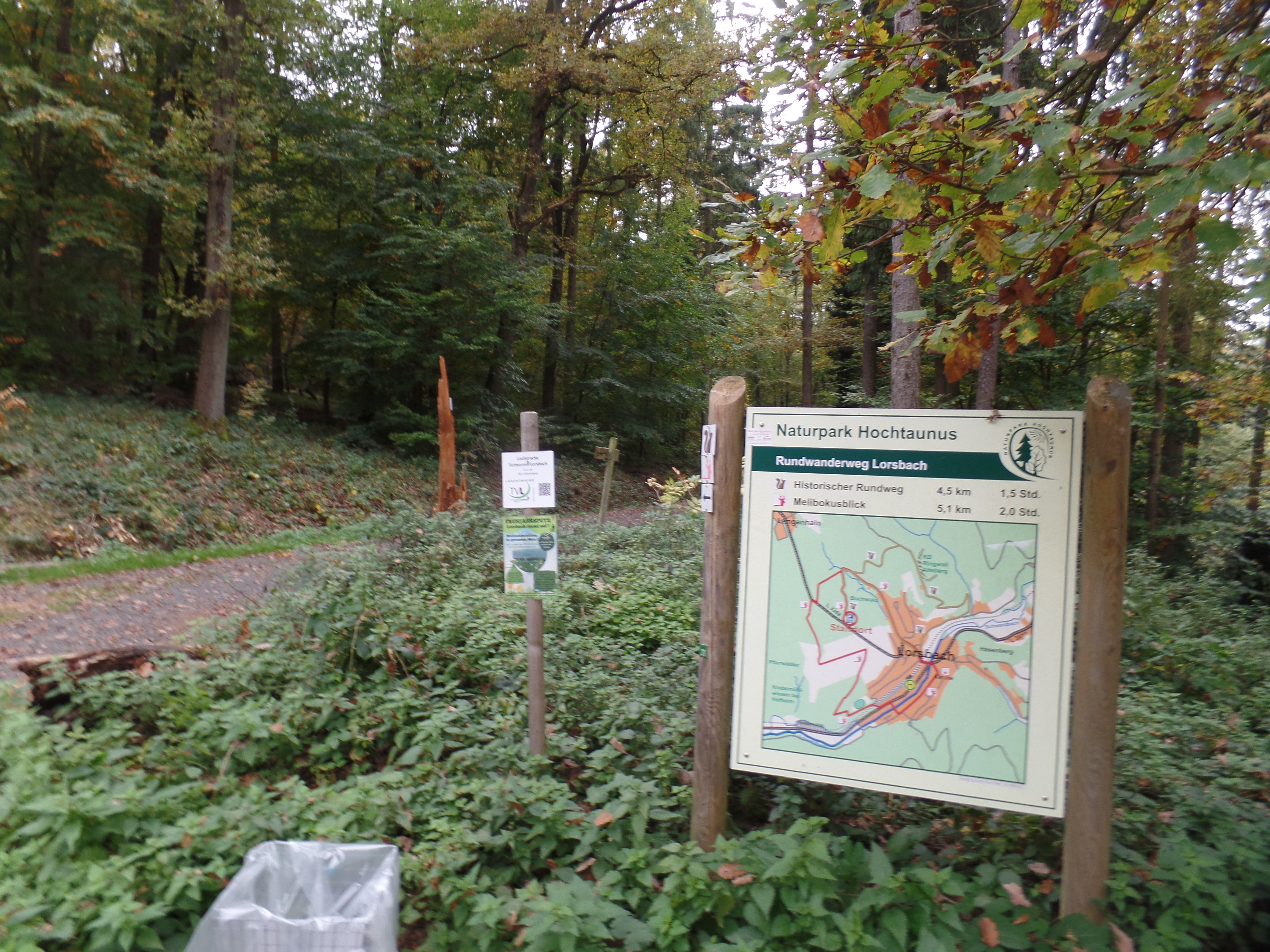
Naturpark Hochtanus, near Hofheim. (Above and below)
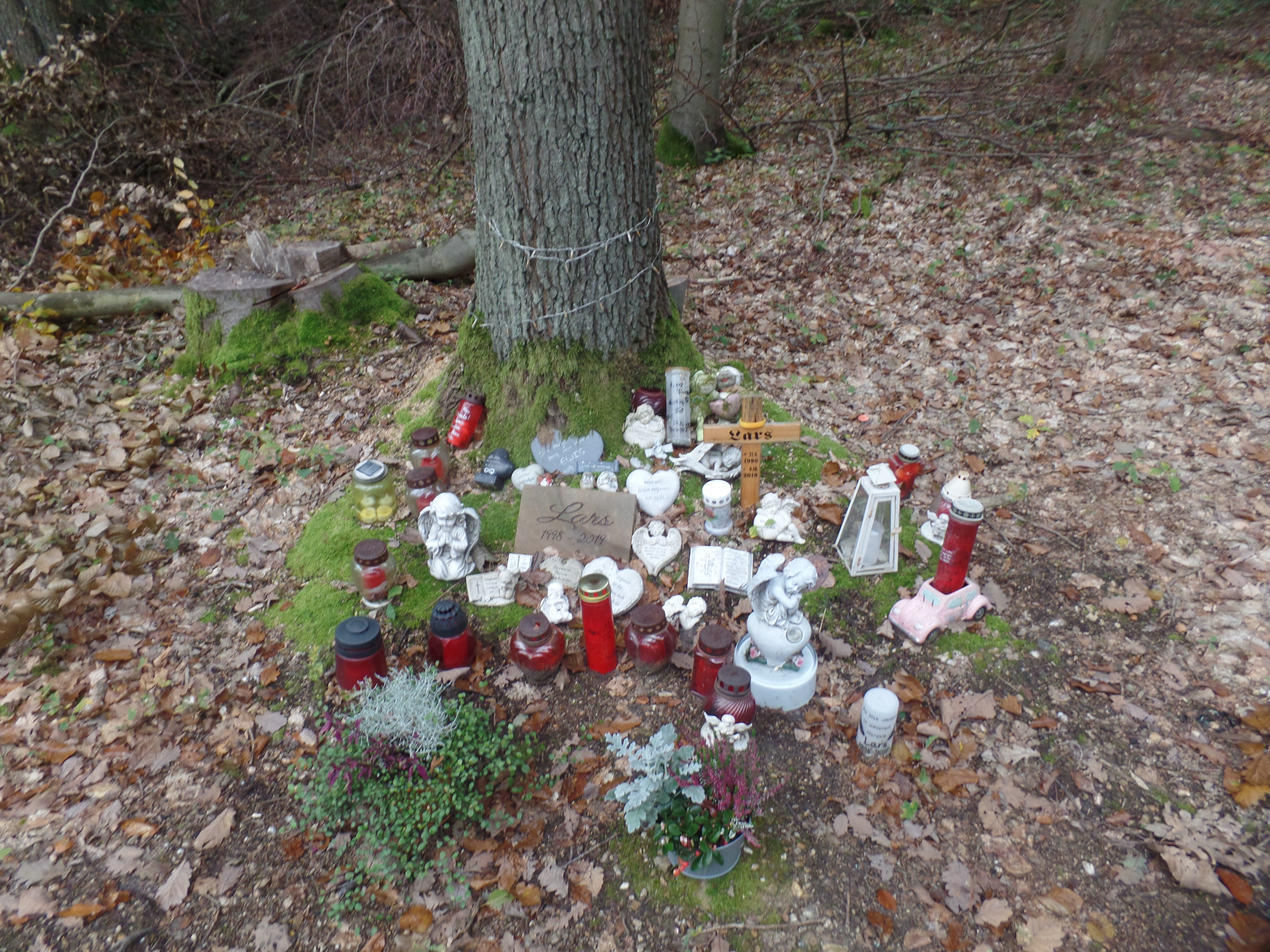
Roadside Memorial to a man named Lars. This is at an area which features a treacherous bend in the road. I can only imagine the circumstances of his passing.

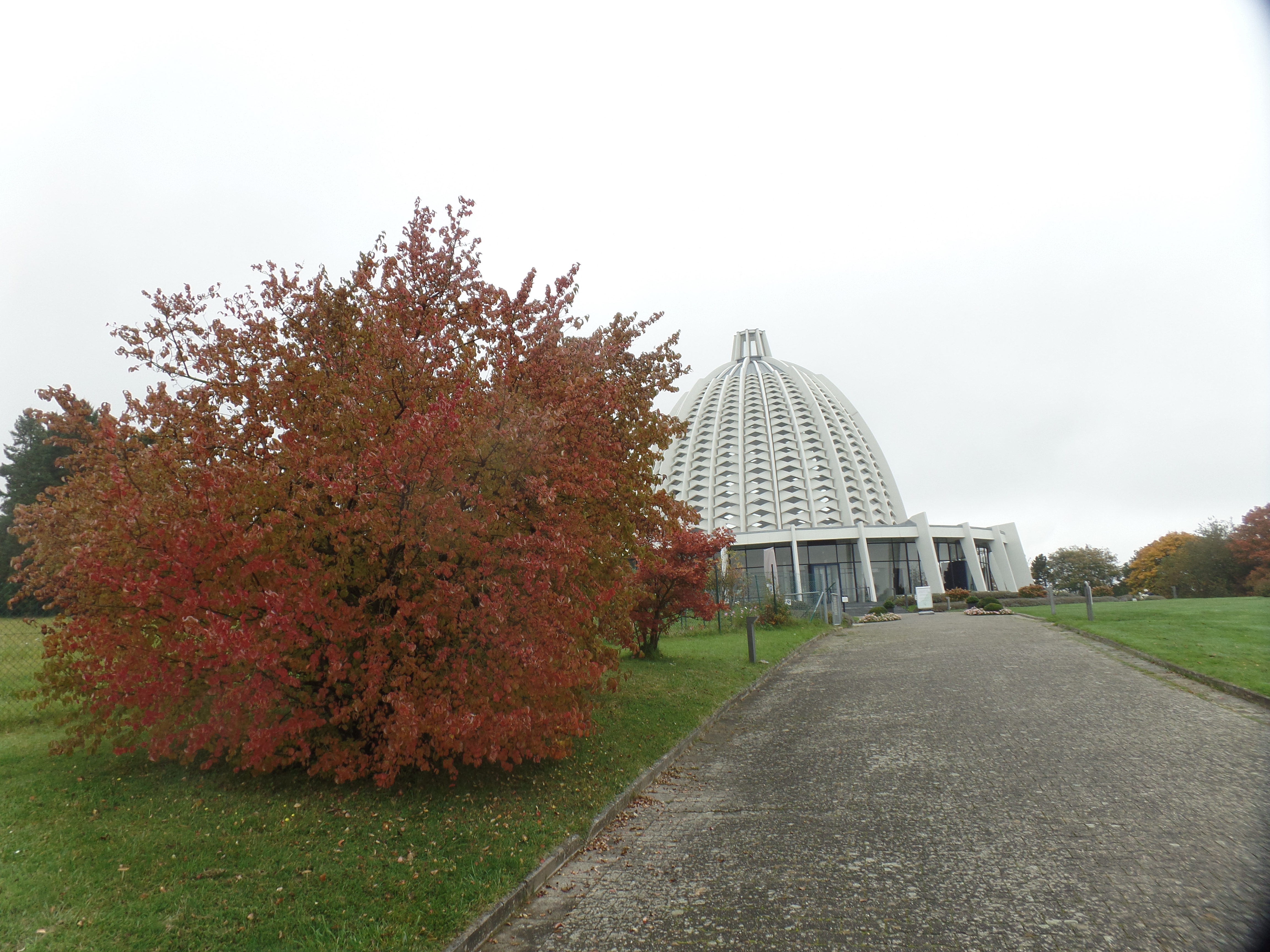
After I had come to the limits of the town of Langenhain, a young woman stopped and gave me a ride the rest of the way to the House of Worship. Here are some scenes of that simple, yet majestic site, which I last visited in 2014.

Visitors Center, Baha’i House of Worship, Langenhain
Baha’i House of Worship, Langenhain (above and below)
Small planter gardens, Baha’i House of Worship, Langenhain
Dome of Baha’i House of Worship, Langenhain, bearing the inscription, “God is the All-Glorious”, in Arabic.

After visiting with the volunteer caretakers, Lutz and Hannah, I walked back into Langenhain village. There, I found what was supposed to be the bus stop back to Hofheim. It was near a K-9 school, where the parents of kindergartners were picking up their children, at day’s end. One of the ninth graders walked back towards the main road, and kept looking over her shoulder, more out of curiosity than apprehension-as if trying to send me an unspoken message. Once a certain amount of time went by, I saw a bus on the main road, heading towards Hofheim, so it occurred to me that the girl was probably trying to convey that the stop was elsewhere. I went back to the main road, found the right bus stop and was in Hofheim, twenty minutes later. From there, it was easy to catch the S-Bahn back to Frankfurt, with a stop at Domplatz, near Frankfurt Cathedral and the Main River.

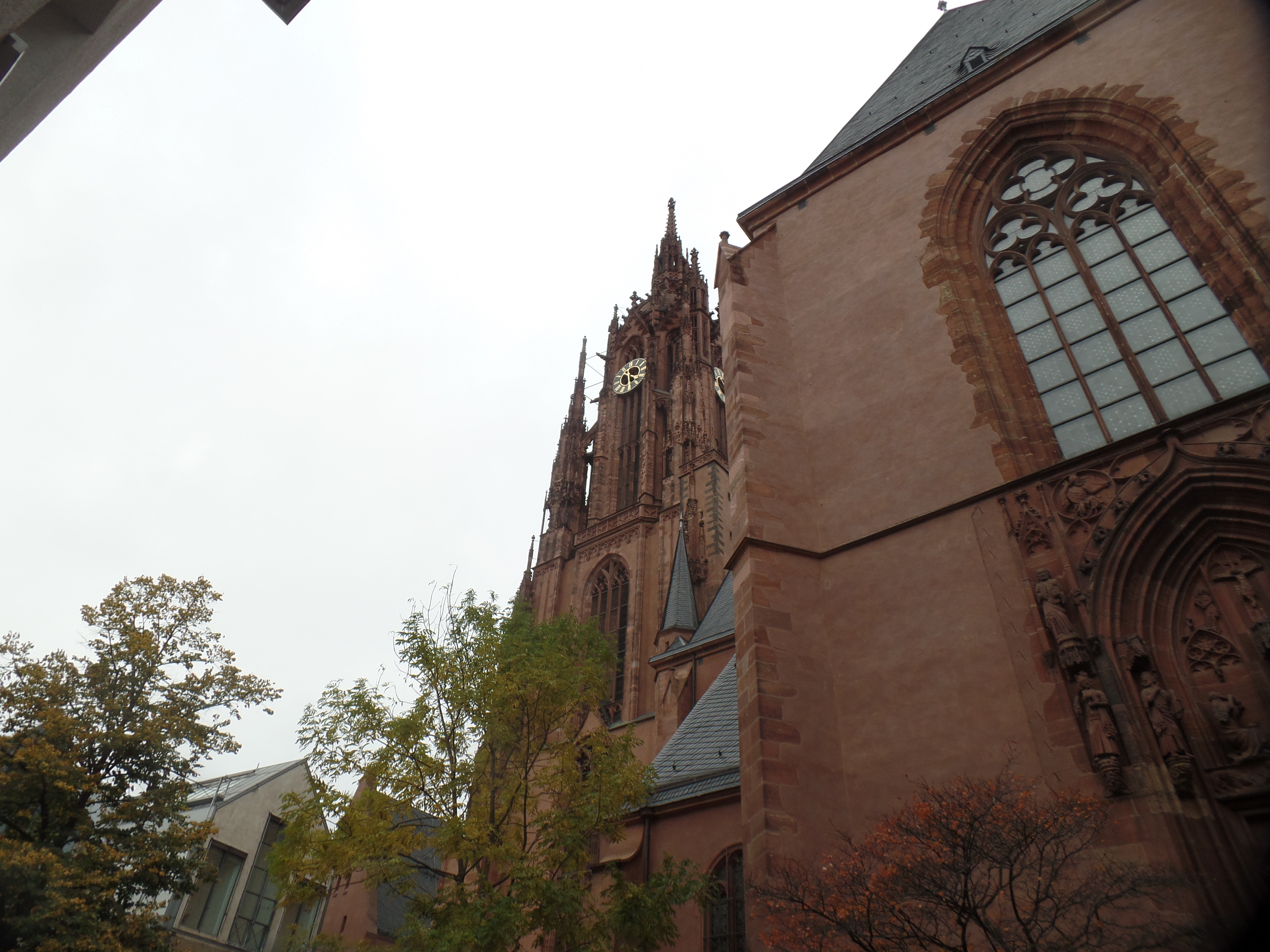
That area was one that I visited in 2014, as well, and the photos were lost, so spending about an hour there was in order. Here are a few photos of the Dom (Cathedral).

Dom (Cathedral) of Frankfurt (above and below)
Exterior and spires of Frankfurt Dom (above and below)

After enjoying a fine German meal, at Main Kai, I walked a bit along the Main itself.

Main River, near Dom

It was a soothing visit to the House of Worship, and reminiscing about the area gave me some peace. Tomorrow, I will spend a day going to Strasbourg, though not having much time there, I will most likely be focused on regrouping my energy.

The Road to Diamond, Day 319: Gold at the Foot of the Schlosse

0

October 12, 2025, Frankfurt-am-Main- It was suggested by a fellow hosteler in Salzburg that I take dinner at Vetter’s, an authentic Bavarian establishment in Old Town Heidelberg. Apparently, a lot of Vetter’s fans were telling their friends the same thing. There was no room to be had there this evening. The reservation list stretched into next week.

I found another fabulous spot for dinner-Joe Molese Burgers and Sandwiches. More about Joe’s and its fabulous staff later. First off, though, some words about my stroll down the hill and around Old Town, in areas both full of my fellow travelers and others with only a few locals going about their affairs.

As I bid farewell to Schloss Heidelberg, it was the foliage that stood out.

Foliage at south end of Schlosse Heidelberg
Heiliggeistkirche (Holy Spirit Church), Heidelberger Alstadt

I continued looking for a place called the Red Church, wandering through the alleys near Heidelberg University.

University District
Rosenkirche, Heidelberg

I found the Red Church at the north end of Old Town.

Rosenkirche, Heidelberg
Heidelberg University, with Peterskirche in background
Peterskirche, Old Town Heidelberg

As I rounded a corner, there was an apartment courtyard, where a man was playing table tennis with his young daughter. Nearby was this gem of a mural.

Modernist mural, Old Town Heidelberg

and this:

Cubist leopard, Old Town Heidelberg

The girl’s favourites were these:

Pokemon characters, Old Town Heidelberg
Play space, Old Town Heidelberg
Bored face, Old Town Heidelberg
Guard tower, east end of Old Heidelberg
River Neckar, from Old Town Heidelberg (above and below)
Good luck Monkey, Old Bridge, Heidelberg

It’s said that to rub the gold orb will bring good fortune. many visitors were doing just that, before I took this photo.

Elector Karl-Theodor of Heidelberg

Karl-Theodor became Elector of the Palatinate in 1742 and united it with Bavaria in 1777, setting upon a program of economic modernization of this realm. He built the English garden in Munich and was an avid patron of the arts. In the long run, however, Karl-Theodor showed little interest in his realm, leaving it to Austrian and French invaders, in the 1790s. This statue shows that it was his earlier programs that matter most to posterity.

South Gate, Old Bridge, Heidelberg

Now, back to Joe Molese.

Joe Molese Burgers and Sandwiches, Old Town Heidelberg

This establishment provided the absolute best burger I have ever had-and that’s after a lot of hamburgers over 70 +years. It was not overly messy, such as I normally enjoy. It was simply flavourful and was not overshadowed by a mound of French fries. The lovely server and the effusive manager made everyone feels at home, despite the fact that the place was as packed as every other restaurant in Old Town, on Saturday night. When I went to pay, furthermore, it turned out that the young couple sitting to my right had already covered my tab! We had not spoken a word to one another, but there it was. I would go back to Joe Molese’s again, in a heartbeat.

Finally, this is the shop whose clerk helped me locate Lotte-The Backpackers Hostel. I bought a couple of items from her. It would be nice if more people patronized her little place.

My favourite souvenir shop, Old Town Heidelberg

It was not easy to say farewell to this enchanting place, but there was more joy waiting for me here in Frankfurt, and at the Baha’i House of Worship in Langenhain.

The Road to Diamond, Day 318, Part II: Inside The “Grand Fortress”

0

October 11, 2025, Heidelberg- Once I became a paying visitor, the wealth of heritage at Schloss Heidelberg became apparent. The castle is indeed one of the grander of its ilk, in central Europe at least. Although it is classified as a “ruin”, there are all the uses being made of Schloss Heidelberg as an event center, especially in summer. There are a couple of heritage rooms, available only on guided tours, which also hold fast to the docent locking the door behind, upon completion of the tour.

Here are some scenes of the interior of Schloss.

Chambers on the east end, Schloss Heidelberg
Most likely used as a counting house
Palace of Frederik V, the “Winter King”
Symbolic guards of The Winter King’s palace
Jupiter stands guard, above all
Large grinding stone
An even larger beer barrel
Frederik V, contemplating his guest list, perhaps.
View from the top

My self-guided tour neared its end, and with it began the equally enjoyable visit to Old Heidelberg’s lower reaches.

The Road to Diamond, Day 318, Part I: Munich’s Heart and “Such a Grand Fortress”

0

October 11, 2025, Heidelberg- The older man was, for all the world, a penitente, walking short steps down the cobblestone hill, in flip flops of all things, determined to make the walk downward on his own. Nearby, a six-year-old boy was fussing at his mother, telling her to lift him up. The old man lifted his head, which had been focused on the steps he was taking. “Such a grand fortress up there. Maybe you aren’t ready to see it!”, he said softly to the unruly child. The boy gave one last shriek, then stopped squalling and got up on his own. He told his mother he was just tired and didn’t want to go uphill. They turned and went back down towards their lodging.

In 2014, I happened by this fascinating university city, on the way from Strasbourg to Frankfurt, as it was part of the train route. On that visit, I spent time at Heidelberg University and walked to the Neckar River. The castle, though, stuck in my mind and I was determined that it would be on the itinerary of a future visit to Europe. That visit came this evening, and will continue for a bit, tomorrow morning.

I had a small item of business to settle in Munich, this morning, and the requisite office didn’t open until 9 a.m., today being Saturday. This gave me time to look about the Karlsplatz District of the great Bavarian city. Here are some of the sights of that midtown sector.

Karlstadt Tower, Munich
Eighteenth Century meets Twenty-first, Karlsplatz, Munich
Reaching towards the sky, Karlsplatz, Munich
Landgericht, (District Court Building), Karlsplatz, Munich

Finally, in Altbotanischegarten, there was an entirely different air about the city. Aside from a few people also seeking quietude, and a few animals, the Old Botanical Garden was giving a Saturday morning respite to the frenzy of Friday night.

South entrance to Altbotanischegarten, Munich
Heart of Altbotanischegarten, Munich (above and below)
Peterskirche Tower, from Atlbotanischegarten, Munich
“Der Ring”, by Mauro Staccioli, Alt Botanischegarten, Munich

Munich, thus, was just a primer for my energy level. Once in Heidelberg, at the small but very comfortable and welcoming Lotte, The Backpackers Hostel, I set out for the nearby Schloss (Fortress) Heidelberg.

Here are some scenes from the exterior and gardens of the castle.

Tower of Schloss Heidelberg, from Lotte Hostel
View of Heidelberg, from the Schloss
Ivy-covered south wall, Schloss Heidelberg (above and below, with pink wig tree in the middle)
A Baden-Wurttemburg Autumn
South Tower and rampart, Schloss Heidelberg

The wonders of Heidelberg continue in the next post.

The Road to Diamond, Day 317: Double Tenth, Two Cities

0

October 10, 2025, Munich- I went down the 327 steps this time, bidding farewell to the paradise called Monchsberg and its shining star, Stadtalm Naturfreund. I would gladly walk up the steps again and stay there for three or four days.

It was time to have at least a brief look at Munich and see how that city is adapting to the changes that surely would have shocked the reactionary forces who caused such mayhem there, nearly one hundred years ago.

First, though, here is a bit more of Salzburg’s centrum.

Ancient German god of nature
Information about Gherkins sculpture (seen below)
Gherkins Sculpture, with Friedrich Schiller in the background. Schiller was one of Germany’s greatest Classical playwrights.

My breakfast companions had urged me to make mention of Sanktfranciskirche. It is the one church in Salzburg where anyone can find a safe haven, even if being pursued by police. It has not been put to the test recently, but there are many past examples of this.

Sankfranzikirche, Salzburg

Notice the open door below.

Salzburg Cathedral, my last stop before the Hauptbanhof and on to Munich.

The journey to the heart of Bavaria was uneventful. I had a bit of confusion, again because of WiFi loss, but finding The 4You Hostel was not hard, once I got bearings after stopping in a store for a couple of necessities. I even found a nice nearby hotel restaurant and enjoyed a good Bavarian dinner.

From what I have seen so far, Munich is every bit a multicultural and tolerant city-pretty much the opposite of what its leaders in the 1930s hoped to achieve. I will enjoy more of it tomorrow morning.