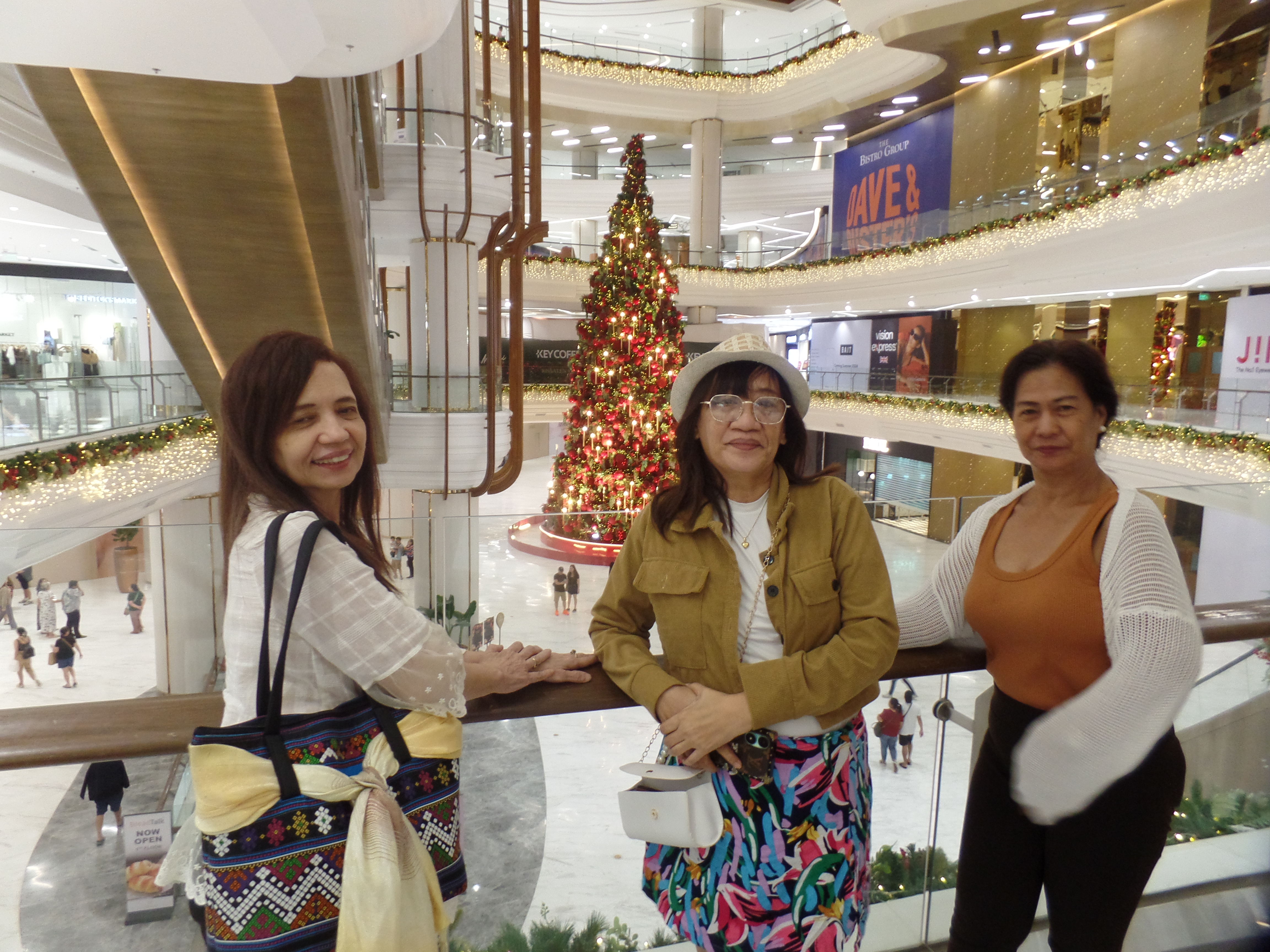
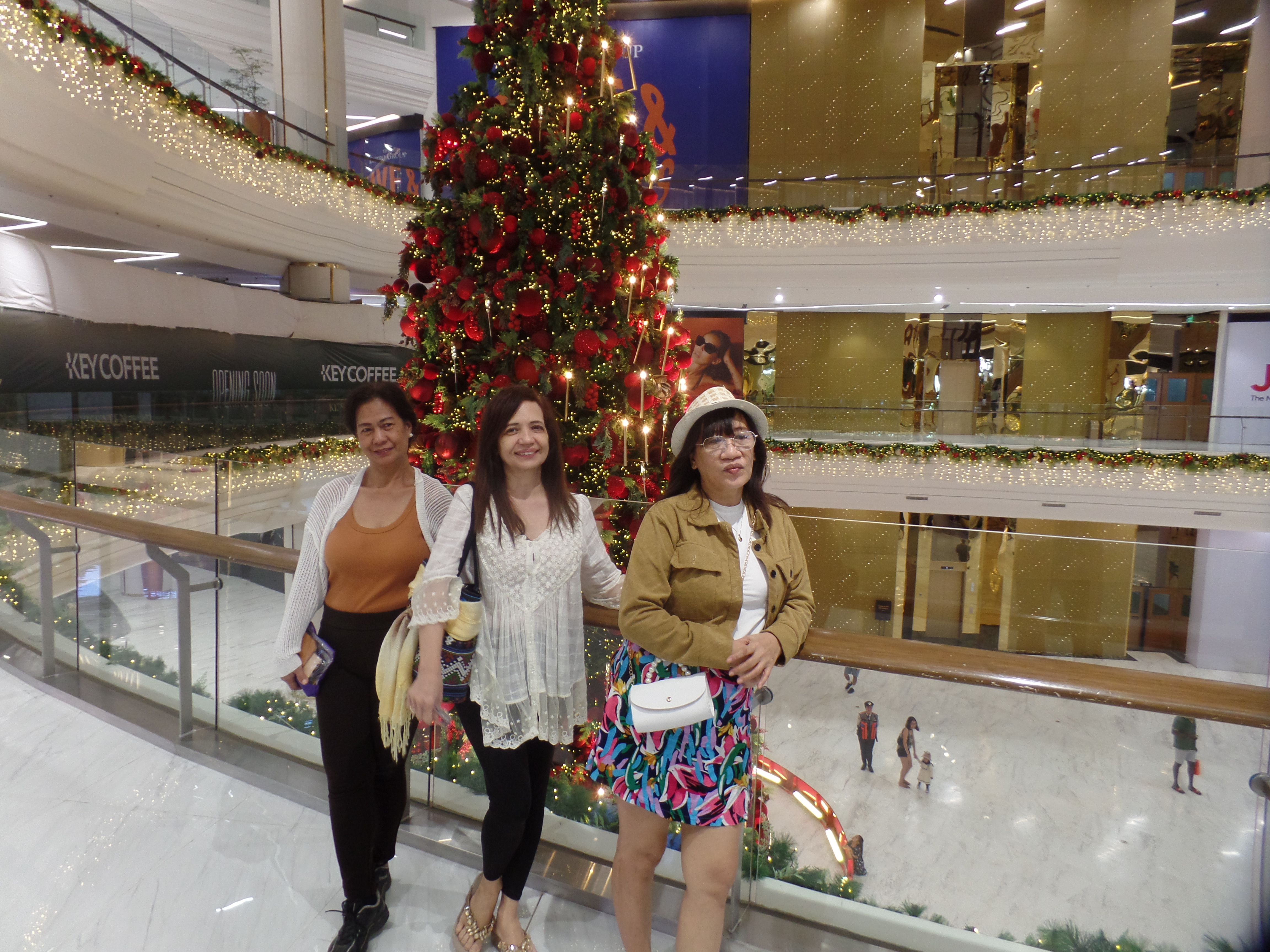
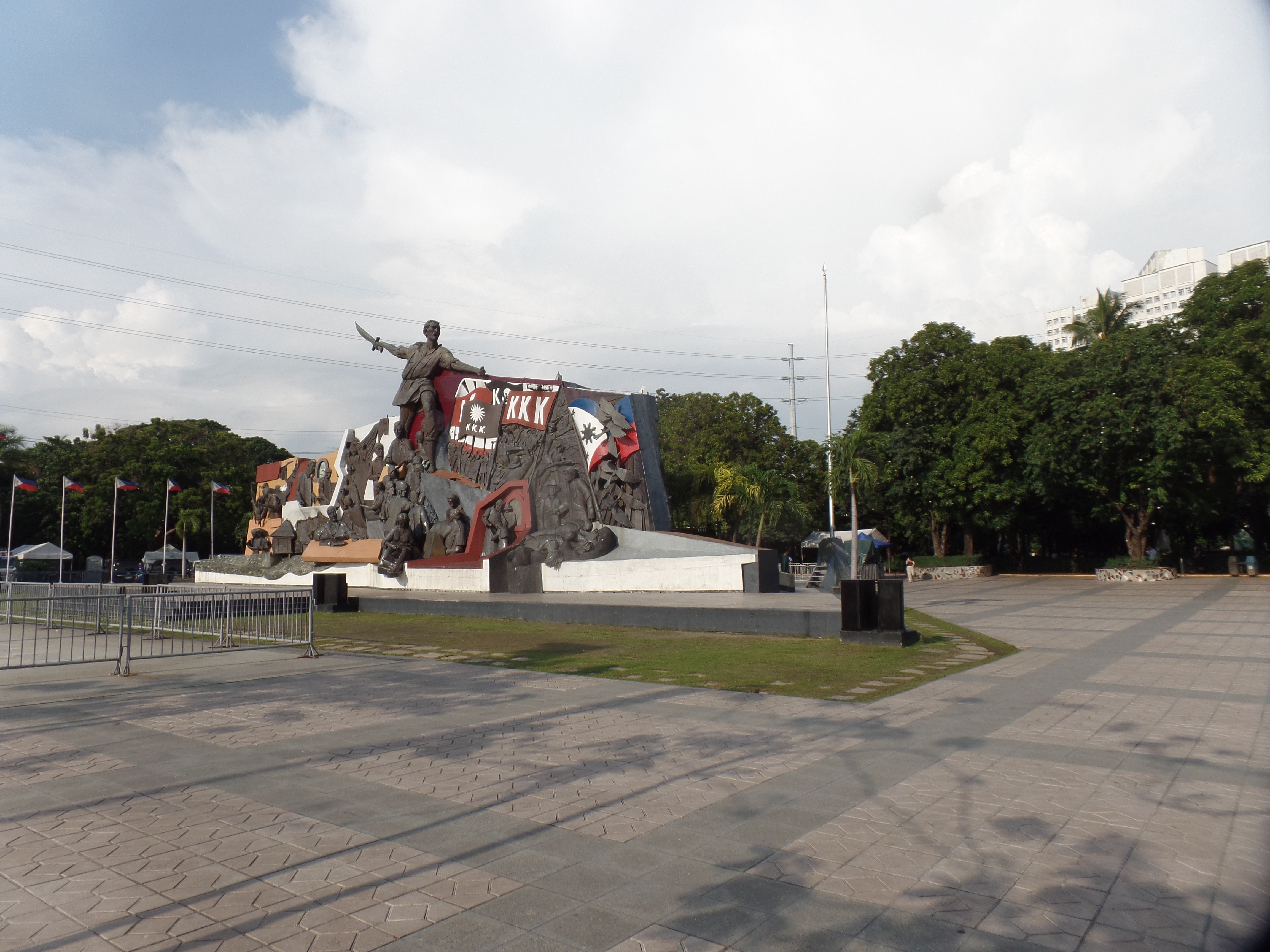
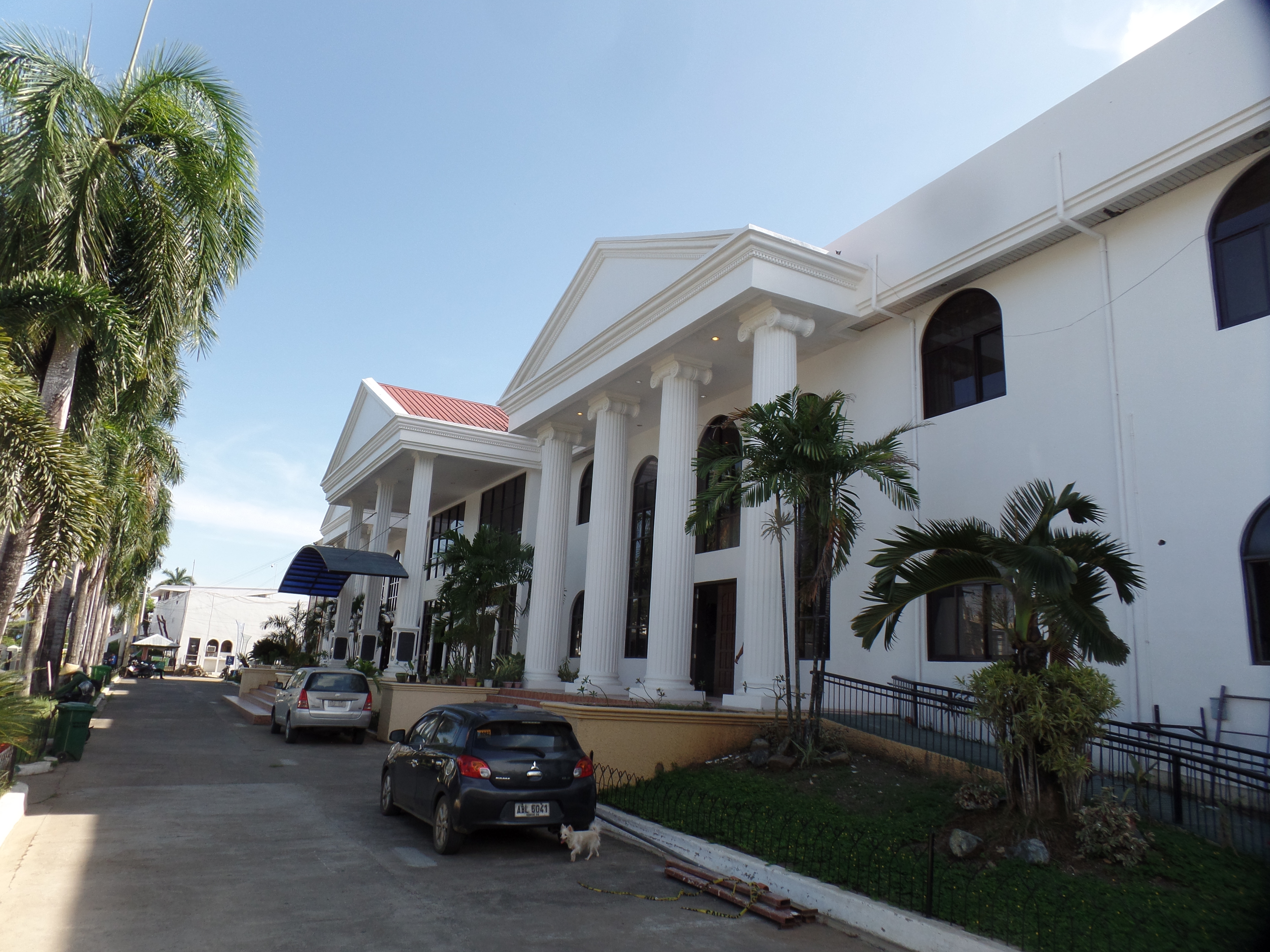
A Cordillera Sojourn, Day 4: An Igorot Origin Story

2

September 22, 2024, Manila- The wooden Ibaloi warrior sat in my crafts souvenir bag, keeping watch over the bus, and me-like Little Bear, in “The Indian in the Cupboard”. I would not have been surprised, had he come to life and begun murmuring fiercely in the Ibaloi dialect of the time. The history of the indigenous people of the vast Malay archipelago: East Malaysia, Brunei Darussalam, Indonesia, Timor L’Este and the Philippines mirrors that of the First Nations of the Americas. Indeed, they were all subjugated by the same European conquerors-and their successor cultures.

Mabel Cook Cole provides us with this account of the origin of the Igorot nations

The Creation

Igorot

In the beginning there were no people on the earth.

Lumawig, the Great Spirit, came down from the sky and cut many reeds. He divided these into pairs which he placed in different parts of the world, and then he said to them, “You must speak.”

Immediately the reeds became people, and in each place was a man and a woman who could talk, but the language of each couple differed from that of the others.

Then Lumawig commanded each man and woman to marry, which they did. By and by there were many children, all speaking the same language as their parents. These, in turn, married and had many children. In this way there came to be many people on the earth.

Now Lumawig saw that there were several things which the people on the earth needed to use, so he set to work to supply them. He created salt, and told the inhabitants of one place to boil it down and sell it to their neighbors. But these people could not understand the directions of the Great Spirit, and the next time he visited them, they had not touched the salt.

Then he took it away from them and gave it to the people of a place called Mayinit. These did as he directed, and because of this he told them that they should always be owners of the salt, and that the other peoples must buy of them.

Then Lumawig went to the people of Bontoc and told them to get clay and make pots. They got the clay, but they did not understand the molding, and the jars were not well shaped. Because of their failure, Lumawig told them that they would always have to buy their jars, and he removed the pottery to Samoki. When he told the people there what to do, they did just as he said, and their jars were well shaped and beautiful. Then the Great Spirit saw that they were fit owners of the pottery, and he told them that they should always make many jars to sell.

In this way Lumawig taught the people and brought to them all the things which they now have.”-Source: Mabel Cook Cole, Philippine Folk Tales (Chicago: A. C. McClurg and Company, 1916), pp. 99-101.

The First Nations of the Malay Archipelago, including the Philippines, have much the same richness in their cultures and in their societies, as have the First Nations of the Americas-and in fact, all the First Nations, across the globe. It was all too easy for Europeans and their settler descendants to have lost sight of this, because no sooner had a wave of Eurasian nomads come across from the steppes of the landmass’s center and settled down (the Celts, the Aryans, the Teutonic tribes, the Huns, Avars and Turks), than another wave of nomads, the Mongols being the last, came thundering across the plains, to conquer and disrupt society. Each successive wave of settlers disdained those they found in place. So did the ethos of conquest become ingrained in the European mindset-and in many ways, the wisdom of the indigenous people was discounted and overlooked.

I am grateful to have had a small amount of time with the Idaloi. I will be back, possibly as early as next month.

I came back to the capital, this afternoon. The return trip was made the way the average Filipino makes it-via a local bus, that stopped in four different depots and two rest areas. The bus picked up roadside passengers in the countryside between Baguio and Sison, which was the first rest area. We continued through small cities, like Urdaneta and Moncada, stopped at a second rest area, in Angeles, and still got to Pasay Victory Line Terminal in five hours. Now, there are four days to regroup and replenish, before going to Palawan, the “frontier” of the Philippines, in the southwest.

Here, as a bonus, is a collection of Igorot legends.

A Cordillera Sojourn,Day 3: Ili-Likha

0

September 21, 2024, Baguio- The sweet young woman was ecstatic that I had come to view and purchase several of her creations. My goal is to support indigenous artisans, around the Philippines, as I have over the years with Dineh and Hopi people. So, the wood carvings and knits of the Ibaloi lady were right in keeping with that goal. A couple of them will be for K, and one or two will go with me to Arizona.

Ili-Likha Artists’ Watering-Hole is primarily a gathering place for artists and visitors, with several restaurants and cafes. Ili-Likha is a hybrid term: Ili means “village”, in Kankanaey, one of the Igorot languages, and Likha means “create”, in Tagalog. The craft shop I visited, on the first floor of this tree-house like structure, had everything I wanted from this first visit to Baguio. Heaven on Earth, with its vurgers and other vegetarian treats, is right next door. Having had a sumptuous pizza wrap, at Pizza Volante, about 30 minutes prior, I contented myself with a refreshing cold glass of tskolate. (You guessed it, it’s chocolate!)

This evening, enjoying a lovely dinner with my hosts, at Rosevilla Transient House, I left the door open for a return visit to Baguio, later in my hopefully-extended stay in the Philippines, which would let me be in the country until October 26. If so, then my first beeline would be to Tam-awan, which is actually not that far from the guest house. Tam-awan is a living history site, much like many we have in North America (Old Sturbridge, Colonial Williamsburg, L’Anse aux Meadows, Lincoln’s New Salem, etc.) It is certainly an effort well-made, as the Igorot nations deserve to be recognized for the strength and beauty of their culture. They largely resisted the Spanish, and were in fact never completely subjugated-even by the Japanese, during the occupation of 1941-45.

A Cordillera Sojourn, Day 2

0

September 20, 2024, Baguio- The little boy was curious about what was in my soup bowl, so he started to approach the small table where I sat, in James Wright Cafe, at Baguio’s SM CIty . His mother was having none of it, and sternly called him back to their table, explaining the etiquette of dining in public.

SM is a chain of supermarkets and malls, across the Philippines and in China. It started in 1948, when Henry Sy opened a Shoe Mart, in Manila’s Quiapo District. His business plan gradually allowed for expansion into the supermarket concept, then into full service shopping malls, with a great number of satellite shops. Baguio’s SM has two stories and a plethora of shopping options. I contented myself with food that I could prepare back at my suite, and a few treats to share with my hosts, besides the lunch at James Wright Cafe.

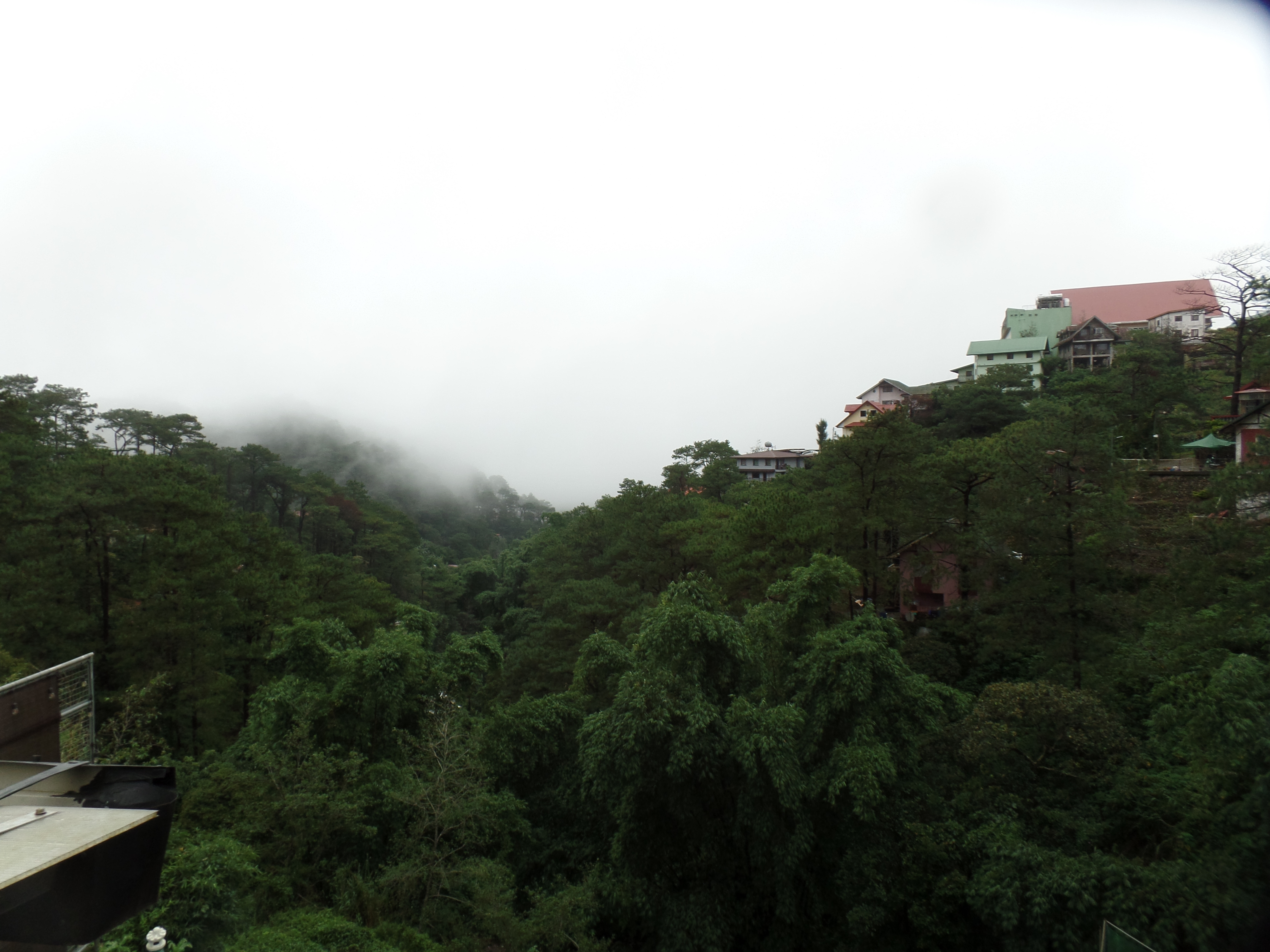
I went into town by jeepney, after enjoying breakfast at Badihoy’s Aqua Garden Cafe. Here is a remarkable view of the Cordillera rain forest, from Aqua Garden’s terrace.

Kordilerya Rainforest, Badihoy, Baguio

Once the langganisa breakfast, with Chocolate Bomb, was finished, it was on to the parks and other sights of Baguio’s City Center. The first stop was a monument to Dr. Jose Rizal, the national hero of the Philippines.

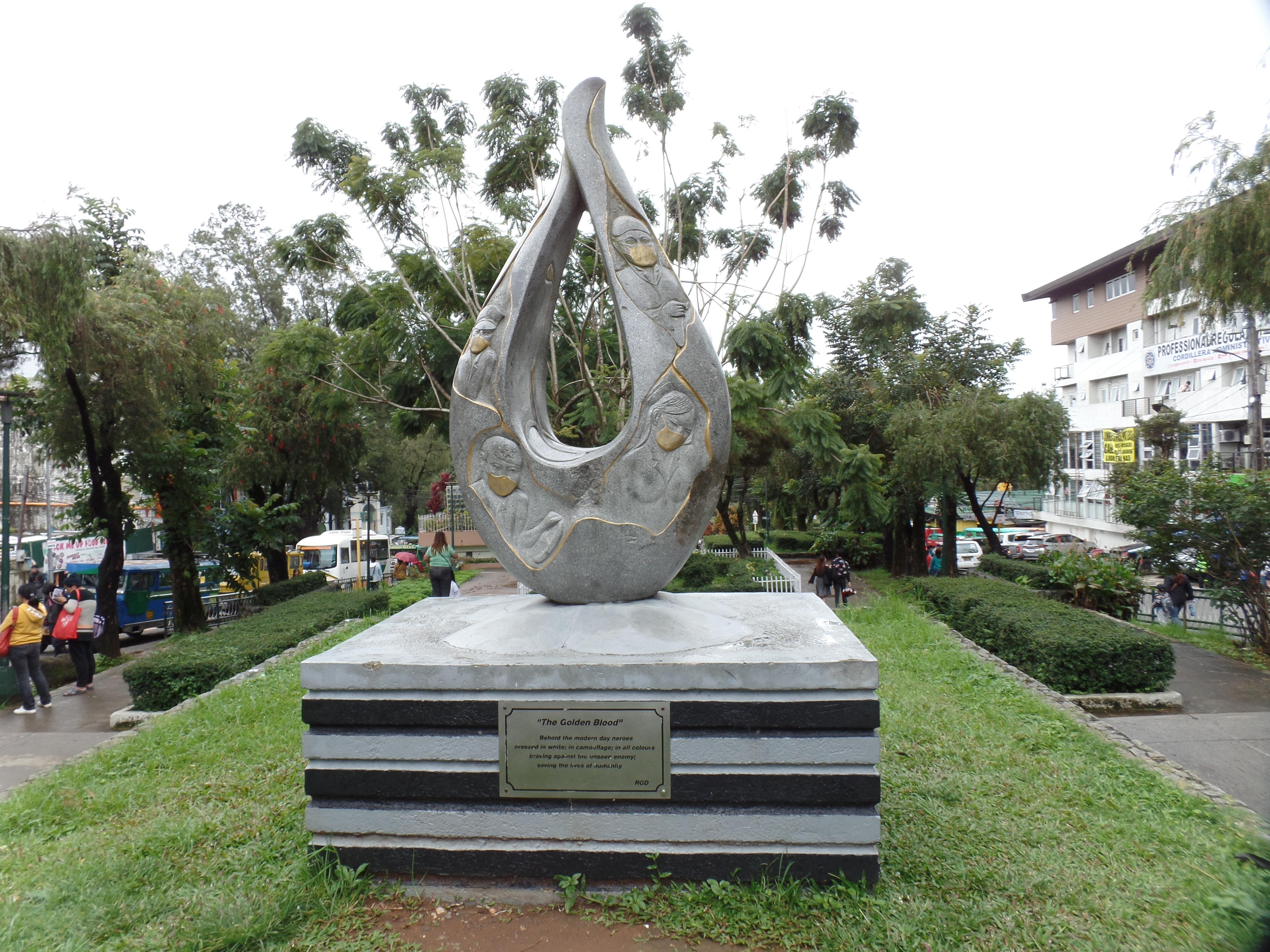
“The Golden Blood”, celebrating modern day heroes-soldiers and sailors defending the Philippines, and first responders.
Monument to Dr. Rizal

Next was Burnham Park, named for its designing architect, Daniel Burnham, of Chicago. He wanted a park that American forces stationed at Baguio could enjoy and one that would appeal to Filipinos, as well. Thus, there is a small lake, with paddle boats and pontoon boats for rental, as well as numerous small gardens, with many stone sitting benches, and a few tables.

Bust of Daniel Burnham, at Burnham Park, Baguio
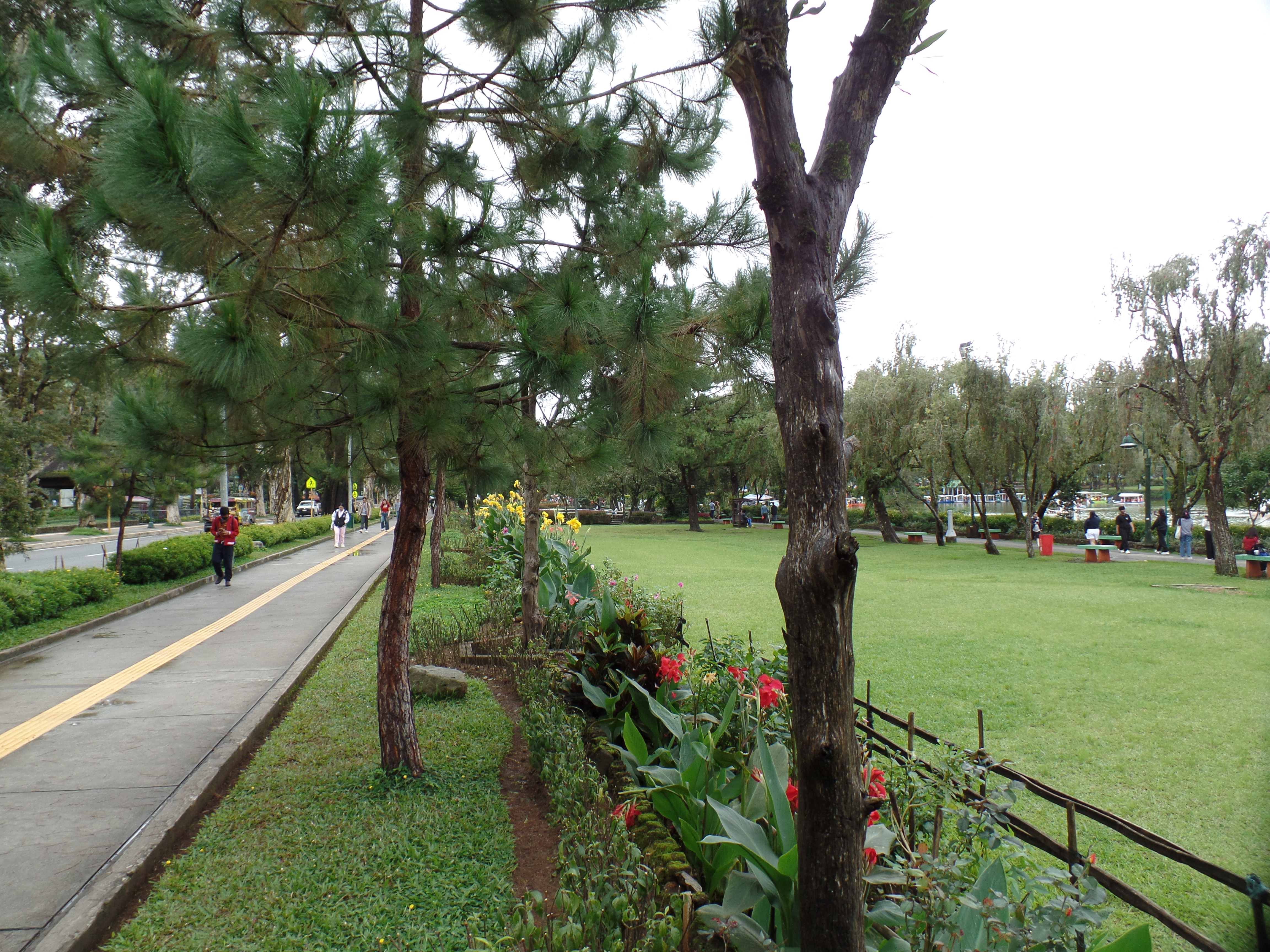
Some of Pine City’s pines, Burnham Park
Filipinos are quite focused on community health.
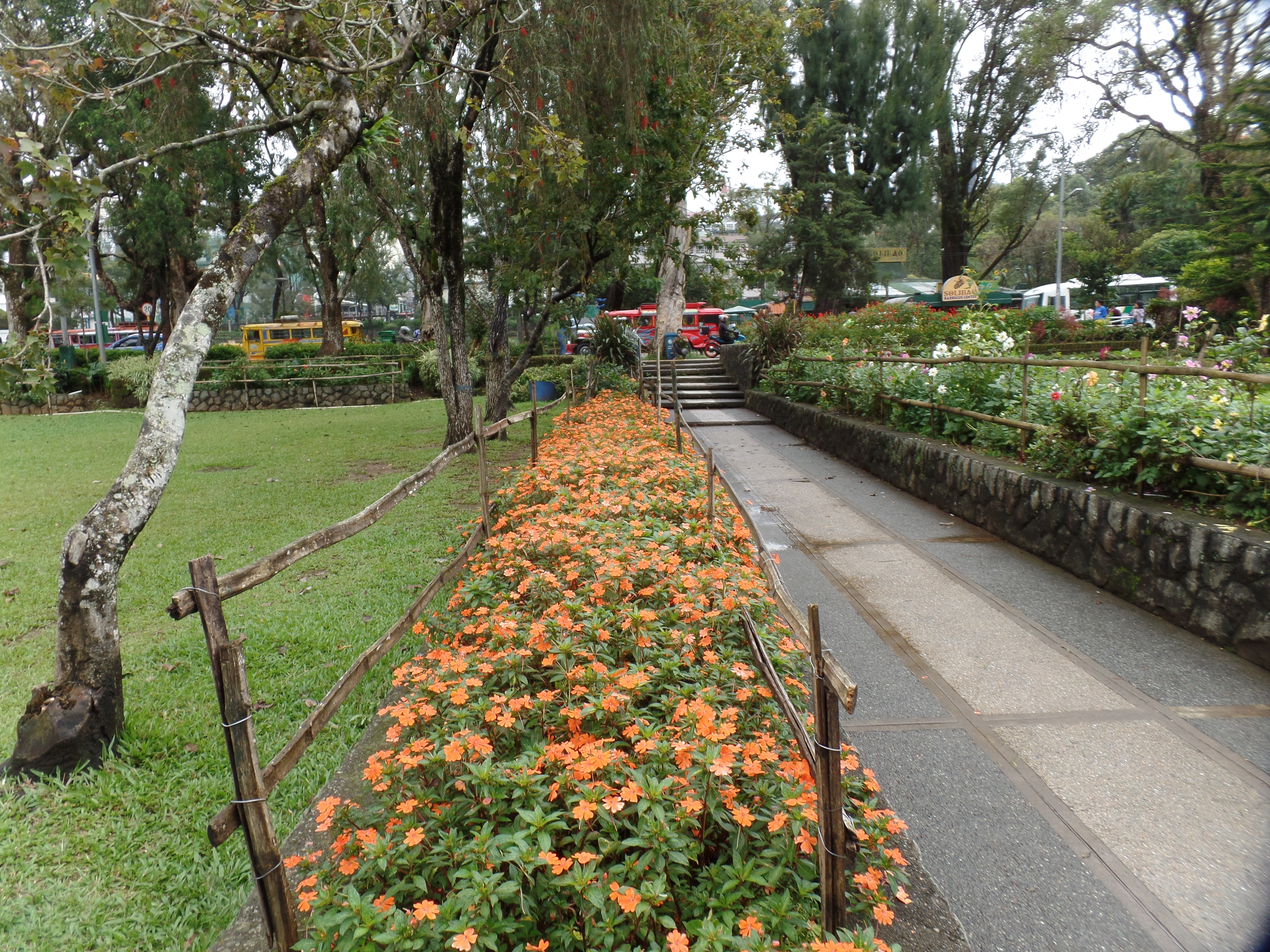
A long view of Burnham Park
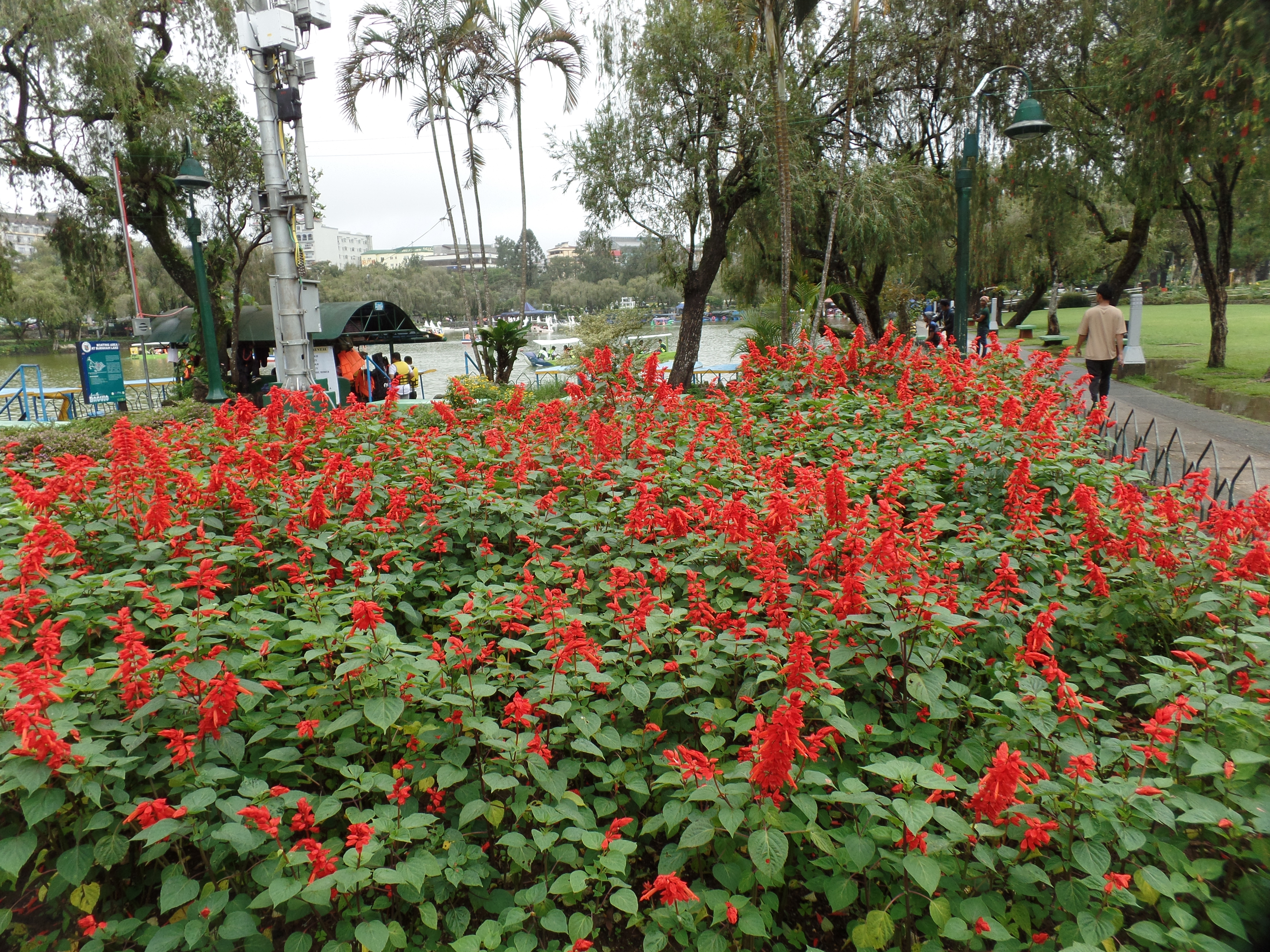
Celosias make you take notice!
A young fashionista was posing for several “walking photos”, at this bed of daisies. I gladly waited my turn. The girl reminded me of one of our friends in Manila, who also likes to pose in style.
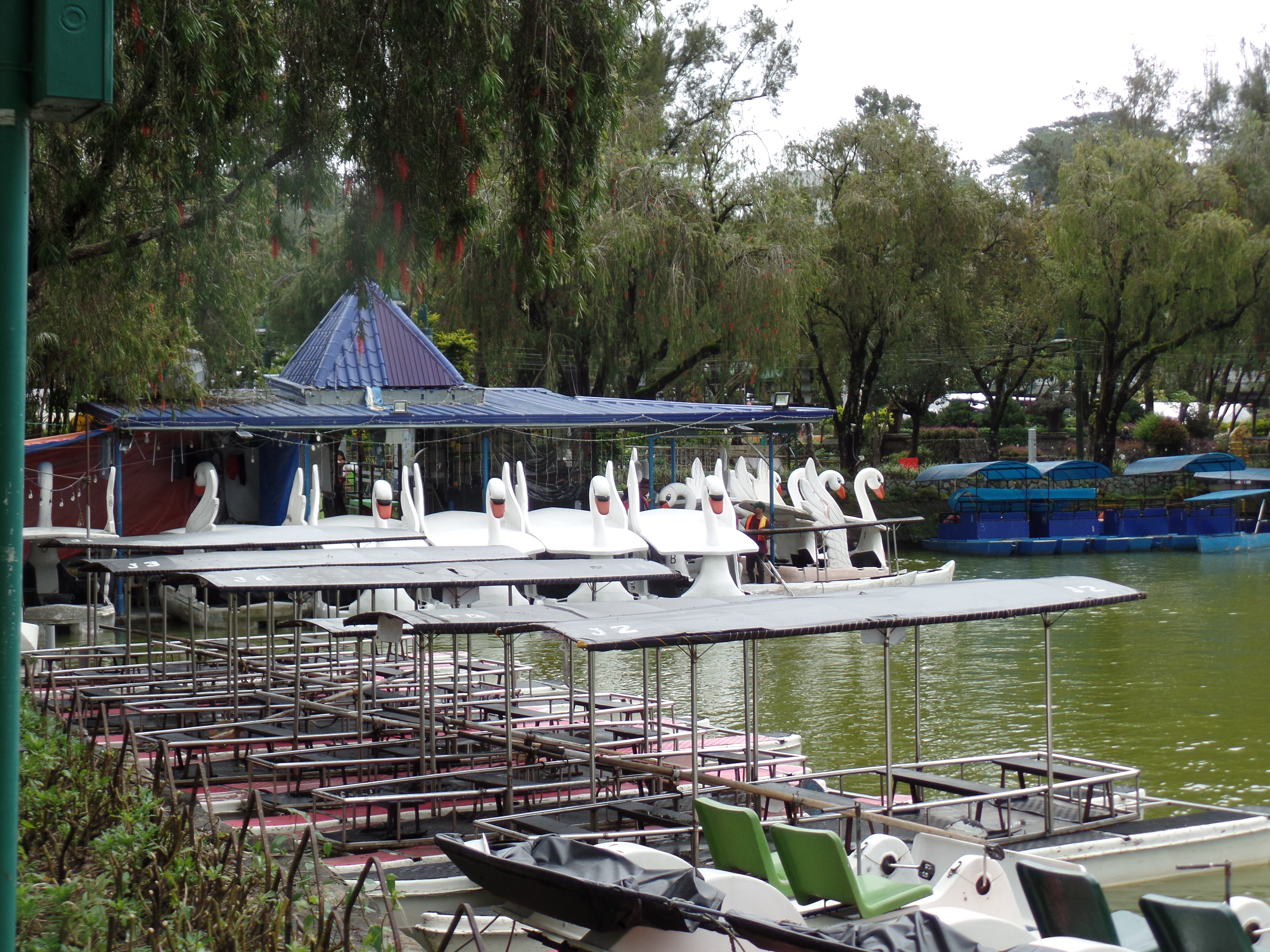
Have paddle boat, will cruise the lake!
Mural honouring small holder farmers, Burnham Park (above and below)
When I was a child, the Swan Boat at Boston Common was a delight. Glad to see that some are still around-pontoons at Burnham Lake.
Wherever one goes, cats rule.
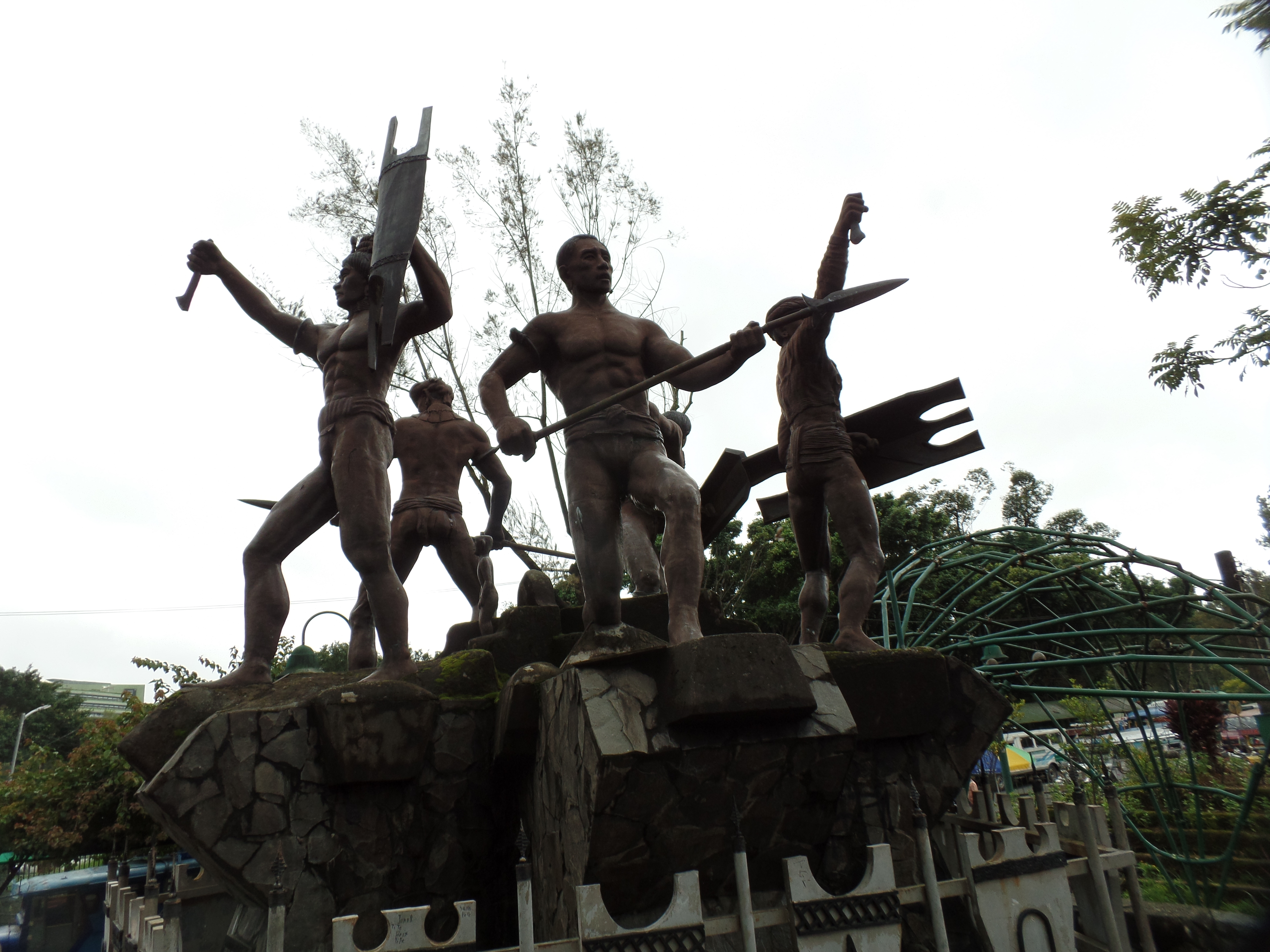
Honouring Igorot warriors, defending their homeland- Igorot Garden Park, Baguio (above and below)
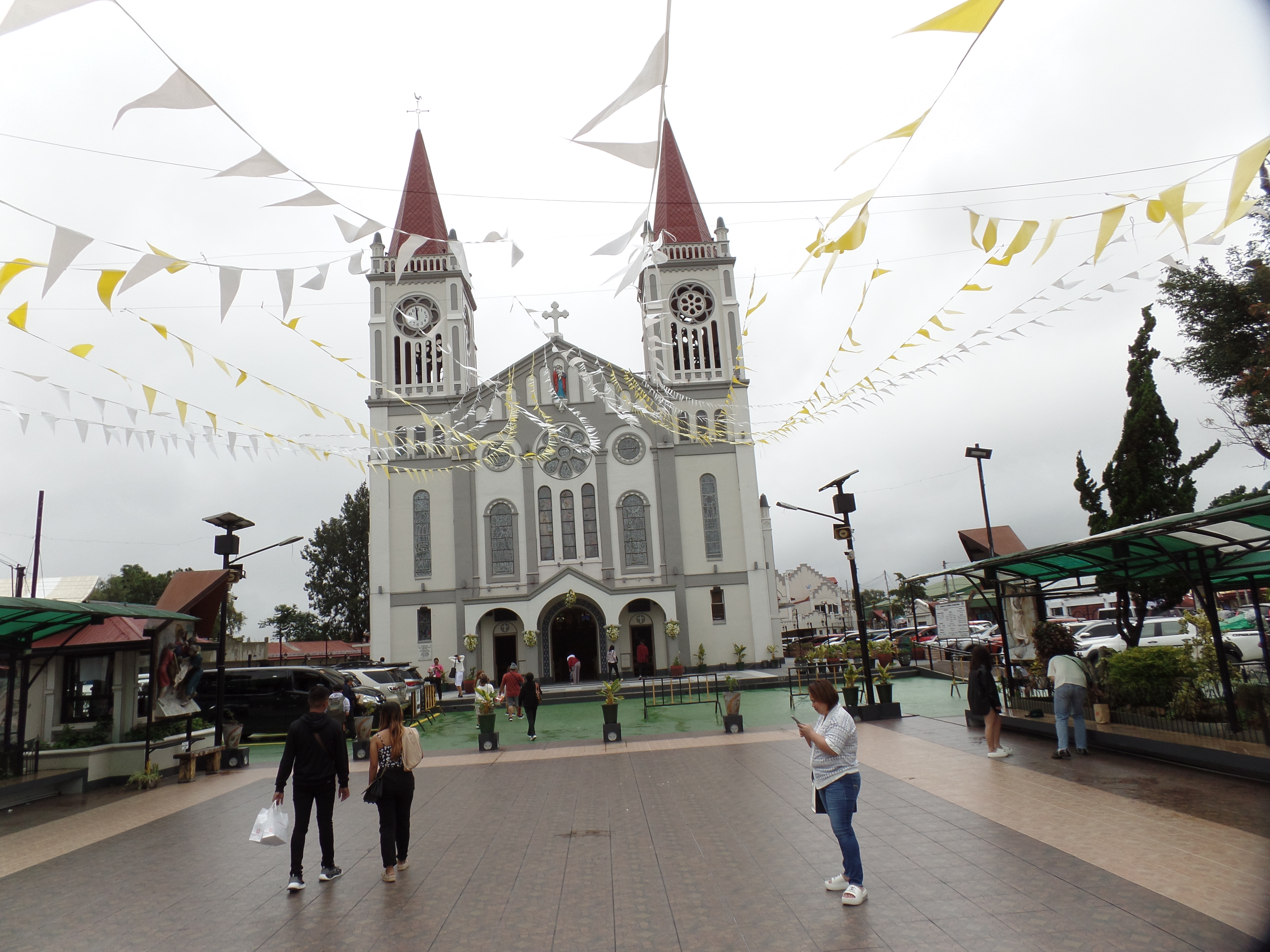
Baguio Cathedral. There was a Mass being said, so I did not go inside.

The way back was interesting, in and of itself. The rain was heavy, but that did not deter anyone, including me, who needed to get somewhere. I found a jeepney, which took me further than I needed to go. With help from a Guisad Barangay worker named Kim, I got back just fine, though.

Tomorrow’s outing to an indigenous craft shop will be better planned out. I will take note of landmarks, so as to not overshoot this little sitio of Badihoy.

Metro Manila, Day 3: No Place for Bad Luck

4

September 13, 2024, Manila- There are two schools of thought about Friday the 13th. One holds that both Friday and the number 13 augur badly. The other counters with the cultural artifact that the day is named for Freya, Norse goddess of love, war and fertility. It also is deemed unlucky, in Norse mythology, as Loki the Trickster was the thirteenth Norse god.

The Vikings may have given themselves reason to be conflicted about Friday the 13th, but I personally have never had any hard luck associated with the day. This day was no different. I was able to extend my time at Ola! Hostel, my dear friend arranged a nice group outing for tomorrow, as well as help me get a bus ticket for a visit to central Luzon, late next week. and I was able to join a study group from Arizona online.

Most of the day was quotidian, otherwise, but that has never been a bad thing. I helped with shopping, at an open air market and house sat, while the Baha;i Cnter’s caretaker went to tend to another matter.

Every day, loud or quiet, has its advantages.

Deferred Glory and A Playful Pod

4

July 25, 2024, Yachats, OR- As I awoke this morning, up in Kent, WA, and pondered my route for the day, I got a message: Astoria is calling, and you should spend the night in Yachats. The route to the tip of Oregon was easily set, and by 12:30 p.m., I was parked near Flavel House Museum. The place looked interesting, but I had limited time and there was a set of hoops to jump, just to purchase a ticket. I was more drawn towards walking downtown. Besides, my camera was acting up and I couldn’t get a clear shot of the house.

This lovely little park would not be denied, by a brief issue with a camera lens. It was established in 2011, on the occasion of Astoria’s bicentenary, to honour the contributions of the Chinese community in Astoria and the Columbia Valley. Text and art tell the story in a delicate and fitting manner.
Astoria thus bookends with Lewiston, Idaho, in giving the Chinese immigrant community its due as builders of railroads, jetties, canneries and, in Astoria’s case, the sewer system. Lewiston has the Beuk Aie Temple. Astoria has placed its tribute outside.

Astoria also has its funky side, as seen at this Mexican restaurant, near the Cambium Gallery.

At Cambium, I sat and observed a potter at work, for several minutes, purchasing a lovely bowl as a gift for a couple who I plan to revisit tomorrow. As this is a working studio, I refrained from photographing her work.

The last stop in Astoria was at its Column. High atop a promontory, on the city’s east side, is the tower erected in honour of John Jacob Astor, the community’s founder. Along with two dozen other people, ranging in age from 4-86, I made it up 164 steps and saw these views:

Northward
Westward

After descending the stairs, it was time to leave Astoria. Cannon Beach was the next brief stop, and afforded the day’s most heart-warming surprise.

View of Cannon Beach, from overlook to the south.
There, in a deeper cove to the south of Cannon Beach, was a pod of gray whales at play. I was able to gather a group of about twelve people to watch the festivities, so there were a number of photos taken, in the ensuing ten minutes. The cetaceans kept jumping about, during that time of astonishment on the beach.

My last wonder of the day was of a mechanical type: Tillamook Creamery’s cheese factory. The second floor of the creamery offers a viewing of the machines that are used in cheese-making and an explanation of what the human workers, and a few robots, do at each step of the process.

Vats, where fresh milk is heated. Curds are then separated from whey.
Salt is then added to the coagulating mix.
Finally, once the cheese has been cooled and is formed into blocks, it can be cut into smaller blocks or sliced into sheets and packaged. The Blue Octopus is a machine that packages and seals the finished cheese products.
After the self-guided tour, it was time to get to my lodging, so back to Yatel it was. Dinner was down the street, at Sea Note- a relaxed repast of clam chowder, followed by baked oysters and spinach, at bar side. I couldn’t ask for a more comforting end to a great day on the coast.

Ucluelet to Comox

2

July 23, 2024, Halfmoon Bay, BC- The excited children swore they had just seen harbor seals diving down to get fish, near the closed-off Amphitrite Point Lighthouse. It well could have been, as humans can’t get close enough to the actual lighthouse to disturb any marine animals, but the field of vision is certainly clear enough.

Amitrite Point, Ucluelet
Amitrite Lighthouse, Ucluelet. It is rather compact, but from its vantage point on the headland, the job got done.

Just north of Amitrite is Little Beach. From this small cove, one may gaze out southwestward. This is not the southern edge of Vancouver Island-that would be Victoria, from which one could see the Olympic Peninsula, on a crystal clear day. From Little Beach, there is nothing but ocean, all the way to Japan-from which the currents brought debris from the Fukushima earthquake and tsunami.

The westward view, from Little Beach, Ucluelet
Little Beach, Ucluelet
A lusher view of Amitrite Point-the trailhead of Wild Pacific Trail. Lighthouse Loop, which begins at Amitrite Point, is one of two segments of the “WP”, and is 2.6 km. The other segment goes from Big Beach to Rocky Bluffs (5 km, each way) and has a 1 km spur to the Ancient Cedars. I had a ferry to catch, so Yes, I “missed the Ancient Cedars”-though not entirely. Cathedral Grove presented a second chance, en route to Comox.

First, though, was a fine, lightly-milky bowl of seafood chowder, at Cedar Grill. Soup lunches have hit the spot lately, and this was no exception. It had the feel of Puget Sound-style chowder, with halibut, clams, scallops and lobster in the bowl.

Cathedral Grove, near Kennedy Lake,BC. Pardon the sideways view-WP has no provision for rotating.

Once past Port Alberni, I was back on the eastern shore of Vancouver Island. Around Deep Bay, there are several spots to enjoy the calmness of the Inside Passage.

Rest area, near Deep Point, Vancouver Island
Buckley Bay, looking towards Denman Island
Once at Comox, I was able to relax a bit at the ferry terminal. Here is the jetty, pointing eastward. It was a smooth ride, and a trio of us spotted a bowhead whale spouting, off the starboard bow. The whale was almost guiding us.

As it happened, once in Powell River, Sportage was the first vehicle off the boat, and so I bid farewell to Vancouver Island and hail to the Sunshine Coast. I was soon at Marland Motel, and in a clean, comfortable room, despite Google trying to tell me that the place was closed! Not so, according to the owner, who was grateful for those of us who checked in and stayed the night!

Pacific Rim National Park Reserve

6

July 22, 2024, Halfmoon Bay, BC- The earnest young guide touted West Coast Trail, a strenuous 75-mile trail that incorporates just about every skill a wildland fire fighter, or candidate for the Survivor reality series, would need in order to meet with success. He is in university, and so has not set aside his own time to do the trek-but I could see in his eyes that the will is there. The trail’s northern terminus is near Bamfield, southeast of the Ucluelet-Tofino main segment of this Reserve. Its southern trailhead is just northeast of Port Renfrew, which itself is 110 km west northwest of Victoria. The route is on par with Newfoundland’s East Coast Trail, Ireland’s Wild Atlantic, the Florida Trail, Rim-to-Rim in the Grand Canyon and Michigan’s Keweenaw Peninsula Trail. It would be a good prep for an Appalachian, Pacific Crest, Continental Divide, Colorado, or Arizona Scenic trek.
My own short hikes today gave me a good sense of what a dedicated exploration of the area would entail. Stops were at Radar Hill, Grice Bay, Combers Beach, Rainforest Trail and Kwisitis Visitor Center (where the young man was touting the trail.)

Here are scenes from those spots.

Approach to Radar Hill. This site has the remnants of a World War II era Canadian Forces radar station, which kept watch for any Japanese incursions into Canadian airspace.

Canada was a key member of the Allied forces in the Korean War, as well. This plaque commemorates the Canadian Forces’ landing at Kapyong.

Commemorative ciinul for Radar Station. Like indigenous people in the United States, First Nations people in Canada were all-in, for defending the homeland during wartime.

Grice Bay lies about three kilometers east of the main Pacific Rim (Tofino-Ucluelet) Highway. It’s a major recreational fishing area, as one might expect, and there were quite a few boats being launched, while I was checking the place out.

View of Grice Bay from the west.
Southwest view of Grice Bay
Dolphins were moving about the bay-also looking for fish.
Incinerator Rock is a spot popular with surfers, just north of Rainforest Trail and Combers Beach.

The trail to Combers Beach has several elements of the rain forest, in and of itself.

Looking at these giant ferns transported me to the Silurian Era.
Huckleberries abound at Combers Beach.

Driftwood forts are everywhere at Pacific Rim. Combers Beach reminded me of Kalaloch, Washington, in that respect. (Next two photos)

This looks like a fair shelter from a storm.

The surf at Combers looks as enticing as any I’ve seen, north of Doheny. The beach is famous for its riptides, and guidance on how to handle a riptide is prominently displayed here.

Incoming tide, Combers Beach

Next up was Rainforest Trail. It was not really redundant, after the Combers experience, reinforcing the importance of recognizing the fragility of both the water table and the soil. Water storage is not strong here, because the soil is so thin. For communities like Tofino and Uculuet, this means taking strong conservation measures, despite the high average yearly rainfall. Rainforests endure more droughts than one might think.

Canopies help to preserve water, by limiting sunlight.

Red cedars, Rainforest Trail, Pacific Rim.
Sitka spruce coexist nicely with red cedars.
Saplings, springing up, guard the soil’s moisture even more.

Finally, at Kwisitis, there was a feast of driftwood and black basalt.

Wickawinnish Beach, Kwisitis
Basalt outcroppings, Kwisitis

In this Visitor Center, we learned much about the sacredness with which the Tla-o-qui-aht and neighbouring nations approach the whale hunt, to this day. The bowhead is taken with the same reverence that other Indigenous hunters approach the hunting of bison, deer or elk. The entire animal is put to use, once the kill is made, and there was/is a strict limit on the hunt.

The balance of nature weighs on the minds of all who wish to see our Planet thrive. The Nuu-cha-hulth-aht, of Ucluelet, are no exception.

Tofino

2

July 21, 2024, Powell River,BC- I must have looked like a duck out of water, clad in t-shirt and shorts, in 55 F (12.7 C) and cloudy weather. A Tofino pull-over hoodie presented itself, and so the duck was back in the water, in short order. The few small children present appeared to breathe a sigh of relief. The adults, being the flinty sort, were more “Well now, that shows there’s a light on upstairs, after all, eh?” Thus it goes, when one finds slivers of foggy dew, after days of high heat, even ten kilometers inland.

Tofino, and its sister town, Ucluelet, are the north and south anchors of Pacific Rim National Park Reserve, western Vancouver Island’s well-visited gem. I first heard of the place, when sent a recording of a young girl prodigy from there, and was drawn to its artsy vibe. Friends who had been to the area corroborated this rather laid back aura, but said it was getting somewhat more commercialized. So, as with any other place that sets forth competing reputations, I had to go see for myself.

This brief break from Baha’i-centered visits took me to Whalers on the Point Guest House, at Tofino’s north end. The name refers to the whale hunting traditions of the Tla-o-qui-aht (“Clayoquat”, in English parlance) First Nation and their neighbours along V.I.’s west coast, as well as of the Makah people, across the Strait of Juan de Fuca. The large and comfortable, family-friendly hostel was a beehive of activity, especially in and around the kitchen. The ambiance, though, was most welcoming.

Between an evening sunset stroll (at 9:45 p.m.) and a longer walkabout in the downtown area, this morning, I got a sense of Tofino life. Here are some scenes.

The salubrious hostel
Clayoquot Sound, on a foggy Sunday morning

The entrance to Tofino’s children’s park
Salvage art, part of a display by Pete Clarkson, a marine debris collector. His Washed-Up Workshop has several pieces in this unique downtown garden.
Another of Pete’s pieces
Ciinul (totem pole), with explanation below:

So I found this earnest community, of First Nations people and eclectic artisans. Now, it was time to check out the National Reserve itself.

Owning Up

2

July 18, 2024, Bellingham, WA- I went in the out door, so to speak, this morning. Parking with Sportage’s nose to the curb, in a “back-in” zone, I took two photographs of nearby buildings, got back in the car and carefully backed out, watching for any vehicles that might have come along-and which would have had the right of way. There were none, so on I went to Tacoma’s Old Town. I rarely, if ever, do such things, but have learned to not hide from judgment or ridicule, when they do happen.

Ownership of missteps is often absent, or only grudgingly done, in modern life. We fear judgment and ridicule, but you know they are going to come along, anyway. So, why fear, run or hide? I apologized to someone I love dearly, this evening, because it was the only thing to do, under the circumstances. Erich Segal was off-base, when he wrote “Love means never having to say you’re sorry.” It is the first thing that someone who has heart must say, when a loved one is hurt. Apologizing to my late wife, to our son, to a beloved student or client, to a dear friend, has been de rigeur, when I go on a wrongful tangent.

Today, otherwise, was a fine day, partly spent in and around Tacoma’s Old Town and waterfront area, meeting with an old friend from Xanga, and her husband and patiently navigating the heavy traffic, from Federal Way to Mount Vernon. Seattle rivals any other major city, in the thickness and slowness of its major thoroughfares’ traffic. It is best to make do. Owning up also means pushing forward, without moaning about short-term circumstances.

Here are some scenes from Tacoma, an underrated gem of the Pacific Northwest.

Northern Pacific Office Building, City Center, Tacoma
Clock Tower, Old Tacoma City Hall
Job Carr’s Cabin, Old Town Tacoma

Job Carr was the first settler to make Tacoma his home, building this cabin in 1865. He got along quite well with the indigenous Puyallup community, and was well-known for navigating Commencement Bay, where he encountered whales and dolphins, whilst going back and forth to Puyallup, in his canoe.

Job came to the area because he thought the Burlington Northern Railroad would have its western terminus at the spot where he settled. When the BNR stopped two miles east of his cabin, he was rattled, but made do.

Burlington Northern railbed, near Commencement Bay
Commencement Bay, at Tacoma (above and below)

The afternoon found me back at another gem: The Muse, at the edge of Everett’s waterfront. I visited this lovely Victorian coffee house/bar, a year or so ago. This time, I was honoured to be joined by these fine folks:

Debra (“Ampbrea”) and Jeb Watts

I will not forget those friends from the 2000s and 2010s who stuck with me, even during the times when I “flaked out”.

Short Limbos

0

July 5, 2024, Boston- The cobblestone walk, in the photo on my wall, in this spacious, yet relatively simple room, near Fanueil Hall, pretty much spells it out. There are light curves and a mild turn to the left, before the photo print heads into eternity. The photograph encapsulates my trip from Woburn, this afternoon.

It could have been so much worse, had the random driveway and lane closures of last week still been in effect, around the Car Rental Center at Logan Airport. As it was, we go to the airport area in less than 20 minutes, I topped off the tank and returned the vehicle, leaving plenty of time to catch the shuttle to the terminal, where Aram caught his flight, and my getting cash for incidentals and various tips. It was a quarter mile alley oop to the taxi stand, then the sharp, efficient driver got me to the Bostonian Hotel, in ten minutes.

The Bostonian Hotel, near Fanueil Hall.
The Parlor, lobby of Bostonian Hotel.

These were very short limbos, and it was gratifying that I did far less overthinking and ruminating about them than in times past. Both self-confidence and trust in the Divine are far greater than they have been. Mother got a fabulous send-off, family and friends who I hadn’t seen in years came to pay their respects to her and re-connect with one another, and with me. Aram came to have my back, and in the process completed much of his remaining academic work. Yunhee, waiting at home, got a lobster stuffed figure. I have a sense that one more powerful spirit guide is going to help me over various challenges, in this still roiling year, and through the rest of the decade. As a bonus, she guided me to a nice place for a lobster salad roll and cup of clam chowder, to close out my time in Massachusetts.

Fanueil Hall, Boston

Shortly, I will get my rest, then rise early tomorrow and make the flight back to Arizona, via Denver. It has been a semi-expected, and reassuring, ten days.