The Road to Diamond, Day 298: Views from A Tower, and from a Warm Kitchen

0

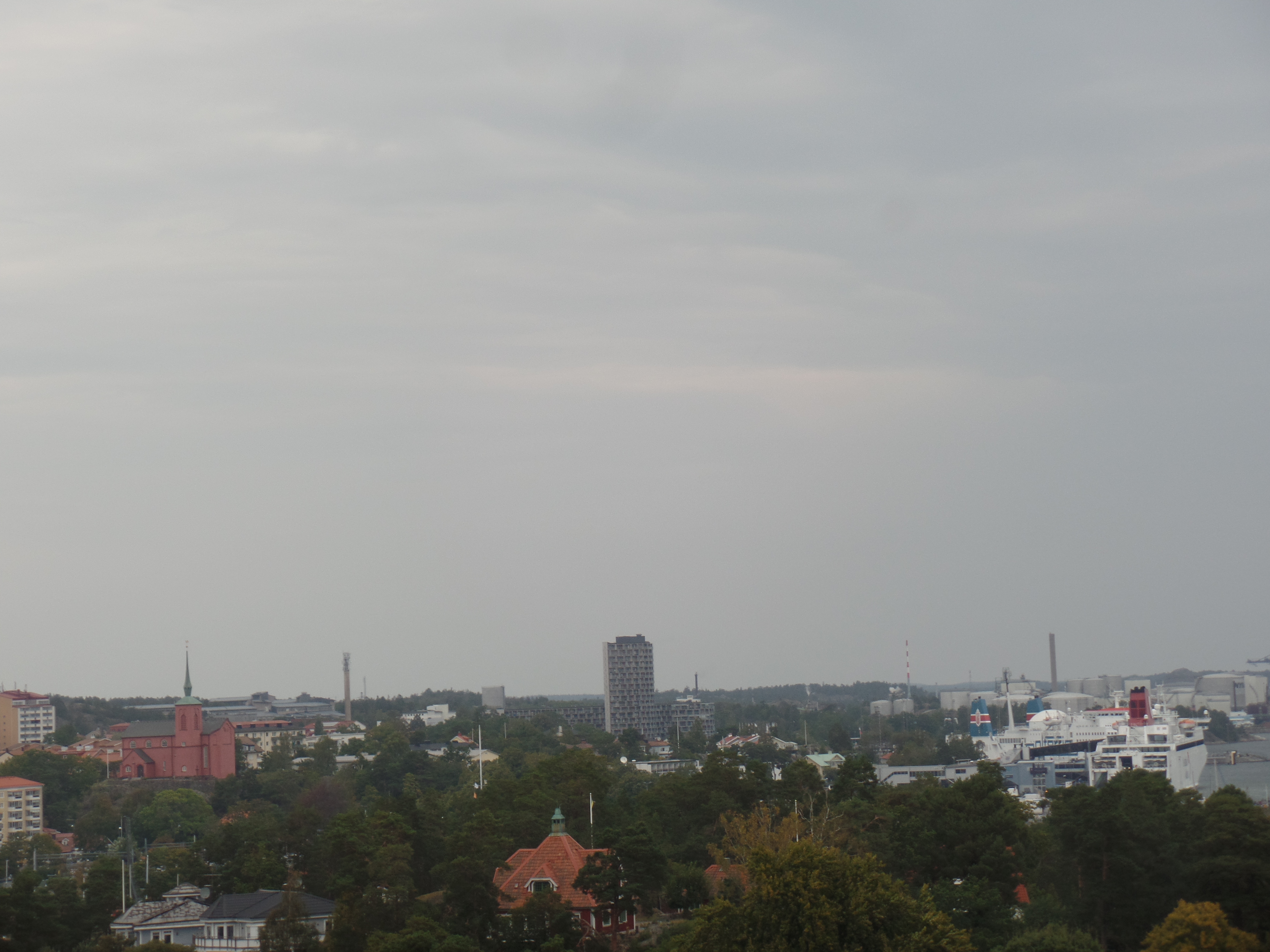
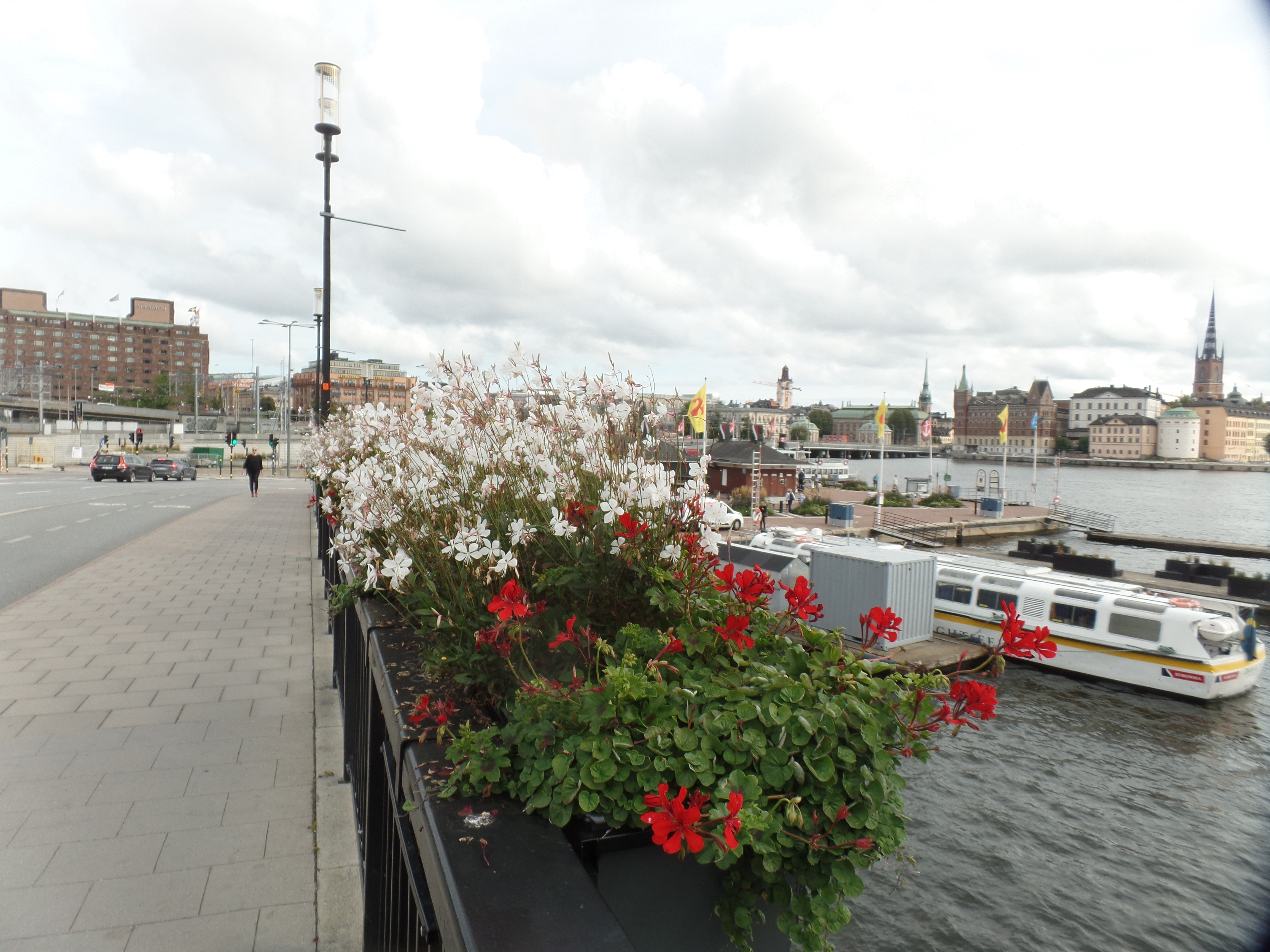
September 21, 2025, Nynashamn- It was quite windy atop the water tower that served this small city on its own, for several decades-until a larger one was built across town. The tower on which my friend, Mattias, and I stood was had burned down in 2018 and was rebuilt as an observation point, a year later. The taller and larger tower that replaced it may be seen from the top, as may a large area of the southern Stockholm Archipelago, of which Nynashamn (NEE-nahs-hahmn) is an anchor.

Here are some scenes from that vantage point.

View of Stockholm Archipelago, and south side of Nynanshamn
View of Grondalsviken, to the southwest of Nynashamn.
View of Nynashamn Centrum (downtown)

On top of Trehorningen Water Tower

Afterward, we went back to find the rest of the crew, Sarah and the kids, at Nynashamn Harbour. We had begun the day with a satisfying breakfast and had gone over to Choklad Huset (Chocolate House), which serves up the finest of hot chocolate and a full variety of solid treats. This establishment provides dessert items for the Nobel Prize Dinner, among other accomplishments. We enjoyed our delights at a playground near the harbour (The “ship playground”, say the kids.

Choklad Huset

It was soon time to go back to the cozy apartment. I spent a blissful afternoon, just soaking in all that being with a little family entails. After a well-crafted dinner of “Fresh Rolls” (spring rolls, in clear rice wraps, with “Chinese Rice” (fried rice), I took in one more Nynashamn sunset.

Sunset from Grondalsviken

Tomorrow, I double back to Stockholm’s Central Station, and take the train southward to Helsingborg and over the water, to Helsingor-the site of Elsinore Castle. It has been a truly lovely visit with my Swedish family. Now, to make more friends, in Denmark.

The Road to Diamond, Day 297: Clear, with Still A Chance of Meatballs*

2

September 20, 2025, Nynashamn- The ferry here from Visby left bright and early. I was the first one to order breakfast on board, and chose Swedish meatballs, which were served along with a bed of beet salad on French bread. It was a cold plate, but that was okay. I am used to cold meats in warm or mild weather, and it was not cold at all on the way to the ship.

I arrived in Nynashamn at 10:30 and made my way quickly to the train, which brought me to my friends’ house. I received a hero’s welcome from the kids and warm greeting from their parents. It was easy to hang out there until mid-afternoon, watching a K-Pop video that actually had a nice life lesson for the kids-and for the rest of us: “Rather than try to hide our flaws, gear ourselves to recognize them and work to transcend them. Hiding them just opens the door for manipulation by others.”

I went back to briefly get checked into First Camp, for a short rest, then returned to my friends’ place for a delightful dinner of….Swedish meatballs. This time, though, they were hot, with flavourful gravy and boiled potatoes. I can never get too much ground meat-so this was a welcome turn of events.

*The day reminded me of a children’s story,”Cloudy, With a Chance of Meatballs”, by Judi Barrett. It, too, offers a message: “Change, even drastic change, is not the end of the world.” I have experienced both having to recognize and work on my flaws-and to embrace change and build a new way of life.” There is also a use for sameness and routine, especially for toddlers, so I bid my friends good night, after dinner, and made plans to see them tomorrow.

The Road to Diamond, Day 296, Part II: Preserved Legacy

0

September 19, 2025, Visby, Gotland- Three grand buildings, or the shells of them, still stand in the center of Visby. These are all former Catholic churches, closed by the Duke of Gotland in the middle of the 14th Century, after the Black Plague and attacks by Danish forces spurred an economic downturn on the island.

I started the day with the first of two visits to Cafe Amalia, one of two breakfast establishments, within the Ringmuren (city walls) in town, that open before 9 a.m. The energetic young couple who work this branch of Amalia open at 7 a.m. I enjoyed a heaping bowl of Grandma Grot (Grandma’s Porridge) and a tasty omelet, which sustained me until dinner time.

Cafe Amalia’s uptown branch

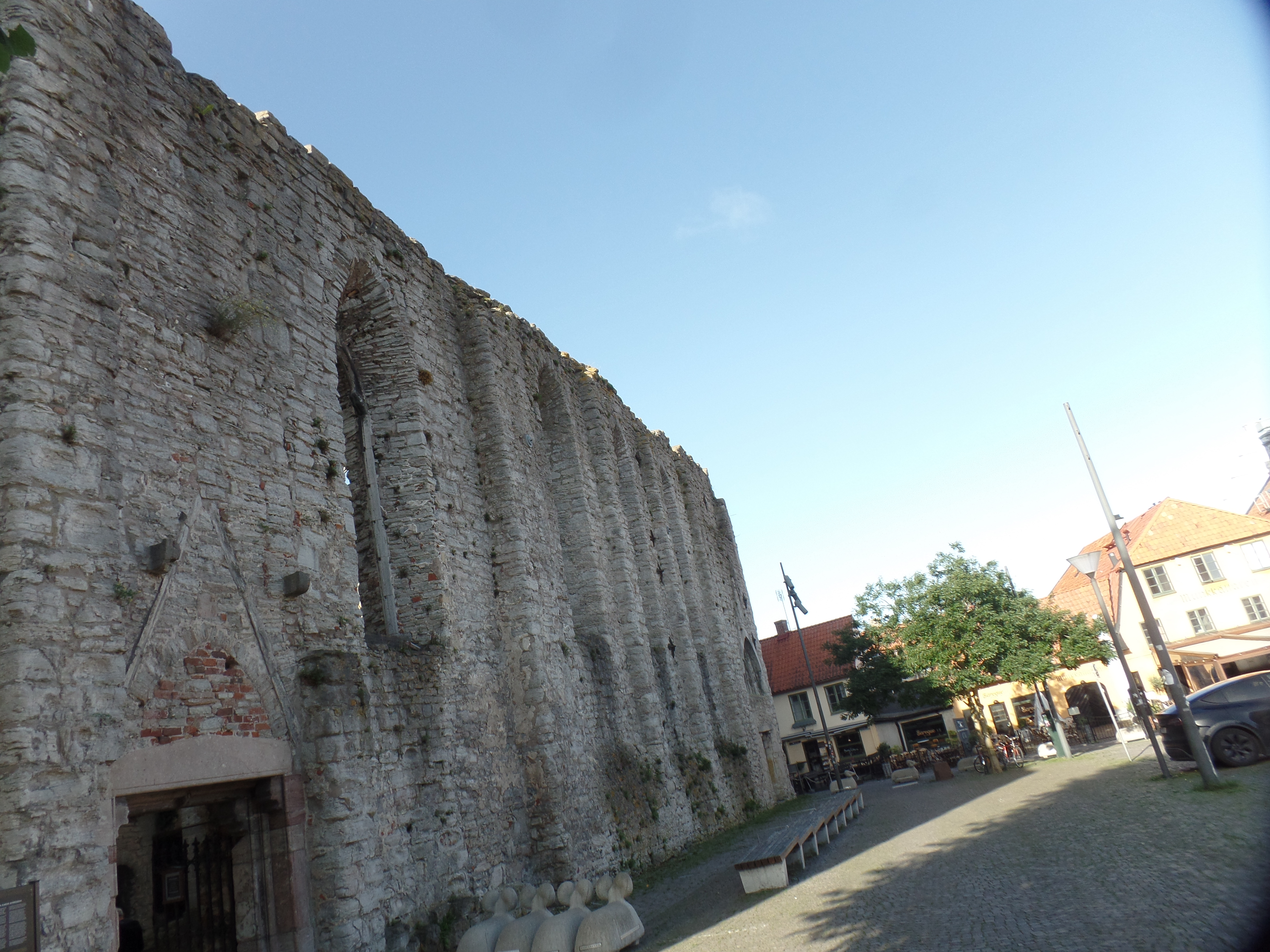
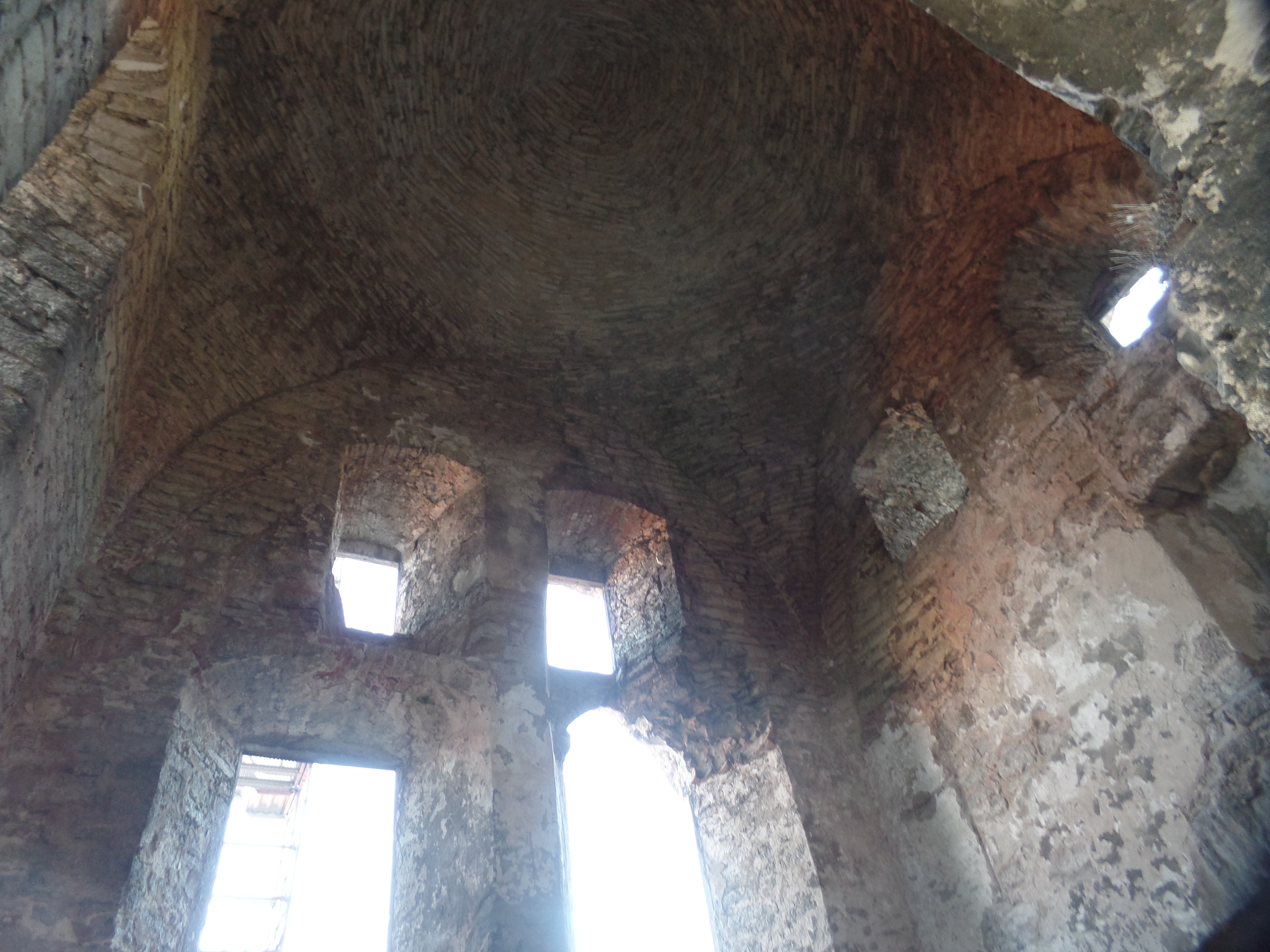
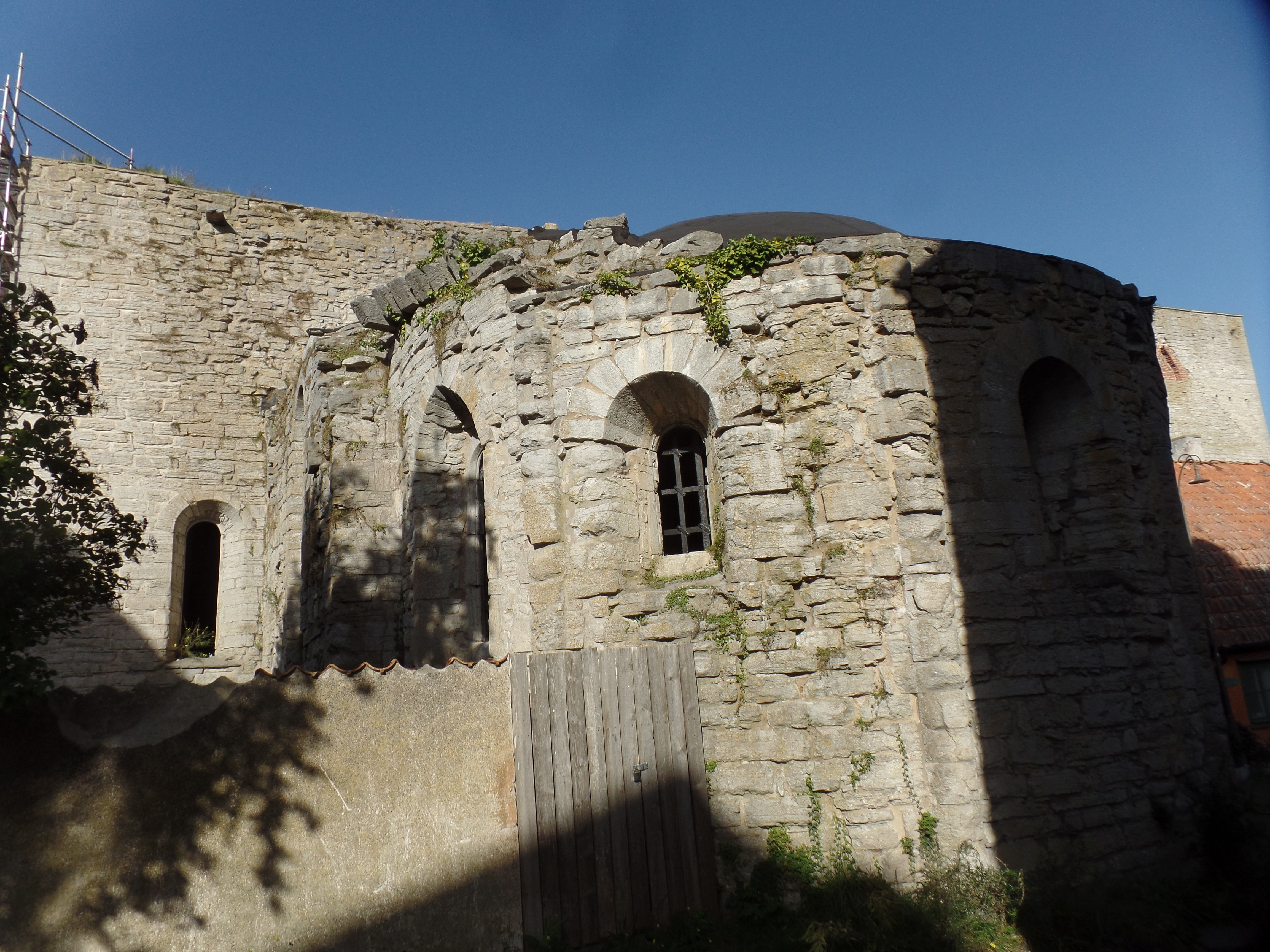
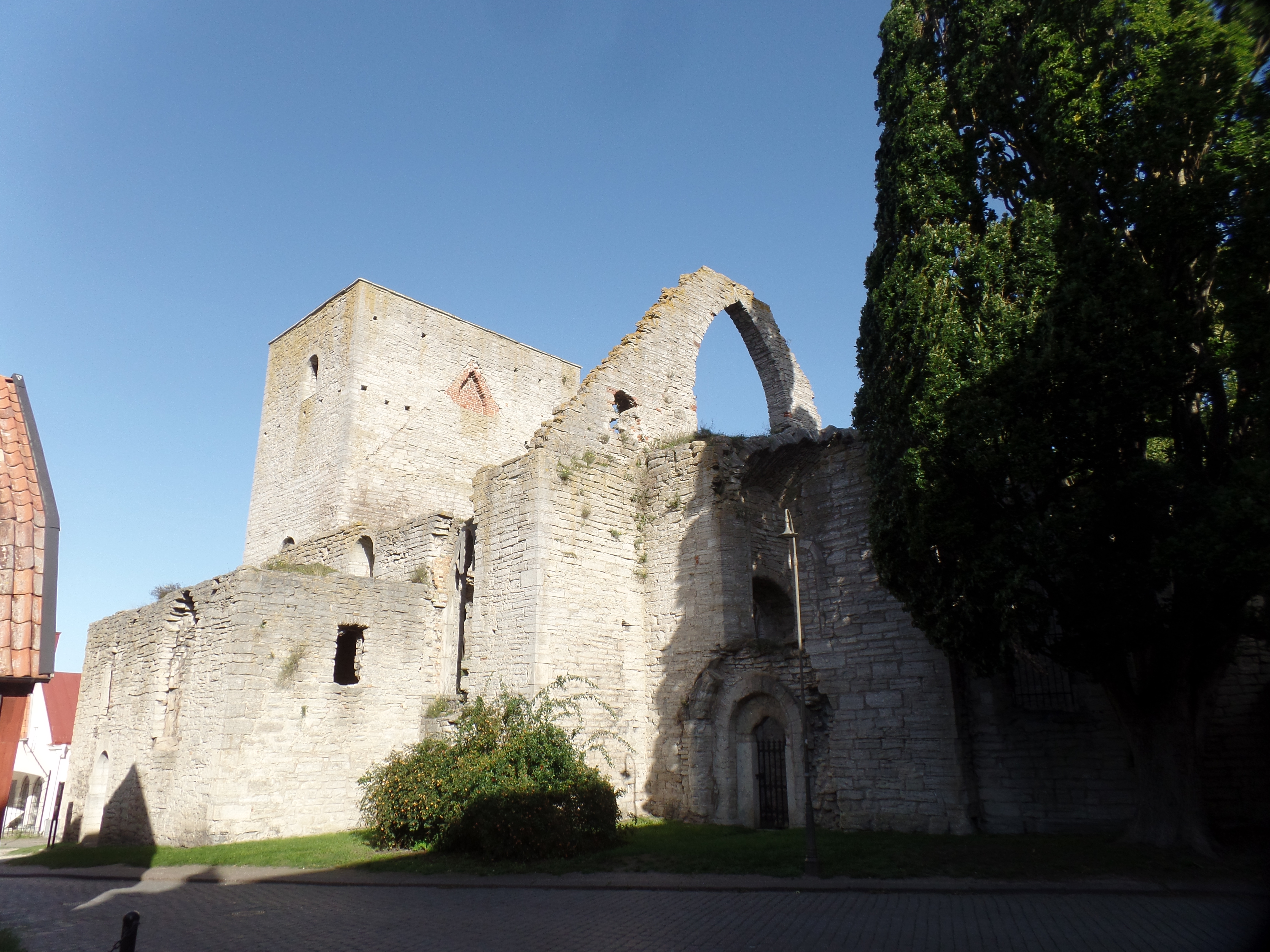
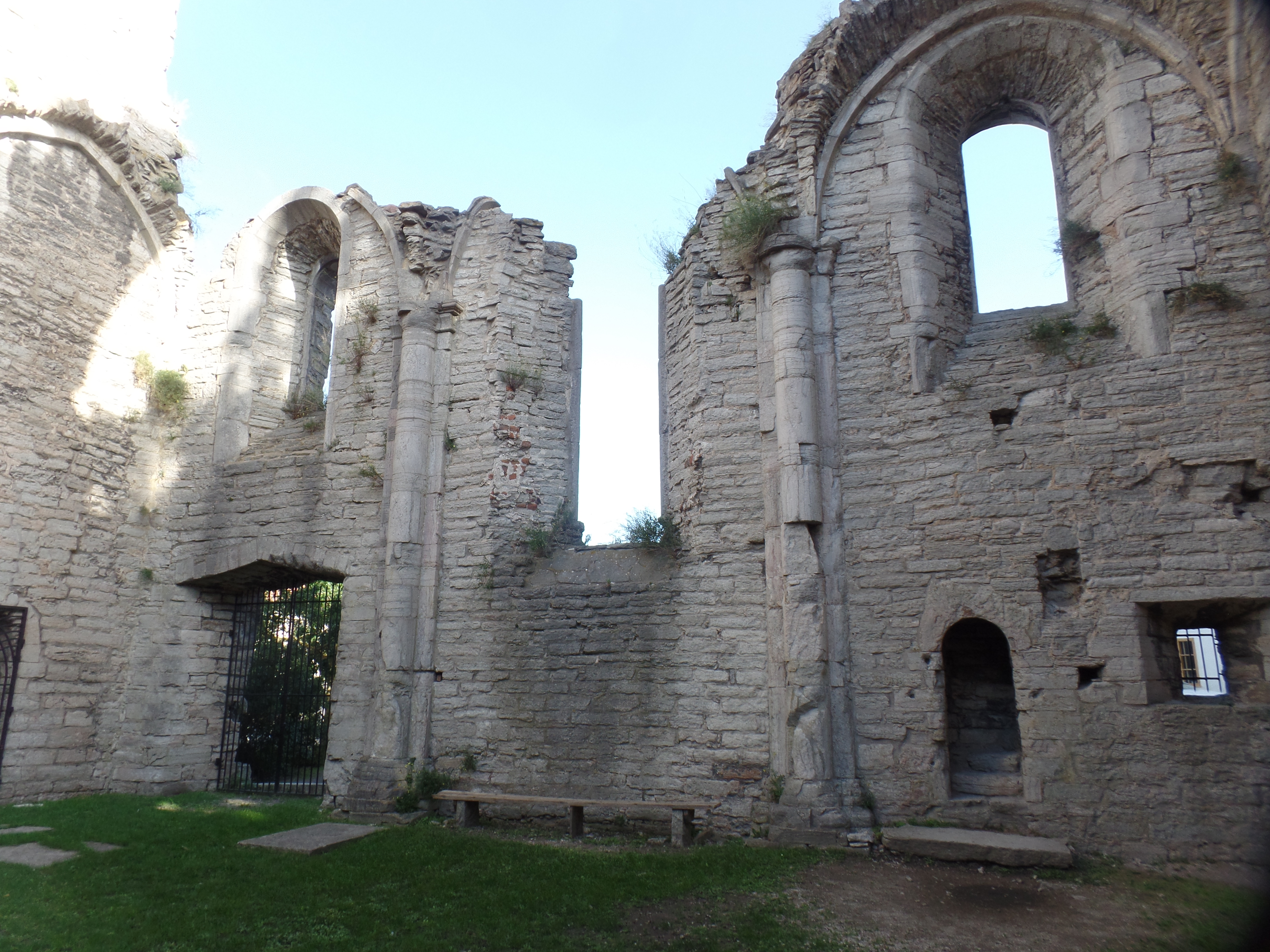
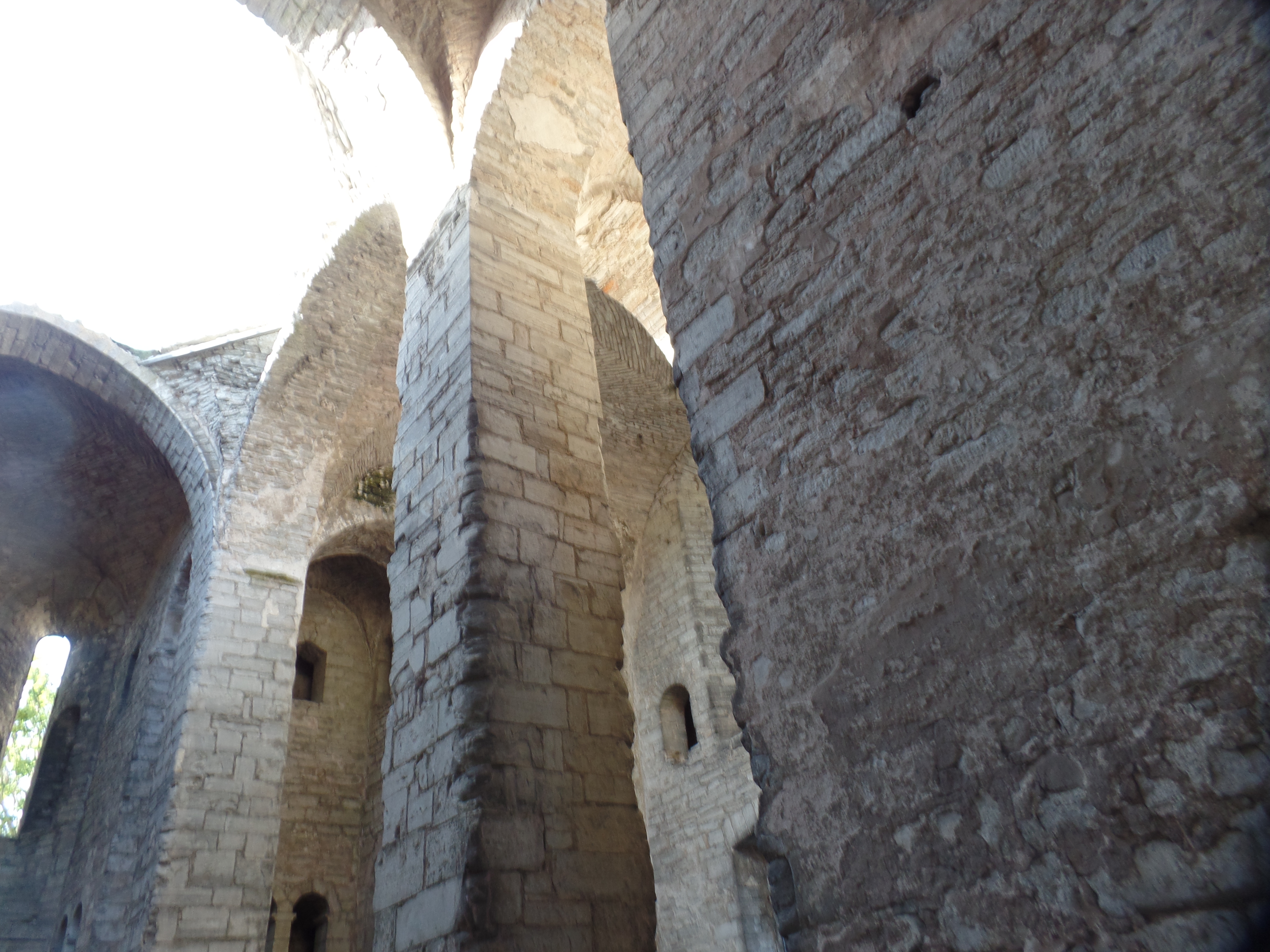
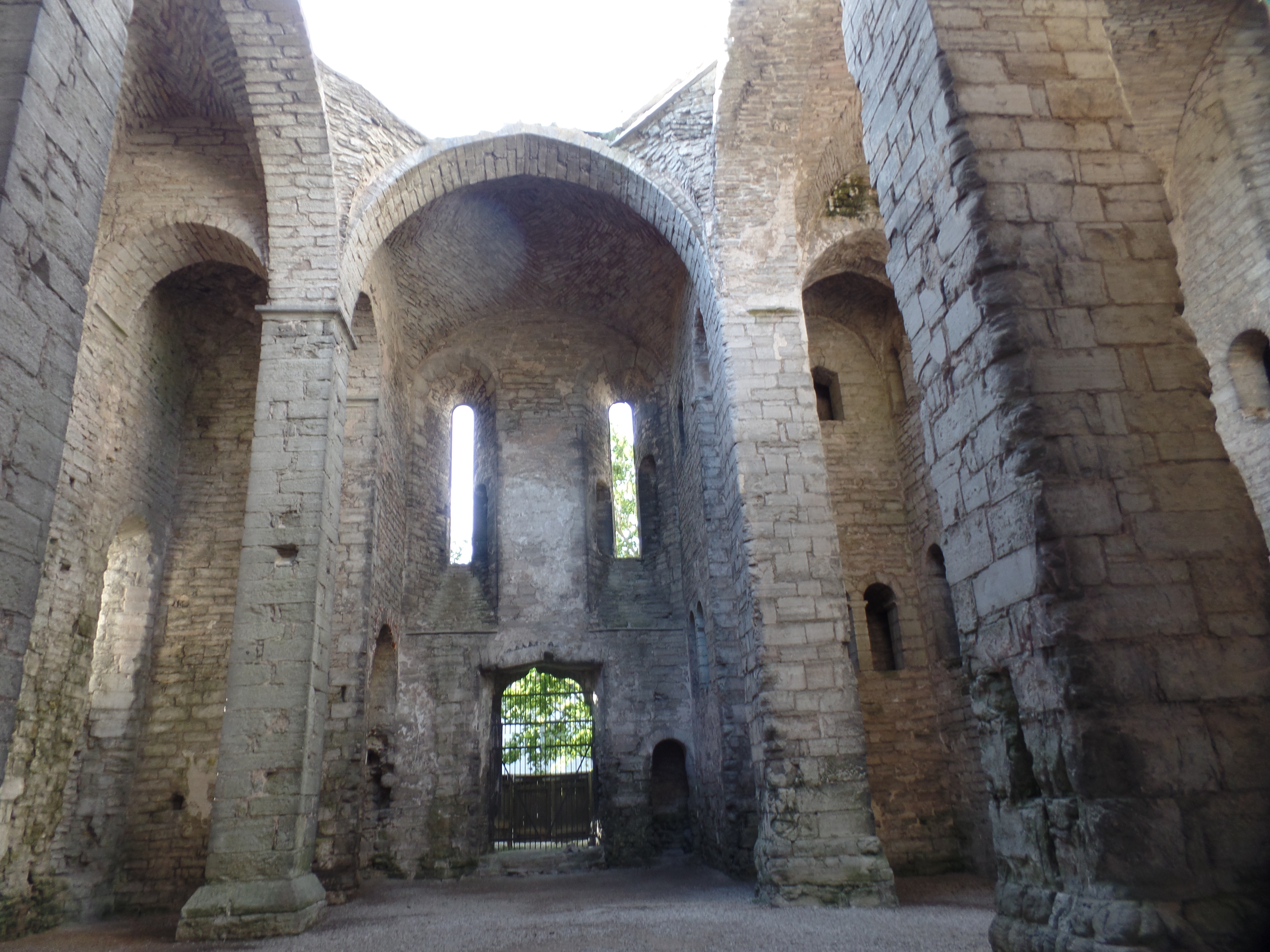
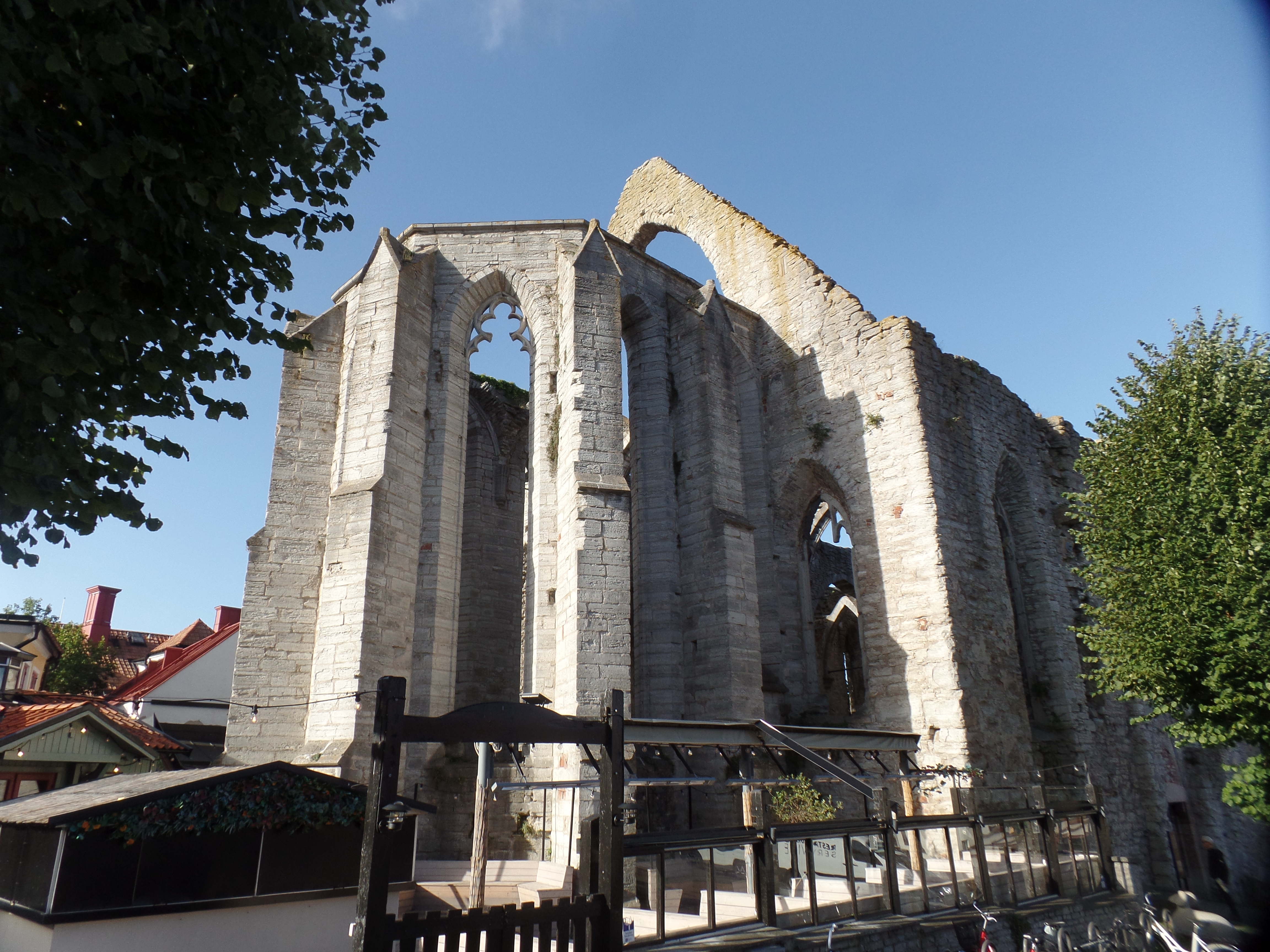
Then it was time to wander around a bit. I was surprised and delighted to find St. Karin’s Church. Karin, to Swedes, is a derivative of Katherine. What is left of St. Karin’s, and of two other churches that the Duke had closed, is protected by the Swedish government, as a matter of national heritage. So, here are some scenes of St. Karin’s.

Exterior of St. Karin’s Church (ruined)
Exterior wall of St. Karin’s Church
Interior of St. Karin’s Church
Interior dome, St. Karin’s Church
Church of the Holy Trinity (aka Drotten Church). This house of worship was built in the early 13th Century, for German residents of Visby. “Drotten” means “ruler”.

This church had an extension built on, before the Duke ordered it closed as well.

Church of the Holy Trinity (Drotten)
Interior of Holy Trinity Church (Drotten)

Next was St. Lars (Lawrence) Church, closed about the same time as St. Karin’s.

St. Lars Church-exterior
Interior of St. Lars Church

St.Lars is the only one of the ruins that has stairs which are not blocked off. The little boy in me wanted to go up. The grown man did not, and won out.

Stair well, interior of St.Lars Church
Dome of St. Lars Church

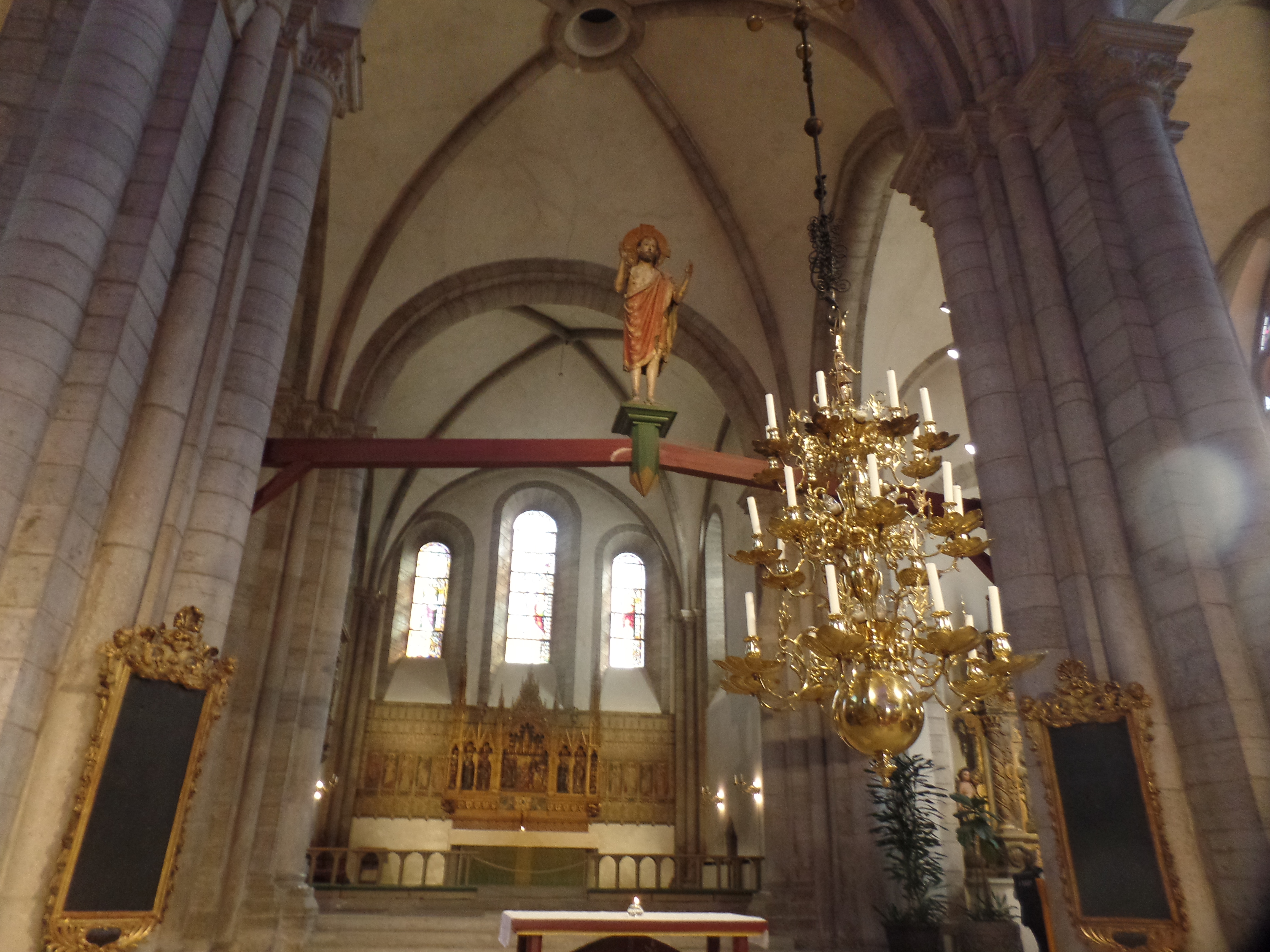
Modernity has its contribution to ecclesiastical wonders in Visby. Here is St. Maria’s Cathedral, built after Gotland had become part of the Kingdom of Sweden. Note that it has three spires.

Cathedral of St.Maria (Visby Cathedral)
Exterior of St. Maria’s Cathedral
Interior of St. Maria’s Cathedral (above and below)
Interior of St. Maria’s Cathedral
Altar of St. Maria’s Cathedral

Here is a view of all three spires of St. Maria’s.

East Wall . It was through this gate that farmers bringing their produce to market had to stop and pay tolls, or risk fines or being flogged.

We can look at, and admire, the beauty of what has been preserved for us, yet would do well to remember the excesses of government that led to things like Ringmur (surrounding wall) of Visby.

The Road to Diamond, Day 296: Picture Stones and A Watchful Wolf

0

September 19, 2025, Visby, Gotland-

Today’s festivities will be shared in two parts, as some photos are on the iPhone gallery and the cable for my phone doesn’t quite connect to the Lenovo.

Sharing is caring, regardless, so let’s take a look at Gotland Museum. There are four floors, each with two or three galleries. Floor 0 is where we enter, pay admission, check out the bookstore and spend time with Gotland’s unique Picture Stones.

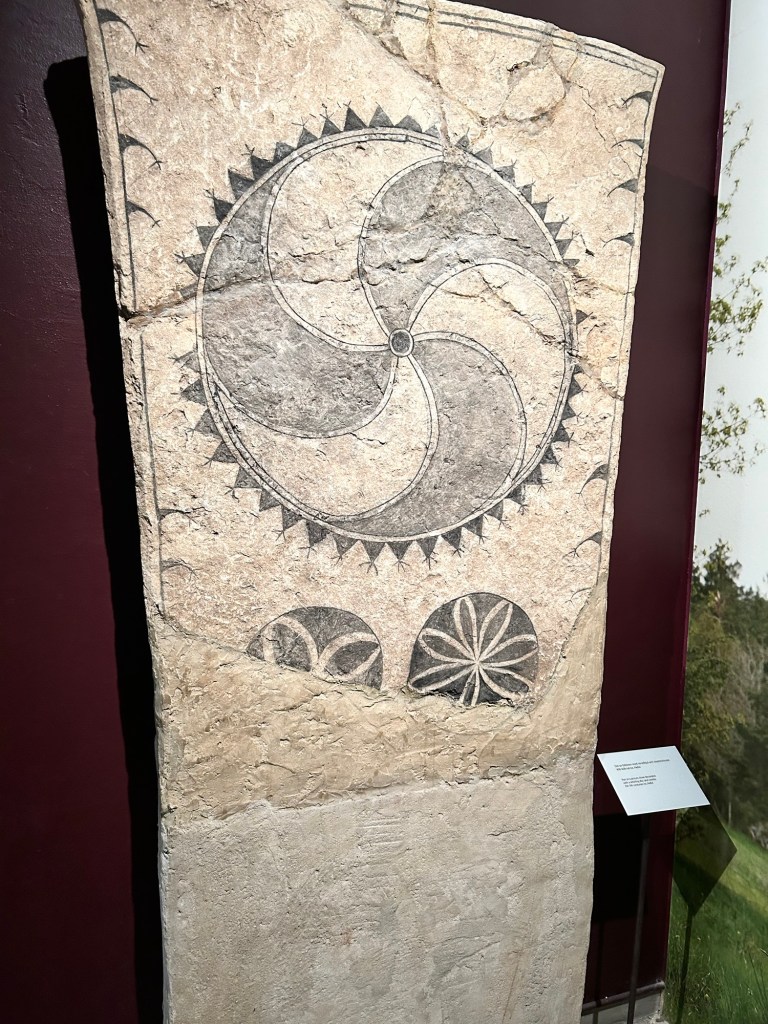
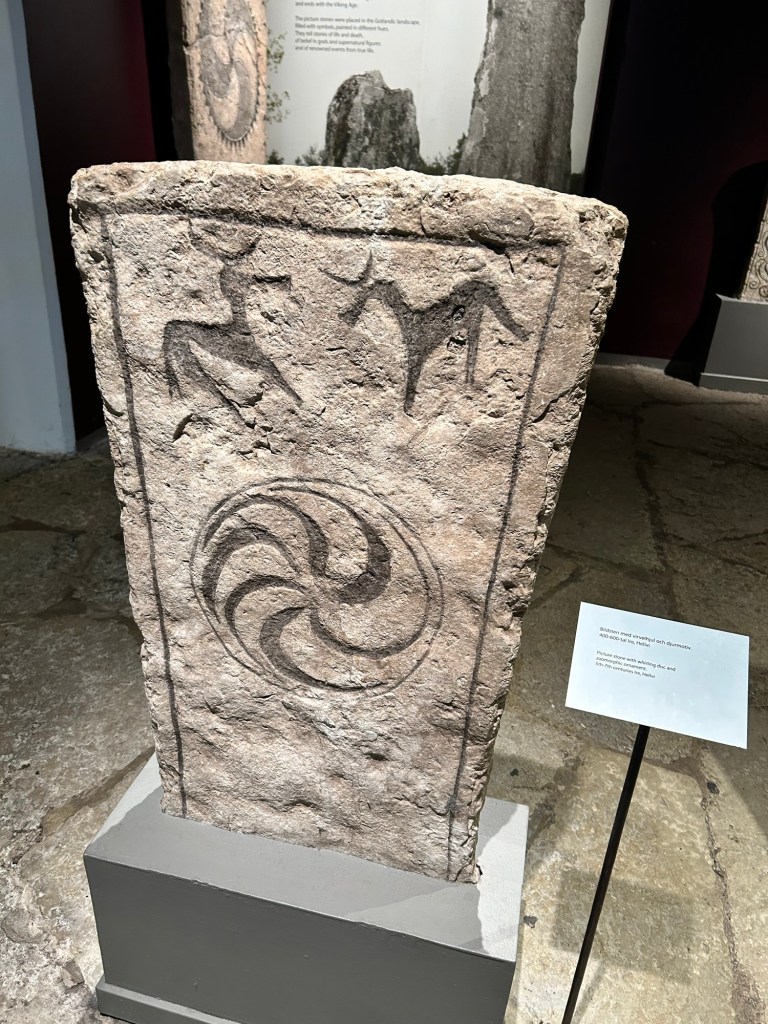
Many picture stones were originally painted with red, yellow or blue pigment. Most have lost the pigmentation, over the centuries.

The standing stones are all over Gotland and its northern offshore sibling, Faro (not to be confused with the resort city in Portugal’s Algarve). See gotlandpicturestones.se

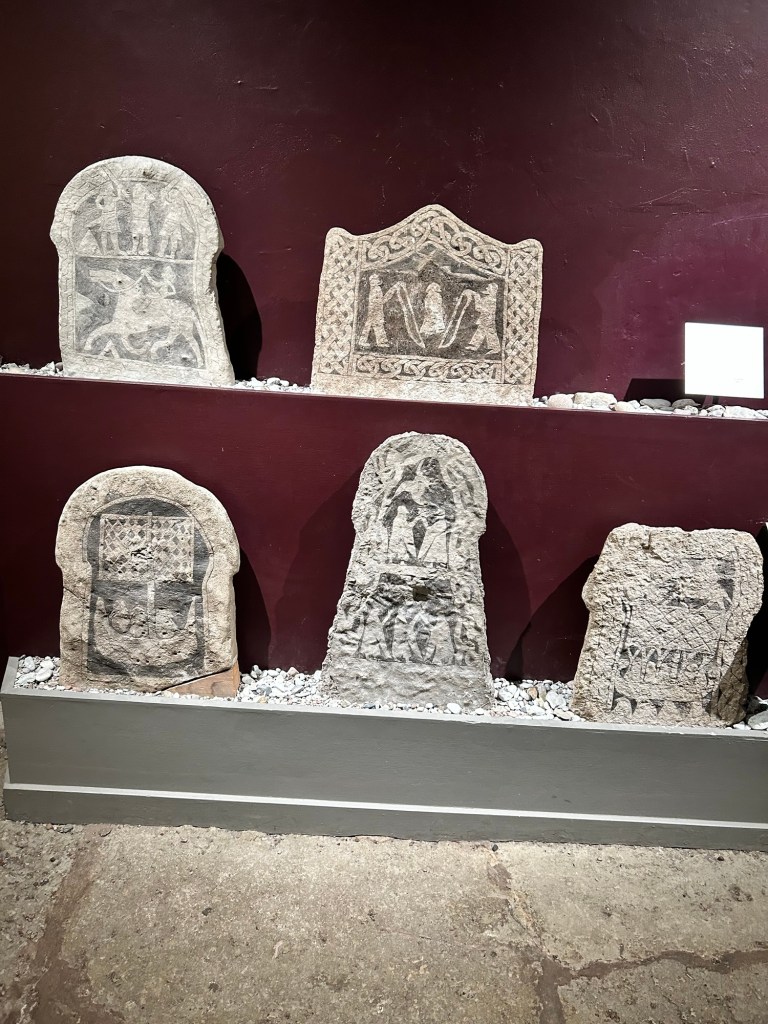
Here are a few scenes of that gallery.

This came from the early Christian era, most likely commissioned by someone looking to protect his farm.
The pinwheel also is a
harbinger of good fortune.
This tells the story of a horse and a deer.

This one has a sensor, which fills in the colours when someone approaches.

There are several others in the gallery, but here is a tableau of some smaller reproductions from around Gotland.

Up to Floor #1, we find The geology of Gotland. It, like the rest of Scandinavia, was once buried under ice. As the glaciers retreated, the Baltic Sea filled in, while islands like Oland, Aland, Bornholm and Gotland remained above water, being the tops of small hills.

Sandstone and limestone predominate the gently rising, but mostly flat landscape. There are some forests, but Gotland is still mostly farmland.

Floors 2 and 3 feature the history of Gotland and stories told by local children and youth, respectively. The historical part begins with a Norse creation story. Odin, representing the Sun, brings the world to life. He and other deities guide people in the ways of right living. All the while, the ravenous Wolf watches and waits. At the end time of Ragnarok, the Wolf will swallow Odin.

On that cheerful note, the story of Gotland proceeds, through its early days of increasingly successful farming, the Viking Era, Hanseatic League and incorporation into the Kingdom of Sweden.

It was during the Hanseatic period that the wall encircling Visby was built. At the East Gate, all peasants wanting to sell produce at Visby’s market had to pay a toll. Those trying to sell elsewhere were fined pr flogged. This was the stricture of the manorial system.

On the third floor, there are both paintings and recorded stories by Gotland residents.

The painting above shows the juxtaposition of hillside Visby with the sea.

The museum was founded in 1875, by Per Arvid Save( pronounced SAH- vay) and the Friends of Gotlanf, with the aim of preserving the island’s rich heritage and sharing it with the world. Dr. Save encouraged the farmers and fishers of Gotland to safeguard the picture stones they found about their homes and nearby lands.

Next, I will visit the ruined churches of Visby’s centrum, with the help of my laptop.

The Road to Diamond, Day 291-Part II: Kungsholmen and Gamla Stan

0

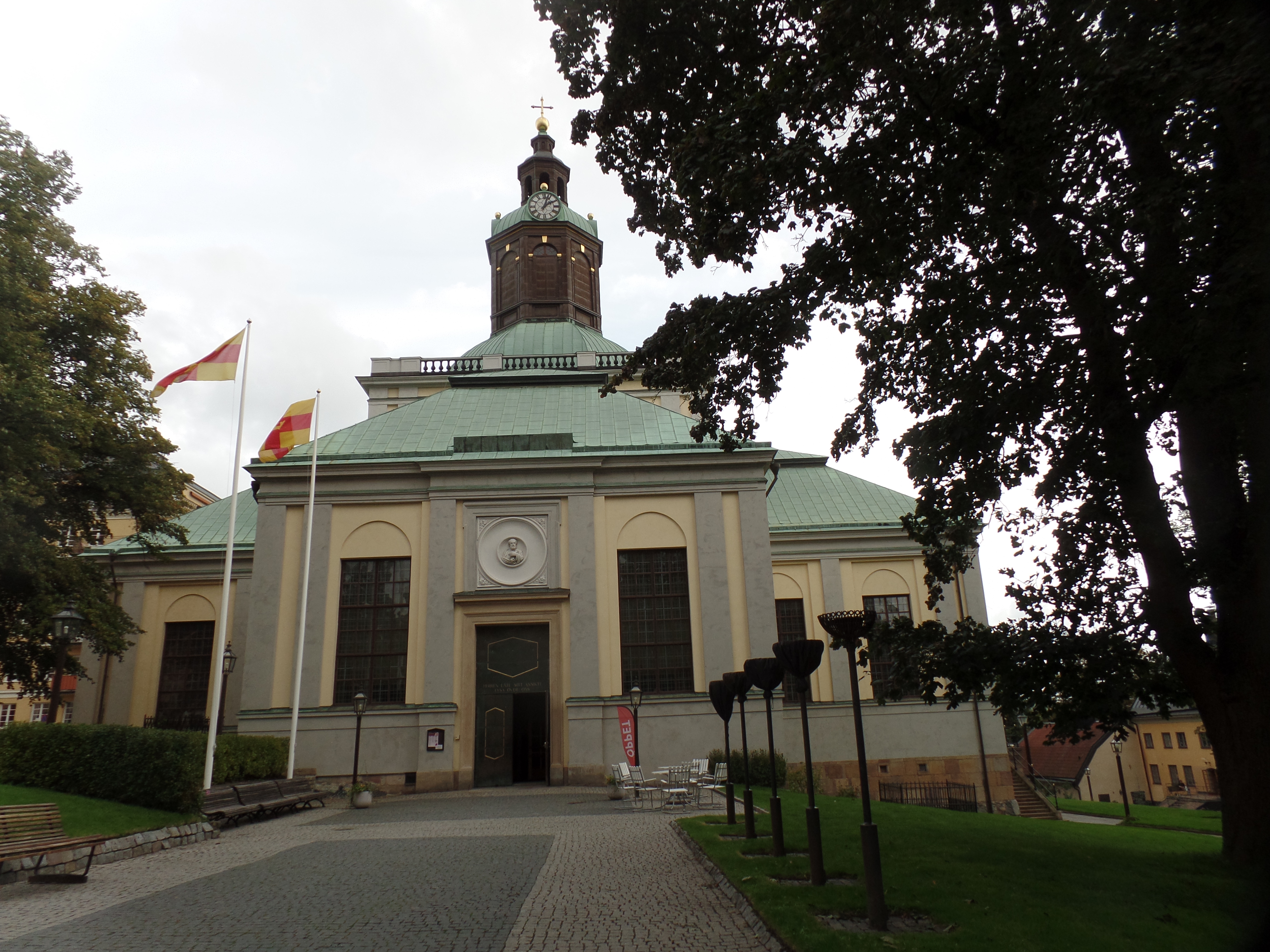
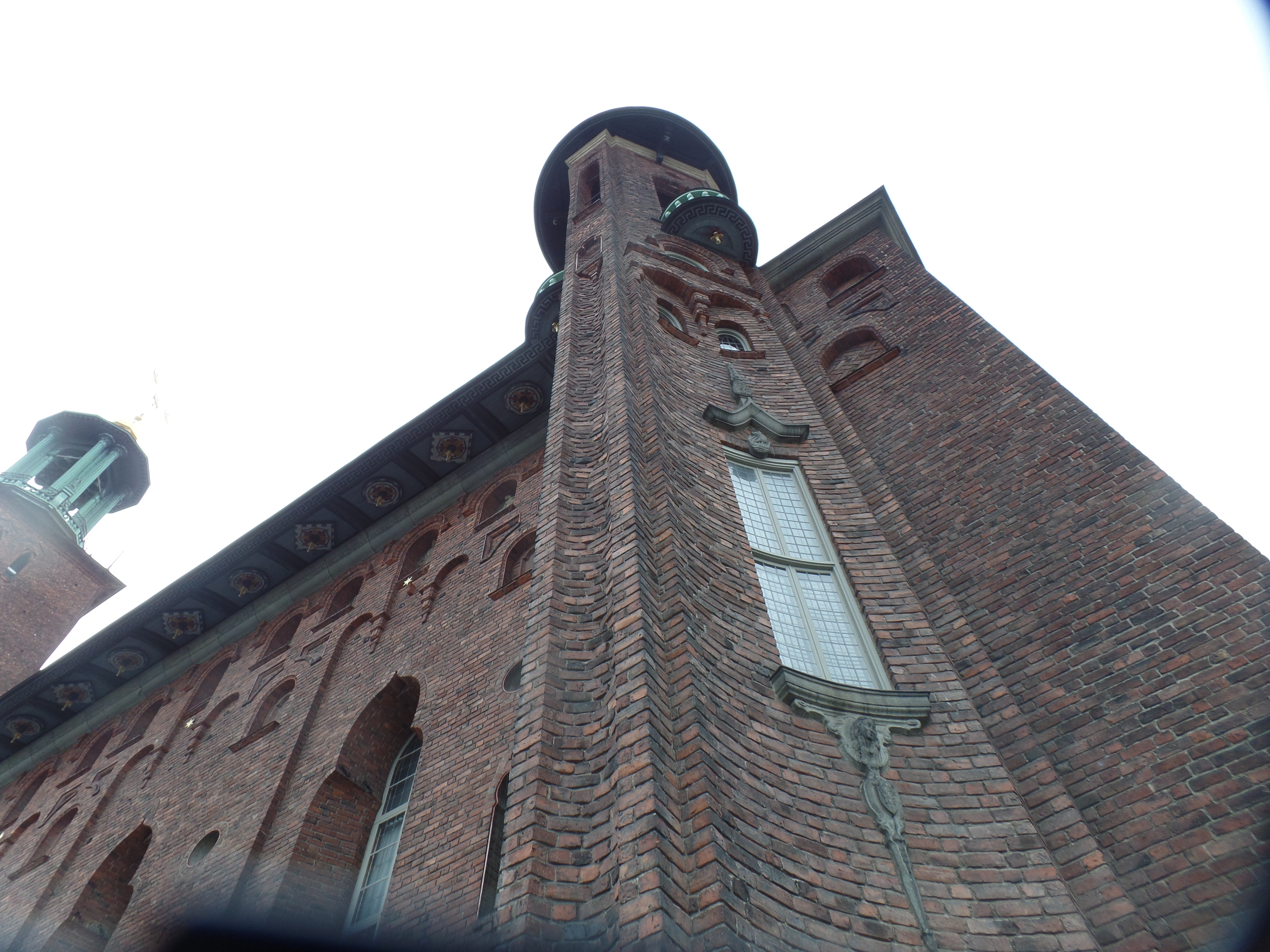
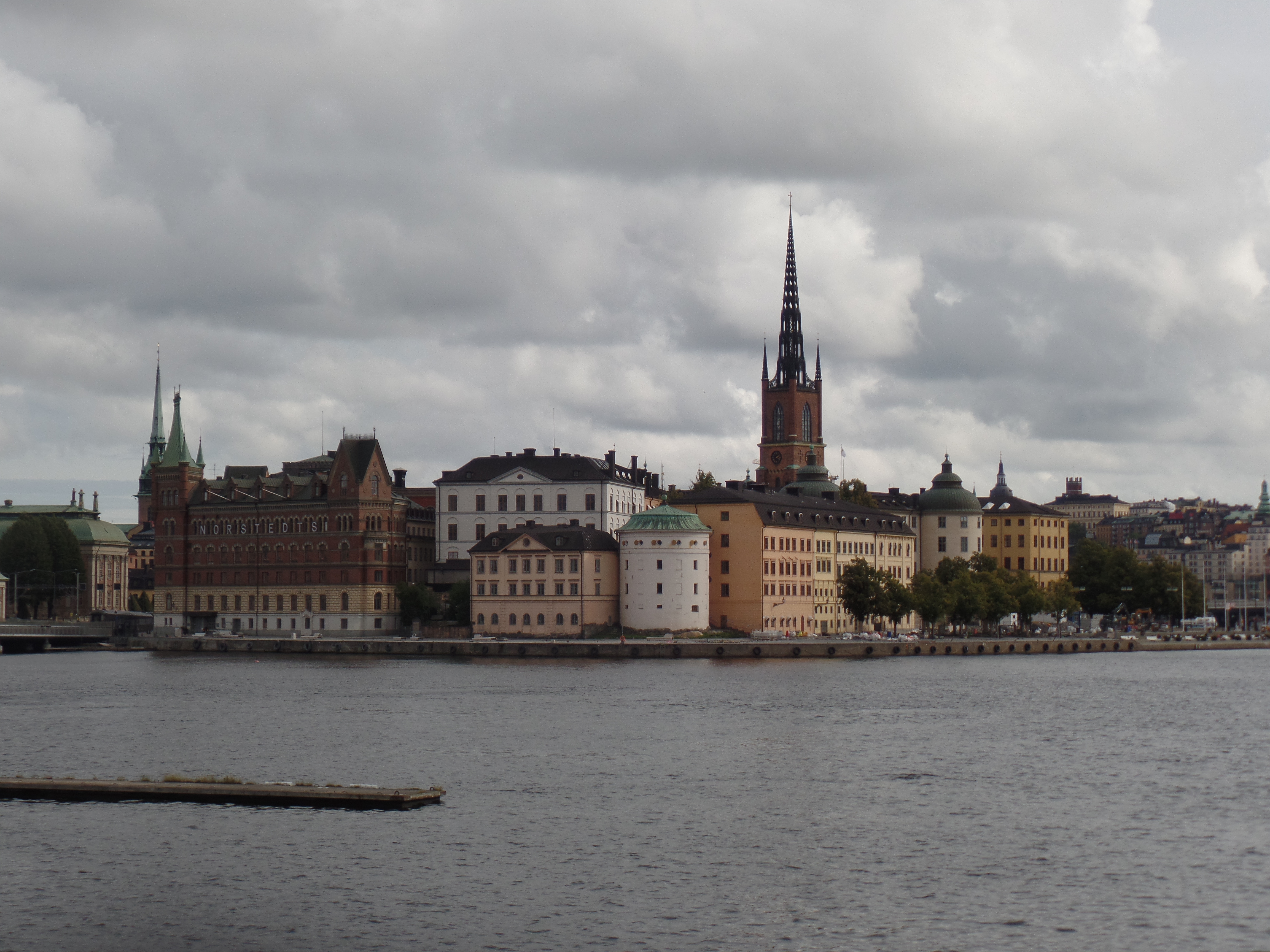
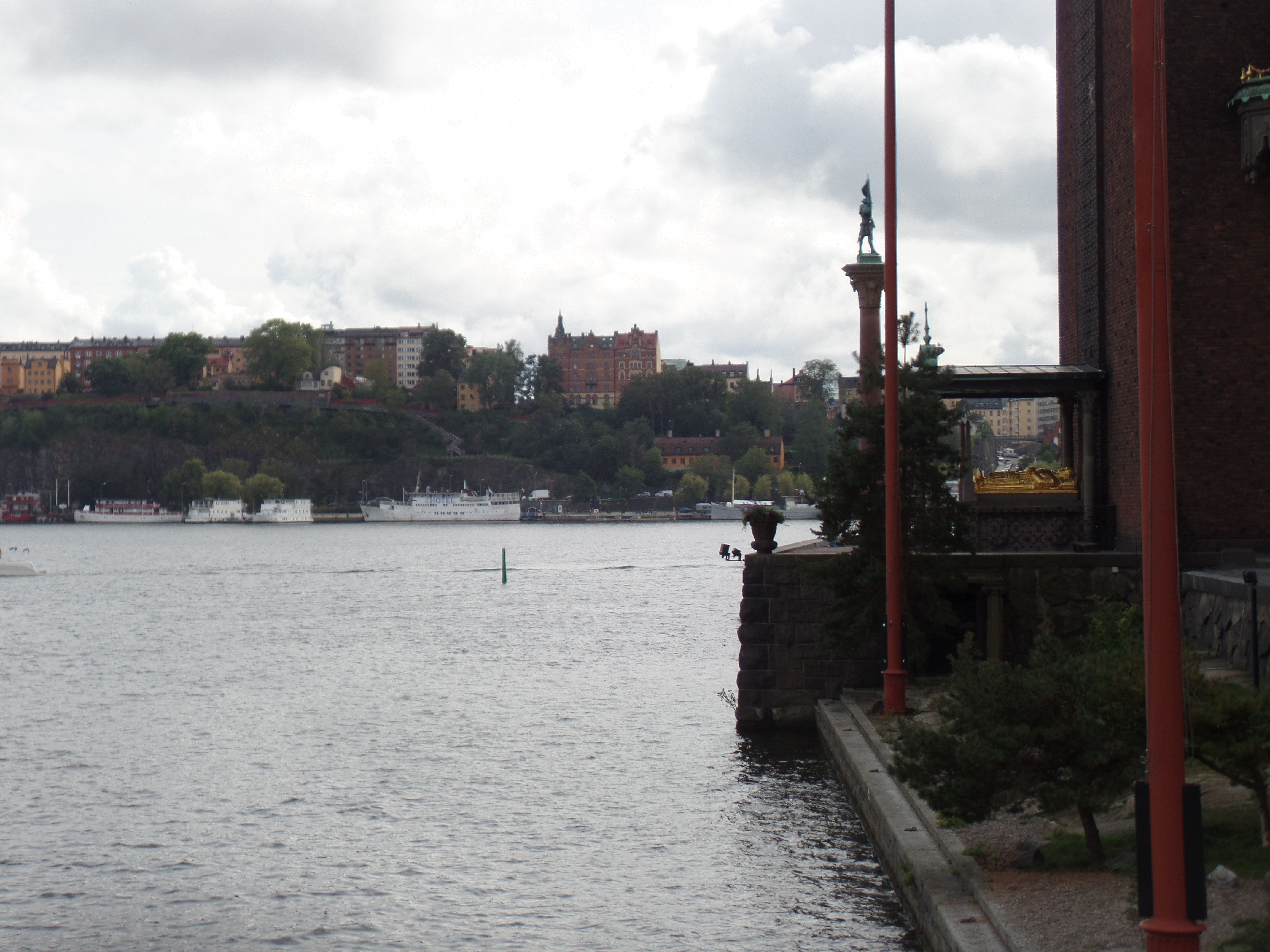
September 14, 2025, Stockholm- Between Nomad Cave and Stockholm Palace are several interesting churches, Stockholm City Hall and the salubrious greenspace on both sides of Stockholm Strom. There are the two houses of Sweden’s Parliament and the northern end of the pedestrian mall that leads to Central Station.

So, here are ten scenes of Kungsholmen (King’s Home), the neighbourhood where I am staying, and of Gamla Stan-the island which houses the Palace, Parliament and Stockholm’s Old Town.

The stairs are just beyond the door. Be mindful!
So much of Kungsholmen is stately and well-appointed.. Anna Whitlock was a Swedish social reformer and educator, at the turn of the 20th Century. Her Gymnasium continues to offer five academic preparatory programs, with the philosophy of total mind-body engagement.
Kungsholms Kyrka’s Rector ordered a group of tourists out, just as I entered the foyer. I didn’t need to know Swedish to get his meaning!
The upper reaches of Stockholm Stadshuis (City Hall)
This is Gamla Stan, in a nutshell
Near the southern dock along Stockholm Strom
Houseboaters like bright colours
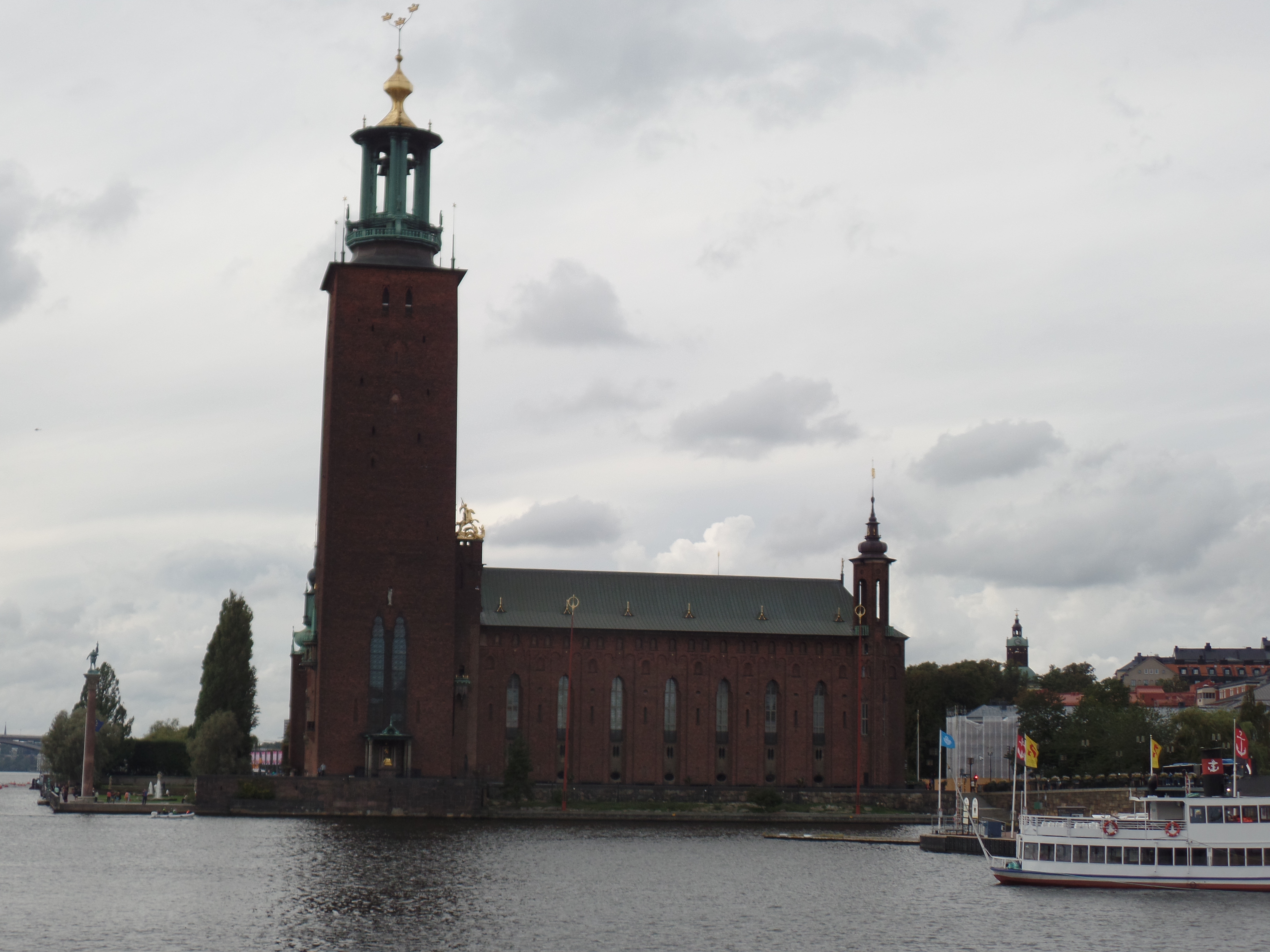
A more complete view of Stockholm Stadshuis
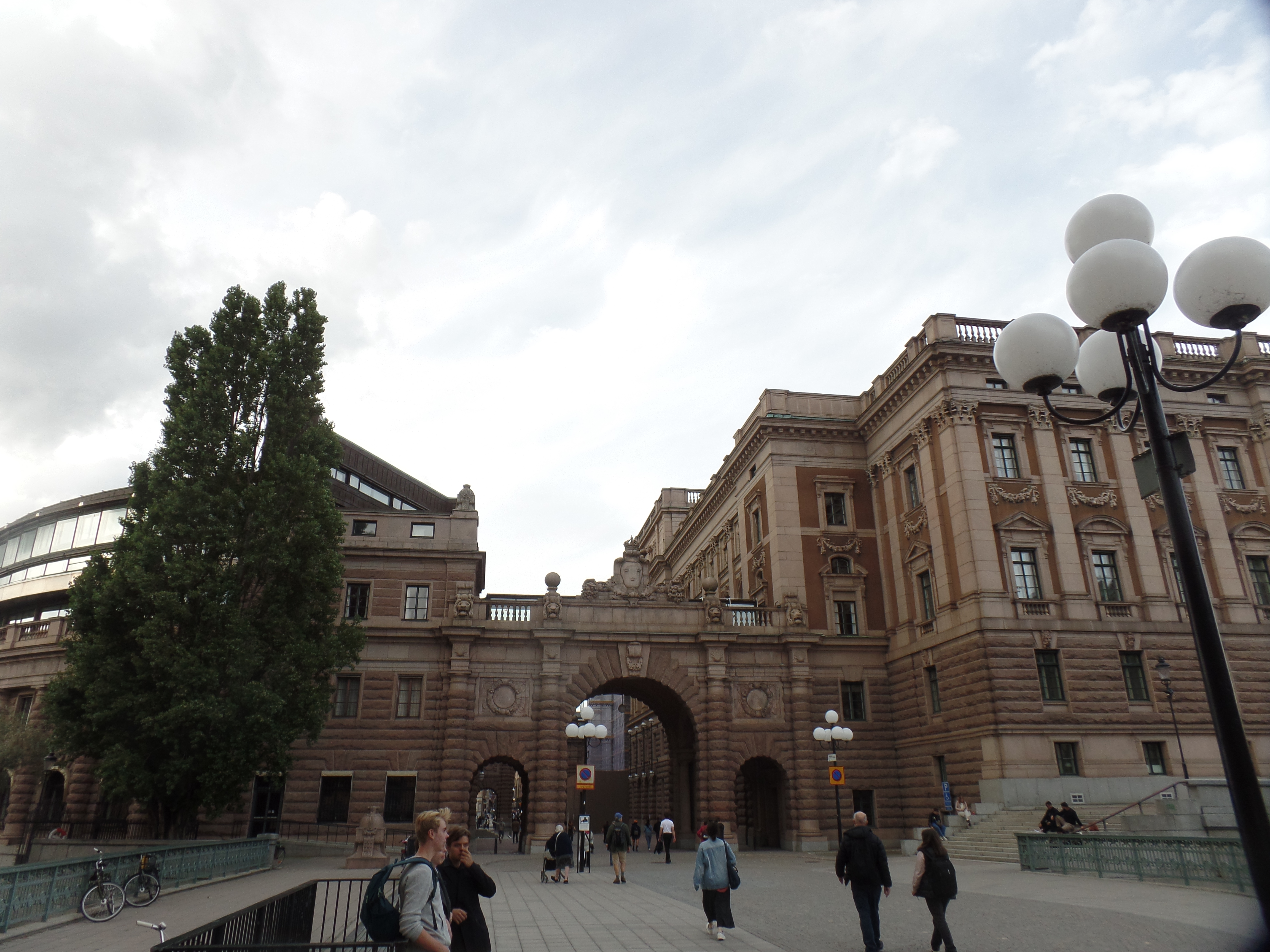
The two Houses of Parliament, viewed from the south.
!2 Blocks of non-stop eating and shopping- Regeringsgatan is one of two long pedestrian malls in Central Stockholm.

Stockholm is a never-a-dull-moment kind of place. I noted some parents interacting with their children, around Stadshuis. Two boys were testing their mothers, by dawdling on their bicycles, while the mothers walked on ahead. One of the boys got the hint and “showed” how fast he could catch up to Mom. The other had to be retrieved, and got to hold his mother’s hand while slowly peddling towards home. Other young parents were dealing gently, but masterfully, with tired, squawking toddlers, as I purchased two bottles of Fortified Water, at the neighbourhood market, in Kungsholmen.

NEXT UP: The ill-fated Vasa and some hard-luck Vikings

The Road to Diamond, Day 289: Bridging Divides

4

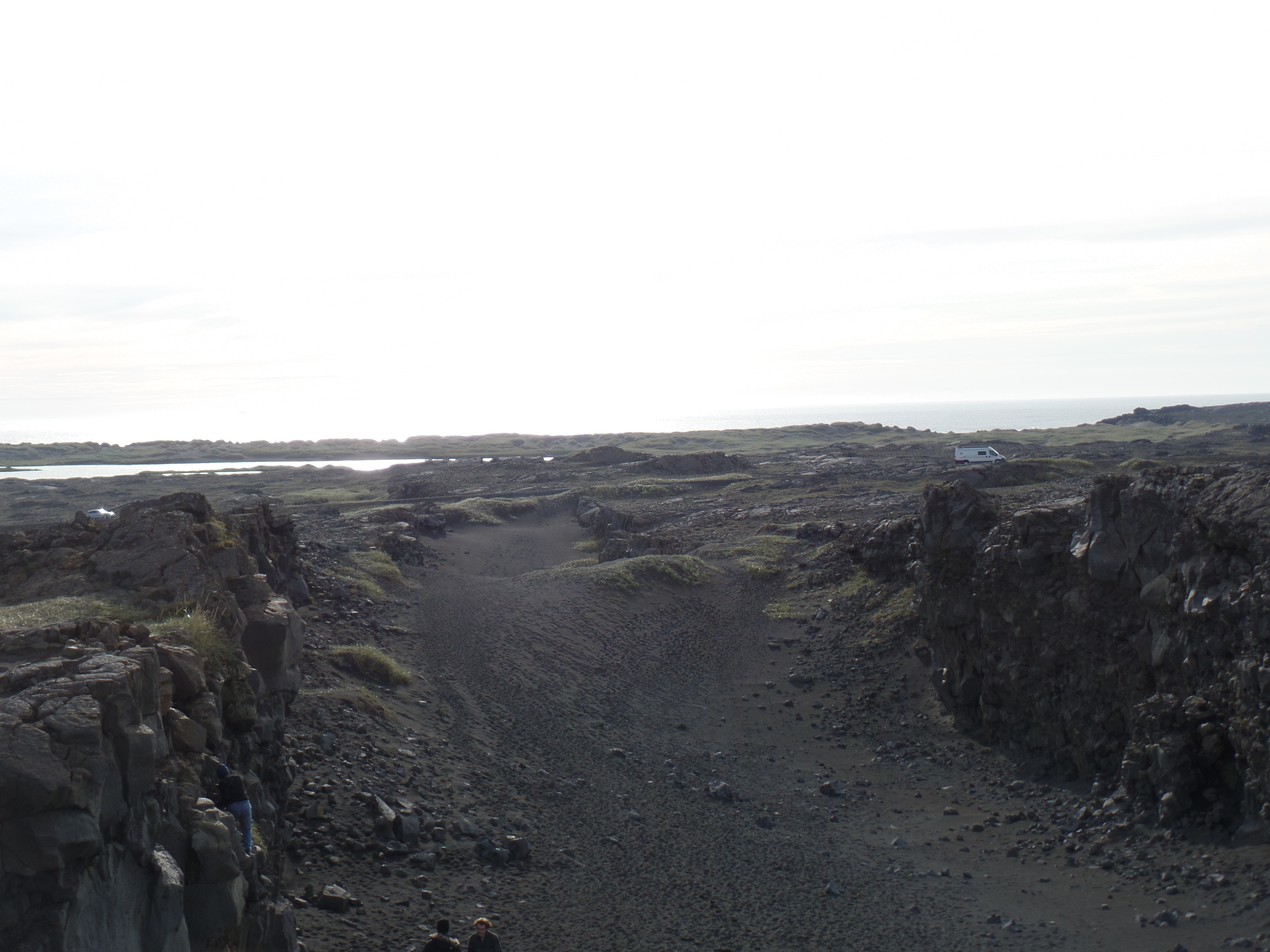
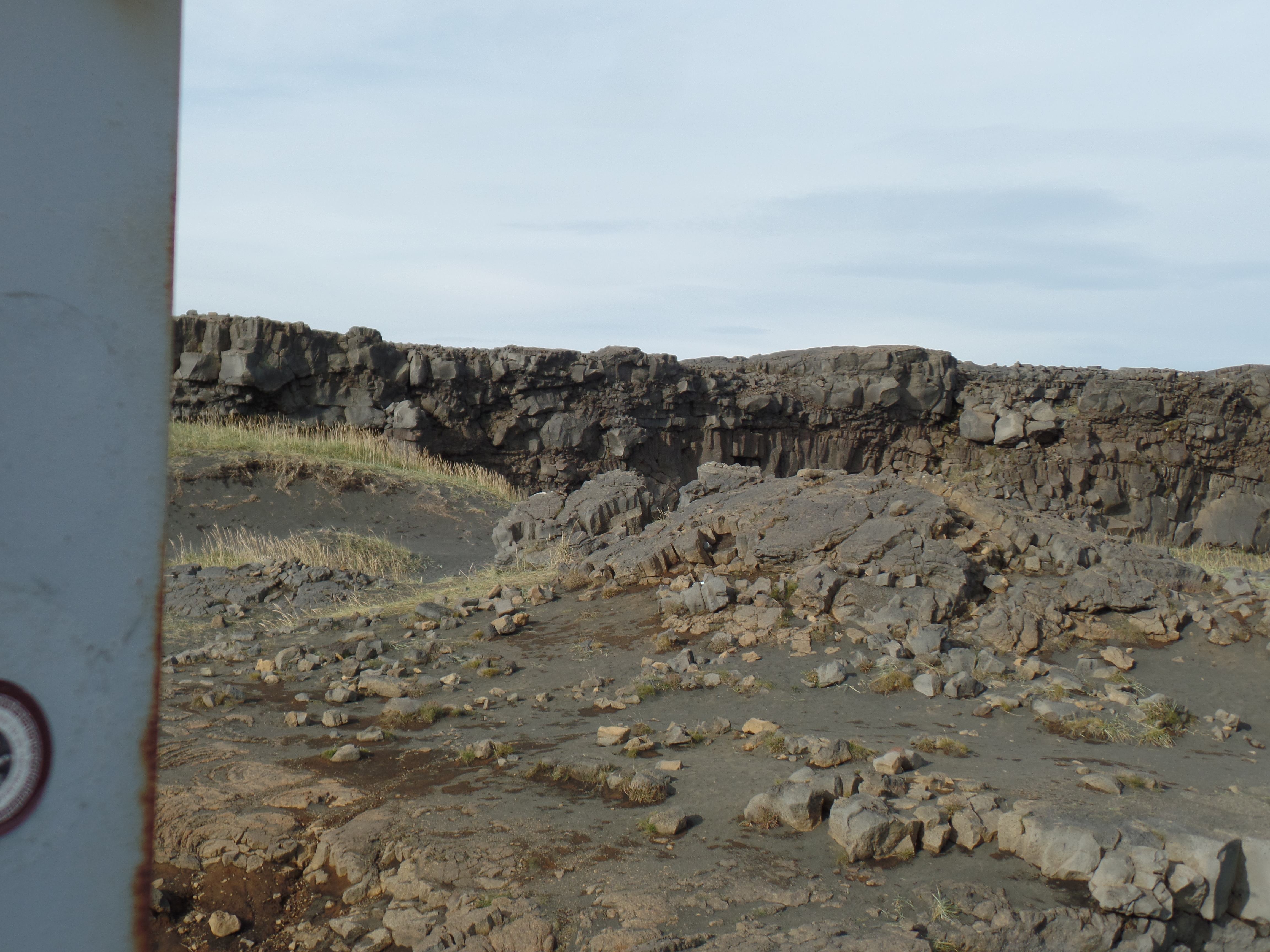
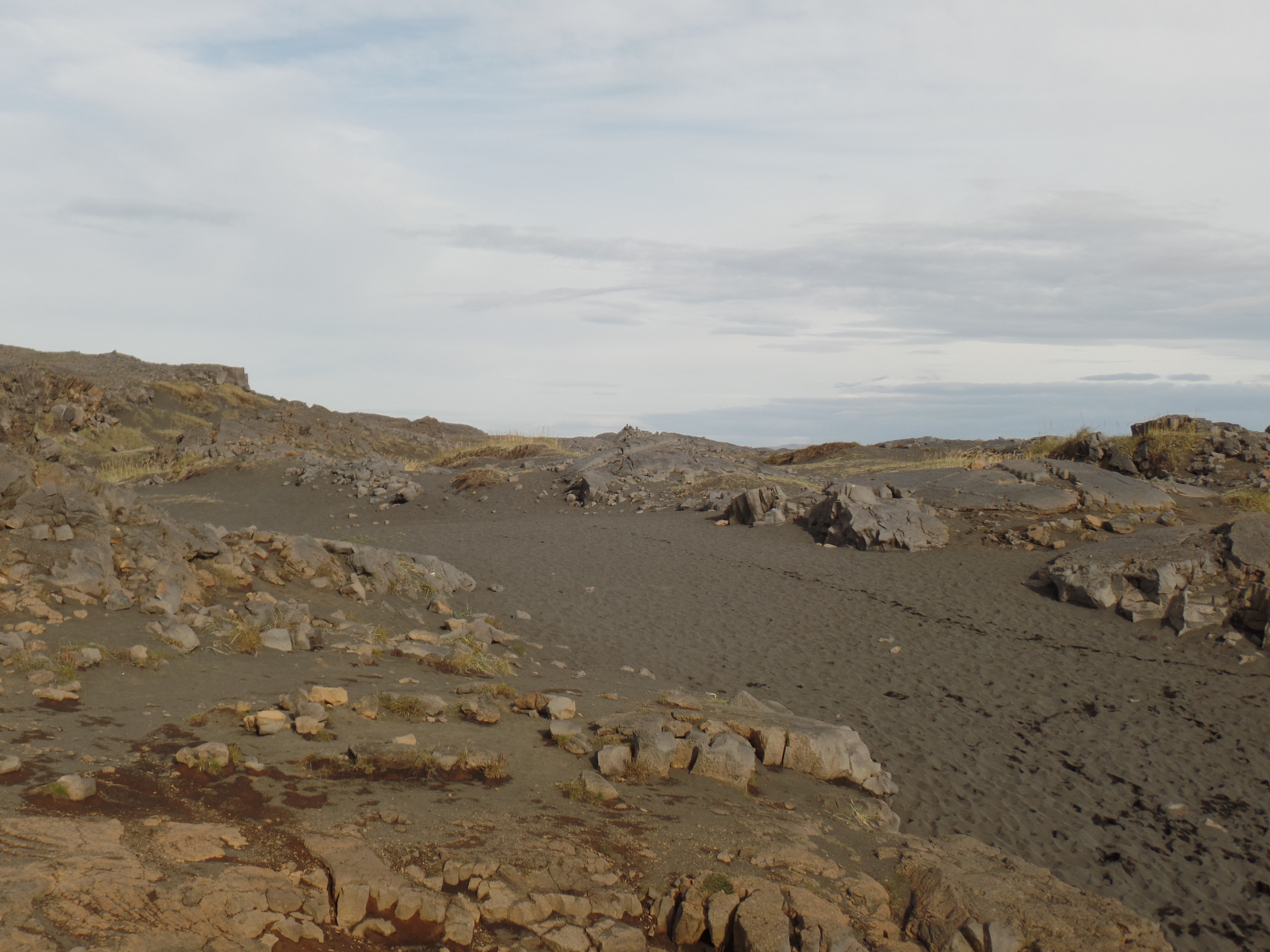
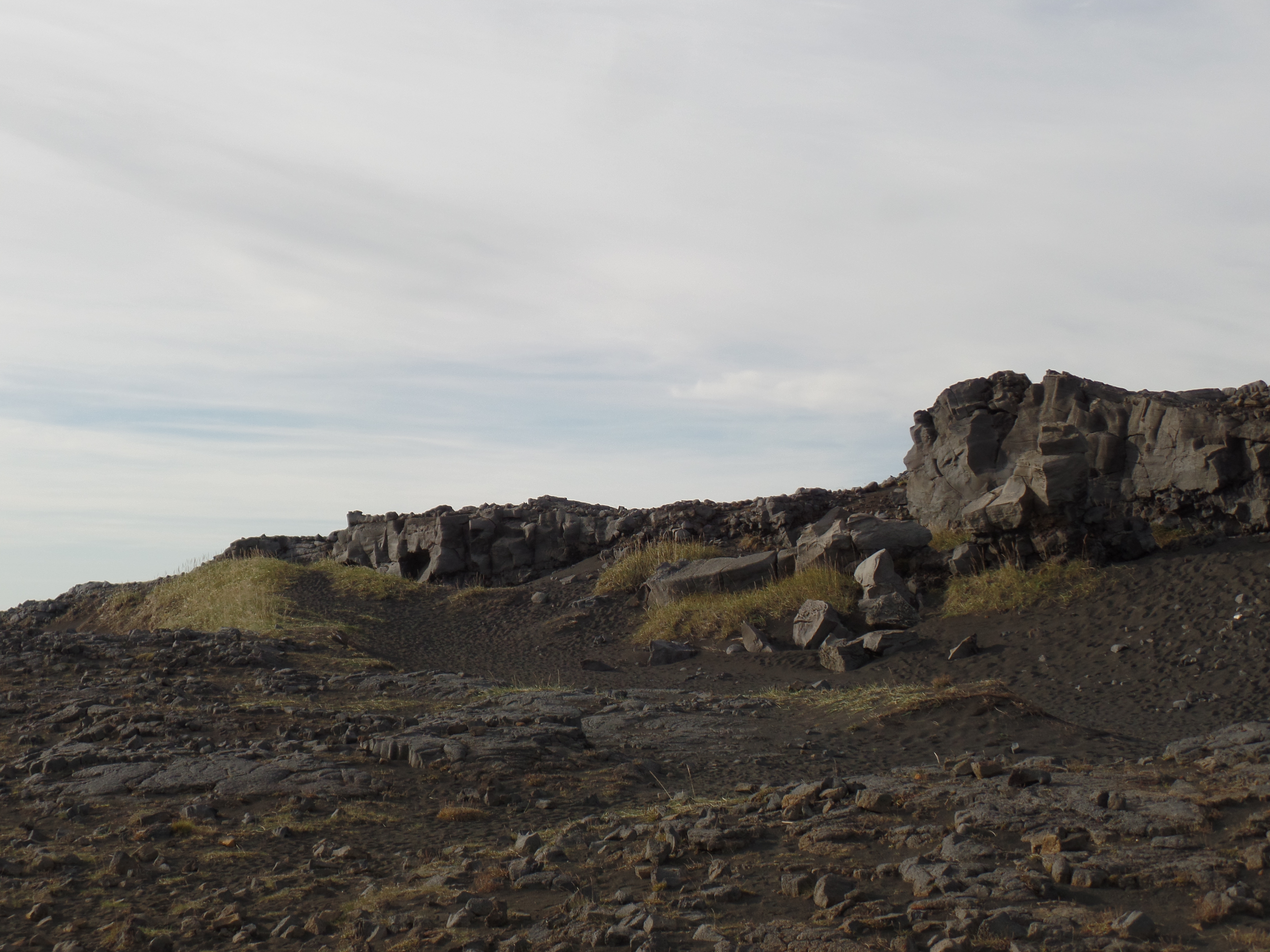
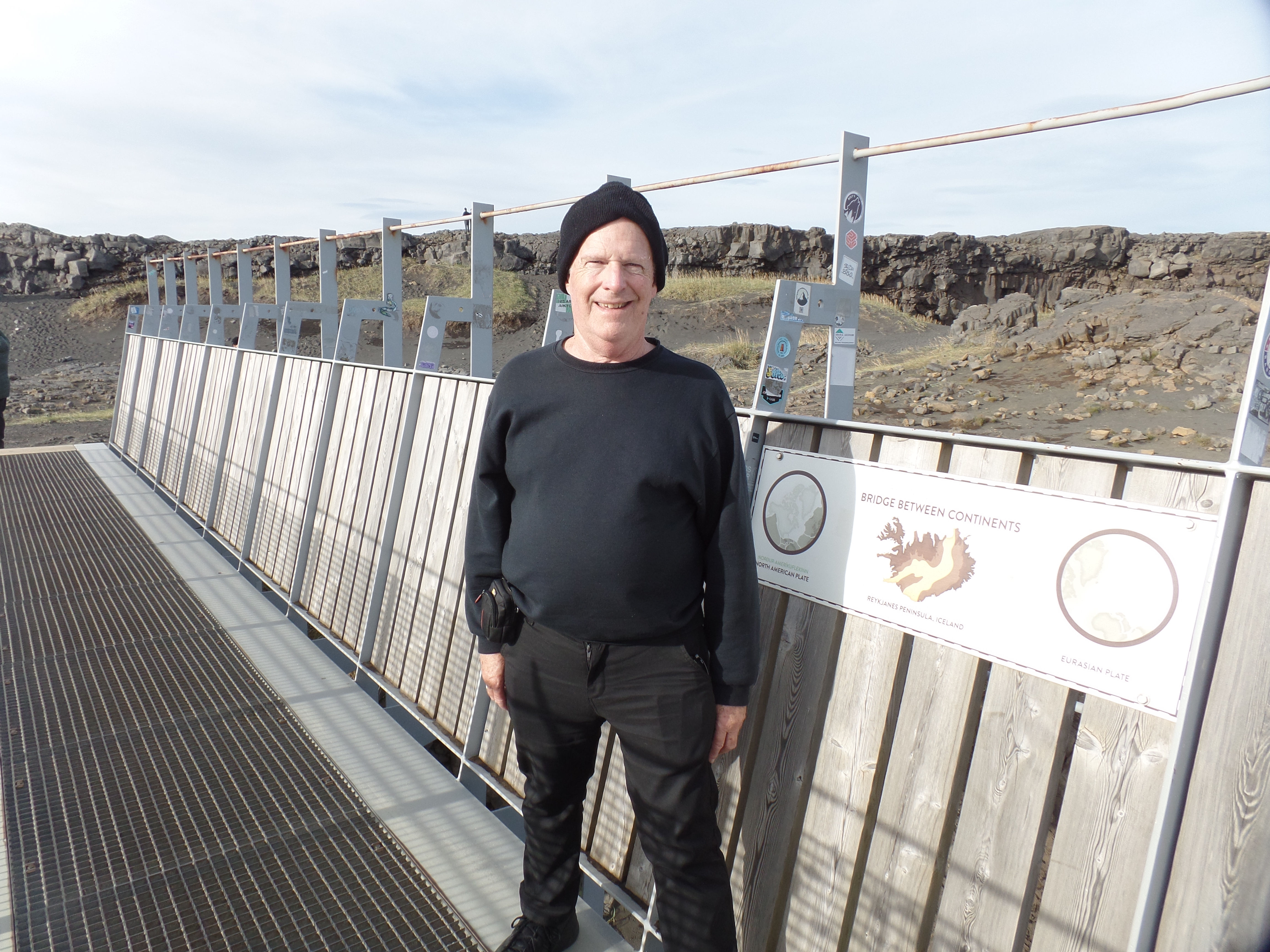
September 12. 2025, Keflavik, IS- It was rather fortuitous, that today should be the day that I was able to visit the European-American Continental Bridge. Here, near Iceland’s southwestern tip, two tectonic plates are separated by a now slight gap, called the Silfra Fissure, which is widening by a few centimeters each year. Eventually, there will be even more distance between the two continental shelves. https://perlan.is/articles/tectonic-plates-iceland

I engaged the services of a local gentleman, in bridging the gap between my hostel room in the Keflavik suburb of Kellir and Pingvellir National Park, where both the Bridge and active, free-flowing hot springs are located. Here are some scenes of the park:

PIngvellir National Park, Iceland
The geological limit of North America-for now
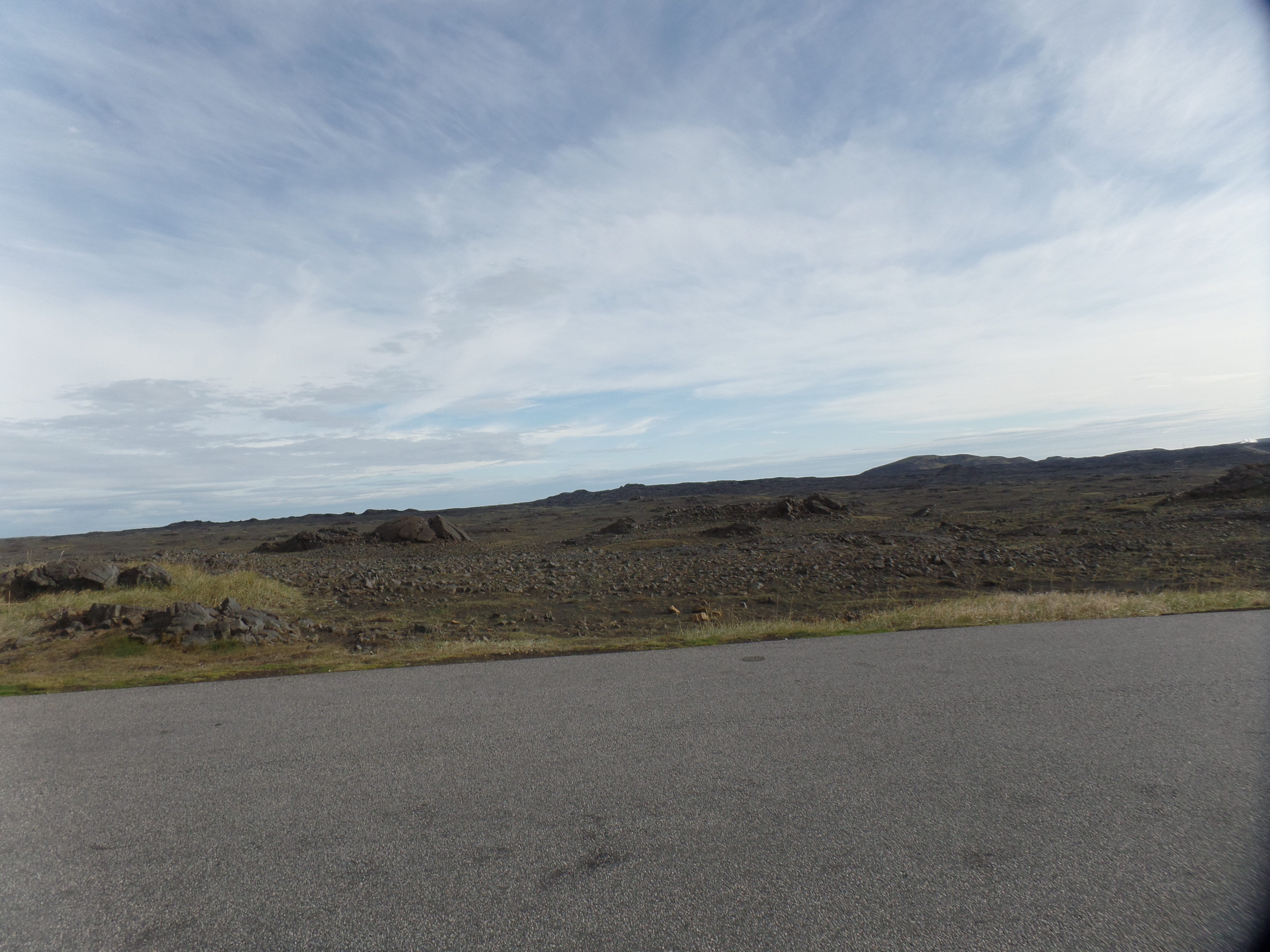
This could be the surface of the Moon.
An Indian gentleman ran here (from Bengulu).
My look at the Pingkellir Gap, between North America and Europe.
Pingvellir Canyon, with a wealth of volcanic soil.
The summit of Pingvellir-East
The summit of Pingvellir-west
The midpoint of the continental gap.
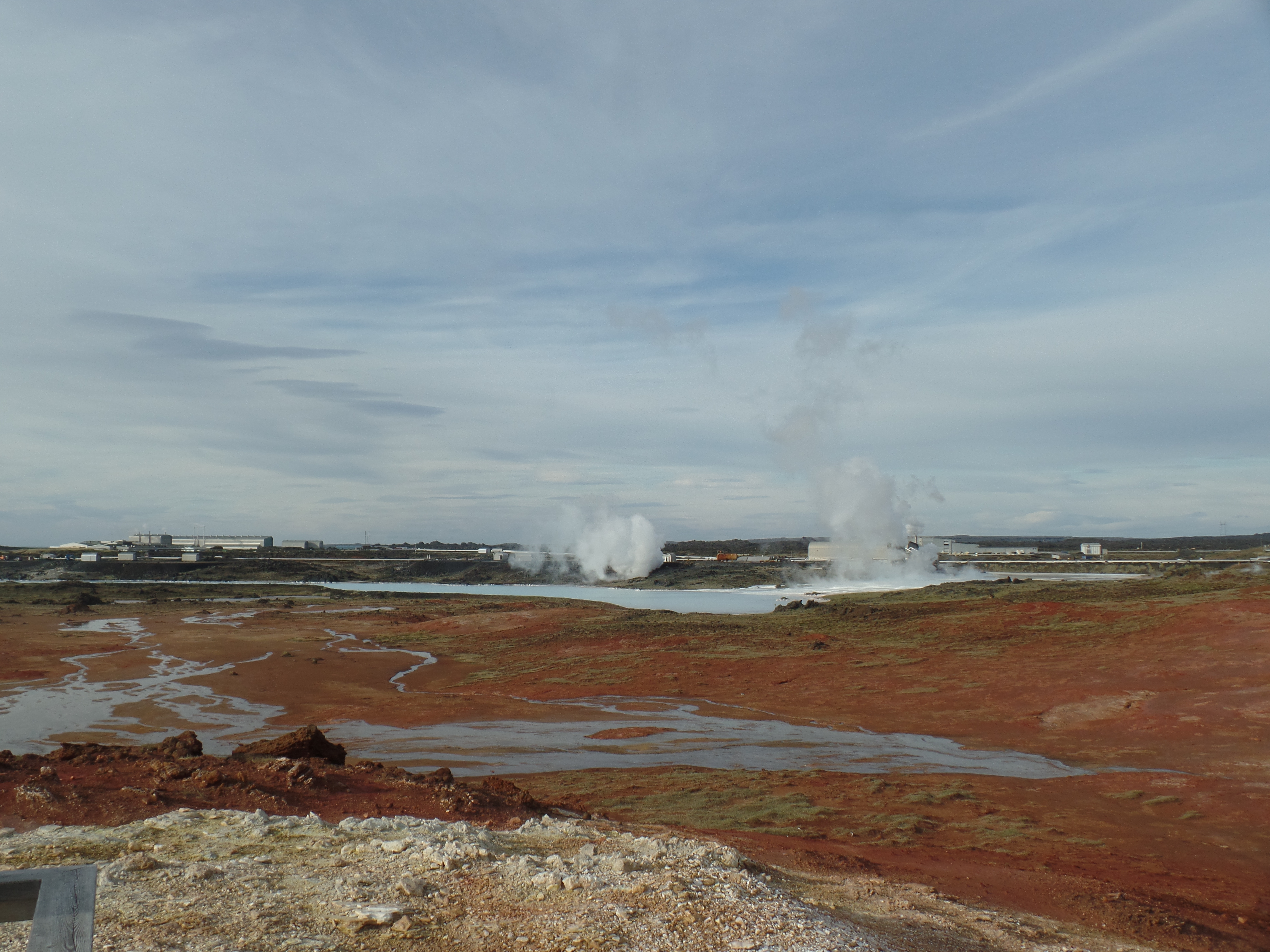
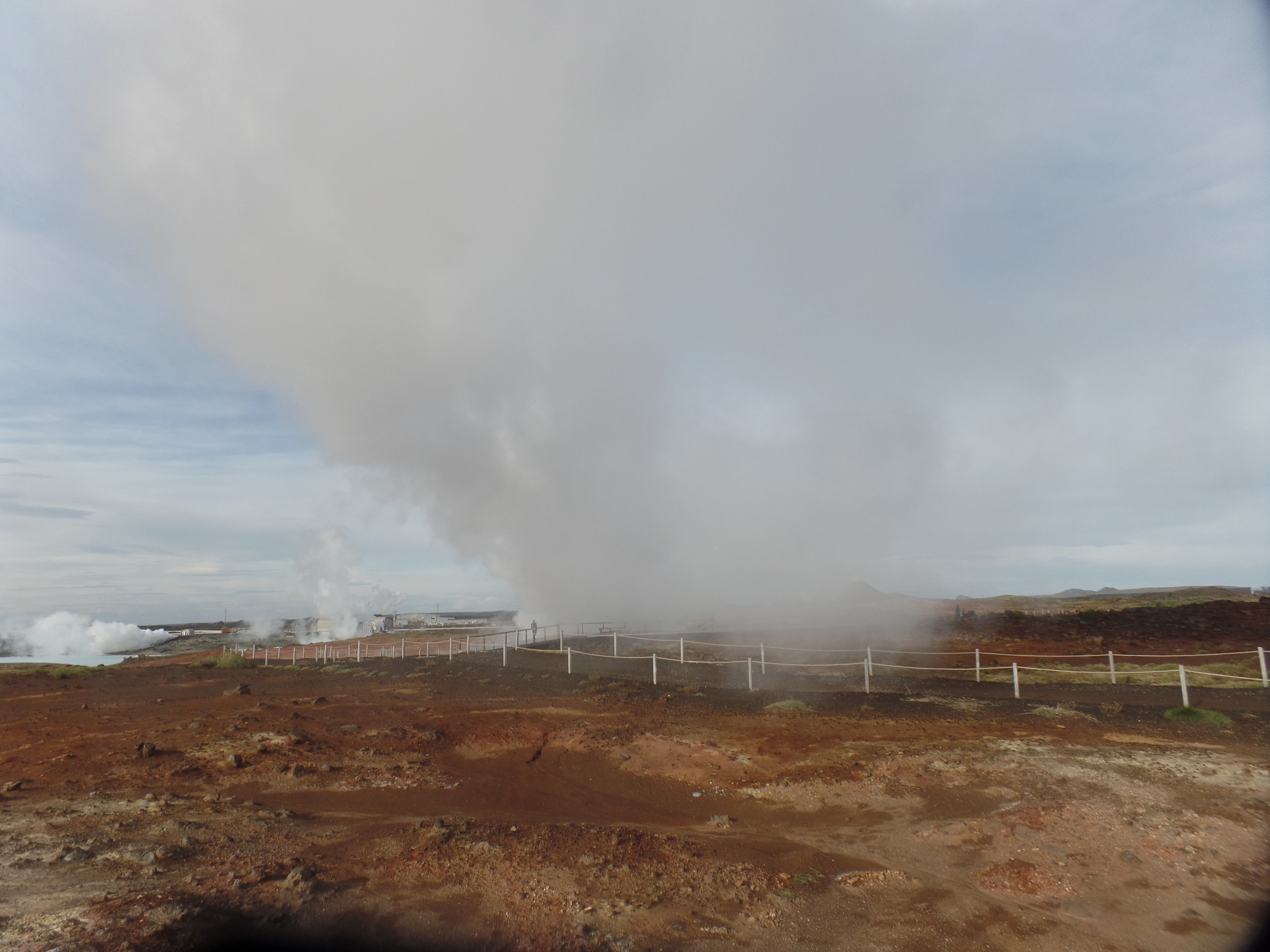
Stay off, and avoid a hot foot!
Tapping into the Earth’s might (above and below)
Saving on coal

Thus was my last full day in Iceland, for now, proving to be the most auspicious. Mankind has once again seen the fruits of division. Let’s take a lesson from Mother Earth, and show that there can be unity, even as we move through tension.

The Road to Diamond, Day 287, Part II: Interposed

2

September 10,2025, Reykjavik- One one side of Laugarnes Recreation Area, the last remaining natural preserve on the north side of Reykjavik’s bay, there is a large collection of items that would not look out of place in Corner Brook’s Rock Art Wall or any number of back yard “personal treasure” collections around the world, from Spain to Vancouver Island and from Nigeria to the Philippines-or so stories claim. It is the Recycled House.

A scant 100 yards away is the Museum of Soren West and Sigurjon Olafsson, featuring the works of two intrepid artists of the mid-Twentieth Century- workers in stone and metal (West); stone and wood (Olafsson). Olafsson worked for a time with the Danish Resistance to Nazi occupation. Homesick for his wife, he returned to his native south Iceland and was an invaluable source of information to the British and American forces who kept the island safe from the Axis Powers. West has been focused solely on the promulgation of sculpture, having grown up in Denmark, in a relatively more peaceful time. He has been an intensely influential figure in teaching the medium, especially on his home island of Fyn.

The two very different museums co-exist with one another and are careful not to overlap one another’s collections onto the other’s property. Here are a few scenes of each. I first went around the grounds of the Recycled House.

No one gets past him! Note that the lith, overlooking the Bay and this “watchman” are perfectly aligned, as to the western border of the property.
Continued alignments
These “backyard guardians” of the Olafsson Museum show the same sense of order.
We now come to the several decorated rocks and other collected items that dot the landscape of Recycled House.
The demarcation line.
It’s amazing what one can do with cast-off metal.
Nothing gets tossed out here.

Here is the house itself:

There is even an “observation Chair”.
Many are the watchmen!
Hrafn Gunnlaugsson lives in this house. He was the director of “The Raven Flies” and other films about Viking life in his native Iceland.

Now let us turn to the pieces in the more conventional museum.

If this figure looks like he's thinking, it's because Sigurjon Olafsson probably WAS deep in thought, while crafting it.
If this figure looks like he’s thinking, it’s because Sigurjon Olafsson probably WAS deep in thought, while crafting it.
Here’s a piece by Soren West,showing a whale spouting, or at least that’s how I interpret it. Soren West just calls it “Skulptur”.
Here are two wooden pieces, one mahogany and the other, fir. Both represent balance.

By now, I was getting exhausted. I had walked as far as the small ferry terminal, which sends boats to the islet of Videy, across the short channel, while waiting for the Olafsson Museum to open.

Here, then, are a few more scenes of the afternoon.

A view of the “Visitor Center” at Videy, (Vih-DAY), using a Zoom lens from the opposite shore. Even if I had wanted to squeeze in a short ferry ride, the captain was done for the day. This was as close as I was going to get. The mountain in the background is Esja(EsYA), also across a channel from Videy.

I did squeeze in a Volcano Express, virtual reality ride, at Harpa Performance Center. Here is a look at the Center. The ride? Trust me, there was a “whole lotta shakin’ goin’ on”, and we were all strapped in.

Harpa Performance Center, Reykjavik

My overall image of Reykjavik and its residents is summed up by this master work of a graffiti artist who immigrated here about five years ago.

Icelanders, old and new, are thriving by learning to live with the volatile nature of their island home, and putting it to use. (Thermal energy heats homes and purifies water).

The Road to Diamond, Day 287: Adjustments

2

September 10, 2025, Reykjavik- There was no trip to Akureyri, in northern Iceland. The taxi which was to pick me up at 8:15, and bring me to the bus terminal, was stuck in a traffic jam on the east side of town. Yes, even little Reykjavik has rush hours. The road system built during World War II has yet to upgrade and adjust to the doubling of the number of drivers in the Metro Area. There are now 249,000 people, in the Capital Region of Iceland, 138,000 of whom live within “Reyk”‘s city limits.

So, the flustered taxi driver showed up at 9:06. By then, the bus had left for Akureyri. The next one would have put me there at-11:45 p.m. I called and let them know I would not be coming. The energy is more for me to stay in the Capital Area-Reykjavik and Keflavik, on this visit. If this is the only change in plans during this journey, I will be fortunate. I then asked him to go to HI Loft, a hostel near downtown.

It was a lovely morning, with a break in the rain, and fair skies, in fact. I left my bags at HI Loft and headed to the waterfront. Reykjavik’s Baywalk covers areas east and west along the sea front. I walked as far as the ferry stop that takes people to Videy, a small islet between east Reykjavik and Esja, the capital’s “Neighbourhood Mountain”. While Esja itself is enticing, it is a focus for another time. There was much to captivate me along the Baywalk.

Here are some scenes from the downtown waterfront and the Laugarnes recreation area, in northeast Reyk. I started out at a government office building, just west of the park which honours Reykjavik’s founder.

National Government Office Building, downtown Reykjavik.

Random sculptures appear around town. This one is an abstract of a milk maid, near a very old Kaffehus. I stopped in there and got a cup of green tea, to counter a heavy dose of acidic foods and drinks, these past few days.

This is Ingolfr Arnarson, who led the first settlers in Reykjavik, in 874. He named the place (Reykjavik means “smoke cove”, in Old Norse), as the smoke from distant volcanoes was visible as the party approached. A dragon and the Norse god Odinn are included in the sculpture.

Reykjavik is, understandably, a major draw for cruise ships. Here is one that is given the old name for northern Norway’s Svalbard: Spitsbergen. Longyearbyen is that territory’s capital and only port. It is a name that befits both places.

Cruise ship, “Spitsbergen”, in Reykjavik Harbour

Sculptures continued to be placed, along the Baywalk. Here is one that replicates Solfario, a model of a Viking ship.

Yes, there was a bus parked here this morning. The scene was different in mid-afternoon.
Solfario, on a cloudy mid-afternoon in Reykjavik Harbor.

In between these two visits to Solfario (Sun Voyager), I spent time at two very different neighbouring properties: Recycled House and a small sculpture museum that celebrates the work of Sigurjon (Sih-GUR-yon) Olafsson and Soren West (pronounced Vest). I will discuss these attractions, and the sliver of trail that takes one to Videy ferry terminal, in the next post.

The Road to Diamond, Day 286: Recovery

0

September 9, 2025, Reykjavik- It turns out that my trusty laptop had had its screen light minimized. I walked about the north side of this bustling Icelandic capital and found the computer store that had been recommended to me by the manager of HI Dalur, where I am spending the night.

So, here we both are, giving you the skinny on the first night and day of Europe 2025. Let’s go back a bit:

Home Stretch- Yesterday morning, as I left HB 1, wearing my bush hat and sunscreen, the three neighbour kids lined up and greeted me from their yard. Dad was in the background, saying “Don’t bother him!” Those precious little ones will never be a bother.

After a short walk over to Yavapai College, I was picked up by the shuttle to Sky Harbor International Airport. Mentor: A gregarious gentleman from Saskatchewan was my seatmate, after joining the group at Hampton Inn. Turned out, he was also going to Calgary and had lived in Sweden, one of the cornerstones of my time on this side of the Atlantic. He corroborated my agenda in that country and in Denmark. He also saw me to the right counter for West Jet, a carrier well-known in Canada, but less so in the Southwest U.S. For good measure, he “talked me into” not using my TSA special access number; I wouldn’t have been able to use it,anyway, as we were there before the quick processing line opened-and few people were processing at that time.

Snags: The bugbear of modern travelers is the plethora of electrical outlets that don’t work. They are in airports and cheap motels, as well as ferry boats and some national parks (though not many people go to those for the WiFi). Trains tend not to have WiFi at all, at least in the United States (though that is supposed to change next year.) I will see, next week, how much progress European train stations and cars have made, in connectivity. We got that settled, as mentioned above.
Language: Everyone on the plane spoke English (They were Canadians, Captain O! ) Everyone here, so far, speaks English, also. Some of the hostel workers speak it better than I. All those who I encountered this afternoon, including a couple of very well-dressed ladies, took the time to corroborate the concierge’s route map.

Sights Seen: Here are a few small gems seen in the Dalur and Laugarnes precincts.

Airport sculpture
Keflavik International Airport (Okay, so not at the northern edge of Reykjavik). It was the first thing that caught my eye here.
Rainy day picnic?
Dalur’s Reykjavik Camp Ground.
Reindeer near a forest preserve, Laugardalur, Reykjavik
Seaside calm
Thermal healing venue, Nautholsvik, Reykjavik
Laughursdal Church
Laughursdal Lutheran Community

I leave you with the notion that this people, the increasingly diverse community that makes up Reykjavik is among the most dedicated to kindness and helpfulness found anywhere.

The Road to Diamond, Day 283: Sendoffs

3

September 7,2025- There is much that I will miss about Home Base I, during the next seven weeks.

“It’s raining!”, the lady said, as she passed me on the sidewalk, this morning. It was not raining, so maybe her comment was sparked by my bush hat, which was meant (along with sunscreen) to guard my face and neck from UV rays. Such silliness is rare in Prescott, these days. Most people with whom I am even mildly acquainted have wished me safe travels, on the journey that starts tomorrow and will end the last week of October. There is much to be done, in those seven weeks. There are those who see it as an extended vacation-even though I am no longer working for wages, save a few chosen gigs in the schools. There are others who are confused when I say I will see them in two months, probably because they themselves just returned from a long trip. Most, though, have encouraging comments to offer.

I had a pleasant conversation with several fellow American Legionnaires at our usual breakfast this morning. Some are planning their own trips, across the U.S. and down to Mexico. Most will keep the home fires burning.

Another visit, to a couple who had recently gone on a night photography trip to the Navajo Nation, gave me an opportunity to see just how striking the Milky Way is, relative to the great monadnock ( single monolith rising from a surrounding plain) called Ship Rock. I have observed that sacred place many times, and photographed it from a fair distance. Our galaxy’s stars are most visible at night, from a southwest angle. In order to view it, one must be accompanied by a Dineh (Navajo) guide. This is what my friends did, and they had a great time. They were not among the recent travelers who seemed confused by my farewell. They have been to many of the places on my itinerary and wished me well.
A sizable group came to the last event of the day- a Spiritual Feast, which I was honoured to host, at the home of other friends. We had a lengthy and fruitful consultation about several matters. Then, most of the friends also wished bon voyage. The spiritual feast, a Baha’i institution, is always more special when a large group takes part. It is even more special when the assemblage takes on the nature of changes that are engulfing society, and works at discerning those events and processes that proffer good from those that bring ill. Our mission is to promulgate the good in individuals and in communities.

So, after all that, I have readied my backpack, and will have enough time tomorrow to pack my carry-on, by rising early. There will plenty of time to doze off, on the shuttle to Phoenix.

There is much that I will miss about Home Base I, and much that I will treasure about the places that lie ahead.