
October 4, 2025, Split, Croatia- Boris met me at the designated spot, which I found only by happenstance. This was another of those “We can’t help you because you have no Internet connection” catch-22s that Spectrum/Safari plays with abandon. (They are the ones denying Internet service, btw). I went to Pazar 1’s gate and waited just a bit-and there he was, telling me that I looked more like a Croatian local than he would have imagined. That felt good.
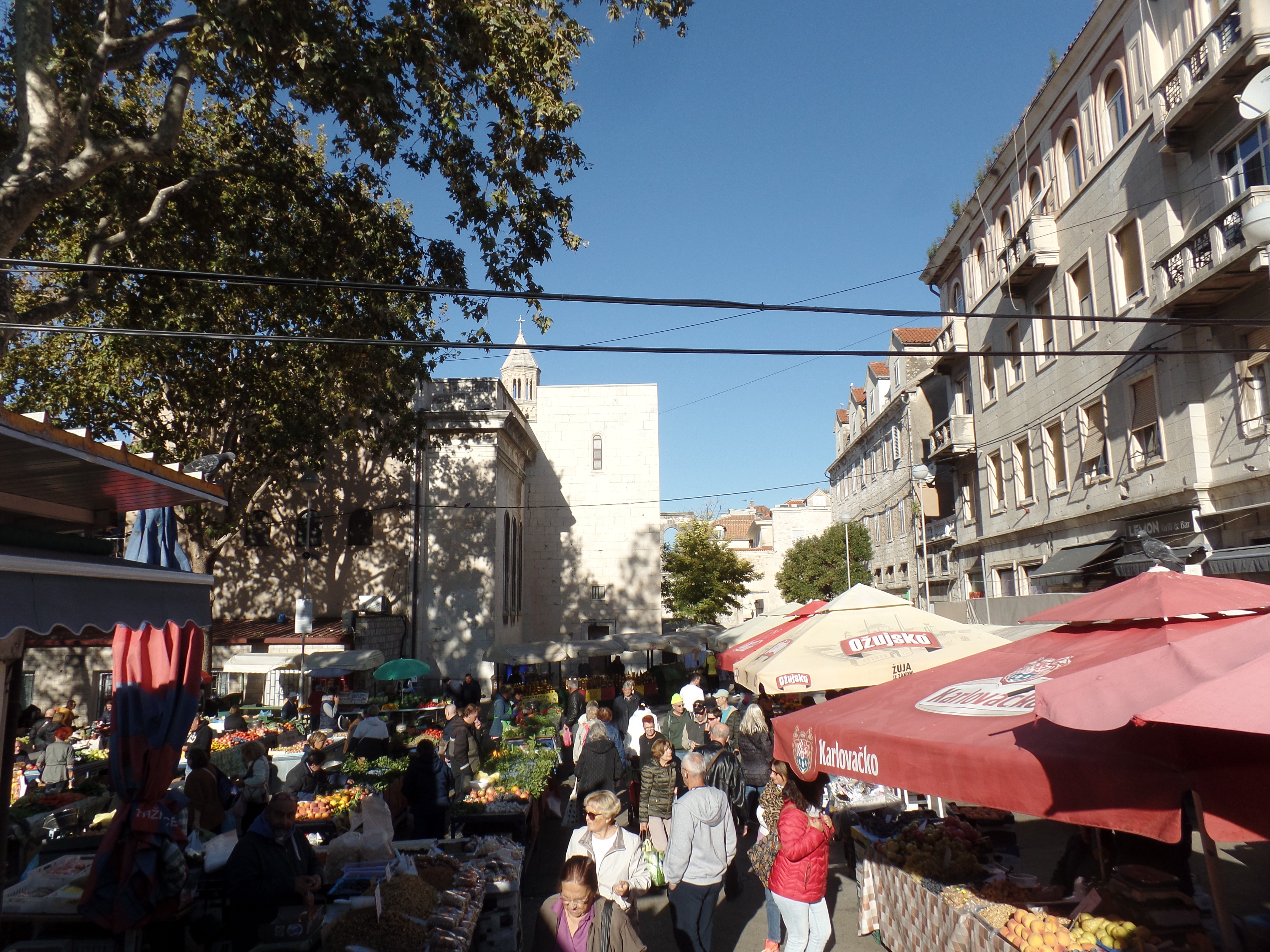
Our game plan was a full one: We walked through Pazar (the city market since Ottoman times, or longer.) The south and east areas of Diocletian’s Palace were next on the agenda. Diocletian was a native of this area, an Illyrian, born and raised in Salona, over the mountain, from what is now Split. He rose through the ranks of the Roman Army and became co-Emperor, at first along with Maximian in 286 AD/CE. This started the process of the Empire being divided into East and West. Diocletian built his palace at Spalatum, claiming the East for himself. Although he was an autocrat, Diocletian went along with Maximius’ plan to further divide the Empire, this time into four units, with Galerius and Constantius as junior co-Emperors. This arrangement actually helped the Romans defeat Persia, in 200, with the sacking of the Persian capital, Ctesiphon.
Diocletian carried out a bloody, but unsuccessful campaign to eradicate Christianity in the Empire. When the campaign failed, Diocletian retired from imperial duties, in 305. Co-Emperor Constantine, son of Constantius, recognized it as the official religion of the Roman Empire in 324. He lived out his days at this palace of Spalatum, now known as Split.

Domnius was sent, by the Apostle Paul to Dalmatia, the region that encompasses Croatia’s coast and the immediate interior, to preach the Gospel to the Illyrian people. Despite Diocletian’s imprisonment and execution of Domnius, in 304, Dalmatia became a steadfast Catholic region, under the encouragement of Constantine. Croatia is still a largely Roman Catholic country, as is neighbouring Slovenia.

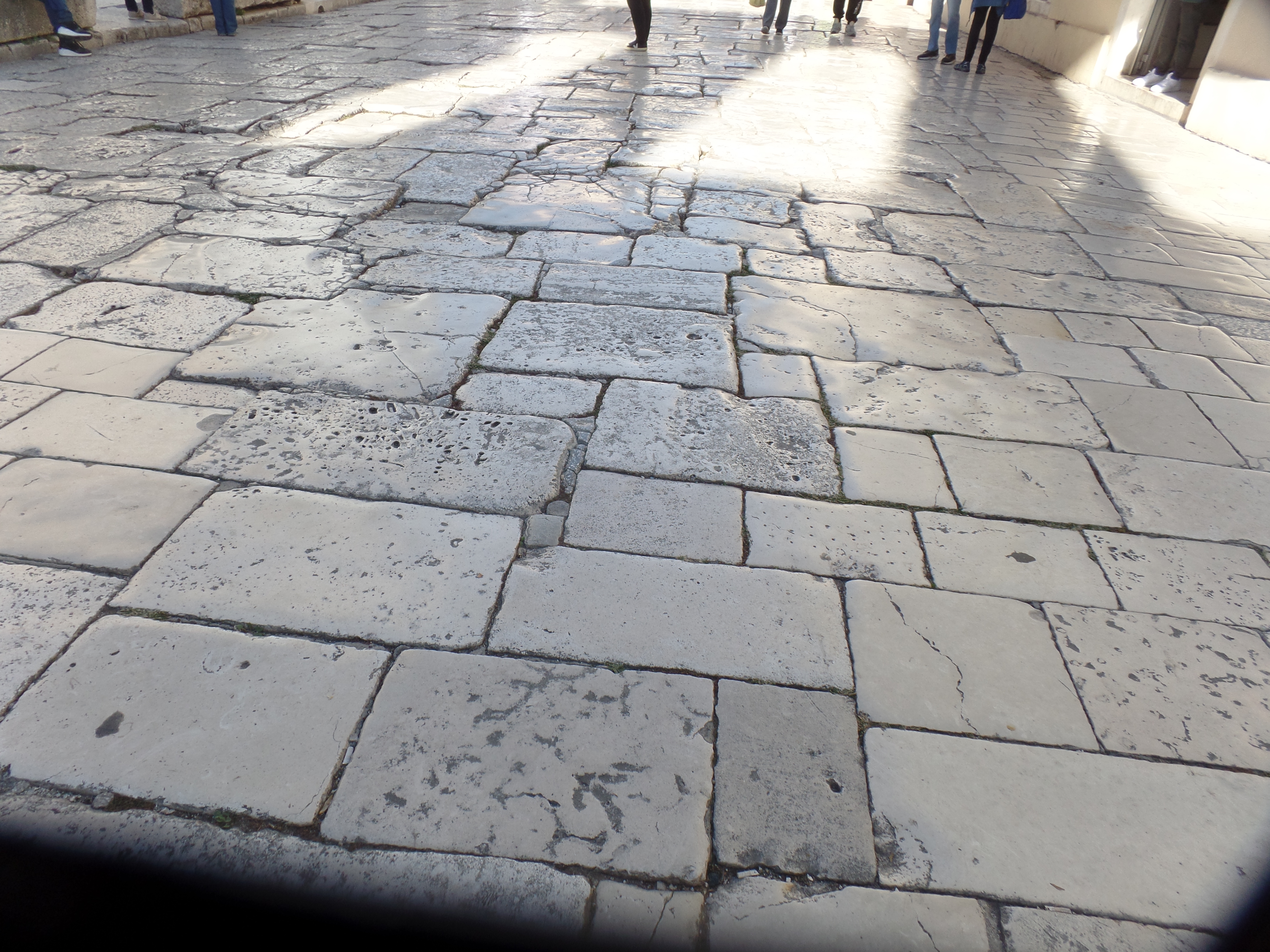
Here is a more complete view of the east and south areas of Diocletian’s Palace.

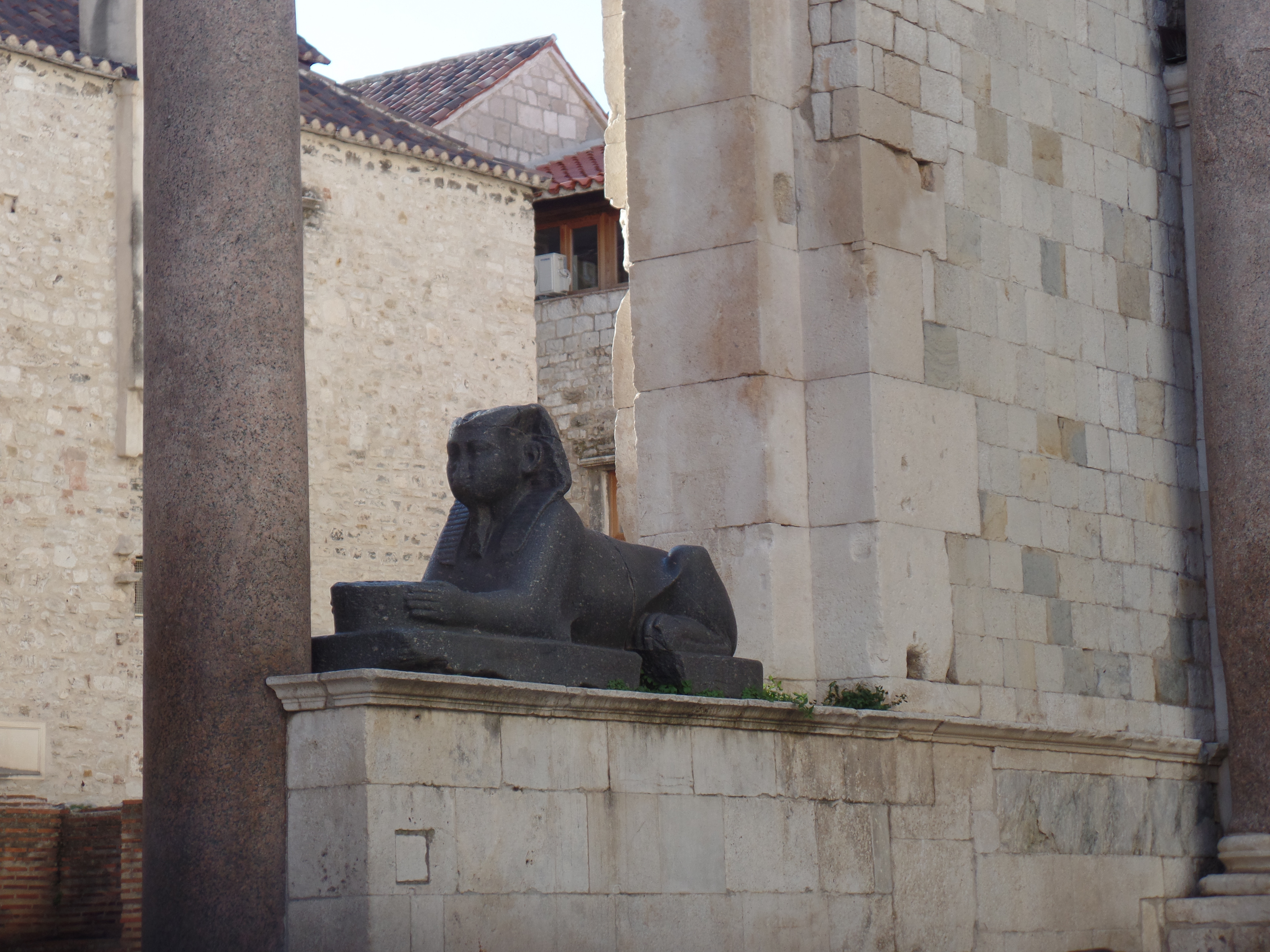
Diocletian’s Palace is the only place, outside ot Rome and Gizeh, that still has sphinxes (There are two here).
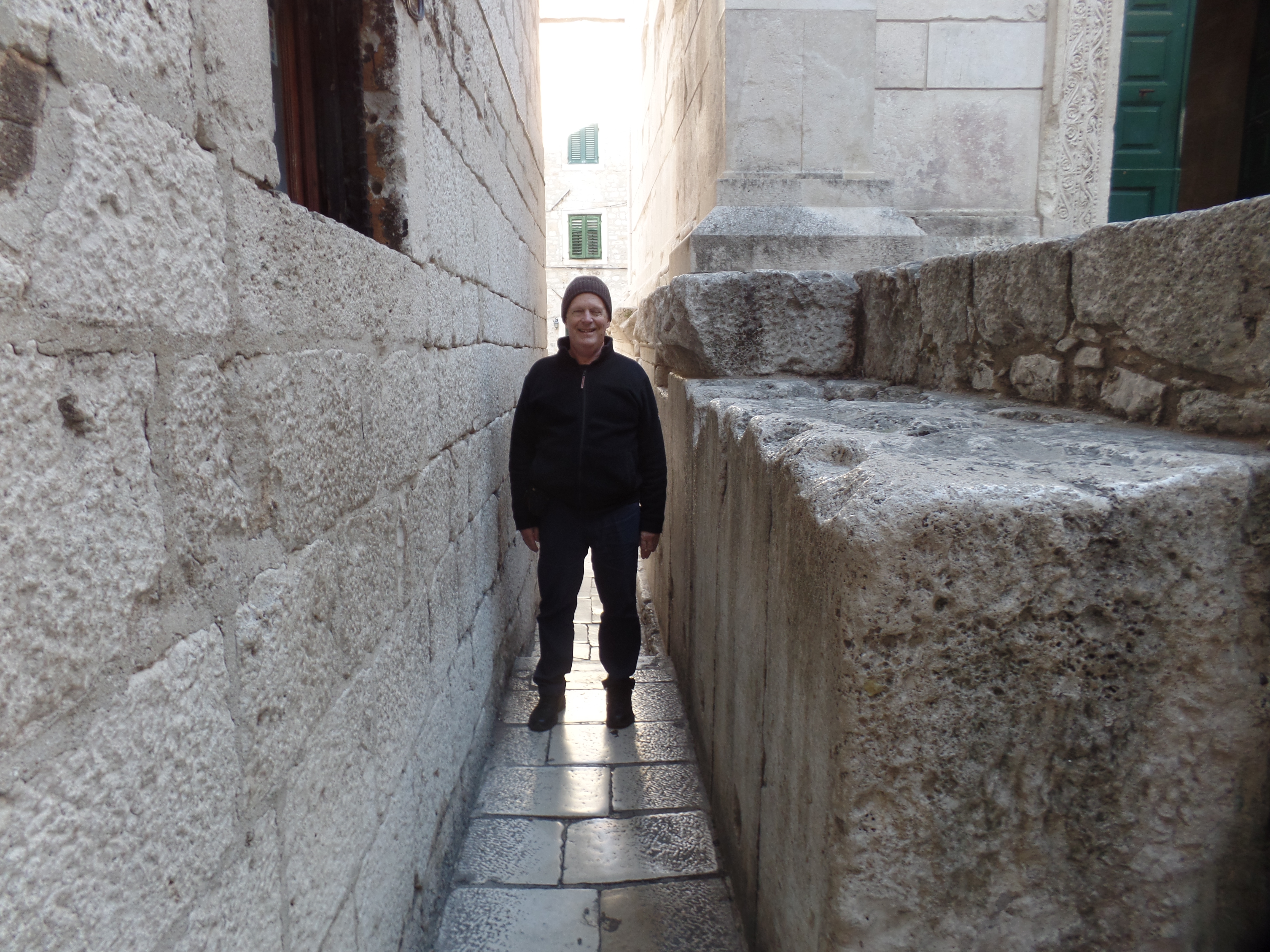
We left this part of the palace, heading toward Marjan (marYAN) Hill. To get there, we had to pass through the “Street that can fit only one at a time”. Here I am, having gotten through it.
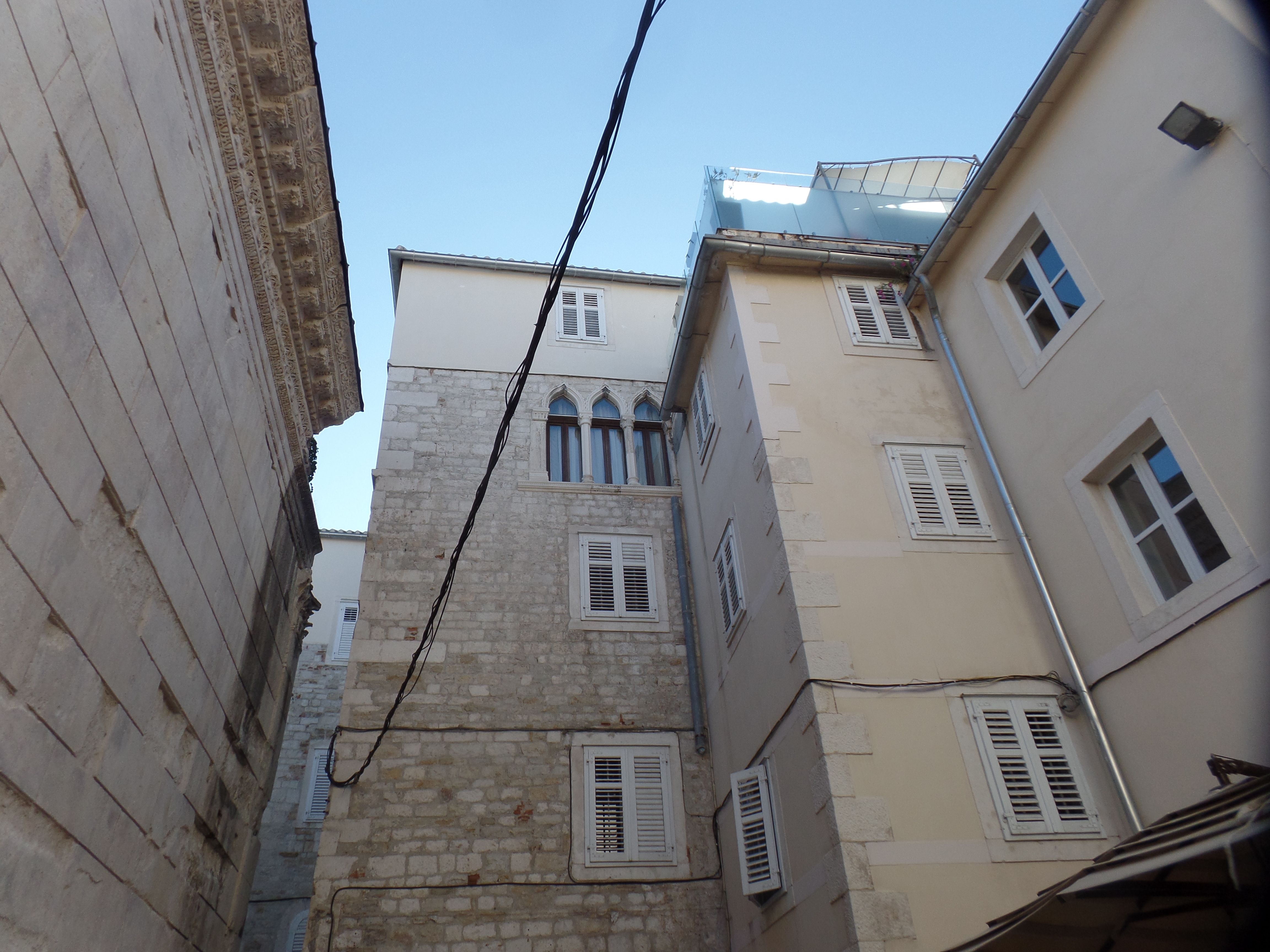
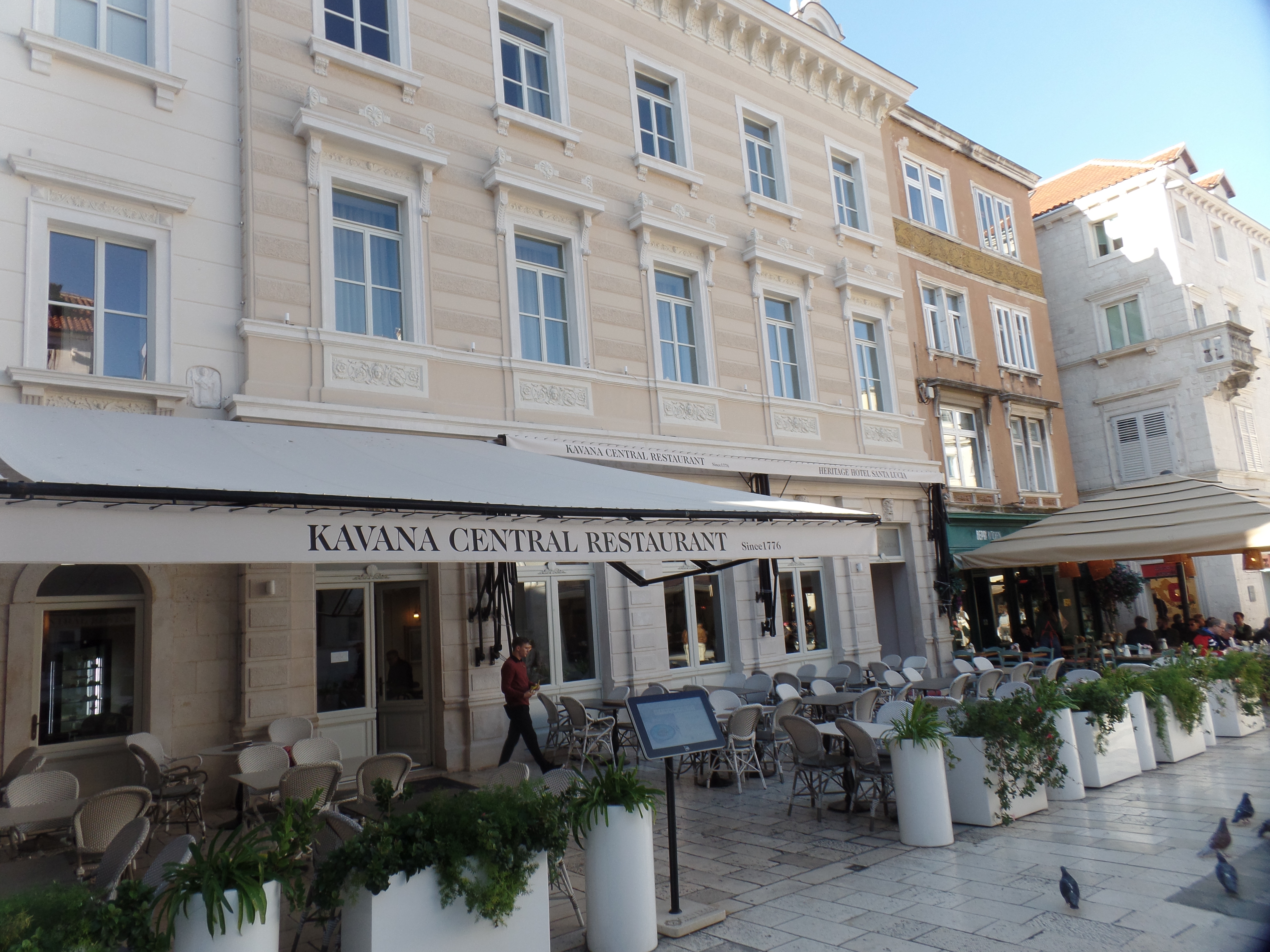
The next photo shows the melange of architectural styles that can be found in Split’s oldest neighbourhood. These are Roman, Venetian,Ottoman, and Austrian.
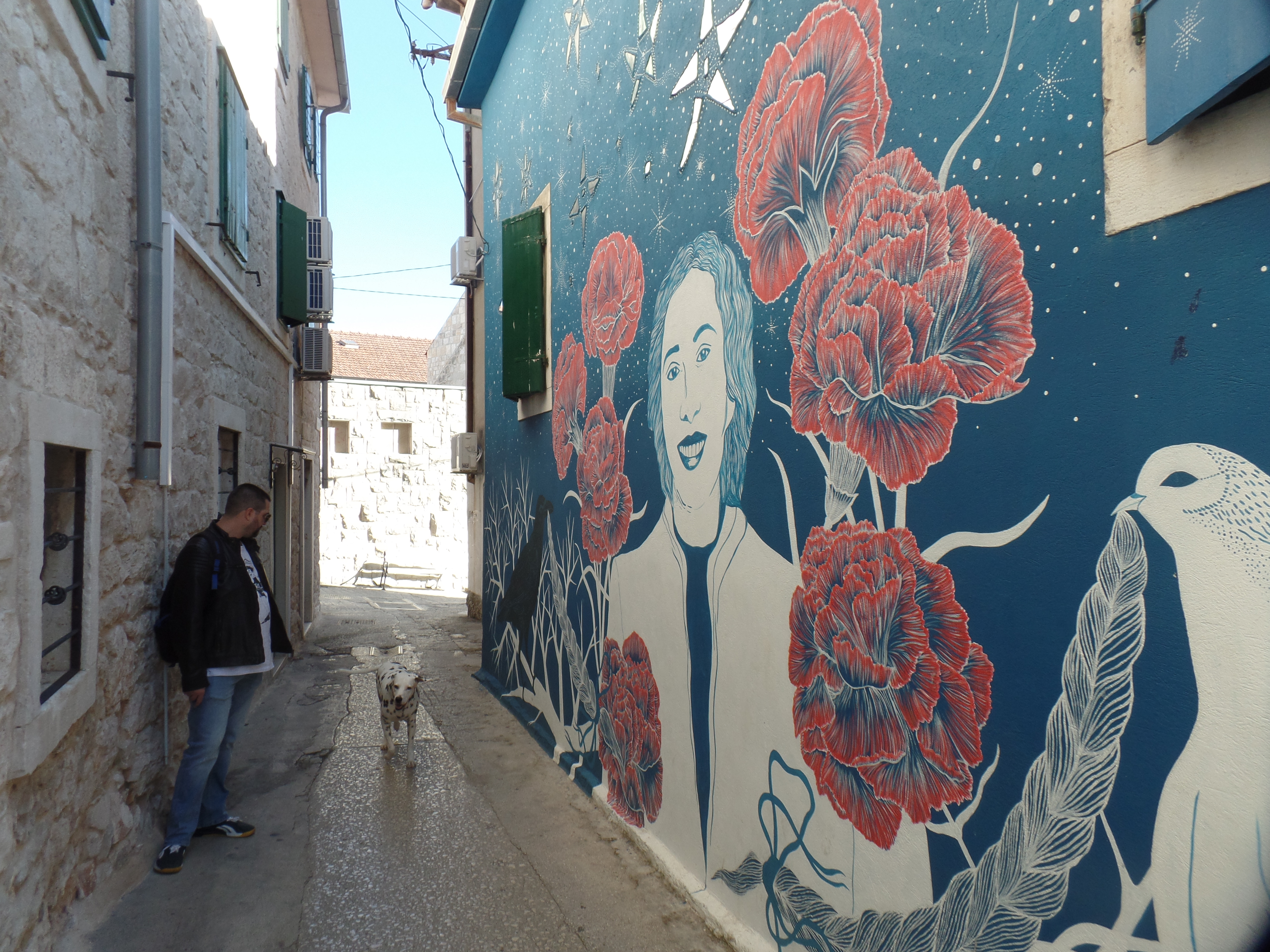
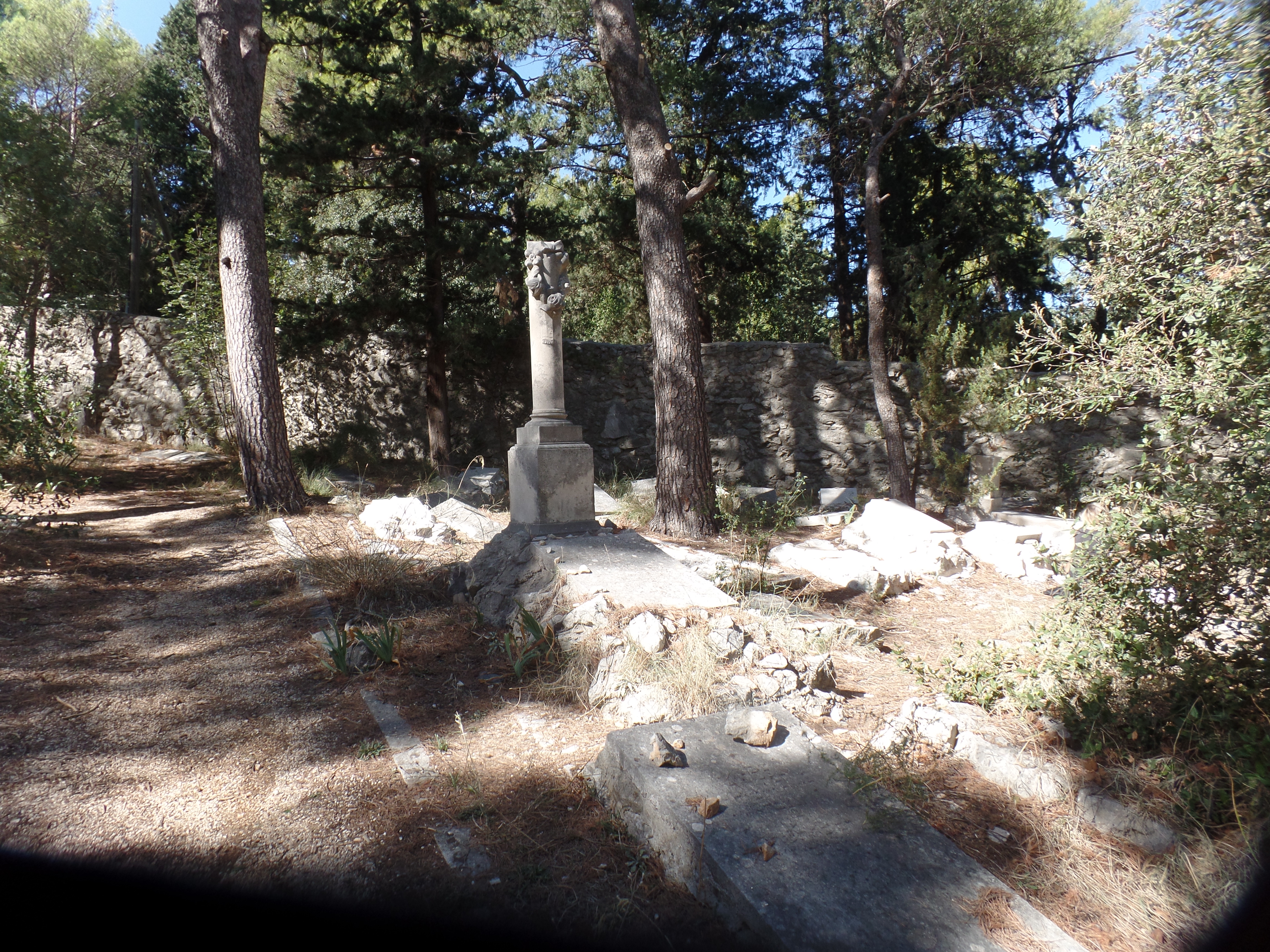
Vahida Magajlic was a Croatian Muslim, who fought the puppet regime that was installed by the Nazis in Croatia. She gave her life for the freedom of Croatia-and of all Yugoslavia.


Boris enjoys coming up here, when he needs peace and quiet.
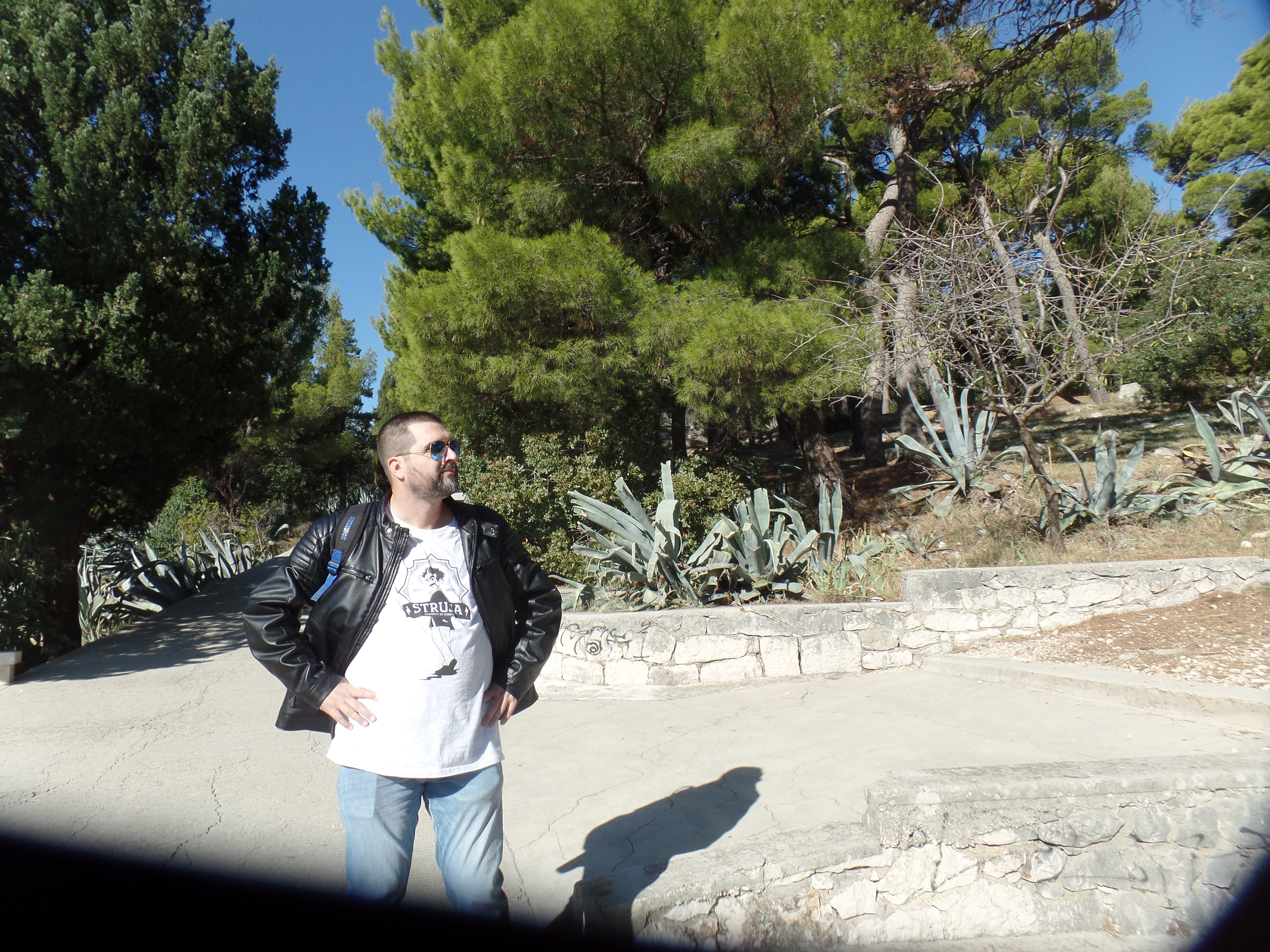

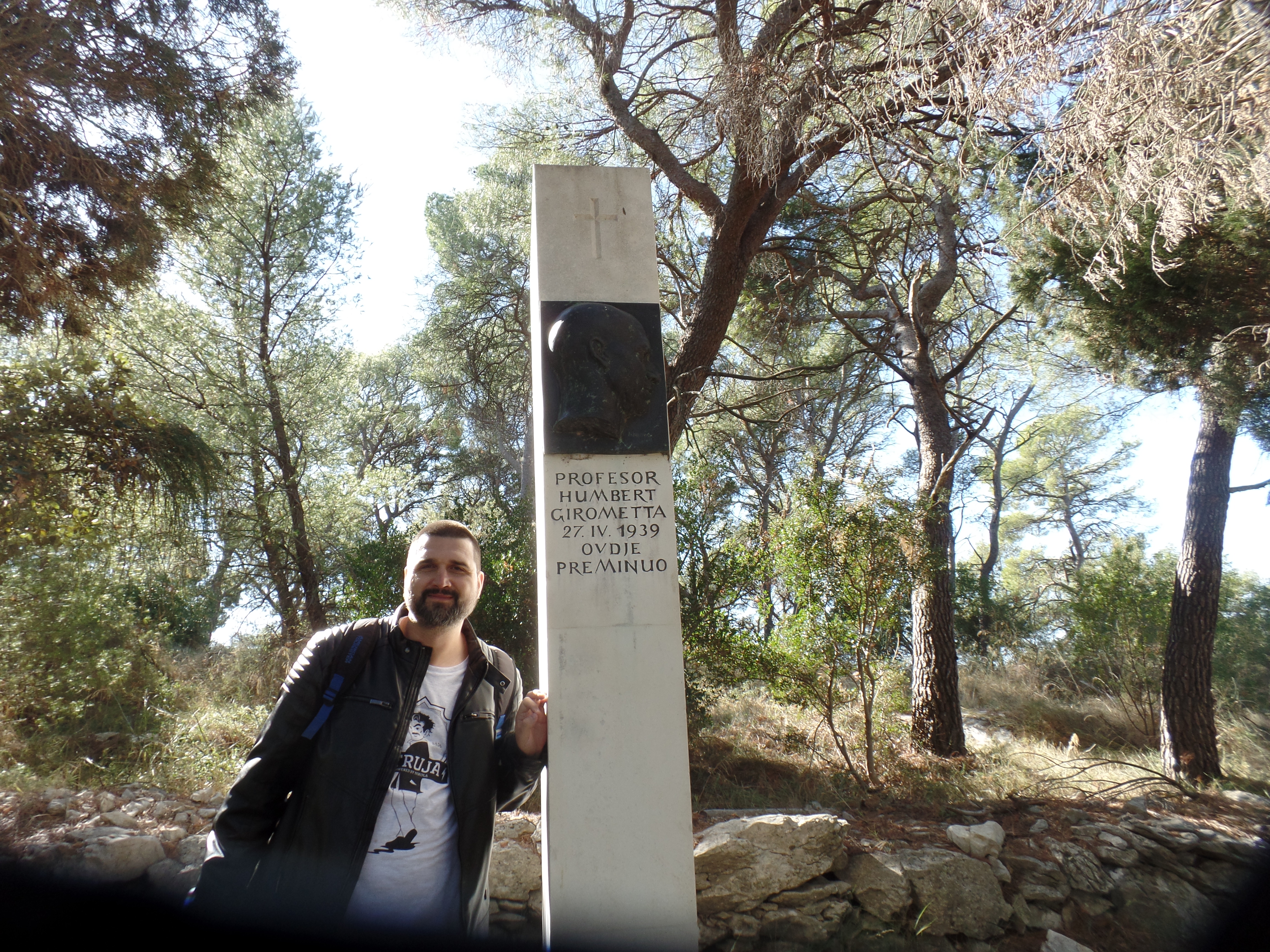
Orofessor Humbert Girometta was the man who spearheaded both this park and the promotion of hiking and wilderness training in the Split area. He was a mentor of Boris’ mentor.

We next had a delectable Croatian lunch, of beef in marinade, with a side of gnocchi and beet salad. Ice cream, dipped in chocolate, at Split’s oldest ice cream parlour, followed.
Next were the northern and western sides of Diocletian’s Palace


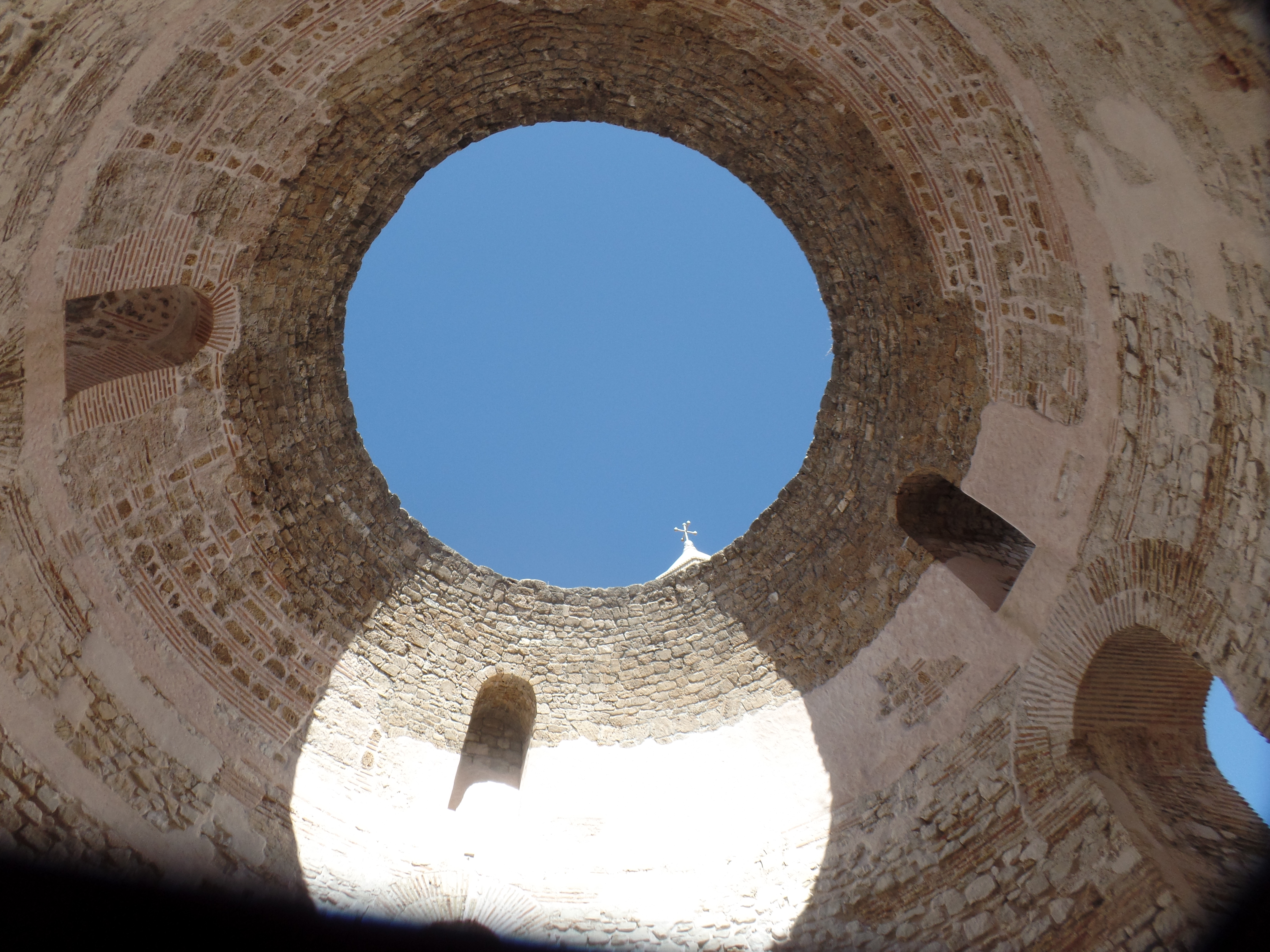
Here is the most astonishing view: The vestibule of Diocletian’s Palace, which once led to his living quarters.

We closed out this extraordinary day with a visit to Split’s Athletes’ Walk of Fame. Many of Croatia’s stellar athletes came from Split.
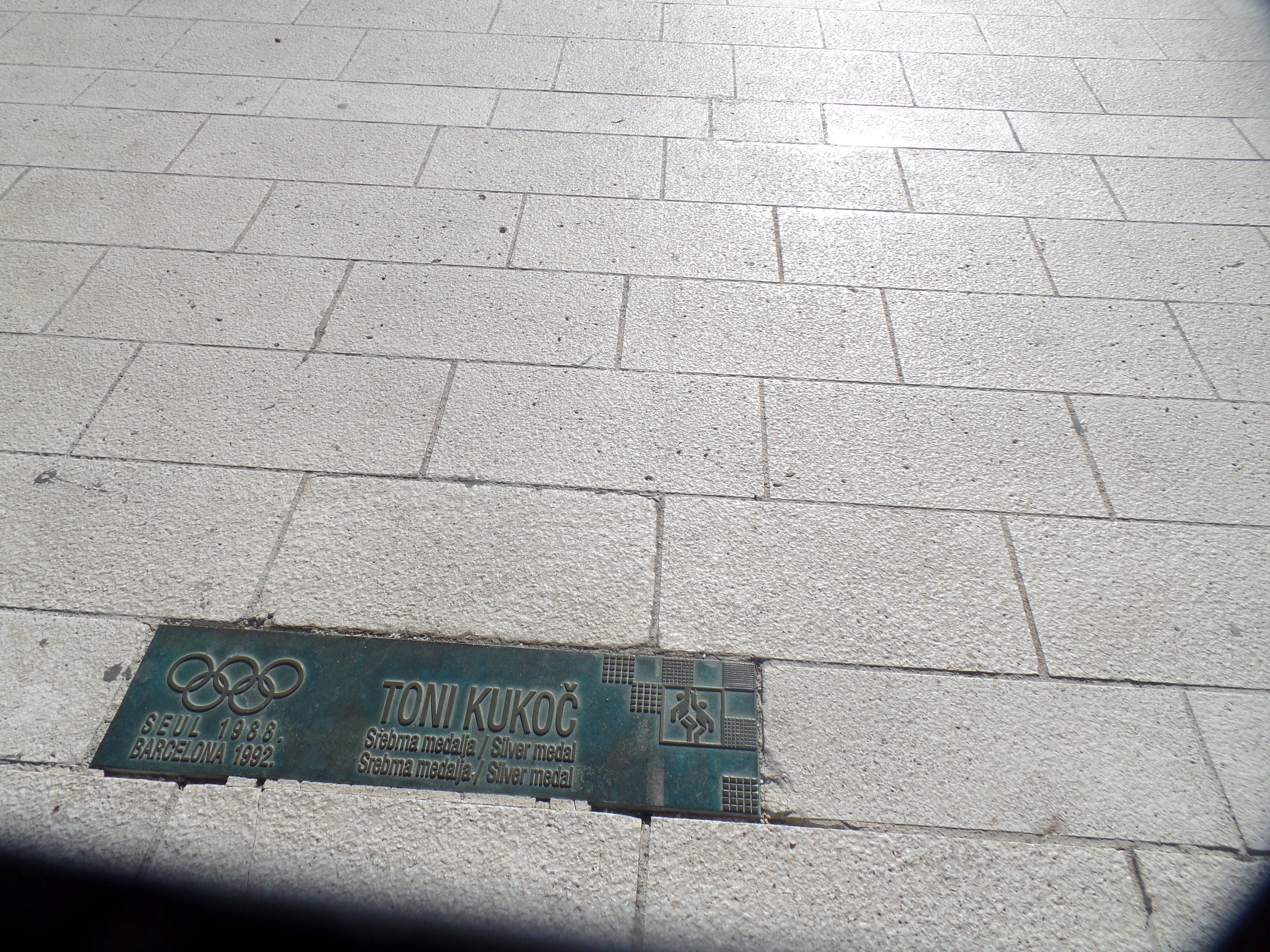

With a few more views of the Walk of Fame, I bid farewell to my friend, Boris and headed back towards Hotel Pax, and a restful night, before the next leg of the journey: Bosnia and Hercegovina. Split will long shine in my heart.
 A Sagittarian Seeker