Two Songs

2

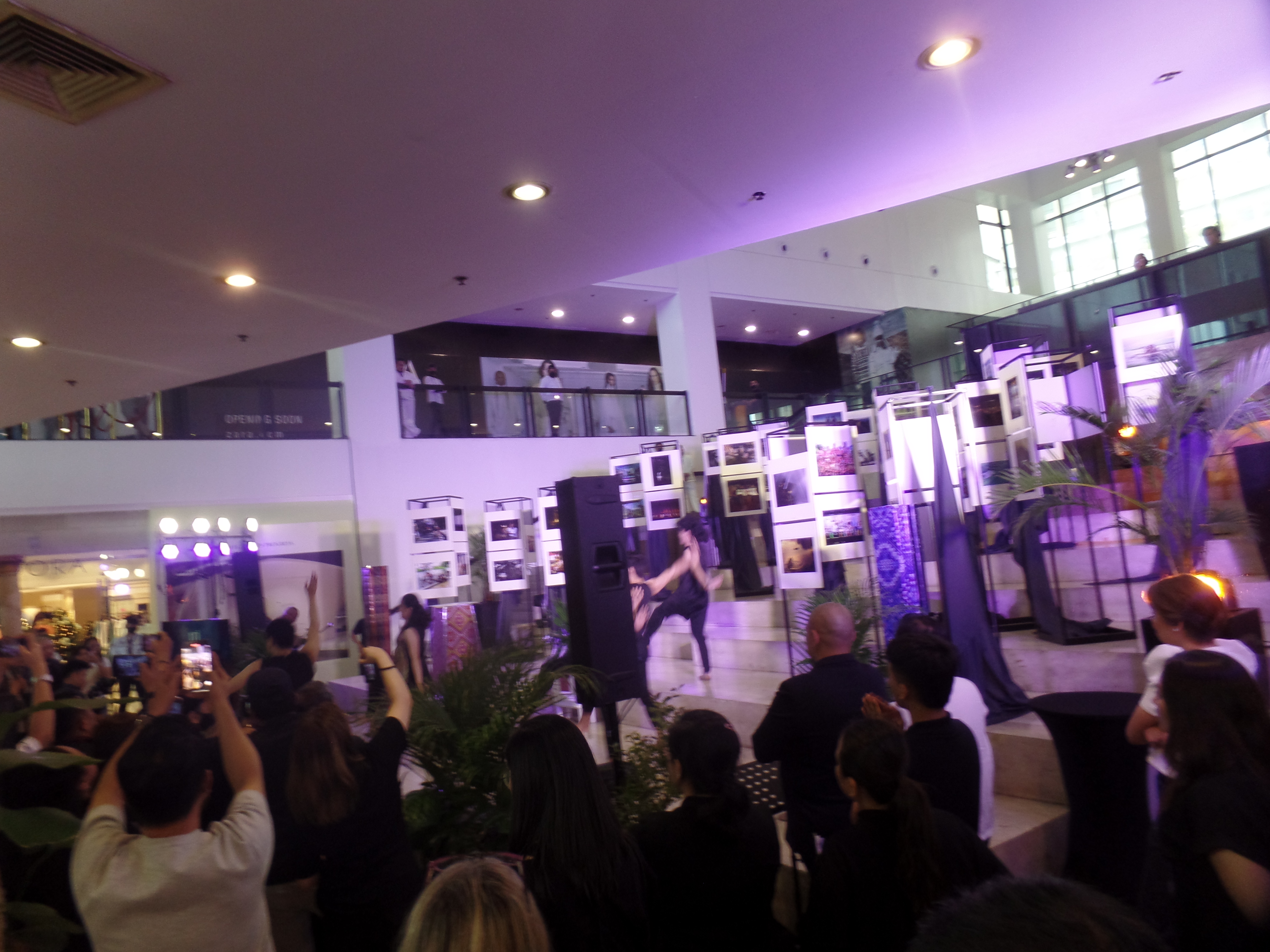
October 20, 2024, Manila- One of the segments of the Shadow Play, at Ayala Museum’s 50th anniversary celebration, features a love song that was very popular in the Philippines in the 1990s: “Closer You and I”, by Gino Padilla. When this song was played, I noticed K looked wistful and was gazing straight ahead, as she softly sang along.

Of course, our mutual friends teased me about this, but I thought: “What if this had been the song that she and her late husband regarded as theirs?” It would have been around the time of their wedding, or shortly afterward. So, it is perfectly reasonable, and affirming, that she would be transported back to that time in their life together.

Penny and I also had a song, that she chose: “Just the Two of Us”, by Bill Withers and Grover Washington, Jr. The message certainly reflected our mutual sentiments and views on love and marriage. Like Gino’s tune, it is timeless.

We go through life and experience so many friendships, some fleeting, but others that endure a lot of ups and downs, and never fade. Someone back in the U.S. wondered as to which category my present friendship with Kathy falls. Well, we don’t know. Time will tell, and it won’t be for lack of effort by either of us, if it does turn out to be of short duration. There are far too many factors-social, pecuniary and emotional, that could propel it either way. It also won’t have been a waste of time. This has been a beautiful five weeks, with one more to go, and has certainly brought my self-confidence and feelings about self, to a much higher level.

Here are some scenes from yesterday’s visit to Ayala Museum.
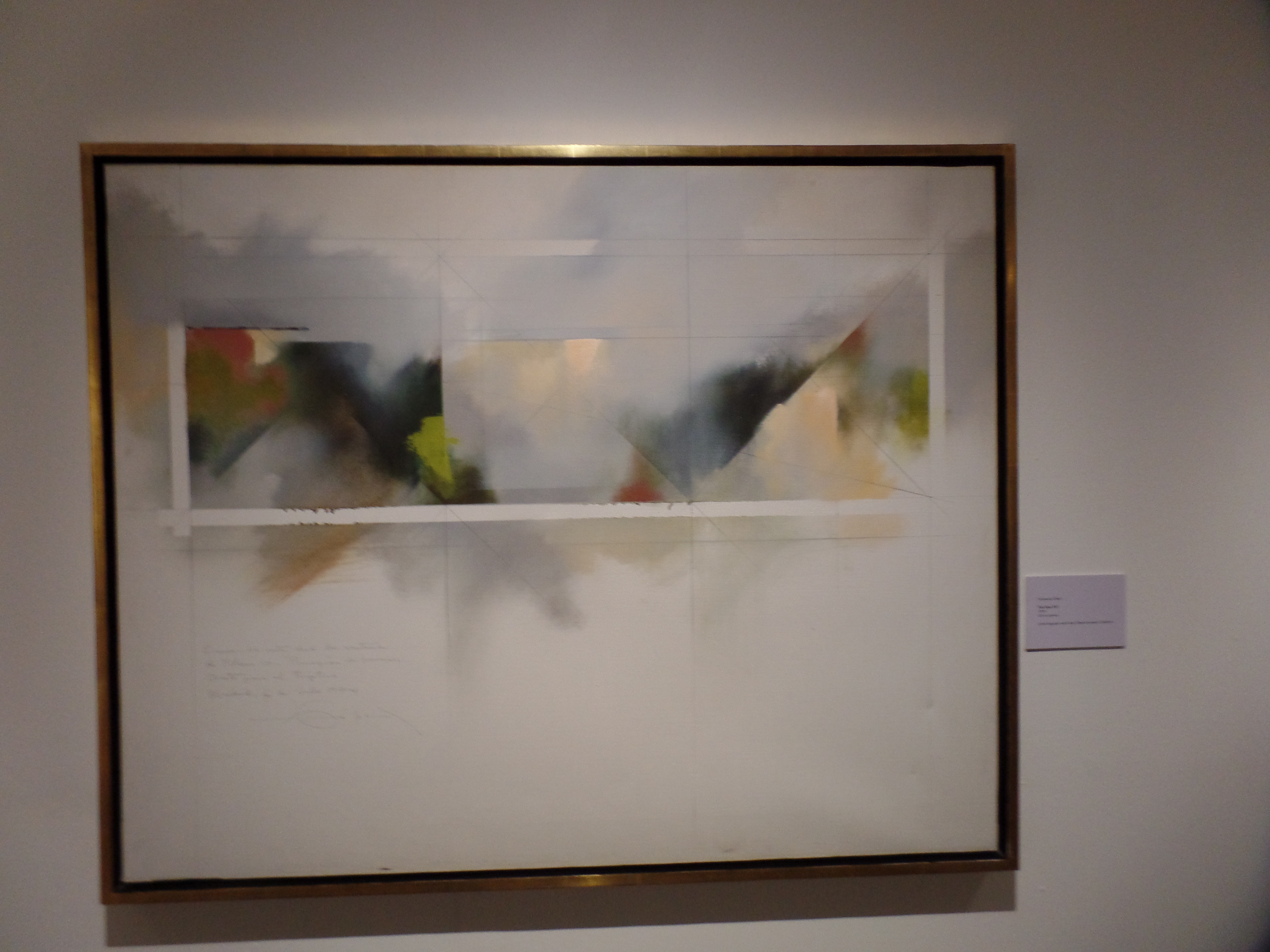
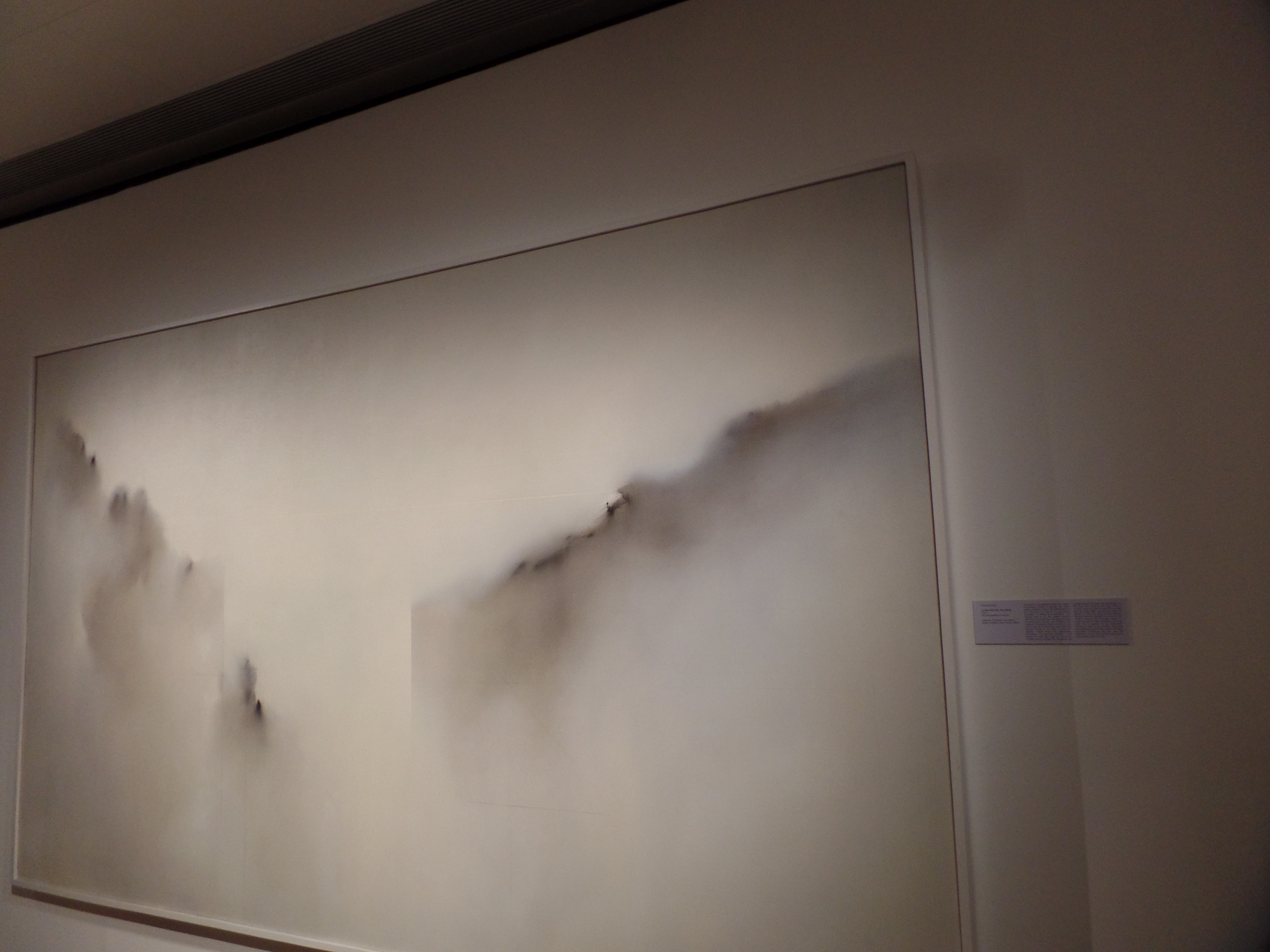
Work by Fernando Zobel, a Spanish-Filipino painter (above and below)
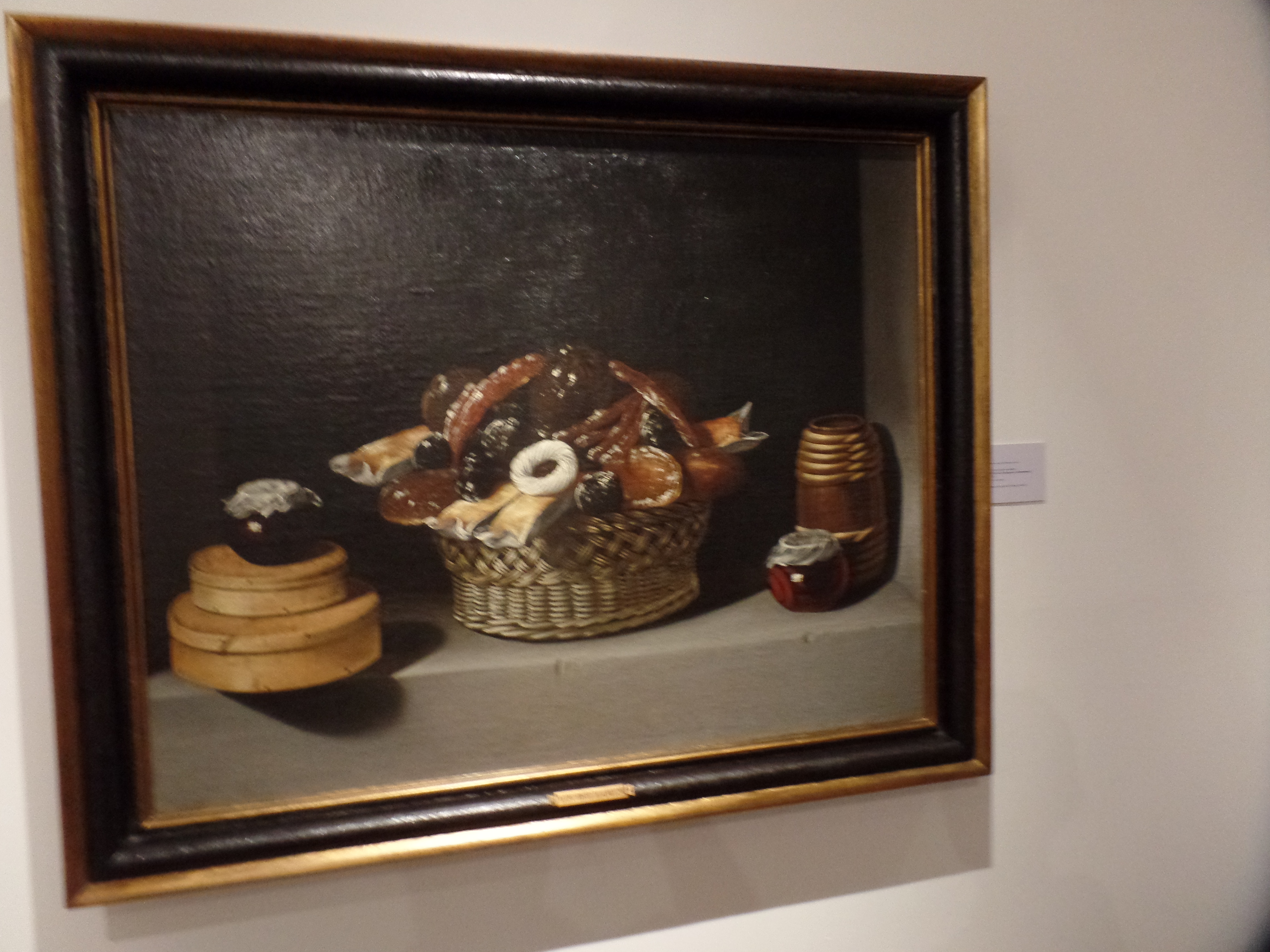
Zobel appealed to my palate, with this piece.

AMPlify was the third session we attended. It was a performance by Manila Symphony Orchestra, whose legacy was mentioned in the last post.

Here is a view of the Symphony.

We then went to spend some time in the permanent exhibits of the Ayala. Here are some scenes of Filipino history and culture.
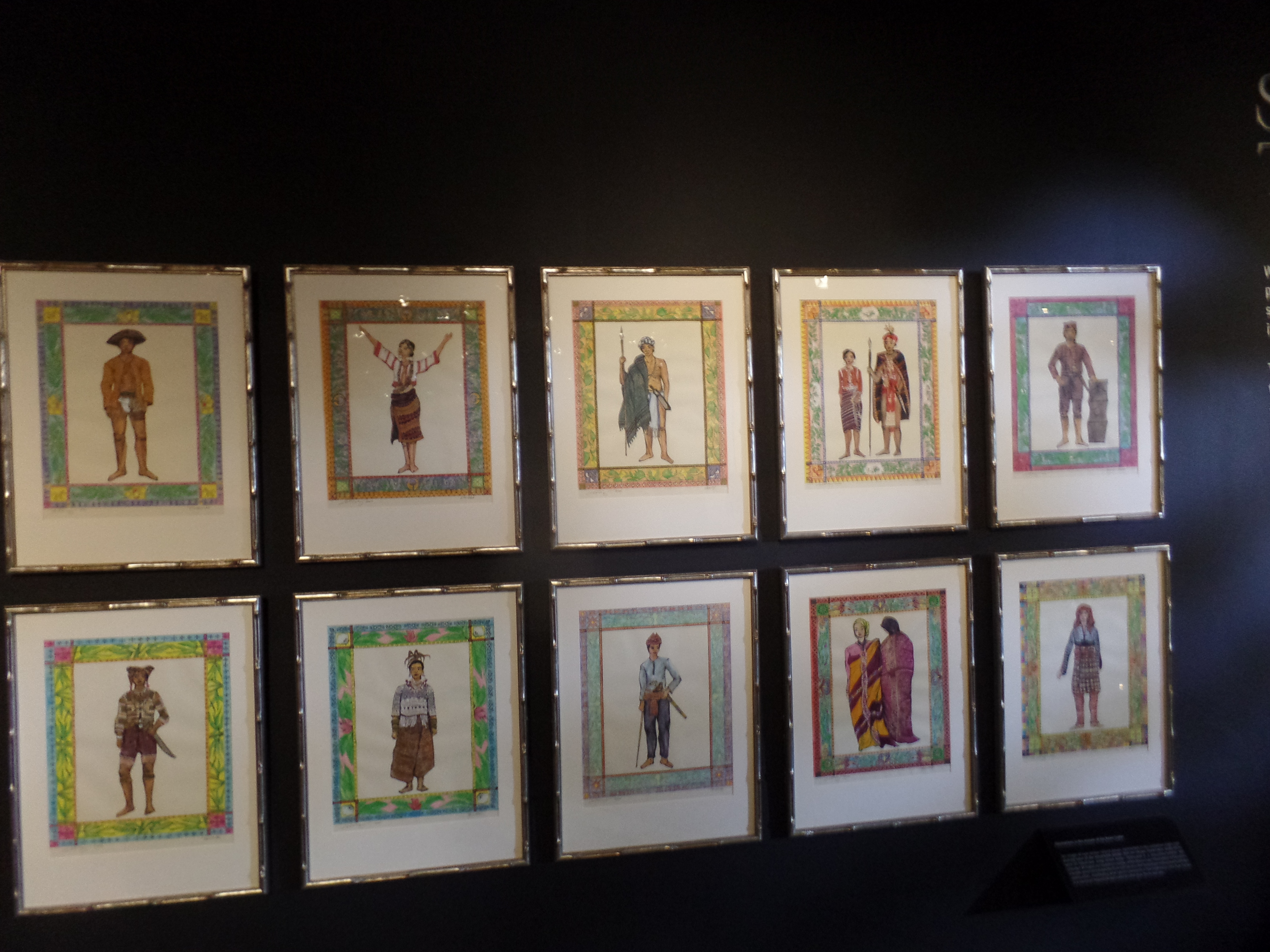
Filipino dress, through the centuries.
Abaca fiber, commonly used in Filipino textiles
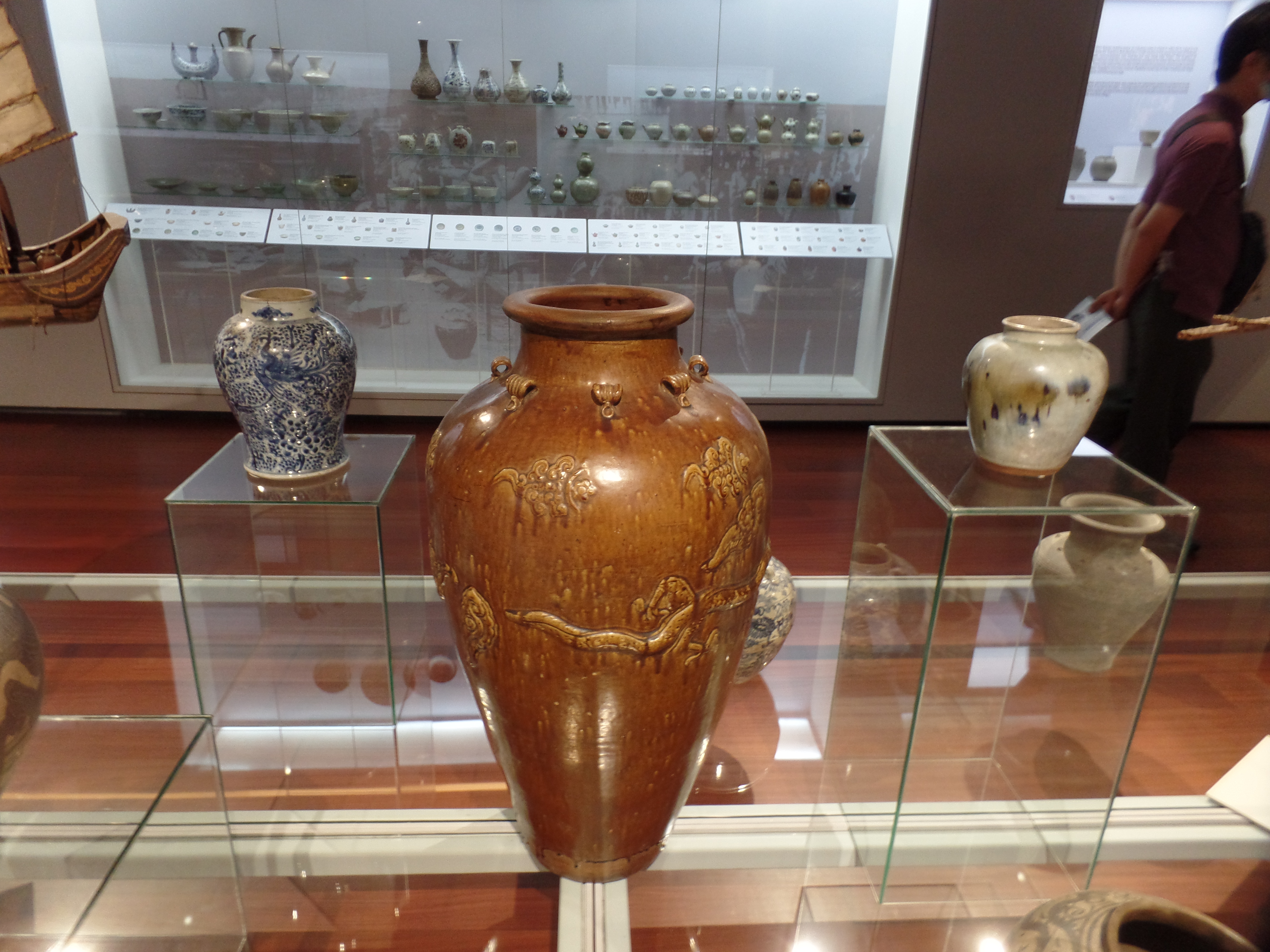
This pot somewhat resembles one that we brought back from the Arcade, a few days ago.
Images of the Sarimanok, a legendary bird of Mindanao.
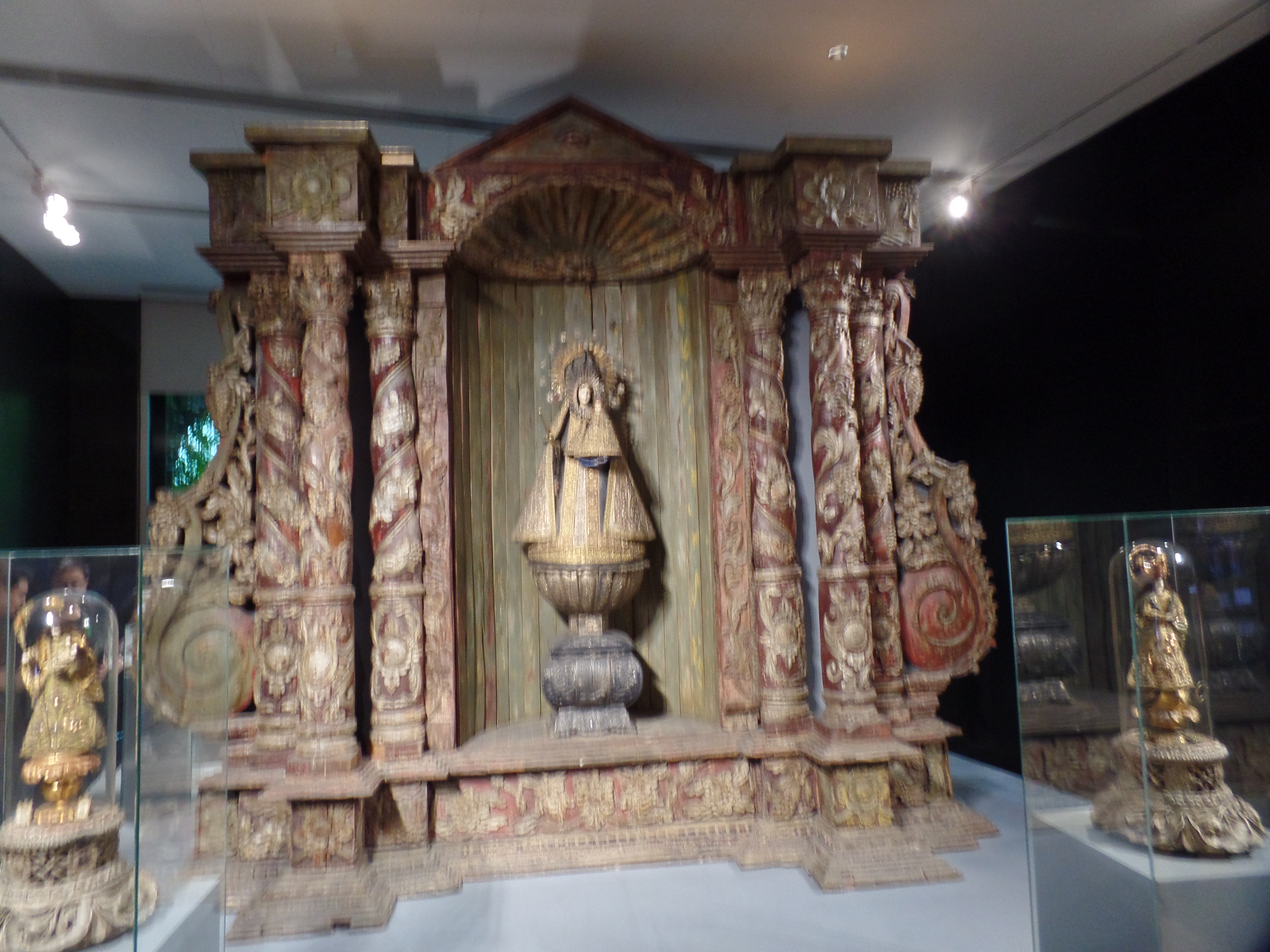
This panel is from an historic church in Cebu.

Every element of the museum, telling the story of a proud, often marginalized people; every song that appeals to the human heart; every note played by accomplished musicians, working in harmony-all of this is underscored by the most basic of all elements: love, illustrated by cohesion.

Foundation of Gold

5

October 19,2024, Manila- Many know that the islands of the Malay Archipelago, from Singapore, south and east to Timor and Halmahera, then north to Batanes, had structured, hierarchical societies, based on a chiefly class, prior to the arrival of European traders and colonialists. Relatively few know that these societies were an outgrowth of the successful use of metallurgy, and that the metal most commonly in demand was gold.

The Spanish, Portuguese, British, French and Dutch all had designs on countries which produced a wealth of spices. It was only when the colonialists settled down a bit, and made friends with some of the indigenous people, that they found there was gold to be had. As was their wont, the traders, adventurers and soldiers took the precious metal for themselves, under the guise of “for King and Country”. The rest is known to most of the world.

The Malay people, from their western outpost, in Madagascar in the far west to Taiwan and the Korean island of Jeju, in the north, are related linguistically and culturally to the Micronesian and Polynesian people of Oceania. Various features of Malay people, especially those indigenous to the Philippines, are outlined in exhibits now showing at Ayala Museum, in the southeast corner of Makati, Metro Manila. The foundation of their culture being the mining, smelting and wearing of gold is a point made most deftly.

The golden nature of the Filipino personality, though, is what has outlasted the mineral reserves, to which the Spanish conquistadors and Chinese pirates helped themselves copiously, over several centuries. Filipinos stand their ground, of course, and do not go about their lives foolishly-though anyone navigating the northeast side of Makati on Friday night would wonder about that, as the taxi driver ferrying me to my hostel, after my day with Kathy, could certainly attest. (There was no one to be found, among the drivers, who was obeying traffic signals.)

I was delighted, though, to rejoin her and two other friends this afternoon, at Ayala Museum, experiencing various sensory performances, from a Shadow Play with romantic songs playing in the background to a delightful performance by Manila Symphony Orchestra, which is Asia’s oldest. It was founded in 1926, by Alexander Lippay, and has not skipped a beat (pun intended) ever since. MSO even served as a vehicle of the Resistance, during Japanese occupation. The military governor, not wanting to look like a rube, reportedly attended classical music performances, but missed the message embedded in the program, that the Filipino spirit was alive and well.

The diorama of Philippine history is an area of the museum that would probably take me several hours to properly take in. I may get back there to do just that, on this visit. Otherwise, it’ll wait until February. (Yes, I am skipping out on chilly Prescott, for two weeks in 2/25. Certain matters will need my attention here, at that time.)

Life has taken me to many places of pure gold. I am especially glad for this latest.

Artistry

2

December 5, 2023- A good friend inquired about a course, offered by Wilmette Institute, a Baha’i online academy that focuses on a number of aspects of our Faith. Her interest is in the interplay between the arts and Baha’i, which is actually quite deep. The course, simply titled “The Baha’i Faith and the Arts”, is indeed being offered for six weeks, this coming April-May.

This spurred my own thinking about artistry. I never really advanced much beyond stick figures and potato people, though I can now at least draw reasonable facsimiles thereof, when it comes to people, cats and dogs. I made a bird house, once, in eighth grade. The instructor said “Thank God it’s made of wood. You and metal? Oil and water. ” Craftsmanship has come easier, with maturity, focus and practice. I might even try my hand at ceramics, one of these days.

Art, though, is mainly an expression of the spirit-as humanity has found, over the course of many centuries. The best of artistic expression celebrates the higher levels of human functioning, or calls our attention to suffering, that we might rise to those higher levels. Some, like Michelangelo’s Creation of Adam, is mythological in tone, but no less celebratory of the rising of the human spirit. Other art, like Picasso’s Guernica, is intended to provoke reflection on the worst that our species can do to its members. Paintings, frescos, sculpture and pottery can present anything from solid utility, to historical record, to sheer serenity.

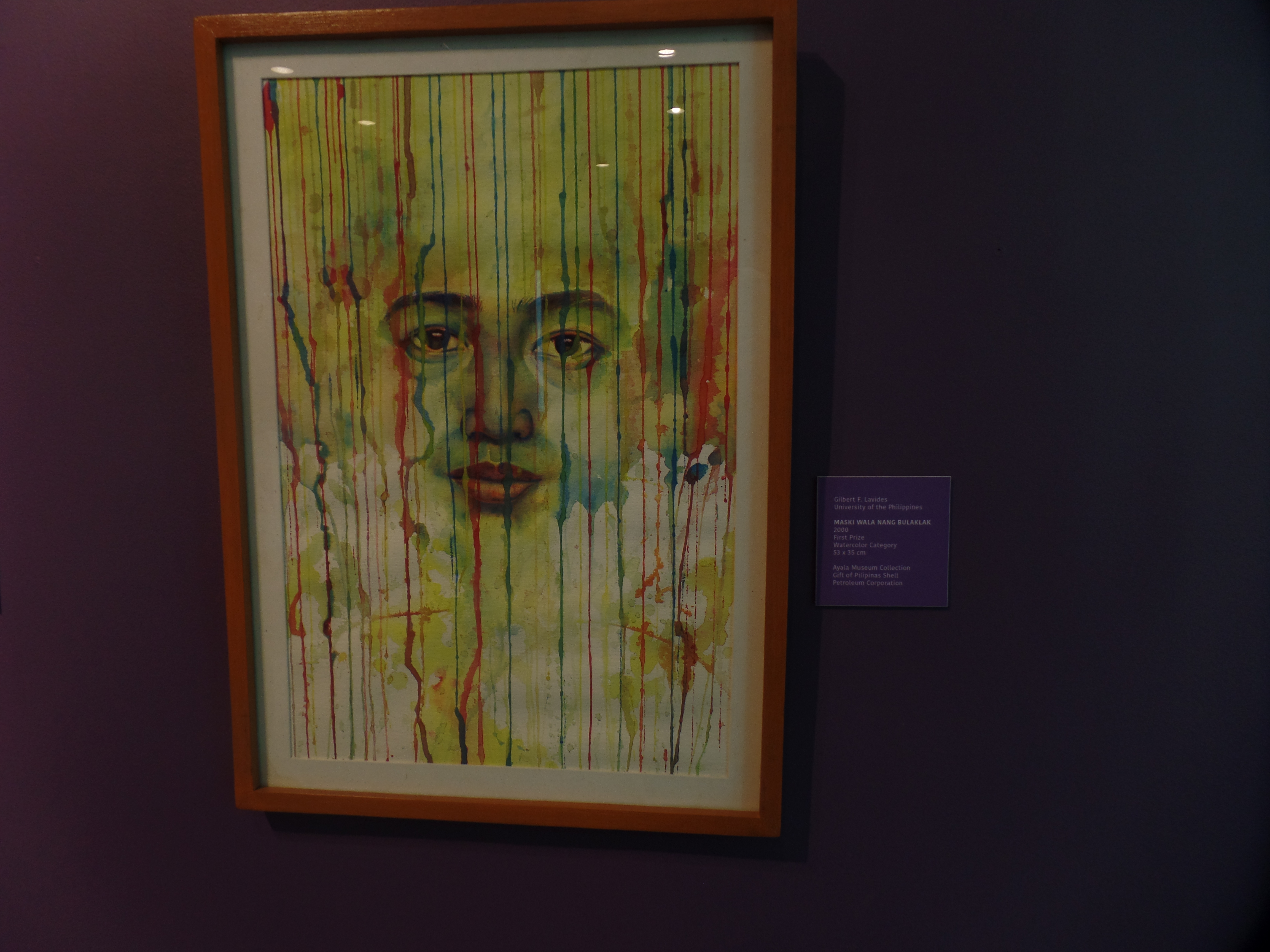
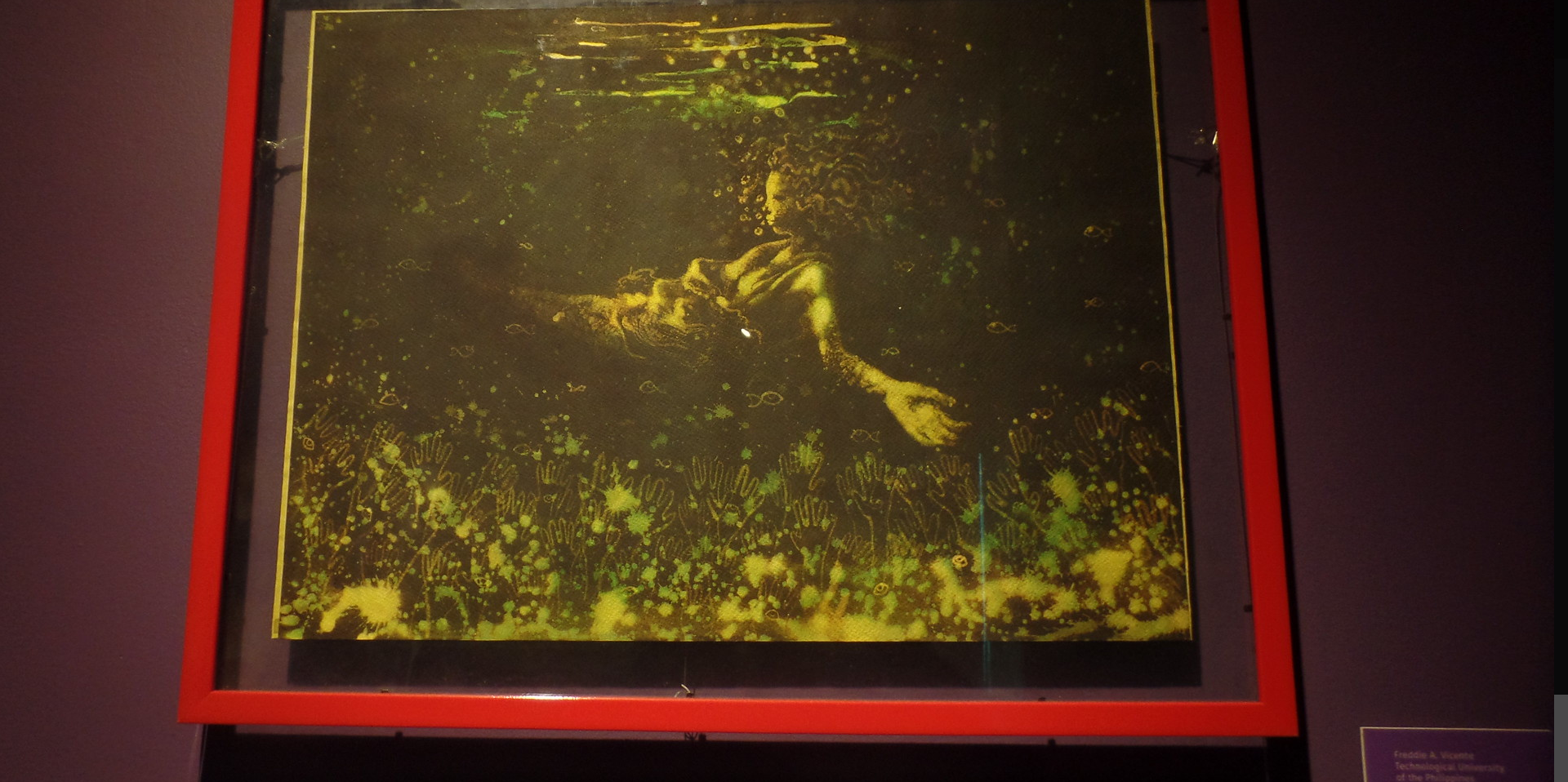
My aforementioned friend and I were part of a group who visited Ayala Museum, Greenbelt Mall, in Makati, during my recent Philippines trip. There, we encountered the thought-provoking:

the disturbing:

and the soothing.

Artistry is, to both of us, and to millions of people, a regenerative outlet, one that will sustain humanity through the worst of times and aid in celebration of the best.

Expanding Home, Day 16: The Gatekeepers, The Bay and The Green Belt

2

October 25, 2023, Manila- The clerk smiled wanly, as he told my friend that the matter she is seeking to resolve can only be tended through making an appointment, and that appointment can only be made over the phone-on a Tuesday or on a Thursday. This is the legacy of the “State Department streamlining” that was in vogue, until a few years ago. While I can understand the reasoning behind it, there remain those, like my friend, whose anomalous issues merit rather urgent consideration, and thus are discomfited by what they can reasonably view as just another roadblock.

I will fortunately be around until Tuesday, so if she misses making the call tomorrow, there is always Hallowe’en morning, before I have to Alley-oop back to Airplane Village. This is one of the tasks that was before me, when I first arrived at the South Luzon Baha’i Center, so it is important to keep on top of it, at leas to the point that she feels encouraged and empowered. (It has nothing to do with immigration, just so we’re clear.)

The gatekeepers at the Embassy do have their work cut out for them, with many people who are looking to immigrate to the U.S., or at least obtain short-term work visas. The Filipinos who I have encountered in the U. S. are amazing workers and have a gentleness about how they go about their work. They keep their cool and try to work through any bureaucratic nonsense that arises, whether it is governmental or corporate. I noticed that the very people assigned to enforce bureaucratic rules-including the clerks at the Embassy gate, have a sense of humour about the scheduling and other small details. This does tend to set the visitors at ease.

She took her copy of the reminder to call, tomorrow, and we walked down the steps, past the vendors, touts and beggars, to the seaside park that was renovated and upgraded, during the last Presidential administration. That president, I recall, was all about the Philippines-and its people, being respected by the rest of the world. The current state of Manila Bay was one of his pet projects, and was done well.

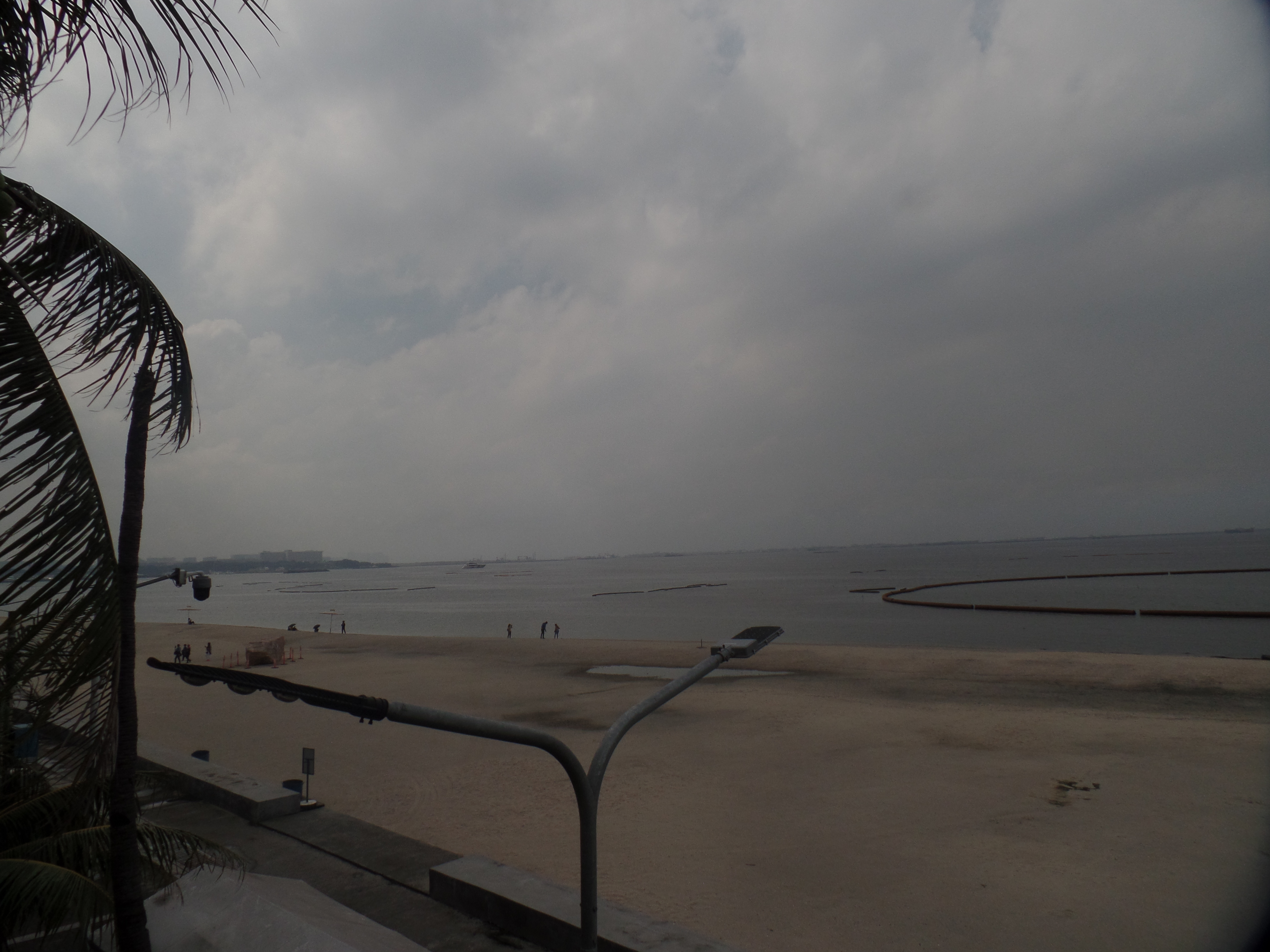
View of Manila Bayside Park (Dolomite Beach) , from the overpass to U.S. Embassy
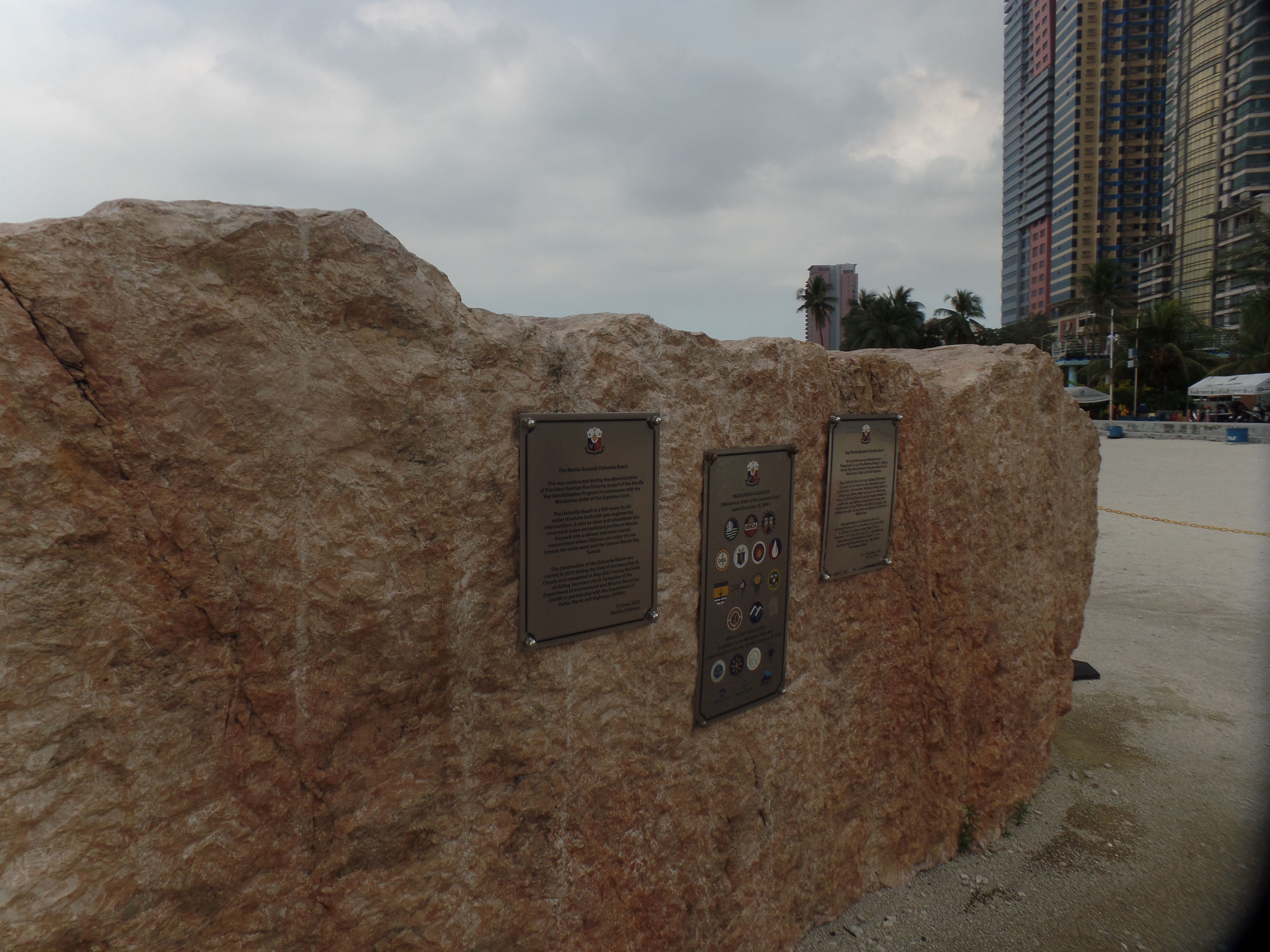
Section of former sea wall, Dolomite Beach, Manila Bay

h

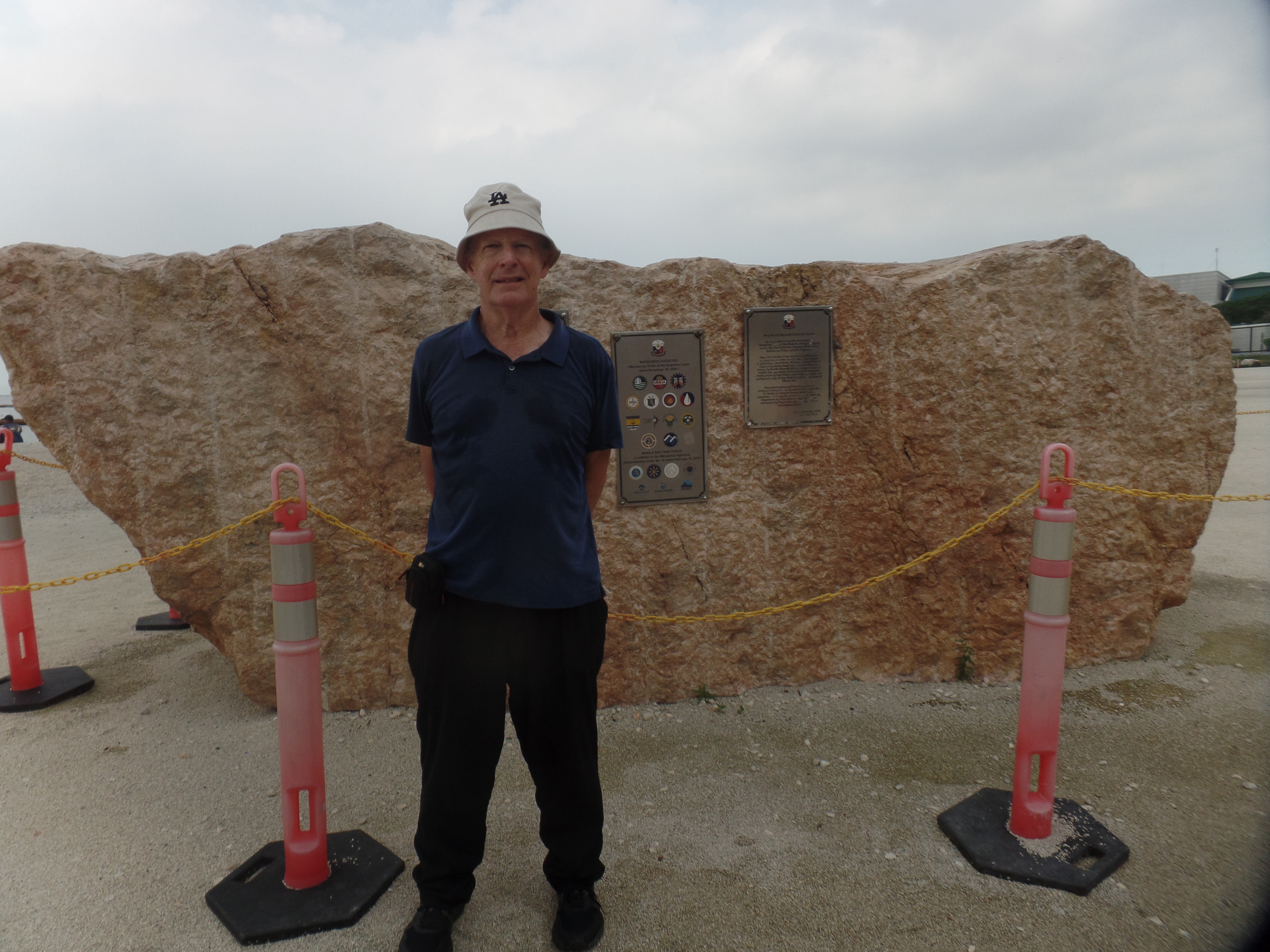
A human, for scale, at sea wall section, Dolomite Beach

After returning from the seaside, we switched gears, and with a second friend, we headed towards the Scottsdale of the Philippines, aka Makati. Here, we met a third friend, for an afternoon and evening of pretend shopping and art appreciation.

It’s not just WalMart that is full on Christmas.

We met K, at Cash and Carry Mall (shown above), then went to Greenbelt, also known as Makati Glorietta Mall. Here, our first stop was Ayala Museum, where an exhibit of abstract art by young people from around the Philippines is on view.

Here is an example:

Vision from the eyes of the future.
Avant garde art abounds at Glorietta.
There are five Green Belts in Makati Glorietta. This is a scene from # 5.

We were all drawn to a loud presentation, which turned out to be an interpretive dance roll-up to the opening of a photography exhibition, also by young Manilenos, curated by Maria Ylona.

Interpretive Dancers leading up to a photography exhibit’s opening

This opening was a class act, with a dignified set of coccktails, softails and delectable hors my d’oeuvres. This was own first time eating caviar-not bad at all. Here is an example of the photographs which won awards from Ms. Ylona.

Team work, Filipino-style
Cats earn their keep, at Makati’s malls. One does not see rats, anywhere.
Is there any doubt, as to who’s boss?
Green Belt #4’s “moat”
Three fashionistas

As it was, after this last photograph, we looked upon the crowd that was queued up to head to the suburbs, and took it upon ourselves to sit in the garden’s twilight. An hour of nibbling on Starbucks flatbreads and enjoying the cooling air was a far more reasonable way to wait out the masses than standing on a curb and breathing fumes, though there was some of that, later.

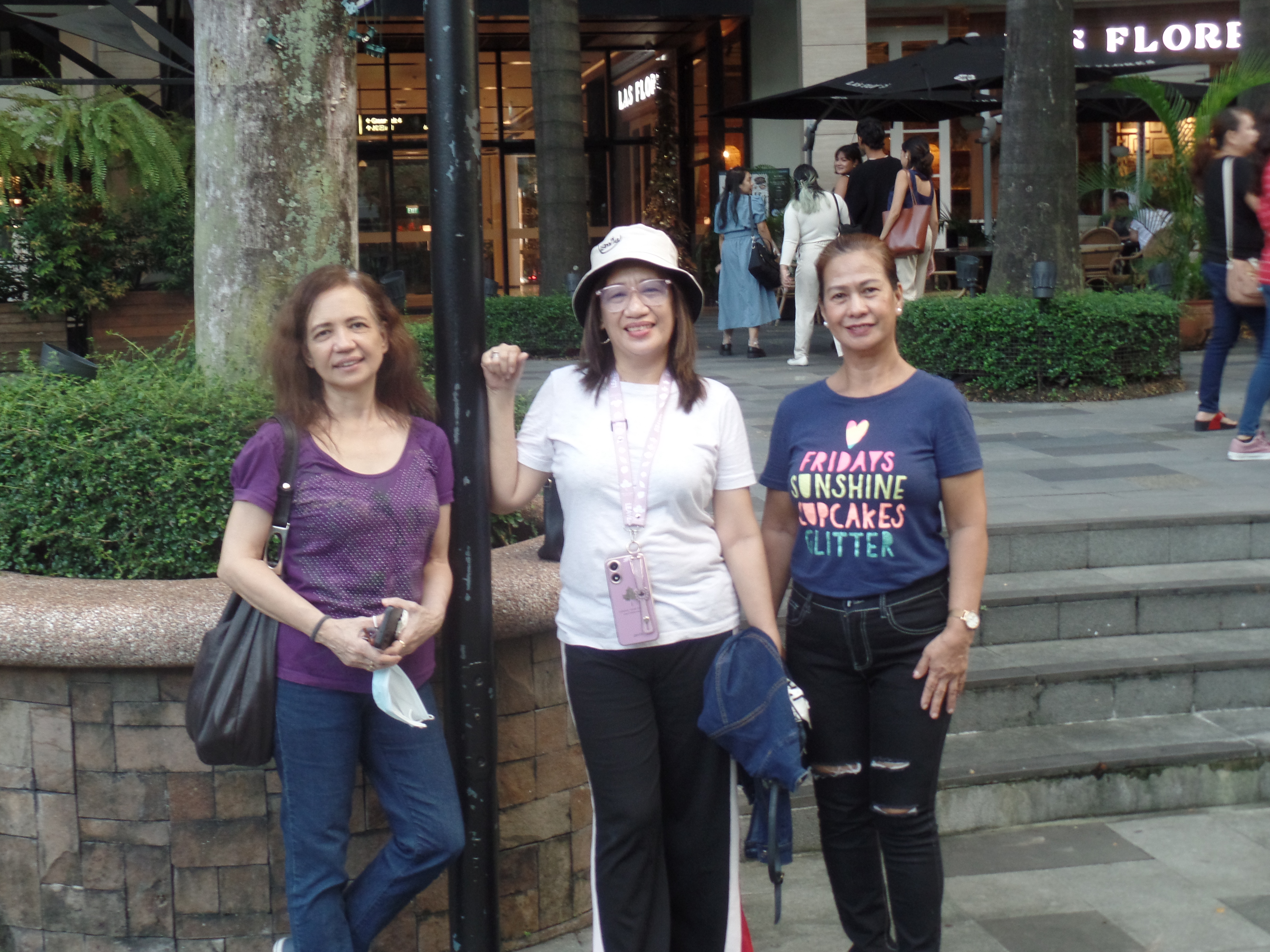
There is ever something interesting, when one’s hosts are three amigas.