
October 6, 2025, Sarajevo- Once again, I found myself looking at piles of children’s shoes, mounds of abandoned luggage, faces of frightened families being herded onto to trucks-instead of train cars, with the same promise of “a better life”. I looked into hundreds of pairs of eyes, of men of various ages; indeed, some of the “men” were only 14 or 15. Every last one of the more than 8,000 male human beings killed in July, 1995, in and around Srebrenica, Bosnia& Hercegovina was “guilty” of only one thing-being a Muslim in what their captors conceived to be a pure, Christian, Serbian nation of Yugoslavia.
The Srebrenica Memorial Center sits in what is styled the Republic of Srpska (Serp-ska), its existence and its mission protected by the overarching government of Bosnia i Hercegovina, under the Dayton Accords, which ended the war in Bosnia, in 1996. The Bosnian Serbs make no pretense of liking the message the Museum offers, but they abide its presence. In that sense, it is no different from, say, the Civil Rights Museum in Montgomery, AL or the Sand Creek Massacre National Monument, in southern Colorado. Those who view things only one way cannot easily accept even established fact, when it disrupts their world view.
Three of us were taken to this Museum, by a man named Adis. He is a veteran of the Bosnian War for Independence. He is also an accomplished de-mining technician, and has helped remove mines in over two dozen countries, since 1998. Adis is a Bosnian Muslim. He told us of the background of the horrors that nearly tore his country apart, in the years 1992-96. He told us, as did staff members at the Museum, of the unreliability of United Nations Peacekeepers, held back by the envoy of the U.N. to Yugoslavia and by their own commanders. These men told us what was the result of overemphasis on preserving the status quo. The Big Picture fell on top of the people who only wanted to live their lives in peace.
Here are some of the scenes presented us at the Museum, in Srebrenica itself and at the Memorial Cemetery, down the street from this powerful institution.

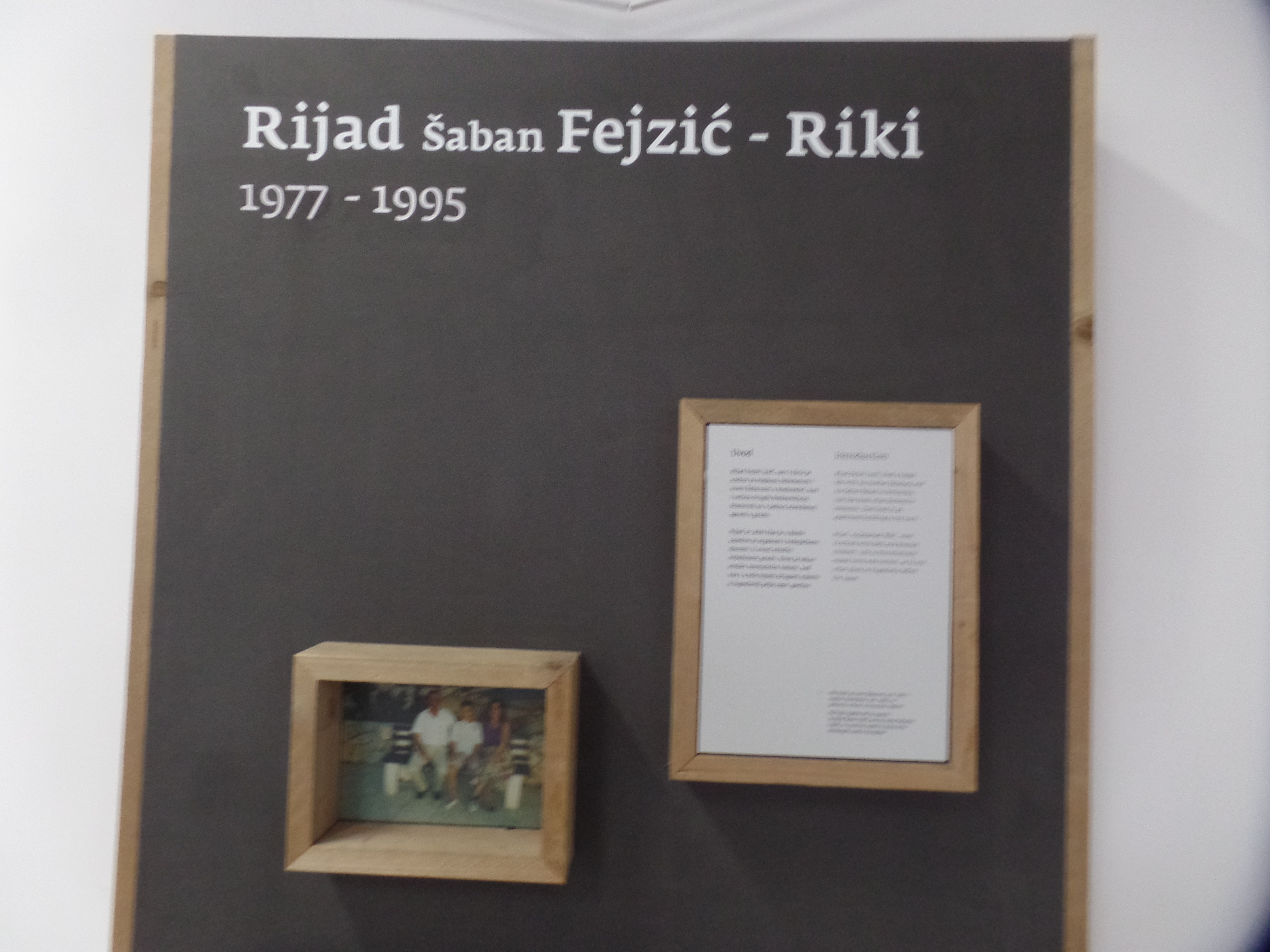
Riki was 18 when he died, probably alongside his father and most likely not when engaged in combat. He had no training, no weapon, only his faith and love for his family. Riki’s story is a recurring presence in the 26 rooms, in which the story of this conflict unfolds in the Memorial Center. His remains were only identified after the war had ended. His father’s have never been found. Riki was beaten to death.
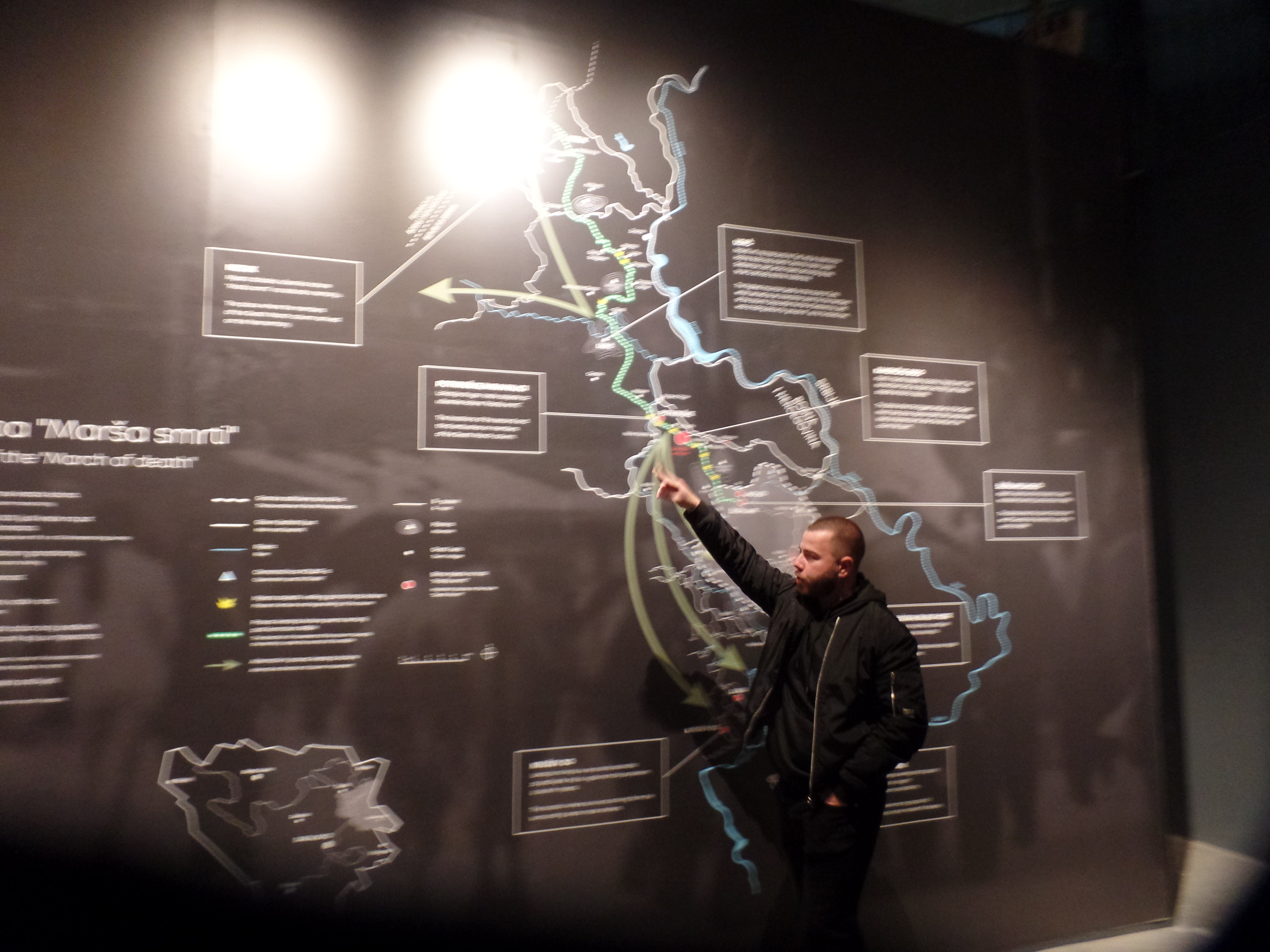
This man’s father was a Bosnian Army soldier. He himself has been a presenter at the Memorial Center, for almost fifteen years. He is showing the course of the attacks on Srebrenica, which had been deemed a protected zone of the United Nations. Bosnian Serb forces, aided by the Serbian regulars, decided to ignore the UN’s presence in the area, and marched on the town, on July 11, 1995. The UN’s troops, a Dutch battalion, were under-equipped and outnumbered. It could have been different, but those in control of the situation simply had other priorities.

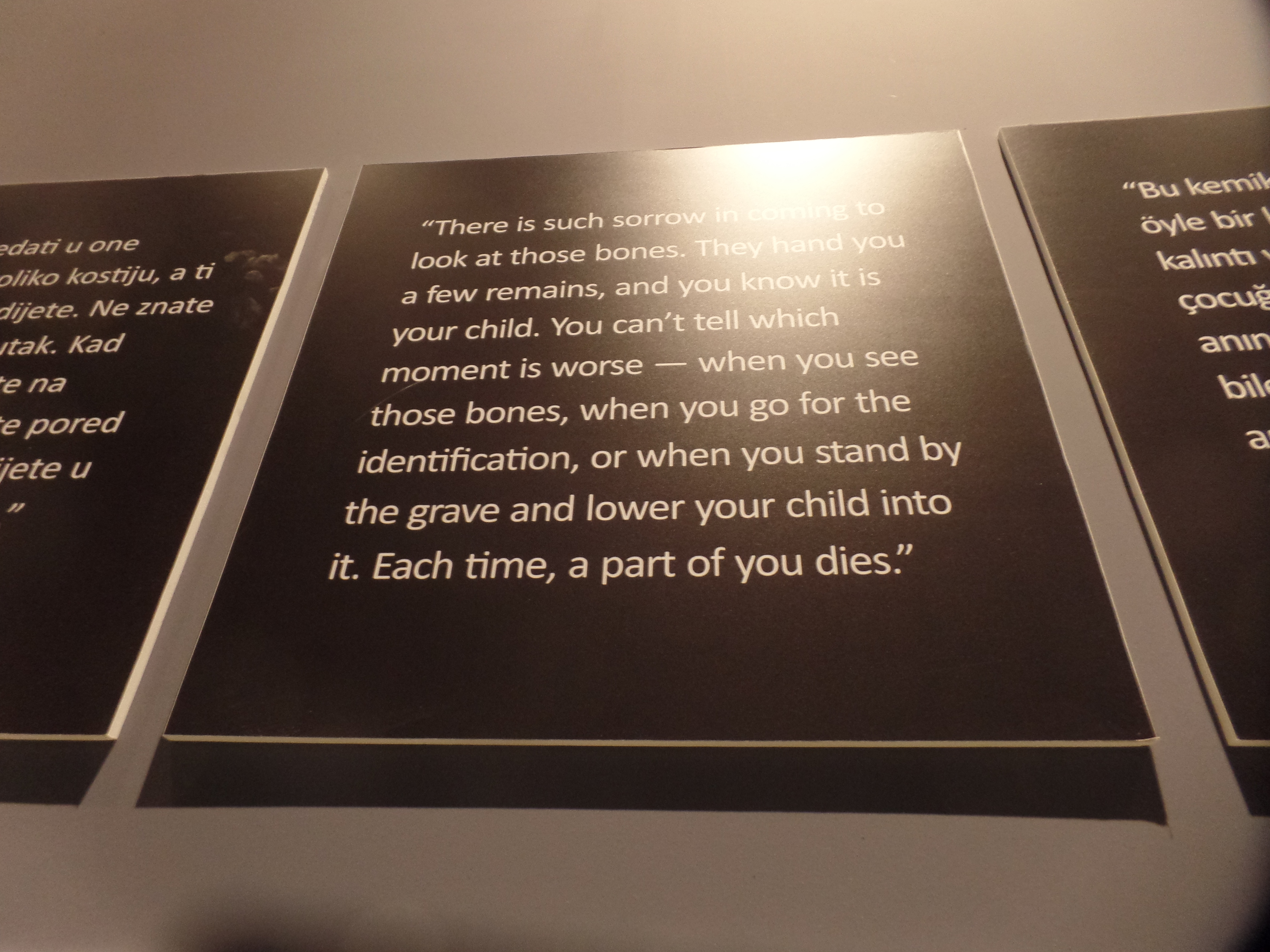


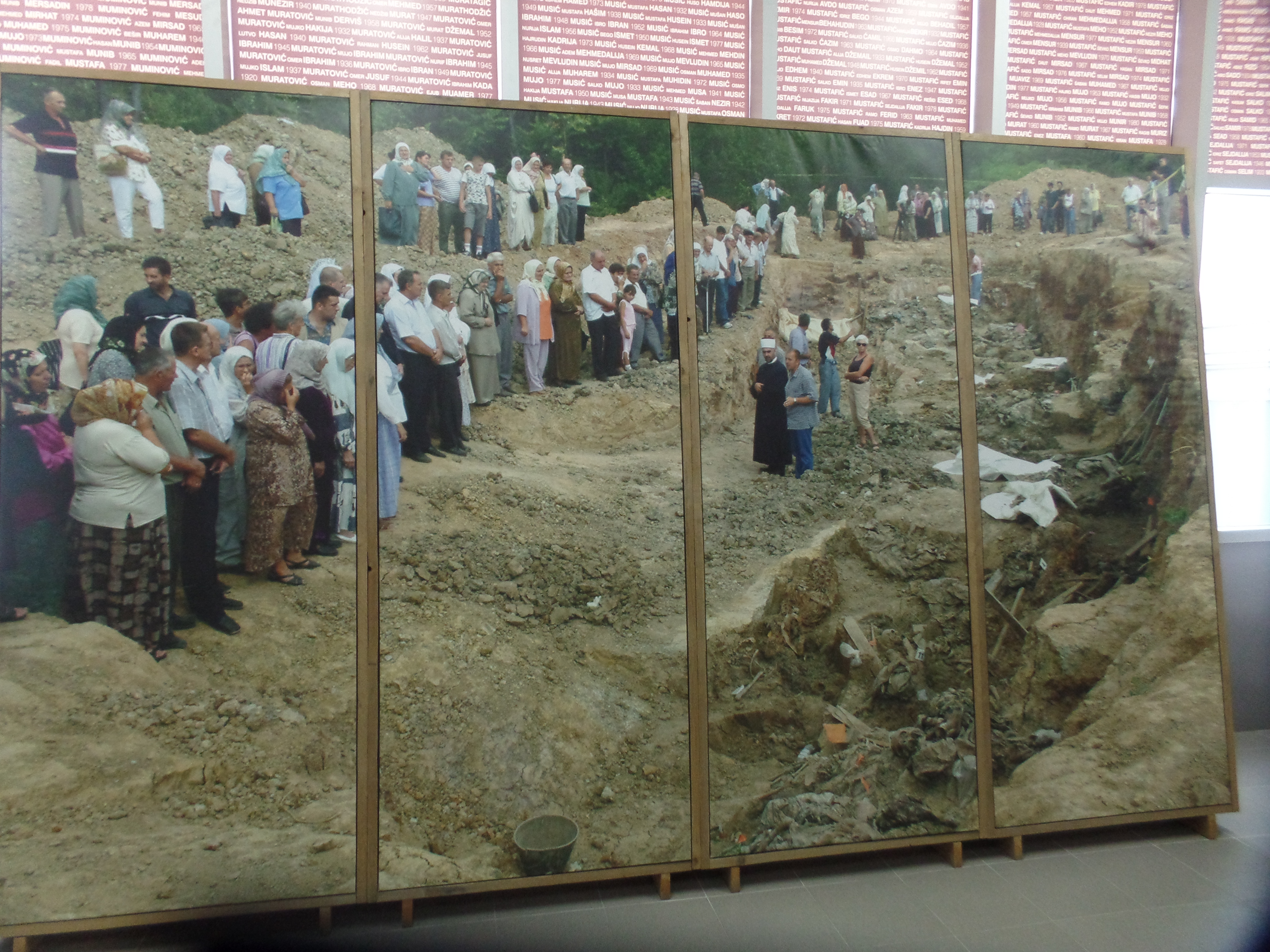

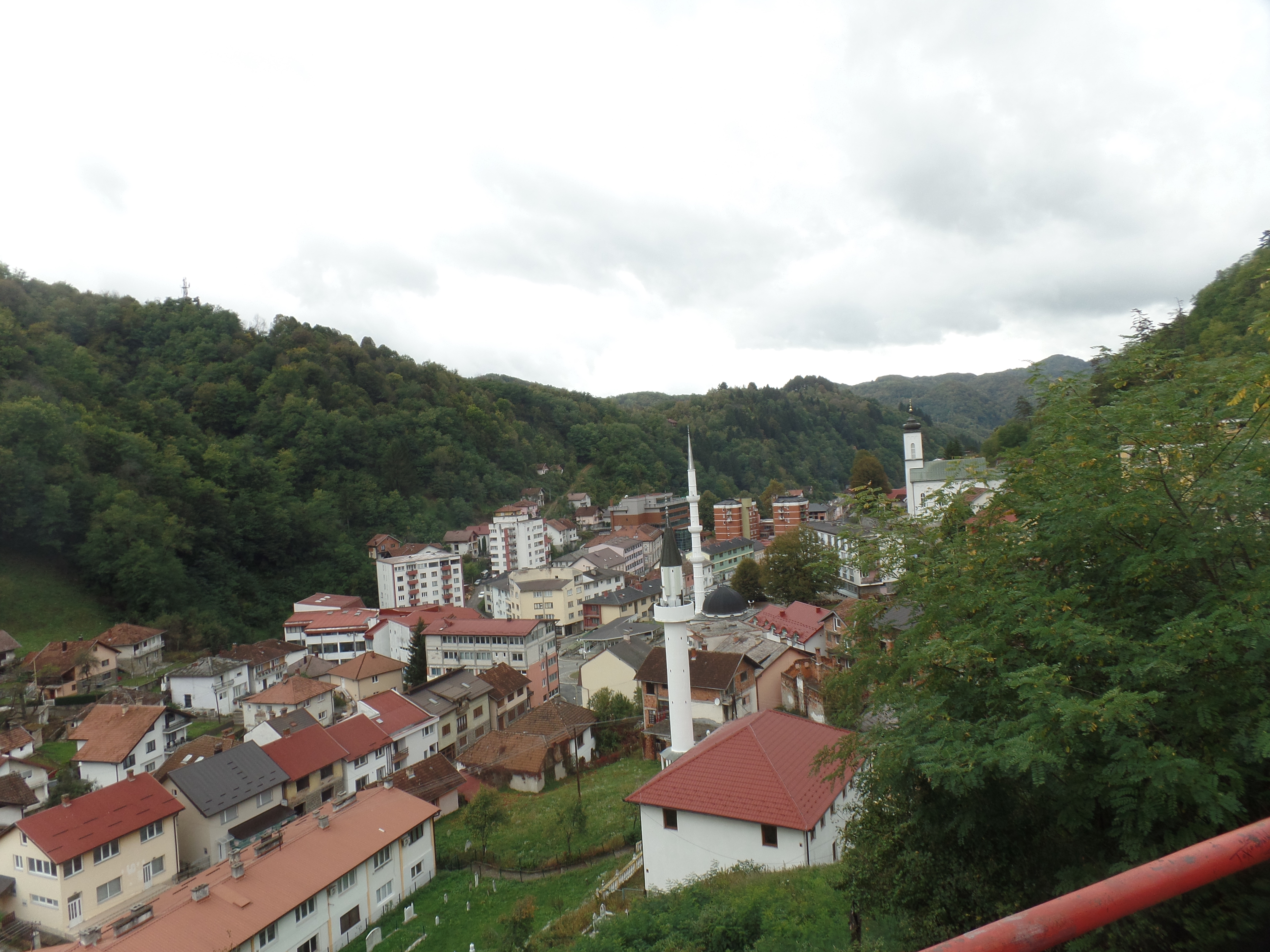

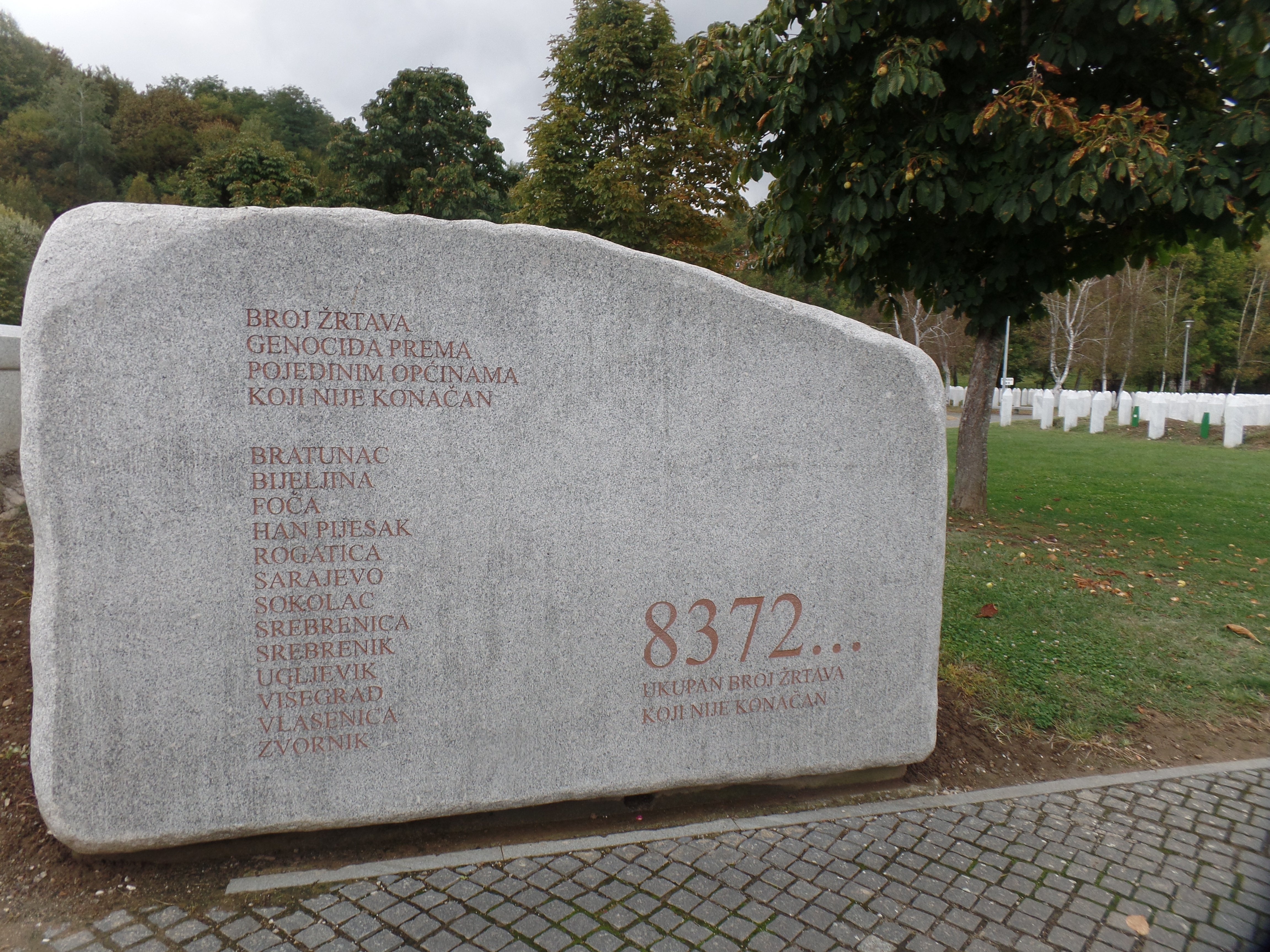
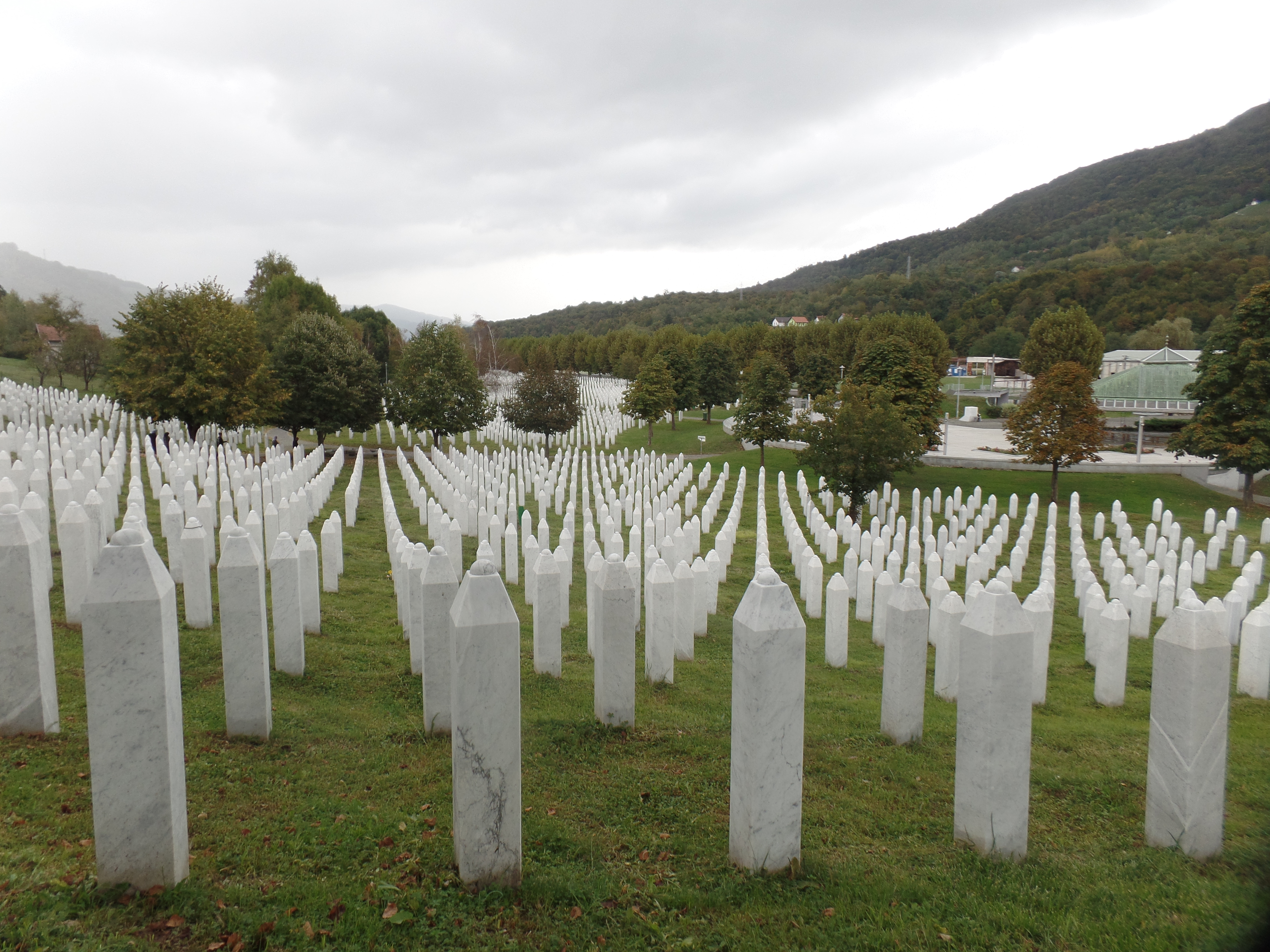
No one should condemn the Serbian people for what happened, any more than one could condemn the German nation for the Nazi reign of terror or the average Southern white male for the horrors of slavery and Jim Crow, or the majority of Hutu farmers for the slaughter of the Tutsi, in Rwanda. Adis put it clearly: “Most people just want to live their lives in peace and provide for their families. It’s as true of the Serbs around us as it is of we Bosniaks.”
The lesson of Srebrenica, of Auschwitz-Birkenau, of Rwanda, of Cambodia, of the oppression of Indigenous peoples the world over, is that the people of any given community cannot just leave the affairs of a community, state/province or nation to the ambitious and those with an agenda. Each of us has a say in what goes on around us. This is one of the keys to peace-It starts within and radiates outward, lest it die on its own vine.
 A Sagittarian Seeker