
October 7, 2024, Manila- Being on my own today, with the ladies off taking care of important business, in different directions, I chose to walk to Manila Zoo-about 3/4 mile from the hostel. It was humid, but not all that hot, and the cloud cover kept things fairly pleasant. My route went north on Pedro Ocampo Street, then veered east on Adriatico. At that point, a statue of Pedro Ocampo marked the junction.

Across from the Zoo, about a quarter-mile further on Adriatico, is a Children’s Road Safety Park. Here, kids can “drive” along mock roads and learn the basics of traffic safety. Given the crowded and sometimes chaotic nature of urban Philippine roads, this novel idea may well partially account for the relative safety of navigating roads here.
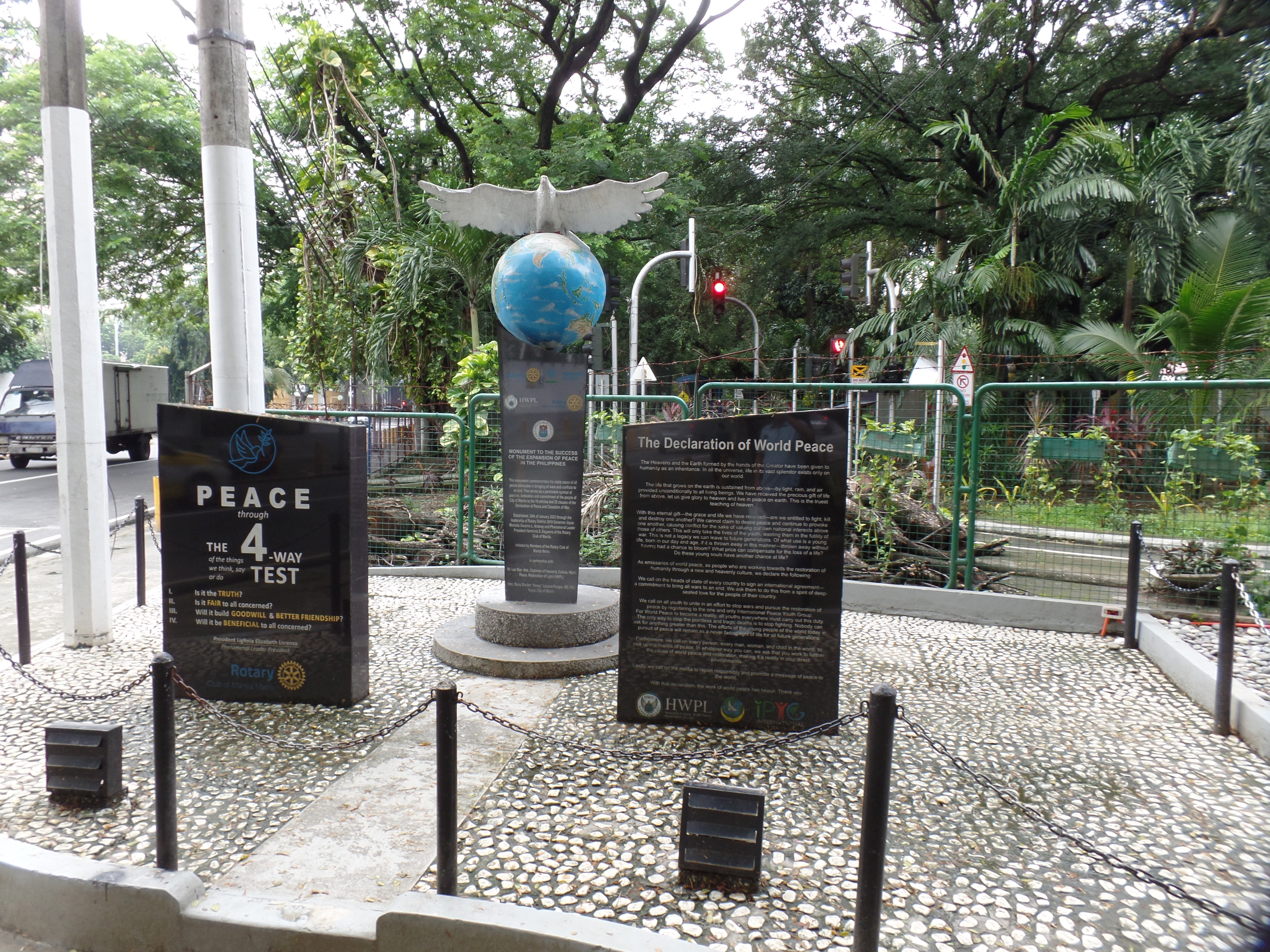
In the zoo itself, one has any personal bags briefly checked, then a seated registration and admission payment process ensues. This is similar to other entrances to Philippine parks and museums-and accounts for setting a tone of decorum and personal safety in the facilities. I find it re-assuring.
The zoo is rather small, for a major city zoological park, but it does introduce children to both animals endemic to the archipelago and to several animals found in Africa, South America and elsewhere in Asia. The Asian elephant, though not found in the Philippines, is the statuary that greets the visitor.

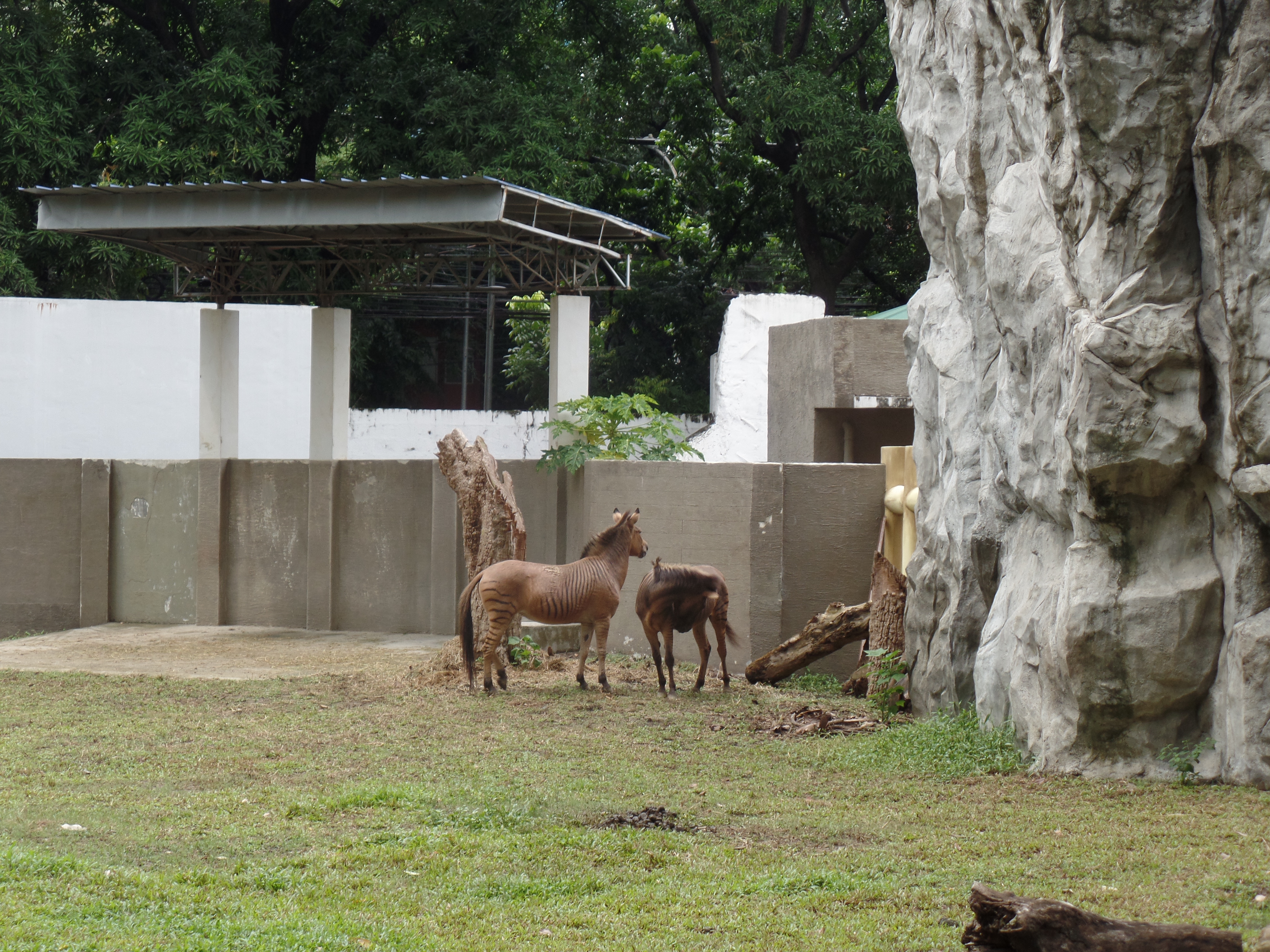
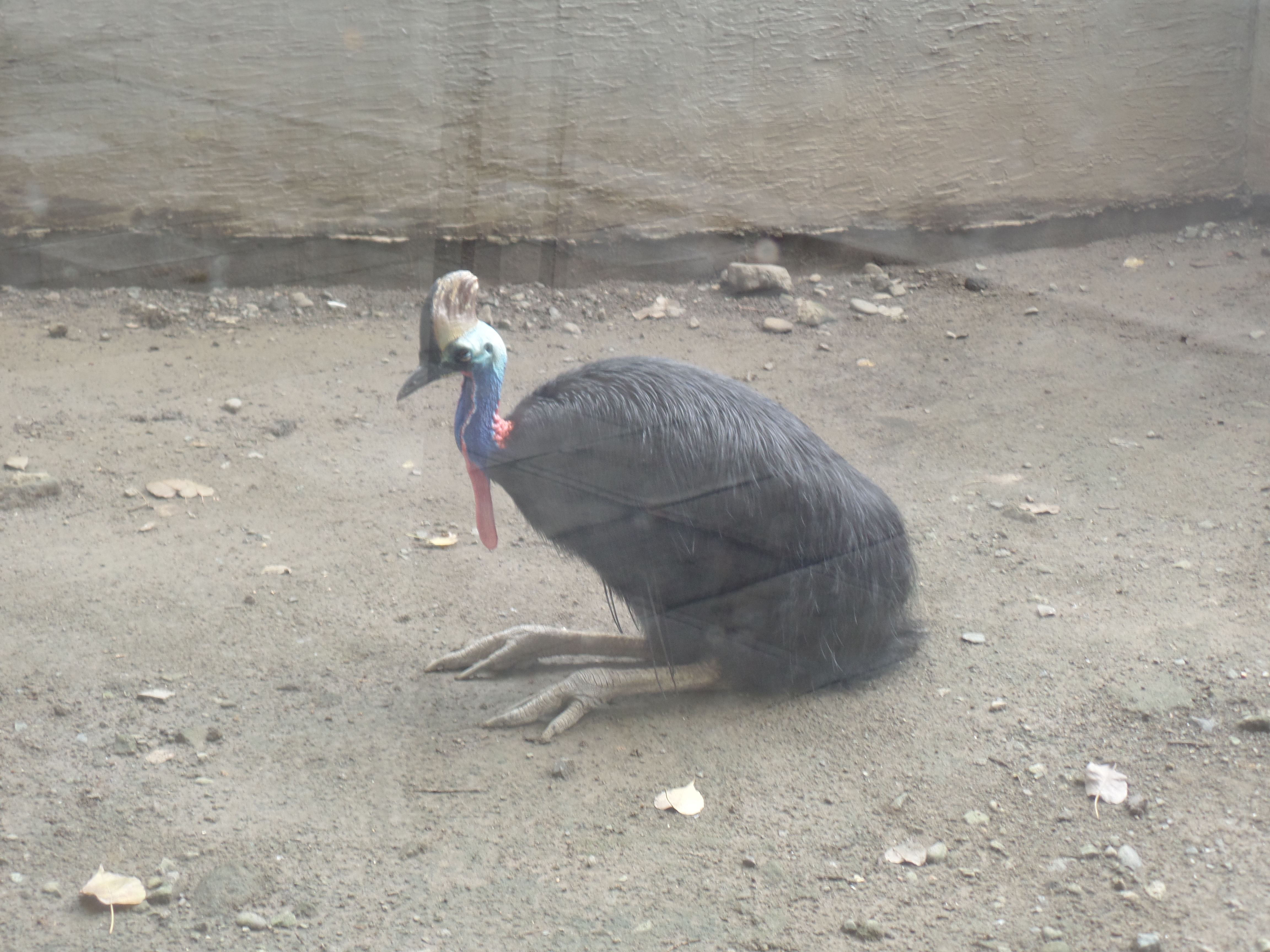
Many of the animals, from a pair of capybaras, to a laconic cassowary, and the big cats, were immobile in the late morning humidity. Once a light rain came, the lions and tigers, at least came somewhat alive.
So, too, did the cassowary, a usually feisty ratite, which counts among the most dangerous of the large, flightless birds.

The lioness posed in a dignified manner, after regarding me for a few minutes.


The Philippines do have predatory animals-mainly reptiles.

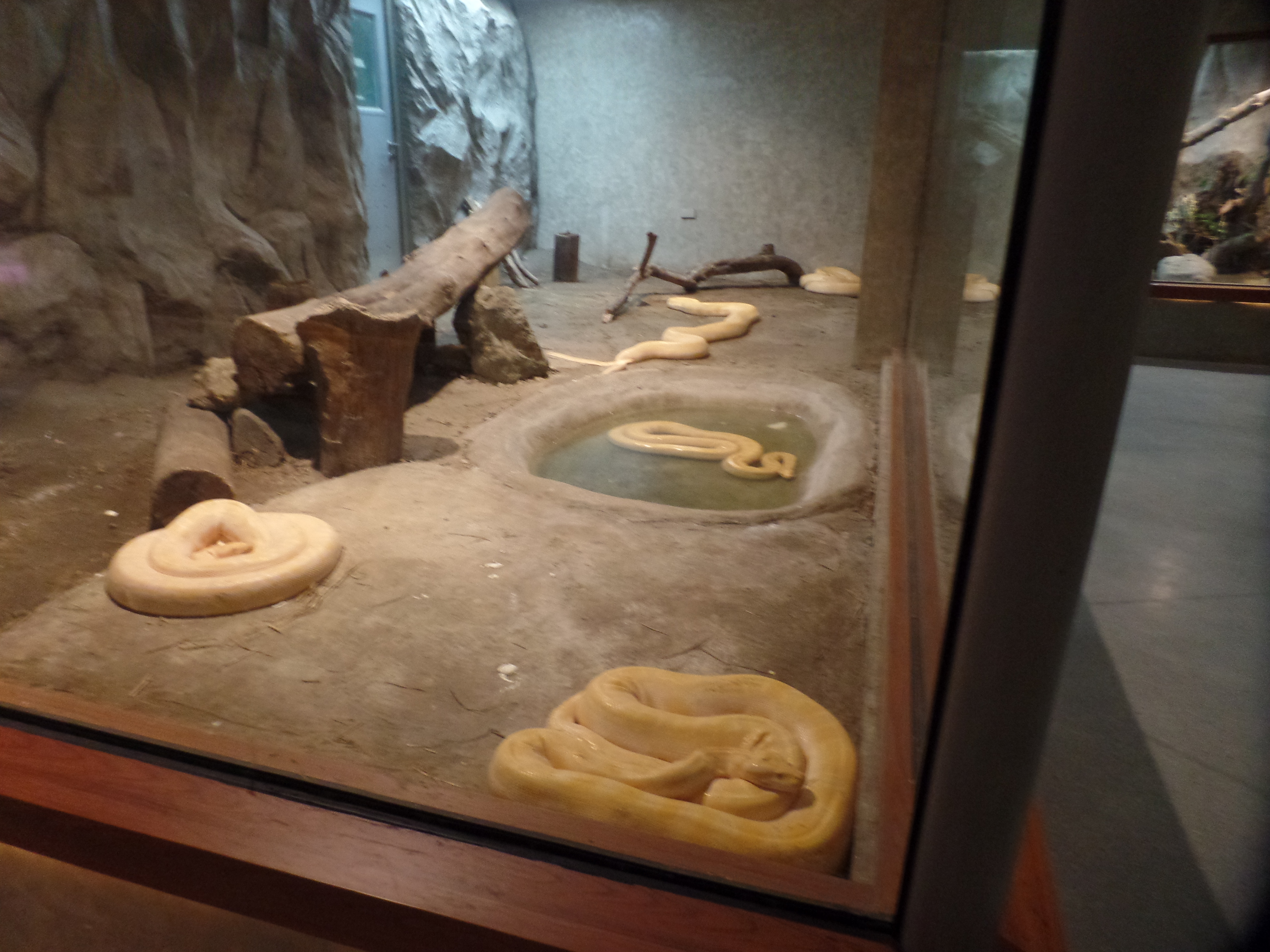
Finally, the great snakes have their due, in the Reptile House. The Philippines have two species of spitting cobra-One in northern Luzon and one on the island of Samar. There is also a species of reticulated python. As in Florida, however, the big kahuna is the Burmese python.
The zoo is said to be in better shape than it was ten years ago. Like many small zoos, it does not have some of the animals indicated by the directional signs-but maybe in a year or so, they’ll be back.
 A Sagittarian Seeker