Extended Stay

2

October 2, 2024, Manila– Kathy was still off doing the practical work of the Divine, so I decided to get my own small contribution to the greater effort done. It took three hours, mostly of waiting, but I extended my visa by two weeks-and will thus be able to consult with her, and the rest of the team, as to how that time can best be put to use. As gruff as the clerks are,(probably because they’re paid a pittance), the lady at the last station entered two weeks beyond what I needed, as the expiration date. I still need to get back to Arizona by Oct. 28, but it’s nice to have that buffer period, just in case.

During the final hour of waiting, between the payment part and the confirmation part, I went over Jones Bridge to Binondo, the oldest of Manila’s Chinatowns. There are a couple of arches that set the mood.

Pasig River, with old financial district across from Intramuros.
Gateway to Quiapo Chinese Commercial Area, Binondo.
Filipino-Chinese Friendship Arch, Binondo
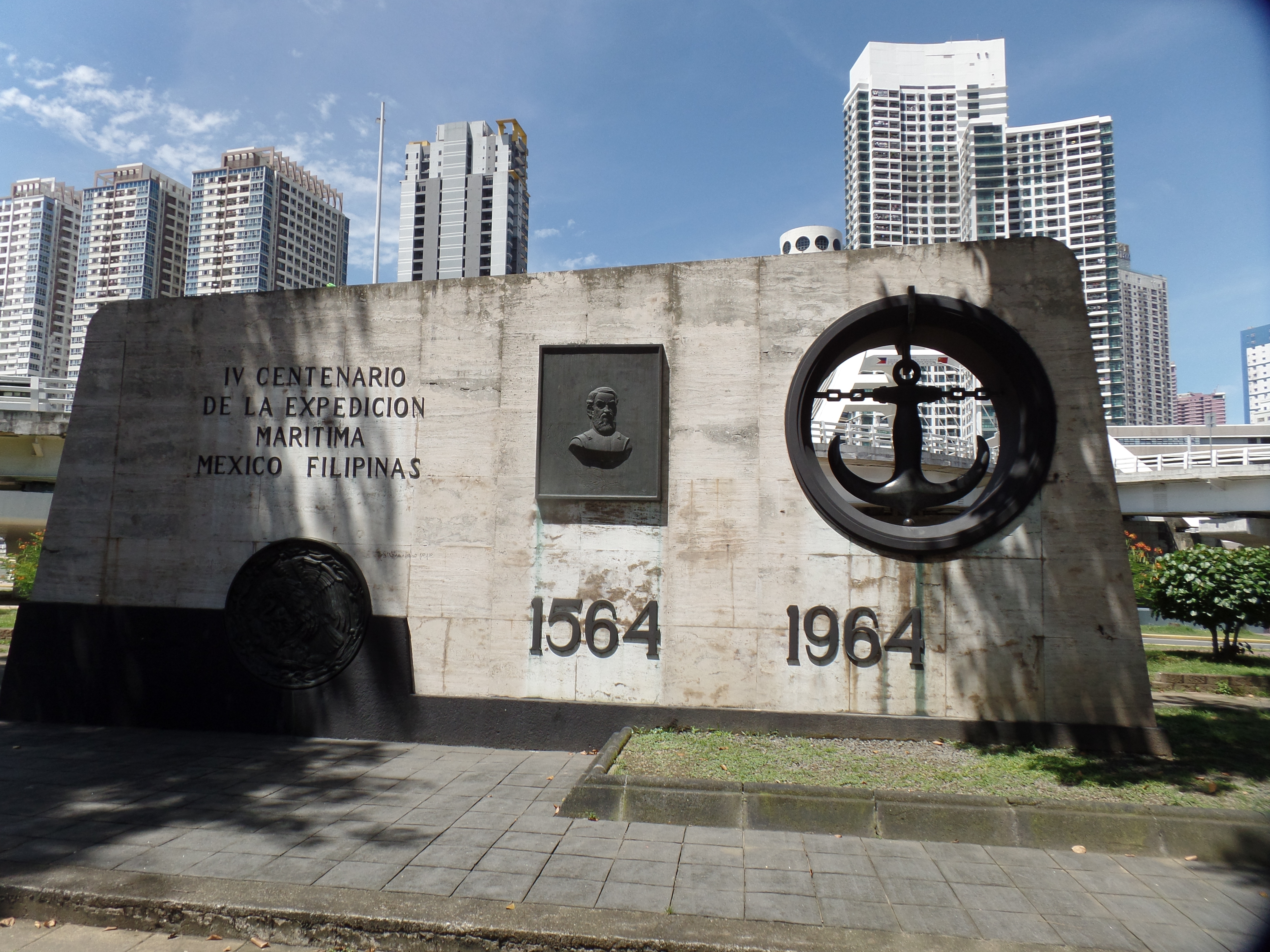
Four hundred years of ties between the Philippines and Mexico are also a point of pride, along the Pasig.
Jones Bridge, close-up
Mural, west of Jones Bridge

After taking this photo, I was approached by a pedicab driver, who said he could take me to a dozen fascinating sites. I asked him to take me to the National Museum of Fine Arts, only. This turned out to be more than enough for the poor soul, and I paid him a fair wage for his effort. These men represent a dying art, but don’t need to die on the job. Ironically, right after he let me off, a horse-drawn cart came down the street on the opposite side. I felt just as bad for the poor horse, as for the pedicab driver.

Here is the National Museum of Fine Arts.
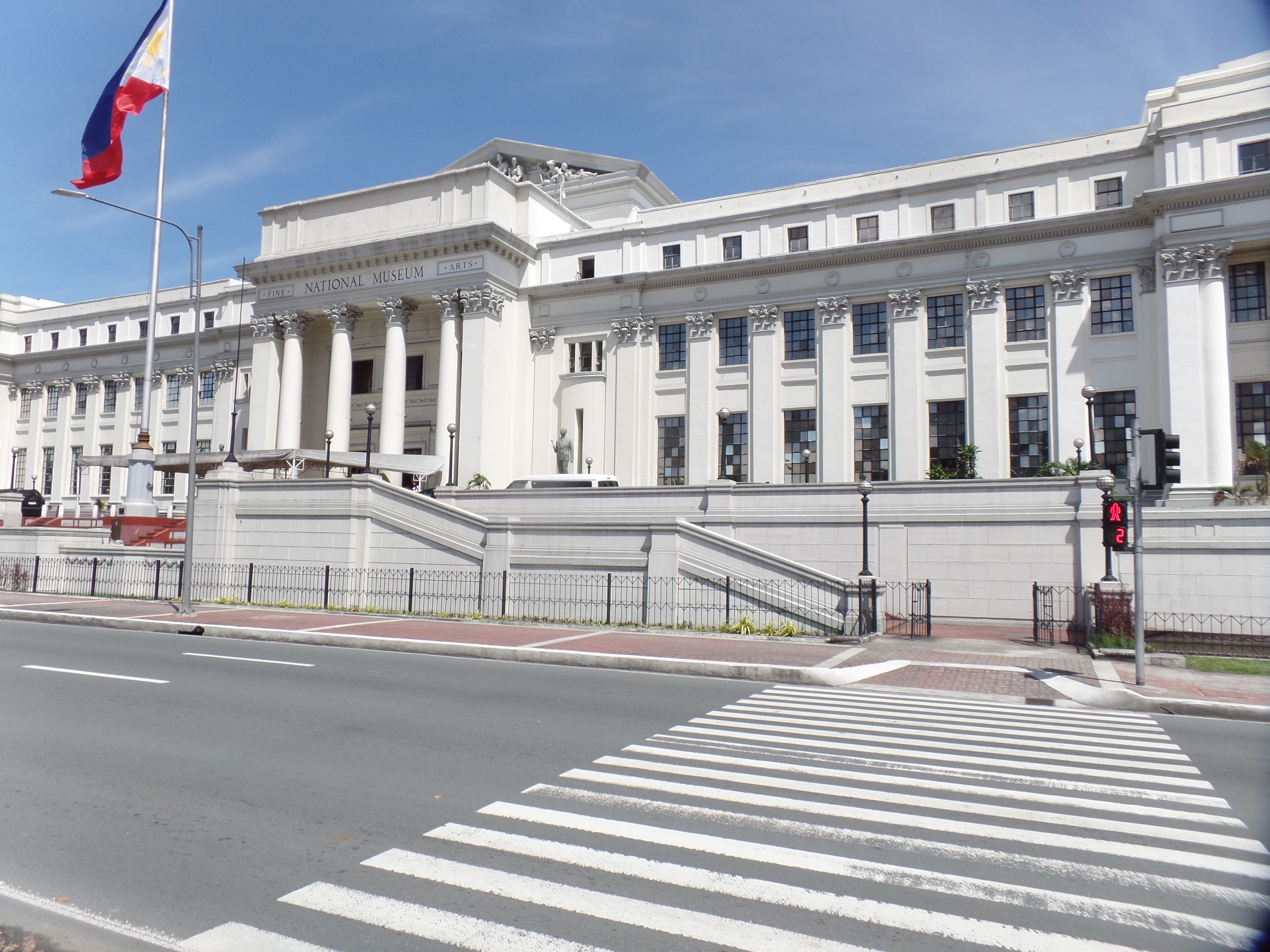
I managed to take in the second floor and half of the third.
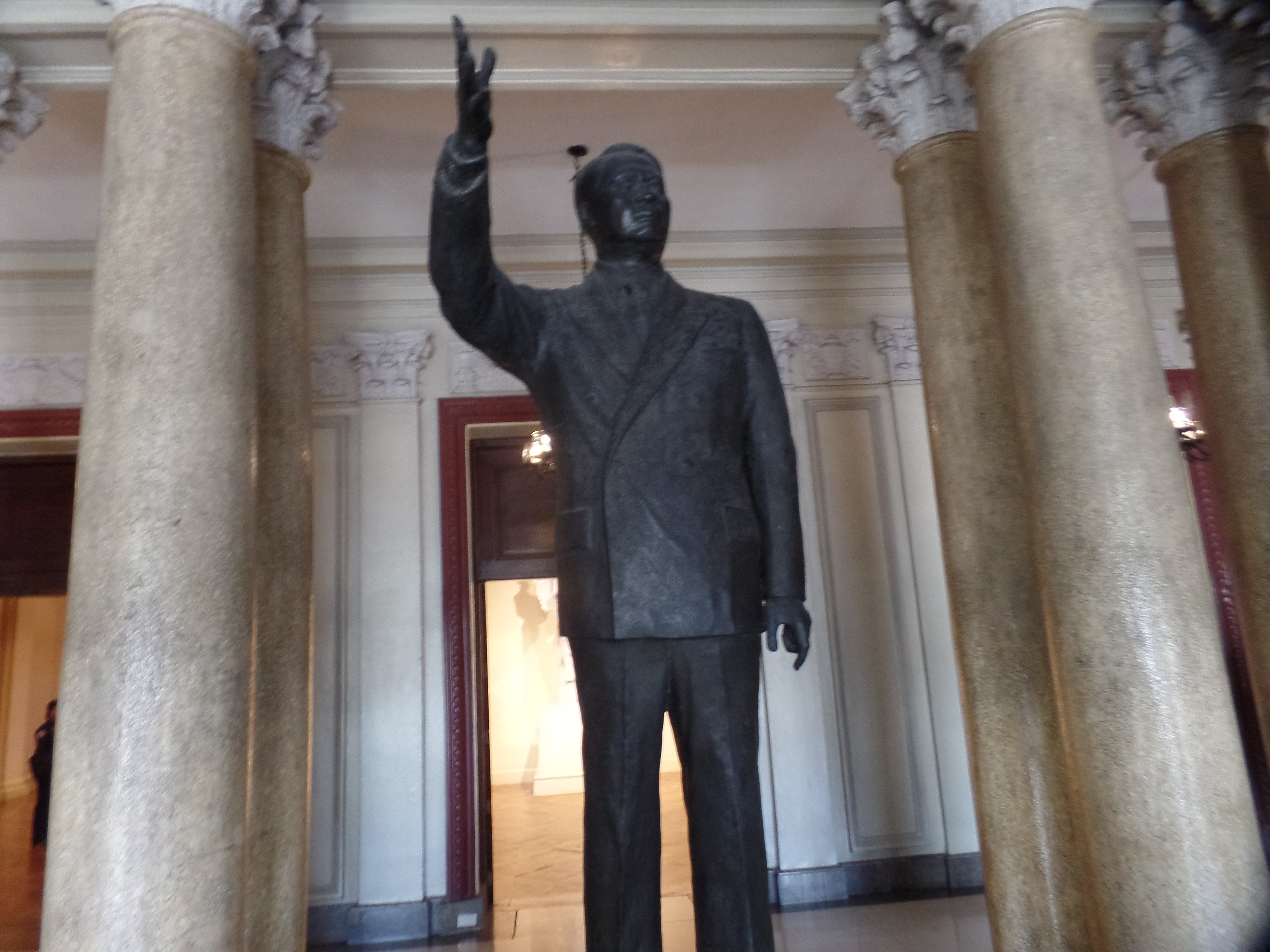
Manuel Roxas, the fifth President of the Philippines. His is the first likeness to greet the visitor to Fine Arts.
“Angel”, by Guillermo E. Tolentino is right behind President Roxas.
Felix Resurreccion Hidalgo was one of the Philippines’ greatest painters of the 19th Century. Here is his “El Gobernador y El Obispo” (1896), based on an imaginary historical encounter.
Hidalgo (right) is featured here with his contemporary, Juan Luna.
“Dr. Jose A. Rizal”, by Felix Gonzales (1962). This piece is one of many depictions of the National Hero of the Philippines, in an honorarium gallery. It is Gonzales’ only work, in the National Museum.
A retablo (altar piece), from the Church of San Nicolas de Tolentino, Dimiao, Bohol.

There are a pair of long murals, which feature the length of Filipino history, but which I’d rather cite after a visit to the National Museum of Anthropology.

This second solo venture was a full day.

A Split City

2

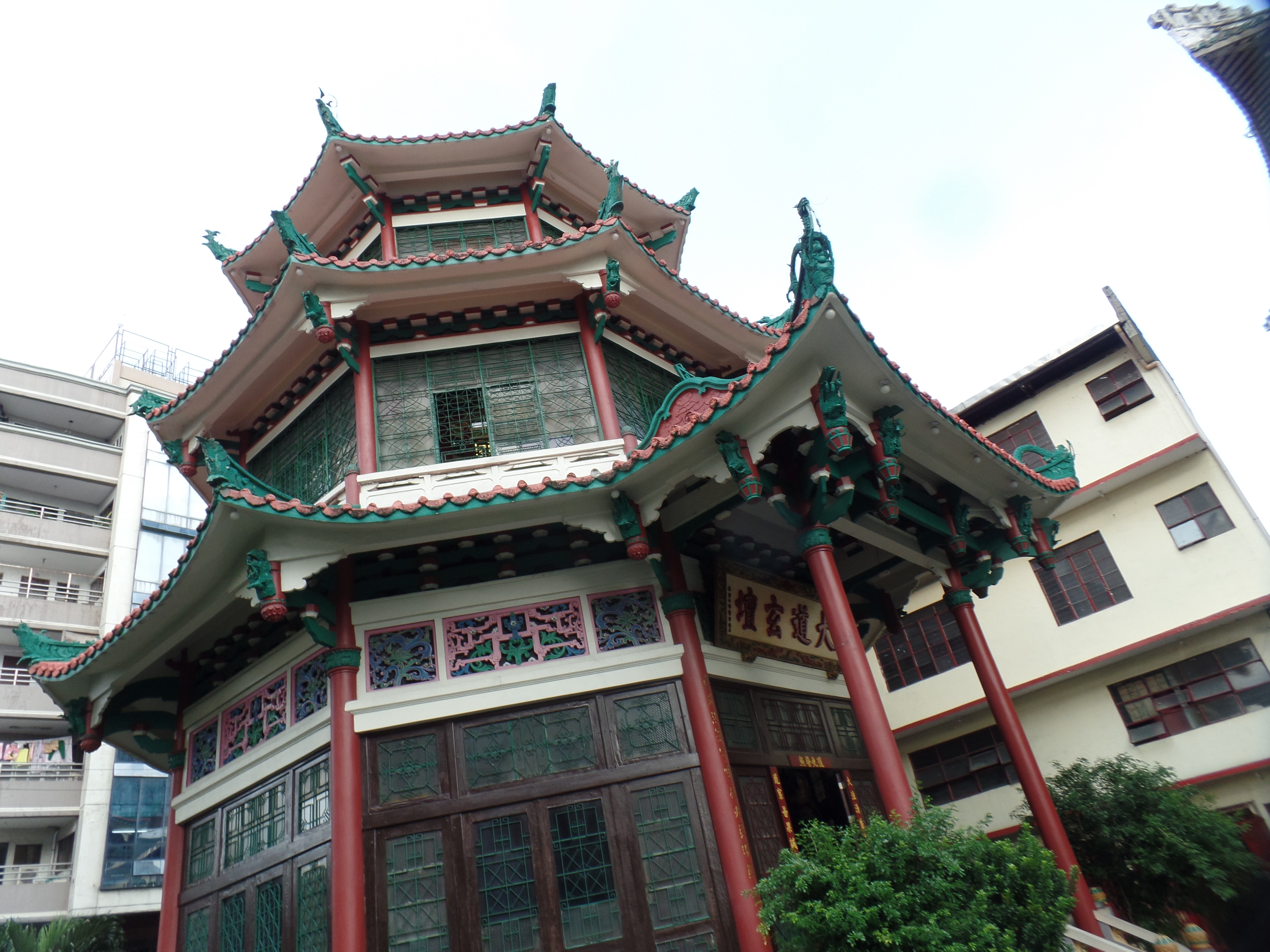
September 25, 2024, Manila- Stepping off the light rail car, at Fifth Avenue station, I spotted an ornate Chinese temple and adjoining pagoda. I was in Caloocan, the Philippines’ fourth-largest city, and the only one that is split by a neighbouring community. In this case, Quezon City, the largest city in the country and its former planned capital, has split Caloocan into the greater northern segment and a slender southern area, by way of the former’s aggressive annexation of land in the 1930s and again in the 1950s.

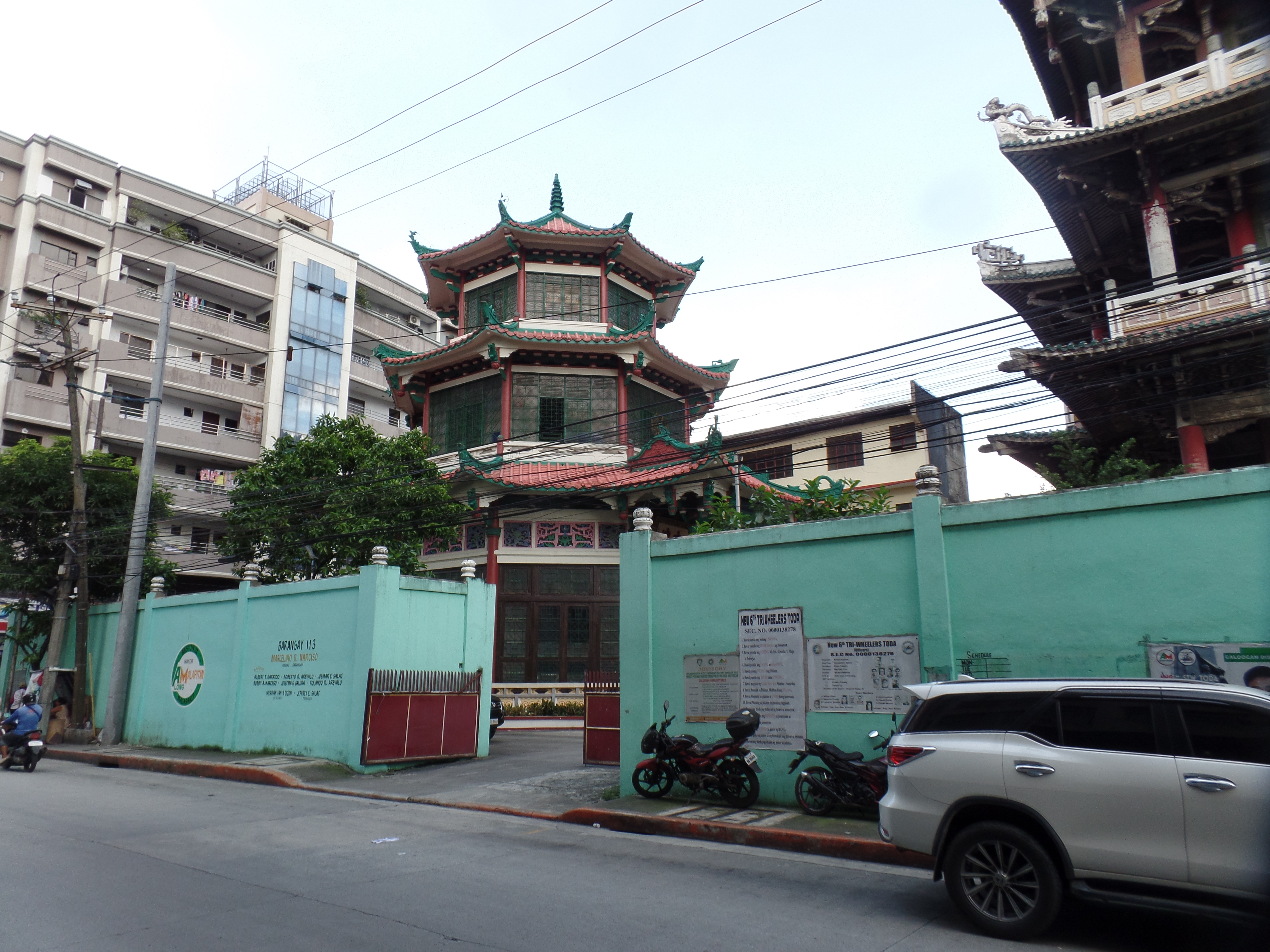
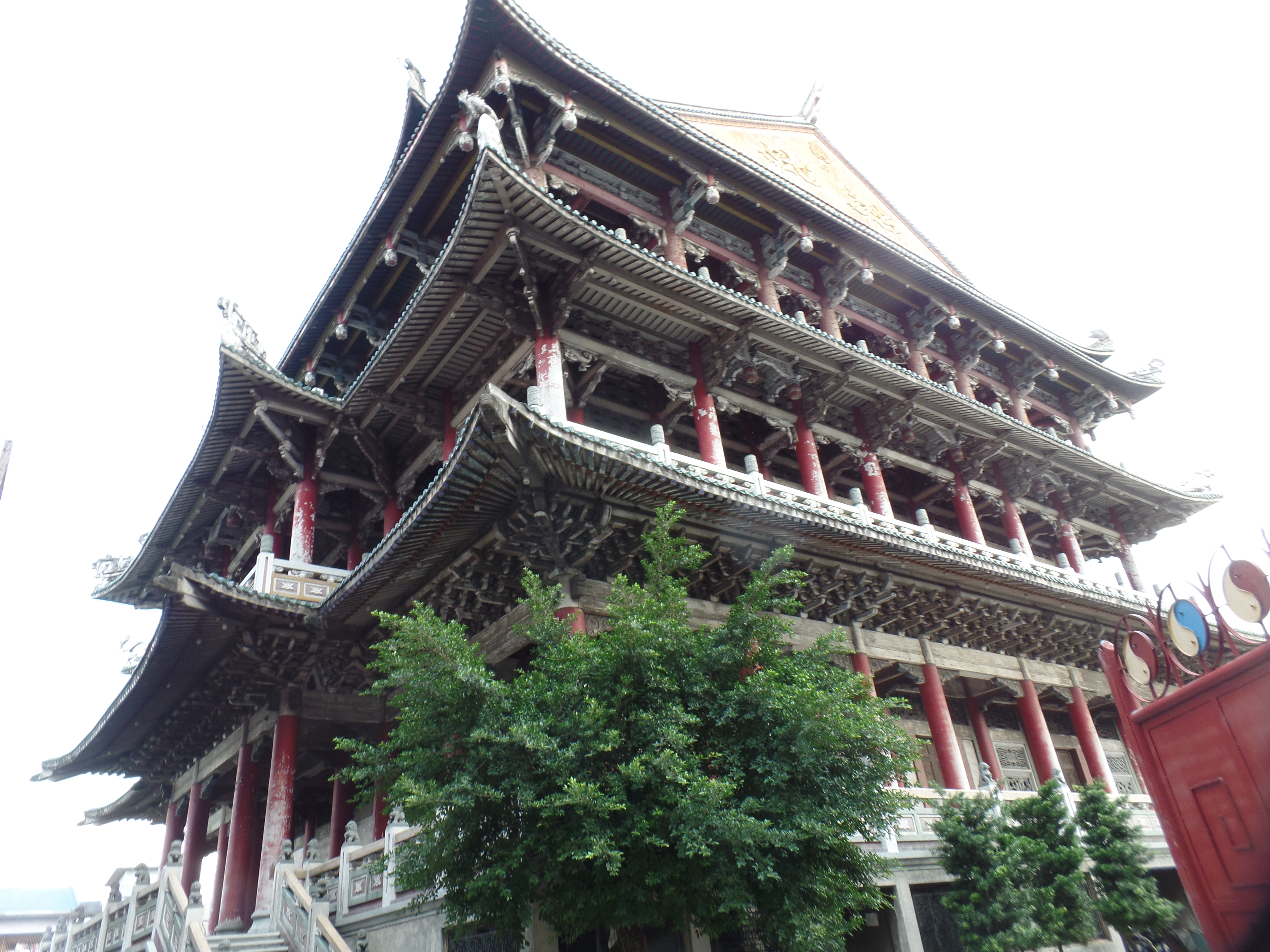
It is in southern Caloocan that the Chinese structures are found. The Taoist Temple, named Thai To, and its pagoda, lie to the south of the Fifth Avenue Light Rail Station. The outer gate of the complex was open, but the doors to the structures were not, so I confined my curiosity to their exteriors. I know from having lived in South Korea and visiting Taiwan that temple visitation involves serious protocol.

Thai To Taoist Temple and Pagoda, Caloogan South (above and below)

Crossing back to the main street, I noticed another old Mandarin-style building, on the north side. So, crossing over, I found Ung Siu Si, at the north end of a small area of shops and warehouses.

Ung Siu Si Temple, Caloocan South

Two older Chinese men, who had been lounging outside, got up and moved away, as they saw me approaching. A nearby security guard chuckled at their wariness, but no one had a problem with my photographing the building.

This was the extent of Caloocan South’s Chinatown remnant, save for a few small cafes with signs in Mandarin. I spent the rest of my solo afternoon at Co-Lab, a pleasant coffee shop, frequented by university students. It is ever a feature of my sojourns to seek out such haunts, and while away an hour or so by journaling. Co-Lab, also called The Coffee Project, is not far from Ola!, or from the Baha’i Center, so I will visit there again, when K and the sister-friends are busy with projects, on a given day.

Tomorrow, though, I will wrap this second stay in Manila and head southwest, to Palawan, for a three-day visit. It is the home of two of the sister-friends, who have been so important to our day-to-day activities.