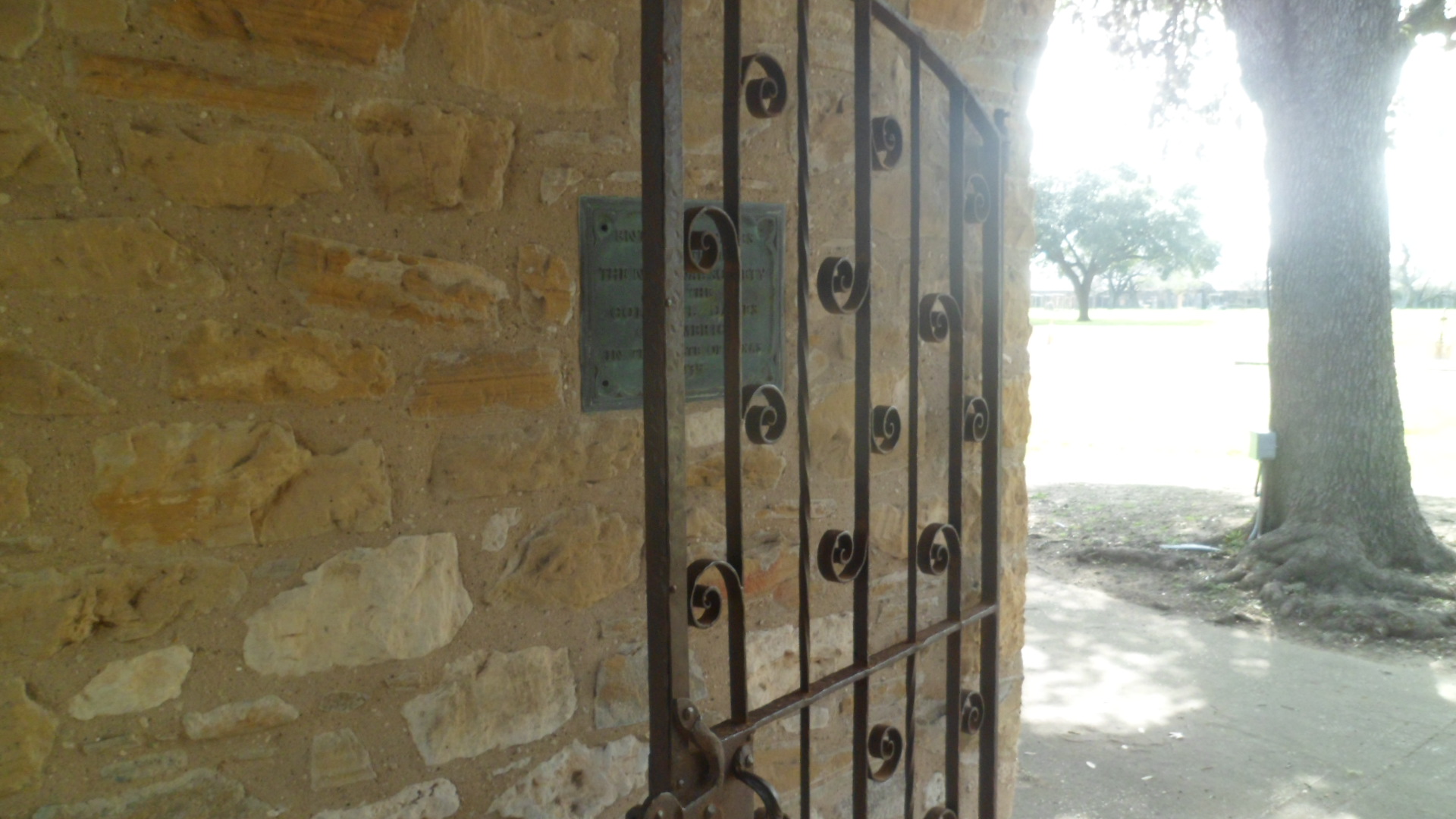
The Road to 65, Mile 81, Part 3: Capistrano in Texas

6

February 17, 2015- San Antonio 

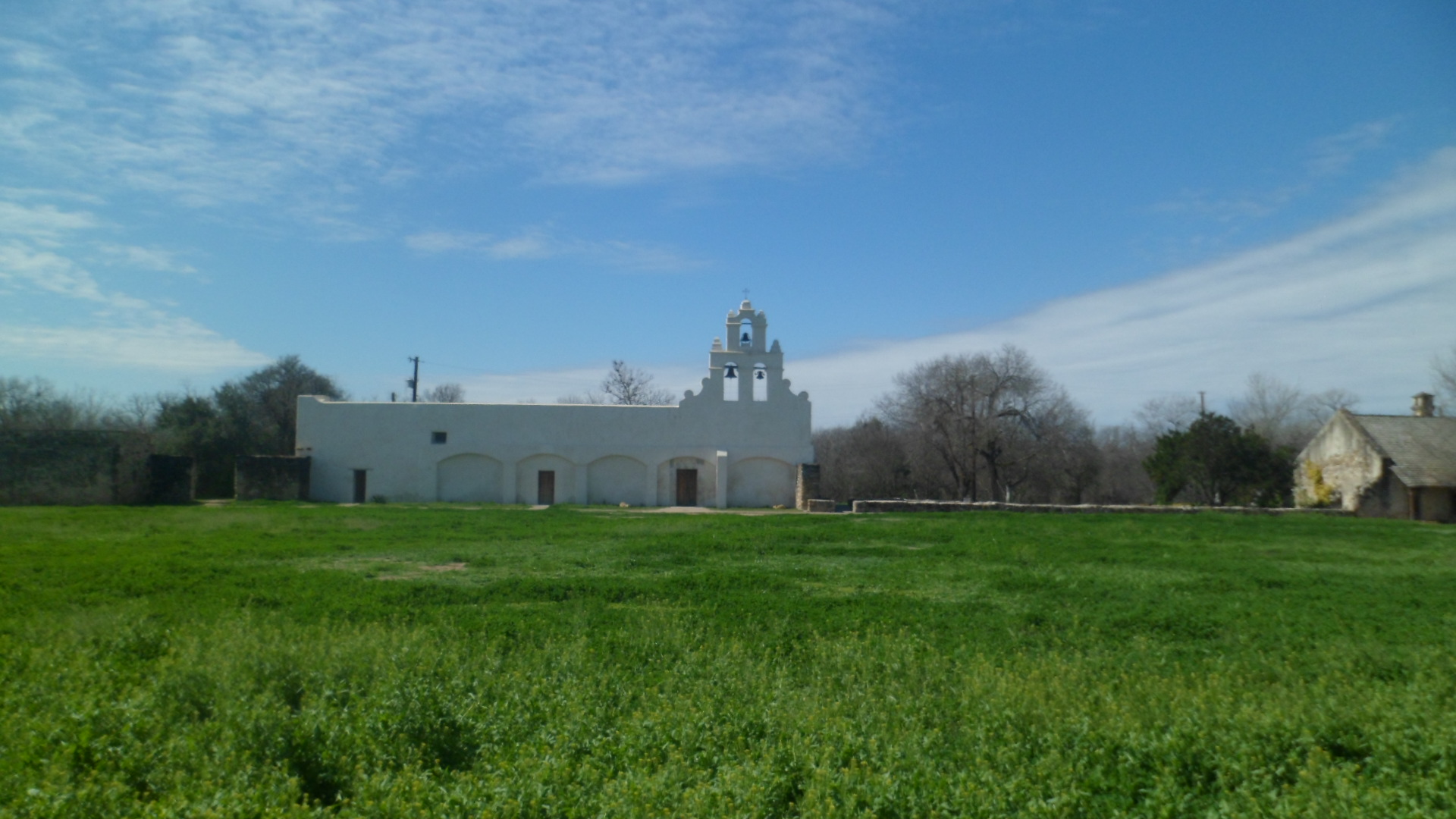
The justly famed Mission San Juan Capistrano, in southern California. has a Texas twin.  This Mission San Juan was established in 1731, on the east bank of the San Antonio River, using the remnants of a previous mission near present-day Lufkin,which fell on hard times and the deaf ears of the Nazonis people.

The Coahuiltecans were, on the other hand, more than glad to have Spanish assistance, owing to the severe drought.  The Spanish taught the people near Mission San Juan, how to build and use acequias and to domesticate cattle.  Some of the first longhorn ranches were near this mission.

SAM_4309

The principal acequia for this mission came from the Yanaguana, the Coahuiltecan name for the San Antonio River.  A short nature trail allows the visitor a semblance of what was available to the residents of that time.

SAM_4323

The water level was a bit higher then, than now.  The present water supply is low, and sullied with clay.

SAM_4326

SAM_4327

Still, it allowed the populace to be fairly productive, botanically, as well as in animal husbandry.  A replica of the main garden still produces herbs and legumes.
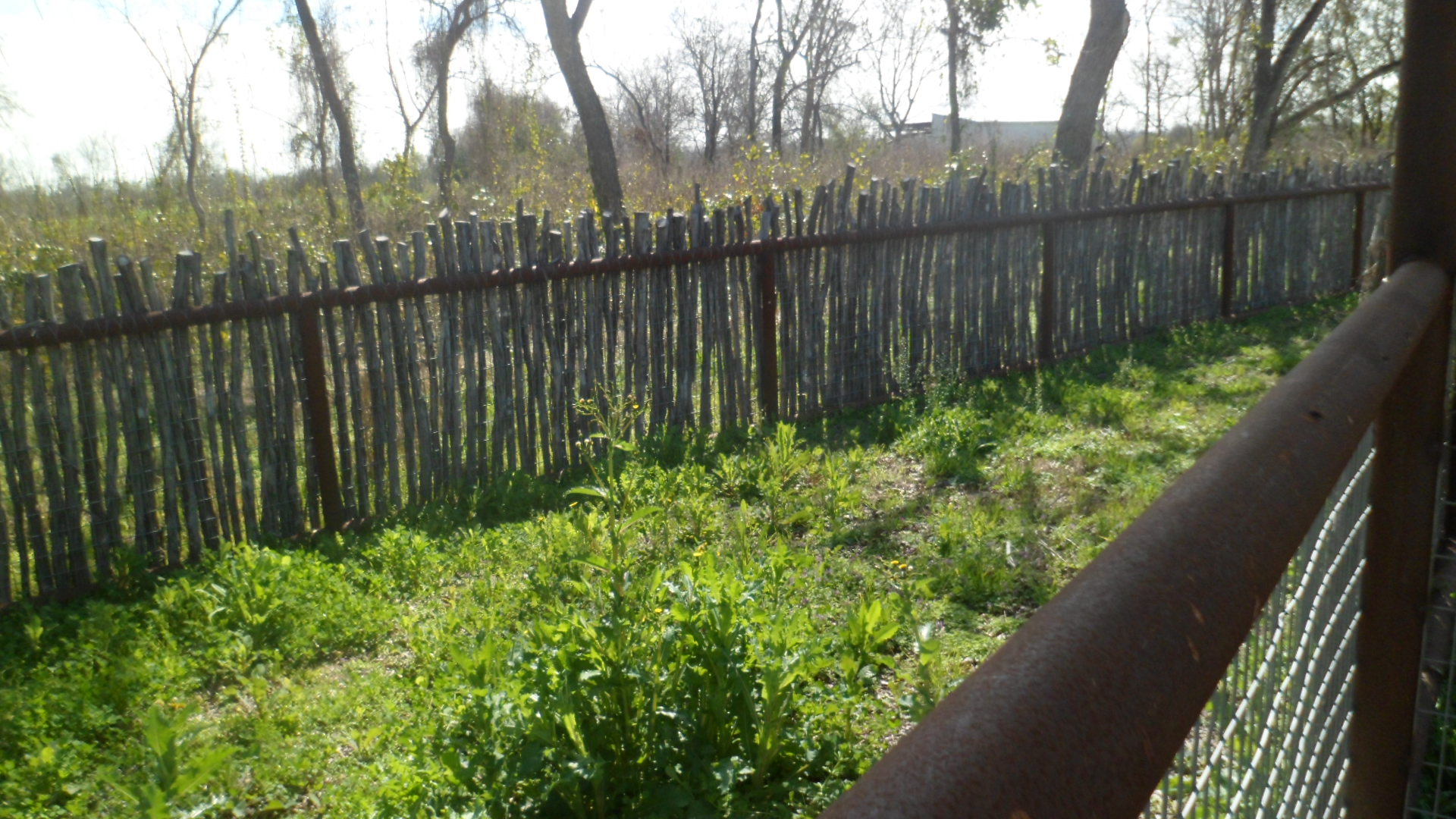
SAM_4321

This is the site of the mission’s granary.
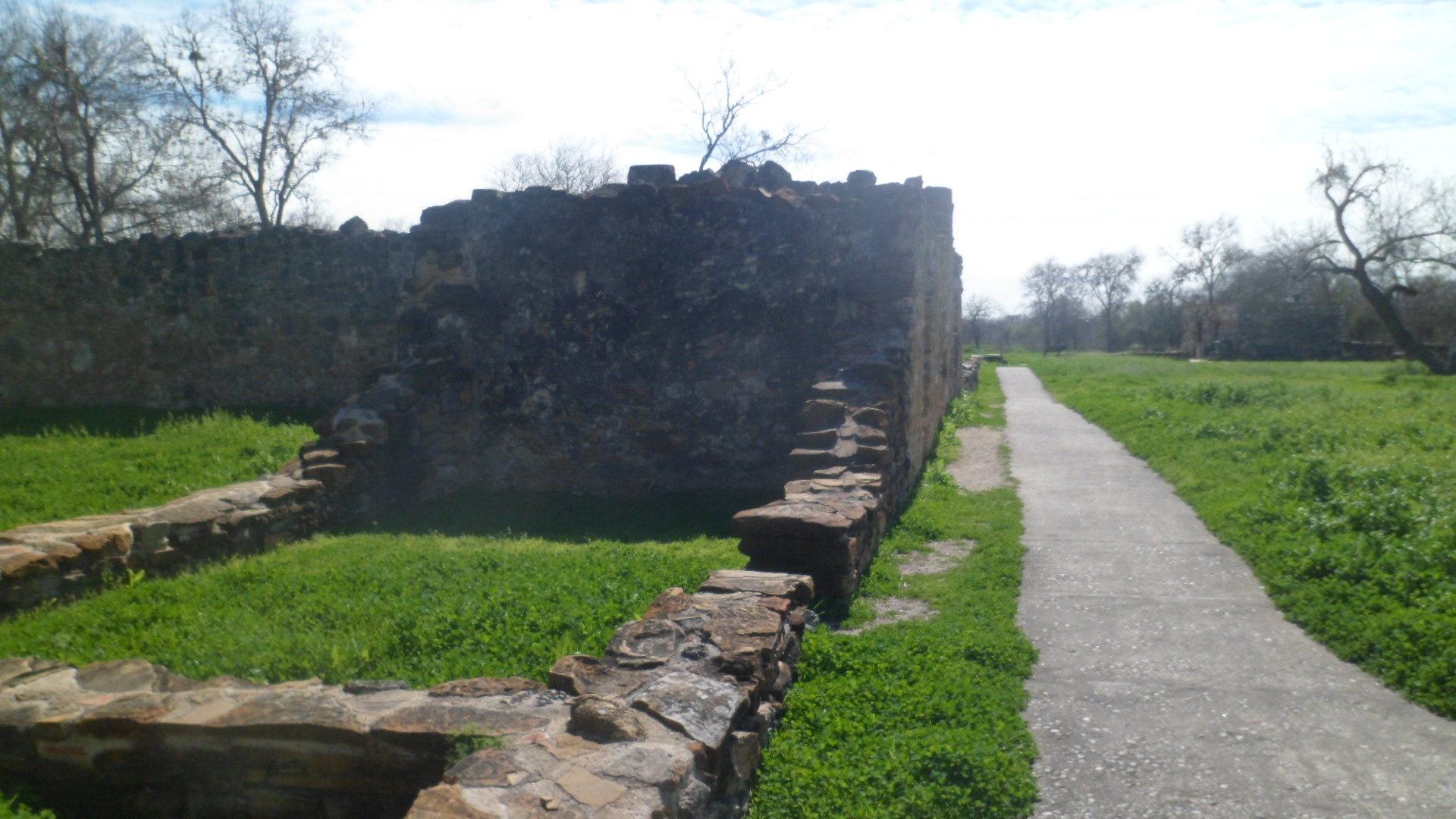
SAM_4313

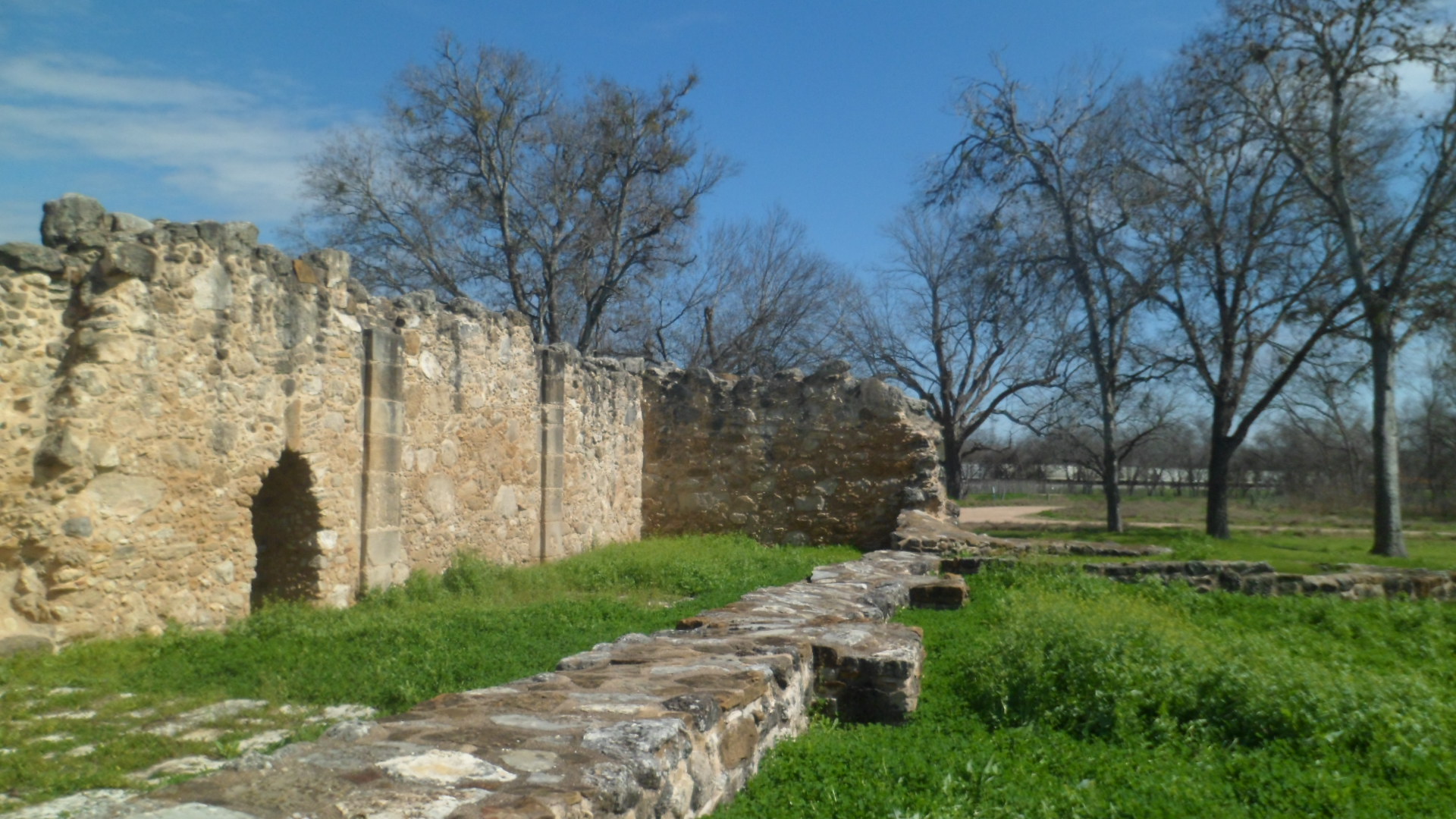
There are preserved foundations of the small presidio and of the old church.  A campaign to enlarge the mission church ultimately failed, owing to scant manpower.
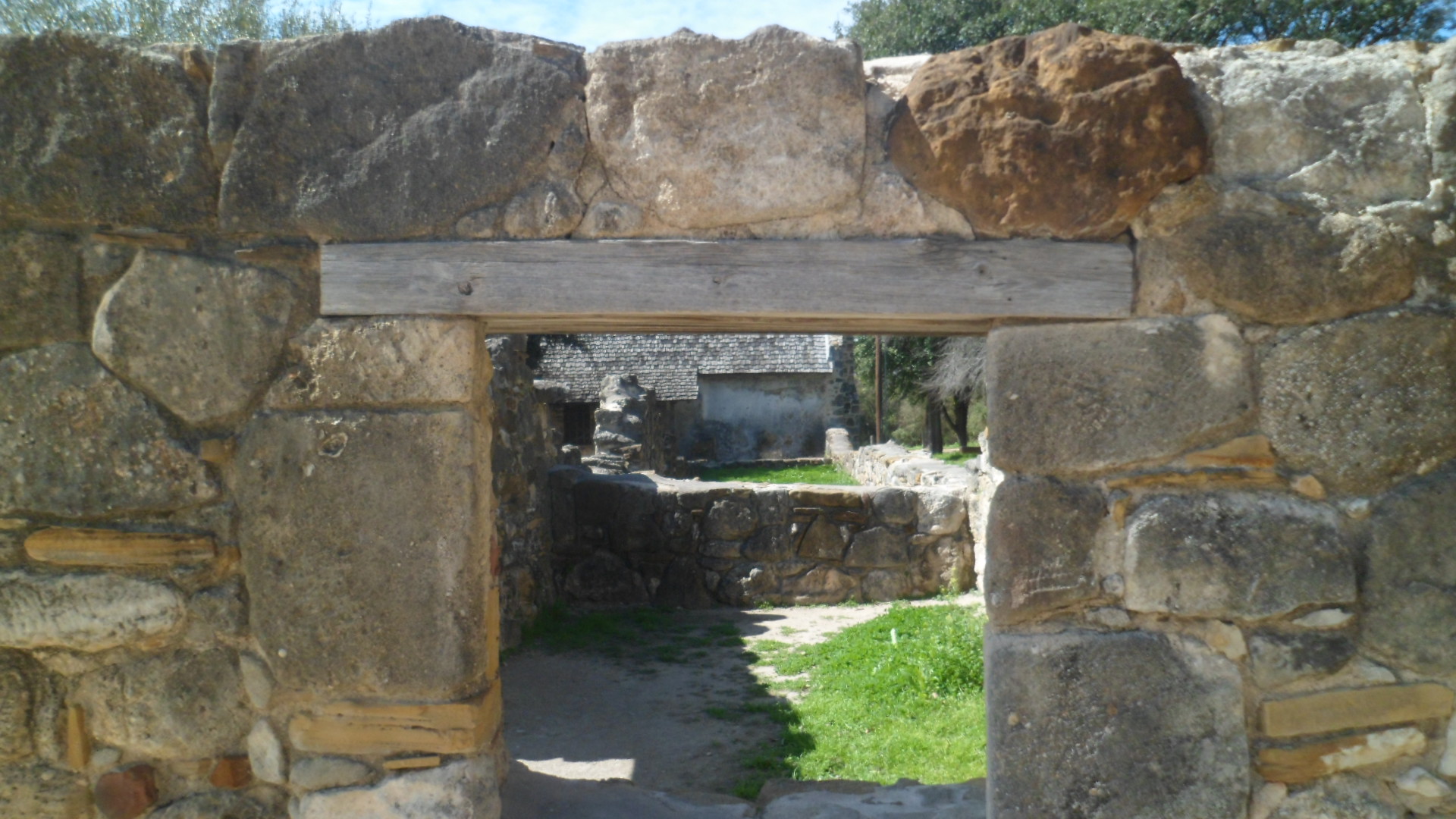
SAM_4310

SAM_4318

SAM_4320

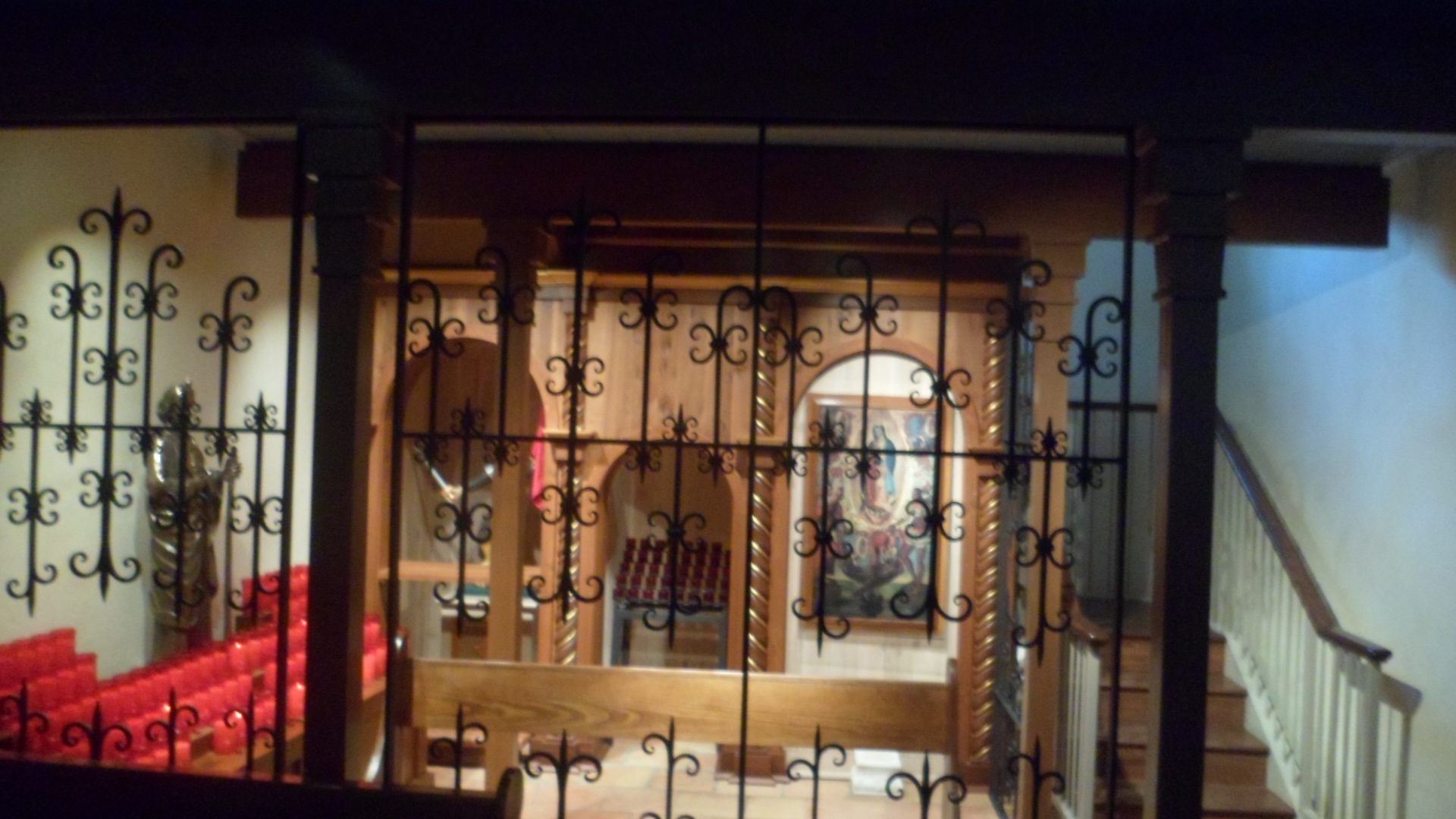
A section of the old church remains in use as a friary.
SAM_4335

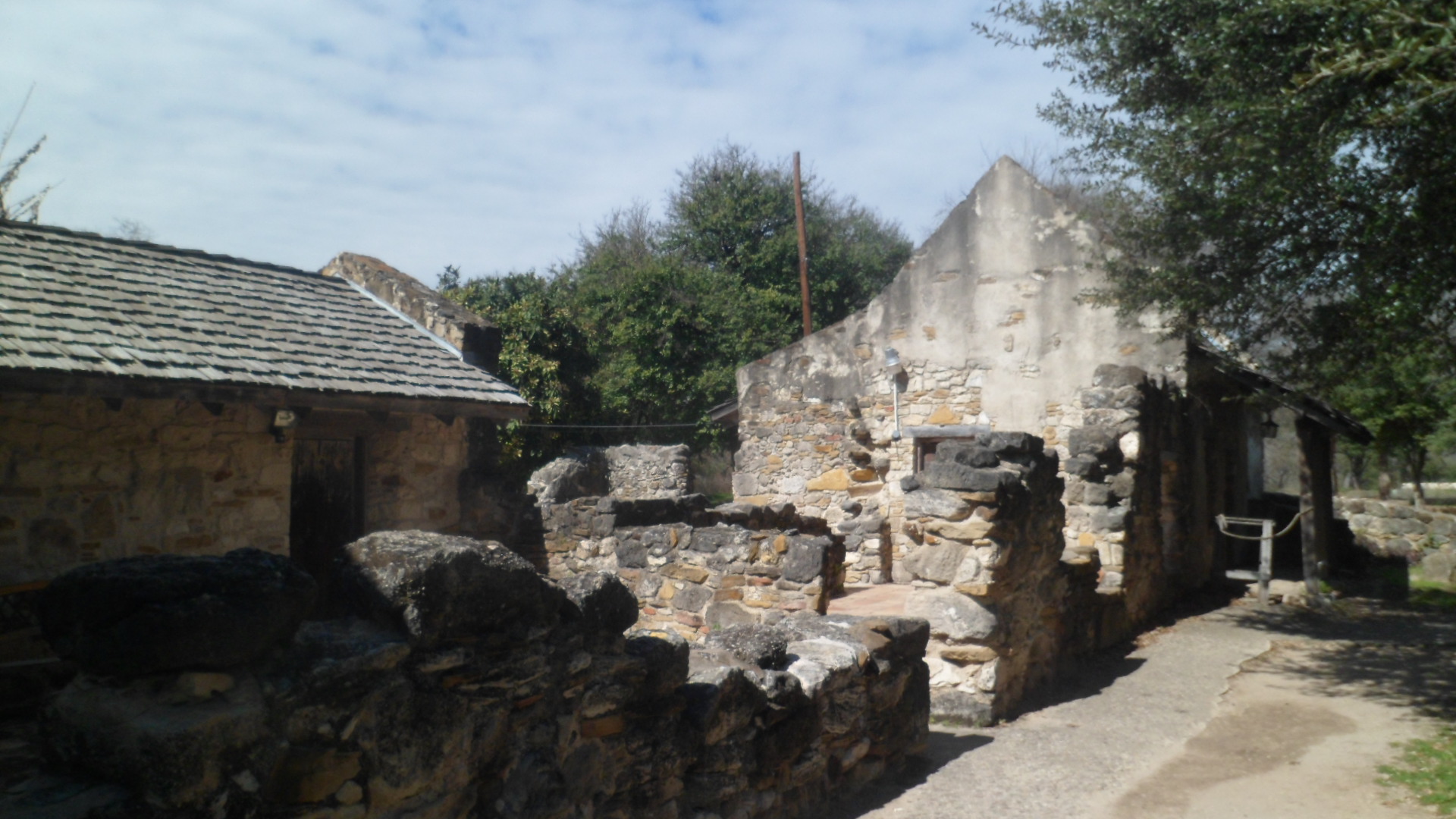
On the east side of the grounds, a post-colonial tufa house remains intact.

SAM_4312

San Juan is still an active mission community, with Coahuiltecan people comprising a large percentage of the neighbouring community.  The present-day church was last renovated in 2012.  Good thing I waited until now, to visit.

SAM_4330

SAM_4331

SAM_4315

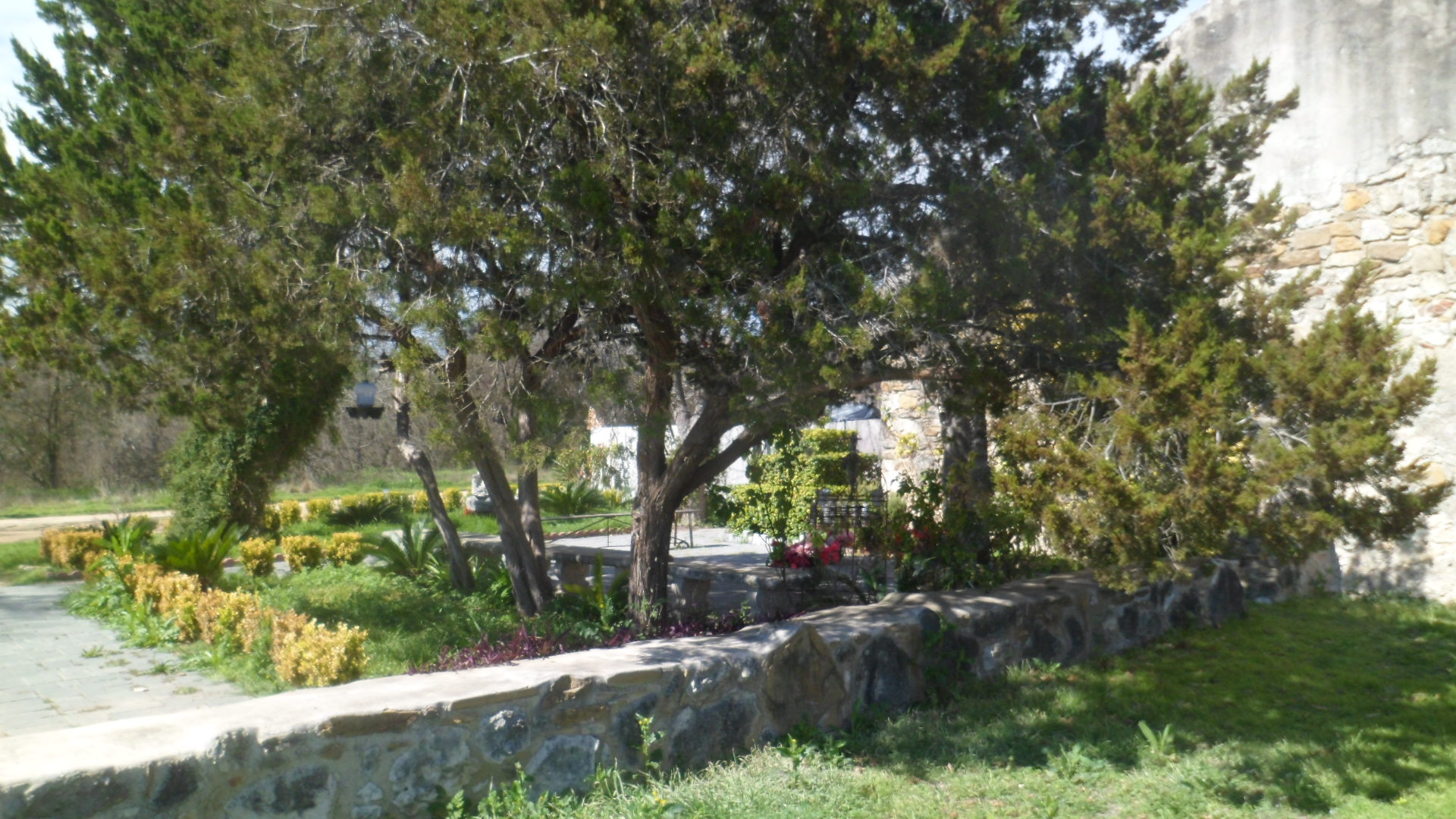
This corner is a favourite outdoor gathering spot, for the parishioners, after Sunday Mass.
SAM_4333

Having learned of the extensive ranching and farming at three of the four southern missions, I headed for the place where the Coahuiltecans themselves were taught academics and trades:  Espada.

The Road to 65, Mile 81, Part 2: The Queen of San Antonio

8

February 17, 2015- San Antonio  

Mission San Jose y San Miguel de Aguayo, founded in 1720, is the largest of the San Antonio-area missions, and is known as “Queen of the Missions”.  It is about 2.8 miles south of Mission Concepcion, which I profiled in Part 1 of this series.

SAM_4245

I first visited this magnificent place in May, 2012, but at dusk.  Only the exterior was available for viewing, giving me the sense of San Jose’s enormity and the impetus for a return visit.

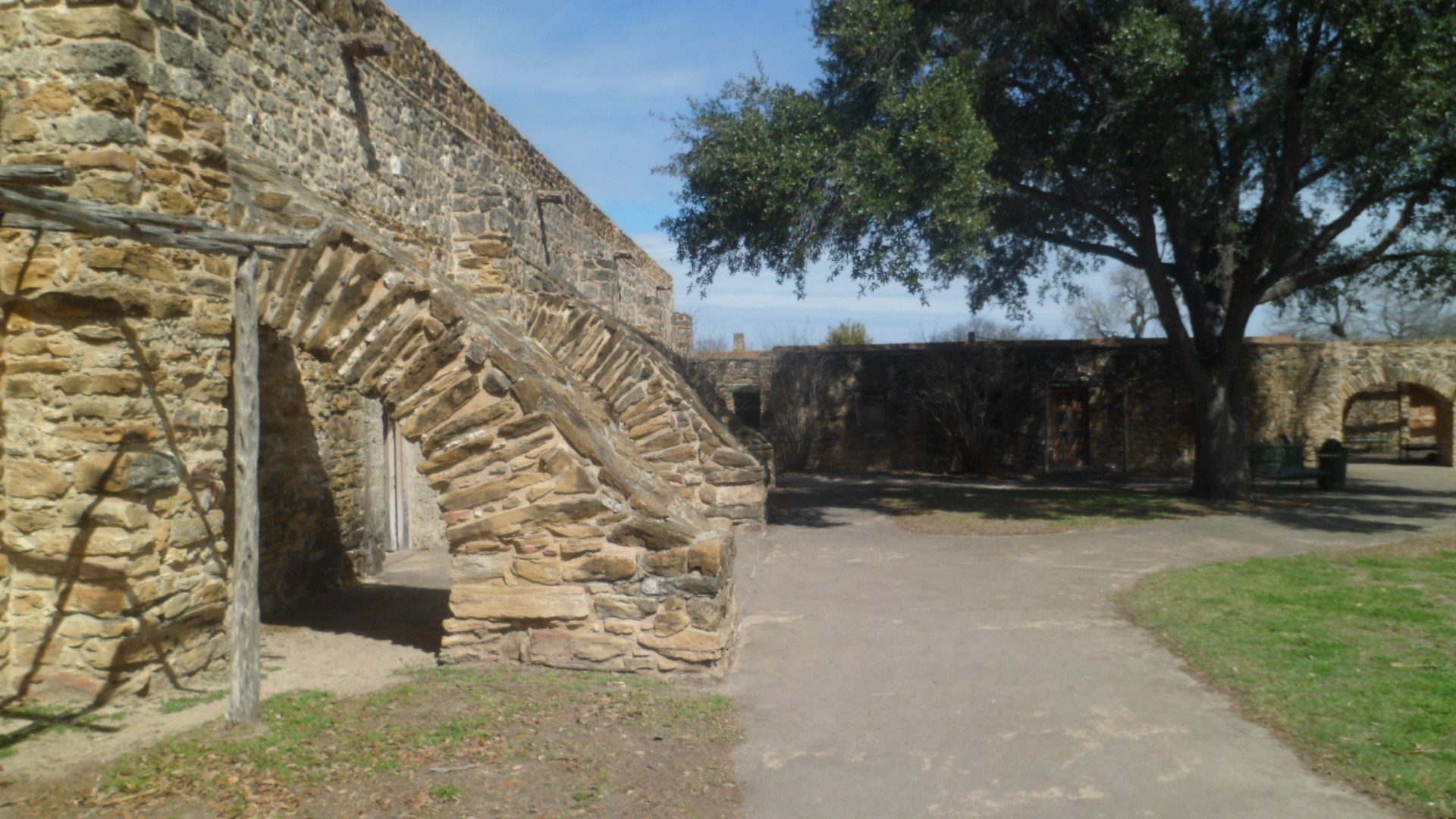
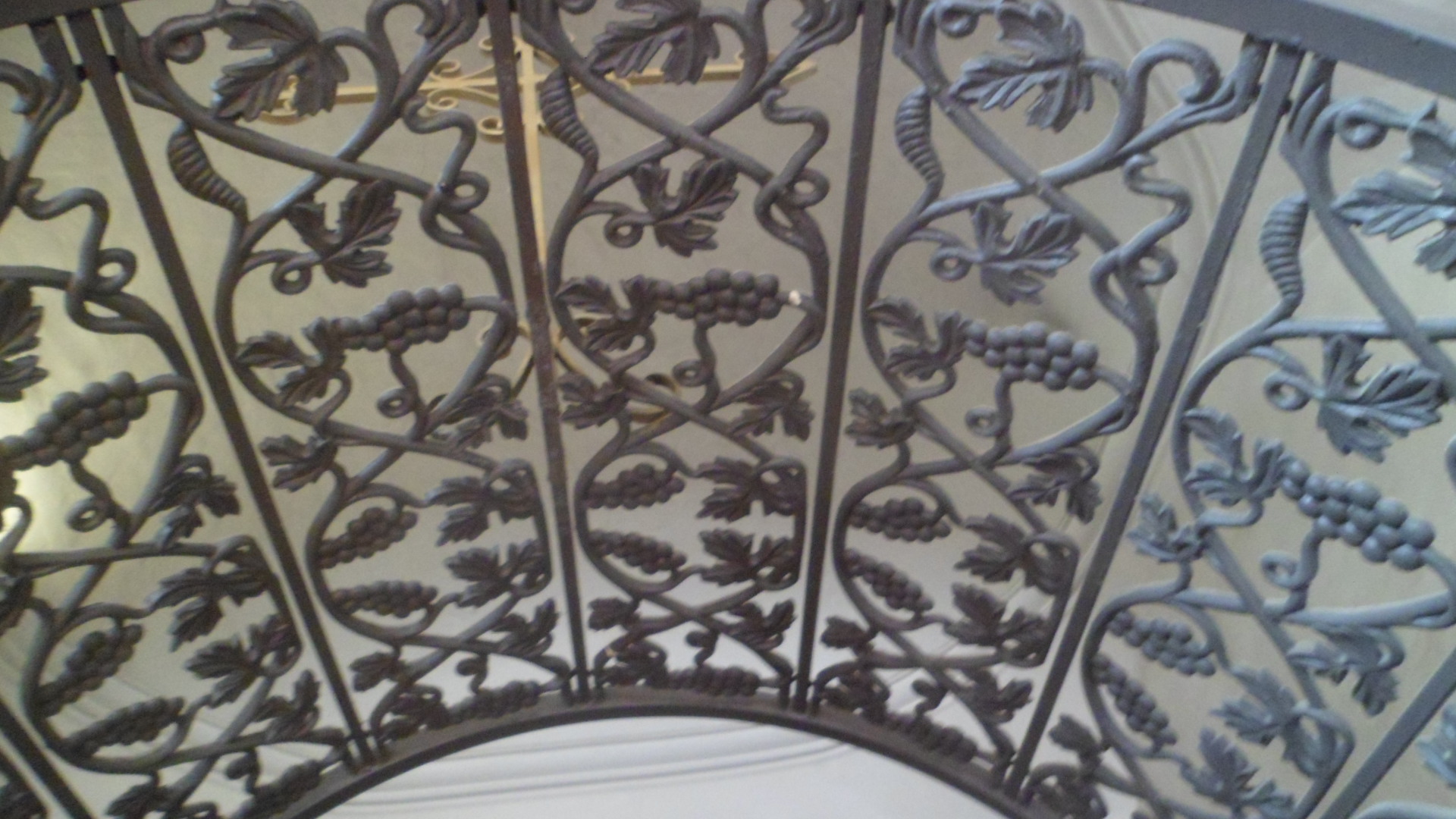
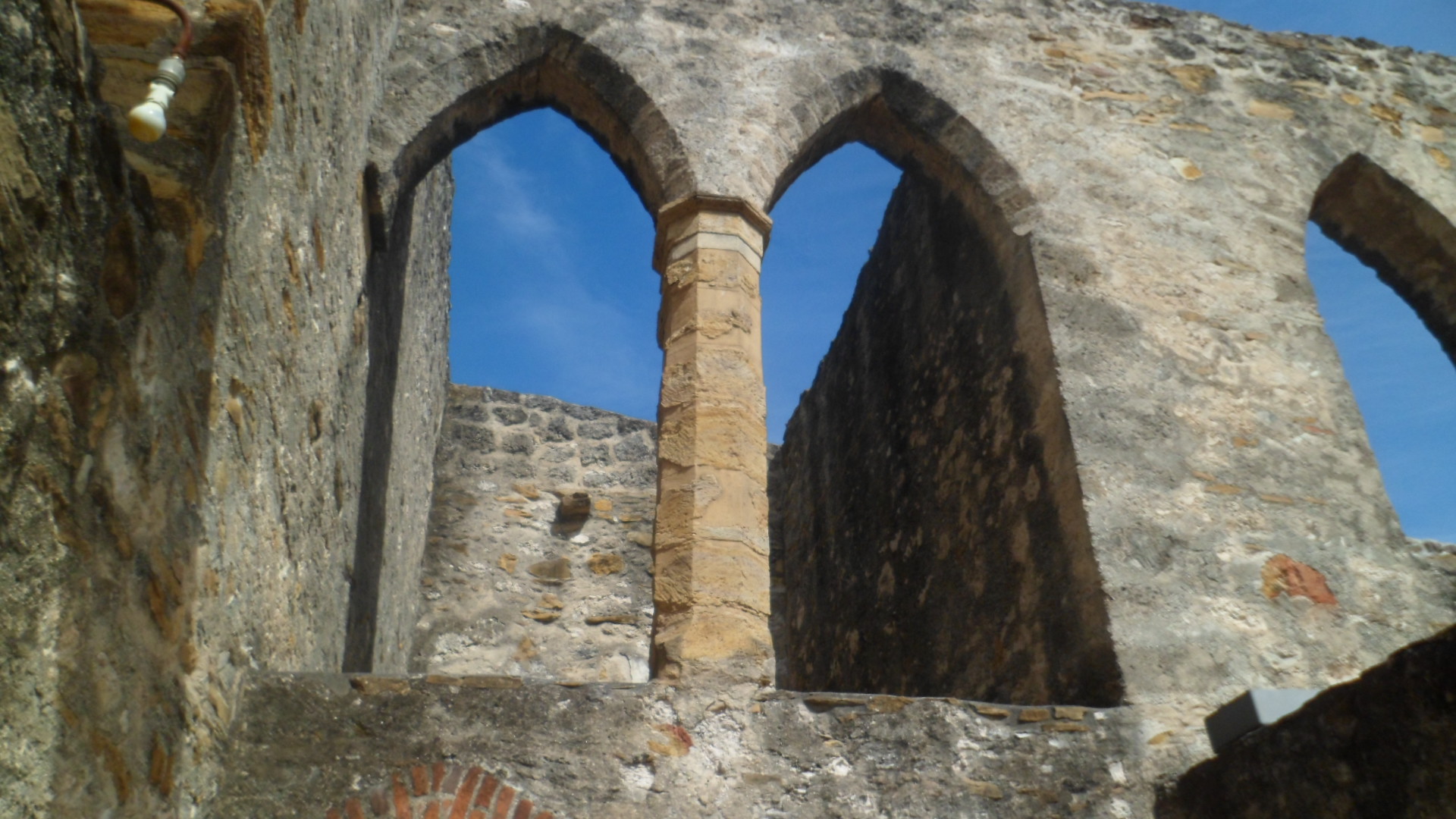
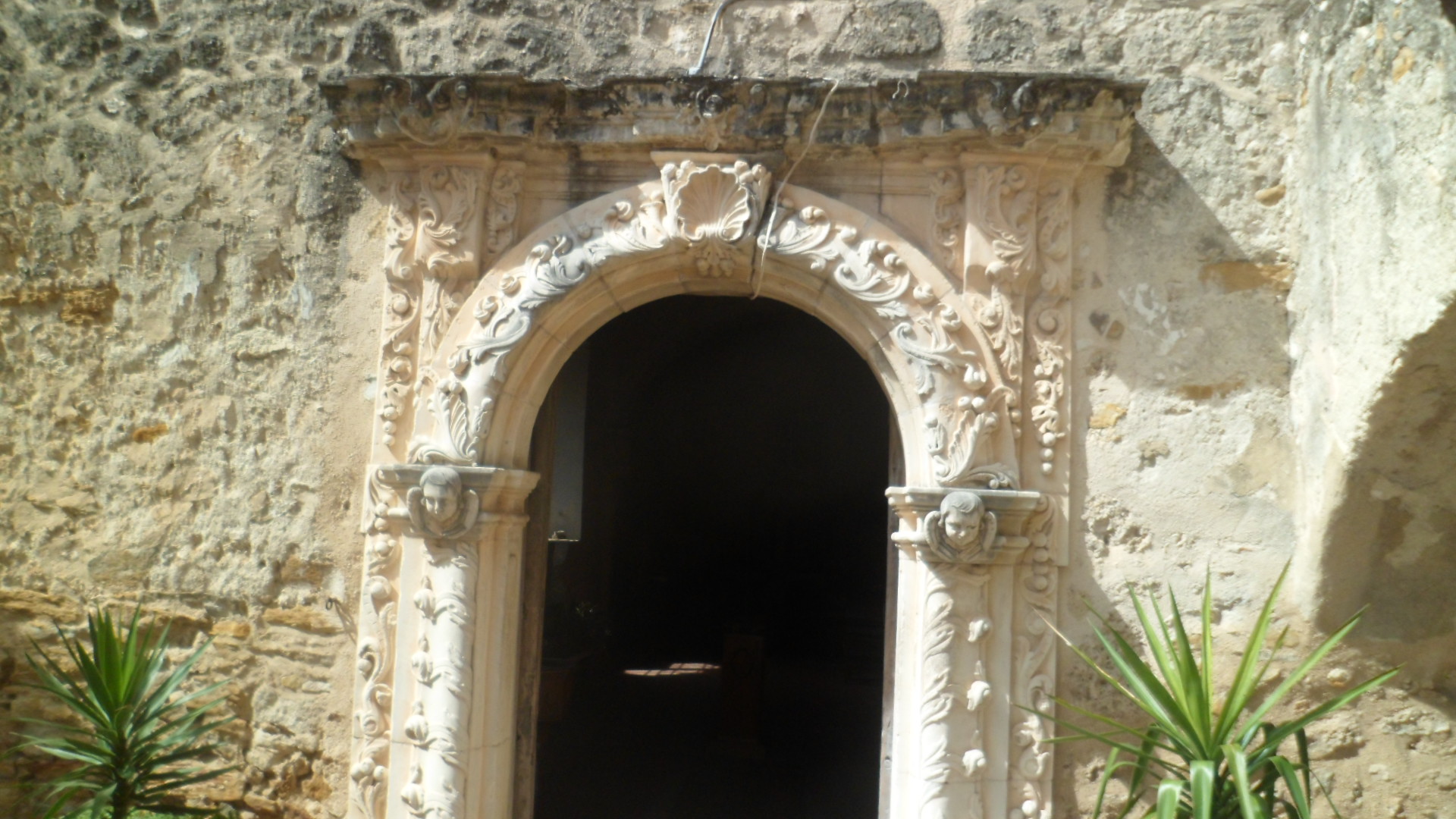
Here are some views of the mission’s interior, with the mission church and the soaring arches and beams of its surrounds, being especially impressive.  Perhaps nowhere else in North America is the combination of Roman and Moorish influences so pronounced, as it is here.

SAM_4248

SAM_4257

SAM_4278

SAM_4280

SAM_4283

SAM_4286

SAM_4290

SAM_4298

SAM_4285

SAM_4275

In the former residential hall of the Coahuiltecan students, there is a scale model of the original mission.SAM_4259

SAM_4260

The garrison encircled the mission church, and the residences of the indigenous, as it did at Mission Concepcion.  The raids by Apache and Comanche warriors were aimed at the Spanish, but Coahuiltecans were seen as collaborators with the Europeans, and were equally targeted by the raiders.  The thick walls worked, in safeguarding the settlement.

Food production was a major focus of the mission, for reasons of transforming the hunter-gatherer ethos, previously followed by the Coahuiltecans, which ill-served them, in a time of increasing drought.  This waterworks and millhouse was a major asset for the populace.

SAM_4271

SAM_4270

Herbs and grains were dried on outdoor raised racks.

SAM_4267

There were twelve outdoor beehive ovens, and at least one indoor fireplace, in each long room.

SAM_4249

SAM_4261

With nearly 1,500 people living within these walls, order had to be strictly maintained by the garrison commander and Franciscan padre, working closely.

SAM_4268

I had an informative and enjoyable hour here at San Jose.  As I was leaving,  a large songbird I’d not seen before sat, contentedly and chirped a farewell.  It seemed not to care, too much, of my being in relative proximity.  This mission does get quite a few tour buses, though, so it’s not surprising.

SAM_4308

NEXT:  Texas’s Own Capistrano