
February 17, 2015, San Antonio-
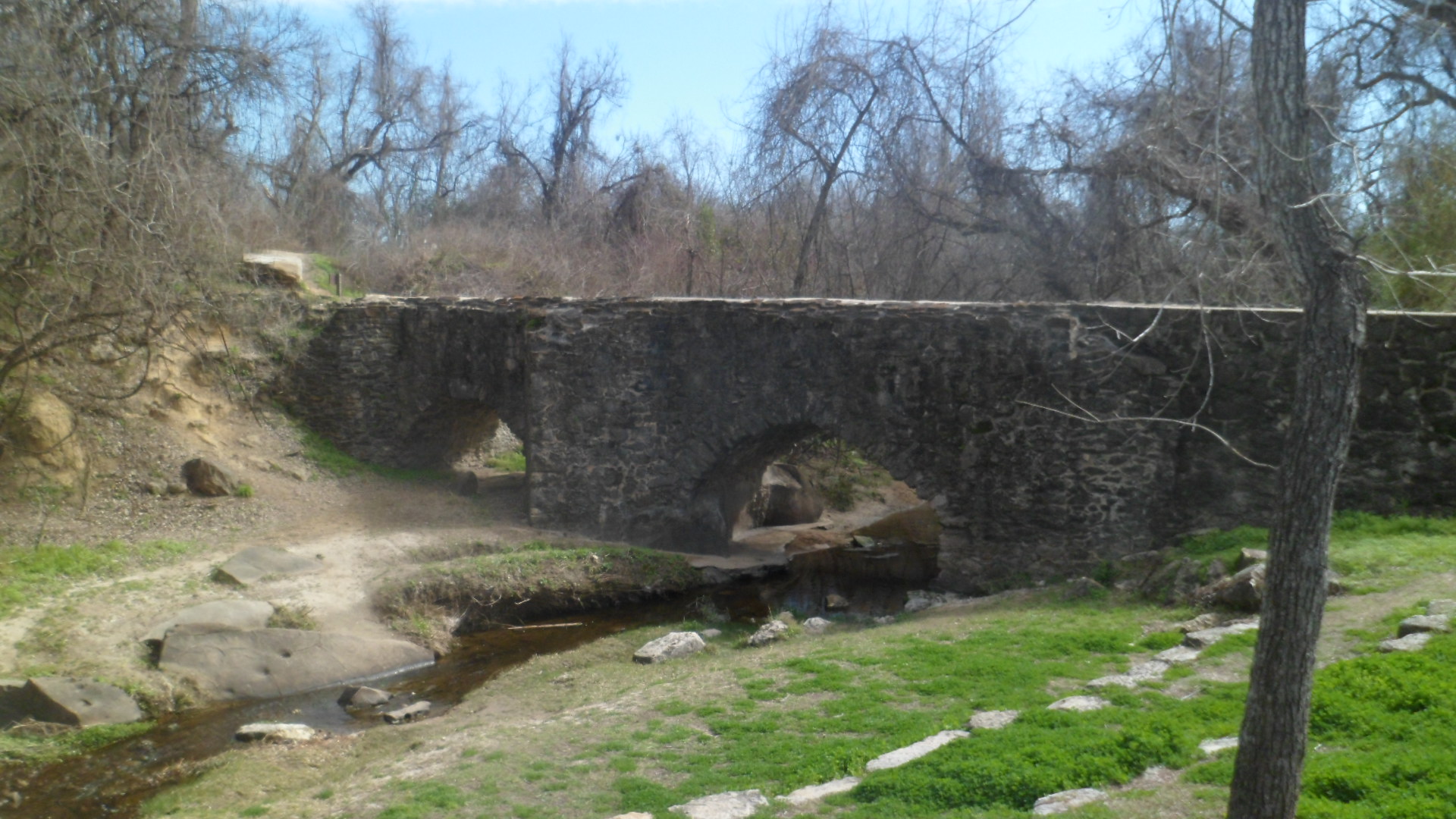
One must want to visit Mission San Francisco de la Espada, much as one must want to visit Death Valley, Key West or the Upper Peninsula of Michigan. I’m overstating, of course, but Espada is well out of the way of even its nearest neighbour, among the San Antonio Missions: San Juan Capistrano. To get to Espada, I drove past the southward extension of San Antonio Riverwalk, to the Espada Aqueduct, which waters the southernmost of San Antonio’s mission communities. From the Aqueduct, it is about three miles further to the Mission. The drive is worth every inch. I stopped briefly at Espada Dam and Acequia Park, near the southern end of Riverwalk. Several bicyclists and runners were enjoying the area, as were Canadian geese and these serene ducks.

The Aqueduct, however, was totally deserted and silent.

I arrived at the Mission about fifteen minutes later. A family was just concluding a funeral service, in the community building, so I kept a quiet profile and focused on the western sector of the grounds. The people seemed surprised to see a Gringo, but there are signs warning “Leave no valuables in your car. Break-ins have occurred.” This group seemed to me to be quite otherwise engaged, though I keep my car locked, electronically, anywhere I am.
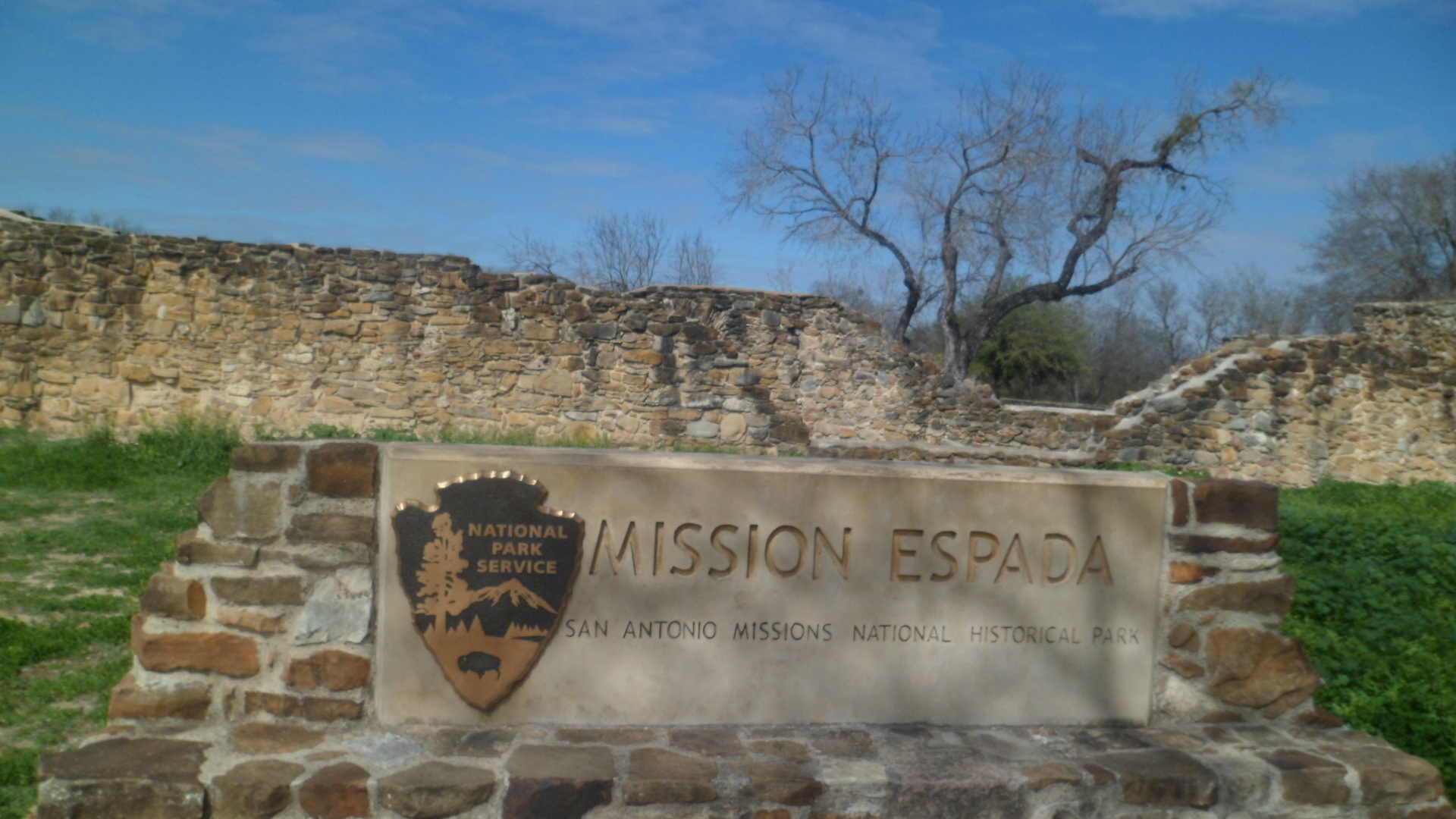
I was immediately struck by the solitary nature of the church and by the fact that the mission has an active school, which has in fact been its distinguishing feature. It has been Espada which has provided the lion’s share of education and training for the Coahuiltecans of southern San Antonio.
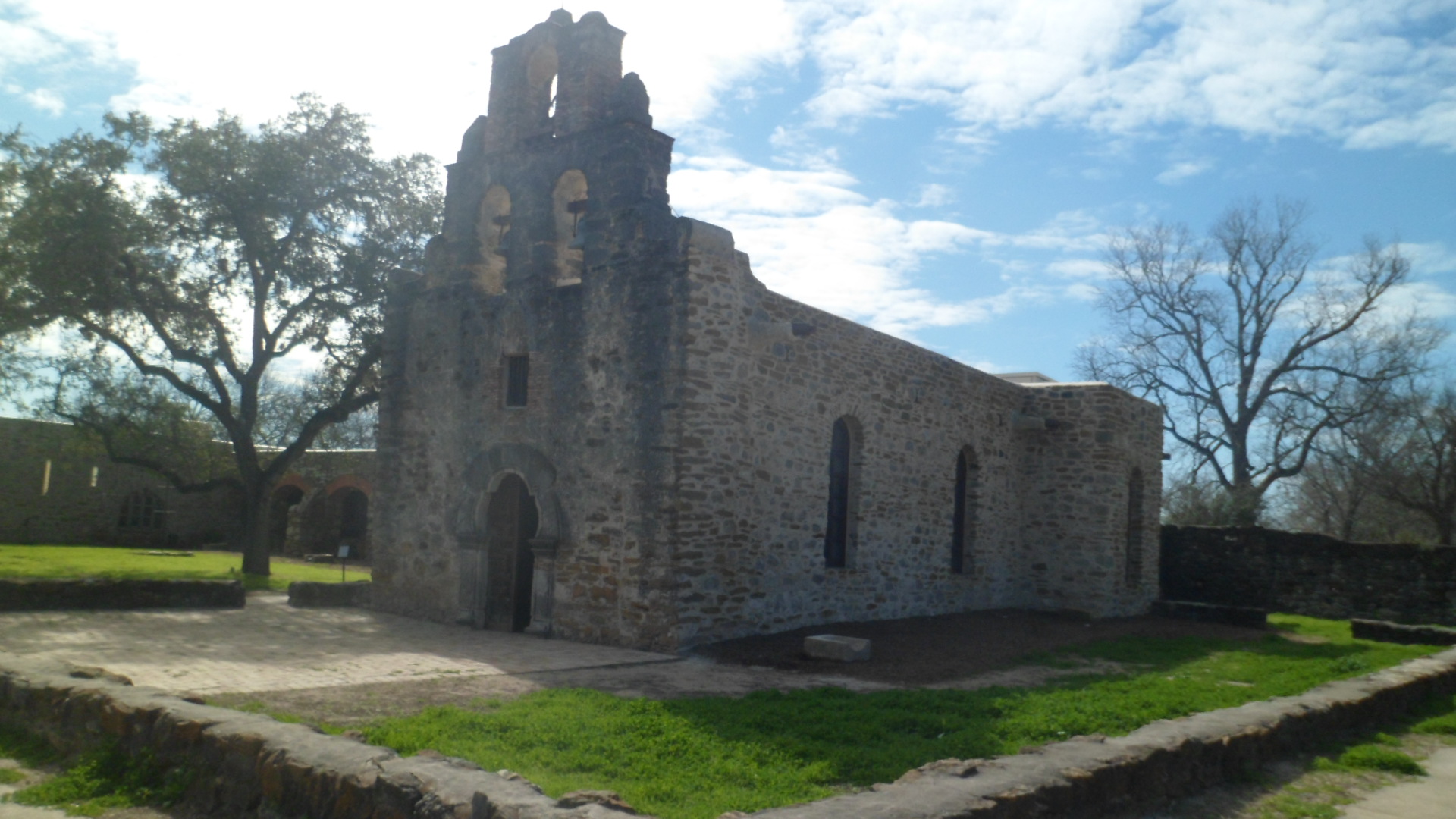


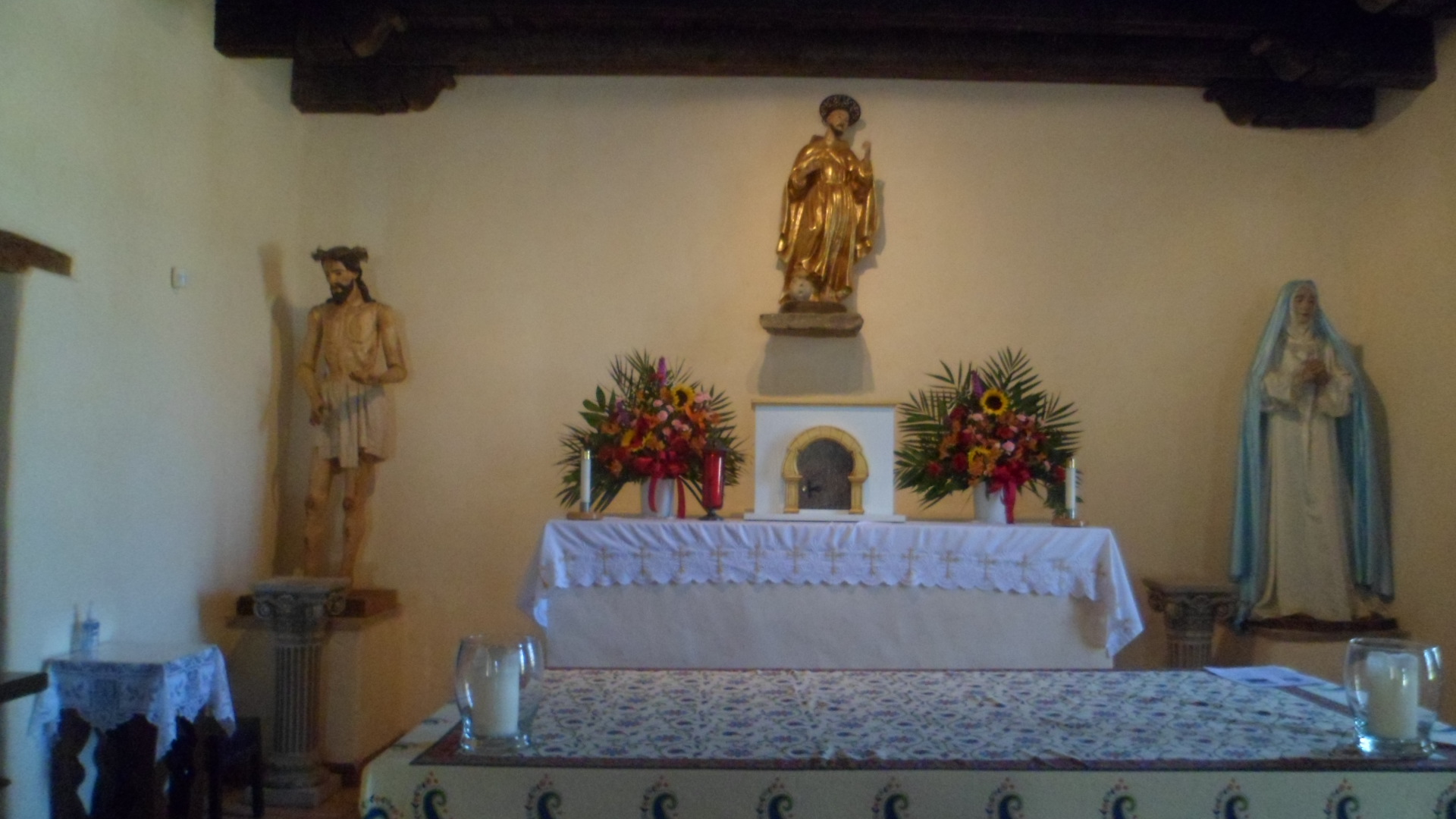

There are ruins of the small presidio, south of the church. Espada was not on the main route of the marauding tribes, so fewer soldiers were needed. The ranch which sustained the mission was another 20 or so “leagues” to the south, making it less attractive a target, still.
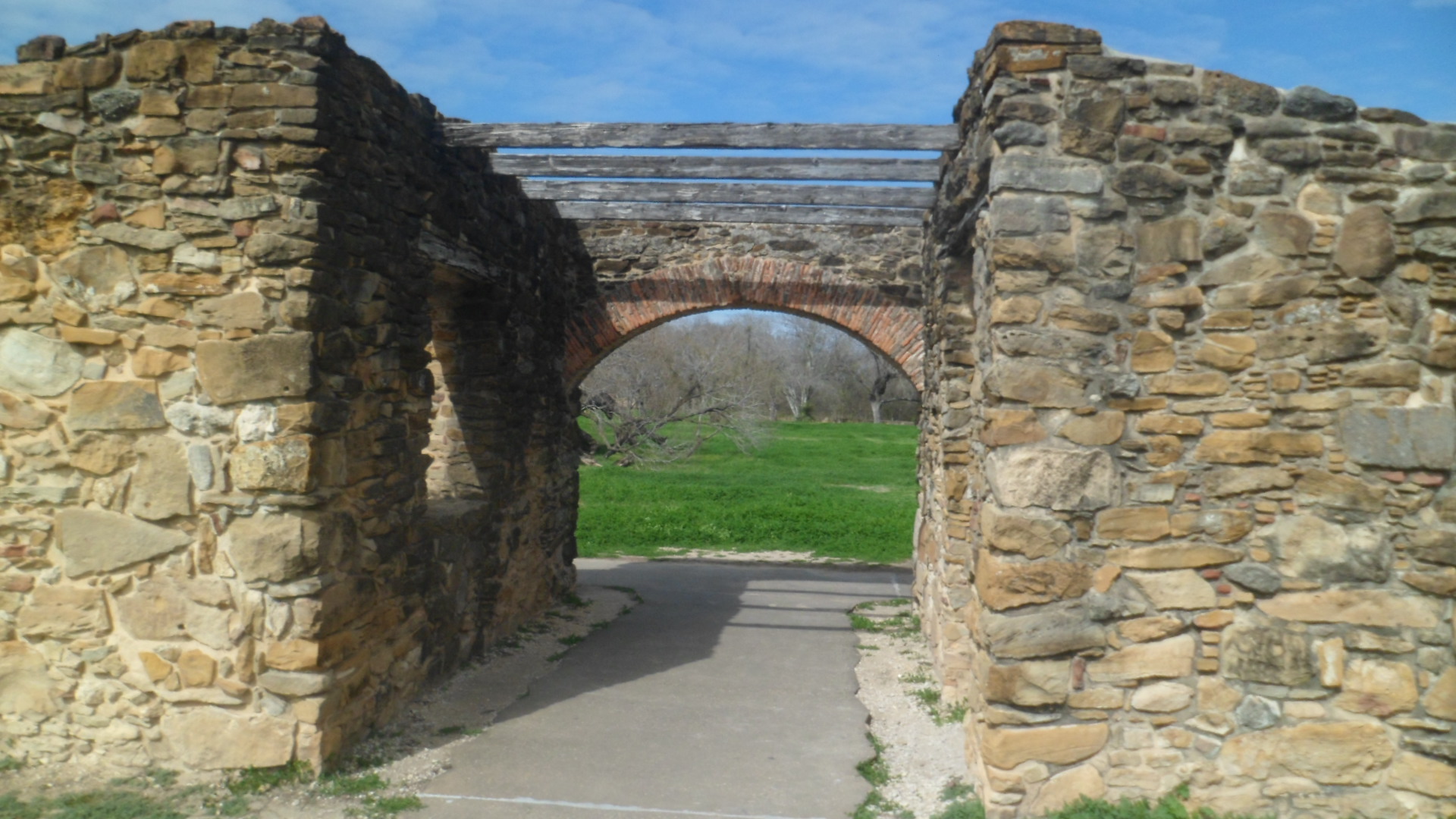
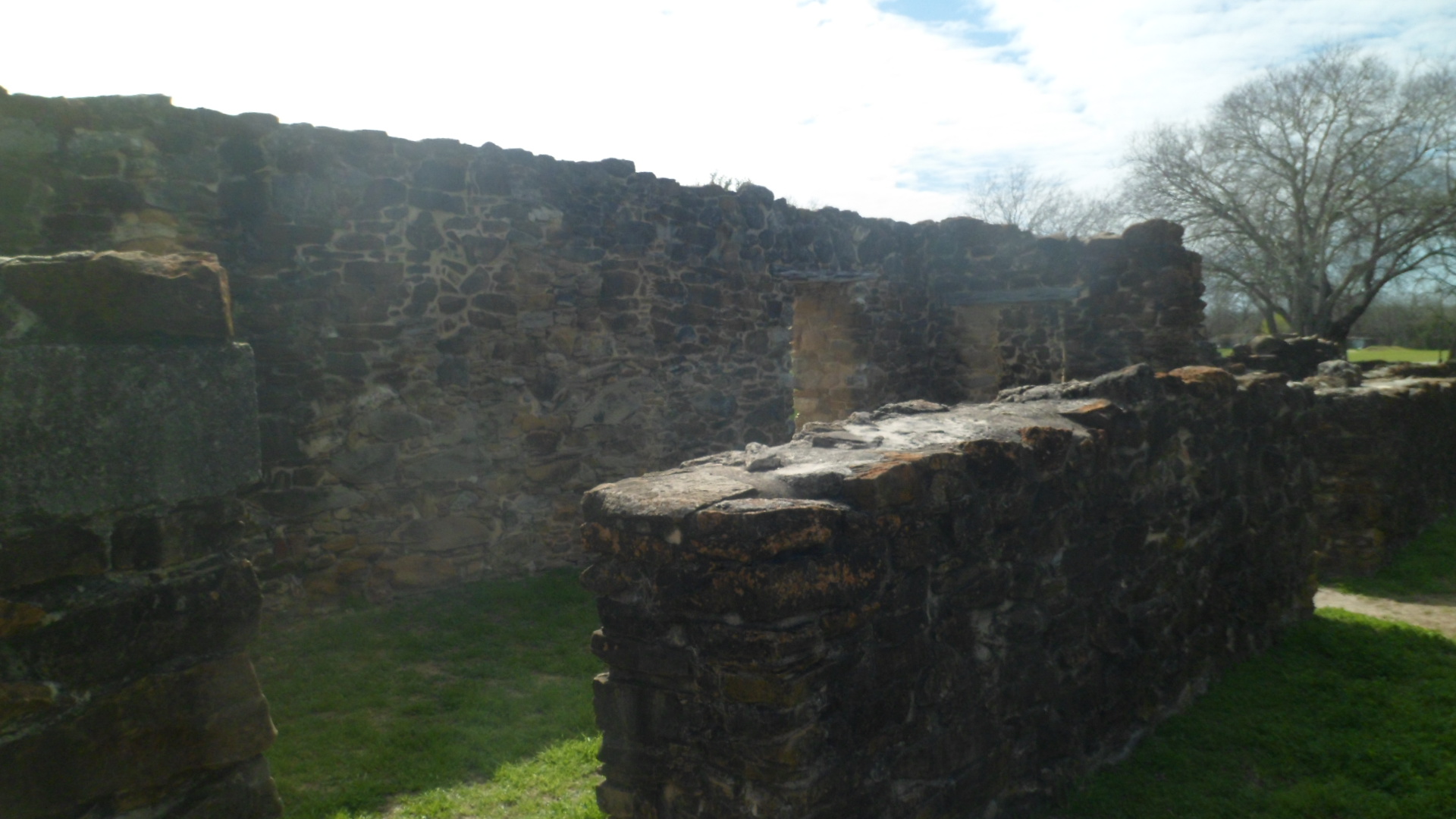
The original church was in the center of the mission grounds. It was destroyed by a kitchen fire in 1826.

The chimes which gave the location its name still hang in front of the Convento.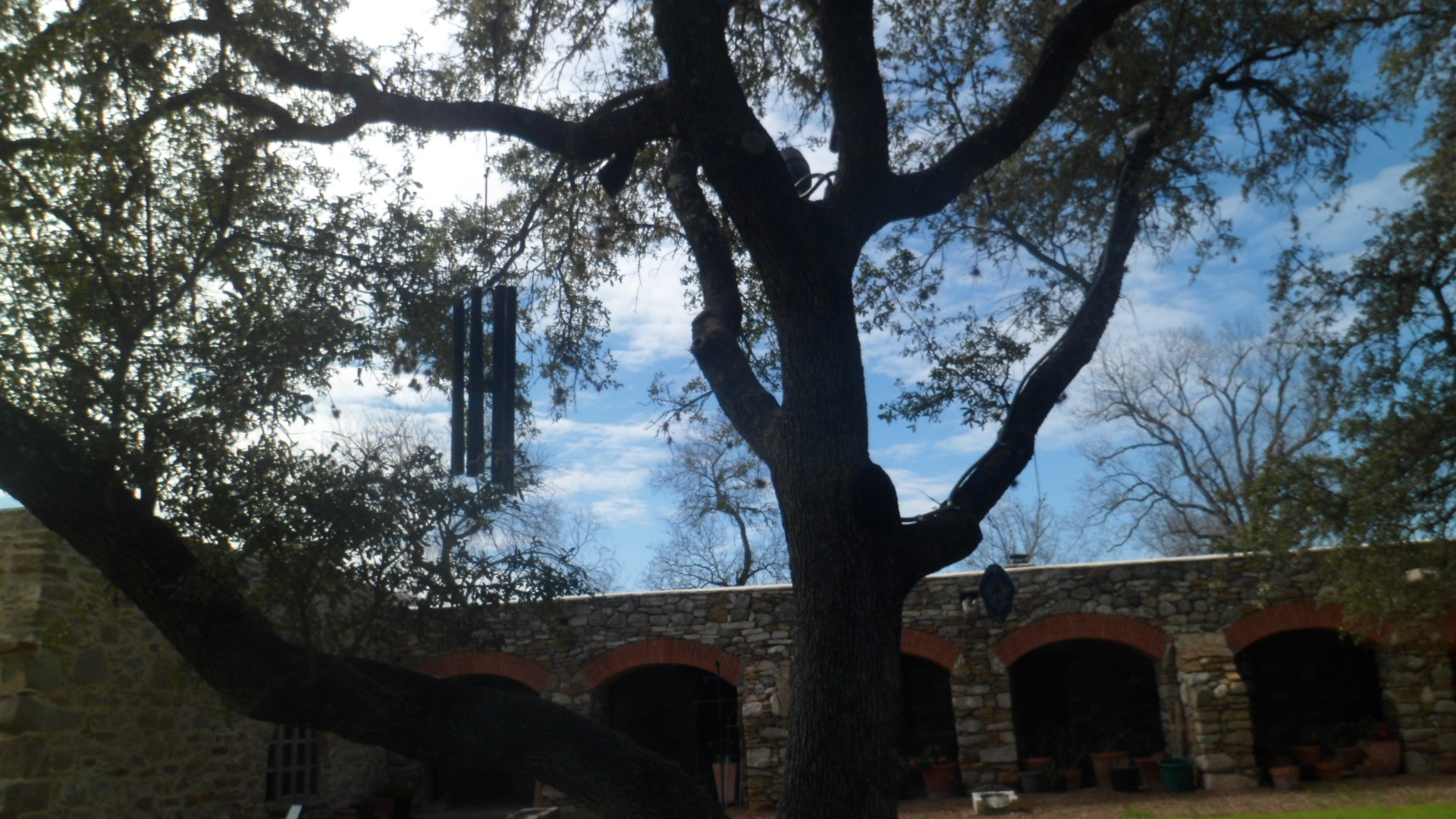
The granary survived the fire of 1826, mainly because it was nearly empty after a rare Comanche raid that year.

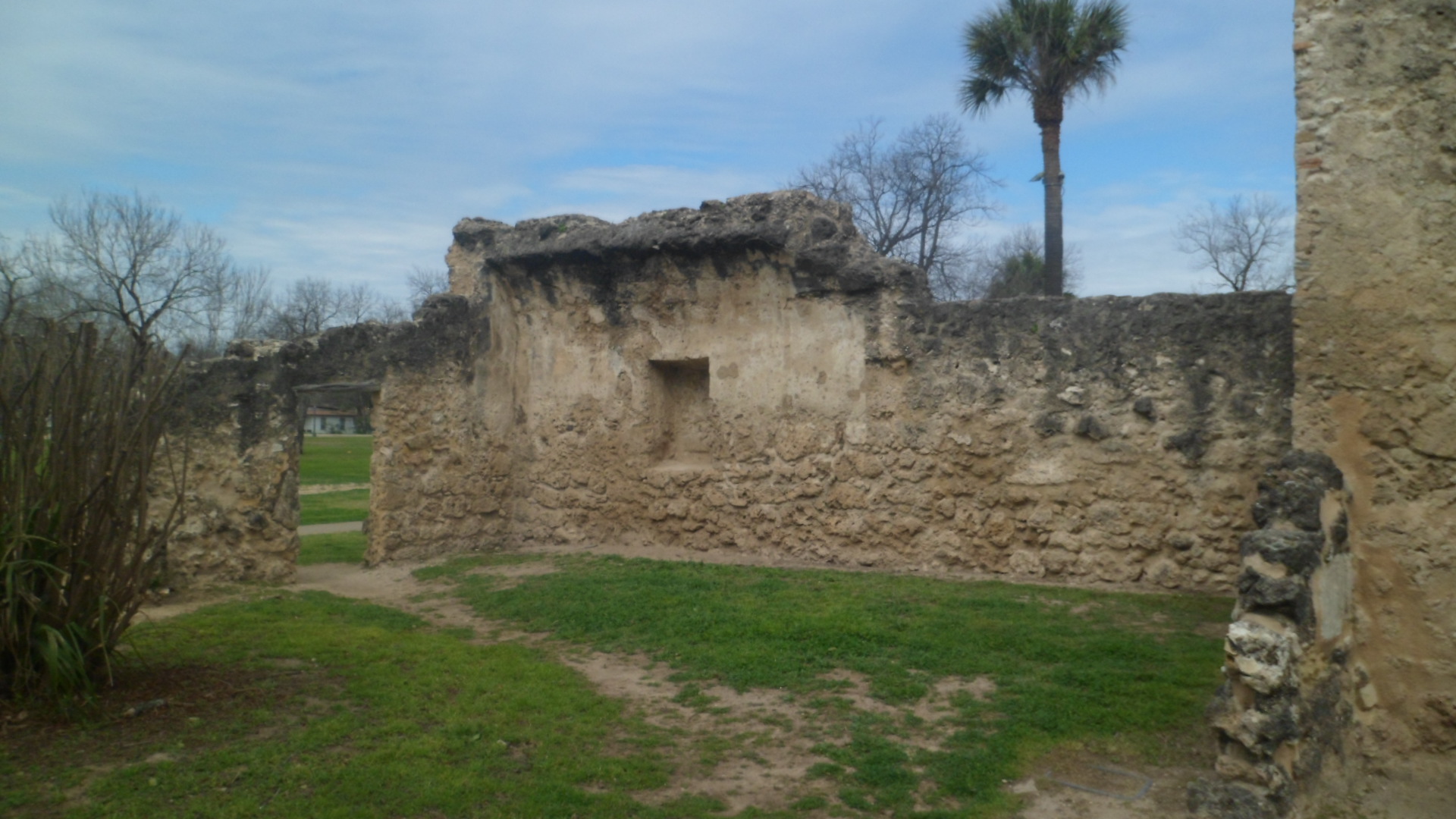
Other buildings were not so fortunate.

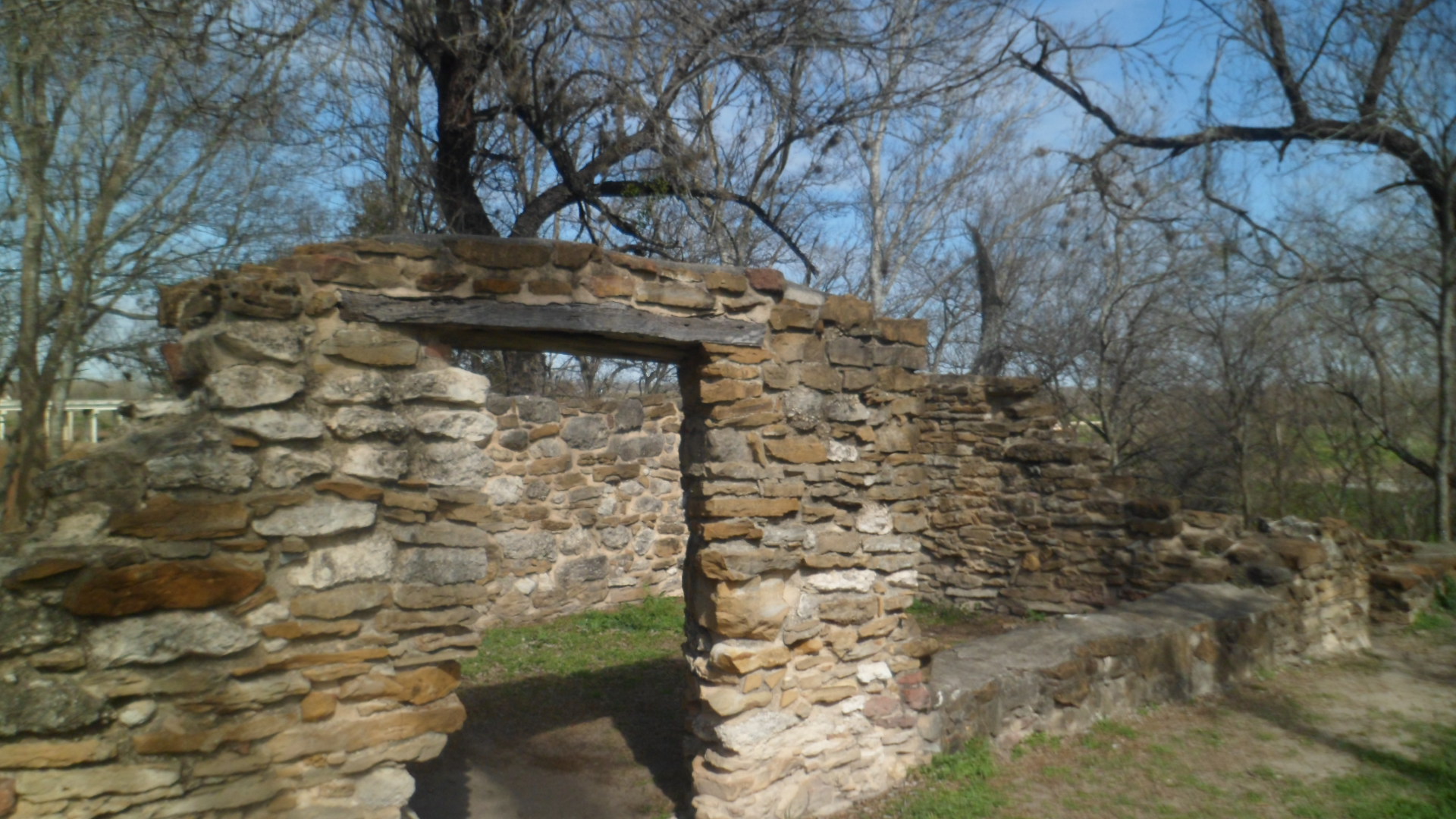
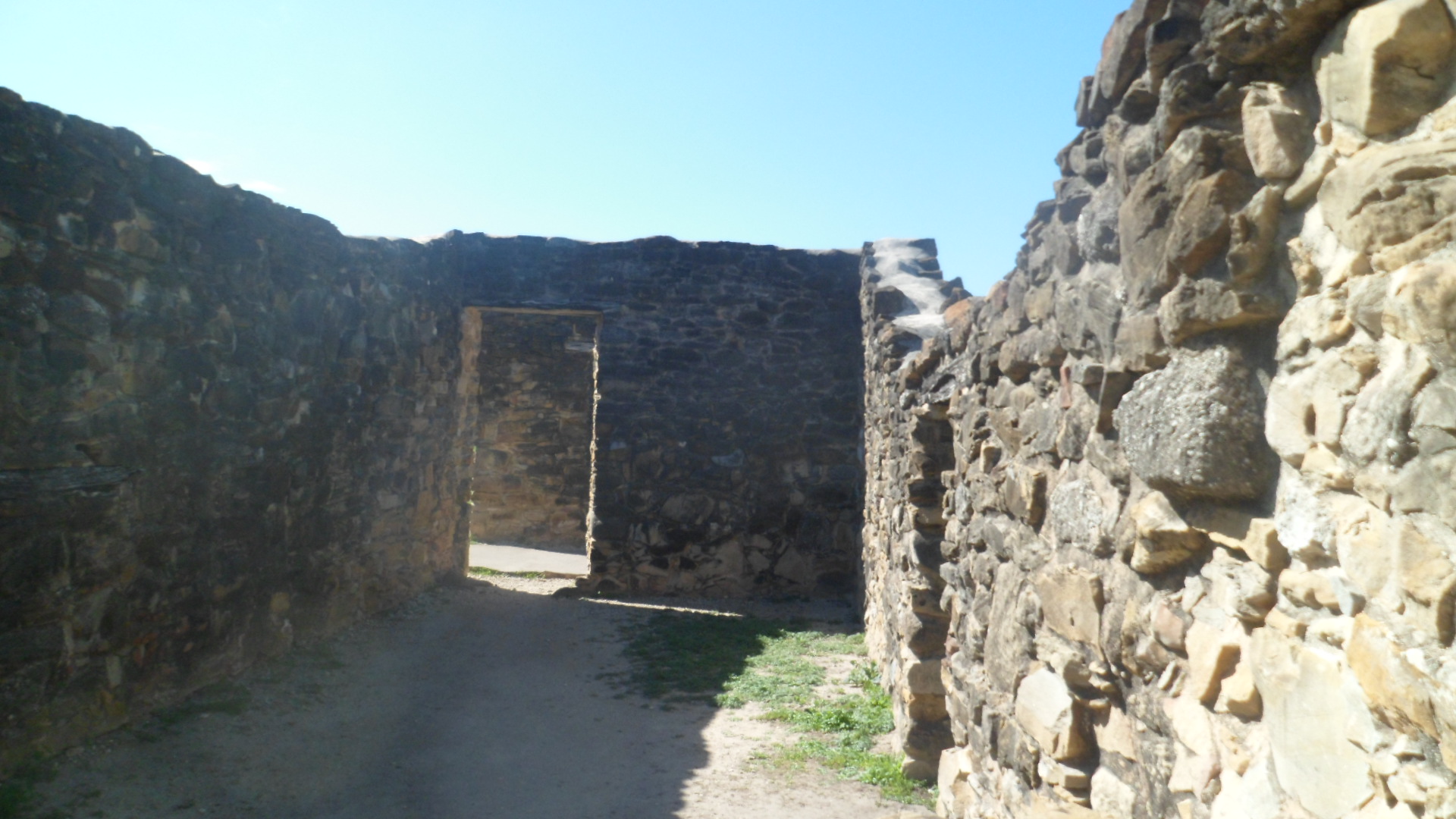
The two southern archways differ, with one being wide enough for horse-drawn carts and the other for travelers on foot to enter, and be searched.
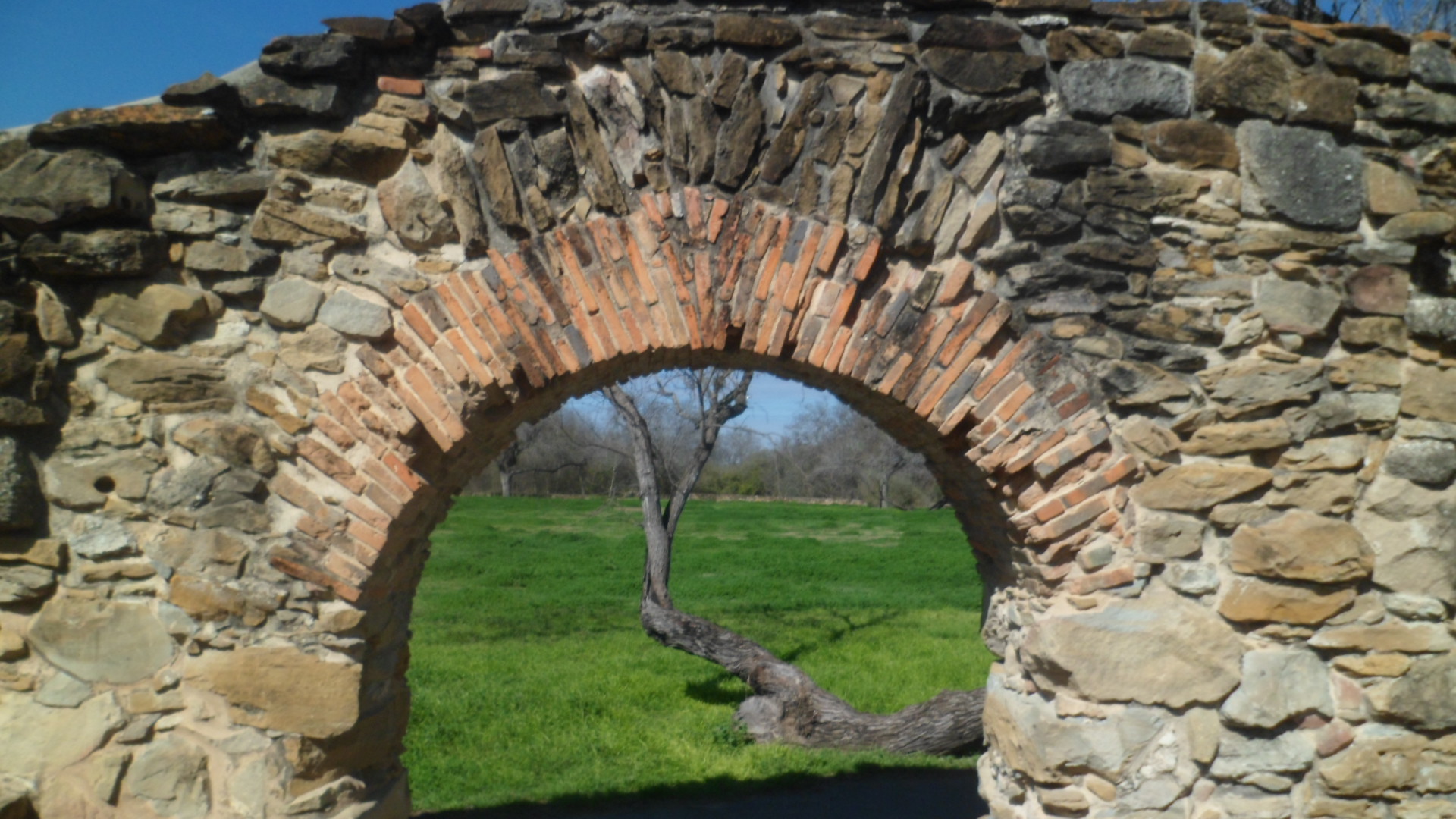

This well-kept secret was a delicious finish to my long-desired visit to the southern missions of San Antonio. It was getting late in the afternoon, however, so I bid this exciting city farewell, and headed west on U.S. 90. The desolate beauty of west Texas was still ahead.



 A Sagittarian Seeker