Pearl Harbor

2

December 7, 2020-

Today was my first weekday without work, in quite a while. I toyed with taking a hike somewhere, but ended up focusing on getting my Christmas cards and message ready for mailing-actually getting a few of them sent out. I also organized the Beta version of my life story, with the draft now in the hands of its editor.

Otherwise, today was a day for taking stock of our debt of gratitude to a generation who, in a very real sense, saved the best of our way of life. The 79th anniversary of the attack on Pearl Harbor once again put the spotlight on my parents’ generation. Two survivors of the attack on the USS Arizona are still alive. Several thousand veterans of World War II, as a whole, are still with us- including a dozen or so Code Talkers, from various First Nations and a small number of Tuskegee Airmen. All who served, regardless of their status in a then-segregated military, merit the appreciation of their countrymen.

Pearl Harbor, among all attacks on United States soil, remains perhaps the most infamous such event, if only because it came totally without warning-and at a time when good faith negotiations were underway between Imperial Japan and the United States. We saw, for the first time, a comprehensive plan for bringing a global conflict to North America. We saw the possibility of domination by forces whose philosophies of governance and economics were at variance with our own.

Because of the novelty of this attack, there were overreactions- Internment of Japanese-Americans being the worst of those. Mistakes get made, in dealing with situations with which we have no experience. Nonetheless, our country’s overall response to the attack on Pearl Harbor was rapid, intense and correct. Our continuing expressions of appreciation, for those who carried out that response, should never let up.
The Treasure Road

4

June 15, 2019, Gallup-

The fine thing about a diverse landscape such as that of the Navajo Nation is that one can experience five forms of weather, as well as of scenery, in the span of thirty minutes.

I left Canyon de Chelly around noon, heading for the small college town of Tsaile.  This is the site of the main campus of Dine College, the Dineh’s highest resident institution of learning.  It offers eight Baccalaureate programs and is led by Dr. Charles Roessel, a member of one of the area’s most distinguished educational families.

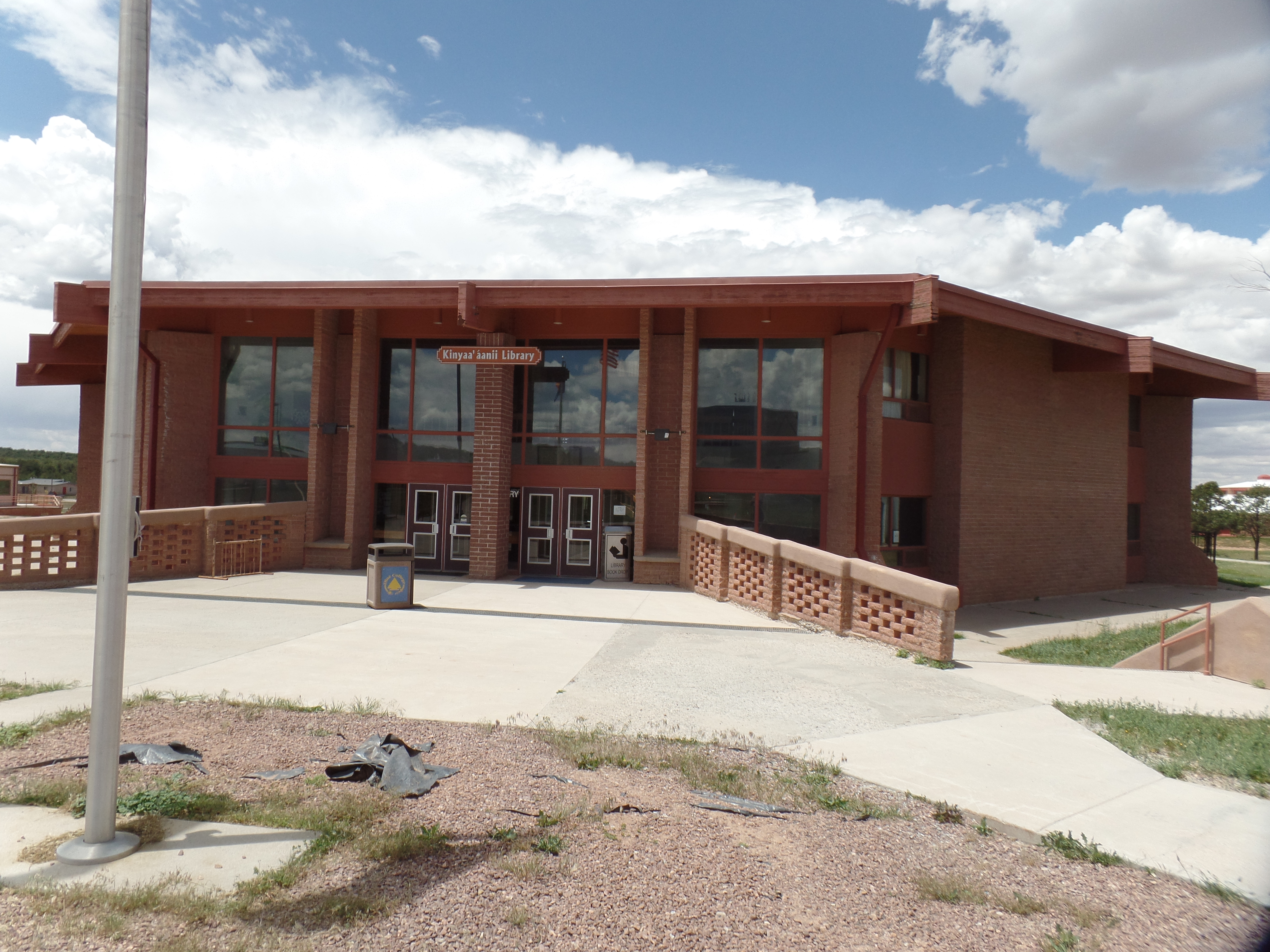
The place today, though, was the realm of crickets.  Being a Saturday, in summer session, everyone except a lone security guard seemed to be elsewhere. Here are a couple of scenes of that splendid silence. First, the Library.

SAMSUNG CAMERA PICTURES

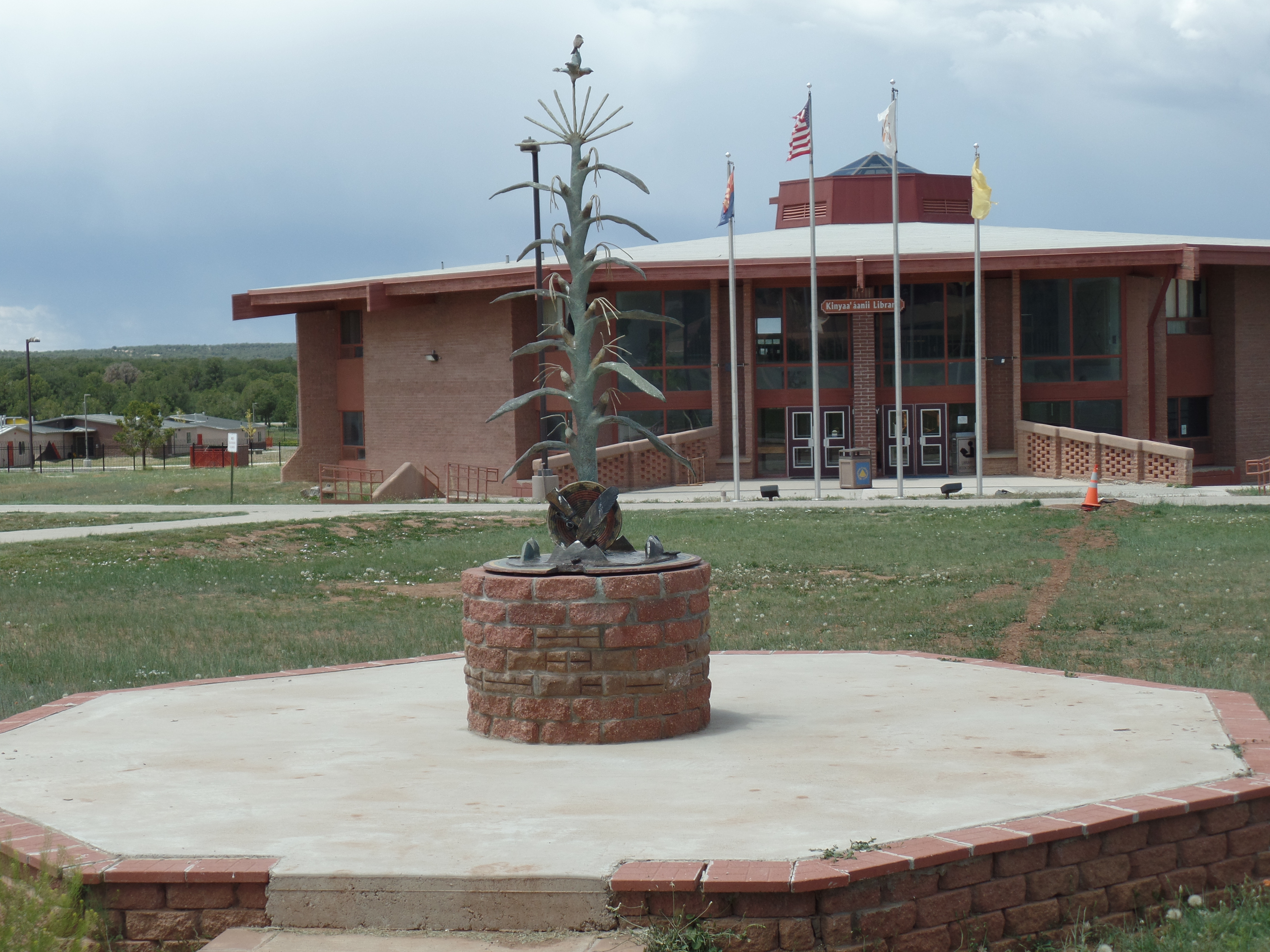
The centerpiece sculpture is of life-sustaining maize.

SAMSUNG CAMERA PICTURES

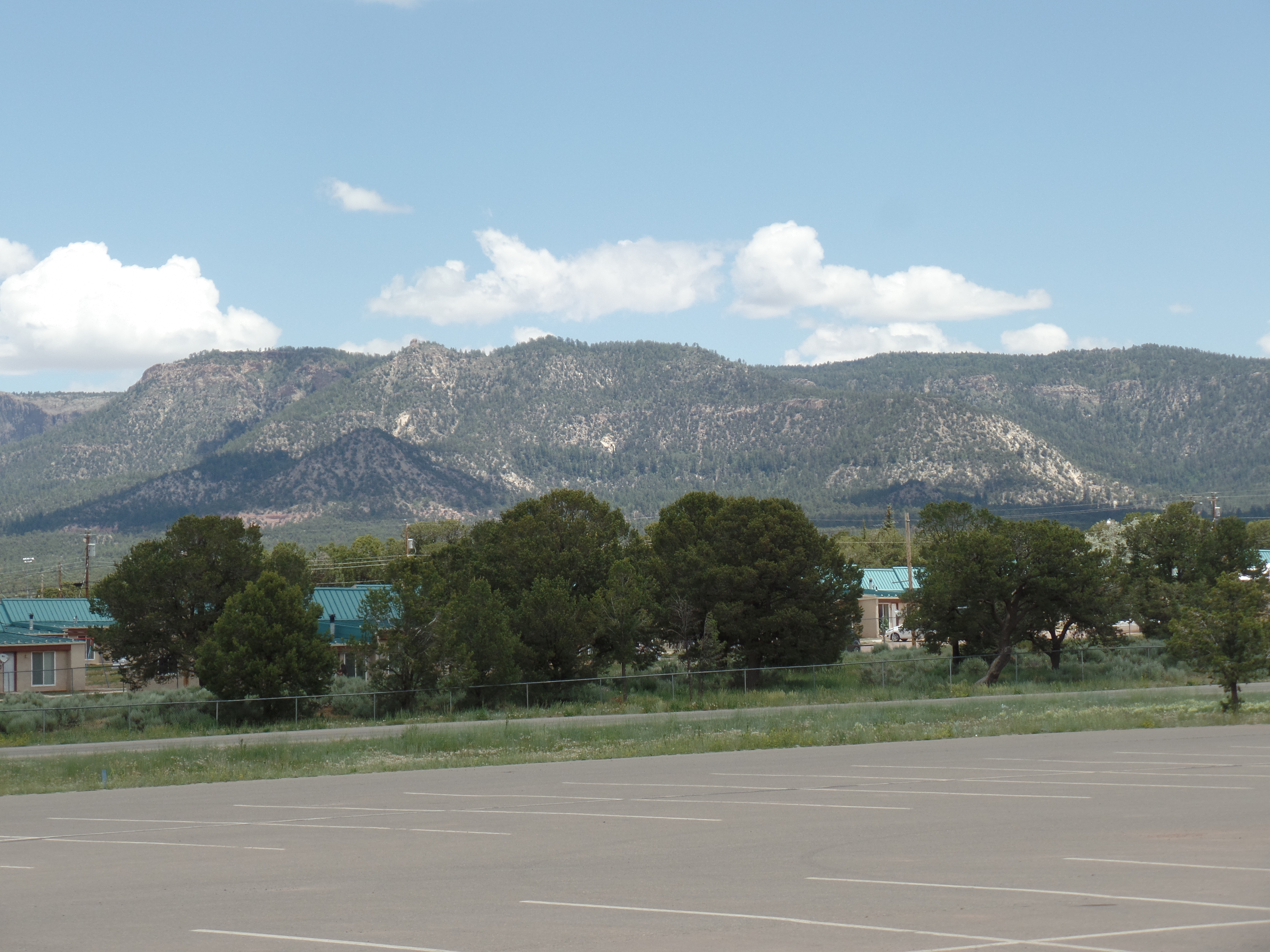
There are two mountain ranges in this part of the Dineh Nation. Here is a view of the Lukachukai Range.

SAMSUNG CAMERA PICTURES

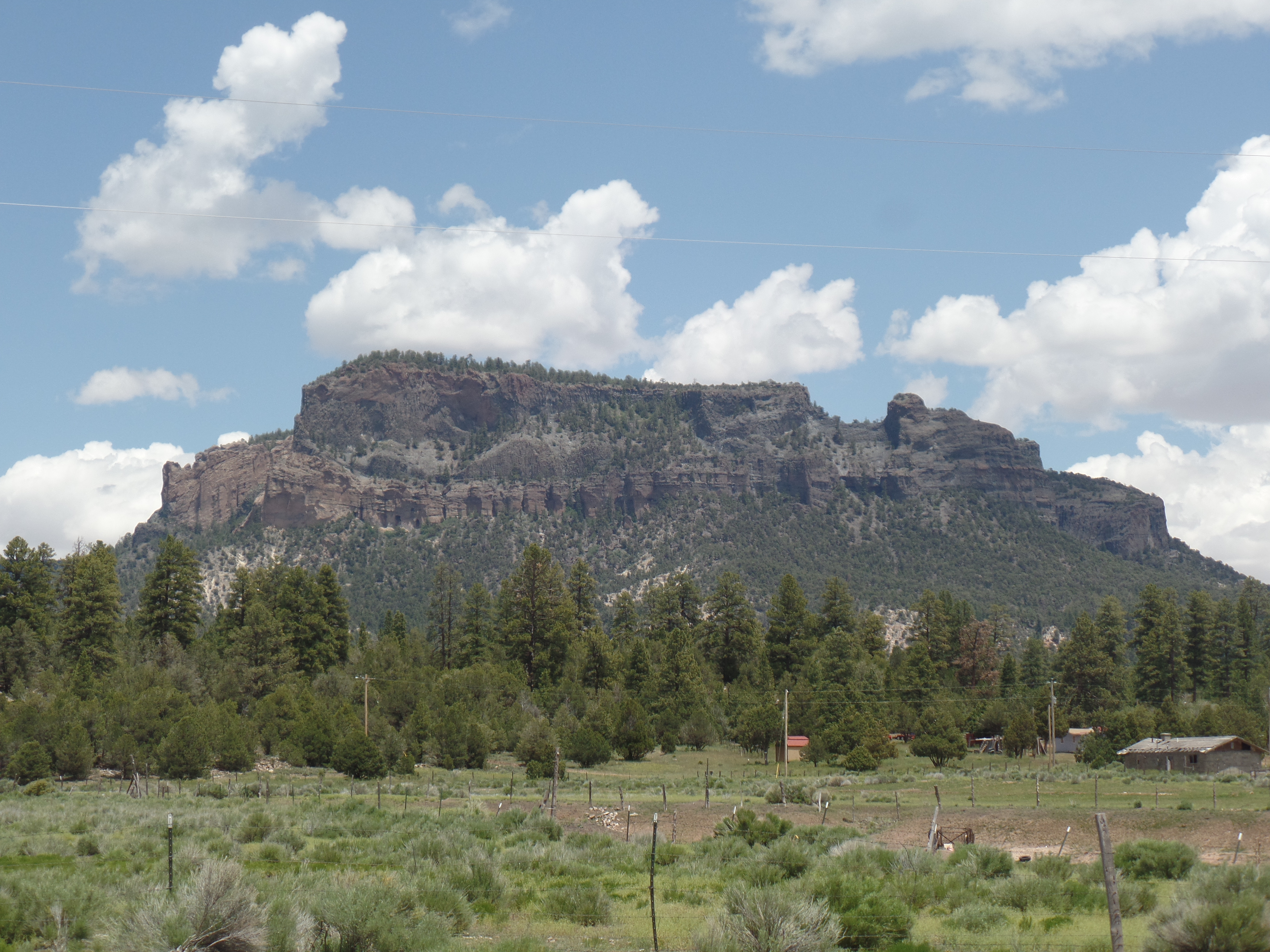
As I left Tsaile, the road led to its sister village:  Wheatfields.  The two share a single Chapter, in terms of jurisdiction.  Wheatfields is home to one of the Navajo Nation’s most popular recreation sites:  Wheatfields Lake.  Along the way, there are the buttes and peaks of the southern flank of the Lukachukai Range and the norther flank of the Chuskas.  Below, is a view of Tsaile Butte.

SAMSUNG CAMERA PICTURES

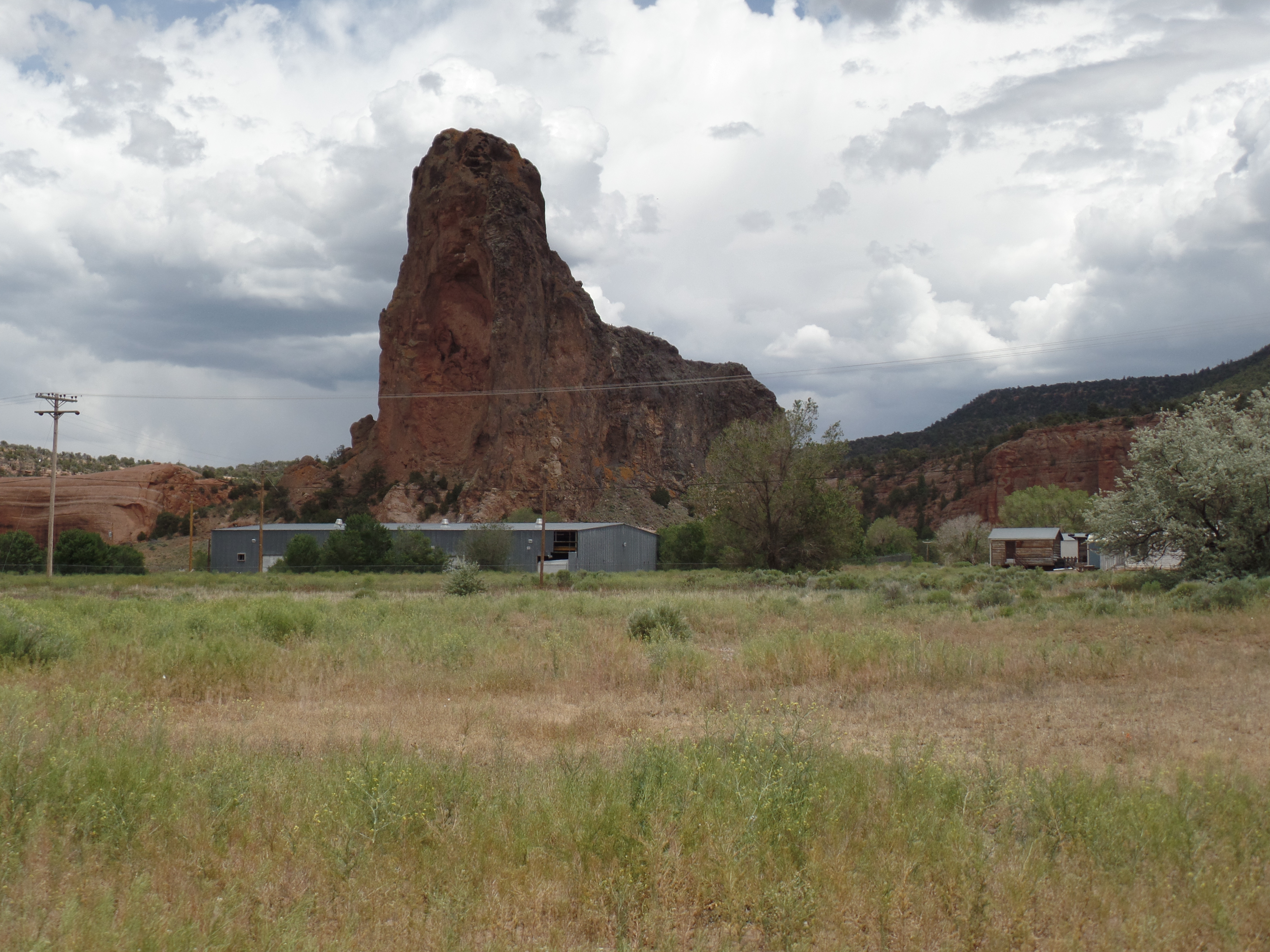
Not far to the south is Red Butte.SAMSUNG CAMERA PICTURES

Here is  a  view of Wheatfields Lake.  It was crowded with fisherfolk and water’s edge vacationers.  Unseen here, a storm front was approaching from the west.

SAMSUNG CAMERA PICTURES

The road next led through a small sliver of New Mexico.  The two Chapters, Crystal and Red Mesa, were significant to Penny and me, as a vibrant and forward-looking family of Baha’is had branches in each community, in the 1980’s and ’90’s.  I fondly remember the Coes, their bread truck office and its early-model Word Processor; then, there were their elders, the Belshaws, with a wealth of natural foods knowledge and holistic health tips.

Here is Red Mesa, near the village of Navajo, NM (Red Mesa Chapter).

SAMSUNG CAMERA PICTURES

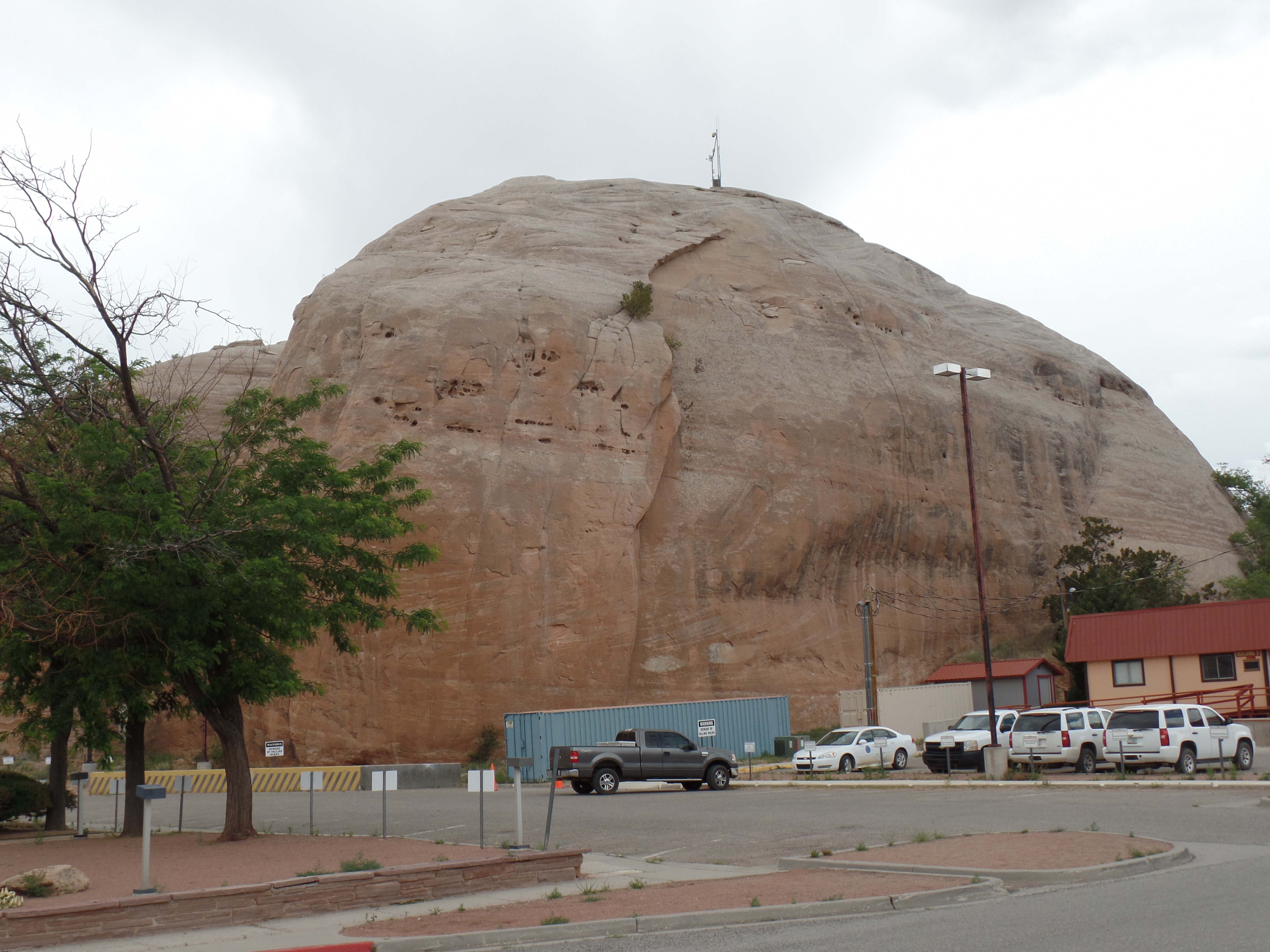
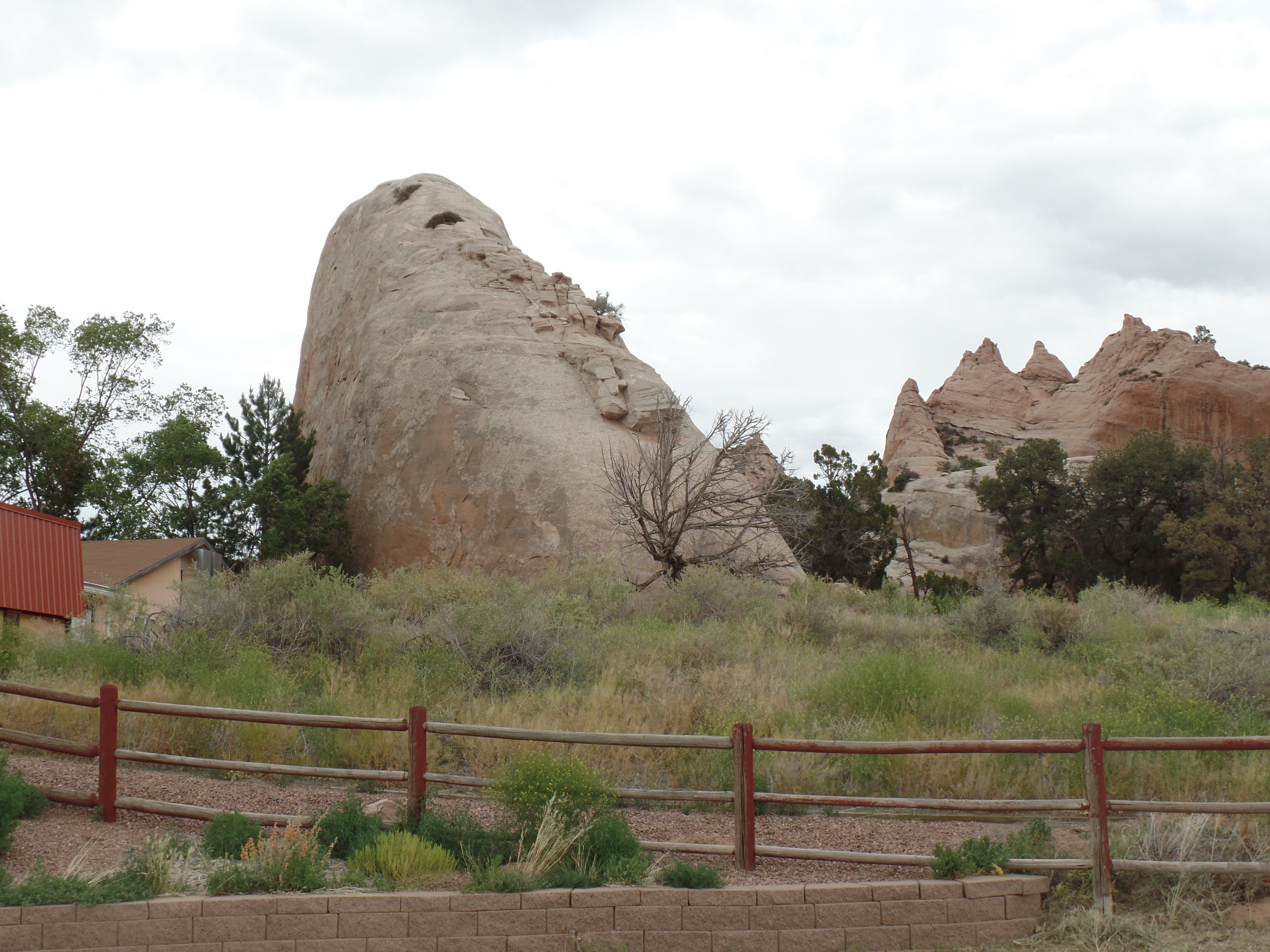
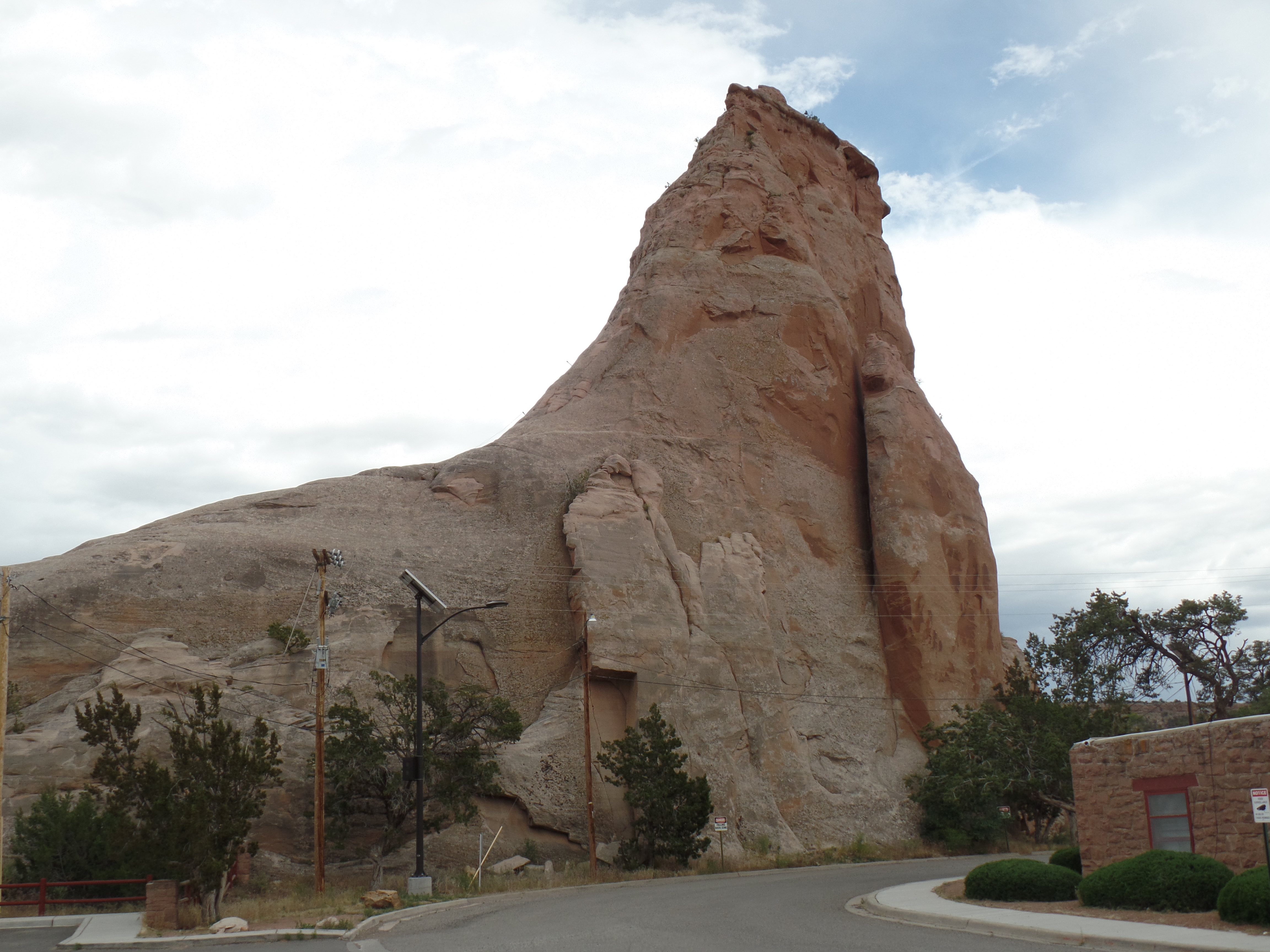
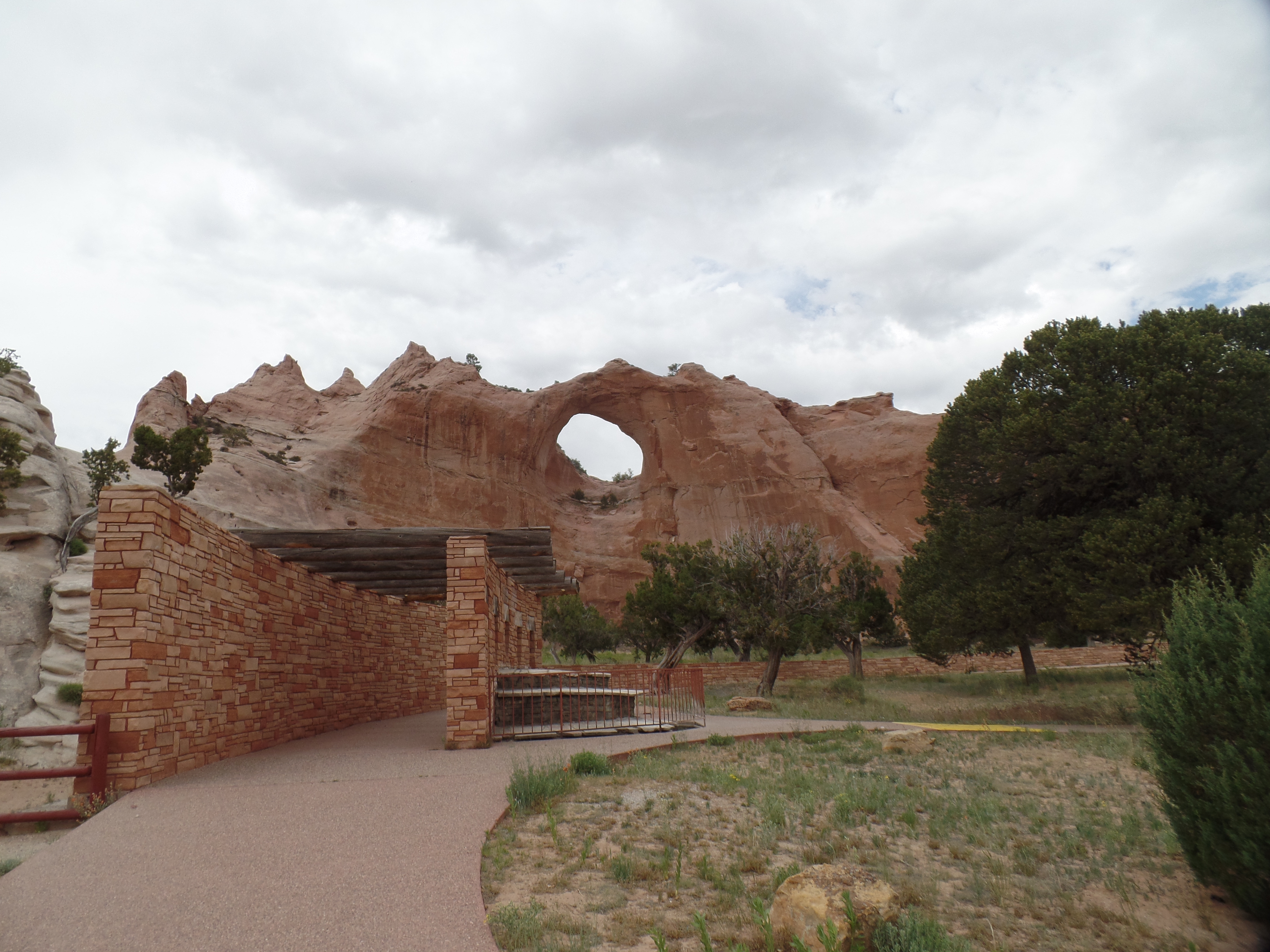
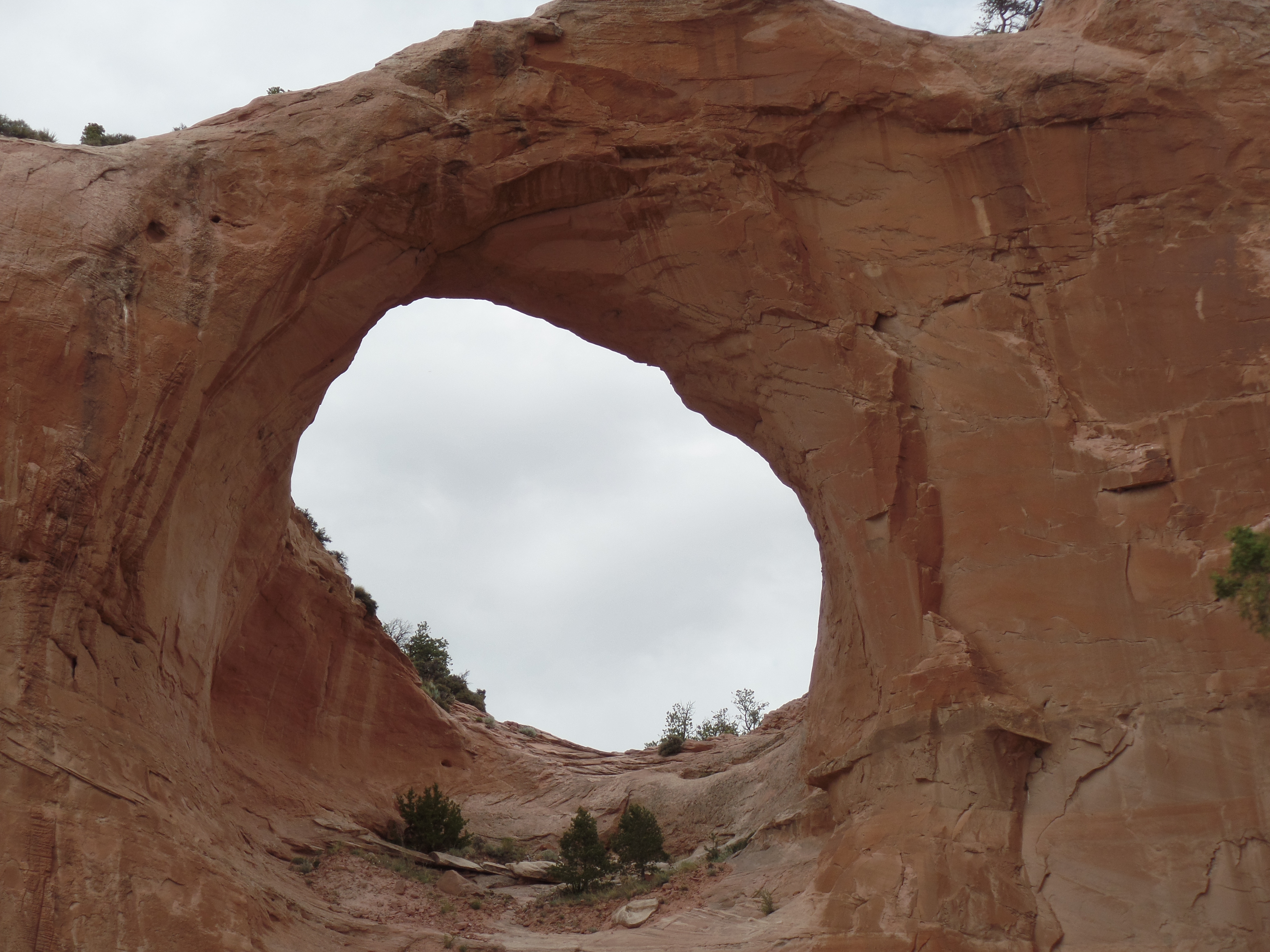
The Treasure Road (my term) comes to an end in Window Rock, the administrative seat of the Navajo Nation.  A serene park encompasses the town’s namesake.

Here are some views of this unique red sandstone promontory, with its signatory arch.

SAMSUNG CAMERA PICTURES

SAMSUNG CAMERA PICTURES

SAMSUNG CAMERA PICTURESSAMSUNG CAMERA PICTURES

SAMSUNG CAMERA PICTURES

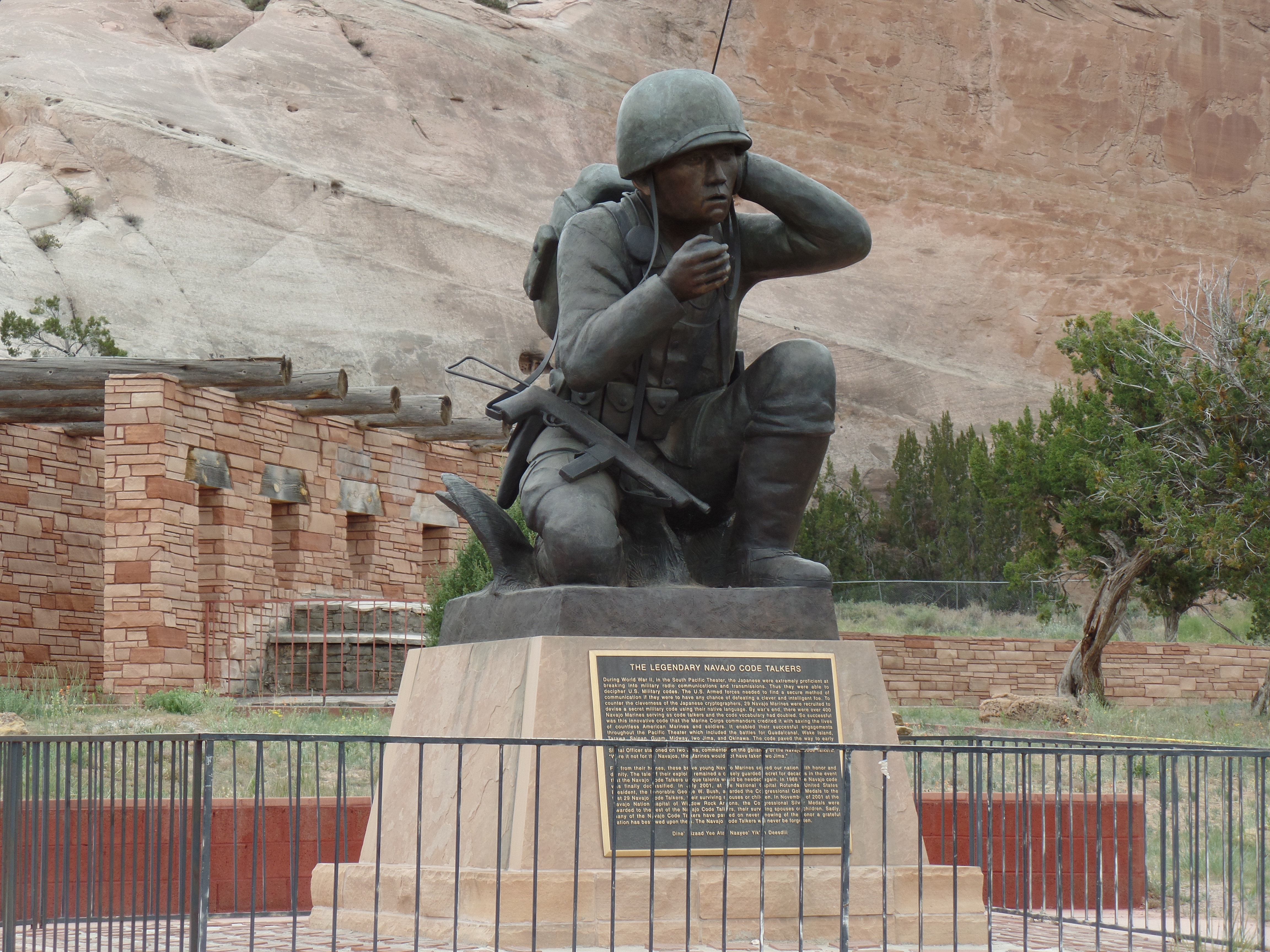
The park also feature a memorial to the Navajo Code Talkers, whose service during World War II was instrumental in the U. S. defeat of the Japanese Imperial Forces.  The Navajo contingent was the largest of several groups of Native American teams, who used their languages to convey information in a way that would not be decipherable by the enemy.  There are five living Navajo Code Talkers, as of this writing.

SAMSUNG CAMERA PICTURES

With this, I headed to Native American Baha’i Institute, briefly saying a round of prayers and careful not to disturb several work projects, then headed here, to this bustling community that lies in the midst of the Navajo Nation.  It was time to sleep, at the Lariat Motel.

NEXT:  A Checkered Father’s Day