Back to the Border, and to Bull Pasture, Part I: Lukeville and Ajo

2

March 14, 2024- Traffic was bustling, at the Lukeville/Sonoyta Crossing. The place had been closed, a few months ago, with the Federal government bemoaning lack of resources to handle a surge in migrants trying to cross into the United States. It turned out this was mainly a processing issue, and the Arizona National Guard was dispatched to help with ancillary duties, so that the Border Patrol agents could focus on clearing up the processing of those who were seeking asylum, from any one of two dozen countries, and returning those not qualifying for refuge, to Mexico, or to their countries of origin.

The United States/Mexico border, at Lukeville/Sonoyta.

Lukeville had plenty of traffic, going both ways, but the restaurant was closed and the gas station convenience market’s shelves were half empty. I saw little evidence of the crisis of the past few months, other than an active Border Patrol work station, on South Puerto Blanco Drive, that had a few tents set up-either for detained migrants or for agents to get out of the sun. It is likely that they are used for a little of both. These events come in waves, though, so unless Congress and the President can reach an understanding, soon, it is likely to be a long summer of ebbs and flows of both desperate and opportunistic people trying to enter the U.S.

Before all this, and my return to Quitobaquito and Bull Pasture-both within Organ Pipe National Monument (Lukeville also lies within the Monument), I took some time to look around Ajo. Morning’s light, at Copper Sands Motel, revealed this courtyard.

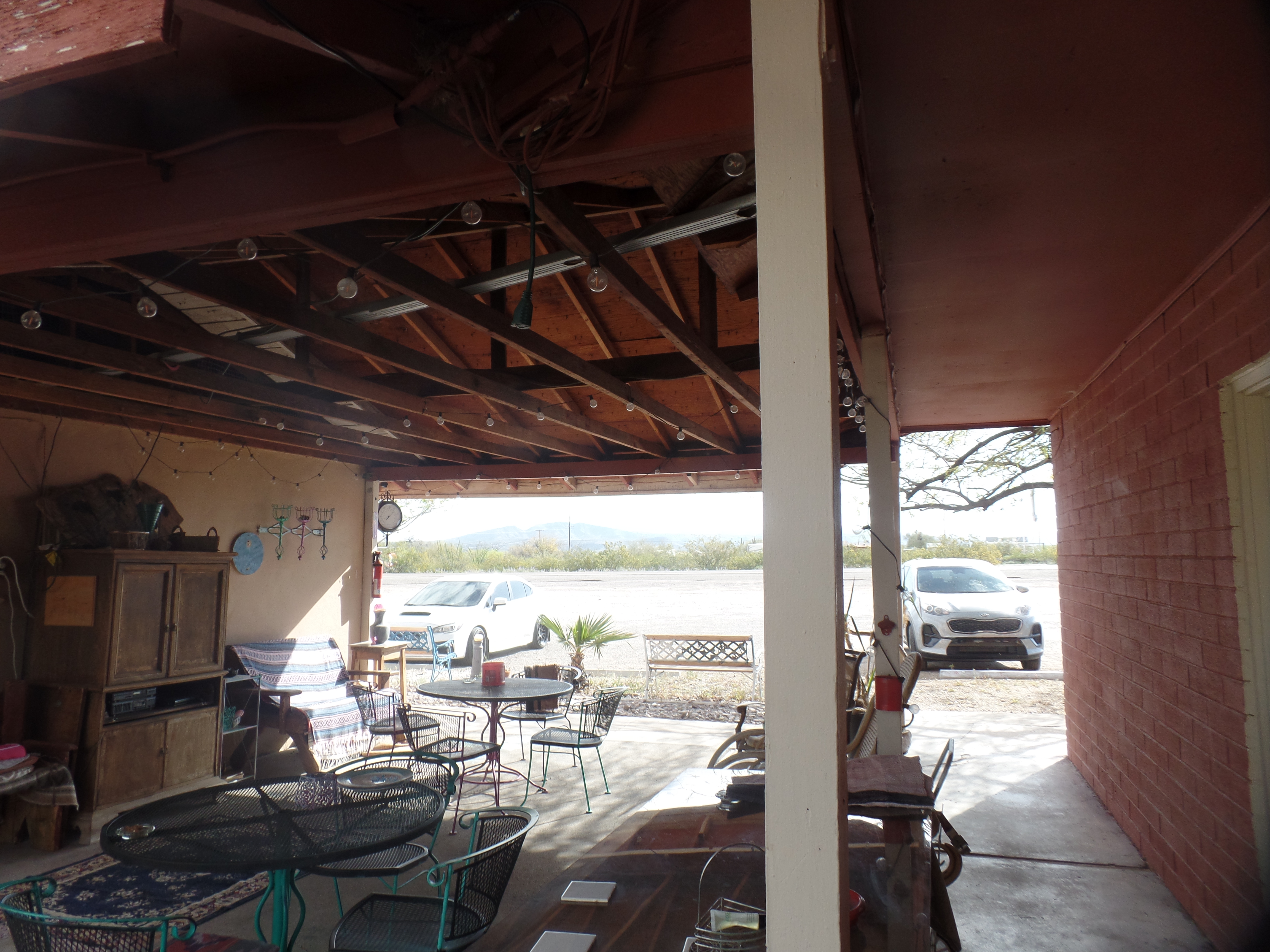
Relaxing spots, at Copper Sands Motel, Ajo (above and below)

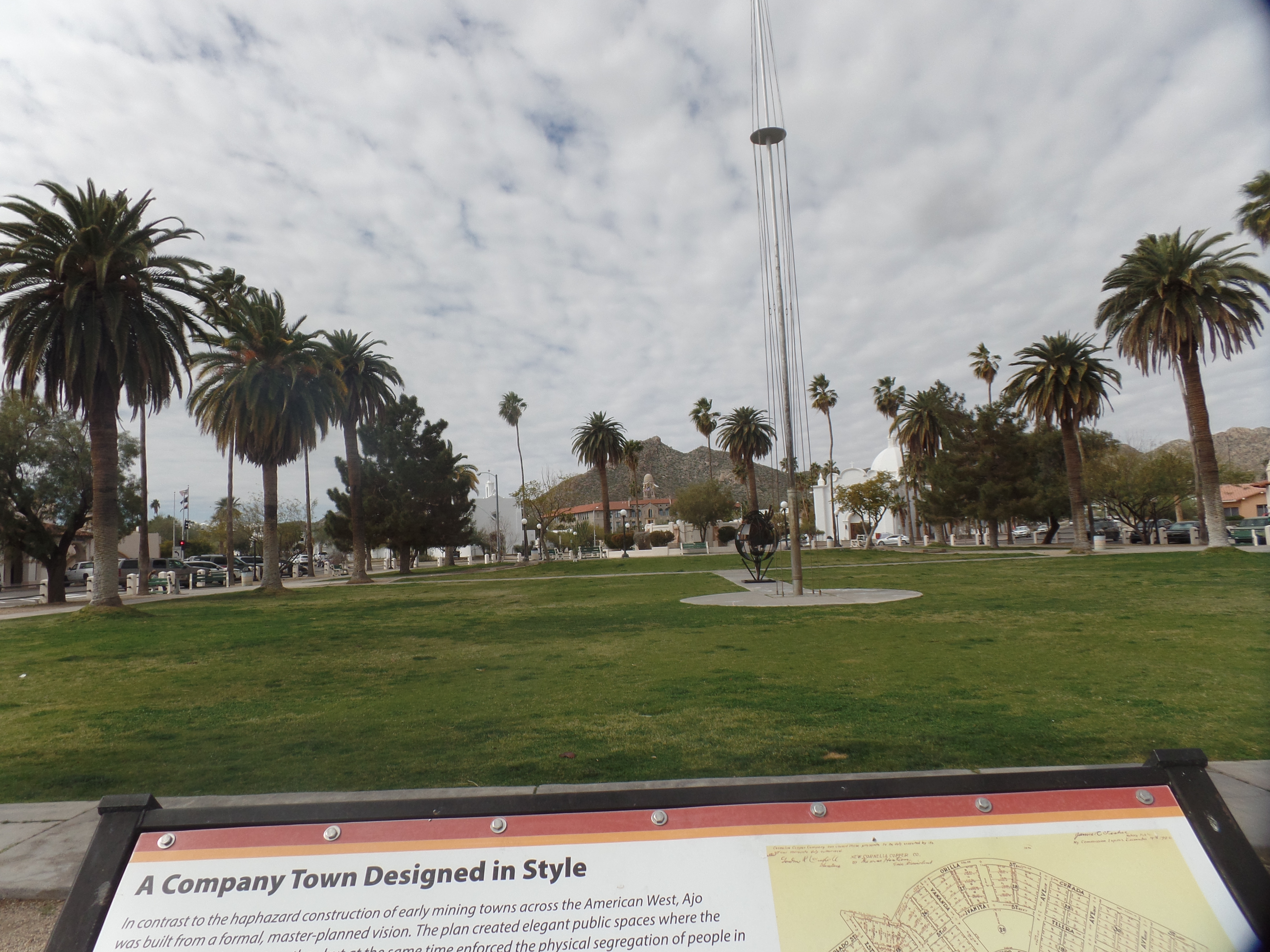
In town, there are two stand-out areas of note: The Plaza, and Curley School. Both were built in the 1920s, when Phelps-Dodge Corporation began to realize the peak operation of its copper mines in the area. Curley School is named for the company’s regional manager: Michael Curley. Ajo Plaza, in the style of a Spanish community gathering place, was the one area where the three otherwise segregated ethnicities, Anglo, Mexican and Tohono O’Odham, could mix freely. Today, of course, there is no segregation. I saw people of all racial groups here, as elsewhere in the country-and in each case, they were working in responsible positions.

Here are two views of Ajo Plaza, where several people were gathered, to relax over coffee and tea, or to discuss business.

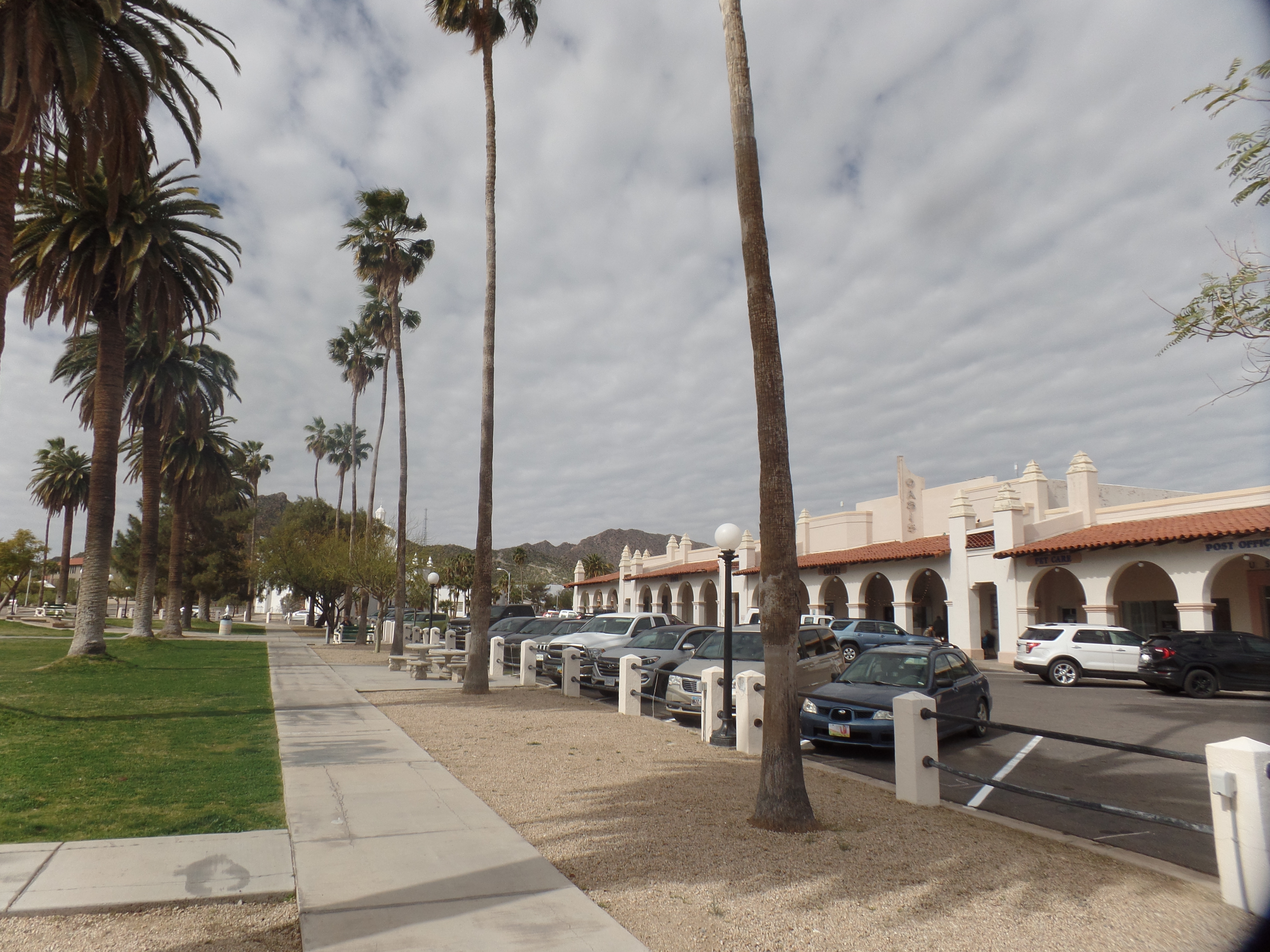
East side of Ajo Plaza
North side, Ajo Plaza
Ajo Plaza’s Greenspace

Across from the Plaza is Immaculate Conception Catholic Church, also a marvel in white.
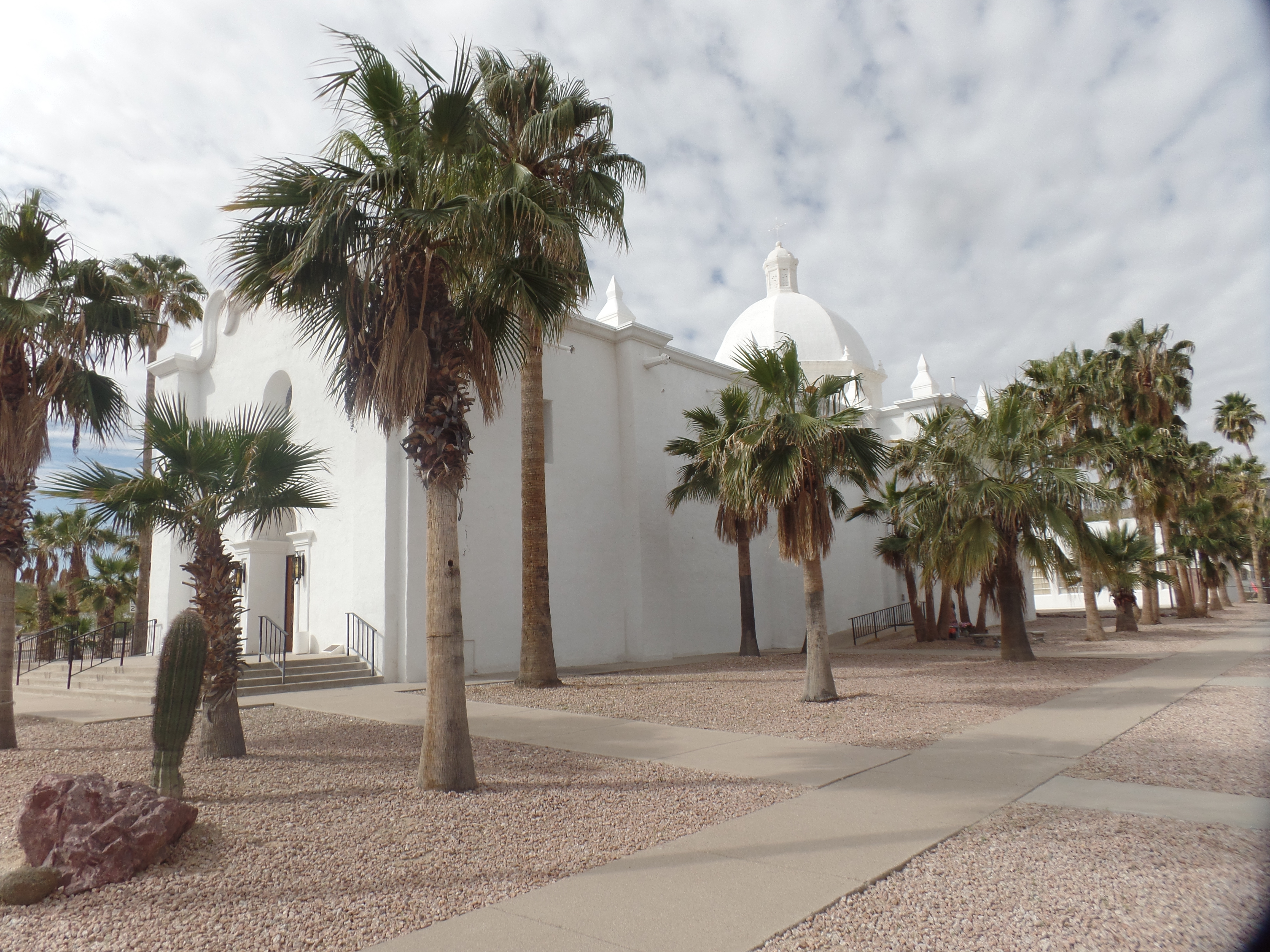
Immaculate Conception, from the east side.

Curley School educated all Ajo area students, from 1919-1997. When it was found to be in disrepair, a group of Ajo residents, working with the University of Arizona, developed a renovation plan, and the facility, consisting of nine buildings was refitted as artisan apartments and up-to-date classrooms, for the practice and study of the Fine Arts. Here are three views of the facility.

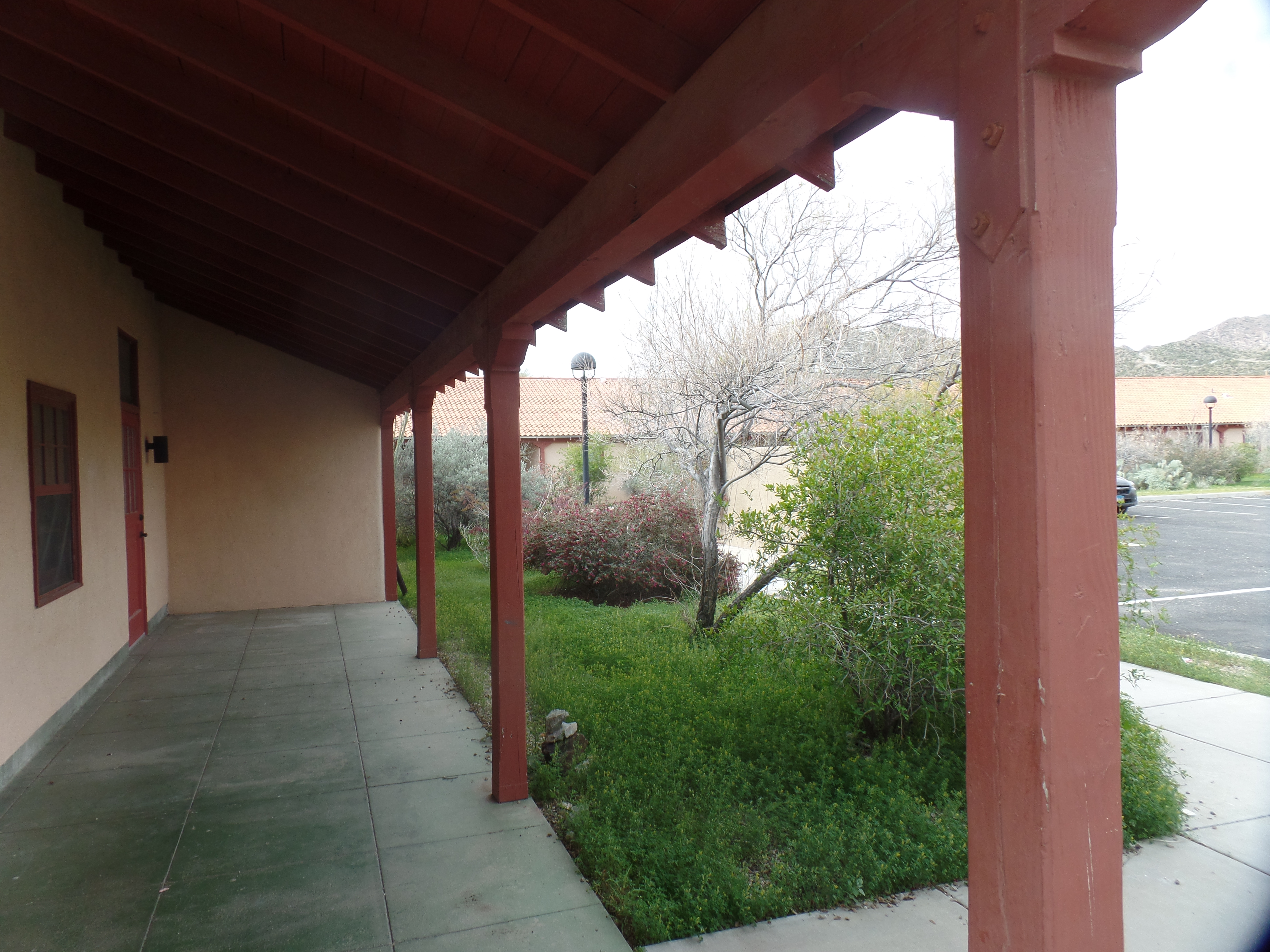
Main Building, Curley School, Ajo
Inner Classrooms, Curley School, Ajo
Standing Duck Cairn, Curley School, Ajo

As with all such operations, the New Cornelia Open Copper Mine ran out of its product, and has left tailings in its wake.
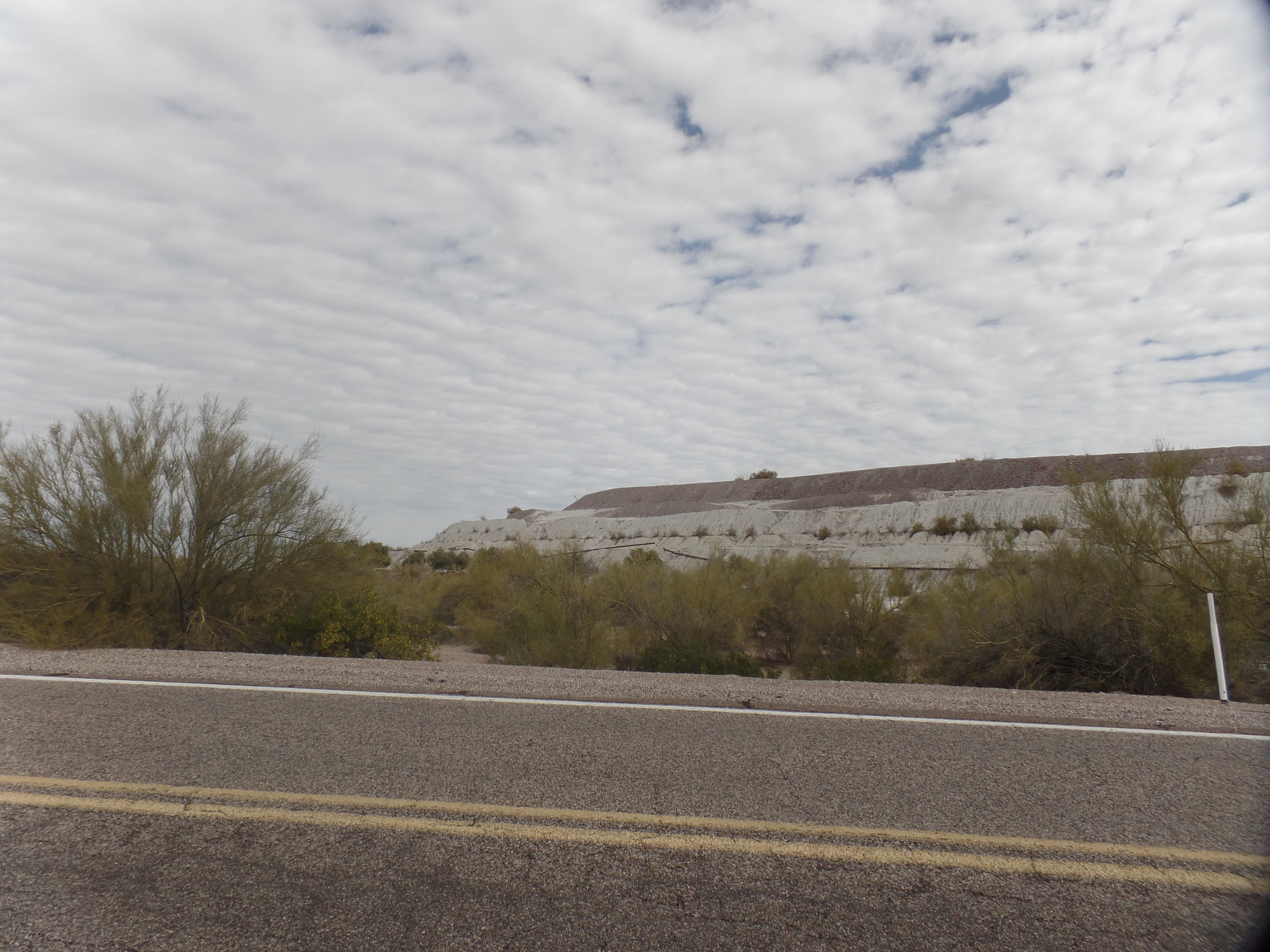
Tailings from New Cornelia Mine, east side of Arizona Highway 85, south of Ajo.

Hopefully, the area can be cleaned up and restored as a natural area, useful to both people and wildlife. The same ingenuity that saved Curley School would be beneficial here.

NEXT: A return to Quitobaquito and Bull Pasture

Bookends of Love and Light

2

March 13, 2024, Ajo- The motel owner came to the door, after I left a voice mail on her phone, and cheerfully welcomed me into the office. After I paid, she went over and showed me the room, proudly pointing out the improvements she had made to it.

Earlier in the day, as I checked out of Knight’s Inn, the clerk thanked me, profusely, for having stayed the night. There is always a pleasant stay to be had, at a Knight’s Inn-and the price has always been reasonable.

Between these two bookends of love and light, there was plenty of good cheer. When I went over to a nearby Speedway station, to get a cheap bit of breakfast, the clerk signed me up for a Speedy Rewards card, which I got to put to use, right away, when filling Sportage’s tank, an hour or so later. I had been a bit lazy, in getting onto such a discount program, up to now, but it’s time.

Making a pilgrimage to Bisbee, I found High Desert Market and Cafe was closed on Wednesdays, so another new spot was in order. I chose Main Street Bistro, which has a similar, if smaller, menu to HDMC’s. The wait was longer, with only one person staffing the patio area, but the wait was well worth it. I took a stroll downtown, after, and looked at the area where two buildings burned, a month ago. Of course, it was roped off, and pictures were not in order. I did take a shot of this rock formation, above the patio at Main Street Bistro.

Mr.Toad guards the Bistro.

It was now time to return to Coronado National Memorial, high on the border, near Hereford, AZ. This time, I wanted to hike at least 3/4 of the way up Joe’s Trail, which runs from just west of the Visitor’s Center to the fourth ridge of Coronado Peak, where there is space for several vehicles. I left my SUV in the parking lot at the Center, and managed to get 3/4 of the way, turning around and hiking back, with the hope of finding a place en route to Ajo, in time to make a Zoom-based meeting. (This didn’t pan out, and was my one disappointment of the day). The hike, though, in Montezuma Canyon, was sheer delight.

View from the base of Joe’s Trail, Coronado National Memorial.
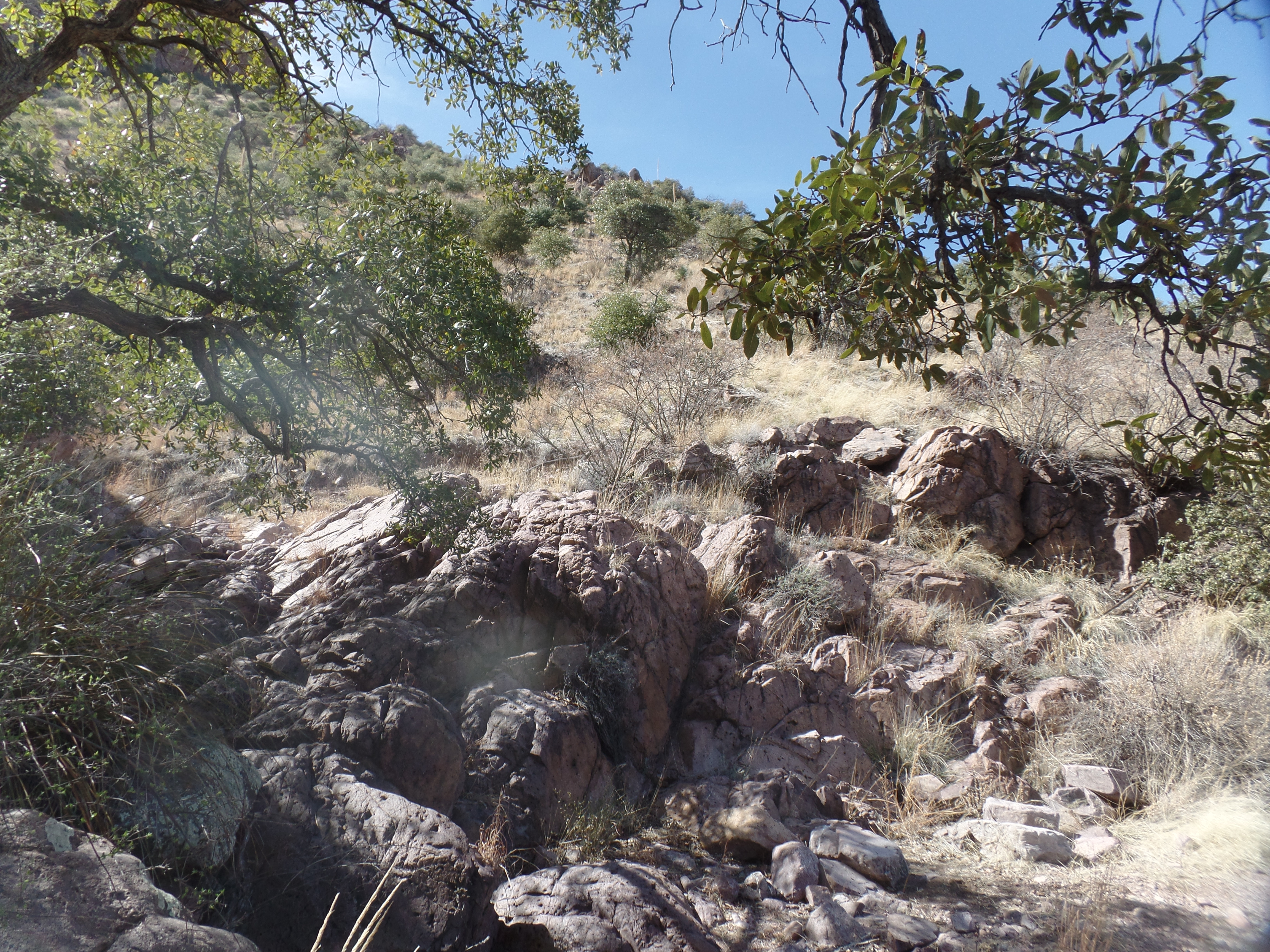
Outcropping, lower Montezuma Canyon.
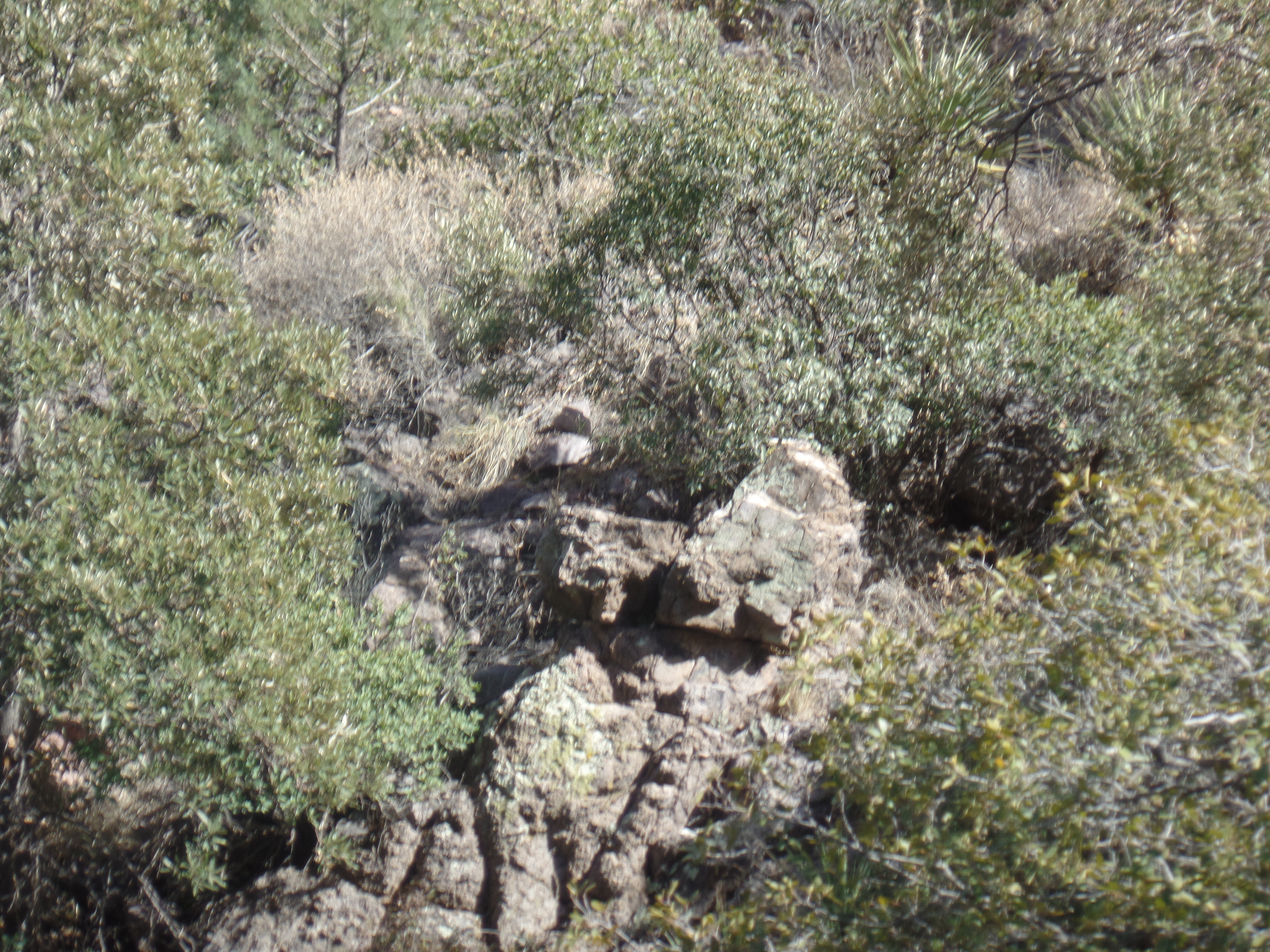
A jolly old king, Montezuma Canyon.
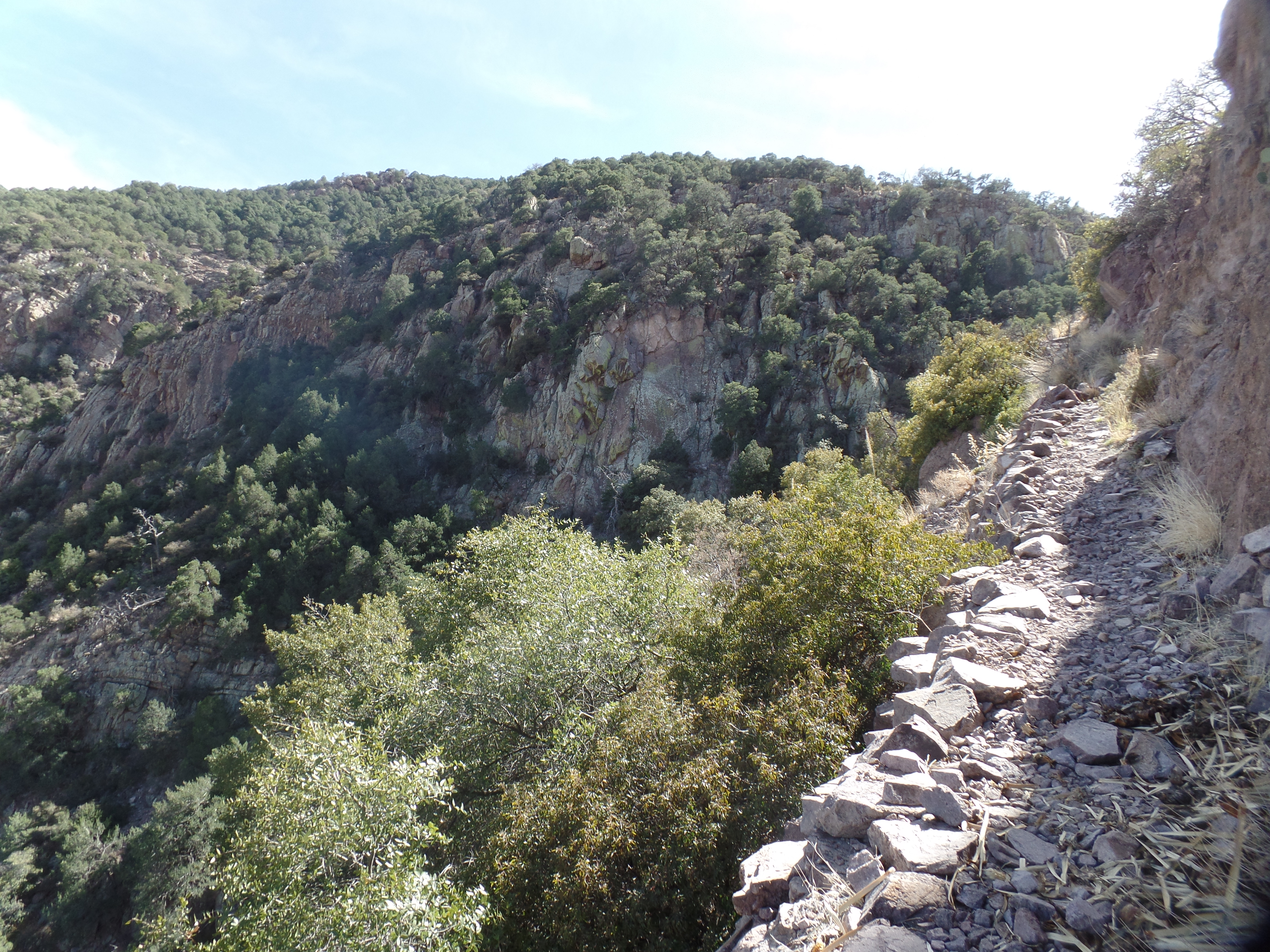
View from a narrow trail, Montezuma Canyon
At my turn-around point, with a view towards the canyon rim, Montezuma Canyon, Coronado National Memorial

I headed inexorably west, then north, and west again, after leaving the Memorial. The road called Ajo Way is one that Penny and I took, 41 years ago, to visit Kitt Peak, Organ Pipe National Monument and Puerto Penasco, Sonora. I would visit Organ Pipe, this time around, and drop in at the border town of Lukeville-but those are for tomorrow. Kitt Peak and Puerto Penasco are for another time, and possibly I won’t be visiting alone, but we’ll see.

For now, the border at Coronado is quiet, no sign of any mass incursions, surreptitious or otherwise, and the rangers suggested it’s been that way there, for a while. In Ajo, meanwhile, the Copper Sands Motel, and its owner, Linda, are delighted to have guests who mind their manners. Copper Sands kind of reminds me of Gram’s Place, the hostel where I stayed in Tampa, two years ago-lots of bric-a-brac and a funky patio or two.

I am getting ready to rest, bathed in love and light.