Extended Stay

2

October 2, 2024, Manila– Kathy was still off doing the practical work of the Divine, so I decided to get my own small contribution to the greater effort done. It took three hours, mostly of waiting, but I extended my visa by two weeks-and will thus be able to consult with her, and the rest of the team, as to how that time can best be put to use. As gruff as the clerks are,(probably because they’re paid a pittance), the lady at the last station entered two weeks beyond what I needed, as the expiration date. I still need to get back to Arizona by Oct. 28, but it’s nice to have that buffer period, just in case.

During the final hour of waiting, between the payment part and the confirmation part, I went over Jones Bridge to Binondo, the oldest of Manila’s Chinatowns. There are a couple of arches that set the mood.

Pasig River, with old financial district across from Intramuros.
Gateway to Quiapo Chinese Commercial Area, Binondo.
Filipino-Chinese Friendship Arch, Binondo
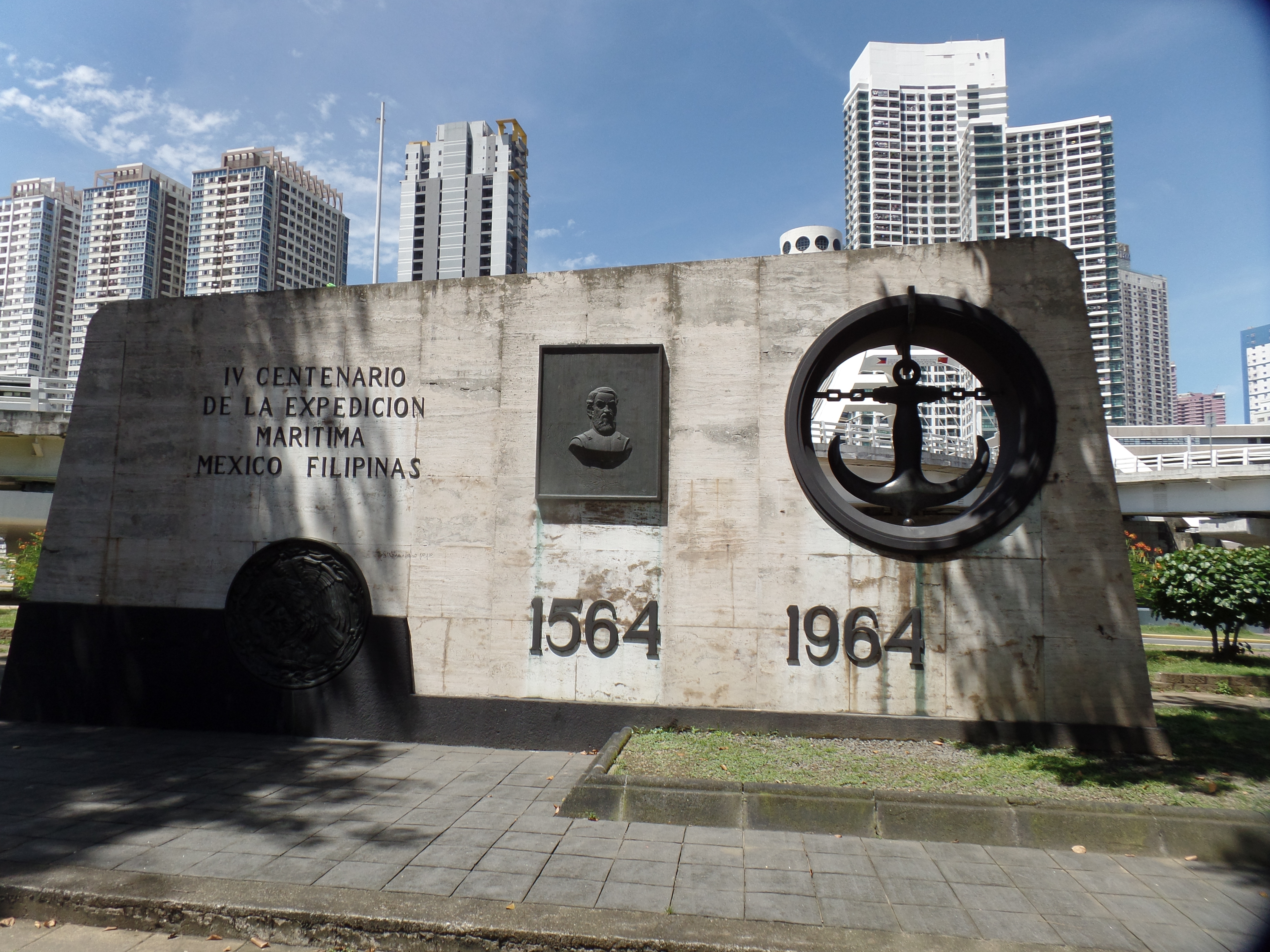
Four hundred years of ties between the Philippines and Mexico are also a point of pride, along the Pasig.
Jones Bridge, close-up
Mural, west of Jones Bridge

After taking this photo, I was approached by a pedicab driver, who said he could take me to a dozen fascinating sites. I asked him to take me to the National Museum of Fine Arts, only. This turned out to be more than enough for the poor soul, and I paid him a fair wage for his effort. These men represent a dying art, but don’t need to die on the job. Ironically, right after he let me off, a horse-drawn cart came down the street on the opposite side. I felt just as bad for the poor horse, as for the pedicab driver.

Here is the National Museum of Fine Arts.
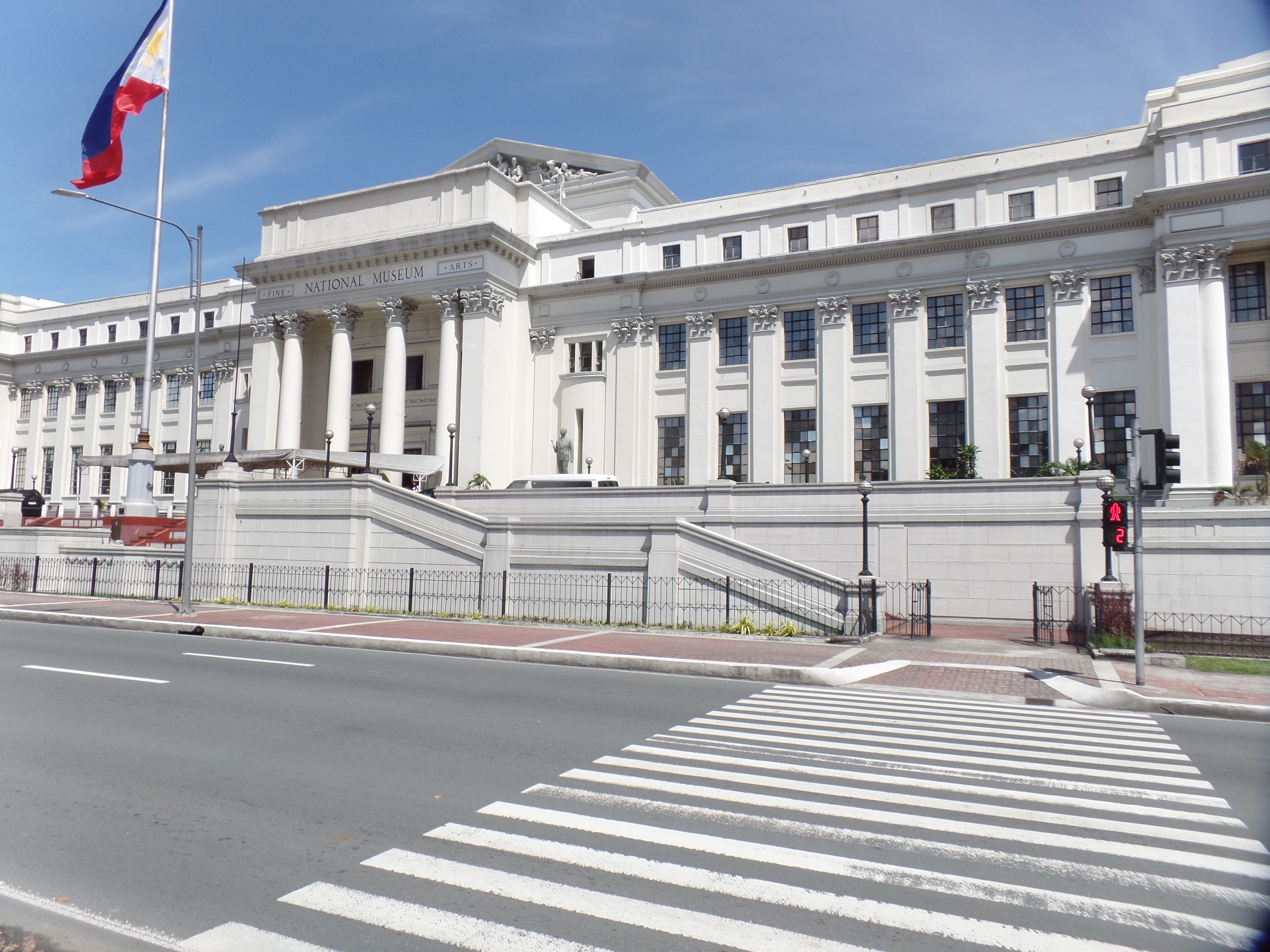
I managed to take in the second floor and half of the third.
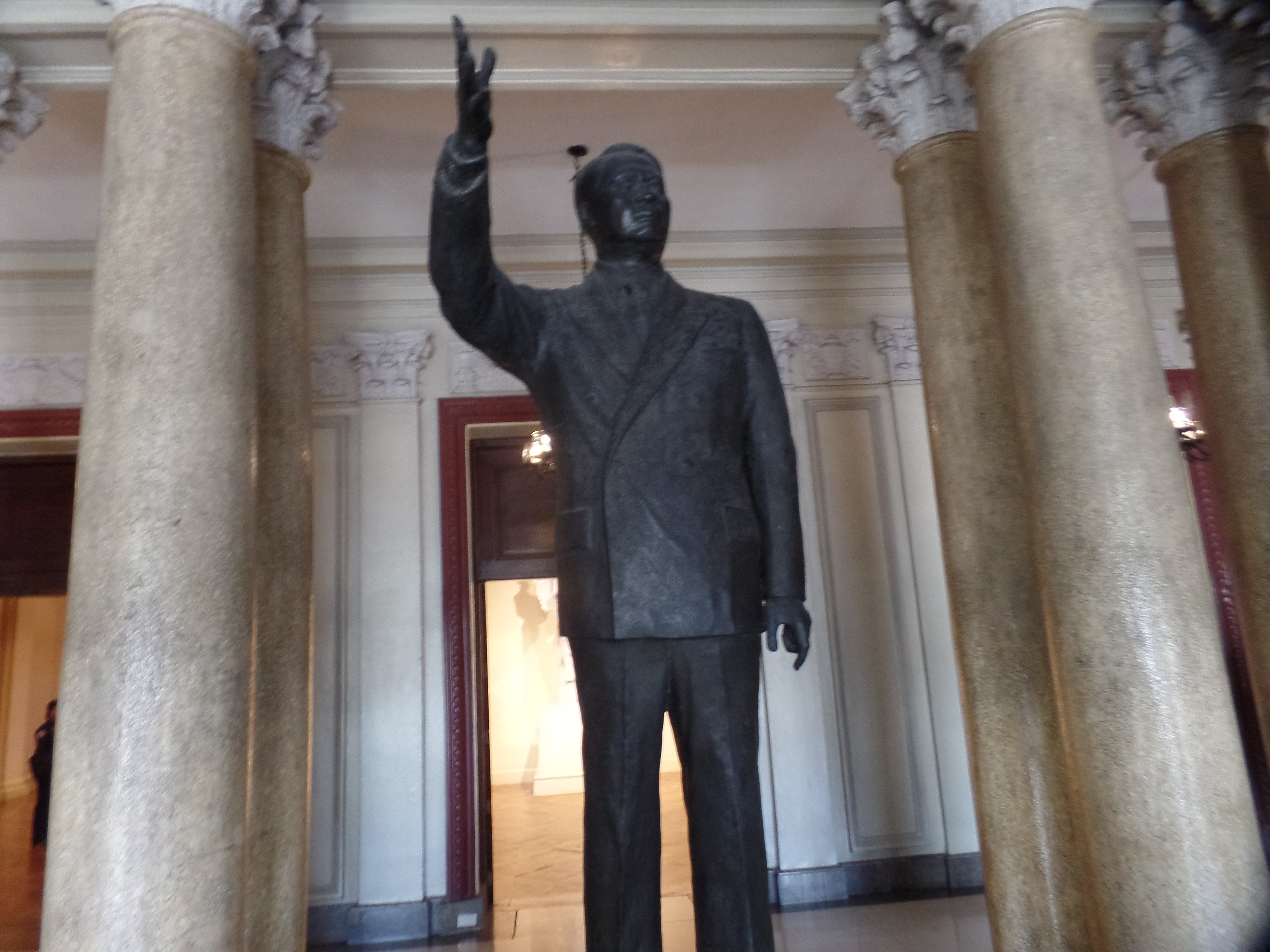
Manuel Roxas, the fifth President of the Philippines. His is the first likeness to greet the visitor to Fine Arts.
“Angel”, by Guillermo E. Tolentino is right behind President Roxas.
Felix Resurreccion Hidalgo was one of the Philippines’ greatest painters of the 19th Century. Here is his “El Gobernador y El Obispo” (1896), based on an imaginary historical encounter.
Hidalgo (right) is featured here with his contemporary, Juan Luna.
“Dr. Jose A. Rizal”, by Felix Gonzales (1962). This piece is one of many depictions of the National Hero of the Philippines, in an honorarium gallery. It is Gonzales’ only work, in the National Museum.
A retablo (altar piece), from the Church of San Nicolas de Tolentino, Dimiao, Bohol.

There are a pair of long murals, which feature the length of Filipino history, but which I’d rather cite after a visit to the National Museum of Anthropology.

This second solo venture was a full day.
Expanding Home, Day 14, Part 2: Rizal

2

October 23, 2023, Manila- My hat came off, as soon as I came upon the jarring scene: A sculpted depiction of the execution of a nation’s hero.

As my hosts looked over at the edge of the park named in honour of the Philippines’ national hero, they somehow did not recognize the boundary with Intramuros and hailed a taxi to take us around to the west side of the park. I have made it my business not be the leader of the band, but in matters of scant consequence, to follow along.

Few matters are as consequential, however, as the attempt to silence those who love their country, their land, their fellow citizens. Jose A. Rizal, a polymath and patriot, gave his very life for the independence of the Philippine nation. He was accused-of treason to Spain, tried, found guilty, and executed, under duress, by a firing squad-of his countrymen, on December 30, 1896. Two years later, Spain lost possession of the Philippines to the United States. The American leadership, under Admiral George Dewey, assented to the proper burial of Dr. Rizal and his family was able to obtain closure.

The Philippine nation got its closure, fifty years later, when July 4, 1946 saw the birth of a unified and free archipelago. All this is commemorated, and the outcome celebrated, at Rizal Park. The sacrifice of Dr. Rizal, and countless members of his associates-both and after his killing, have brought about the ongoing emergence of a fine nation, which is the best anyone can say about any collective society of human beings.

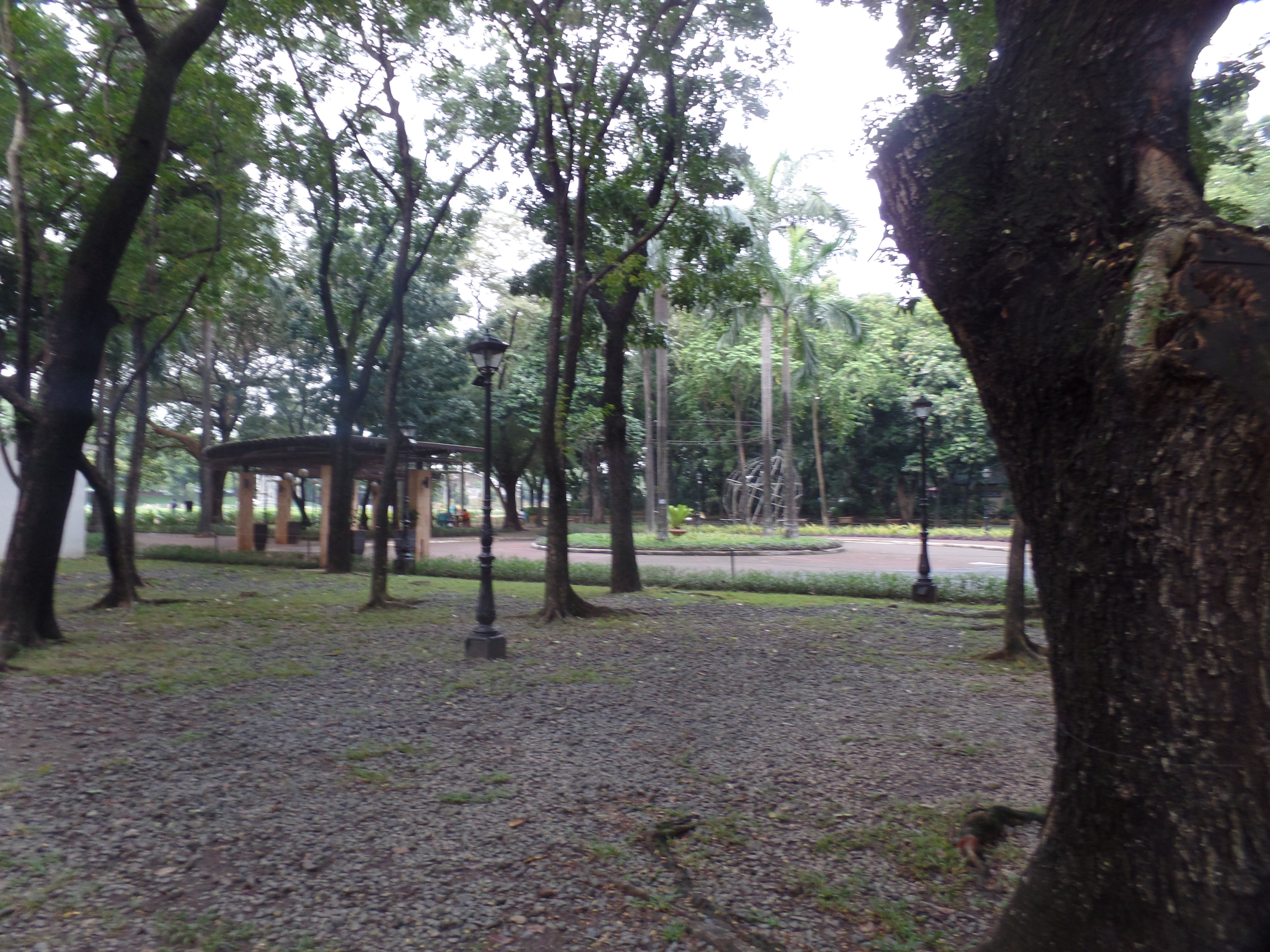
Here are scenes of Rizal Park.

West entrance to Rizal Park, once known as Luneta.
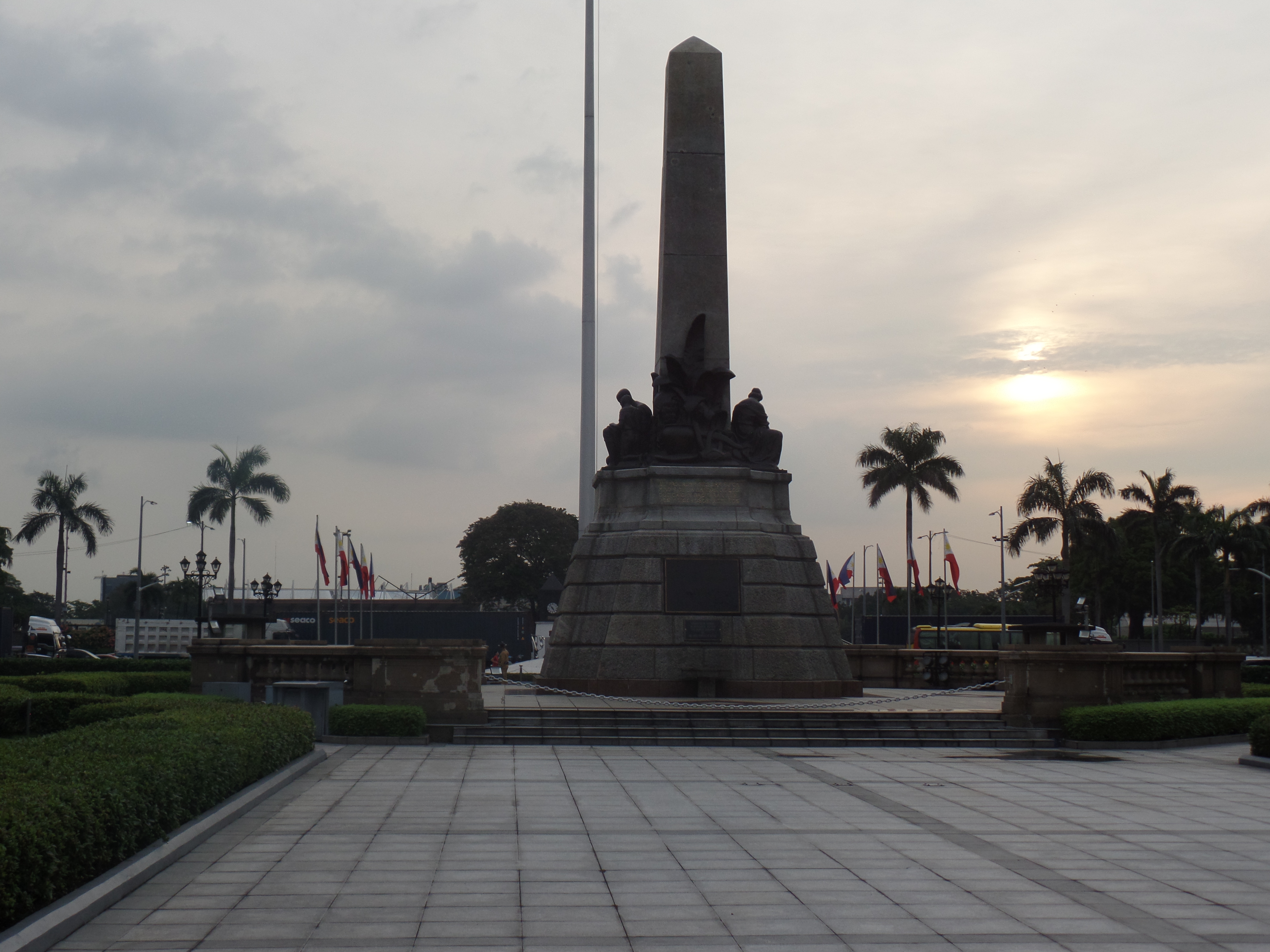
Memorial to Dr. Jose A. Rizal
Facts in the matter of Dr. Rizal’s execution
Depiction of the execution of Dr. Rizal
The Chinese and Japanese residents of Manila each have built a garden, in their traditional styles. Here is the gateway to the Chinese Garden.
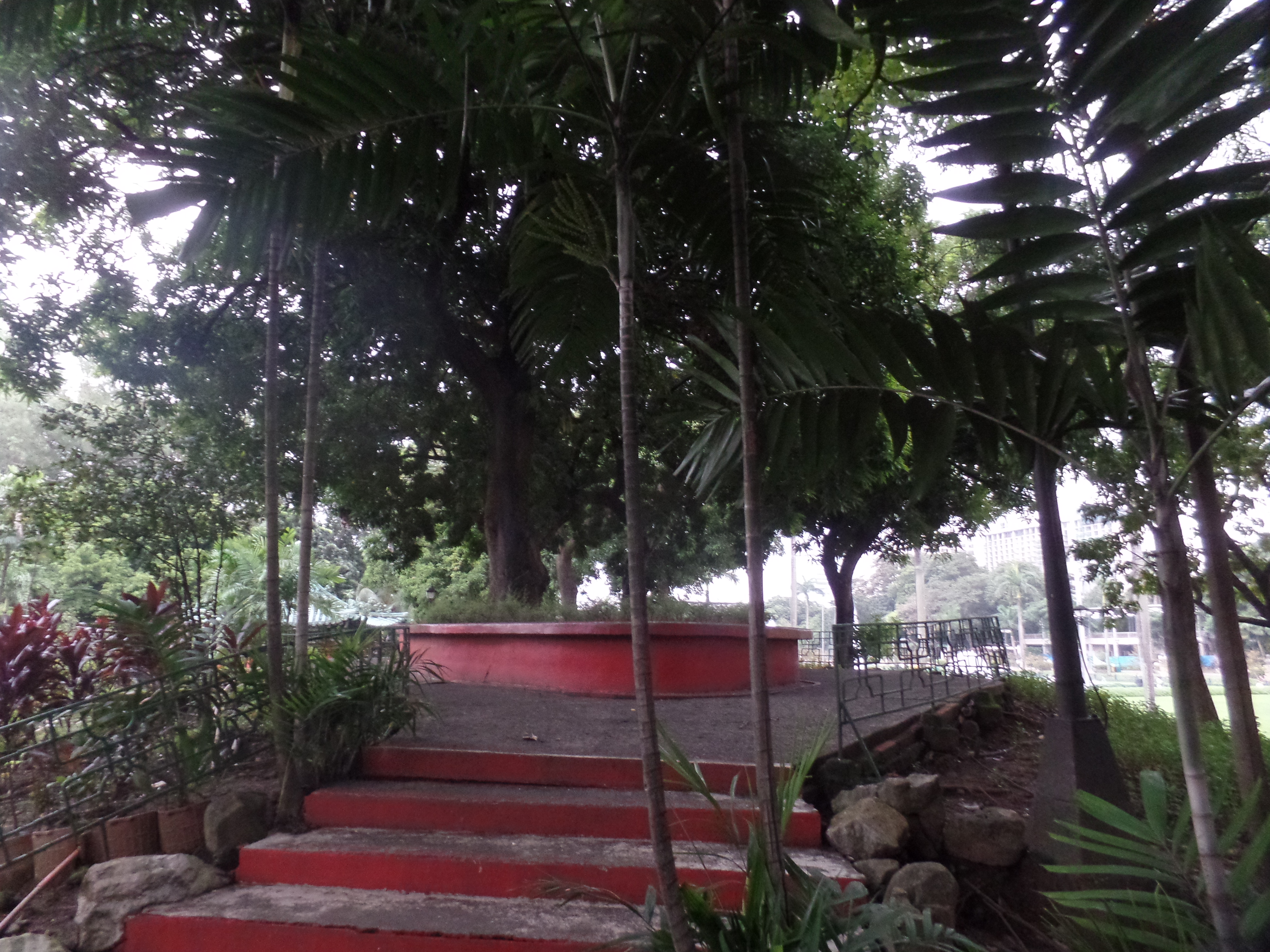
Central platform of Chinese Garden
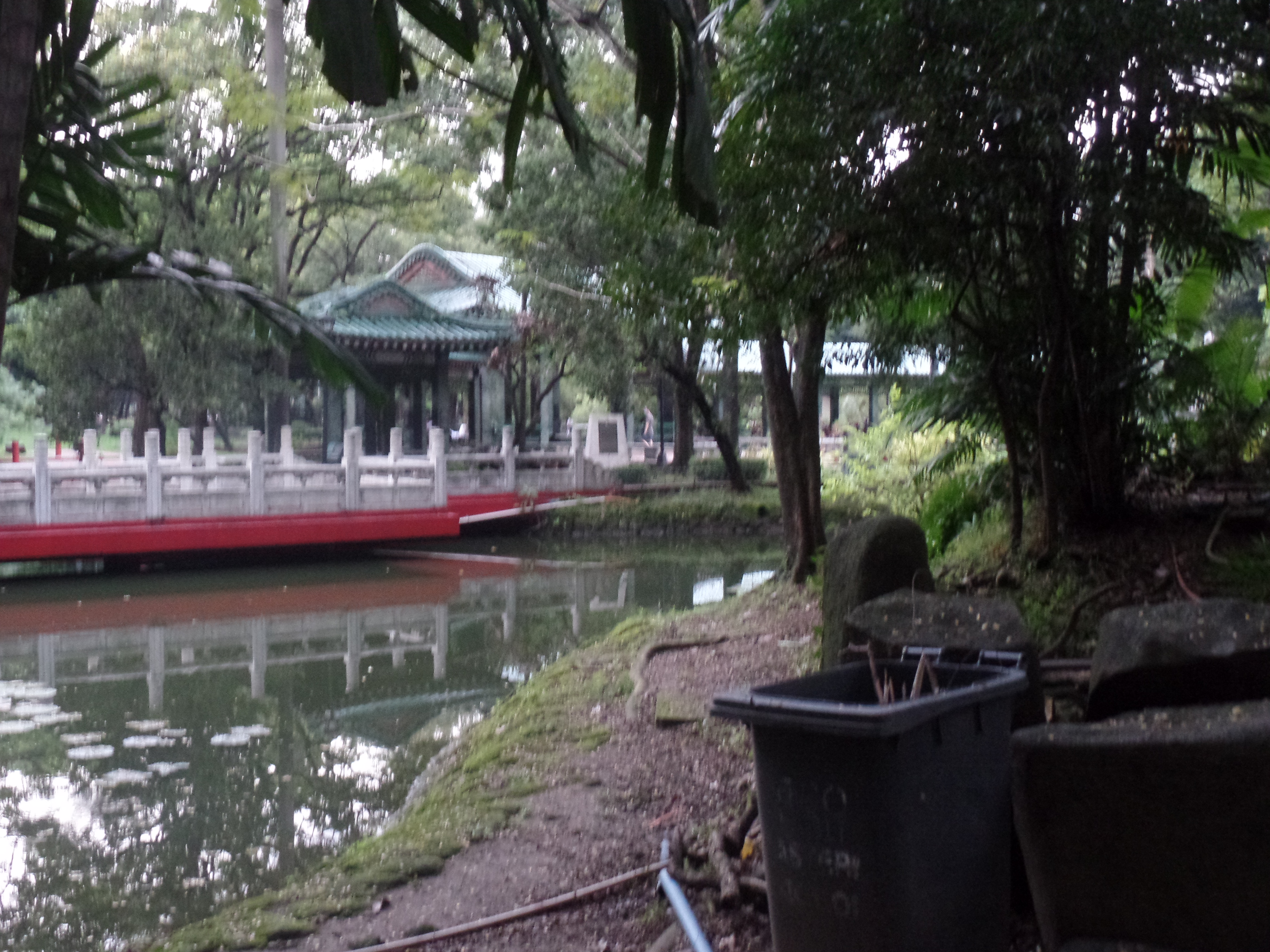
Serenity in the Chinese Garden

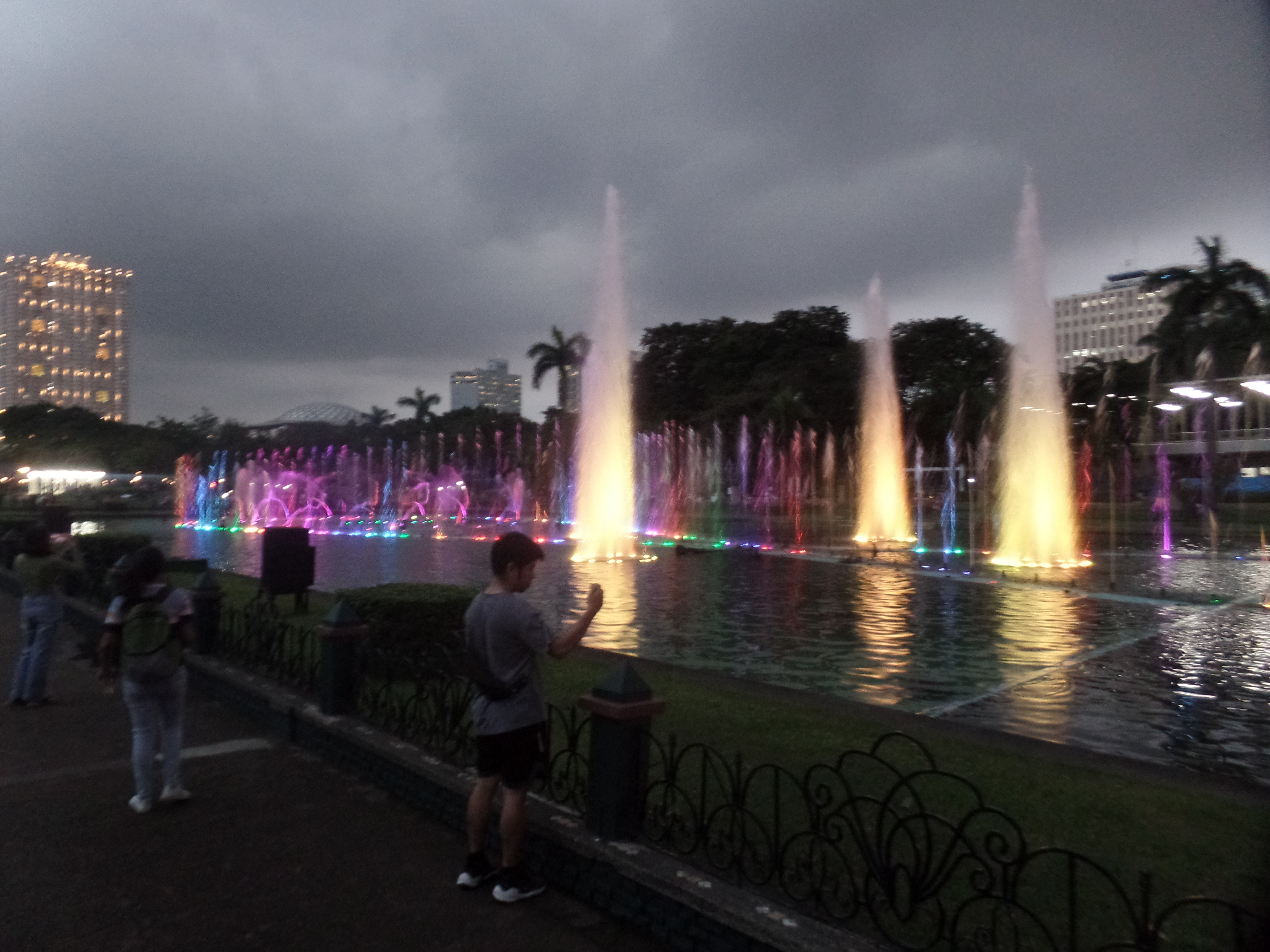
The light was getting too low, by the time we came to the Japanese Garden. It made a visit impractical. That was not so, with regard to the Dancing Waters, the celebratory element of Rizal Park. For them, darkness only made things better.

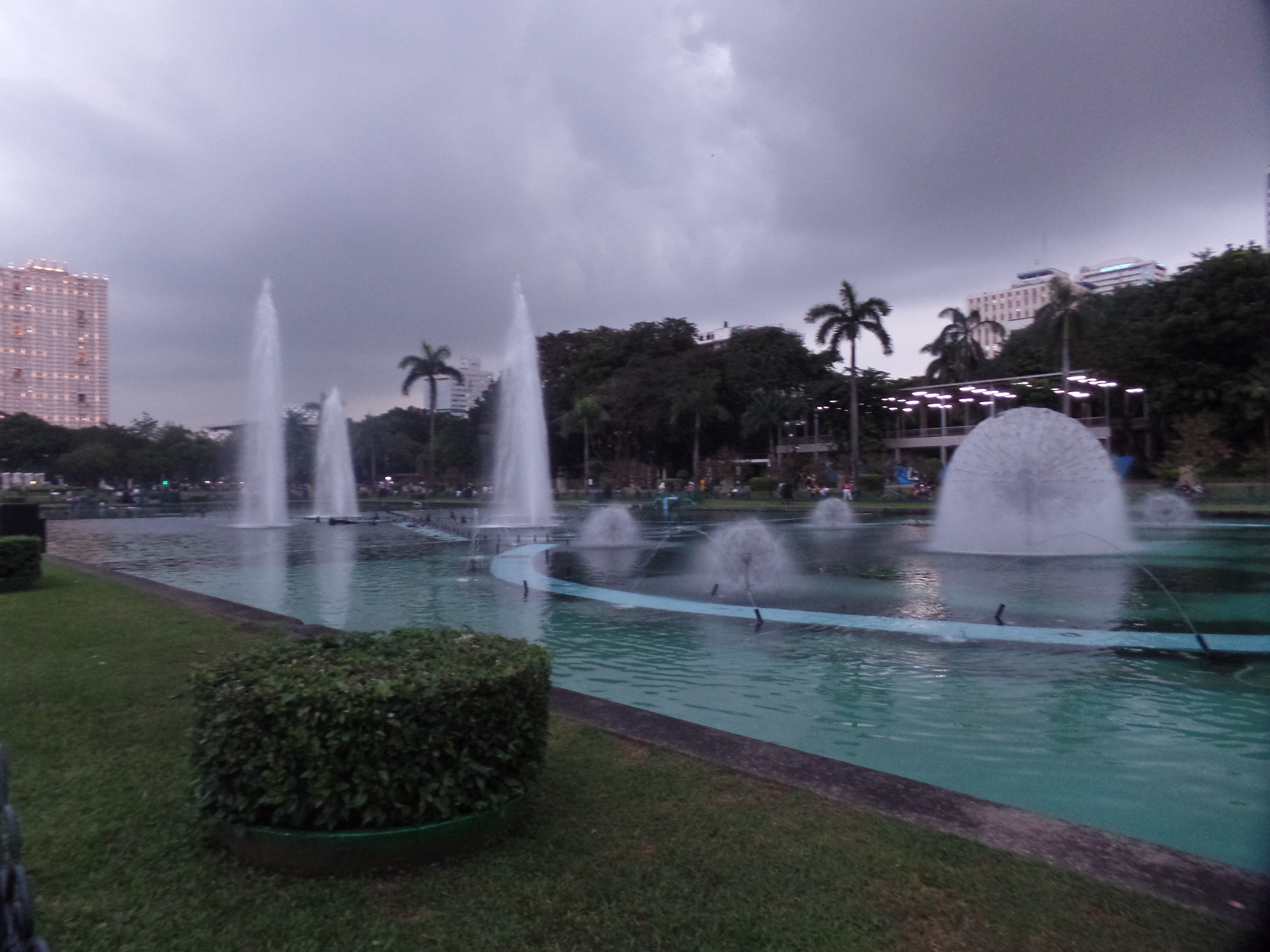
Dancing Waters, sans luminee.
The show begins!
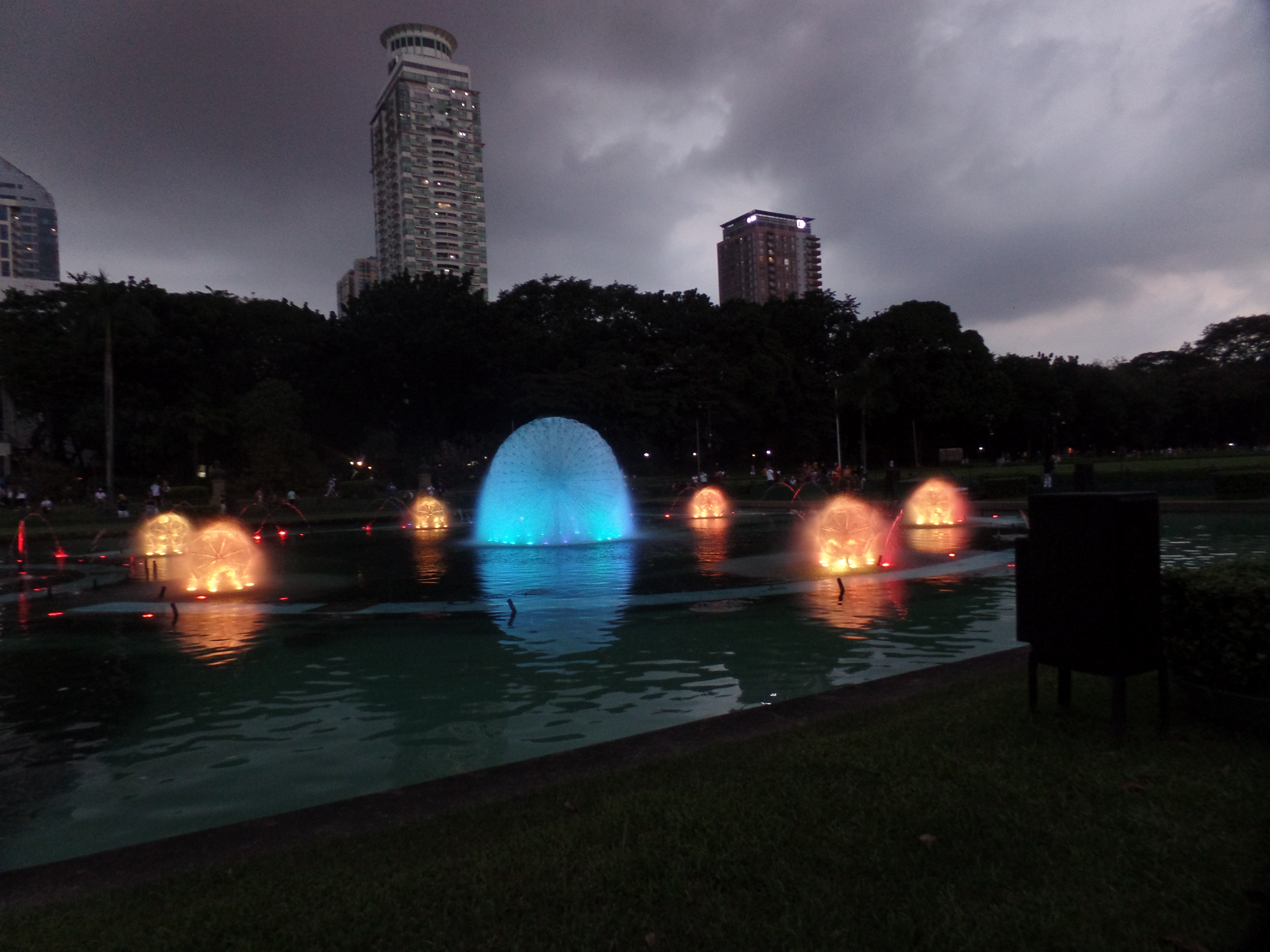
Joy rises, along with expectations.
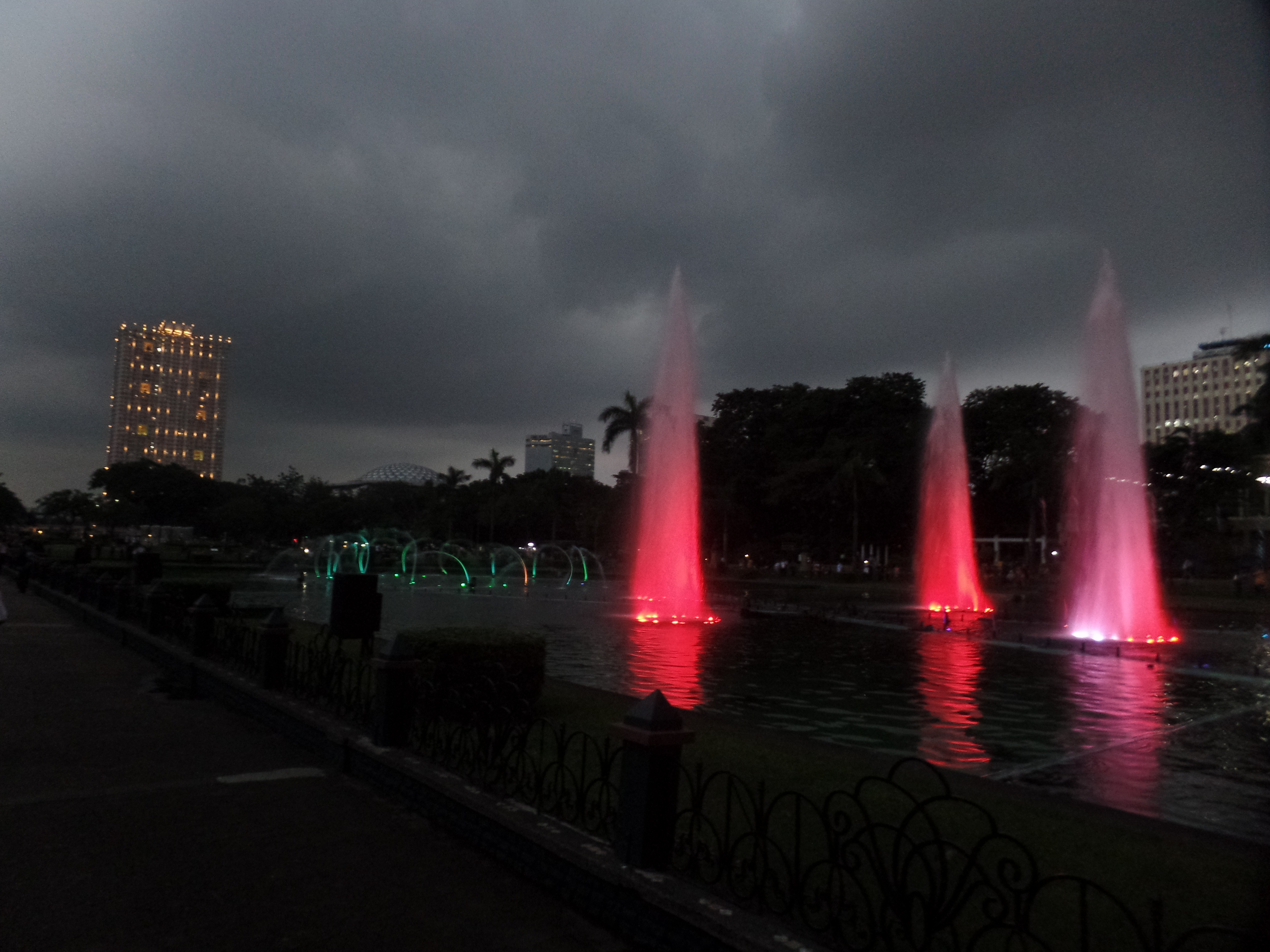
All the players have taken the field!

This bustling day was a fine introduction to Manila proper and to the hearts of my three hosts. Most of all, it gave me an opportunity to honour Dr. Rizal. Long may his spirit guide the Filipino people forward!