
October 23, 2025, Dublin- The status of churches and cathedrals in Ireland, in terms of denomination, often needs a scorecard. Some great buildings are under the Church of Ireland. Others are under the Roman Catholic Church. One parish, St. Audoen’s, has one of each. (The Protestant building is under renovation.)
Into the morass of denominational turmoil, in the mid-19th Century, stepped the figures of al-Bab and Baha’ullah, Whose birthdays, close together on the Badi (Persian Lunar) calendar, we Baha’is celebrate in back-to-back Holy Days. The concept of Progressive Revelation explains the differences among the Faiths of the past and offers a way for those of all Faiths to reconcile.
Our observance of the Birth of Baha’ullah took place in the cafe of the National Gallery of Ireland. The arts are celebrated and honoured in the Baha’i traditions. So, in an environment of splendour, some 25 of us sat and discussed various topics of interest. Following the celebration, which of course included a slice of cake and beverage, of one’s choosing, some of us went to enjoy other rooms of the Gallery.
The paintings I found of interest included John Lavery’s “Her First Communion”, Jan De Beer’s “The Flight Into Egypt”, Adam Pankraz Ferg’s “A Landscape with Figures and Horses”, Jack B. Yeats’ “Above the Fair”. None of these may be shown outside the Gallery, save on its website. Thus, there are no photos, even with watermarks.
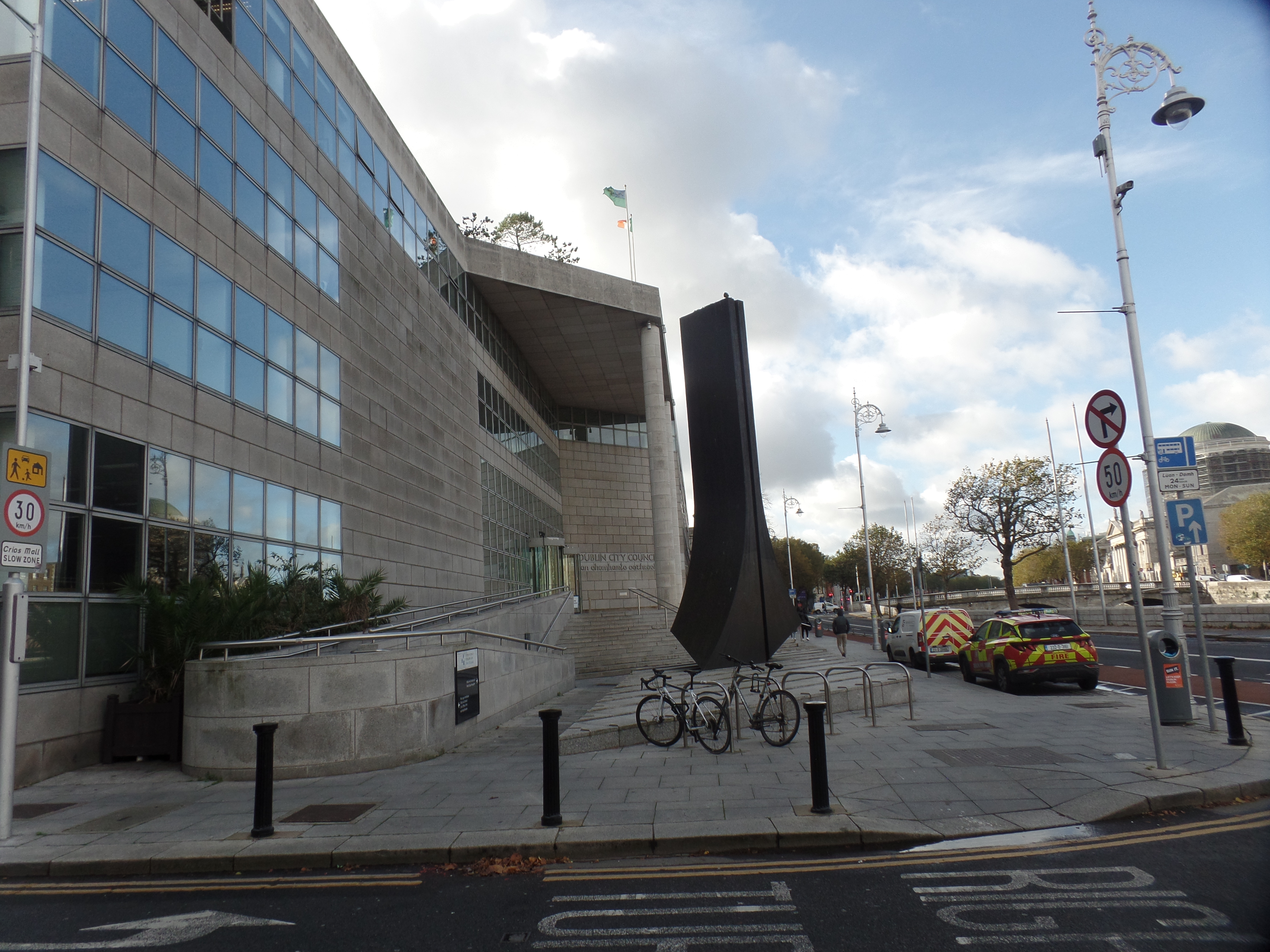
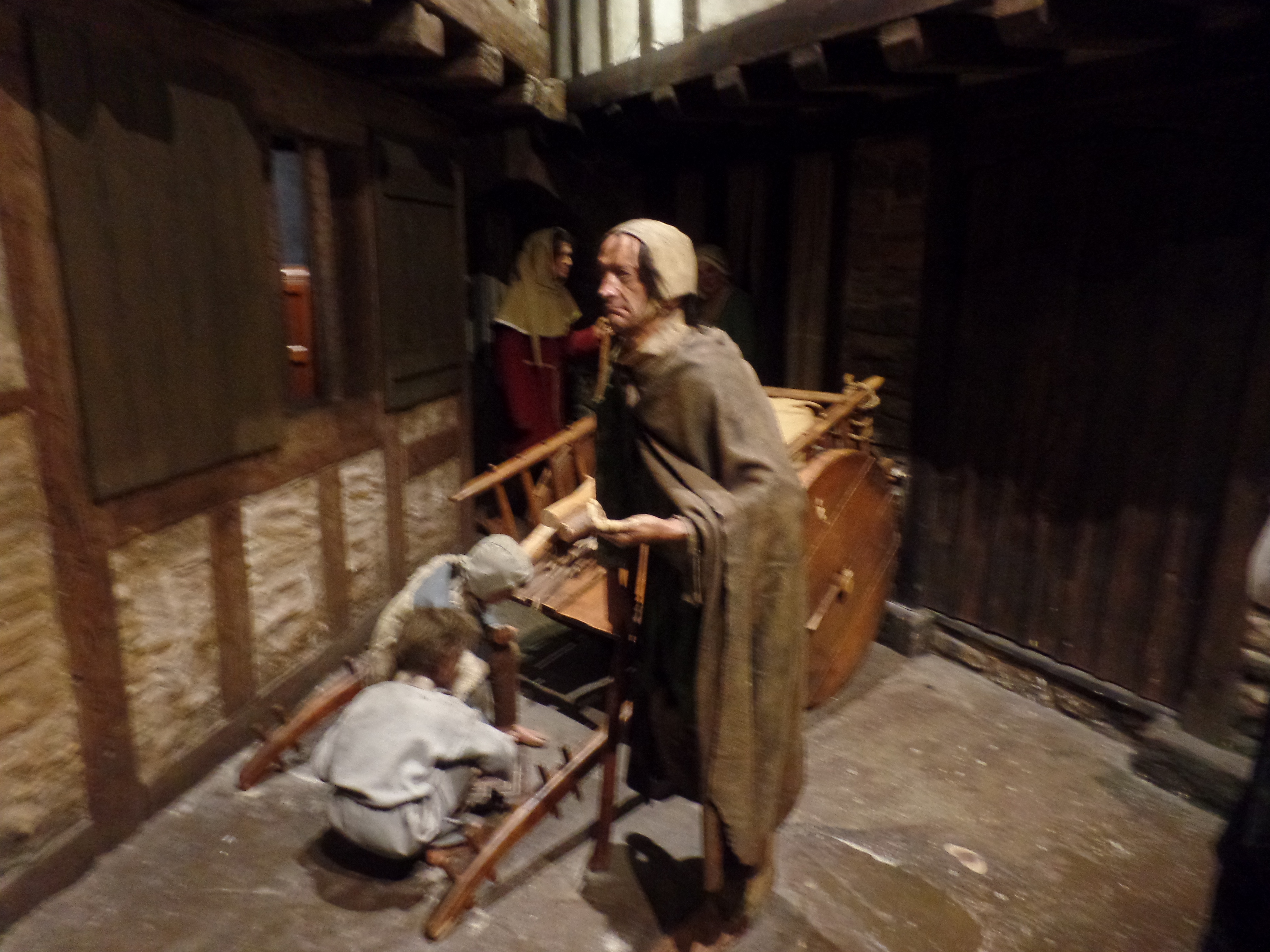
Upon leaving the National Gallery, I headed to Dublinia, a museum dedicated to the interaction between Celts, Vikings and Norman French, over the centuries, in the development of the city.
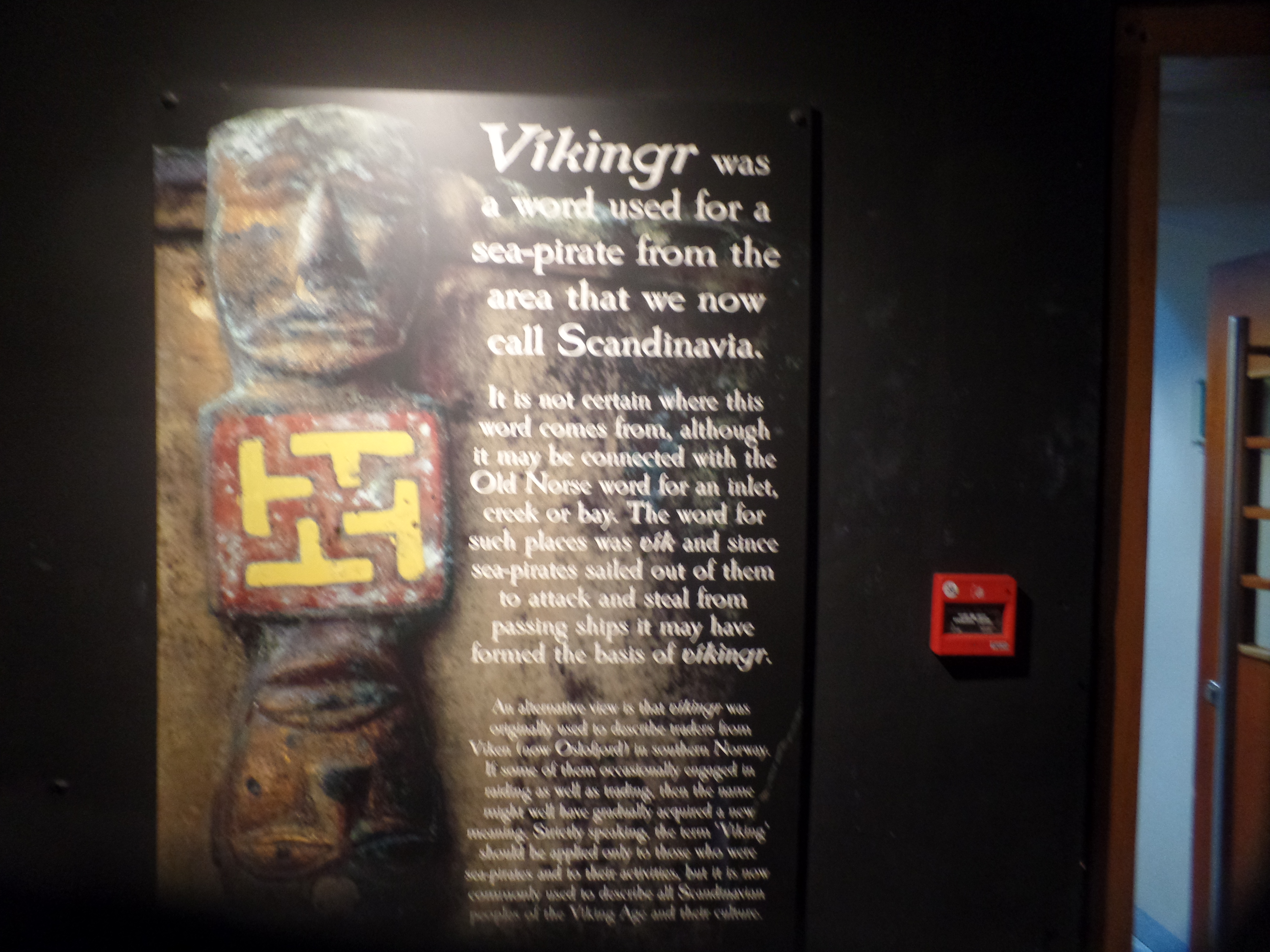
As we learned in Reykjavik, and further in Stockholm, the word Viking most likely refers to one who lives near or comes from an area near, a vik– a bay or cove. Over time, it came to mean anyone who came to the British Isles or mainland Europe, from Scandinavia or Denmark.
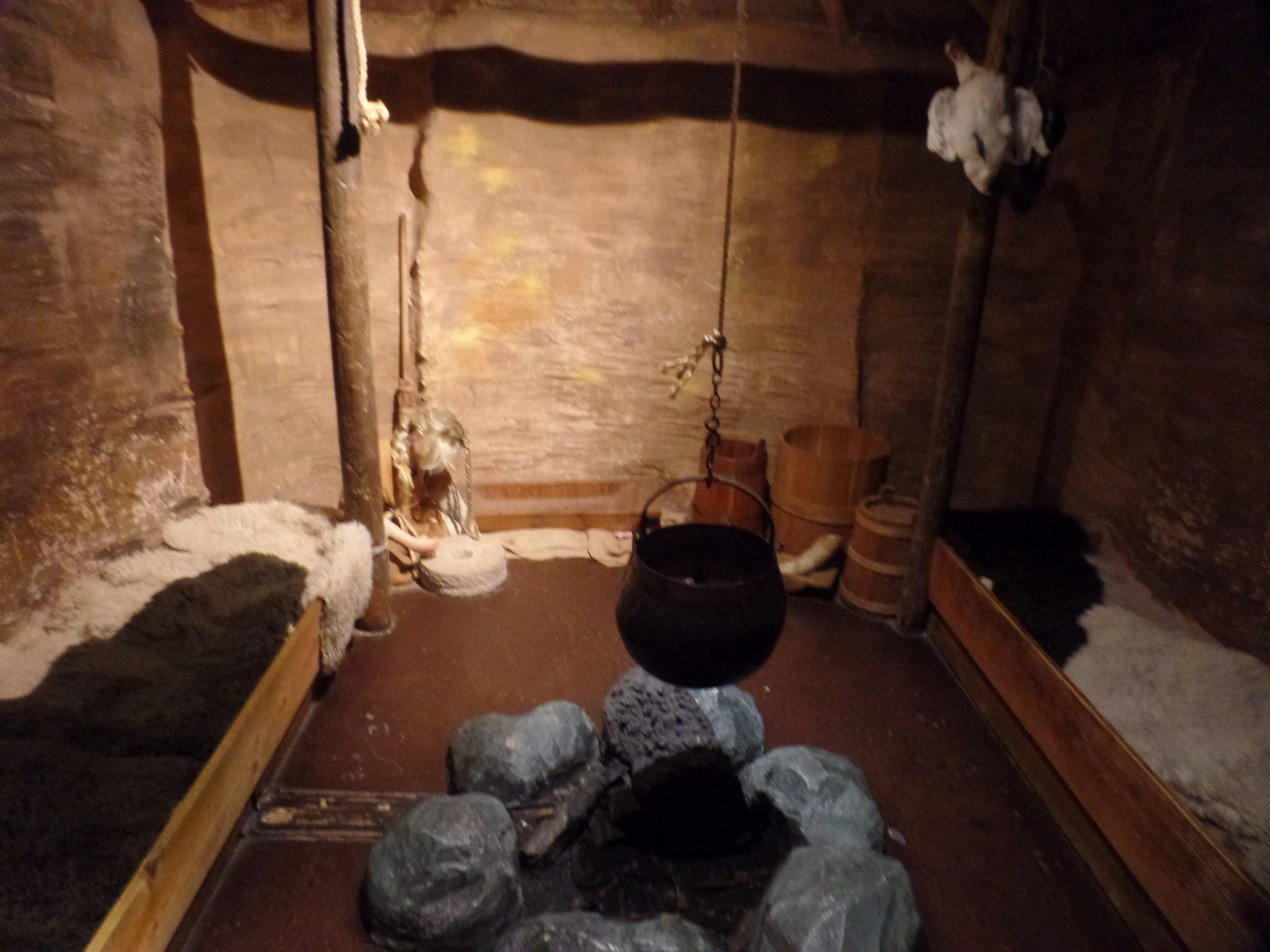
Here is the basic truth about the founding of Dublin.
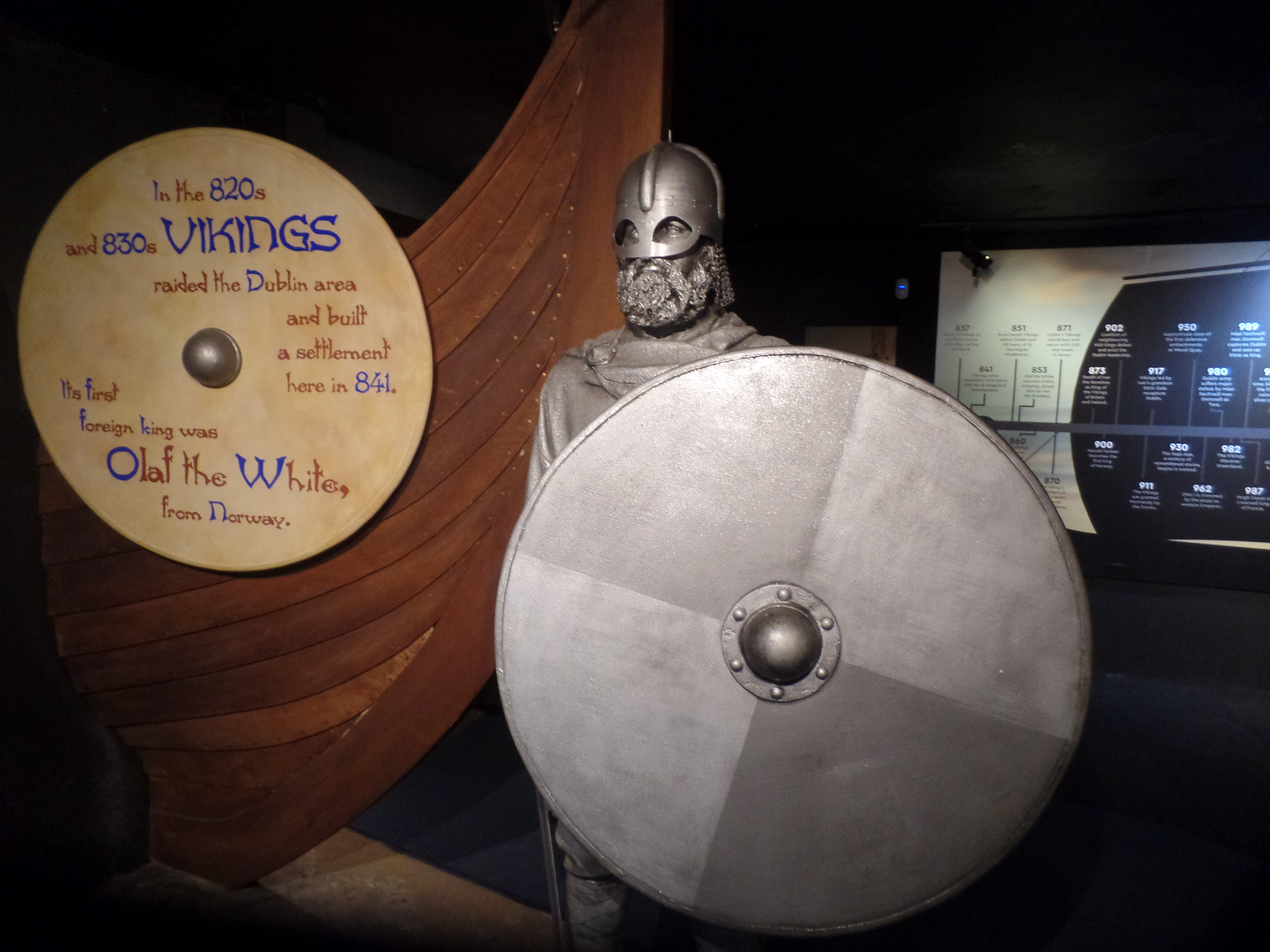
The Vikings found two Celtic settlements in the area, one on each bank of the River Liffey.


Looking at my watch, it did not seem wise to go up the steps to St. Michael’s Tower, as I normally would. There was a meeting with an old Baha’i friend, at a hotel across town, in a relatively short time. Iveah Gardens Hotel was shown to me as being at a major intersection in central Dublin, except that the people who worked at that location had never heard of it. They directed me westward, towards “a big building, that you can’t miss”. In other words, they couldn’t find it on their GPS, either.
I eventually did find an Iveah Court, an apartment building. The guard there thought it was back towards where I had just been, “but in any case, just walk straight, no turns”. Two inquiries later, I came upon Iveah Garden Hotel. It is indeed an elegant place, but is discretely signed. The young lady for whom Penny and I were mentors, in the 2000s, had grown into an elegant and well-spoken teacher of the French language, the promulgation of which was one of her principal reasons for being in Dublin. We got to catch up on the course of our respective lives, for twenty minutes in the hotel tea shop and fifteen minutes walking towards her work site.
Bidding farewell to C, I headed down Cameron Street, towards Temple Bar. I found Ne Zha, an intriguing Asian tapas cafe, which normally requires reservations. The owner found a stool, on which I could sit by the kitchen and observe the chefs at work. It was a fabulous small dinner that ensued.
Tomorrow, I bid farewell to Dublin and to Ireland, with its cousin to the northeast on my radar screen.
 A Sagittarian Seeker