
January 31, 2016, Albuquerque- One of the places Penny and I liked in the Duke City was Rio Grande Nature Center. As the name implies, it celebrates the great river that plies Albuquerque’s west side, on its way to becoming the Rio Bravo and a feeder for the Gulf of Mexico.
The last time I was here, it was summer, my wife was alive and well, and our son was about 8. Now, it’s winter, Penny has been at rest for nearly five years and Aram is pushing 28, doing just fine on his own.
I’m good, though, because of places like this. These refuges, with their waterfowl and raptors, tangled trees of the bosques and True Believer hikers and bicyclists, work their magic, regardless of how bare the trees are, or how turgid the river tends to be. The majesty of the place lies in the comfort it gives to the birds, and to those, like me, who can sit and watch their antics, for hours on end.
I didn’t have, nor take, those hours, today. There was a storm to outpace: One that the locals here were expecting, but which was still churning from California to western Colorado. Nonetheless, this visit gave me a bench by the river, a picnic lunch at that bench, and the joy of watching the ducks, Canadian geese and lesser sandhill cranes compete for the silver minnows and other fish that Rio Grande serves up.
Without further ado, here are a few scenes of the Rio, its feeder Silver Minnow Channel and the bosque, in its own state of repose.

Entrance to Visitors’ Center, Rio Grande Nature Center
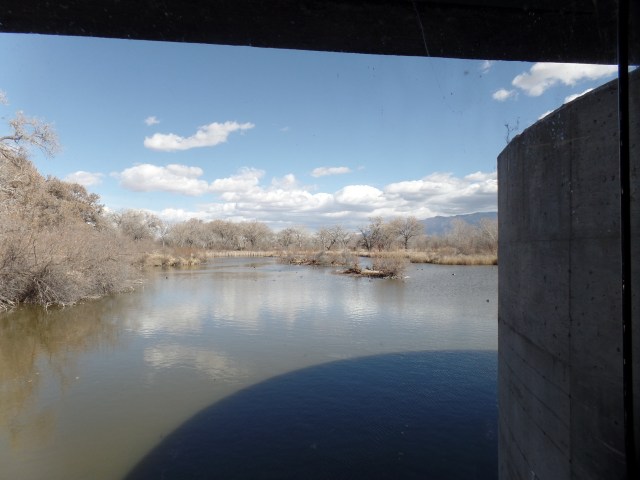
View of Silver Minnow Channel, from Rio Grande Visitors’ Center
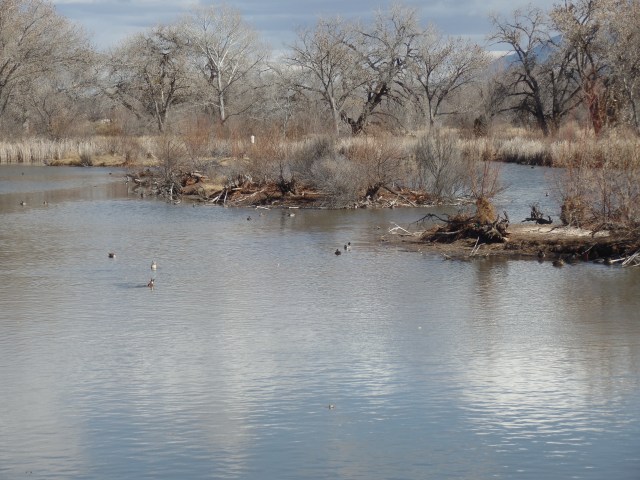
Rio Grande, Albuquerque, NM
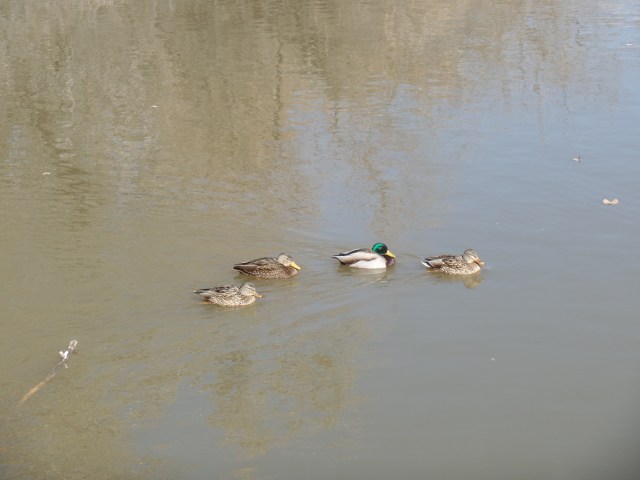
Ducks, trying to stay warm, Rio Grande Nature Center, Albuquerque

Sand bar, Rio Grande, Albuquerque. These spots are good places for insects, and other food sources for the birds, to hunker down and wait out the cold.
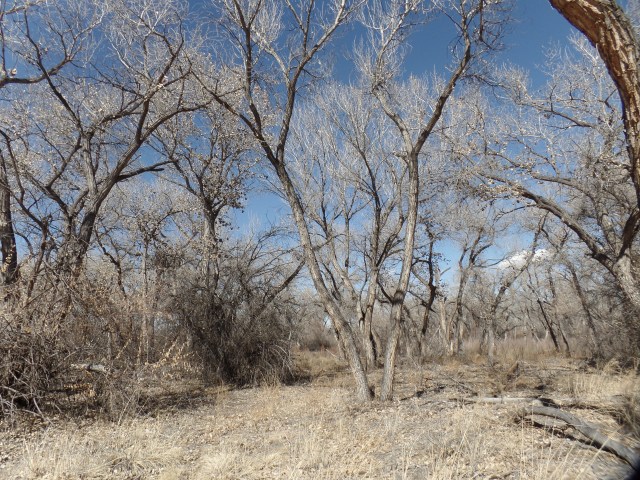
Somnolent trees, along Bosque Loop Trail, Rio Grande Nature Center
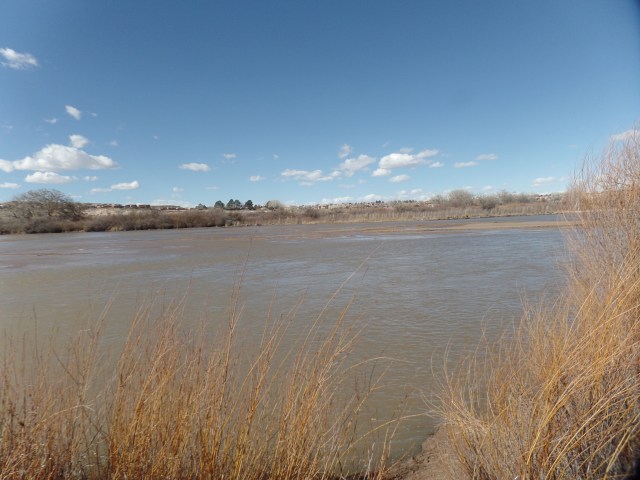
Rio Grande, Albuquerque


I have seen this river run higher, and have seen it at a trickle. I have stood on its banks near Brownsville, TX and near its headwaters, in the mountains known as Sangre de Cristo. Nowhere does the Rio Grande reach out to comfort its patrons more than it does here, at the western edge of a bustling, but heritage-laden metropolis.
 A Sagittarian Seeker