The Road to Diamond, Day 296, Part II: Preserved Legacy

0

September 19, 2025, Visby, Gotland- Three grand buildings, or the shells of them, still stand in the center of Visby. These are all former Catholic churches, closed by the Duke of Gotland in the middle of the 14th Century, after the Black Plague and attacks by Danish forces spurred an economic downturn on the island.

I started the day with the first of two visits to Cafe Amalia, one of two breakfast establishments, within the Ringmuren (city walls) in town, that open before 9 a.m. The energetic young couple who work this branch of Amalia open at 7 a.m. I enjoyed a heaping bowl of Grandma Grot (Grandma’s Porridge) and a tasty omelet, which sustained me until dinner time.

Cafe Amalia’s uptown branch

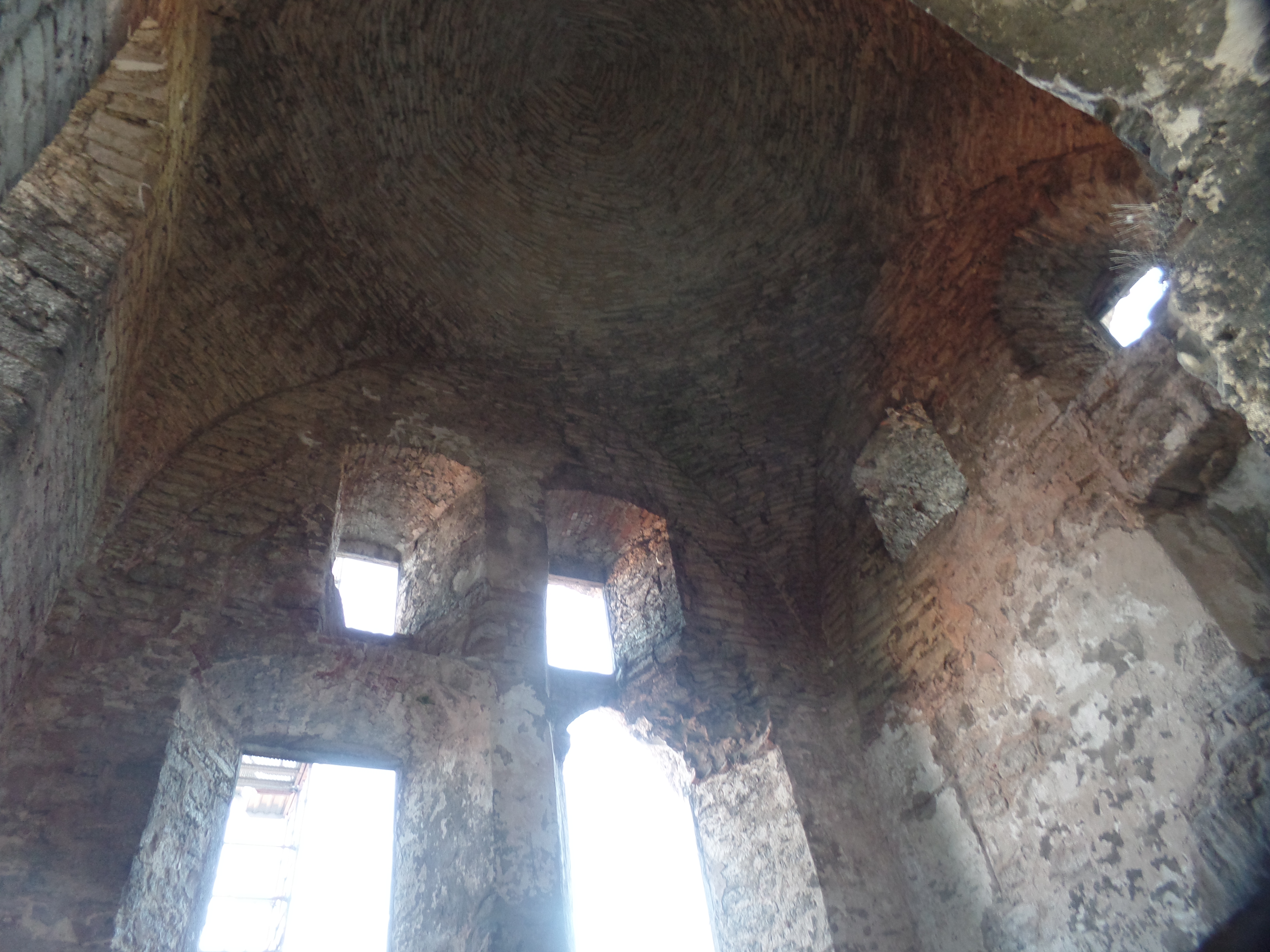
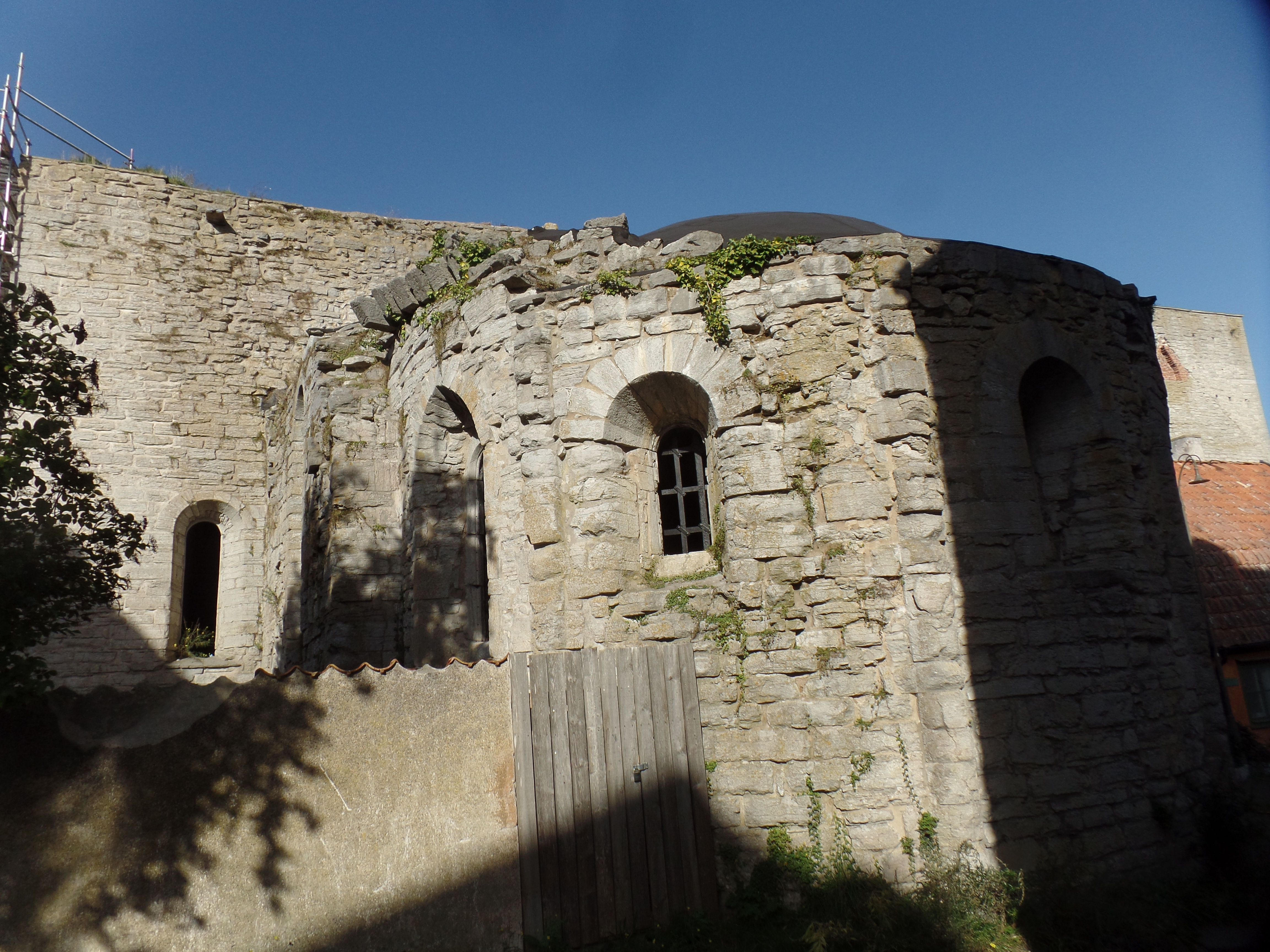
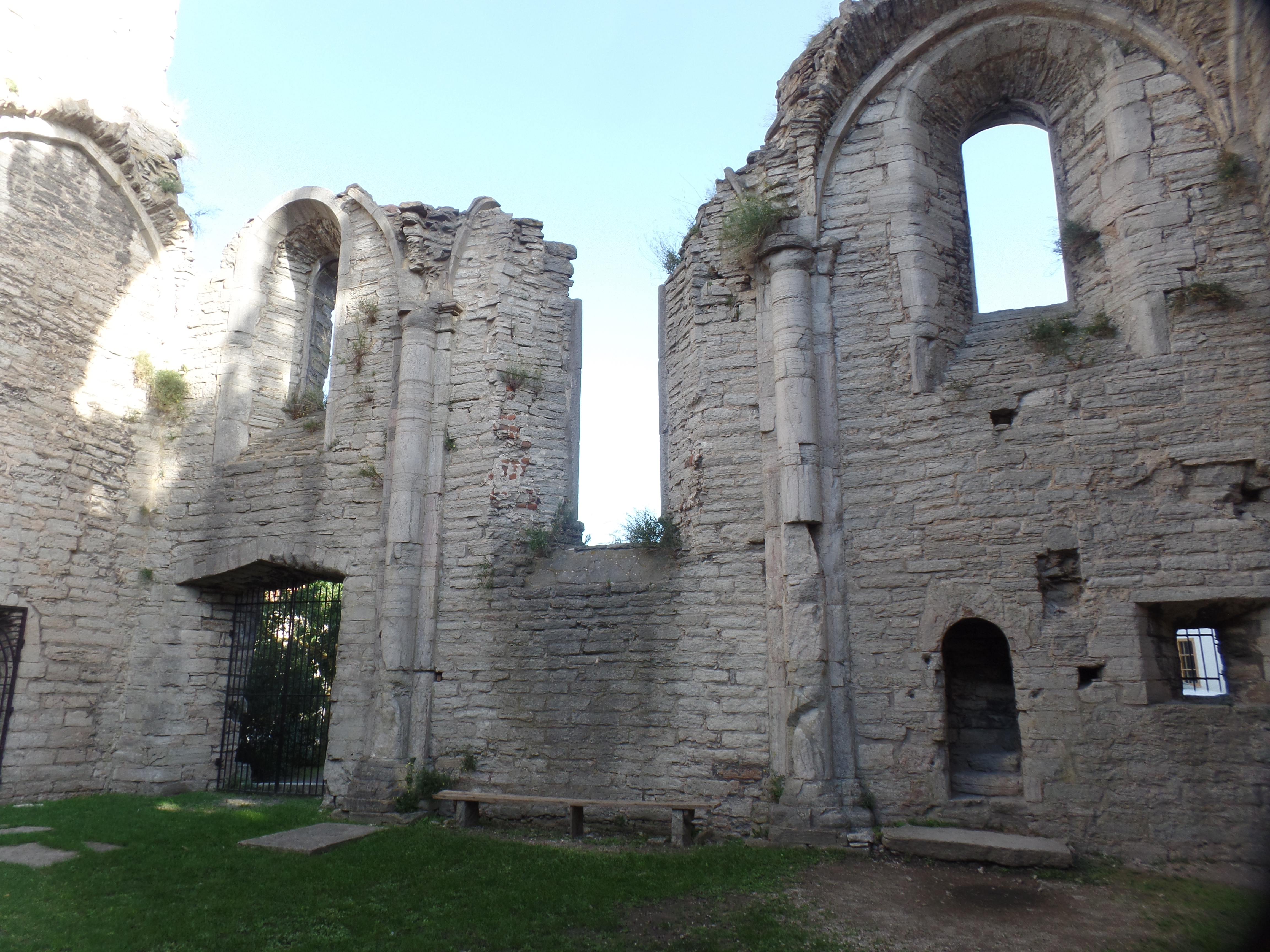
Then it was time to wander around a bit. I was surprised and delighted to find St. Karin’s Church. Karin, to Swedes, is a derivative of Katherine. What is left of St. Karin’s, and of two other churches that the Duke had closed, is protected by the Swedish government, as a matter of national heritage. So, here are some scenes of St. Karin’s.
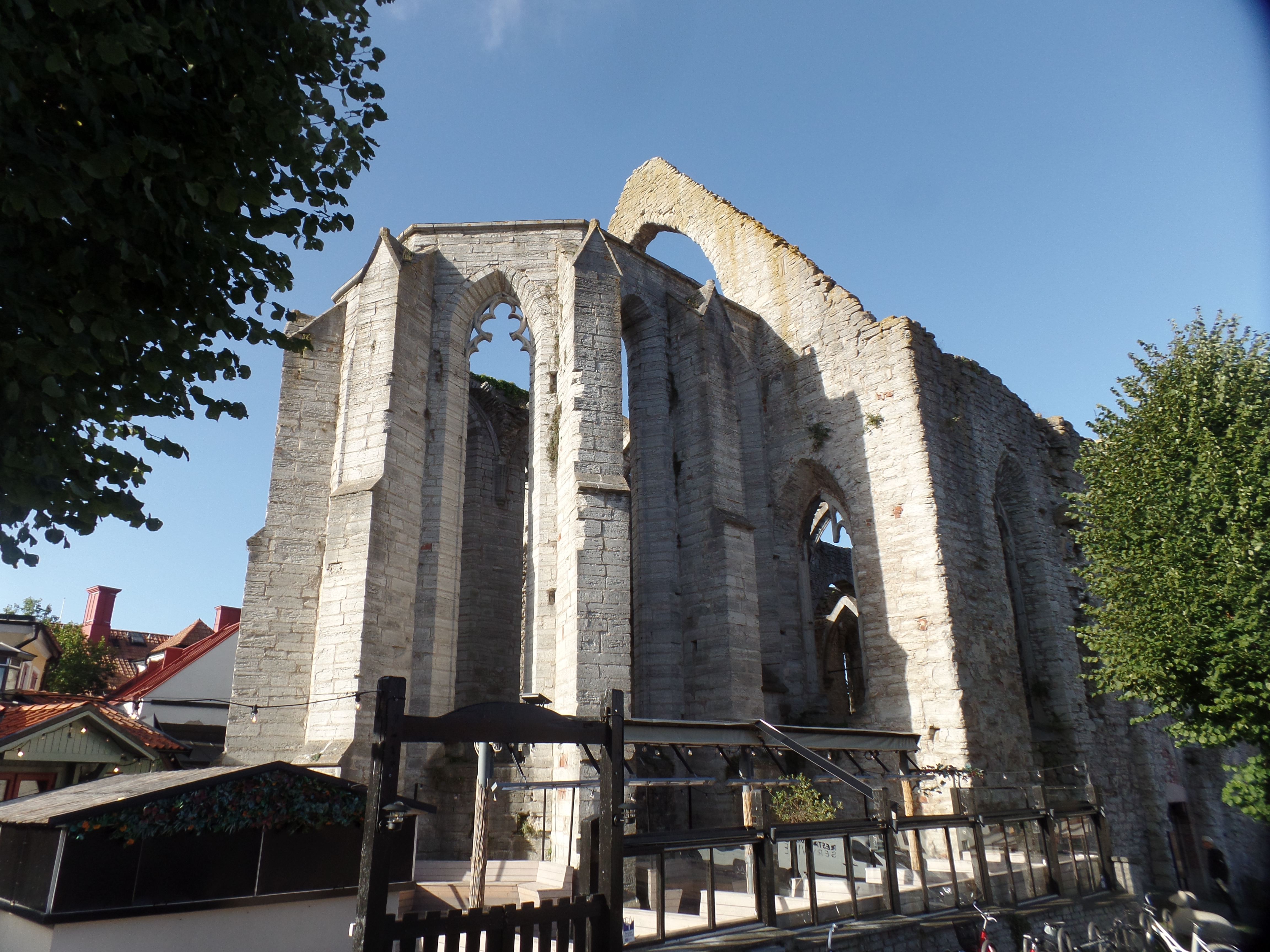
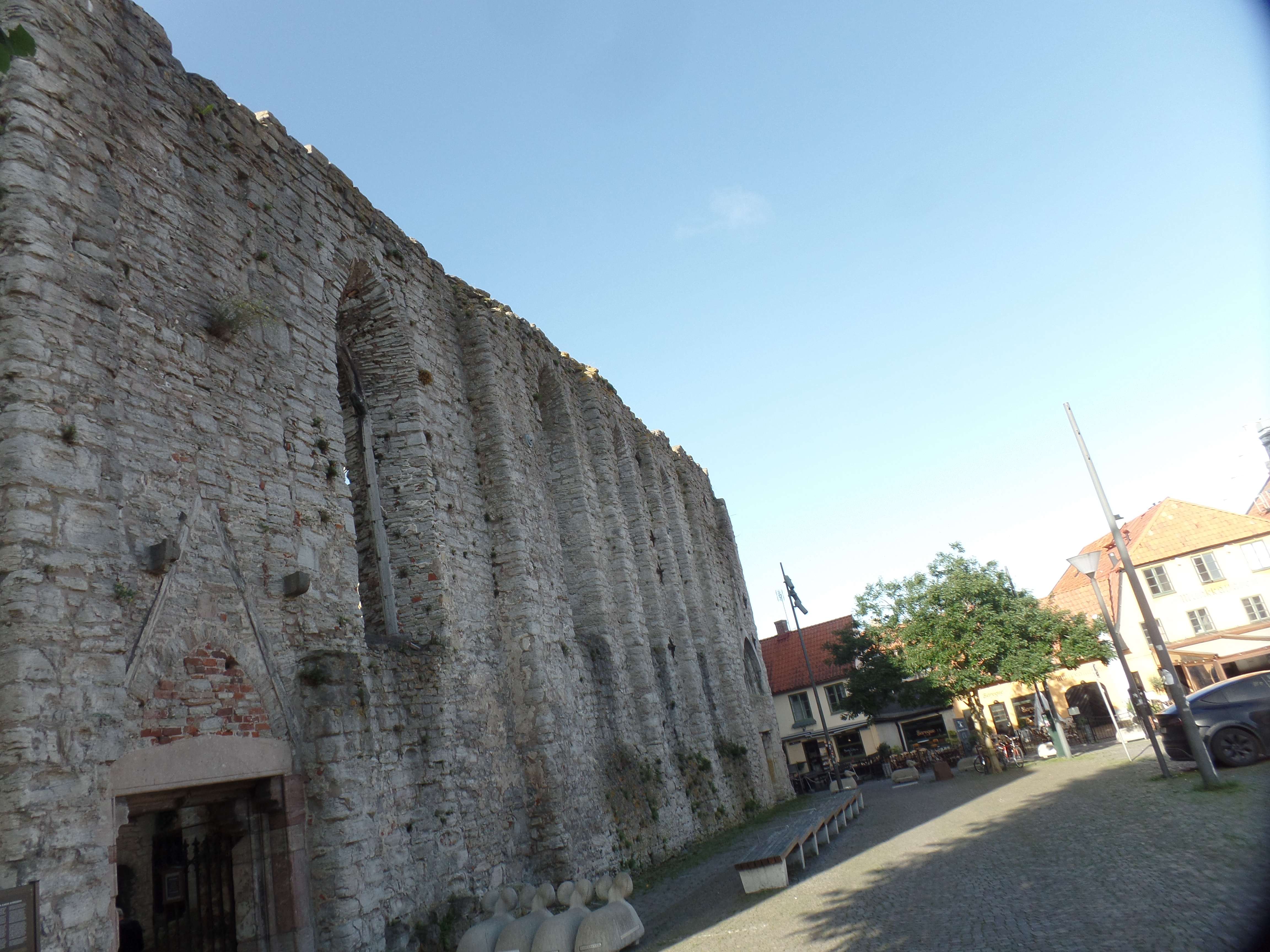
Exterior of St. Karin’s Church (ruined)
Exterior wall of St. Karin’s Church
Interior of St. Karin’s Church
Interior dome, St. Karin’s Church
Church of the Holy Trinity (aka Drotten Church). This house of worship was built in the early 13th Century, for German residents of Visby. “Drotten” means “ruler”.

This church had an extension built on, before the Duke ordered it closed as well.
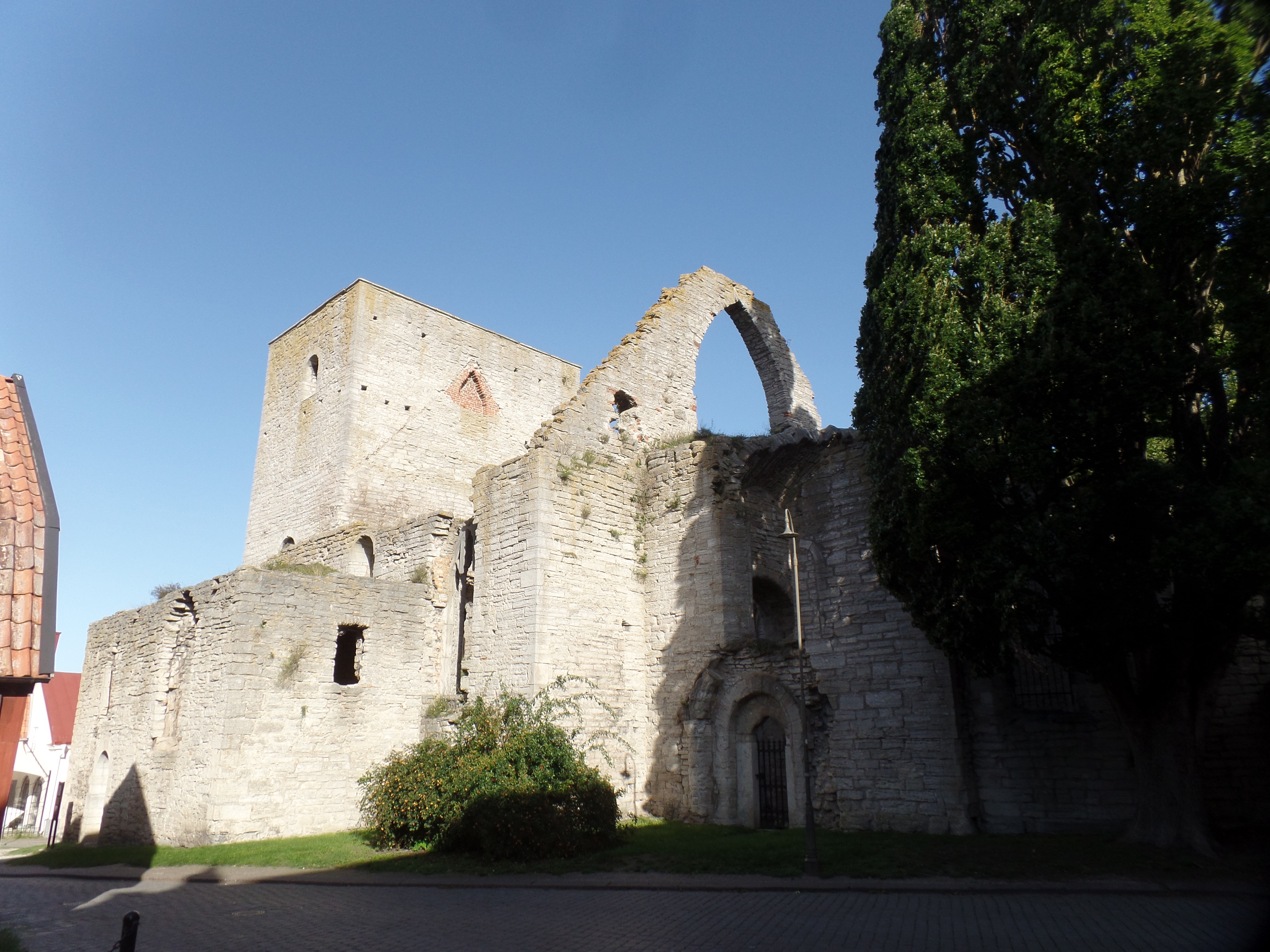
Church of the Holy Trinity (Drotten)
Interior of Holy Trinity Church (Drotten)

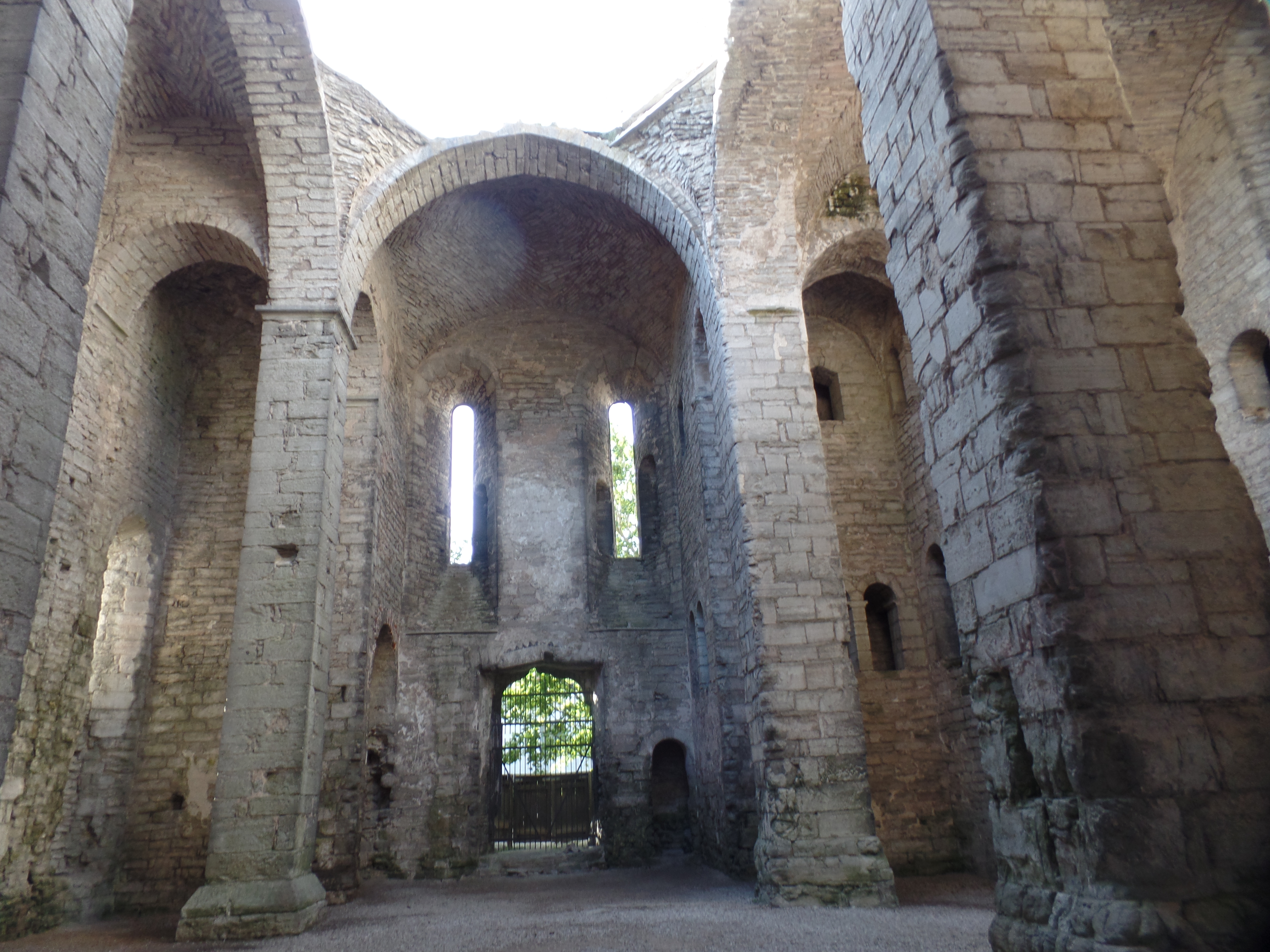
Next was St. Lars (Lawrence) Church, closed about the same time as St. Karin’s.
St. Lars Church-exterior
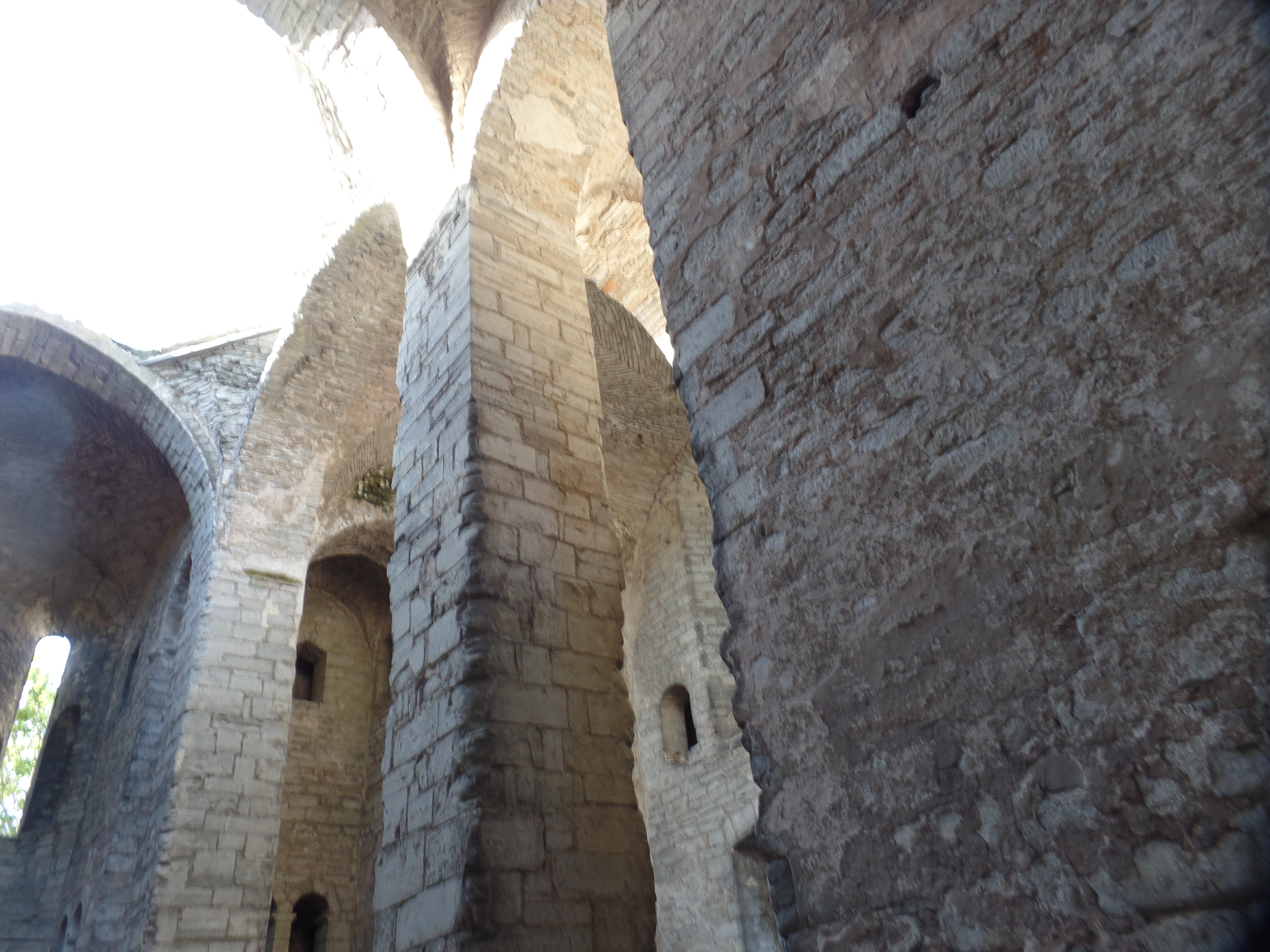
Interior of St. Lars Church

St.Lars is the only one of the ruins that has stairs which are not blocked off. The little boy in me wanted to go up. The grown man did not, and won out.

Stair well, interior of St.Lars Church
Dome of St. Lars Church

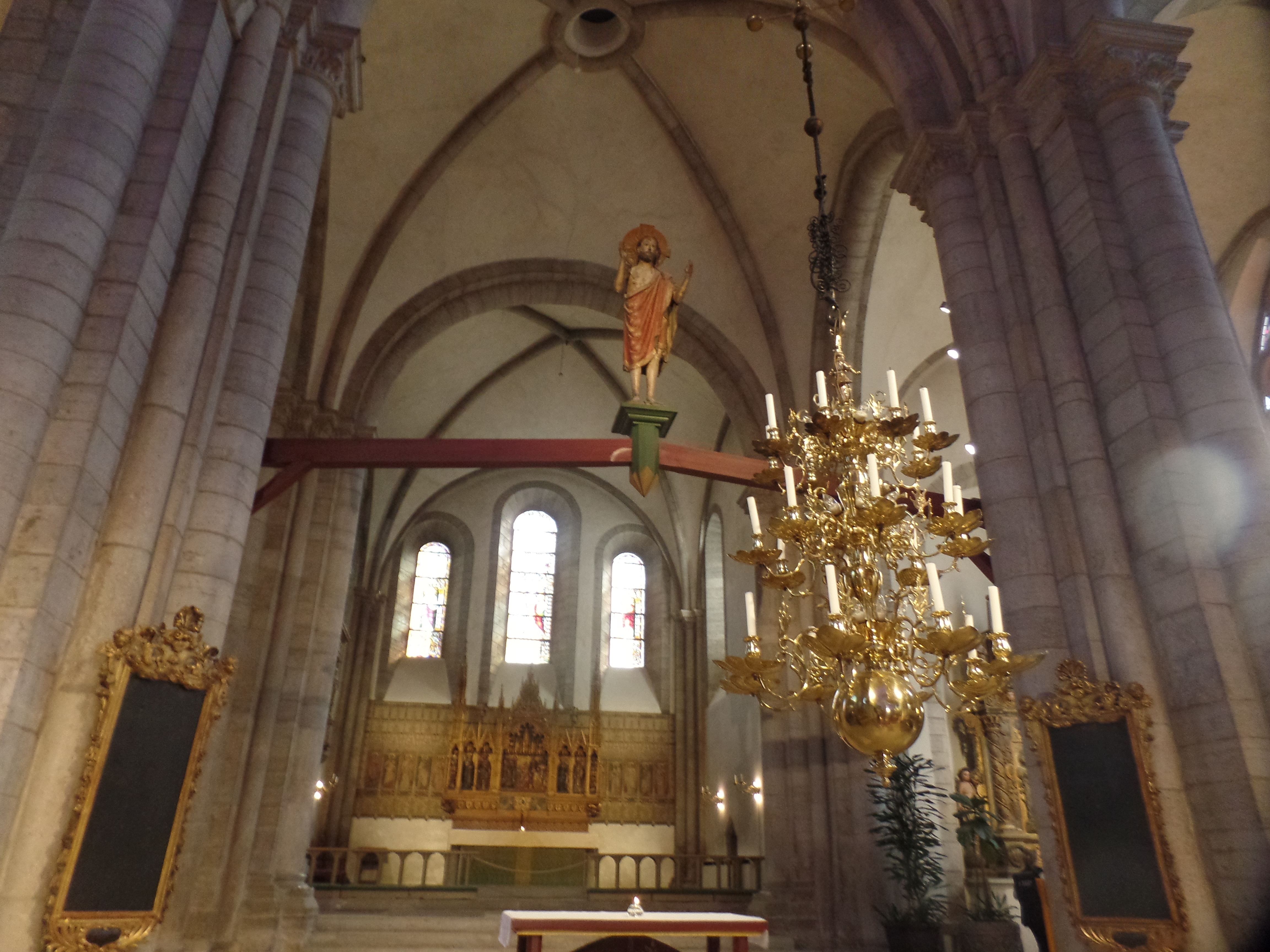
Modernity has its contribution to ecclesiastical wonders in Visby. Here is St. Maria’s Cathedral, built after Gotland had become part of the Kingdom of Sweden. Note that it has three spires.

Cathedral of St.Maria (Visby Cathedral)
Exterior of St. Maria’s Cathedral
Interior of St. Maria’s Cathedral (above and below)
Interior of St. Maria’s Cathedral
Altar of St. Maria’s Cathedral

Here is a view of all three spires of St. Maria’s.

East Wall . It was through this gate that farmers bringing their produce to market had to stop and pay tolls, or risk fines or being flogged.

We can look at, and admire, the beauty of what has been preserved for us, yet would do well to remember the excesses of government that led to things like Ringmur (surrounding wall) of Visby.
The Road to Diamond, Day 295: Pleasantly Walled In

2

September 18, 2025, Visby, Gotland- When I was in sixth grade, in 1961-62, our Social Studies focus was on “The Old World”. The class studied certain aspects of each time period, from the beginning of civilization to the Medieval Period. Somehow, the walled city of Visby, on the Swedish island of Gotland, has always stayed in my mind.

When the time came to plan a visit with a long-time friend, who lives in the port of Nynashamn, near Stockholm, I noted that Nynashamn is the mainland ferry connection to Visby, and Gotland. So, a short visit to the walled city was in order. In between days spent with my friend, her husband and children, here I am in the walled, old section of Visby, which is also a modern port and the site of a Swedish military facility.

It took three hours and ten minutes to get here, on generally calm waters-not bad at all for the Baltic Sea, this time of year. A further bonus was that once I got into my room and got organized, the sun came out and the sky pretty much cleared. It was time to check out the walled sections of town.

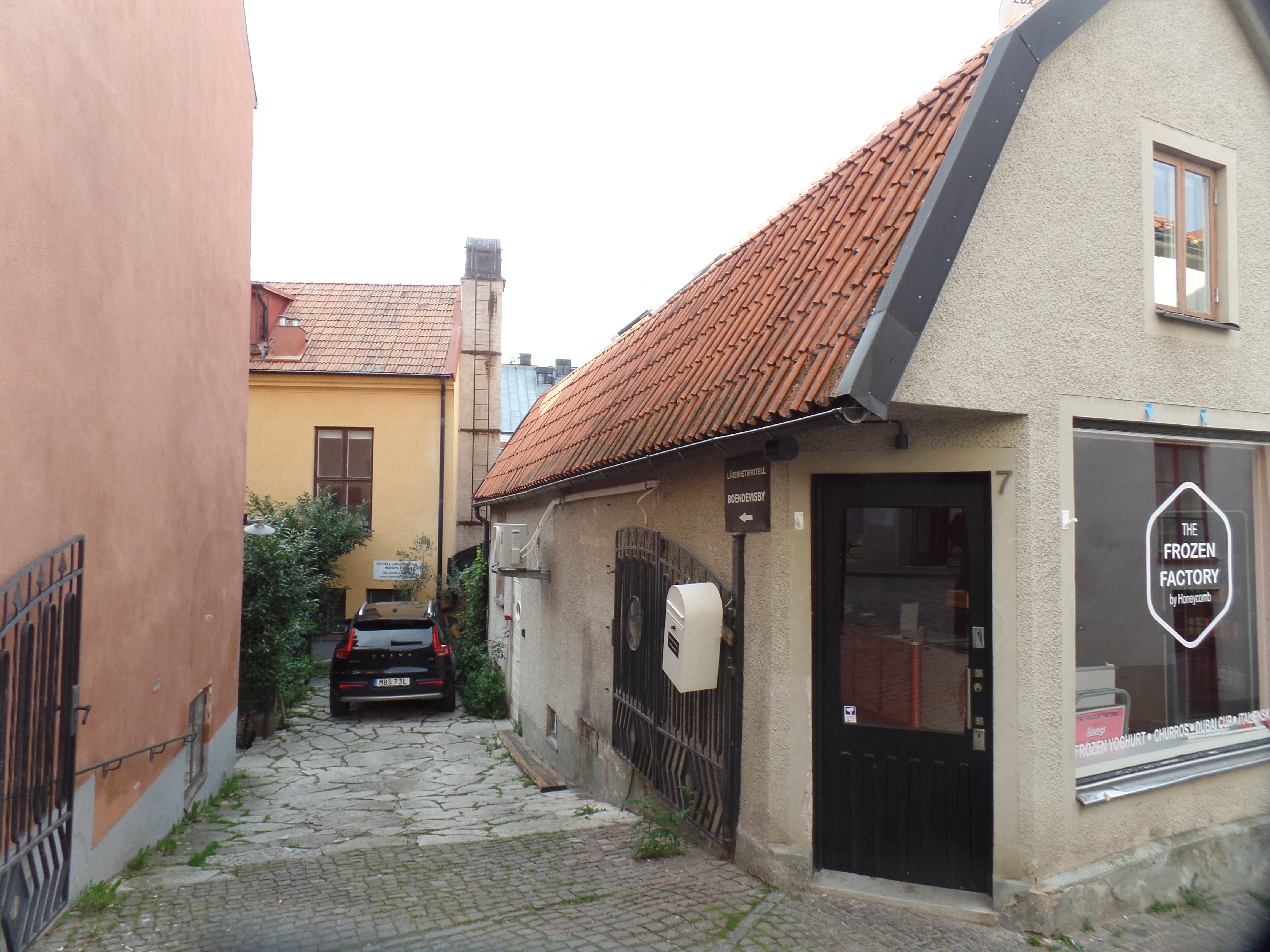
Boende BnB is around the corner. (It is actually pronounced Bo-EN-dee.)

In the process, I came upon Wisby Hof, an elegant place built into the wall, and which had Schnitzel-“Gotland-style”, so having indulged in other faves, like pizza, tacos and baked fish already this week, Wisby Hof it was, for dinner.

Wisby Hof

After dinner, I looked to see whether there were any places at which one might walk along the top of the roof-as there are on similar structures in places like Old Manila, Luxembourg Ville, or Rennes, the capital if Brittany. The answer is “No”. Looking at the stone that is used to build the wall, I can understand why. It would be problematic to allow the numbers of tourists who come here each year to scale the wall. It also accents the purpose of the wall as a formidable defense, against both seaborne attackers and against Swedish opponents of the Duke of Gotland.

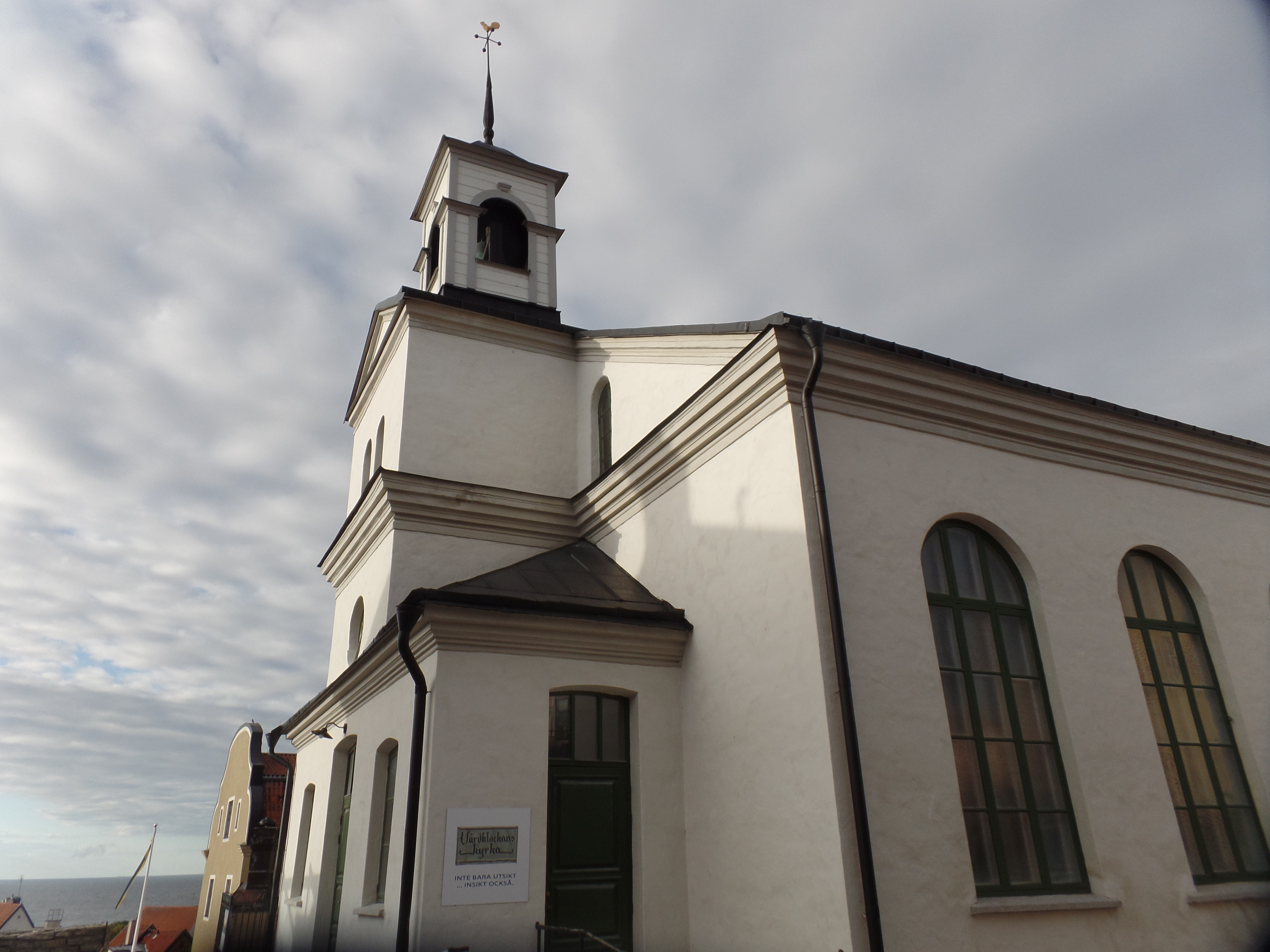
My after-dinner walk went back to the closest church to Boende.

Vardklockans Kyrka
The village that lay protected
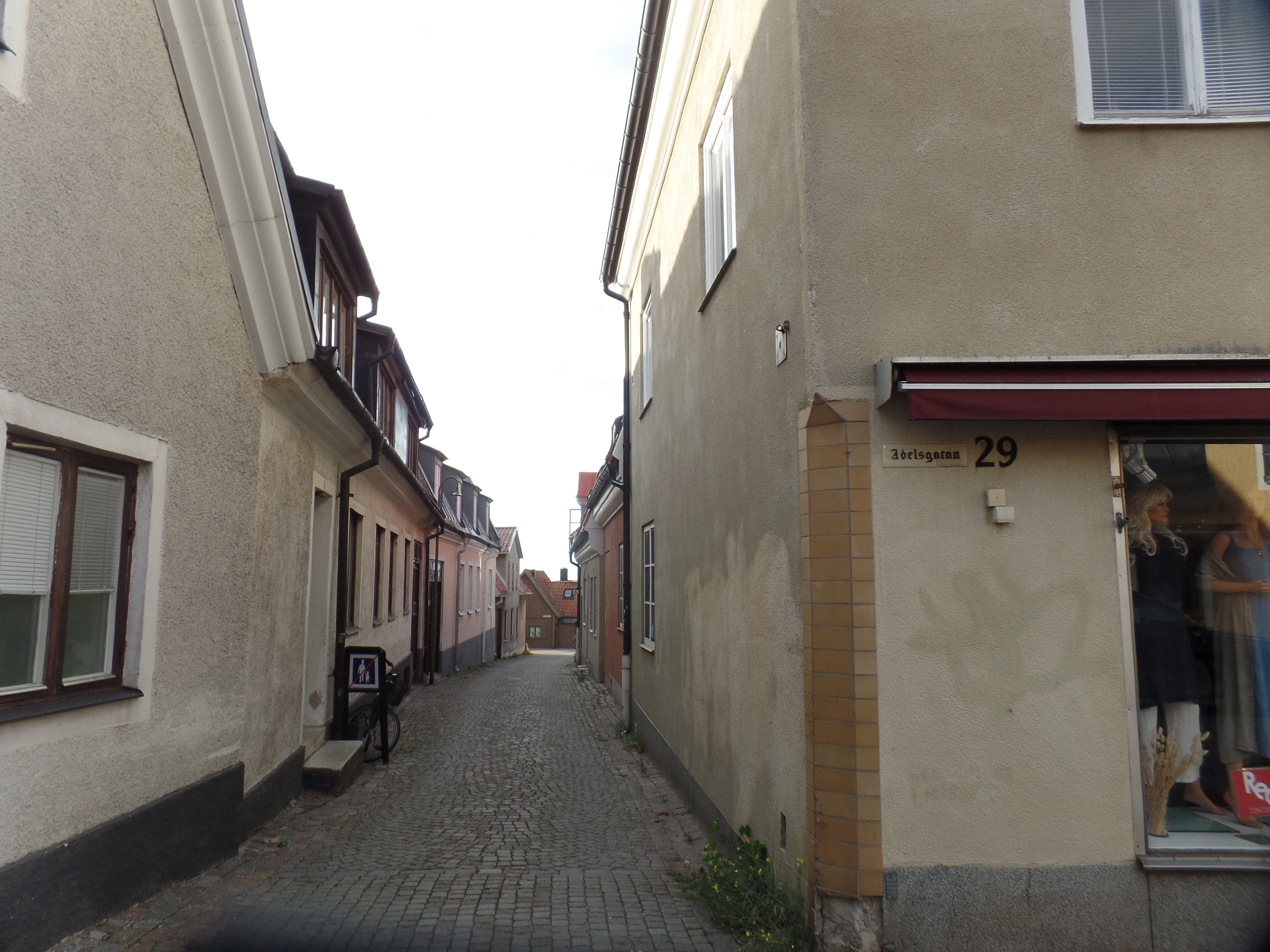
Every narrow street has its story.
So does every other narrow street.

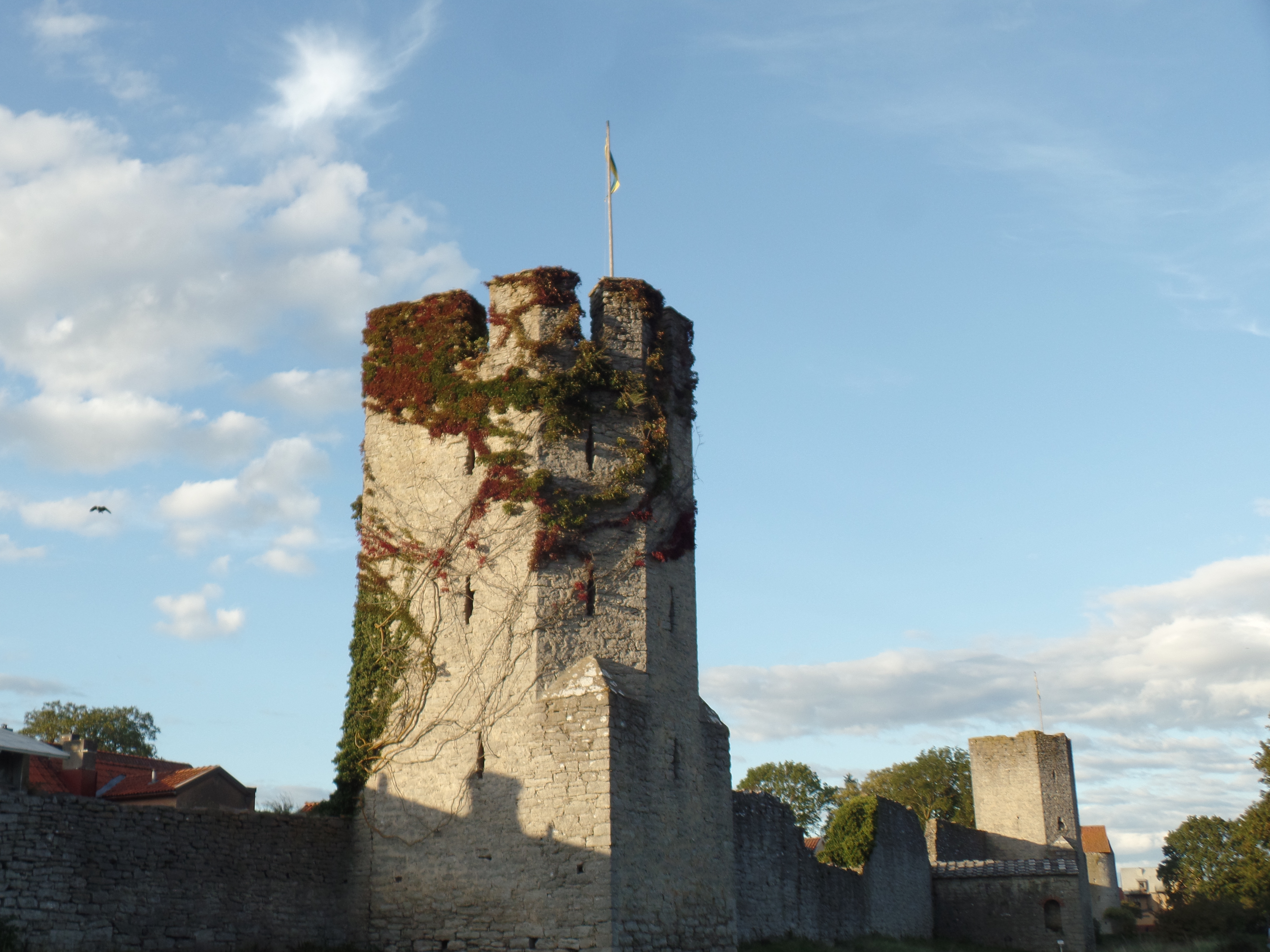
Let’s look at the wall itself!

Section of wall being refurbished
Two of four towers on the wall’s east flank
Large section of wall, between eastern towers
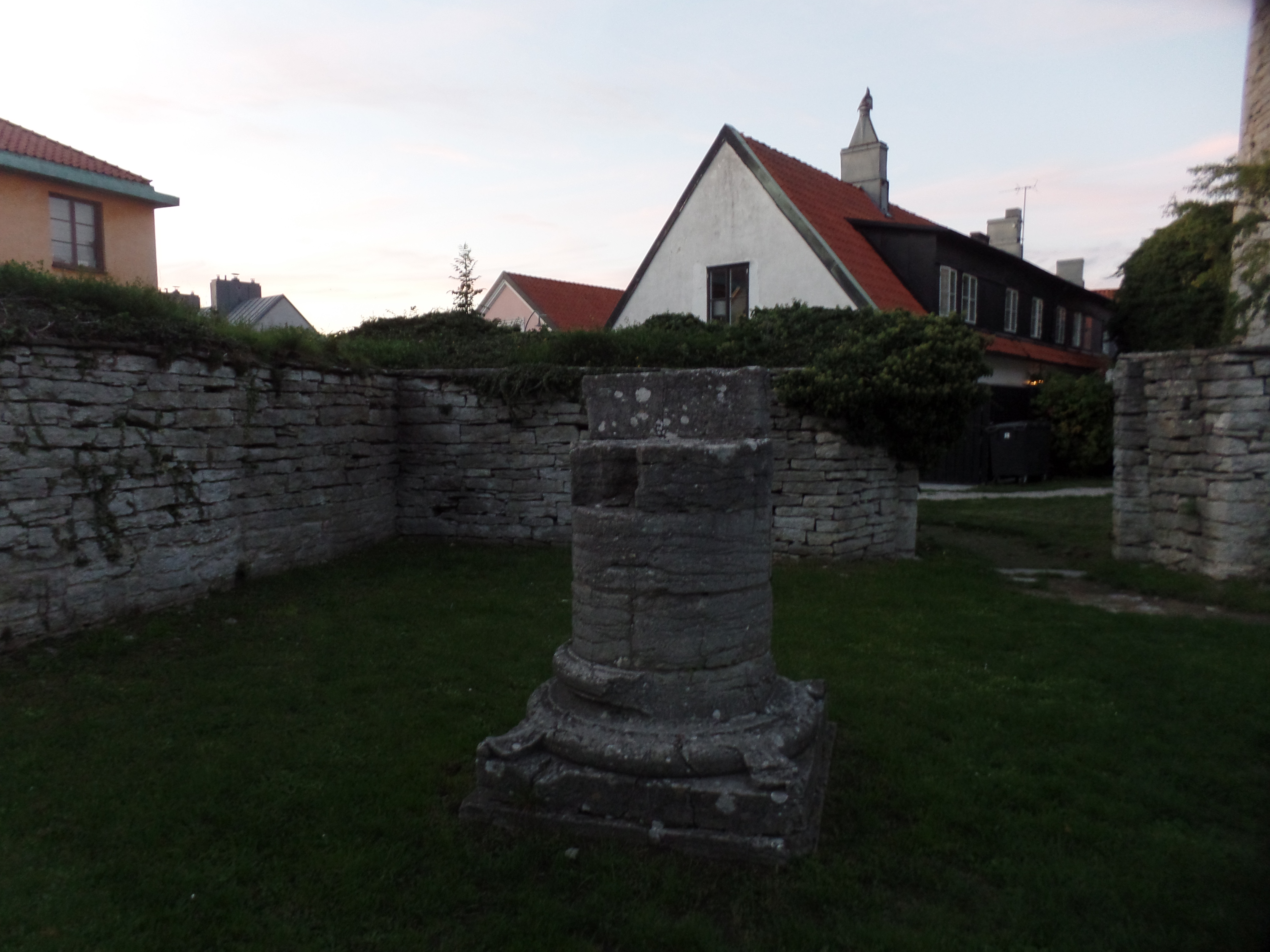
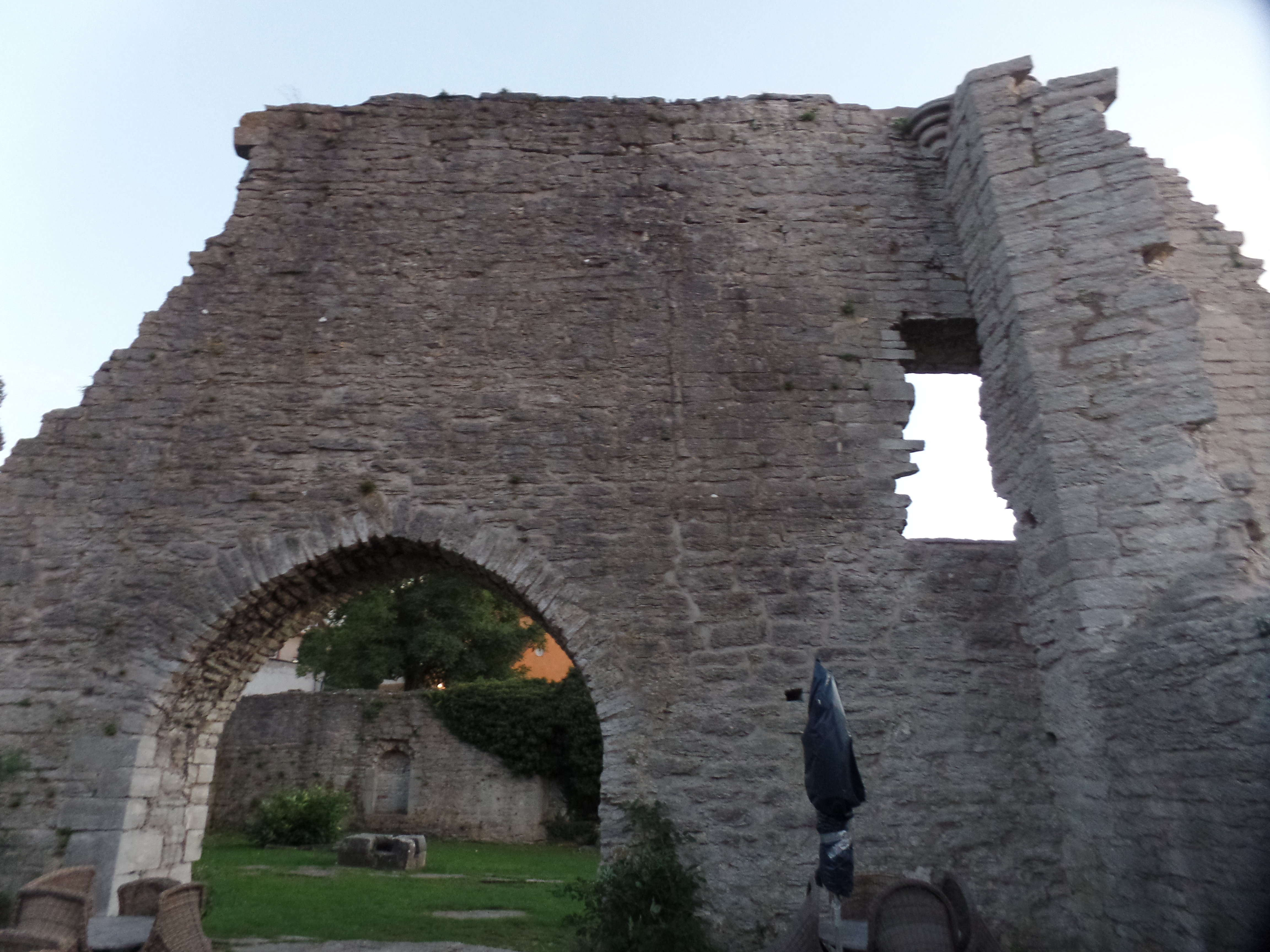
Ruins of the Churches of St, Hans and St. Per. The towers of these churches were pulled down, in the 1530s, so that their stones could not be used as fodder to bombard Viborg Castle, in Russia. The destruction, however, only got so far. The site is now considered part of Swedish national heritage.
Section of wall that protected the Churches of St. Hans and St. Per.

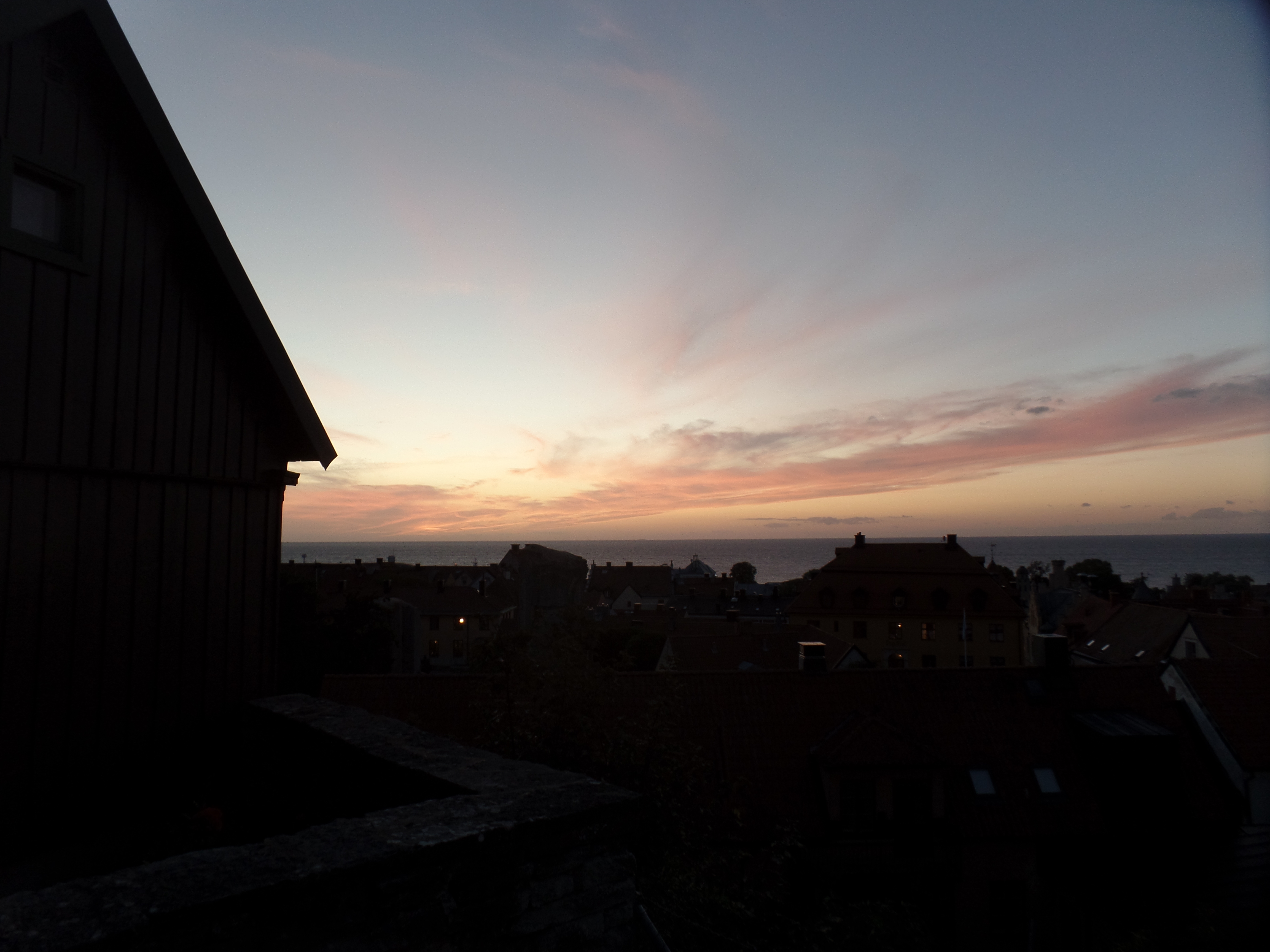
All good days can end with a better sunset.

Sunset over the Baltic