
October 1, 2024, Manila- The three titular things stood out, in my visit yesterday, to Palawan Heritage Center. My guide, a knowledgeable, if soft-spoken, young lady named Irene, presented two videos: The first, on the island and its tributaries-which constitute the largest province in the Philippines. There are roughly 1, 780 islands and islets in the jurisdiction. The main island is 280 miles (450 km) long and 31 miles (50 km) wide. It is the mini-Chile of the Malay Archipelago. It is also the only part of the Philippines that was once part of mainland Asia.
The second video raised an issue of humanity: The Tau’t Bato, a small subgroup of the Palaw’an First Nation, live traditional, simple lives in the Singnapan Valley, of southern Palawan. They take shelter in nearby caves, during the rainy season. many of the Tau’t Bato came to live in cities, from Puerto Princesa to Manila and Cebu, in the 1970s to 2000s. They found urban life to be totally at variance with their experiences in the Singnapan, only finding “work” as house servants, trash pickers or purveyors of trinkets. They slept on the sidewalks and were generally treated as curiosities, at best, or outcasts, at worst. Many went back to Singnapan, though some still live in the larger communities. Fortunately, those who have returned to their homeland are protected by the provincial and national governments.
As Irene was showing me several paintings by local artists, a cockroach came onto the polished marble floor. I left it to her to decide the insect’s fate, and a janitor was summoned, whisked the creature onto a dustpan and deposited it in the garden outside. (I do this at home, when confronted with a sewer roach.)
The last item was a handmade change purse, which I bought for K, given her love of local handicrafts. I picked up a “glow-in-the-dark” trinket for myself.
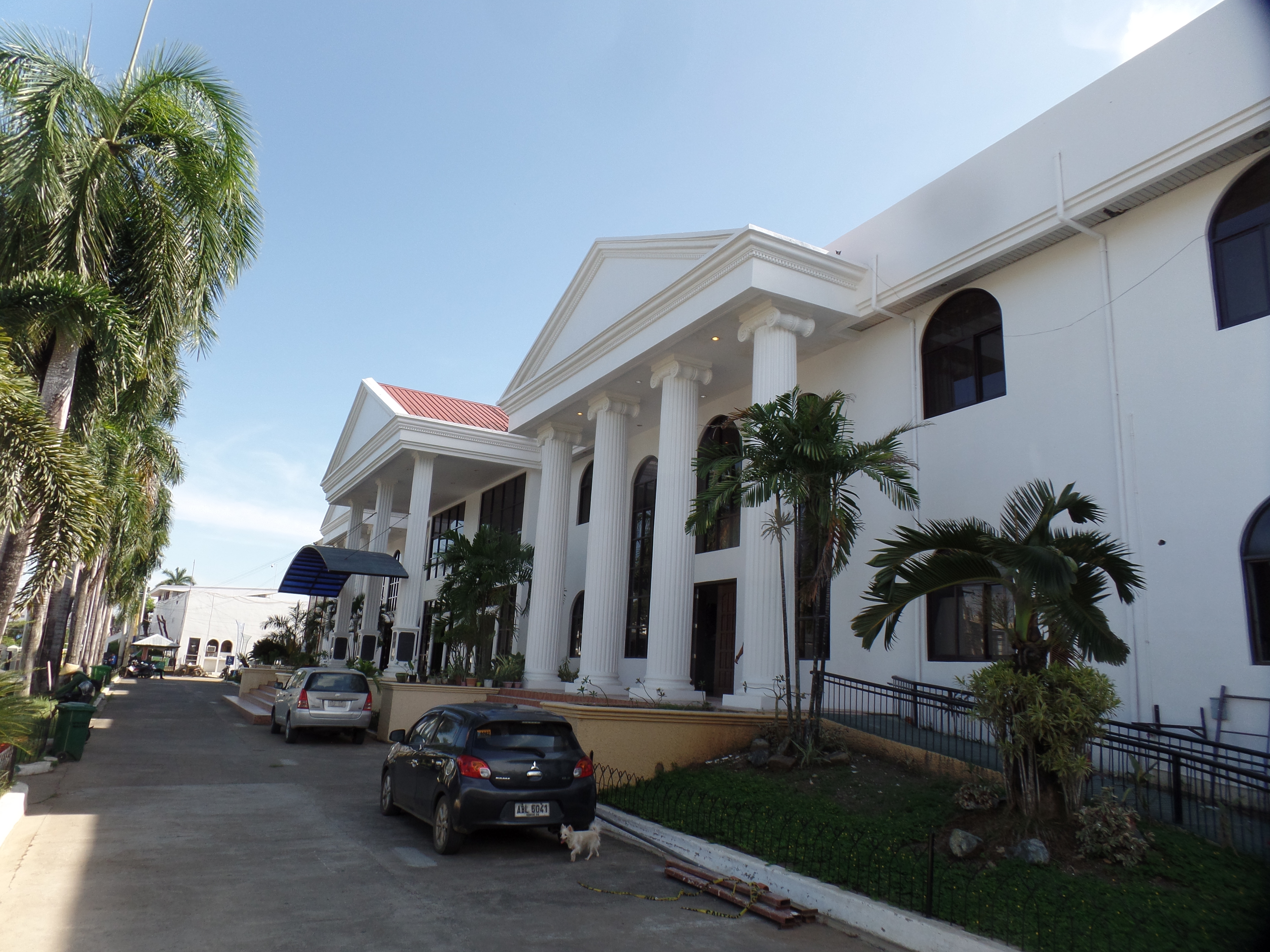
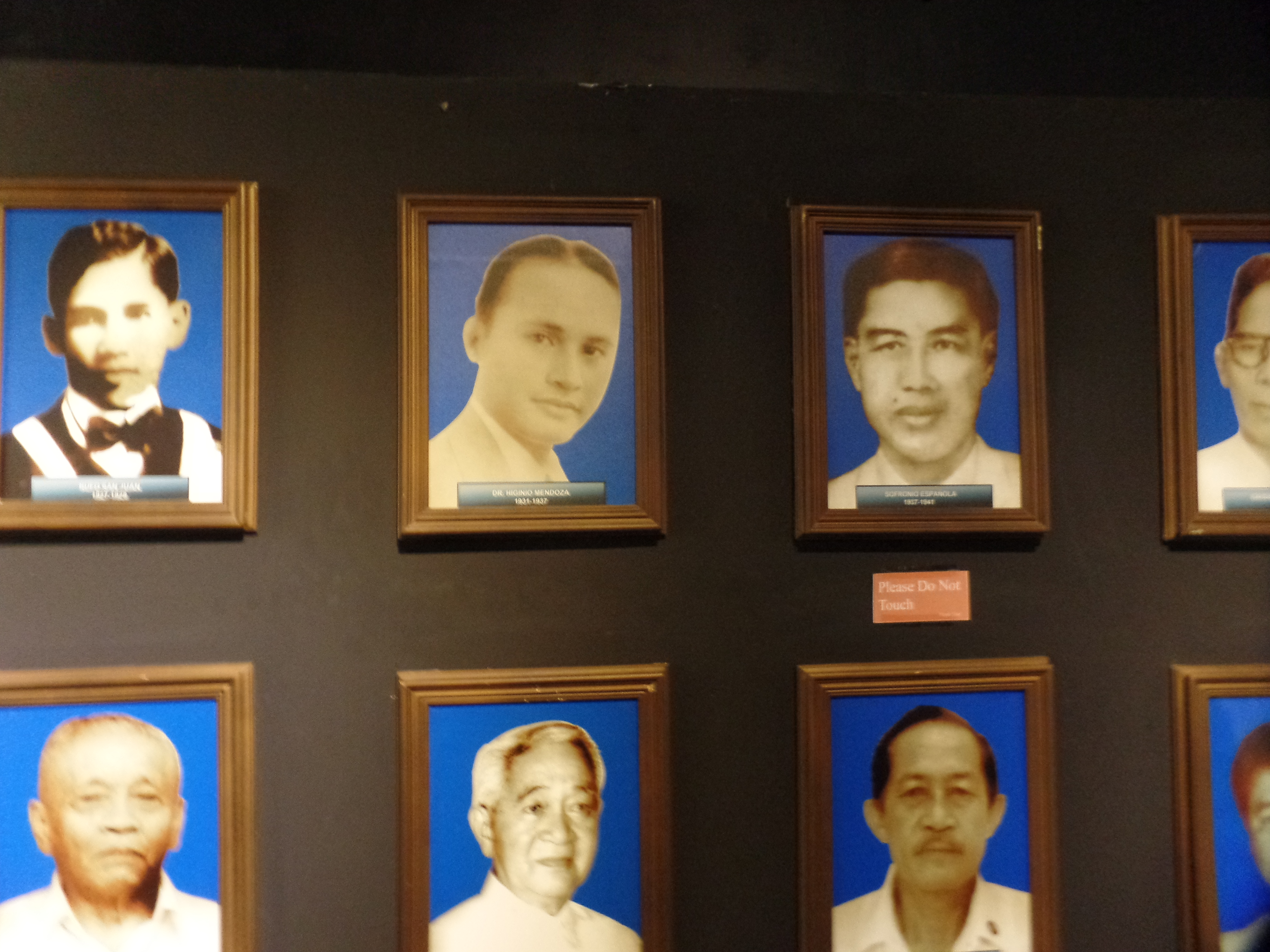
Here are a few scenes of the Palawan Heritage Center..



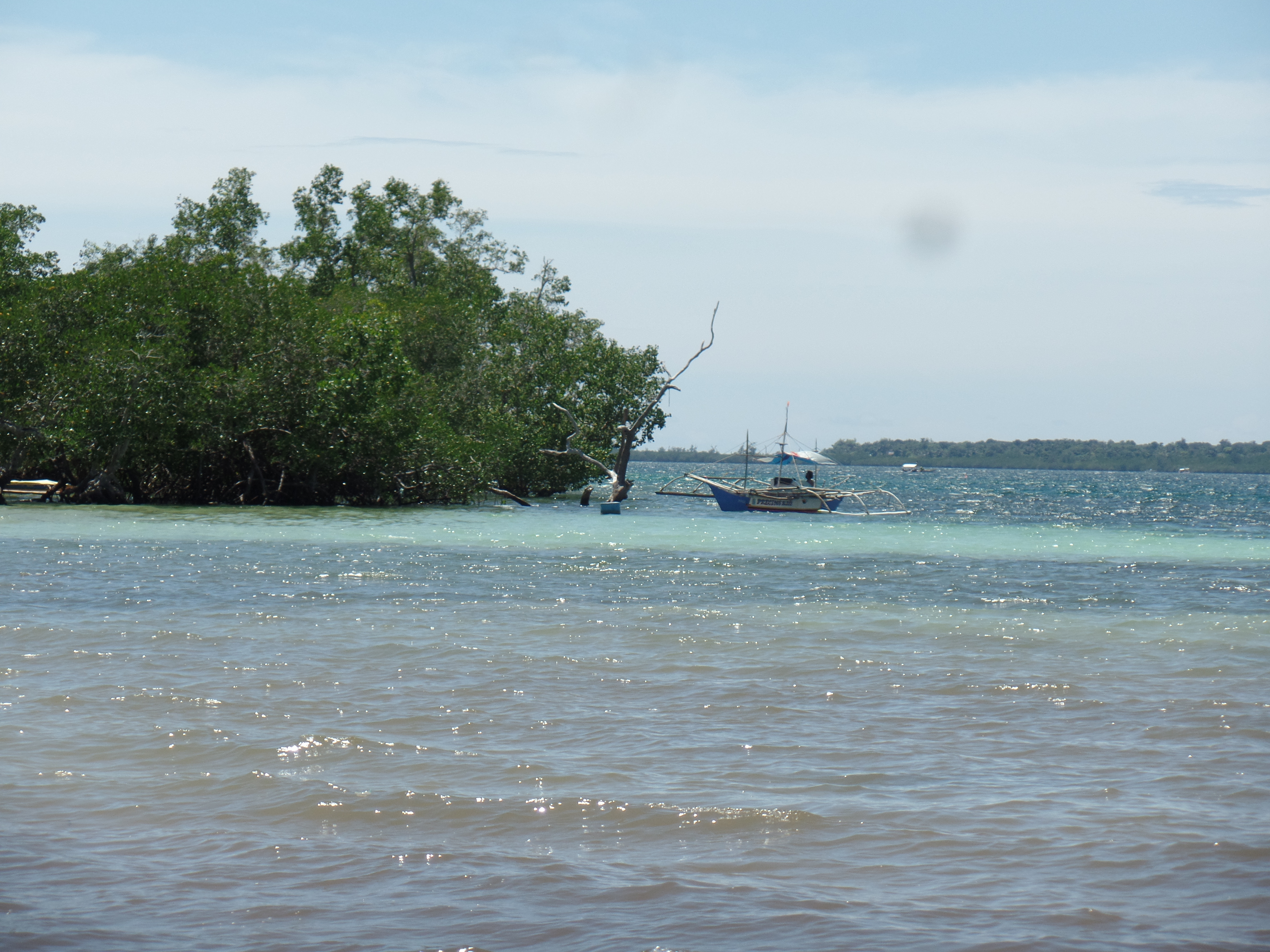
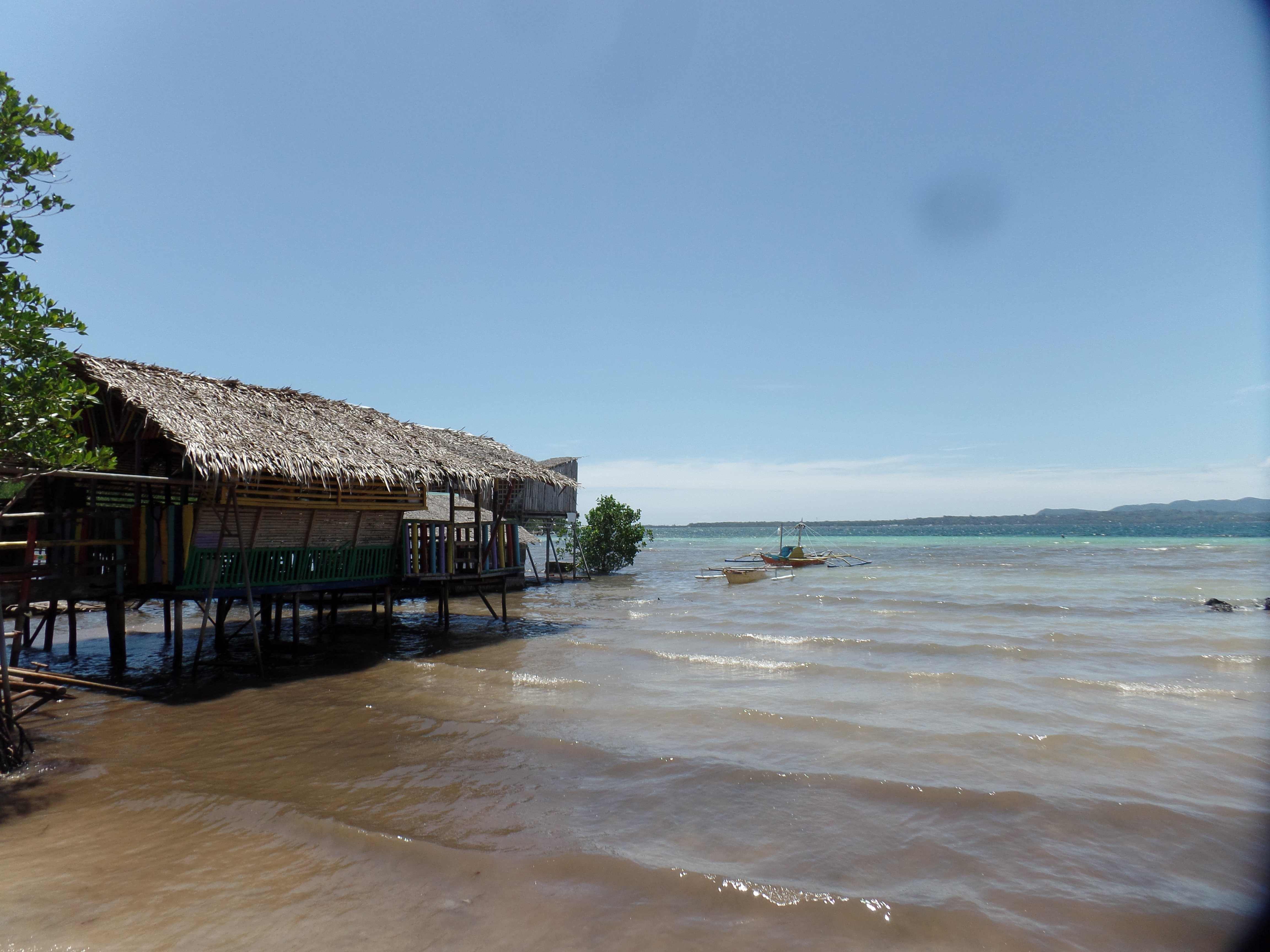
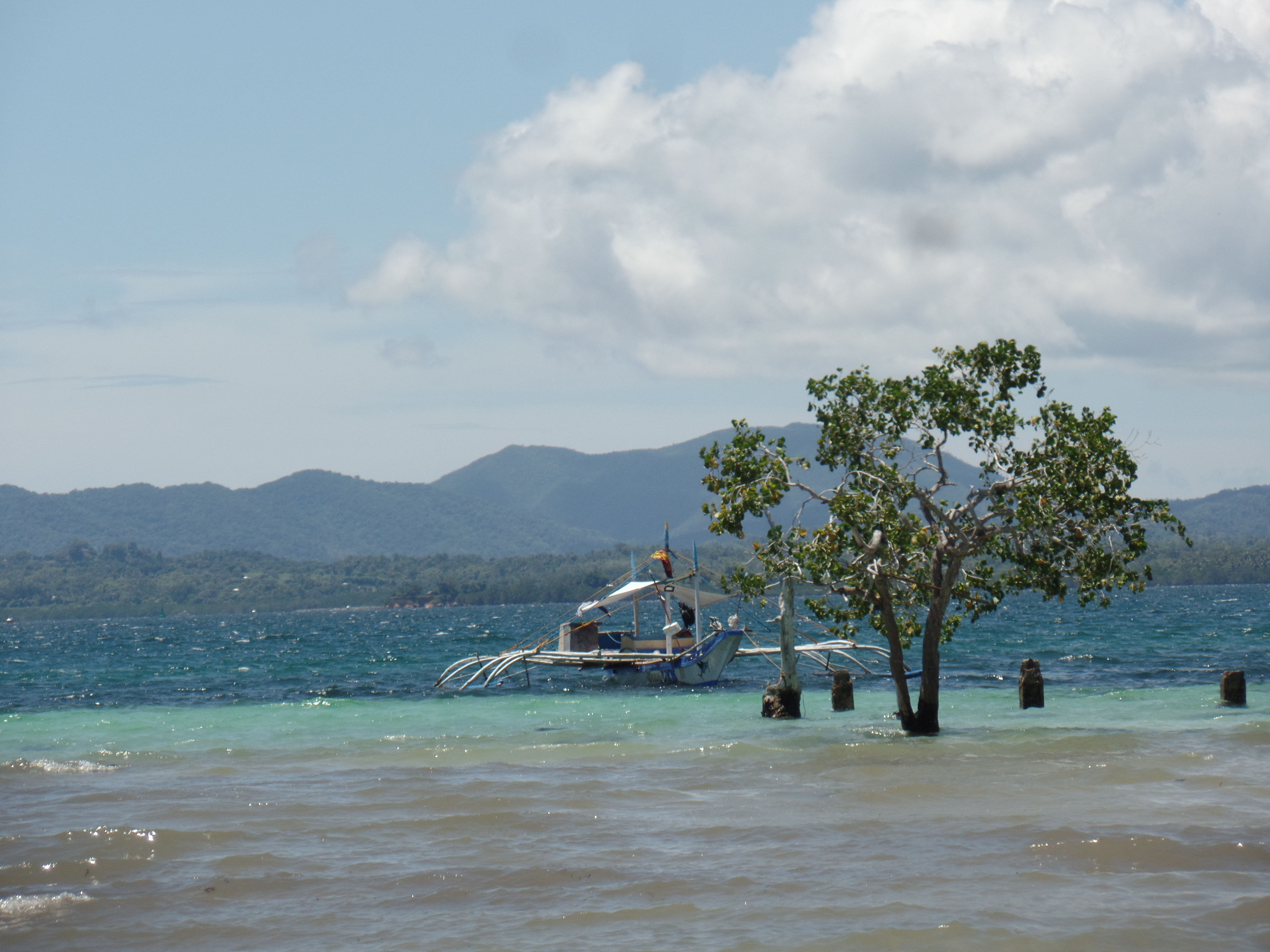
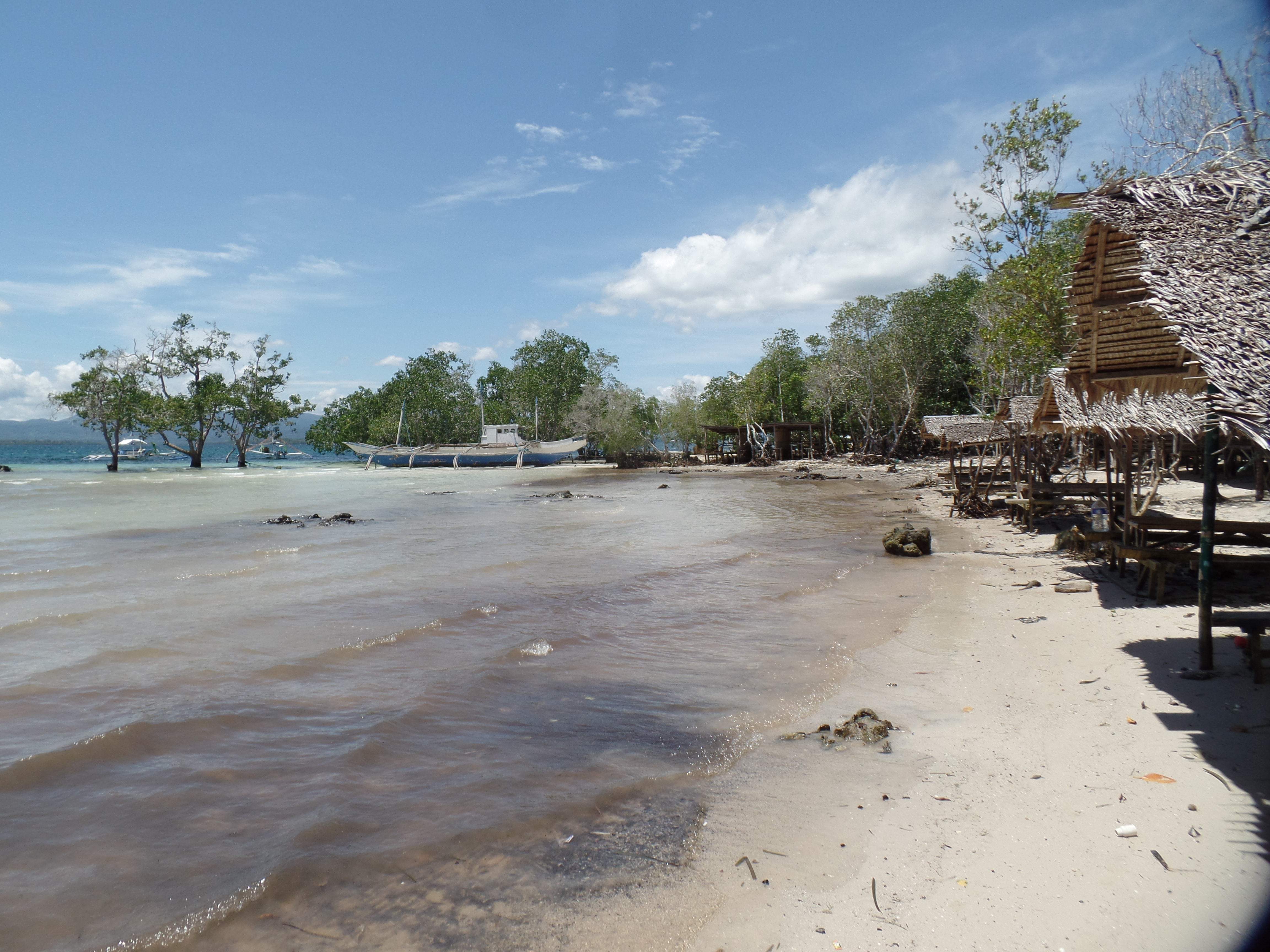
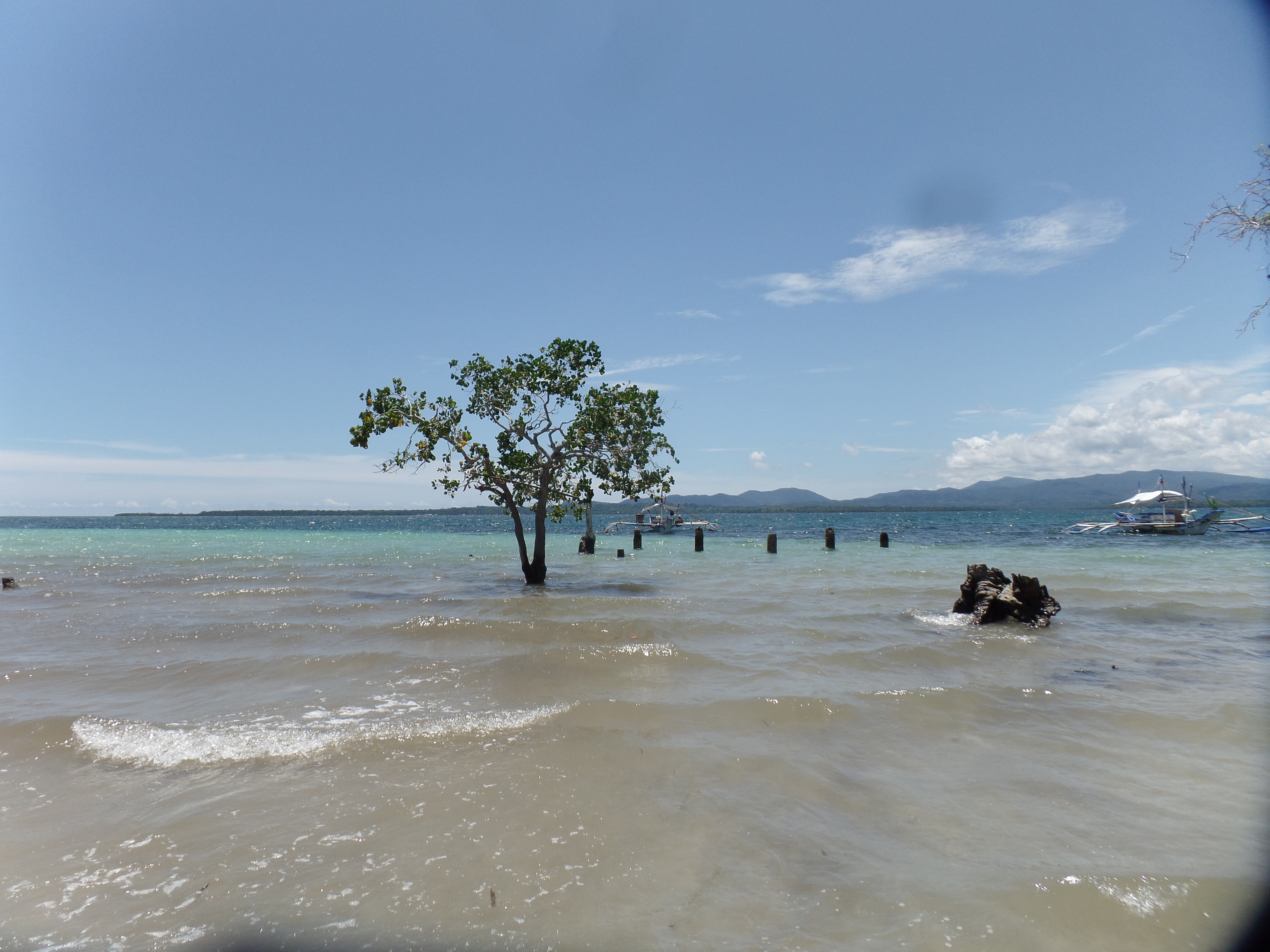
In the afternoon, I went with Roger to a small local beach, called Aquaman Beach Resort. It is in a small barangay called Bancao-Bancao. The tide was incoming, but the water was like a bath, so I walked around a bit and took some shots.



My last day in Puerto Princesa ended with a nice meal at McCoy’s Restaurant, at Bay Walk Park. For now, having returned to the capital, Palawan will continue to exist in my heart. The Philippines as a whole will, as well, after I head back to North America, on October 27. Something tells me, though, that we will be far from done with one another.
 A Sagittarian Seeker