
May 10, 2025, Salem, NH- About a month ago, Hiking Buddy and I were talking about the petroglyphs of Williamson Valley. She mentioned about the existence of a site in southern New Hampshire where documented pre-Columbian standing stones, with some verified inscriptions of Celtic and possibly Phoenician origin had been found. I know there have been similar sites in Minnesota that have been investigated and debunked, but this one had more of a ring of truth to it. I made a promise to myself to check out the site that was once called Mystery Hill.
Today brought that chance, and after enjoying lunch with my sister and brother-in-law, I headed up I-495, to New England’s other Salem. The town was a staple of my childhood, with visits to my mother’s sister and her family, and an annual summer gathering at Canobie Lake Park. I stopped briefly at the north end of the lake, which is a water supply for the area. Fishing is plentiful, but as one might guess, swimming is not allowed. We mainly picnicked and enjoyed the small amusement park.

America’s Stonehenge, as Mystery Hill is now called, was a gathering site for Pawtucket First Nations people, themselves a branch of the Penacook Confederacy, which held sway across a wide swath of New Hampshire, Vermont, northern Massachusetts and western Maine, for hundreds of years before European settlement. The Pawtuckets themselves lived in an area from what is now Fitchburg (north central Massachusetts) to Saugus and Lynn, on the Atlantic Coast. Their central community was at what is now Lowell.

The area itself was farmed by the Pattee family, from the late Eighteenth Century until around 1900. Seth Pattee attempted to turn the property into a quarry for building stone, around the time of the Civil War. His son ended that practice and worked to preserve the area, having gleaned its cultural and historical heritage. This preservation began in earnest, with the research of William Goodwin, in the 1930s. When Robert Stone took over the property in 1958, he and his son, Dennis, saw the value in enlisting public support. The Stone family has been working hard, since 1958, to increase public awareness of the connections between peoples on both sides of the Atlantic, and that these connections are likely much older than is customarily believed.
The site seems to have been used as a ceremonial area, for marking major yearly astronomical events, such as the Solstices and Equinoxes. These seem to have been marked in a manner more customary for the Celtic peoples of western Europe than for early First Nations peoples of the Americas, and their predecessors. This suggests that there was, at minimum, regular contact between people on both sides of the Atlantic, as far back as 4,000 years ago.
I took several video clips of the trail. Unfortunately, these are too large for the Word Press format, so here are some still photos that accompanied the videos.

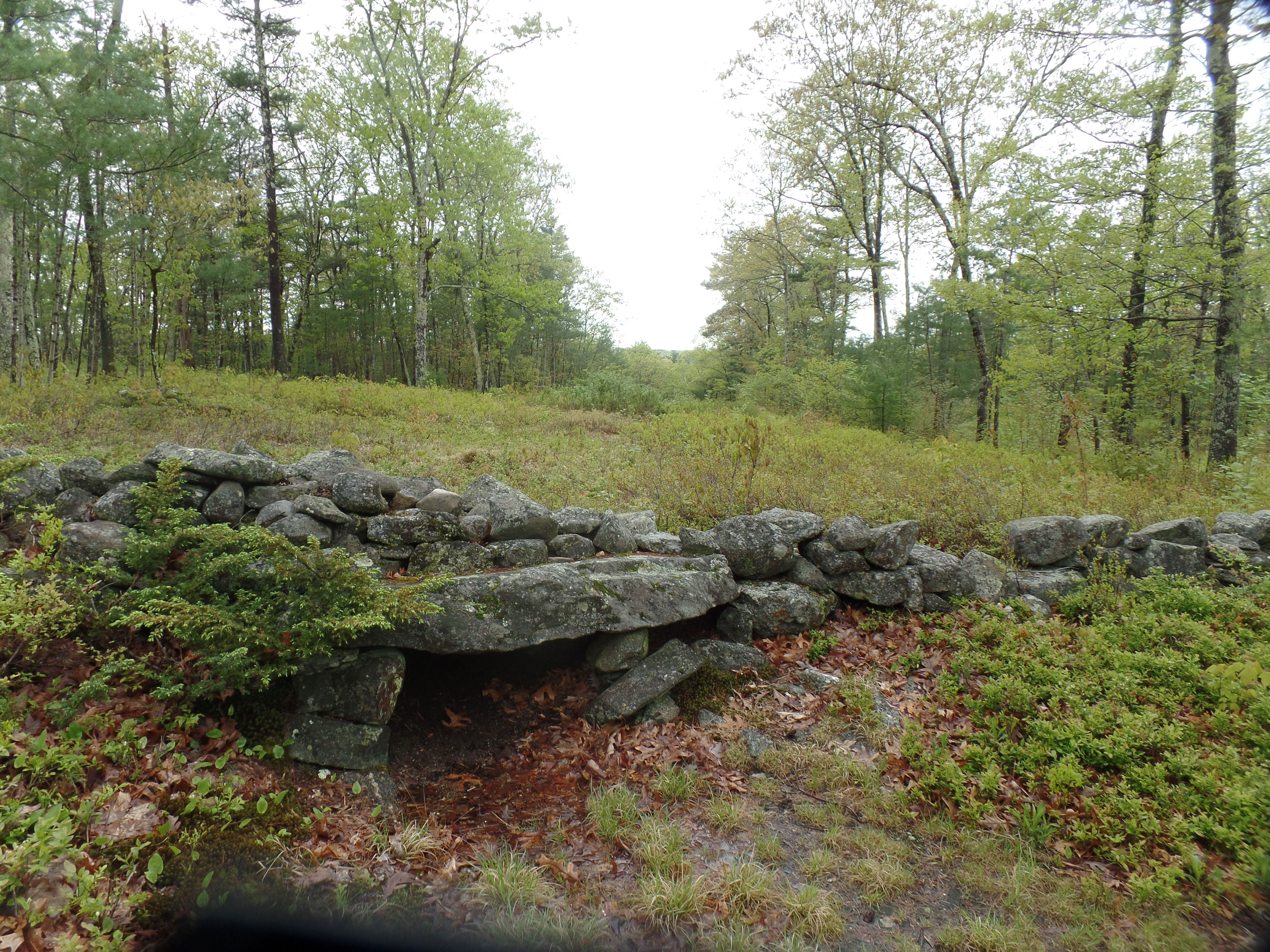
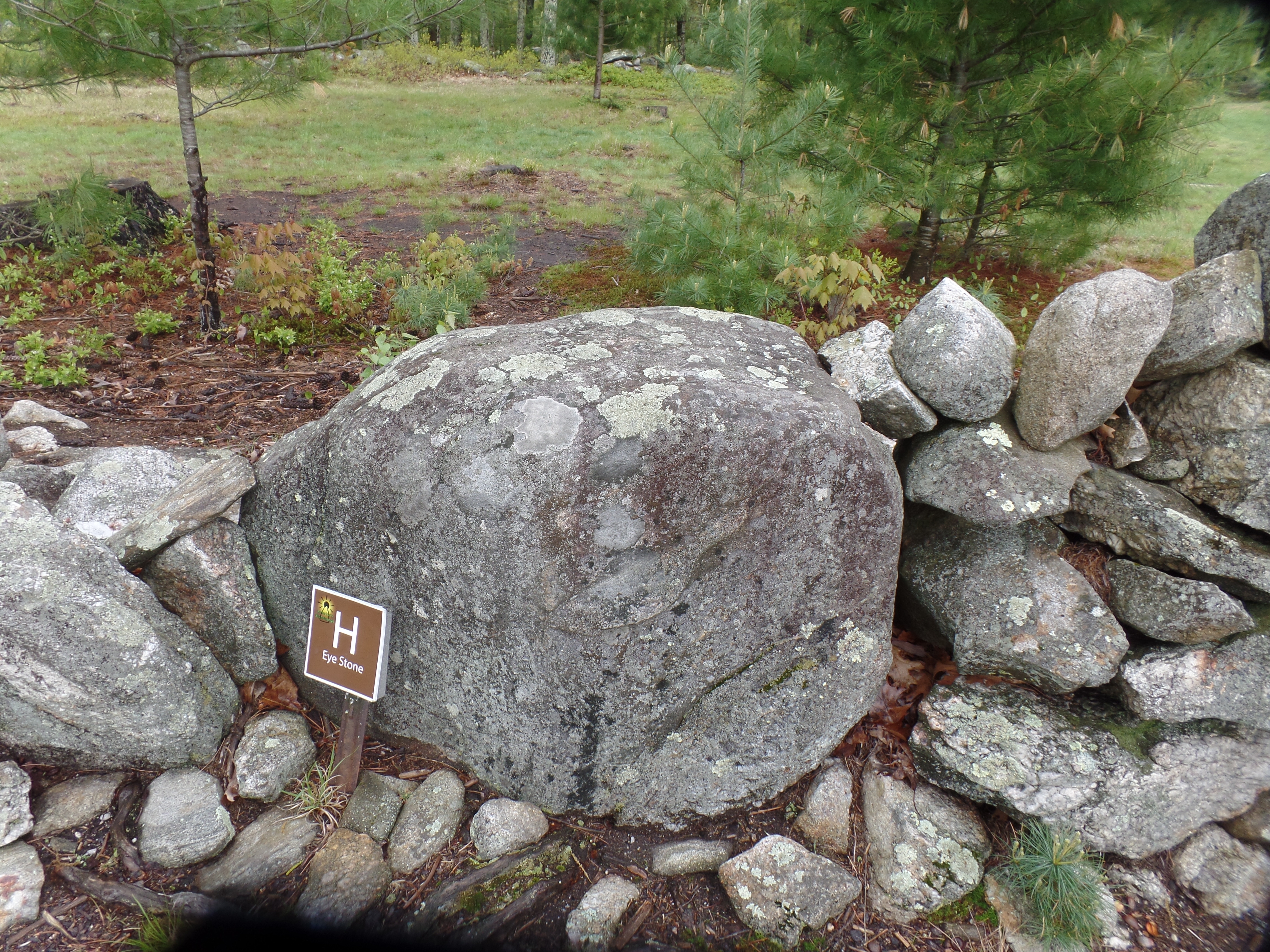
I will continue to look into sharing the video clips via this blog site. In the meantime, here are some resources by which you may learn about this unique site, and its archeo-astronomical importance.
America’s Stonehenge: Souvenir Book Paperback – October 1, 2018
by Dennis Stone (Author), Katherine Stone (Editor), & 1 more
America B.C.: Ancient Settlers in the New World, Revised Edition Paperback – June 1, 1989
by Barry Fell (Author)
 A Sagittarian Seeker