
March 14, 2024- I felt rather the middle of a sandwich, the sprinters going down ahead and the lone woman, about my age, hanging back-especially when I stopped to take a photo-which is when she would dart out of sight, only to emerge when I was several steps ahead. Fun fact: We all got back to the parking lot, at Estes Canyon trailhead, at about the same time.
My first order of re-visiting business, to the places my late wife, Penny, and I visited, in 1983, was Quitobaquito. This spot is reached, either by driving down from the Visitor’s Center, via the North Boundary route, or by way of Highway 85. I chose the latter, first stopping for a few minutes in Lukeville, then following the unpaved, but graded, South Puerto Blanco Drive, for fifteen miles. The border wall is visible, to the south, for most of this route. There were no migrants visible, during my visit. Border Patrol agents were on site, at three spots along the wall.
Quitobaquito has no clear meaning, in English, but may be a hybrid Spanish-Tohono O’odham phrase meaning “little spring”. It as several springs, and a small rill to the east, feeding it. When Penny and I were here, it was shallow, and the water looked brackish, although the nearest salt water, in the Sea of Cortez, is still 6o miles to the southwest. Today, though, the pond was well-formed, and had been shored up by stone border-lining.


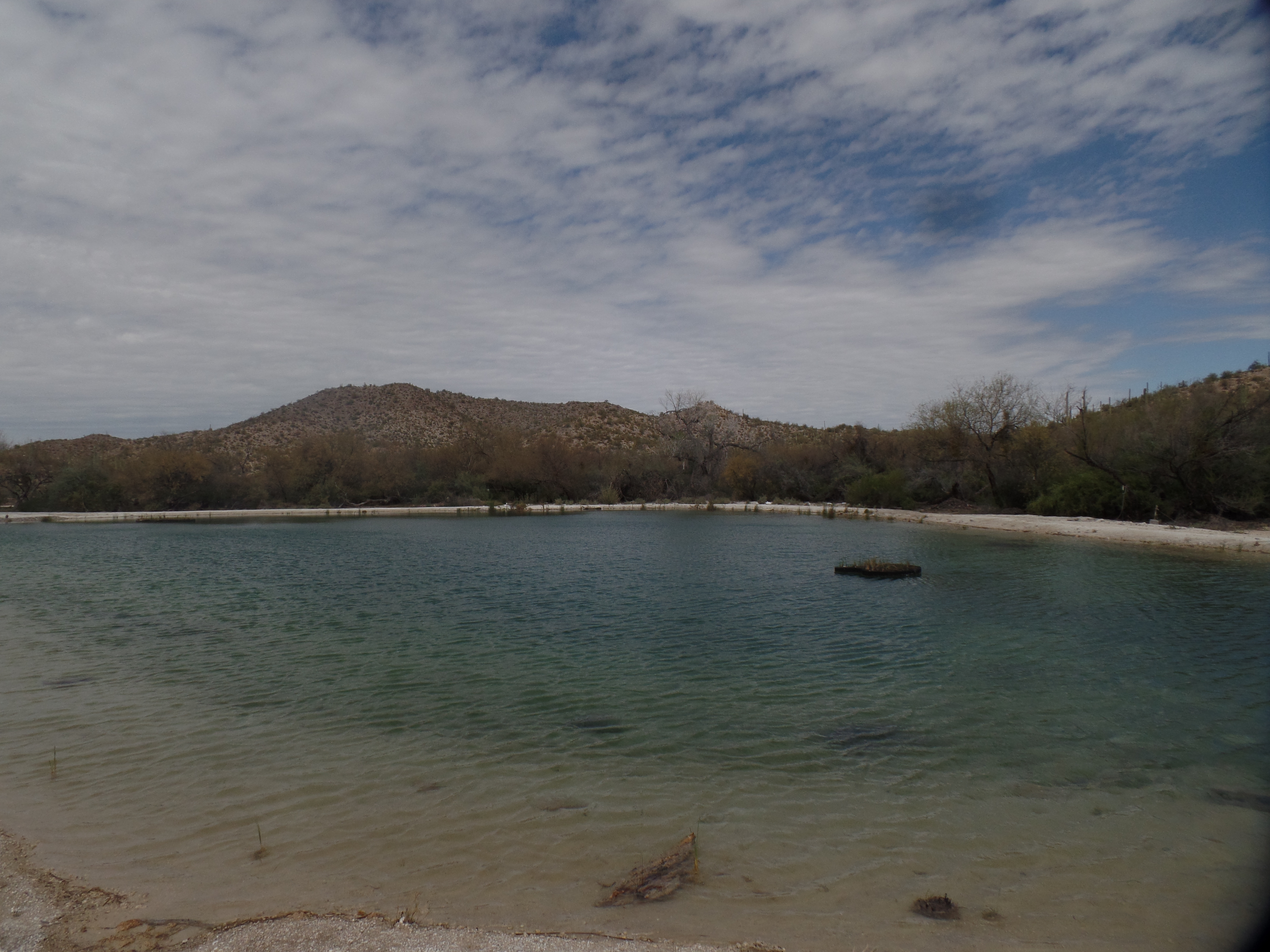
I wonder, though, about the lack of birds, which is an unusual state of being for a pond in the Southwest-or anywhere in North America. It was, in fact, once a very rich environment for birds, amphibians and fresh-water fish. Other than a trio of fellow travelers, I was the only soul around.
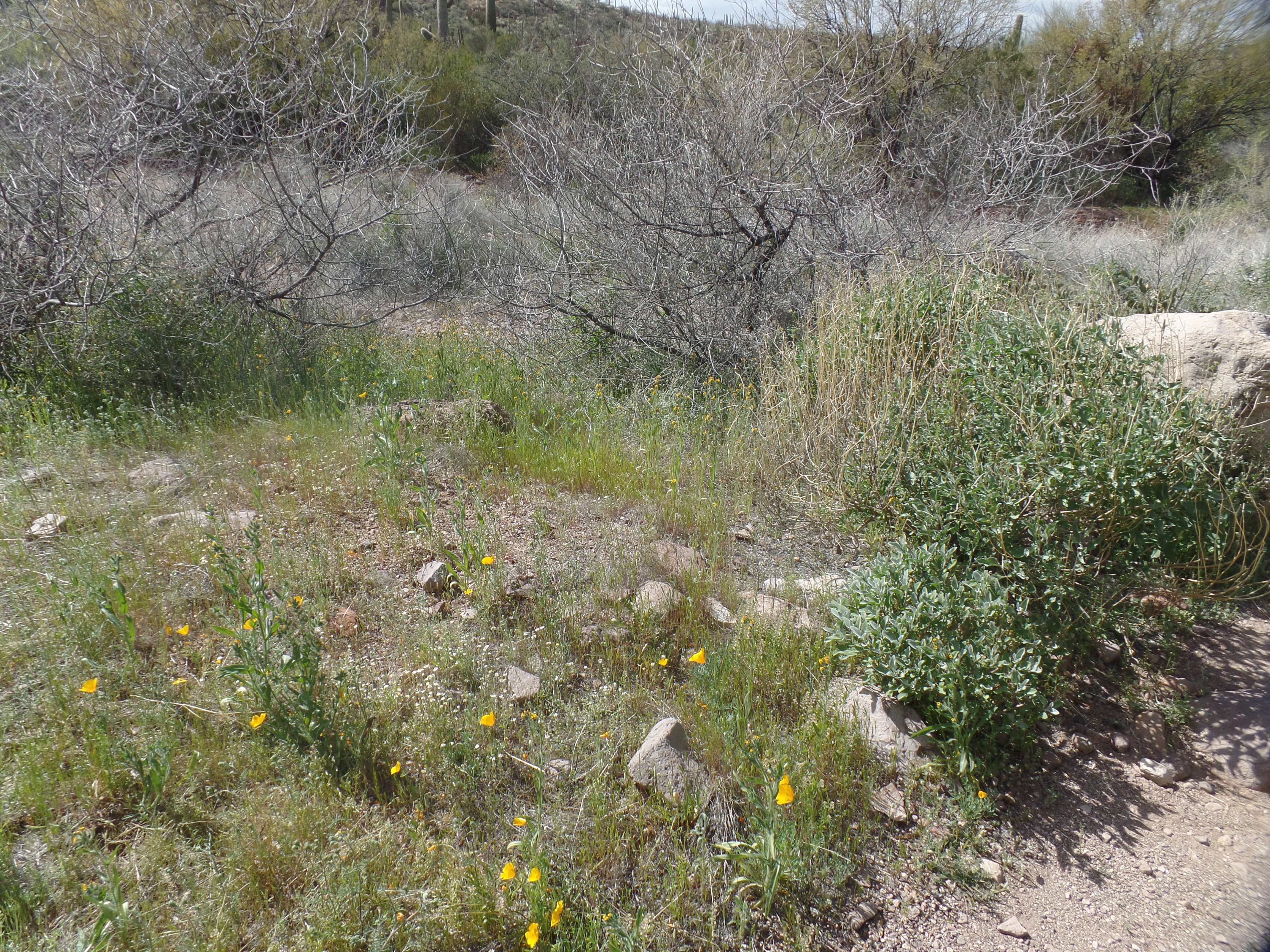
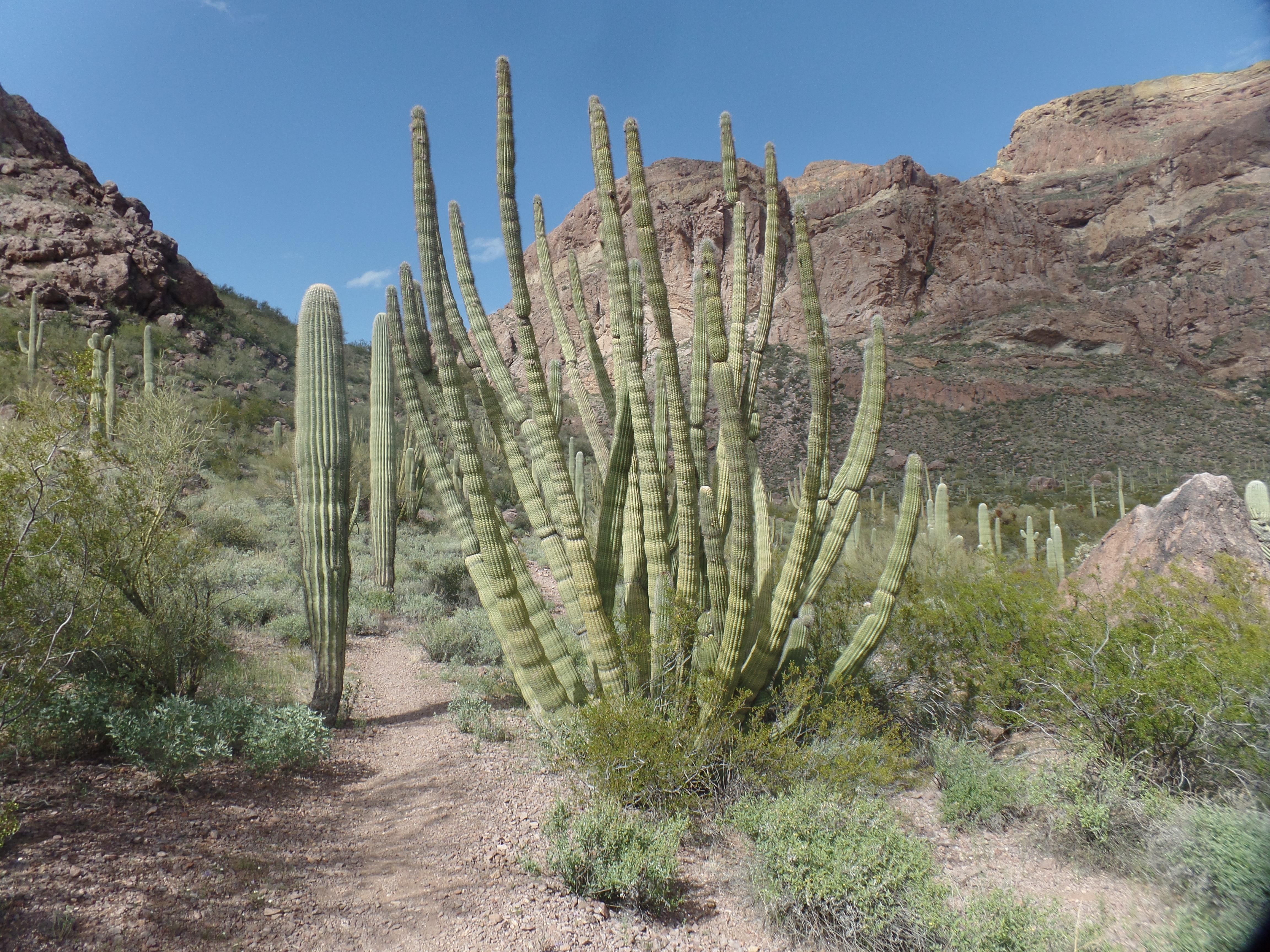
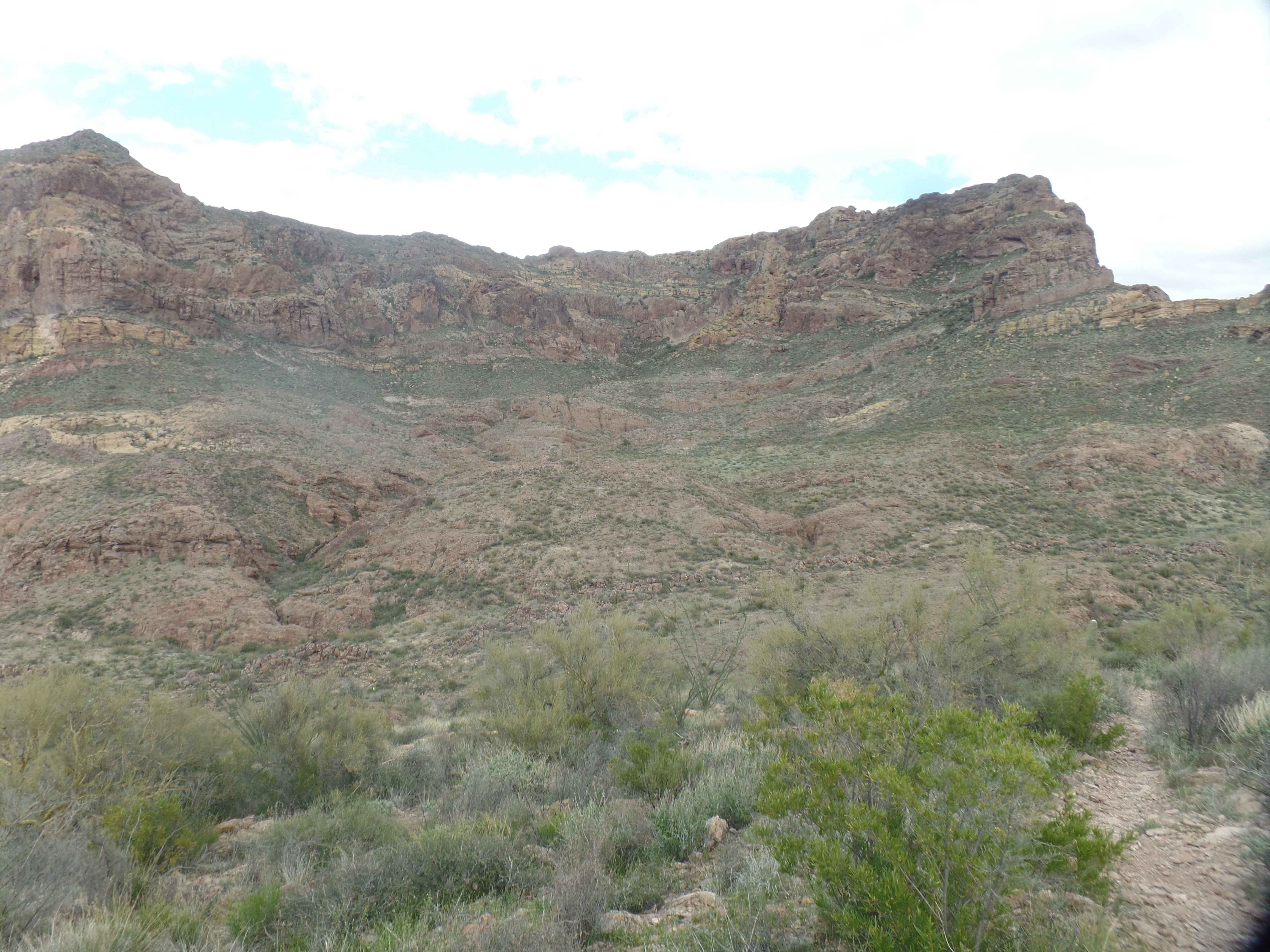
Next up was a return visit to Ajo Mountain, which has several stops of interest, along a 19-mile loop. Penny and I hiked to Bull Pasture, a fairly rigourous jaunt, when in her late twenties and my early thirties. It was a good follow-up, for me, to yesterday’s hike in Montezuma Canyon, 215 miles to the east. Although I have always been somewhat a dawdling hiker, I still made the walk up and back, in about 2 1/2 hours-taking about the same time as those who appeared to be moving much more quickly. They seemed to need more breaks, though, so that evened things out. I like to take a lot of photos, so here are five:




 A Sagittarian Seeker