
October 16,2025, Le Havre– I left Metz, after a sumptuous breakfast in Hotel Escurial’s fine restaurant. The train ride to Paris Est was uneventful, though the French countryside is always a tonic for the soul. Once in Paris, I asked an African immigrant, a security guard, where to find the bus to Gare St. Lazare, from which trains to Normandy and Brittany are dispatched. He personally favoured the Metro, but with baggage to handle, I was in no mood for the grifters and pickpockets who hang out in all too many Metro stations. He then directed me to the area south of the train station, where buses arrive and depart.
After a few minutes of asking around, I spotted the bus that goes to St. Lazare. Another young immigrant was getting set to start his driving shift, and invited me on, sans ticket. He maneuvered swiftly through Paris traffic, and we were near St. Lazare, with plenty of time to spare before my train to Rouen and Le Havre was set to depart. His “price”? I had to get off two stops later and walk back. “No one can have everything”, he said, knowingly. It was no big deal.
In 2014, I was on another train to Rouen, and we passed through a suburb called Mantes-La Jolie. My seat mate pointed out that there was little “jolie” about the town. This time, though, Mantes-La Jolie presented a clean, upbeat appearance-even lacking the graffiti that seems to be universal elsewhere across Europe.
Rouen, too, seemed a tad happier a place than what I saw eleven years ago. For that matter, at least in the above-ground gathering places and along surface streets, I felt perfectly safe in Paris as well. The hype about “crime-ridden France” seems to be just that-a false flag. The train strikes of two weeks ago are a blip.
It was in an upbeat mood, bolstered by the kind, if snarky, immigrants who I encountered everywhere, that I found myself in the shiny port and university city of Le Havre. I had half expected a gritty seaport. There was none of that, and I walked a short distance to JOST (Joy of Sharing Together) Hostel. It is the closest lodging to any train station thus far, except for Helsingor. It also has a Food Court, with six restaurants under the auspices of one bar. I chose a northern Italian option.
The University quarter of Le Havre is a place of great modern art and architecture. Here are a few scenes.
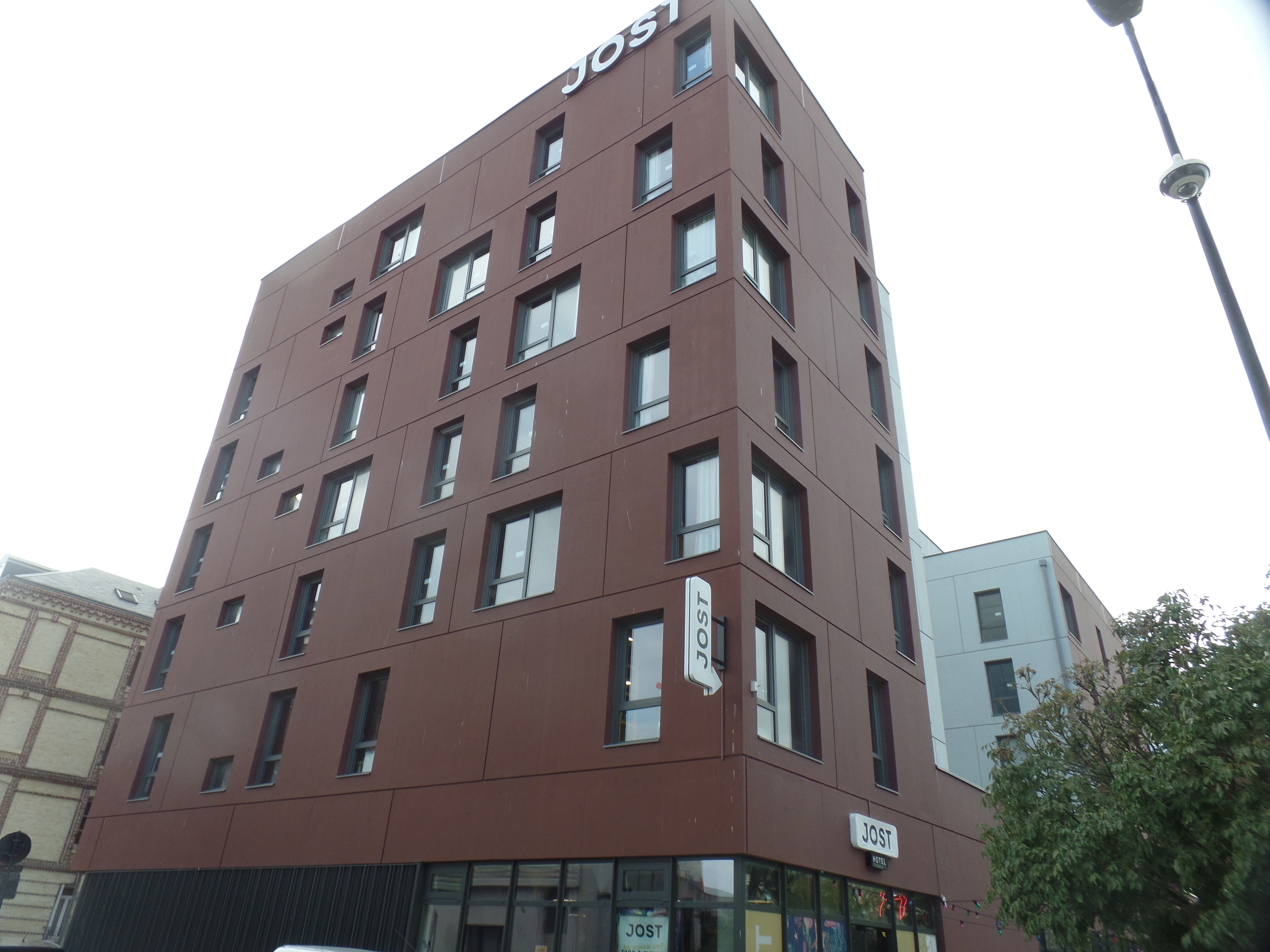


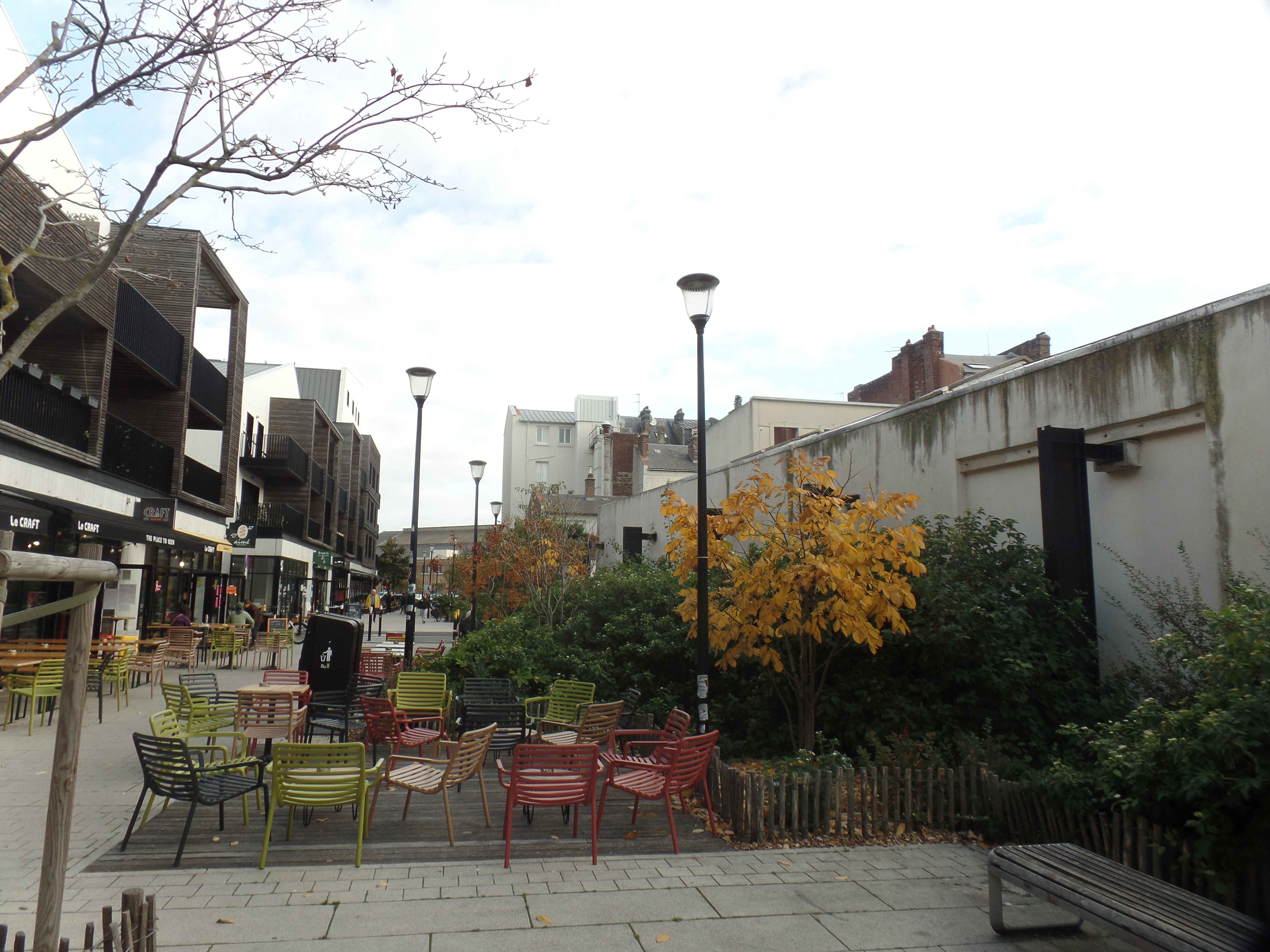

Le Havre has indeed cast off its former image as a gritty port, and is fully embracing the vibrant commercial culture that has continued across the English Channel, despite BREXIT and largely because of, rather than despite, the Chunnel. I will have time, tomorrow morning, to more fully look around this energetic port.
 A Sagittarian Seeker