The Road to Diamond, Day 96: The Hounds of the Hoovervilles

2

March 4,2025- In the late 1920s, it was decided, by the Executive Branch, that the solution to the world’s gathering economic woes was to place trust in its economic elite, particularly the business titans of the United States. Granting exemptions and privileges to the “movers and shakers” was seen by the Hoover Administration as central to the nation’s, and the world’s , recovery following the Stock Market crash of October, 2029.

It proved to be too little, too late. The solution that worked proved to be the counterintuitive one-Massive investment by the government itself, large-scale programs that lifted society up by loaned bootstraps: The New Deal, a sequel to the Square Deal that was initiated by President Theodore Roosevelt, nearly thirty years earlier. That agenda increased government monitoring of business and enacted public health programs. The agenda of TR’s cousin, Franklin Delano Roosevelt, brought government into everything from flood control and rural electrification to the basic well-being of senior citizens and control of traded securities.

That the United States was drawn into World War II added to the economy in some respects and hampered it in others. War and defense industries flourished, while the workforce was limited by the need for so many men and women to go forth in safeguarding the nation’s, and the world’s, freedom.

Nearly a century after the Crash, we face a related reckoning. The notion that the government should be far less involved in social welfare is again gaining traction. It has been said, several times of late, including by the President in his speech to Congress, this evening, that payouts to deceased people have been ongoing. My wife of 29 years died, 14 years ago tomorrow. When she had been laid to rest, and the family members had gone back to their own lives, I took it upon myself to return funds that were no longer hers and to pay back her insurers that which had been overpaid. Further, time passed and I received Survivor Benefits from the Social Security Administration-until I filed for my own Retirement, upon reaching the age of 70. At that point, the Survivor Benefits stopped. I doubt that my handling of our situation is an anomaly.

I do not understand the insistence, by people who are independently wealthy and have no need of Social Security, that the rest of us should be asked to give up our benefits. Before anyone says that is not what Elon Musk and others are advocating-please note that he referred to Social Security as a Ponzi scheme. I paid into the fund, from November, 1966-February, 1987 and again from March, 1992- November, 2020. Heck, when I work occasionally as a Substitute Teacher, I am still paying into the Fund. I am getting back what I gave. I do not feel grifted.

Between the day after the Stock Market crash of October, 1929 and the inception of the New Deal, there emerged, across the nation, settlements of displaced workers and their families. These were called Hoovervilles. They gradually closed, as the economy slowly improved and the war effort took more people into the realm of military service. The Hoovervilles, in fairness, make today’s homeless encampments seem small by comparison-even in California.

I wonder, though, what will be the end result of slash and burn? What programs do the DOGE executives have in mind for those currently being displaced? Have they thought that far ahead, or are they acting as the new hounds of latter day Hoovervilles? I can work, if need be, for the foreseeable future. As I look around at my contemporaries, however, I see that not everyone can.
The Dreamer’s Edge

6

March 9, 2024- The young lady looked, for all the world, like a 1920s Flapper. The moment she began singing, though, the melodious and heartfelt voice brought the chatty audience to rapt silence. Her connecting two very different semblances and times-the Roaring Twenties and the Hesitant Expectancy of the 2020s gave me much to consider. There really isn’t a whole lot different, between the two decades that lie a century apart.

Two business-oriented politicians, Calvin Coolidge and Donald Trump, set the tone for the conduct of affairs in the country. Both believed in the power of the marketplace and in cultivating a top-down economic structure, in which commercial interests are to be the stimulators of the nation’s prosperity. Coolidge’s programs did not factor in the suffering that was still extant in Europe, after World War I and the Influenza Epidemic of 1918-19. Trump’s programs were stymied by Covid-19, and by the turmoil in underdeveloped countries, much of it fueled by the international drug trade and its accompanying violence.

In the economic crash that followed the failure of Coolidge’s policies, and those of his successor, Herbert Hoover, only a combination of progressive governmental intervention, and the outbreak of another global conflict brought about recovery on a massive scale. It took twelve years to complete. The turmoil that accompanied Trump’s efforts was not as severe, but some governmental intervention from his successor’s team has helped lower inflation and improve at least the long-term prospects for a good many people. Time will tell whether the short-term efforts of the current administration will register with the American public.

In both decades, the difficulties faced by the average person led to impatience, and a certain amount of tolerance for authoritarian rule-even among those of historically marginalized populations. Only the recognition of Franklin D. Roosevelt’s comprehensive platform for recovery, and the patriotic fervor that followed the bombing of Pearl Harbor, and the D-Day landing at Normandy, three years later, stayed the hand of ultra-conservatism. It remains to be seen how the current, palpable climate of impatience will play out, in the Fall.

The capacity of the human spirit to look beyond temporary difficulties, the dreamer’s edge, if you will, may yet temper any rush to embracing a retreat from the constitutional republic, a form of democracy. In order for that to happen, the frequent victims of reverse marginalization need to be heard, and to feel that their concerns are being addressed-by the forces of a democratic mindset. That must happen, without the zero-sum game playing out; without historically-marginalized groups being shoved, once again, back into the corners of the American Mansion.

Will the current Twenties roar, or squeak?

Stair-stepping, In Kodachrome Land, Part 1: Pioche

6

June 3, 2016, Pioche, NV- It was not a hard choice, as to where to stop for the night, yesterday.  Little Pioche, just west of the Utah state line, is a budding Virginia City or Bisbee.  It has all the charm of the better known mining towns, so my stay at Motherlode Motel was a no-brainer.  I came this way in 1980, on the way back to Flagstaff, from Oregon.

The drive involves what I call stair-stepping:  U.S. 93 goes on to Panaca, just east of Pioche; then there is a drive on two contiguous state highways, to Cedar City; this is followed by an alley-oop, over the Cedar Mountains on Utah Highway 56, to U.S. 89, which goes to Page, on the southern shore of Lake Powell.  From here, I would continue the process, taking AZ Route 98 to the Navajo Nation town of Tsegi, U.S. 160 to Indian Route 59, just east of Kayenta, then IR 59 to Many Farms, U.S. 191 to AZ 264, at Ganado, then the 191 again to I-40, and a couple of Navajo roads, which I will mention later, to Native American Baha’i Institute of Learning.

So, the rest of this is fairly simple.  The rugged Southwest is meant to be enjoyed, within the boundaries of preparedness and common sense.  This was the fourth day of Big Heat.  Even in mountain-girt Pioche, it would hit 85 today.  The sizzle was already evident, as I walked the short distance from motel to downtown.

SAMSUNG CAMERA PICTURES

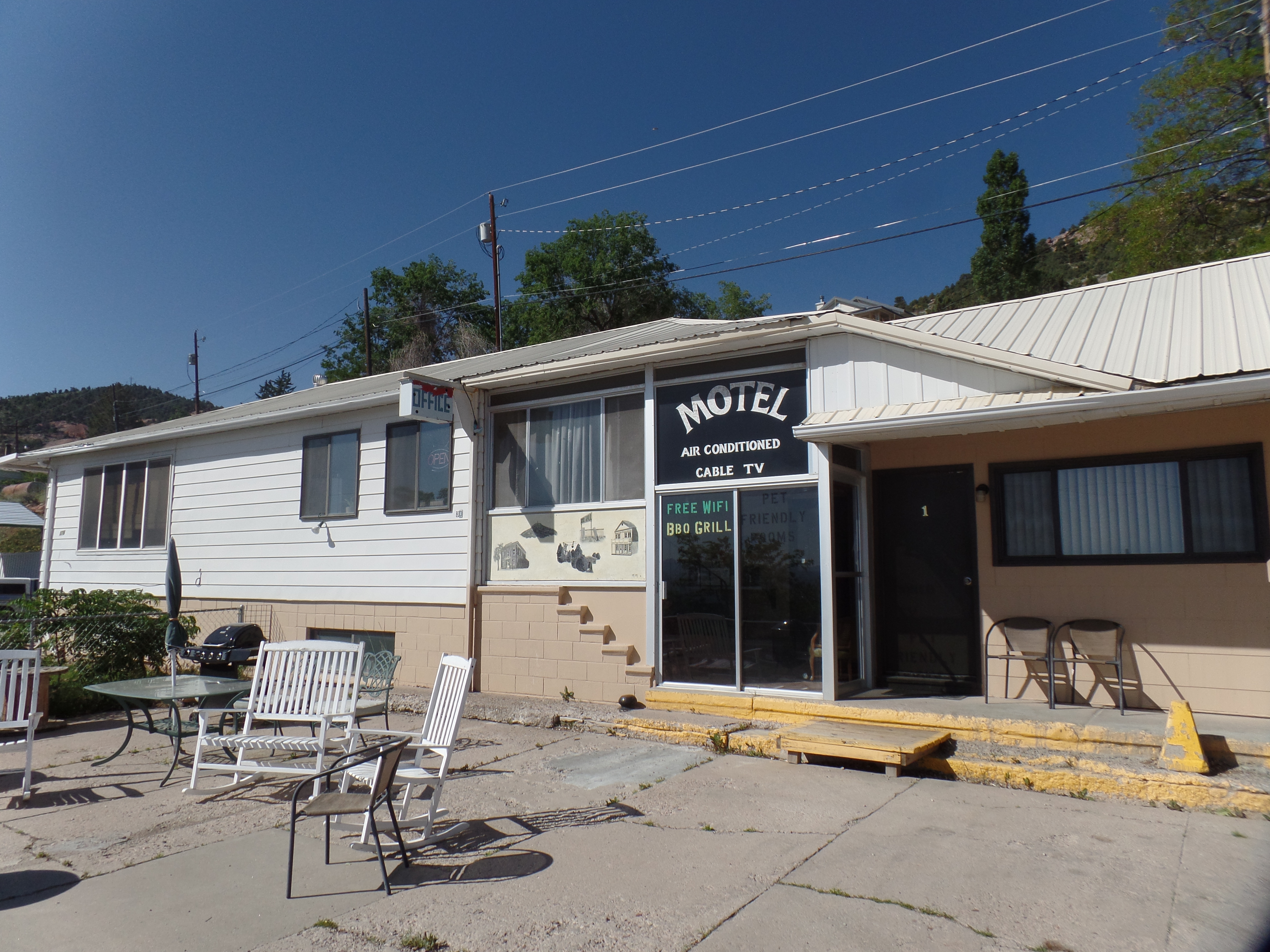
Motherlode Motel, Pioche, NV

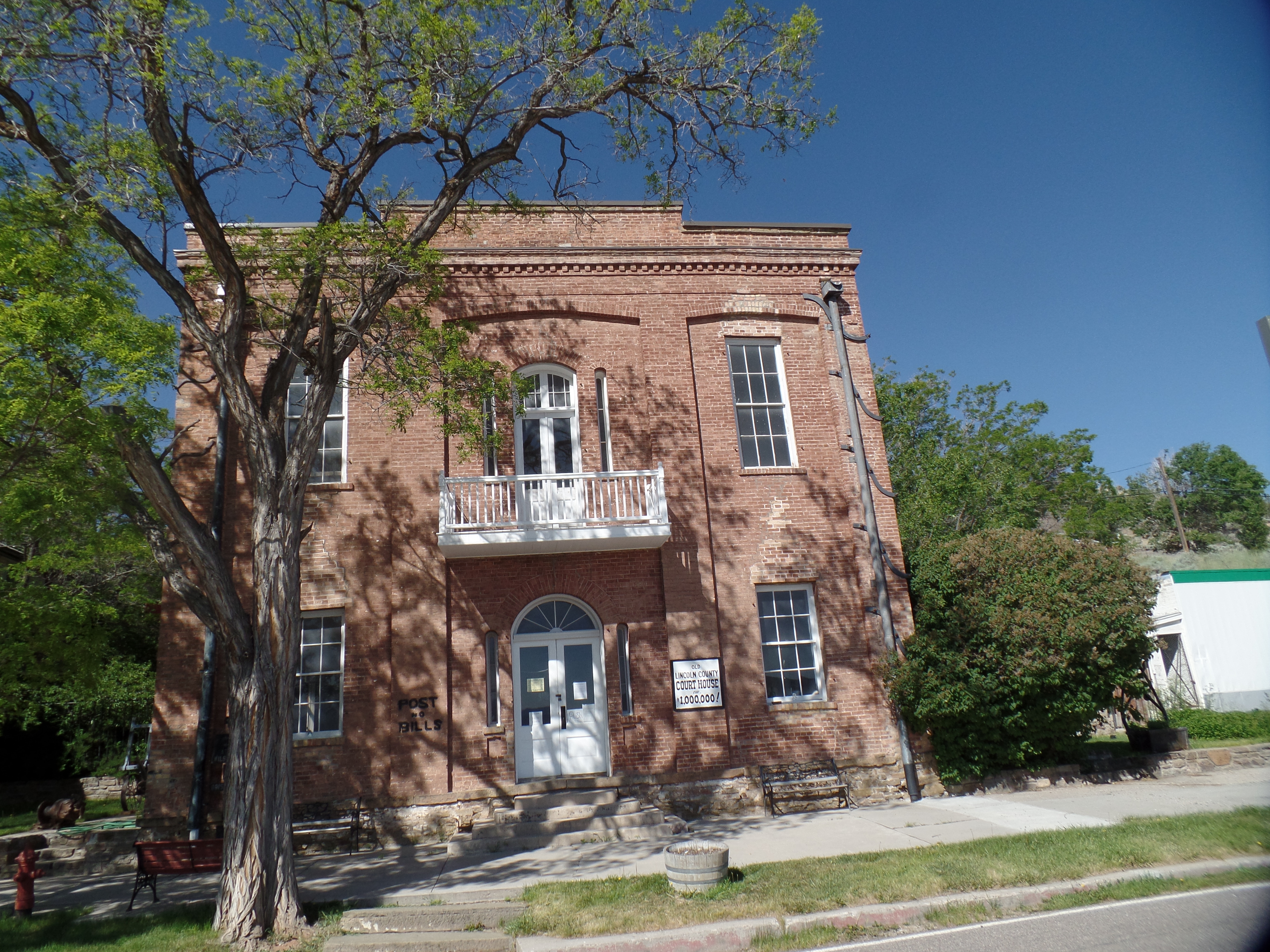
The Lincoln County Courthouse and Mountain View Lodge attract the visitor, en rout to Main Street.

SAMSUNG CAMERA PICTURES

Lincoln County Courthouse, Pioche, NV

SAMSUNG CAMERA PICTURES

Mountain View Lodge, Pioche, NV

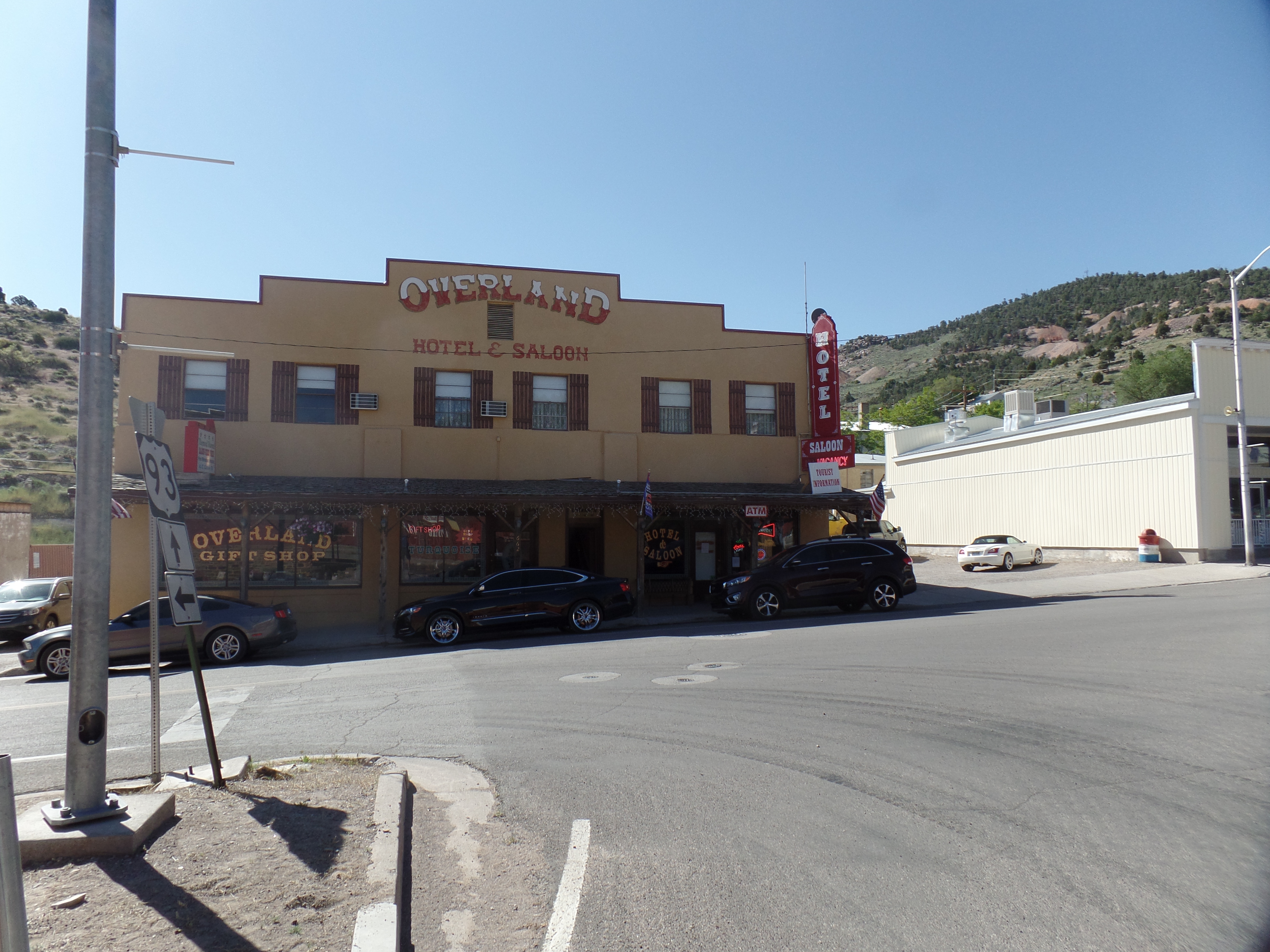
It is recorded that President Herbert Hoover stayed here, in 1930.  A more earthy sort of clientele would have opted for the accommodations shown below.

SAMSUNG CAMERA PICTURES

Overland Hotel and Saloon, Pioche, NV

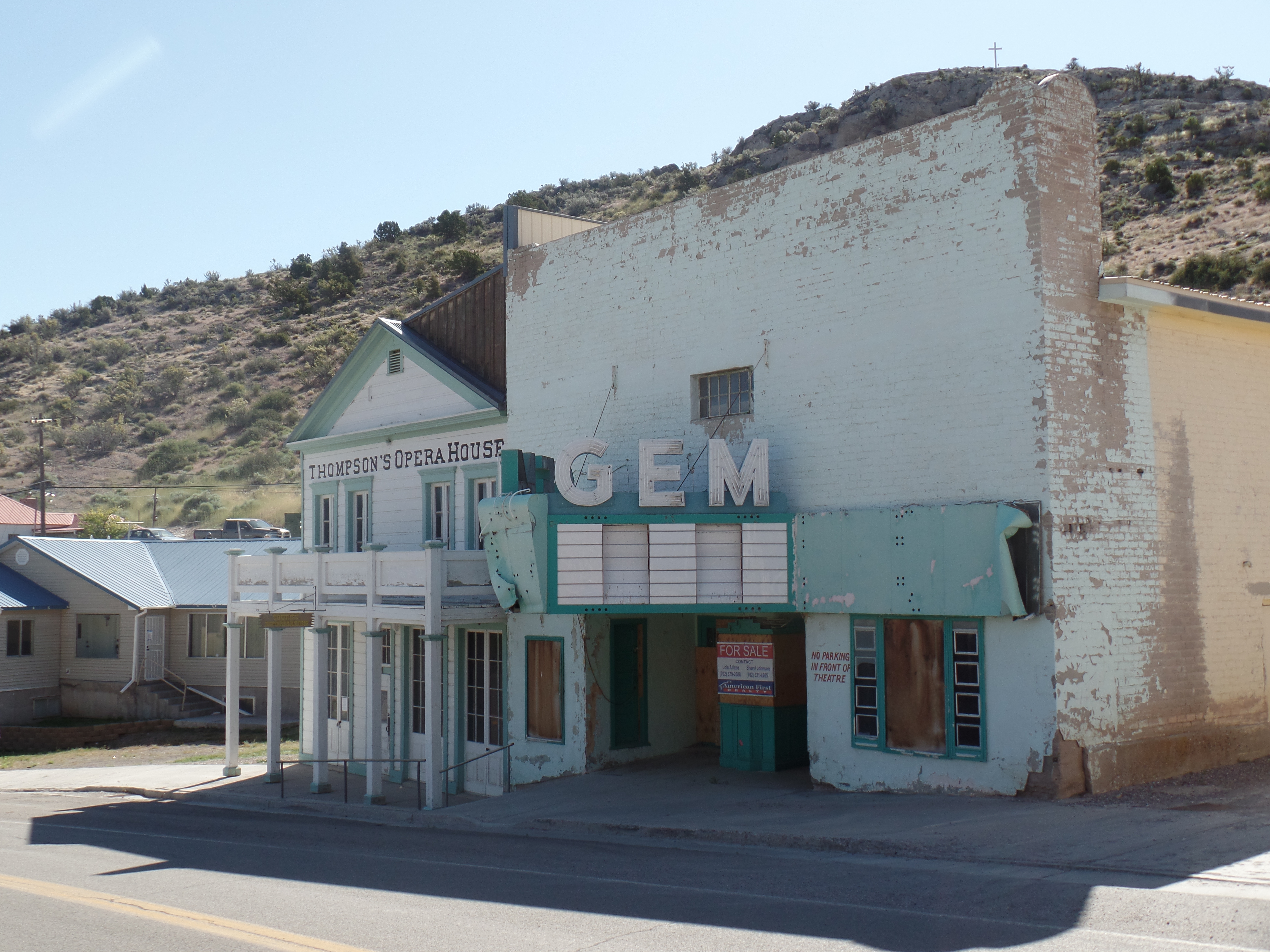
There was, however, an Opera House in town, which may have appealed to Mr. Hoover.

SAMSUNG CAMERA PICTURES

Thompson Opera House and Gem Theater, Pioche, NV

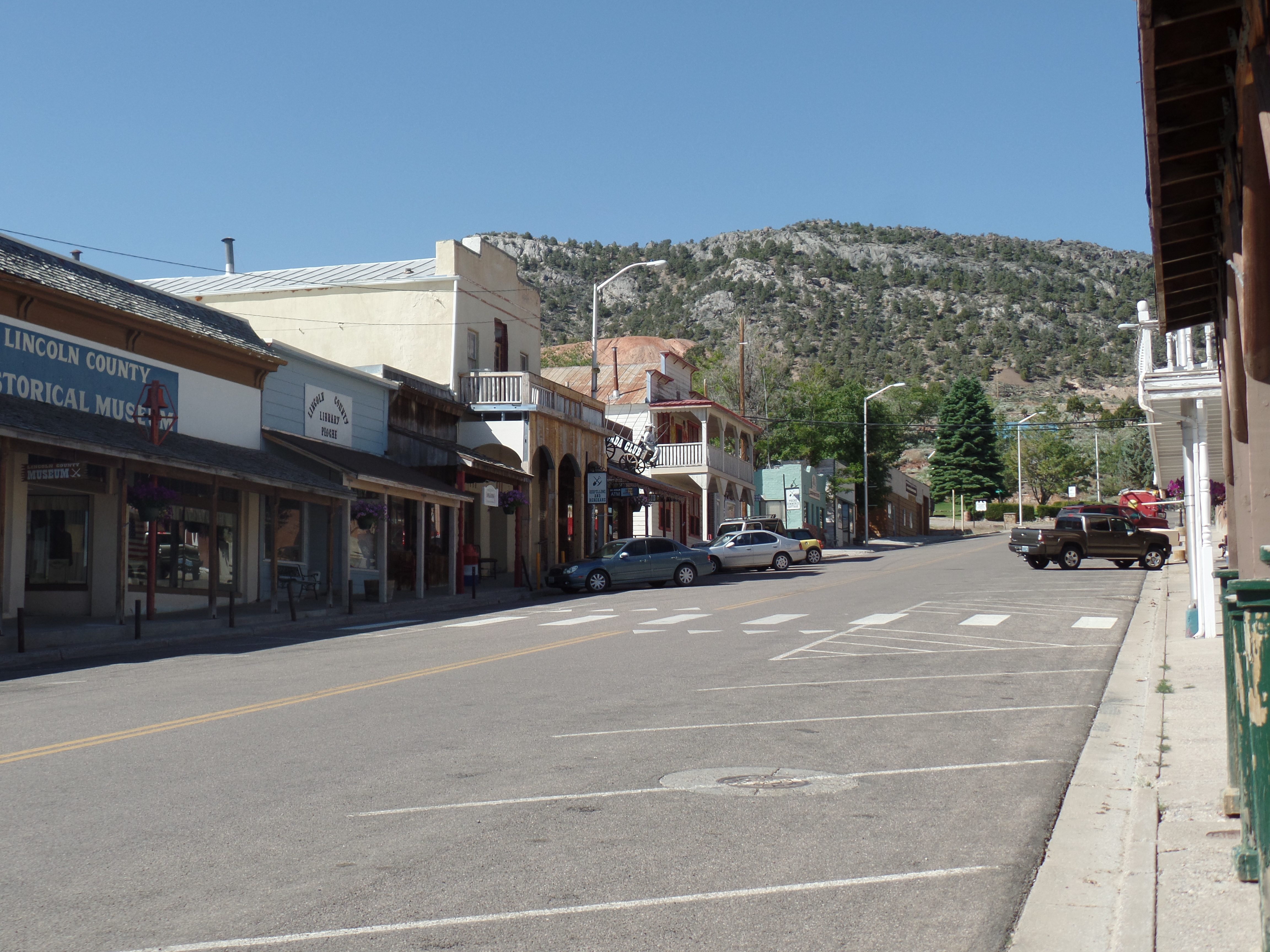
Before going in for a hearty breakfast at the historic Silver Cafe,  a stroll along Main Street was in order.

SAMSUNG CAMERA PICTURES

Historic Silver Cafe, Pioche, NV

SAMSUNG CAMERA PICTURES

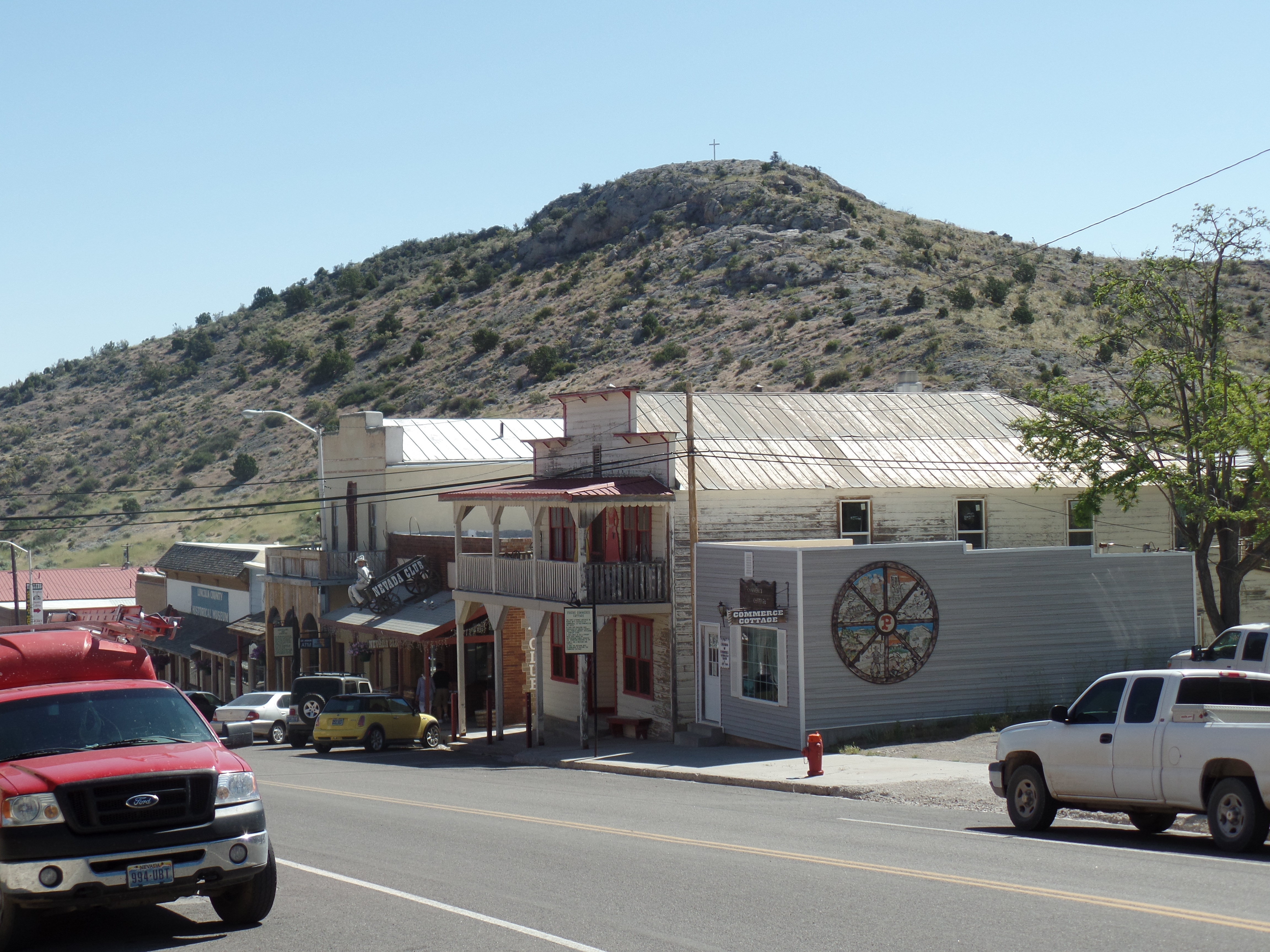
Main Street, Pioche, NV

SAMSUNG CAMERA PICTURES

Mining Concern, west of Main Street, Pioche, NV

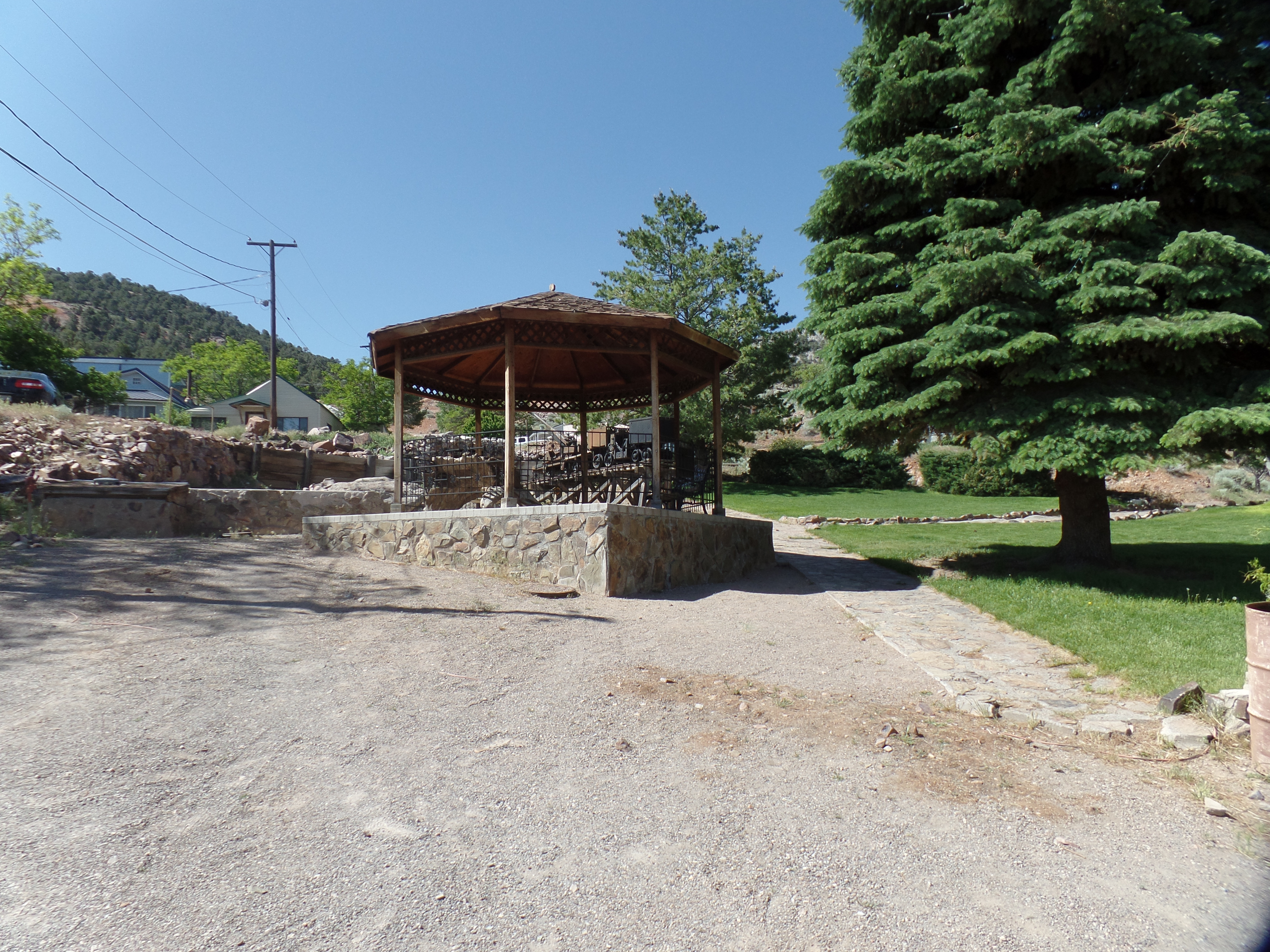
The pleasant little park at the end of Main Street was established in the 1980s.  The original developers were killed in an auto accident, in 1986, whereupon the community banded together and finished the job.

SAMSUNG CAMERA PICTURES

Heritage Park, Pioche, NV

SAMSUNG CAMERA PICTURES

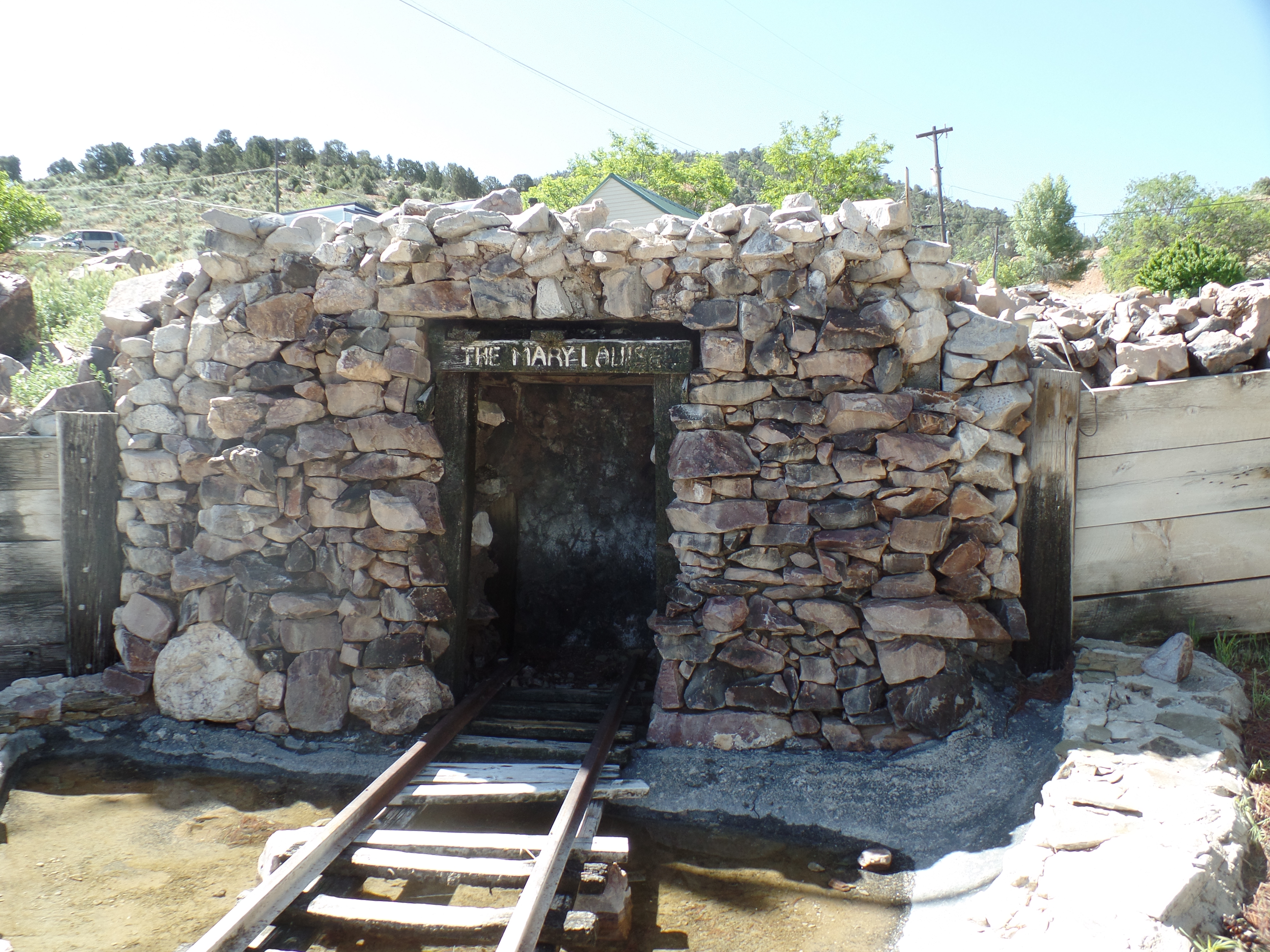
The Mary Louise Mine Entrance (sealed), Heritage Park, Pioche, NV

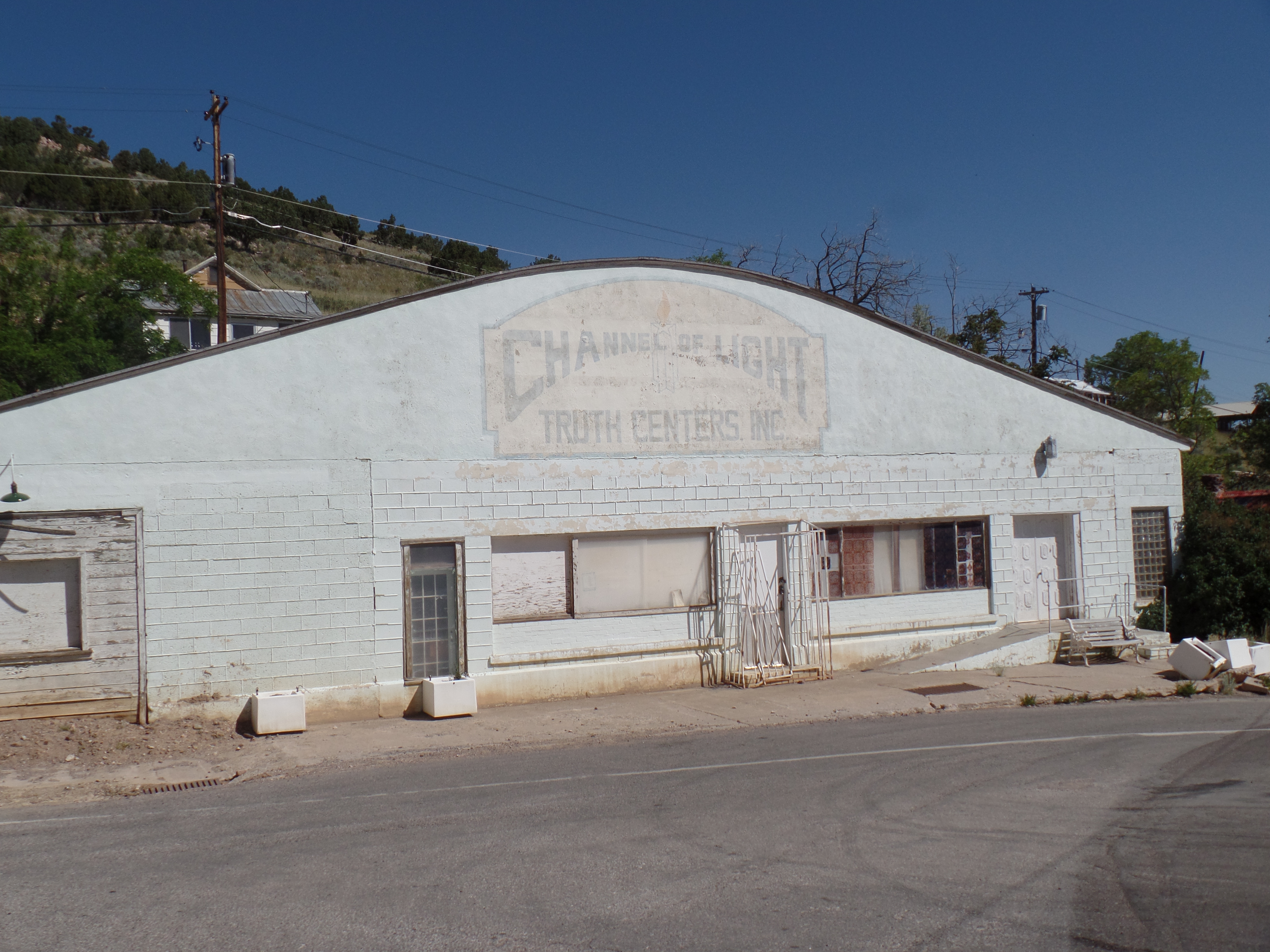
Like many Western towns, Pioche attracted some free spirits.  This Spiritist Hall existed for a time, in the early Twentieth Century.

SAMSUNG CAMERA PICTURES

Channel of Light Building, Pioche, NV

SAMSUNG CAMERA PICTURES

A downhill view of Main Street, Pioche, NV

After breakfast in the bustling cafe, another quick stroll back to Motherlode Motel brought my brief visit to an end.  I did notice one last remnant of the Wild West.

SAMSUNG CAMERA PICTURES

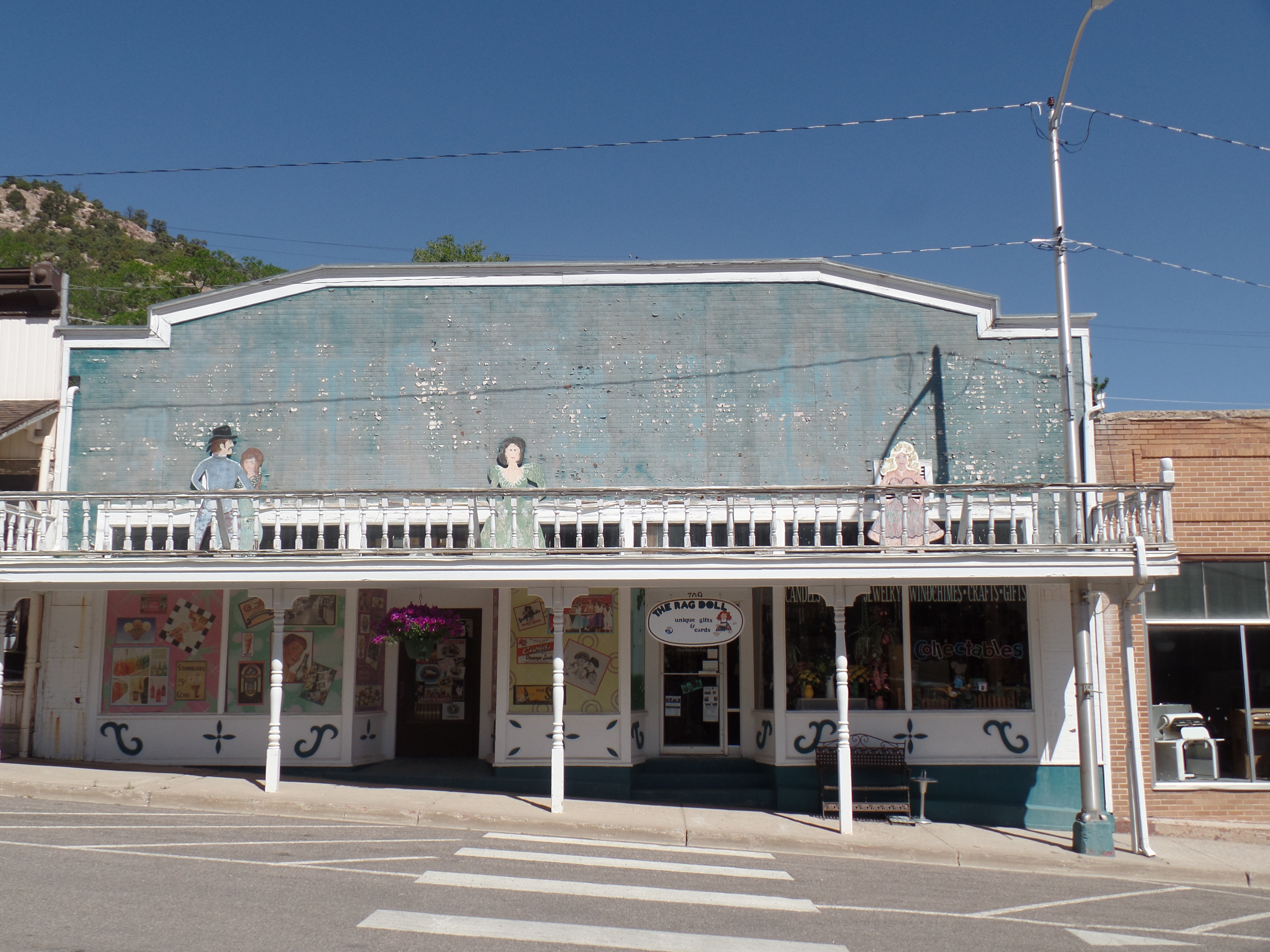
Old “Social Club”, Main Street, Pioche, NV

A quick drive up the hill was in order, before leaving town, for Cathedral  Gorge.

SAMSUNG CAMERA PICTURES

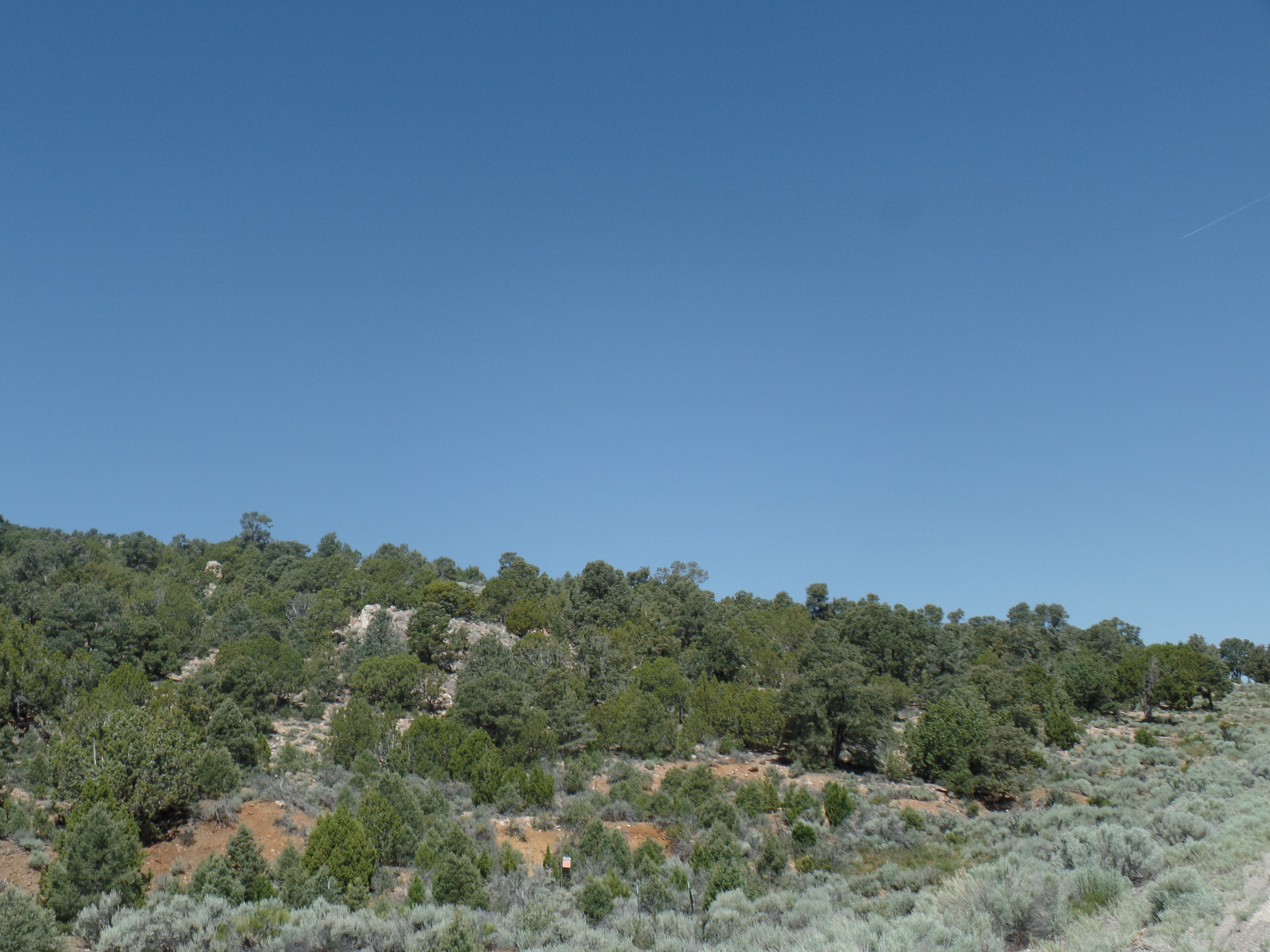
Pioche Hills

The town, and its surrounding hills, were named for Francois Pioche, an immigrant from France, who became a mining entrepreneur.  He built the mining concerns here, in 1868-9.

My day was just starting, but it’s best to split the tale into three parts.  Next post will showcase Cathedral Gorge and Panaca, as the hills fade away into the Great Basin.