The Carson Loop, Day 4: Shakespeare and Sand Dunes

2

October 18, 2022, St. Anthony, ID- The best thing about hiking on a sand dune is returning the sand to its spot on the ground, by emptying the shoes. There is no better feeling in the world, than “giving back” in this way.

Also right up there is seeing the lights in several children’s eyes shine, as they learn of things like rhymed couplets and iambic pentameter-taught by one who knows them best, their mother. Home Schooling makes sense for some children, and I witnessed such a group today. I needed to be with other kids, so it would not have been good for me. The three boys and their sister were able to dive into the mechanics of poetry, and read Shakespeare’s “The Tempest”, with each person selecting a part, and Mom taking up the slack. Math, mythology, science and Physical Education rounded out their day, later on.

By then, I was off to St. Anthony Sand Dunes, another surprising aspect of the Snake River Plain. The dunes are twelve miles northwest of town, beyond the potato fields that are so synonymous with this swath of central and eastern Idaho. They were the result, it is said, of the shrinkage of several large lakes in the area, as the climate warmed, towards the end of the last Ice Age. The smaller lakes exposed fine sand, which stopped and began to pile up at the foot of the extinct volcanoes known as Juniper Buttes, as well as at older, longitudinal dunes from previous climate shifts. Today, the Dunes range in height from 10 ft. to 500 ft. Those off to the west tend to be higher, and are given names like Choke Cherry and Dead Horse Bowl. As one might expect, ATV users are given paths to follow, through the fine, white sand. The season for ATV use is essentially from April or May to November. The dunes are mostly closed from January to April or May-to allow for dune regeneration and to give the area’s wildlife a rest.

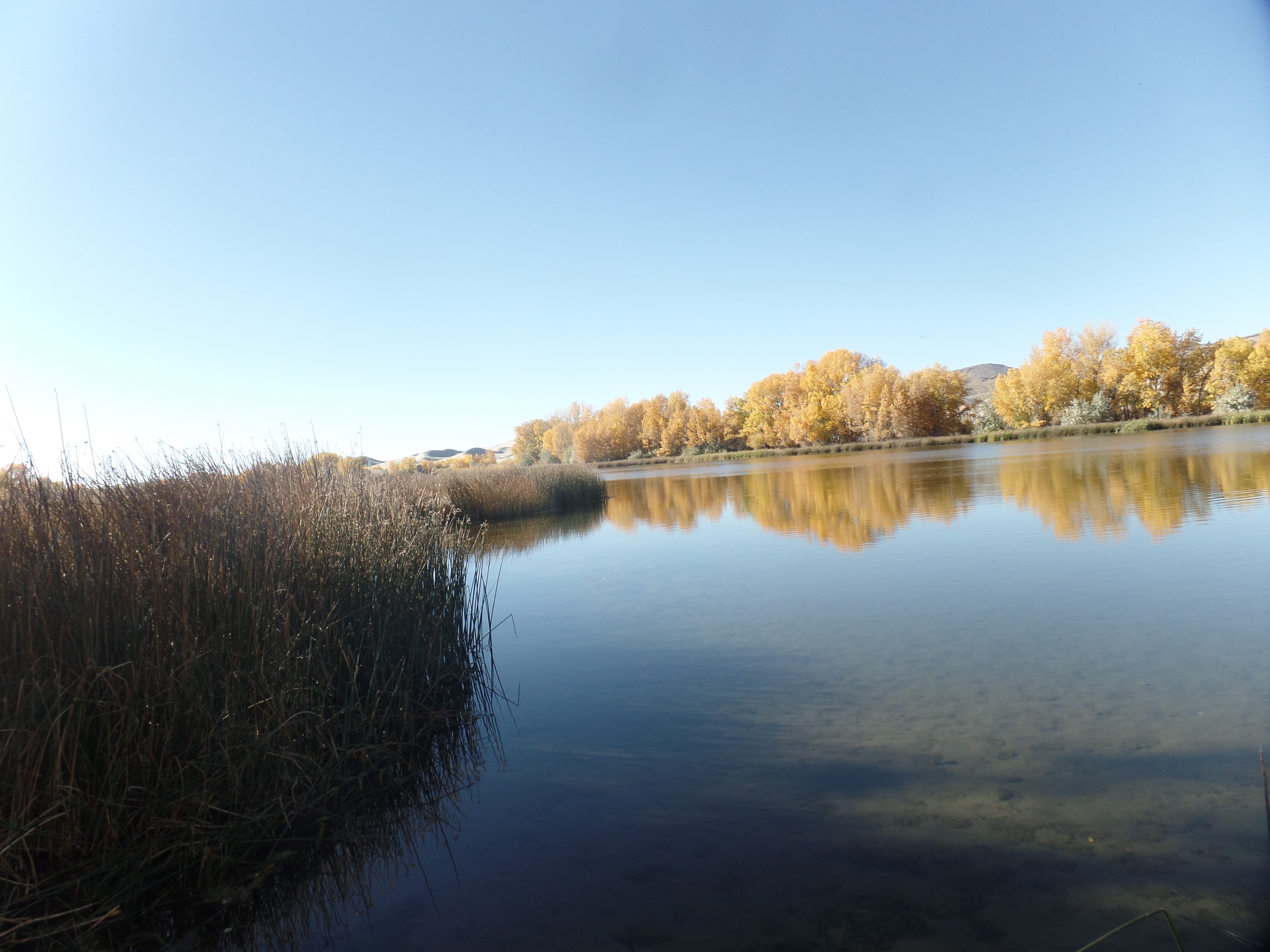
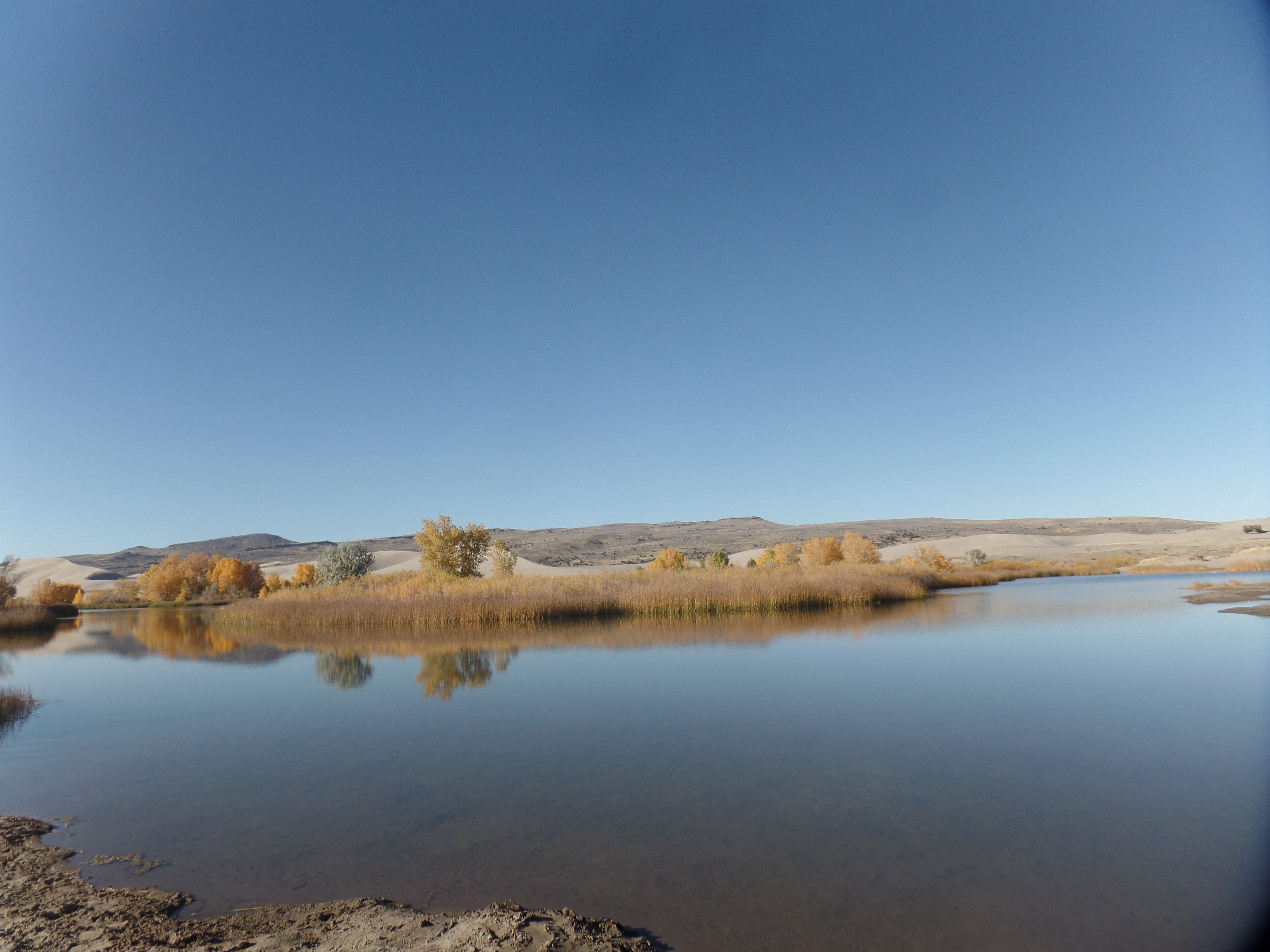
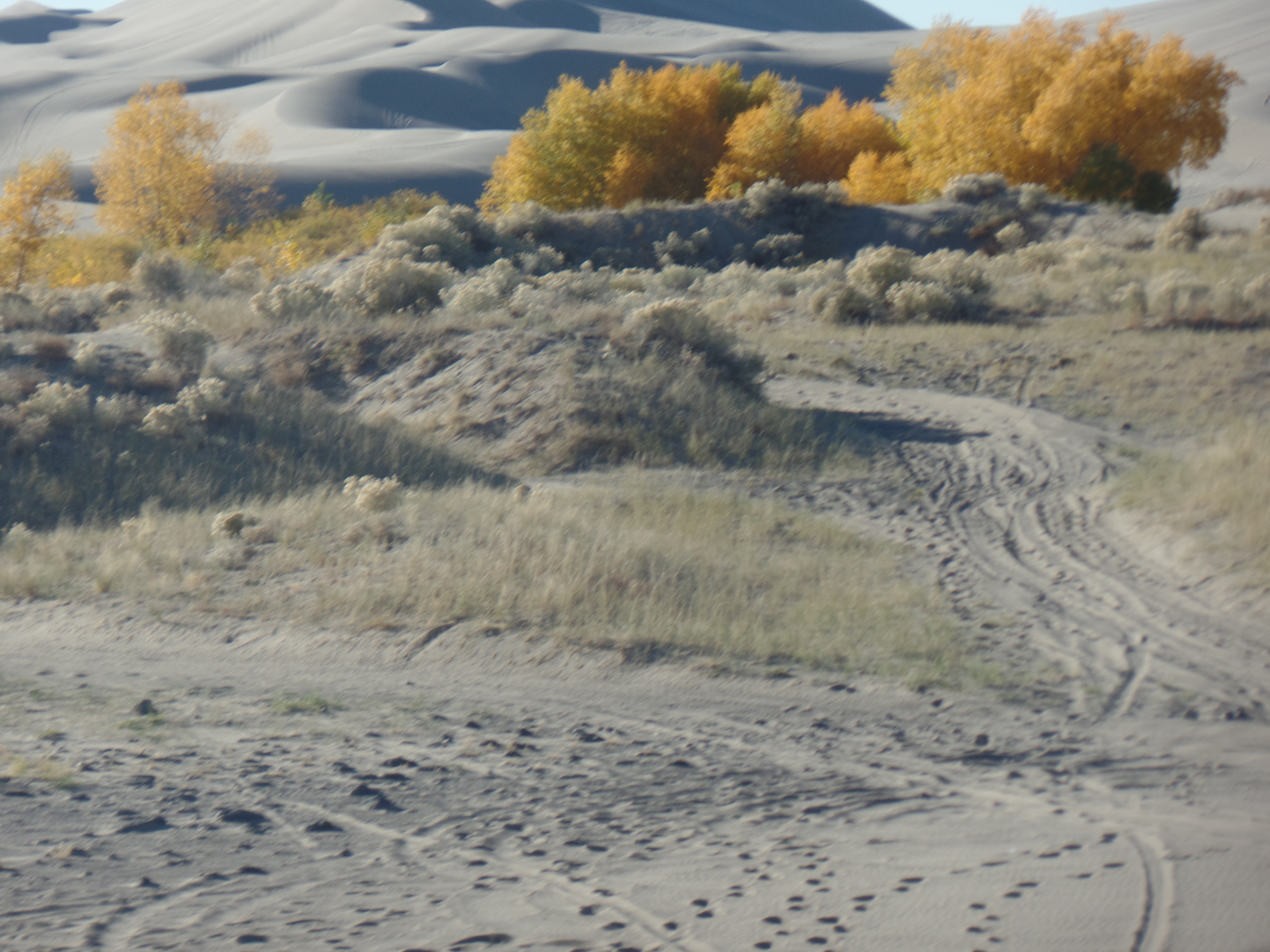
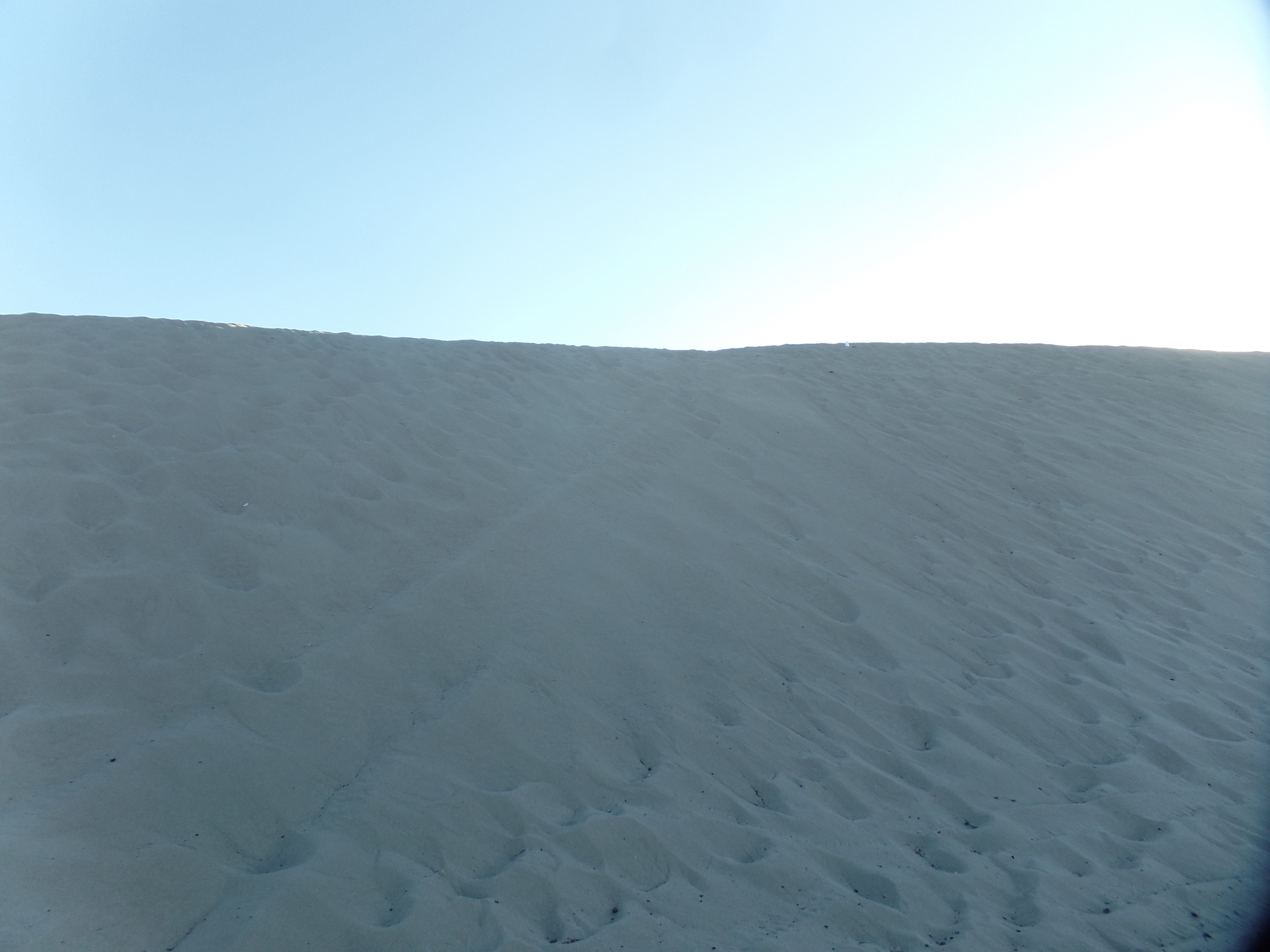
Here are some scenes of the foliage around Egin Lake and of the dunes themselves.

The oaks in transition, at Egin Lake, St. Anthony Sand Dunes
Egin Lake, with oaks across the way
Egin Lake, with both oaks and grass in fall splendor
Eastern dunes
Sage, oaks and sand
High dune, off Red Road (northern sector of the Preserve)
Dunes up against Juniper Buttes, Red Road sector
Up close with high butte, Red Road sector

Once back in town, I stopped at Chrissy’s, a family restaurant a few blocks from Three Bear Inn. They are well into the Halloween spirit. If you look closely, a skeletal parrot and donkey are in the lower background.

Halloween display at Chrissy’s Restaurant, St. Anthony

I got back to Three Bears in time to keep the ducklings company, while the clan went off to a physical education session. It’s been a rejuvenating 1 1/2 days.

A Sestina for the Suffering

2

September 1, 2021- The need to be of help in relieving suffering, be it of humans or of animals, is among the most fundamental urges most of us have. This sestina, a verse of six stanzas, rotating six end words, and capped by an envoi of three lines, addresses the suffering that is encountered by many.

We go about our daily deeds, both joy and drudgery, meeting peace, to outward-seeming. Life has its minor struggles, persistent, sometimes nagging disappointments, and adventure. There is, however, no growth or triumph, without struggle. We learn, at any early age, that one safeguard against harm is that of attachment. The warmth of mother, the sturdiness of father, the friendship of sibling, curl up in memory. As we grow, there are many reactions to those around us; the best of these being empathy.

The plight of the poor, those living below what we have come to expect, summons empathy. There are hovels, tents and rolled-out blankets, which defy credulity, even to outward-seeming. A visit to an encampment, even seeing the modest trappings of ingenuity, is seared in memory. The day-to-day struggles are not uniformly dreaded by the homeless, who may see adventure. A rolled-up camp and the camaraderie of mates may trigger attachment. There comes to be seen as a truism, that what matters is not the destination, but the struggle.

A person, or an animal, waging the fight for freedom, draws admirers to their struggle. There is no end to the outpouring, at least initially, of empathy. The identification of onlooker with target, and against oppressor, becomes a torrid attachment. The course of action becomes clear, to outward-seeming. Some will join in the fray, if only to experience a rare adventure. On their deathbeds, the onlookers turned fighters will whisper their memory.

There is a power, though, in the storehouse that is memory. It nags, it pleads and ultimately forces the onlooker to join the struggle. There is scant relaxation, maybe a dearth of comfort, in the ensuing adventure. The fire of action fuels the sword of courage, forged on the anvil of empathy. Those not convinced of the truth that is spoken to power see waste, to outward-seeming. Greed, envy, avarice, lust and pride are among the foci of their attachment.

The suffering, living day-to-day, may grasp at their helpers, in oblique attachment. The y have yet to experience the living out of a dream, with squalor their sole memory. The plight of the oppressed can seem intractable, to outward-seeming. It is all too easy to kneel in pleading, not wanting to engage in righteous struggle. It is the rising, however, that engenders and sustains empathy. It is the fortitude, the joining of hands, that sustain the real adventure.

The signals are clear, when an oppressed soul stands and embarks on such adventure. The multitude gathers, moves forward in serried lines, and hope is their sole attachment. They walk along, forge past all obstacles, and bathe one another in empathy. In time, the victories, no matter how fleeting, build a treasury of memory. The triumphs fuel, and the setbacks harden, the boldness of struggle. Then, there will be a measure of unity, between inner perception and outward-seeming.

All in all, what is past is prologue, and what is to be, generates from memory. The chef who cooks recollection, needs a fresh supply of struggle. There is no daylight, in the end, between inner perception and outward-seeming.

Purists may bemoan the relative lack of iambic pentameter, but such is life.