
September 14, 2025, Stockholm- I went on a short walk today, starting at this door.

The route was undefined; I was going west, passing Stockholm’s seemingly endless supply of huge, well-constructed stone behemoths. Crossing Stockholm Strom (channel), on a well-trod foot bridge, after heading past a few large churches and Stockholm Stadhuis (City Hall), I noticed several people going up or down a slight incline, near a long, most ornate complex.. This was it-Stockholm Palace, among Sweden’s greatest treasures, in the heart of Gamla Stan (Old Town).
The cheerful ticket clerk asked whether I was interested in seeing four museums for the price of admission to Gustav III’s Antiqmuseum. One of those was The Royal Palace Apartments, so I readily agreed.
Gustav was King of Sweden at a time when the country was much larger than now. It was a key player in European politics, on the order of France, Britain and Russia, thanks to his great-grandfather, Gustavus Adolphus, for whom he was named. His reign occurred at a time when many monarchs were currying favour with the Pope, in order to get their hands on Roman relics. Gustav managed to get possession of a trove of imperial busts-f both men and women, with a few animals thrown in. These treasures are displayed in the namesake museum, in two galleries:


Around stoic, and obviously dedicated, palace guards, I went to the north entrance to the Palace, joining a small group of admirers of House Bernadotte (Sweden’s royal family). First stop in Kungliga Slottet was the Royal Chapel, set to the east of the main royal apartments. This edifice has served Swedish royalty and their courtiers since 1200.
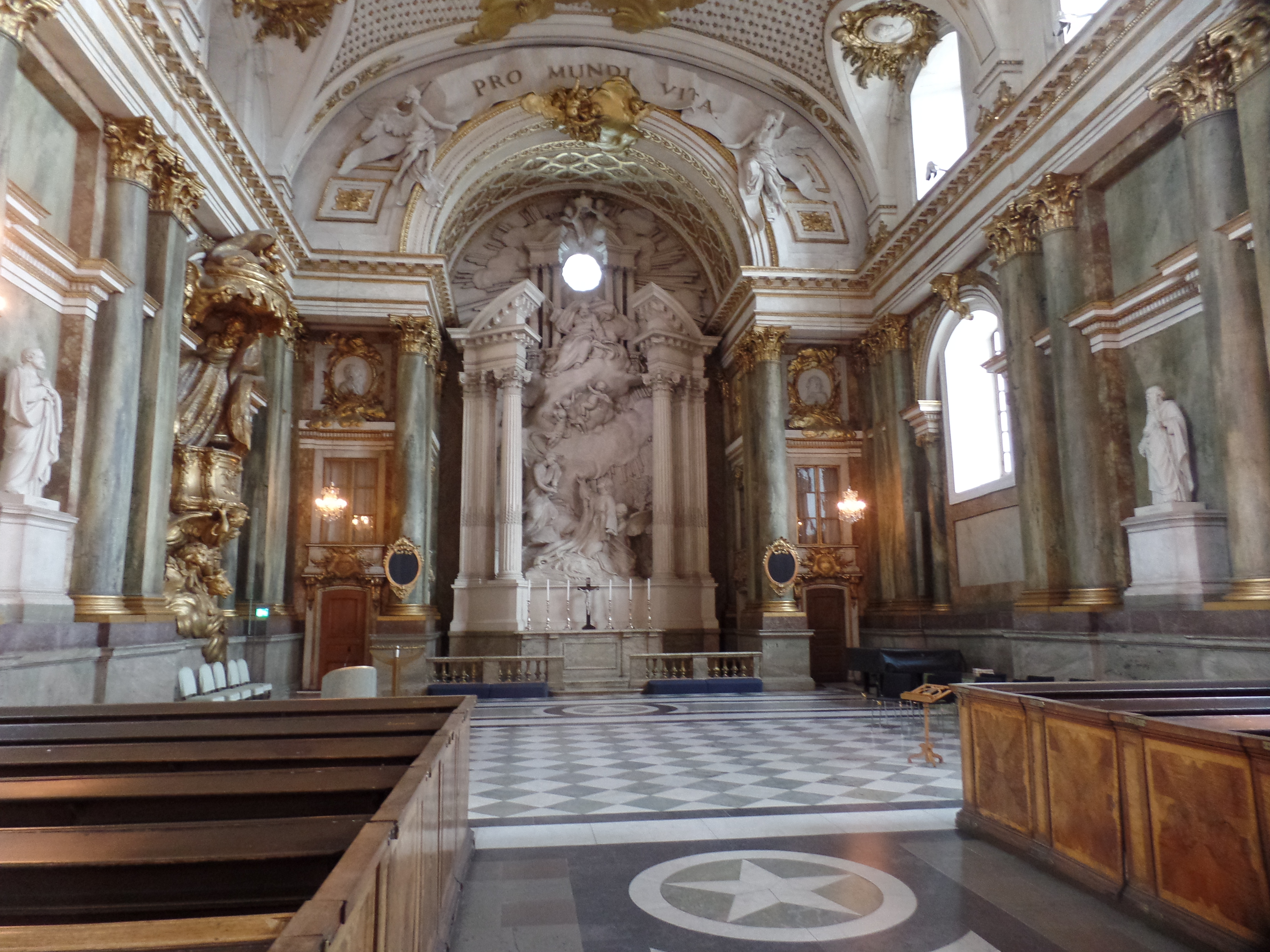
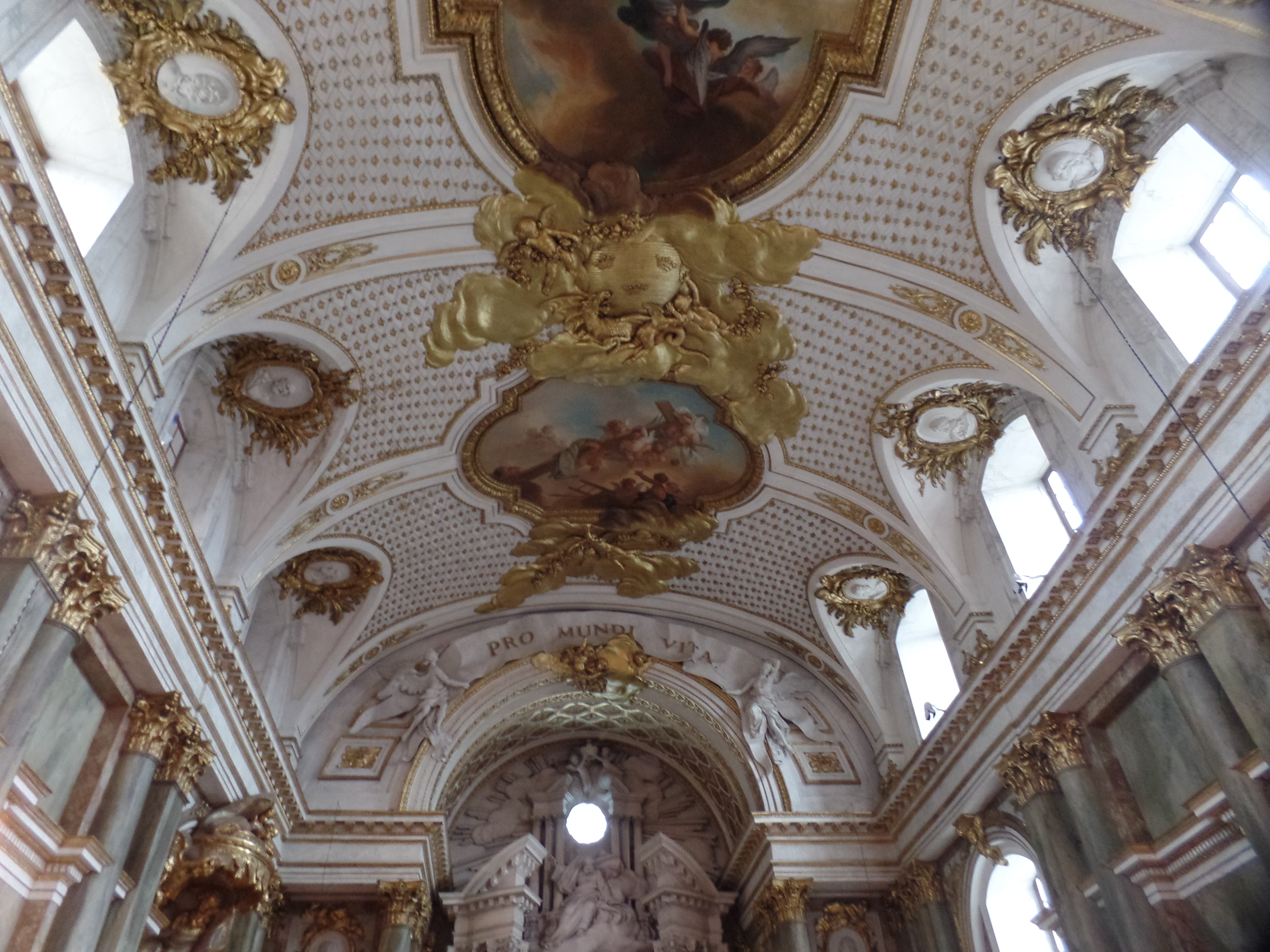
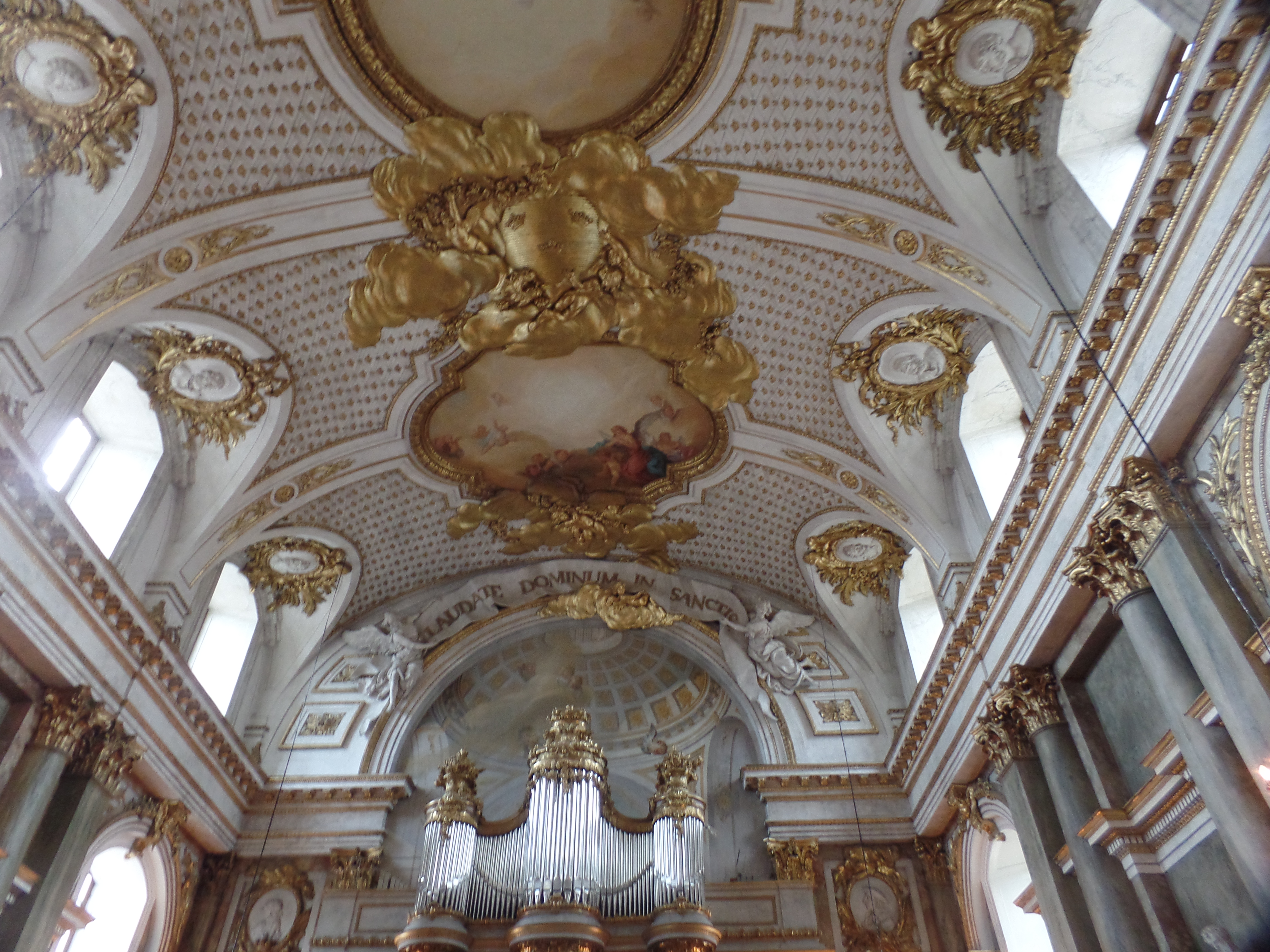
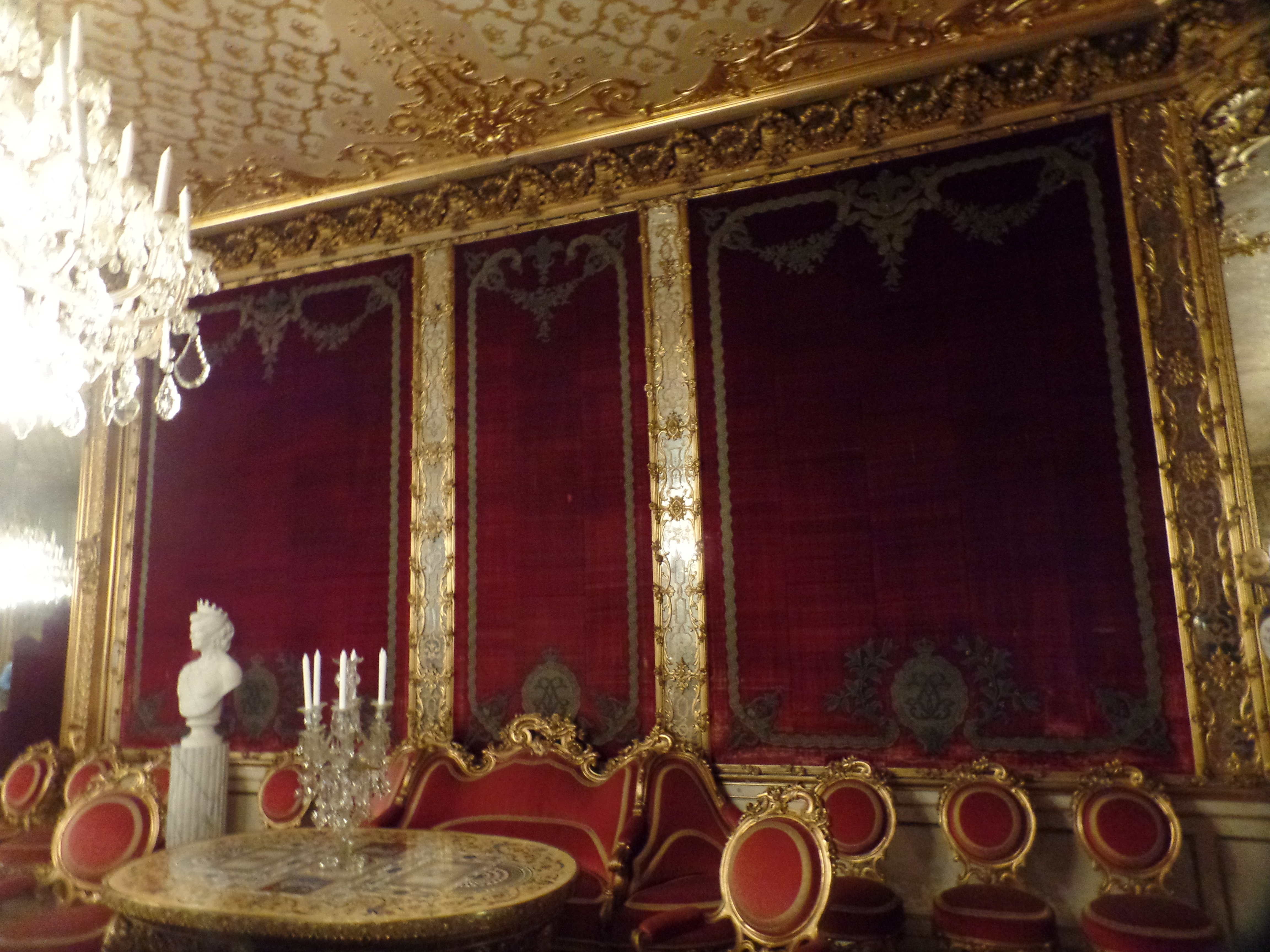
Crossing the large foyer, and up another set of stairs, I was greeted by the Hall of State, with Queen Kristina’s Silver Throne. It is here that foreign dignitaries presented themselves to the monarch. Kristina was unique in her approaches to life and to ruling. She wanted to end the Thirty Years War in a peaceful way and believed that, as Queen, she should not submit to a husband’s dictates. For these, she was forced to abdicate, and settled in Rome, under the aegis of Pope Alexander VII.

The Palace has seven floors and over 800 rooms. We got to see 15 of them.
Several of these were Apartments of the Orders of Chivalry, which display the various Knighthood Orders.


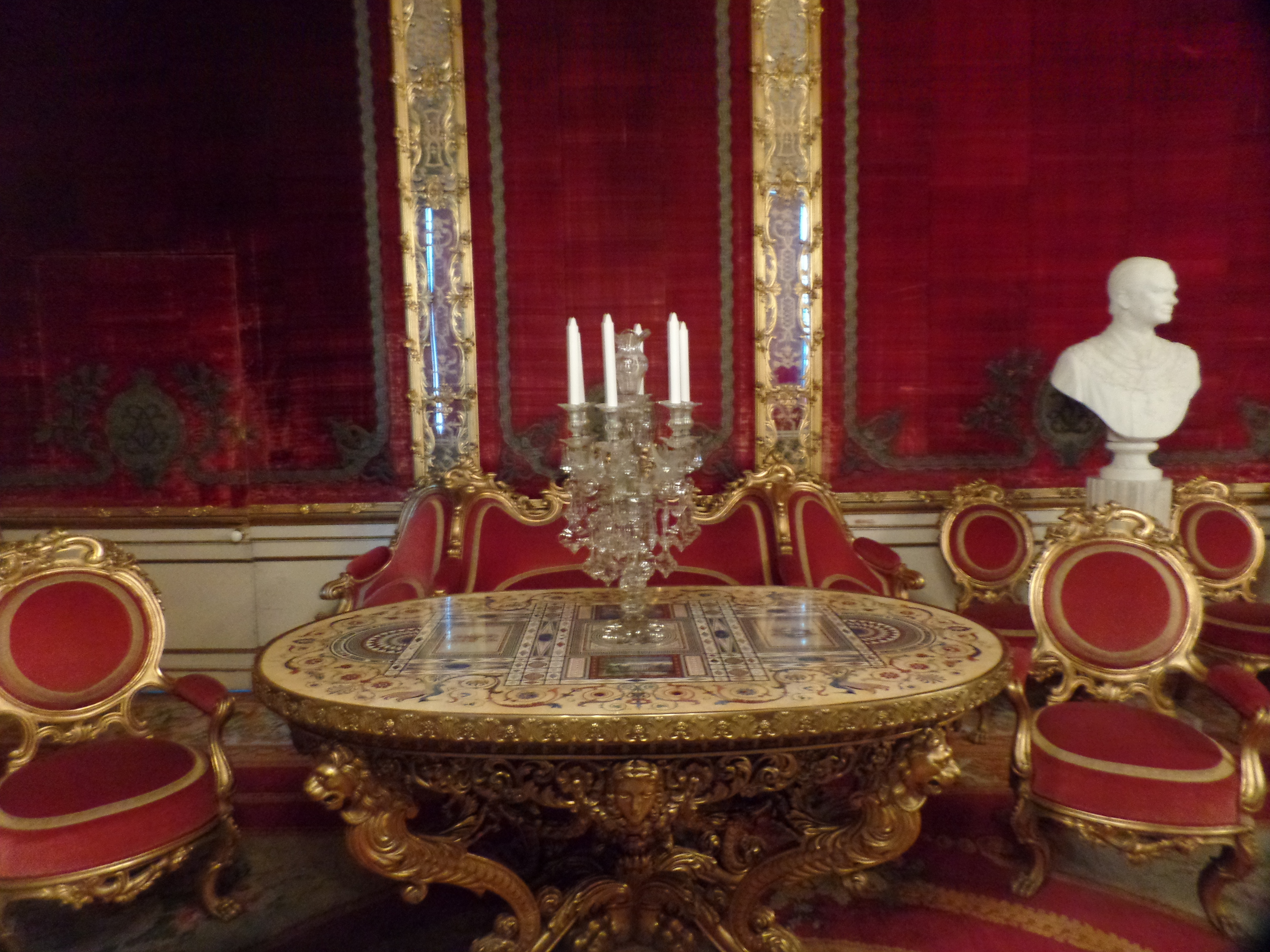


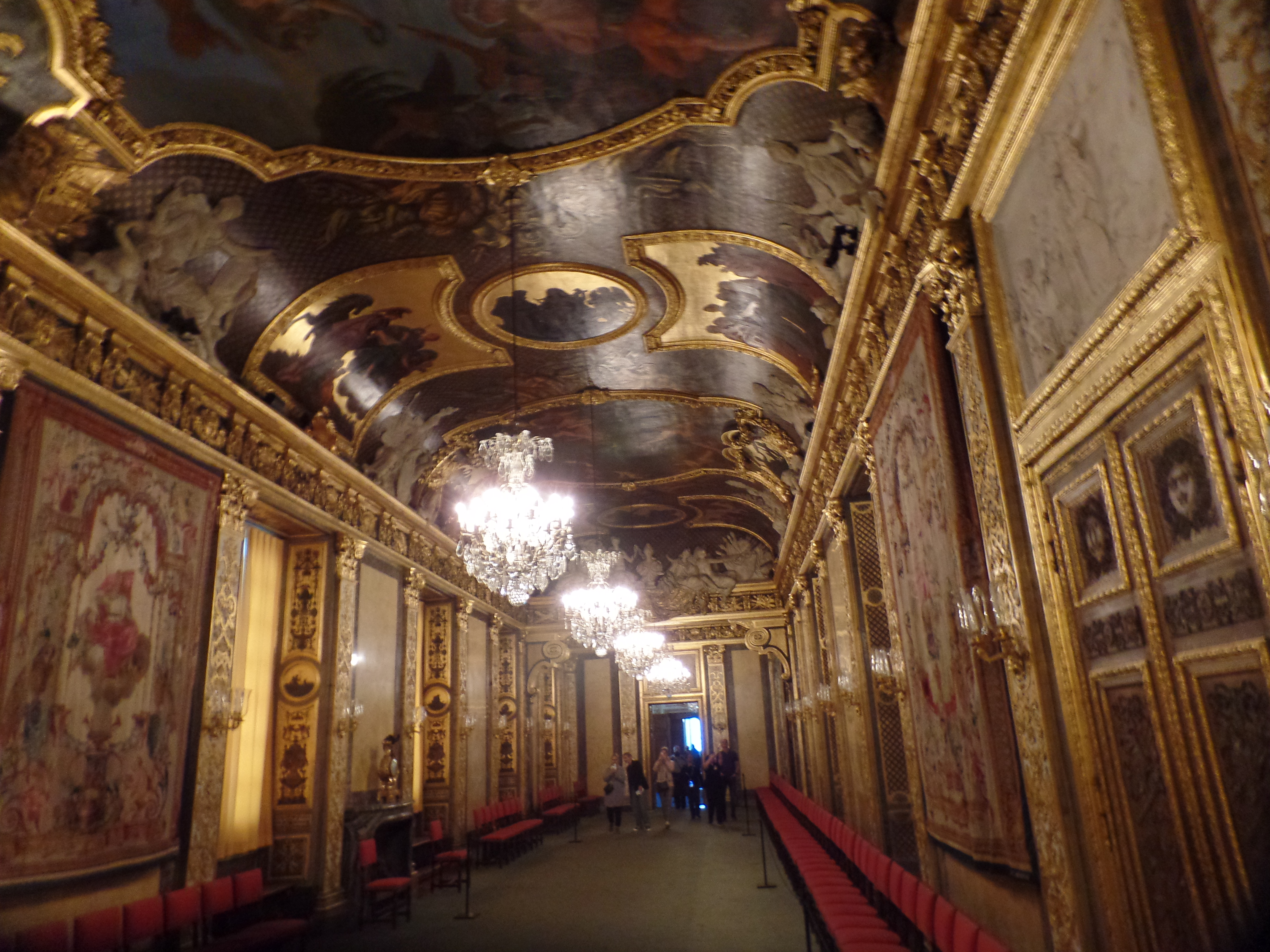
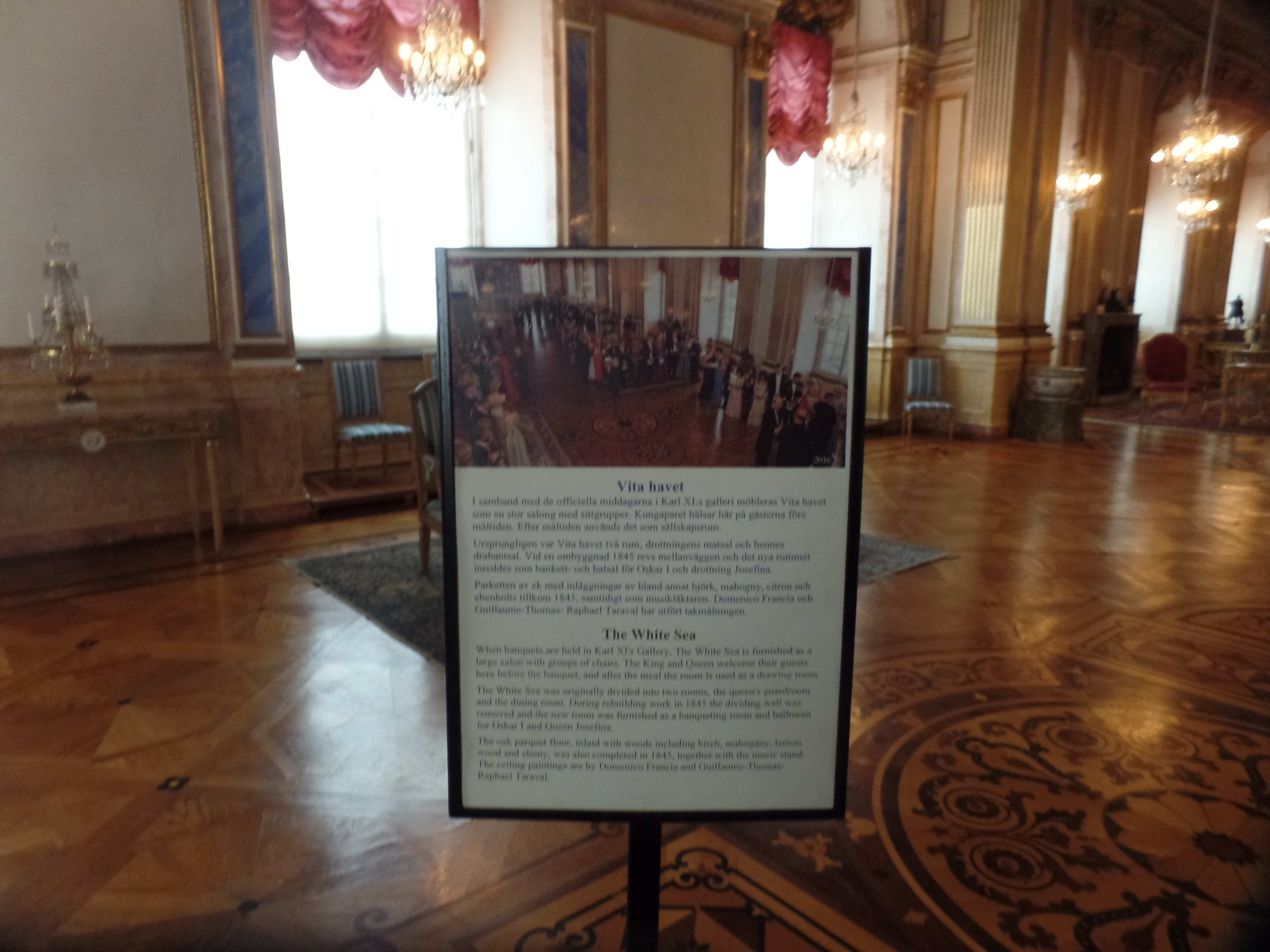

The last area I visited in the palace was Three Crowns Room, in the palace basement. Here, such things as the wood piles used to heat the structure were stored and following the Great Fire of 1697, which resulted in the Chief Fire Warden and two of his deputies being found negligent, the three hapless men had to run 7 gauntlets of 200 soldiers, who beat them with sticks. The Chief Fire Warden did not survive this punishment.
Here are some artifacts from Three Crowns Room.


I walked from the palace, along Stockholm Strom, then over to the Houses of Parliament and along part of the pedestrian mall, which leads to Central Station.
I will show some of the other highlights of Old Town and central Stockholm in the next post. Then it will be time to pay a visit to the great ship Vasa.
 A Sagittarian Seeker