Vikings, Beothuk, Bogs and Fog

6

June 25, 2022, St. John’s-

L’Anse aux Meadows Along the northern tip of Newfoundland, there once lived at least three nations of people, who were lumped together by the Viking fishermen, upon their landing at Quirpon Island and the nearby mainland, and called Skraeling, after the term they used to describe the Inuit of Greenland. The term variously means “wearer of animal pelts”, “wearer of dried skins”, “barbarians” or even “weaklings”.

At first, the Vikings stayed on Quirpon and at the sight now known as L’Anse aux Meadows ,a corruption of the French L’Anse aux Medee, which means “Medea’s Cove”, after a ship Medea, of the French commercial fishing fleet that docked in what is now Gumper’s Bay, in the 16th and 17th Centuries. The Vikings first settled here in 990 A.D. and went back to Greenland in 1050. so their artifacts being here at all are an extra treasure. Whether they also went south to Cape Cod is still up for debate.

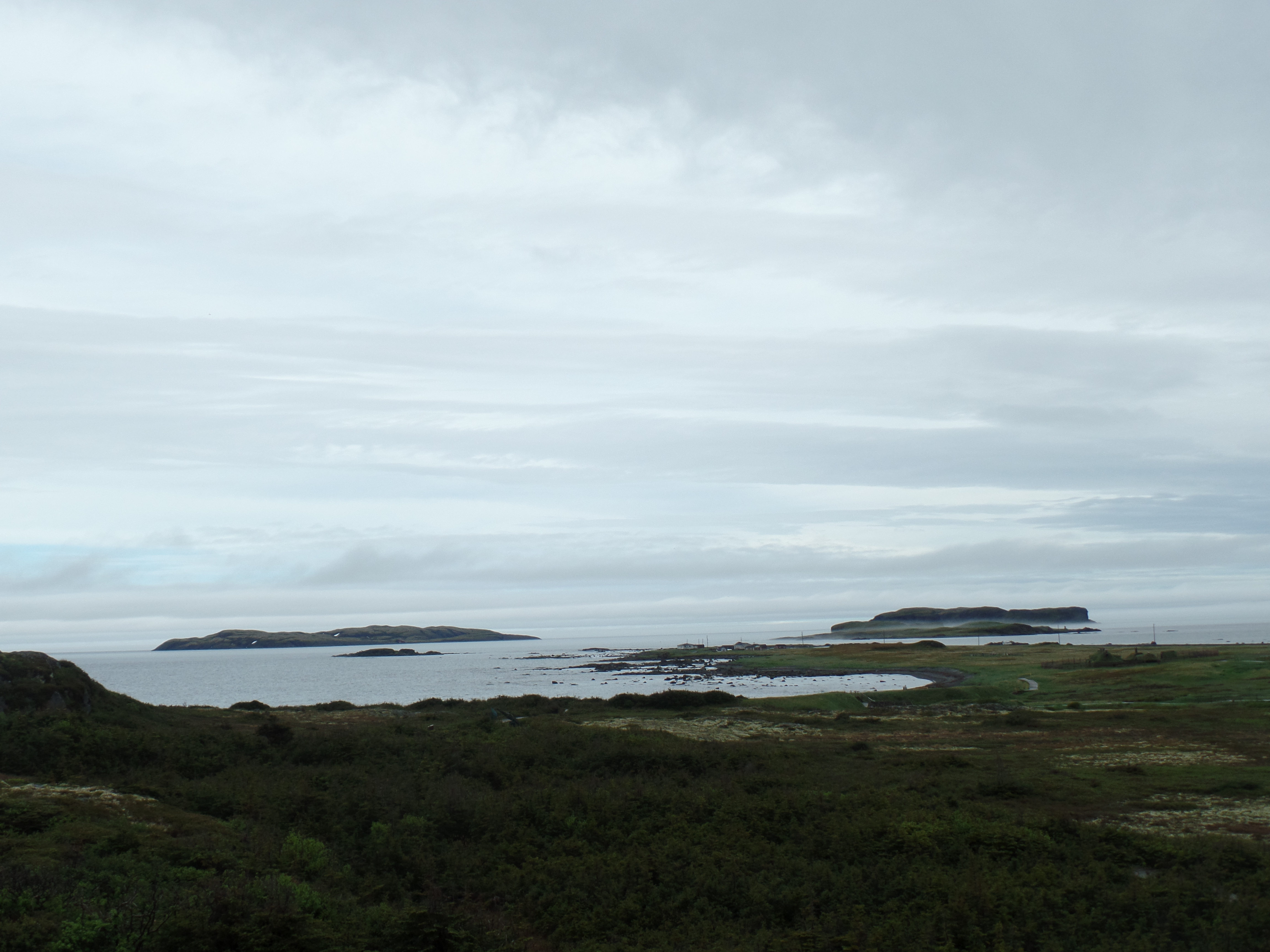
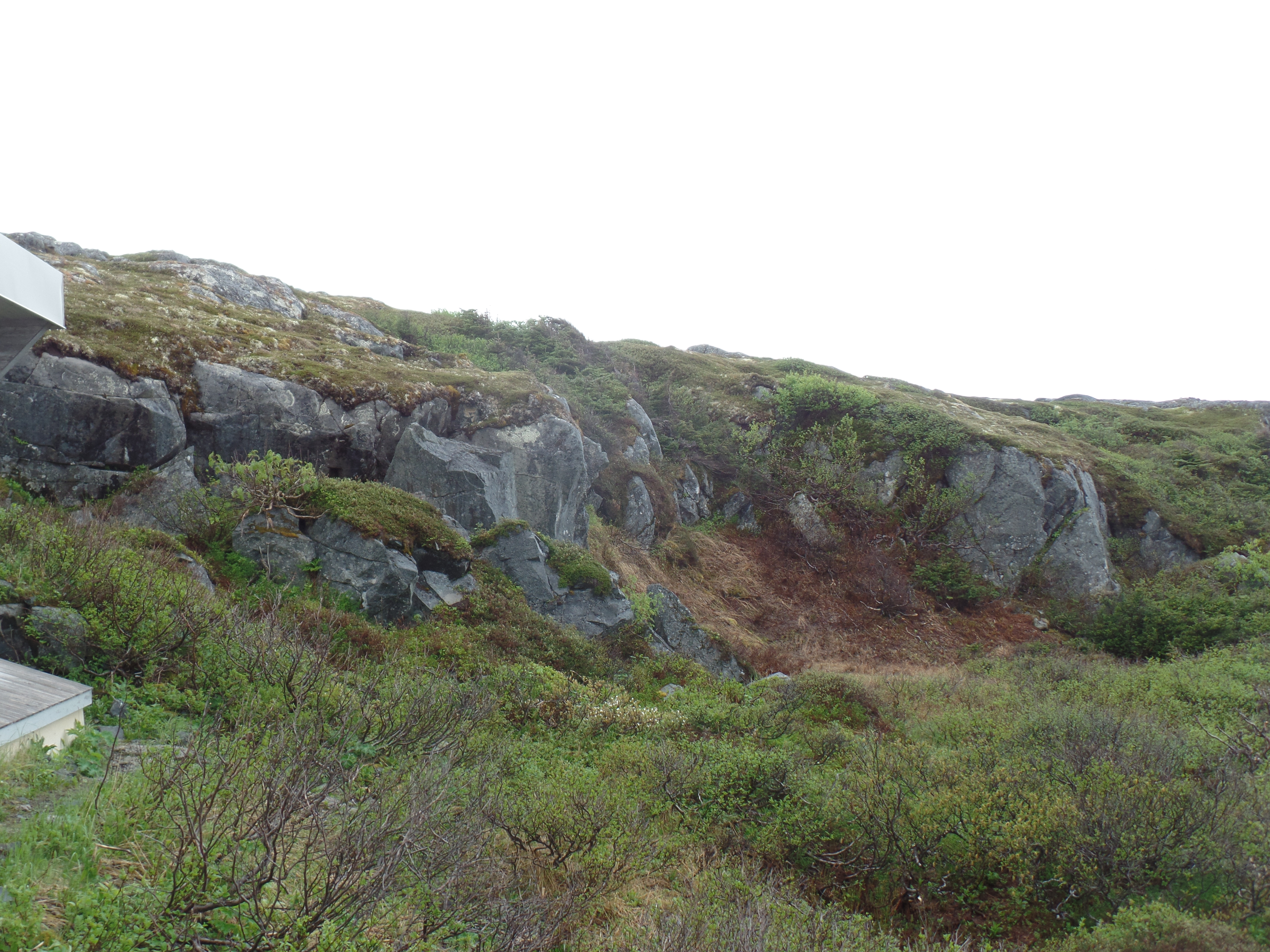
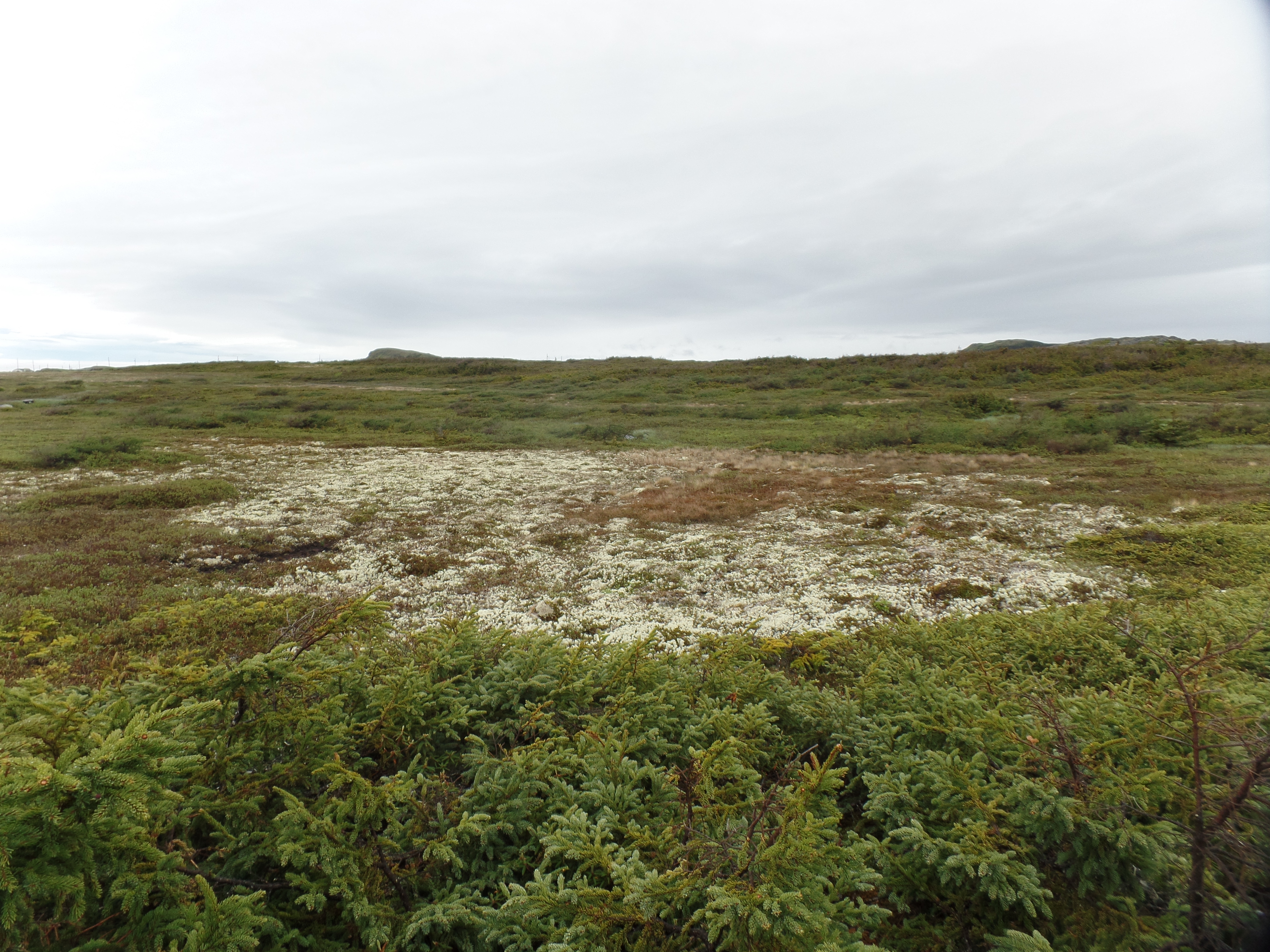
The above scene shows the boggy area that greeted the Vikings. They had to choose their steps very carefully. Visitors today have nice boardwalks on which to tread.

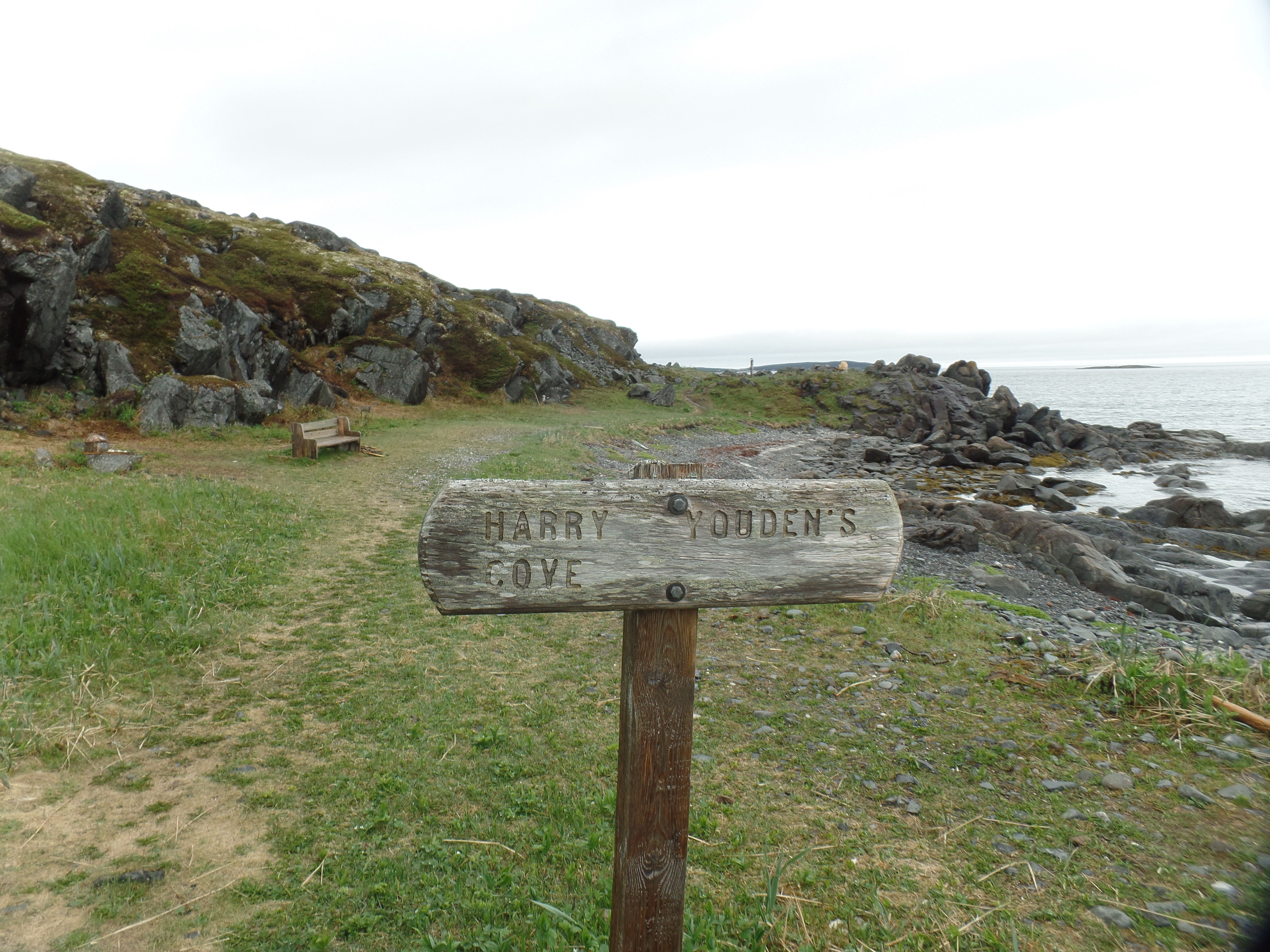
My first walk was on Harry Youden’s Trail. He was a fervent supporter of unearthing Viking relics in this area, which was one of his favourite places to walk and meditate.
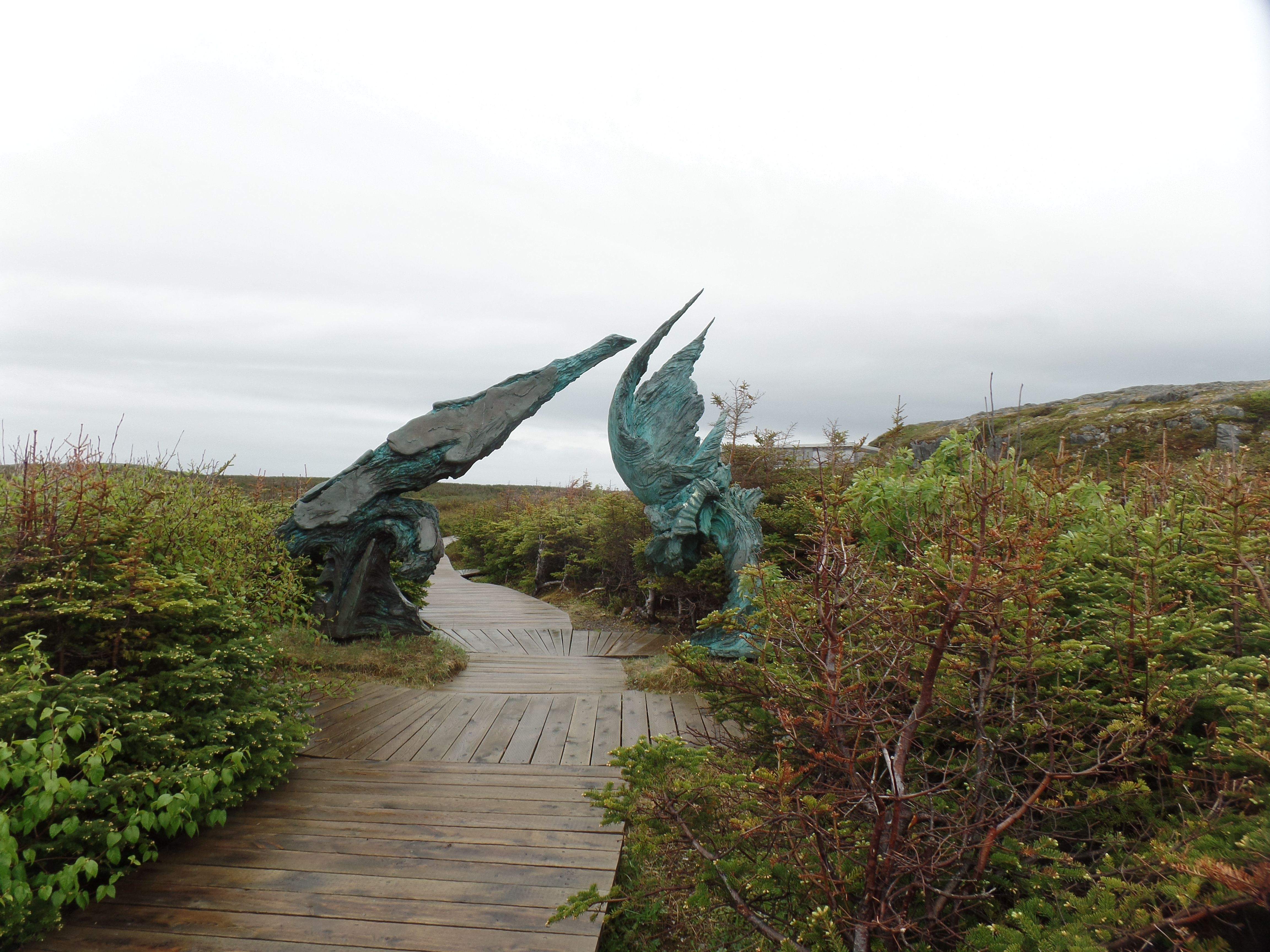
The above sculpture was commissioned by UNESCO, when L’Anse aux Meadows was designated a World Heritage Site.

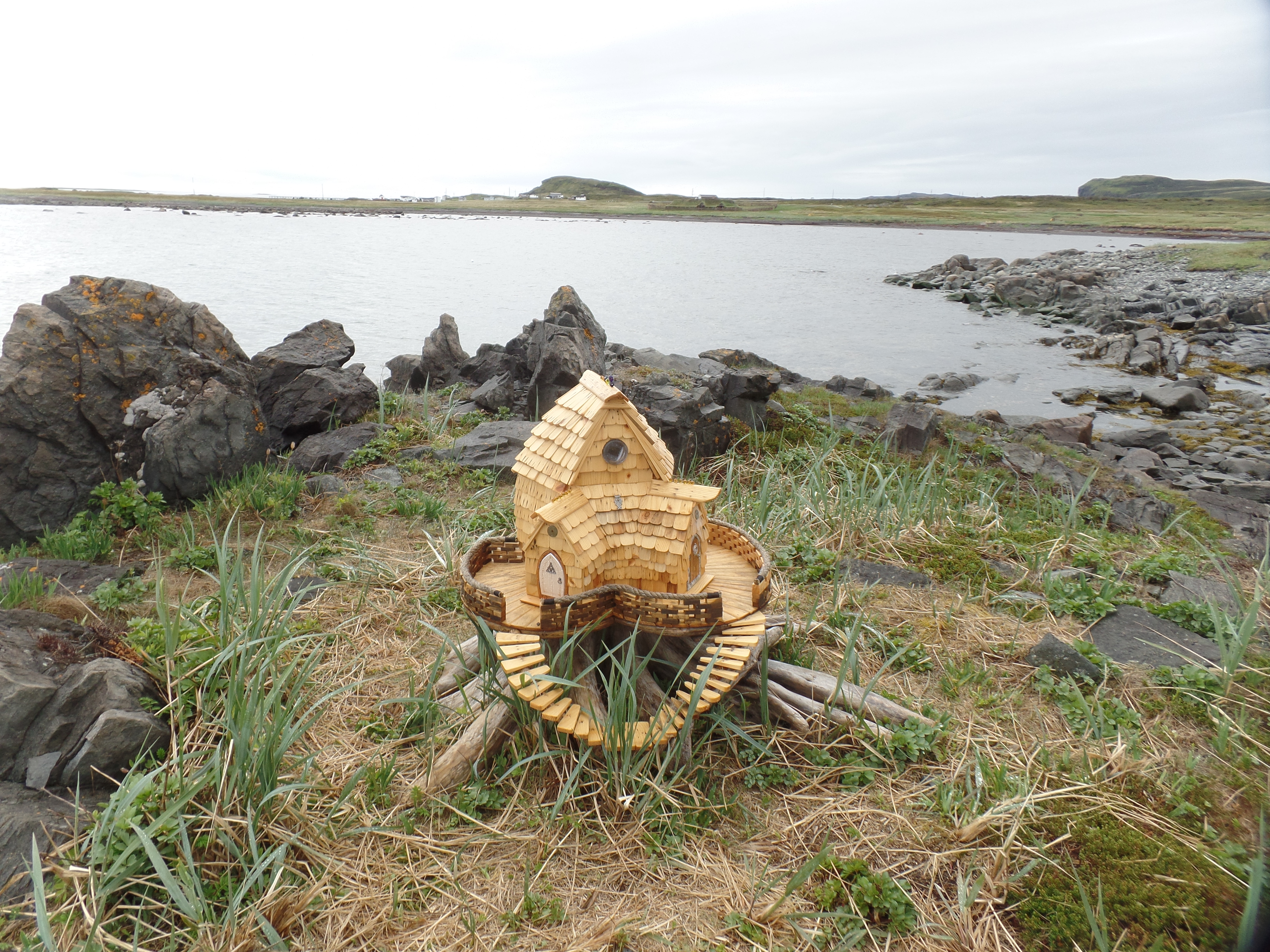
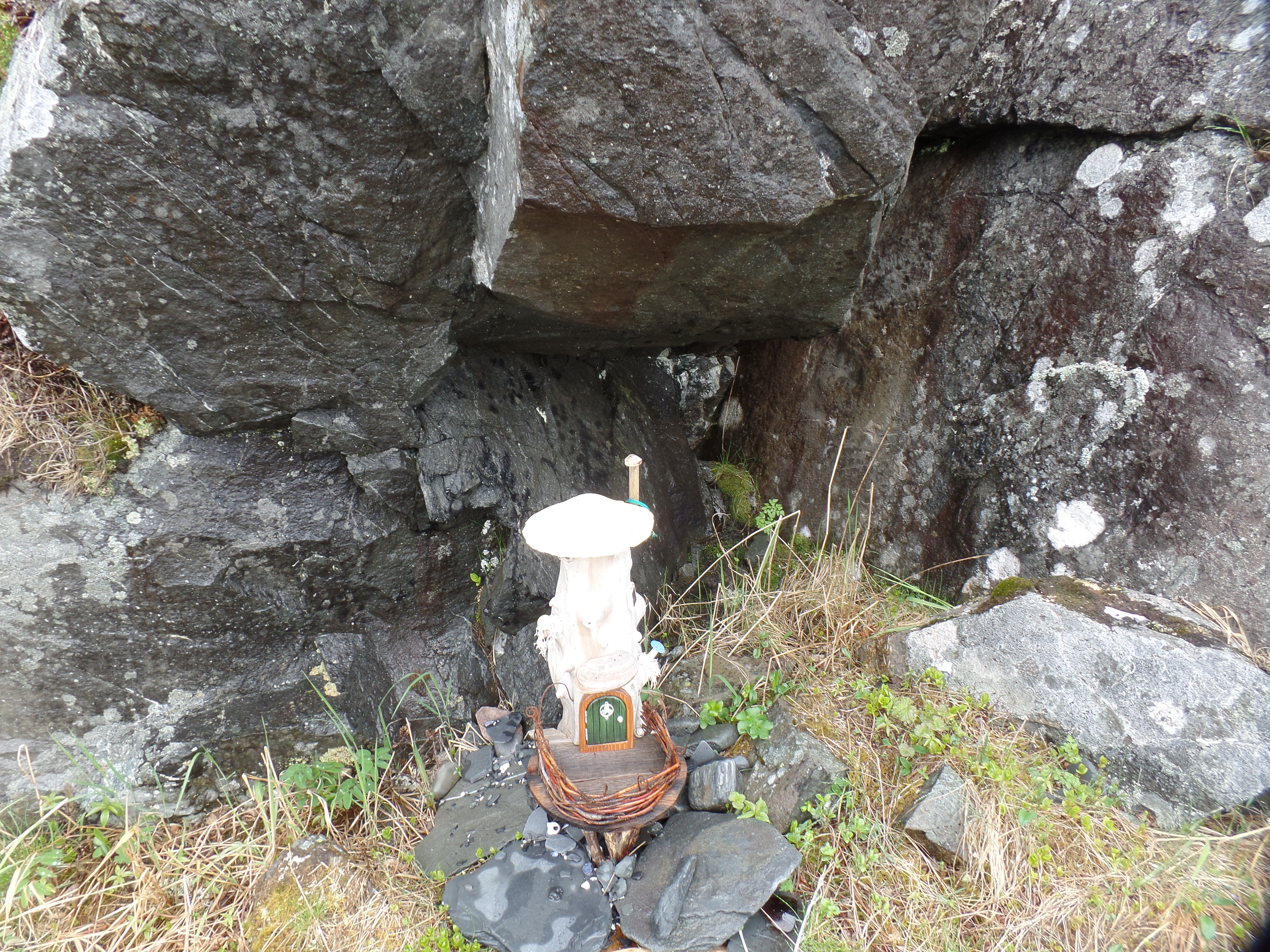
Below, one of several mementos left by Harry, creating both a personal and “Fae” ambiance.
Note the ventilation ducts. The Norse used them, and here’s why:

One of the few women in the settlement group was a sailor’s wife, who was also a sale maker. As she was not sewing sails all the time, she busied herself with creative projects, like this above.

I spoke for several minutes with the docent who portrayed this busy woman, as well as with the woodworking and cook docents. All of them emphasized the constant work that needed doing, twelve hours a day, seven days a week, in this novel environment. All of the settlers longed, constantly, for “home”-Greenland.

NEXT POST: The road to Deer Lake (with Gros Morne National Park along the way)
The Road to 65, Mile 23: A Very Full Solstice, Part 1

4

December 21, 2014, El Morro, NM- I don’t think I’ve made such a big deal about the December Solstice before.    Penny and I would have chai and watch the moon rise, with a group of Phoenix- area or Prescott- area Wiccans, but since her passing, it took me until this year to include the occasion in my life, in a meaningful way.  (I use the term December Solstice, because the longest day is a great celebration for the indigenous people across the Southern Hemisphere, and I tire of seeing them left out of the celebratory messages.)

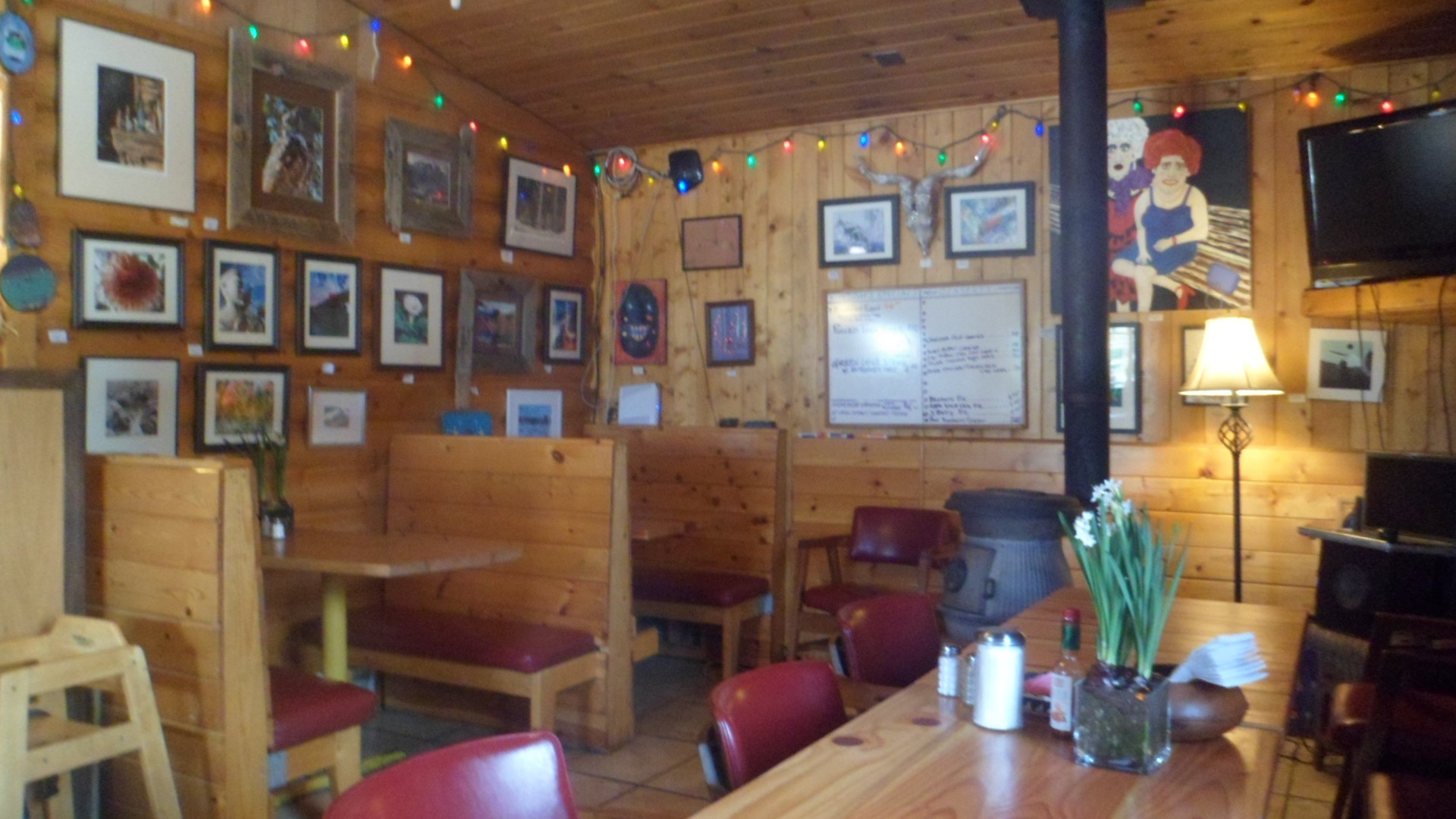
Today started with a marvelous shower and gradual wakening, by 7:30 AM, in my comfortable cabin, “Deer Cabin”.  I was informed that breakfast would be served from 9-12, so there was plenty of time for me to take a few winter photos and pray for many people and situations.  I posted a few of these on FB, but here are some scenes of the El Morro Lodge and Ancient Way Cafe.

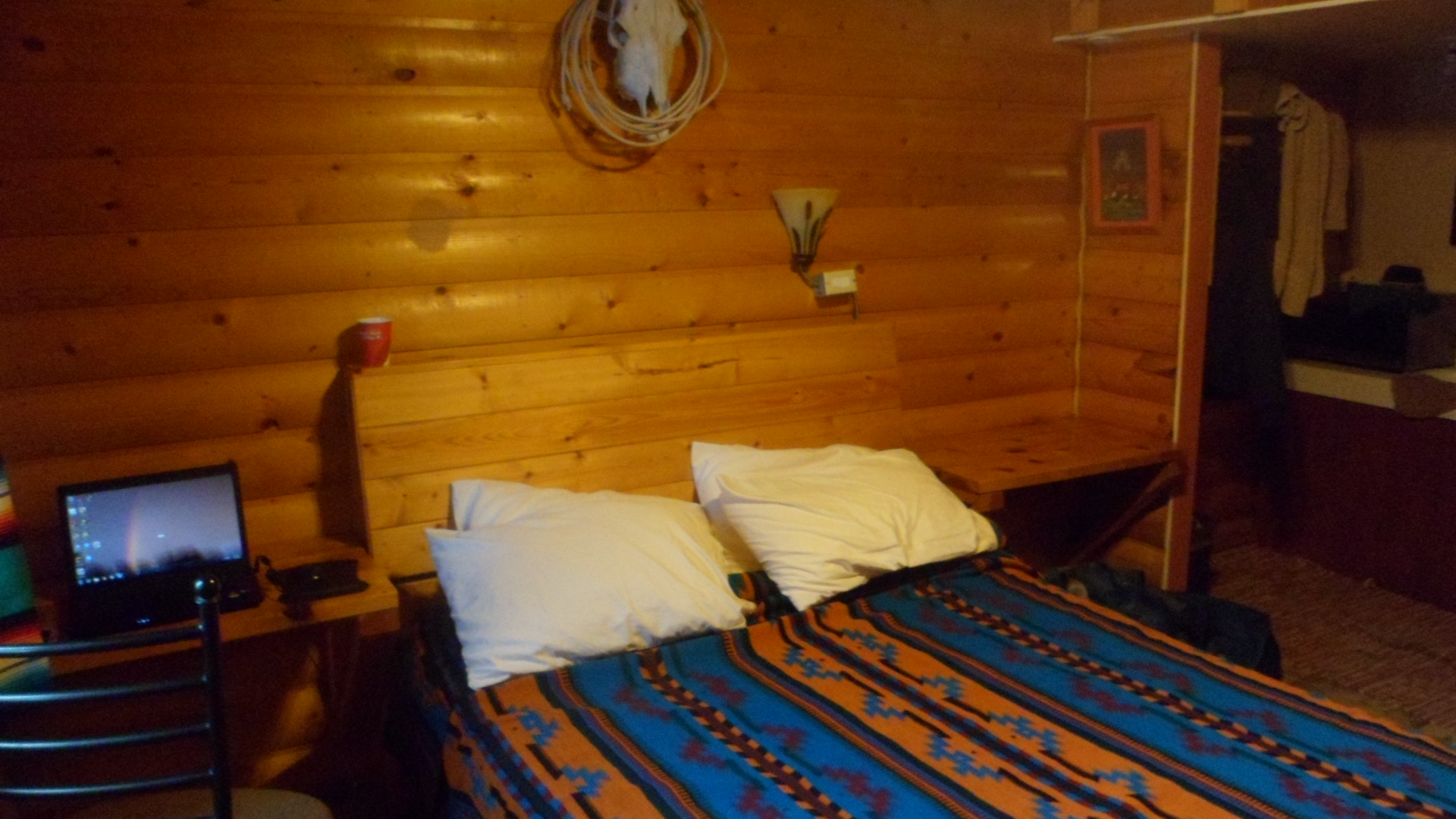
First, here is the interior of Deer Cabin.

SAM_3255

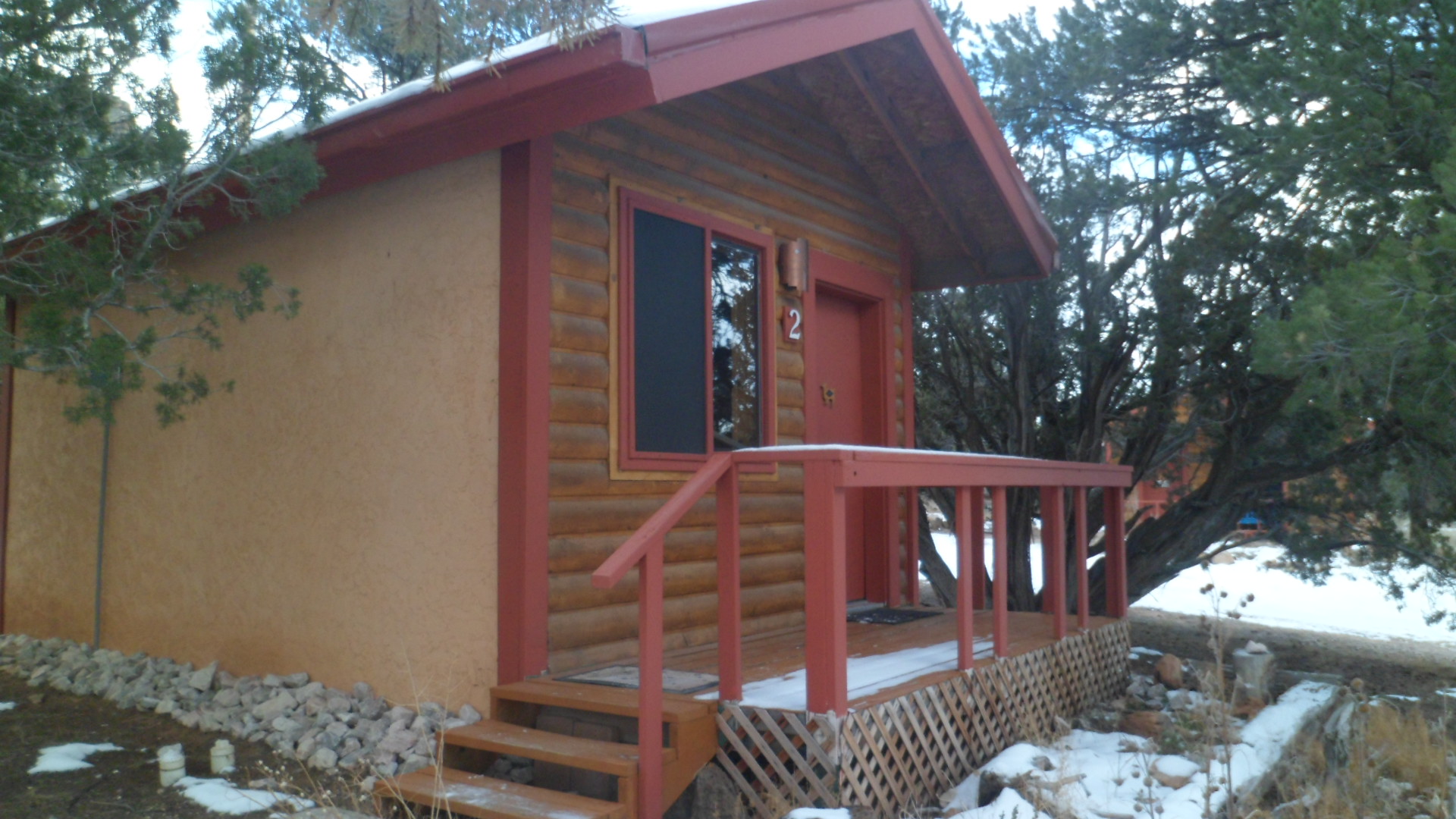
Here’s the exterior.SAM_3257

Ancient Way Cafe was founded by a spiritual mentor who is known as Red Wulf.  He paid us a visit at breakfast, but stressed “I’m not here”, as he is officially on sabbatical, until April, 2015.  Several other local characters also gathered for breakfast.  I selected “Donald’s Breakfast”, a hearty farmer’s breakfast ,which is fitting, since Donald is a self-sufficient organic farmer.  He was present this morning, at the table next to mine, along with several members of Red Wulf’s spiritual circle, Wave Riders of the Ancient Way.  They’ve been here since the 1970’s, as have many counterculture groups, around the Southwest.

SAM_3262

SAM_3259

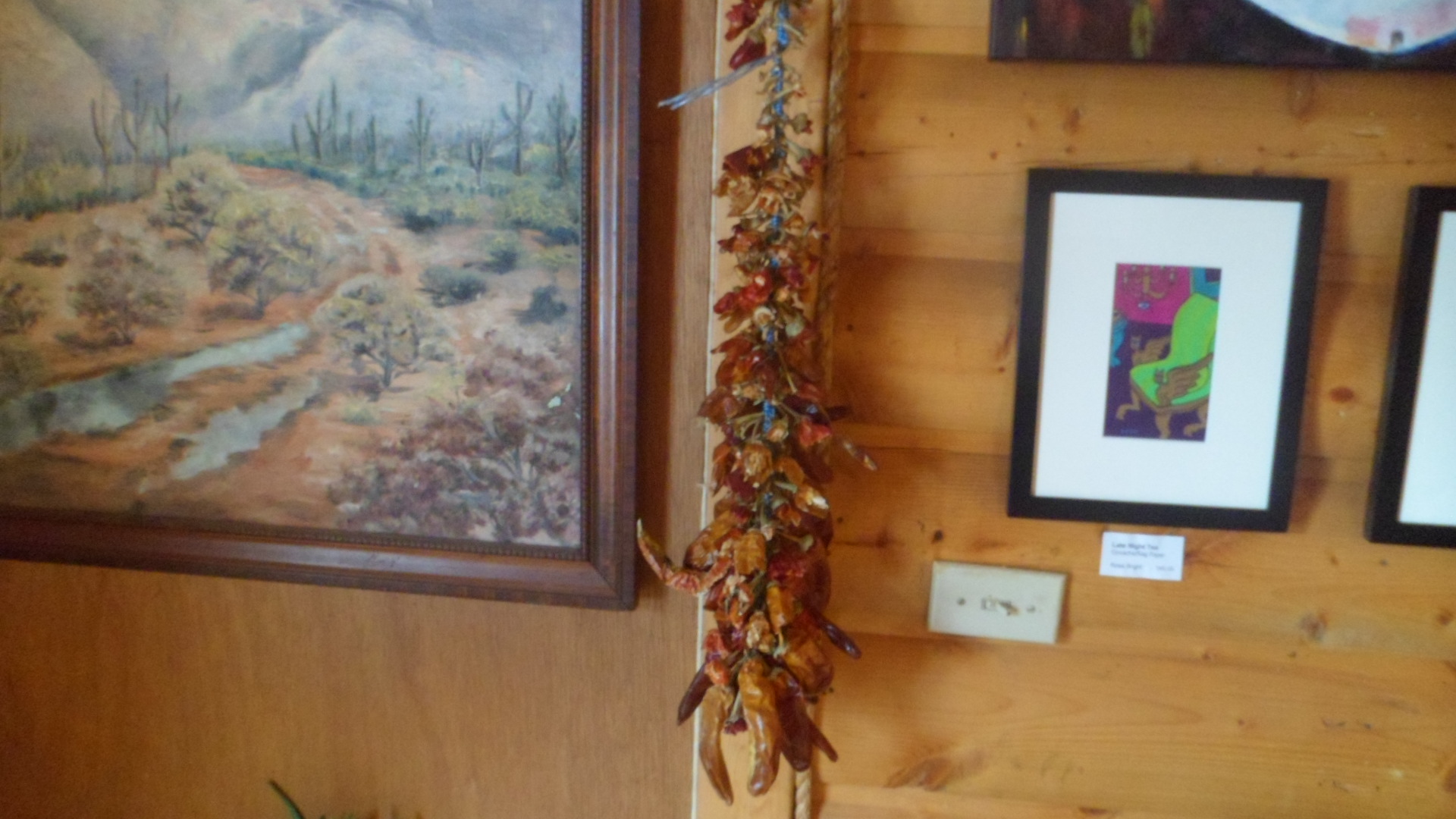
SAM_3261Hanging chilis are a symbol of welcome in New Mexico, and I certainly felt welcome.  The Wave Riders did not wish to be photographed.  Many of them were quite exhausted from having attended an event at a gallery across the highway, until 2 AM. Our cook was one of them but fortunately he was rested enough to do a good job.

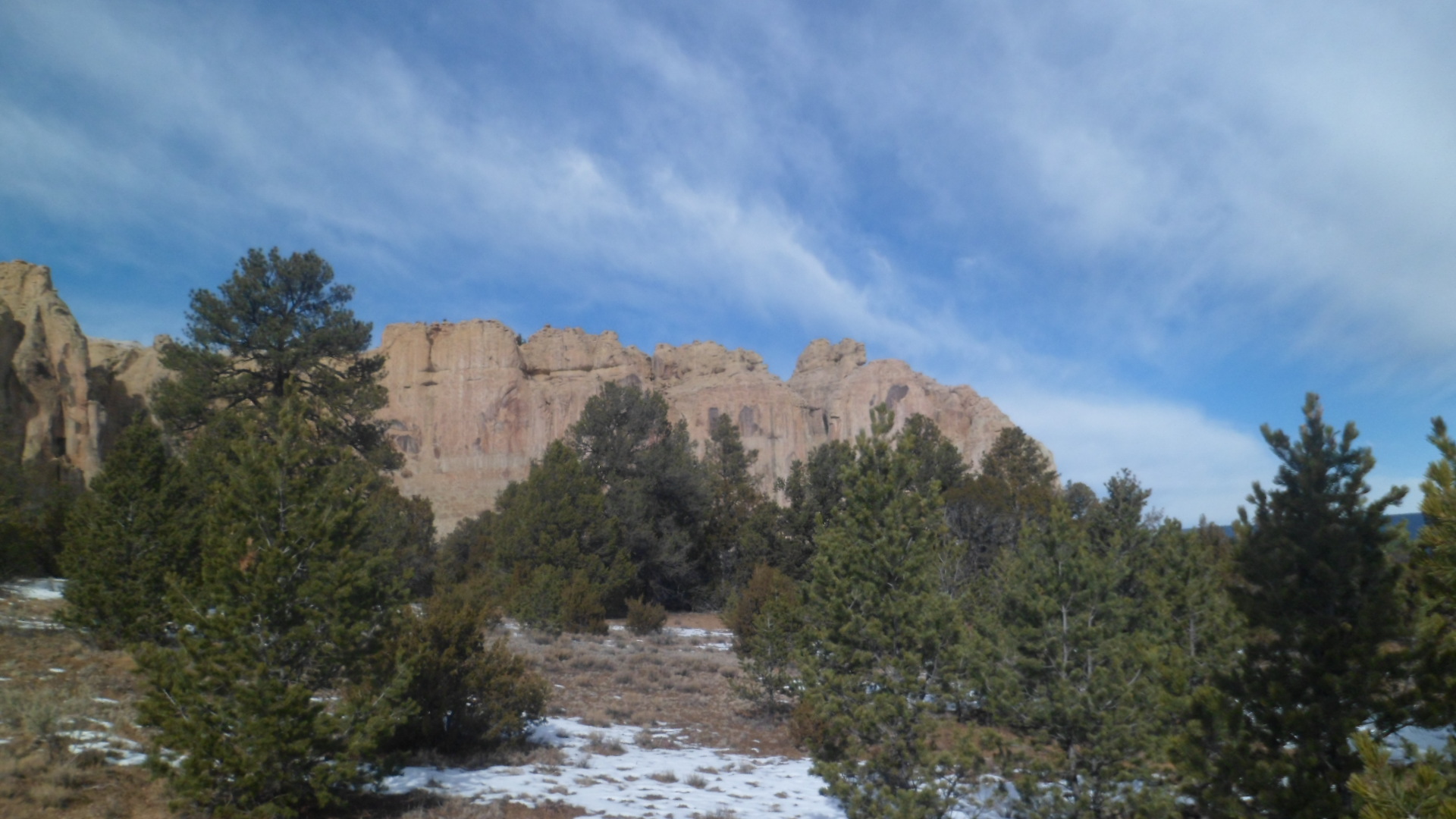
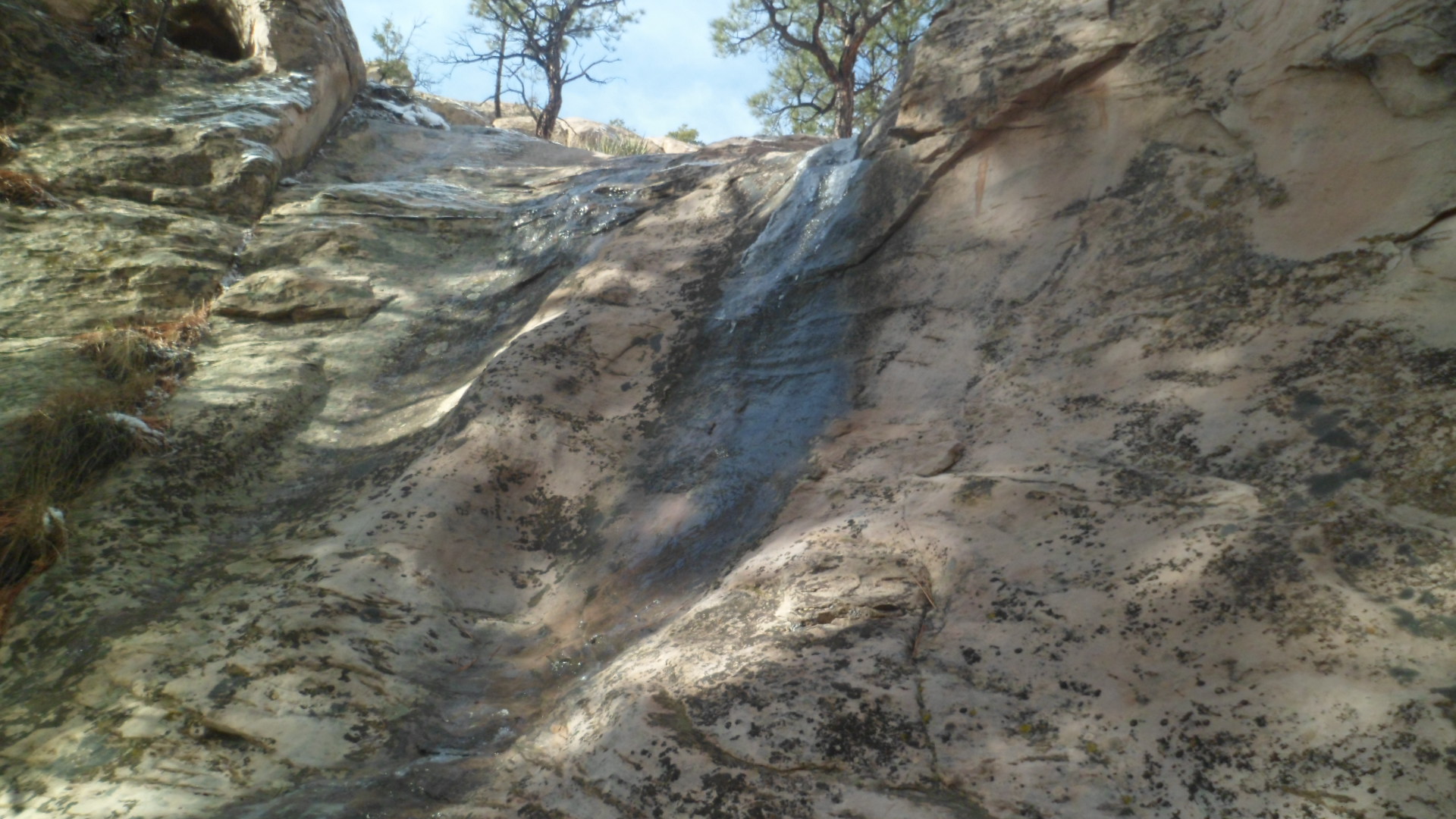
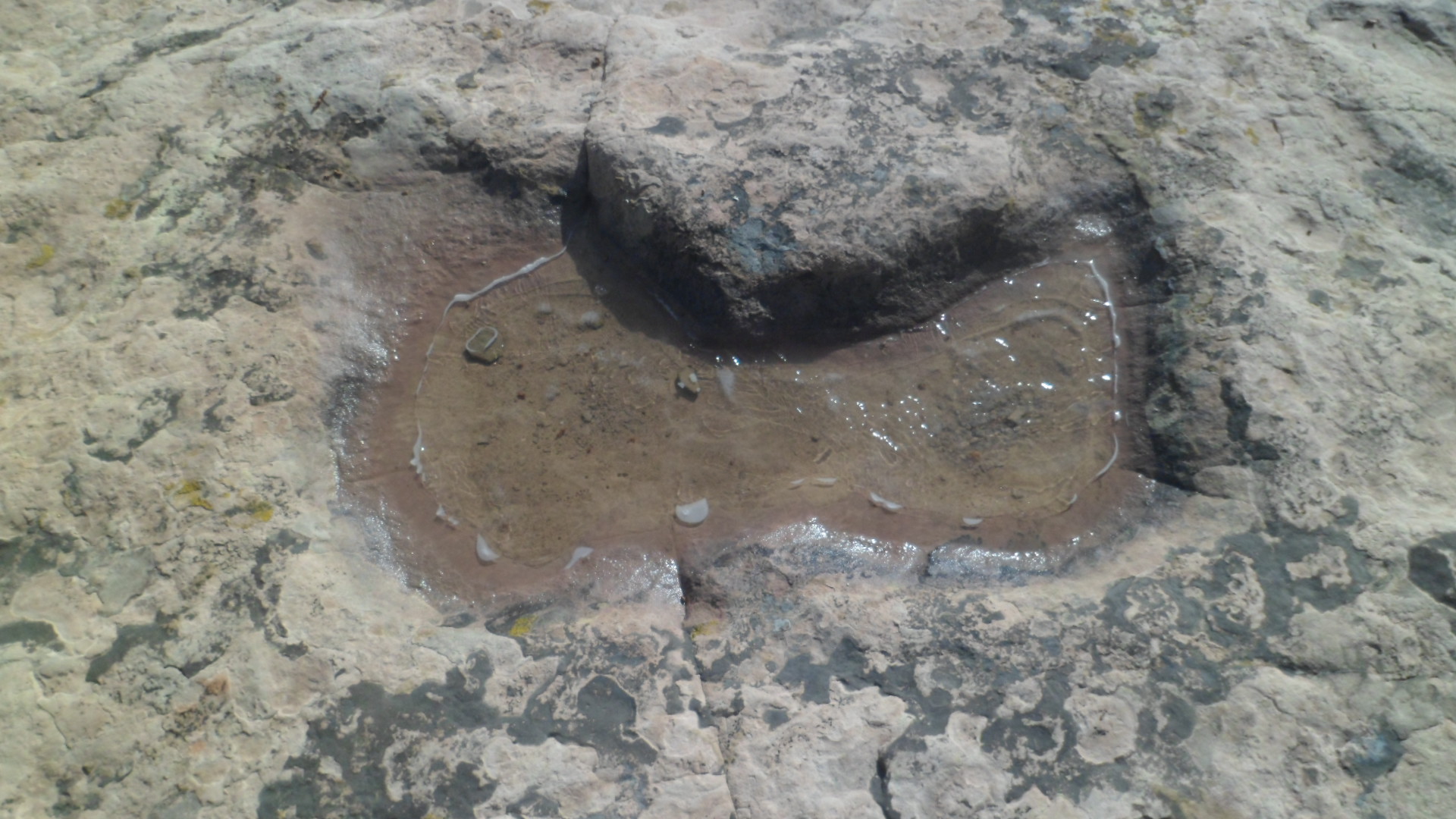
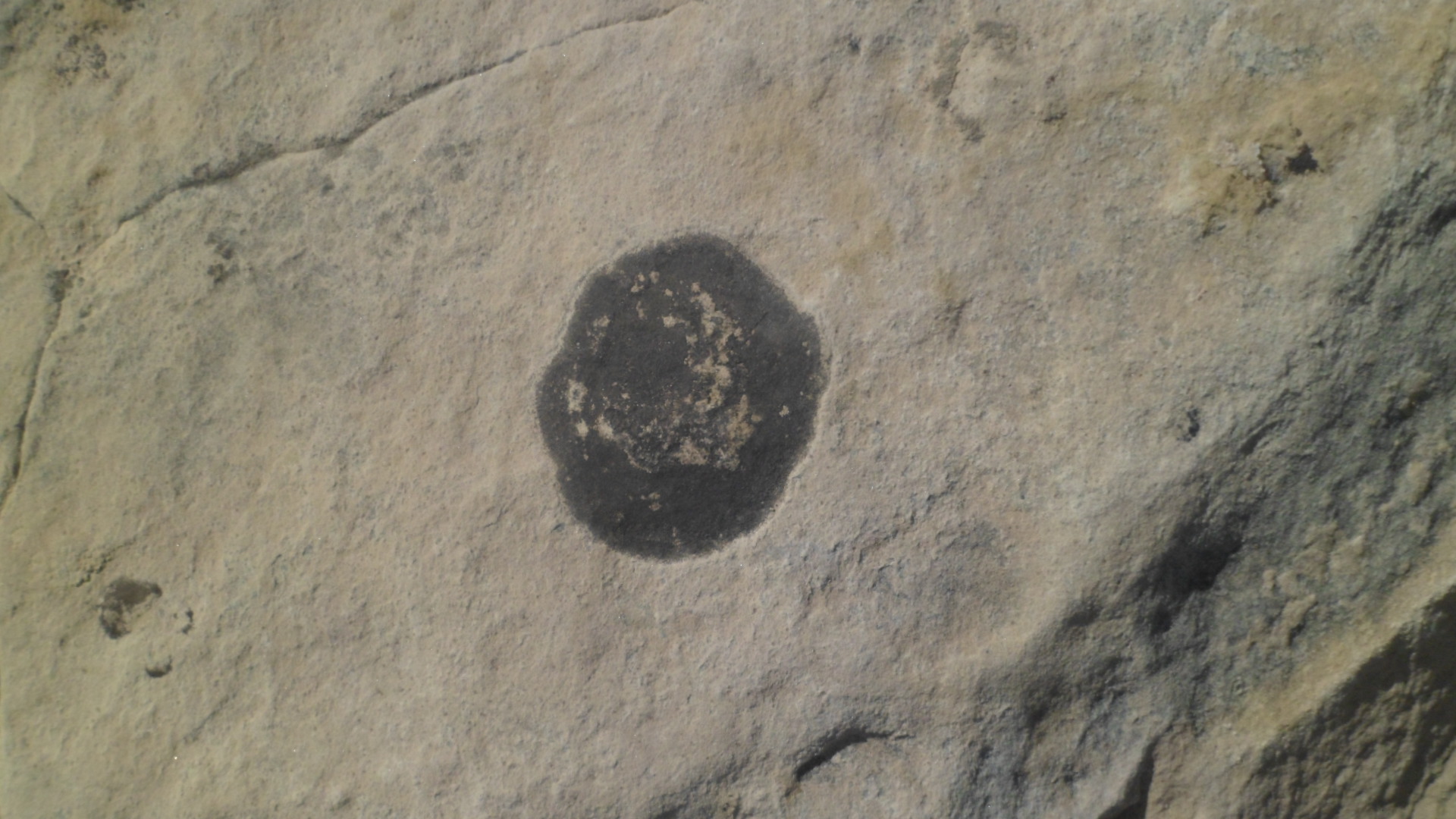
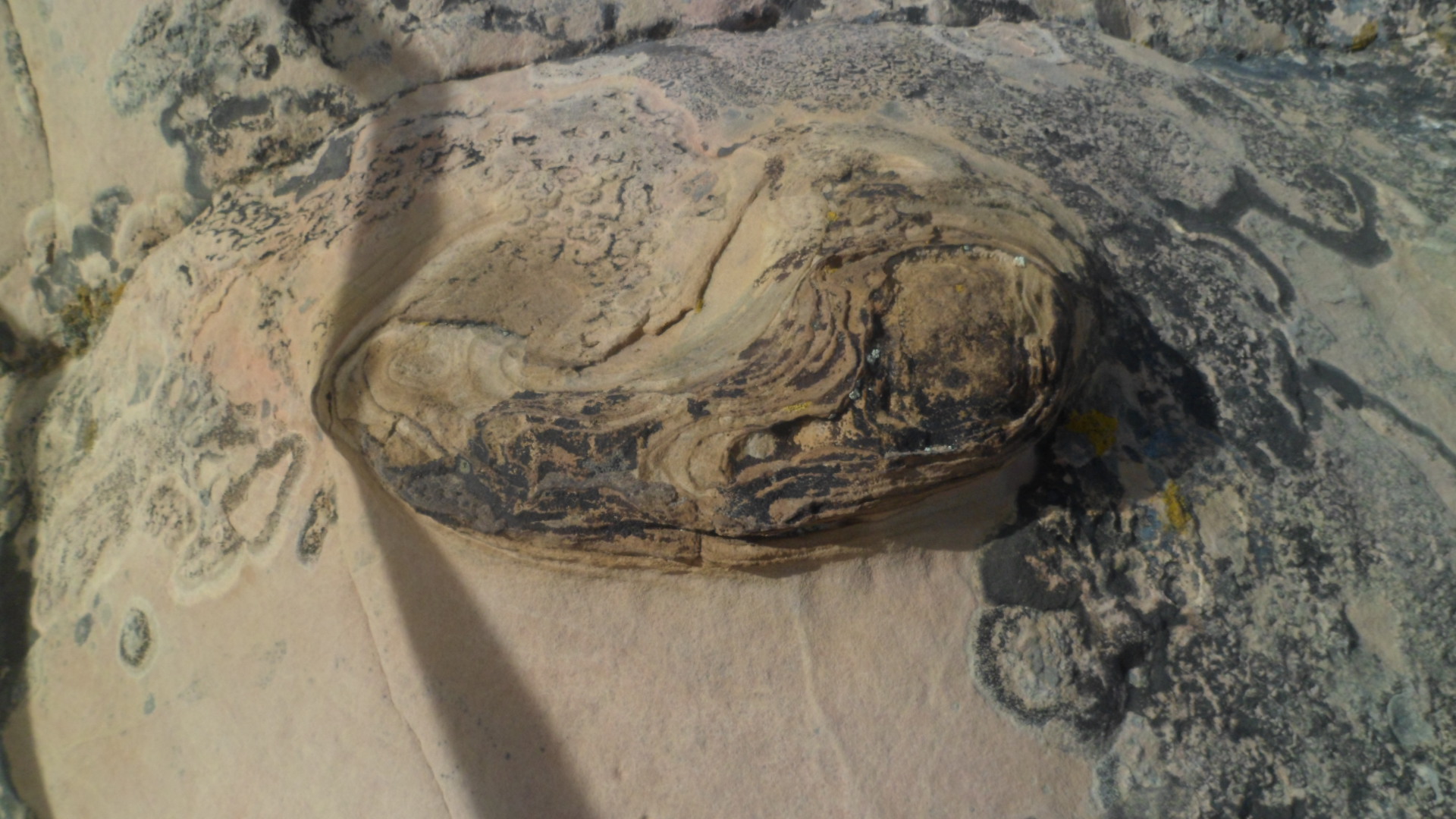
I checked out at 10:30, and headed up the road to El Morro National Monument.  The place is distinctive in three aspects:  Geologically, archaeologically and graphically. I will show photos of the geological aspect first. El Morro, Spanish for “The Headland”, is made of largely striated sandstone.  Wind, water and lichen are breaking the sandstone down.  Many, like the NPS film’s narrator, the actor, Edward James Olmos, bemoan this process.  The National Park Service is trying to shore up the ruins, as we’ll see.  The big picture, though, is that nature was here first, and will fulfill her mission, one way or another.  Notice that there are pinon pines, and one-seed junipers, mixed throughout the park.  A smattering of Ponderosa pines have grown on top of El Morro Mesa.  The trees also break down the rock, by sending out roots.

SAM_3267

SAM_3269

SAM_3273

SAM_3279SAM_3285SAM_3286SAM_3290 So, you can see the majesty of the sandstone massif,  plus the effects of  wind, water, lichen and tree roots, on the great structure.  In the next post, “Mile 23.5”, I will address the human legacy of El Morro.