The Road to 65, Mile 236: Back to California, Day 6, Part 2: A Majestic Courthouse

7

SAMSUNG CAMERA PICTURES

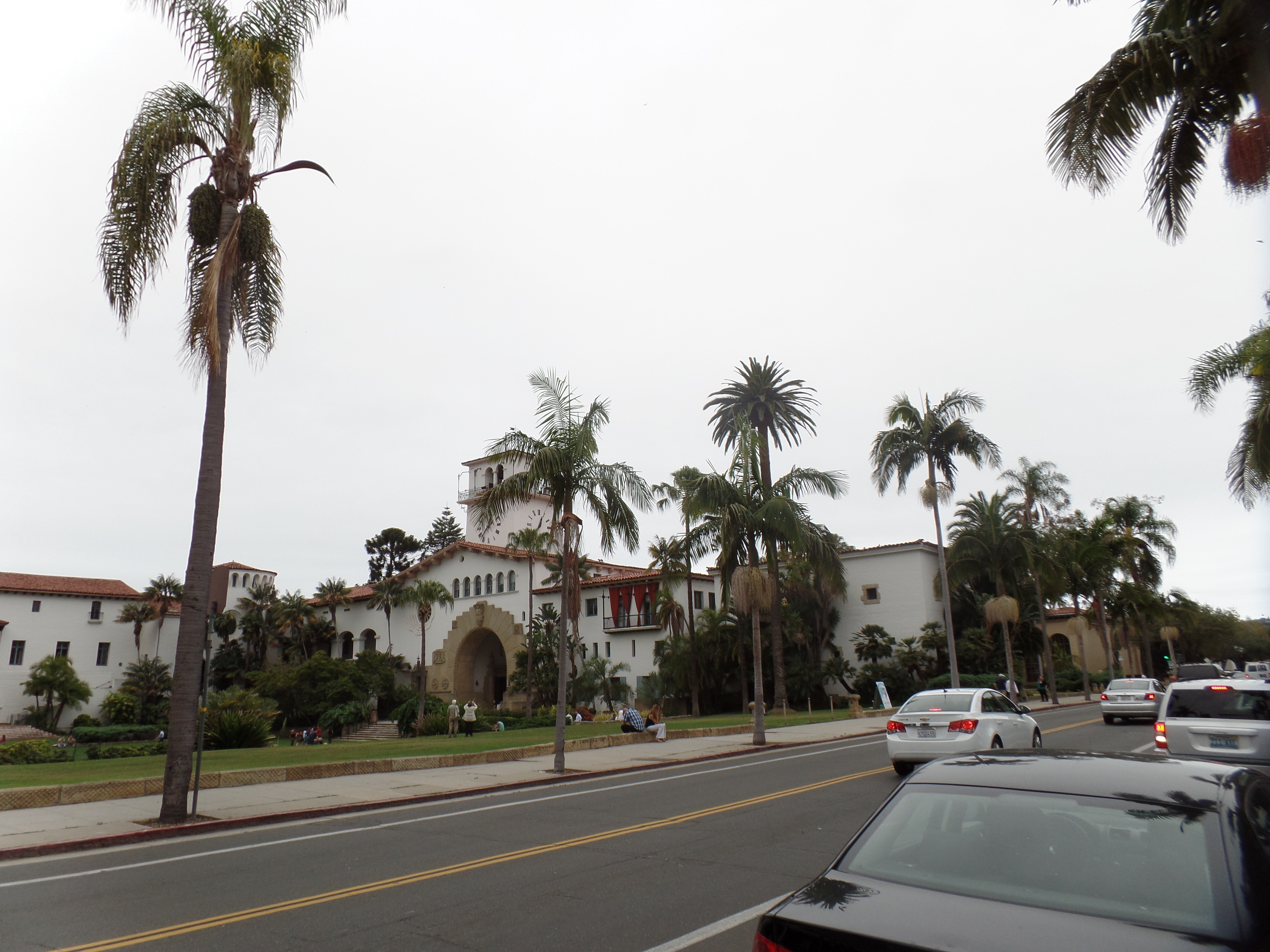
July 22, 2015, Santa Barbara- Like the Spokane County Courthouse and Tarrant County Building, in Fort Worth, Santa Barbara County Courthouse is the majestic centerpiece of its city’s downtown.  There are several architectural gems in the central core of this breathtaking mission city.  They are eclipsed by the hall of justice.  The building is a reconstruction of the first Courthouse, which was destroyed by the 1925 Santa Barbara earthquake.

SAMSUNG CAMERA PICTURES

SAMSUNG CAMERA PICTURES

No detail, interior or exterior, goes unattended by the Courthouse’s housekeeper.
SAMSUNG CAMERA PICTURES

This mural, by Marge Dunlap, is actually on the front of the County Engineering Building, adjacent to the Courthouse.  It is, according to the artist’s description, as abstract piece, showing trees as sentient beings that stand guard over the house.  There is no reason given for the two moons.SAMSUNG CAMERA PICTURES

SAMSUNG CAMERA PICTURES

The Spirit of The Ocean Fountain was turned off, in keeping with the spirit of dealing with the drought.

SAMSUNG CAMERA PICTURES

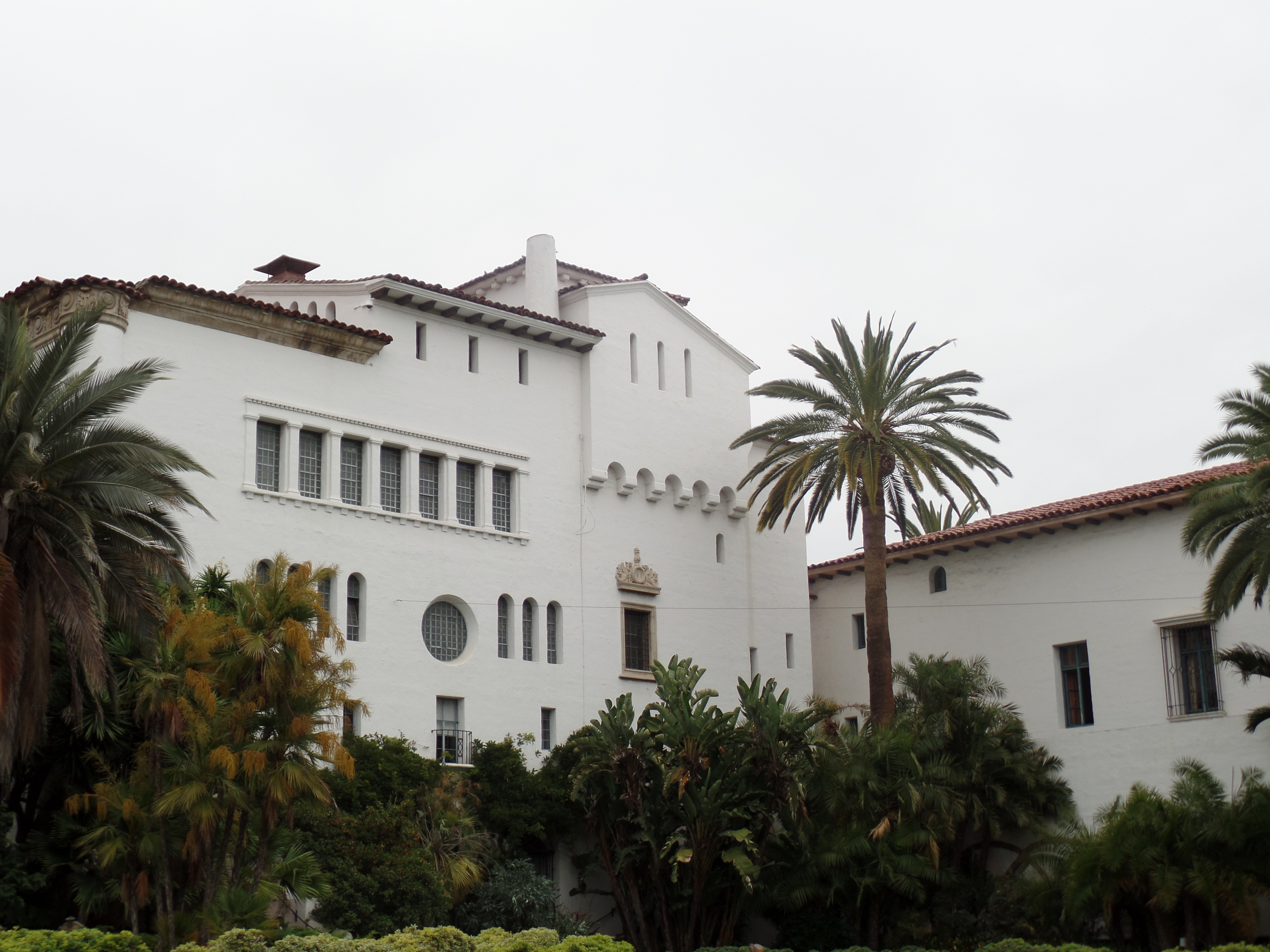
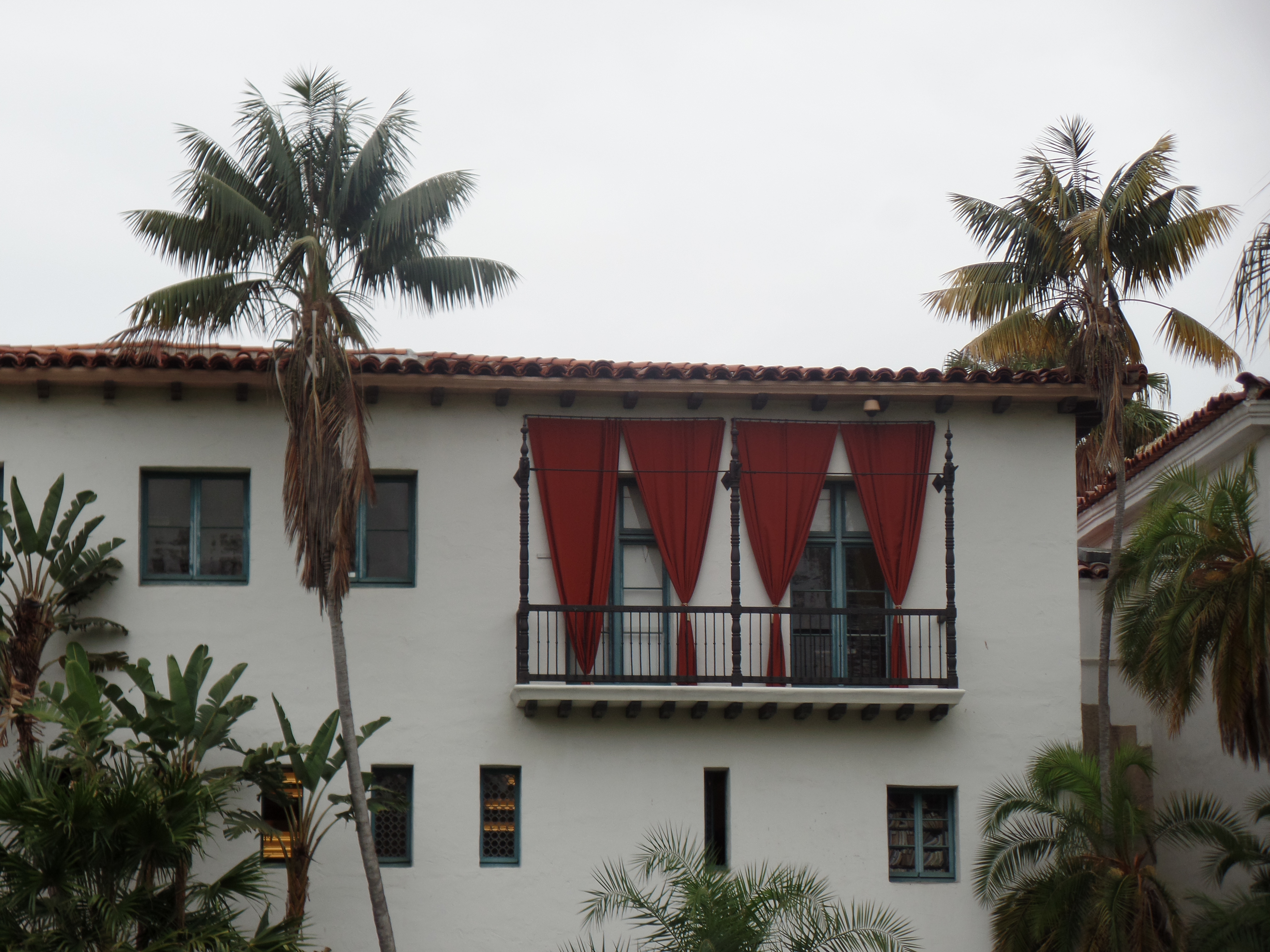
Various miniature sculptures and filigree adorn all areas of the exterior.

SAMSUNG CAMERA PICTURES

SAMSUNG CAMERA PICTURES

Murals are found throughout the building, giving equal presence to the indigenous Chumash people and to the Spanish who settled among them.

SAMSUNG CAMERA PICTURES

Tapestries line the wall, outside the central Court Chamber.

SAMSUNG CAMERA PICTURES

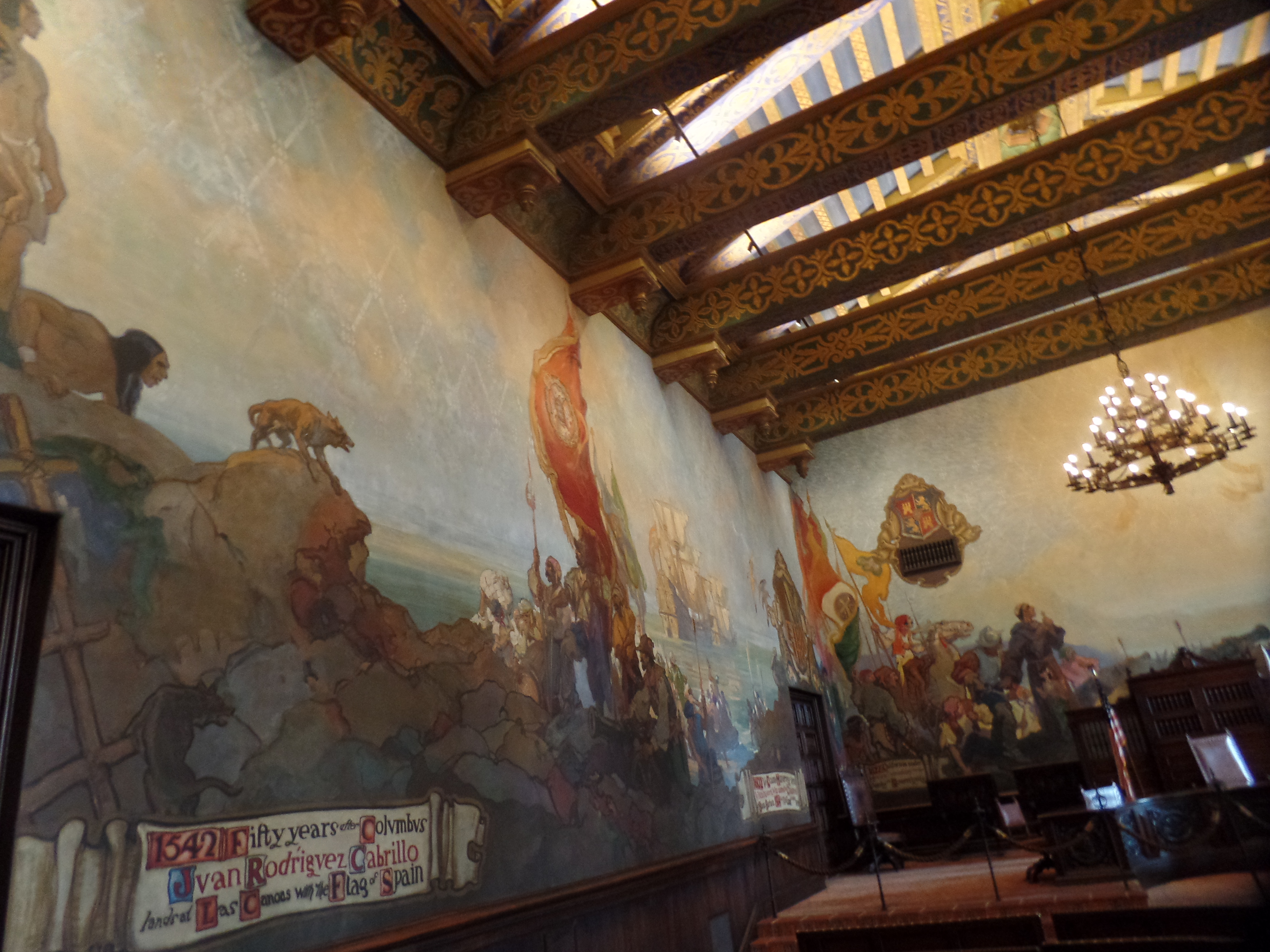
In the  former County Supervisors’ room, now called the Mural Room, lies a more elaborate series of murals, showing the Spanish subjugation of the Chumash and other parts of Santa Barbara history.
SAMSUNG CAMERA PICTURES

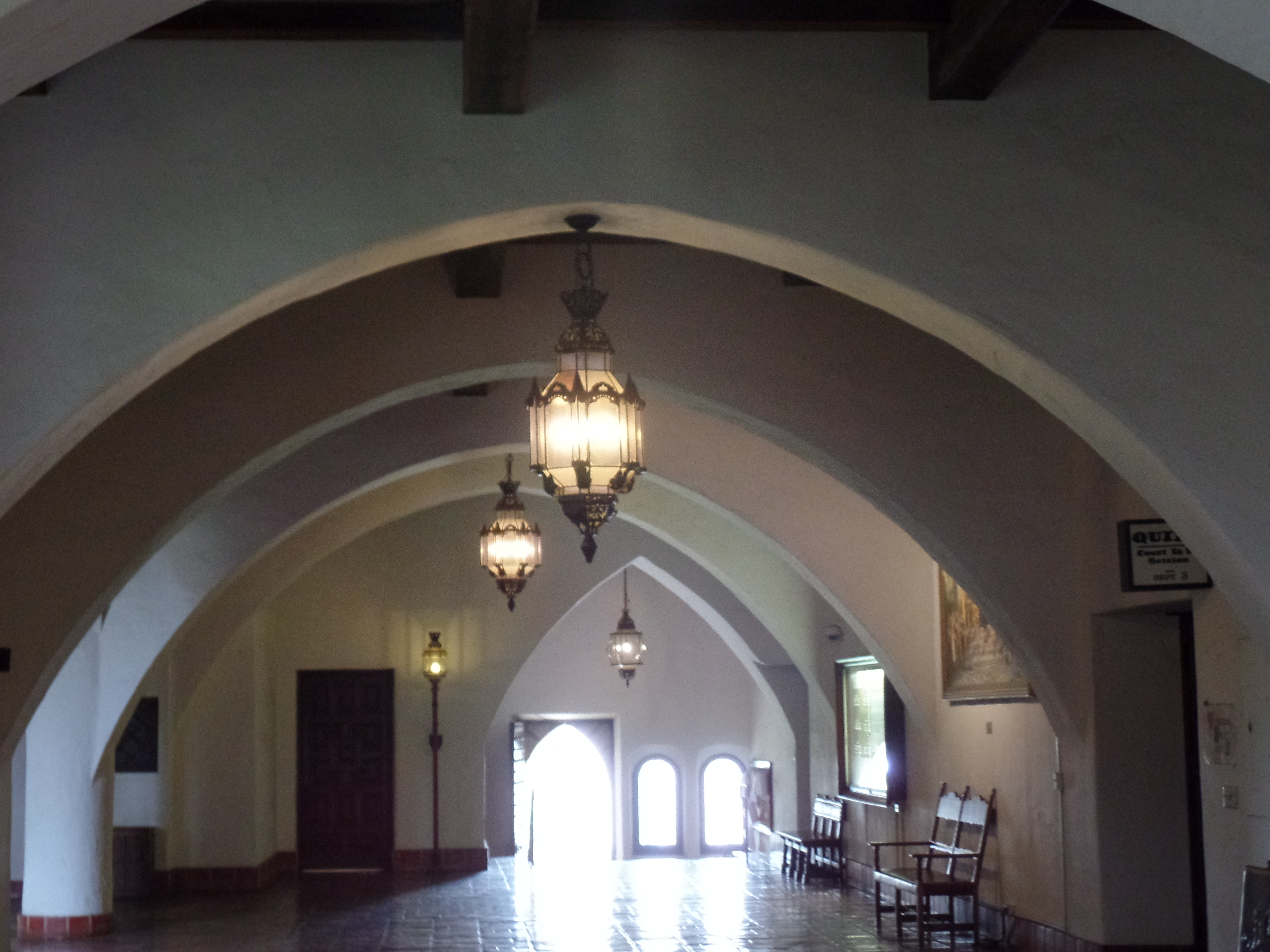
Here is the first floor lobby.  Note the Moorish influence, in the ceiling design.
SAMSUNG CAMERA PICTURES

The Spanish also continued with Romanesque features, which appealed to the designers of the 1927 reconstructed Courthouse.
SAMSUNG CAMERA PICTURES

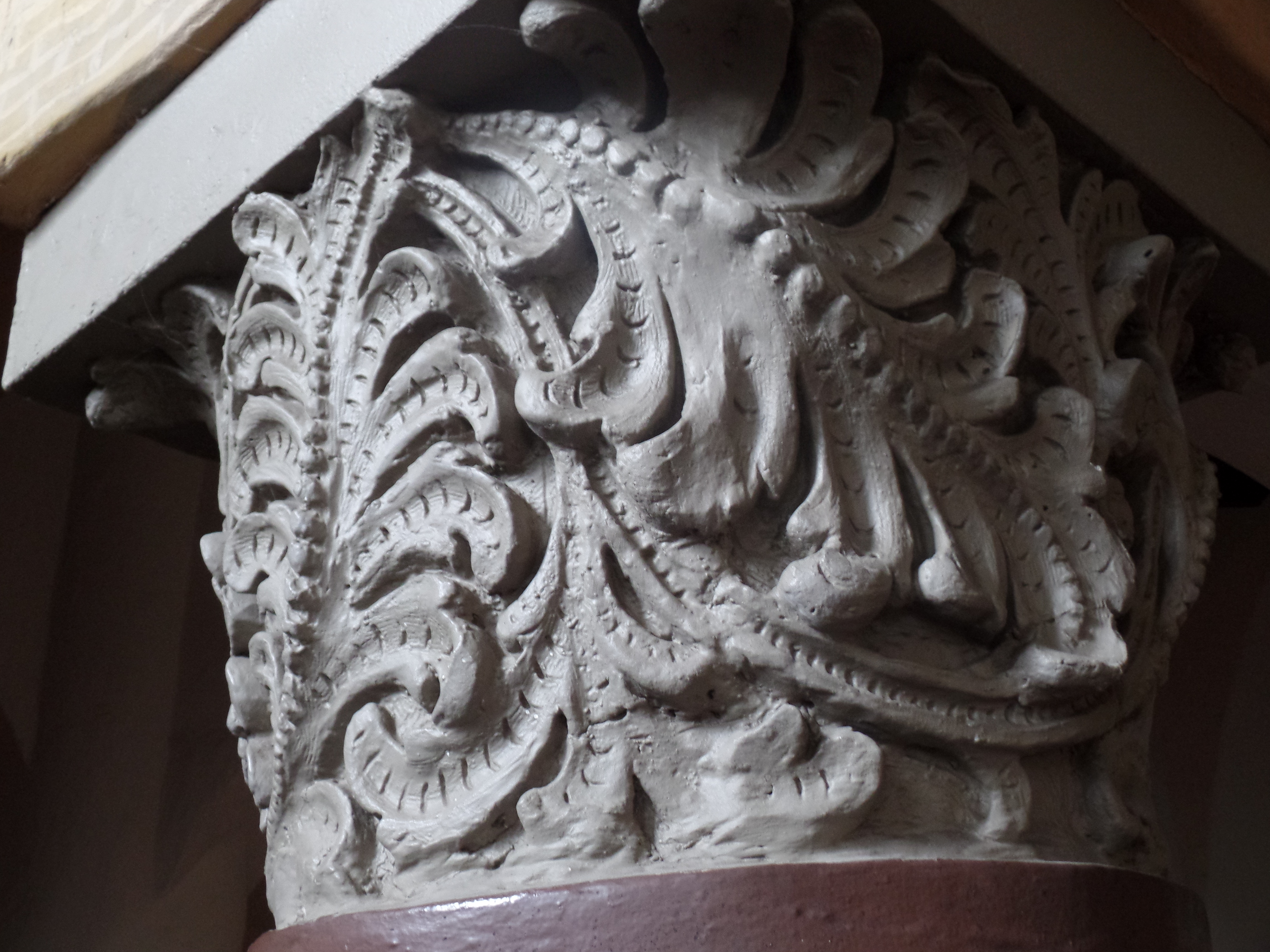
More Moorish influence appears in the ornate blue and gold ceiling.

SAMSUNG CAMERA PICTURES

,

This ceremonial planter is one of my favourites.

SAMSUNG CAMERA PICTURES

Finally, here is another section of  Santa Barbara history, in the Mural Room.

SAMSUNG CAMERA PICTURES

Here are a couple of other random samples of Spanish influence, on the architecture of the early 20th Century American residents of Santa Barbara.
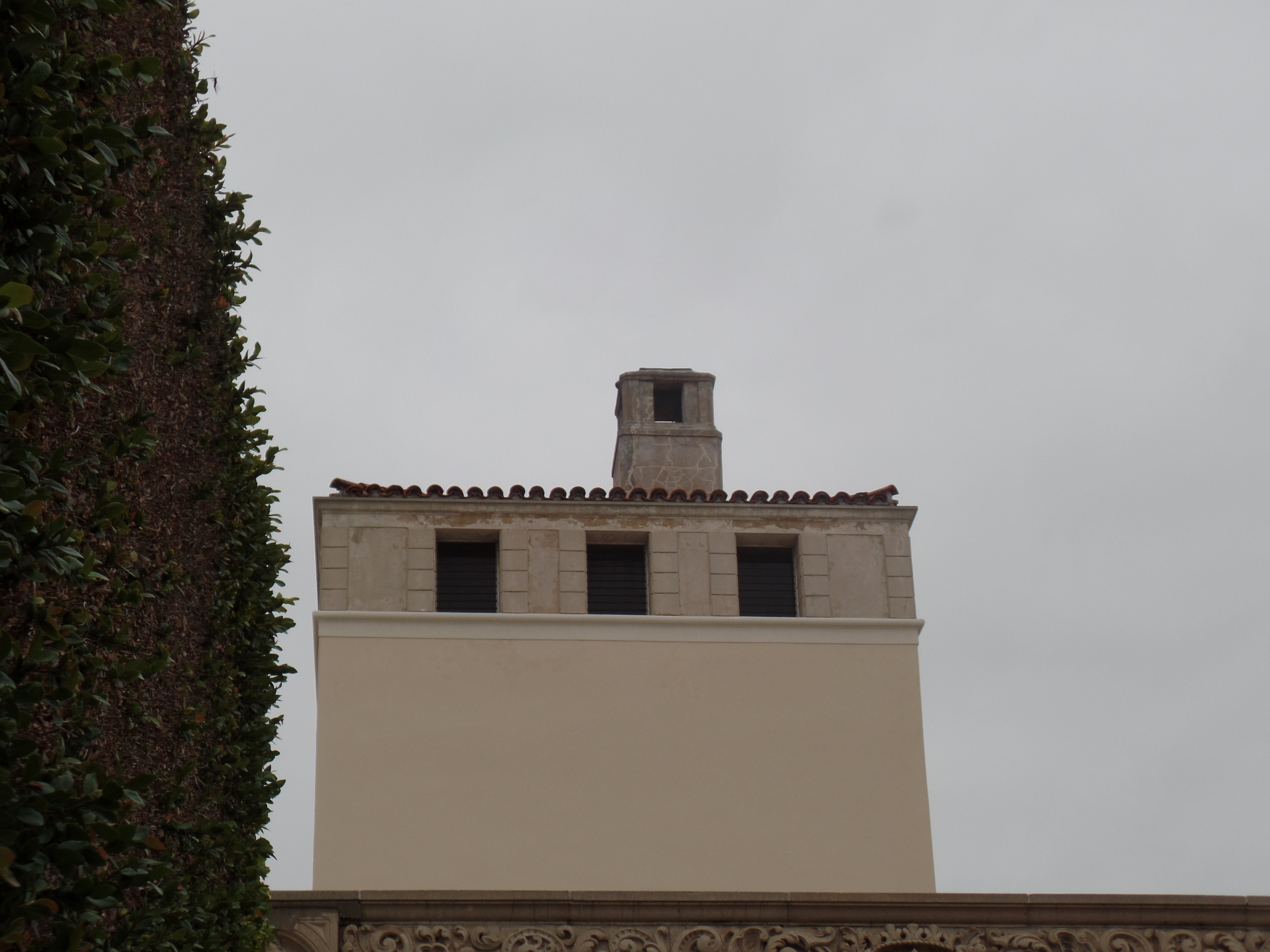
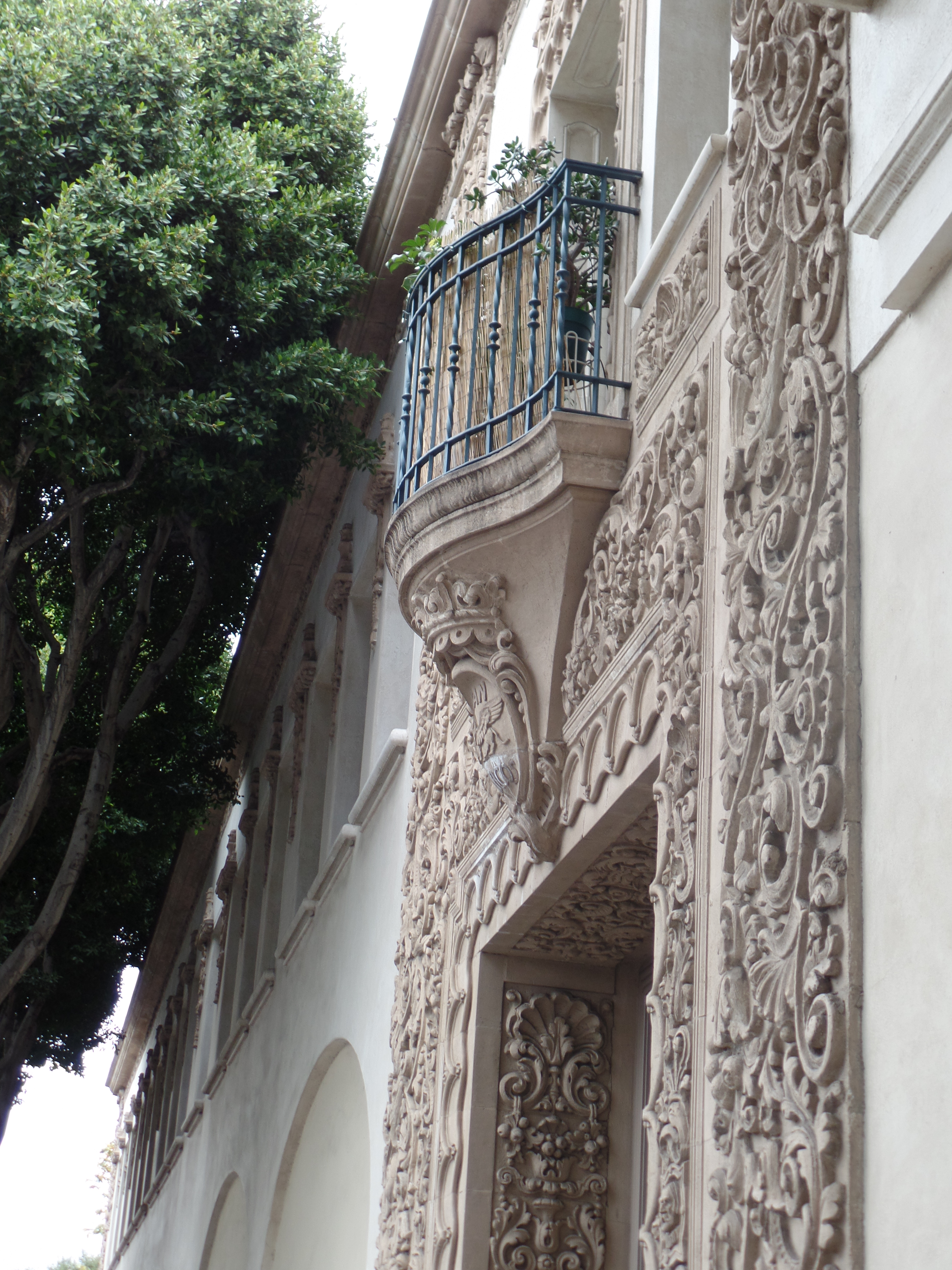
SAMSUNG CAMERA PICTURES

SAMSUNG CAMERA PICTURES

Despite its sprawling nature, Santa Barbara gave me a very comfortable, cozy feeling, as I walked about downtown.  Two miles east, the “Old Mission” awaited.

The Road to 65, Mile 81, Part 2: The Queen of San Antonio

8

February 17, 2015- San Antonio  

Mission San Jose y San Miguel de Aguayo, founded in 1720, is the largest of the San Antonio-area missions, and is known as “Queen of the Missions”.  It is about 2.8 miles south of Mission Concepcion, which I profiled in Part 1 of this series.

SAM_4245

I first visited this magnificent place in May, 2012, but at dusk.  Only the exterior was available for viewing, giving me the sense of San Jose’s enormity and the impetus for a return visit.

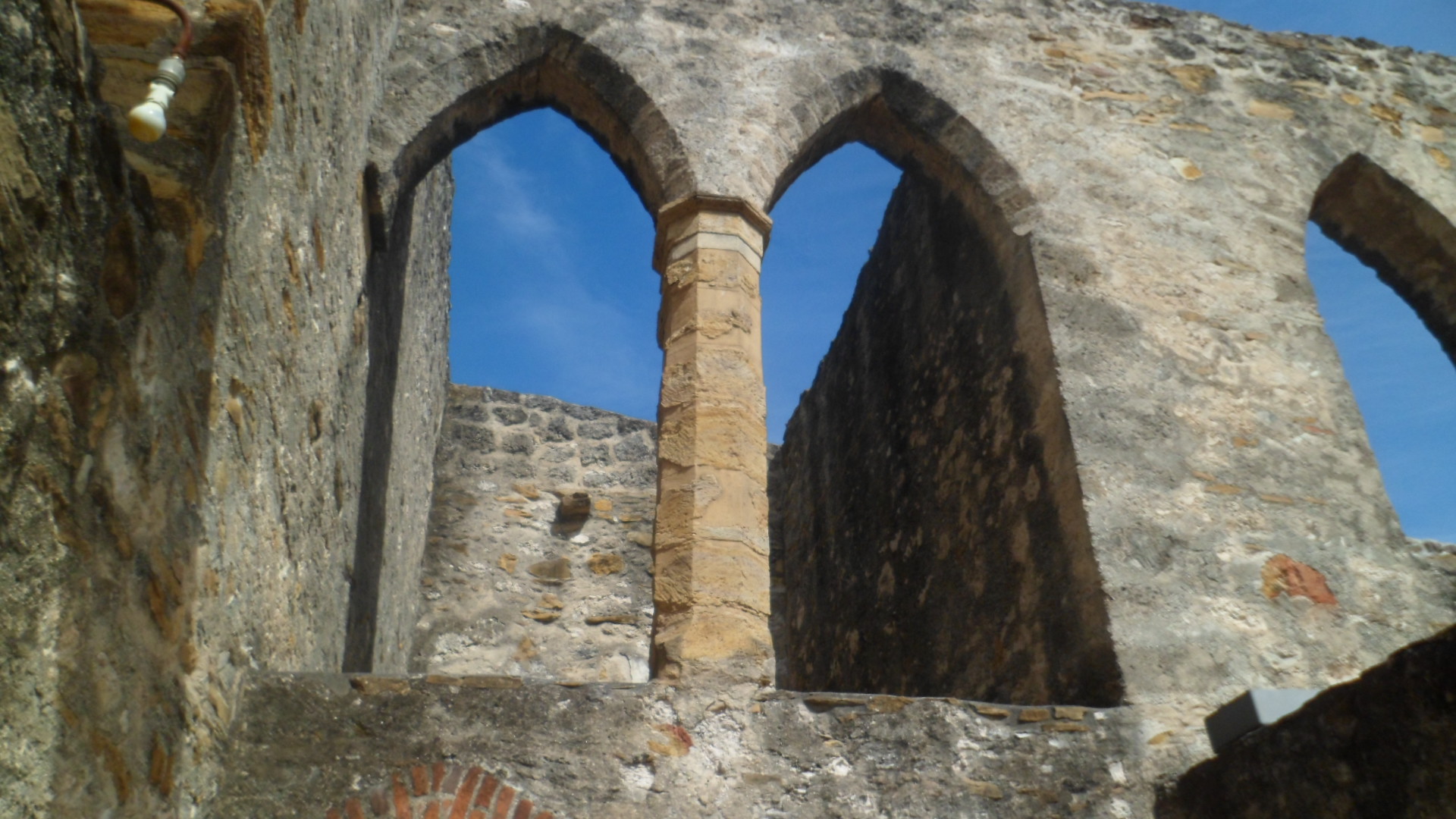
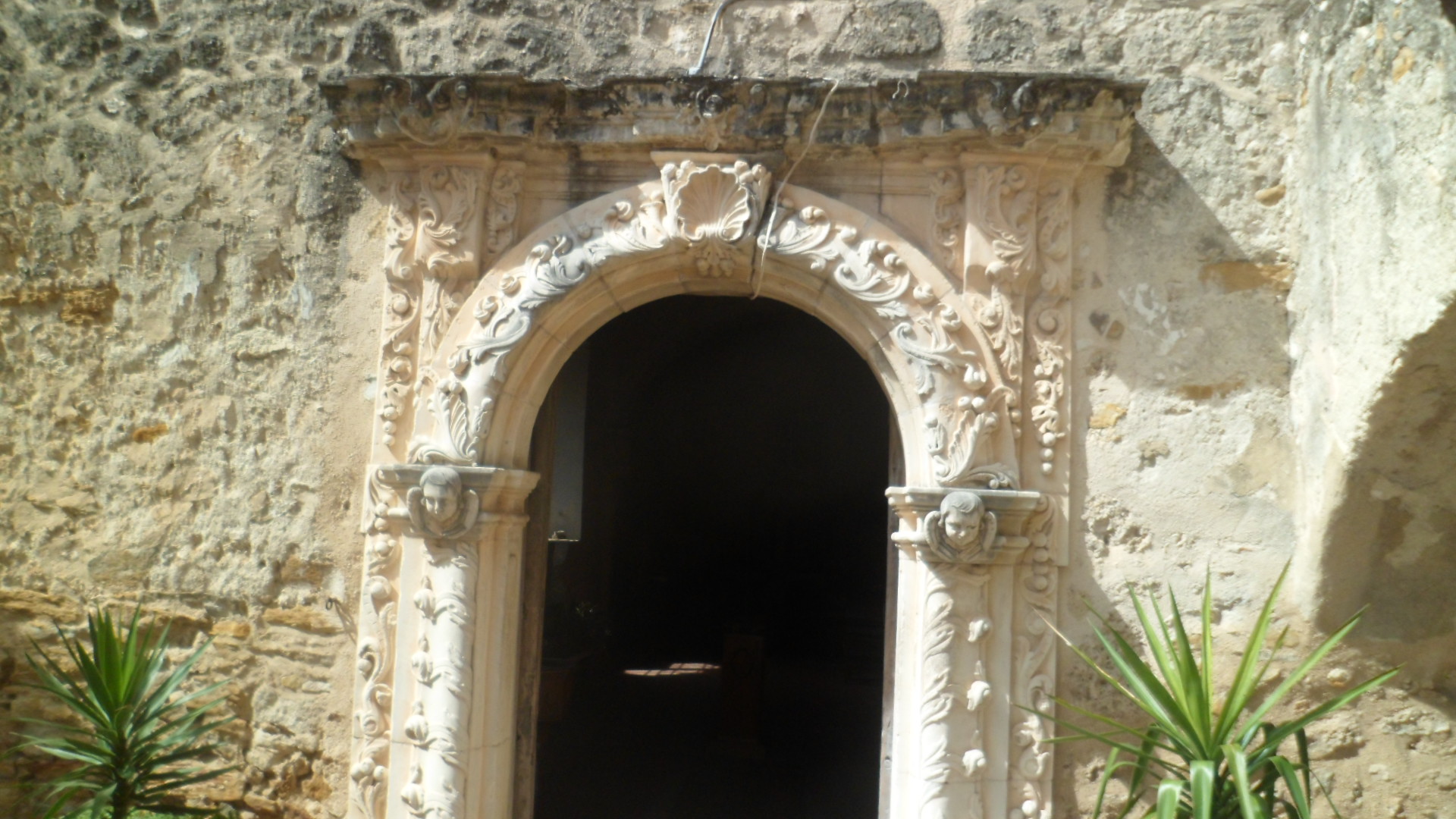
Here are some views of the mission’s interior, with the mission church and the soaring arches and beams of its surrounds, being especially impressive.  Perhaps nowhere else in North America is the combination of Roman and Moorish influences so pronounced, as it is here.

SAM_4248

SAM_4257

SAM_4278

SAM_4280

SAM_4283

SAM_4286

SAM_4290

SAM_4298

SAM_4285

SAM_4275

In the former residential hall of the Coahuiltecan students, there is a scale model of the original mission.SAM_4259

SAM_4260

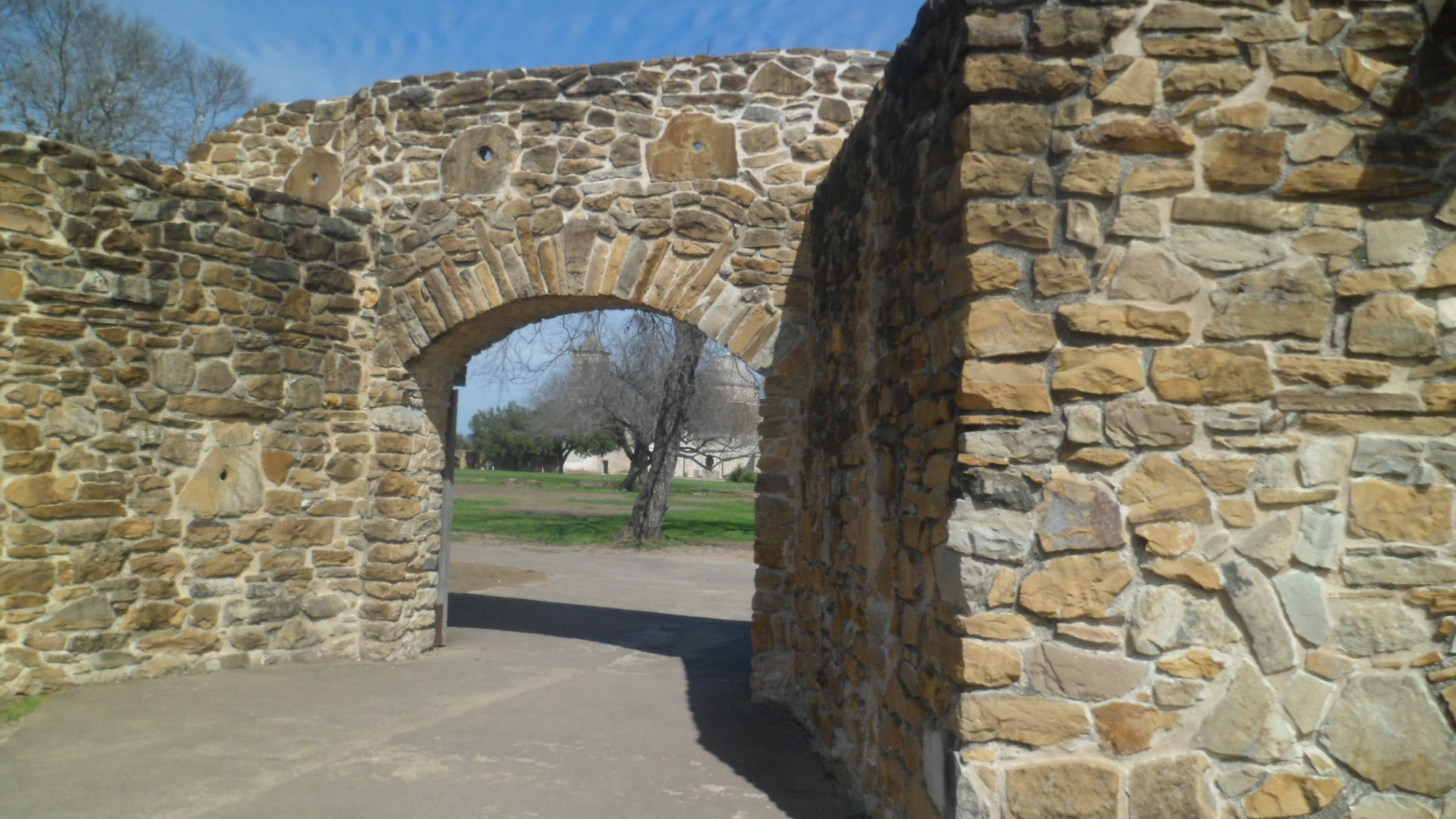
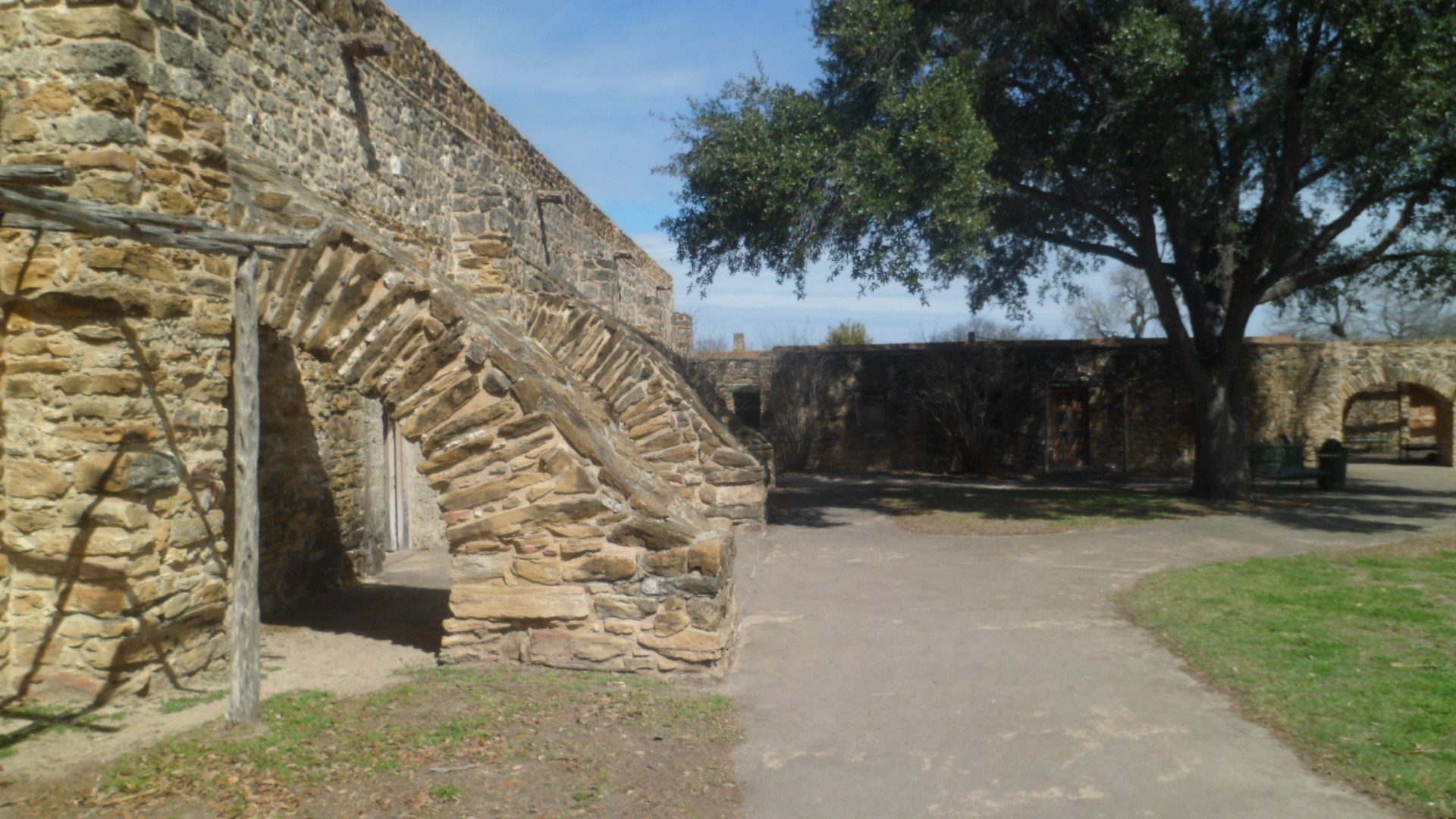
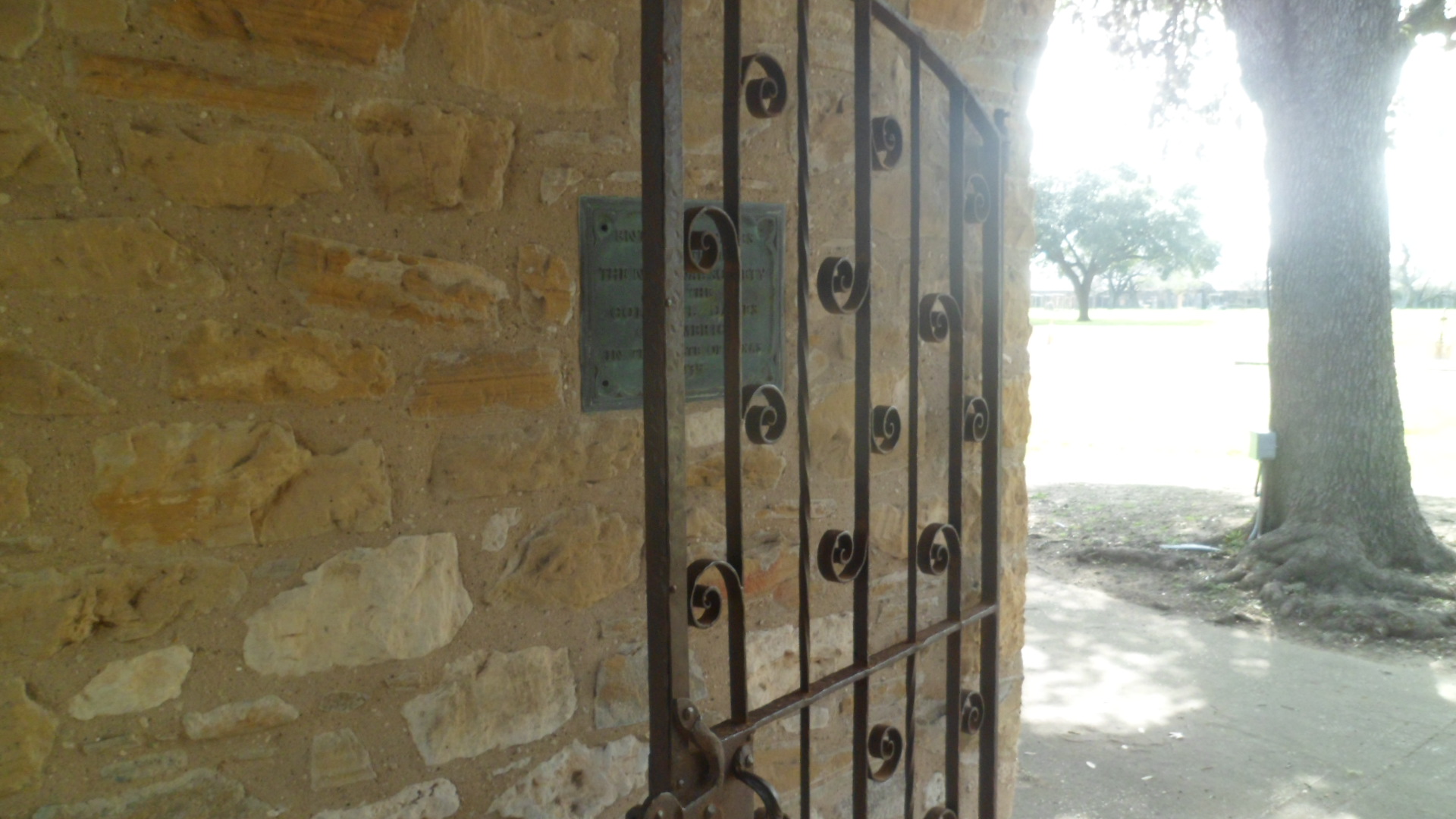
The garrison encircled the mission church, and the residences of the indigenous, as it did at Mission Concepcion.  The raids by Apache and Comanche warriors were aimed at the Spanish, but Coahuiltecans were seen as collaborators with the Europeans, and were equally targeted by the raiders.  The thick walls worked, in safeguarding the settlement.

Food production was a major focus of the mission, for reasons of transforming the hunter-gatherer ethos, previously followed by the Coahuiltecans, which ill-served them, in a time of increasing drought.  This waterworks and millhouse was a major asset for the populace.

SAM_4271

SAM_4270

Herbs and grains were dried on outdoor raised racks.

SAM_4267

There were twelve outdoor beehive ovens, and at least one indoor fireplace, in each long room.

SAM_4249

SAM_4261

With nearly 1,500 people living within these walls, order had to be strictly maintained by the garrison commander and Franciscan padre, working closely.

SAM_4268

I had an informative and enjoyable hour here at San Jose.  As I was leaving,  a large songbird I’d not seen before sat, contentedly and chirped a farewell.  It seemed not to care, too much, of my being in relative proximity.  This mission does get quite a few tour buses, though, so it’s not surprising.

SAM_4308

NEXT:  Texas’s Own Capistrano