The Road to Diamond,Day 325, Part I: Portsmouth’s Daylight

2

October 18, 2025, Portsmouth, England- Dawn came, the ravers and revelers had gone home and it was time to ready for another train ride. So, after the morning routine, I headed down to breakfast-greeted cheerfully, with a bit of wariness, by the Scottish hostess. It was a lovely full English spread, with bacon, scrambled eggs, grilled tomatoes and baked beans-along with the buffet standards- fresh vegetables and fruit, croissants and toasting bread, a few pastries, hot and cold beverages. It looked to be the last such buffet on this journey, so I took my time and enjoyed.

After breakfast and devotions, it was time to see Portsmouth, on the morning after. There was no huge mess left over-the street crew had come early and was still out in force. I headed first, through the east end of Guildhall with the goal of the near waterfront.

Here are some scenes of a Portsmouth morning.

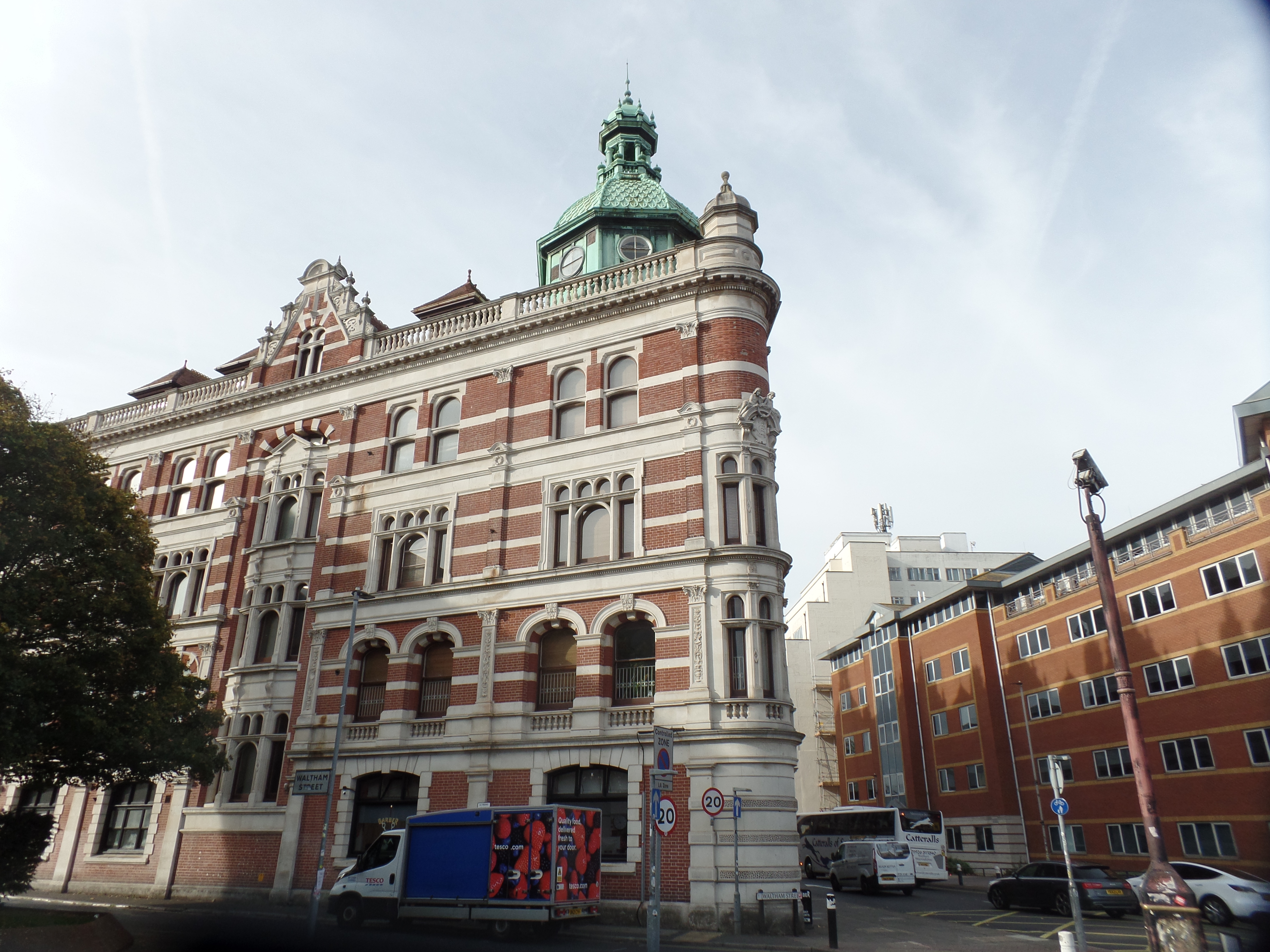
Triangular office building, Guildhall

Crossing the busy intersection, looking right, left and right again (It’s even written to do so, on the pavement), I walked past fields of young men practicing on the Rugby field-a Royal Navy facility. Portsmouth is RN headquarters, after all. At the end, there are the monuments to science and technology, with Spinnaker Tower to the right of the lower round building. Spinnaker is a place from which to get breathtaking views of Portsmouth, Southampton and the surrounding area. I had little time, though, before the scheduled train, so this was my look at the area.

Spinnaker Tower (center) and Science complex (round towers)
Street art (and “Sir Isaac Newton”) This rather offbeat focus on vision, and “sea aliens”, was at the entrance to the small wood that is in the background.

Heading back to IBIS, I retrieved my bags and started towards the train station. The majestic Guild Hall was no worse for the wear, after hosting many flirtatious youngsters and others, the previous night. It is now an event center, and does its job rather well.

Portsmouth Guildhall

Guildhall Square honours tradition.

Queen Victoria, Guildhall Square
Hampshire War Memorial

With that, I headed to the train station, expecting to board the train towards Salisbury. Yet, there was no train to Salisbury. Britrail has an occasional cancellation. This was one such. The Transit Officer explained what I would need to do to re-route, so about forty minutes later, I was on a train to Fareham, and from there to Southampton, where I changed trains again. The rigmarole meant that the train would arrive in Salisbury at 3 p.m. This meant that I would not be going to Stonehenge, as the last bus to that venerable site leaves at 2 p.m., during the “winter months”, which in tourism parlance include October.

This gave me more time to focus on Salisbury itself, and on its majestic Cathedral. More on them both, in the next post.

The Road to 65, Mile 204: A Potlatch and A Walking Tour

6

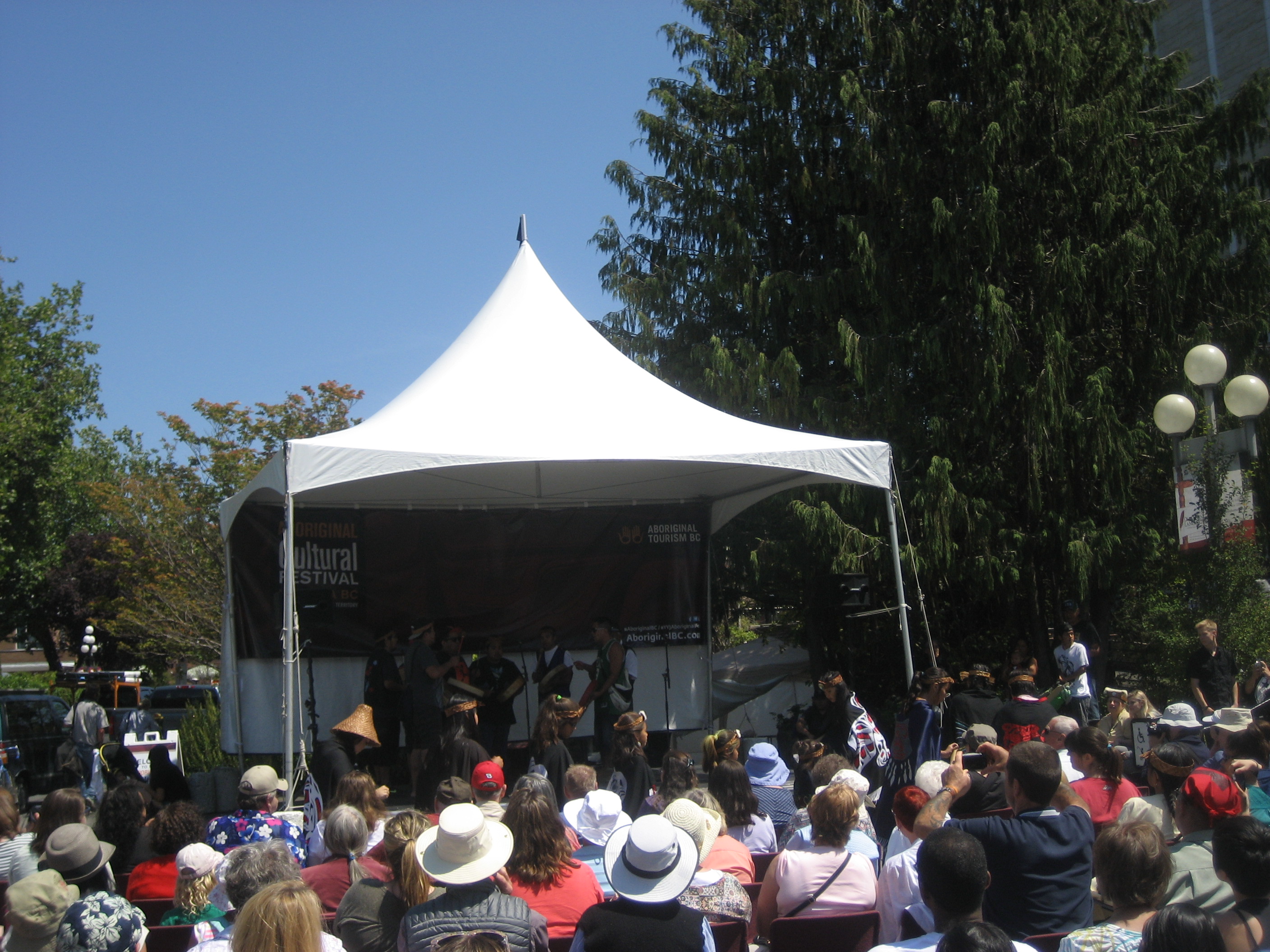
June 20, 2015, Victoria- I hit the ground running this morning, though it’d have been easy to laze the day away in Anacortes.  A three-hour ride across the straits lay Sidney, BC, a harbour town northeast of Victoria.  British Columbia’s capital was participating fully in Canada’s National Aboriginal Day.  While this was officially on Sunday, the festivities were going on all weekend, on the grounds of the Royal British Columbia Museum, a magnificent facility, which would have taken up the entire weekend, in and of itself.

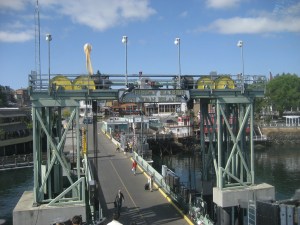
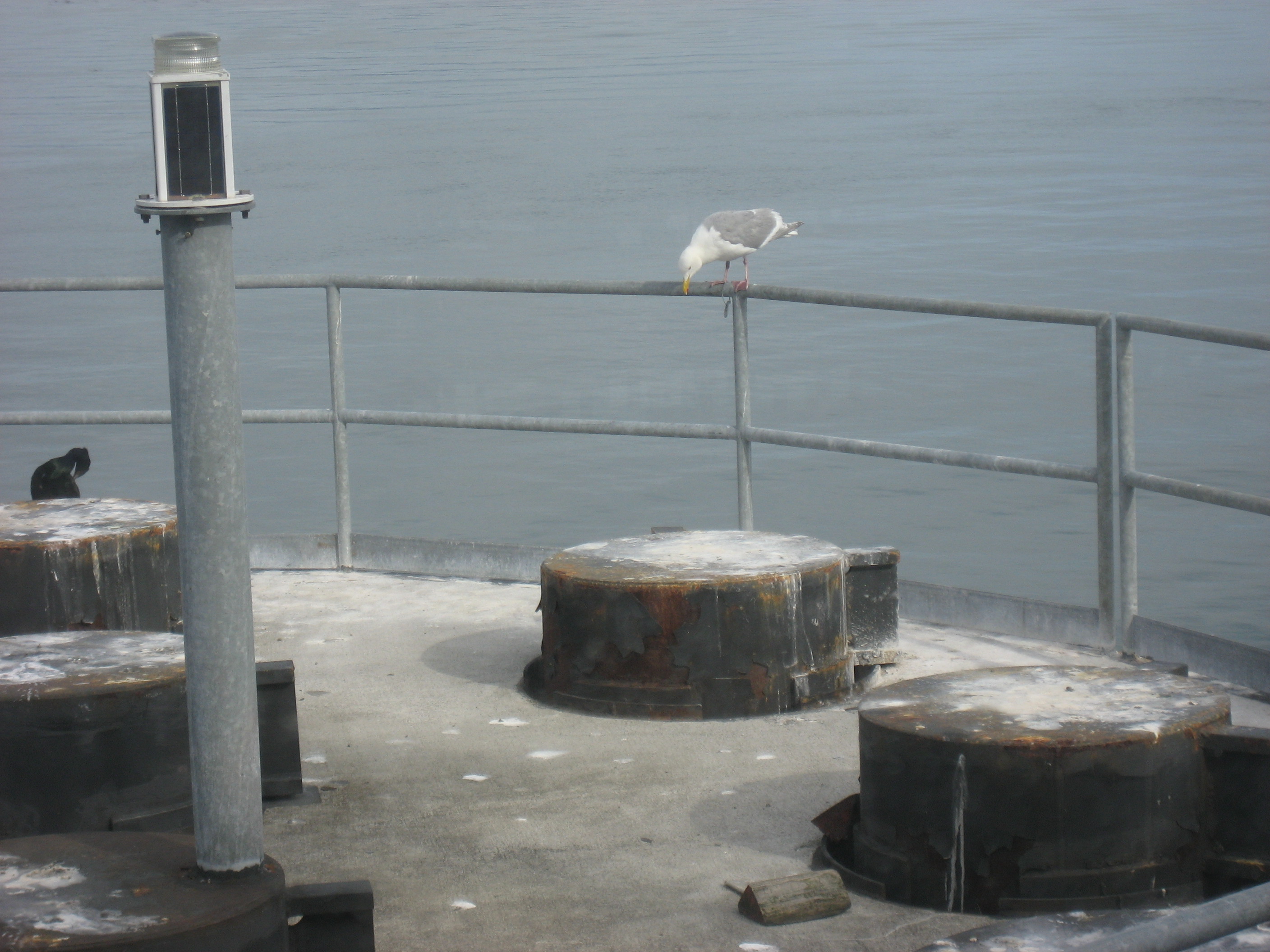
I zipped to the ferry station, west of Anacortes, and parked carefully in the day lot, as I would be returning at night.The wharfside featured some competitors for breakfast.
002

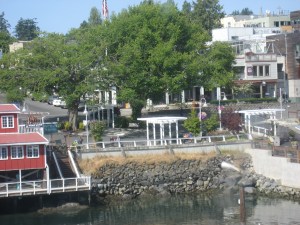
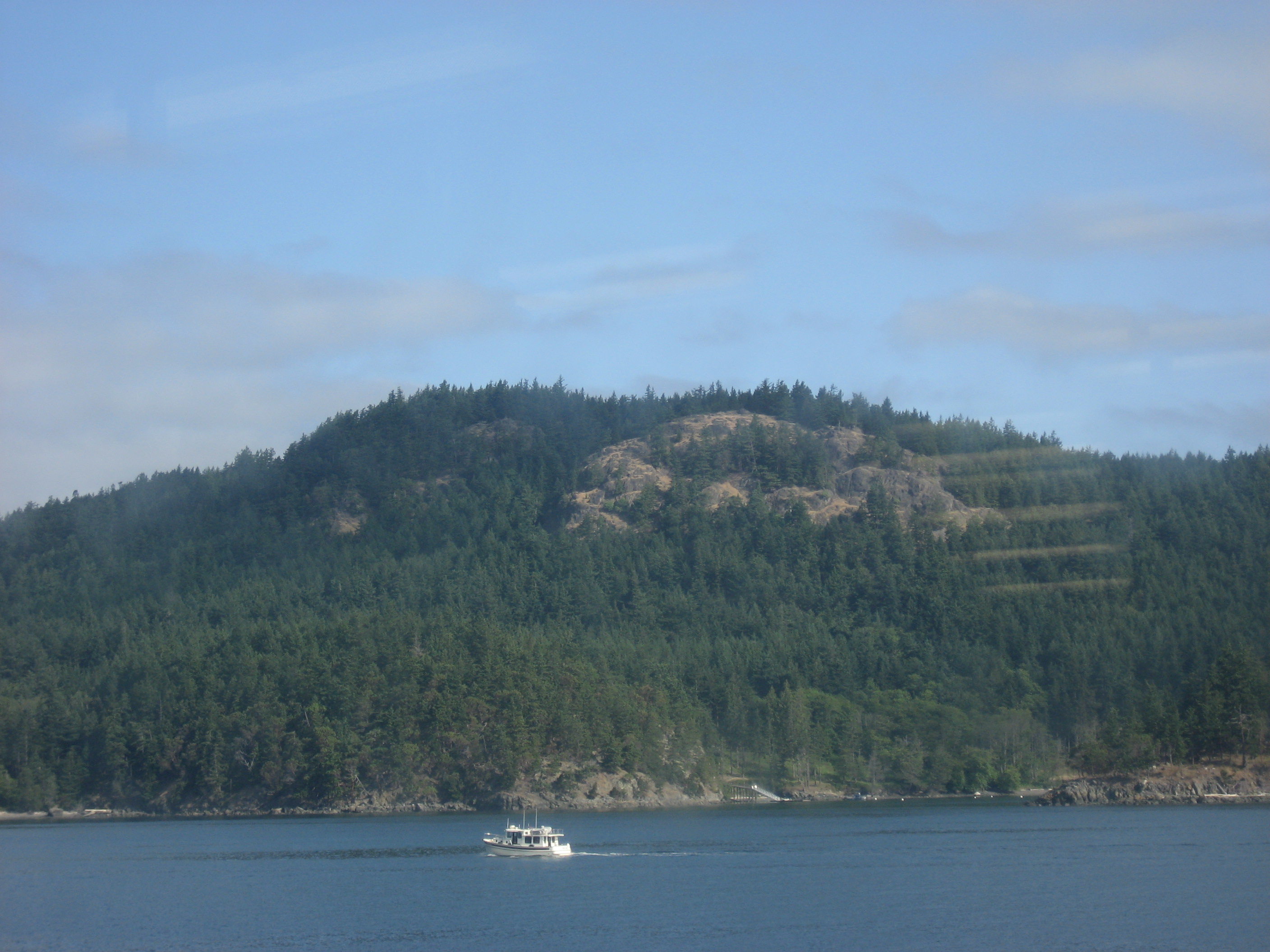
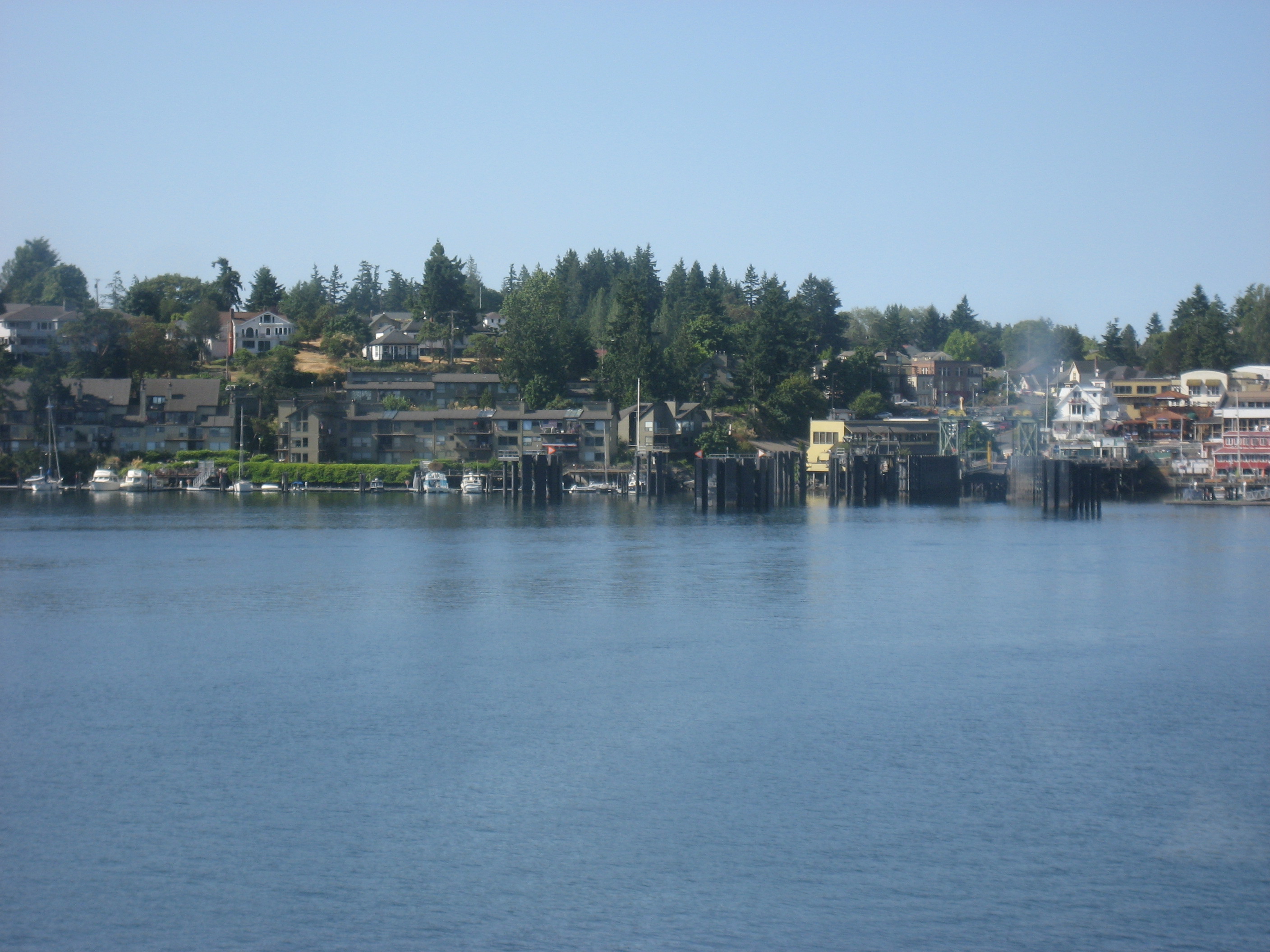
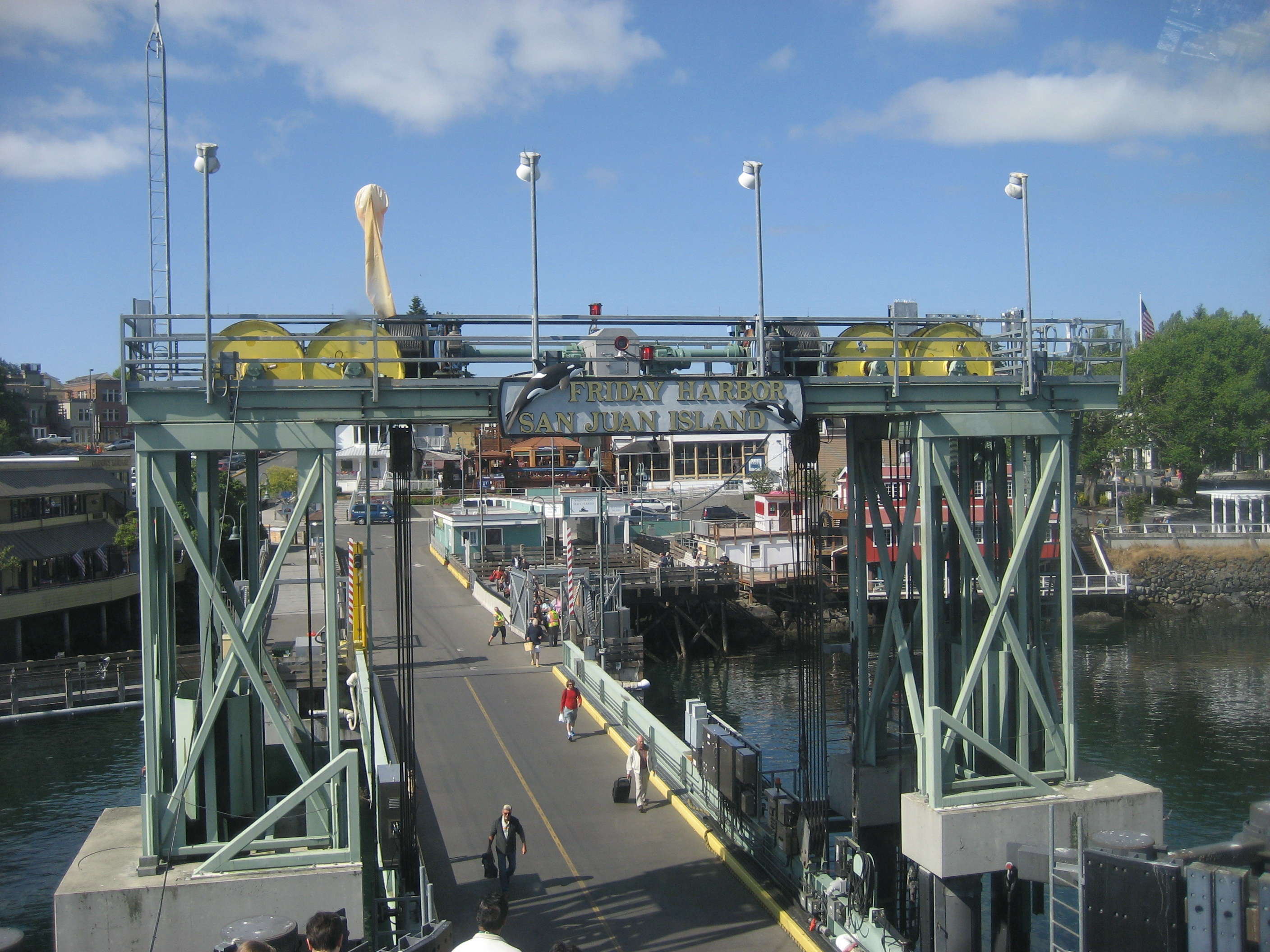
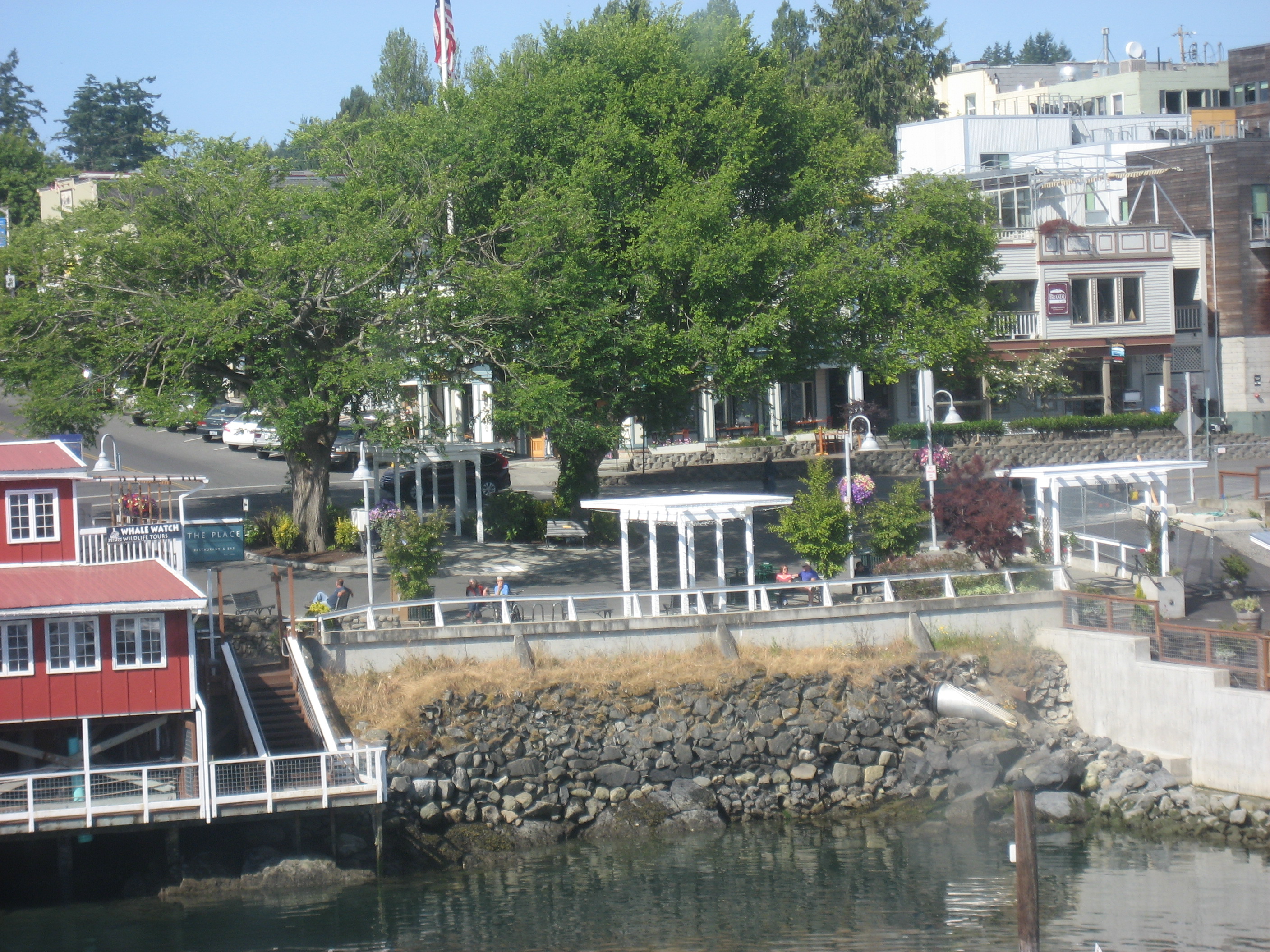
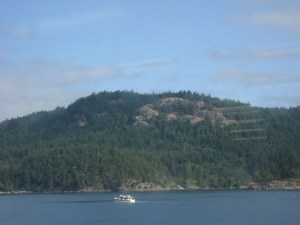
The cormorants far outnumbered the lone gull, however, so he followed us into the water for a while.  Our first stop was Friday Harbor, a delightful little town I might like to explore further, some day.
003

014

017

018

The same is true of Sidney, the small port where we landed.  A gruff Customs Officer gave me the third degree, then sent me happily along, to the port’s charming downtown.

025

027

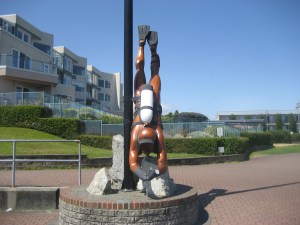
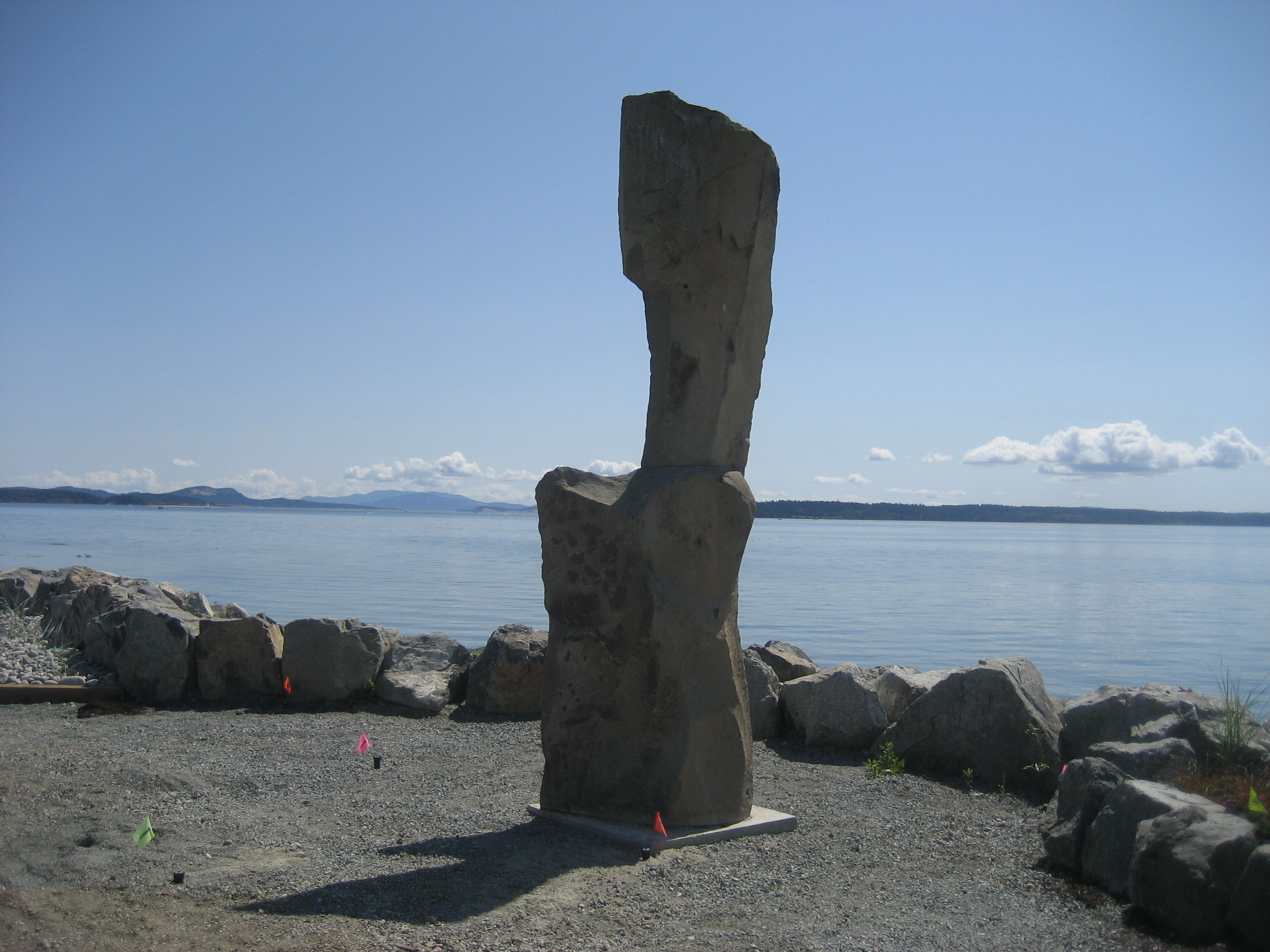
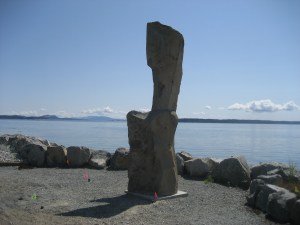
My first act was to check Eastview Park, and its sculptures.
028

032

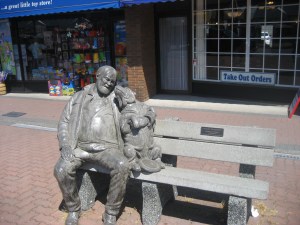
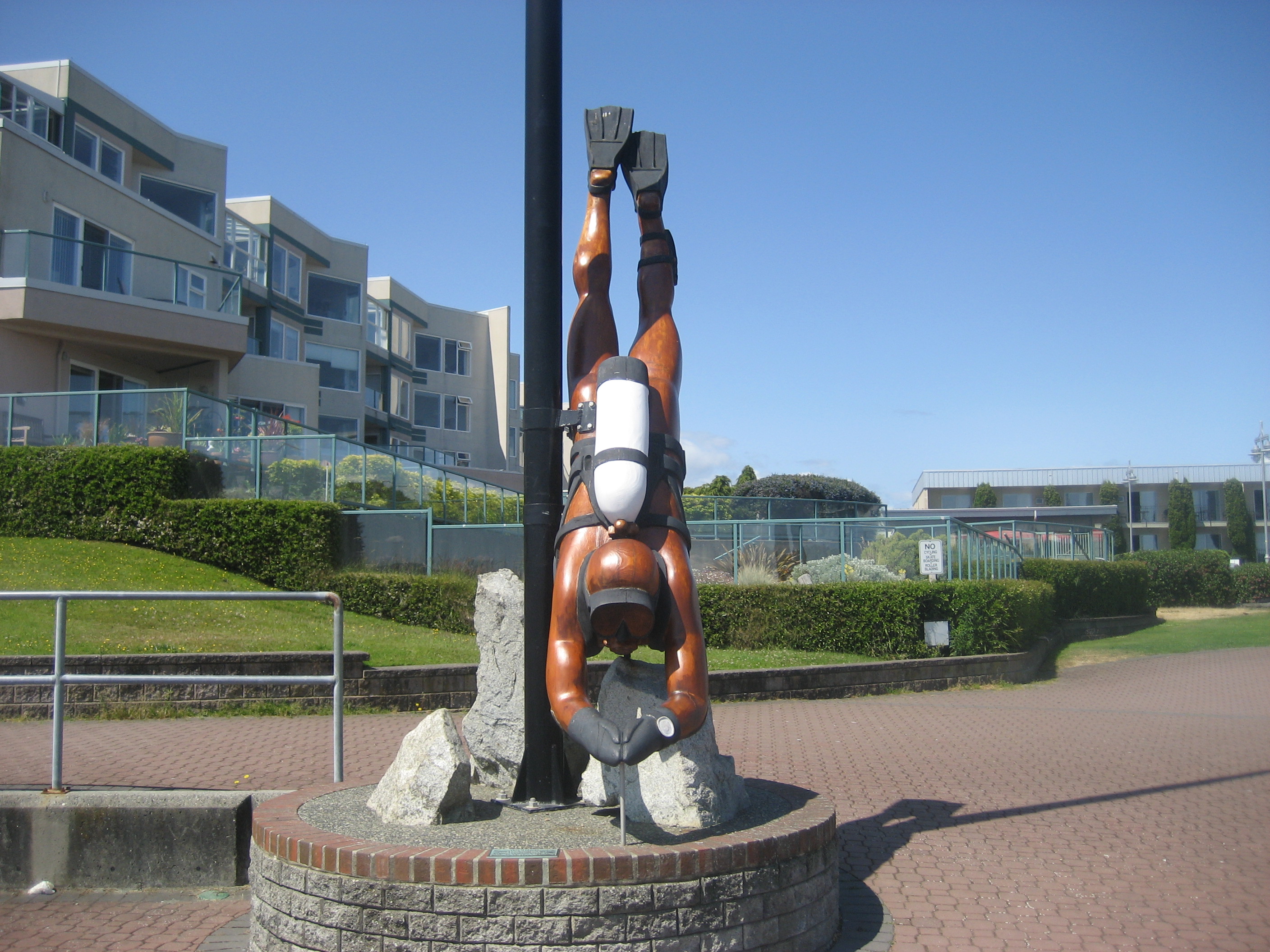
The artwork continued, downtown.

038

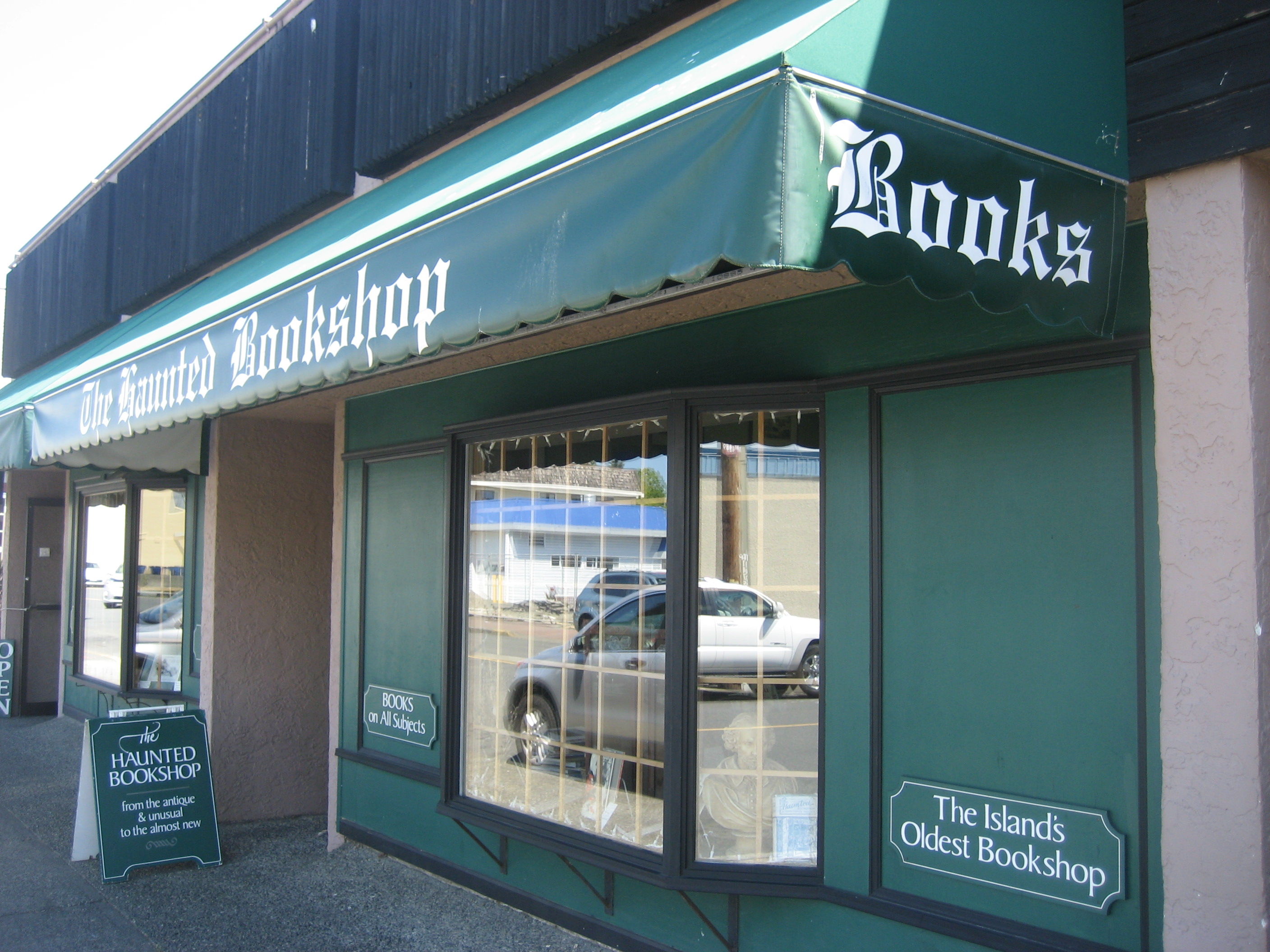
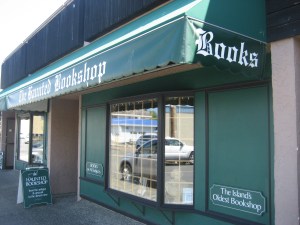
I spent about 20 minutes and C$ 10, at Haunted Bookshop, said to be Vancouver Island’s oldest.
039

The proprietor was kind enough to give me change for the bus to Victoria.  I took a double decker, going to the top tier, and engaging in conversation with a Korean student, resident in Vancouver, who was also here on holiday.  He was primarily interested in shopping, and in going to Butchart Gardens, which I had already consigned to a future visit.  They are another site that is worth a full day, in and of themselves.

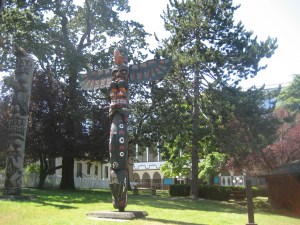
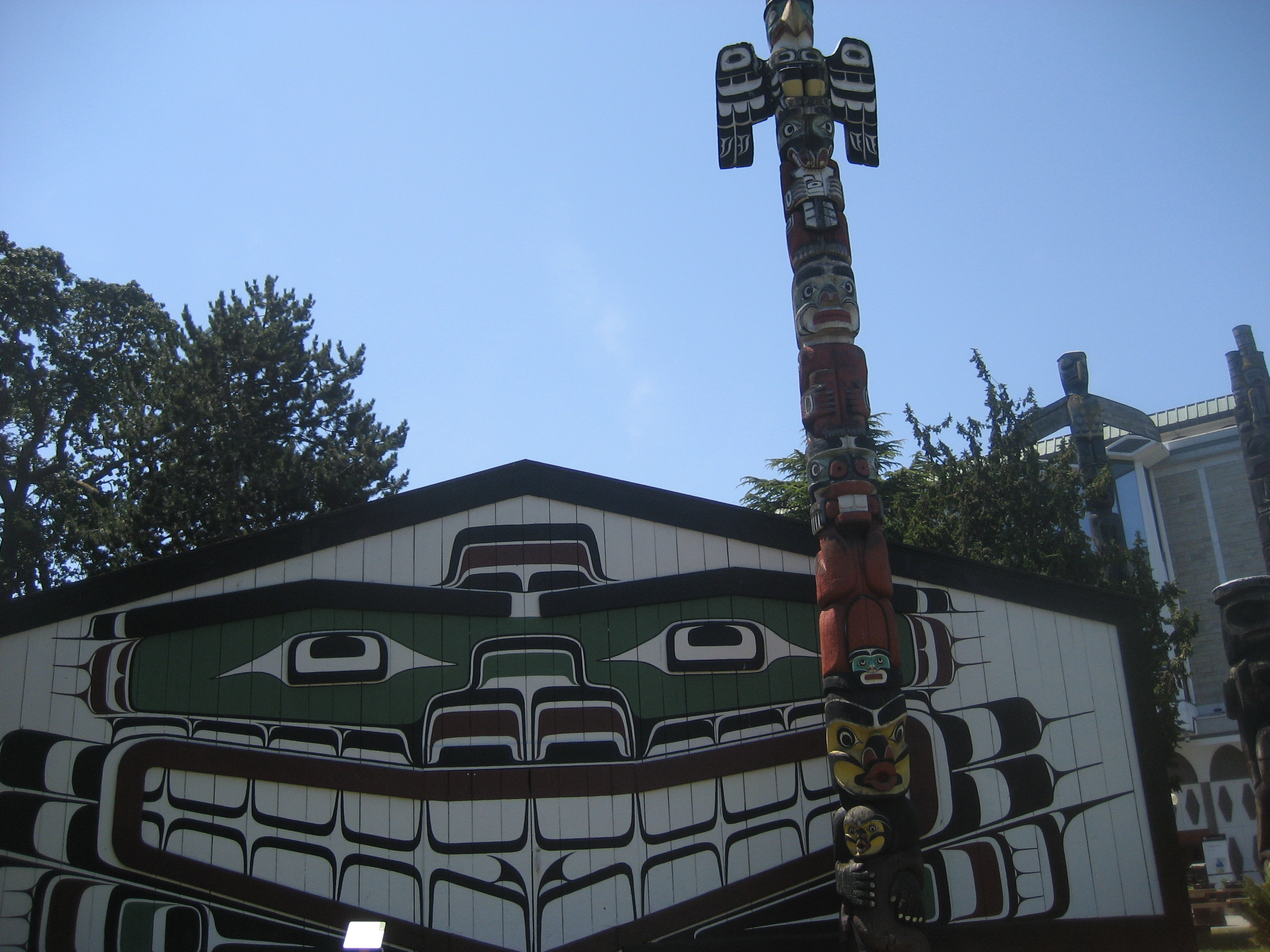
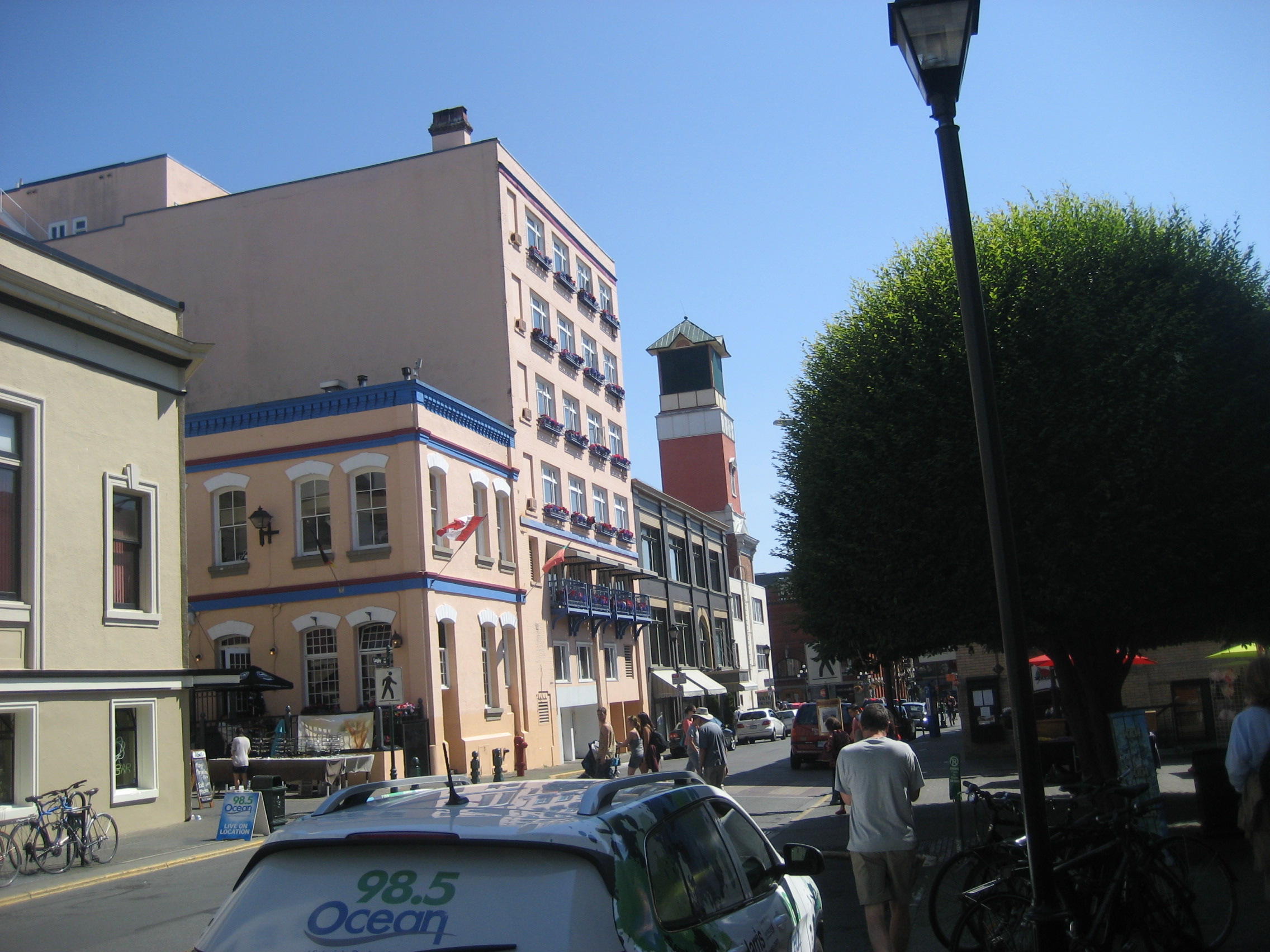
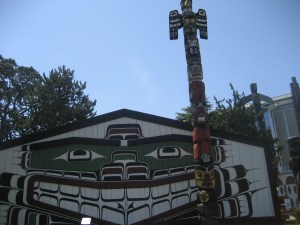
Upon arriving at the potlatch site, I took several minutes to wander among the totem poles of the Royal Museum grounds.042
045

050

I also took in the Helmcken House, home to Dr. John Helmcken and his family, in the late 19th Century.  Dr. Helmcken persuaded fellow British Columbians to join the Dominion of Canada.

052

This carillon, on the north side of the museum grounds, adds a more contemporary touch to the mix.

068

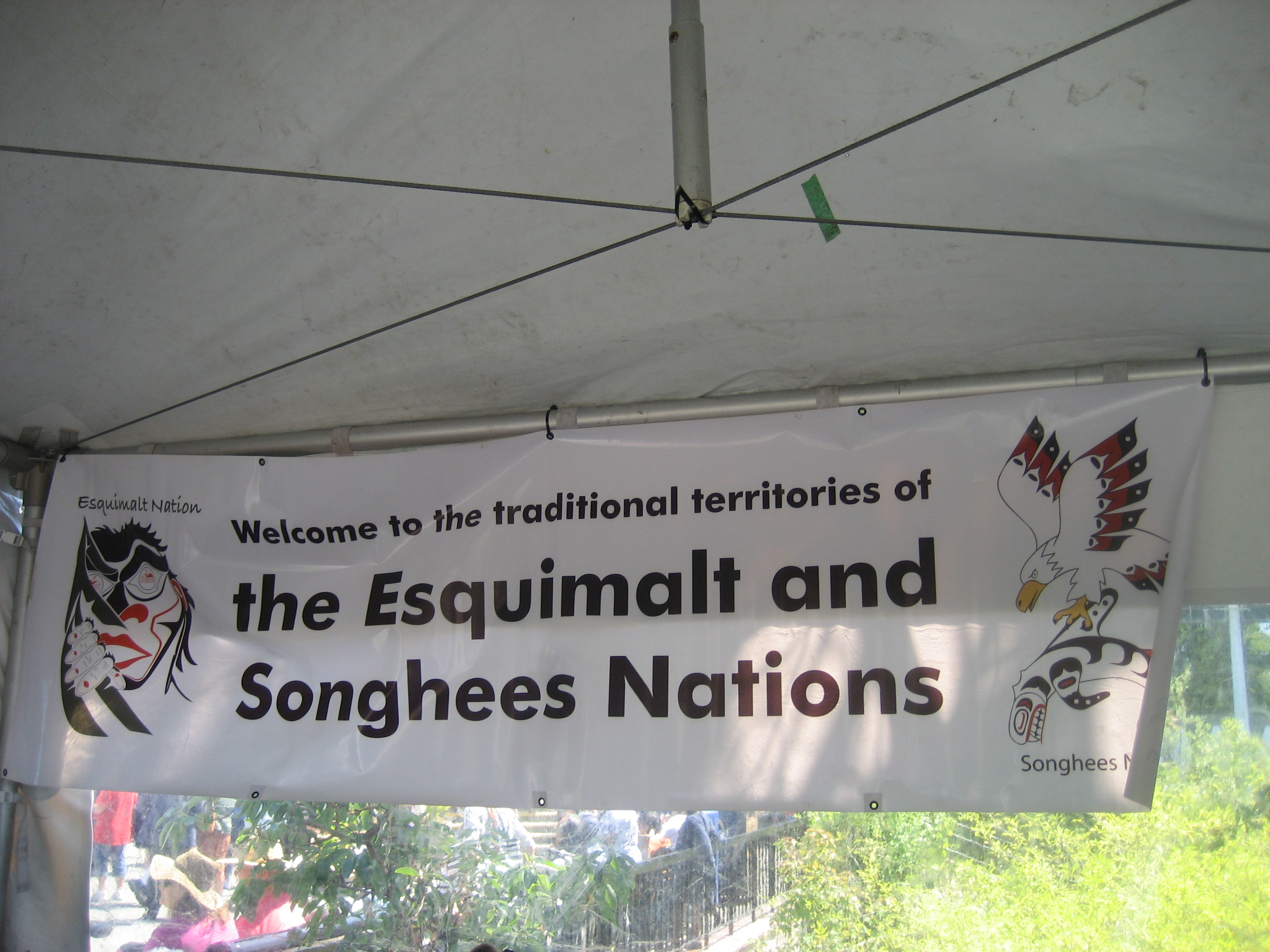
Once into the Potlatch area, we were set straight as to where we were.  The Songhees and Esquimault (Es-KWY-mawl) are working commonly, to preserve Aboriginal fishing rights and guard the health of the waterways.

070

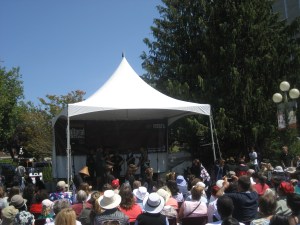
I was taught, from an early age, that listening and observing were especially important, when in the presence of Native elders.  Of course, these skills certainly lend themselves well to getting along in ANY company.  I watch a seal-hunting dance, by some of the Songhees people, after having enjoyed a bowl of Vancouver Island-stye clam chowder and fry bread, an Aboriginal staple, across the continent.
072

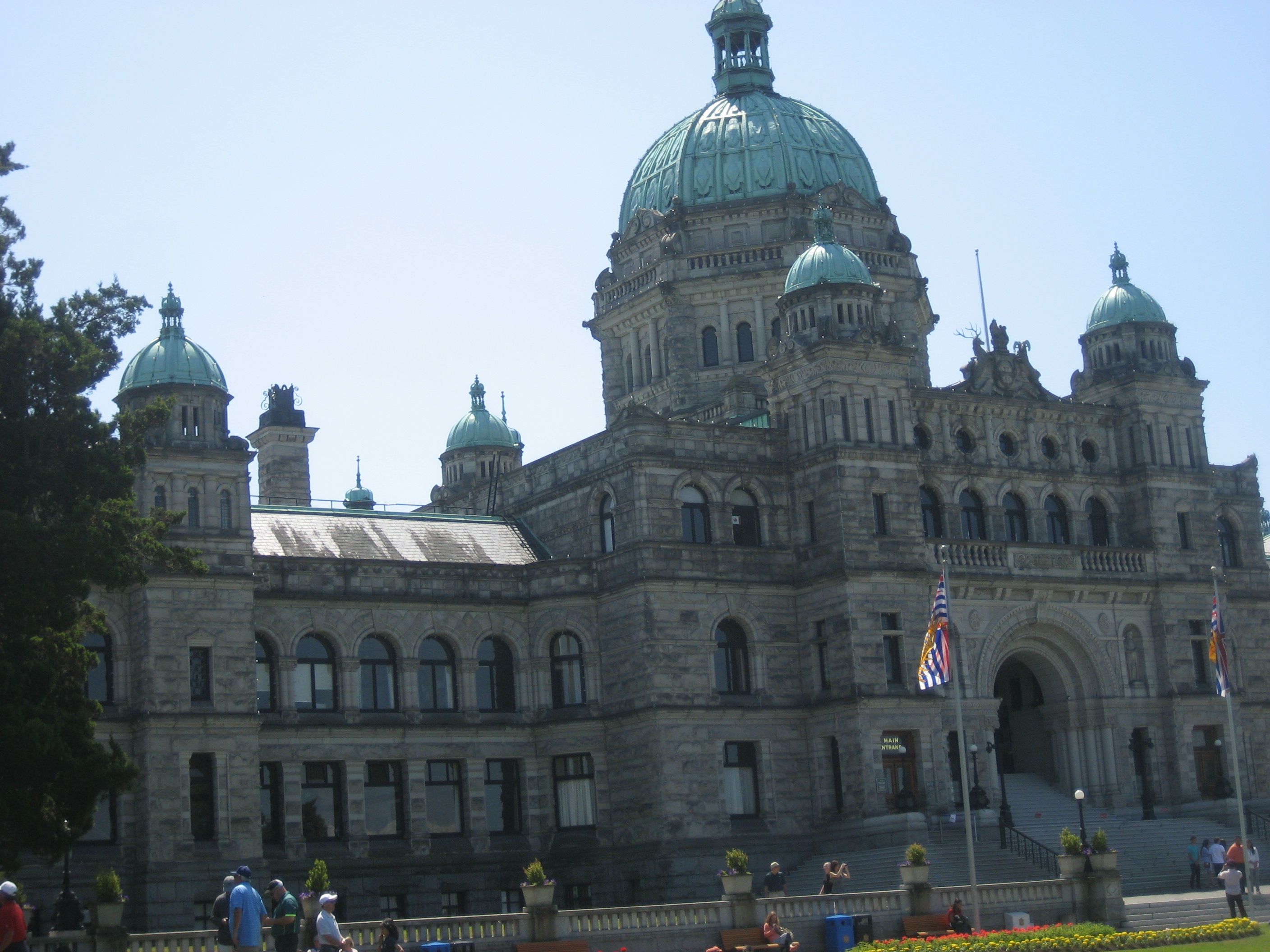
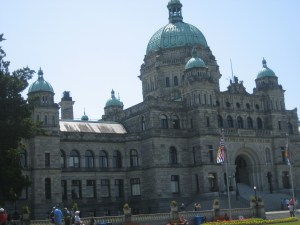
While waiting for the walking tour guide, I took in the British Columbia Parliament Building and the Empress Hotel, diagonal from Parliament.  The neo-Baroque  British Columbia Parliament Buildings were completed by Francis Rattenbury, in 1898.
075

The Fairmont Empress Hotel, completed in 1908, was the western showpiece of the Canadian Pacific Railroad’s hotel line.  It certainly competes with the grand hotels of Montreal, Toronto and Vancouver, in terms of ornateness.

088

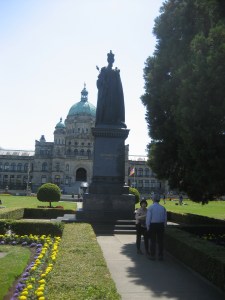
I’m sure Queen Victoria would have approved of the city named in her honour.
086

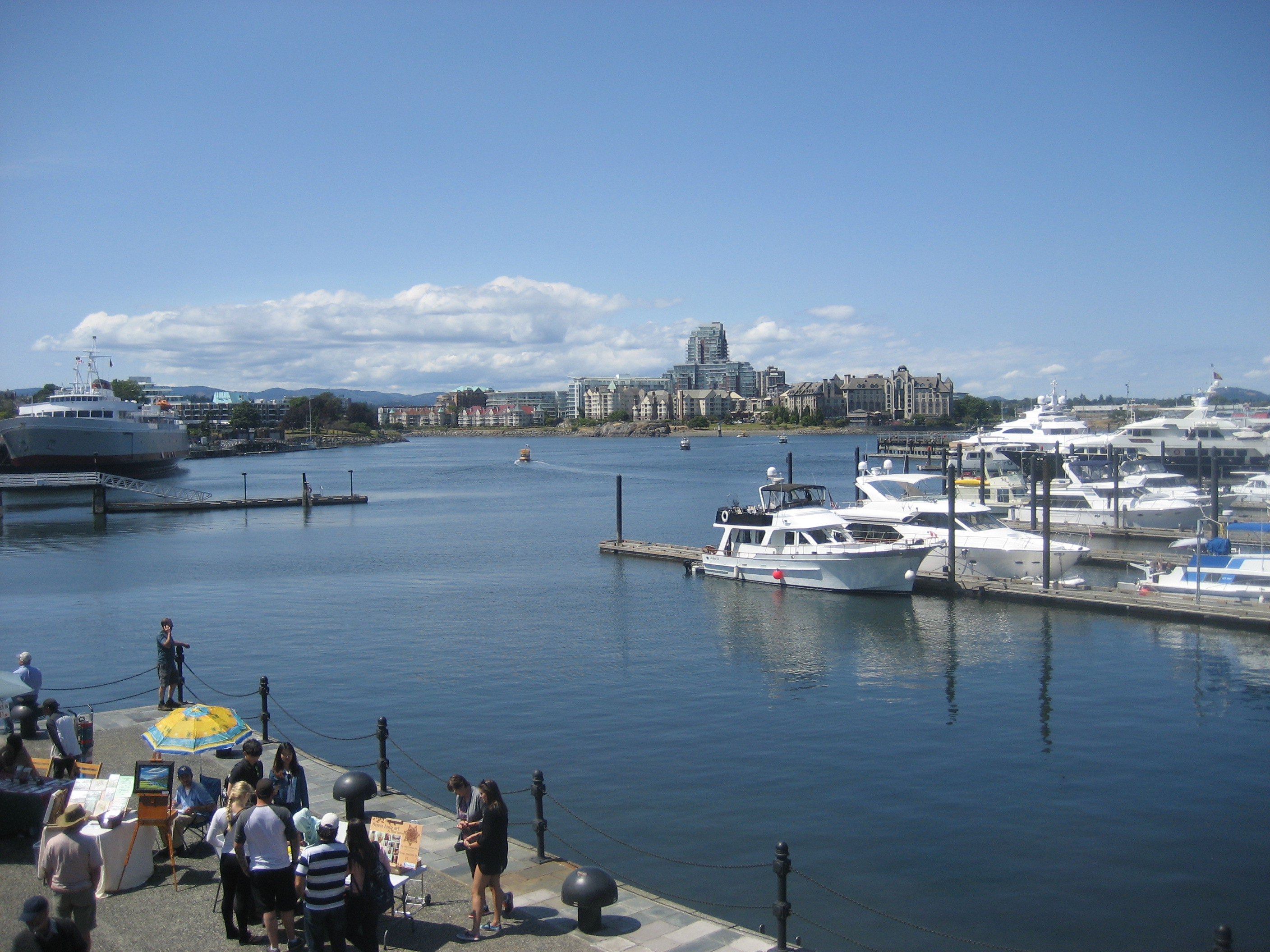
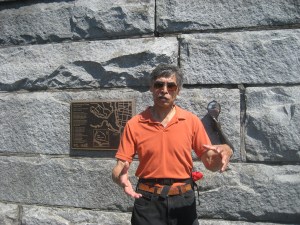
Our walking tour started, just after I had paid homage to the Queen.  We began at the old harbour, which guide Mark Albany, of the Songhees Nation, explained was traditional Aboriginal fishing ground, though the harbour was largely filled in by the British, for the sake of commerce.  It is about half the size of its pre-British days.

090

Mark was an incisive, fast-moving human encyclopedia.
094

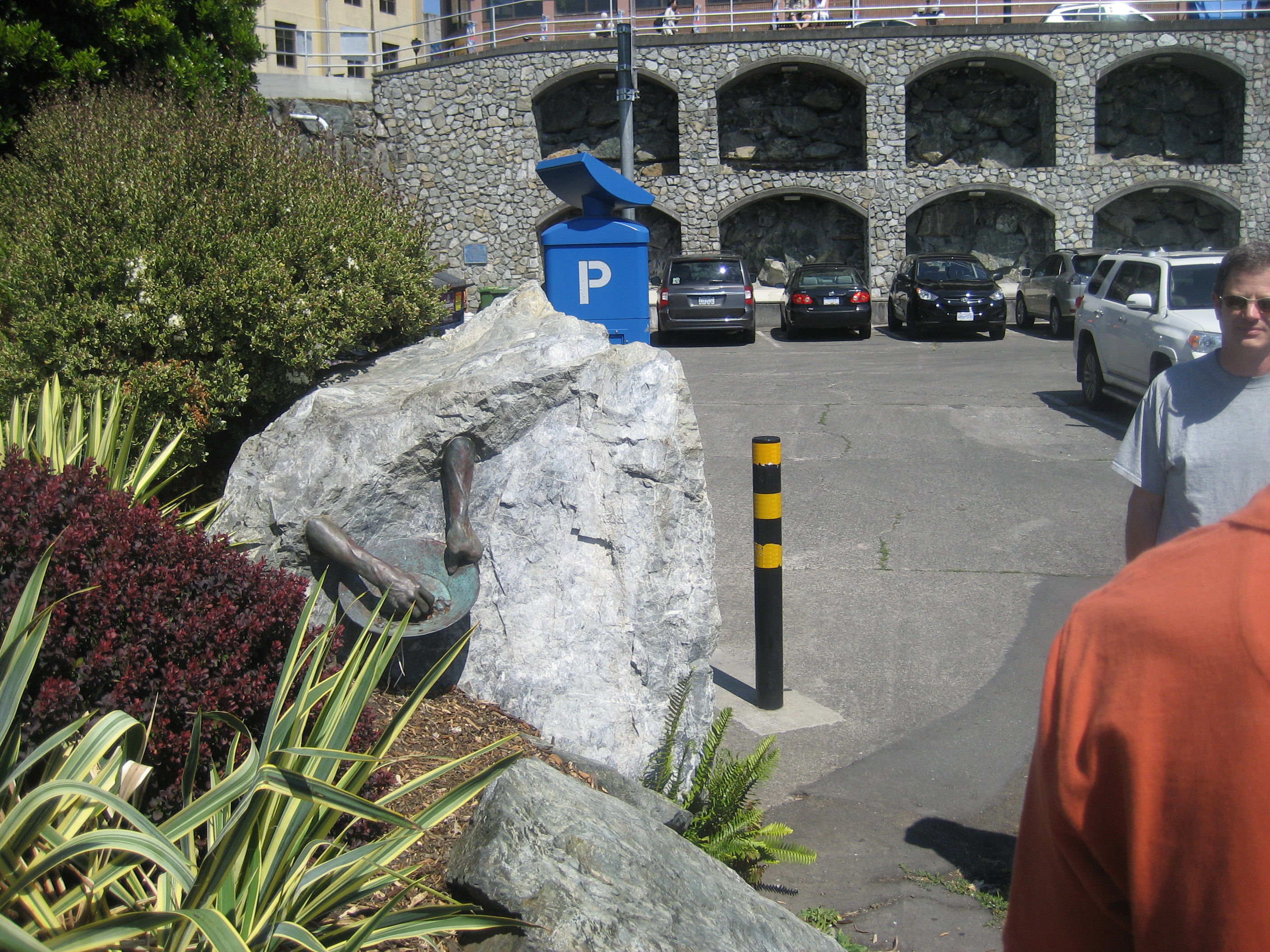
Human hand and arm sculptures appear at five points, in downtown Victoria.  They honour the industry of all workers, who built the city, into a vibrant port.

098

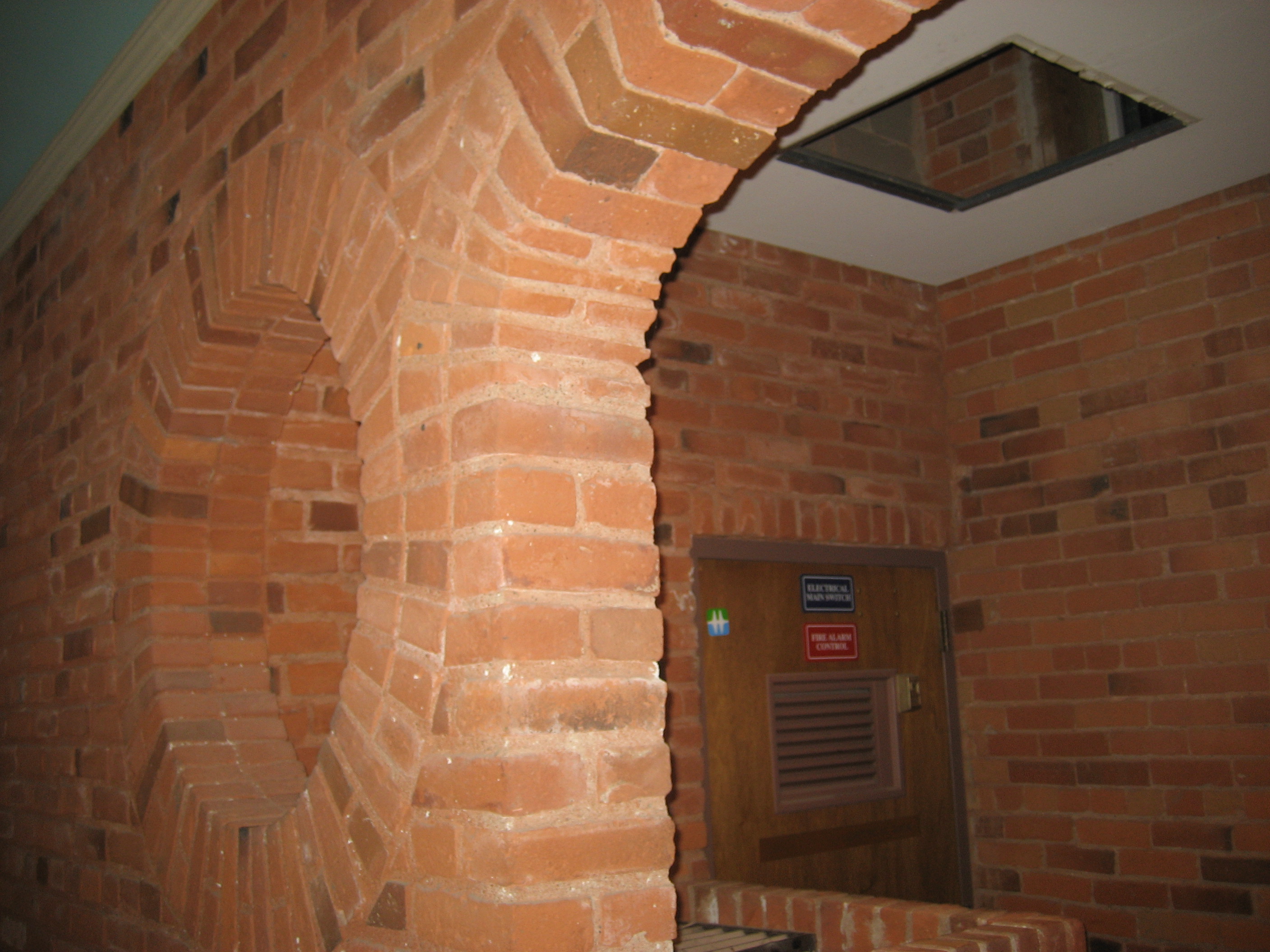
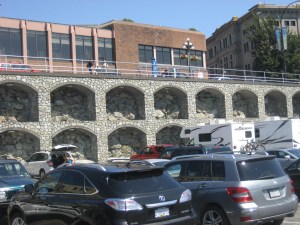
These Romanesque supports for the downtown evoked Rouen and Vannes, France, for me.
099

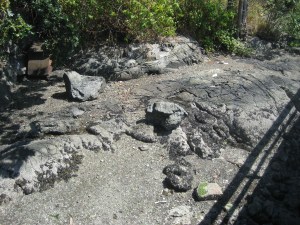
Aboriginal kitchen middens have been preserved, at the water’s edge, by the City Council, as an archaeological zone.
102

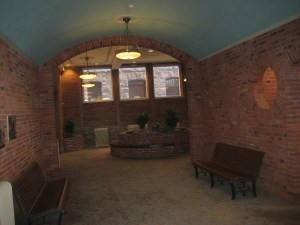
Mark took us in and around the remnants of the Bastion, the original British seaside fortress, meant to defend against the Spanish and Russians, as well as against any Aboriginals who might have had depredatory intentions.

107

110

As you might guess, part of this building is now used as a wine cellar.

111

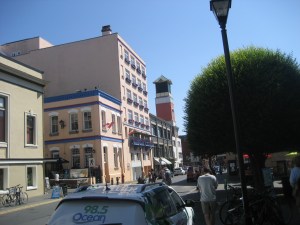
We looked around the old commercial district, where Mark noted the contrast between the British division of property into parcels, and the Aboriginal notion of land being for common use.
118

The original cobbles of Victoria’s streets were built of Douglas fir.
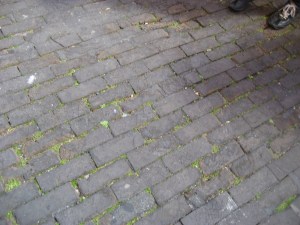
123

As this was soon found to be an unwieldy practice, the British turned to stone and pressed glass pavers for their streets.
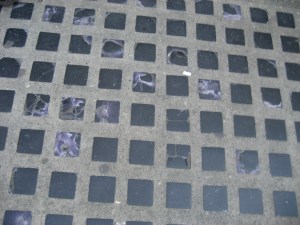
124

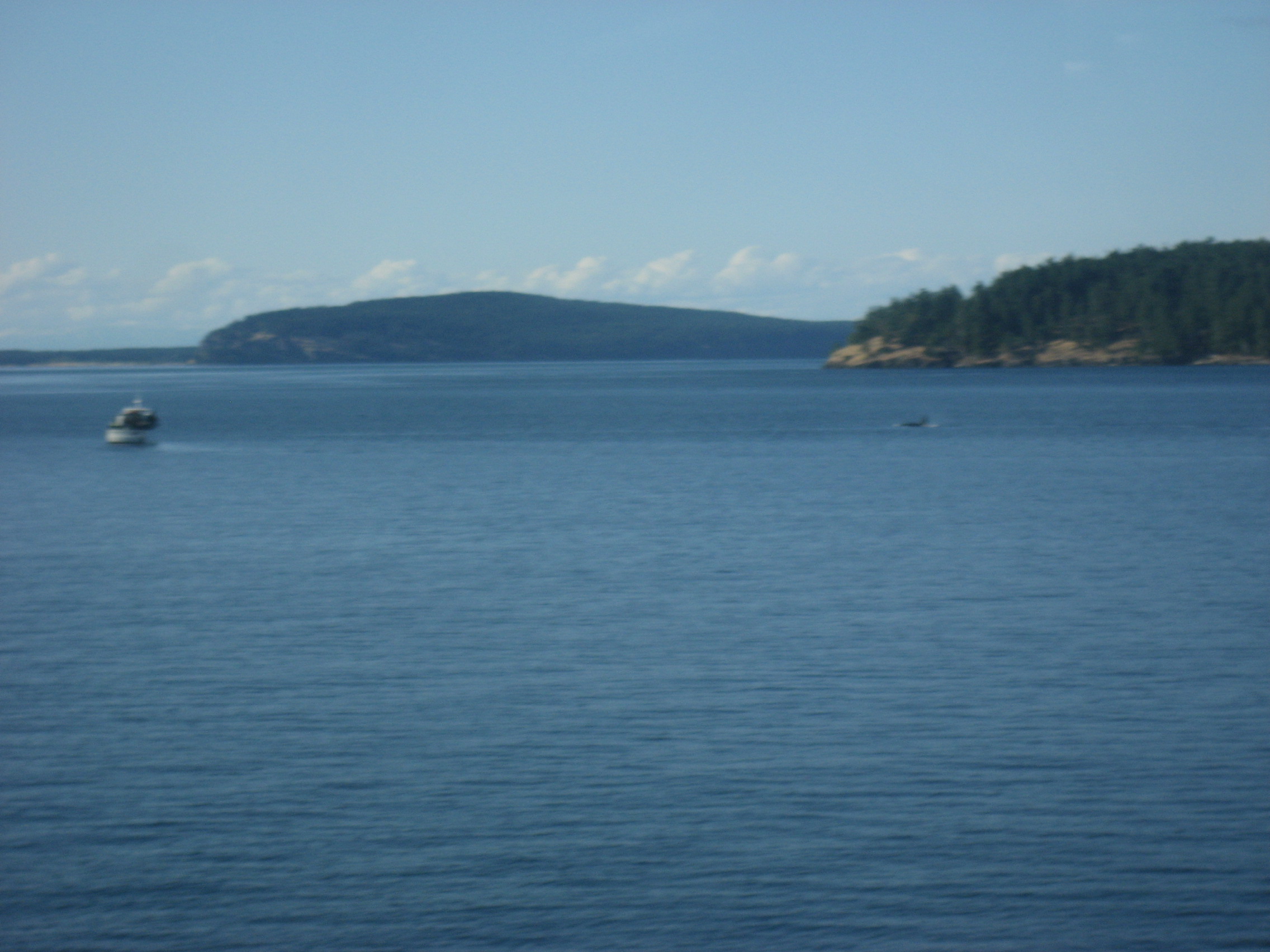
I had to bid farewell to Mark,the group (who were mostly Victoria residents, just learning about their city from a First Nations perspective) and to fair Victoria.  As the ferry back to Anacortes passed into the strait, a pair of orcas were engaged in feeding.
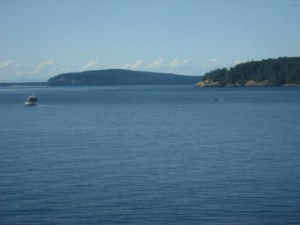
138

It wasn’t quite sunset, but the red sails were out.

146

The trimast also was out, seeking cetaceans for the evening.
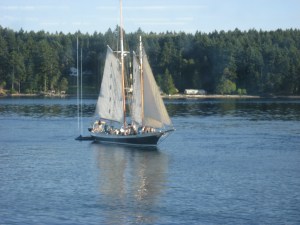
148

I was favourably impressed with Victoria, and will set aside more time, strictly for Vancouver Island, on some future jaunt.  For now, though, thought must be given to other areas of the Northwest, before I head southward to my base.

A Rim Country Saturday, Part 1: The Boy Named Pearl

8

November 8, 2014, Payson- Zane Grey was nothing, if not headstrong.  The best-selling author of all time had an impetus, however.  His mother, a fervent admirer of Queen Victoria, named him Pearl Zane Grey, the first name coming from the Queen’s wearing of pearl grey attire, whilst she mourned Prince Albert.  Zane was his mother’s maiden name, and they lived in Zanesville, Ohio, which was named for one of her forebears.  Zane’s father, a dentist, commanded him to follow in his footsteps, and he grudgingly did.  He also devised the curve ball, whilst playing for his college baseball team, and wrote a novel, Betty Zane, based on the life of a maternal aunt.  This last gave him the idea of getting out from under dentistry, which he detested.

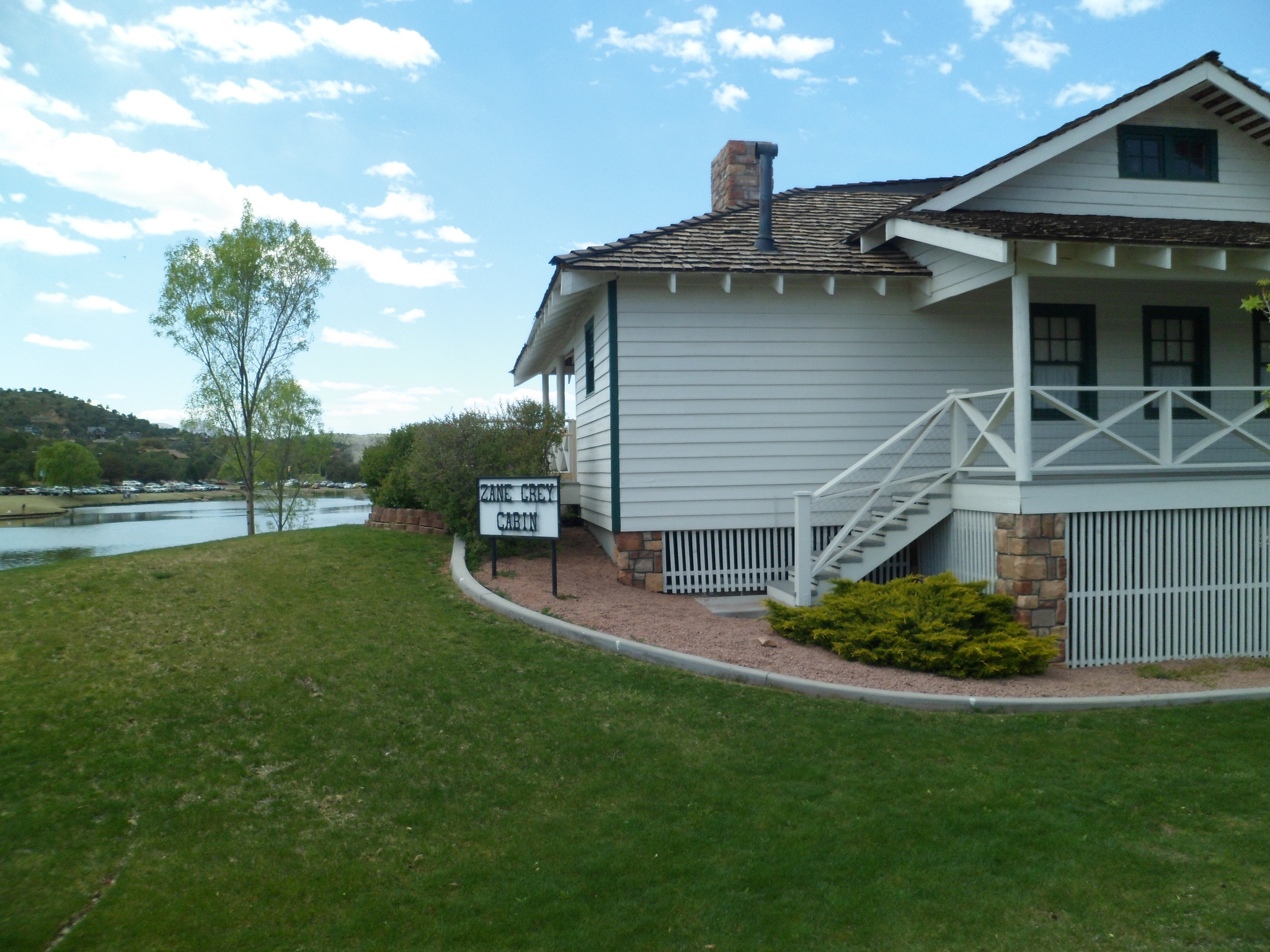
I learned these facts about P. Zane Grey, as he called himself, once his parents had died, at Zane Grey Cabin, part of the historical complex of Payson, AZ.  He was an avid hunter, in the Payson area, until the new state government got involved and started to change the rules of hunting.  He then quit hunting, loudly and publicly, taking up deep sea fishing for a time, and setting records in that sport, many of which still stand.

The cabin is a humongous affair, built in the style of the Adirondack Region of Upstate New York.

8693200871_50b3464e63_k

No photos are allowed, either in the Cabin, or in the adjacent Rim Country Historical Museum, as many items are on loan from private collectors and families of Zane Grey’s employees and associates.  I started my visit with Docent P., in the Cabin’s kitchen.  There is a huge, old-style cast iron stove in the room.  It is especially notable, in that on the top of the stove are two passive heat receptacles, used for keeping infants warm, in the dead of winter.  No, the witch in Hansel and Gretel didn’t work there.  The two infants in question grew up to be successful in their trades, and lived to a ripe old age.

I then went into the Great Room, festooned with bear rugs, taxidermed elk  and Zane’s Morris Desk- a comfortable chair, with arms that allowed a slab of pine to be stretched across them, serving as a desk. Across from these is a collection of first editions of Zane Grey’s books, many of them signed by him.  If you ever happen to be in an antique shop or old book store, look for Zane’s still-missing treasures.  30-45 of them are still out in the wider world.  He painted extraordinary word pictures of all the areas in which he lived, from Wheeling, WV to Tahiti and New Zealand.  Being something of a contemporary of Samuel L. Clemens, he was, in that respect, a man of his time.