The Road to Diamond, Day 68: Extrusive and Intrusive

2

February 4, 2025, Manila- There are two kinds of igneous rock, based on where they are formed. Intrusive igneous rock is the result of magma solidifying beneath the Earth’s surface. Granite is the most common of these rocks. Peridotite is among the most striking of them. Extrusive igneous rock is the result of lava cooling and solidifying on the surface of the Earth. This can be either mafic (darker, more solid) or felsic (generally lighter, with more silica content). Basalt is a common mafic extrusive igneous rock. Pumice and rhyolite are felsic extrusives. This is some of what I learned about igneous rock, on the Fifth Floor of the Philippine National Museum of Natural History. The geology section provides a wealth of information about sedimentary and metamorphic rock, as well.

There are parallels between the two types of igneous rock and the manner in which policies are established, as well as modified, in the course of civic affairs. “Intrusive” policy change is done quietly, behind closed doors, and is pretty much solidified by the time it comes to the attention of the public-at-large. It is solid, and rather hard to modify, once it has seen the light of day. “Extrusive” policy change is effected with great fanfare, in broad daylight, and while there is a rhythm to its flow, the edges of the policy, its short-term effect on those in its path, can be quite rough. There is a reason why basalt, an extrusive igneous rock, is favoured in fashioning arrow heads. Conversely, pumice, also extrusive igneous, is well-liked as an abrasive.

These analogies came to me, as I rode the Light Rail from the museum back to Ola Hostel’s neighbourhood, this evening.
The Carving of A Confluence

6

April 22, 2019, Cameron, AZ-

I set out from Flagstaff, around 9: 30 this morning, heading to the western edge of this once sleepy sheep-ranching community, which is now tapping into the growing number of people who want to visit the Dineh (Navajo) people, see their starkly beautiful land and learn of their culture.

Here, at the foot of Gray Mountain, on the way to Grand Canyon National Park, lie two overlooks which capture that stark beauty and share an area regarded by the Dineh people as their point of emergence from the underground, following a long ago calamity, and thus a sacred site.

It is the last segment of the Little Colorado River, approaching and reaching its confluence with the Colorado River, after a 338 mile journey, from the White Mountains of eastern Arizona, through the Painted Desert and Coconino Plateau.

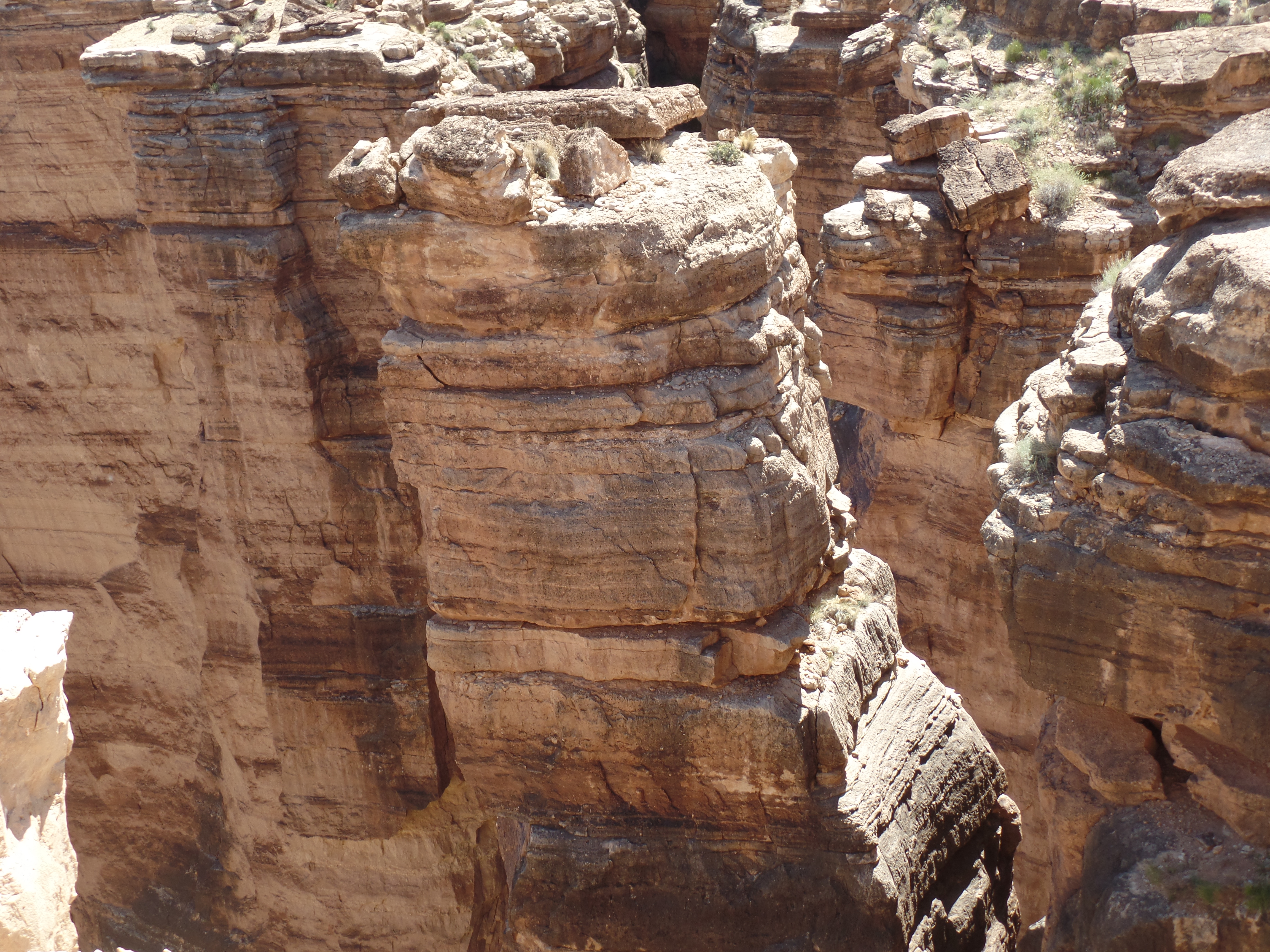
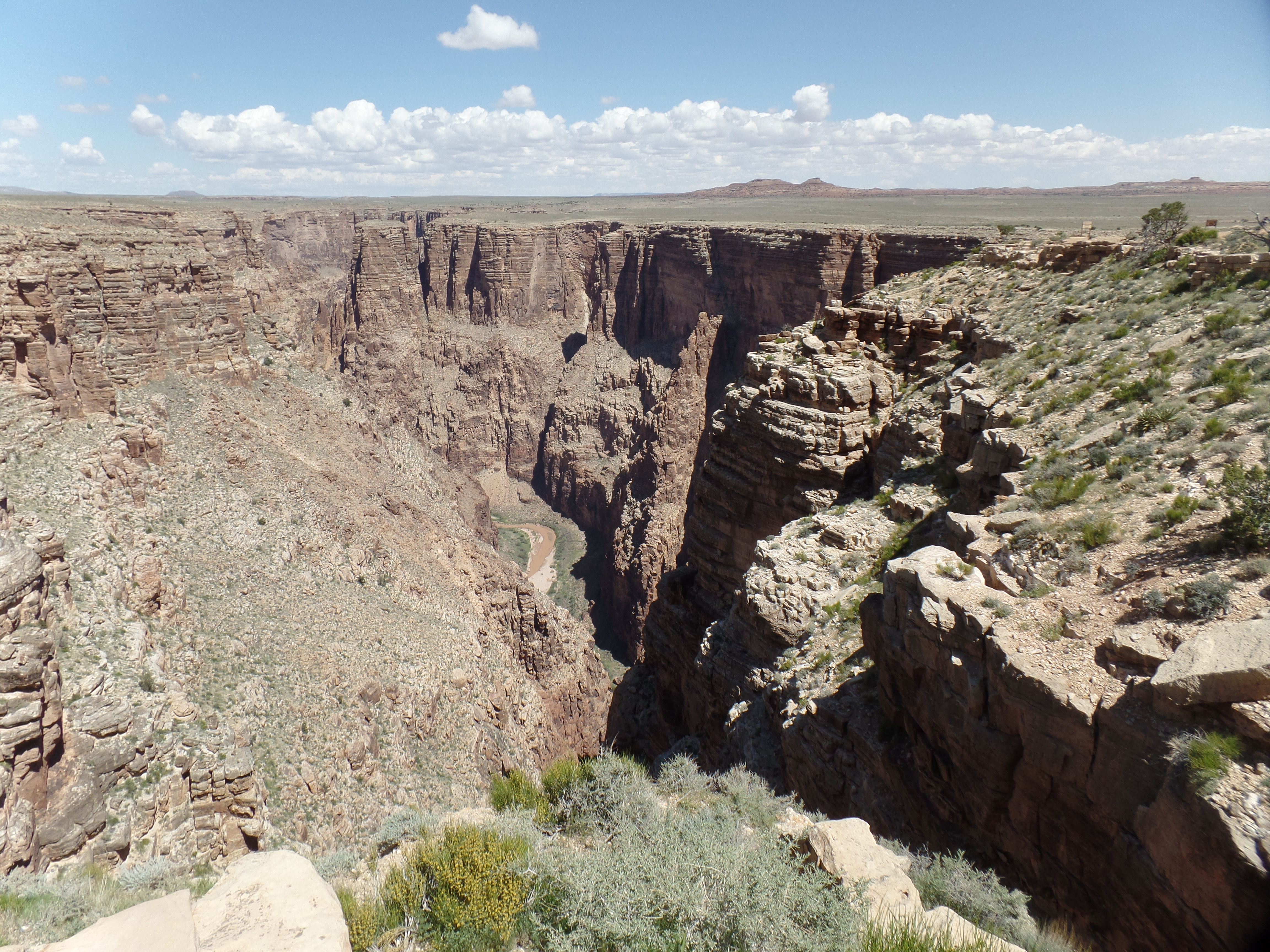
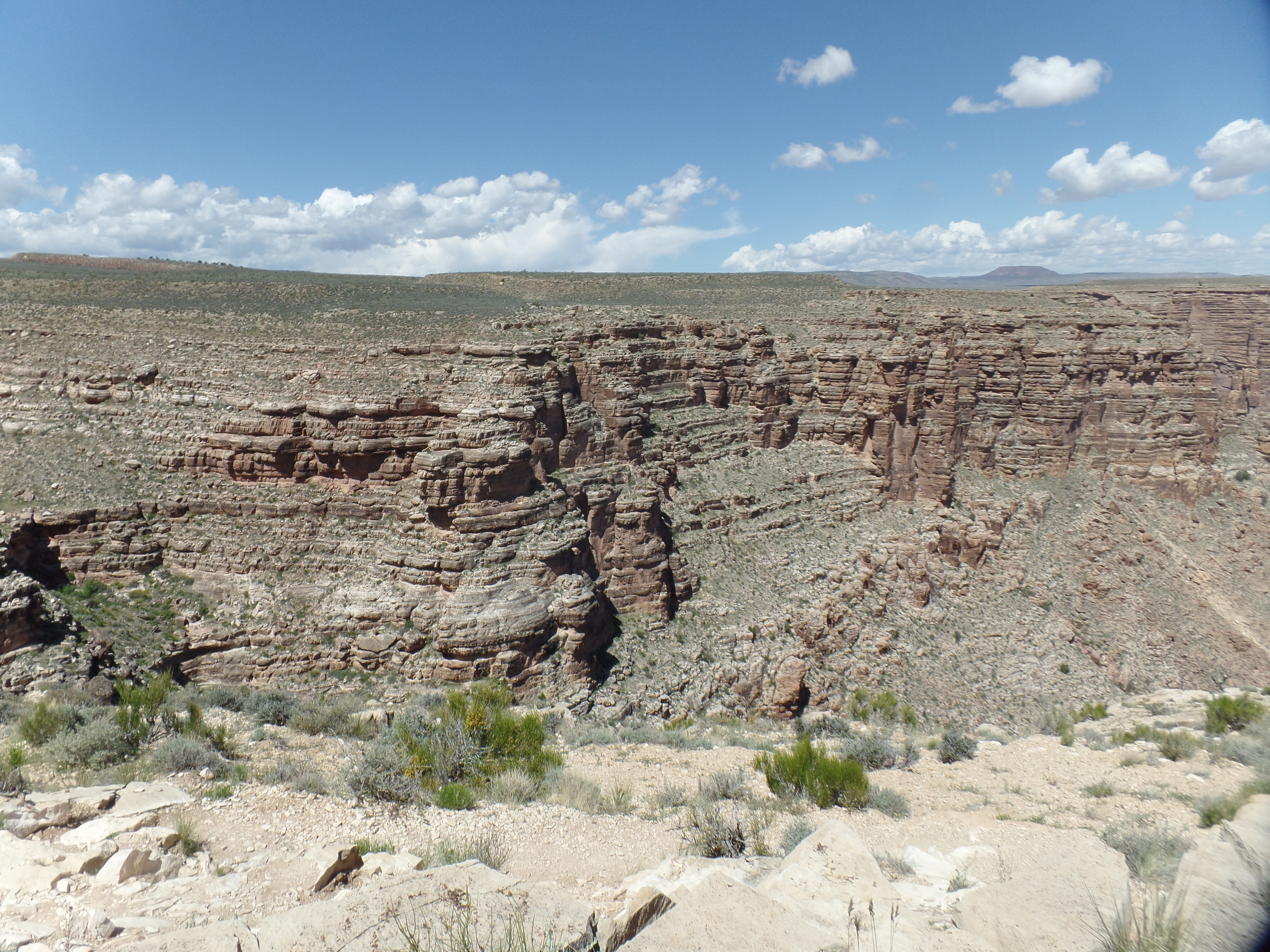
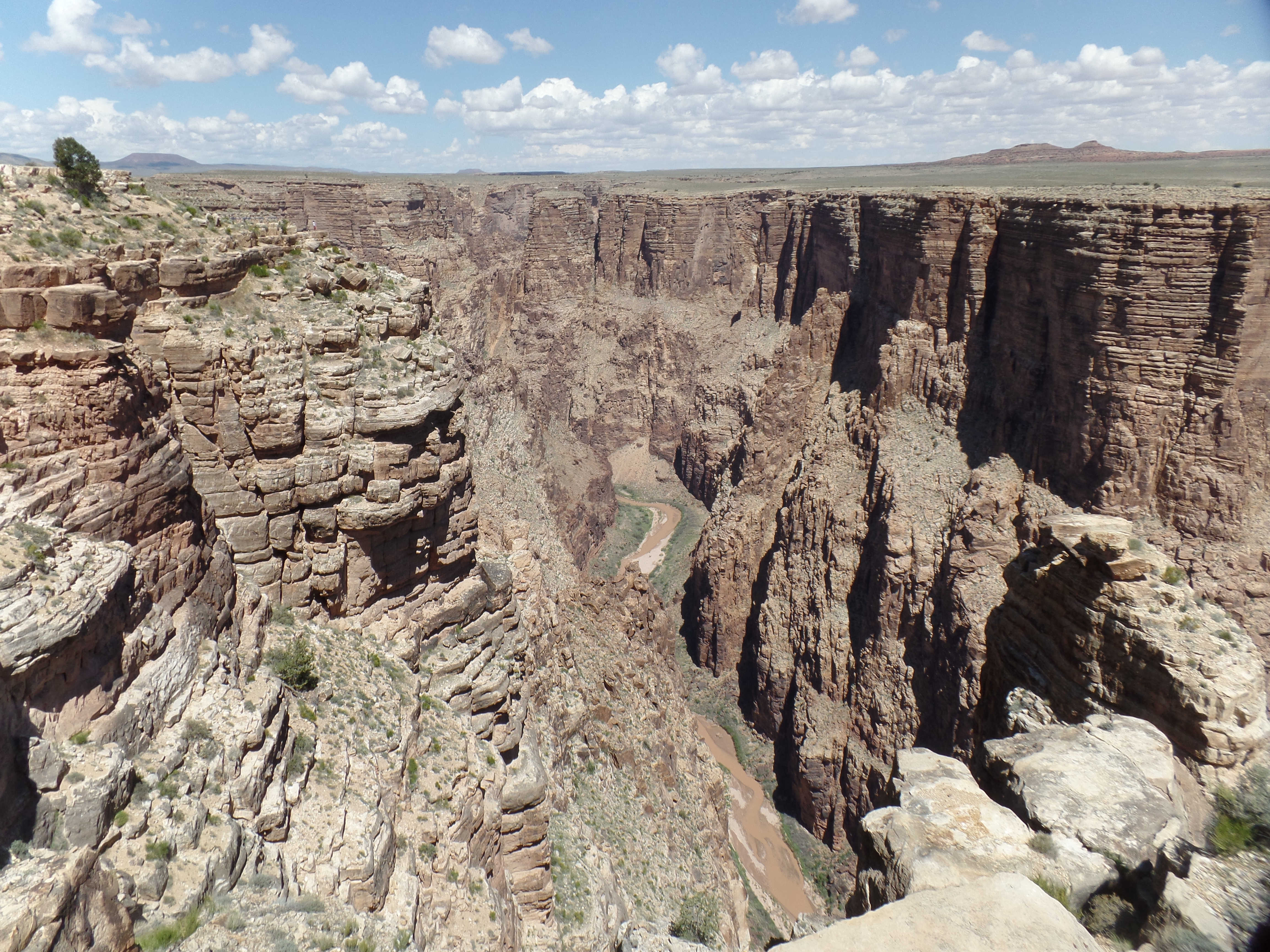
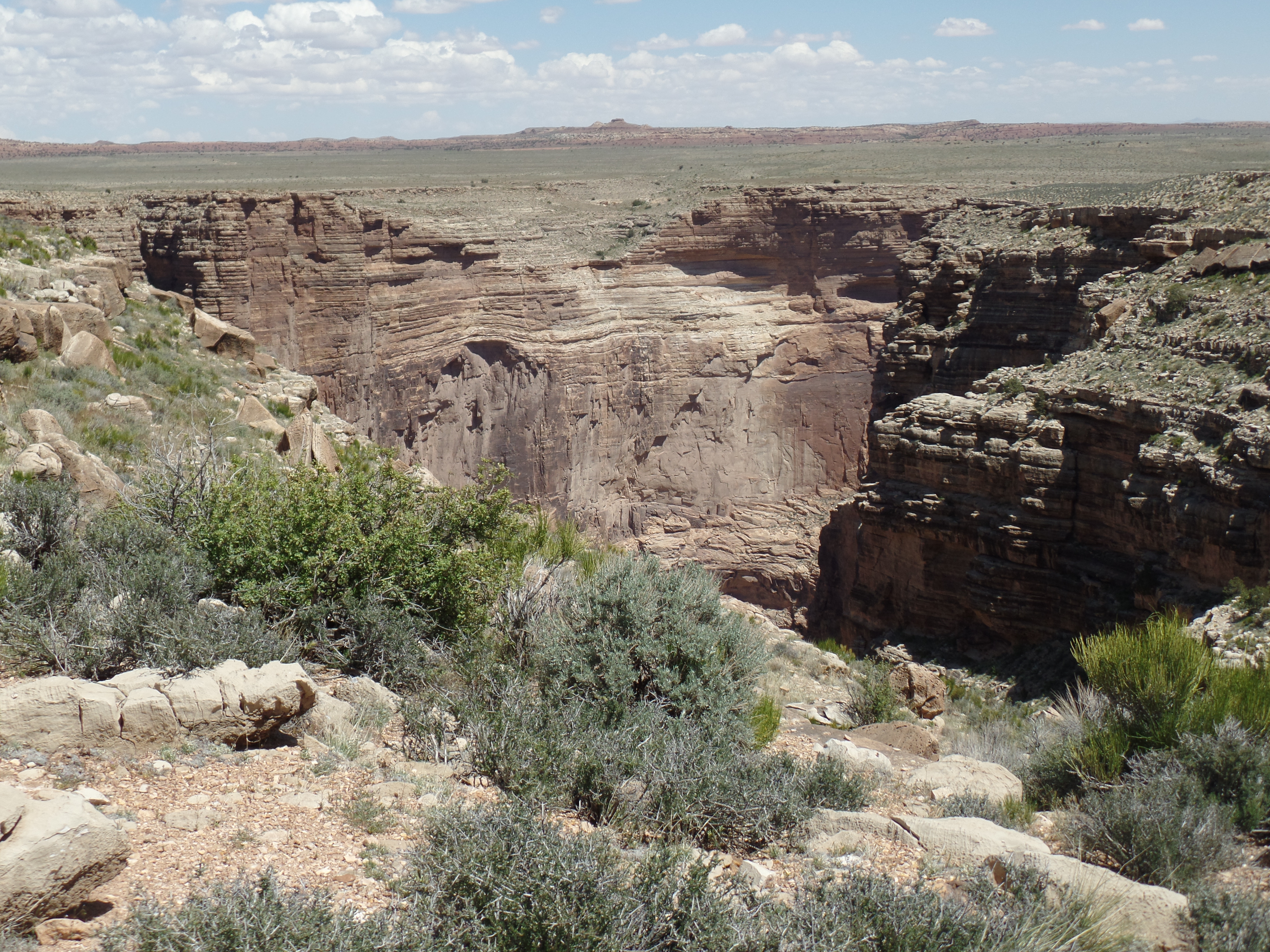
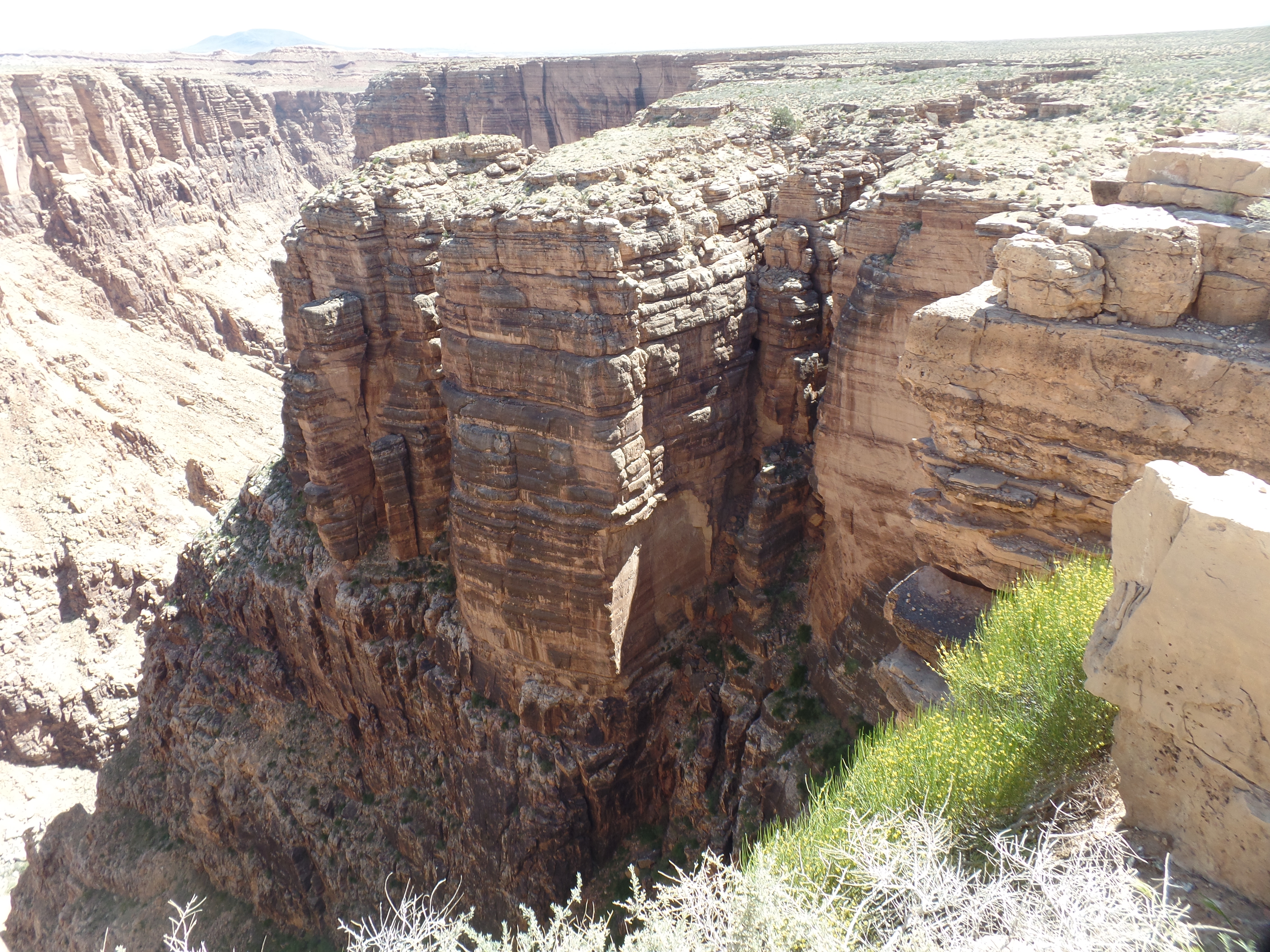
A two-hour exploration of the twin overlooks offered these scenes.  Whilst some will say, “Well, what is so special about black and brown stone?” , the geological story told by the three main layers of limestone (top), granite (middle) and shale (bottom) is, like that of the Grand Canyon itself, a classic account of wind and water working together, with a fair amount of help from volcanic and seismic activity.

SAMSUNG CAMERA PICTURES

In the far background, please note Navajo Mountain (Naatsis’aan), an igneous rock peak, the rises 10,387 feet, towering over Lake Powell, and like the lake, straddling the line between Arizona and Utah.

SAMSUNG CAMERA PICTURES

The layers of sedimentary deposit are quite visible, as one scans the rock, from top to bottom.

SAMSUNG CAMERA PICTURES

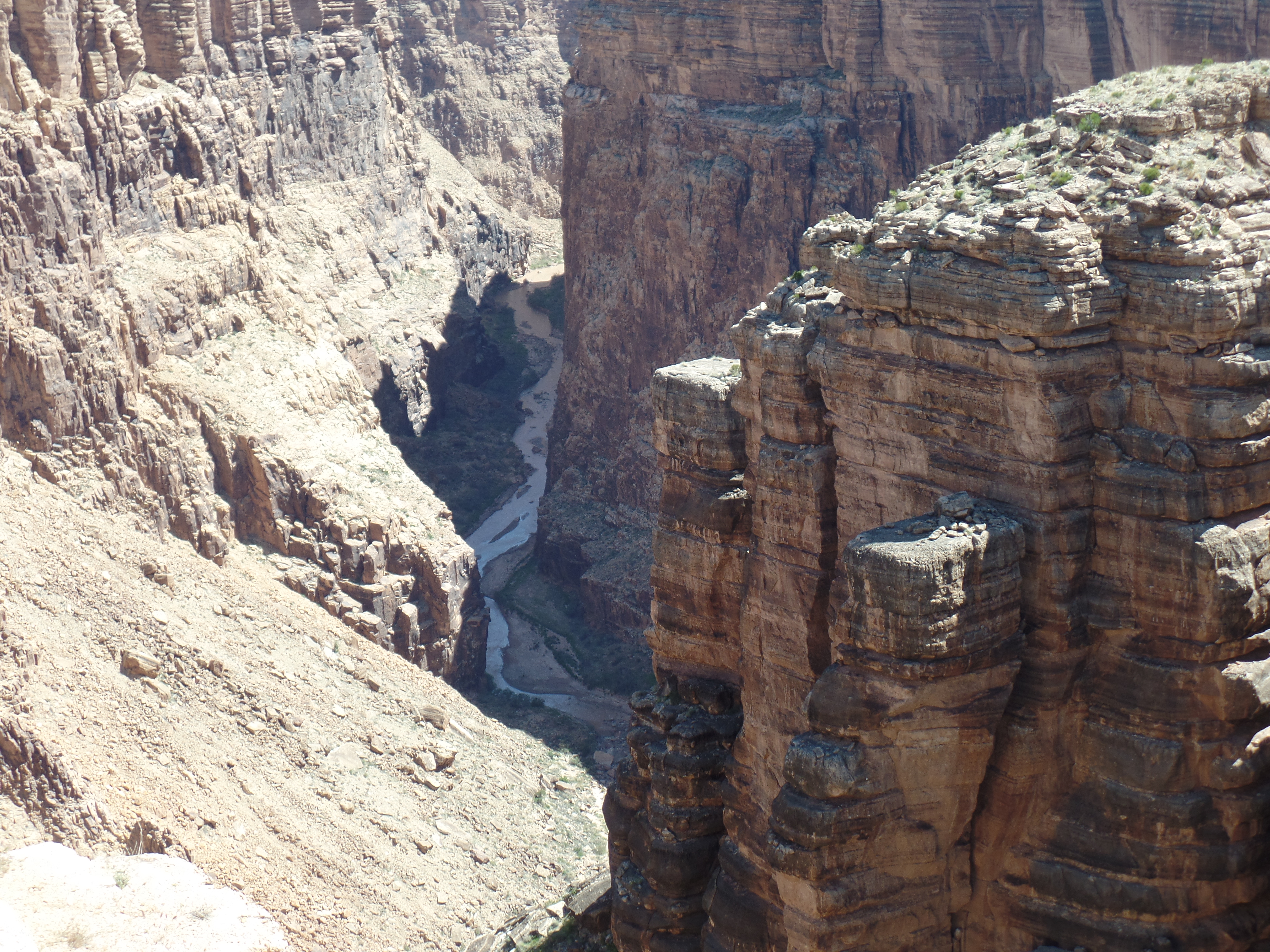
The water, whilst uniformly scant, looked clearer from the first overlook than from its western counterpart.

SAMSUNG CAMERA PICTURES

You may not that there is considerably more silt being washed into the river, as it moves closer to the confluence.

SAMSUNG CAMERA PICTURES

SAMSUNG CAMERA PICTURES

Looking closely, it might seem as if the granite canyon fascia resembles petrified warriors.

SAMSUNG CAMERA PICTURES

The algae working this limestone bench seems to show everything from a man with outstretched arms (foreground) to pictographs.

SAMSUNG CAMERA PICTURES

On the right hand side, below, the tall shafts of sandstone appear to be standing guard over the shallows of the Little Colorado.

SAMSUNG CAMERA PICTURES

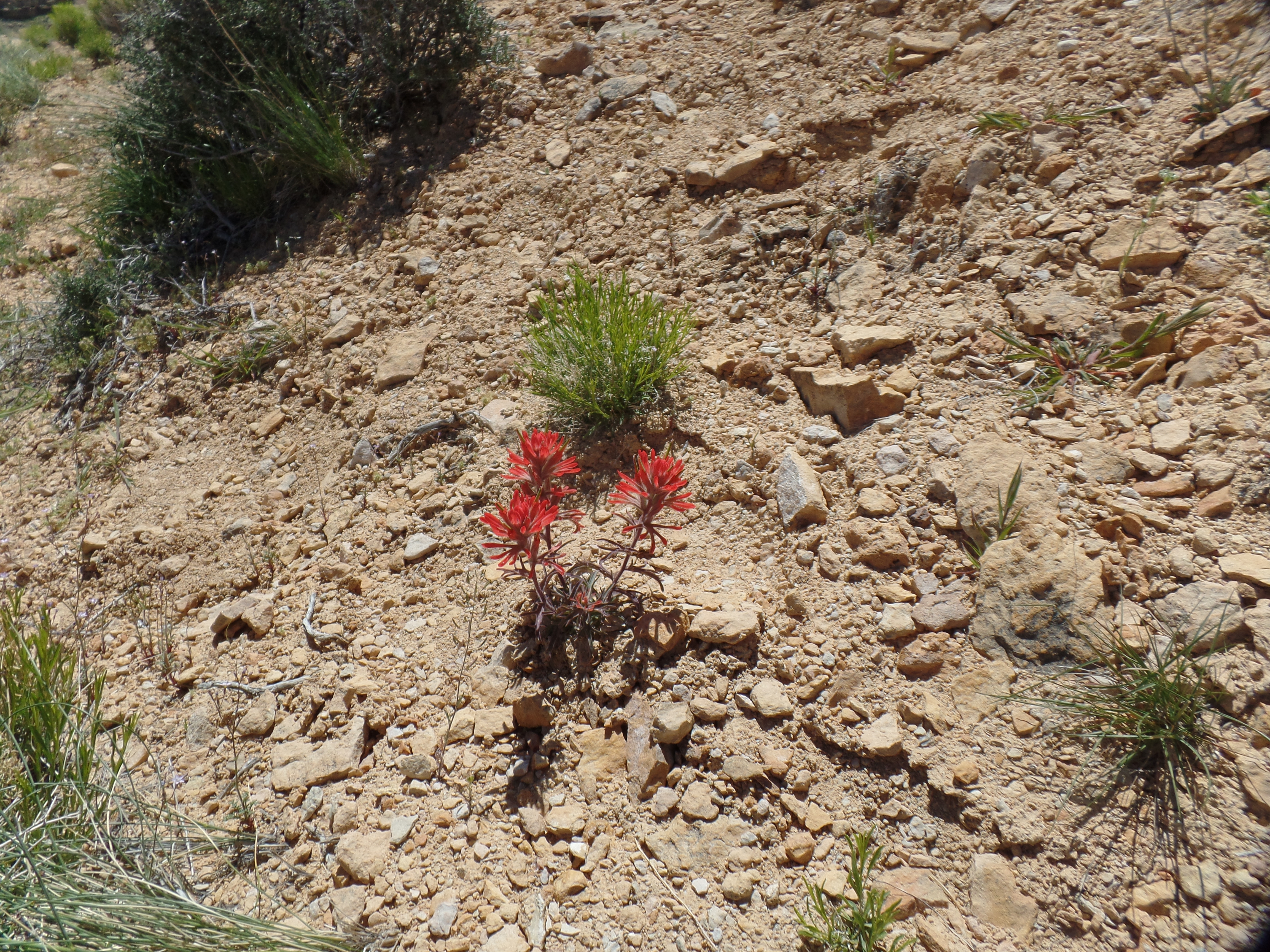
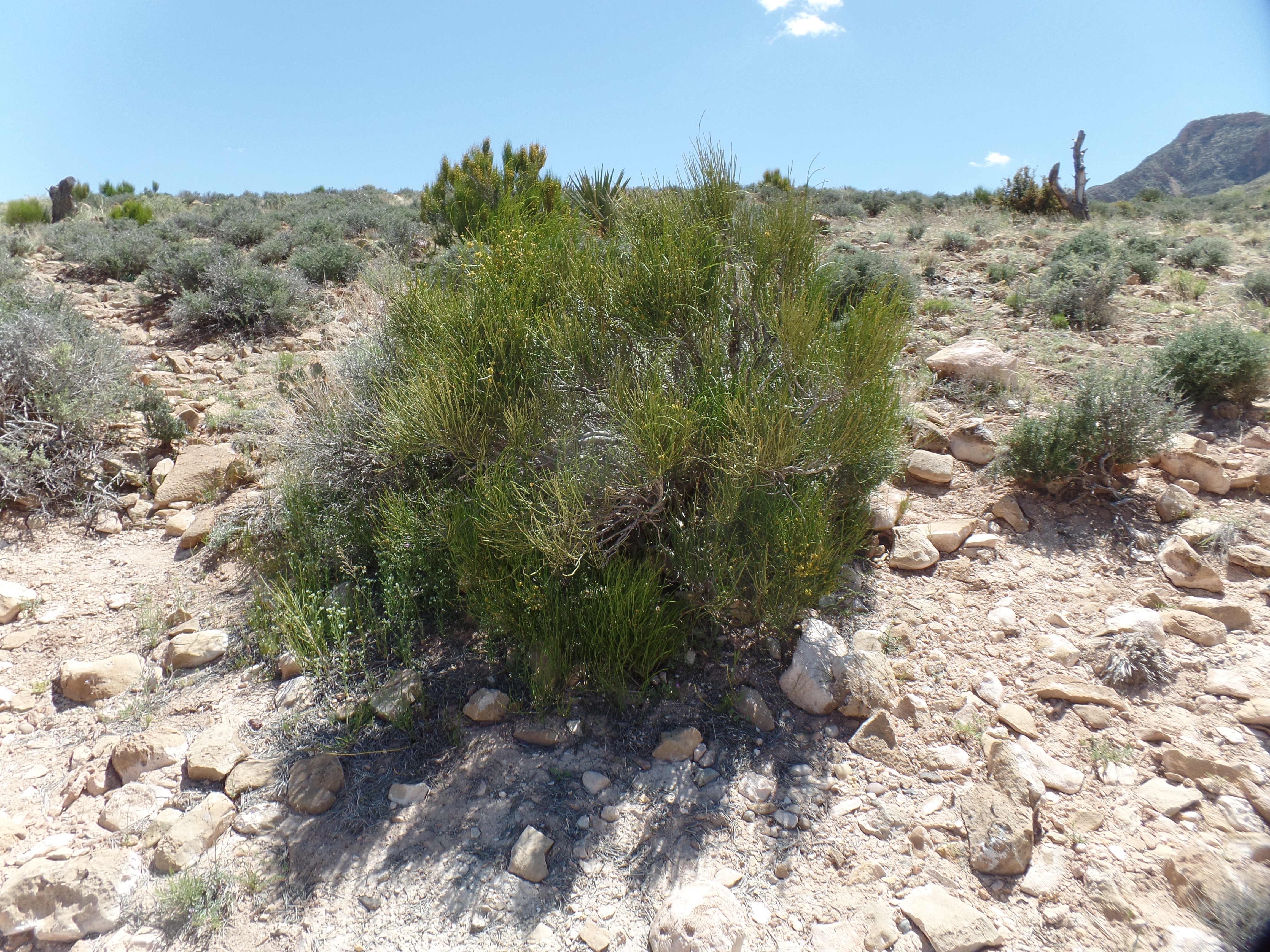
In all the bareness, sage, a medicinal staple of the Dineh and Hopi, alike, grows in abundance. Desert bottlebrush is its accompanist.

SAMSUNG CAMERA PICTURES

The relatively wet winter has produced an effusion of greenery in the Gorge.

SAMSUNG CAMERA PICTURES

SAMSUNG CAMERA PICTURES

This struggling, but intrepid, river and its gorge, lead to the most spectacular sight on the North American continent.  In the next post, I will focus on the Grand Canyon of the Colorado River, at its east end, and the Desert Tower that overlooks the beginning of its Inner Gorge.