The Road to (Mayer’s) Grapevine

10

April 26, 2024- Tooling along the gravel-coated roads in Grapevine Canyon, about 45 minutes southeast of Prescott, Hiking Buddy and I found several large, fairly new houses and an old mining camp or two.

The actual goal of our quest-Grapevine Trail, was a bit east of the residential areas, so we backtracked and drove along a short, graded dirt road, just to the left of the graveled jobs. The walk today was, essentially, a scouting mission-first a .7-mile hike from the parking area to a green livestock gate, then about .5 of the .7 further mile to the actual trailhead that leads into the inner canyon. There will be time in June, maybe, or late October (as things stand now), for a further foray into the Grapevine of Mayer.

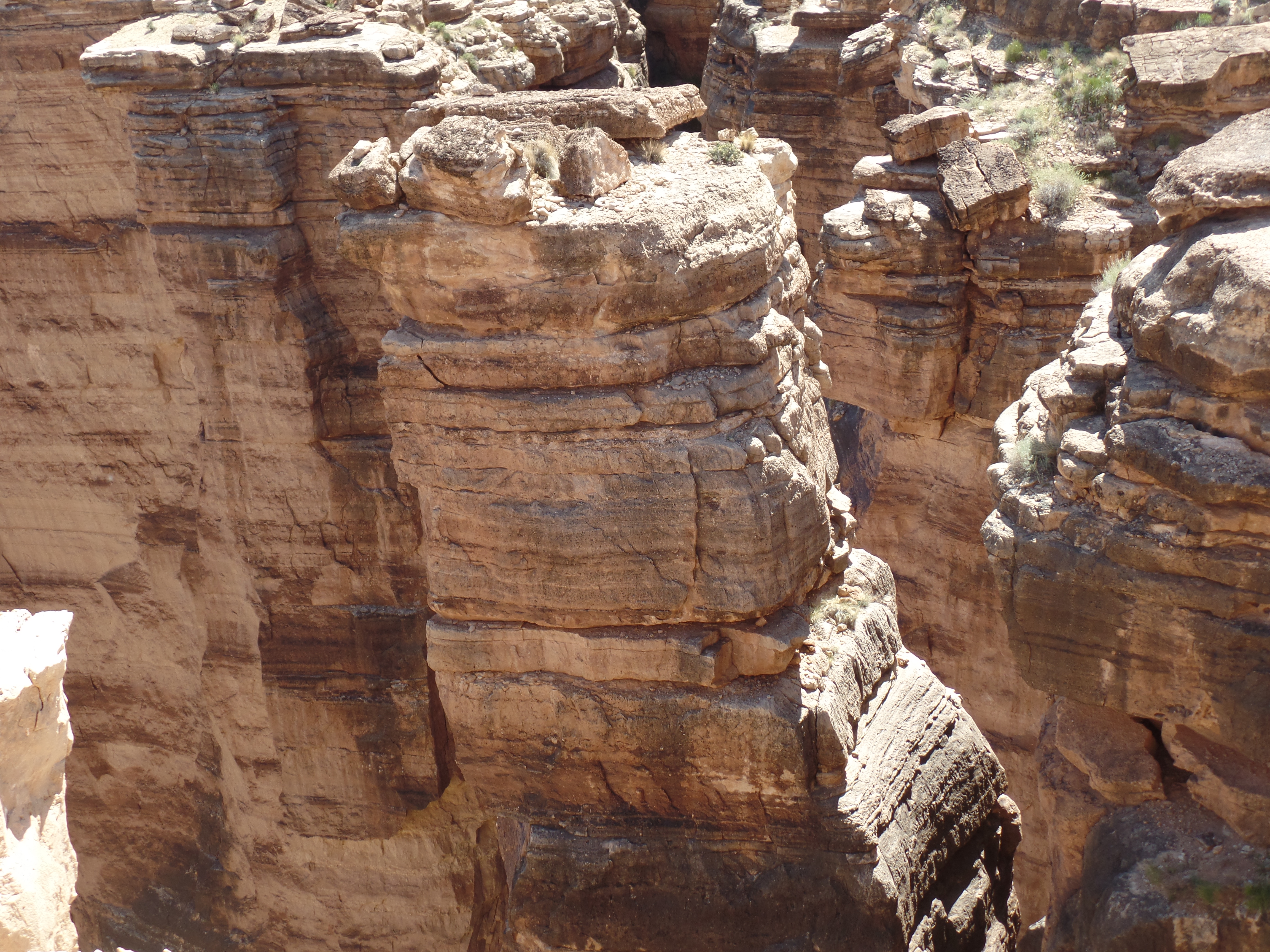
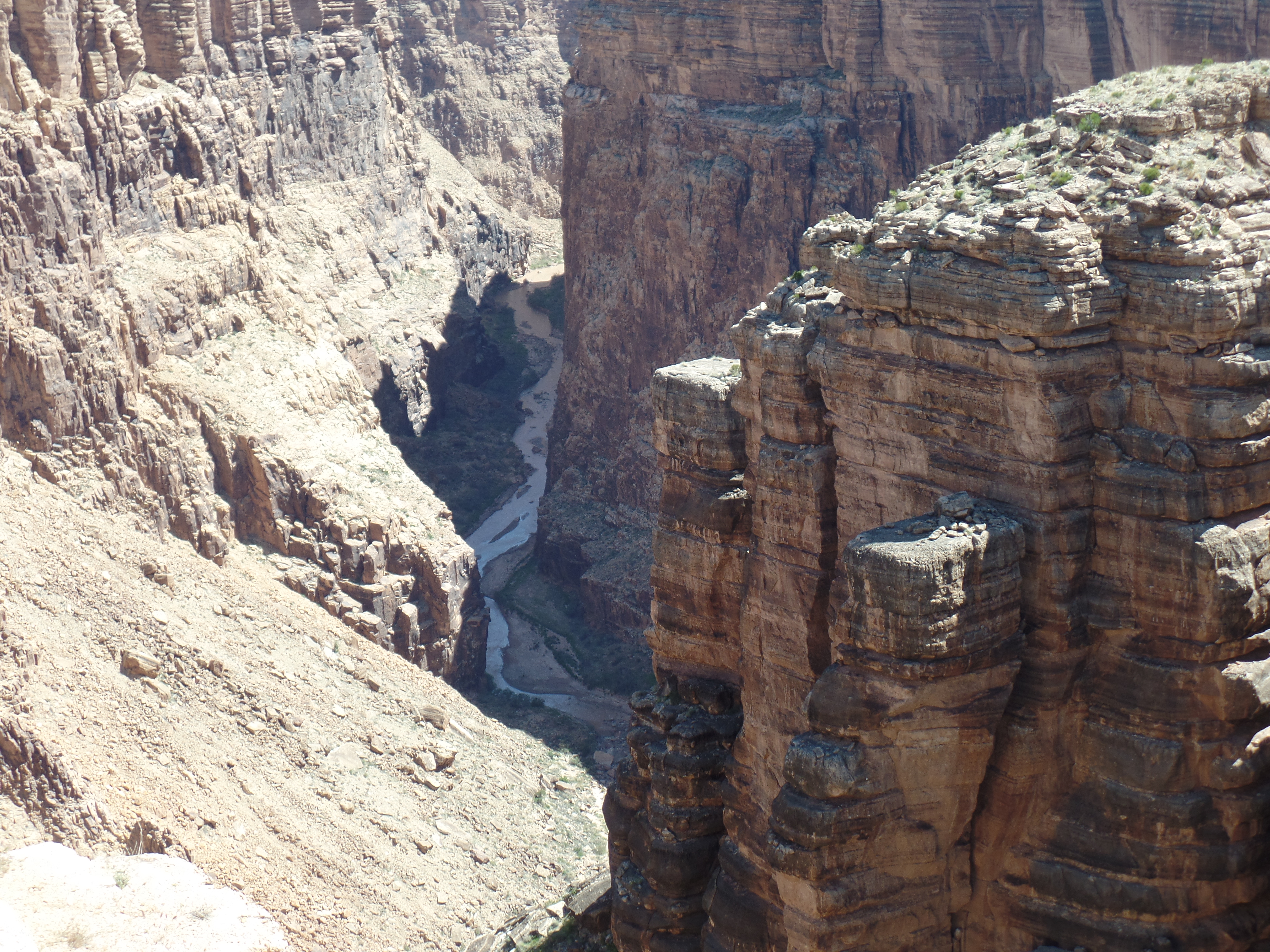
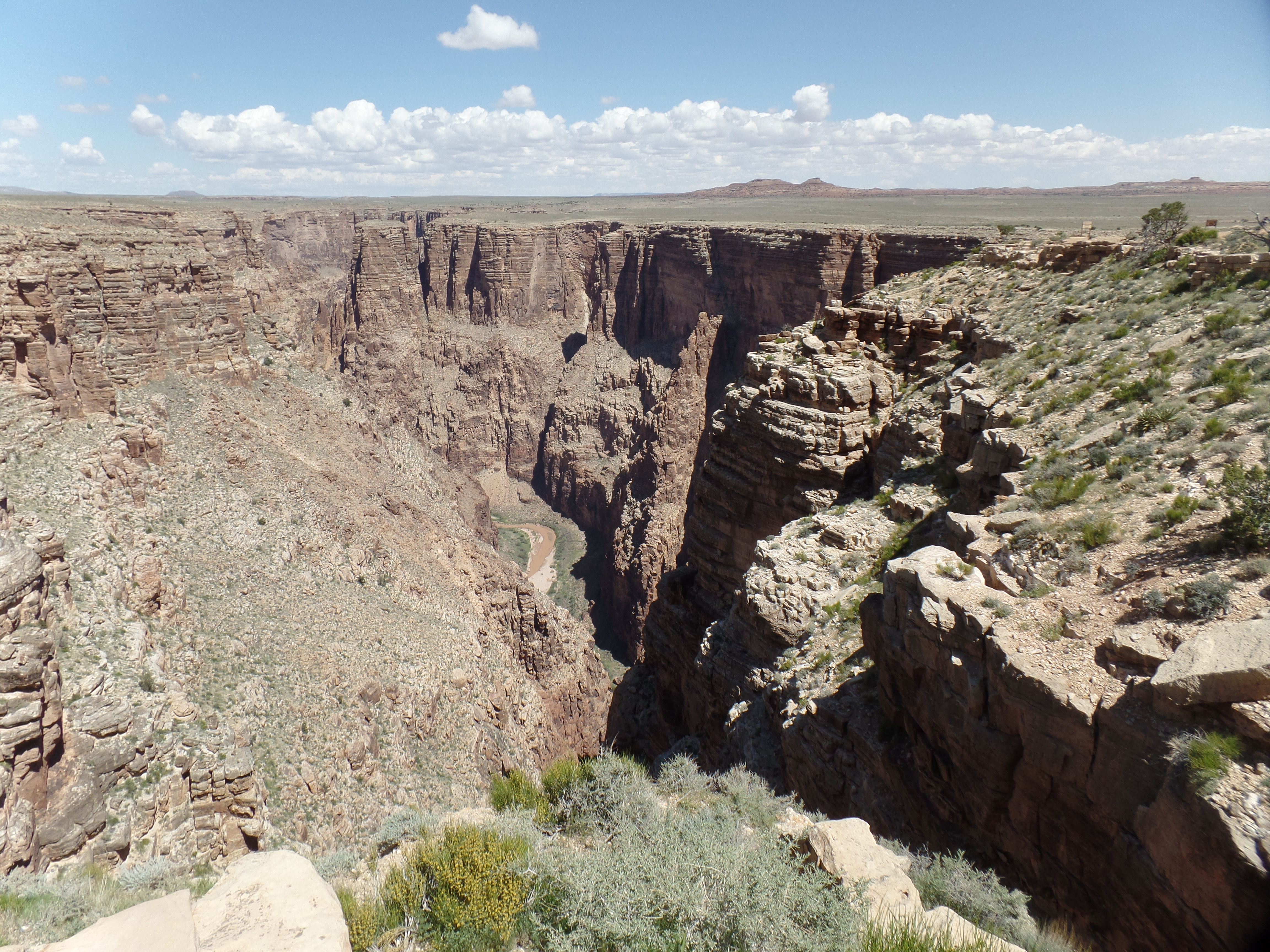
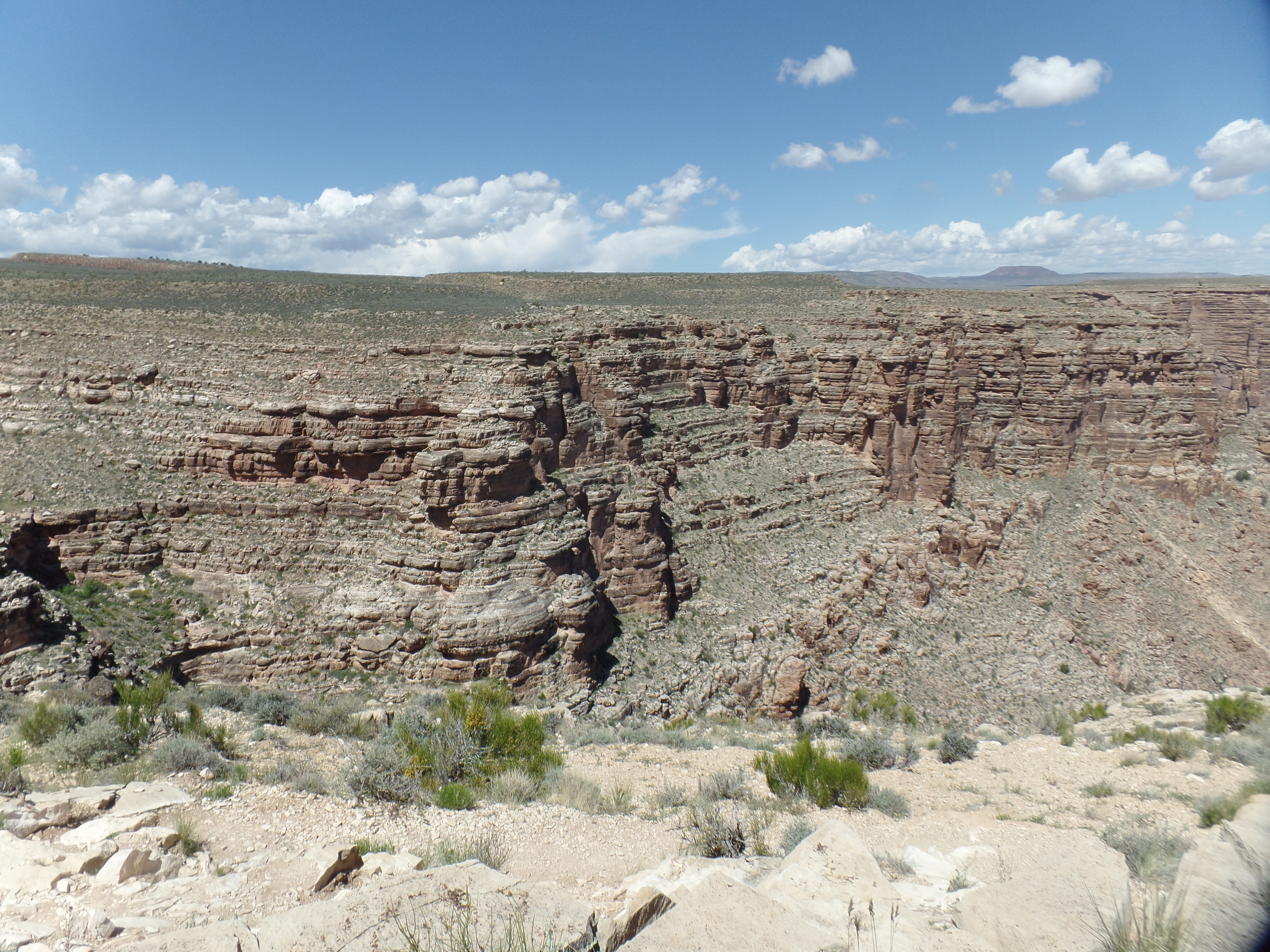
Here are some scenes that my i-Phone afforded me, after I headed out the door without my trusty Samsung digital.

The v-shaped ridges form a splendid backdrop to the jagged shale outcropping, that seem to have been dropped, willy-nilly, by the glaciers of the Mesolithic Period (26,000 years ago).

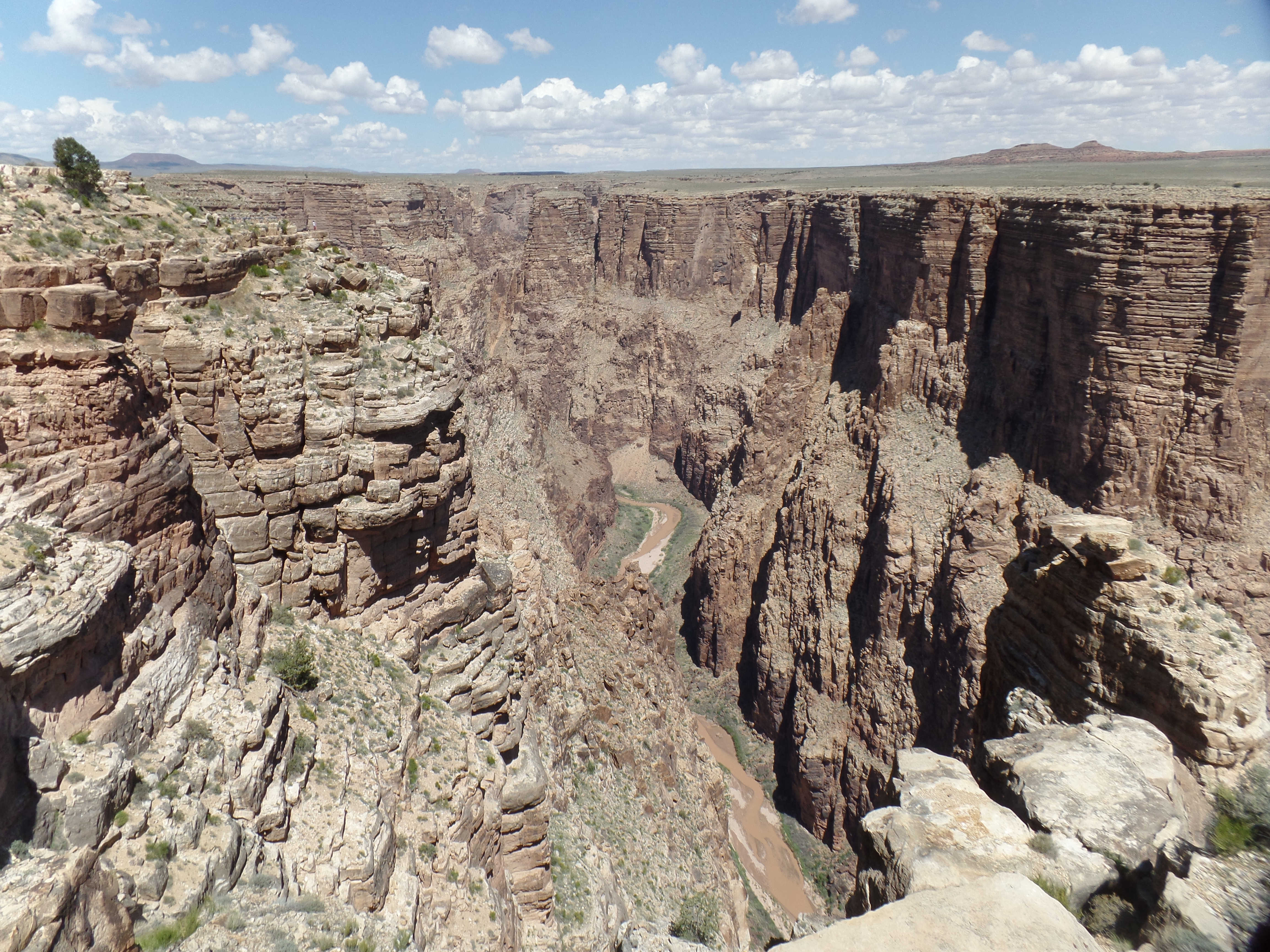
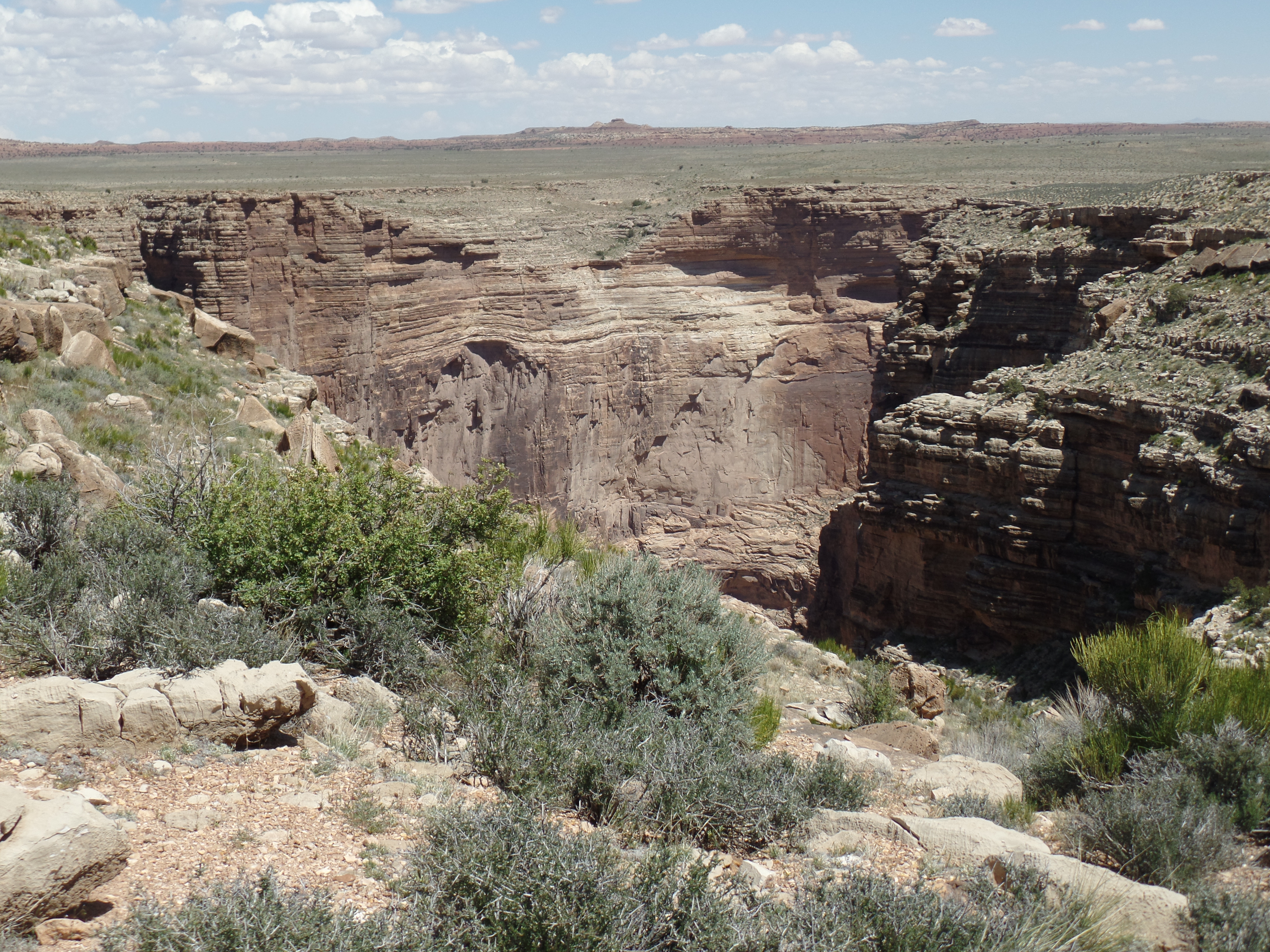
Once past the cattle gate, the rim of the inner canyon itself came into clearer focus.
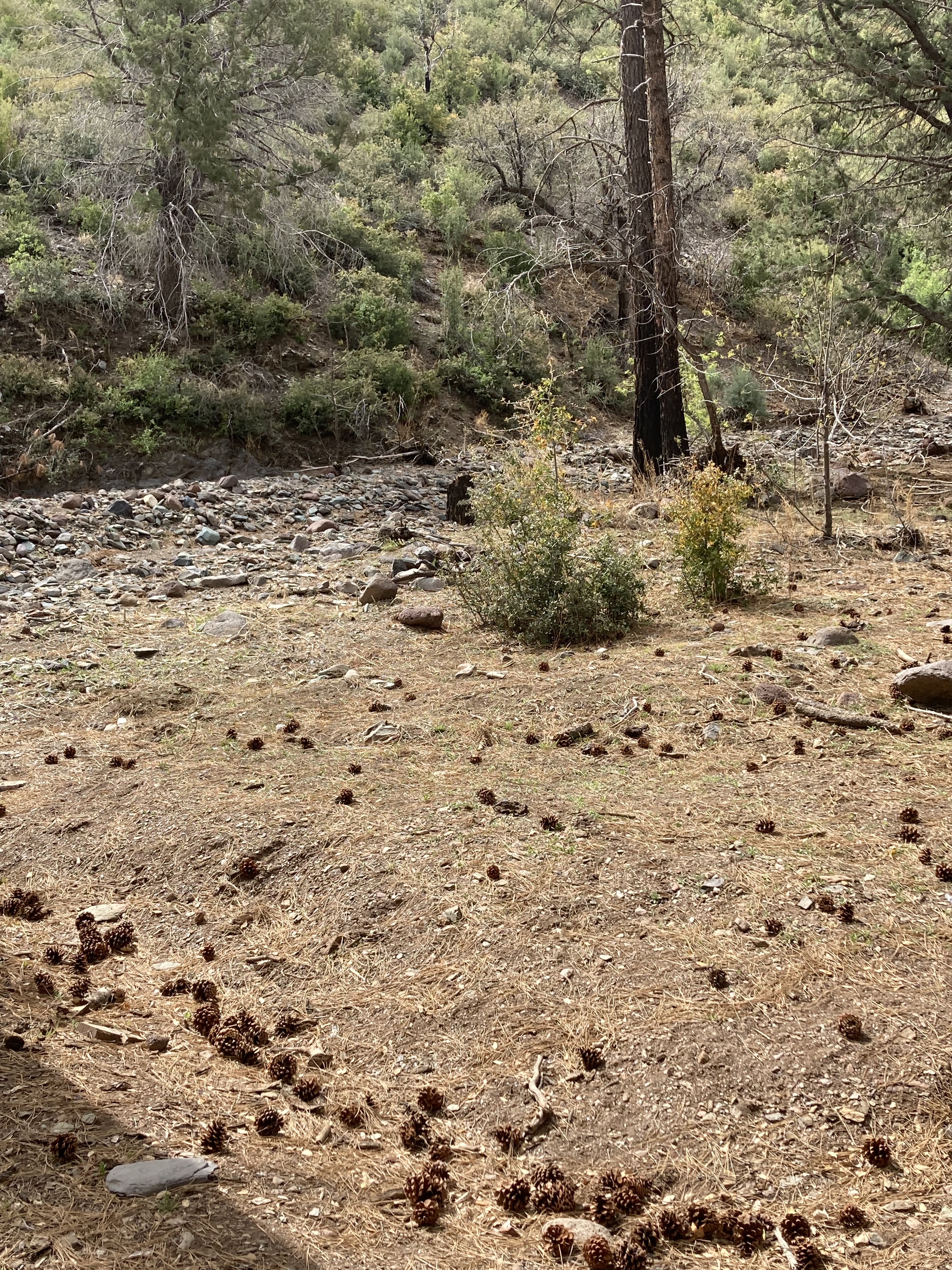
Grapevine Creek will fill this bed, once the monsoons arrive, in July-September.

The sometimes jagged road would not be kind to Sportage, parked a mile or so back. It does make an agreeable hiking trail, in and of itself.

As we walked back to the car, this small group of outcroppings appealed to me, as a possible spur hike in a future visit.

The morning put yet another area of Unlimited Arizona on my radar screen. After nearly 44 years here, off and on, the Southwest never ceases to amaze.
Mislaid Plans

2

April 15, 2024- The rock that lined the unpaved road was navigated very slowly, as I drove along, looking for a place called Jeronimo’s Cabin. It was not that of the great Apache warrior, but belonged to one Jeronimo Pena, a lumberjack who lived alone on Mingus Mountain, from the 1920s until his death, in 1957. He transported his cords of wood using his burros, having cut the wood using a crosscut saw-strictly low tech and living a simple life, preferring to forage for his food, and that of the burros.

It happened that I turned left, about ten yards too soon, following a track that was just shy of the parking area, from which I could have walked the trail that leads to the cabin. I left the hike for another time, until I could more completely research the matter (which I did tonight, upon returning home.) The rub came, when I found that a piece of shale had become embedded in the front right tire. When I managed to get the resulting flat to a shop, the puncture turned out to be irreparable. Shale can be a very tough adversary, even when one takes a road with slow diligence.

Jerome, with Haunted Hamburger and Flatiron Coffee House, was a silver lining to all this. I was also able to get a good deal on the two back tires, which needed replacing, prior to my upcoming cross-country journey. There is always a future pay-off for a short term setback, if one pays attention. I will find Jeronimo’s Cabin, sometime in June, or in late Fall, before it snows. Not having to go on the shale-flecked road again, will be a bonus.

The Carving of A Confluence

6

April 22, 2019, Cameron, AZ-

I set out from Flagstaff, around 9: 30 this morning, heading to the western edge of this once sleepy sheep-ranching community, which is now tapping into the growing number of people who want to visit the Dineh (Navajo) people, see their starkly beautiful land and learn of their culture.

Here, at the foot of Gray Mountain, on the way to Grand Canyon National Park, lie two overlooks which capture that stark beauty and share an area regarded by the Dineh people as their point of emergence from the underground, following a long ago calamity, and thus a sacred site.

It is the last segment of the Little Colorado River, approaching and reaching its confluence with the Colorado River, after a 338 mile journey, from the White Mountains of eastern Arizona, through the Painted Desert and Coconino Plateau.

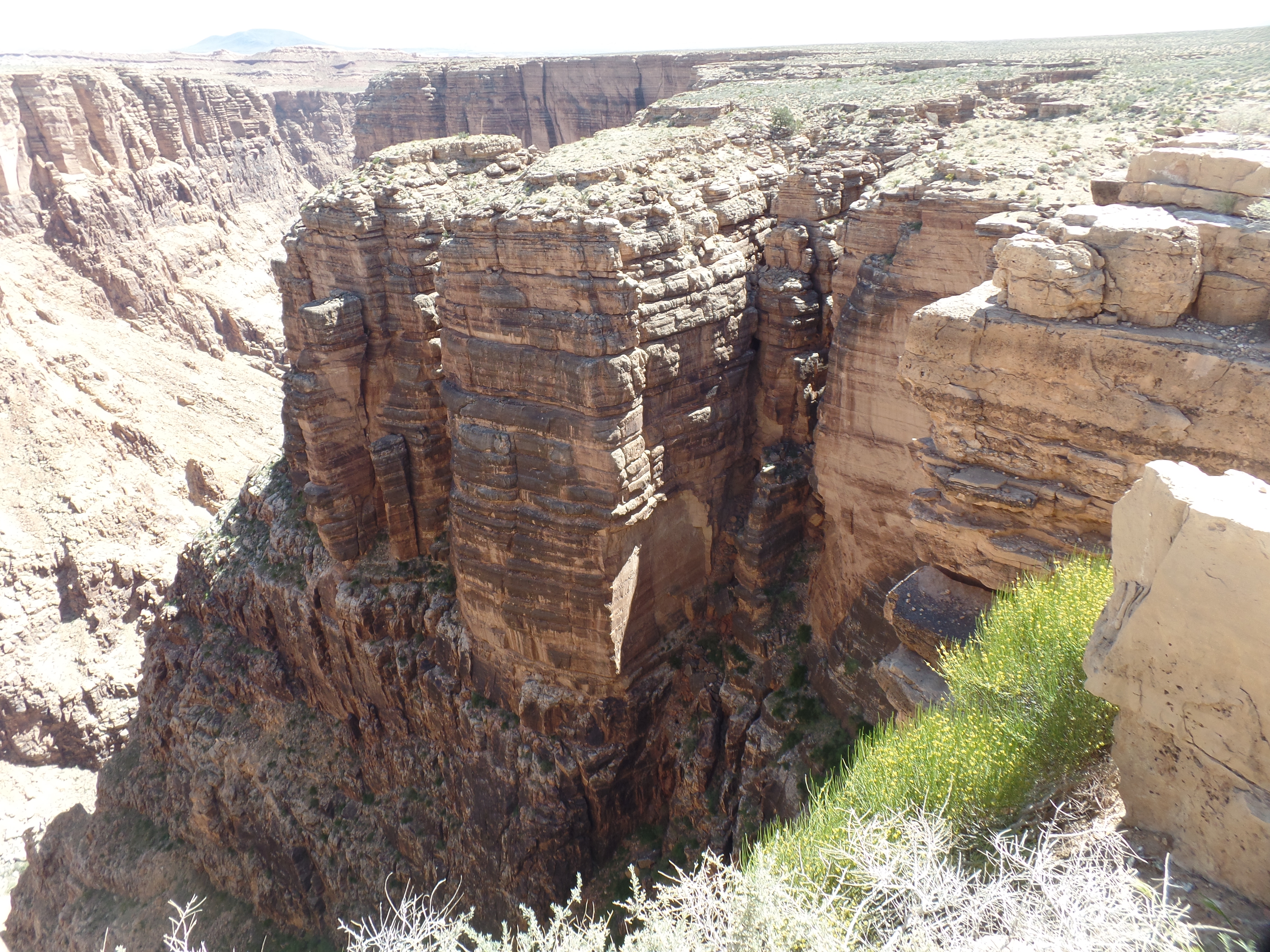
A two-hour exploration of the twin overlooks offered these scenes.  Whilst some will say, “Well, what is so special about black and brown stone?” , the geological story told by the three main layers of limestone (top), granite (middle) and shale (bottom) is, like that of the Grand Canyon itself, a classic account of wind and water working together, with a fair amount of help from volcanic and seismic activity.

SAMSUNG CAMERA PICTURES

In the far background, please note Navajo Mountain (Naatsis’aan), an igneous rock peak, the rises 10,387 feet, towering over Lake Powell, and like the lake, straddling the line between Arizona and Utah.

SAMSUNG CAMERA PICTURES

The layers of sedimentary deposit are quite visible, as one scans the rock, from top to bottom.

SAMSUNG CAMERA PICTURES

The water, whilst uniformly scant, looked clearer from the first overlook than from its western counterpart.

SAMSUNG CAMERA PICTURES

You may not that there is considerably more silt being washed into the river, as it moves closer to the confluence.

SAMSUNG CAMERA PICTURES

SAMSUNG CAMERA PICTURES

Looking closely, it might seem as if the granite canyon fascia resembles petrified warriors.

SAMSUNG CAMERA PICTURES

The algae working this limestone bench seems to show everything from a man with outstretched arms (foreground) to pictographs.

SAMSUNG CAMERA PICTURES

On the right hand side, below, the tall shafts of sandstone appear to be standing guard over the shallows of the Little Colorado.

SAMSUNG CAMERA PICTURES

In all the bareness, sage, a medicinal staple of the Dineh and Hopi, alike, grows in abundance. Desert bottlebrush is its accompanist.

SAMSUNG CAMERA PICTURES

The relatively wet winter has produced an effusion of greenery in the Gorge.

SAMSUNG CAMERA PICTURES

SAMSUNG CAMERA PICTURES

This struggling, but intrepid, river and its gorge, lead to the most spectacular sight on the North American continent.  In the next post, I will focus on the Grand Canyon of the Colorado River, at its east end, and the Desert Tower that overlooks the beginning of its Inner Gorge.