Pacific Rim National Park Reserve

6

July 22, 2024, Halfmoon Bay, BC- The earnest young guide touted West Coast Trail, a strenuous 75-mile trail that incorporates just about every skill a wildland fire fighter, or candidate for the Survivor reality series, would need in order to meet with success. He is in university, and so has not set aside his own time to do the trek-but I could see in his eyes that the will is there. The trail’s northern terminus is near Bamfield, southeast of the Ucluelet-Tofino main segment of this Reserve. Its southern trailhead is just northeast of Port Renfrew, which itself is 110 km west northwest of Victoria. The route is on par with Newfoundland’s East Coast Trail, Ireland’s Wild Atlantic, the Florida Trail, Rim-to-Rim in the Grand Canyon and Michigan’s Keweenaw Peninsula Trail. It would be a good prep for an Appalachian, Pacific Crest, Continental Divide, Colorado, or Arizona Scenic trek.

My own short hikes today gave me a good sense of what a dedicated exploration of the area would entail. Stops were at Radar Hill, Grice Bay, Combers Beach, Rainforest Trail and Kwisitis Visitor Center (where the young man was touting the trail.)

Here are scenes from those spots.
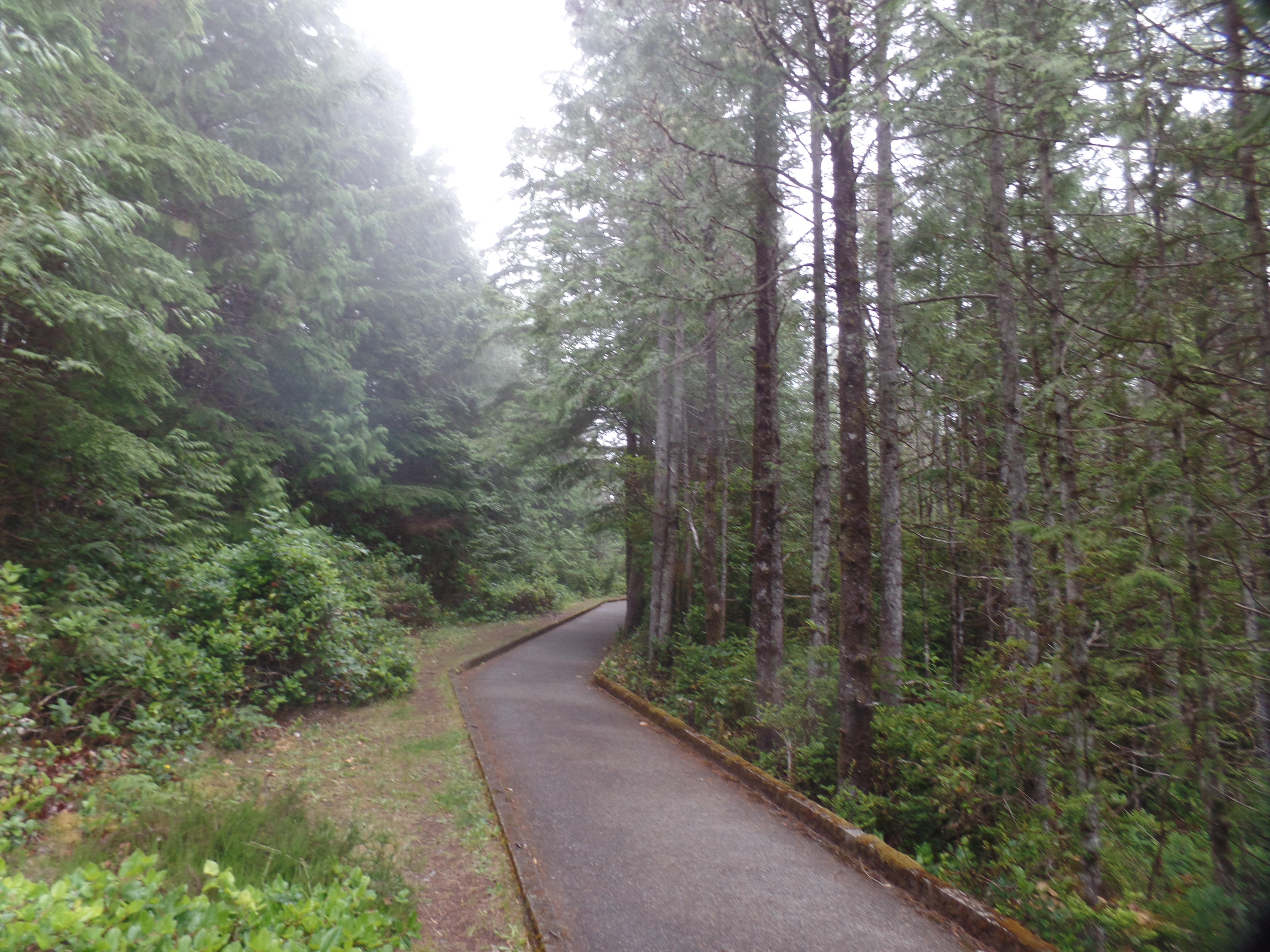
Approach to Radar Hill. This site has the remnants of a World War II era Canadian Forces radar station, which kept watch for any Japanese incursions into Canadian airspace.

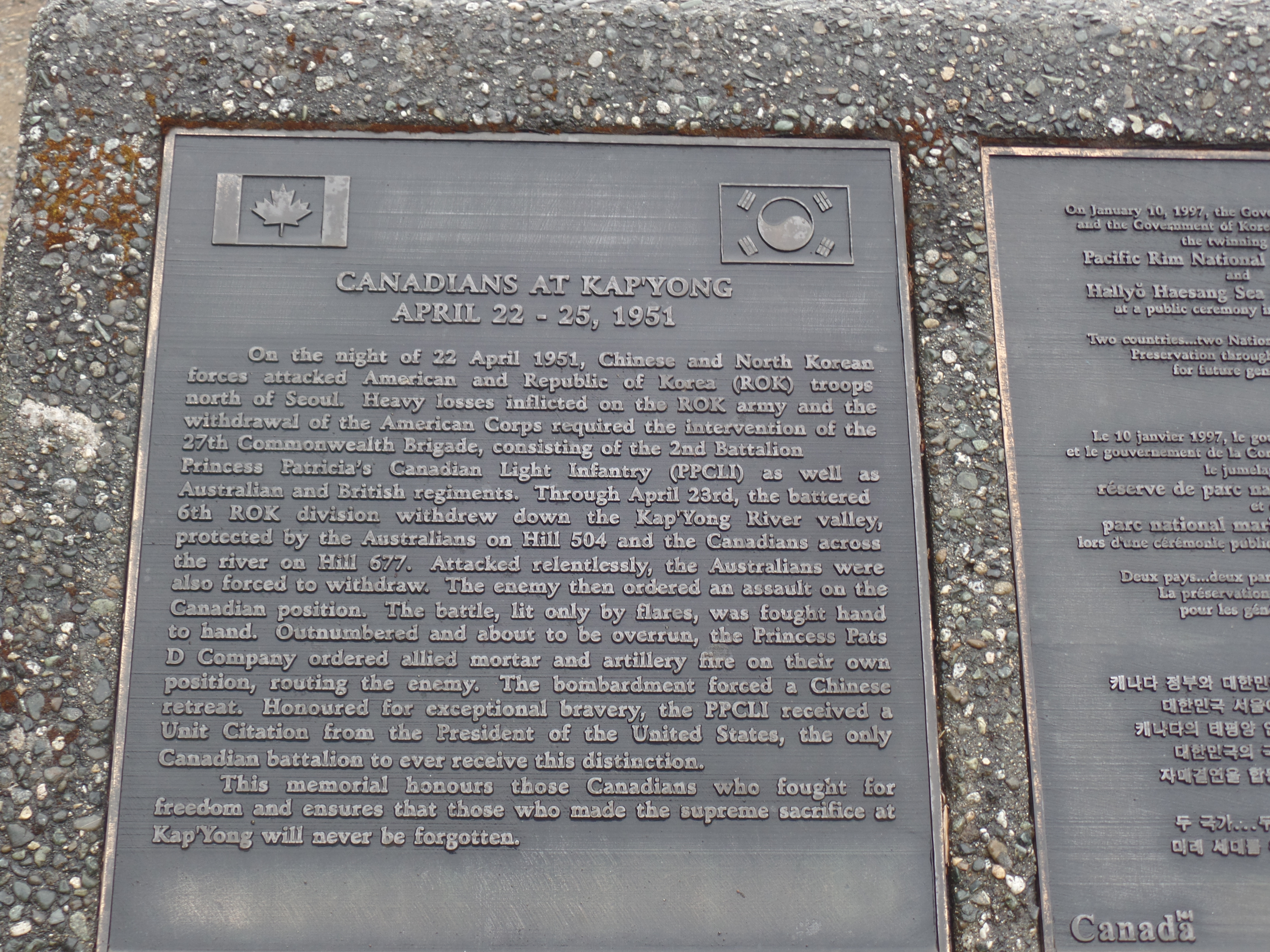
Canada was a key member of the Allied forces in the Korean War, as well. This plaque commemorates the Canadian Forces’ landing at Kapyong.
Commemorative ciinul for Radar Station. Like indigenous people in the United States, First Nations people in Canada were all-in, for defending the homeland during wartime.

Grice Bay lies about three kilometers east of the main Pacific Rim (Tofino-Ucluelet) Highway. It’s a major recreational fishing area, as one might expect, and there were quite a few boats being launched, while I was checking the place out.
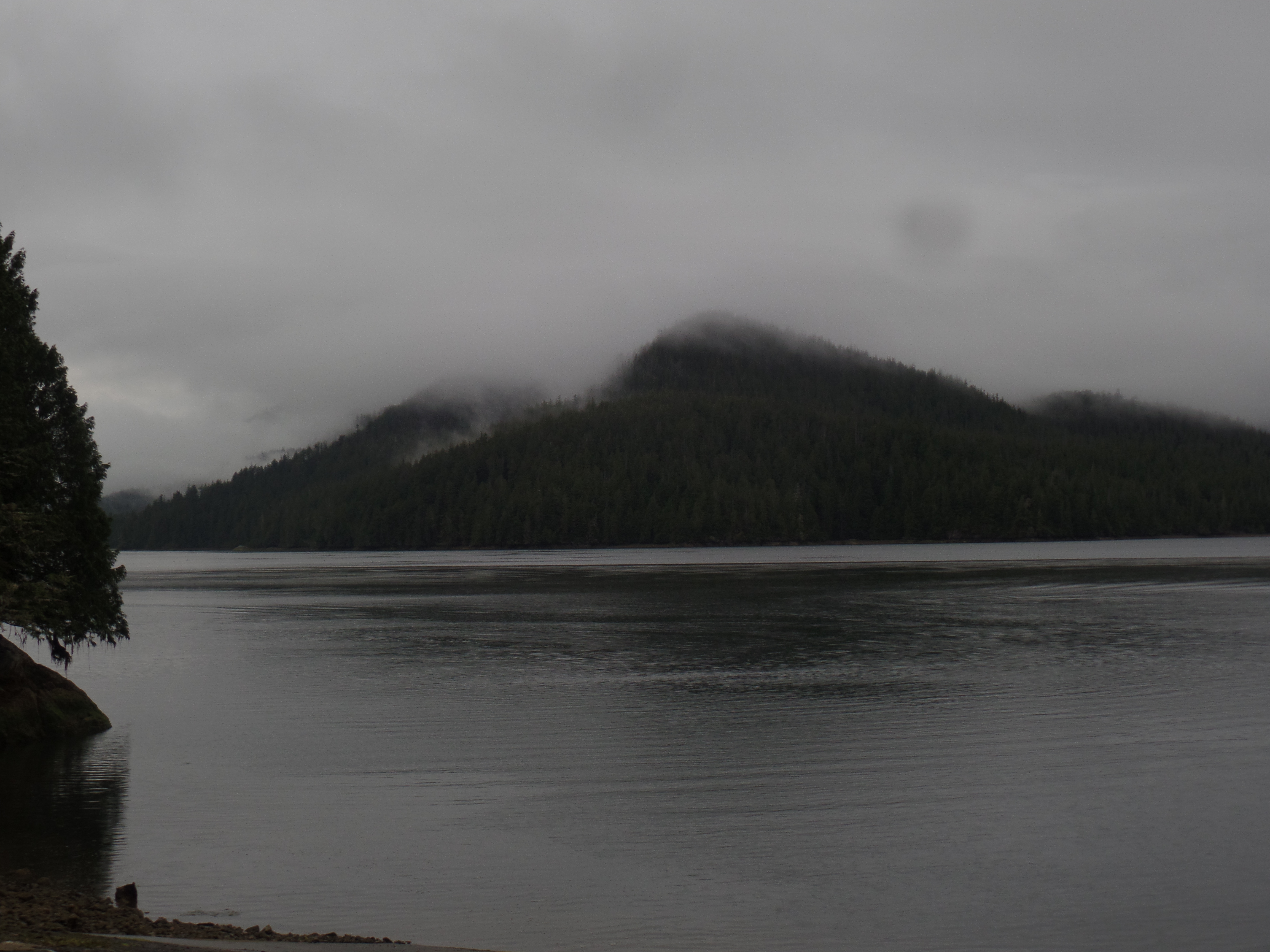
View of Grice Bay from the west.
Southwest view of Grice Bay
Dolphins were moving about the bay-also looking for fish.
Incinerator Rock is a spot popular with surfers, just north of Rainforest Trail and Combers Beach.

The trail to Combers Beach has several elements of the rain forest, in and of itself.
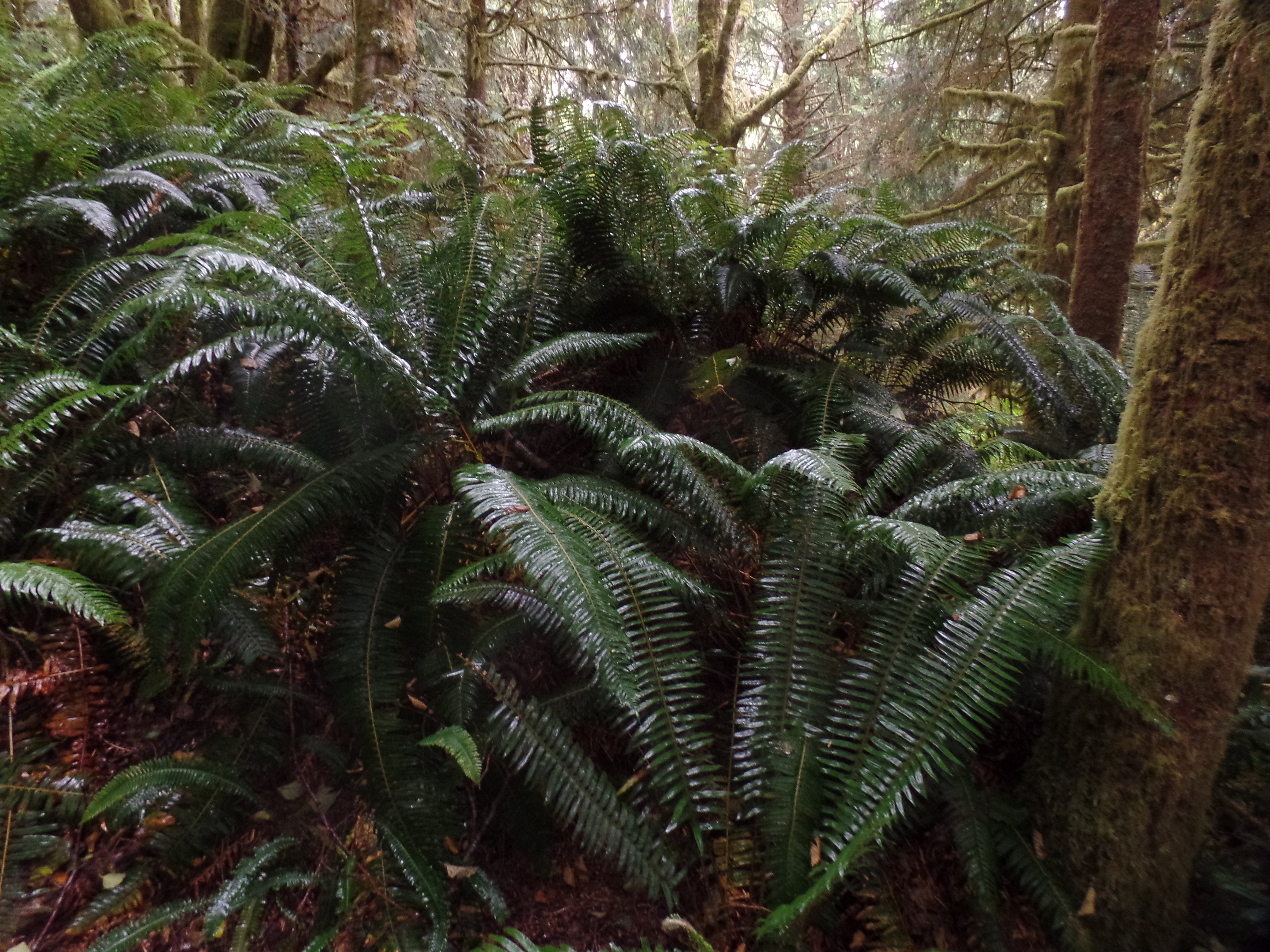
Looking at these giant ferns transported me to the Silurian Era.
Huckleberries abound at Combers Beach.

Driftwood forts are everywhere at Pacific Rim. Combers Beach reminded me of Kalaloch, Washington, in that respect. (Next two photos)

This looks like a fair shelter from a storm.

The surf at Combers looks as enticing as any I’ve seen, north of Doheny. The beach is famous for its riptides, and guidance on how to handle a riptide is prominently displayed here.

Incoming tide, Combers Beach

Next up was Rainforest Trail. It was not really redundant, after the Combers experience, reinforcing the importance of recognizing the fragility of both the water table and the soil. Water storage is not strong here, because the soil is so thin. For communities like Tofino and Uculuet, this means taking strong conservation measures, despite the high average yearly rainfall. Rainforests endure more droughts than one might think.

Canopies help to preserve water, by limiting sunlight.

Red cedars, Rainforest Trail, Pacific Rim.
Sitka spruce coexist nicely with red cedars.
Saplings, springing up, guard the soil’s moisture even more.

Finally, at Kwisitis, there was a feast of driftwood and black basalt.

Wickawinnish Beach, Kwisitis
Basalt outcroppings, Kwisitis

In this Visitor Center, we learned much about the sacredness with which the Tla-o-qui-aht and neighbouring nations approach the whale hunt, to this day. The bowhead is taken with the same reverence that other Indigenous hunters approach the hunting of bison, deer or elk. The entire animal is put to use, once the kill is made, and there was/is a strict limit on the hunt.

The balance of nature weighs on the minds of all who wish to see our Planet thrive. The Nuu-cha-hulth-aht, of Ucluelet, are no exception.
The Ohio Knows

4

July 23, 2017, Jeffersonville, IN-

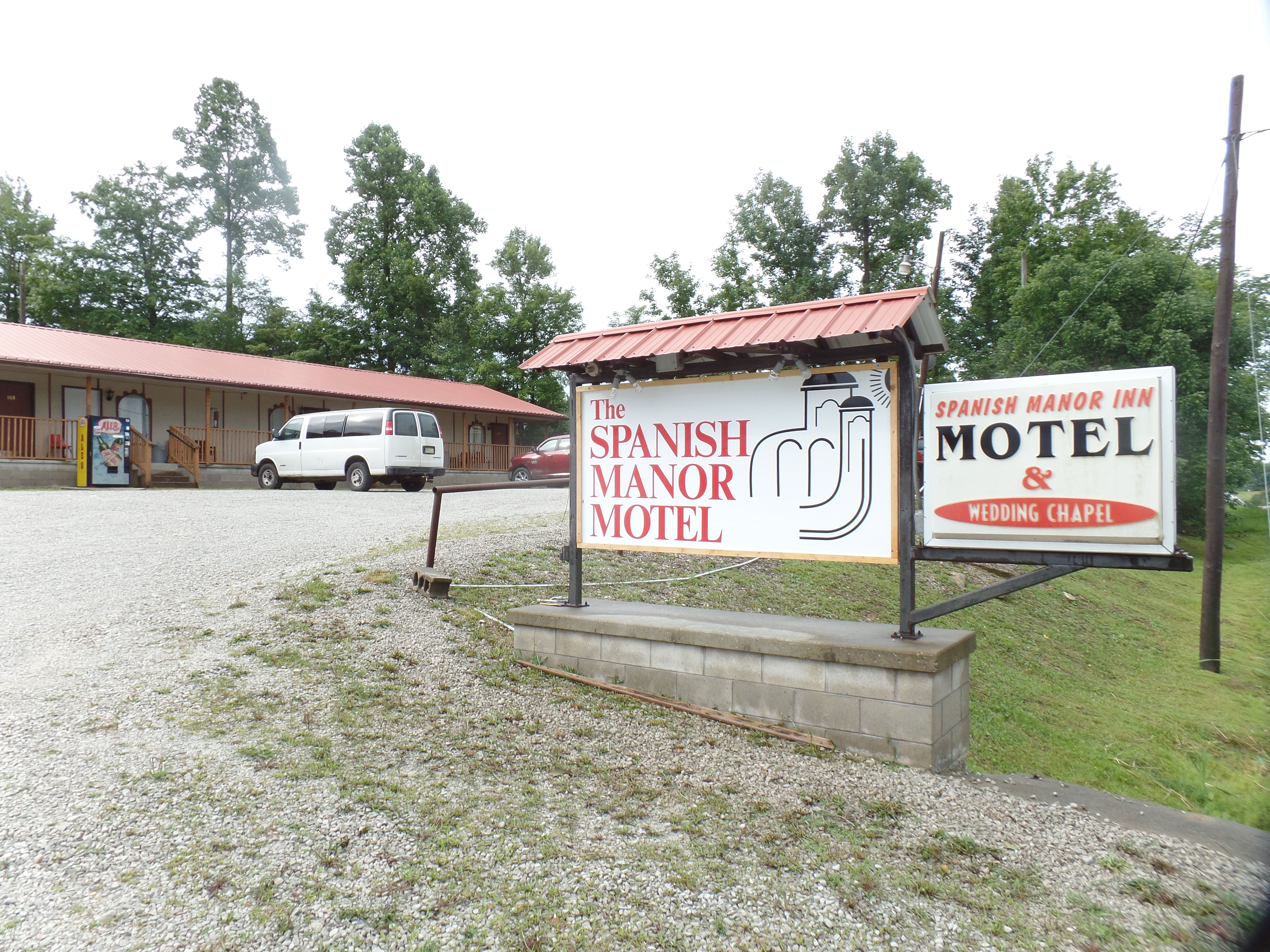
I stayed, last night, at an off-the-beaten-path inn, made all the more interesting by there having been an intense storm, which had caused a power outage.  Spanish Manor Inn lies on the eastern outskirts of a small Bluegrass Country town:  Olive Hill, itself a far exurb of Lexington.

SAMSUNG CAMERA PICTURES

The motel is run by a pastor’s wife.  The  pastor himself uses one of the buildings as a wedding chapel.  They graciously received me in their home-office, and explained I was fortunate to get the last available room.  Given the intensity of the storm, I scarcely blame them for putting up a no vacancy sign, as soon as I headed back down the hill to the rooms.  There was no Internet, of course, but I surely got a restful sleep, despite the booming and crashing outside.

I texted my nephew, who lives in the Louisville area, just across the Ohio River from the city.  It has been a game of schedule tag, up to now, for me to meet his wife and children.  Today, though, they had a few hours, so off I went towards Slugger Town, going through a bit more rain on the way.  I ditched the rain, around Shelbyville, stopping only to pick up some gift items for the young family.

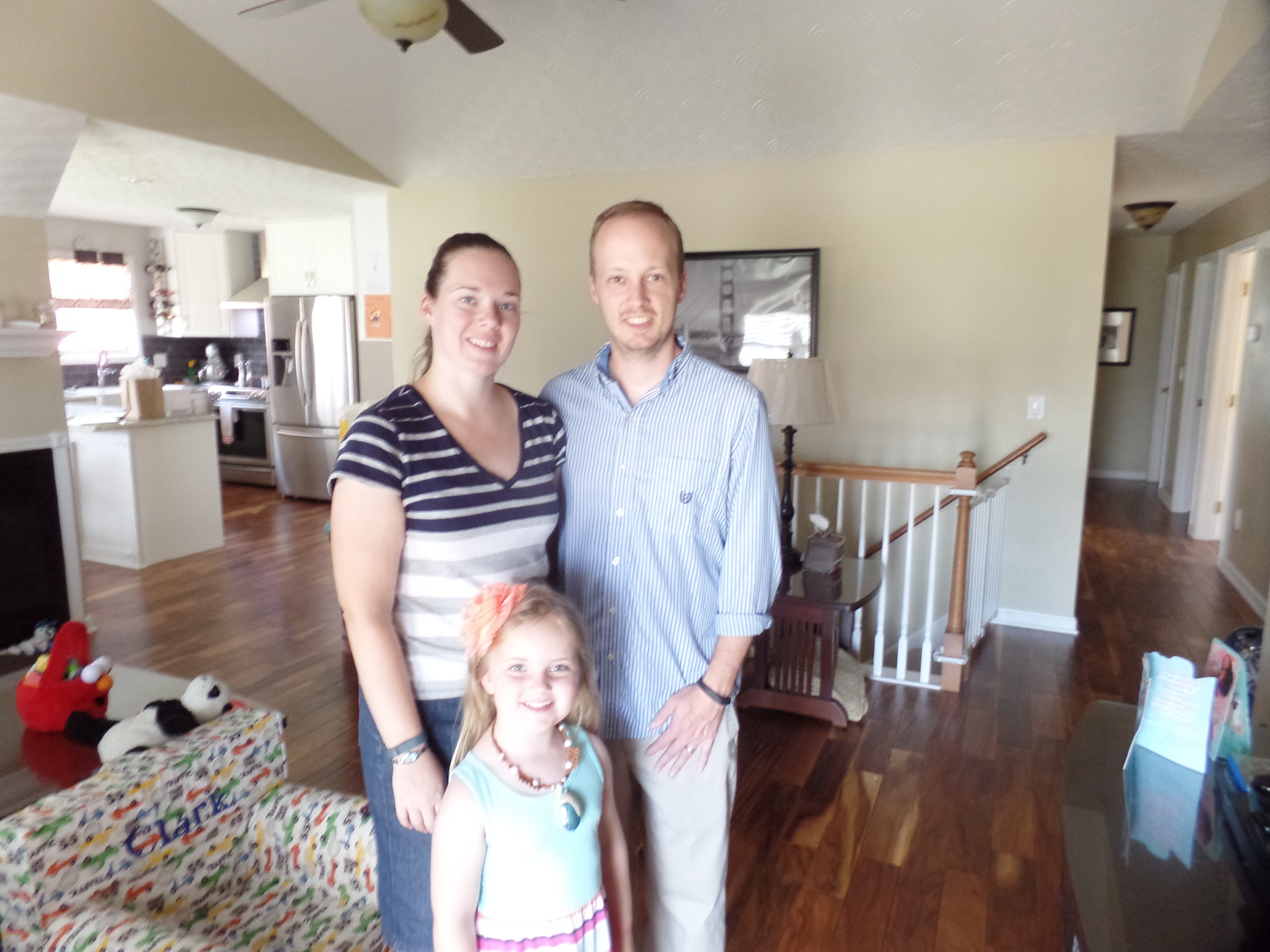
I had no trouble finding their suburban home, and after an impromptu tour of the house, the five of us went to a pleasant Mexican restaurant- my second confirmation this month, that there are people in Indiana who do such cuisine right.  This takes care of the contention of several people, that there is no proper salsa in the Midwest.  We had it, aplenty.  Once back in the house, I joined my nephew, niece-in-law and grand niece, in the family room, to watch Aladdin, for the first time in twenty-five years, while grand-nephew took his nap.  Once it was time for life’s errands to resume, I bid thank you and farewell to the wakeful members of our family’s Indiana branch.SAMSUNG CAMERA PICTURES

The Ohio knows when to be gracious to a visitor.  This often overlooked sibling to the Father of Waters has been on my radar for a visit, for many years, and there was no time like this afternoon, at the Falls of the Ohio, a sometimes tempestuous section of river, shared by Louisville, on the south bank and Jeffersonville, on the north.  The Indiana side has an Interpretive Center, closed on Sunday.  The river itself, however, offers a wealth of walking trails and rocks on which to sit and meditate, or, as several were, fish.

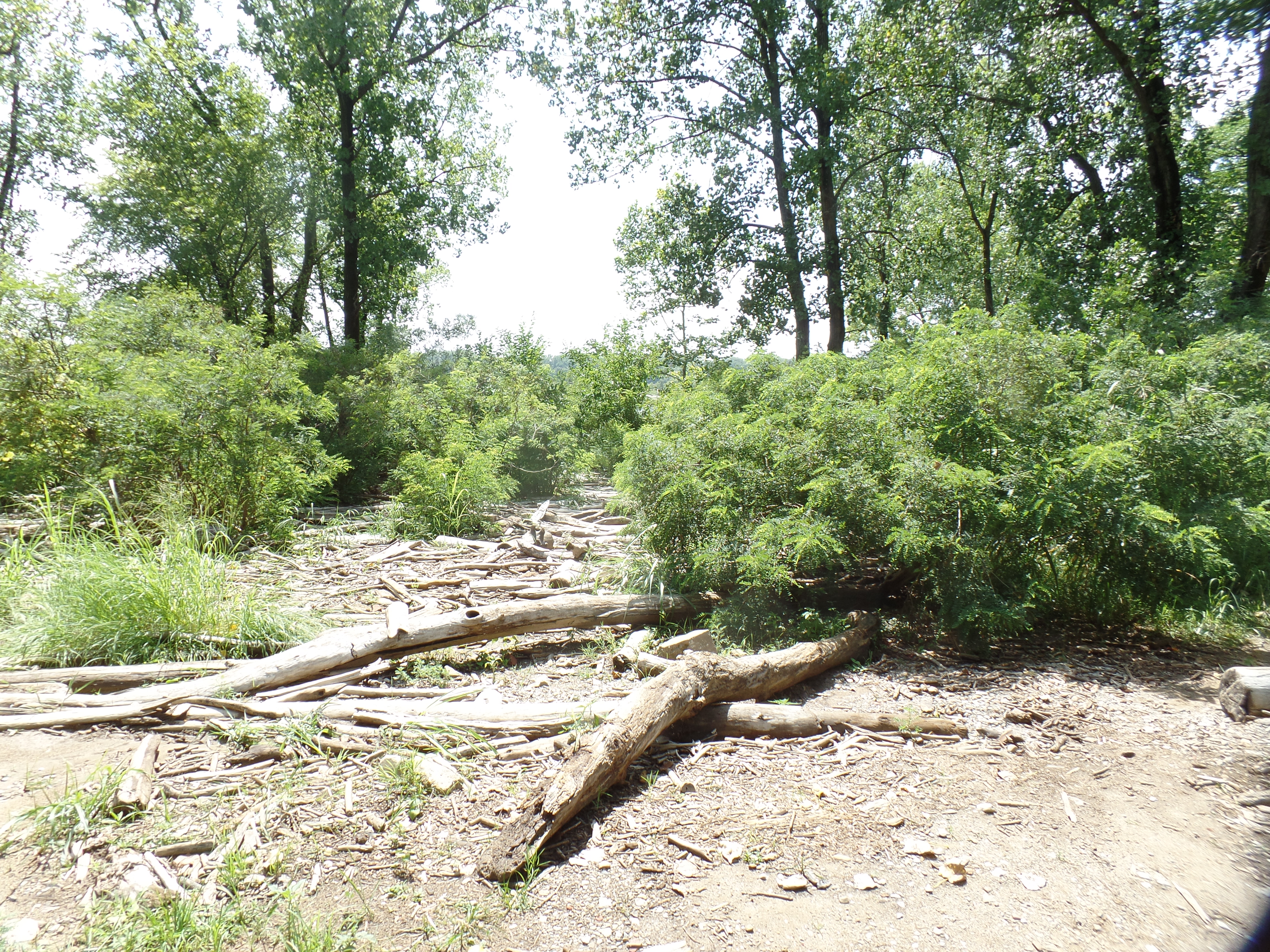
The Ohio is not always accommodating, to put it mildly, and there is much deposited in the woodlands, on either bank, from Devonian and Silurian fossils, in the soil, to broken branches from the roiling storms of summer and winter, alike.

SAMSUNG CAMERA PICTURES

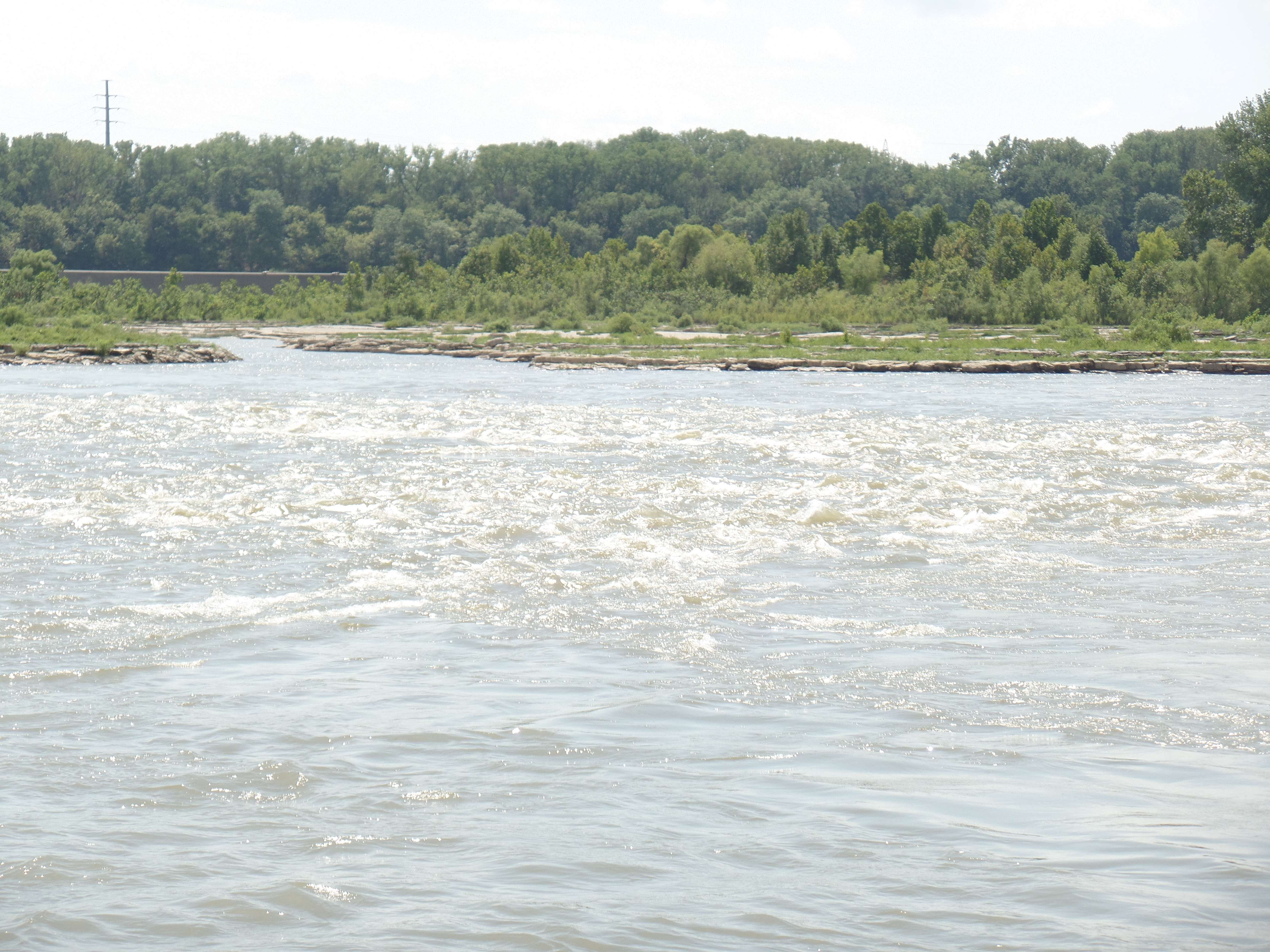
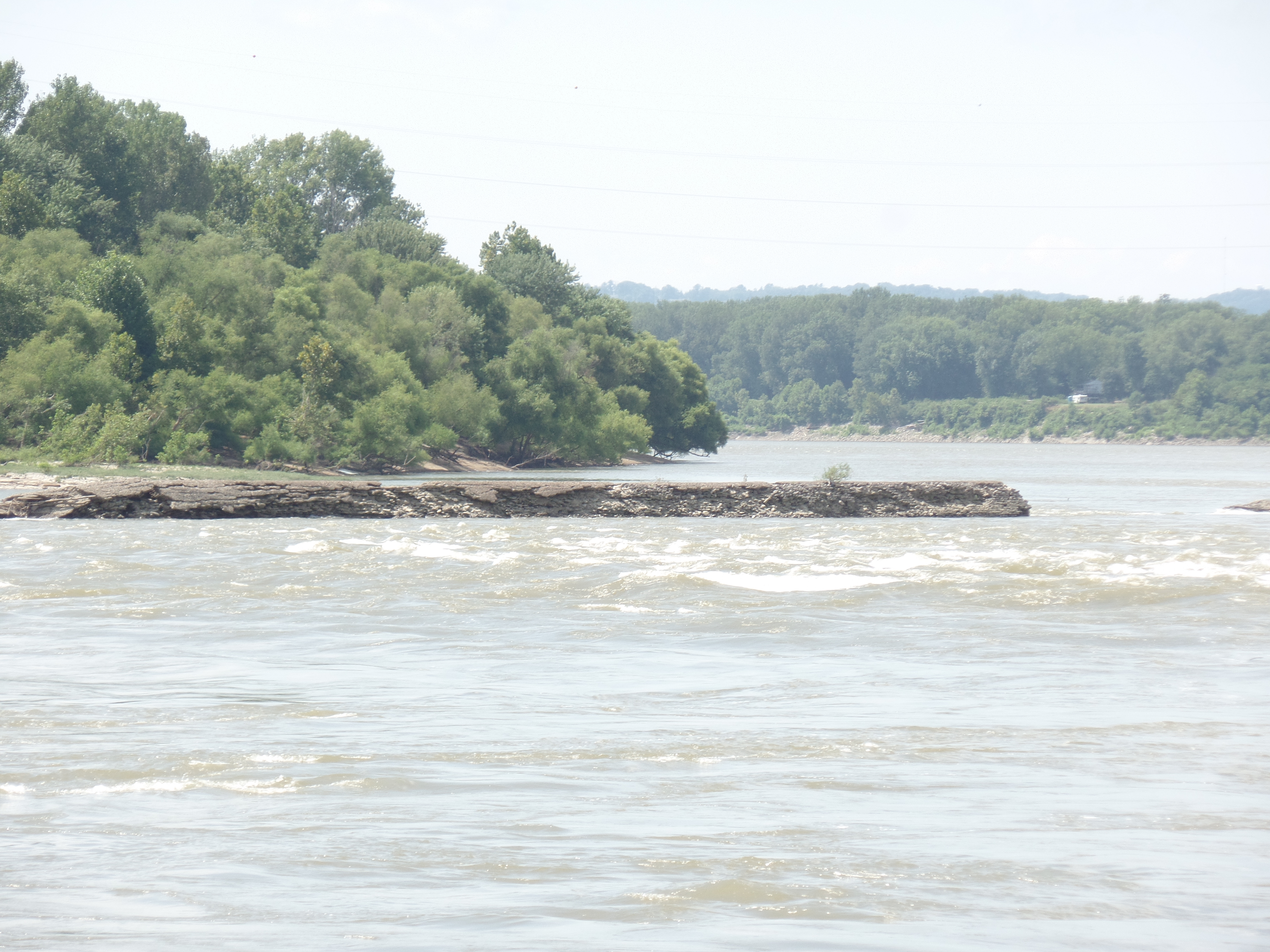
Here are some scenes of the cataracts, which both draw people to the salubrious banks and make life difficult for those plying a trade, along the Ohio.

SAMSUNG CAMERA PICTURES

SAMSUNG CAMERA PICTURES

I chose this spot to sit and reflect on how nice the drive through Kentucky and southern Indiana had been.

SAMSUNG CAMERA PICTURES

SAMSUNG CAMERA PICTURES

Of course, the River answered, “Thank you”.

SAMSUNG CAMERA PICTURES

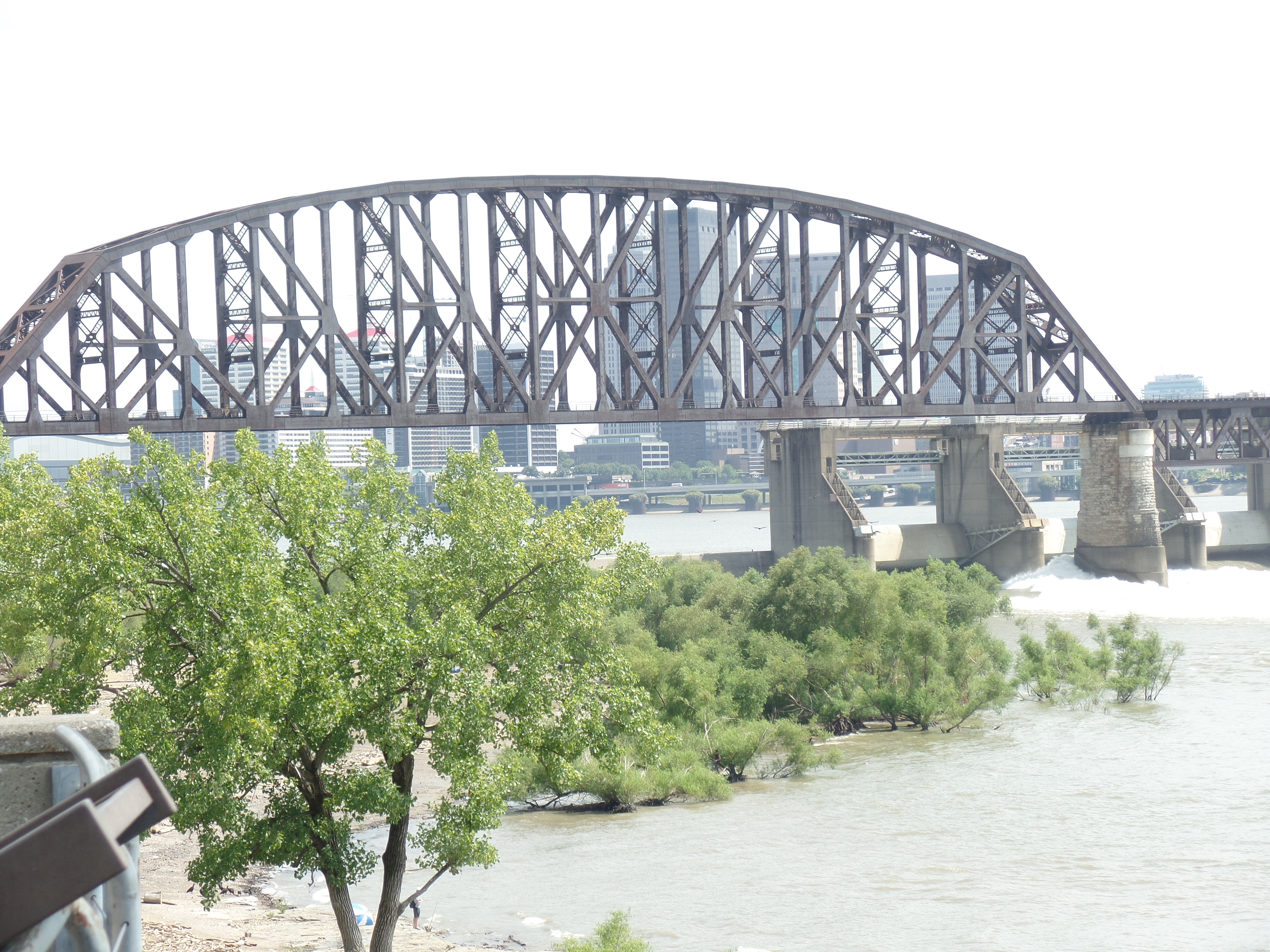
This is a surreal view of Louisville, hidden by a railroad bridge.  There is a sign, on I-65, that warns of a toll booth, but I saw no toll booth on either northbound or southbound, and there were no cameras, either.  Methinks the toll has been discontinued.

SAMSUNG CAMERA PICTURES

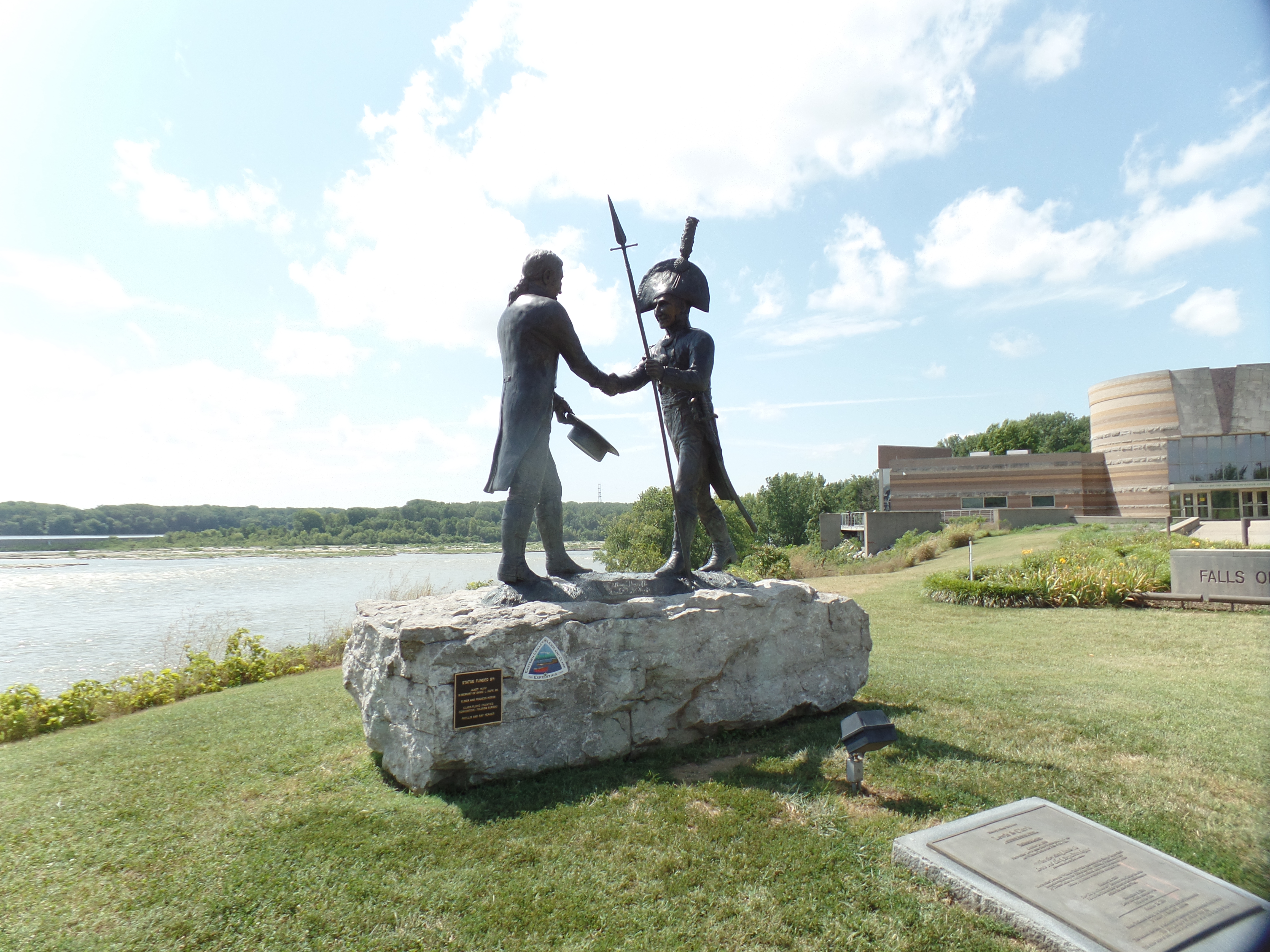
Lastly, before I headed south again, en route to Paducah, a wink to Lewis and Clark was in order.  This area was integral to the planning phase of their monumental exploration, and there was a family tie:  George Rogers Clark, who secured the then-Northwest Territory for our fledgling nation, was William Clark’s brother.  Clarksvillle, Jeffersonville,  New Albany, Corydon and Vincennes are all filled with historic sites, associated with the Clark family and the pioneers of the Ohio Valley.

SAMSUNG CAMERA PICTURES

My spirit guides were calling me westward, to Paducah, for a further appreciation of the Ohio River, just a few miles shy of its meeting with the mighty Mississippi, at Cairo, IL.  So, on went the Hyundai and I.