
September 19, 2024, Baguio- The skies are open, full tilt and the Cordillera (Kordilyera) of central Luzon is taking the brunt of the downpour-but that is part of what I expected, before coming here. Baguio is often described as the “coldest place in the Philippines”, with temperatures as low as 48.2 F, or 9 C., in January and February. It is 67 F here, this evening.
The road here, once leaving the National Highway, resembles the back road from Wickenburg to Prescott, or either of the paved roads that go to Jerome. It is winding, there are some spots that are one lane,due to construction and the city is sprawling- “Welcome to Baguio ” signs appear in Puga, some 25 kilometers south of town.
Baguio is also in the homeland of the Igorot people, who are actually nine distinct indigenous nations that have been aggregated into “Igorot” or “Ifugao”- since the Spanish conquest of the northern Malay archiplelago, in the sixteenth century. The people themselves call their conglomeration Ipugaw. Each of the terms simply means “mountain people”. The Ibaloi and Karao Nations are the most common Ipugaw, around Baguio. The other seven nations are found across northern Luzon, in all the interior provinces. I will have more to say about the Ibaloi and Karao people, in Saturday’s post.
I arrived here around 2:30 p.m., about the time that my friend in Makati had predicted, though some optimistic staff at Pasay Victory Line’s terminal in the City of Pasay, near Manila, had said 1:30. Kathy has had boots on the ground in Baguio, so her assessment carried more weight. I got a couple of empanadas at the Bus Station’s Food Court-and that was a snunch-a late snack-lunch. My host, Rose, came and got me, then we met her son at his school, and the three of us took a taxi in the rain, to Rosevilla Transient Guest House, in the heights above the city center. I will do a solo trip downtown, tomorrow. It will be fascinating-involving both my intuition and consulting locals along the way, as needed.
Here are some scenes of the barangay to the south of this area, which is called Guisad. “Our” barangay is called Trancoville.
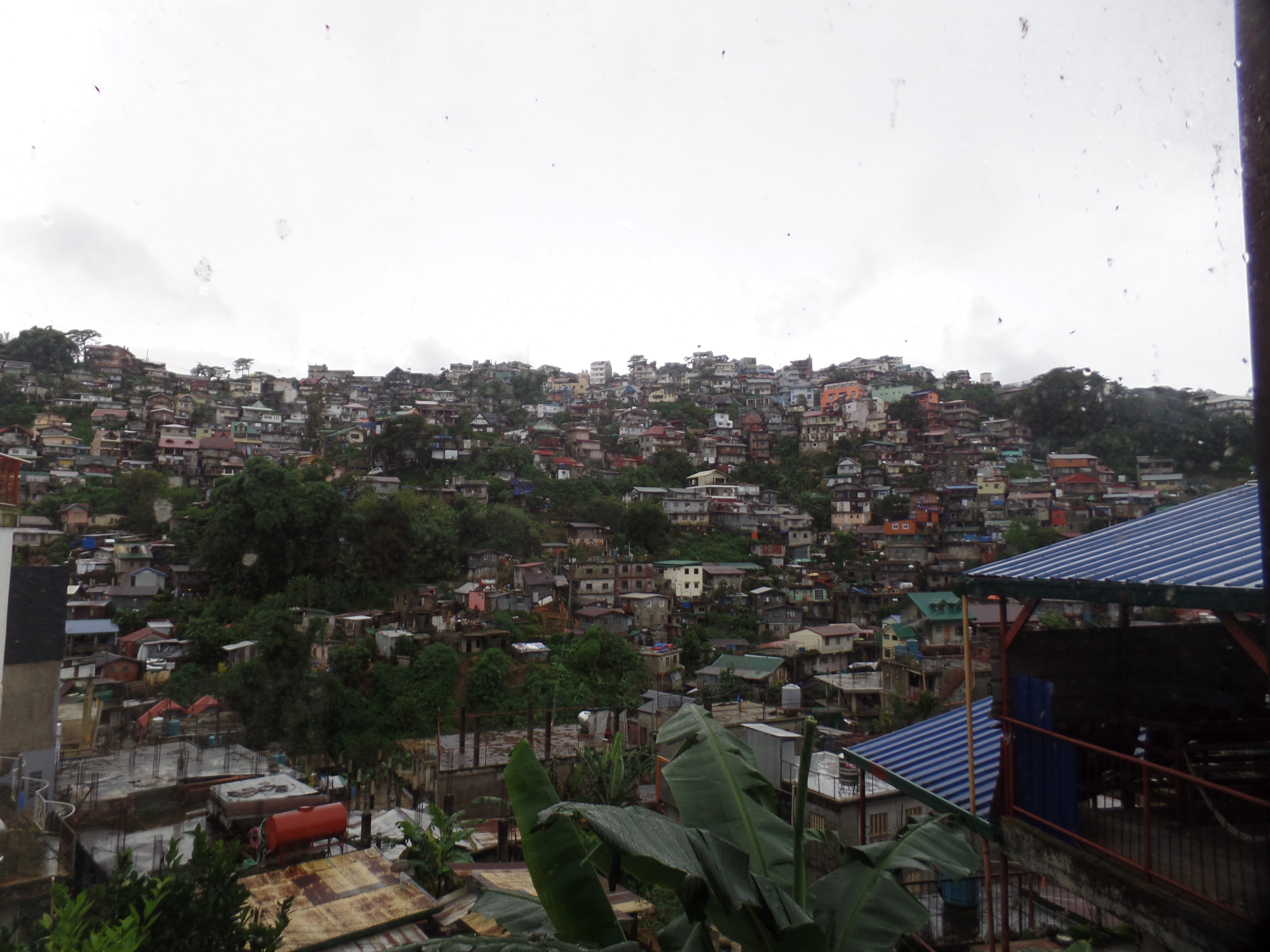
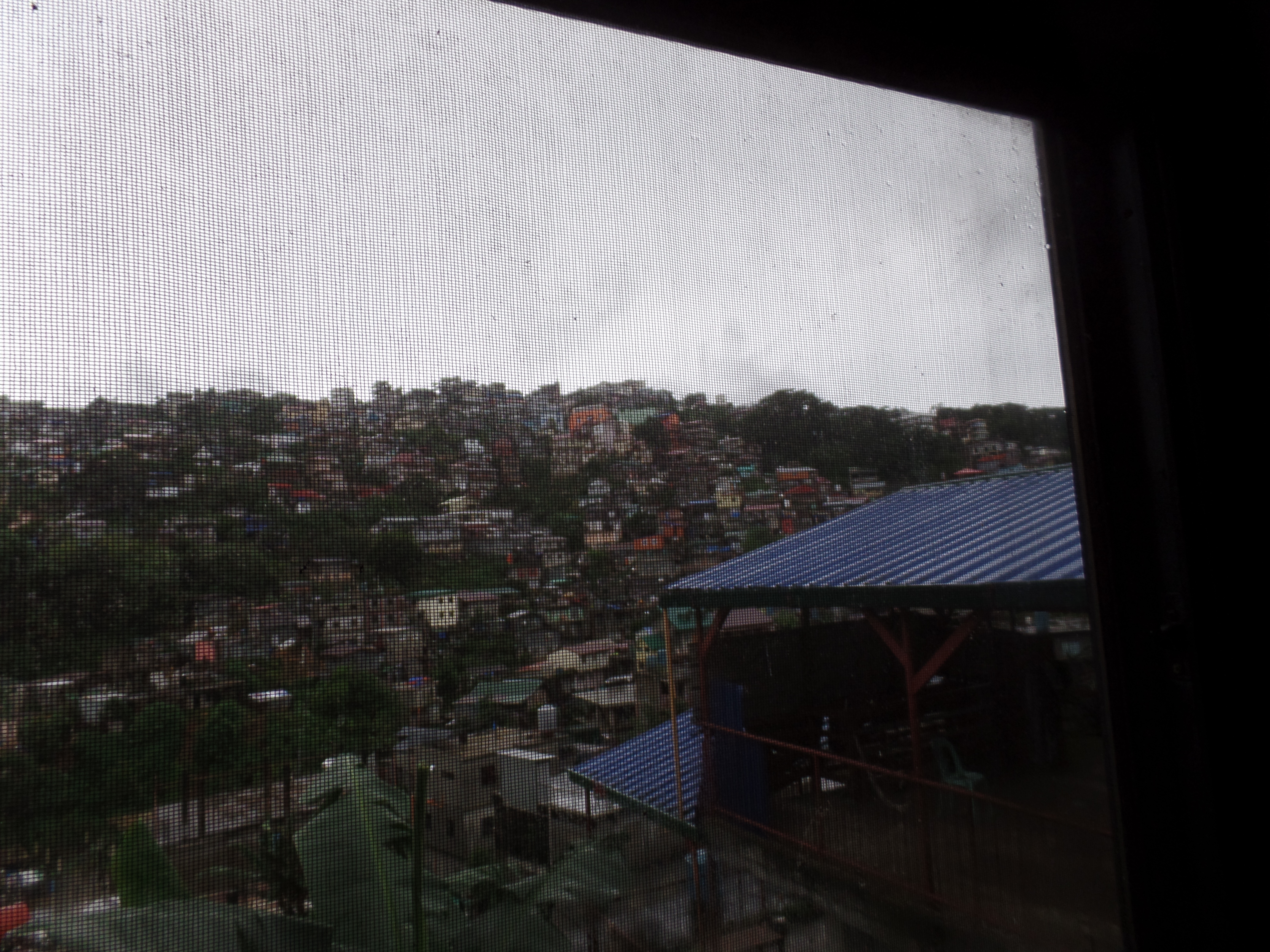
There is enough in Baguio and vicinity to occupy a traveler for four or five days. I have two full days, so I will pick and choose carefully.
 A Sagittarian Seeker