
June 16, 2015, Ketchikan- Actually, the flight from Sitka to Ketchikan lasts 49 minutes. My friend in Sitka gave me a ride over to Gutierrez International Airport (all border fields are “International”), and from there it was a puddle jump, though in a conventional aircraft that was going from Anchorage to Seattle.
The Ketchikan Airport is on Gravina Island, from which one must take a $6, five-minute ferry, to the city proper, then a $5 taxi ride to the Main Ferry Terminal, from whence a city bus will take the visitor downtown. I was told the Gravina Bridge was the Bridge to Nowhere that was never completed. It was not a big deal to me- just a half-hour or so, of local colour.
Ketchikan does have its share of colourful characters, at all points along the human spectrum. I found myself next to a tough fishwife who was loudly telling someone over the phone about how f*%#@ crazy her teen daughter was acting, as the girl was standing there, rolling her eyes. A few minutes later, I arrived at the Methodist Church, where the kindly pastor-emeritus welcomed me to their hostel and explained that only a church-approved Internet connection was available. Since that link was not working, I ended up going to two different places to WiFi, the next day. The hostel itself was adequate to my needs, otherwise.
My Ketchikan circuit began at the Tongass Visitors Center, a US Forest Service facility, which does an excellent job at explaining the various aspects of Tongass National Forest, its creatures, the surrounding sea and Man’s interaction with all of them. There is a complicated balance at play here: A thin soil layer, trees growing seemingly atop one another, the Native Alaskan understanding of land and sea use, European notions of said use and climate change- which is affecting the area far more dramatically than some other parts of the world, and people on Revillagigedo Island (pronounced by locals as it looks- Reh-vill-ah-GIG-eh-do), on which Ketchikan is located, are less skeptical of the changes than some are, elsewhere.
Prior to a meeting with friends, later this evening, I made a circuit of the harbour, Ketchikan Totem Heritage Center, City Park, Married Man’s Trail and back to downtown. As you can see, the fishing part of Ketchikan is very lively.

Stensland Bayside is constantly being dredged and monitored, for seabed shifting, due to low-level seismic activity.

Thomas Basin, the older of Ketchikan’s marinas, is the favoured mooring for Tlingit fishermen.

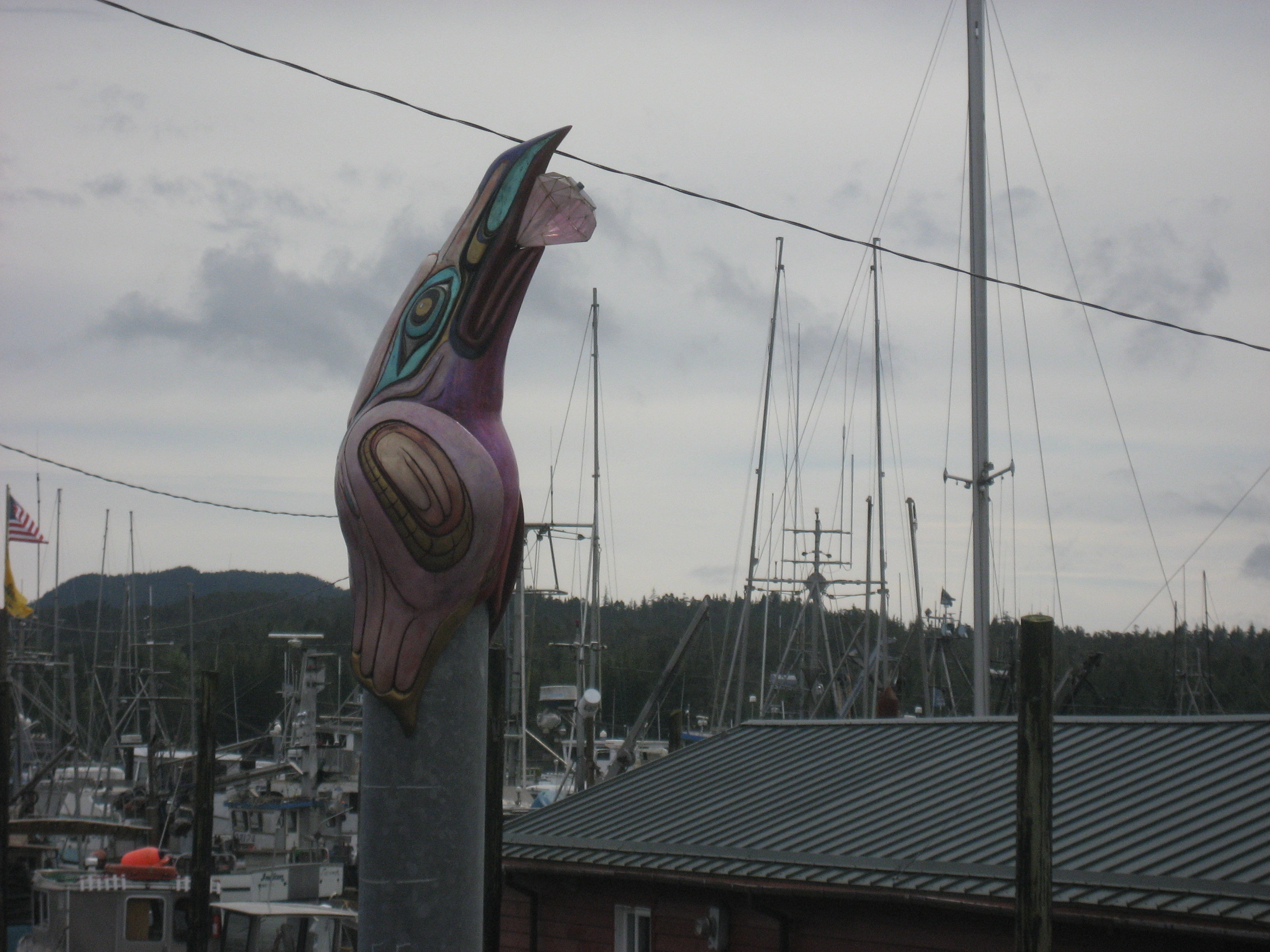
Traditional totems adorn the wharf.

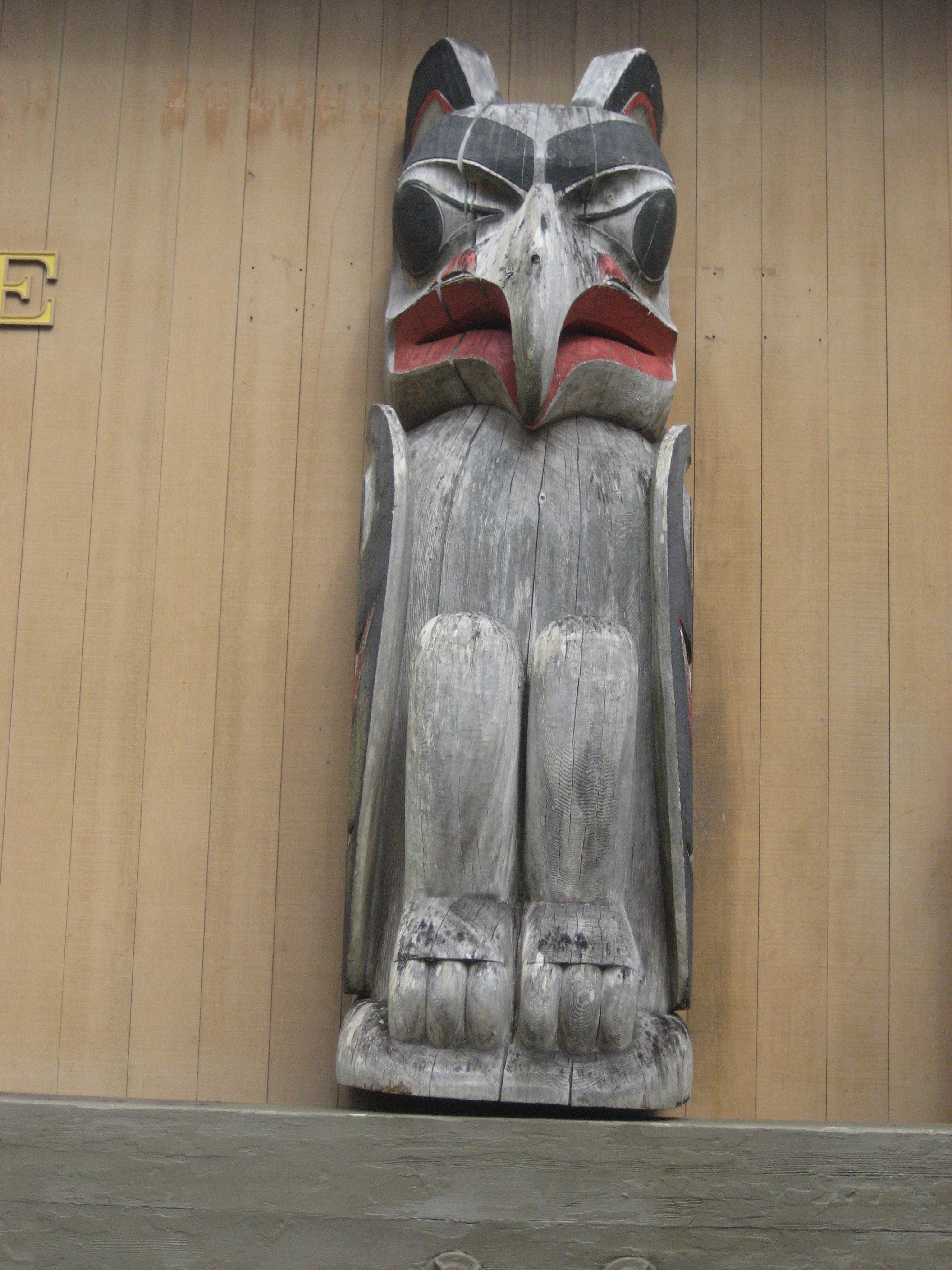
I walked up through the Ketchikan Native Community, to this thoughtfully-prepared facility.

Both indoor and outdoor totems adorn this lovely park. A docent does double-duty, between here and the Tongass Museum, a city property, not to be confused with the USFS Visitor Center.


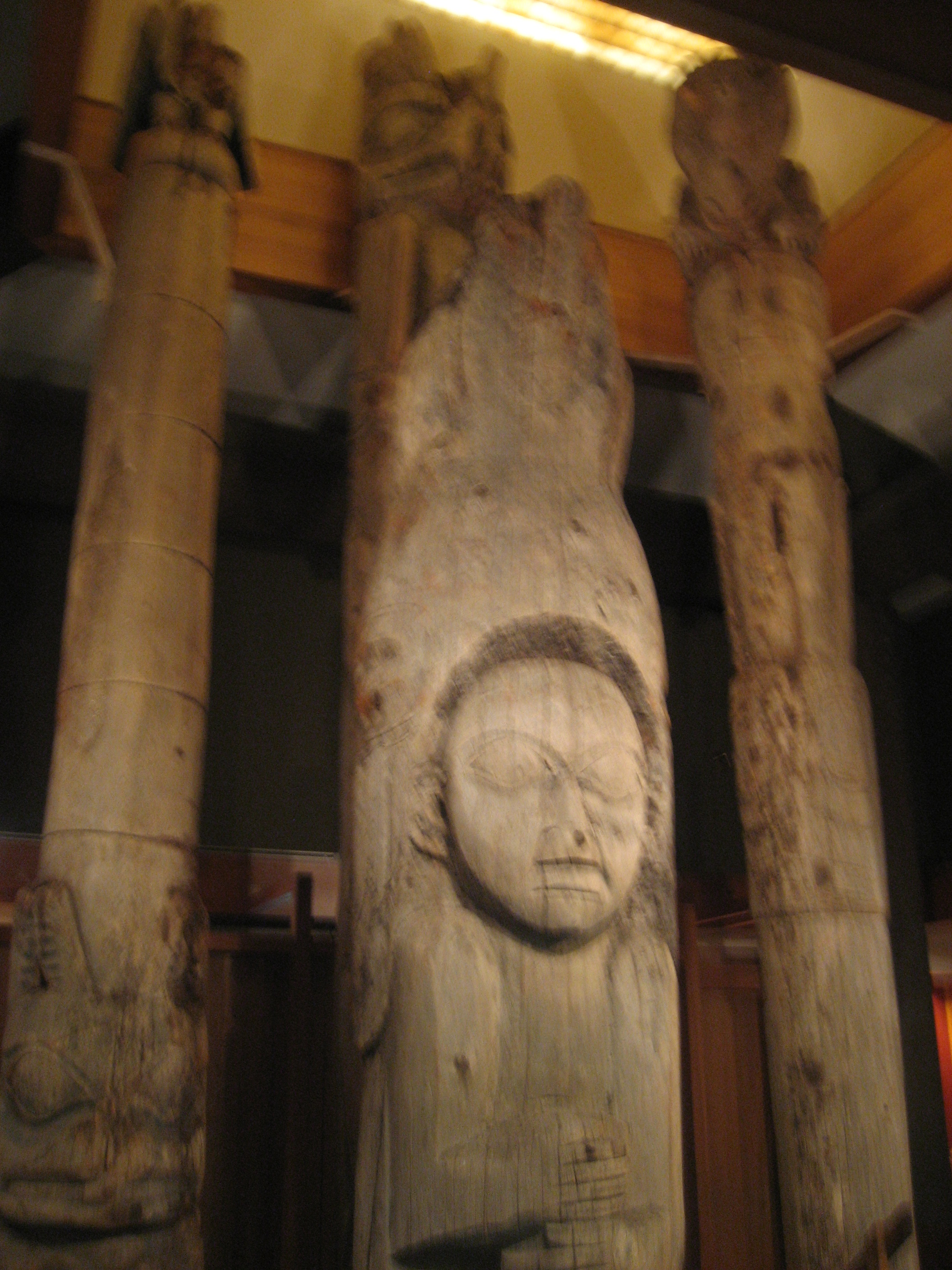
As you might have guessed by now, totem poles come in all heights and tell various stories, depending on the clanship of the carver(s). Below, is one of the original Tlingit totem poles in the Ketchikan area.
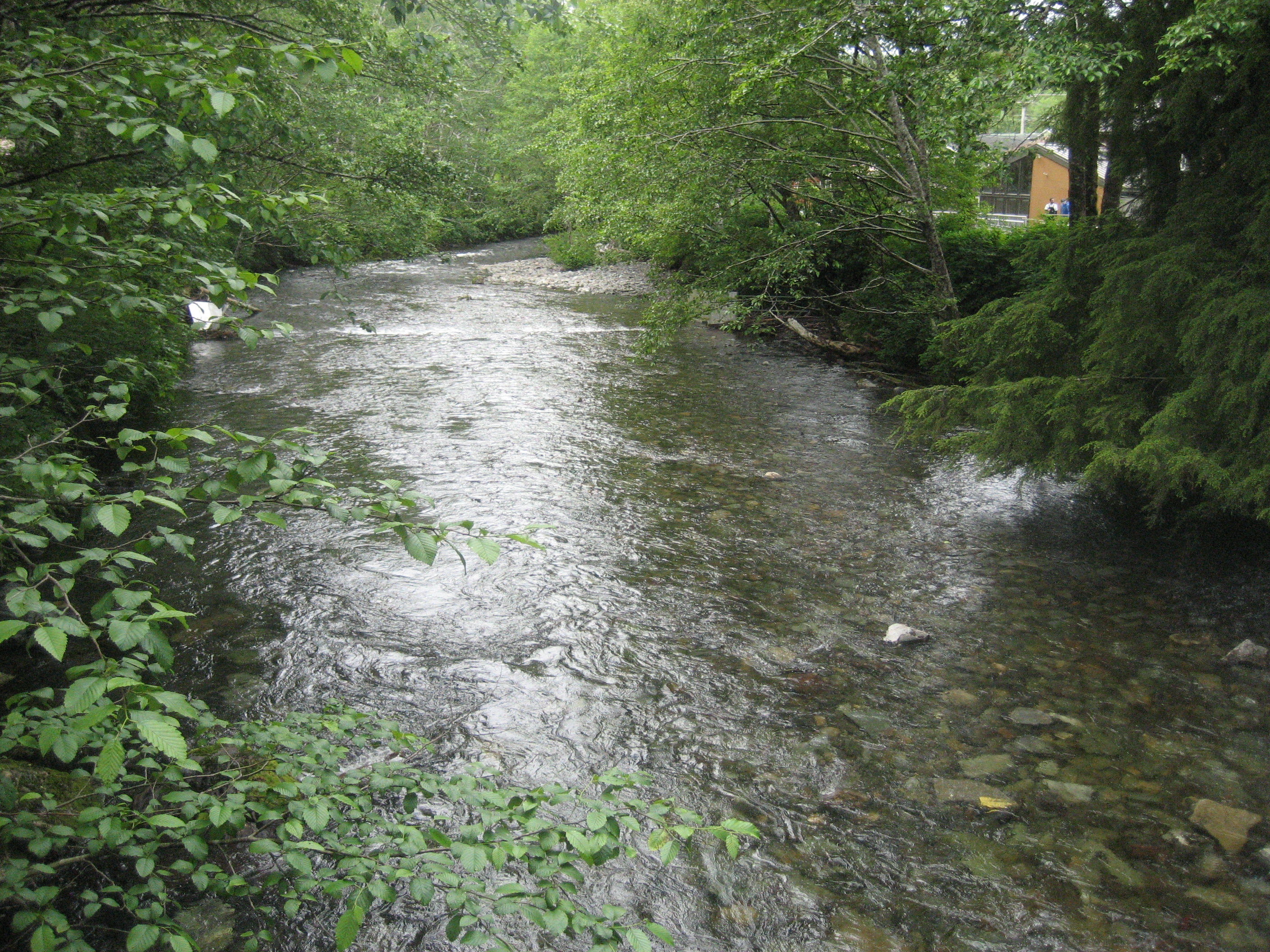
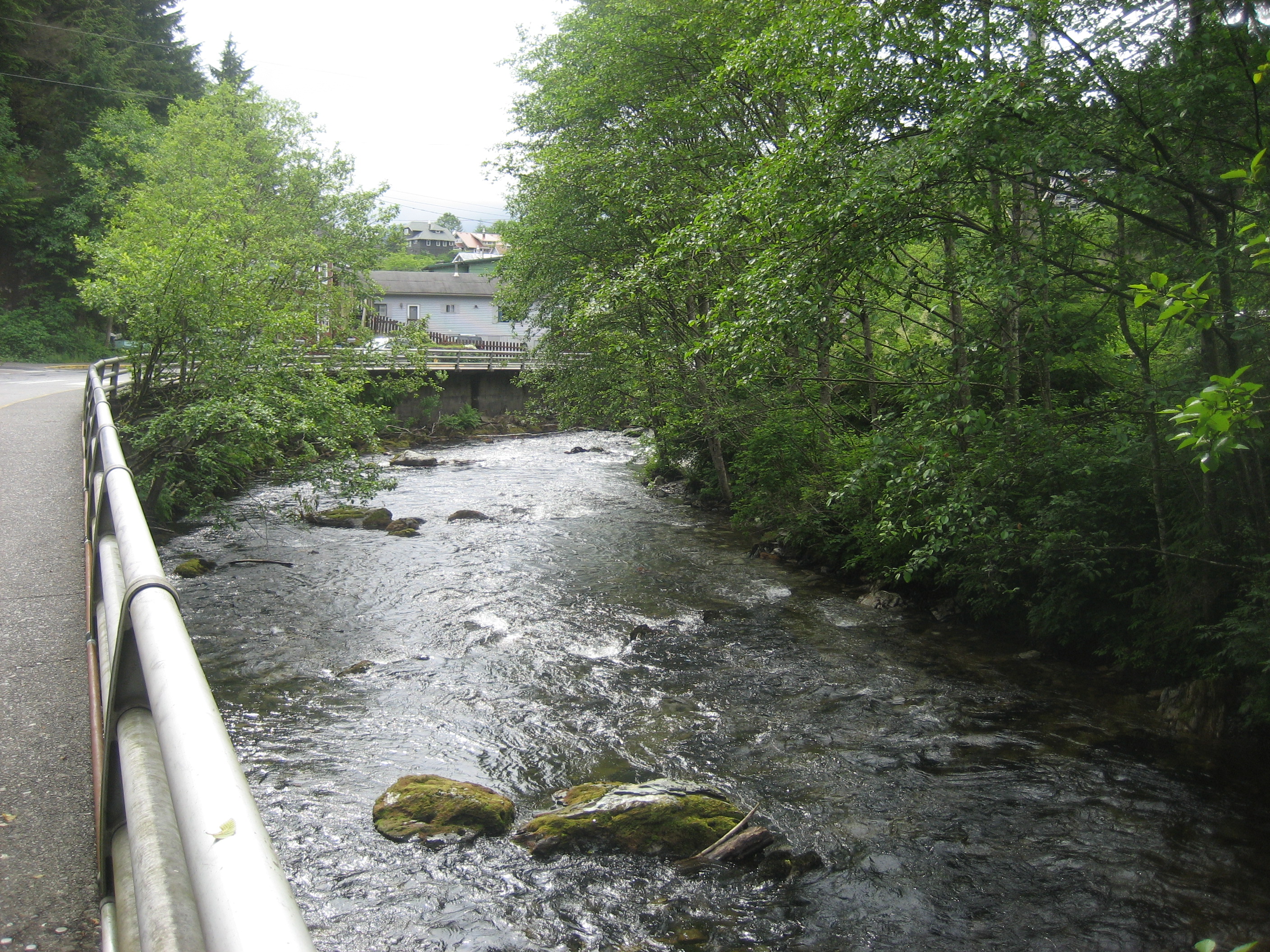
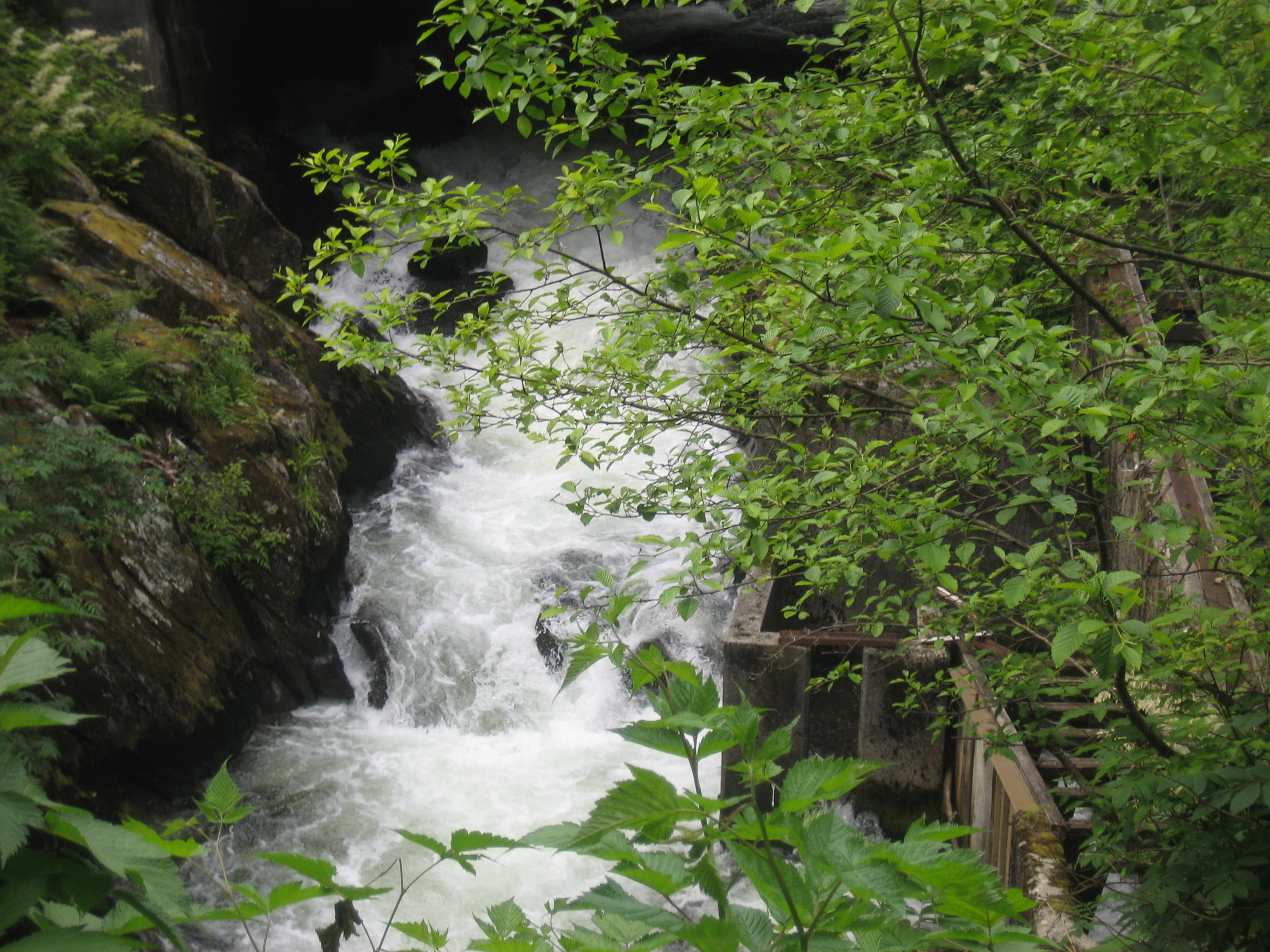
I followed Ketchikan Creek, from City Park, where it helps with a series of salmon ladders, to its confluence with the sea, near downtown.

The thin soil and the water action leave trees to fend for themselves, root-wise.

The Creek is variously calm and rambunctious, like all Alaskan waterways.

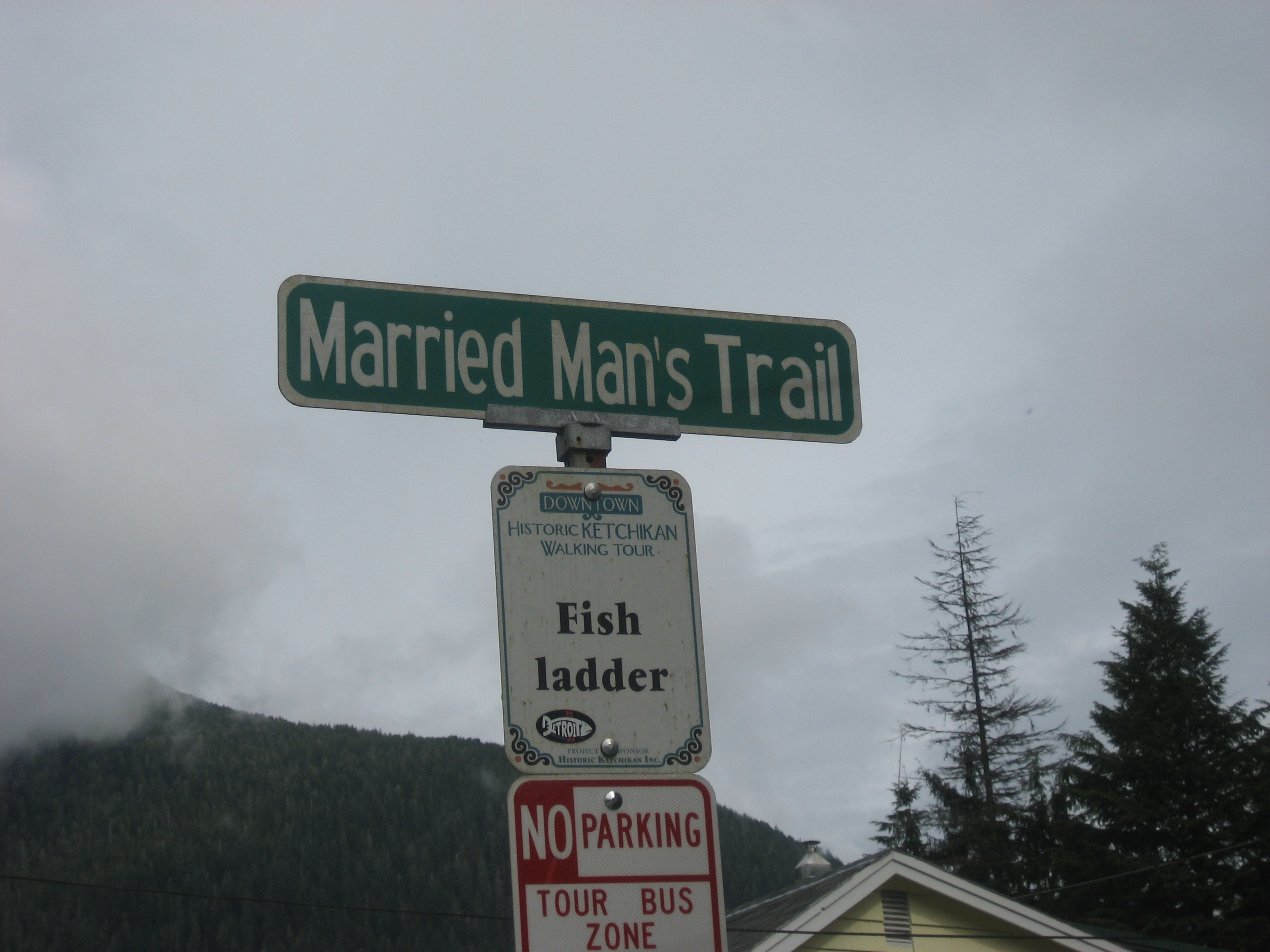
Married Man’s Trail takes commitment.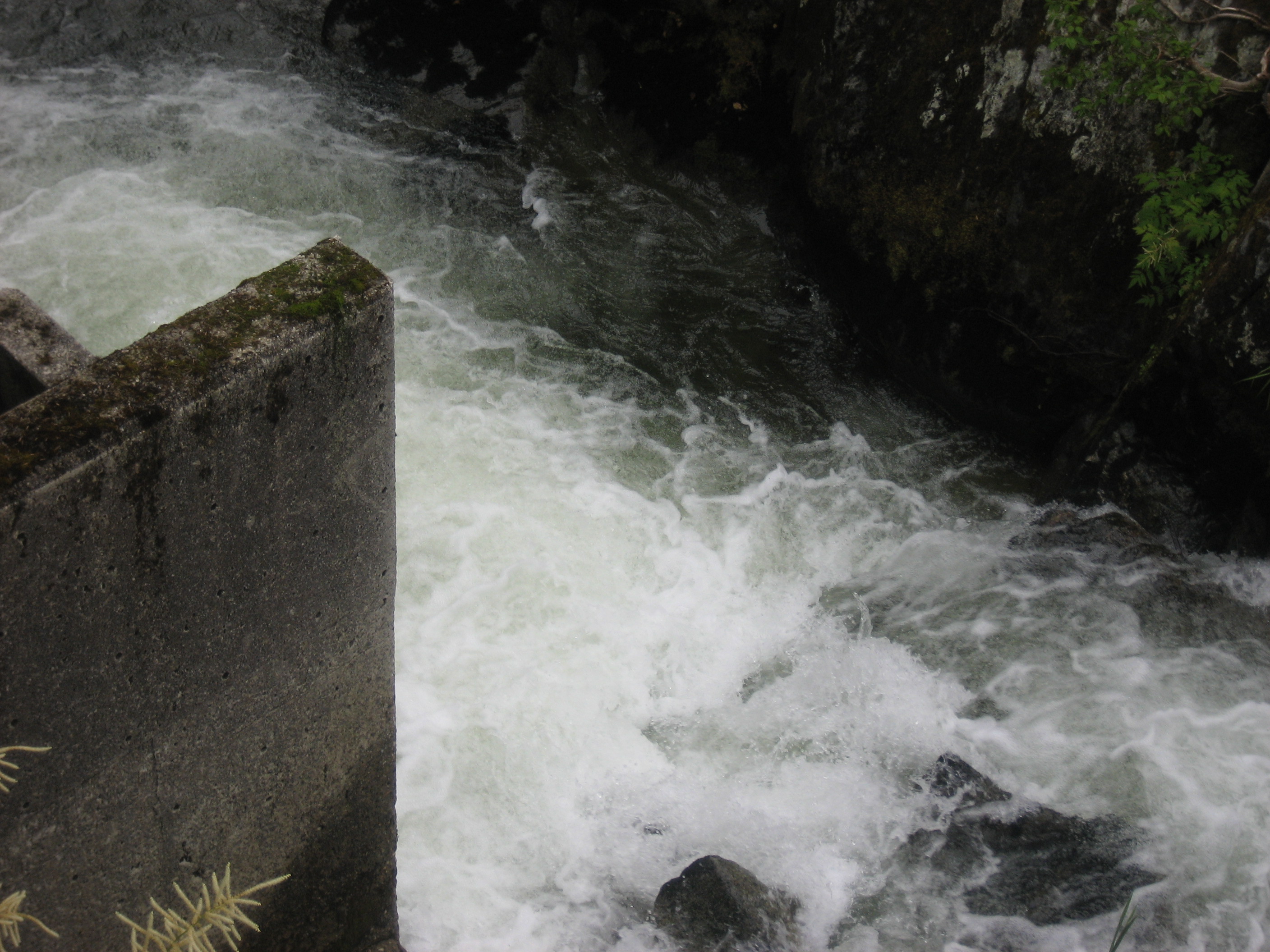
African-Americans have had a key role to play in Alaskan life, since 1867. Miss Annie was a fighter for women’s rights, before suffrage.

I met my friend, Ms. Chapman, downtown and went to a brief meeting at the Recreation Center. While she was tending to other business afterward, I went over to Annabelle’s for fine Alaskan cuisine.

This tunnel goes under a rail link, and takes traffic from downtown to the ferry terminal.

I took these stairs to get to the hostel, where I again met Ms. Chapman.

From there, we went over to the evening meeting, which she and her daughter hosted. This is a view from her neighbourhood.

this is a cat’s eye view of the world.

My hosts were gracious, in the Alaska tradition.

So, my first of two days in Ketchikan was certainly very full. So, too, would be the second day.
 A Sagittarian Seeker