Eastbound and Back, Day 32: Shiloh

2

May 30, 2024, Ruleville, MS- There is a small mound, in the Shiloh Indian Mounds National Historical Landmark, that indicates the former dwelling place of a family of some status, in the vibrant community that once occupied a large area here, just west of the Tennessee River. On either side of the small mound is a larger mound, used for burials. The westernmost of these was used by the 28th Illinois Infantry Division, as a temporary burial site for its dead, after the Battle of Shiloh, in April,1862. The dead men were later laid to rest at Shiloh National Cemetery.

Shiloh,in Hebrew, means “tranquil; abundance”. The place bearing the name, in southwest Tennessee, was once that. In March and April, 1862, that all changed. The Civil War had come to western Tennessee and northern Mississippi. General Ulysses S. Grant had brought his troops int o the area, after a signal victory at Fort Donelson, north of Nashville, Facing them was the Confederate Army of the Mississippi, led by General Albert Sidney Johnston, based in Corinth, a major railroad hub and link between Memphis, Nashville and New Orleans. It was Corinth that was Grant’s true target. 23,000 men would die, in the course of this battle, making it the bloodiest episode in the American Civil War. https://npplan.com/parks-by-state/tennessee/shiloh-national-military-park-park-at-a-glance/shiloh-national-military-park-history-of-the-battle-of-shiloh-and-corinth/

Shiloh, prior to the battle, was a humble village of farmers, who had settled the area around 1816, having come by river, from Knoxville and Nashville. Farmers from Savannah, Georgia named the nearby County Seat for their former place of residence. Shiloh was named after a settlement in Samaria that had been referenced in the Bible (Jeremiah, 7:12-15.)

I have long wanted to visit this site, being dissuaded only by its remoteness and other more pressing concerns, when traveling to/from other parts of Tennessee. Today, there was lots of time, so I made three separate loops around the park, focusing somewhat on Pittsburg Landing and on the Shiloh Mounds. Here are some scenes of those loops, as well as of the short trail through the Mounds preserve.
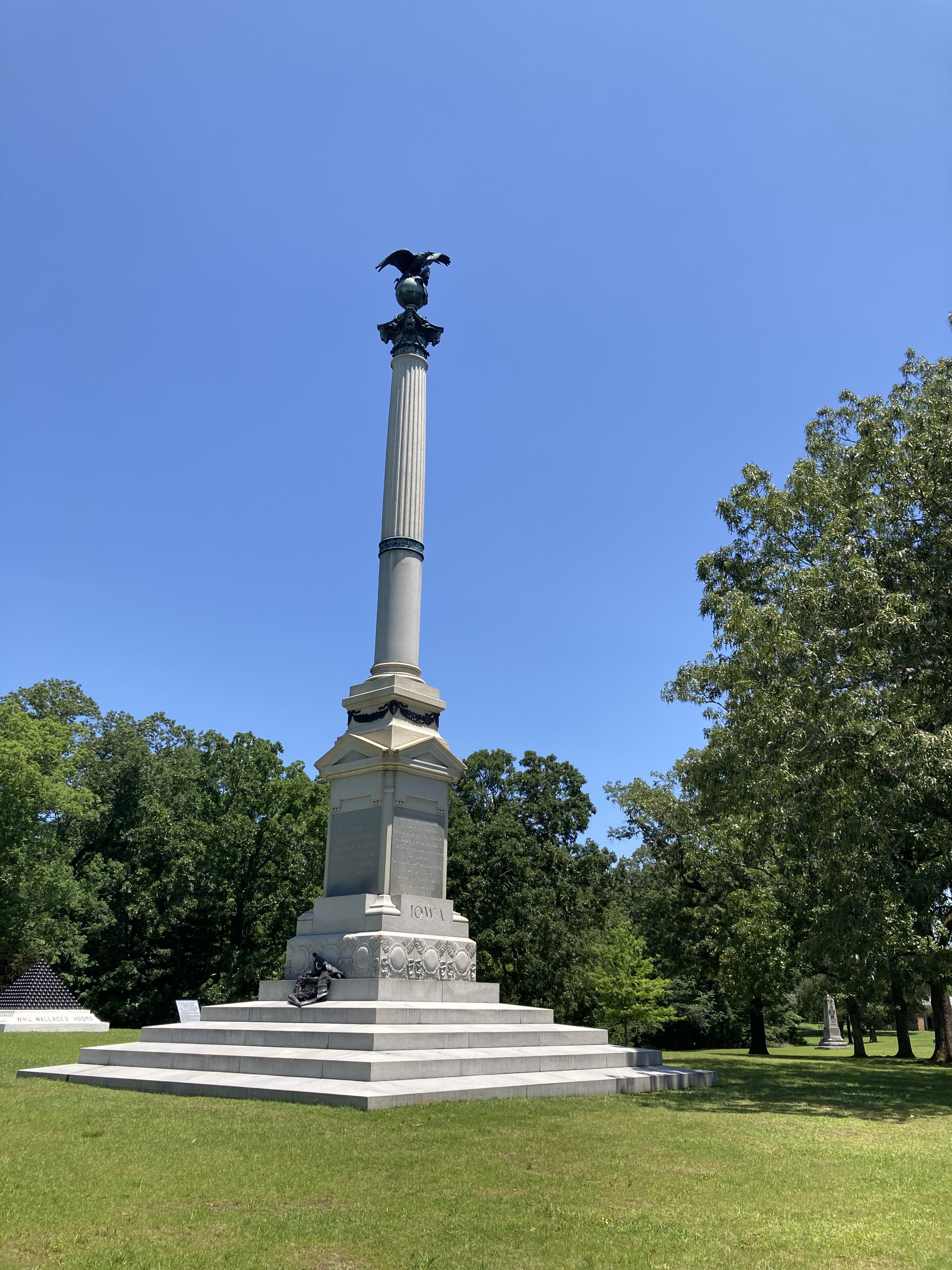
Iowa Infantry Memorial, Shiloh National Military Park
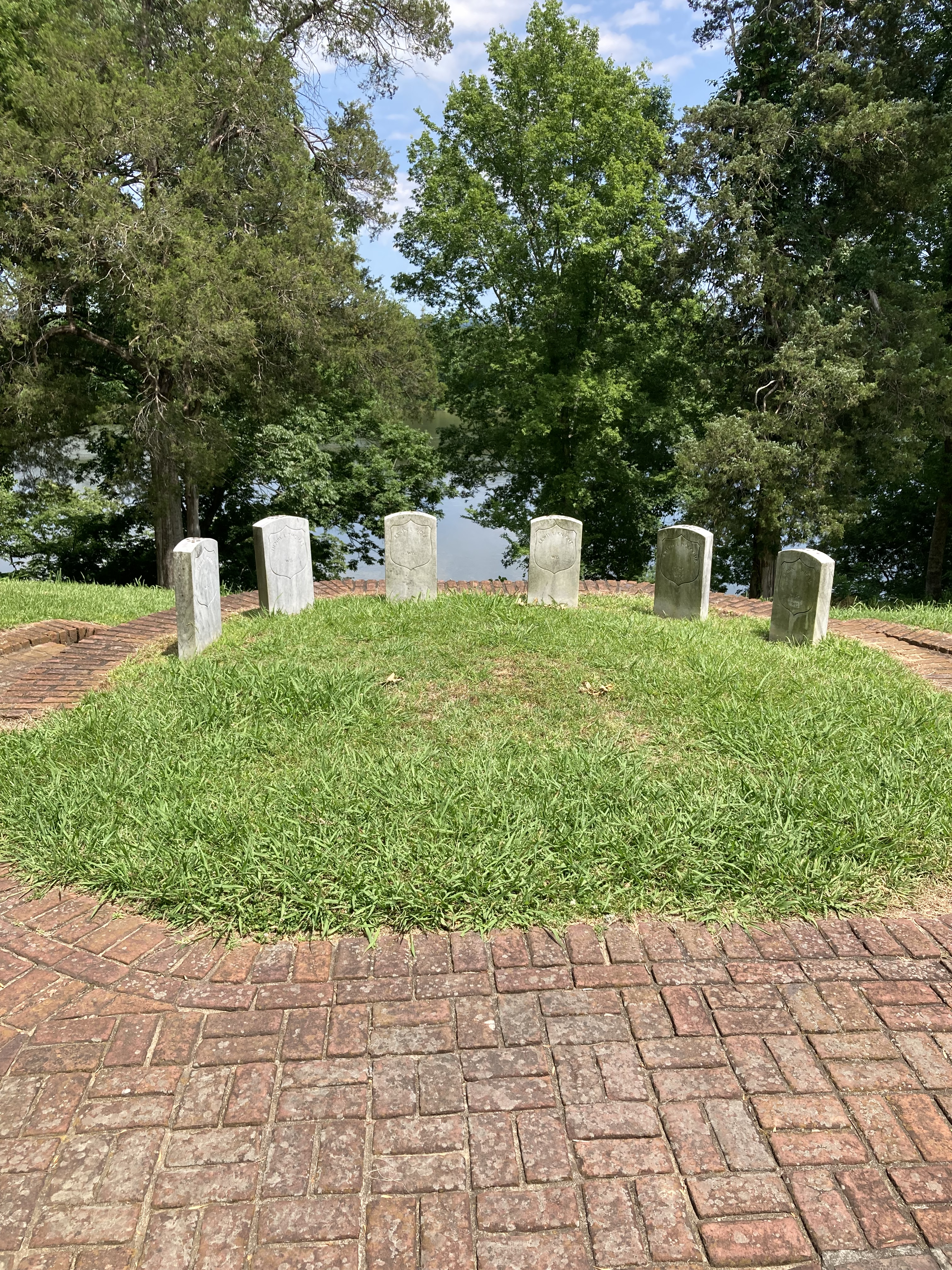
Graves of comrades from Illinois, Shiloh National Cemetery, overlooking the Tennessee River, above Pittsburg Landing
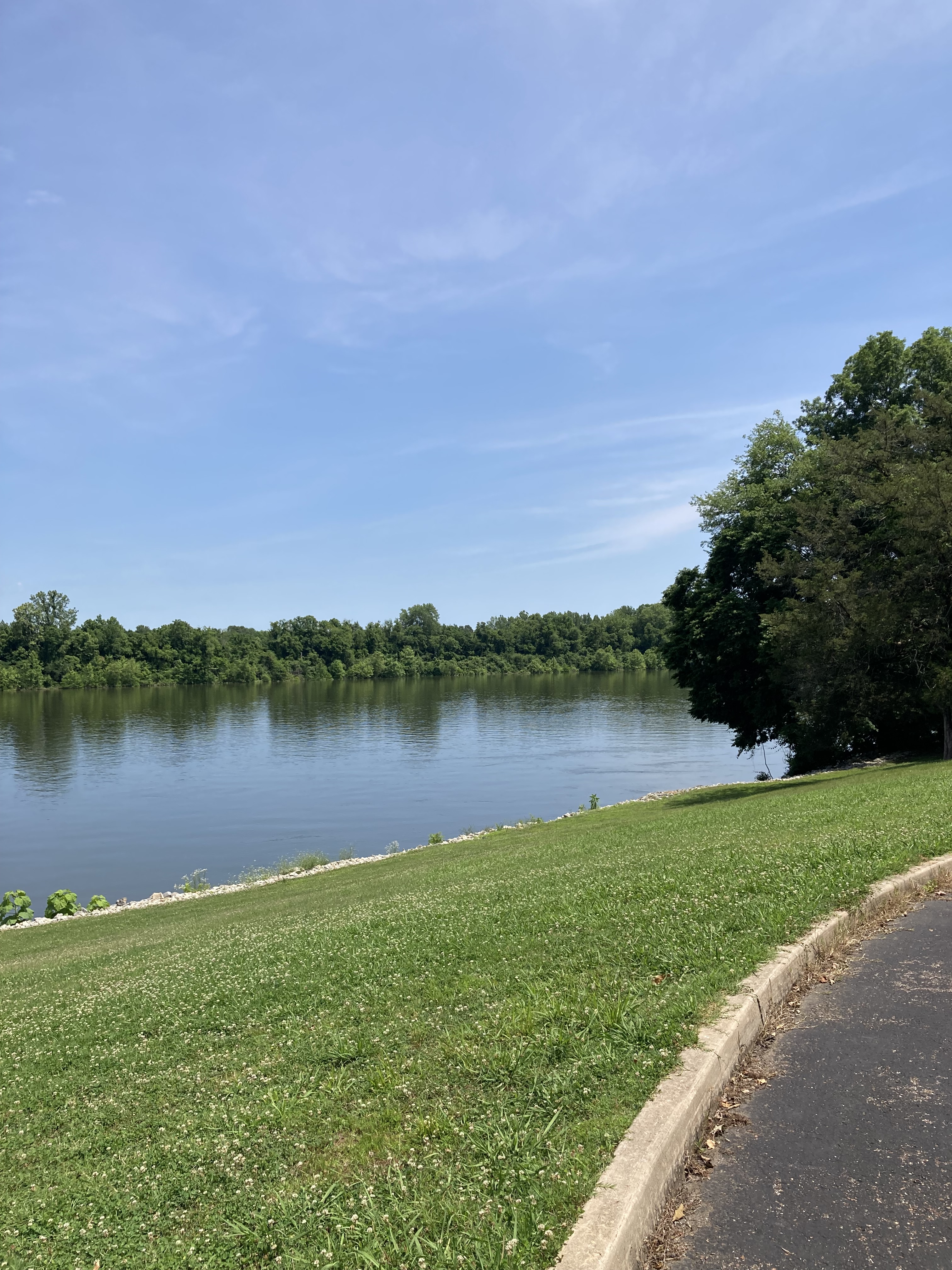
View of Tennessee River, at Pittsburg Landing.

Site of wooden palisade, built by Iroquoian residents of Shiloh area, around 1200 A.D./C.E. It is not known why this wooden wall was built.

Burial Mound, Shiloh
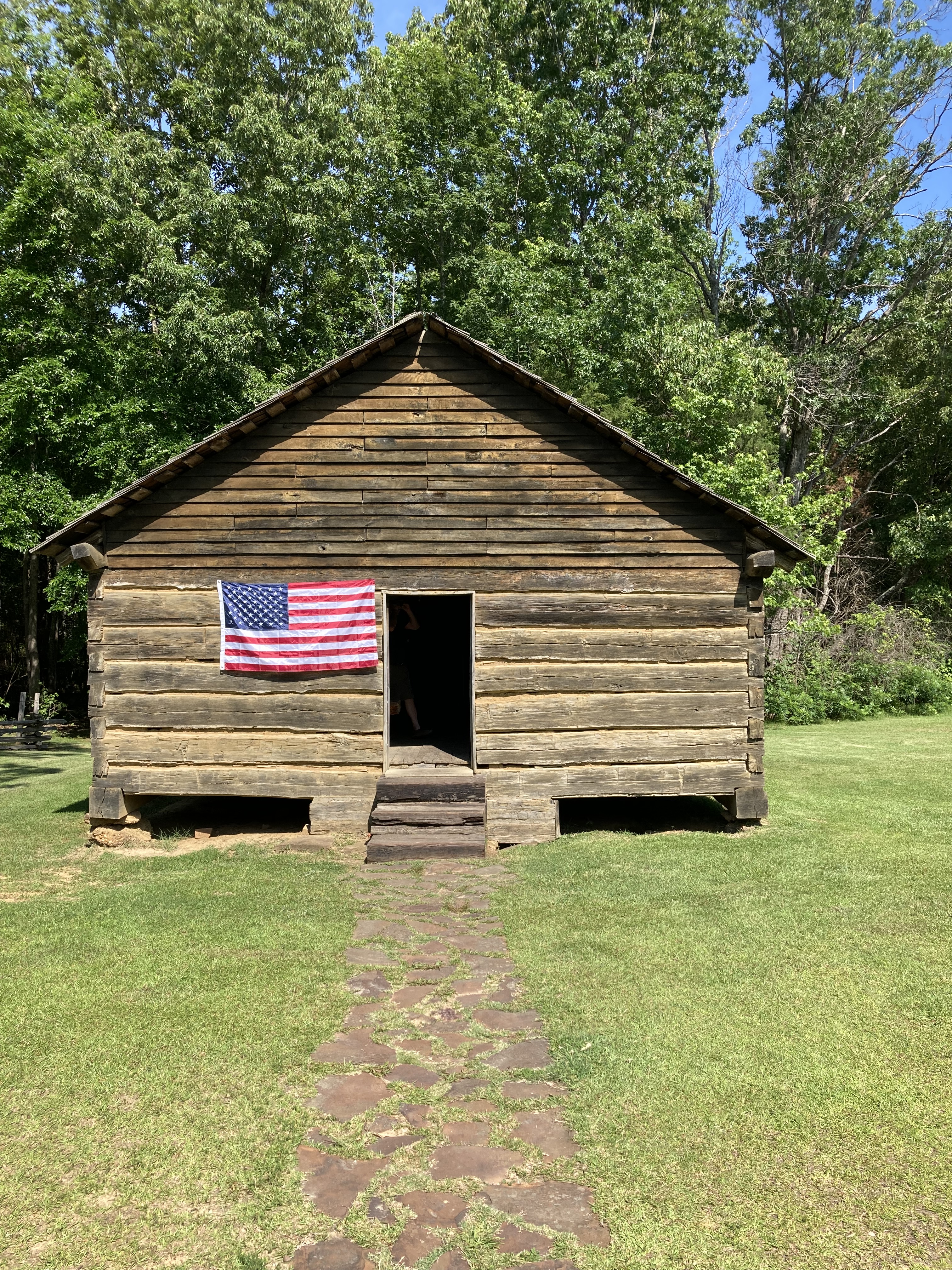
Replica of Shiloh Meeting House (Church), which had served as General Johnston’s headquarters during the first parts of the battle

I left, rather shaken, especially after viewing the film about the carnage, Given current tensions in the nation, right now, it is instructive for anyone with a conscience to take time and review what happened, when the idea of enslavement of others became somehow conflated with the notion of preserving freedom. Nationhood is NOT a zero sum game.

Driving south and west, I made a brief visit to Sumner, MS, where the courthouse at which the accused killers of 14-year-ole Emmett Till were acquitted of murder charges. They later admitted having committed the crime. https://en.wikipedia.org/wiki/Emmett_Till

Tallahatchee County Courthouse, where Roy Bryant and J.W. Milam were acquitted of the murder, to which they later confessed.

I had had enough of carnage and injustice, for one day, and have settled in for the night at Ruleville Inn, in the hometown of Civil Rights icon Fannie Lou Hamer. It’s a modest, but clean little place- albeit one where guests provide their own towels and wash cloths. The bed is new, though, and the TV works nicely.

Denial Gets A Comeuppance

4

July 26, 2023, Grants Pass, OR-

I was told, some time ago, that the homeless community along Washington State’s southern tier had been removed, by sending the lot across the Columbia River, to Portland. Being skeptical that this is even something that could be pulled off, without a whimper from a city that was already choking with a large unhoused community in its downtown and other neighbourhoods, the last time I visited (2015), I went to Vancouver (WA) this morning, after checking out of the motel in Kelso.

Vancouver, not to be confused with the much-larger city in British Columbia, has a lovely park along the Columbia River, and pleasant, clean downtown and uptown sections. It also has the manicured Fort Vancouver, a well-maintained National Park site, whose historic homes are leased to residents and businesses. Living wherever they can put up tents, usually in nooks and crannies along the Columbia, are the remnants of the unhoused community, admittedly smaller than those of Portland, Seattle or Tacoma, but in Vancouver, nonetheless. Denial of a problem will never make it go away. Whoever passed that information along to people down at my Home Base, in Prescott had probably not been to Vancouver.

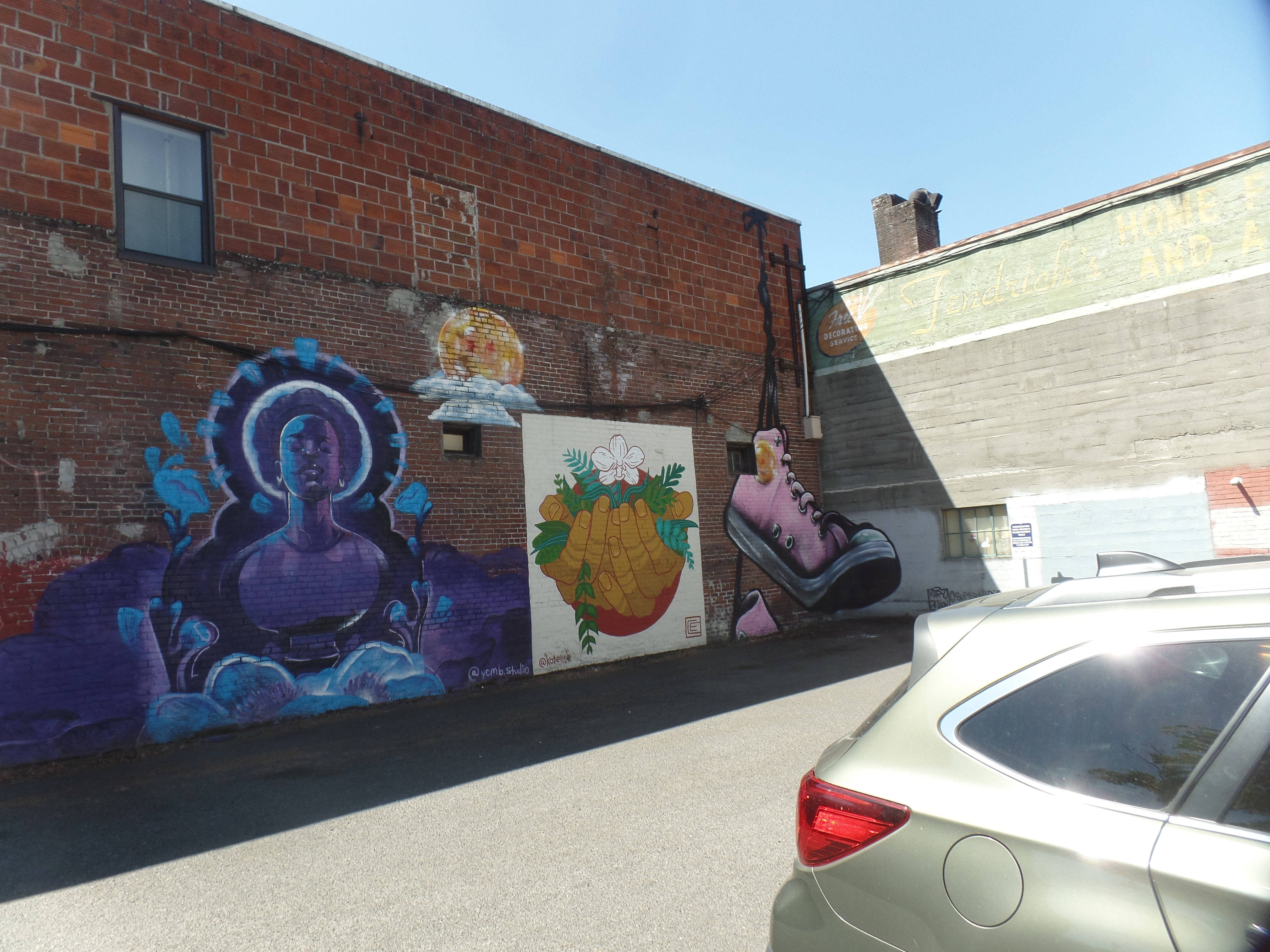
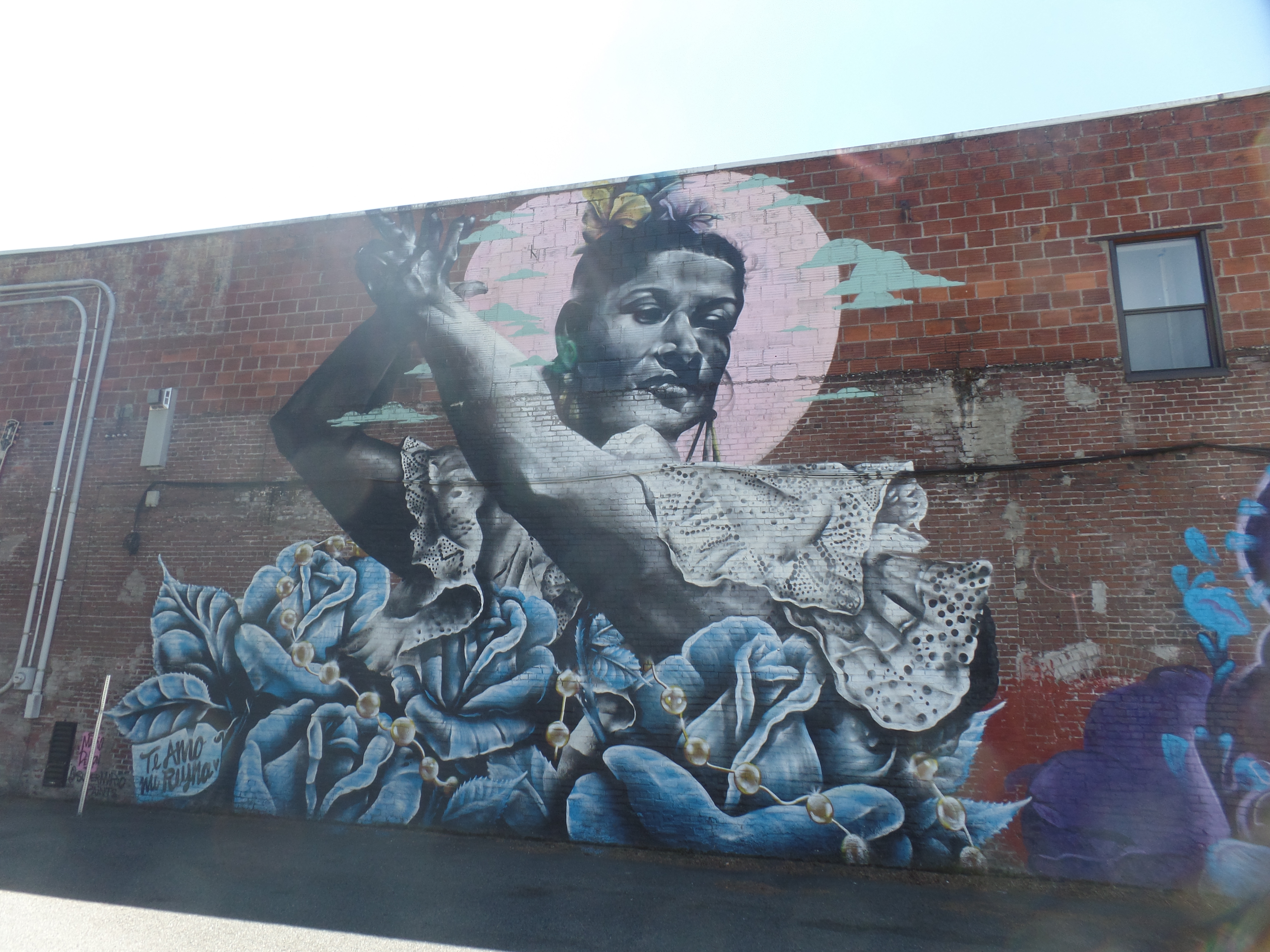
I took a walking loop to the banks of the Columbia, then around to Esther Short Park, after first enjoying a vanilla latte at Brewed, a small, but efficient coffee shop, combined with a bar and small bakery, on Main Street. Not far from Brewed, there is a parking lot with murals on two of the walls.

The Skagit, Yamhill, and other nations, have not lost their dignity.
Nor, for that matter, have the Hispanics who come here for agricultural work.
The African-American community here seems small, but holds its own.
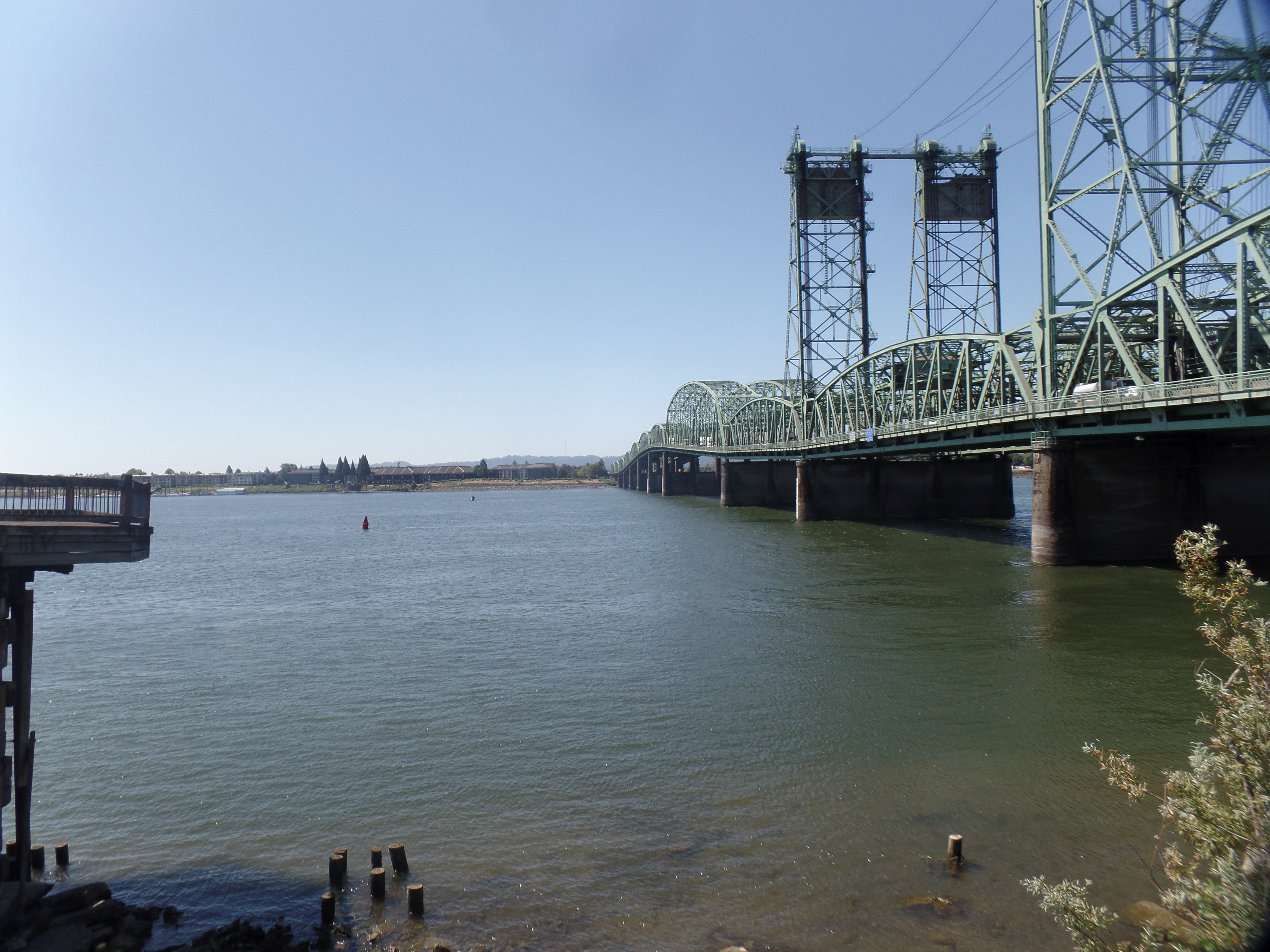
Columbia River, at I-5 Bridge, Vancouver.
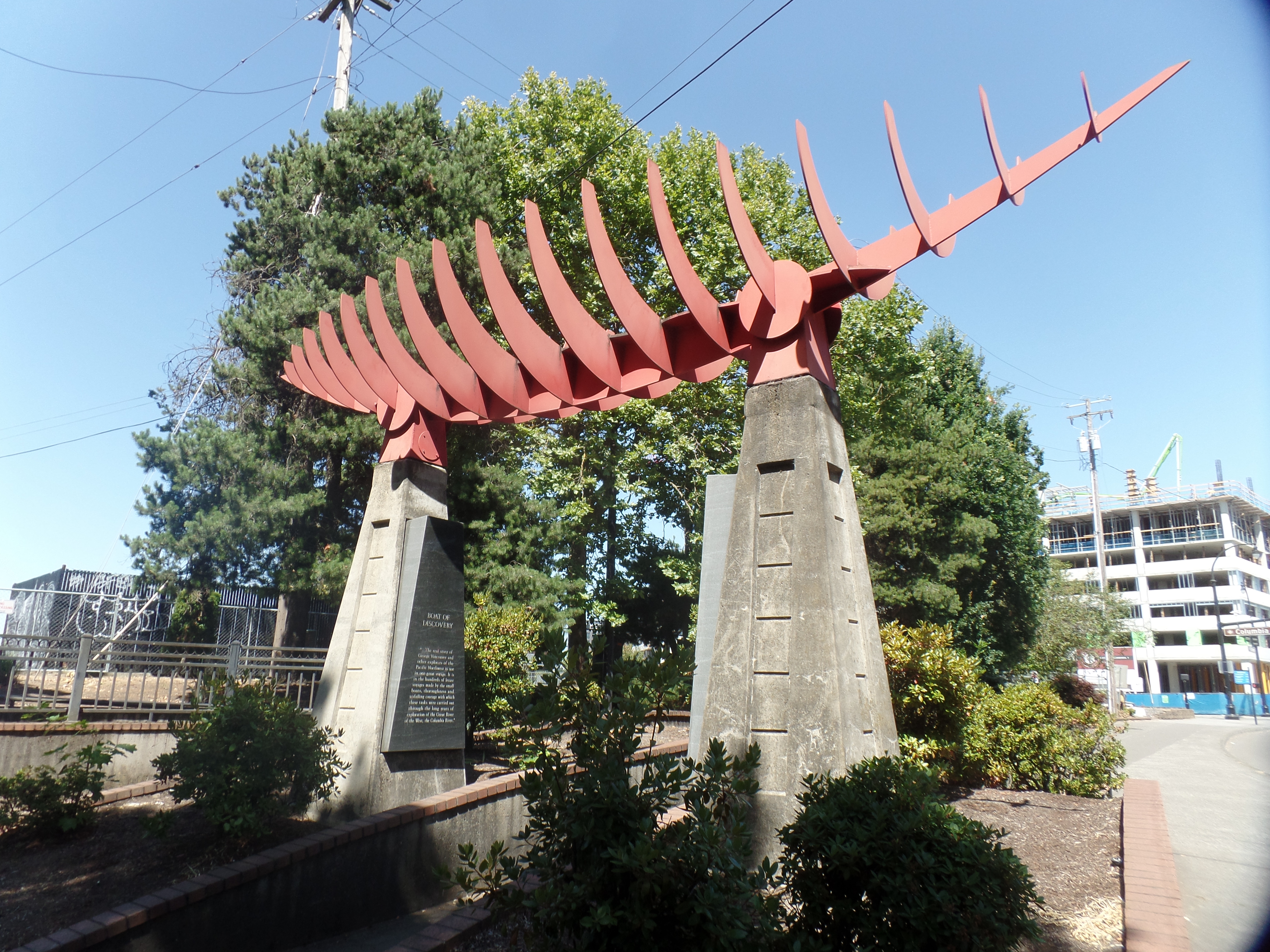
“Boat of Discovery”, commemorating the visit here, by Captain George Vancouver’s fleet.
A long wall emanates from this plaza, honouring veterans of all “foreign” conflicts, from the War of 1812 to Iraq and Afghanistan.
Clock Tower, Esther Short Park. The park was being readied for a special event, when I happened by.

Having a couple of errands to do, across the river, I gave myself an hour to explore Fort Vancouver. The post was established to safeguard U.S. control of the mouth of the Columbia River-with .British, Russian and Spanish claims not fully resolved.

Here is the flag staff, in the midst of the parade ground.
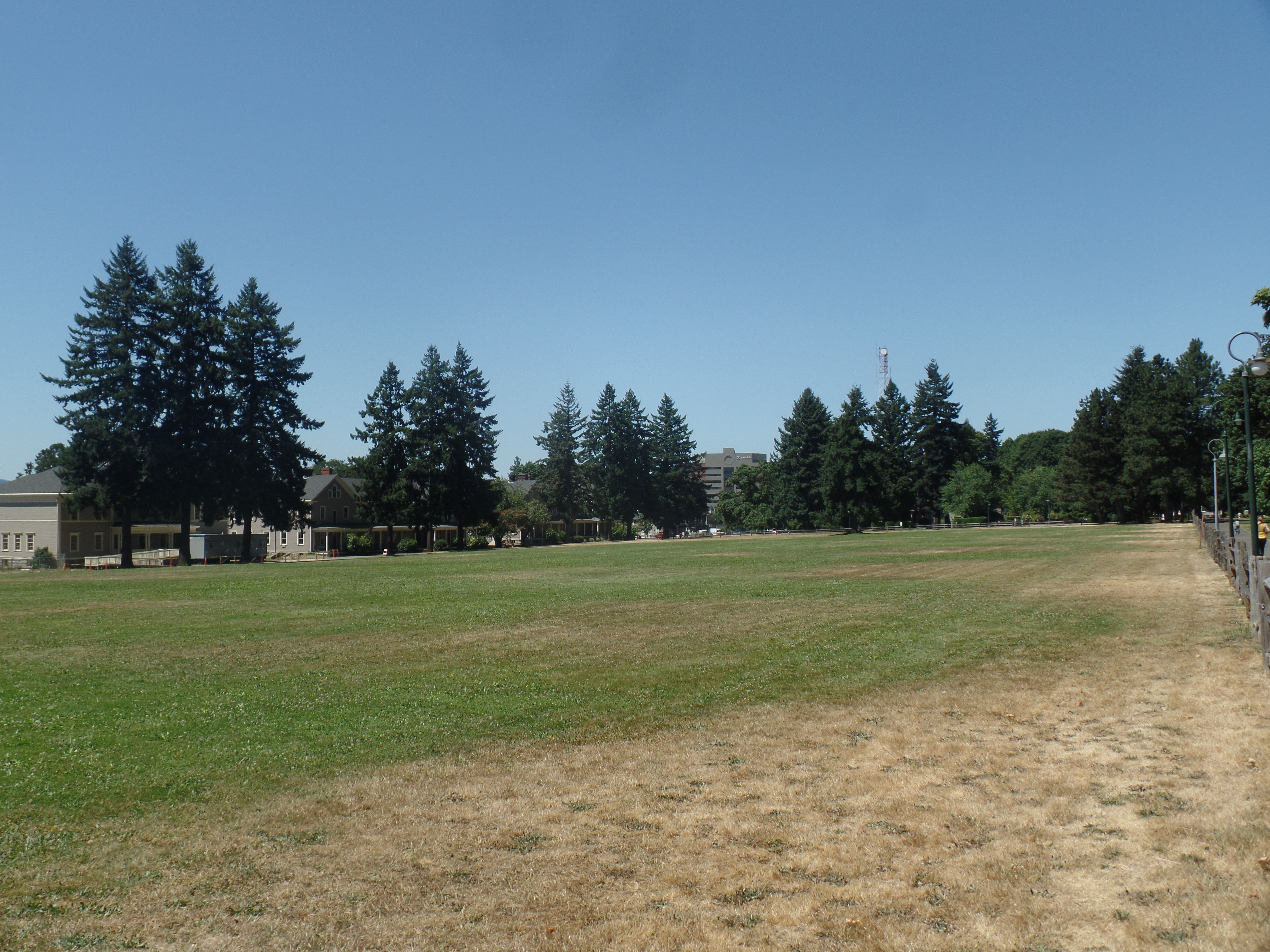
This was a serious parade ground!
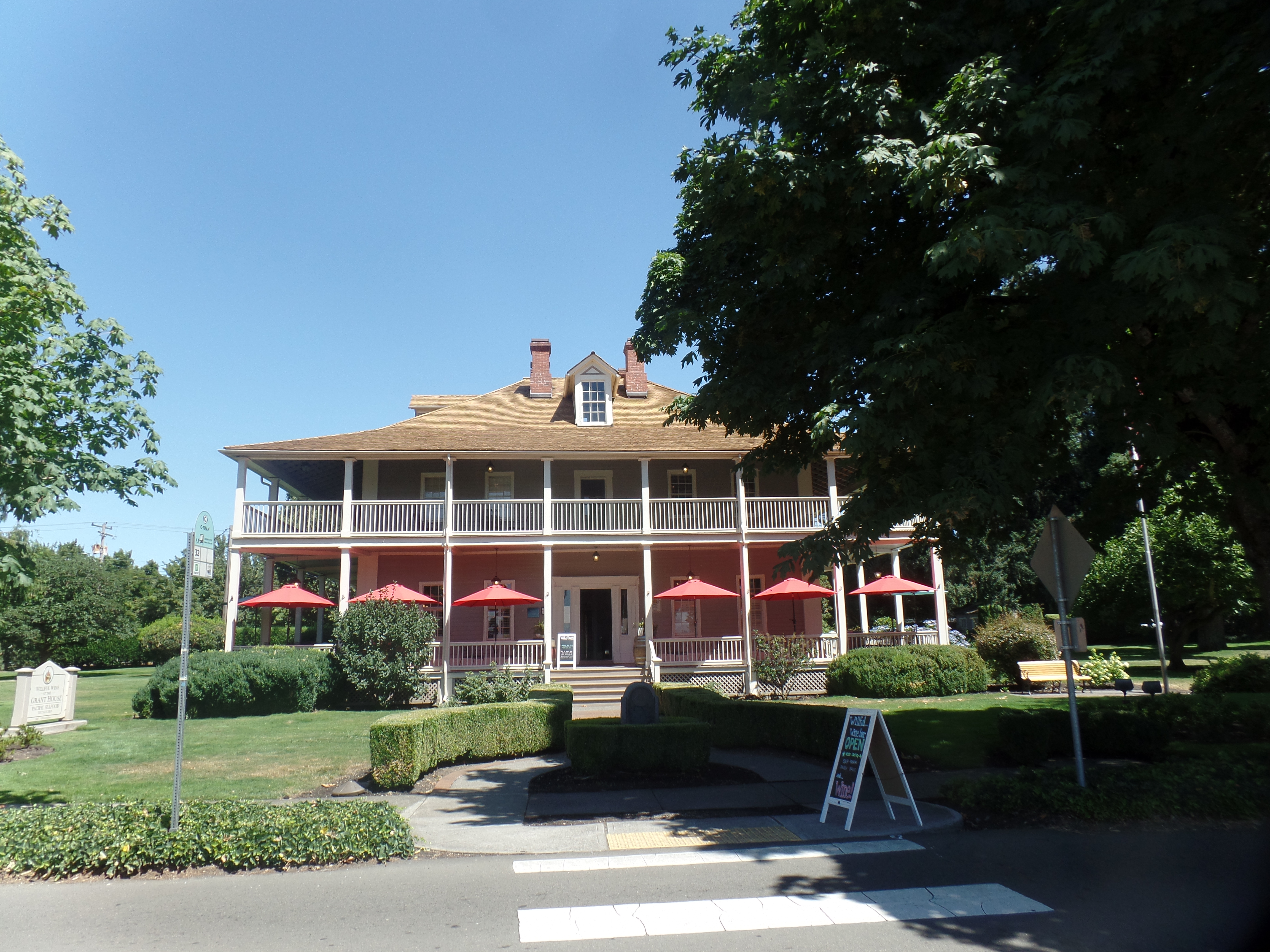
Grant House, intended for use by Ulysses S. Grant, when he was stationed here, in the 1850s. He never lived in this mansion, on Officers’ Row.
Here is a view of the Enlisted Barracks, south of the Parade Grounds.
These cannons were replicated, from descriptions of the originals, by local high school students, from 1990-92. They are owned by the City of Vancouver, which supplied the materials.
This was the residence of General O.O. Howard, the post commander from 1874-80.
The Artillery Barracks-It struck me that this could house a lot of people.
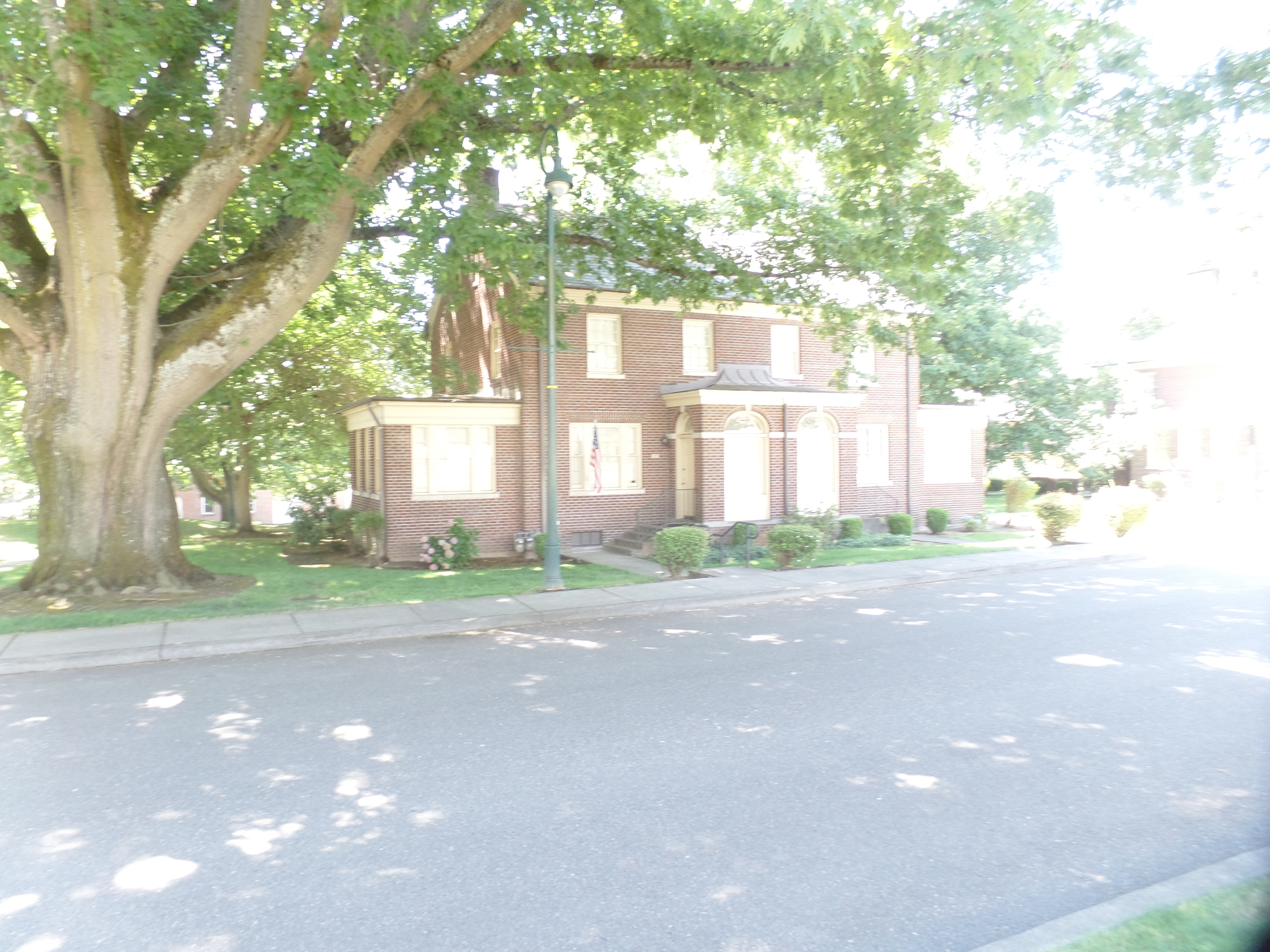
Non-commissioned Officer’s Housing
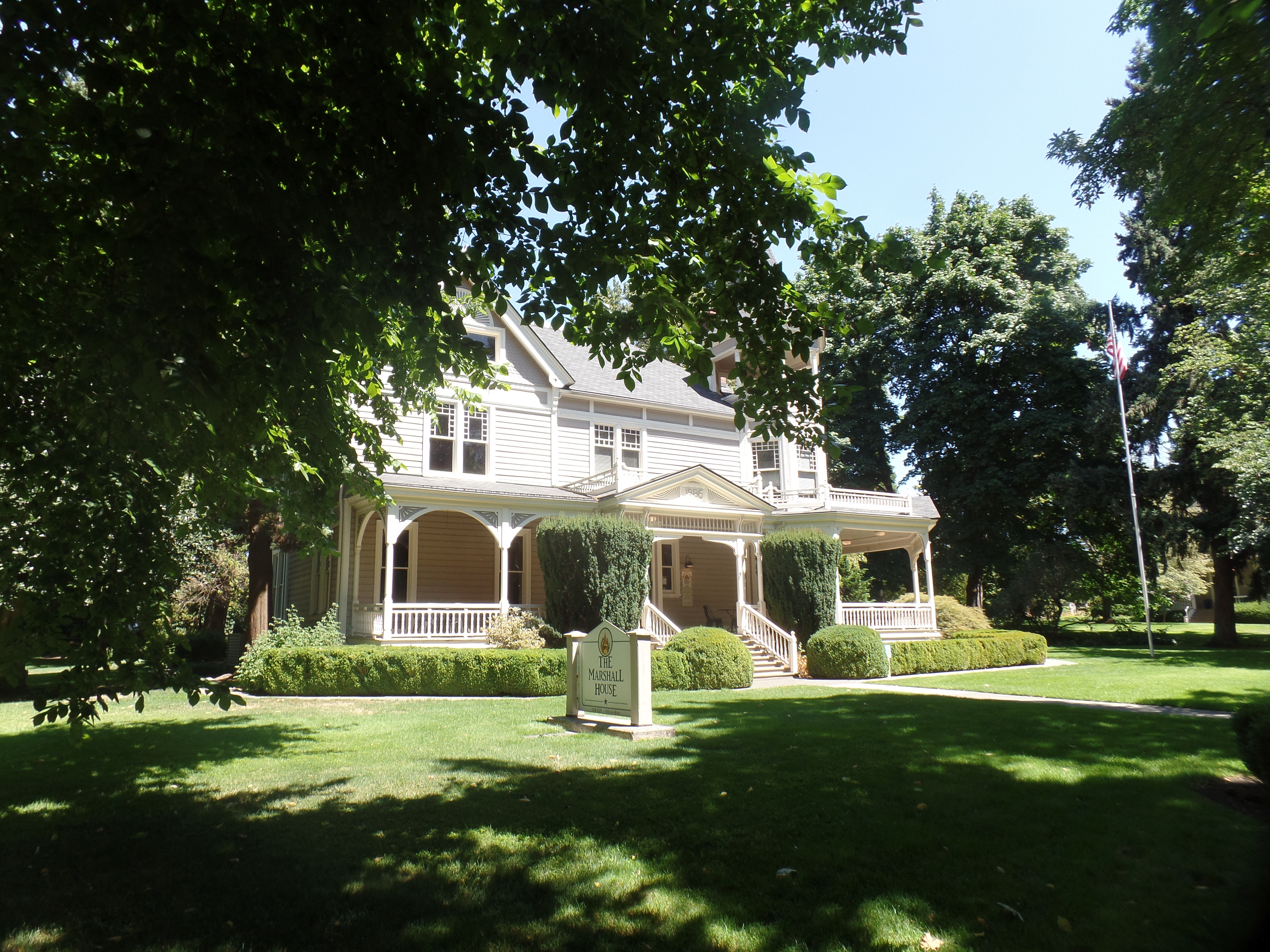
Marshall House, home to General George C. Marshall, during his duty here, prior to World War II.

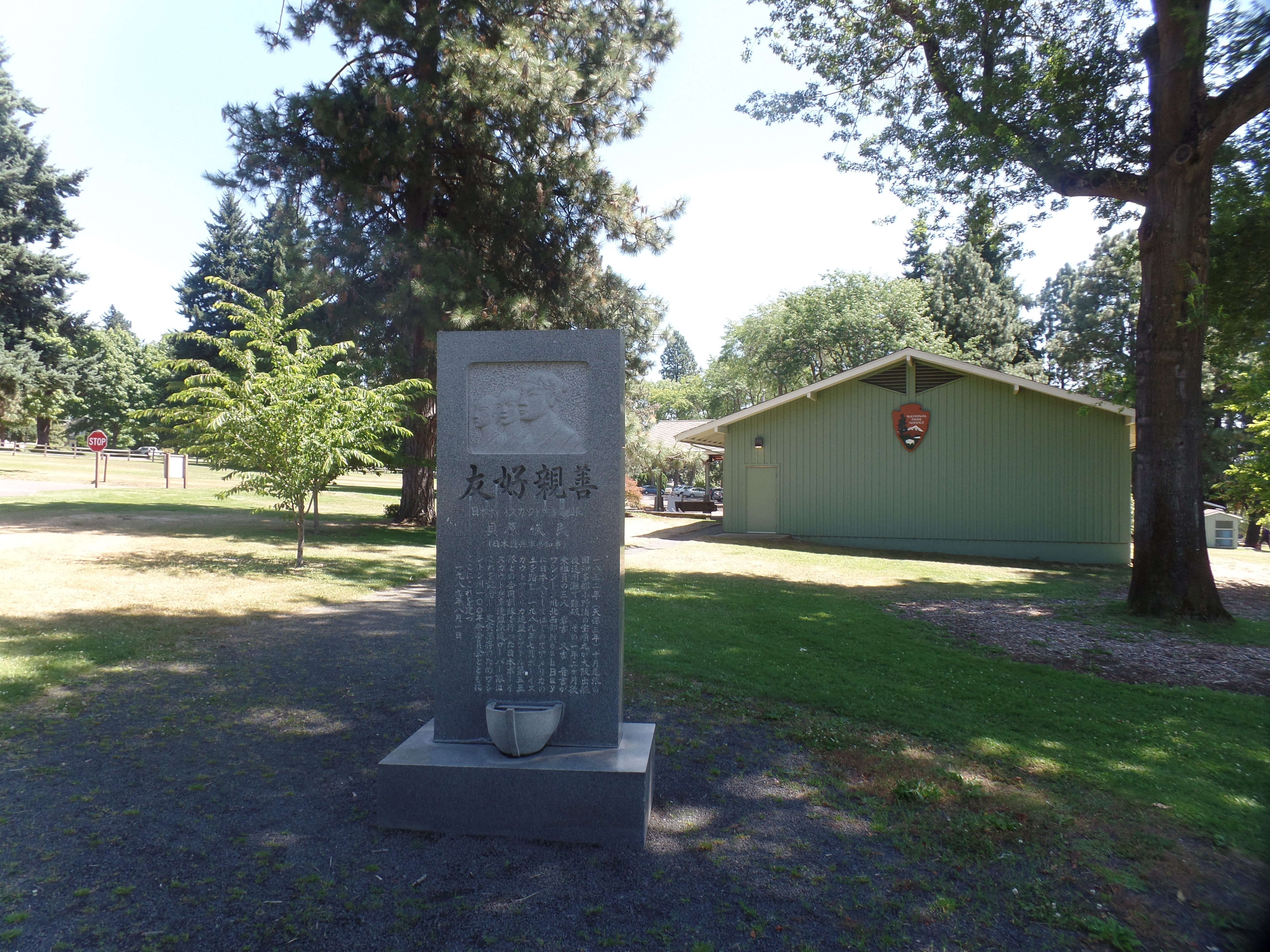
This pavilion honours the Chinese diaspora to Oregon and Washington. Chinese immigrants faced horrific treatment in the Pacific Northwest, during the late Nineteenth, and much of the Twentieth, Centuries.

After leaving Vancouver, I made my way across the bridge to Portland, getting my Pastini fix, with a late lunch at the Italian food chain’s Northeast Portland branch. Then, it was time to locate and purchase a new adapter, to house my photo SIM card and post these and other scenes. It took me all over North Portland. At one point, I stopped in front of a crosswalk, so that a young lady could cross. One would have thought I had held up the President, for the insistent beeping from behind me. The lady shot a dignified, but definitely disapproving, glance at the impatient motorist and gave me a gentle smile.

The shop I eventually found was a Best Buy, on the far northeast side. Its location afforded a fairly lightly-trafficked way out of Portland, so I missed all but a small amount of rush hour. Still ahead, however, was the large influx of participants, family members and spectators at the Junior Olympics, which I learned was being held in Eugene, Springfield, Albany, Corvallis and Roseburg. All of those cities’ accommodations were either occupied or were priced exorbitantly by the Law of Supply and Demand. After gassing up in Eugene, I made my way down to Grants Pass, and got a reasonably-priced overflow room. My last thoughts of the day, though, are wishes for the kids to be successful at their sport-and more importantly, to have a good experience.