
September 25, 2024, Manila- Stepping off the light rail car, at Fifth Avenue station, I spotted an ornate Chinese temple and adjoining pagoda. I was in Caloocan, the Philippines’ fourth-largest city, and the only one that is split by a neighbouring community. In this case, Quezon City, the largest city in the country and its former planned capital, has split Caloocan into the greater northern segment and a slender southern area, by way of the former’s aggressive annexation of land in the 1930s and again in the 1950s.
It is in southern Caloocan that the Chinese structures are found. The Taoist Temple, named Thai To, and its pagoda, lie to the south of the Fifth Avenue Light Rail Station. The outer gate of the complex was open, but the doors to the structures were not, so I confined my curiosity to their exteriors. I know from having lived in South Korea and visiting Taiwan that temple visitation involves serious protocol.

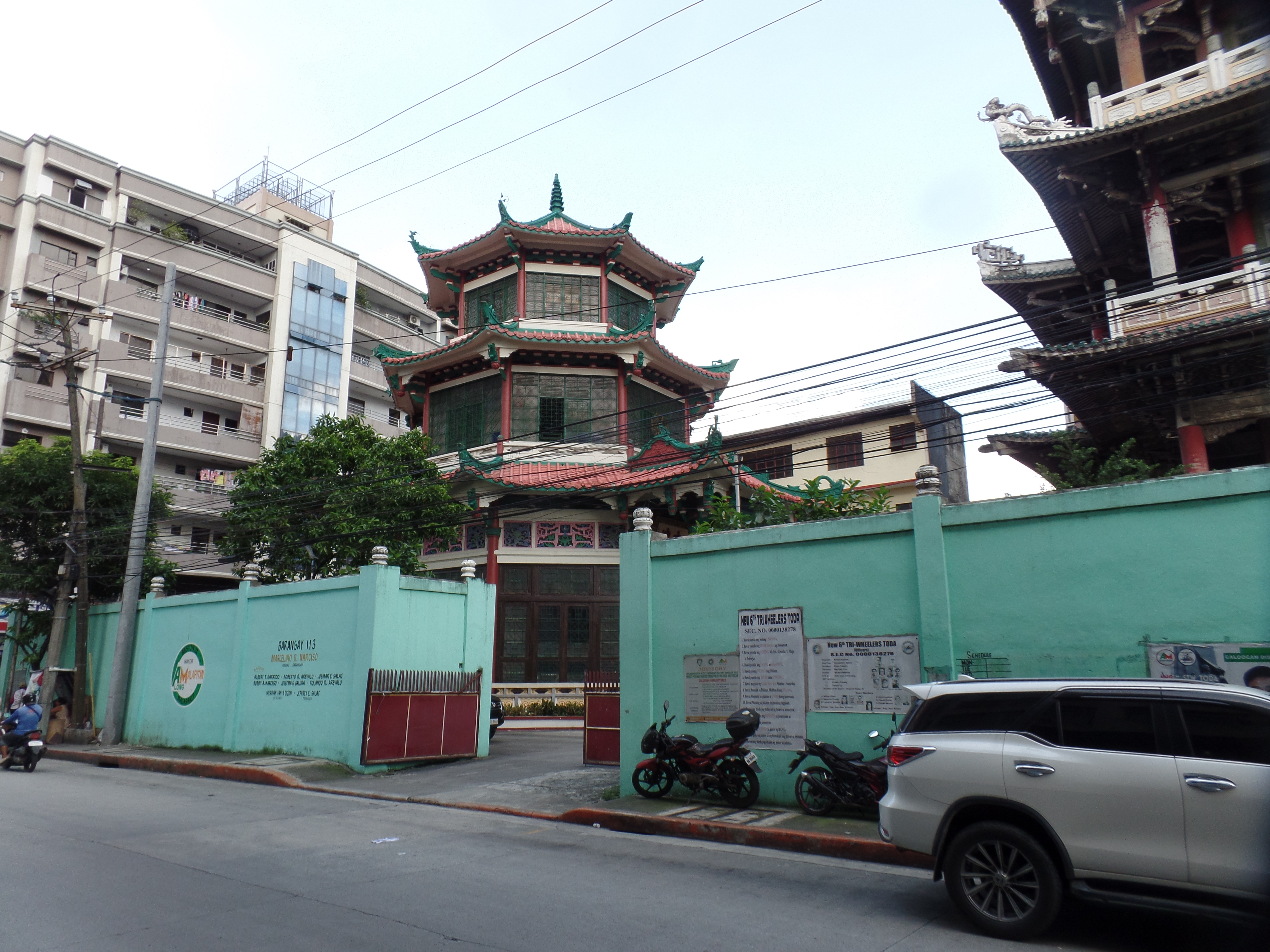
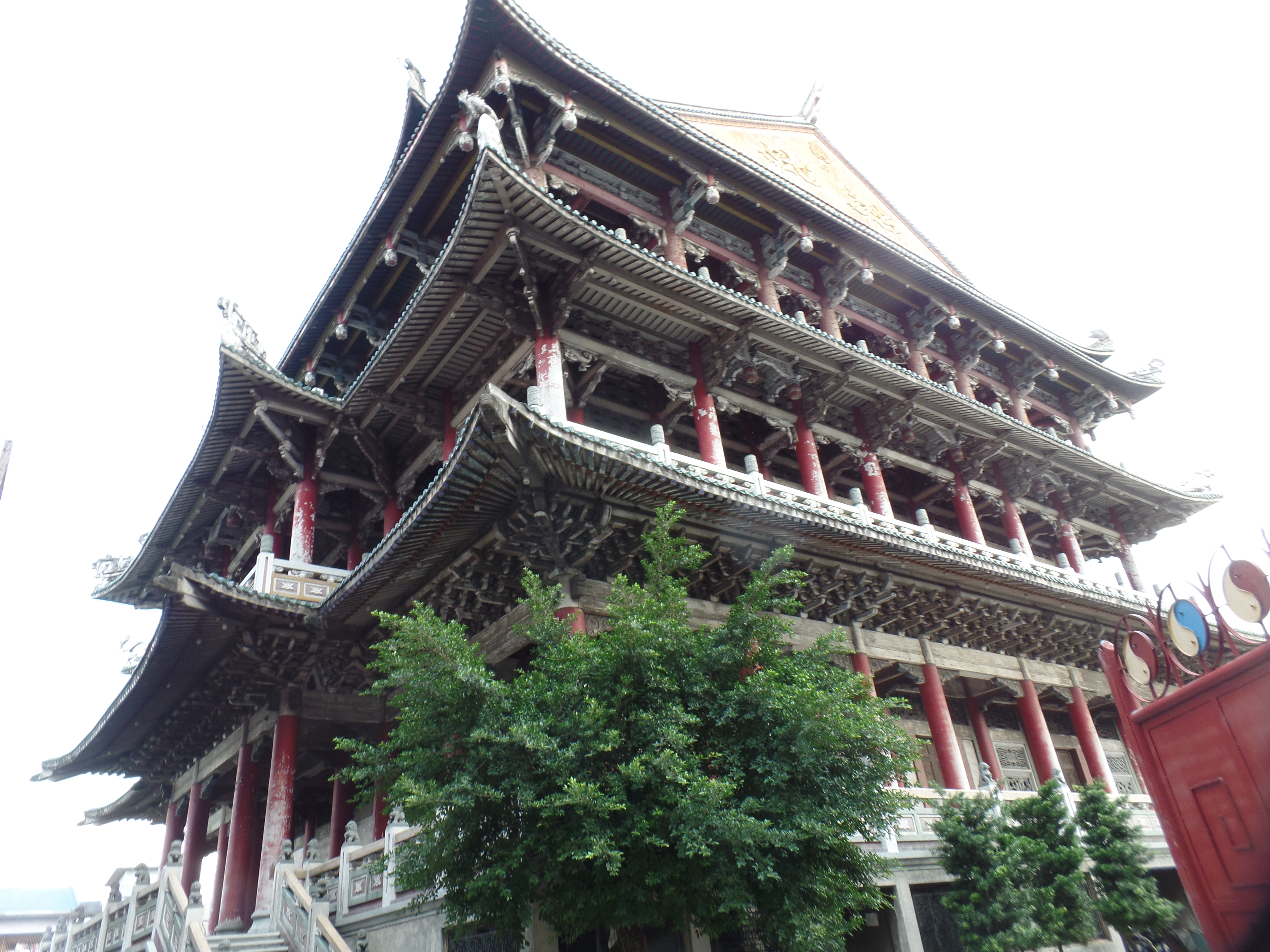
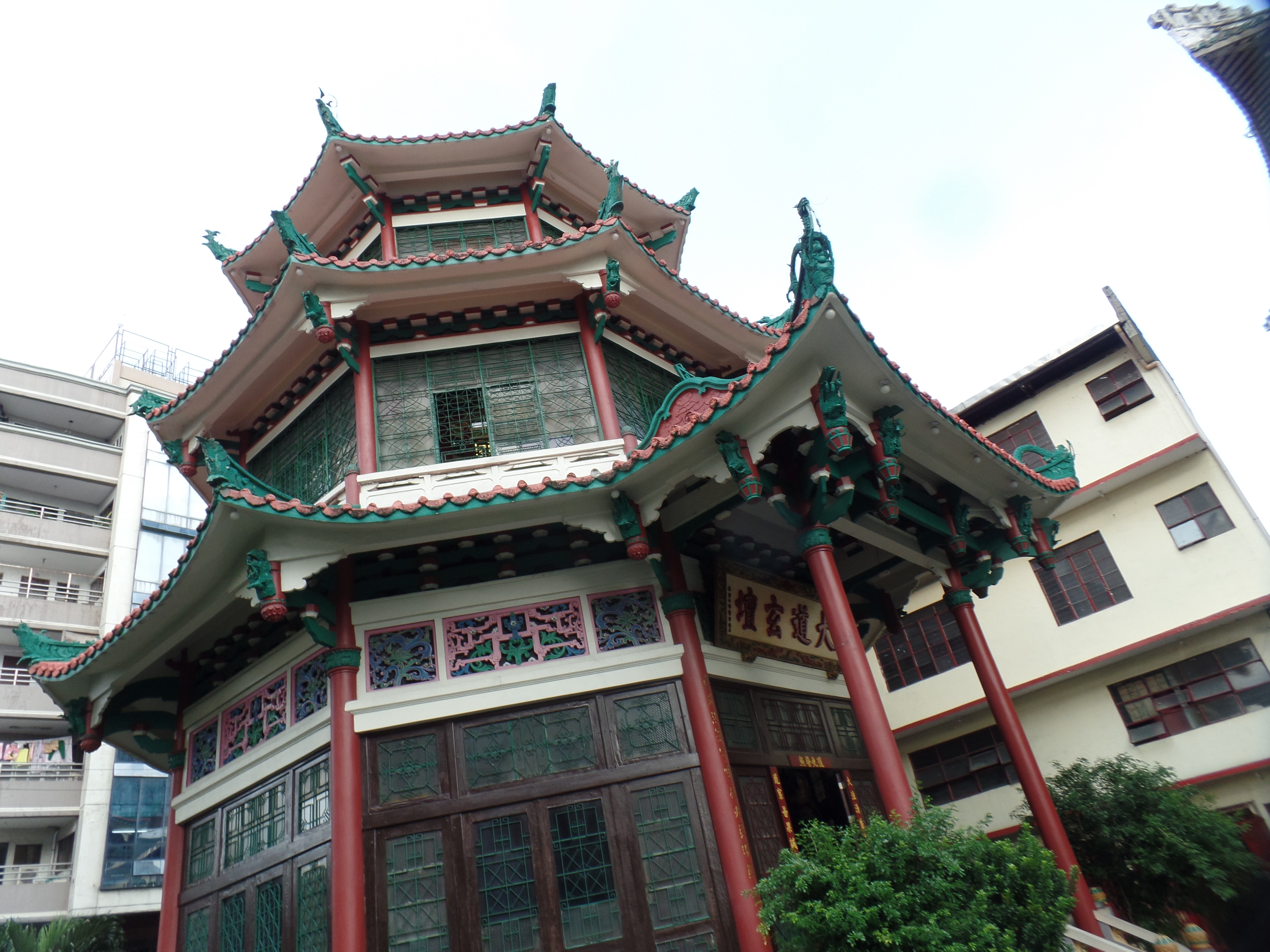
Crossing back to the main street, I noticed another old Mandarin-style building, on the north side. So, crossing over, I found Ung Siu Si, at the north end of a small area of shops and warehouses.

Two older Chinese men, who had been lounging outside, got up and moved away, as they saw me approaching. A nearby security guard chuckled at their wariness, but no one had a problem with my photographing the building.
This was the extent of Caloocan South’s Chinatown remnant, save for a few small cafes with signs in Mandarin. I spent the rest of my solo afternoon at Co-Lab, a pleasant coffee shop, frequented by university students. It is ever a feature of my sojourns to seek out such haunts, and while away an hour or so by journaling. Co-Lab, also called The Coffee Project, is not far from Ola!, or from the Baha’i Center, so I will visit there again, when K and the sister-friends are busy with projects, on a given day.
Tomorrow, though, I will wrap this second stay in Manila and head southwest, to Palawan, for a three-day visit. It is the home of two of the sister-friends, who have been so important to our day-to-day activities.
 A Sagittarian Seeker