
Monday, 30 January 2012
-
I was born an extrovert- the kid who would march up and down on the sidelines of a parade, gladly run the woods with my fellow pre-school pals and take my grandparents on a guided tour of our new neighbourhood, when I was four-and-a-half.
When my Dad started working nights, I began to withdraw into my books and .45 records. Then I had a couple of head injuries from rock fights, acorn showers and such, and autism, however mild, set in. I had a fantasy world and it met my perceived needs. I went through school okay, and pulled myself together enough so that, by the time I was in high school, I was ambiverted- an In-Betweener, a mascot for the jocks and the self-appointed elite, and was always invited and included in the best gatherings and parties.
This didn’t work so well when I was in the Army. I did my job by day, and basically had no social life stateside, and a mildly sustaining one in VietNam, once I kicked MaryJane to the curb and hung out with 3-4 guys who were emotionally strong and accepting of differences.
Back in school, after Honourable Discharge, I found more people to hang out with, both at community college and at university. My angst and alcohol dependence didn’t help, but I worked around them, still the ambivert.
Once out of school, I went it alone while working in Maine for two years, and was just happy to travel broadly around Maine and New Brunswick, hardly knowing anyone at my workplace, though getting attached to the people with whom I lived- the Robinson family and Mrs. Knox.
It was likewise at the small boarding school in the desert south of Phoenix, where I was from’78-80, and at NAU in Flagstaff, ’80-’81. I was close to the kids at Villa Oasis, and to the Art Teacher. Others were either just a blur, or were overgrown bullies and had no importance to me. Grad school gave me two good sets of housemates, after I rid myself of the not-so-good. It was, though, another stretch of introversion.
Penny brought me back to In-Betweener status. We were happy just being together, yet being in large groups was fun again, for the first time since high school. Through all that’s transpired over thirty years, I’m still there in Ambivert Land, though, oddly, living in a gated community surrounded by hermits and other introverts.
I mention all this because of TIME’s article on the subject in this week’s issue. I took the quiz, and found myself being outgoing on 13 points and insular on 7. Maybe that’s why I go stir crazy when shortness of cash keeps me close to home, and feel happier when I can go downtown, or to the trails or other public places. I feel energized in schools, parks and markets.
How do you rate yourself on the intro-extro scale, with 1 being hermetically insular and 20 being ecstatically outgoing? I am a 13.


























 When the Puritans, led by John Winthrop, settled Boston in 1621, they were looking for a place in which to produce iron locally. At first, they tried the hamlet of Braintree, 16 miles south of Boston, but found it meager as a foundry venue. An engineer named John Leader came from England, explored the lands of the Pawtuckets, and found a spot on the Saugus River. He named the place Hammersmith, and began the iron-making operation. Scottish indentured servants were brought in to do the non-farming labour that was loathed by the Puritans. The Scots were a rowdy, but hard-working bunch and made a good effort at producing quality iron. Leader and his Board of Directors were not sound businessmen, however, and the business failed after less than 20 years.

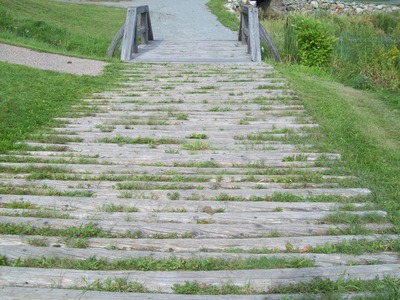
 Here are some close-ups of the forge, the rolling and slitting mill, the blacksmith shop and the river that helped it all happen.
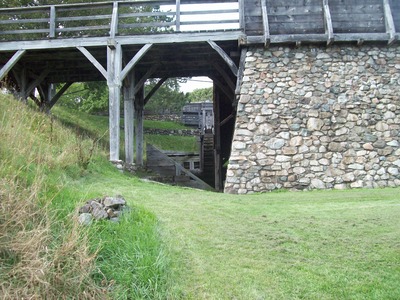


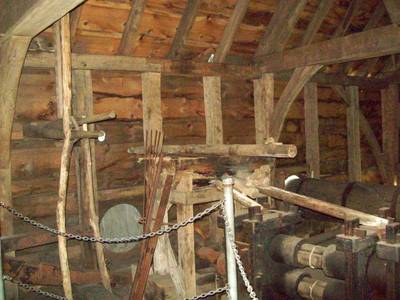

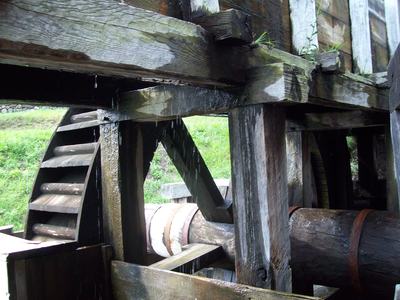
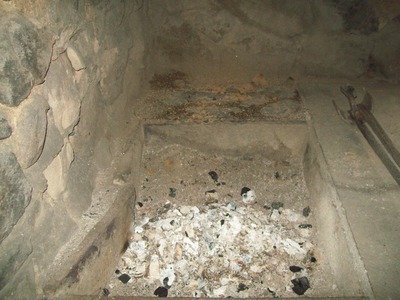

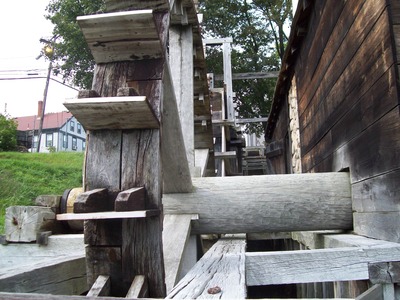




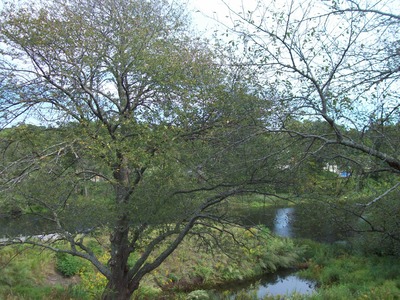 The Scottish iron workers, and their descendants, carried the ironworking tradition to other parts of the country. One such new ironworking locale became Pawtucket, RI, in honor of the ironworkers’ first hosts. Saugus, the name that the Pawtuckets gave to the river, eventually became the name of the town in which the Ironworks is preserved.





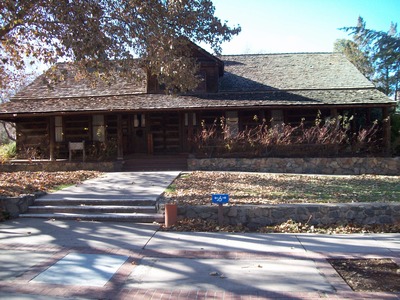

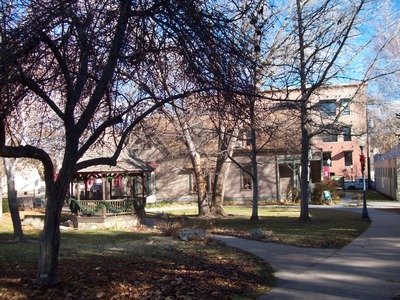
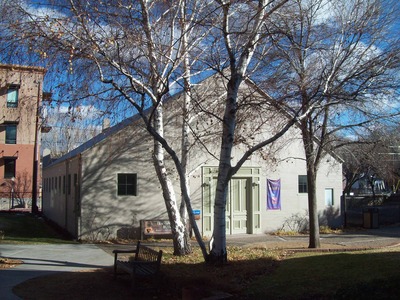
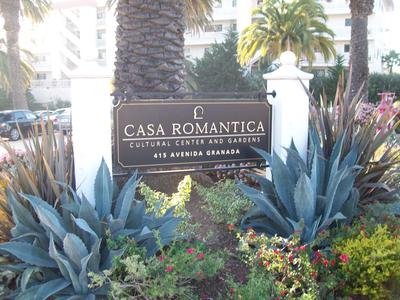
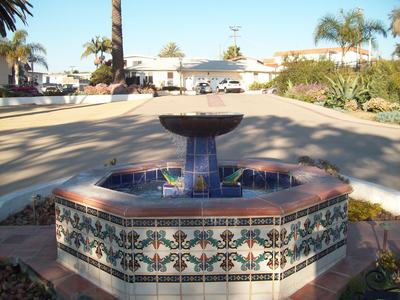
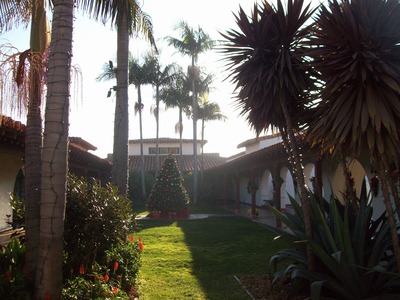


 There you have it. 18 reasons to visit Casa Romantica- each speaking for itself.


 A Sagittarian Seeker