Around Another Sacred Spire

0

This past Saturday, I set out for what i thought would be a mild, five-mile journey along the south rim of Barks Canyon, in the Superstition Wilderness, east of Metro Phoenix.

A gaze at the map board, near Peralta Trailhead, however, showed this would mean a three-mile bushwhack, through prime rattlesnake turf.  Since that is being penny-wise, and oh so pound-foolish, I opted to go on down Peralta Canyon, letting the chips fall where they may.  Did they ever.  This day became as full, demanding and glorious as the Longest Day trek last June, along Bright Angel Trail in the Grand Canyon.

This central part of the Superstition Mountains has an iconic centerpiece:  Weaver’s Needle, a rhyolite and sandstone wonder that seems to sit by itself, between Peralta, Barks, Needle and East Boulder Canyons.  It kept me in its sights, most of the day.

The Superstitions draw people from all over, much as do Grand Canyon and Sedona.  There are two major facets, which I will show in the next two posts:  The largely rhyolite (volcanic) formations which dominate the landscape and the wildflowers, which explode this time of year.  (Peak flower time is later this month, but we enjoy what we can, when we can.)

I started out in the overflow parking lot, 1/4 mile from Peralta Trailhead.  The canyon actually gets its start here, with rising buttes to the west.


The trailhead itself, as I mentioned earlier, is fully informative.  The information it gave me about the way ahead offered two choices- See Weaver’s Needle from a variety of vantage points and make a full day the marvelous existing trails, or stop at Fremont Saddle and head back.  I opted for the former, and ended up with 17 miles under my feet, at day’s end.

Here are some of the features of the trailhead itself:


The sign on the right seems to be well-read.  I saw none of the above along any of the trails.

Peralta Canyon Trail takes the hiker up to Fremont Saddle, then down along East Boulder Canyon (which is actually west of Weaver’s Needle).  It ends at Black Top Mesa, where the eastbound Dutchmans Trail takes over.  One may follow Dutchmans, named for a gold prospector named Jacob Waltz, for about 14 miles, around the eastern periphery of Superstition Wilderness.  I opted to take the trail for 3 miles, then, with a group from Phoenix, went up Terrapin Trail and Bluff Springs Trail, back to the parking area.  Seventeen miles in one day is enough, don’t ya think?

Here are some tidbits of parts two and three of this series.

Rhyolite formation, along Peralta Canyon Trail

Brittlebush


Castle-like formation, near Fremont Saddle


Pac Man?

Future chorus members?

Rhyolite castle

The Thinker, Bluff Springs Trail

The consensus among the four of us, at the end of the day, was:  ‘It’s best to not have to sleep under the stars tonight’.  Back in the settled environs of Apache Junction, I stopped to gas up and to rehydrate myself with electrolytes.  As I sat in the car afterwards, sipping my beverage, a jeep pulled up alongside.  Out hopped a lovely young woman, bikini-clad and in flip flops, and moving with a purpose.  She came back a few minutes later, with a similar beverage, smiled wanly and drove off.  My thoughts are that life is always beautiful to those who show respect.  The rhyolite edifices, the wildflowers, the emerging frogs, my fellow hikers, random beautiful people, and even the heard but unseen snakes- all deserve nothing but love and respect.  In this way, we shall have peace.

Part 2- The Rocks and Buttes, tomorrow.

Palm Spring’s Ride to The Top

0
  •  

                                                                                                                                                                            Last Monday evening, I capped a near-perfect April Fool’s Day by taking in the Palm Springs Tramway, one of my long-standing SoCal goals.  The tram goes up Chino Canyon, along the northern slope of Mt. San Jacinto.  It starts in the California portion of the Sonora Desert (also called Colorado Desert, as it extends from the Colorado River to the San Jacinto and San Gabriel Mountains.  The tram starts at Valley Station (El. 2643 ft.) and goes 3/4 of the way up Mt. San Jacinto, to Mountain Station (El. 8516 ft.).

    It was suitably crowded on the way up, with all ages and variations levels of vertigo represented.  i am personally quite comfortable in all but the most open and unguarded high drop-off situations.  I found the tram very safe, to say the least.  The views, both in the tram car and from Mountain Station, were breathtaking.

    Here are some views of Chino Canyon’s walls and floor.


    We came to Tram Platform #2, spun a bit, and continued.  Bear in mind that the tram floor is rotating 360 degrees, as the car ascends and descends.

    The views remained spectacular.


    Once we got to Mountain Station, a ponderosa forest surrounded us.  This tree was just outside the cafe.

    It is possible for a backpacker or speedy day hiker to do a six-mile round trip to the top of Mt. San Jacinto, so long as one starts early enough in the morning.

    Views are also very clear, of the Coachella Valley floor-


    -and of Mt. San Gorgonio, the highest peak in southern California.

    The best views are to be had from Grubbs Viewpoint, when the wind is not too strong (as it unfortunately was when i was up there.)

    Snow was still available for viewing, but not for throwing (Park regulations discourage snowball fights).
                                   

    Back at Valley Station, Popp Park affords a few more chances to enjoy the features of Chino Canyon.
                                    

    I ended this current California visit with a good night’s rest at Ruta Motel, in Indio.  The proprietor apologized for the lack of Internet, but given the 45 MPH gusts of wind, it was not surprising.  The variety of activities during the 3-day weekend, though, made this a very minor inconvenience.


Son and Sand- Part I: Poway’s Iron Mountain

0

When I make a long drive, lately, it seems as if I get in the car and am transported by a force other than my own vigilance or the tank of gasoline.  So it went this past weekend. After taking a rest, following my Good Friday volunteer training in setting up a fire shelter with the local Red Cross, I headed out towards San Diego, getting as far as Banning, before the need to sleep became prominent.  A night at the Sunset Motel, followed by a hearty breakfast at Gramma’s Restaurant (the food’s good and the waitresses are all cute), got me up and running.  I was back in the force’s guiding clutches, and in San Diego, by 10 AM.

Aram managed to get himself up, and to our meeting place at the NEX gas station, around 11.  After a nice lunch at Chinese City, in National City, we ran an errand at a local discount store.  It was instructive for me to learn the parking lot etiquette of Mexican-Americans.  Drivers queue their cars up and wait carefully for people to pull out- no honking, no jockeying for position.  In my case, I had to move past a lady who was trying to pull out, so the Jeep waiting for her could get into position.  The lady didn’t understand at first, and started yelling at us.  After she figured it out, peace returned to the planet and I pulled around and found my spot.

The errand accomplished, thirty minutes later, we headed up to Iron Mountain, just east of Poway.  There, we hiked about halfway up and took a path around to a bowl-shaped valley, in the midst of four peaks.  Iron Mountain has two trailheads.  We chose the more northerly of the two, as it was less of a thoroughfare, and had lovely flower gardens on its eastern flank.


Aram led the way, for most of our four-mile loop.


We got to the crossroads and decided to enjoy the valley, and its groves of trees, rather than push upwards to the peak of Iron Mountain.  It’ll be there for future visits.


As you can see, the boulders speak volumes.

Here are the groves which captivated me.


Then again, there is no escaping the magic of SoCal’s flower gardens.

As I would see on Monday, at Crystal Cove, flowers can thrive just fine on their own, as well.

Son and I went back to San Diego and enjoyed quality Italian cuisine at  the lively Trattoria Fantastica.  I spent a restful night at Day’s Inn, ignoring the occasional train.

In part II of this account, we look at Coronado Island.

Beyond Las Vegas’s Cover

0

Last weekend, my brother and sister-in-law began a week-long business trip to Las Vegas.  Being only four hours away from El Ciudad de Los Pecados, I made the trip and met them at Hoover Dam, which they had never seen up close.  This is indeed an engineering marvel, and even though it tamed the Colorado River, and invoked the eternal wrath of Edward Abbey, is worth being seen by every citizen of Planet Earth.  Before getting to the dam, I stopped briefly at one of the Arizona-side inlets of Lake Mead:  Temple Bar.


Temple Bar was so named for Temple Butte, which in turn was a name bestowed by early Mormon settlers of the Las Vegas area.

Once at Hoover Dam, I focused on what mattered to  my siblings:  The Power House.  This was my fourth visit to the dam and second time in the Power House.  The tour was just as enlightening this time as it was in 1992.  Without the bedrock, there would be no underground generator.


My Dad, a turbine engineer, would have been proud of this feat.

Being the seeker after nature, I avoided all but the most fleeting, perfunctory contact with the Casino Crowd.  The House Floor is merely on the way to Las Vegas’s finer restaurants, and nothing more.  Brother and I had a far nicer time on Sunday morning- at Las Vegas’s signature gem:  Red Rock Canyon.  This national recreation area could easily occupy me for a week- and maybe it will, one of these years.  Three hours on Palm Sunday, though, was an exquisite first visit.


As usual, I was in my element.

Southern Nevada has plenty of places that can find their way into the heart.  Red Rock Canyon is chief among them.

This weekend, it’s time to get back to one of my other favourite nearby haunts:  San Diego.

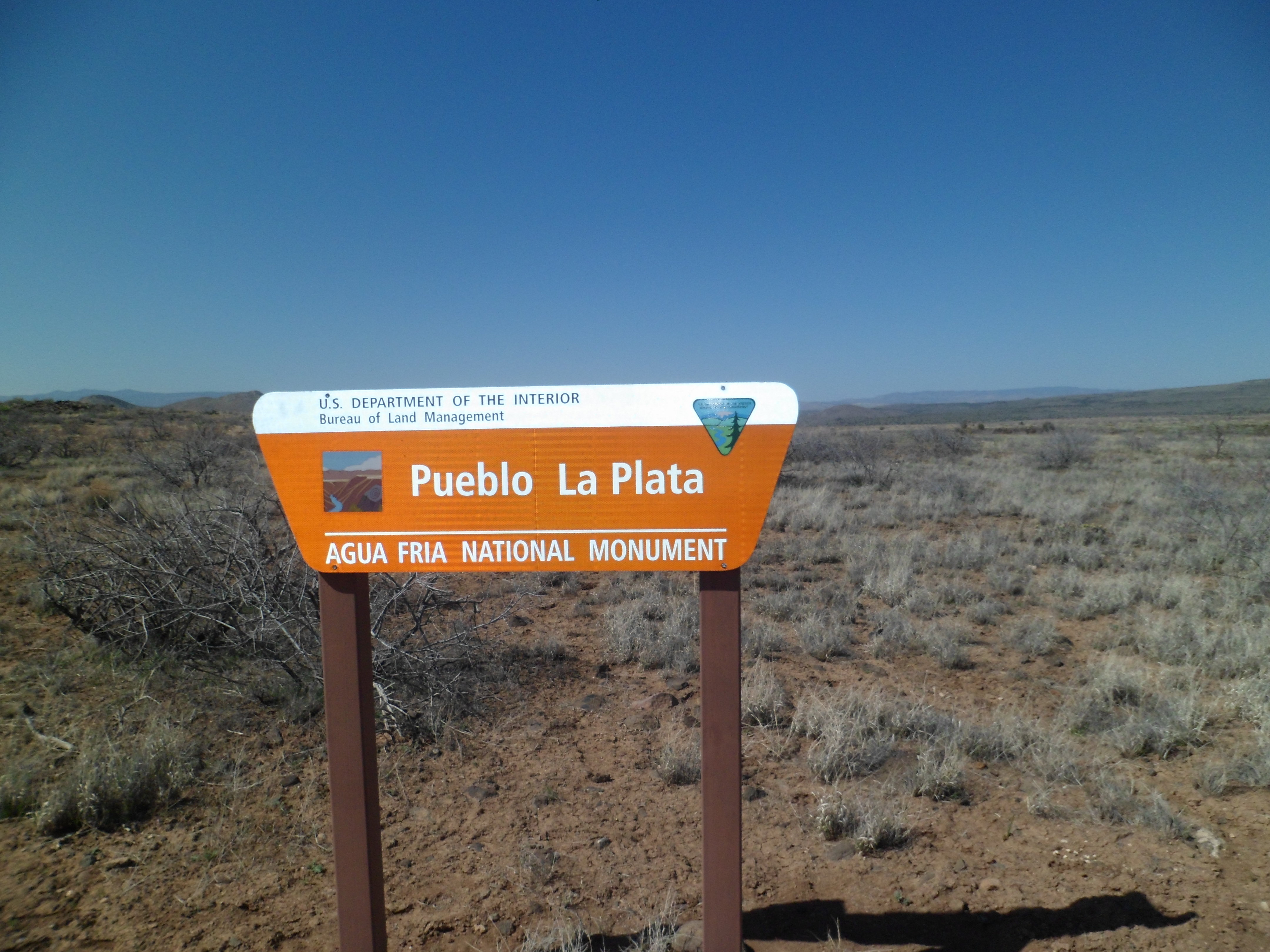
Pueblo La Plata

2

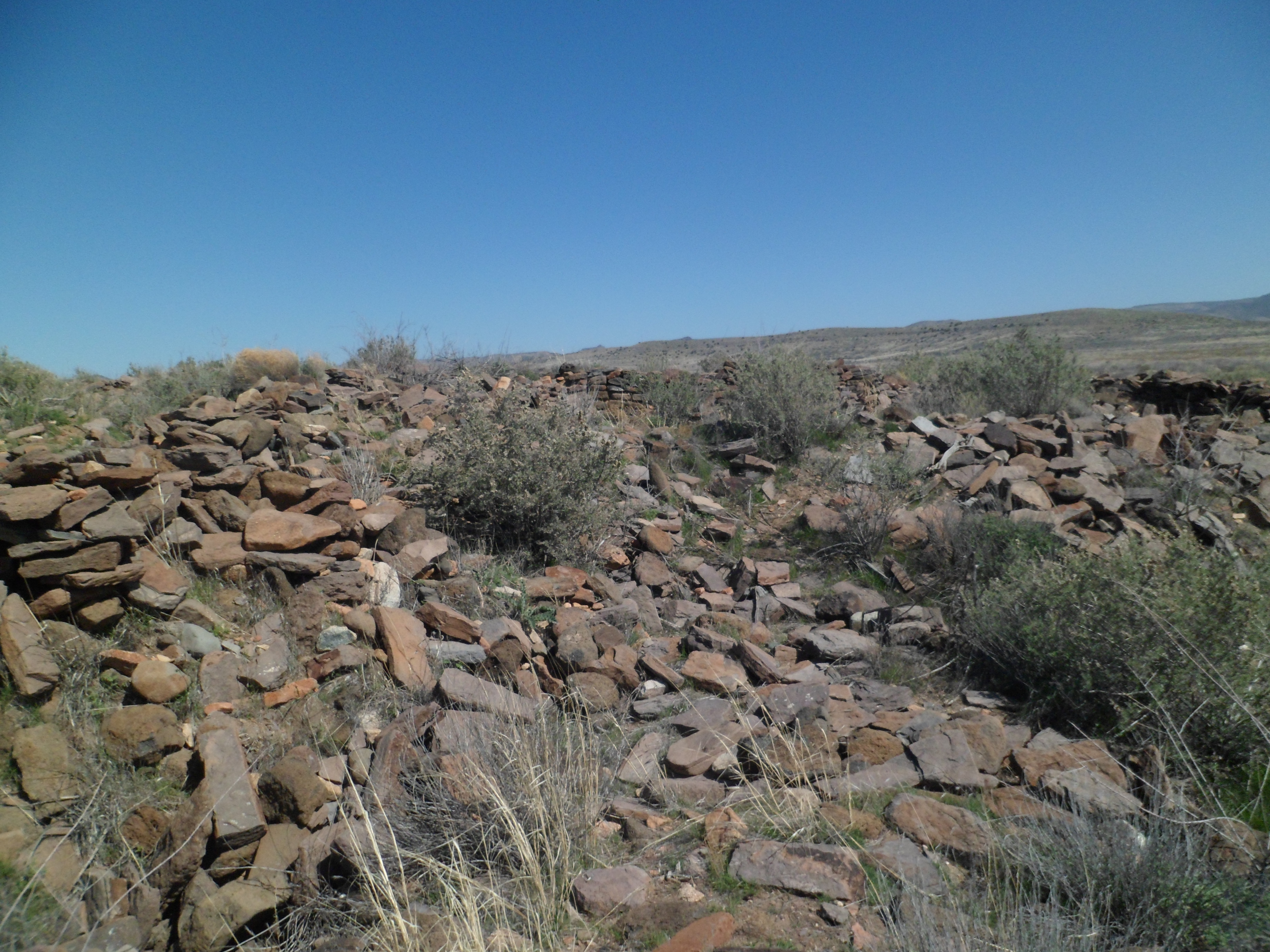
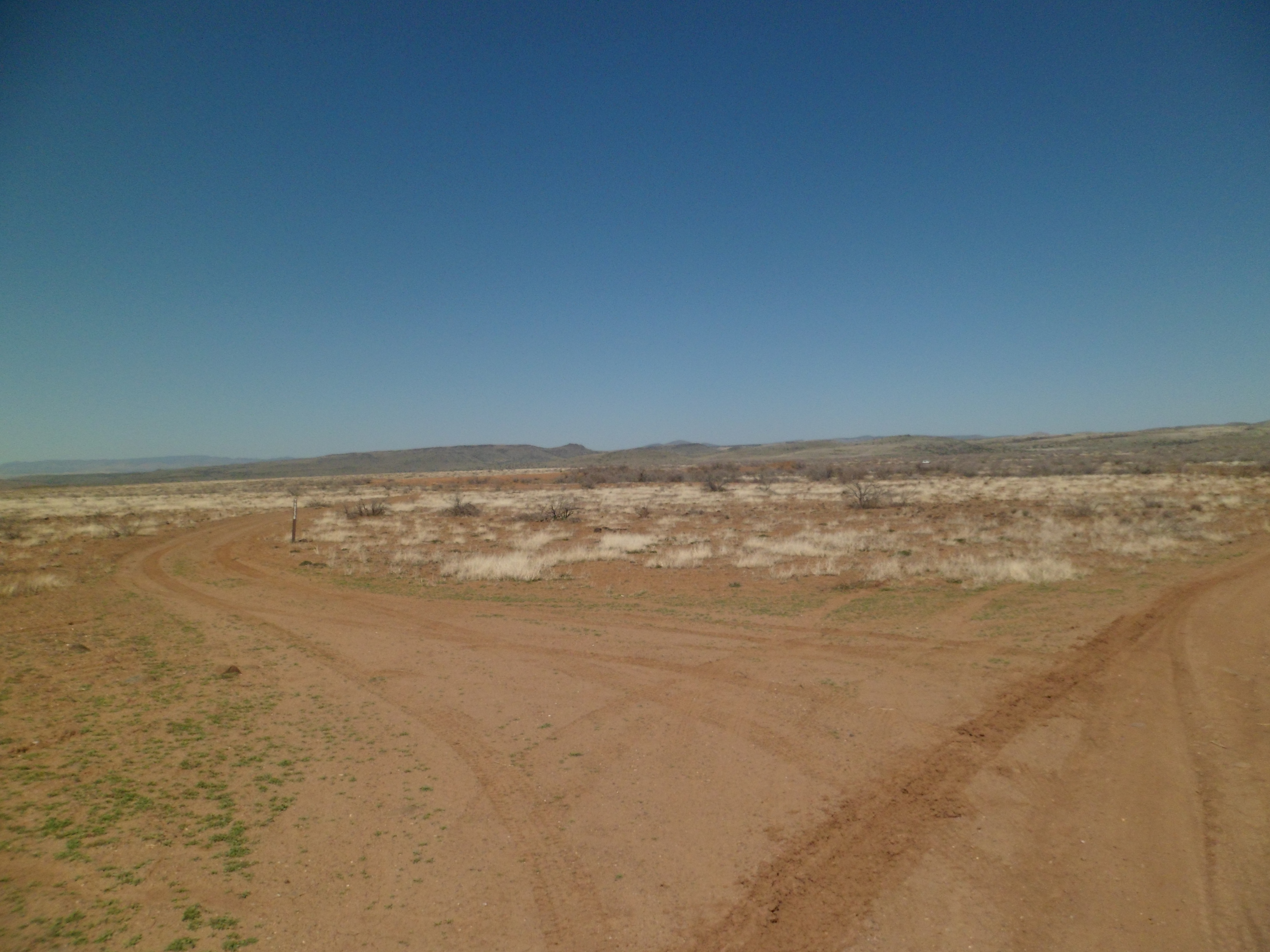
Top of Perry Mesa, Agua Fria National Monument, AZ

When I recently visited Deer Valley Rock Art Center, in north Phoenix, the docent made several mentions of Hohokam ruins atop Perry Mesa, in Agua Fria National Monument, southeast of our lovely mountain town.

On the way back from my weekend visit to the Valley of the Sun, the urge hit to check out the area most clearly identified by the Bureau of Land Management as having such ruins:  Pueblo La Plata.  It lies at the business end of a narrow, rocky and rather uninviting switchback, but as luck would have it, the road was dry and the rocks were not jutting up too high for my little Kia to handle.  When we got to the top, the scene above greeted us, looking like a stunt double for the Bonneville Salt Flats.

SAM_4104

I parked Kia Optima off to the side of the road, giving her a chance to get some serious rest.  Another 1 1/2 miles of hiking northward brought me to the remote Hohokam site.

There are 32 “rooms” preserved here, very much indicating that some serious living took place on top of Perry Mesa, long before Perry showed up here.  This is the northernmost area settled by the Hohokam alone.  They did visit the areas now occupied by Prescott, Camp Verde and Mayer, but there were other groups there as well.  So, Pueblo La Plata, with its proximity to Silver Creek, hosted a sizable community of farmers, traders and hunters.

SAM_4111

SAM_4114

Numerous shards of pottery and arrowheads may be found, in a couple of places arranged on flat rocks, for visitors to see and hopefully not add to their private collections.  A ranger was present, while two couples and I were enjoying the views.

SAM_4112

After about thirty minutes, it was time for me to head back.  Kia and I had no trouble going down the grumpy old switchback.  You can see an SUV from California likewise made short work of the downhill.

SAM_4119


There are other areas of Agua Fria I’d like to visit sometime soon.  I need Kia for several more journeys though, so next time, I may just park at the foot of the switchback, and pretend Perry Mesa is the South Rim of Grand Canyon.


Lake Pleasant, AZ

0

Image

This man-made reservoir, about twenty miles northwest of Phoenix, is the end point of the Agua Fria River.  On Saturday afternoon, while I was walking along the southern shore, there were people on boats, people fishing from shore and people sitting in the shallows, enjoying the cool water.  This is what Lake Pleasant, and other reservoirs around Phoenix’s periphery, mean to those whose other option is to crank up the AC- starting right about now.

Wildflowers are also starting to grace the desert.  This past weekend was the first burst.

Image

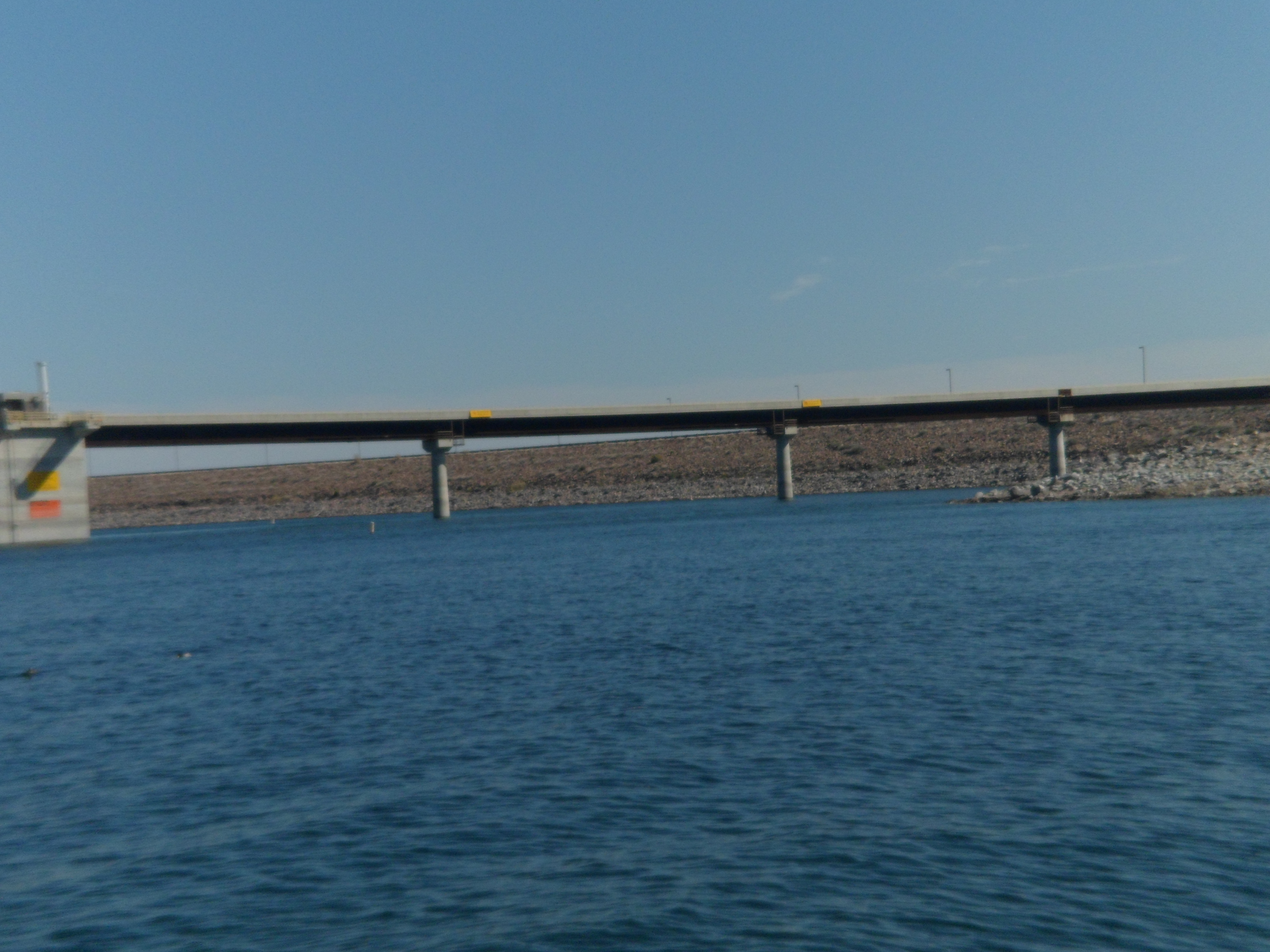
The water itself reminded me of the best of the Sea of Cortez- blue-green and clear.  This section is at New Waddell Dam, on the southeast corner of the lake.

Image

The flooding of the area took with it a large section of the upper Sonoran Desert, and some ranches.  in contrast to the lush greenery that surrounds the lake, skeletal trees still jut out from the shallows of Lake Pleasant’s northern arms.  This scene is one of several at Castle Creek, on the northwest side of the lake.

Image

I know the local fish are happy here.  The shad were jumping all over the place, while I sat and contemplated just how awesome this oasis is.  They did  a fine job of staying away from the fishermen who were gathered atop Castle Creek Dam and along the creek’ s shore.

Unlike the lakes that grace Prescott’s forests and grasslands, Lake Pleasant cannot be circumnavigated on foot.  A hiking trail did engage my attention from the Visitors’ Center to Park Headquarters, on the south shore.  The north shore has separate hiking paths.  In between are sheer drop-offs and plenty of opportunities to bushwhack through the intervening desert.  Somehow, I don’t think the local rattlers would take too kindly to it.

Heart of the Homestead

0

The second of several hikes I have taken during this Nineteen-Day Fast occurred last Friday.  Between Lynx Lake and Walker Road, in Prescott National Forest, lies the Homestead Trail.  It runs north to south, for 11 miles.  I have done the northernmost section, about two miles in the area near Salida Gulch, last Fall.  On this past Ides of March, though, I was focused on the trail’s midsection- about 2.5 miles each way, from a point paralleling  the south shore of Lynx Lake to Smith Ravine.

This part of the trail is rather flat and mellow for the first mile.  Once past a couple of campgrounds, there is a downslope, then another mellow segment in a fairly dense pine forest.   Then comes a livestock fence, with a hiker’s turnstile,  followed by an upslope of about 1/2 mile.  Smith Ravine appears to the left of the small hill’s summit and goes on for about two miles.  I chose to stop and turn around, after about a quarter mile.  The rest of the trail will most likely involve more people.

Homestead Trail is a fine route for beginner hikers.

Image

Image

ImageImage

Beyond Oil and Water

2

It’s conventional wisdom that there are some things in this world that just don’t go together, like the above-mentioned substances.  We Americans try anyway- beer and ice cream, ice cream with meat filling, dill pickle-flavoured potato chips, loud, swing jazz “lullabies”.  Sometimes we get a serendipitous hit, other times- it’s Loserville.

I have observed the Baha’i Fast, every March 2-20, since 1981.  It has generally been a given that one should lie low, go easy on physical activity- unless it is necessary for one’s livelihood.  Only once before, in 1992, did I let my wife talk me into a hike during the Fast.  That was a leisurely walk up and down Prescott’s Thumb Butte.  It hurt me none, but the following year, we both reverted to form.

This year, I have kept up my work schedule, and been no worse for the wear.   This week has been Spring Break, and I found myself getting a bit restless, after accomplishing all I wanted to do around the house- which was a considerable to-do list.  So, I have devised the Fast Four-miler.  That round trip distance is about as much as my body will do, without constant replenishing of its water supply.

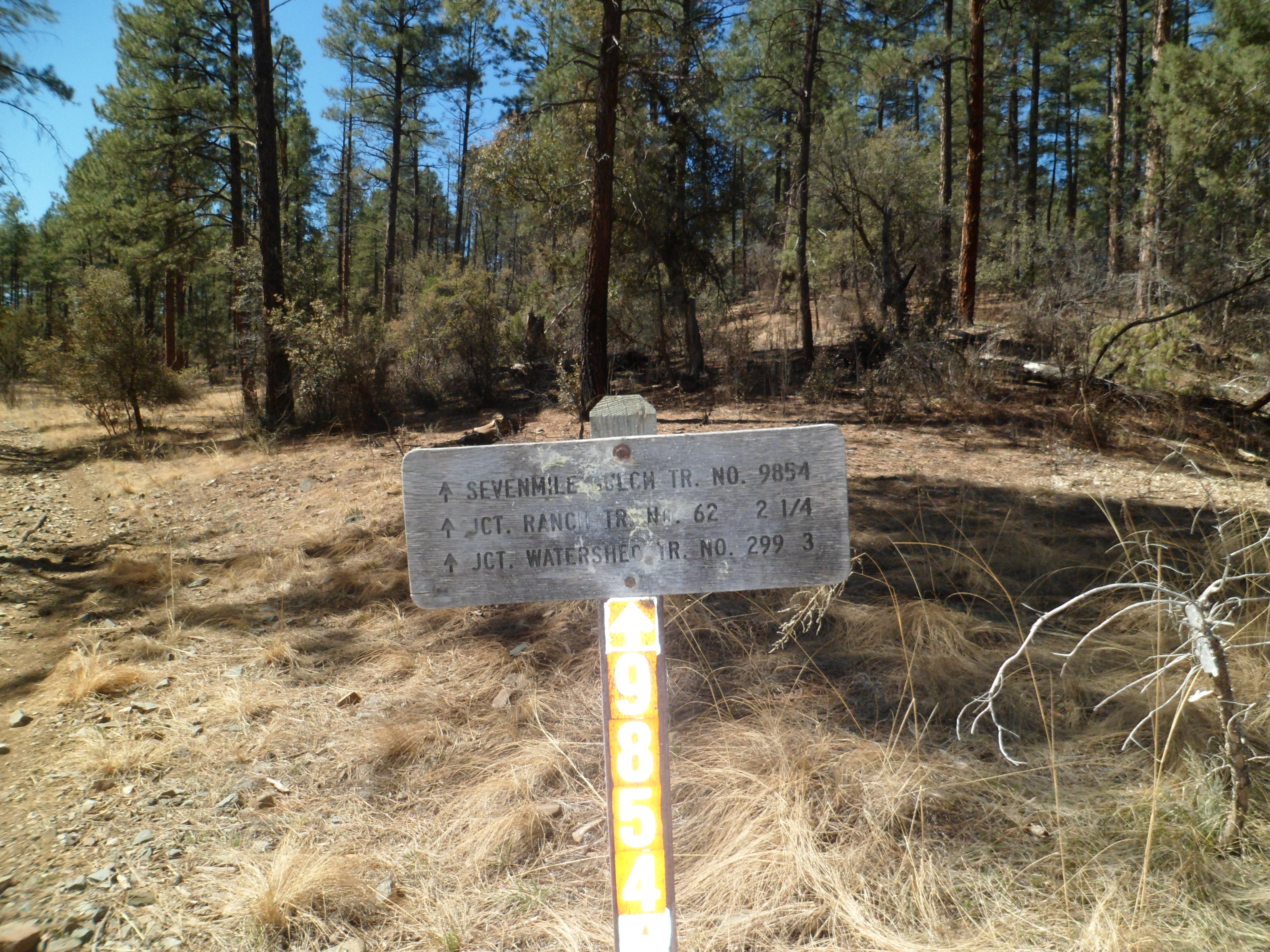
Sunday’s visit to the Chino Valley Peavine Trail was the first such outing.  This afternoon, I made a more vigorous jaunt- on Seven-Mile Gulch Trail, in the Lynx Lake area.  Seven-Mile is the name of the gulch and its nearby mountain.  The actual round-trip is four and a half miles.

SAM_4036T

The journey starts out easily enough.  The first 1/3 mile or so is relatively flat, and goes through shaded ponderosa and alligator juniper country.  After that, this small rock formation indicates it’s time to turn right, and up the first of five inclines we go.

SAM_4038


The first incline is wide, but slippery, and moderate in difficulty.  This trail is exposed to the south, after the turn, meaning the afternoon sun can be an issue.  I coped by soaking  head and ball cap, after a fashion.  The first incline is about 1/4 mile long.  There are four more inclines, before the summit of Seven-Mile Mountain.  To the tenderfoot hiker, the third, and steepest, climb could very well feel like seven miles.  It’s actually 9/10 of a mile, but it is of Grand Canyon quality, without the switchbacks.  Here are views of halfway up the Alley-Oop.  First, looking back-then, what lies immediately ahead.    SAM_4043                                                                                                            SAM_4044


Pacing oneself, though, makes this hike a satisfying venture, with fine panoramic views at each of the four ridges along the way, and from the summit itself.

This view, of the Bradshaw Range, is from the second ridge.

SAM_4040


On the way down, at the end of the aforementioned third uphill, there lay another heart-shaped rock- this one of pink quartz.

SAM_4049

Minimal pain, followed by a very sweet gain.

Other-worldly Beings, Petroglyphs and The Badlands of Chino Valley

0

This stretch of March being the time of the Baha’i Fast, I don’t eat or drink between sunrise and sunset.  There is still a lot of life to be lived, however, and so I headed down to Phoenix on Saturday morning, spending 40 minutes at Penny’s grave site, on the second anniversary of her funeral, placing a bouquet of roses and saying prayers.  While I was there, three or four people were power-walking around the rows of the grave section.  They looked rather other-worldly, and for all I know, they could BE from somewhere distant.  I went about my own affairs, though, and noticed two small buds of a bean plant sticking out of the ground at the lower right corner of her stone.  This, I take as a sign of blessing.  The plant is probably going to be plucked by the groundskeepers, sooner or later, but it’s a nice sign, regardless.

Afterward, I went over to Deer Valley Rock Art Center, about five miles west of the cemetery.  We had talked a few times about going there, while she was in the flesh, but it never came to pass.  Three time periods’ worth of petroglyphs may be seen in the igneous rocks at this site:  Archaic, Hohokam and Patayan.  The “archaic” people were those of the Clovis and Fremont archaeological periods.  The Hohokam, you may remember, built the irrigation canals and attendant farming villages that are still preserved at Pueblo Grande in Phoenix and several other sites in central Arizona.  The Patayans mainly lived along the Colorado River, between what is now Bullhead City-Laughlin, AZ-NV and Yuma.  They are the people who left petroglyphs in places like the Cerbat Mountains, east of Kingman and Grasshopper Canyon, in southern Nevada.

Here are some scenes of Deer Valley Rock Art Center, which is regarded as sacred by the Hualapai, Mohave, Yavapai, Maricopa, Pima and Tohono people.


The photos may also be viewed, and clicked-on to enlarge, at my flickr site:  www.flickr.com/lovingwanderer12.

The area where the Rock Art Center is located is known as Hedgpeth Hills, after a farm family who lived here in the late 19th Century.  The tops of the hills are accessible only to registered members of the above-mentioned Indian nations, and to park staff.

On Saturday night, I was back in Prescott, enjoying a Fast-breaker dinner of Persian cuisine, prepared by several of my Baha’i friends.  Persian food is largely based on rice dishes, but includes lentils, oranges, persimmons, lamb and chicken.  There is also a delicious eggplant dish, or two and, of course, baklava, in season.  The cuisine started 2,800 years ago, so I am sure this list is just scratching the surface.

Sunday afternoon, I felt the need to get out on the trail- any trail.  As it was 4 PM, and I wanted to finish by sunset, Flat and easy was the choice.  Peavine Trail’s northern extension, in Chino Valley, follows the old mining railbed on the east side of town.  I walked two miles in and did an about-face.  The area is badlands, ranch pasture and a few manzanita-covered hills.


It does have lunar qualities, somewhat, but there are also fine views of mountains further afield.  Below, is a view of St. Matthews Hill and Bill Williams Mountain.

The remaining days of Spring Break will offer more outdoor adventures.  Our weather will be fair, in the high 60’s and low 70’s, through St. Patrick’s Day.happy


The South Side of Constellation

0

unday, 17 February 2013

  • The South Side of Constellation

    Last fall, I visited this area of Constellation Trail, built around the site of the 1959 crash of the US Air Force jet, Constellation, in Prescott’s Granite Dells area.  With yesterday being a heavenly day, I went back and took several photos of the area.  Here are six of those.


    This sort of scene is de rigeur among the thousands of hoodoos in the Prescott area.  Boulders, of granite and of limestone, are the dominant geological feature in our neck of the woods.  It all makes for hours of great hiking, clambering and making friends, for both people and dogs.