Tandem

2

June 30, 2021- No, this isn’t about Joe Biden. The things that happened in tandem today were a good stretch of fairly heavy rain and the eighth anniversary of the fire which killed 19 wildland firefighters, in Yarnell, AZ. The rain hit our area quite well, making a small dent in the dryness of the soil. It’ll take far more to reverse the lack of moisture that has marked the last two summers. I do hope that it helped to quench some of the fires that have ravaged much of our state, these past two months.

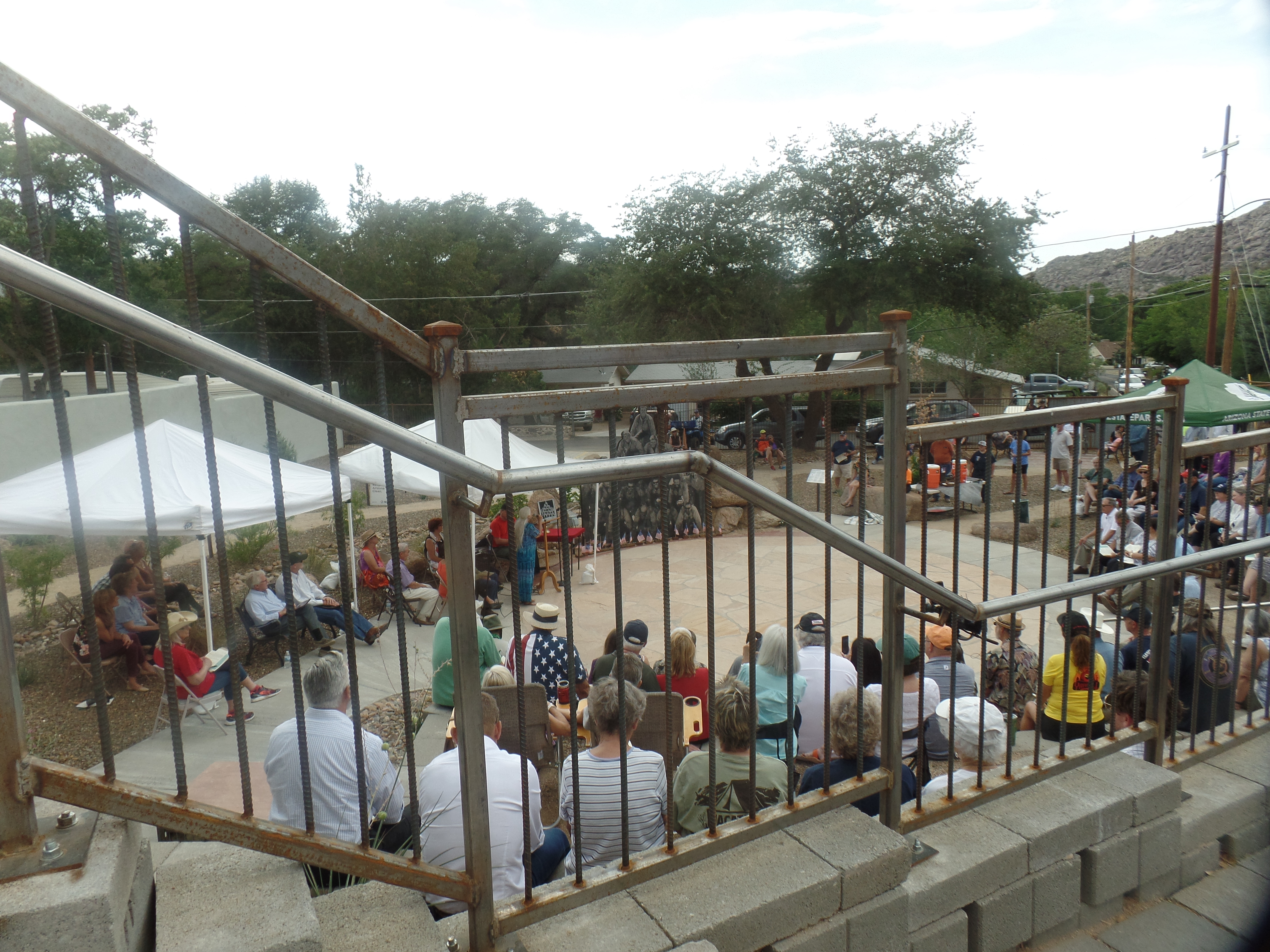
There was intermittent rain, as I drove out to Yarnell, to attend the dedication of a town park, constructed in honour of the 19 men. The grandfather of one of the fallen is a man with whom I worked for several years, in the western suburbs of Phoenix. He has since relocated to the Yarnell area and is a driving force behind this memorial. I also know family members of three others among the Granite Mountain Hot Shots who died that day. In each case, there have been shrines and memorial sites built, both on private land and as part of a State Park, which lies seven miles south of Yarnell, and which I have visited twice.

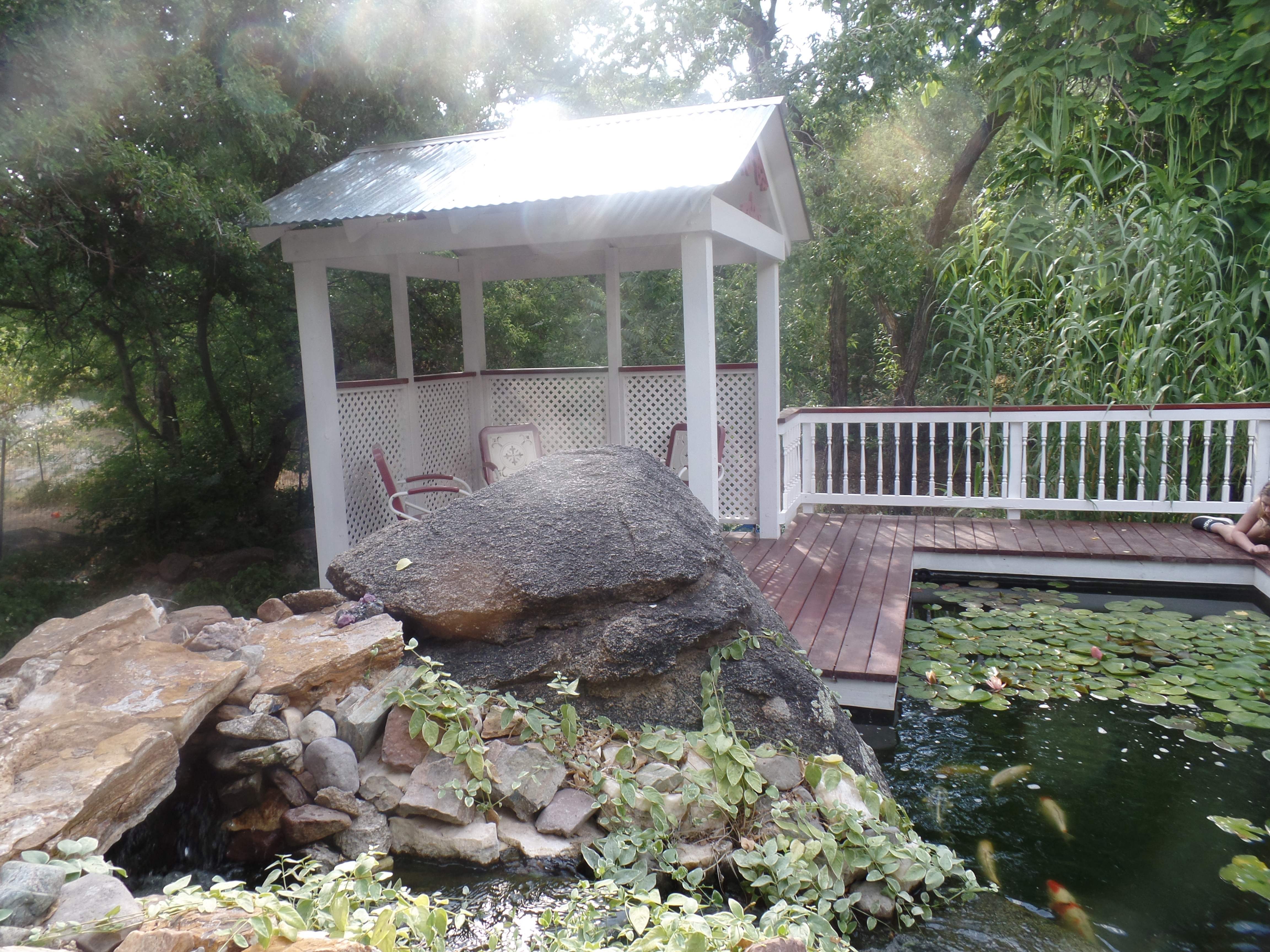
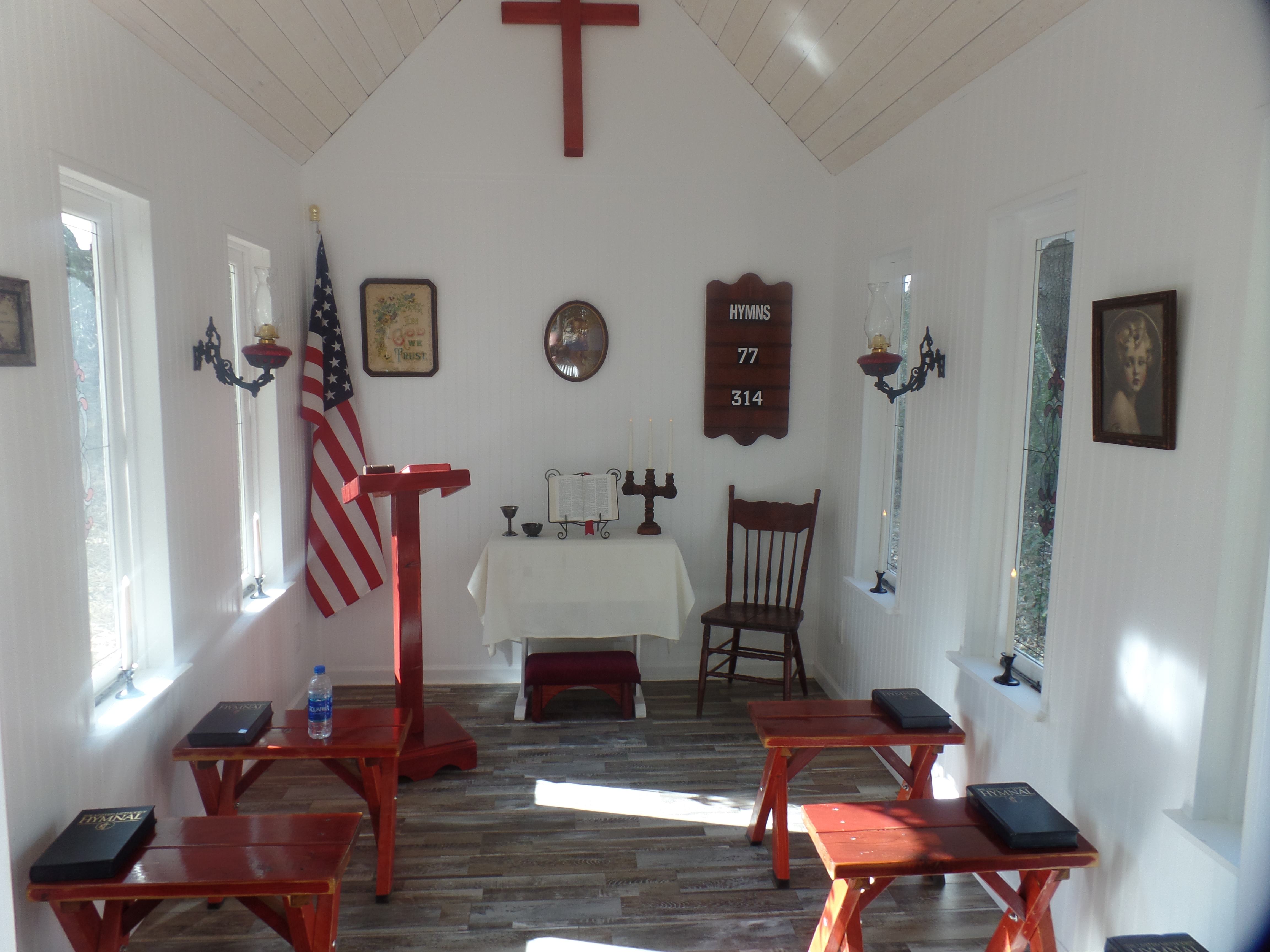
Here are some scenes from the heartwarming ceremony that took place this afternoon and of a private shrine, built by a couple who lost their house that day, and have since refurbished another fine residence, to include a chapel dedicated to the firefighters.

Entrance to memorial park, Yarnell
Eighth Commemoration of the Yarnell Hill Tragedy
Koi pond, at the Chapel of 19 Bells, Yarnell
The Chapel of 19 Bells, Yarnell

This day, marking the halfway point of any given year, thus will ever have its own indelible significance.

Contraction and Expansion

2

June 22, 2021, Lake Havasu City- In the Spring of 2000, a group of senior citizens, residents of a small enclave on the south side of Salome, AZ, converged on a meeting of the La Paz County Board of Supervisors. They wanted to see an ordinance enacted, which would curb the behaviour of the town’s younger residents. Among these seniors was a former resident of San Francisco, whose complaint was with young people who were raising livestock, within town limits. He began, and ended, with “Back in San Francisco, this would never be allowed!” The chair of the Board of Supervisors, in rural La Paz County, cut the man off, merely thanking him for his perspective. The seniors with more universal concerns, about partying and noise, got a fuller hearing.

I am in this city of retirees and service providers to visit for a bit with some friends who have felt isolated for quite some time-and not just because of COVID19. Lake Havasu is at least an hour, in any direction, from any city of comparable, or larger, size: Bullhead City lies an hour to the north; Kingman, the same, to the northeast; Various California retirement havens are an hour away, to the west, and Parker, the seat of La Paz County, is about an hour to the south.

Into the isolation of the Colorado River Valley, in western Arizona, are coming sizable numbers of those leaving California. As is the case elsewhere, people with cash in hand are buying up houses, and vacant lots, “by the boatload”, as it were. Snap-up culture, a peculiarly American phenomenon, sparked initially by fear and loathing of one’s lot-and sustained, later on, by arrogance and greed, is generating a sizable migration out of the Golden State (as well as New York and Chicago)-sometimes pulling the rug out from under people of more modest means, who have come within an inch of securing a home. When this happens here in the U.S., it fosters some grumbling and temporary ill will towards the migrants. When it happens in other countries, the migrants, or second-home purchasers may face reactions from locals that are far less genteel.

I see this from two sides: Mankind has always been on the move. Large populations initially moved north, east and probably west from Africa, very early on. Millennia later, there began several large migrations, in all directions, from the Altai, the Gobi and the steppes of what is now, Kazakhstan, sending Avars, Huns, Mongols, Turks to Europe and southwest Asia; many of who are now known as Indigenous Americans headed, out of the same region, to North America, and thence to its southern neighbour. Northwestward, to the European Arctic region, went those now known as the Sami-formerly the Lapps. What US President James Knox Polk called “Manifest Destiny” has been in our genetic memory for a good long time.

On the other hand, with few exceptions since the original peopling of this planet, there have always been “locals” there to either greet the newcomers, or to resist them. Which is which depends largely on the need, or lack thereof, for new blood to revitalize a community AND on the attitudes of the newcomers. People who charge into a new setting, buy up the property, propagate the worst of what they claim to have left behind, and push the locals around, should not be surprised at the glares and sidelong glances they get from their new neighbours, as these mutter among themselves. Those who, on the other hand, settle gently into their adopted community, with a humble posture of learning, will over time be adopted as bona fide residents. There are plenty of both sorts, among the current groups of migrants, as there have been in such groups, throughout history.

I wish the better angels of their natures to be in the vanguard.

A Matter of National Interest

4

June 19, 2021- In the latter part of June, 1969, one of my fellow trainees, of African-American descent, confronted me about what he thought was my negative attitude towards people of colour. I had no ready answer for him, as truth be told, I had no attitude of any kind towards African-Americans, since until entering Basic Training, I did not know any. I believed then, as now, that all people are equal in the sight of God, and that therefore I was to show kindness and respect to Black people, as I did towards Whites and Asians, who were far more numerous in my hometown. What that meant, in practice, was far more complicated. I was to learn that the historical treatment, of all people of colour and of lower class Whites, was woeful in general and that each subgroup was treated in such a manner as made that group’s genetic memory needful of particular attention, distinct from other “minority” groups.

Lavern and I reached an understanding, and there was no further animosity between us. I continued to learn, from other men of colour, throughout my Army enlistment- and afterward, of the difficulties faced by their ancestors, and by they themselves, on a daily basis. Although it may be said that everyone has a hard life, at one time or another, most of those difficulties are transitory happenstance- a stock decline here, a broken down car there, a sick family member over yonder. They are no less problematic in the interim, but they are not compounded by the genetic memory of generations who were, and in many cases still are, excluded from equal treatment by society and by those in their midst.

So it is, that I welcome the national observance of Juneteenth-NOT as a replacement holiday for Independence Day, but as a day of affirmation of the principles upon this nation was founded. I have read much and learned much, about the abhorrent treatment of people of colour-and of lower class people of pallour, across the span of our nation’s, and other nations’ stories. I hope one and all are able to likewise reflect on the course of becoming more equal.

No Half Measures

6

June 18, 2021- It is no secret that the strength and longevity of solar heat are getting more intense. This is quite possibly cyclical: The people of southern California and the Southwest endured a drought, from 950-1250 A.D. The Medieval Warm Period, as that era is known, may well have its modern counterpart. How much effect human activity has on this cycle is very much open to research and discussion, but its effect on us is very clear.

A full dermatological inspection of my neck and face showed that both ears, my left cheek and a spot just under my left eye have basal cell carcinomae. The ears and the spot under the eye have been treated and may very well not continue to represent a problem, provided I am more diligent in wearing a broad-brimmed hat, and sunscreen, when outside-a habit I let lapse, during the mandatory face mask period of last year. The cheek blotch will need more careful removal-at a point 4-6 weeks from now. In the meantime, I will continue to treat it with DDR Prime and cover it with an X39 Patch. If nothing else, this regiment will protect it and keep it from spreading.

What this does to some of the plans I made for next month is not consequential. Anything on the itinerary after July 15 can be accomplished, after the carcinoma is removed. In the meantime, my days remain full and my heart feels good about seeing this matter through, and renewing the health regimen that had kept me in good stead, for well over sixty years.

Flags, etc.

6

June 14, 2021- Today was Flag Day, an often overlooked commemoration of the adoption, on June 14, 1777, of the Stars and Stripes as our national pennant. The flag, to me, is something to be honoured and respected. I am proud to offer a salute, or to stand with my right hand over my heart, when it is presented at a public event. By extension, I will also stand in silent respect, if I am in another country, and ITS flag is similarly presented.

A candidate for local office has been showing a photograph that depicts his opponent waving a flag that is tattered, at a public event of a few years ago. If this is authentic, I object to that other candidate’s ignorance. If it is altered, the shame goes to the man who is showing it around. As for those who stomp on, burn or spit upon a national flag, this may be regarded by the judiciary as free speech, but it is no more worthy of respect than is a stream of profanity.

Flags may be symbols, yet symbolism has value. The most strenuous exercise, in the history of mankind, has produced a society which has slowly, often with excruciating pain, approached its stated ideals. Many of those ideals have yet to be fully realized, and there have been many times, which deserve to be acknowledged, studied and corrected, when the behaviour of the ruling class, and those underneath them, went counter to the stated guiding principles of our national experiment.

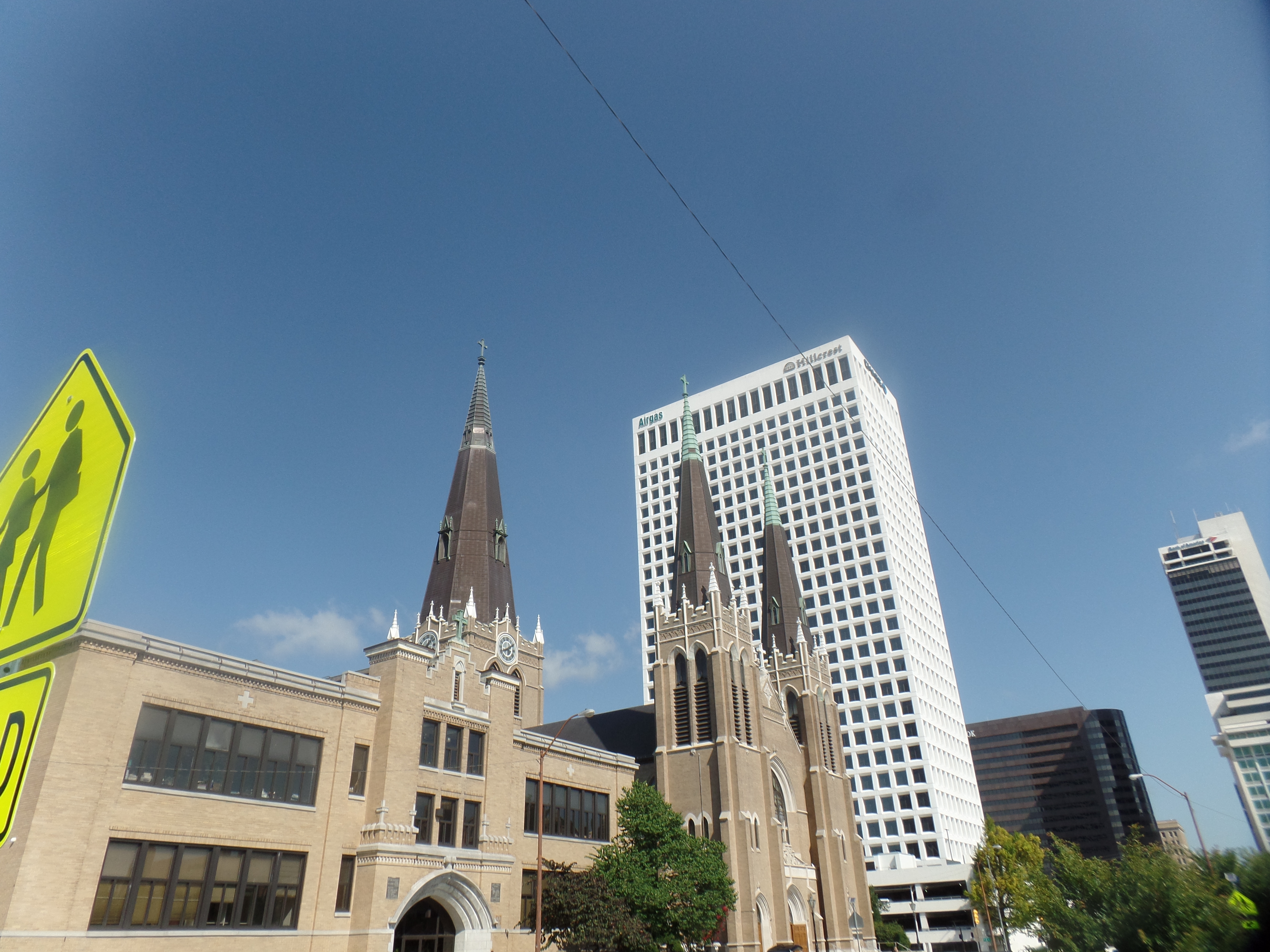
In my journey next month, Tulsa will be on the itinerary, on the way east, and Minneapolis will be on the route back west. My heart is heavy, yet hopeful, for this nation which will guide the world spiritually, in years to come, much as it has guided the world economically and politically, in times past.

The flag is a symbol-of the ideals towards which we work, perseveringly.

Predisposition

2

June 7, 2021- I read an article, in the current issue of National Geographic Magazine, about a sizable number of Old Colony Mennonites, settling in rural, forested areas of Mexico, and clearing huge swaths of the forest, so that they could plant Transgenic (GMO) soybeans. The process includes aerial spraying of glysophate-a poison that has been shown to lead to metastasized cancer, when ingested through air and water. There has been conflict with the indigenous people of the region, the Maya, who have used the land for small farming and to raise bees. The Mayan bees have been dying off, since aerial spraying of glysophate began. The Mennonites say they have bees that can thrive, despite the presence of glysophate.

I have friends in Pennsylvania who are Mennonites, and who are committed to keeping the Earth both productive and in a relatively pristine condition. They are horticulturists, and much of their produce is raised in greenhouses. I am not aware of any widespread use of glysophate in their operation. So, the NGS account set me to thinking: Why are the settlers in Mexico so adamant about their mission?

People being creatures of habit, with deeply engrained genetic memory, it helps to trace the residential patterns of a group. The Old Colony Mennonites came from grasslands of central Europe and Russia, via Germany, and settled in the prairies of central and western Canada. They are accustomed to large farming operations, worked by large families. They are also given to hard work, relying on Biblical Scripture for guidance and practicing prudent business. A treeless prairie is turned into productive cropland, with relative ease, compared with the forest-which, whether tropical or temperate, is alien land. Thus, with no regard for any value the rainforest may have, the trees are cleared. The land becomes grassland, or cropland.

This has been repeated since the first nomads emerged from the steppes of Central Asia, millennia ago. The treeless land of their origins formed both their mindset, as to the status of the environment and as to the approach that should be taken towards any environment that differed from their native grasslands. Forests were meant to be cleared; deserts were meant to be irrigated; mountains were meant to be either terraced or laid low. The Old Colony Mennonites are no different, in that respect, from all who migrated before them.

That said, there remains the one thing that could lay both them, and their neighbours, low: The poison, that their interpretation of Scripture says is essential to maintaining their way of life. Glysophate has been shown to lead to several cancers, most commonly Non-Hodgkins Lymphoma. While only a longitudinal study, of the people of Campeche and Tabasco, will likely convince the leadership of Old Colony that this practice is dangerous, such intransigence is going to cause harm to the very people for whom the leaders say they are engaging in large-scale farming: Their children and grandchildren. Even if the leaders can claim to be unconcerned about their neighbours, an unlikely scenario, for them to be blithely placing crop yield, profit and Manifest Destiny over their own families’ lives, proceeds from sublime to ridiculous.

We can debate the merits and pitfalls of transgenic farming for days on end, but the use of pesticides that are deadly to all life should no longer be up for discussion: Mexico, along with most other civilized nations, has banned the use of glysophate. Predisposition to dominance aside, it is time for the Old Colony members to stop its use, and seek to use methods of crop protection that are not lethal to humans, or bees.

And Greenwood Burned

2

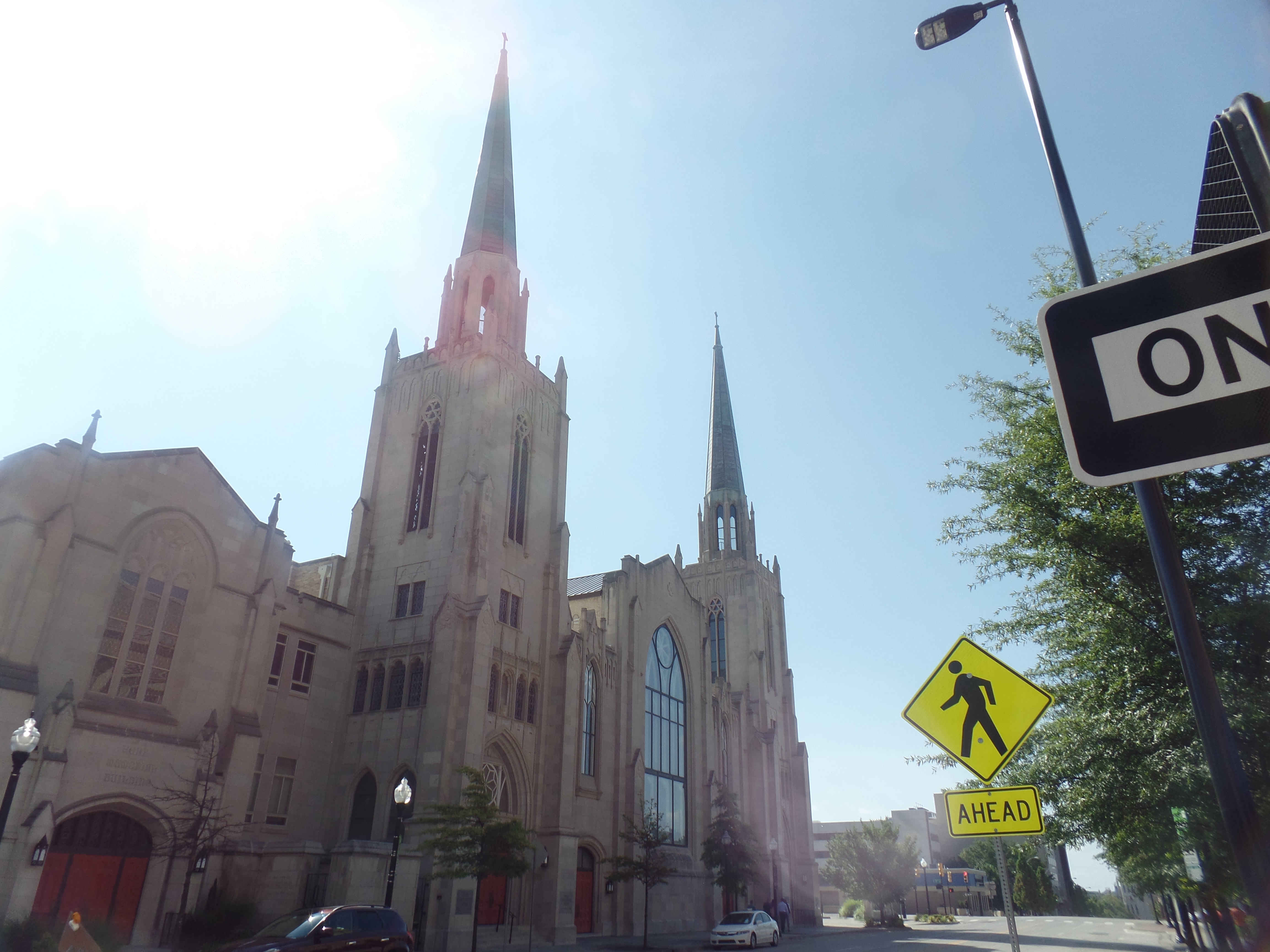
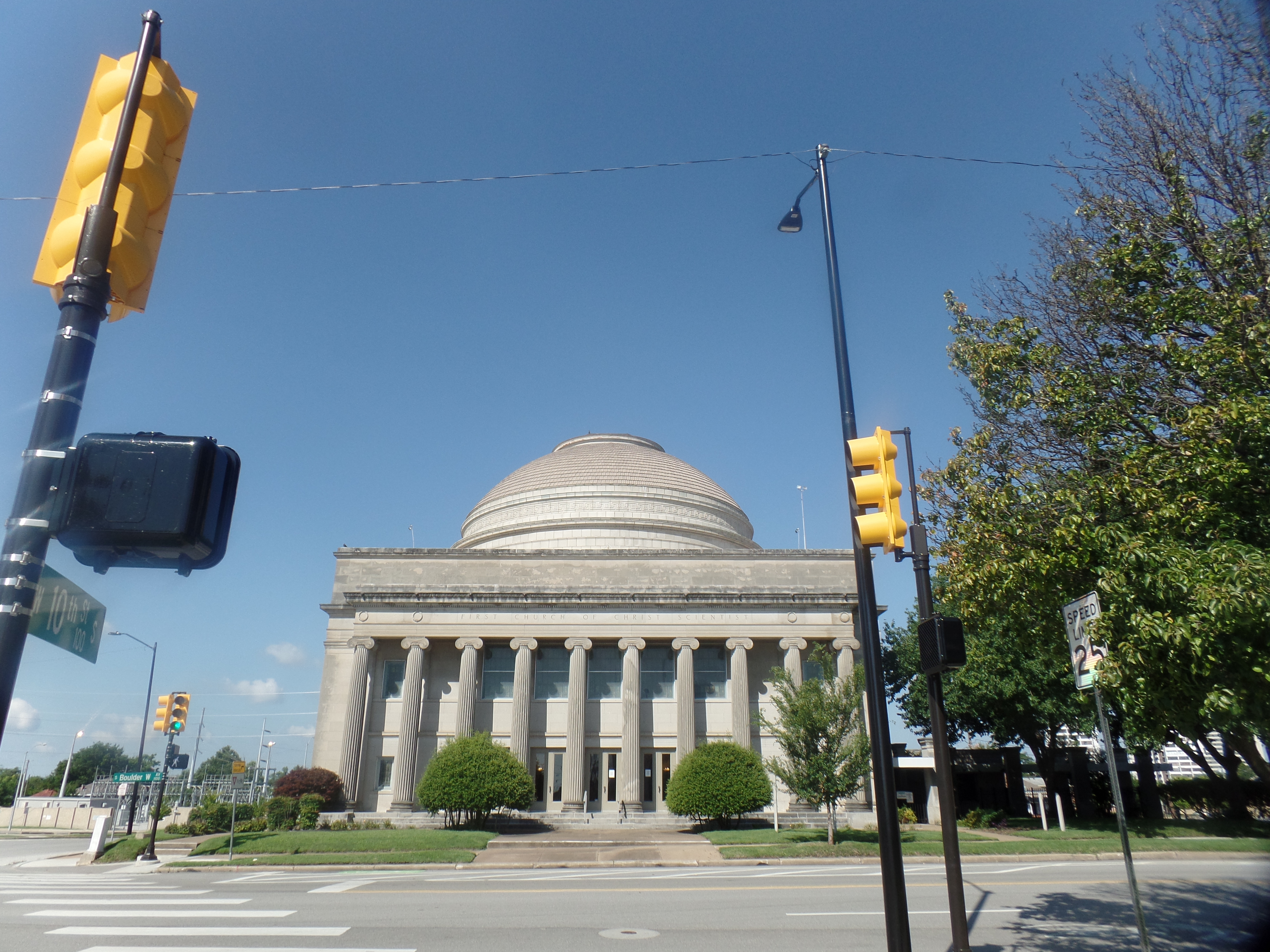
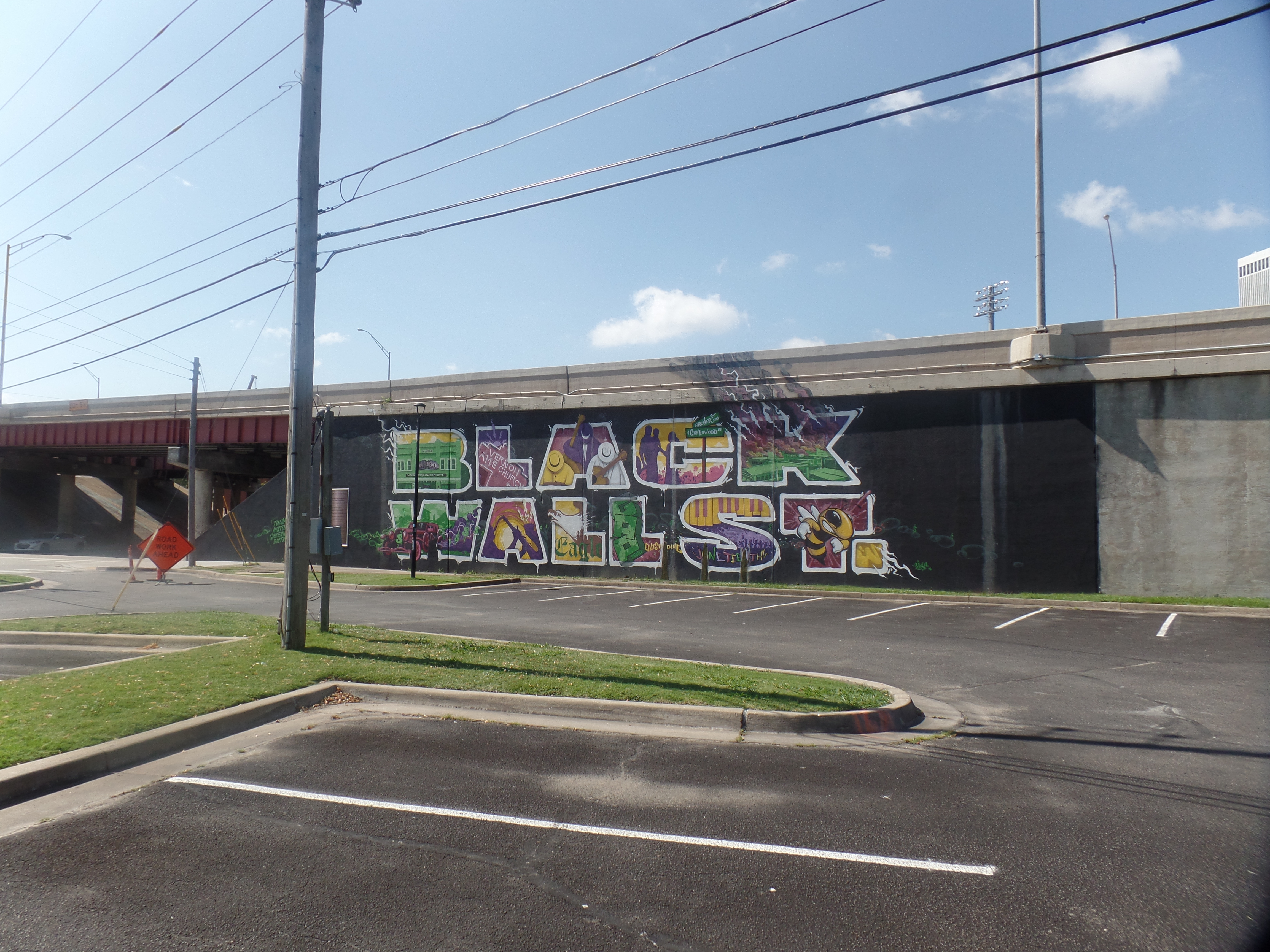
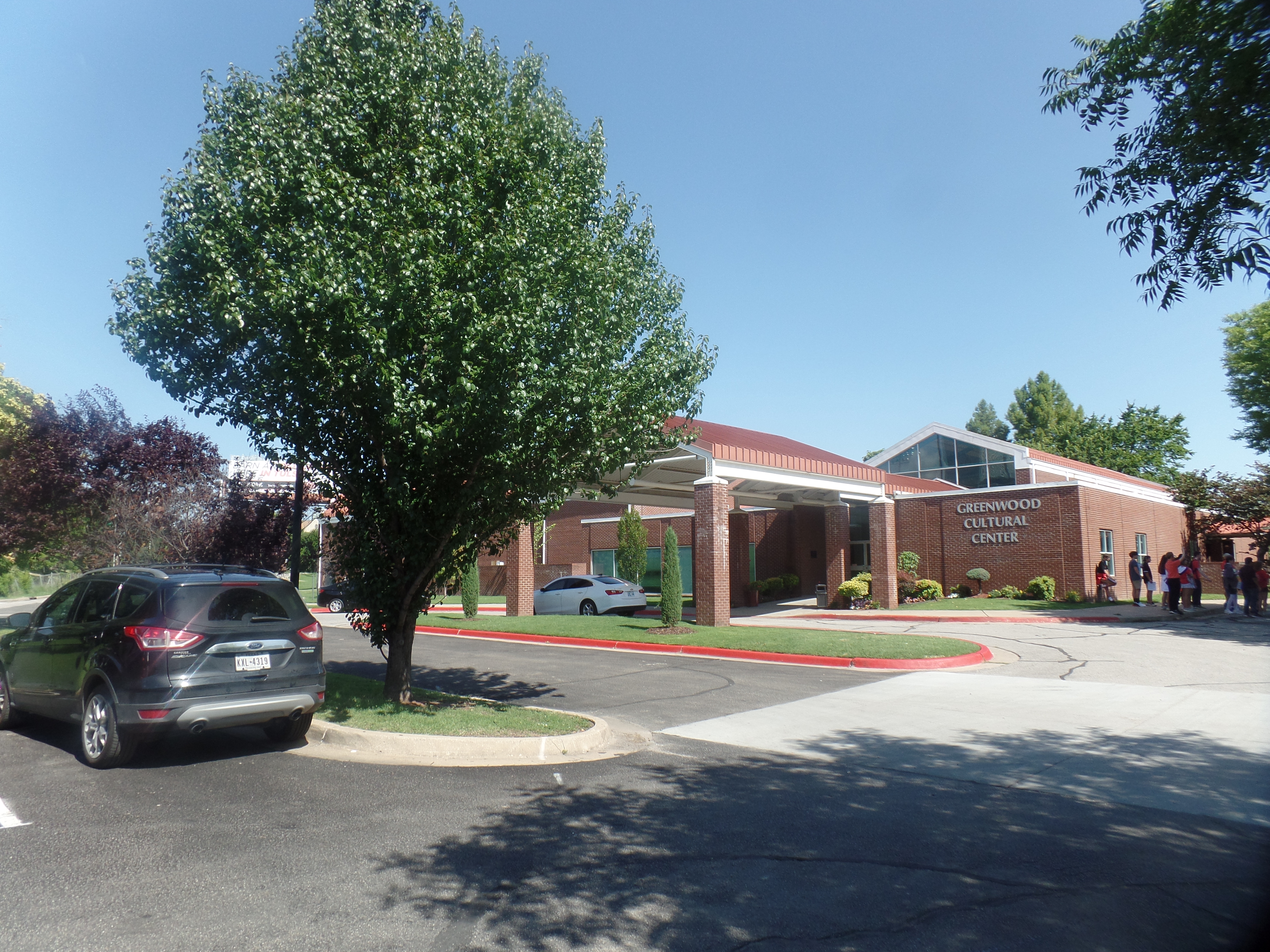
June 2, 2021- Much long overdue attention has been focused, over the past week, on the Centenary of the destruction and massacre in Tulsa, Oklahoma’s Greenwood section, on May 31-June 1, 1921. The President has visited, and met with three survivors, commemorative events have been held around the country, and in other nations, and even the Murdochs, in their National Geographic Magazine, have commissioned well-thought-out articles on the horrific event, and on race identity in general. I will make my own visit of homage to Tulsa, and to Greenwood, after visiting with my son and daughter-in-law, outside Dallas, next month.

Many did not know of this stain on our history, until recently, but as a country, we have long known of the legacy of the slave trade and its aftermath. “The Underground Railroad”, whose televised depiction I am viewing now, on Amazon Prime, gives even more graphic illustration of what went on in many, if not most, plantations and smallholder farms, where slavery fueled the economy. That mindset died hard, where it did die at all, even in “Free” states. There is still far too much of the concept of “Us” vs. “Them”, even among those who say they abide the presence of people of colour. I can see it, in the readiness of so many to embrace restrictive laws, in the areas of voting, of residence and of taxation for the public weal. There are those who would summarily execute people illegally crossing both borders or homeless people in large cities-and there are more of the “I, the Jury” types than one would care to think.

I first learned of the Greenwood Massacre-and similar events in Chicago, Detroit, East St. Louis and Rosewood, Florida in 1973, during a class entitled U.S. History Since 1877. The instructor, Dr. Israelsohn, was a classical conservative, but had no use for race-baiting and the systemic segregation that occurred in every part of the country, to some degree or another, right up until the time that course was offered. Her conservatism was that of true free enterprise and self-sufficiency.

That people can mature and develop, admirably, in so many ways, yet be unable to recognize the futility of Zero-Sum, increasingly escapes me. Where there is enough to share-then there is room to share, as well. Where there is enough to cover the feet of the people around oneself, then why hog the blanket? To be sure, this is one reason why I travel-and it is one reason why community service is a priority. Where there is real connection, there is no “Other”.

Let there be no more Greenwood Massacres, of any kind.

A Few Learnings

2

May 27,2021- The squeaky toilet kept waking me, and in my semi-conscious state, I thought it was the room next door, which was being renovated, that was the problem. I got up, for the day, and found that it was my room, at Days Inn- Grants, that had the issue. Having had plenty of experience with such things, I fixed the toilet myself, and so informed the desk clerk, upon check-out. It was a simple matter of re-attaching the chain to the release lever.

I have now returned from the journey to help Mom move out of the family home and become settled in a more social place. She has all her wits about her yet, so I have every confidence that this will be a bright chapter in her life.

For myself, I know that the journeys that await me, this summer and autumn, will be more leisurely, without the sense of urgency that I felt this time, especially heading east. There were deadlines and commitments involved. Thankfully, the COVID protocols, to the extent they still exist, are very cut and dried. Masks are worn, when the community or the enterprise requests it, The same is true, with respect to physical distancing. Dealing with the pent-up aggression of drivers is more a matter of not using the passing lane, except to pass. If I find I am being tailgated, no matter the lane, there is always the next lane over to the right-or if that is where the aggression is happening, I can bide my time and let the impatient one go around.

The nice thing, this time around, is I heard a lot of “Come back and see us!” This is always gratifying, especially to one who has encountered the opposite, in times long past. Then again, I have cast off a lot of baggage, over the years.

I was asked, by a loved one, what new things I had seen and what I had learned, on this trip. I saw the Missouri State Capitol, and Harry S, Truman’s birthplace. I was reminded that people around major cities can be extremely impatient, if they are overbooked, overloaded and uncomfortable being in a given place. I found that would-be thieves are discouraged from breaking into my car, when they see the blue security light-which makes my double security system that much more gratifying.

Finally, I was reminded that, even when someone is making the most obvious of errors in reading or speech, to not interrupt them, to let them finish. After all, the world is not going to cave in from that error.

Home Base Bound: Day 4

4

May 25, 2021, Enid, OK- I woke up to rain, this morning, in Wheatland, MO. After a delightful breakfast, at Hickamo Cafe, it was time to load up and head west and south. In keeping with my practice of not bothering working family and friends during the week, I stayed north of Joplin, and made a brief stop in Lamar, MO-the birthplace of Harry S, Truman, 33rd President of the United States.

Marker in Lamar, MO
Biographic of former President
First home of Harry S. Truman

Lamar is a fairly active, but unassuming, city, near Missouri’s southwest border with Kansas. The journey continued, across southern Kansas, an area that largely belies the state’s reputation for being flat and featureless. There are a number of forested areas, rolling hills and scenic ravines, in the area from Baxter Springs to Arkansas City-largely the watershed of the Arkansas River and its tributaries. I have presented some of these before, in a post on Sedan, KS.

Today, though, the intention was to get to Enid, and try to connect with old friend, John Glaze. Making my way to Enid’s da Vinci Coffee House, I was able to do just that. John’s house is most often open, so here I am, for a welcome break from motels and the road.

Home Base Bound: Day 3

2

May 24, 2021, Wheatland, MO- It’s been a sweltering few days, in the east central region, and across the nub of west central Indiana, central Illinois and a north central to southwest diagonal in Missouri, I alternately used AC and outside air, to keep the good times rolling.

Today was a first for me: Salad for breakfast; being the remnants of last night’s chicken salad from Fricker’s. Of course, Niemerg’s was also on the itinerary, so brunch in Effingham, it was. After that, I chose a northward route around St. Louis, bypassing the worst of the construction snags. Just east of Columbia, the southward route to Jefferson City, Missouri’s capital, beckoned.

A few miles north of “Jeff” is Fulton, a mid-nineteenth century river port, with a red brick downtown. Naturally, I stopped for a quick look.

Downtown Fulton, MO
Downtown Fulton, MO

Arriving in Jefferson City, I headed directly over to the State Capitol, where two quarters gets one fifty minutes of parking. The capitol building is understated, in terms of etchings, inscriptions and statuary. It does please the eyes with its relative simplicity, though, and since Jefferson City is a modest regional commercial hub, the fit is snug.

Western view of the Missouri State Capitol, Jefferson City
Fountain on west side of Missouri State Capitol
Eastern view of Missouri State Capitol

l walked around the capitol grounds for several more minutes, stopping to say a silent prayer. This drew the curiosity of a plain clothed security guard, who watched me for about two minutes, then moved on.

Reflecting Pool, on east side of the State Capitol
Missouri River, at Jefferson City
Row of War Memorials, from the Mexican War to Persian Gulf War

Wanting to make further progress, I headed out of Jefferson City, past Lake of the Ozarks and on to a series of small towns, along the way to Kansas. I found a comfortable room at Wheatland Motel, albeit one that had no Internet or phone connection, owing to an earlier power outage. A local high school student helped me get a cell phone connection, but WiFi via laptop would have to wait. Still and all, Wheatland Motel and the nearby Hickamo Cafe offered a comforting, downhome welcome.