October 6, 2025, Sarajevo- The vivacious young lady engaged all her patrons, in a charming yet suitably guarded way. She made us all feel welcomed and appreciated, but remained a bit of a mysterious presence. Her father, nearby in the kitchen, was watching all. Sebilj is a bit of Turkiye in Old Sarajevo. True, there are lots of bits of Turkiye in this city, but Kemal and Harina (not their real names) pack the house, with local regulars, day and night because of their Turkish welcome and the quality of their food.
I was very blessed to enjoy comforting split pea soup-not something I had associated with Turkiye before tonight, but it was golden, especially after a jarring day at Srebrenica. The shish was also well-seasoned and tender.
There is lots of resilience across Sarajevo. This evening, I focused on a swath of the Old City, the area that embraced Islam, the story goes, because the Ottoman Turks had a policy of not taxing those who converted to Islam. That story came from a man who has not embraced any organized religion, so who knows? I thought better than to ask any of the fervent Muslims I encountered here, as to such matters.
Here are some of this evening’s scenes.
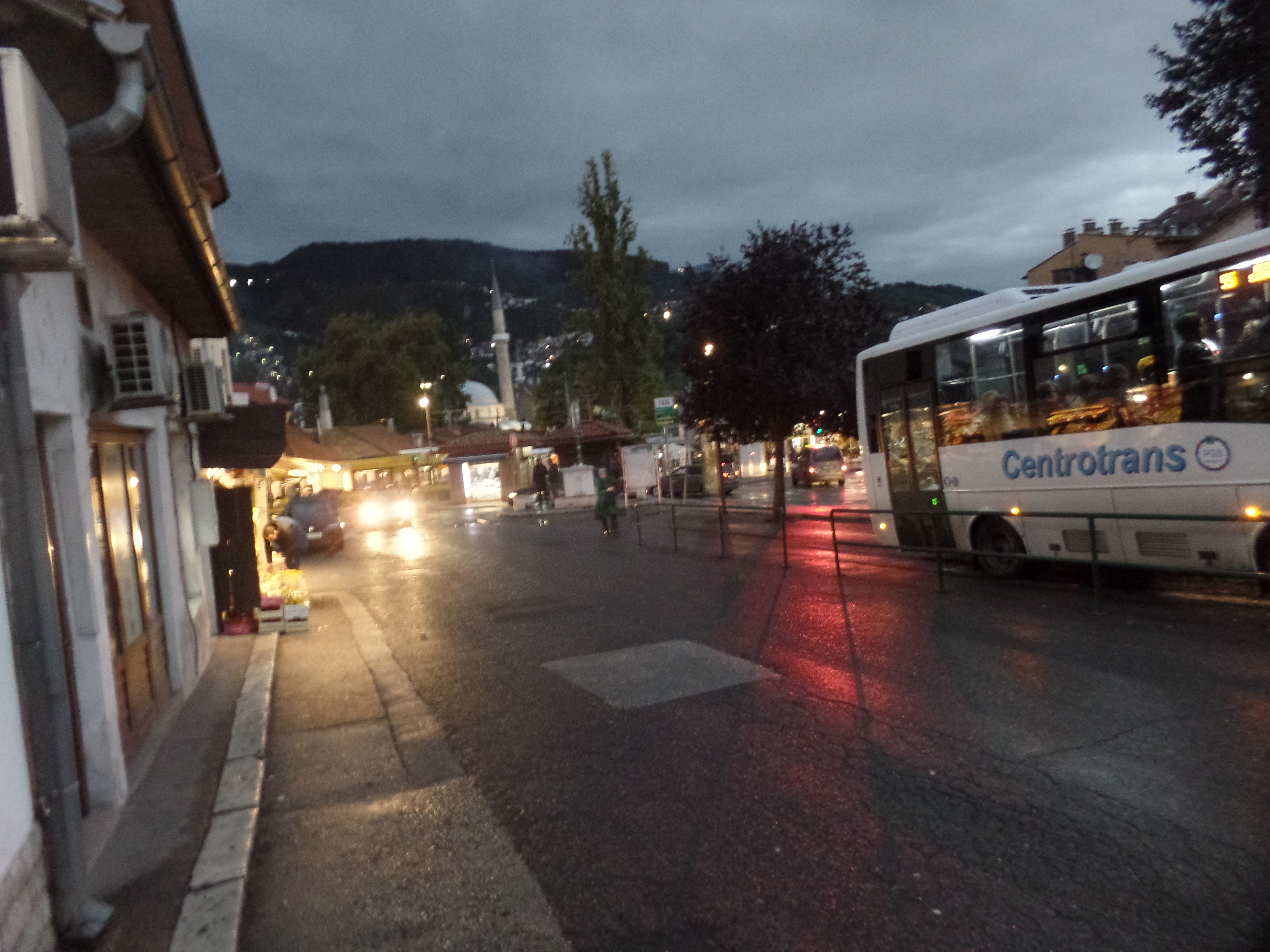
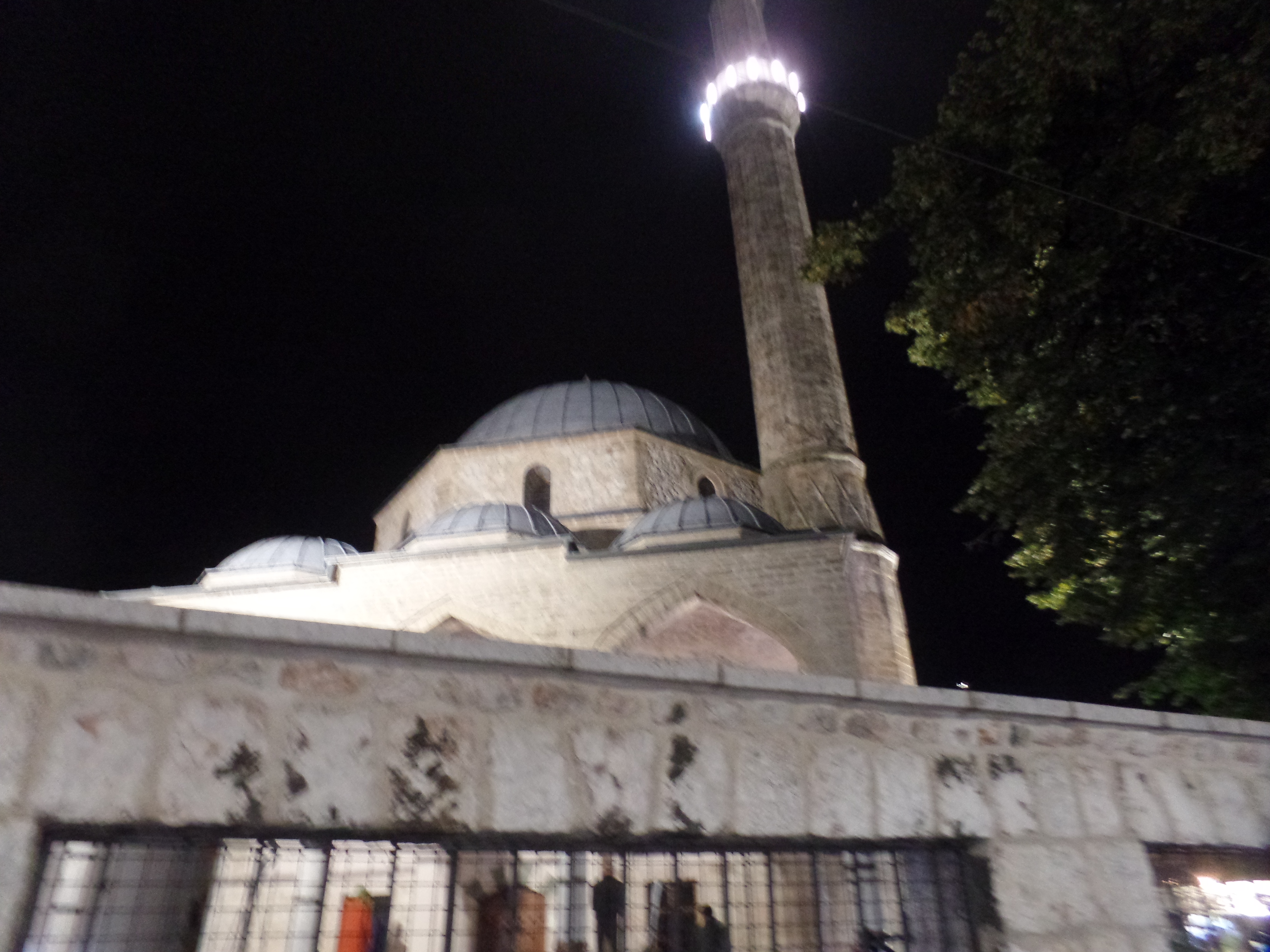
Evening at the Edge of Old TownMinarets light the night. Harina lights our hearts.The Central Circle of Old TownBascarsija Mosque. Here worshipers were still very active, at 9 p.m.
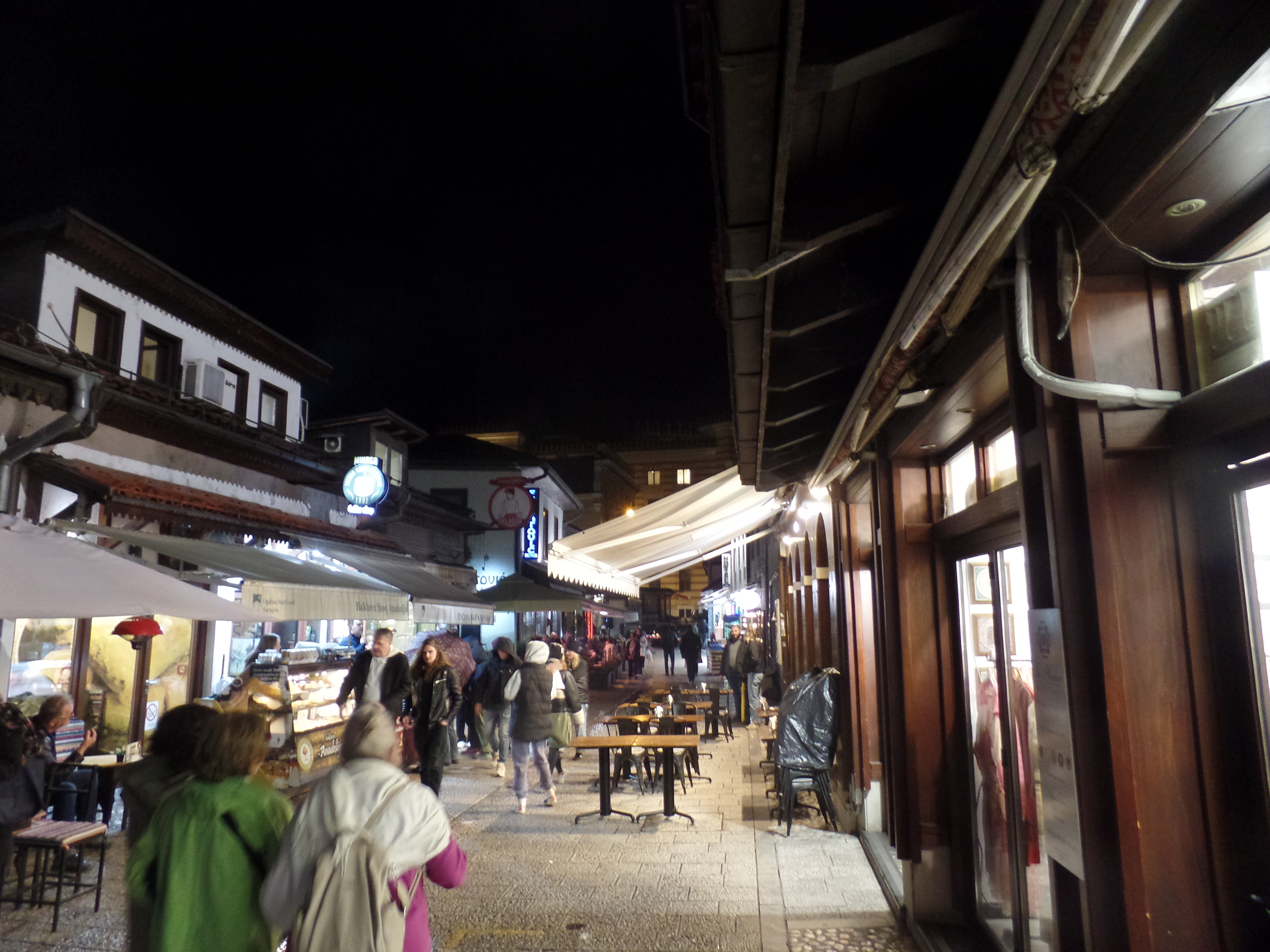
Some streets were bustling; some were quiet. All were safe.
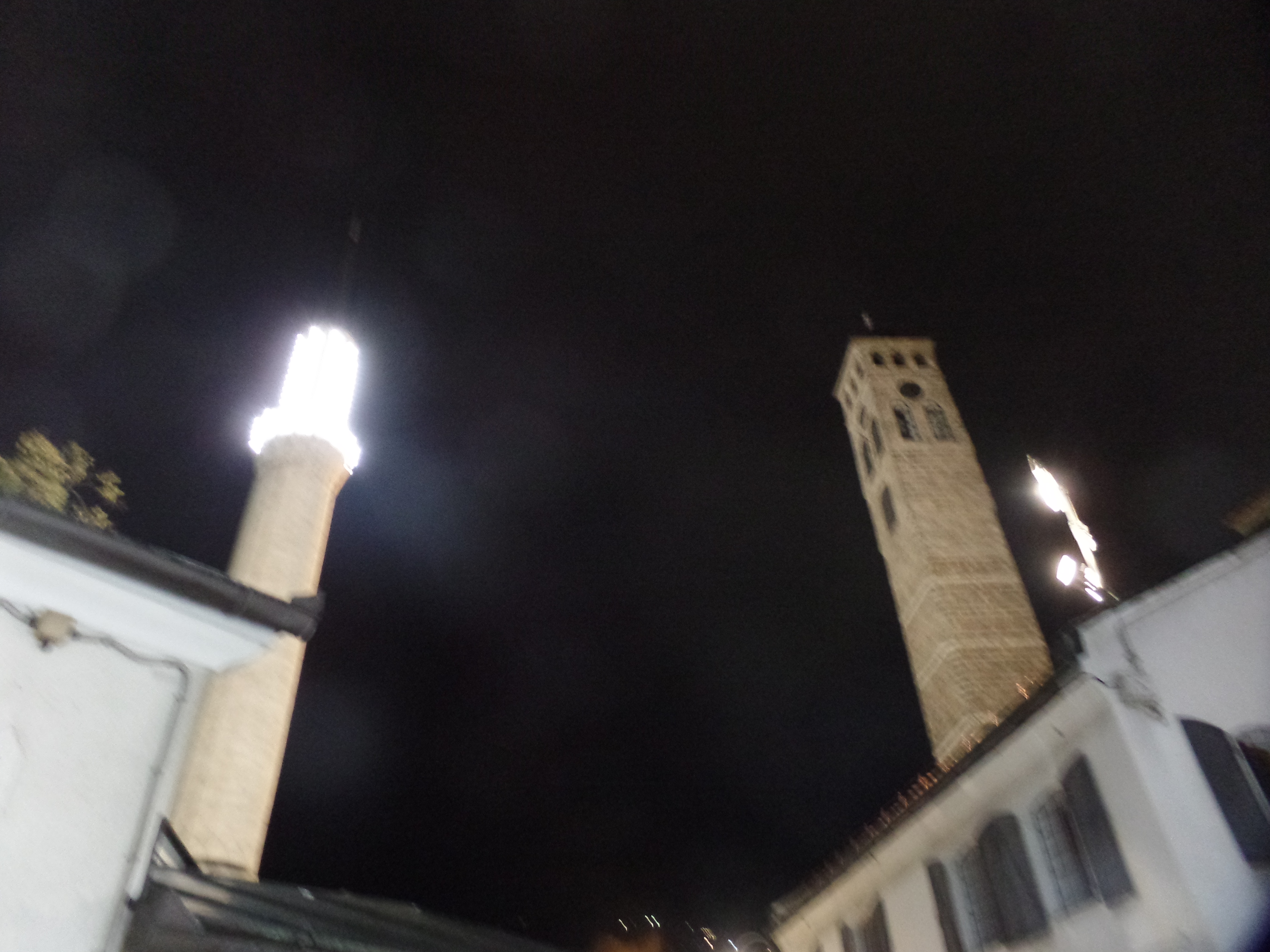
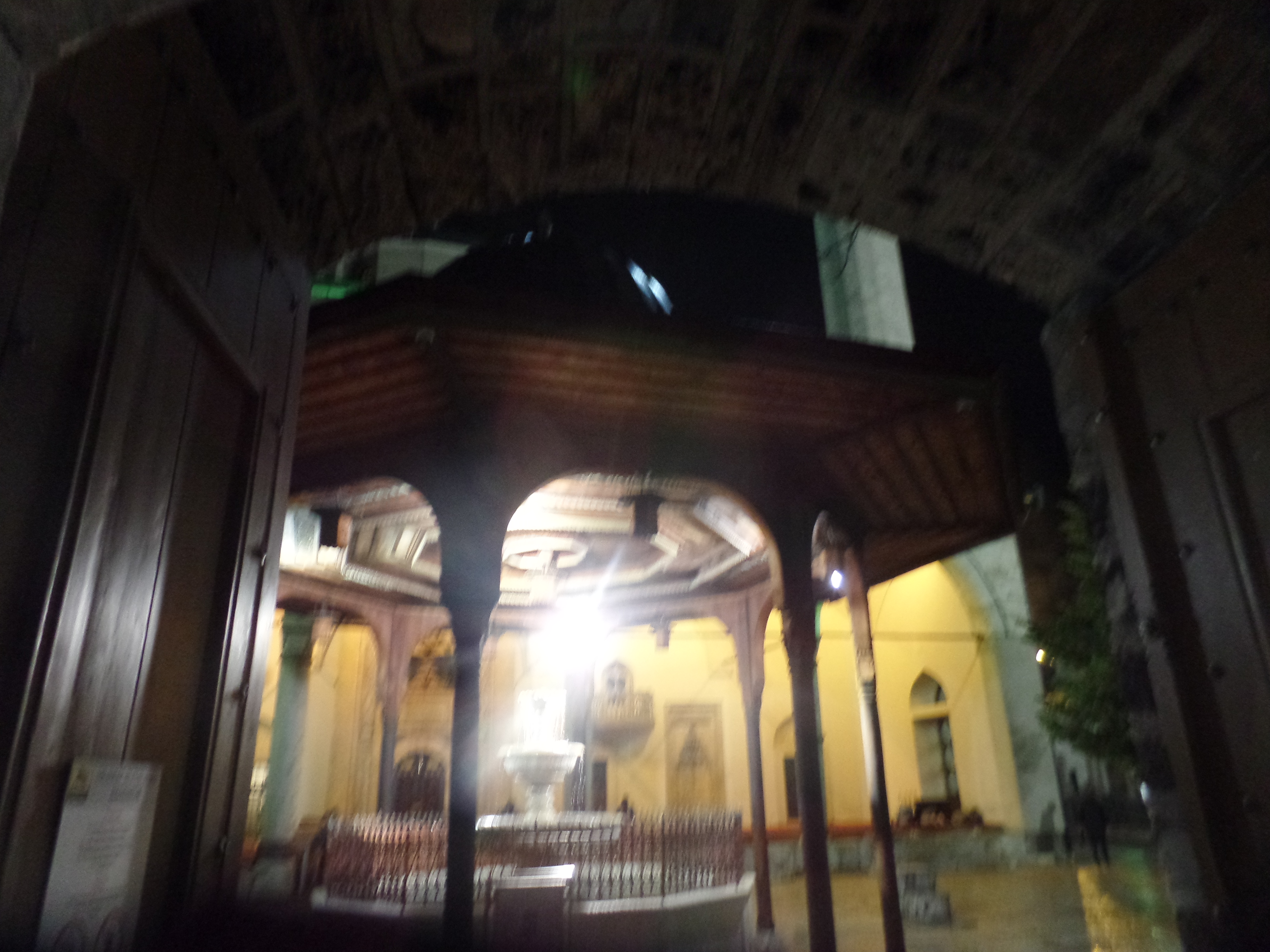
Old Town streets (above and below)A quiet alleyContrasting spiresA Mosque courtyard. The Imam only said “no worshipers!”. The empty courtyard was okay to photograph.
Old Sarajevo is filled with beauty-and that includes the lilting voice of the lady of the house, at Guesthouse Yildiz, as she offers her prayers in morning and afternoon. That includes the rug merchants, the shoppers haggling with the vendors, the children squealing with delight at their taste of ” Authentic Turkish Ice Cream”, and it includes people like Harina, who love what they do. Old Sarajevo was the perfect salve for the heart that was broken by what was shared in Srebrenica.
October 5, 2025, Sarajevo- The bus driver had a long face, as we all boarded his vehicle, in Split. I don’t think the man’s demeanour changed much, even after he had a sit-down meal at a nice roadside restaurant. The weather was equally gloomy, but I felt a comfort that transcended both the driver and the skies.
We went down the coastal highway, very close to tourist haven Dubrovnik, and then turned inland towards Mostar and Sarajevo. Here is a view of the Adriatic from Jesenice, the first major town south of Split.
View from cliffs near Omis, Dalmatia
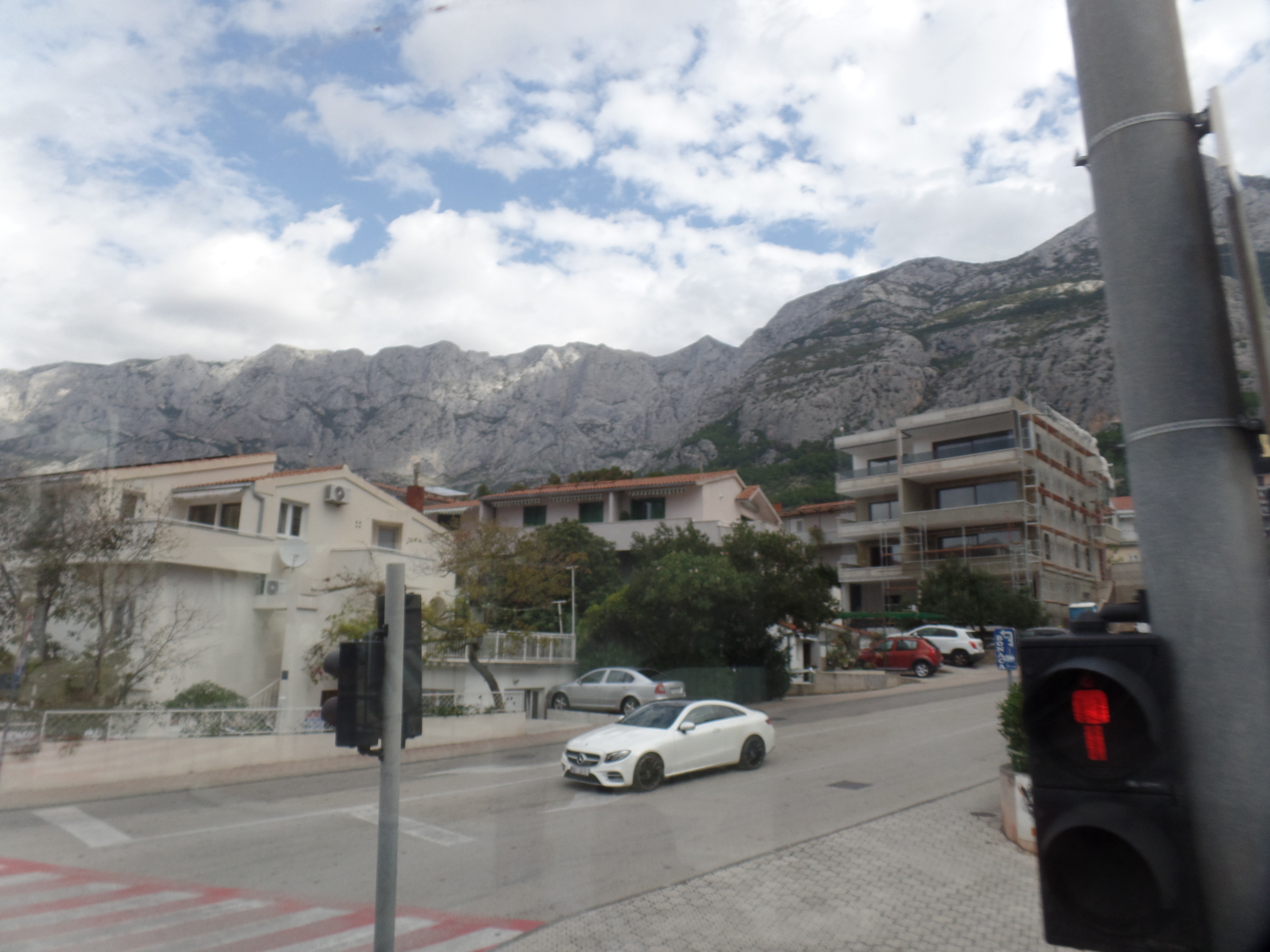
At Brela, the wonders shifted to the mountains above the southern Dalmatian coast.
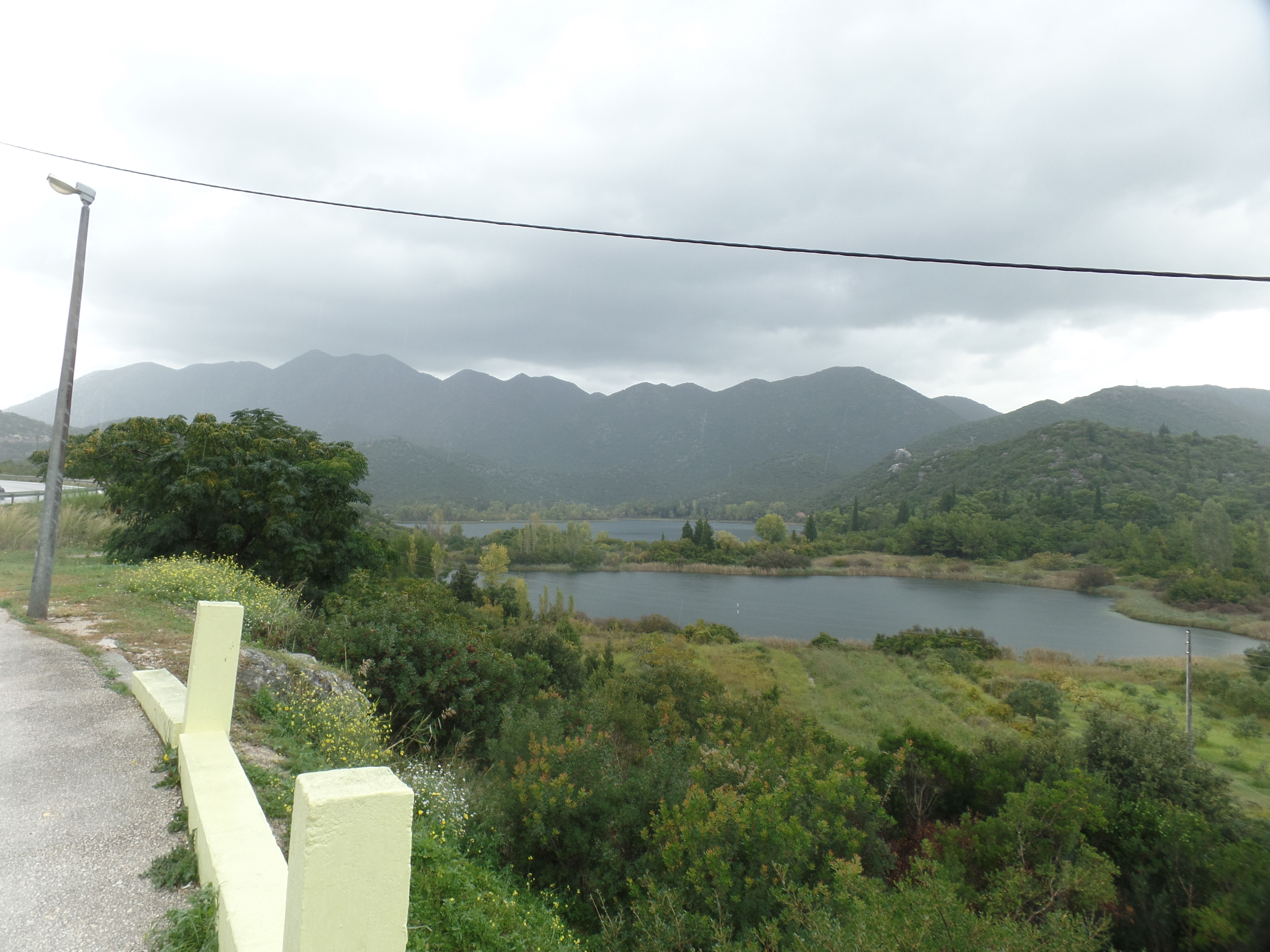
Limestone mountains above Brela, CroatiaHeading inland, near Ljubuski (Lee-oo-boo-skee)These lakes are near the well-known Kravica (Kra-VEET-sa) waterfall .
Passing through Mostar, a worthy stop in its own right (for me, maybe on a future Mediterranean visit), the weather was really getting nasty, but the mountains are always stunning.
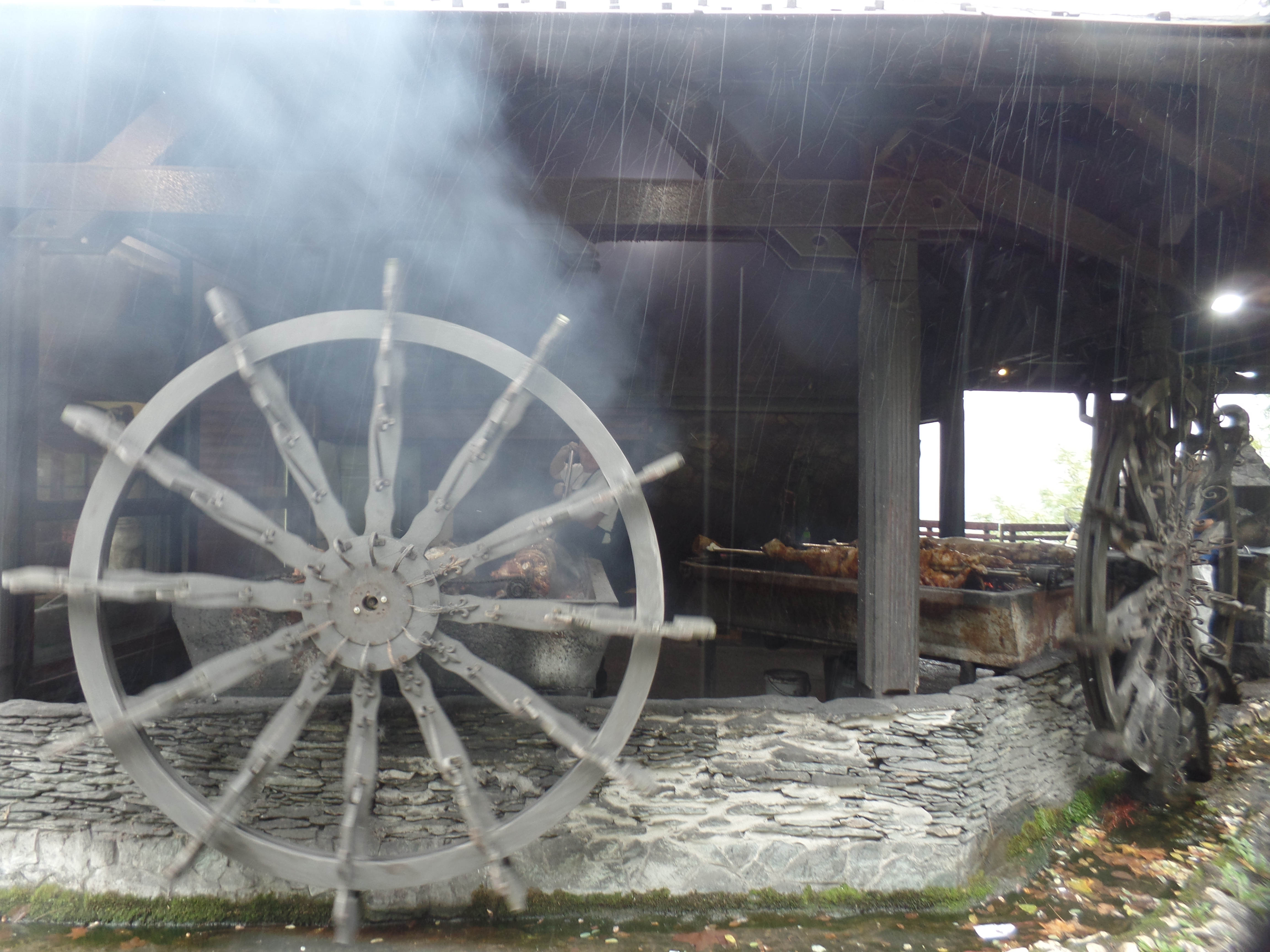
Prenj Range (Pren-yeh), outside MostarNeretva River, near Donja Jablanica (Donya Yablanitsa), Hercegovina. It was near here that we stopped and the driver had his lunch. I opted to wait until Sarajevo. Below, are the rotating barbecue wheels at Lamb House.Old-style roasting spits, Lamb house, Donja Jablonica
About an hour later, we were in Sarajevo. I caught a taxi in short order, and that driver, from Libya, was determined to find Guesthouse Yildiz. He was very close, but it took asking around the immediate Old Town neighbourhood to get the exact spot. Now, he has another hard-to-find address on his phone.
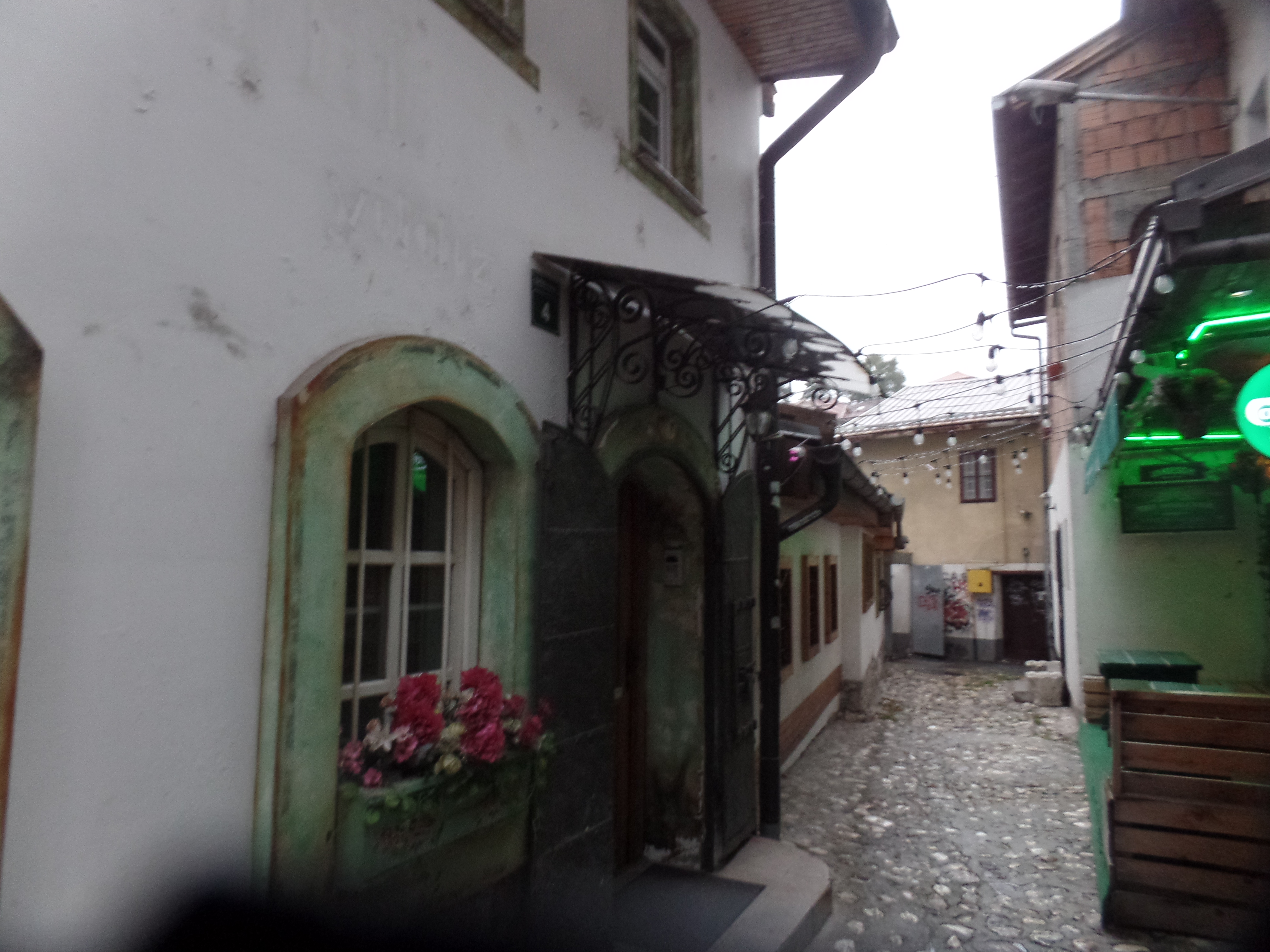
I found a gem of a place, with a dear young couple from Turkiye, the owners. (Since we’re on a pronunciation binge- it’s Tur-kee-yuh). Here is how to spot Guesthouse Yildiz, on a short alley way off Old Town Sarajevo’s main road.
Guest House Yildiz, Old Town Sarajevo
Here is the junction of Yildiz’s street, with the main road through Old Town.
Intersection near Guesthouse Yildiz
I was in a comfortable place for the evening, and after a well-prepared dinner of Chicken Stir Fry and rice, settled in to get ready for tomorrow’s visit to Srebrenica.
October 4, 2025, Split, Croatia- Boris met me at the designated spot, which I found only by happenstance. This was another of those “We can’t help you because you have no Internet connection” catch-22s that Spectrum/Safari plays with abandon. (They are the ones denying Internet service, btw). I went to Pazar 1’s gate and waited just a bit-and there he was, telling me that I looked more like a Croatian local than he would have imagined. That felt good.
Pazar 1, Split
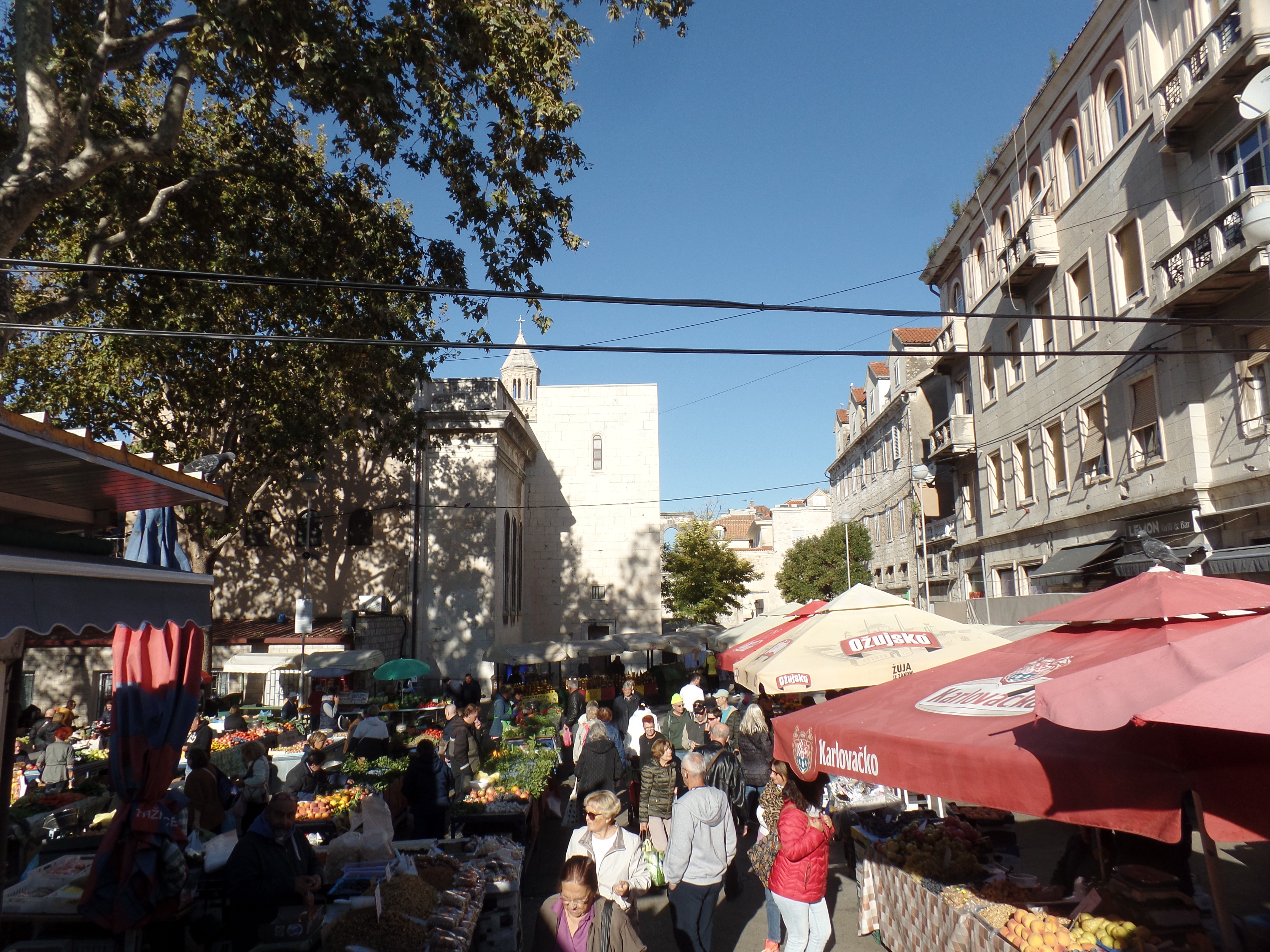
Our game plan was a full one: We walked through Pazar (the city market since Ottoman times, or longer.) The south and east areas of Diocletian’s Palace were next on the agenda. Diocletian was a native of this area, an Illyrian, born and raised in Salona, over the mountain, from what is now Split. He rose through the ranks of the Roman Army and became co-Emperor, at first along with Maximian in 286 AD/CE. This started the process of the Empire being divided into East and West. Diocletian built his palace at Spalatum, claiming the East for himself. Although he was an autocrat, Diocletian went along with Maximius’ plan to further divide the Empire, this time into four units, with Galerius and Constantius as junior co-Emperors. This arrangement actually helped the Romans defeat Persia, in 200, with the sacking of the Persian capital, Ctesiphon.
Diocletian carried out a bloody, but unsuccessful campaign to eradicate Christianity in the Empire. When the campaign failed, Diocletian retired from imperial duties, in 305. Co-Emperor Constantine, son of Constantius, recognized it as the official religion of the Roman Empire in 324. He lived out his days at this palace of Spalatum, now known as Split.
Pazar 1, east gate of Diocletian’s Palace and the Church of St,, Domnius
Domnius was sent, by the Apostle Paul to Dalmatia, the region that encompasses Croatia’s coast and the immediate interior, to preach the Gospel to the Illyrian people. Despite Diocletian’s imprisonment and execution of Domnius, in 304, Dalmatia became a steadfast Catholic region, under the encouragement of Constantine. Croatia is still a largely Roman Catholic country, as is neighbouring Slovenia.
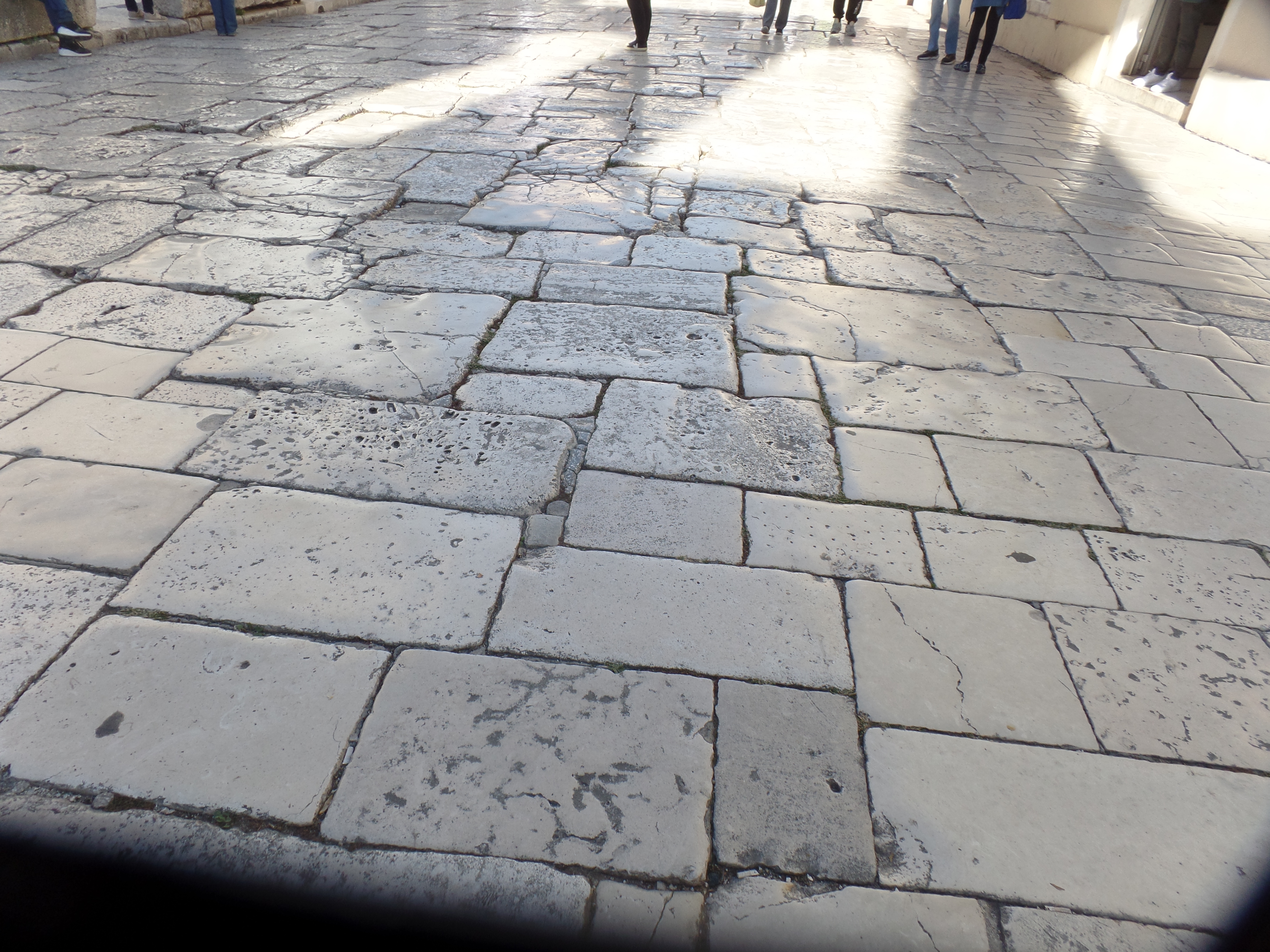
Church of St. Domnius, SplitOriginal paving stones from the time of Diocletian
Here is a more complete view of the east and south areas of Diocletian’s Palace.
South courtyard of Diocletian’s Palace, Split
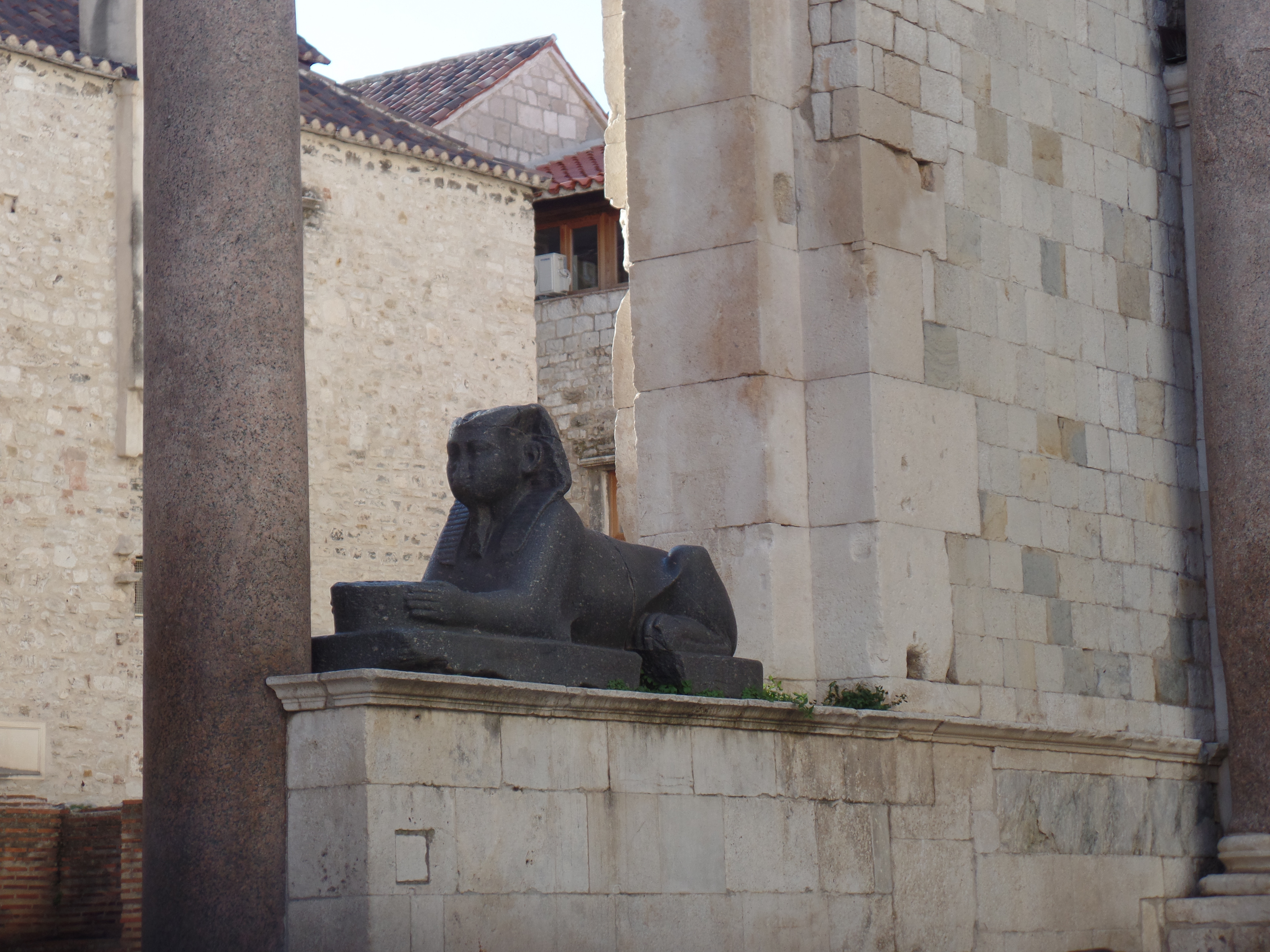
Diocletian’s Palace is the only place, outside ot Rome and Gizeh, that still has sphinxes (There are two here).
One of the two Sphinxes of Diocletian’s Palace, Split
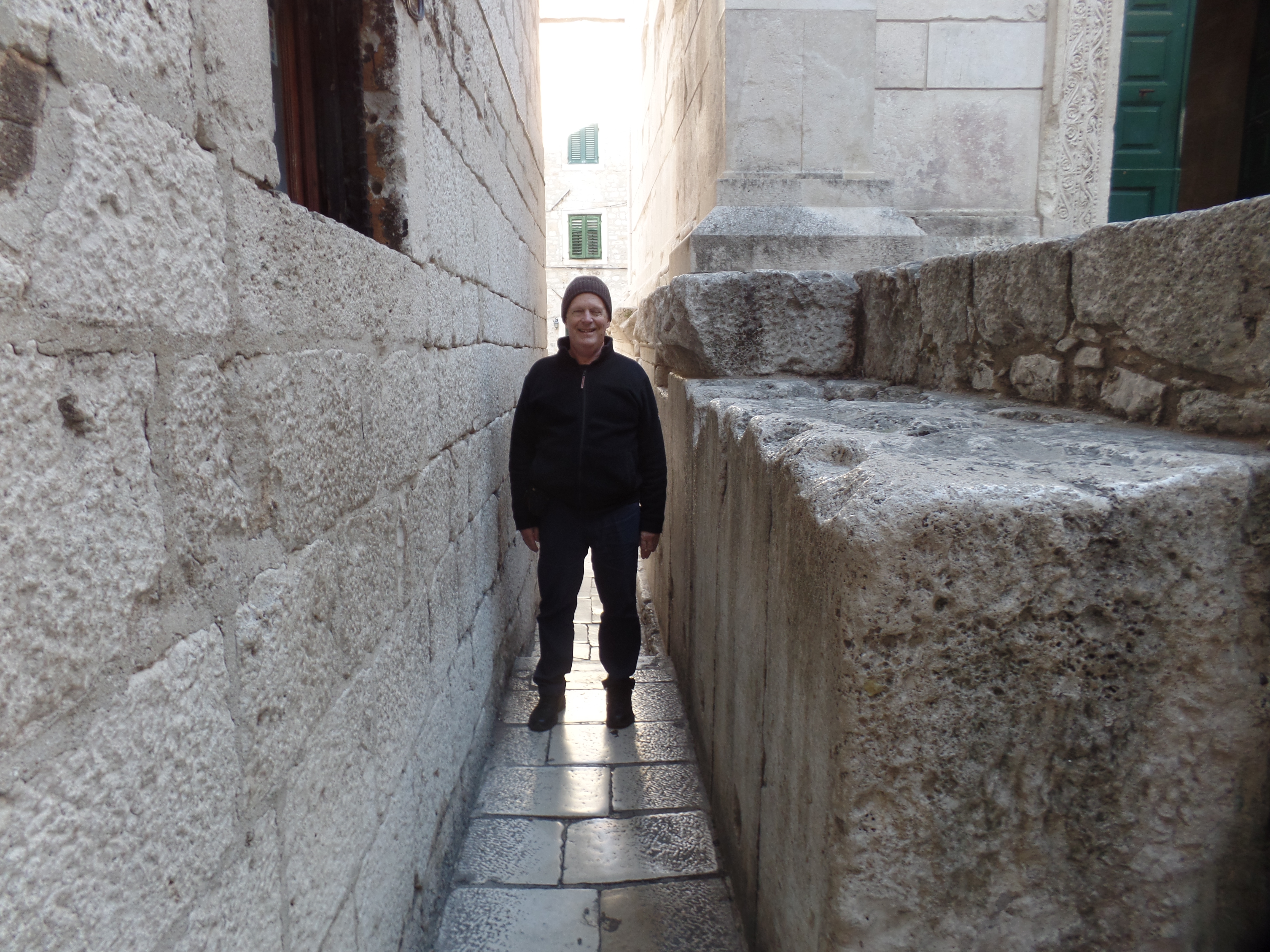
We left this part of the palace, heading toward Marjan (marYAN) Hill. To get there, we had to pass through the “Street that can fit only one at a time”. Here I am, having gotten through it.
“The street that can fit only only at a time”.
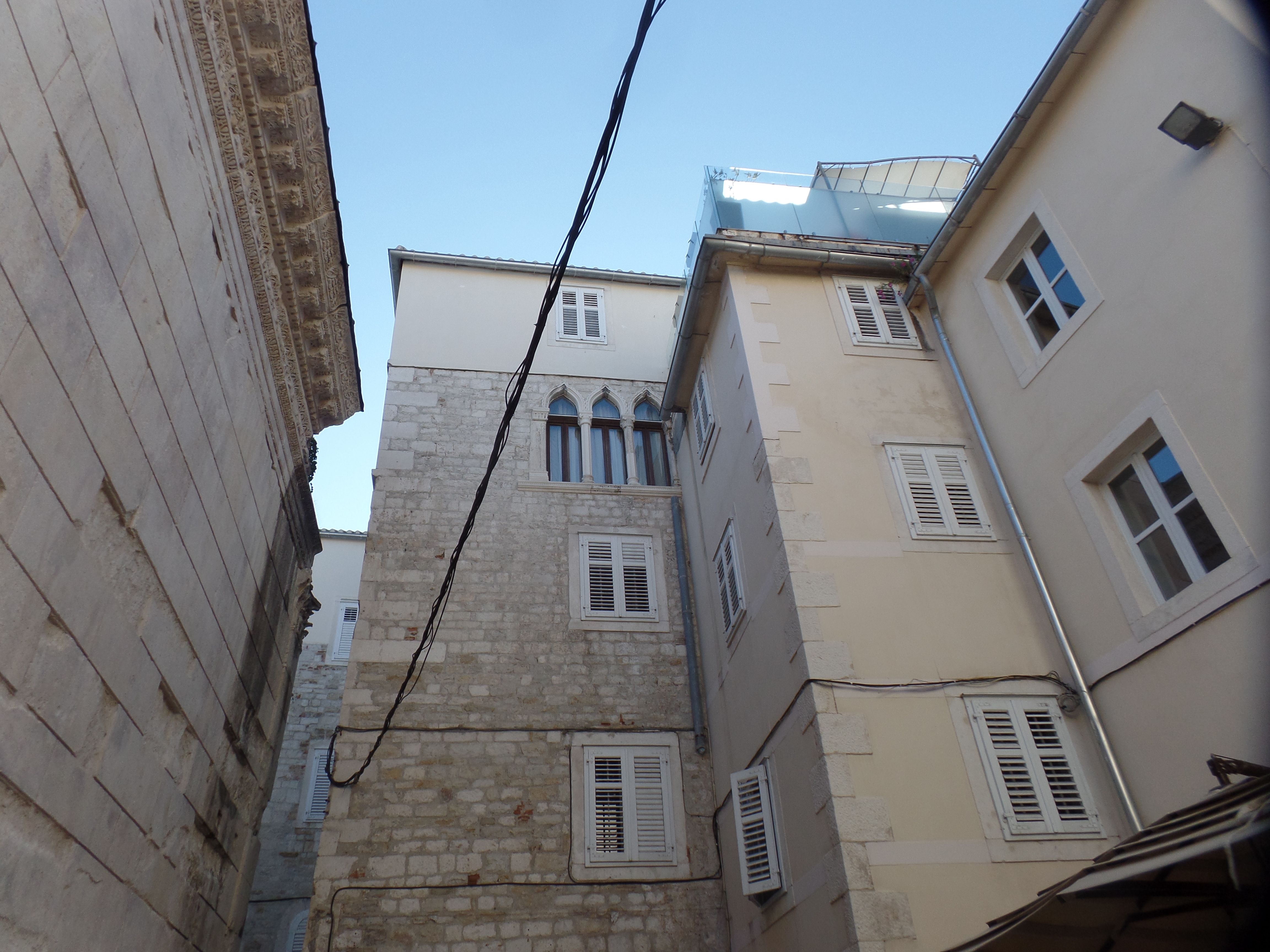
The next photo shows the melange of architectural styles that can be found in Split’s oldest neighbourhood. These are Roman, Venetian,Ottoman, and Austrian.
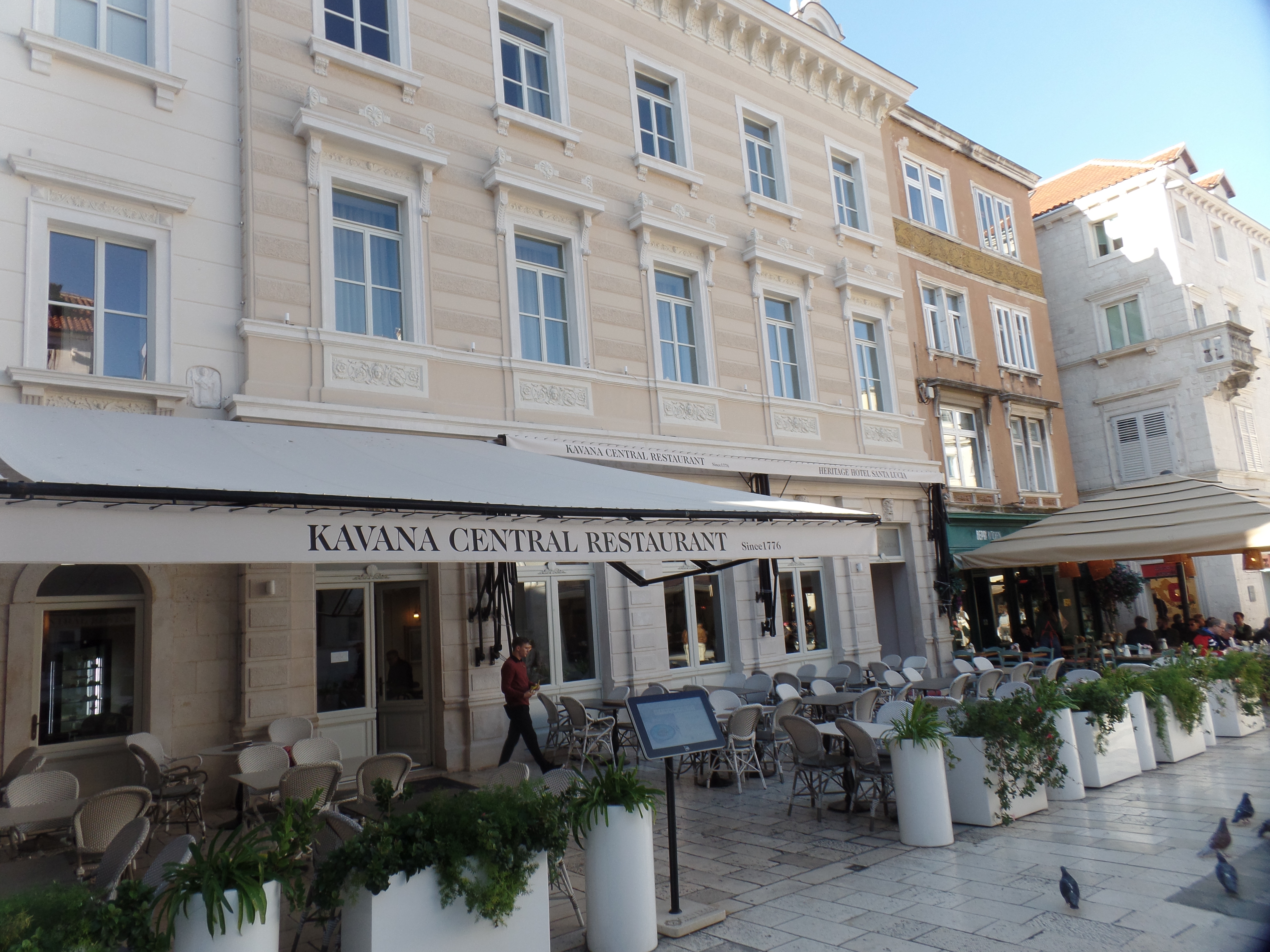
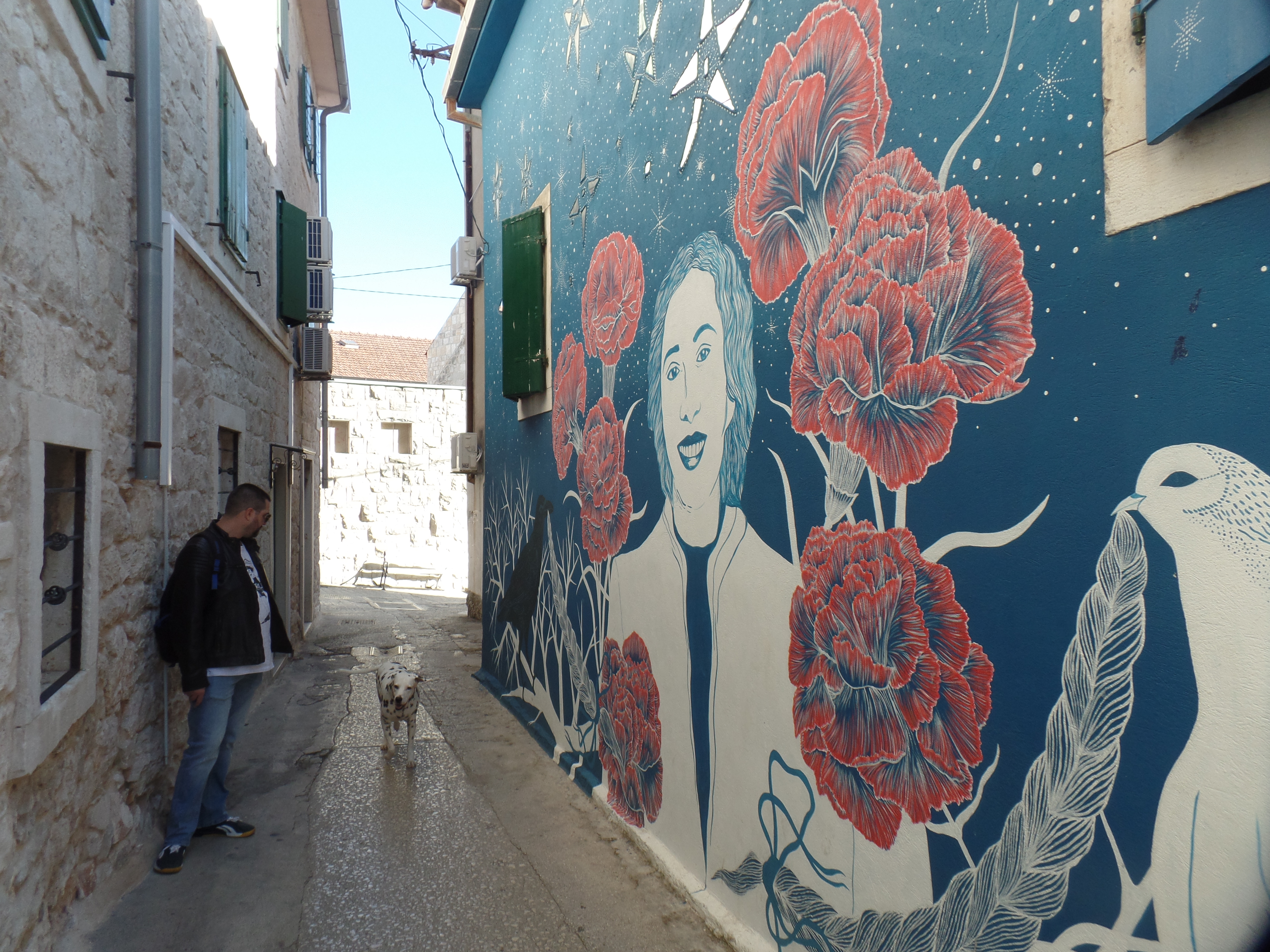
Four styles of architecture, in one neighbourhoodThe place to be seen in the Split of the mid-Twentieth Century.A martyr for freedom from Fascism-and a Dalmatian
Vahida Magajlic was a Croatian Muslim, who fought the puppet regime that was installed by the Nazis in Croatia. She gave her life for the freedom of Croatia-and of all Yugoslavia.
We took many steps up Marjan Hill. (Mar YAN).View from first overlook, Marjan Hill
Boris enjoys coming up here, when he needs peace and quiet.
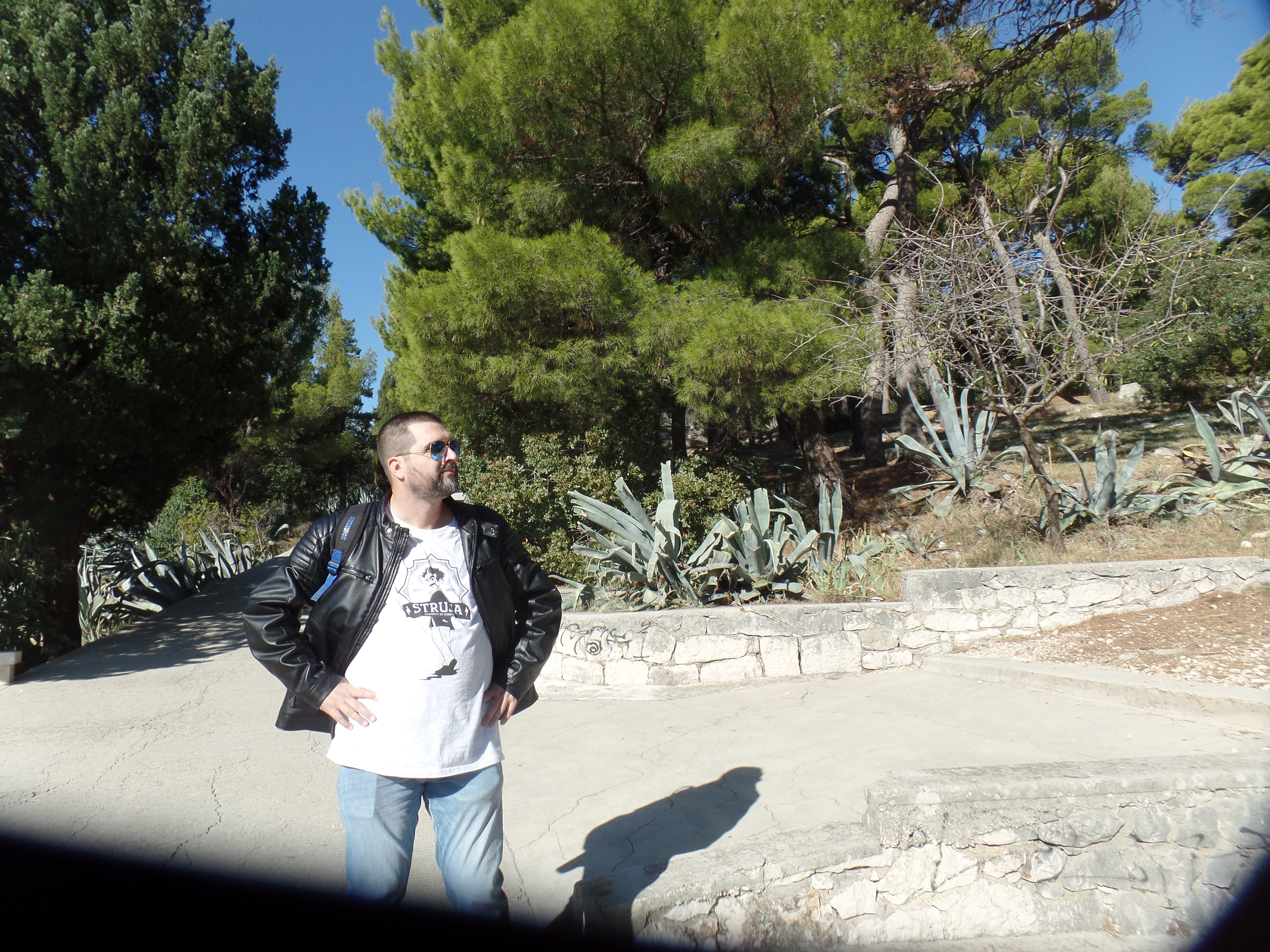
Boris at Marjan Hill’s Botanical GardenThe Adriatic, from atop Marjan Hill
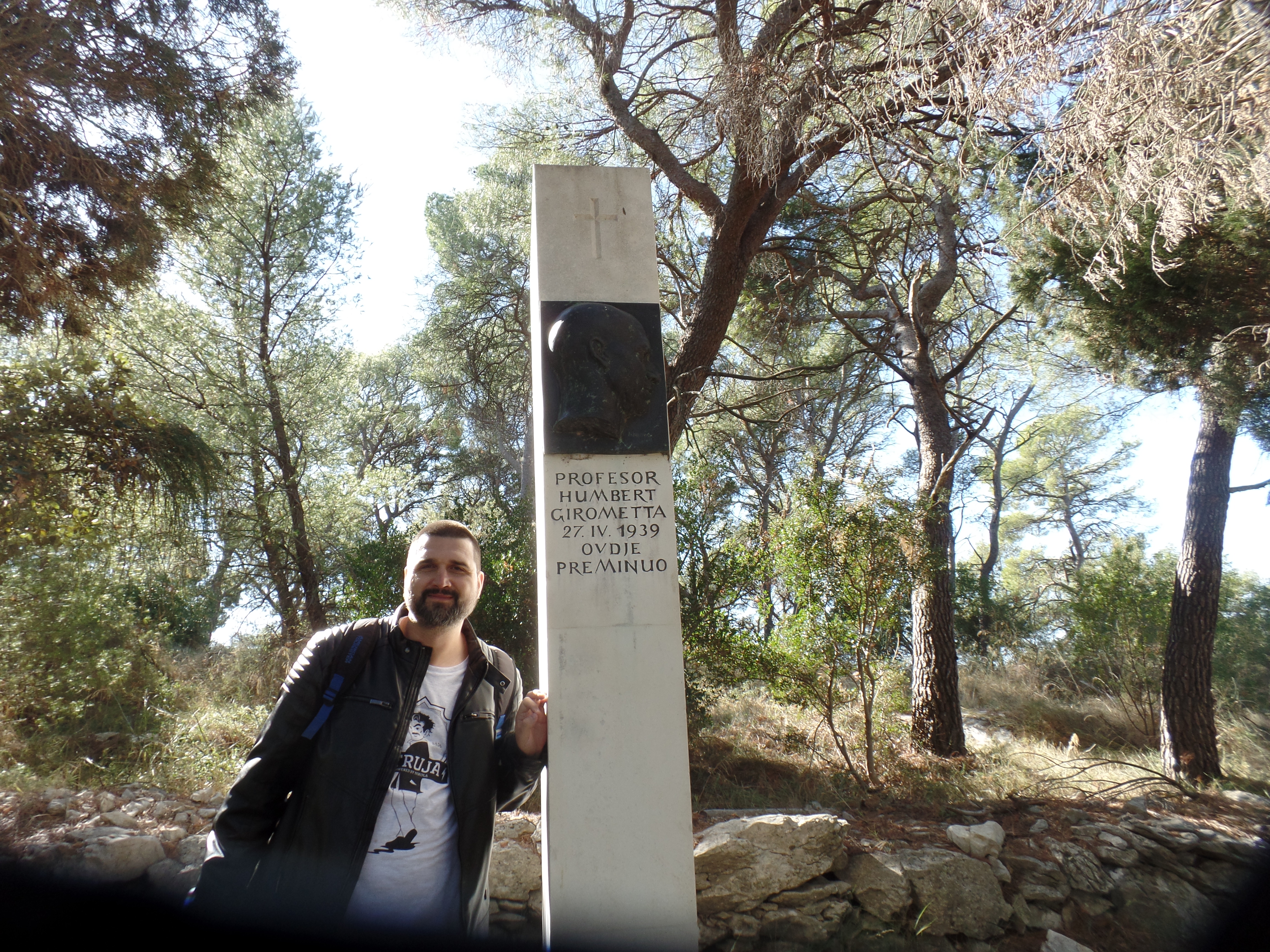
Orofessor Humbert Girometta was the man who spearheaded both this park and the promotion of hiking and wilderness training in the Split area. He was a mentor of Boris’ mentor.
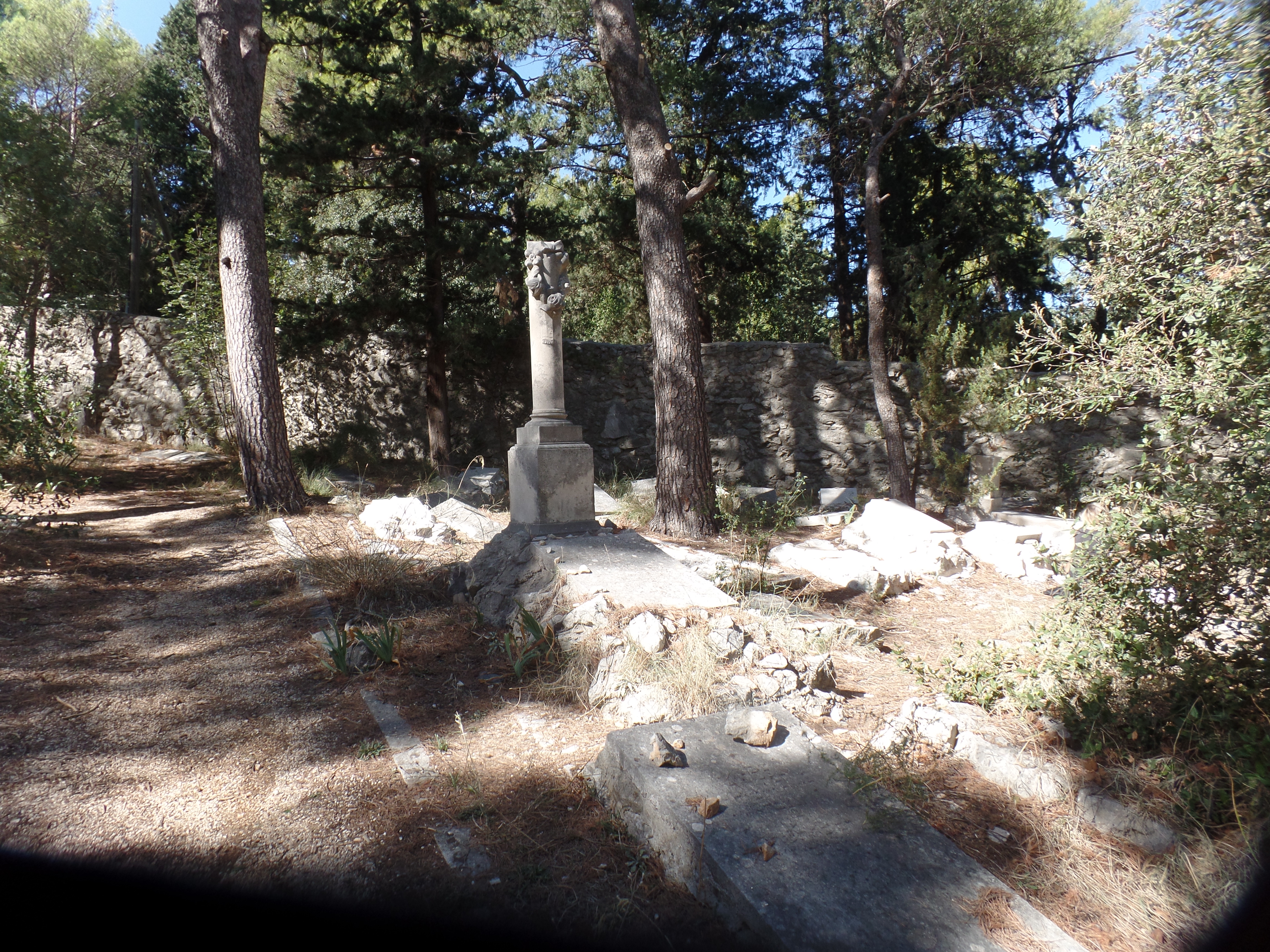
Memorial to Dr. Humbert Girometta, Marjan Hill, SplitThe Adriatic, from the third vantage point on Marjan Hill, SpliJewish Cemetery of Marjan Hill. Jews have been in Dalmatia since shortly after the destruction of the temple in Jerusalem, by the Romans.
We next had a delectable Croatian lunch, of beef in marinade, with a side of gnocchi and beet salad. Ice cream, dipped in chocolate, at Split’s oldest ice cream parlour, followed.
Next were the northern and western sides of Diocletian’s Palace
The exterior of the north side of Diocletian’s PalaceArchway, north side of Diocletian’s PalaceEntrance to North CourtyardAgain, three styles of architecture in one building.The grand north courtyard, Diocletian’s Palace
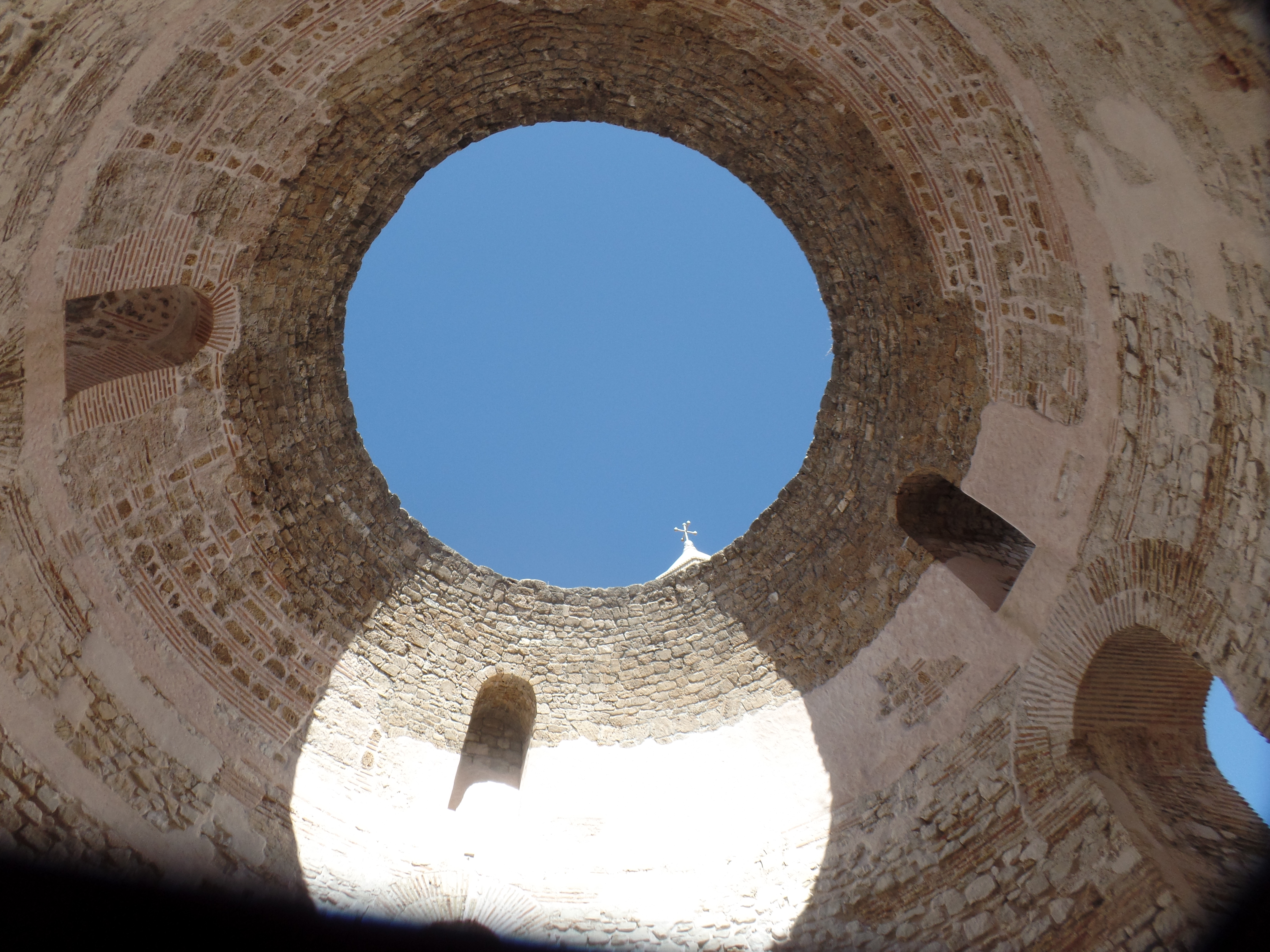
Here is the most astonishing view: The vestibule of Diocletian’s Palace, which once led to his living quarters.
Vestibule, Diocletian’s PalaceUnderneath the palace
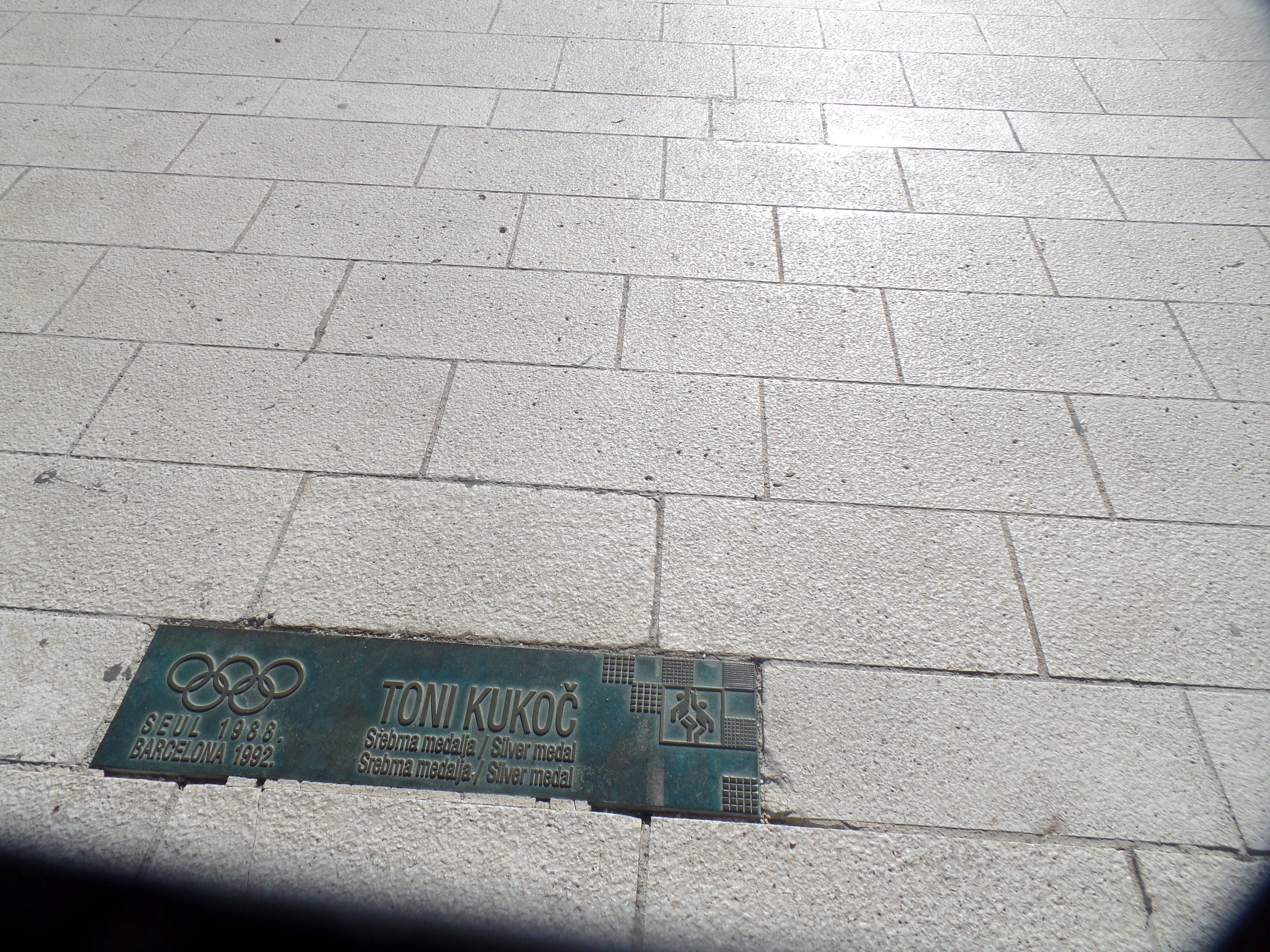
We closed out this extraordinary day with a visit to Split’s Athletes’ Walk of Fame. Many of Croatia’s stellar athletes came from Split.
Toni Kukoc, “The Croatian Sensation” of NBA fameGoran Ivanesevic, a great tennis player
With a few more views of the Walk of Fame, I bid farewell to my friend, Boris and headed back towards Hotel Pax, and a restful night, before the next leg of the journey: Bosnia and Hercegovina. Split will long shine in my heart.
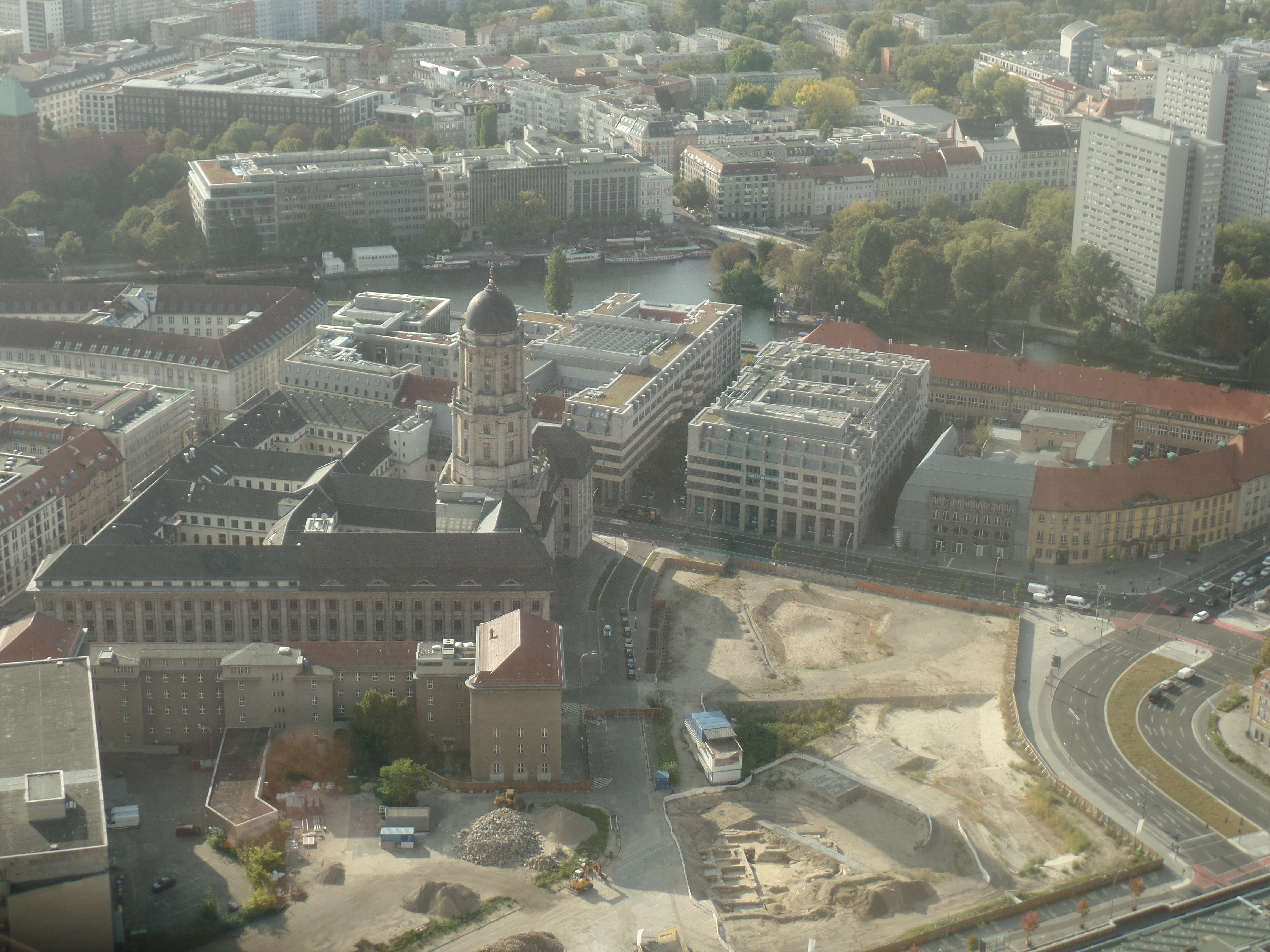
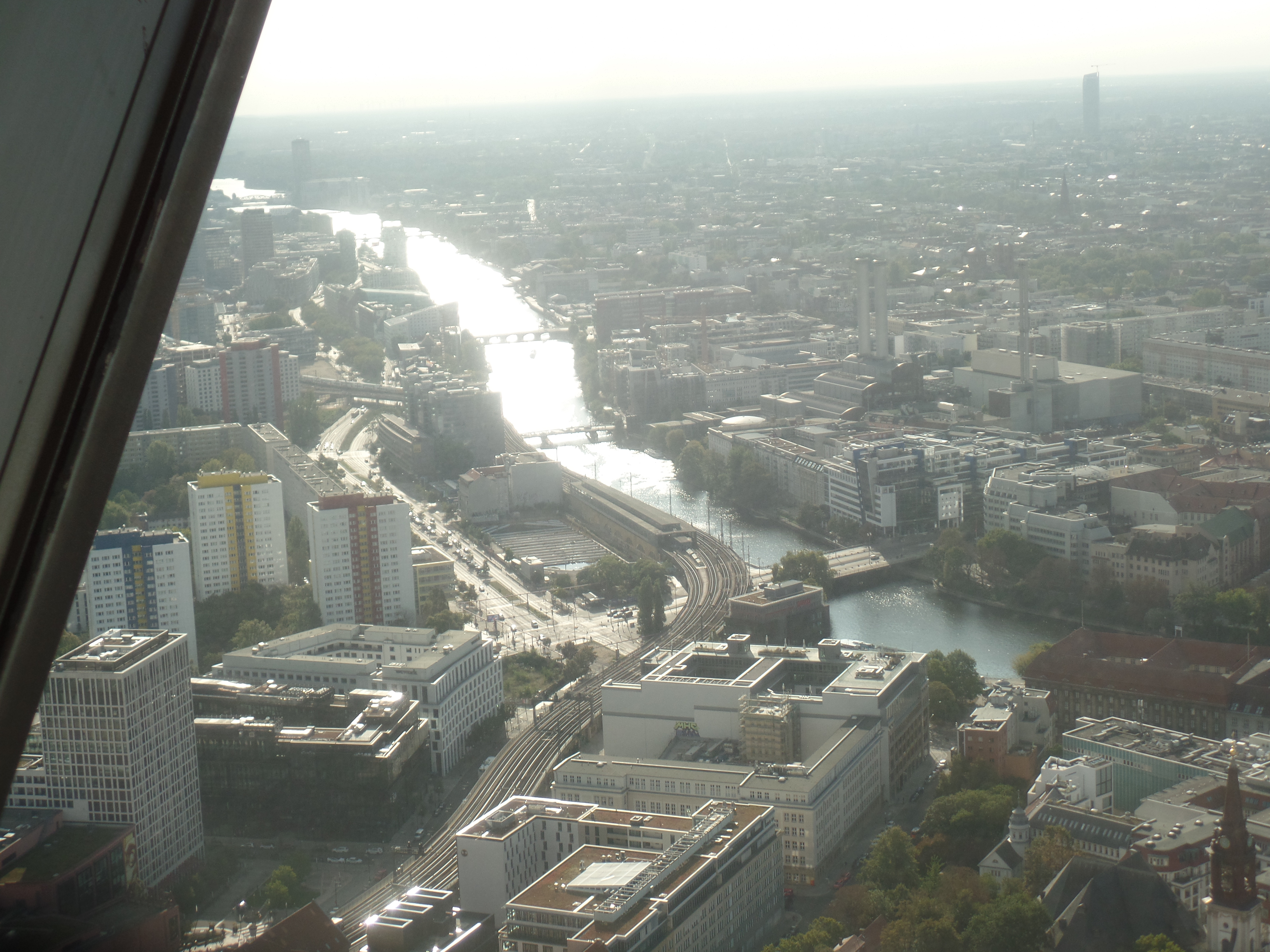
September 27, 2025, Berlin- Today was a momentous day, for both me and for Berlin itself. After breakfast at St. Christopher’s, I headed over to Berlin TV Tower. From the observation deck, on the 21st floor, I had a panoramic view of about half of Brandenburg. The great city never should have been divided, but since it was, there are remnants of the Wall barely visible from this vantage point. Brandenburg Gate is also discernible, to say nothing of the prominent buildings, like Berlin Cathedral (I saw the exterior), St. Nikolai Kirke (also could only view outside) and the Bundestag (off-limits, for the reason I will mention in a bit).
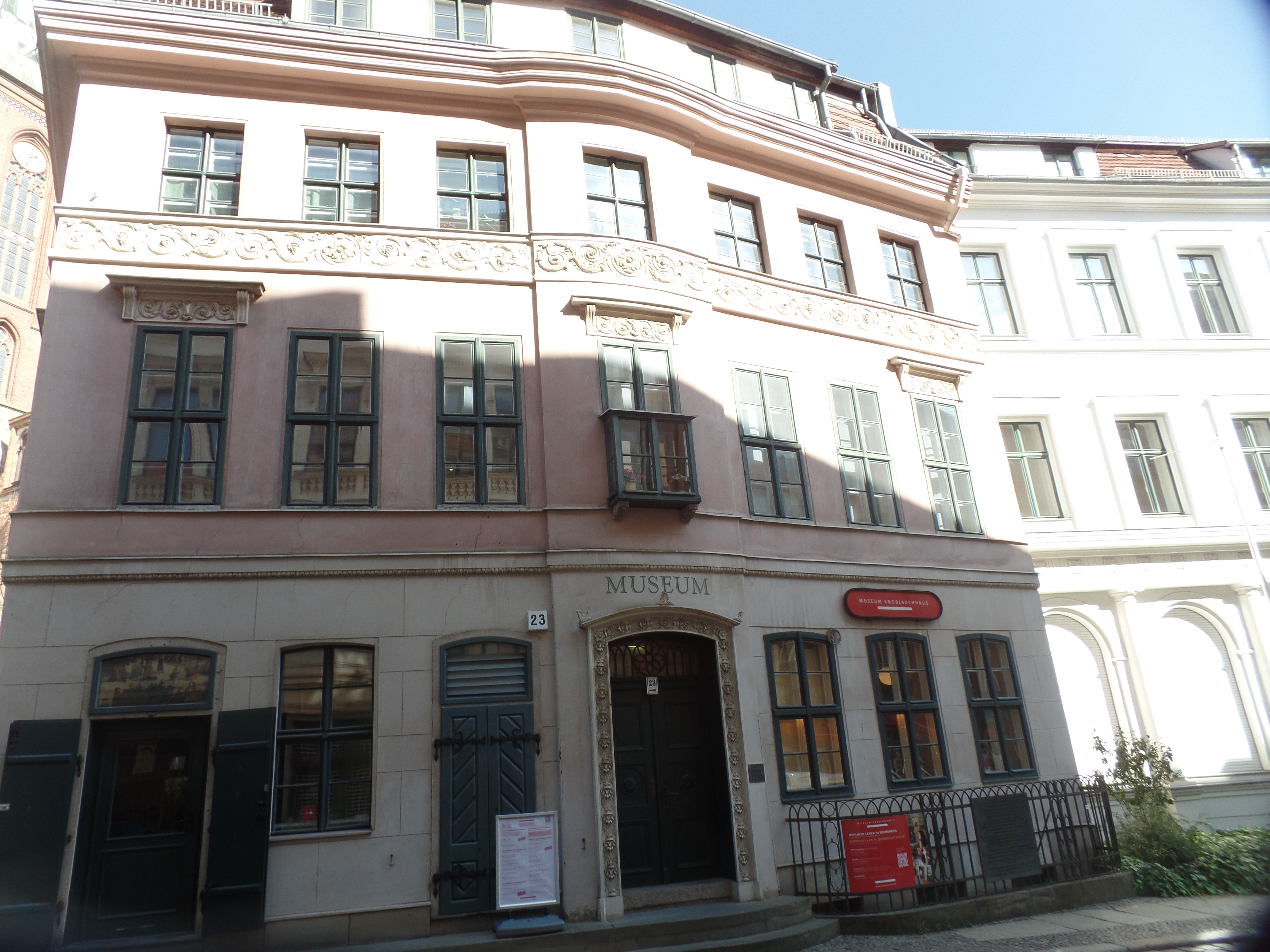
Once down from the tower, I headed to Berlin’s oldest neighbourhood, Nikolai Platz. I spotted the original spelling of the name of some extended family members, attached to the name of a museum, in what is described as Berlin’s oldest standing house, built between 1759-1761. Knoblauchhaus, the creation of Johann Kristian Knoblauch, a merchant of hooks and sockets, and of his builder sons, Carl and Christian. The family business continued, and thrived, under Carl’s watchful eyes. He became friends with several other prominent Berliners, including the brothers Wilhelm and Alexander von Humboldt, whose surname graces the city’s prominent university.
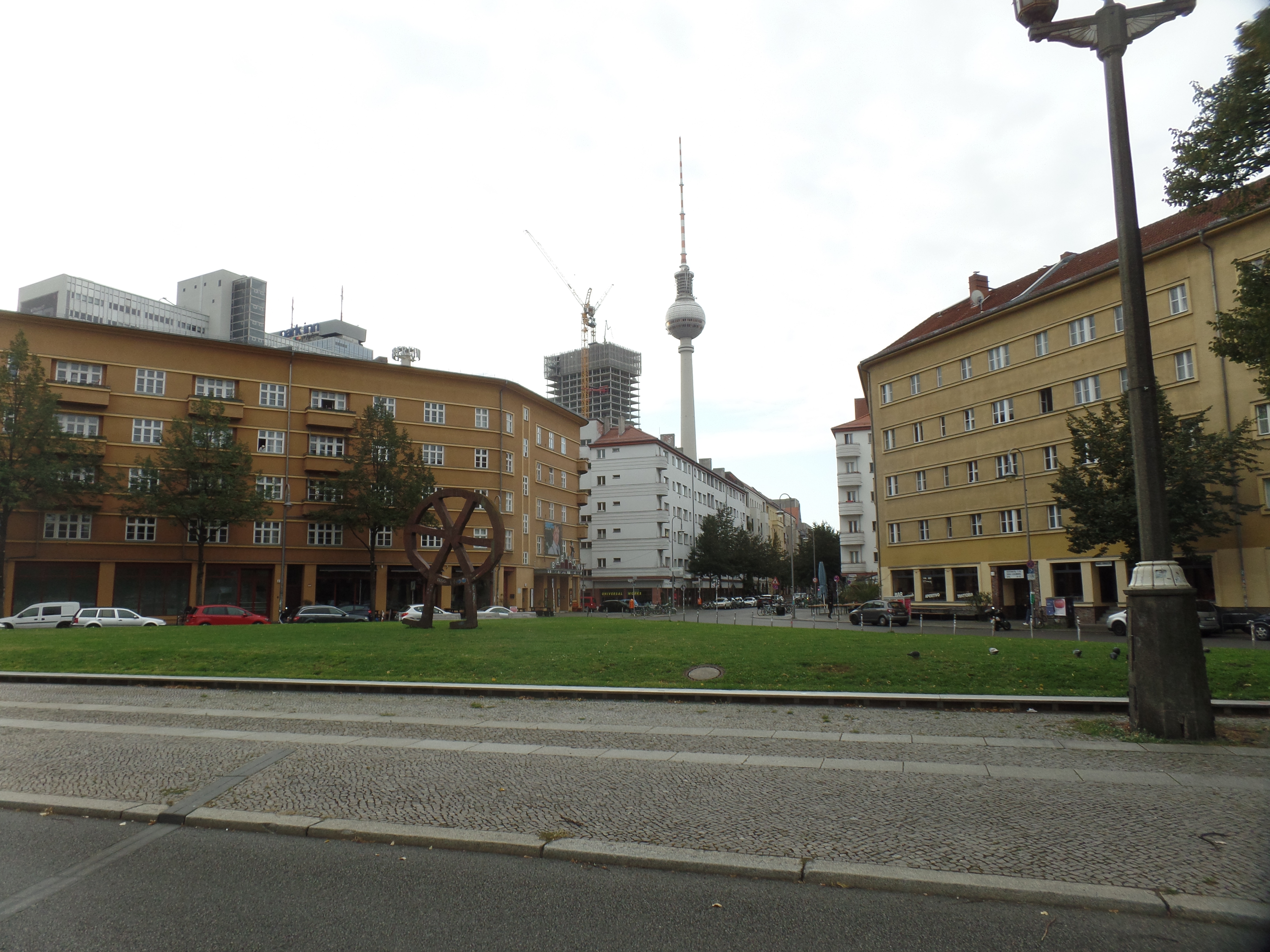
View of Berlin TV Tower, from St. Christopher’s InnView of Old Berlin, from Observation Deck, Berlin TV TowerView of River Spree, from Observation Deck, Berlin TV Tower
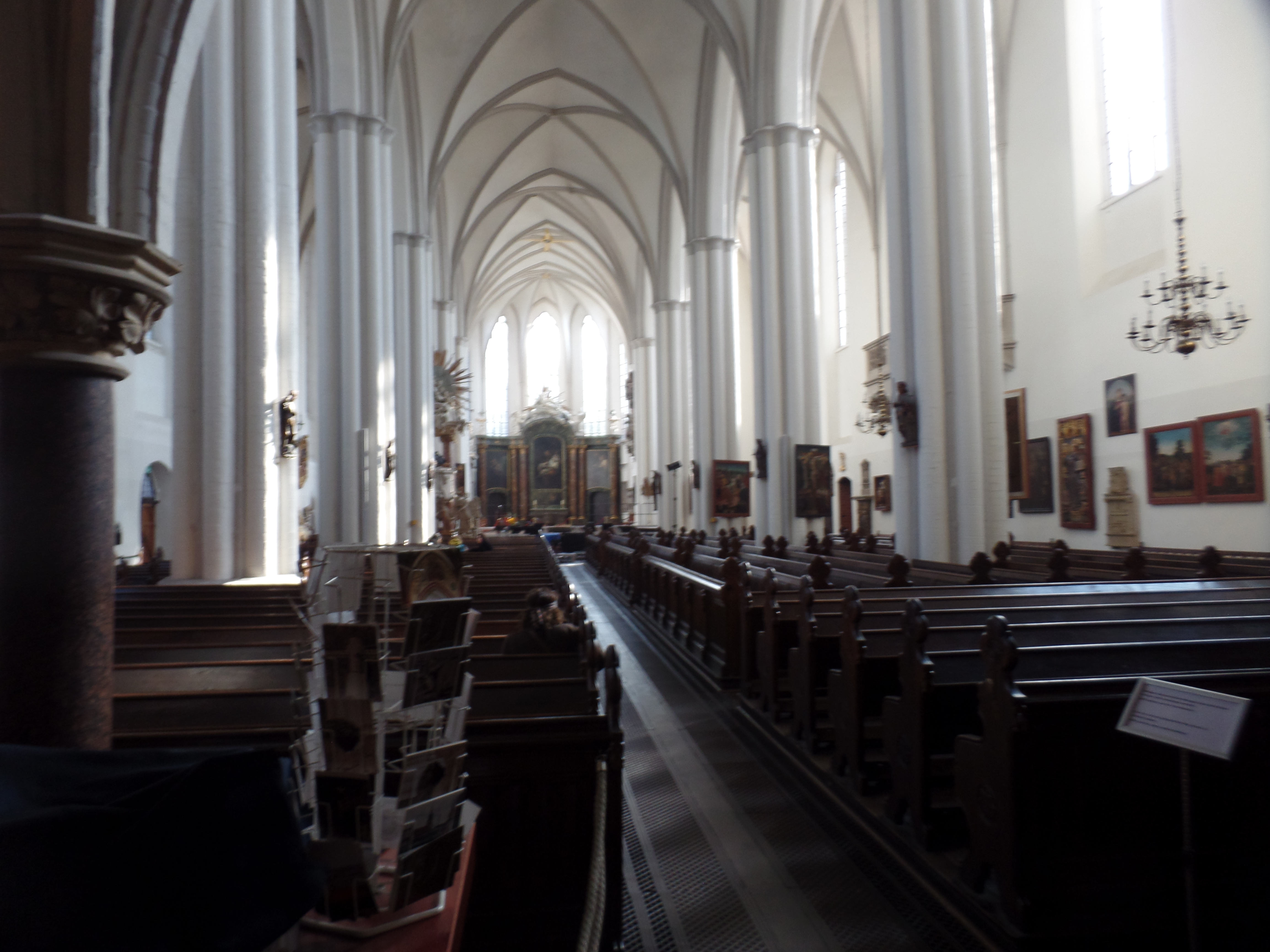
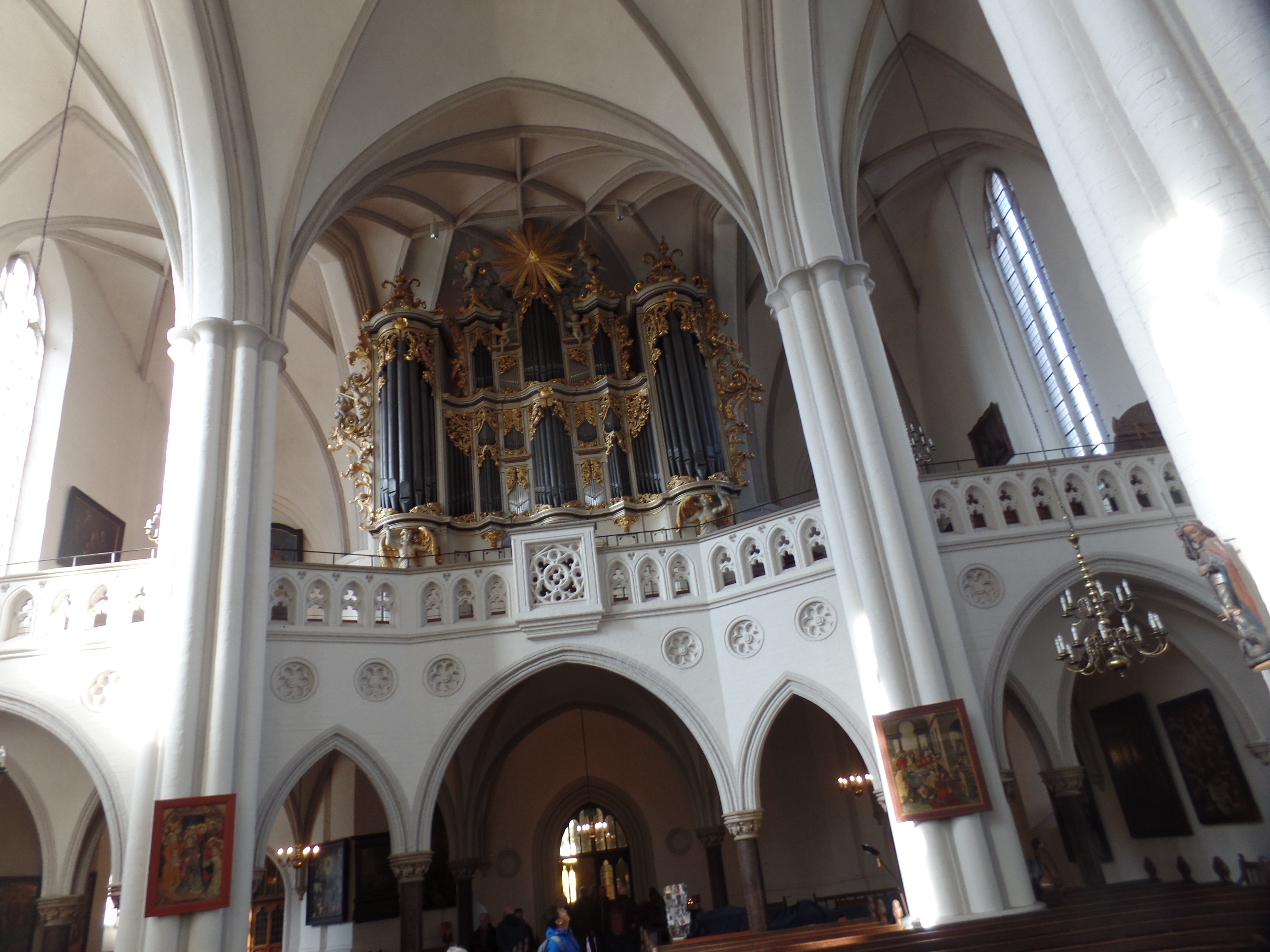
I was able to spend time in Marienkerke(St. Mary’s Church), as the planned demonstrations had not begun to form.
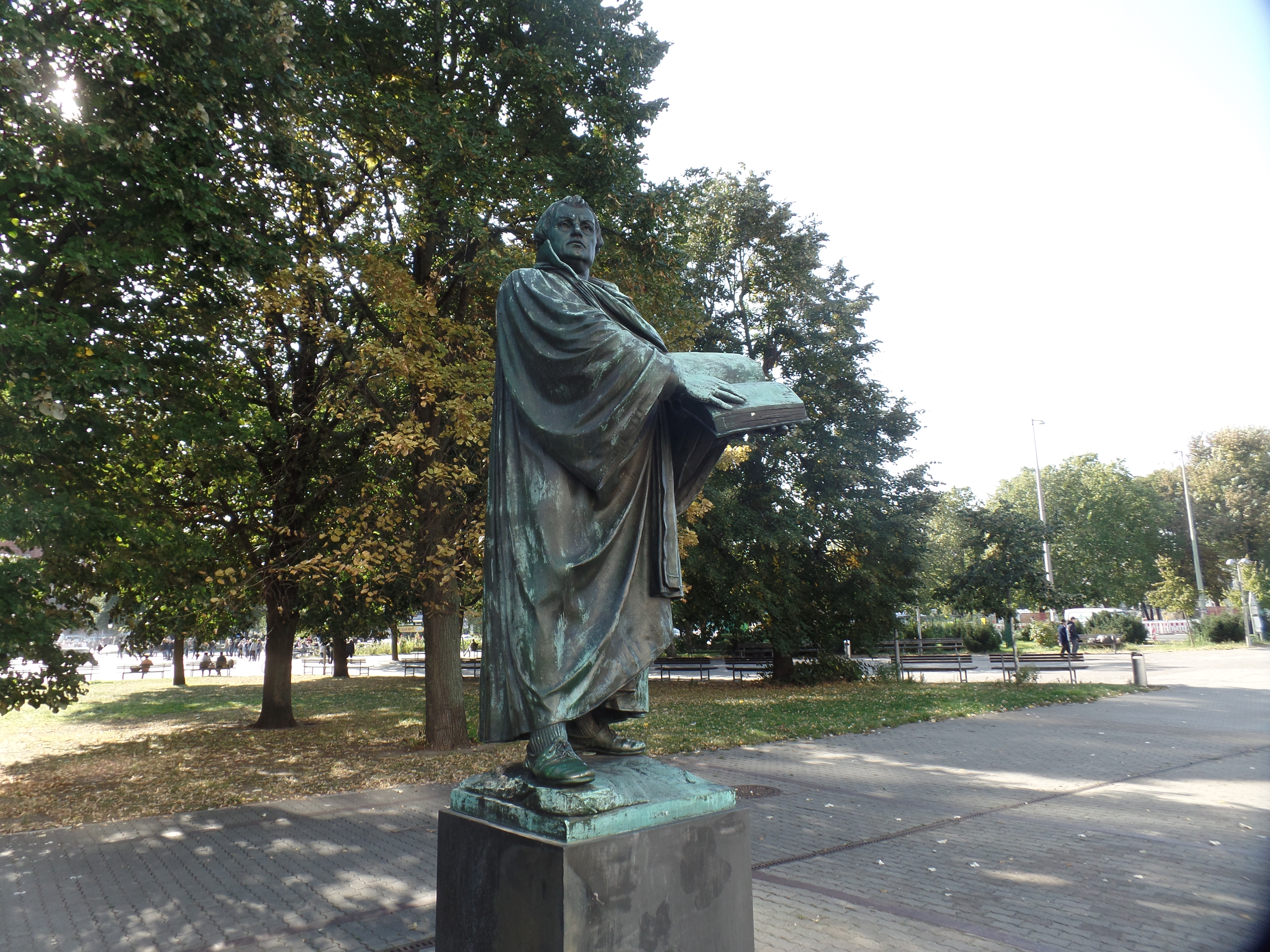
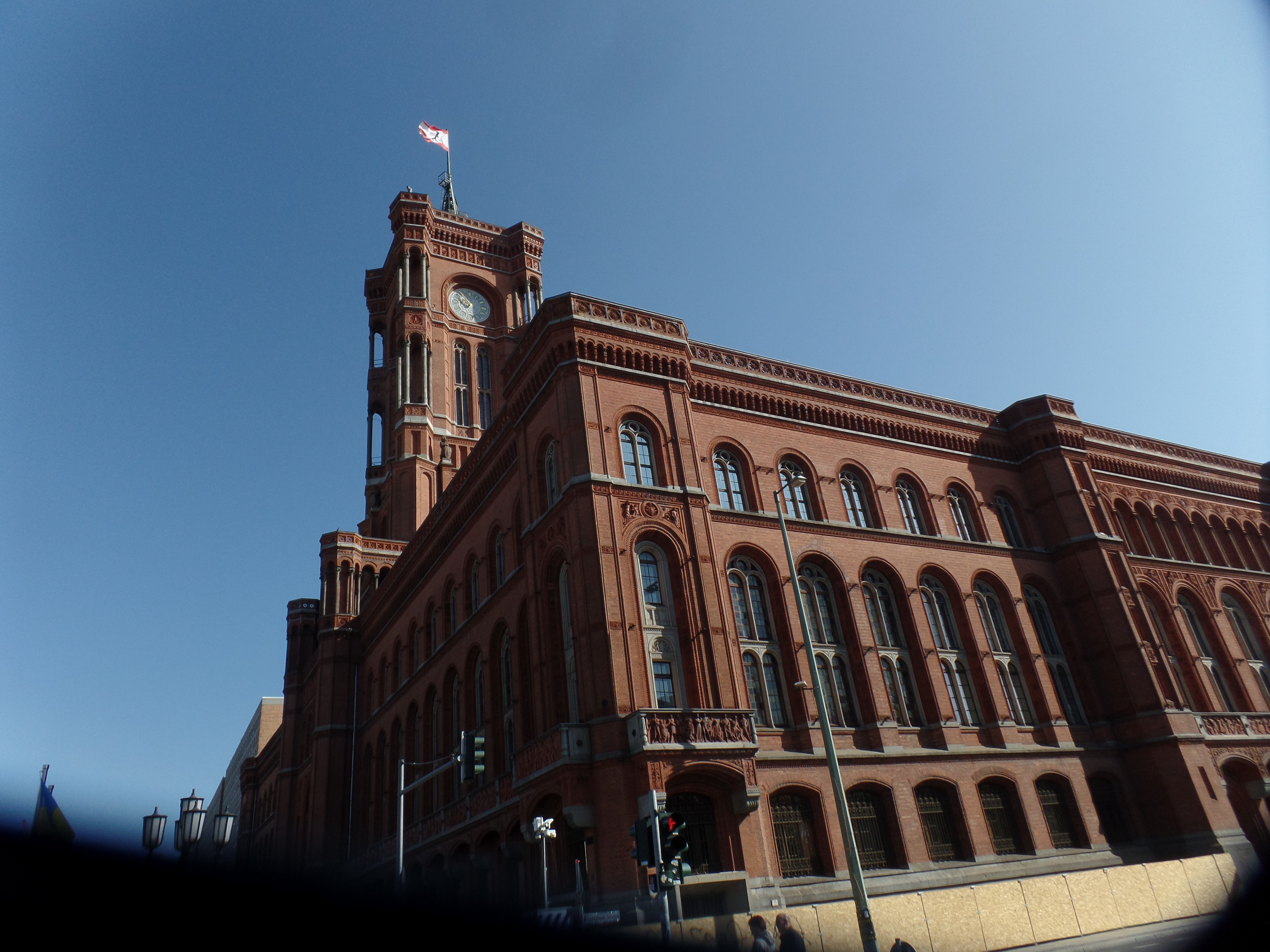
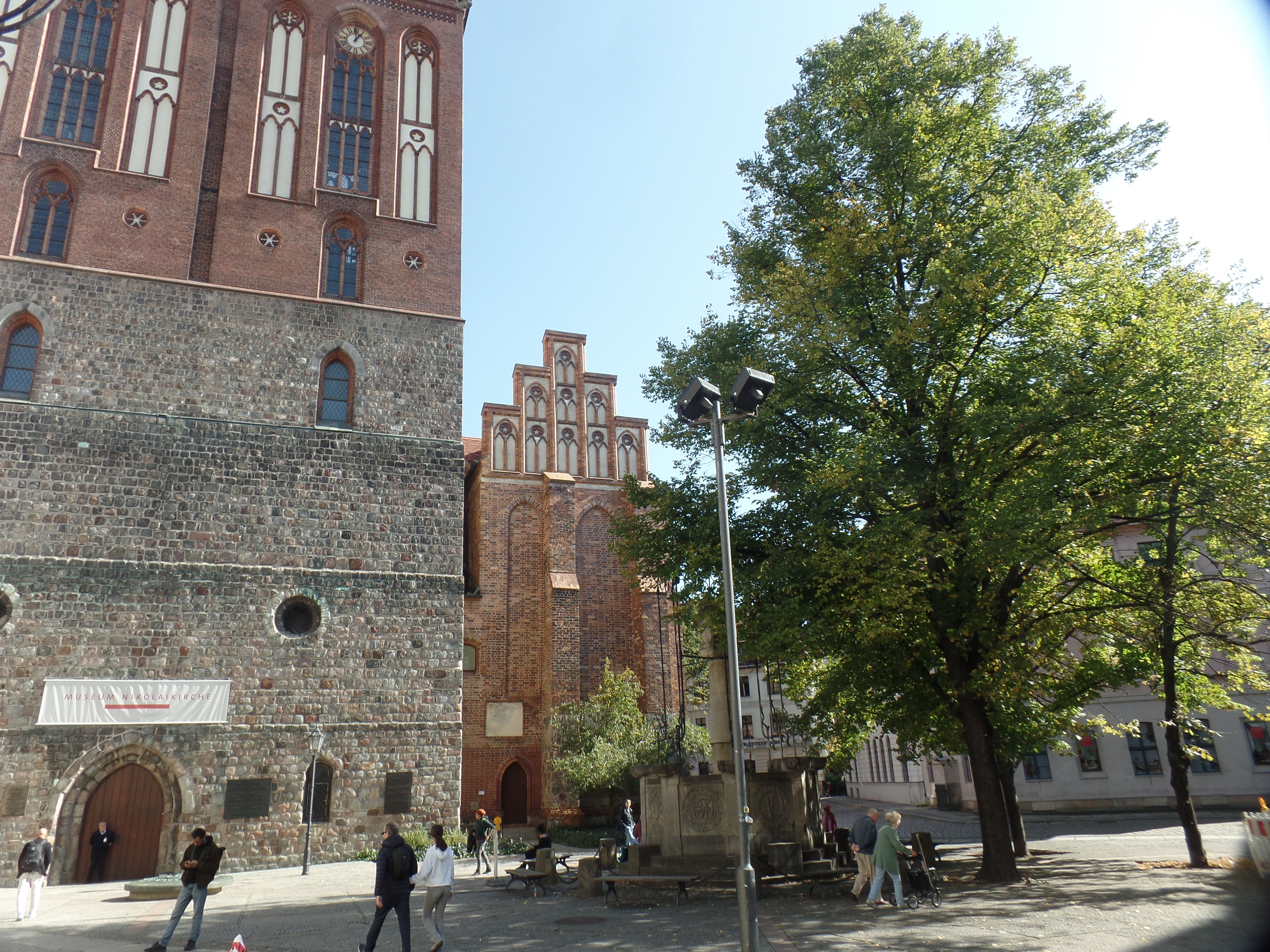
Marienkirche (St, Mary’s Church), BerlinInterior of Marienkerke, Berlin (above and below)Statue of Martin Luther, near St. Mary’s ChurchRotes Rathaus (Berlin City Hall), about a block south of MarienkerkeSt. Nicholas’ Church, in Nikolaiplatz (Oldest Berlin neighbourhood). You can barely see the guard at the door to St. Nikolai’s. He was there to turn away visitors.
I could not enter St. Nikolaikerke. I was able to visit Museum Knoblauchhaus. I got a lot of insight into one of Berlin’s oldest families, who were merchants, builders and patrons of art and science. They knew the brothers Wilhelm and Alexander von Humboldt, for whom Berlin’s great university is named. (Carl Heinrich) Eduard Knoblauch was an eminent builder in Berlin, in the mid-19th Century, designing and initiating the building of Berlin Synagogue, along with dozens of family homes.
One of the branches of my extended family has a variation of the name, Knoblauch.
Museum Knoblauchaus (Oldest house still standing in Berlin)
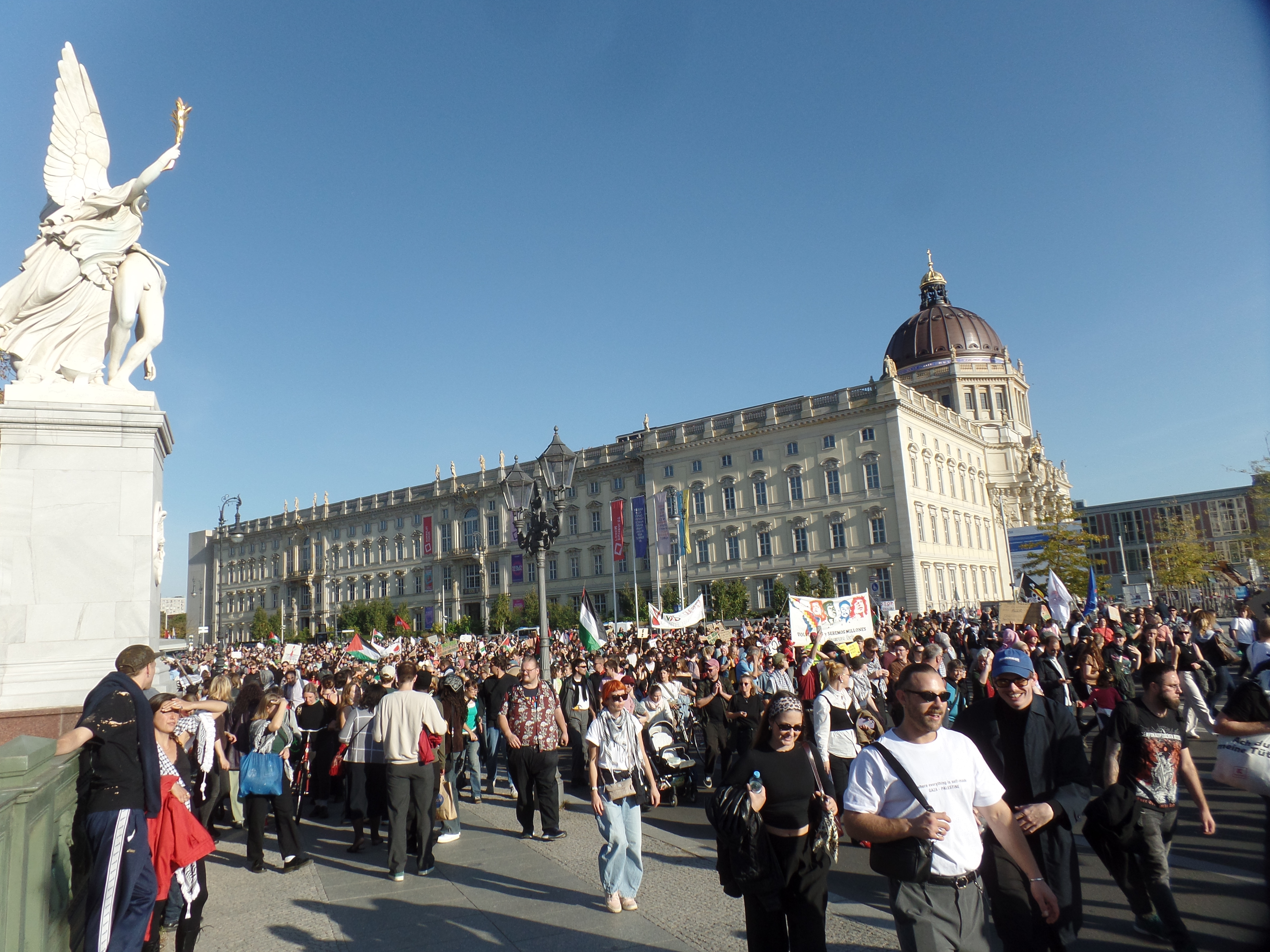
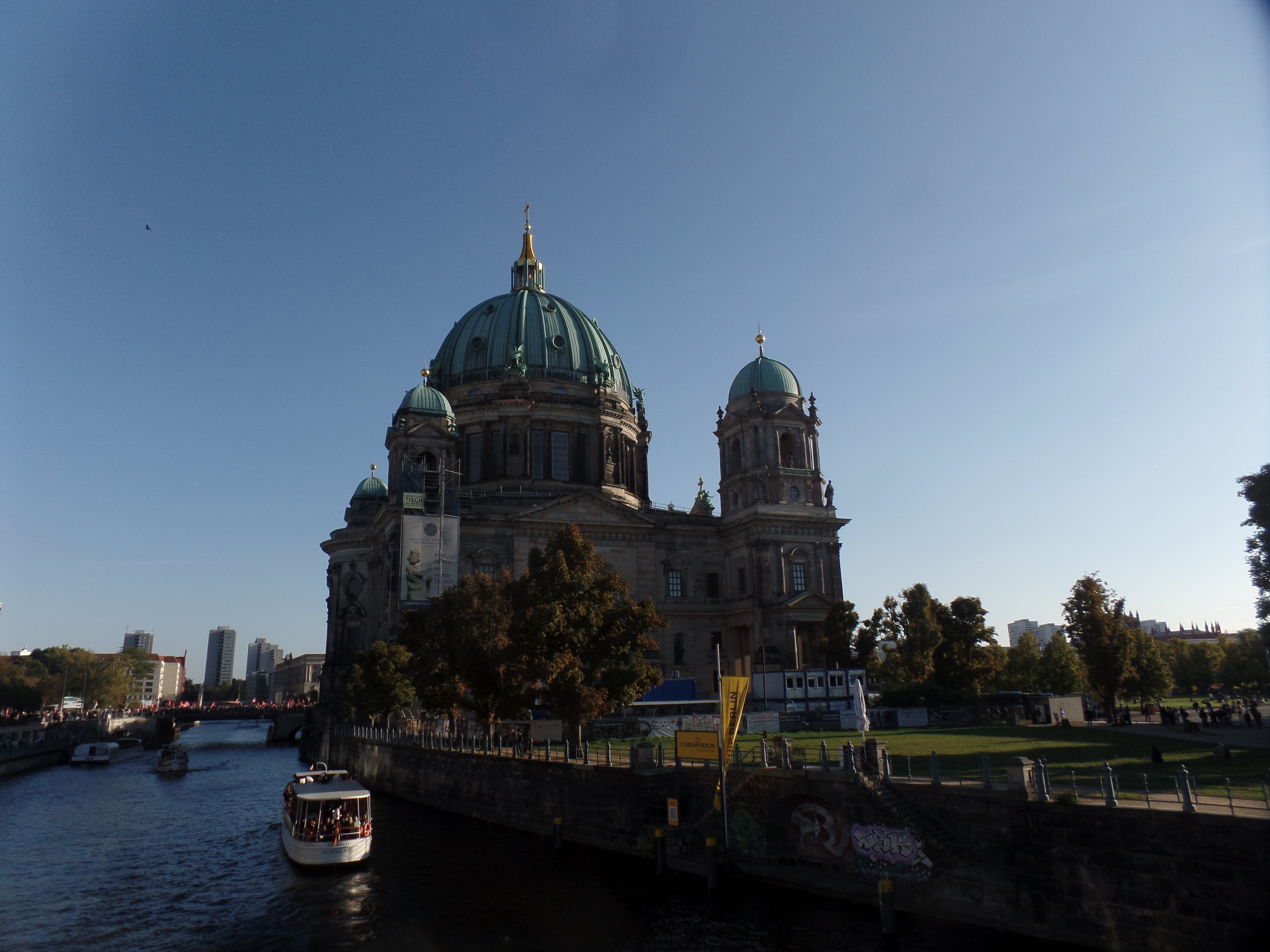
I also could not enter the great cathedral, nor could I visit the greater portion of the Museum of German History, because of this: 50,000 people, give or take, were taking part in the largest protest march I have ever witnessed.
Berlin speaks out
The focus was on Gaza and the ongoing military operation there. Yes, I stayed on the sidelines and minded my business. Besides,the Berlin police were there, peacefully, in force. It remained a peaceful event, from all accounts, but I focused on making my way back to the hostel, after an insightful two hours at two special exhibits of the Museum of German History.
Berlin Cathedral, on River Spree
The first exhibit pondered the question, “What if things had turned out differently, in the decades leading up to and during, World War II? ” It presented the causes of the Fascist takeover, and the various events that occurred under Hitler, as well as the long aftermath, up to German reunification. It asked several questions: “Suppose someone other than von Hindenburg had led Germany after the Versailles Treaty was signed? ” “What if Hitler HAD been assassinated?” “What if Patton HAD gone all the way to Moscow?” “What if there had been no policy of Ostpolitik, in the 1970s and early ’80s?”
The second exhibit showed various aspects of the Nazi occupation in Europe, with a particular focus on Poland, the former Czechoslovakia and France. There was no sugar-coating of what was done, so this exhibit made for a tough, but well-crated, prelude to my coming visit to Auschwitz-Birkenau.
Back at St.Christopher’s, there was little talk of the march downtown. The focus was all on soccer and rugby finals. I enclosed myself in my own world, and focused on this blog-and on my e-mails. Those were enough, after a momentous day.
September 26, 2025, Berlin- “Well now, that is certainly a rude awakening”, the burly leader of a group of German tourists huffed, as the news came over the loudspeaker that one of the cars on our train to Hamburg, from Kolding, DK, had broken down and that those of us (including me) who were scheduled to be on that train would now either have to ride in Standage or wait for a replacement car. He gathered the group, and held a brief consultation, while looking at me. A minute later, he told me that, as one of their group had dropped out of the trip, there was a seat in their cabin, and I was welcome to take it.
It turned out to be a most pleasant two hours. I even was offered, and accepted the no-show’s sandwich, which had been purchased, freshly made, from a delicatessen in the Aarhus area, earlier in the morning. Chicken salad with bacon is a favourite in Denmark and Germany. It was divine.
The day had started with my walking the .9 mile from Roberta’s Society Hostel to Aarhus Train Station. The challenge came onboard, when I had to remember how to call up the Rail Planner application on my phone, which contained my actual ticket to Berlin, with the seat reservations only supplementary. The conductor, at one point, wanted to see a QR code on the RP page, but was overruled by her supervisor, who saw that as a waste of time. Good thing, as Rail Planner doesn’t provide QR Codes for its Rail Pass system.
With that behind me, one of my seat mates on the first leg (Aarhus to Kolding) opined that she had never heard of a QR code for a train ticket. She was Gen Z, so that pretty much settled the matter. Kids can pretty much do any transaction on a phone that can be done.
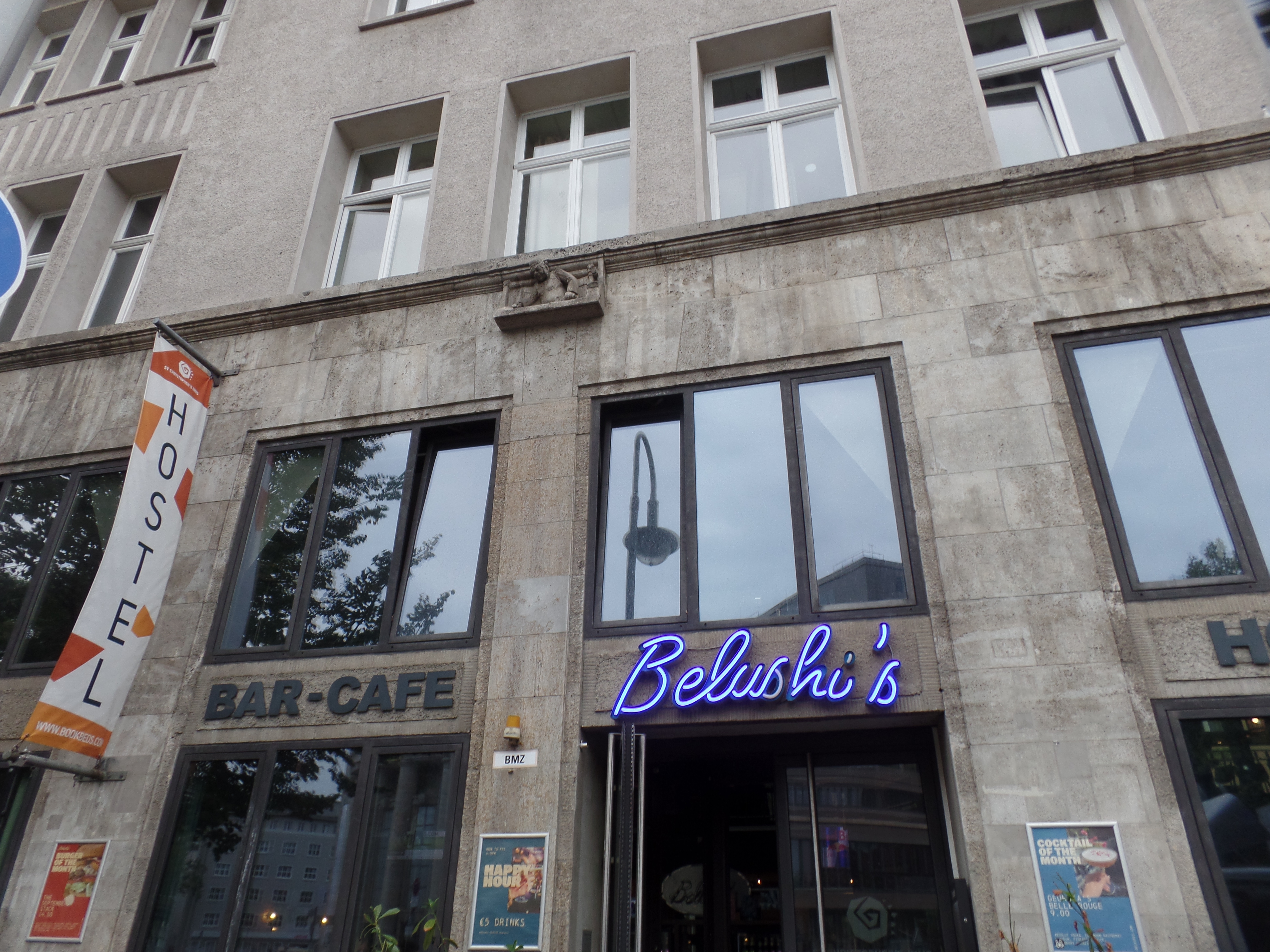
Once in Hamburg, I bid farewell to the German tour group and settled in for a smooth, non-eventful final leg to Berlin Hauptbanhof (Central Station). It took my usual fussing at Spectrum’s stingy Internet service (non-existent outside North America) and scrambling to find a shop or cafe whose WiFi I could use to get directions to St. Christopher’s Hostel from Central Station, over a period of thirty-five minutes, before I settled on the S-bahn (Streetcars). I ended up at Alexanderplatz, where a Tourist Office worker gave me directions for walking the rest of the way. I found the hostel, which has a bar and grill attached, in short order (no pun intended, especially as John Belushi would have either groaned or thrown something at me). St,. Christopher’s and Belushi’s are teamed up in various cities around Europe. Chain hostels, including Generator (my Copenhagen digs), are quite the rage.
The Berlin hostel is in an old building, so it has its challenges, but I like the vibe here. The Rugby championships and various soccer matches are on the TV screens, so it wouldn’t be a dull 1 1/2 days, even if I opted to sit in the hostel all day. That is not happening. I will be out and about, exploring Berlin’s oldest neighbourhood and possibly seeking out remnants of the Berlin Wall-a reminder of what happens to attempts to separate people on artificial grounds.
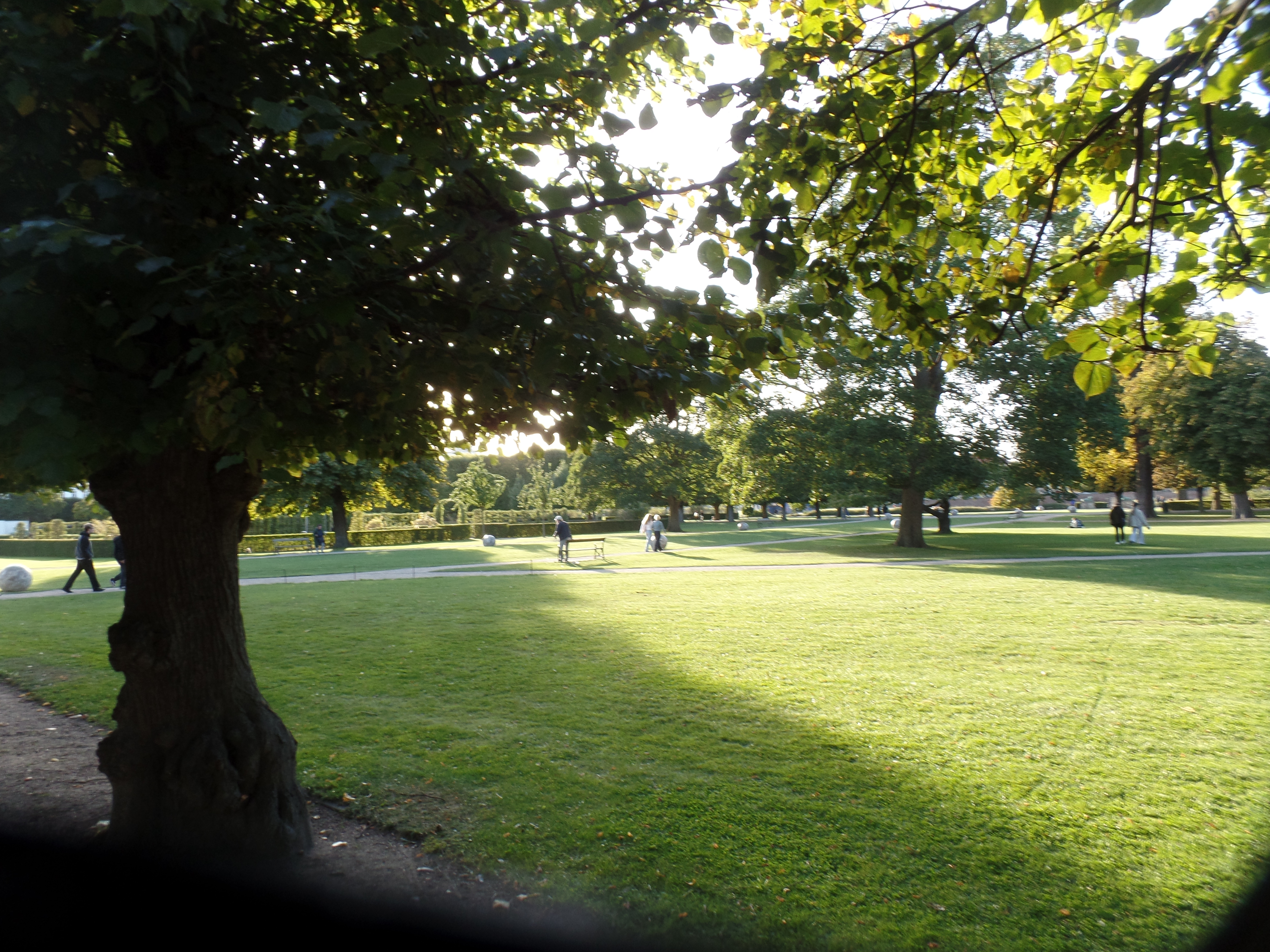
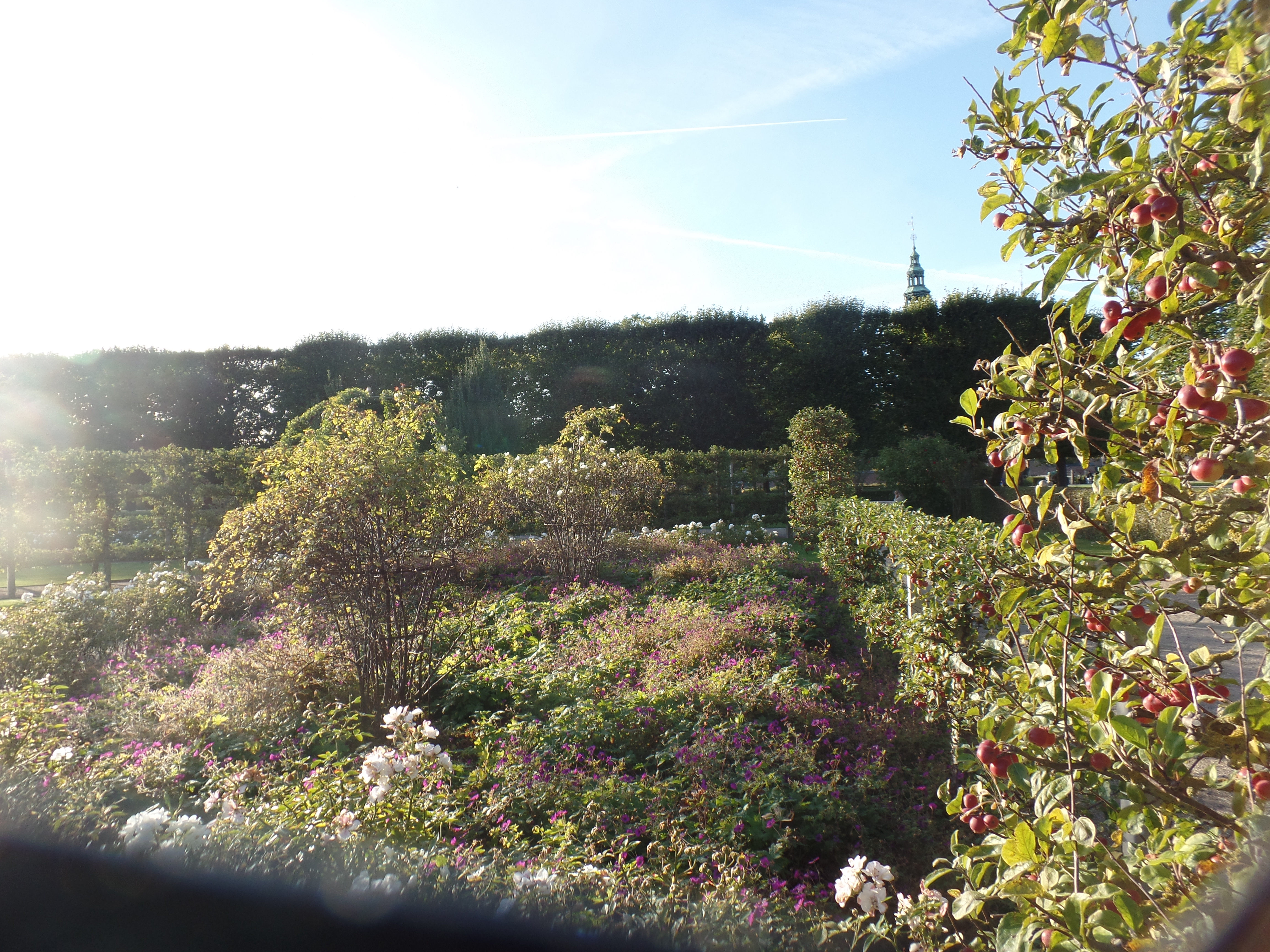
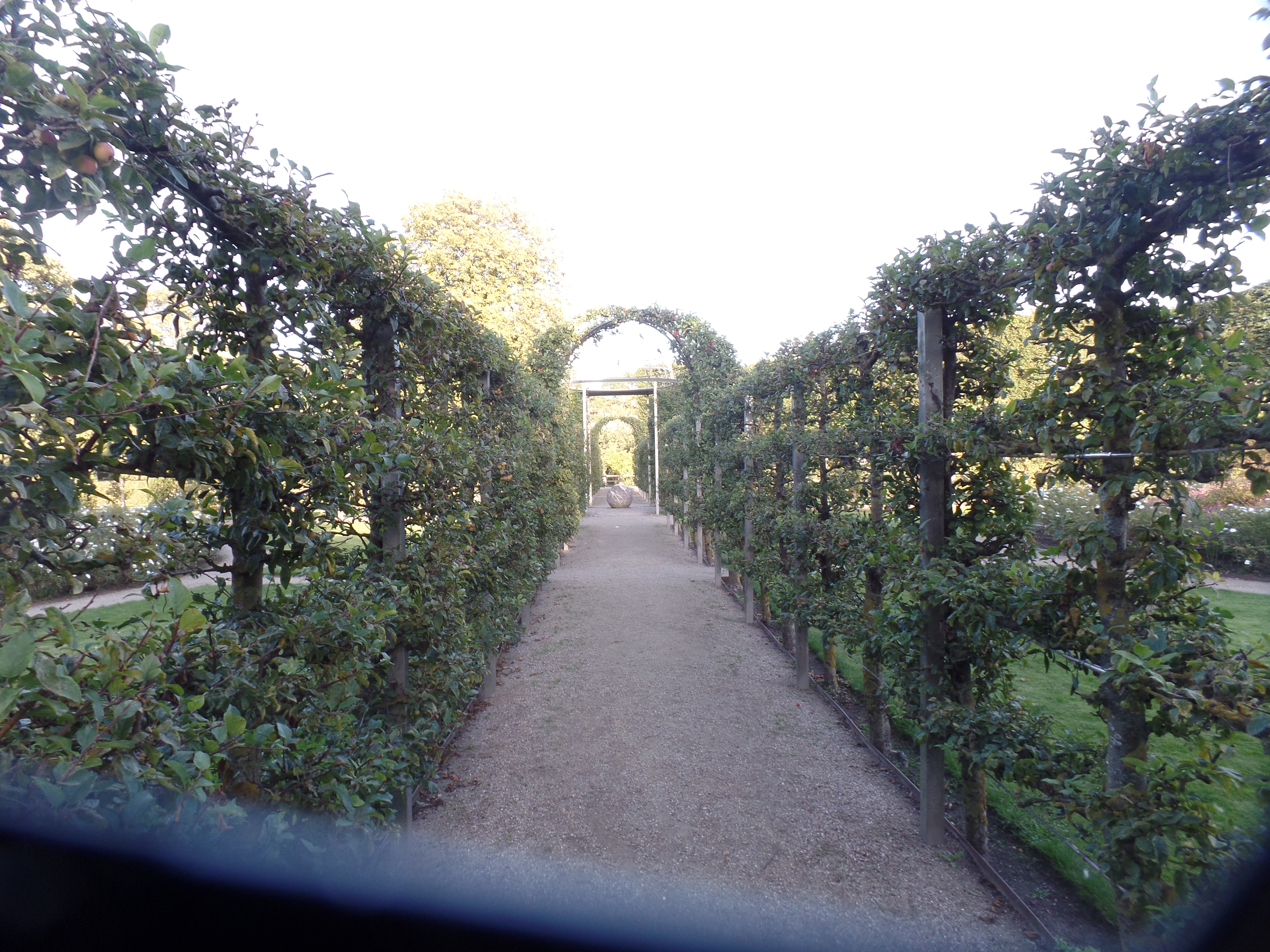
September 24, 2025, Copenhagen- Kongen Have, the King’s Garden, was the third place where I experienced quiet today. It was certainly filled with people, but it was day’s end. People were quietly jogging, sitting on a blanket enjoying a picnic supper or closer to Rosenberg Palace, walking among the flowers for which the edifice is named.
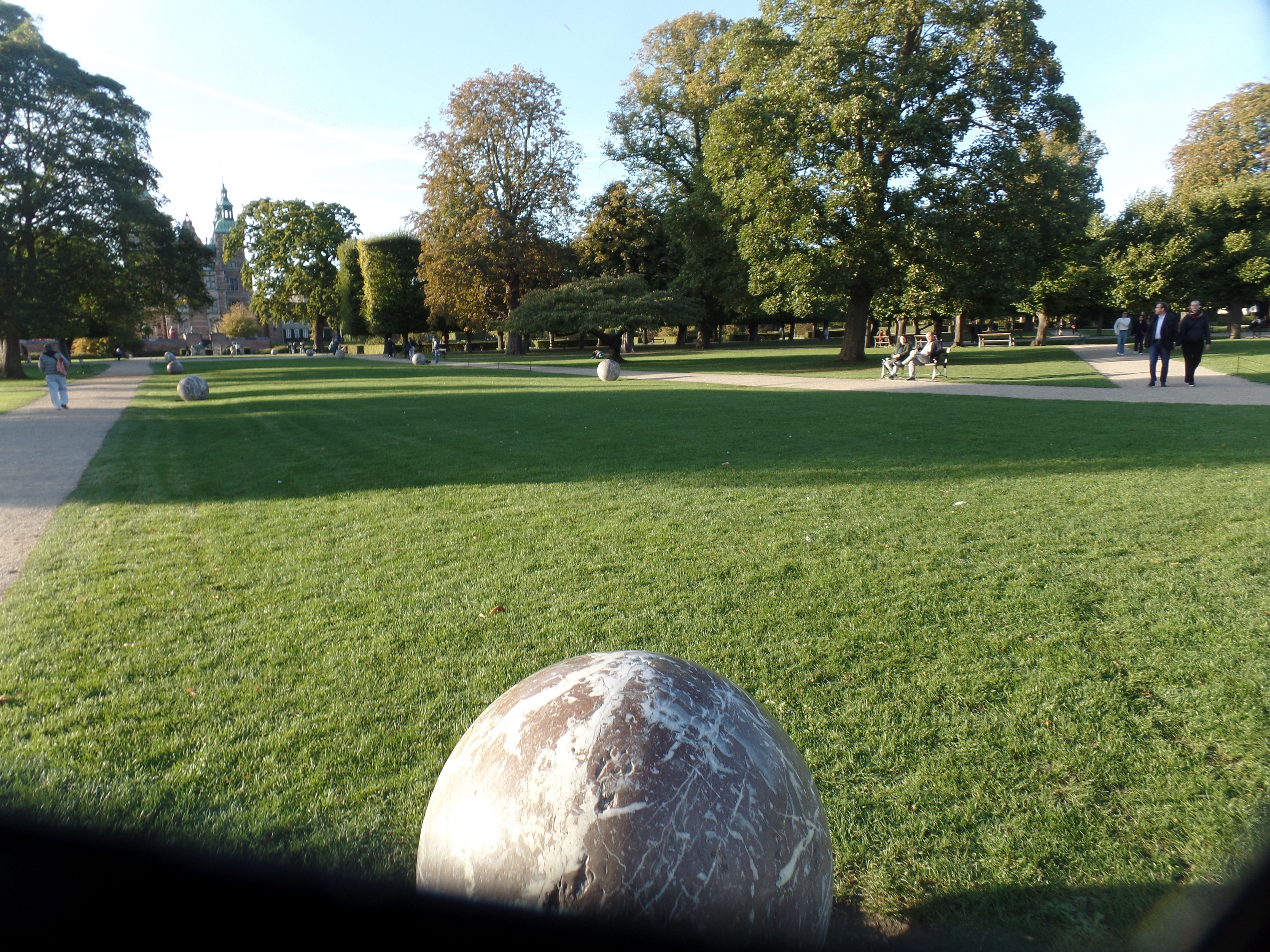
Roses, near Rosenberg PalaceRosenberg Palace-It was closed by the time I got here, but the grounds were well worth the walkabout. So, too, was the main section of this salubrious public space.Foreground of King’s GardenFashioned boulders, arranged in a triangleThe garden runs the gamut, from wild….to the sculpted and curated.
All was calm and bright, even in the gloaming.
Rosenberg Palace, across the moat. Ariel was a bit off my path, but she would feel right at home here, especially in the moat!
The mandarin ducks were certainly delighted!
With that came the realization that my Copenhagen visit is coming to a close. An all-too-brief visit to the “foodie city” of Aarhus is next, and a visit to Berlin will give me a sense of another of the world’s great cities. I am sure there will be some special moments in each. Stay tuned!
September 24, 2025, Copenhagen– The amazing thing about today was the three instances of almost total quiet that enveloped a place where I happened to be, even though there were large numbers of people about.
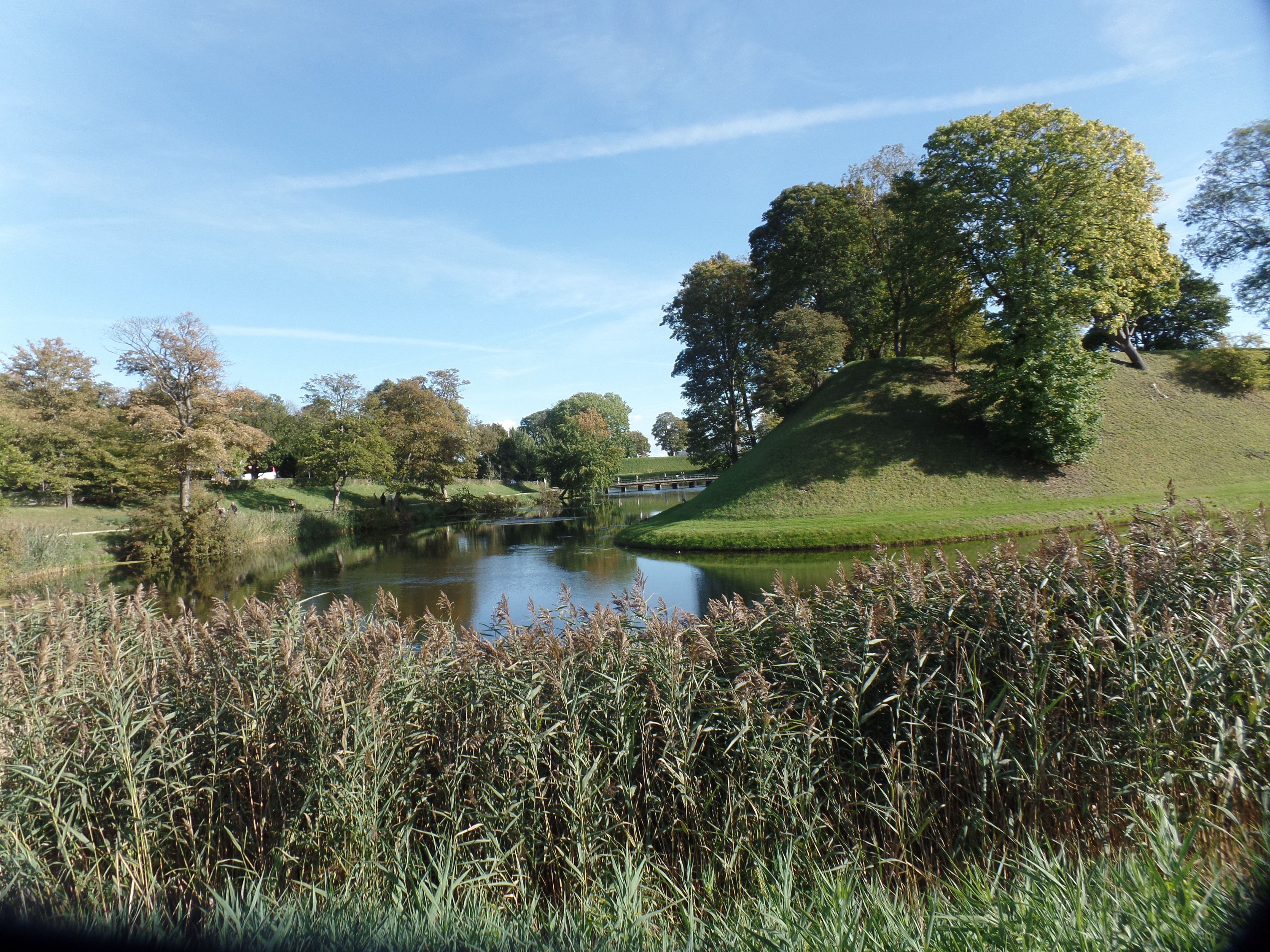
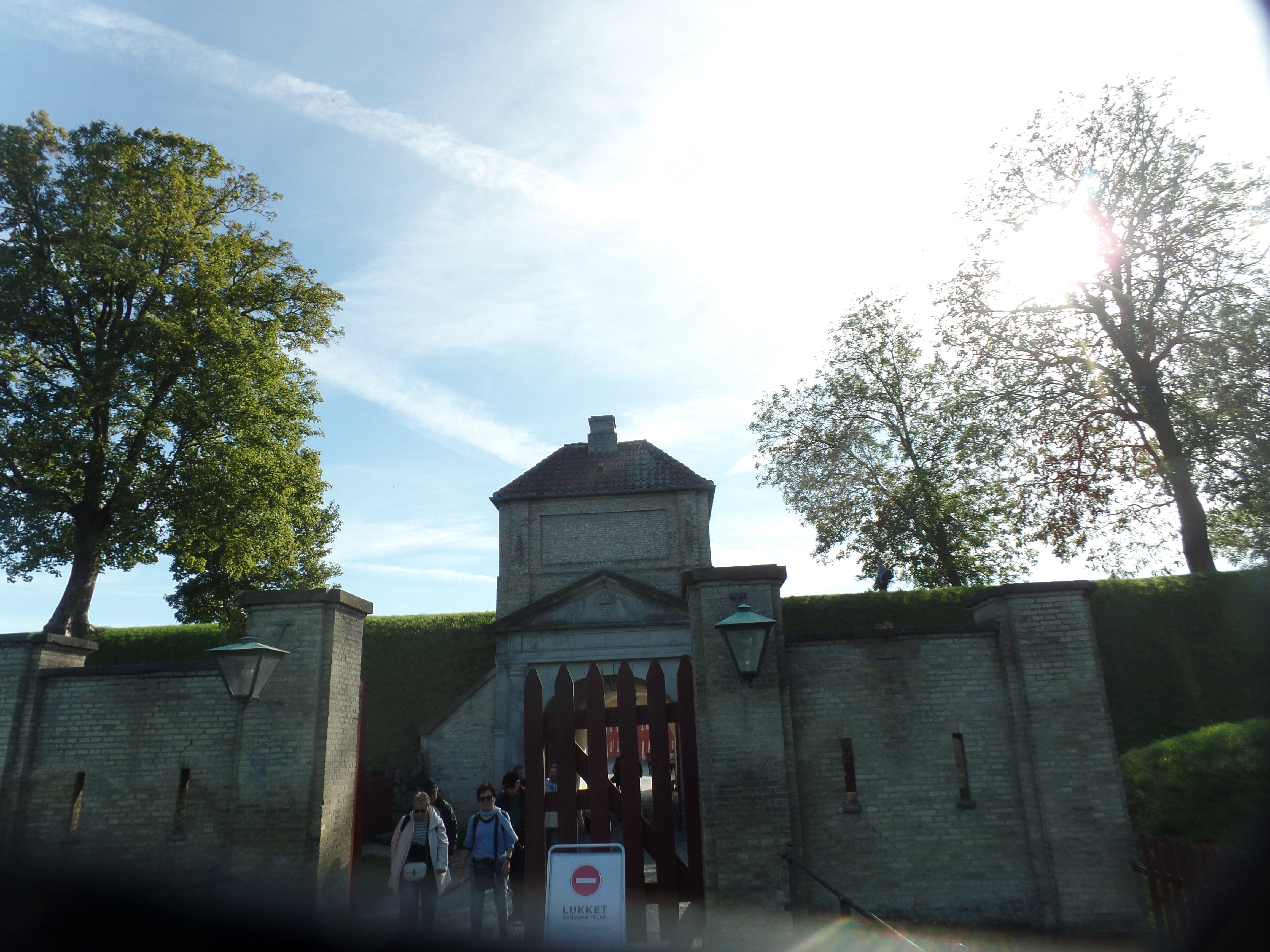
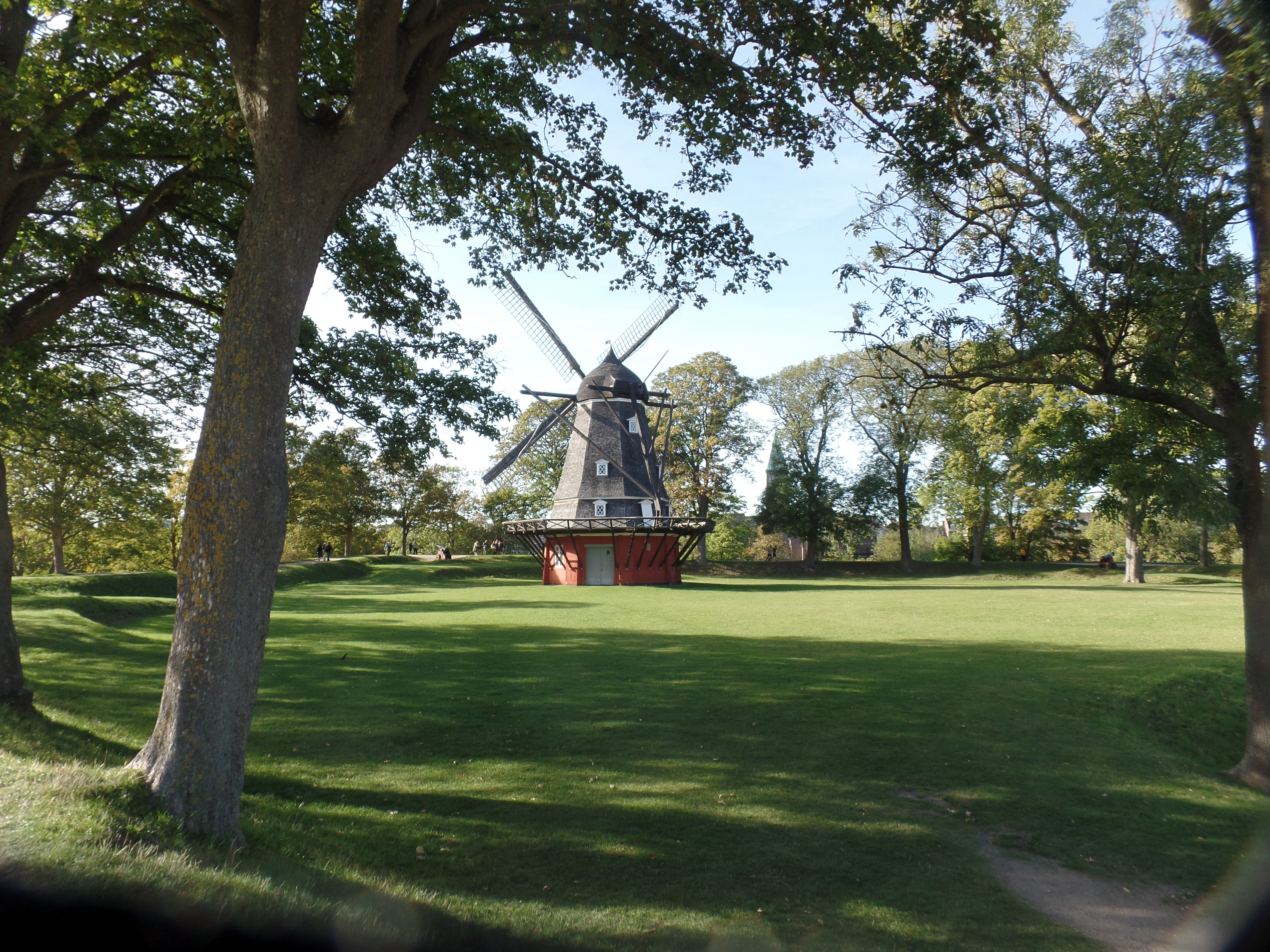
First was Kastellet, a one-time regal fortress that was totally given over to the Danish military, following World War II. It had been fortified after a Swedish siege of Copenhagen, in the Seventeenth Century, but proved an effective deterrent against the British, in 1704. Today, I was impressed with the intensity of Danish troops engaged in individual and group training. Kastellet’s archives detail the various occasions in which Denmark has contributed to peacekeeping activities, since World War Ii. The nation is a vital part of NATO, and of United Nations peacekeeping efforts. It behooves other nations to keep this in mind.
Moat at Kastellet, CopenhagenAnother visitor from North America-a Great Blue Heron!Another view of the moat and ramparts, KastelletA view of the wallCommander’s HouseBarracks, KastelletCitadel ChurchDutch-style windmill-replaced an earlier mill that was destroyed in a storm.
After leaving Kastellet, I had only to walk a short distance before noticing a large dome. This turned out to be Frederiks Kirke, and it is the largest domed church in Scandinavia. Once inside, all are to maintain silence-and we all did. Soft, soothing music was the only sound. No loudly-clicking cameras or flash photography are permitted inside, either.About seventy of us were inside, and quiet.
Frederiks Kirke
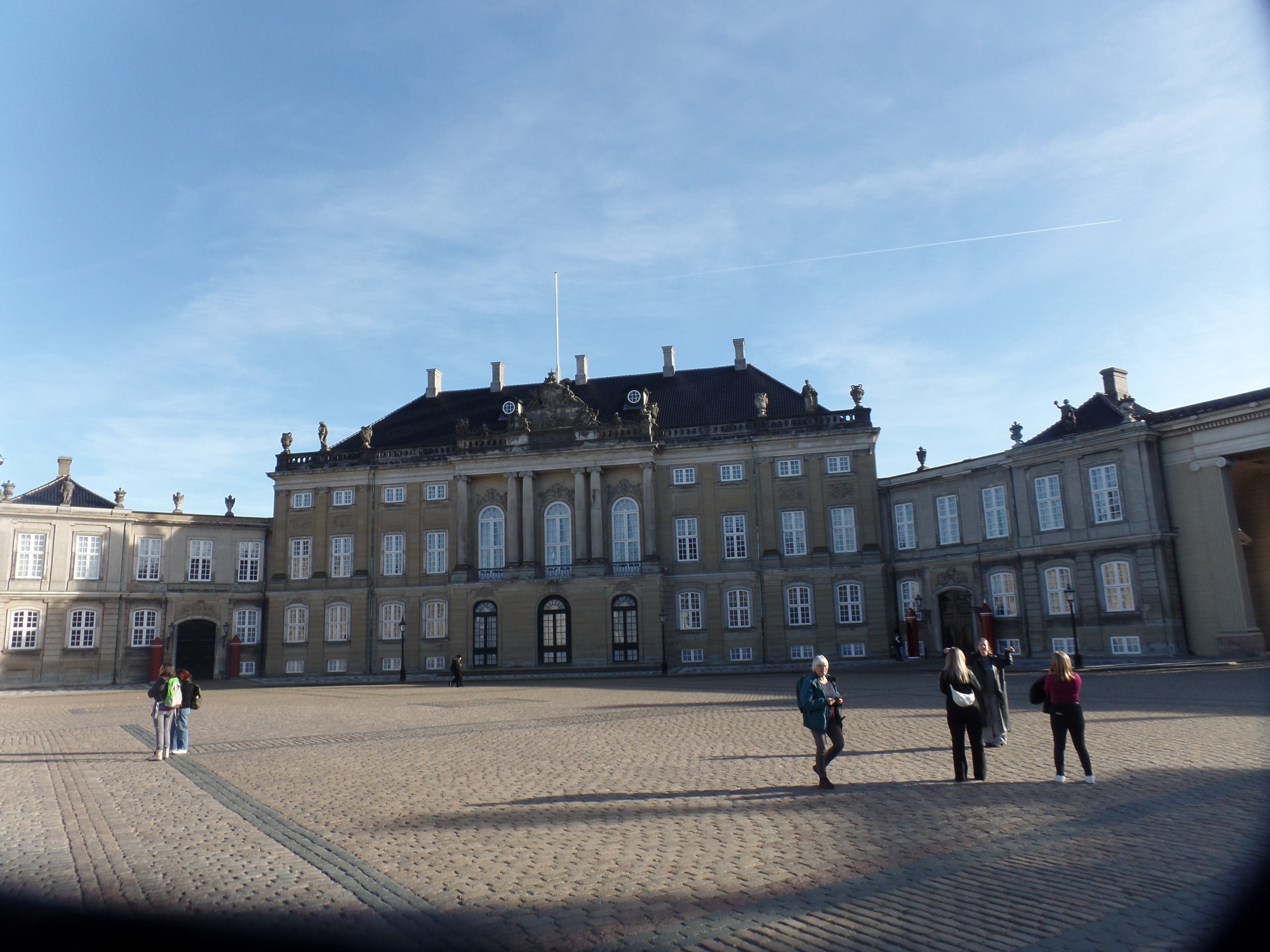
After spending about twenty minutes in the great church, I went across the street to the large complex of palaces, which punctuate Frederikssgade. Below are the palaces, in a clockwise direction.
Amalianborg, on the left, with Christian VIII’s palace to the right.Frederik VIII’s PalaceChristian IX’s palace
I left the quiet atmosphere of the royal courtyard, and went back to the bustle of Old Town, via the Yellow Palace, which now houses many offices of the Danish government.
Yellow Palace, Copenhagen
It was time to get a bit of supper, and reflect. Ironically, both would take me the third place of solitude- Kongen Have (King’s Garden) More on this bit of heaven, in the next post.
September 23, 2025, Copenhagen- There is something fairy tale-like about Helsingor. Like a Danish version of Visby, it largely is filled with cobblestone streets. Unlike Visby, its Old Town is mostly a no-car zone. Here are some of the Old Town scenes I promised you last night.
Old Town street, HelsingorHamlet Hotel, Helsingor is across the street from Skandia, where I stayed last night.St.Marie’s Church, HelsingorDom Church (Cathedral) of Helsingor
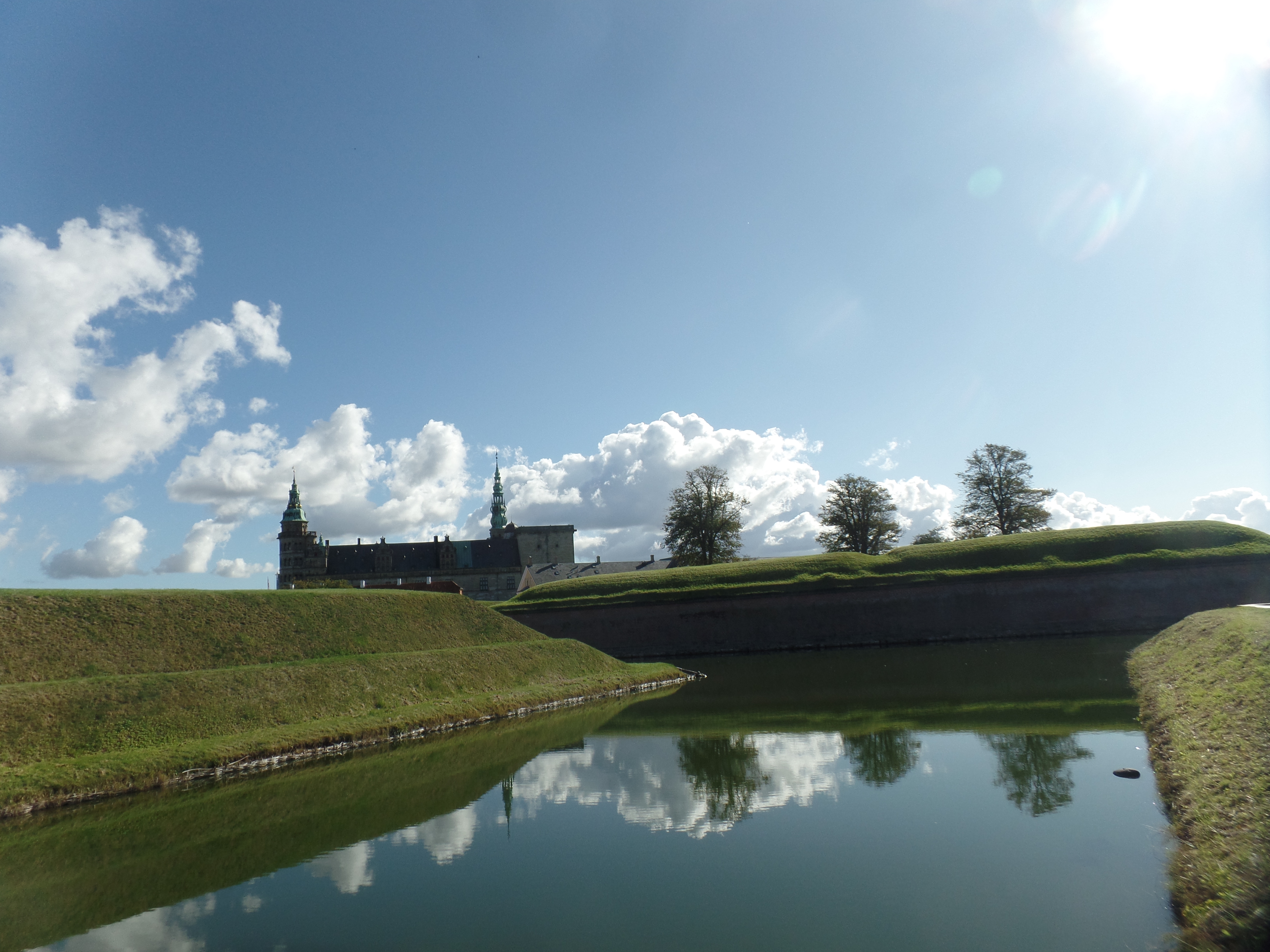
Now, here is the crown jewel of Old Elsinore: Kronborg Castle, which was William Shakespeare’s setting for Hamlet.
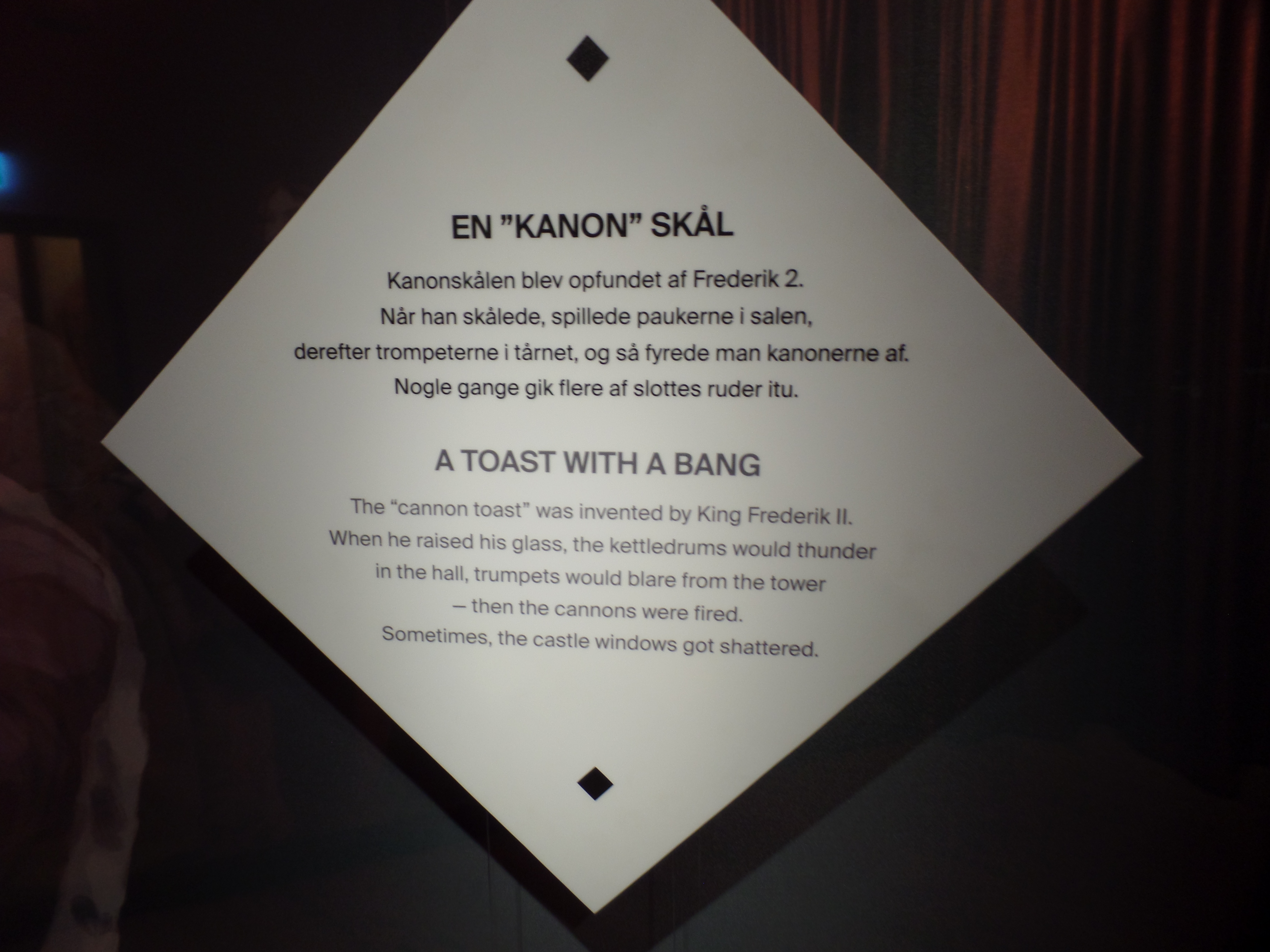
Denmark has been a country since the 11th Century. Around 1424, King Eric VII built the prototype of the fortress, overlooking Oresund, which separates Sjaelland (“SHEL-land) from the Swedish Peninsula, at its narrowest point, In 1585, King Frederick II expanded the fortress into a magnificent castle. The fortress burned down, in 1629, after which King Kristian IV had it rebuilt. In 1658, the fortress proved insufficient to withstand an attack by Sweden, during the war in which the latter seized control of Scandia, the southernmost part of the peninsula, from the Danes. In 1785, Kronborg became a military barracks, as the king had moved to Copenhagen. It was given to the Danish people, in the 1920s, as an historical treasure.
What a treasure it is! Here are seven photos of the grounds and the interior, including the extensive Casemates (the dungeons and underground refuge of the royals, during the war with Sweden.).
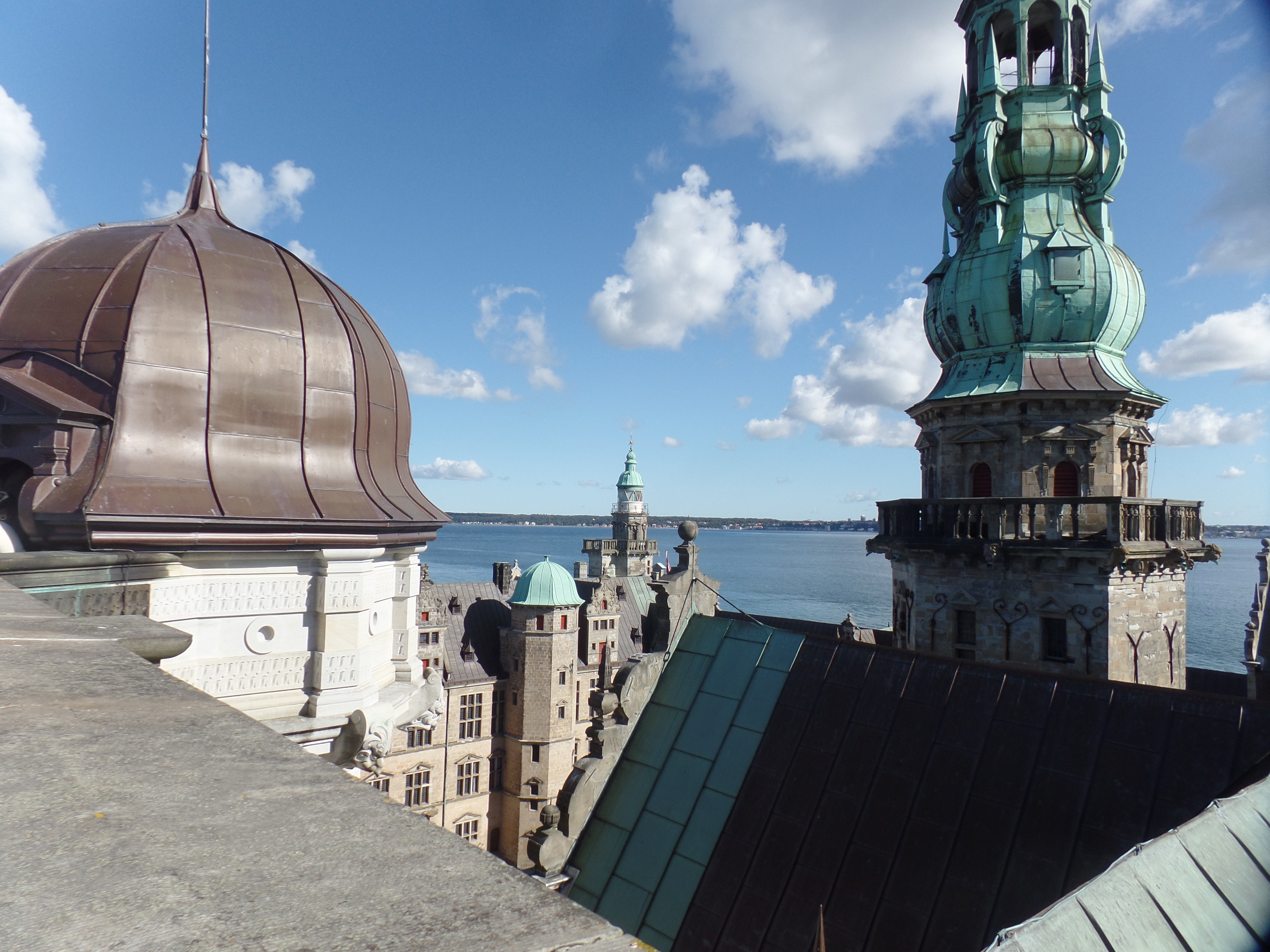
The Moat of Kronborg CastleCannons, facing north, from Kronborg CastleKronborg’s Cannon Tower, from the courtyardThe Chapel, which was the only area, not affected by the Fire of 1629.Oresund, and other parts of Kronborg, from the Cannon Tower. This viewpoint is reached after climbing 145 steps. I still have it, even if it means taking 2 twenty-second breathers going up.Holger the Dane, legendary protector of the nation, who awakens when Denmark has met its darkest hour. He otherwise sleeps in the Casemates.In the Casemates-Is down up or is up, down?A Word of Caution. Queen Margrethe I, who ruled Denmark and all of Scandinavia.
No display of a castle is complete without a scene of the ballroom. So here is #8.
The Ballroom
With this lovely visit, I headed back to Skandia, retrieved my bags and headed across the street to the train station. I learned last night, from the ferry monitor, how to work a ticket machine, and so got my own ticket to Copenhagen. Sadly, the Baha’i National Centre turned out to be in a suburban location-so I missed seeing the friends there. I did speak with one on the phone and may be able to join a meeting at my next place of visitation.
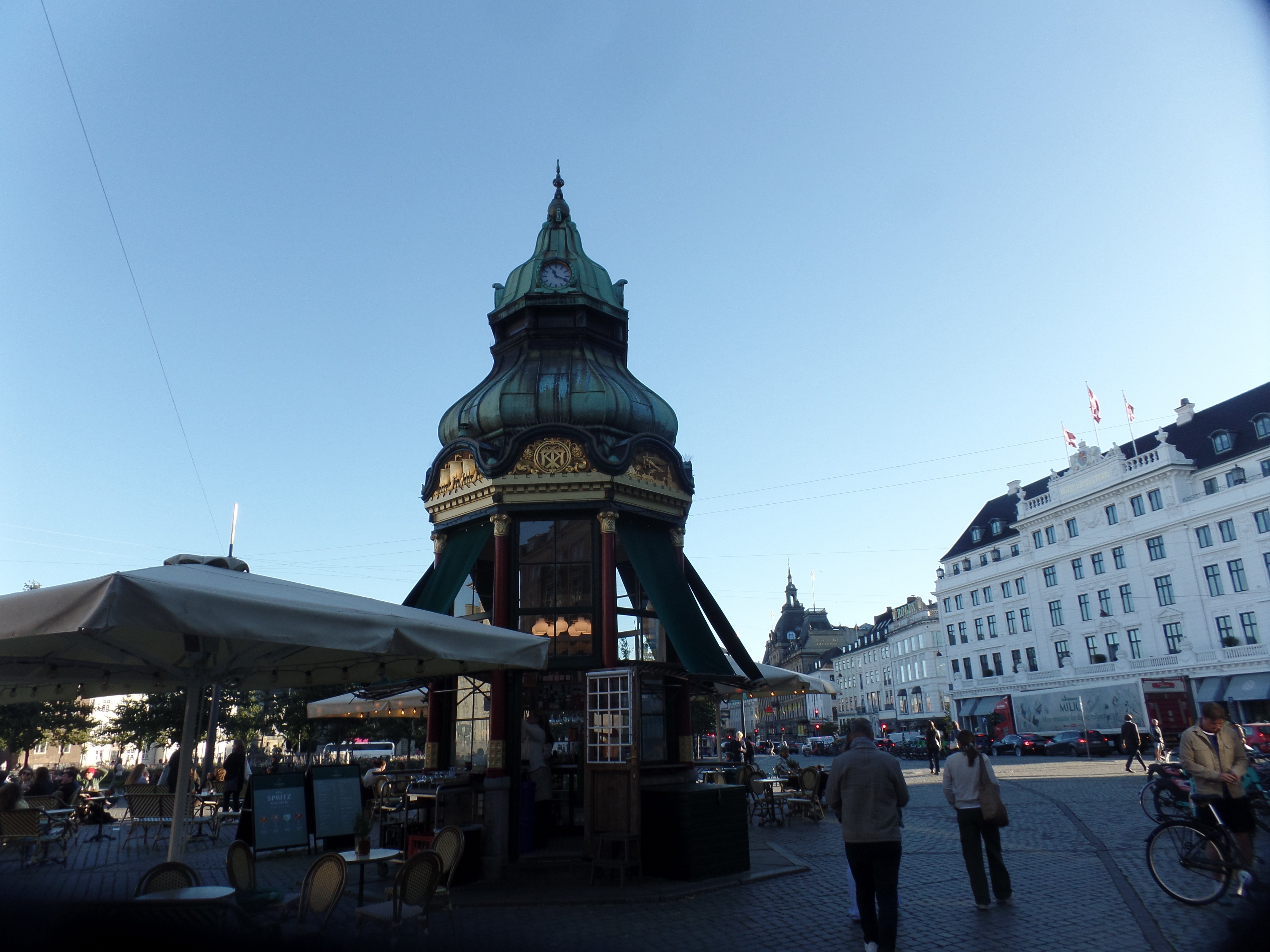
Copenhagen, though, is exquisite. I will be here tomorrow and early Thursday. Let us close with this scene of Indre By, the “Old Town” of the Danish capital, of which more tomorrow.
Ornate small cafe, with Hotel D’Angleterre in the background. An enterprising young woman runs a small coffee shop here.
Rumour has it that Tivoli is temporarily closed. I will check that one out further, tomorrow. Even so, there is plenty of opportunity to keep occupied here.
September 22, 2025, Helsingor, Sjaelland, Denmark- When I got to the Long-Distance trains, in Stockholm, accompanied by my friend from Nynashamn, two tings were obvious: The Rail App that I got for my iPhone, specifically to make catching trains easier, was not doing so AND I had oversimplified the booking process in my head. This led to learning curve #2 on this journey: Every leg of the process is different and every leg has to be set in motion, before showing up at the gate. I learned that it is best to go to the ticket office at the station, well before the desired time of departure-not 1/2 hour prior. The well-oiled team is what has got me this far, and given me a road map for the rest of the journey (no pun intended).
It all worked out; I got to say farewell to the kids and their father at the station in Nynasgard; I was able to purchase a ticket at the Central Station Billeting Office and friend was able to tend to an important matter of her own, after I boarded the train with time to spare, after all.
I found myself seated next to a very interesting person, who is writing historical novels, accenting the achievements of the Swedish people, rather than dwelling on the hardships and deprivations the country has faced, over the centuries. She is also a rather skilled photographer, and showed me some of her portfolio. I shared with her my philosophy of education and the basic teachings of Baha’i. After a time, we reverted to our own spaces and enjoyed the quiet ride through the heart of central and southern Sweden. When she met her partner, at Malmo, she told him of her interest in what I had shared. He seemed to be favourable to her comments.
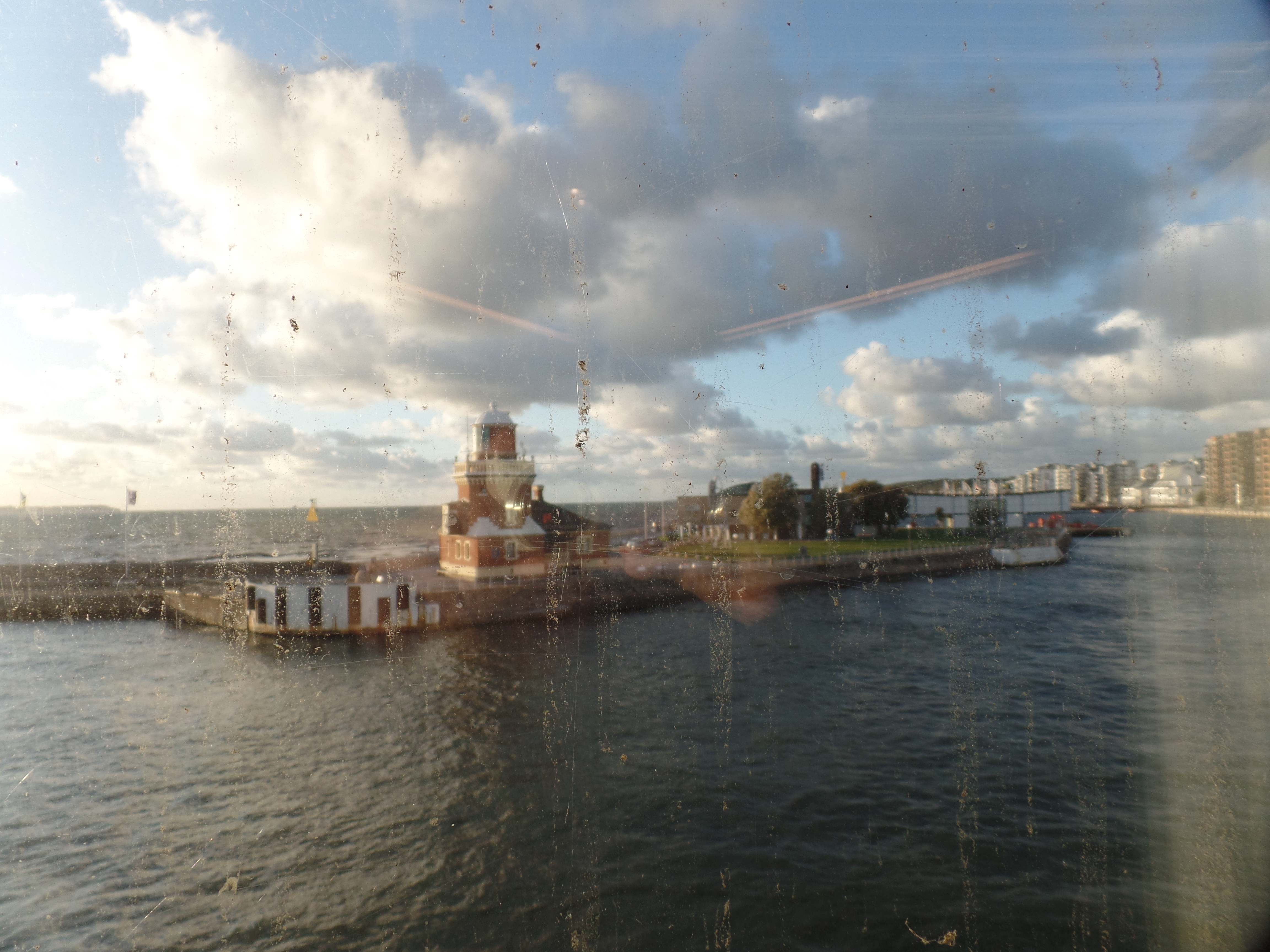
With help from a train conductor in Malmo, I reverted to my initial plan of taking the train to Helsingborg, then the ferry to Helsingor-as opposed to following the Stockholm ticket agent’s idea of going to Copenhagen and then up to my destination. That would have likely added a good hour to the journey. I had just enough time in Helsingborg to take photos of the interesting Centrum.
Helsingborg Centrum from the Ferry terminalHelsingborg Centrum (above and below)South Side of HelsingborgOld Harbour House, Helsingborg
We left Helsingborg, and Sweden, on time. My seatmate on the train from Stockholm to Malmo remarked that today was the first time she had seen that train leave on schedule, in nearly two years of back and forth. I have a different impression of Swedish punctuality, but maybe that is my luck-everything has been on the button, during my time here.
So far, I can only say I have experienced 90 % kindness, in both Iceland and Sweden. Certainly, the expectation is that the visitor will put forth effort to observe how things are done, and follow suit, but there is also a goodly measure of grace and forthright correction, when needed. I am used to taking life lessons in stride and not making the same mistake twice. This fits nicely with how people expect visitors to go about their time in both countries.
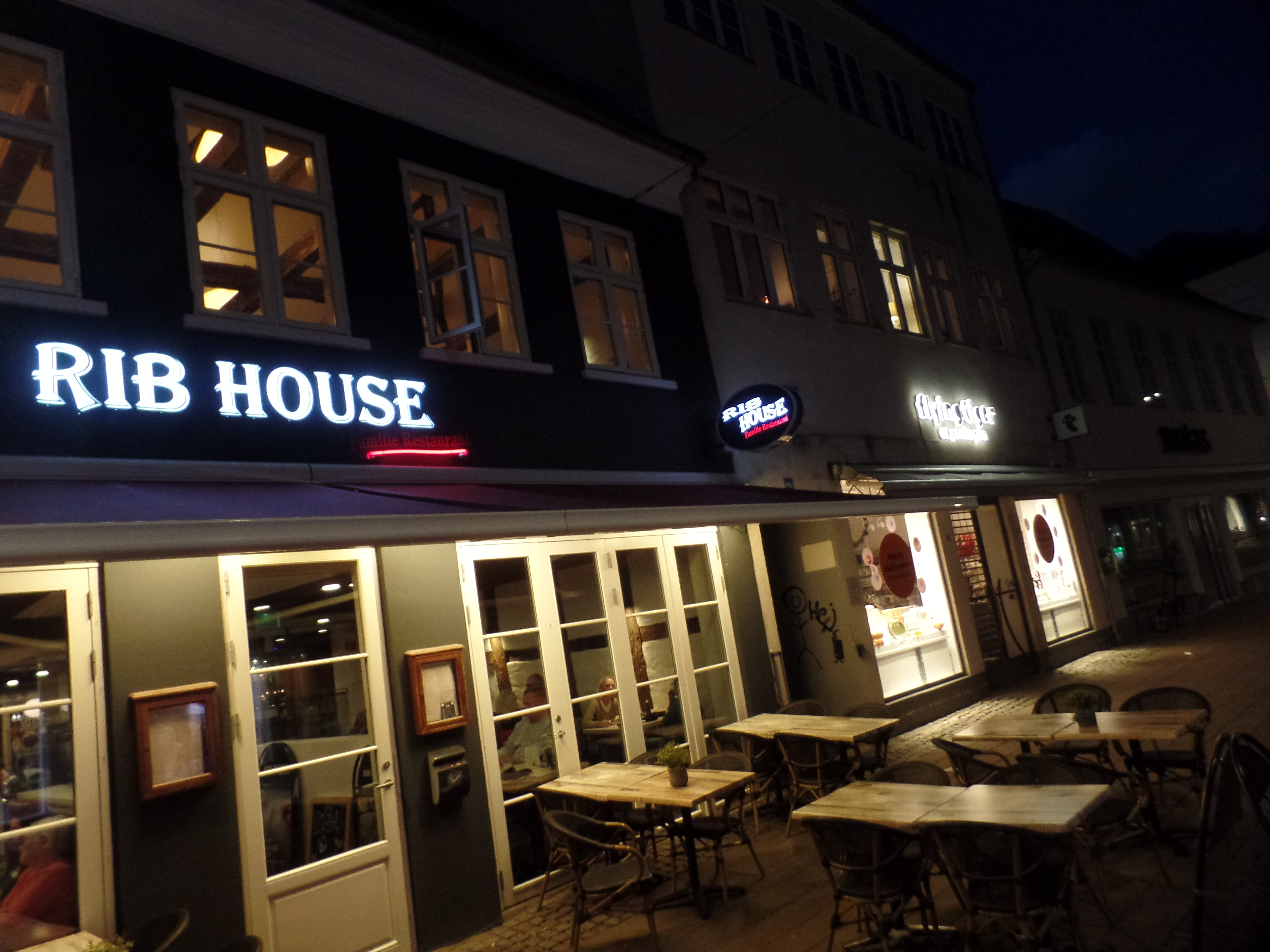
I expect it will be much the same in Denmark. Helsingor, for starters is compact. Hotel Skania, where I am tonight, is right across the tracks from the Train Station and Ferry Terminal. A short two blocks to the west and south is a row of restaurants and shops, with no cars allowed. Rib House, where I dined this evening, is a fun place, where each patron gets to check off the items chosen for the meal. There is a one-trip, or unlimited salad bar, in the style of American steak houses. How well meat is to be cooked is a choice item as are the type of potatoes one wants, and the sauces, if any, that are desired. Of course, one checks off what drink is desired.
Rib House, Helsingor Centrum
I will share more of Helsingor tomorrow. Now, it’s time for rest.
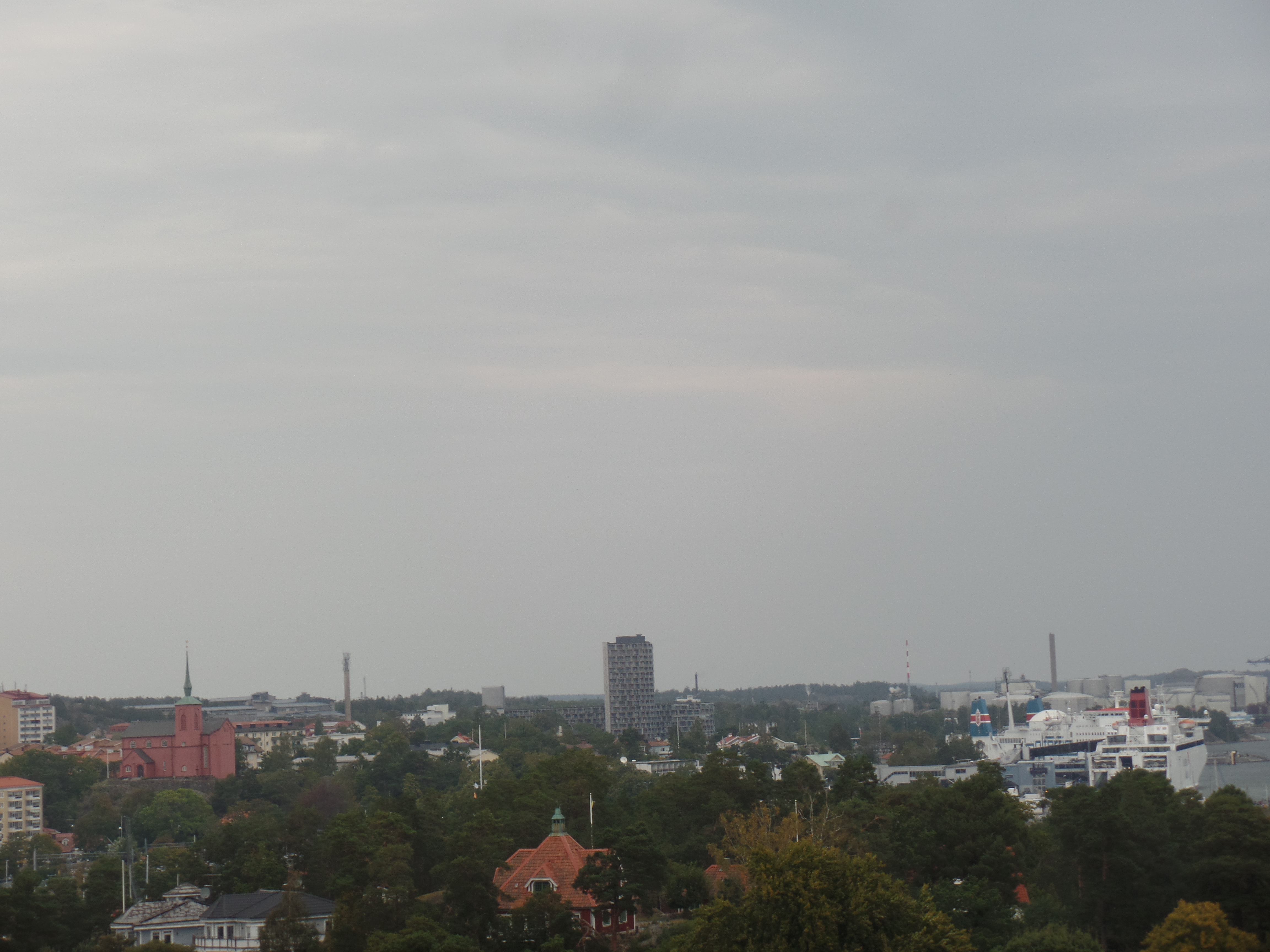
September 21, 2025, Nynashamn- It was quite windy atop the water tower that served this small city on its own, for several decades-until a larger one was built across town. The tower on which my friend, Mattias, and I stood was had burned down in 2018 and was rebuilt as an observation point, a year later. The taller and larger tower that replaced it may be seen from the top, as may a large area of the southern Stockholm Archipelago, of which Nynashamn (NEE-nahs-hahmn) is an anchor.
Here are some scenes from that vantage point.
View of Stockholm Archipelago, and south side of NynanshamnView of Grondalsviken, to the southwest of Nynashamn. View of Nynashamn Centrum (downtown)On top of Trehorningen Water Tower
Afterward, we went back to find the rest of the crew, Sarah and the kids, at Nynashamn Harbour. We had begun the day with a satisfying breakfast and had gone over to Choklad Huset (Chocolate House), which serves up the finest of hot chocolate and a full variety of solid treats. This establishment provides dessert items for the Nobel Prize Dinner, among other accomplishments. We enjoyed our delights at a playground near the harbour (The “ship playground”, say the kids.
Choklad Huset
It was soon time to go back to the cozy apartment. I spent a blissful afternoon, just soaking in all that being with a little family entails. After a well-crafted dinner of “Fresh Rolls” (spring rolls, in clear rice wraps, with “Chinese Rice” (fried rice), I took in one more Nynashamn sunset.
Sunset from Grondalsviken
Tomorrow, I double back to Stockholm’s Central Station, and take the train southward to Helsingborg and over the water, to Helsingor-the site of Elsinore Castle. It has been a truly lovely visit with my Swedish family. Now, to make more friends, in Denmark.













































 A Sagittarian Seeker