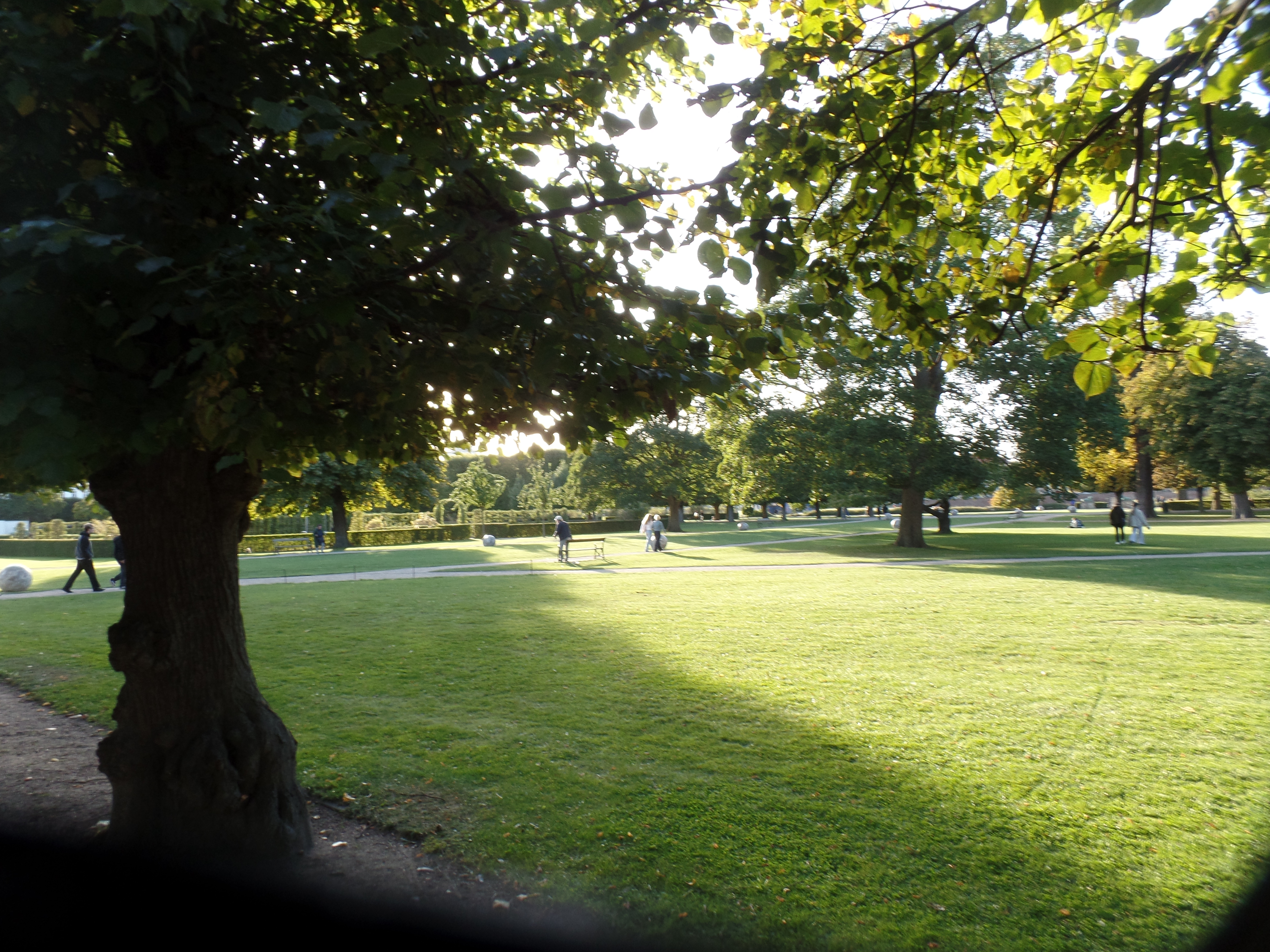
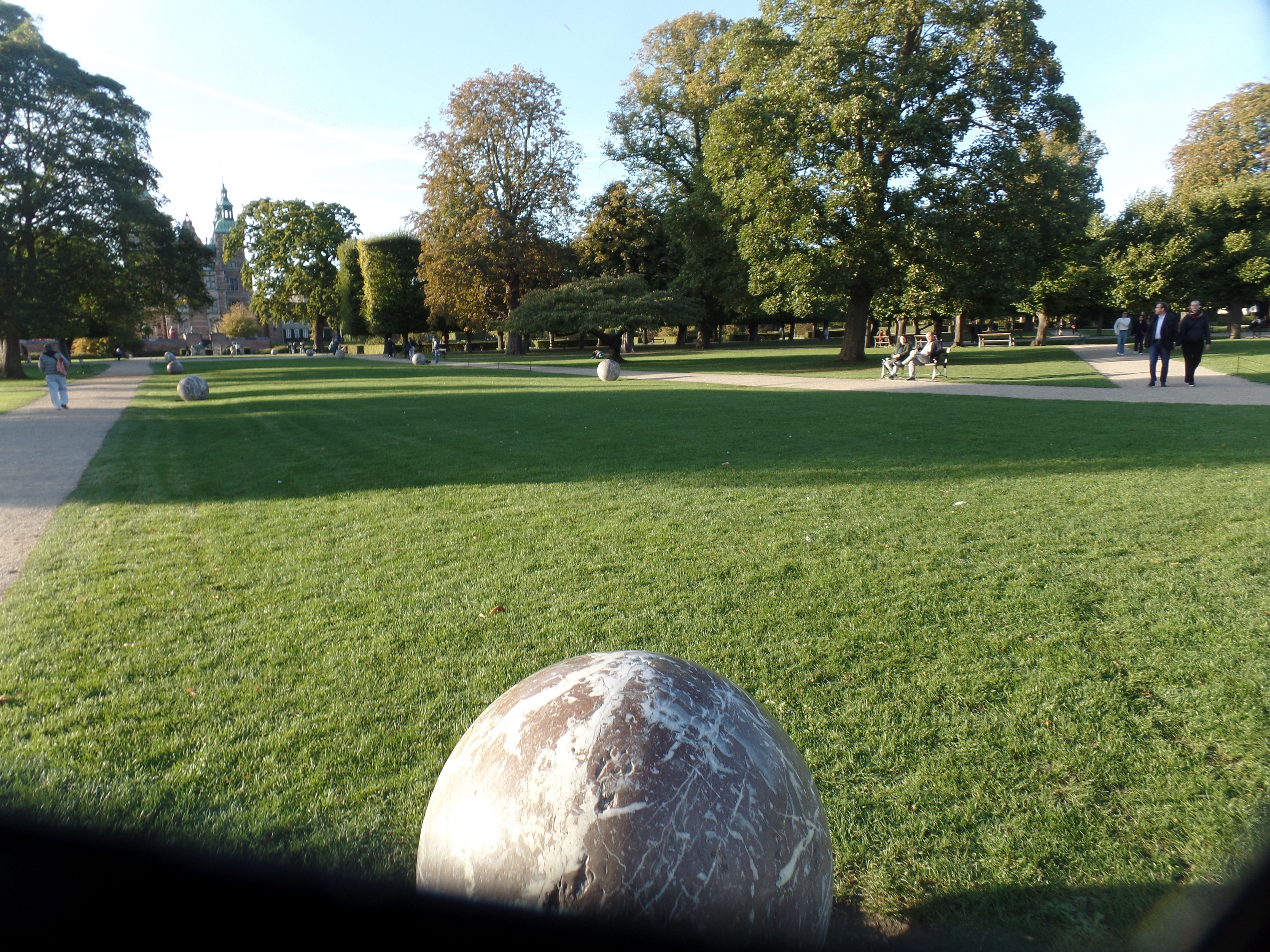
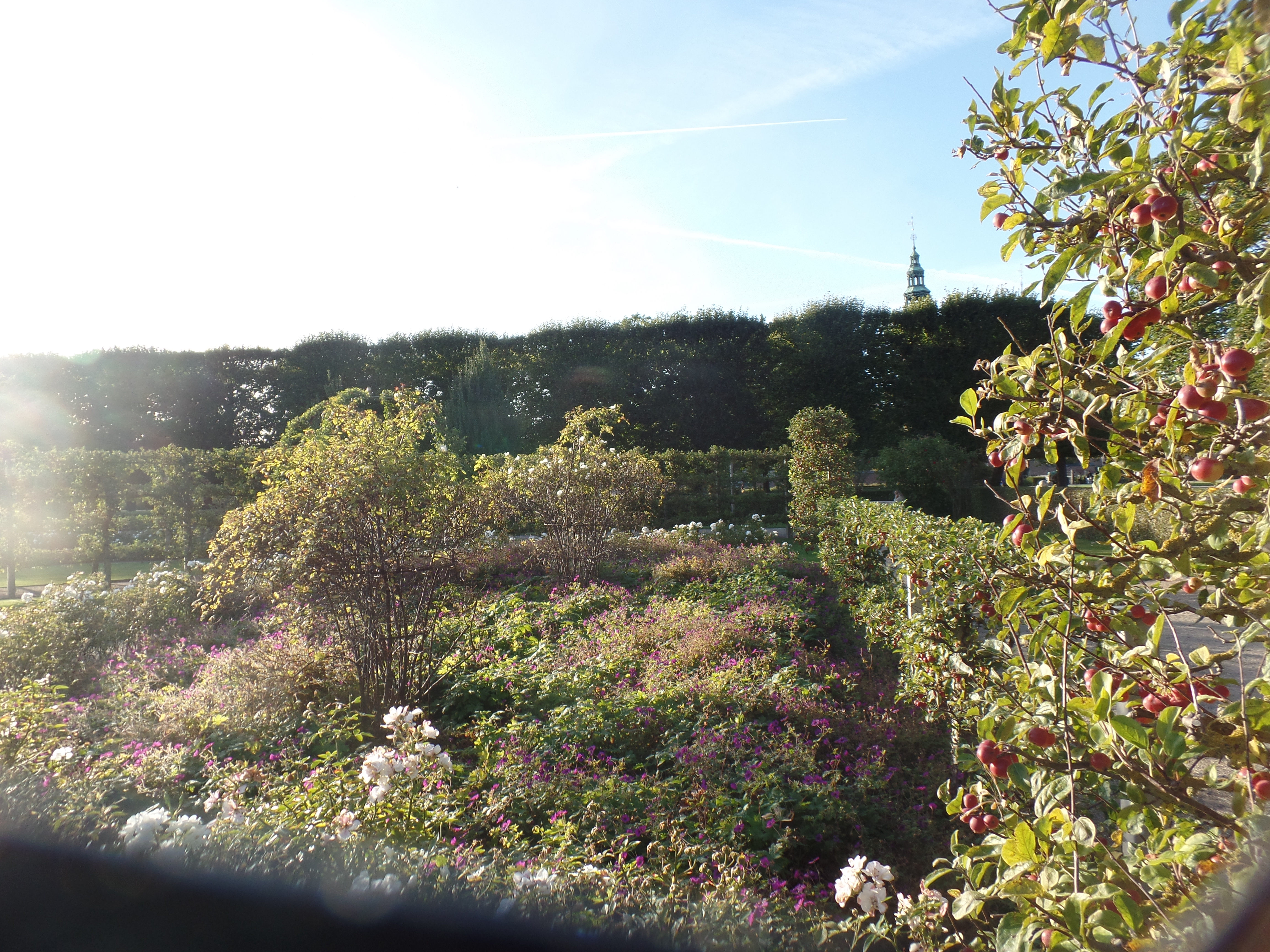
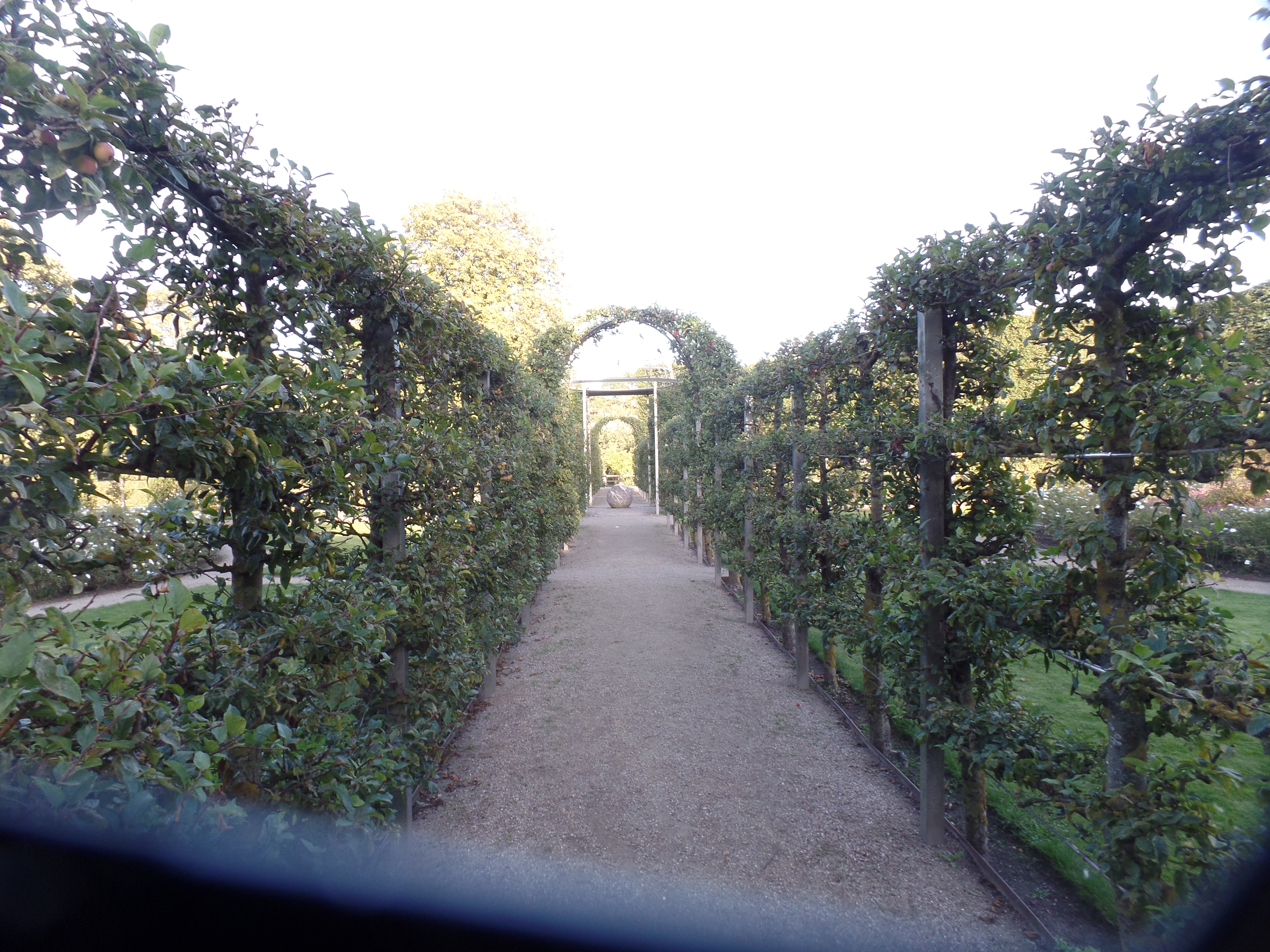
September 24, 2025, Copenhagen- Kongen Have, the King’s Garden, was the third place where I experienced quiet today. It was certainly filled with people, but it was day’s end. People were quietly jogging, sitting on a blanket enjoying a picnic supper or closer to Rosenberg Palace, walking among the flowers for which the edifice is named.
Roses, near Rosenberg PalaceRosenberg Palace-It was closed by the time I got here, but the grounds were well worth the walkabout. So, too, was the main section of this salubrious public space.Foreground of King’s GardenFashioned boulders, arranged in a triangleThe garden runs the gamut, from wild….to the sculpted and curated.
All was calm and bright, even in the gloaming.
Rosenberg Palace, across the moat. Ariel was a bit off my path, but she would feel right at home here, especially in the moat!
The mandarin ducks were certainly delighted!
With that came the realization that my Copenhagen visit is coming to a close. An all-too-brief visit to the “foodie city” of Aarhus is next, and a visit to Berlin will give me a sense of another of the world’s great cities. I am sure there will be some special moments in each. Stay tuned!
September 24, 2025, Copenhagen– The amazing thing about today was the three instances of almost total quiet that enveloped a place where I happened to be, even though there were large numbers of people about.
First was Kastellet, a one-time regal fortress that was totally given over to the Danish military, following World War II. It had been fortified after a Swedish siege of Copenhagen, in the Seventeenth Century, but proved an effective deterrent against the British, in 1704. Today, I was impressed with the intensity of Danish troops engaged in individual and group training. Kastellet’s archives detail the various occasions in which Denmark has contributed to peacekeeping activities, since World War Ii. The nation is a vital part of NATO, and of United Nations peacekeeping efforts. It behooves other nations to keep this in mind.
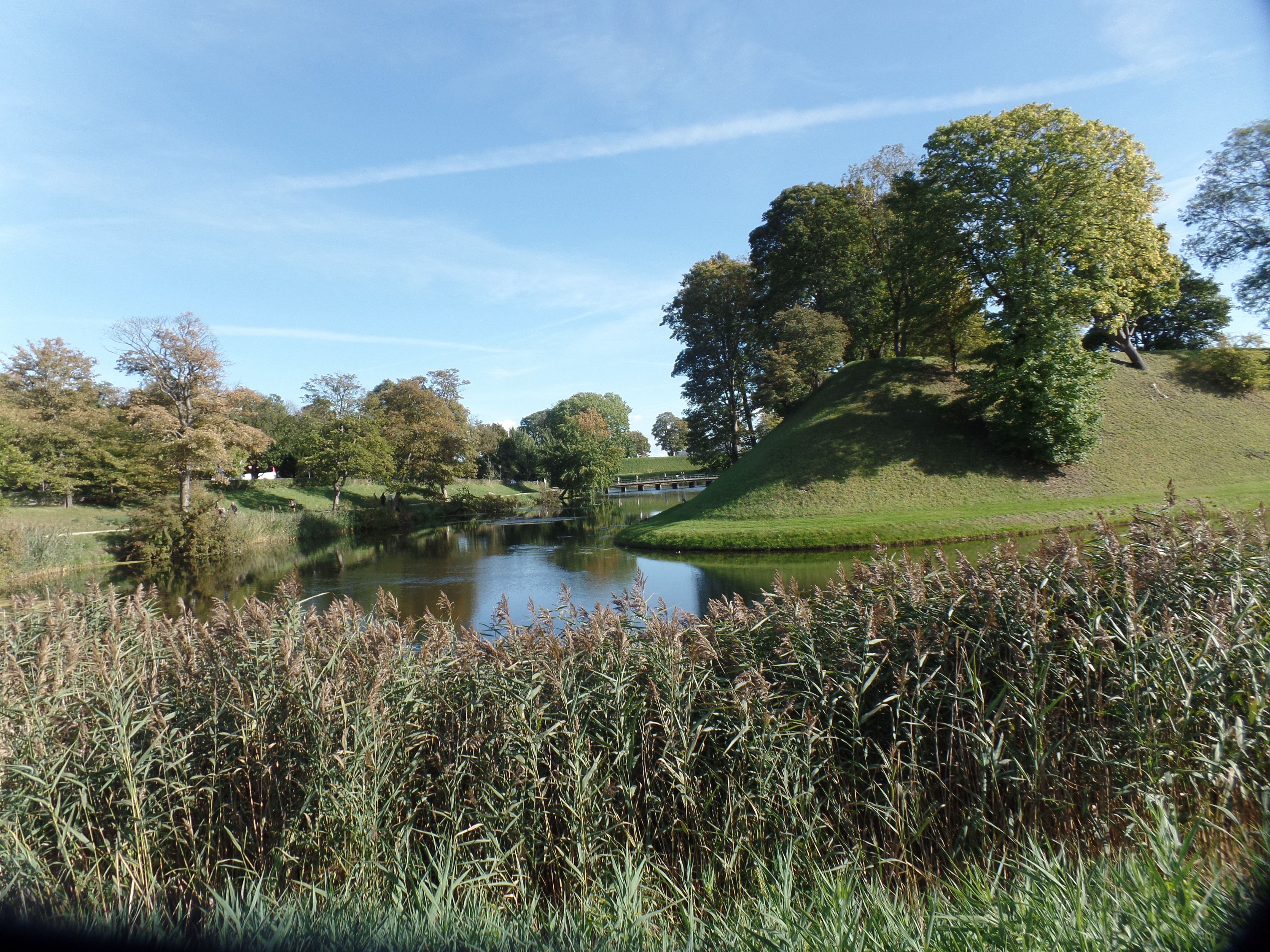
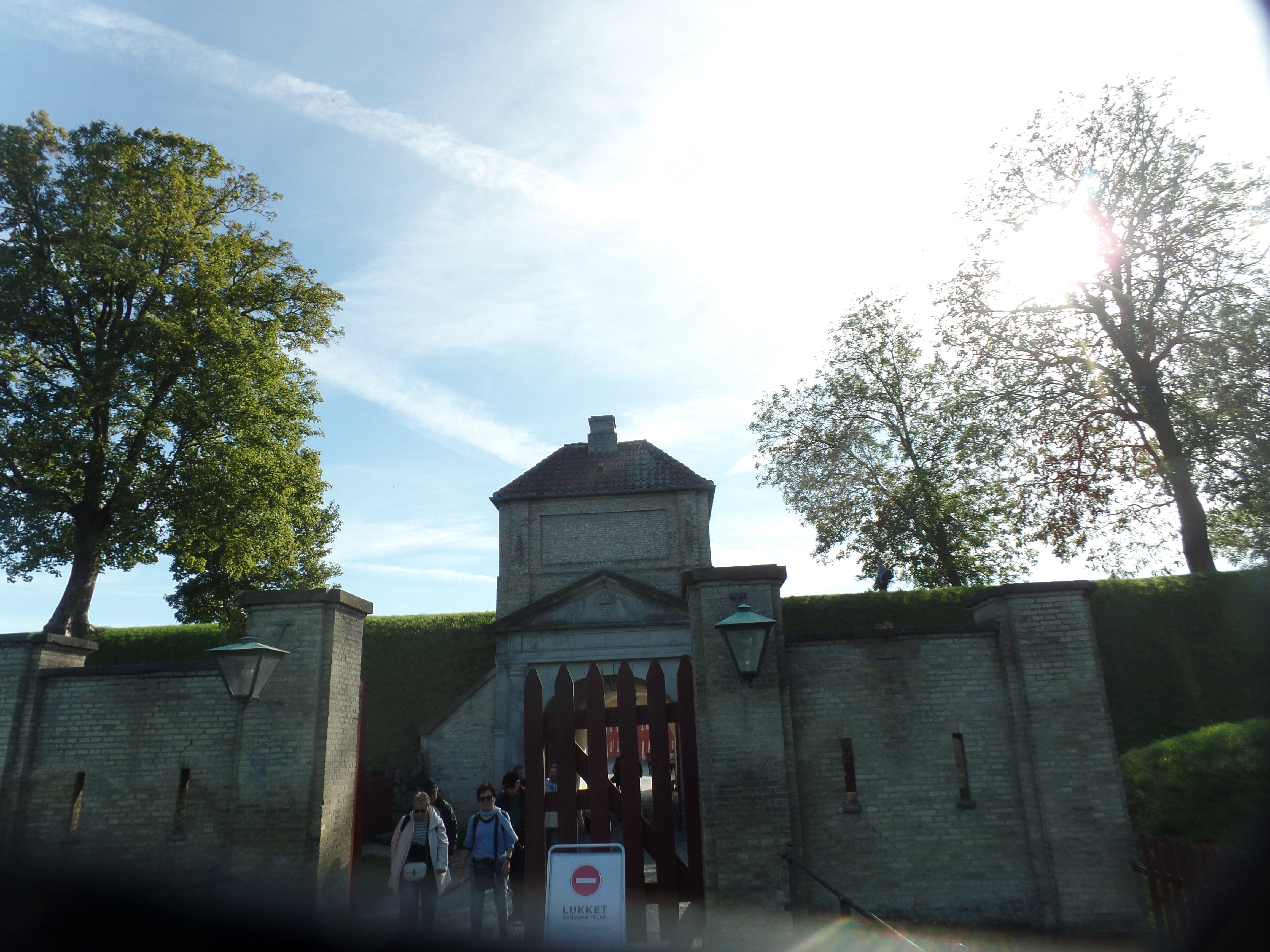
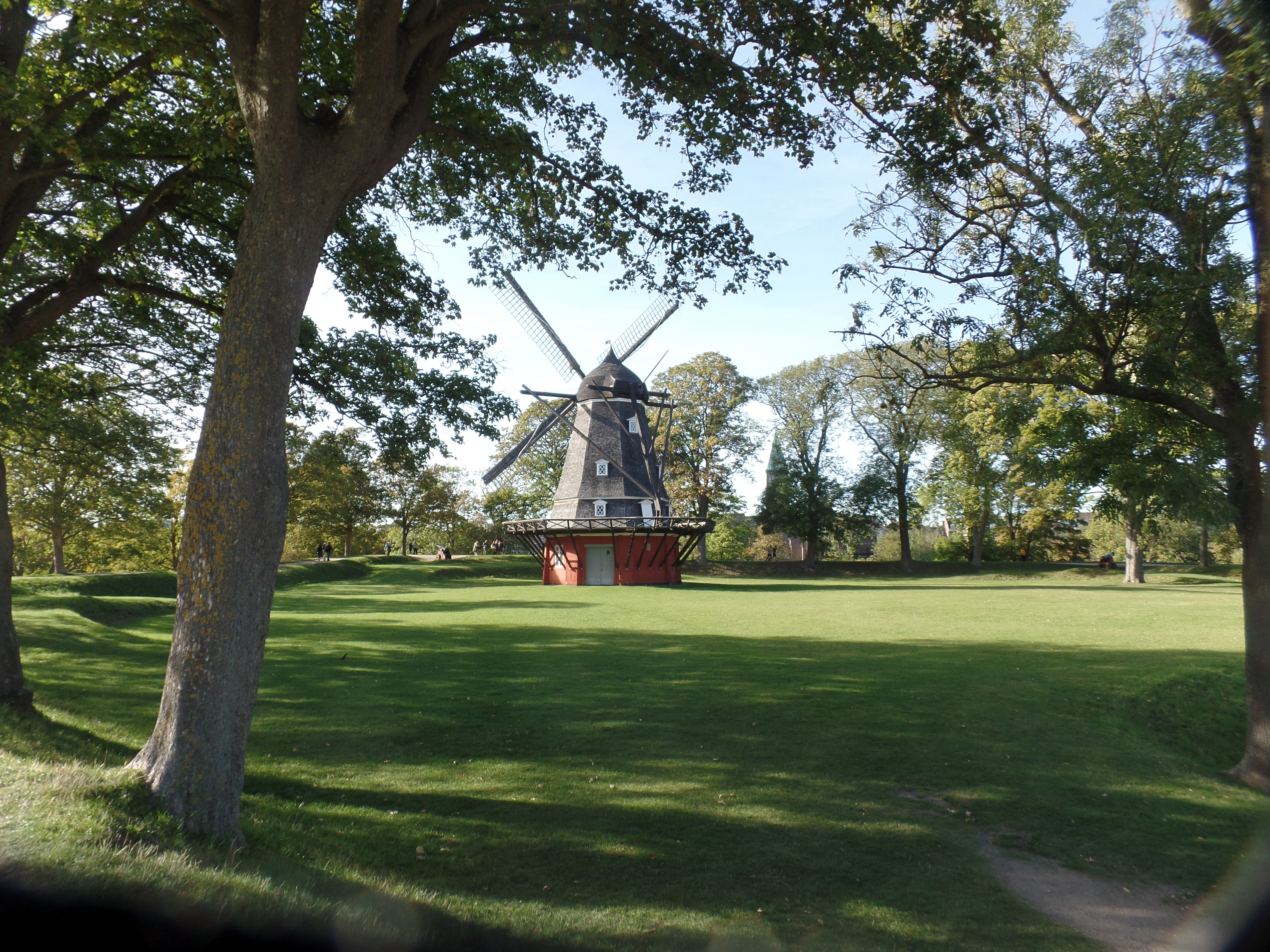
Moat at Kastellet, CopenhagenAnother visitor from North America-a Great Blue Heron!Another view of the moat and ramparts, KastelletA view of the wallCommander’s HouseBarracks, KastelletCitadel ChurchDutch-style windmill-replaced an earlier mill that was destroyed in a storm.
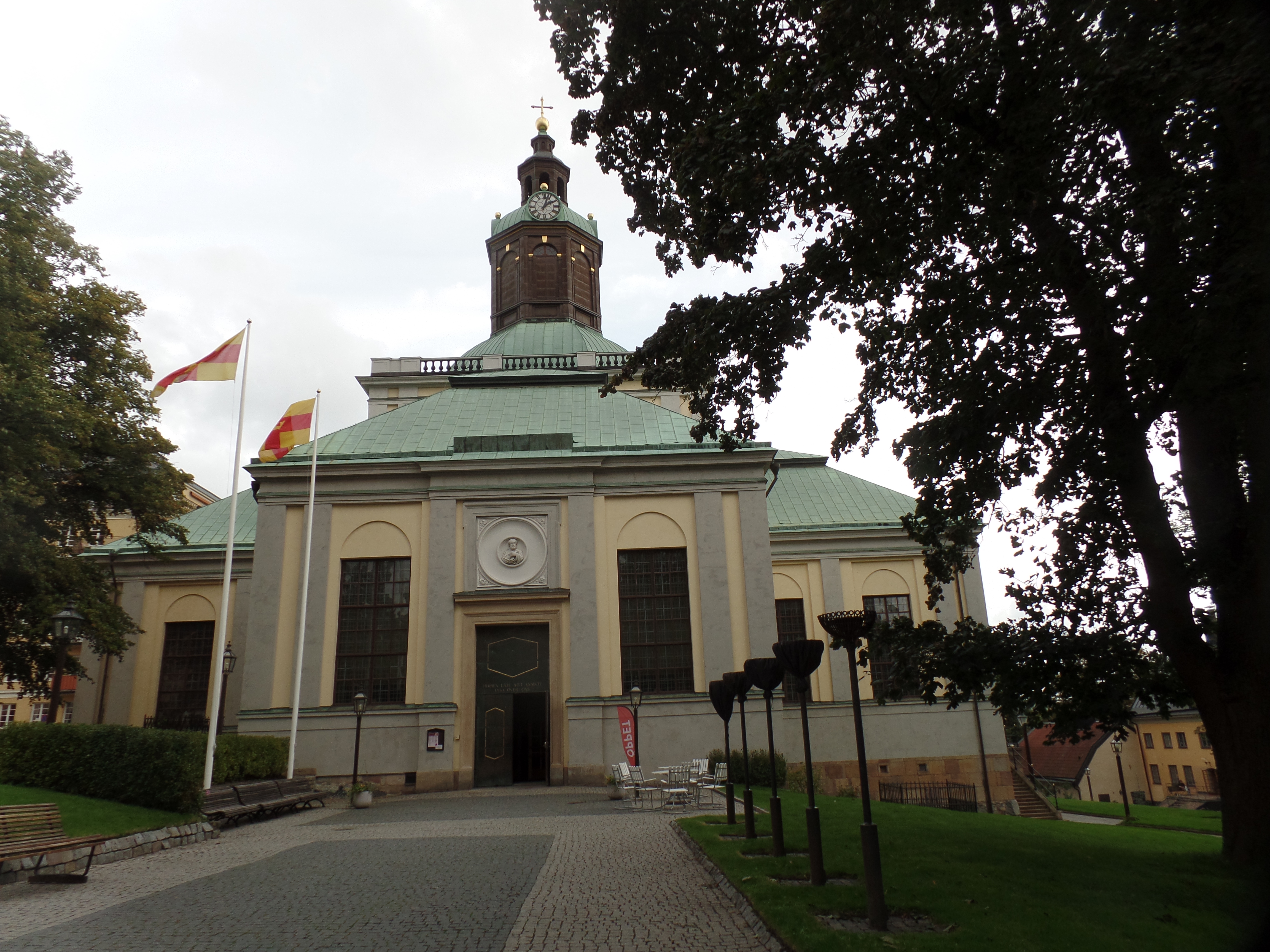
After leaving Kastellet, I had only to walk a short distance before noticing a large dome. This turned out to be Frederiks Kirke, and it is the largest domed church in Scandinavia. Once inside, all are to maintain silence-and we all did. Soft, soothing music was the only sound. No loudly-clicking cameras or flash photography are permitted inside, either.About seventy of us were inside, and quiet.
Frederiks Kirke
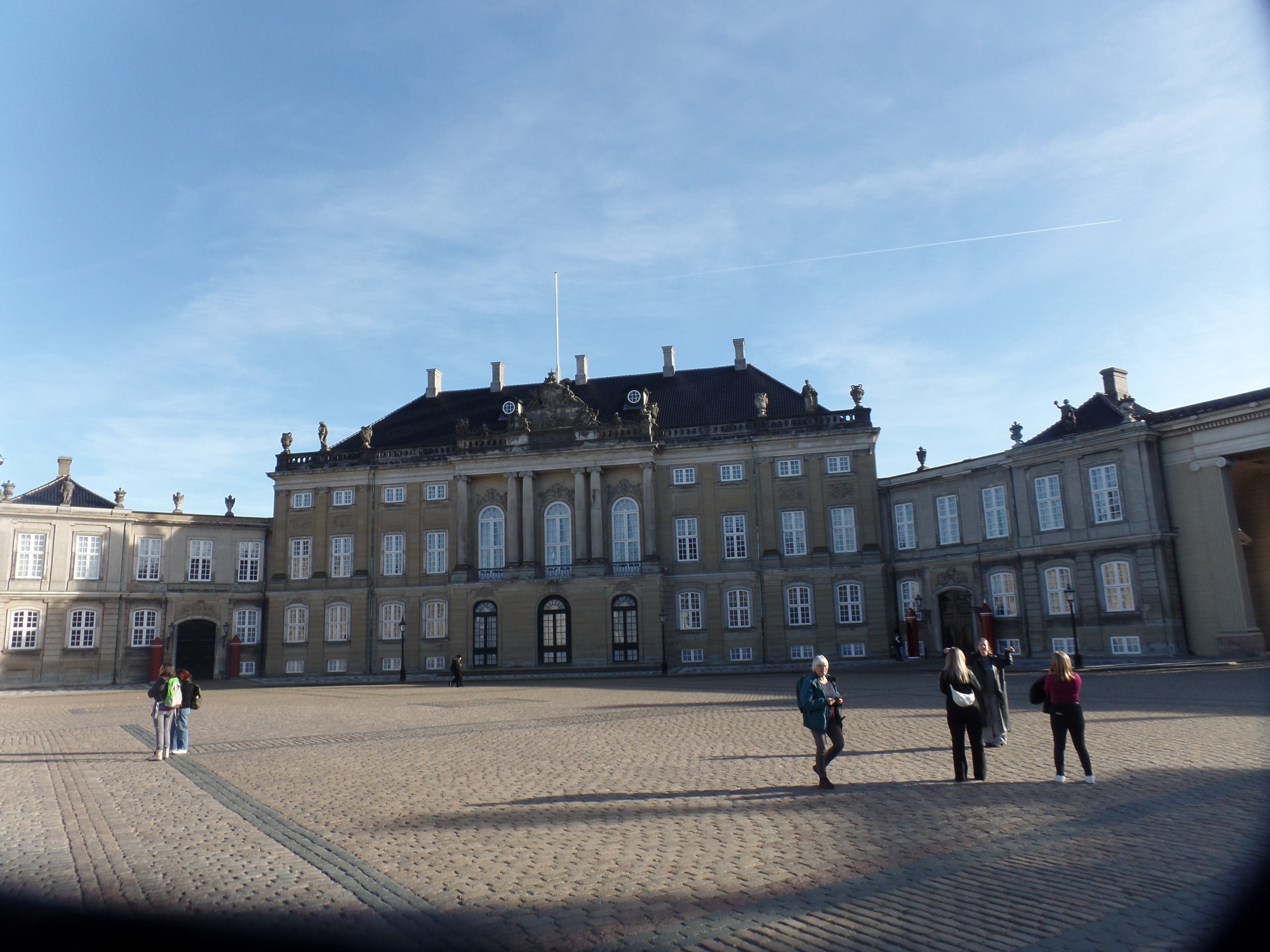
After spending about twenty minutes in the great church, I went across the street to the large complex of palaces, which punctuate Frederikssgade. Below are the palaces, in a clockwise direction.
Amalianborg, on the left, with Christian VIII’s palace to the right.Frederik VIII’s PalaceChristian IX’s palace
I left the quiet atmosphere of the royal courtyard, and went back to the bustle of Old Town, via the Yellow Palace, which now houses many offices of the Danish government.
Yellow Palace, Copenhagen
It was time to get a bit of supper, and reflect. Ironically, both would take me the third place of solitude- Kongen Have (King’s Garden) More on this bit of heaven, in the next post.
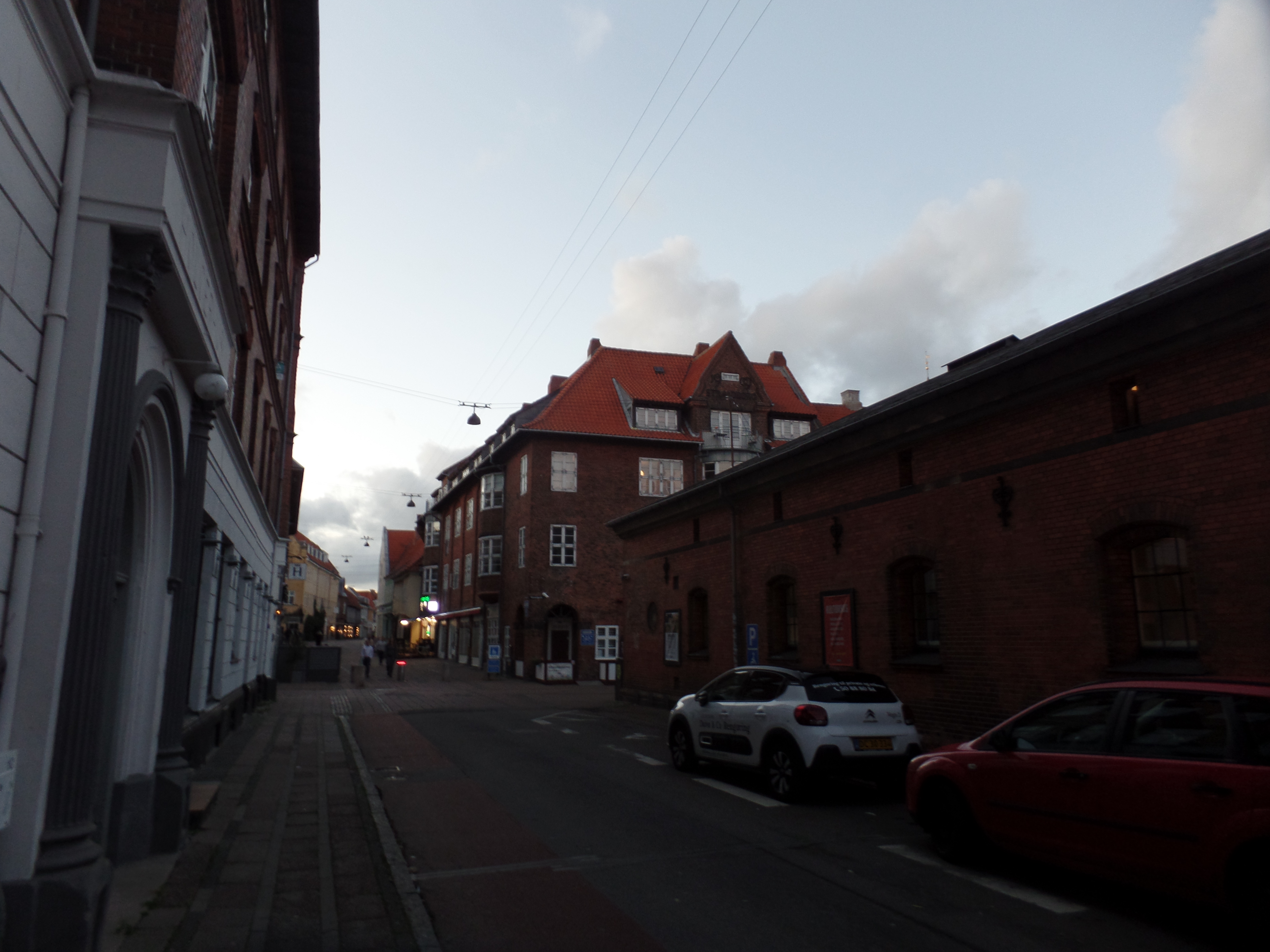
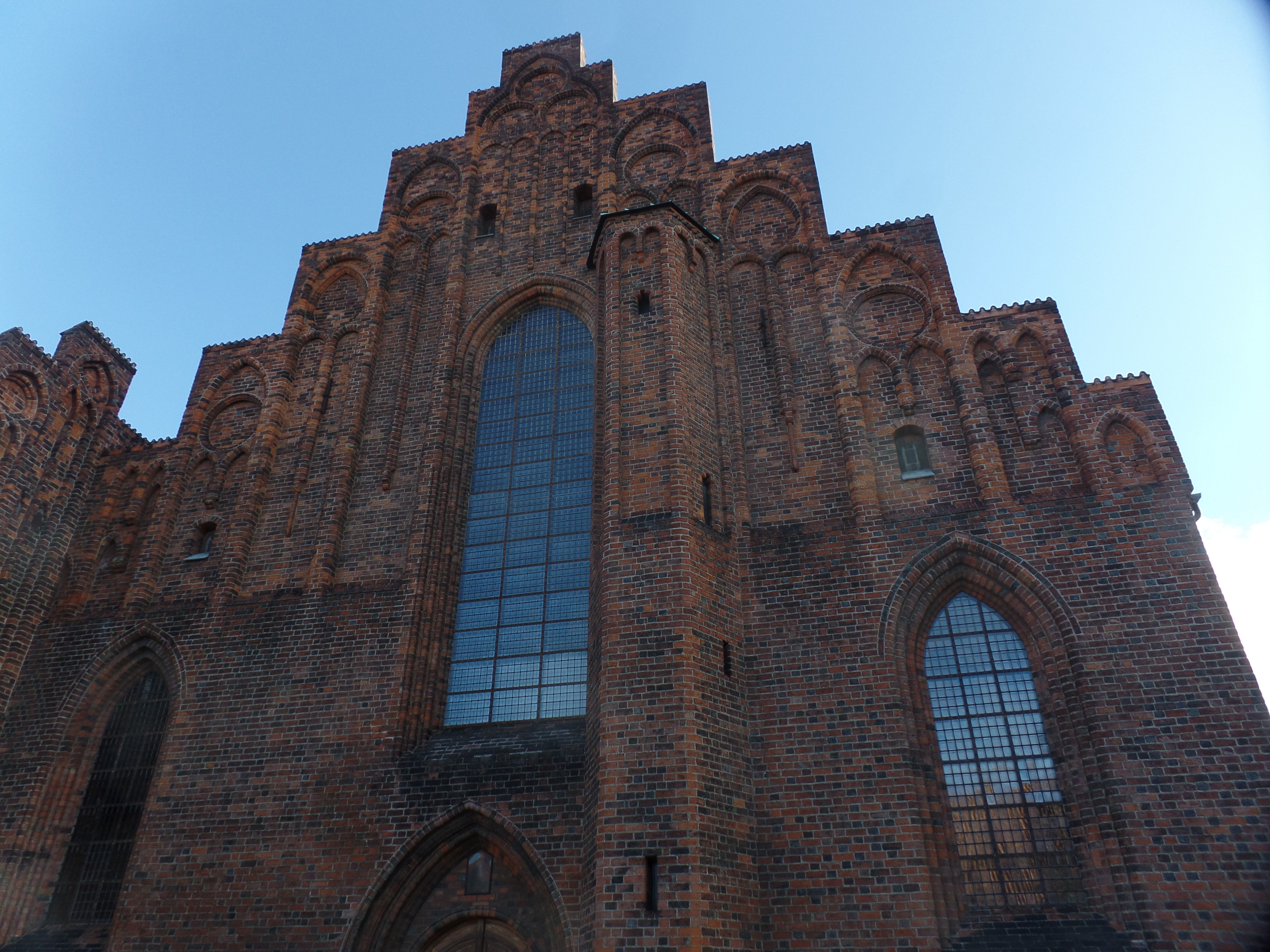
September 23, 2025, Copenhagen- There is something fairy tale-like about Helsingor. Like a Danish version of Visby, it largely is filled with cobblestone streets. Unlike Visby, its Old Town is mostly a no-car zone. Here are some of the Old Town scenes I promised you last night.
Old Town street, HelsingorHamlet Hotel, Helsingor is across the street from Skandia, where I stayed last night.St.Marie’s Church, HelsingorDom Church (Cathedral) of Helsingor
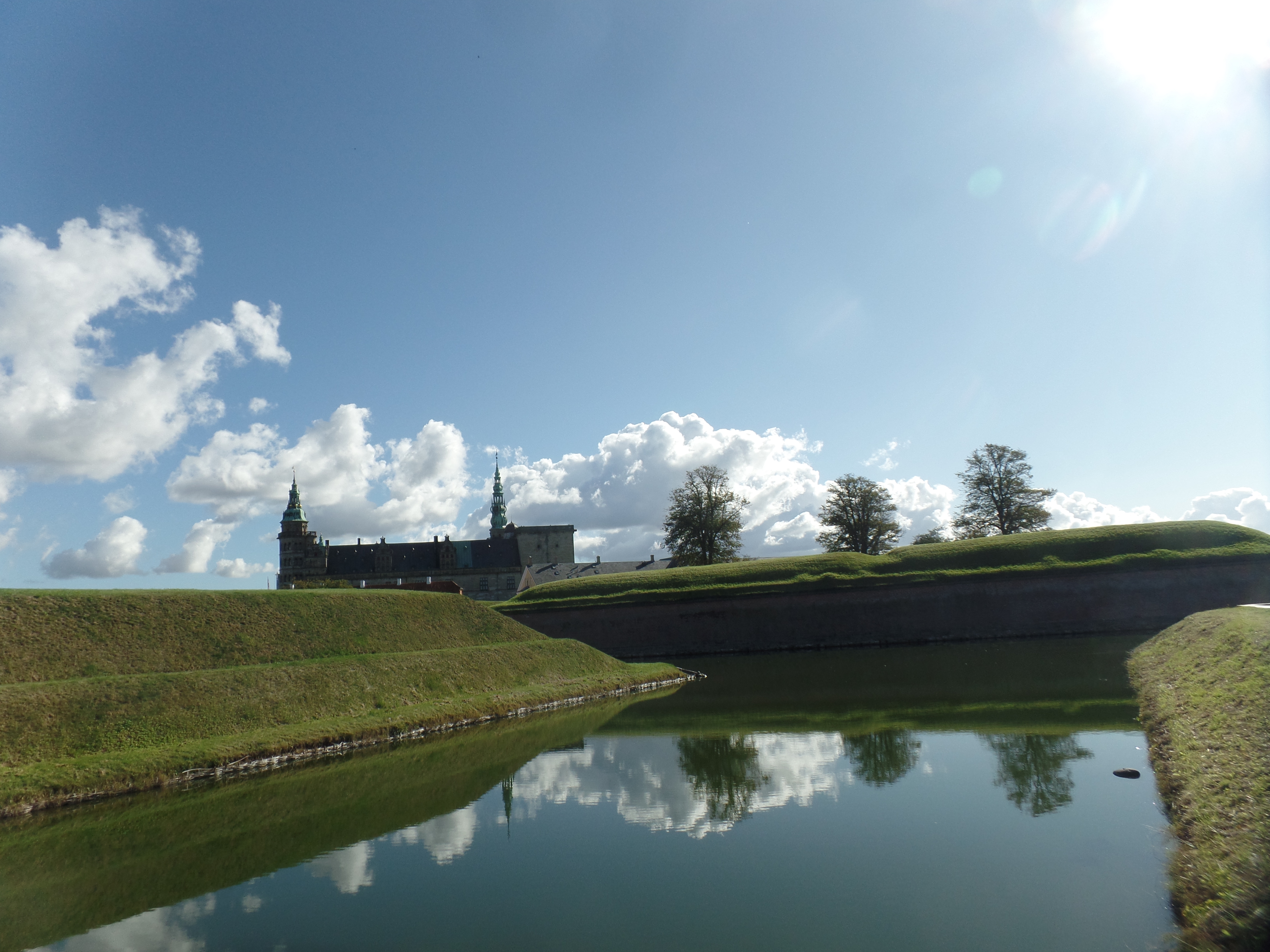
Now, here is the crown jewel of Old Elsinore: Kronborg Castle, which was William Shakespeare’s setting for Hamlet.
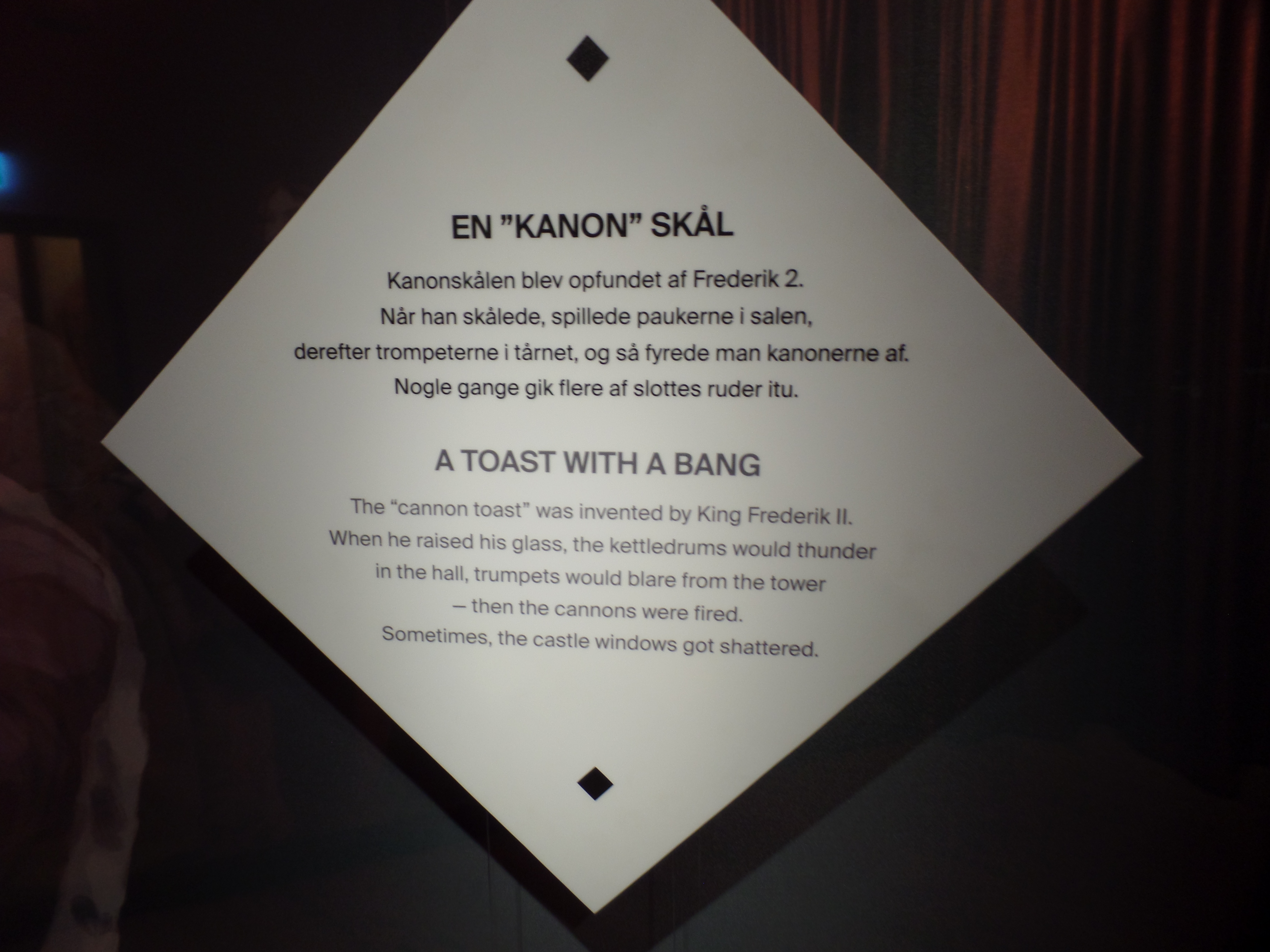
Denmark has been a country since the 11th Century. Around 1424, King Eric VII built the prototype of the fortress, overlooking Oresund, which separates Sjaelland (“SHEL-land) from the Swedish Peninsula, at its narrowest point, In 1585, King Frederick II expanded the fortress into a magnificent castle. The fortress burned down, in 1629, after which King Kristian IV had it rebuilt. In 1658, the fortress proved insufficient to withstand an attack by Sweden, during the war in which the latter seized control of Scandia, the southernmost part of the peninsula, from the Danes. In 1785, Kronborg became a military barracks, as the king had moved to Copenhagen. It was given to the Danish people, in the 1920s, as an historical treasure.
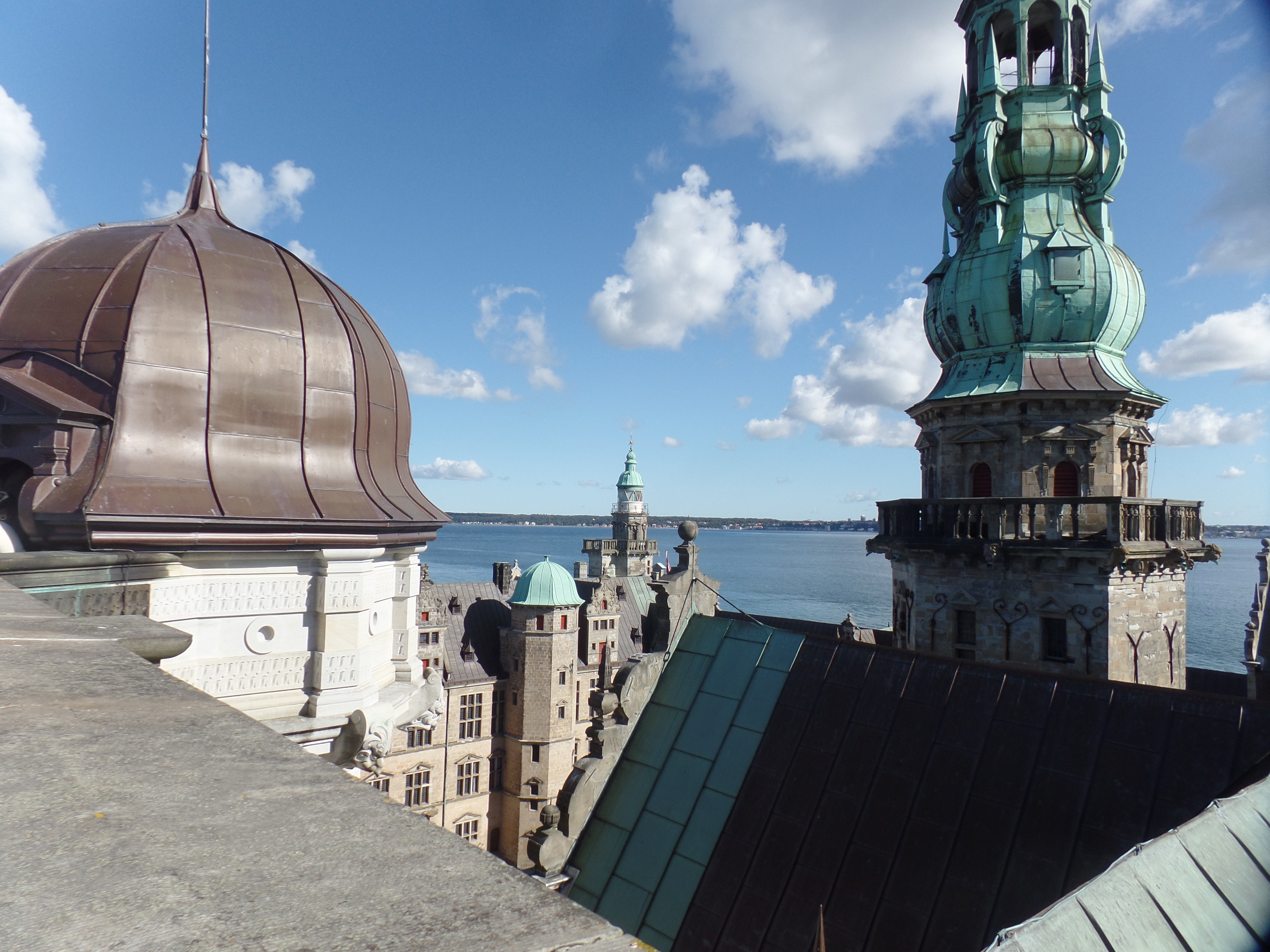
What a treasure it is! Here are seven photos of the grounds and the interior, including the extensive Casemates (the dungeons and underground refuge of the royals, during the war with Sweden.).
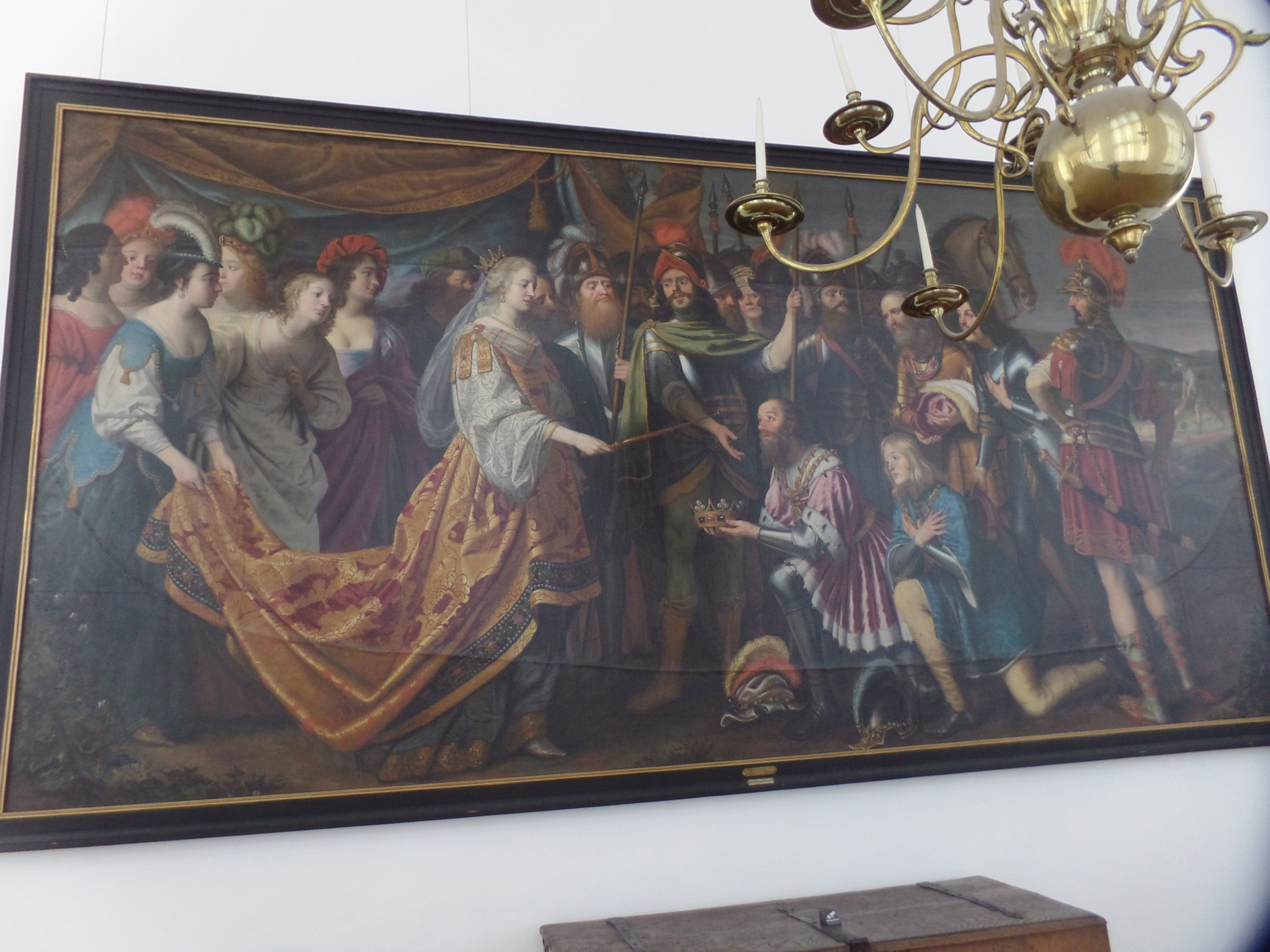
The Moat of Kronborg CastleCannons, facing north, from Kronborg CastleKronborg’s Cannon Tower, from the courtyardThe Chapel, which was the only area, not affected by the Fire of 1629.Oresund, and other parts of Kronborg, from the Cannon Tower. This viewpoint is reached after climbing 145 steps. I still have it, even if it means taking 2 twenty-second breathers going up.Holger the Dane, legendary protector of the nation, who awakens when Denmark has met its darkest hour. He otherwise sleeps in the Casemates.In the Casemates-Is down up or is up, down?A Word of Caution. Queen Margrethe I, who ruled Denmark and all of Scandinavia.
No display of a castle is complete without a scene of the ballroom. So here is #8.
The Ballroom
With this lovely visit, I headed back to Skandia, retrieved my bags and headed across the street to the train station. I learned last night, from the ferry monitor, how to work a ticket machine, and so got my own ticket to Copenhagen. Sadly, the Baha’i National Centre turned out to be in a suburban location-so I missed seeing the friends there. I did speak with one on the phone and may be able to join a meeting at my next place of visitation.
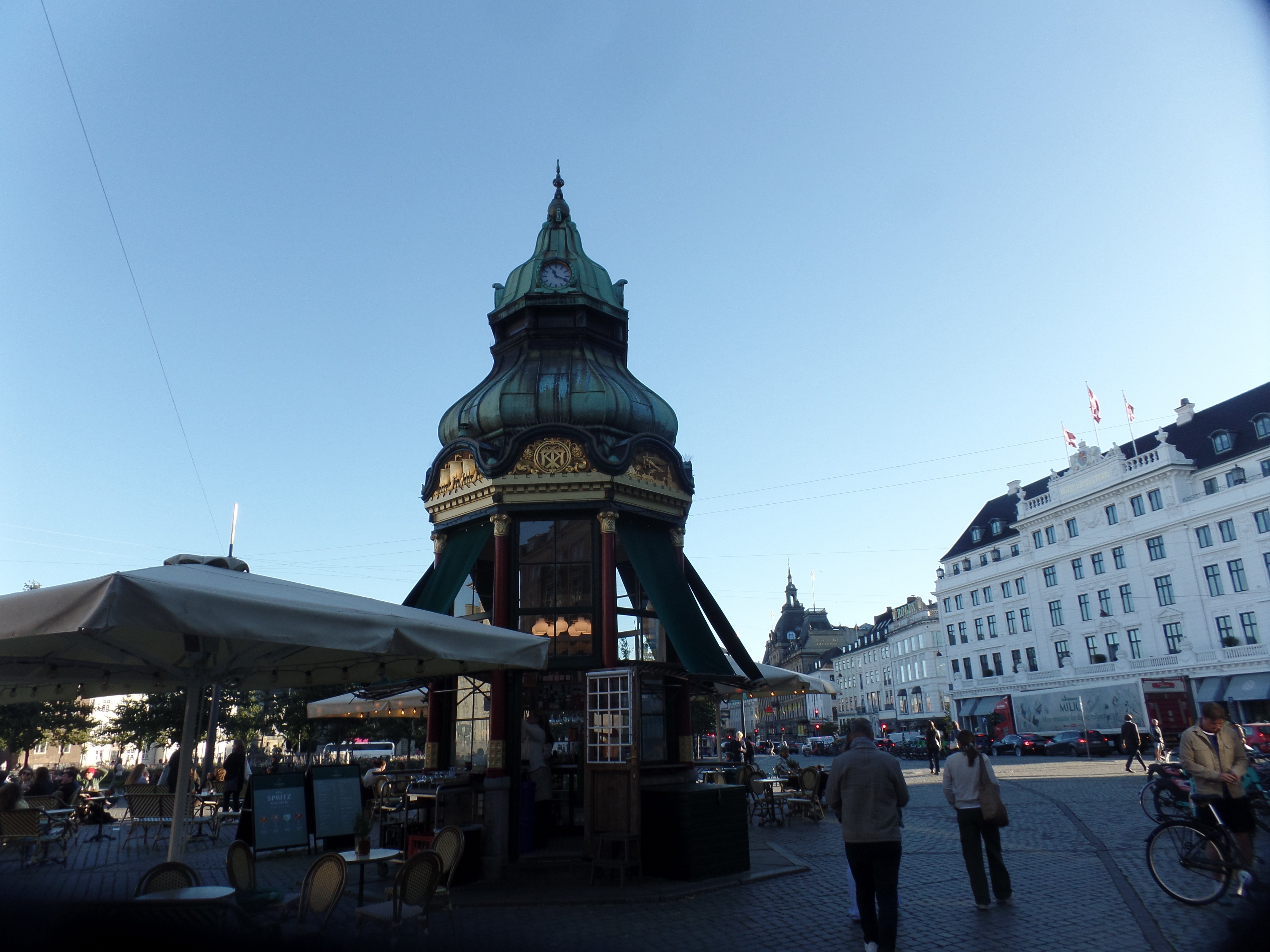
Copenhagen, though, is exquisite. I will be here tomorrow and early Thursday. Let us close with this scene of Indre By, the “Old Town” of the Danish capital, of which more tomorrow.
Ornate small cafe, with Hotel D’Angleterre in the background. An enterprising young woman runs a small coffee shop here.
Rumour has it that Tivoli is temporarily closed. I will check that one out further, tomorrow. Even so, there is plenty of opportunity to keep occupied here.
September 22, 2025, Helsingor, Sjaelland, Denmark- When I got to the Long-Distance trains, in Stockholm, accompanied by my friend from Nynashamn, two tings were obvious: The Rail App that I got for my iPhone, specifically to make catching trains easier, was not doing so AND I had oversimplified the booking process in my head. This led to learning curve #2 on this journey: Every leg of the process is different and every leg has to be set in motion, before showing up at the gate. I learned that it is best to go to the ticket office at the station, well before the desired time of departure-not 1/2 hour prior. The well-oiled team is what has got me this far, and given me a road map for the rest of the journey (no pun intended).
It all worked out; I got to say farewell to the kids and their father at the station in Nynasgard; I was able to purchase a ticket at the Central Station Billeting Office and friend was able to tend to an important matter of her own, after I boarded the train with time to spare, after all.
I found myself seated next to a very interesting person, who is writing historical novels, accenting the achievements of the Swedish people, rather than dwelling on the hardships and deprivations the country has faced, over the centuries. She is also a rather skilled photographer, and showed me some of her portfolio. I shared with her my philosophy of education and the basic teachings of Baha’i. After a time, we reverted to our own spaces and enjoyed the quiet ride through the heart of central and southern Sweden. When she met her partner, at Malmo, she told him of her interest in what I had shared. He seemed to be favourable to her comments.
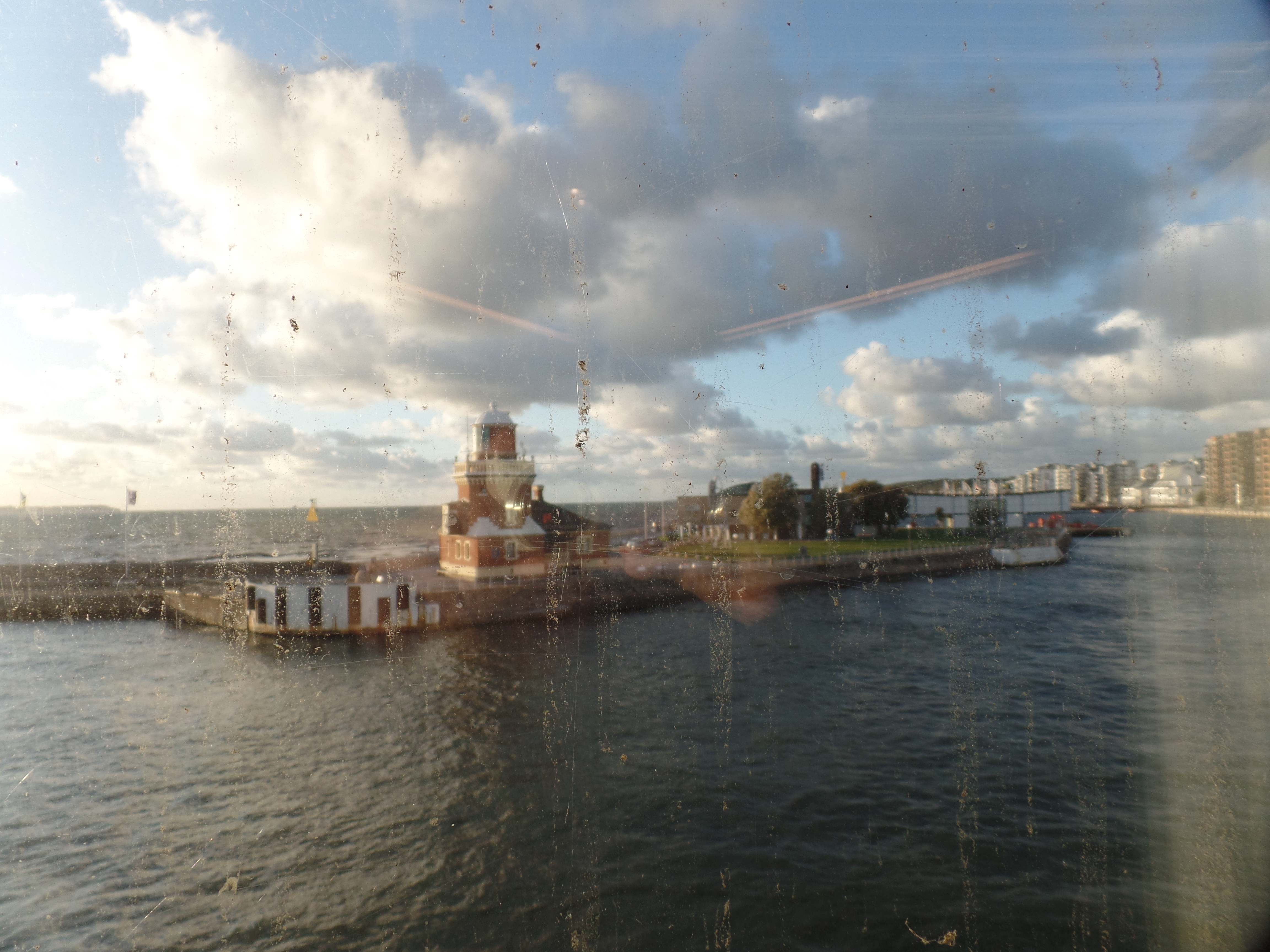
With help from a train conductor in Malmo, I reverted to my initial plan of taking the train to Helsingborg, then the ferry to Helsingor-as opposed to following the Stockholm ticket agent’s idea of going to Copenhagen and then up to my destination. That would have likely added a good hour to the journey. I had just enough time in Helsingborg to take photos of the interesting Centrum.
Helsingborg Centrum from the Ferry terminalHelsingborg Centrum (above and below)South Side of HelsingborgOld Harbour House, Helsingborg
We left Helsingborg, and Sweden, on time. My seatmate on the train from Stockholm to Malmo remarked that today was the first time she had seen that train leave on schedule, in nearly two years of back and forth. I have a different impression of Swedish punctuality, but maybe that is my luck-everything has been on the button, during my time here.
So far, I can only say I have experienced 90 % kindness, in both Iceland and Sweden. Certainly, the expectation is that the visitor will put forth effort to observe how things are done, and follow suit, but there is also a goodly measure of grace and forthright correction, when needed. I am used to taking life lessons in stride and not making the same mistake twice. This fits nicely with how people expect visitors to go about their time in both countries.
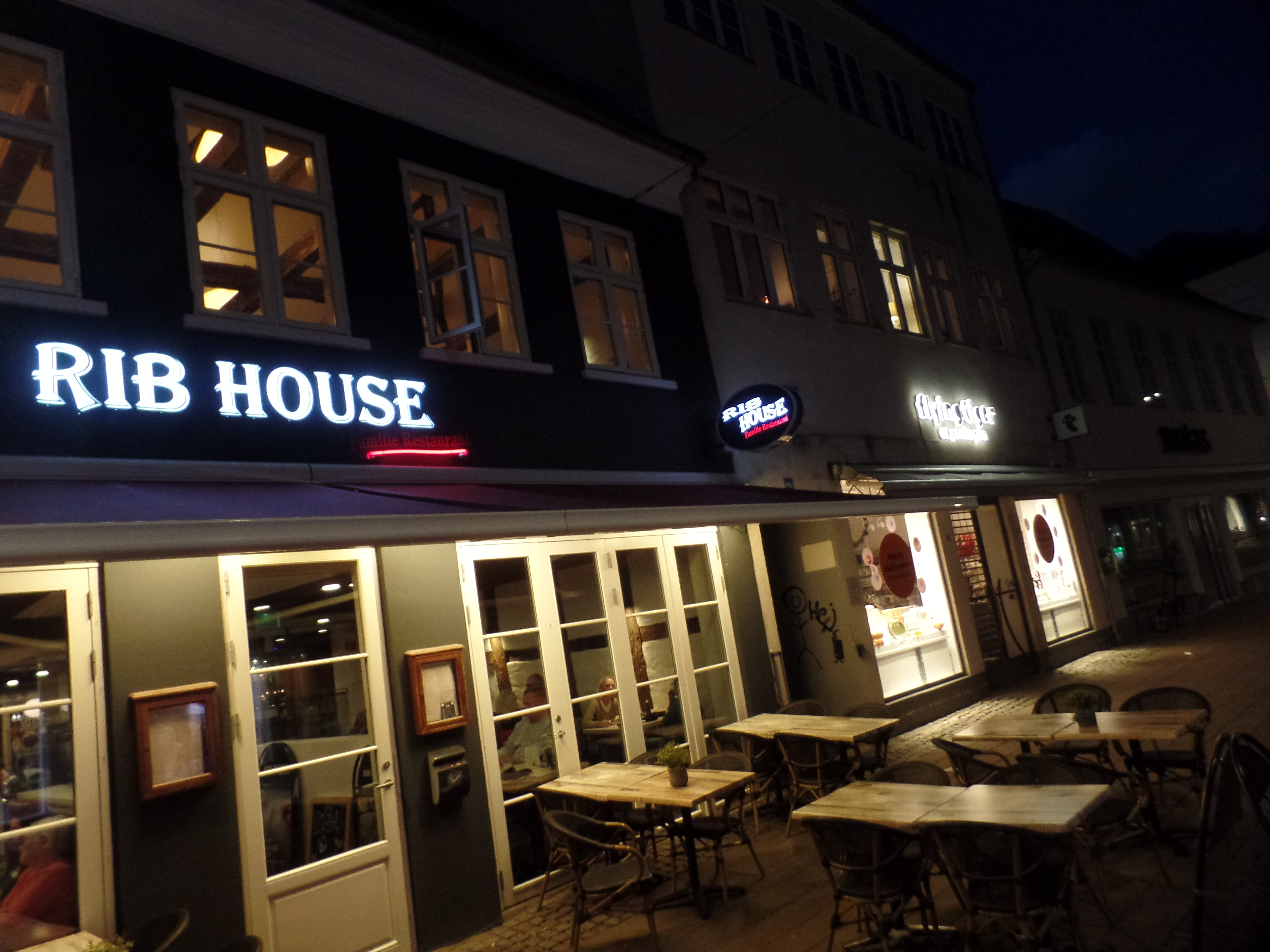
I expect it will be much the same in Denmark. Helsingor, for starters is compact. Hotel Skania, where I am tonight, is right across the tracks from the Train Station and Ferry Terminal. A short two blocks to the west and south is a row of restaurants and shops, with no cars allowed. Rib House, where I dined this evening, is a fun place, where each patron gets to check off the items chosen for the meal. There is a one-trip, or unlimited salad bar, in the style of American steak houses. How well meat is to be cooked is a choice item as are the type of potatoes one wants, and the sauces, if any, that are desired. Of course, one checks off what drink is desired.
Rib House, Helsingor Centrum
I will share more of Helsingor tomorrow. Now, it’s time for rest.
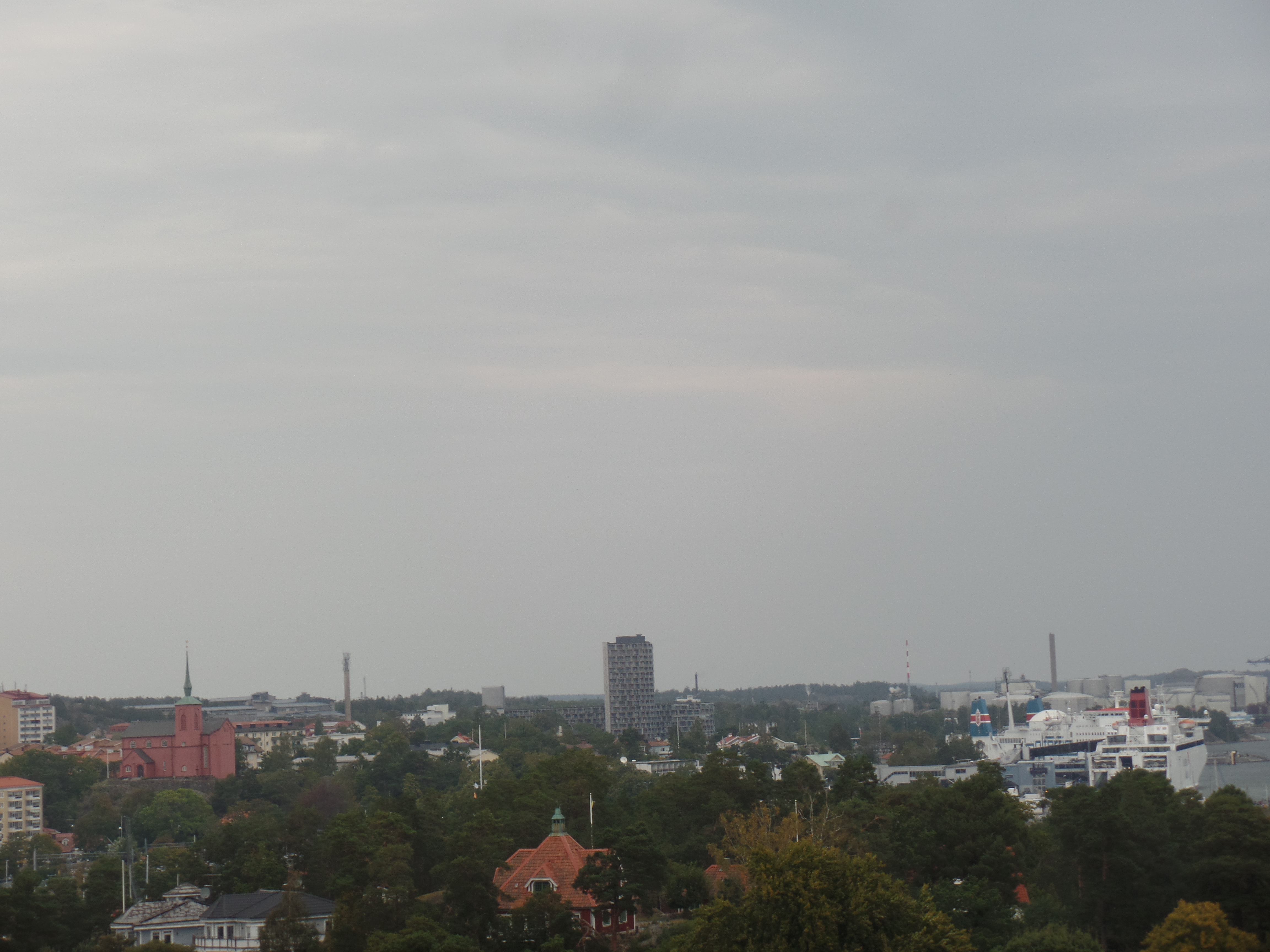
September 21, 2025, Nynashamn- It was quite windy atop the water tower that served this small city on its own, for several decades-until a larger one was built across town. The tower on which my friend, Mattias, and I stood was had burned down in 2018 and was rebuilt as an observation point, a year later. The taller and larger tower that replaced it may be seen from the top, as may a large area of the southern Stockholm Archipelago, of which Nynashamn (NEE-nahs-hahmn) is an anchor.
Here are some scenes from that vantage point.
View of Stockholm Archipelago, and south side of NynanshamnView of Grondalsviken, to the southwest of Nynashamn. View of Nynashamn Centrum (downtown)On top of Trehorningen Water Tower
Afterward, we went back to find the rest of the crew, Sarah and the kids, at Nynashamn Harbour. We had begun the day with a satisfying breakfast and had gone over to Choklad Huset (Chocolate House), which serves up the finest of hot chocolate and a full variety of solid treats. This establishment provides dessert items for the Nobel Prize Dinner, among other accomplishments. We enjoyed our delights at a playground near the harbour (The “ship playground”, say the kids.
Choklad Huset
It was soon time to go back to the cozy apartment. I spent a blissful afternoon, just soaking in all that being with a little family entails. After a well-crafted dinner of “Fresh Rolls” (spring rolls, in clear rice wraps, with “Chinese Rice” (fried rice), I took in one more Nynashamn sunset.
Sunset from Grondalsviken
Tomorrow, I double back to Stockholm’s Central Station, and take the train southward to Helsingborg and over the water, to Helsingor-the site of Elsinore Castle. It has been a truly lovely visit with my Swedish family. Now, to make more friends, in Denmark.
September 20, 2025, Nynashamn- The ferry here from Visby left bright and early. I was the first one to order breakfast on board, and chose Swedish meatballs, which were served along with a bed of beet salad on French bread. It was a cold plate, but that was okay. I am used to cold meats in warm or mild weather, and it was not cold at all on the way to the ship.
I arrived in Nynashamn at 10:30 and made my way quickly to the train, which brought me to my friends’ house. I received a hero’s welcome from the kids and warm greeting from their parents. It was easy to hang out there until mid-afternoon, watching a K-Pop video that actually had a nice life lesson for the kids-and for the rest of us: “Rather than try to hide our flaws, gear ourselves to recognize them and work to transcend them. Hiding them just opens the door for manipulation by others.”
I went back to briefly get checked into First Camp, for a short rest, then returned to my friends’ place for a delightful dinner of….Swedish meatballs. This time, though, they were hot, with flavourful gravy and boiled potatoes. I can never get too much ground meat-so this was a welcome turn of events.
*The day reminded me of a children’s story,”Cloudy, With a Chance of Meatballs”, by Judi Barrett. It, too, offers a message: “Change, even drastic change, is not the end of the world.” I have experienced both having to recognize and work on my flaws-and to embrace change and build a new way of life.” There is also a use for sameness and routine, especially for toddlers, so I bid my friends good night, after dinner, and made plans to see them tomorrow.
September 19, 2025, Visby, Gotland- Three grand buildings, or the shells of them, still stand in the center of Visby. These are all former Catholic churches, closed by the Duke of Gotland in the middle of the 14th Century, after the Black Plague and attacks by Danish forces spurred an economic downturn on the island.
I started the day with the first of two visits to Cafe Amalia, one of two breakfast establishments, within the Ringmuren (city walls) in town, that open before 9 a.m. The energetic young couple who work this branch of Amalia open at 7 a.m. I enjoyed a heaping bowl of Grandma Grot (Grandma’s Porridge) and a tasty omelet, which sustained me until dinner time.
Cafe Amalia’s uptown branch
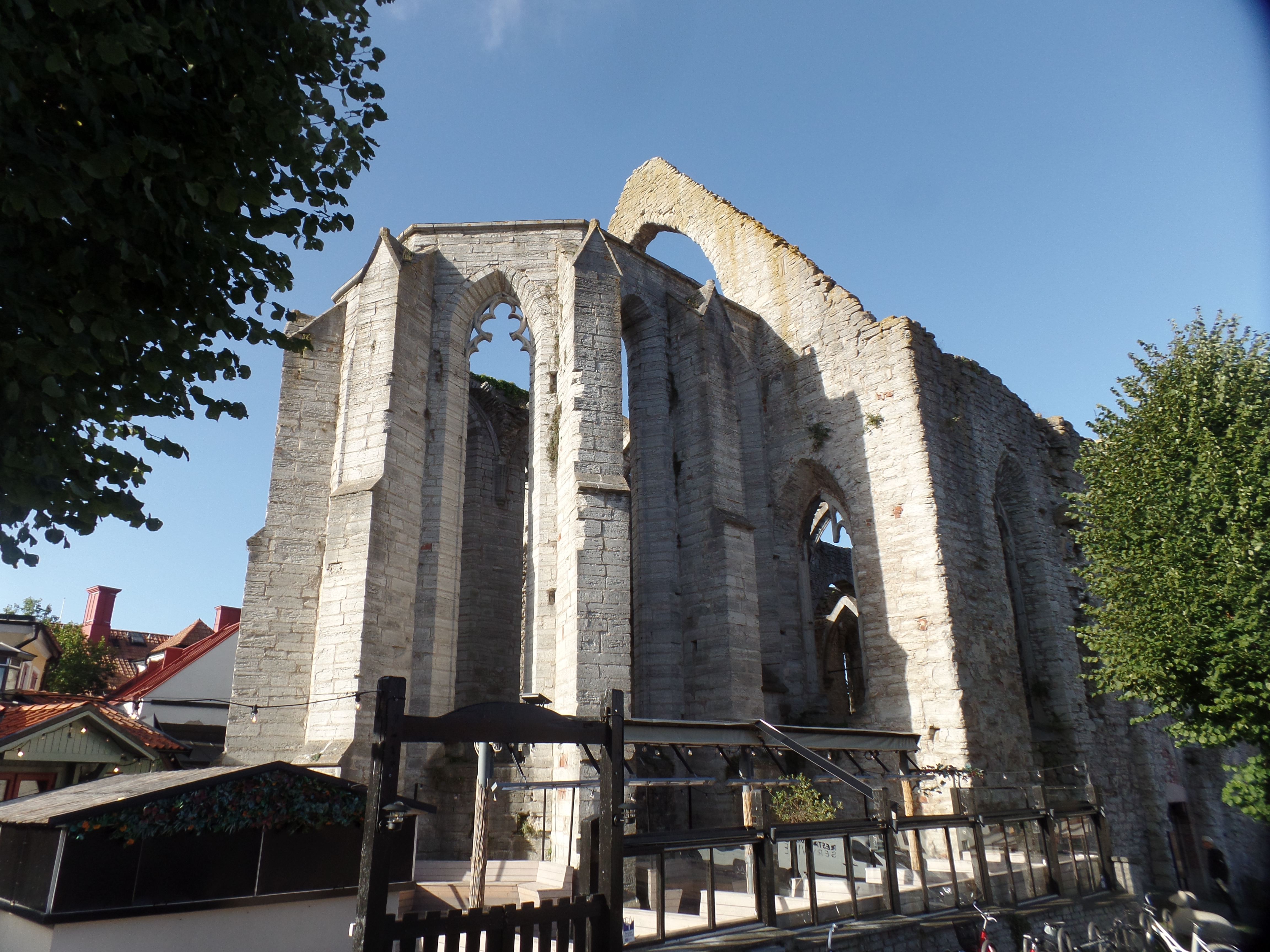
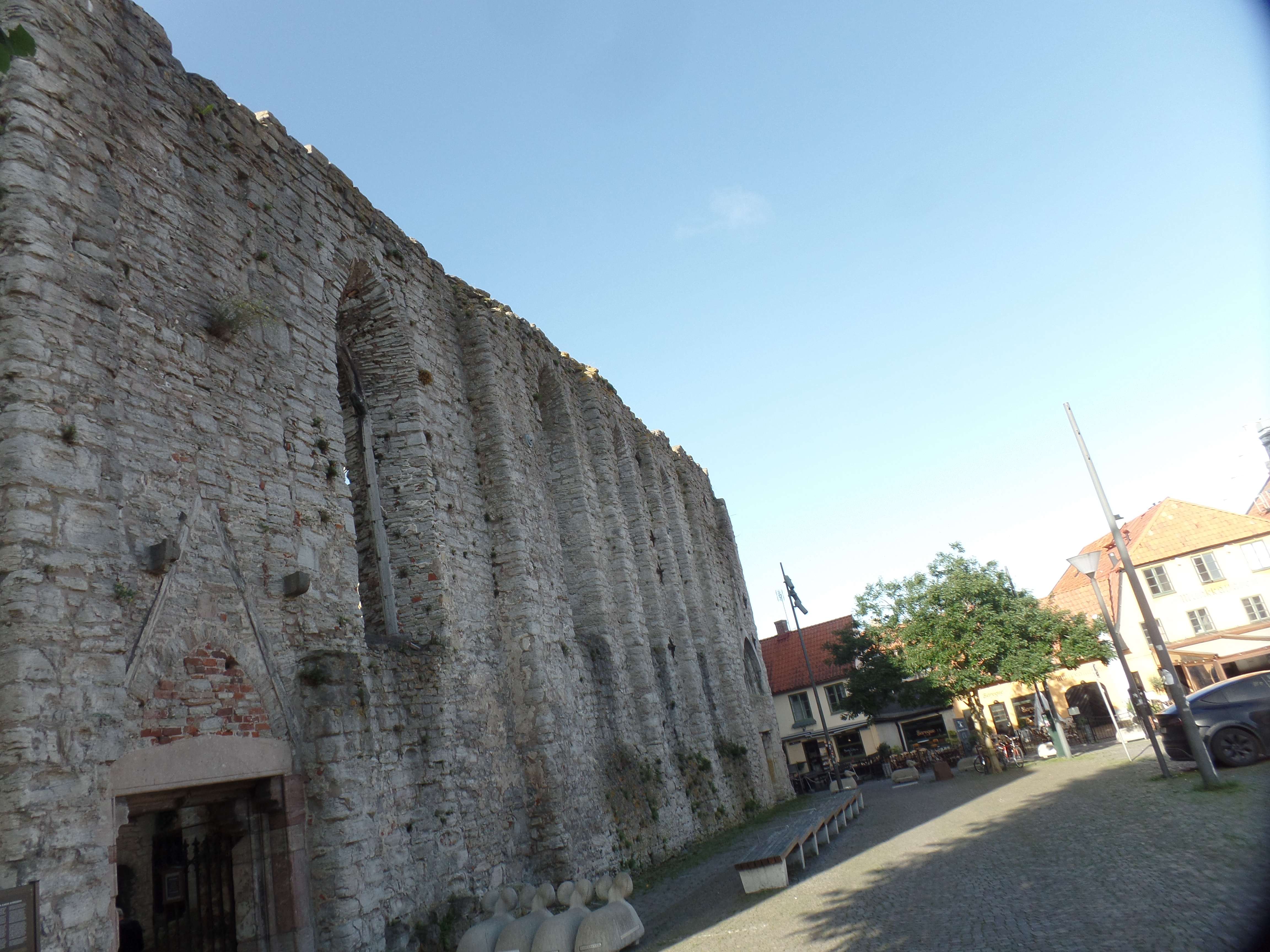
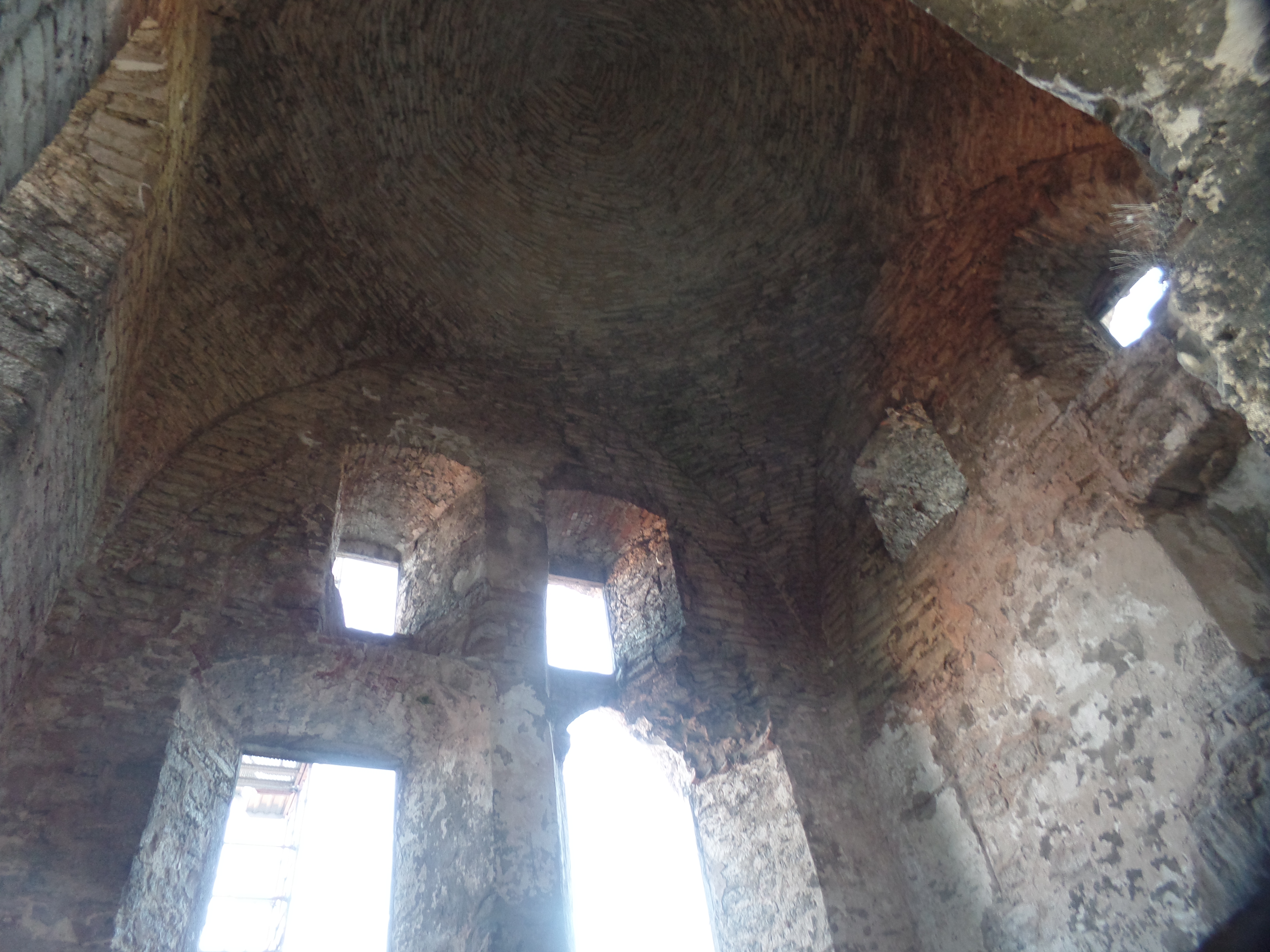
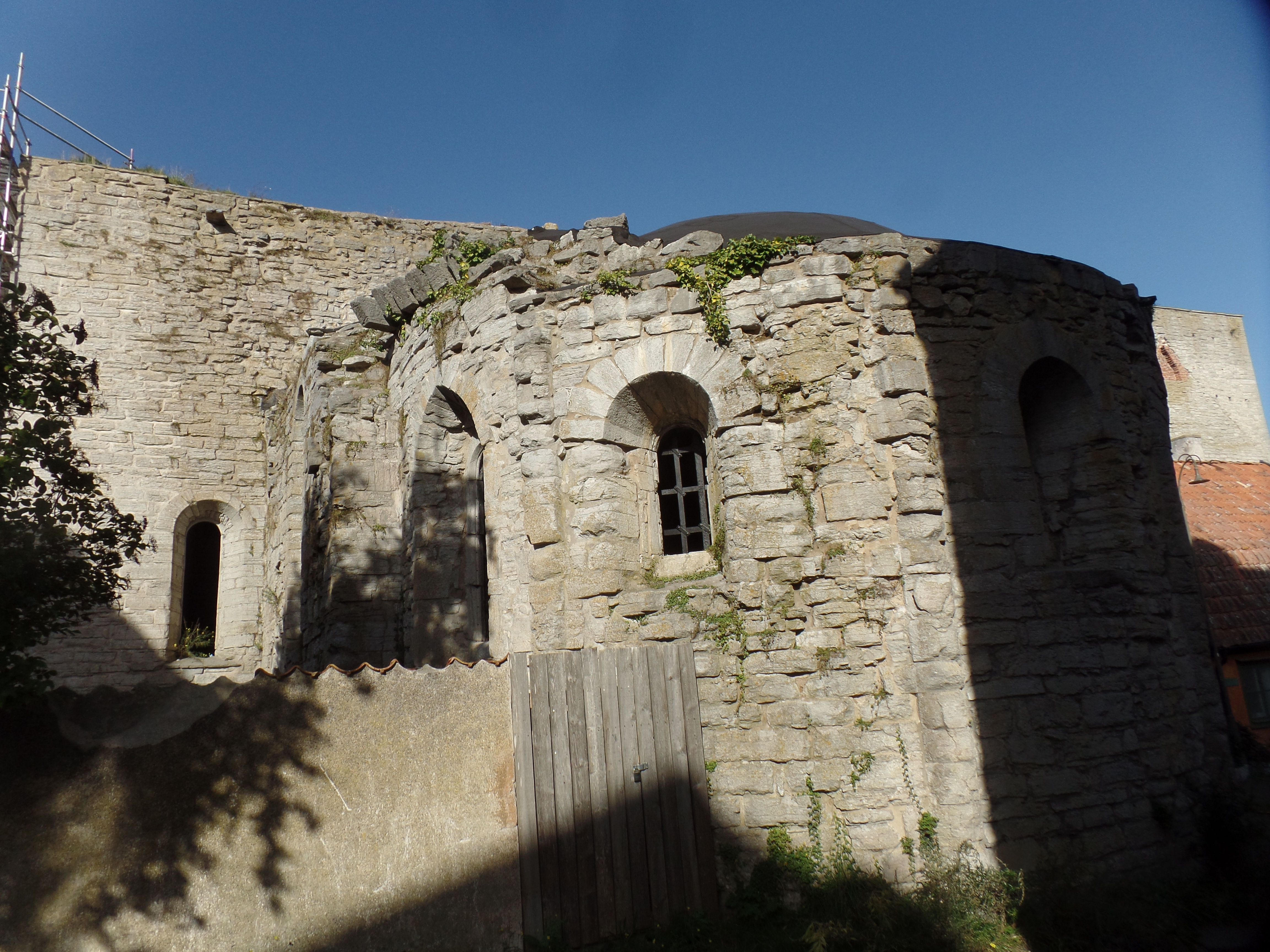
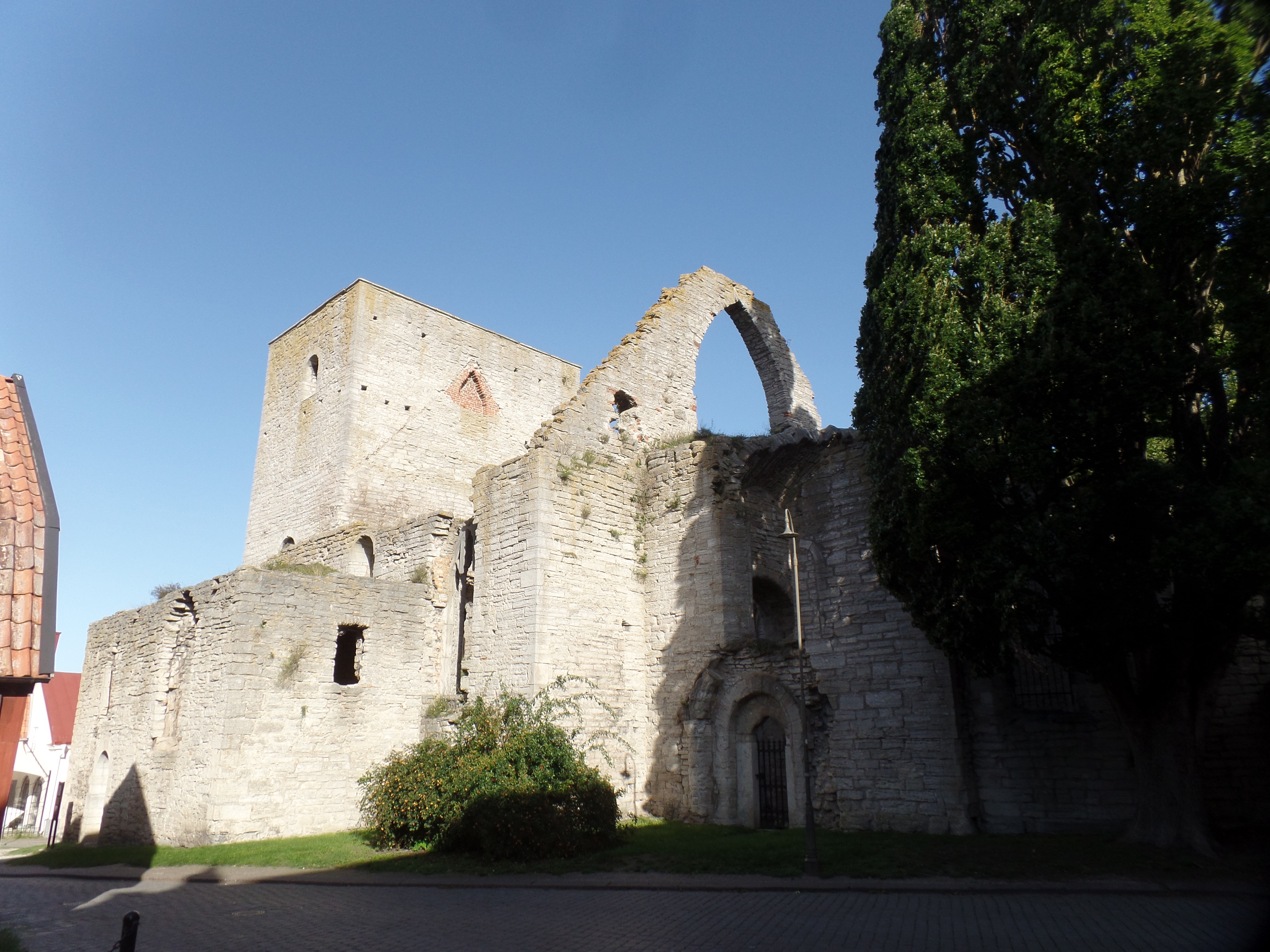
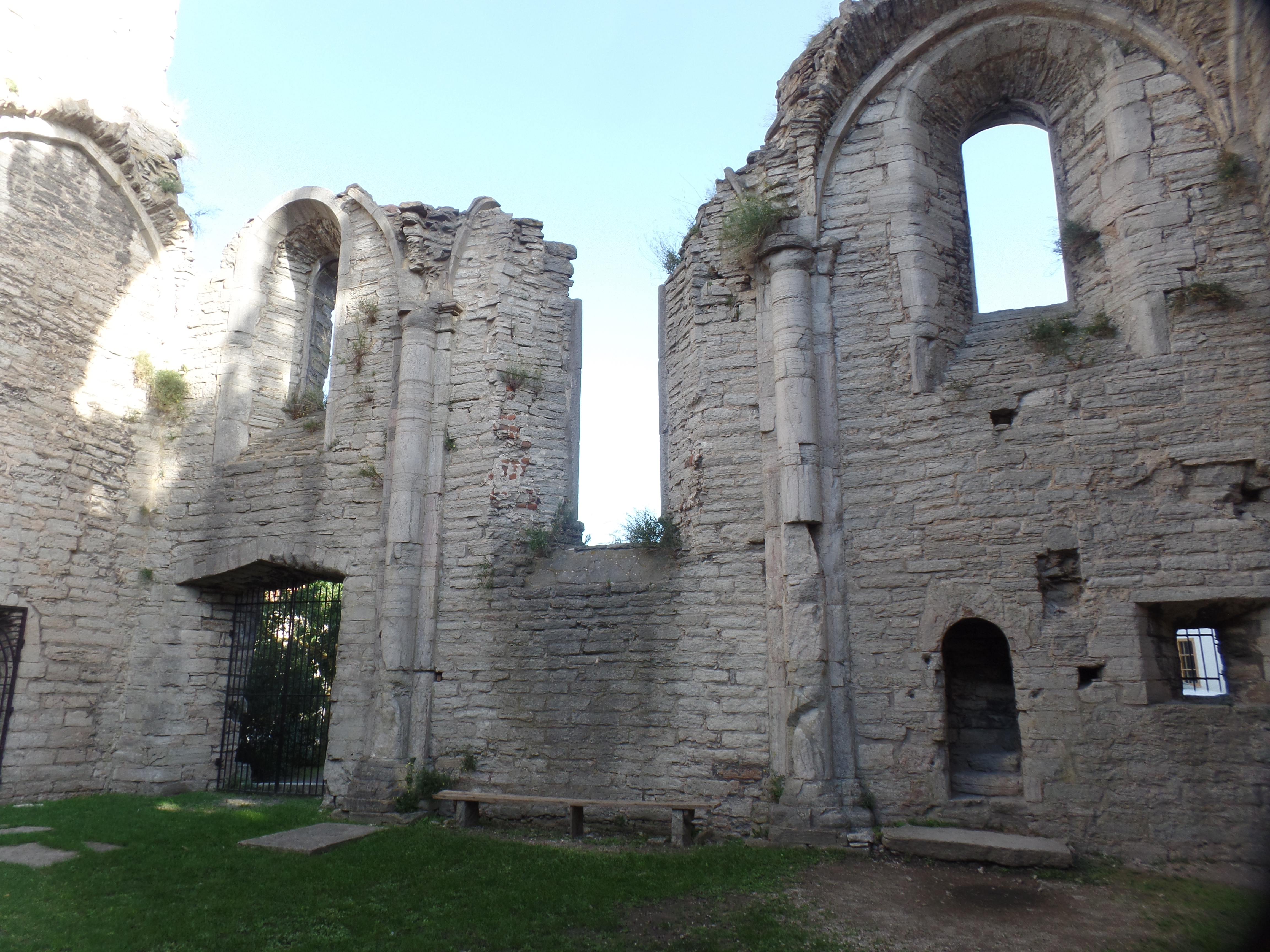
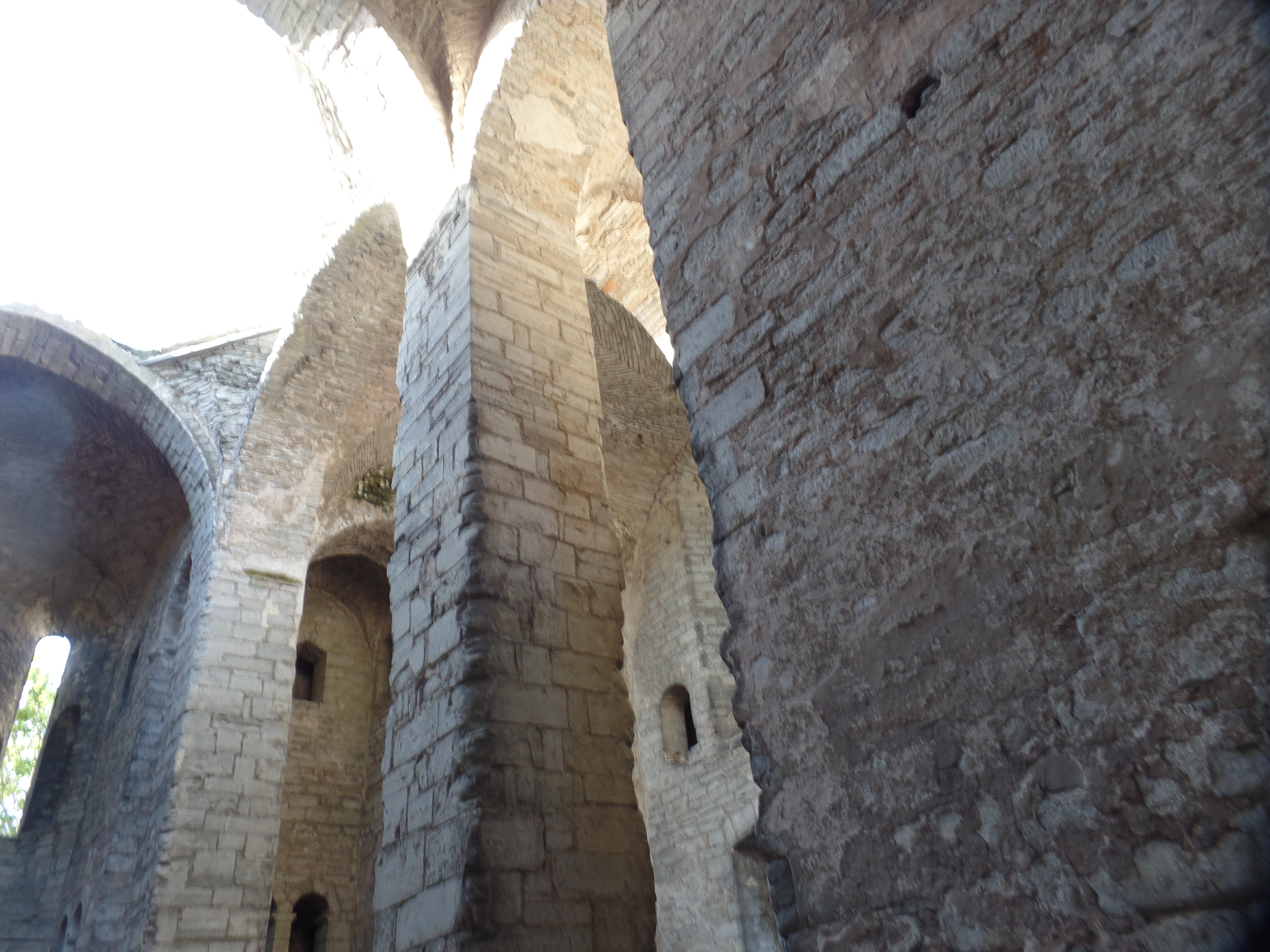
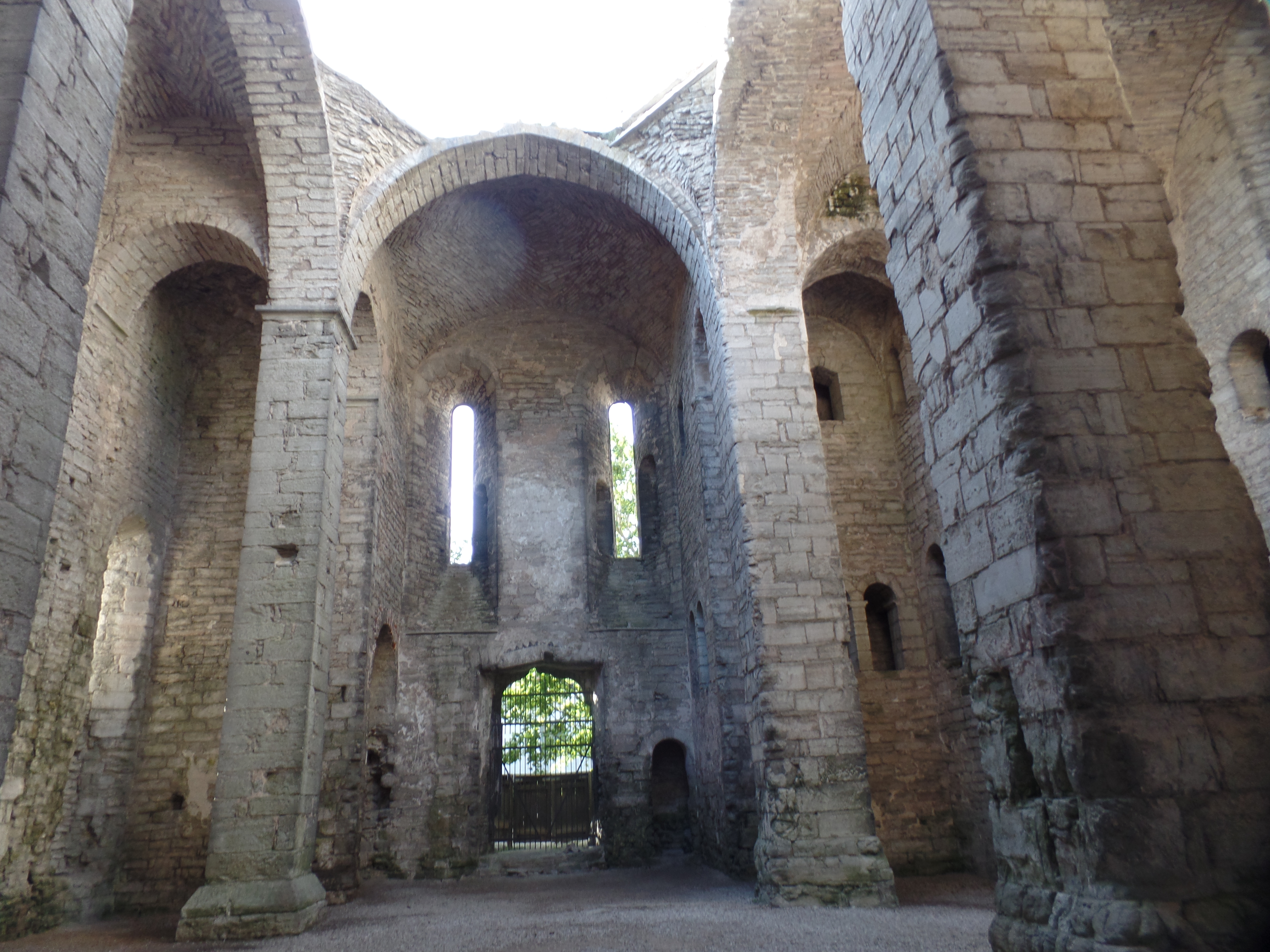
Then it was time to wander around a bit. I was surprised and delighted to find St. Karin’s Church. Karin, to Swedes, is a derivative of Katherine. What is left of St. Karin’s, and of two other churches that the Duke had closed, is protected by the Swedish government, as a matter of national heritage. So, here are some scenes of St. Karin’s.
Exterior of St. Karin’s Church (ruined)Exterior wall of St. Karin’s ChurchInterior of St. Karin’s ChurchInterior of St. Karin’s ChurchInterior dome, St. Karin’s ChurchChurch of the Holy Trinity (aka Drotten Church). This house of worship was built in the early 13th Century, for German residents of Visby. “Drotten” means “ruler”.
This church had an extension built on, before the Duke ordered it closed as well.
Church of the Holy Trinity (Drotten)Interior of Holy Trinity Church (Drotten)Interior of Holy Trinity Church (Drotten)
Next was St. Lars (Lawrence) Church, closed about the same time as St. Karin’s.
St. Lars Church-exteriorInterior of St. Lars Church
St.Lars is the only one of the ruins that has stairs which are not blocked off. The little boy in me wanted to go up. The grown man did not, and won out.
Stair well, interior of St.Lars ChurchDome of St. Lars Church
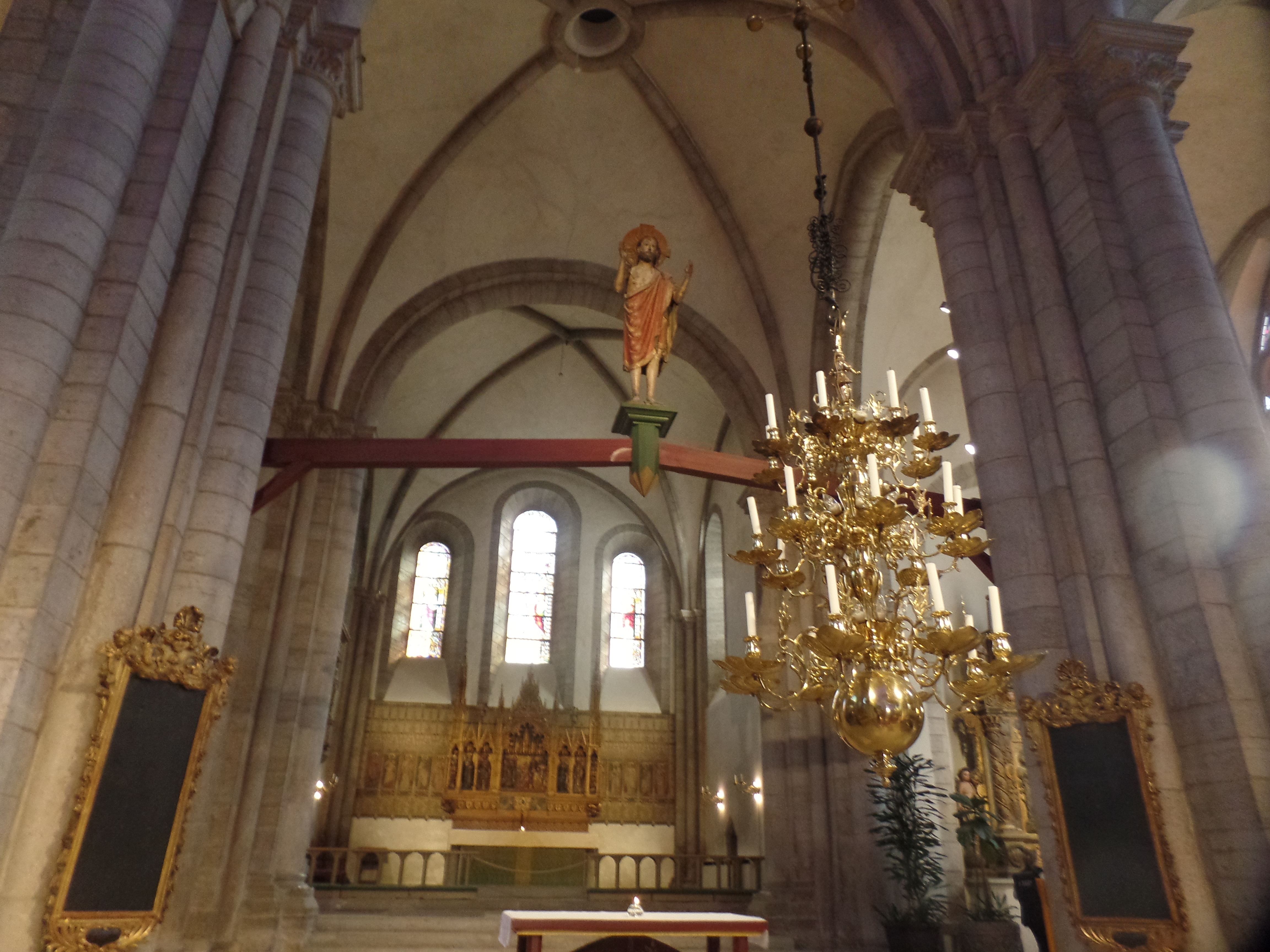
Modernity has its contribution to ecclesiastical wonders in Visby. Here is St. Maria’s Cathedral, built after Gotland had become part of the Kingdom of Sweden. Note that it has three spires.
Cathedral of St.Maria (Visby Cathedral)Exterior of St. Maria’s CathedralInterior of St. Maria’s Cathedral (above and below)Interior of St. Maria’s CathedralAltar of St. Maria’s Cathedral
Here is a view of all three spires of St. Maria’s.
East Wall . It was through this gate that farmers bringing their produce to market had to stop and pay tolls, or risk fines or being flogged.
We can look at, and admire, the beauty of what has been preserved for us, yet would do well to remember the excesses of government that led to things like Ringmur (surrounding wall) of Visby.
Today’s festivities will be shared in two parts, as some photos are on the iPhone gallery and the cable for my phone doesn’t quite connect to the Lenovo.
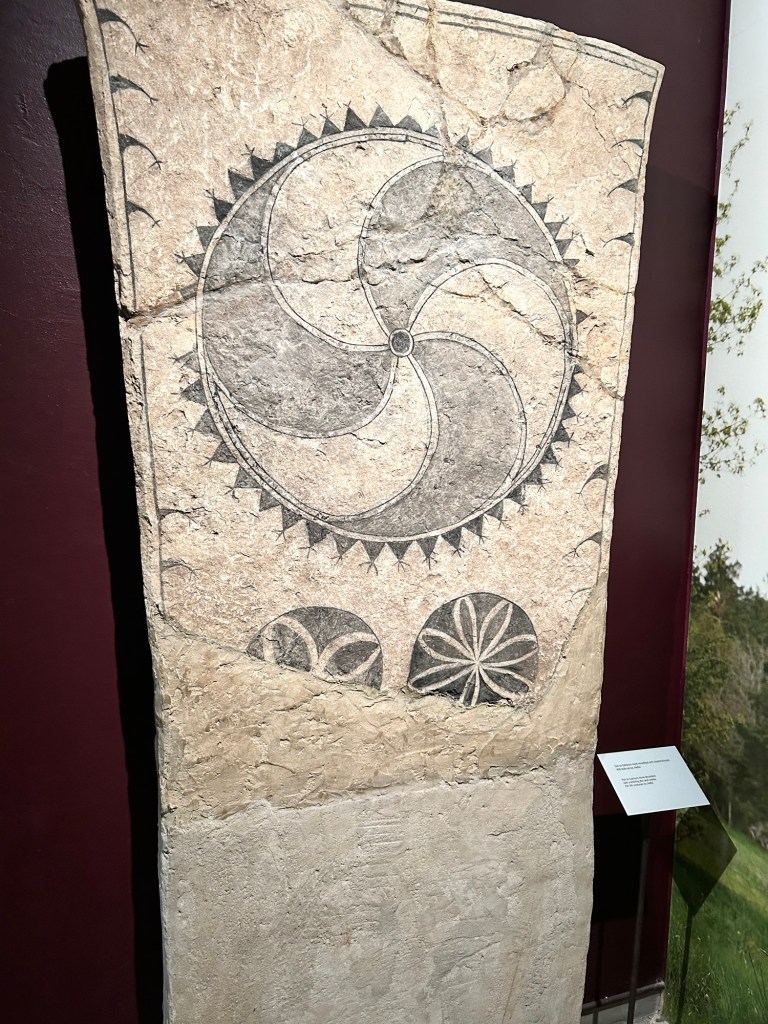
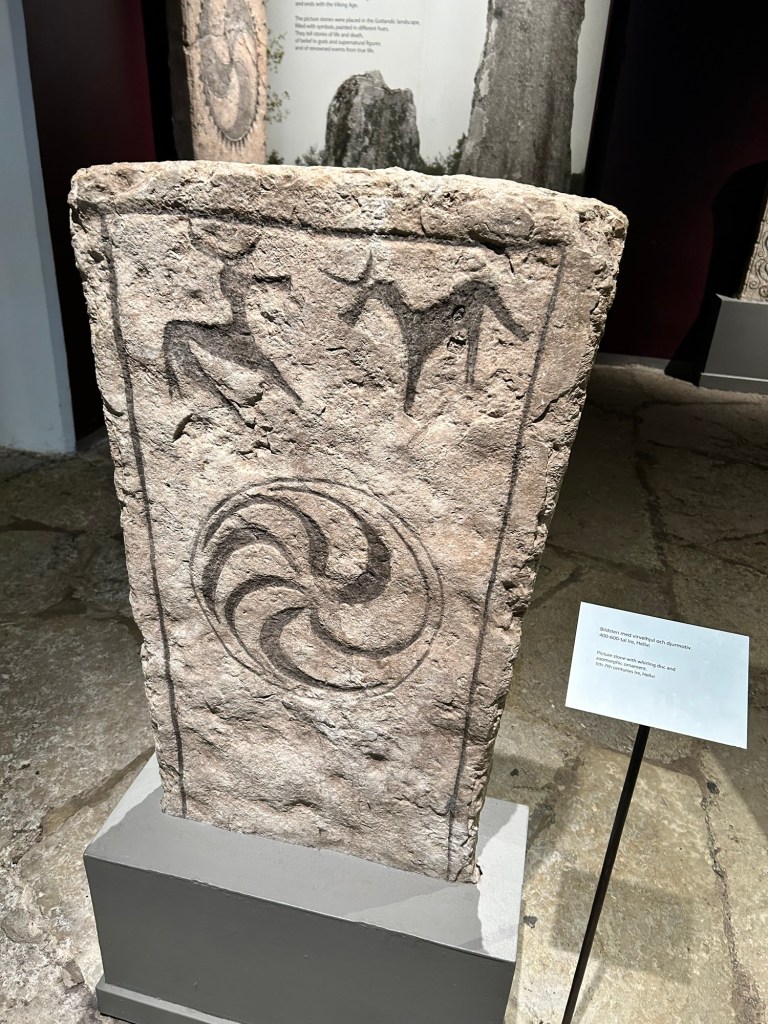
Sharing is caring, regardless, so let’s take a look at Gotland Museum. There are four floors, each with two or three galleries. Floor 0 is where we enter, pay admission, check out the bookstore and spend time with Gotland’s unique Picture Stones.
Many picture stones were originally painted with red, yellow or blue pigment. Most have lost the pigmentation, over the centuries.
The standing stones are all over Gotland and its northern offshore sibling, Faro (not to be confused with the resort city in Portugal’s Algarve). See gotlandpicturestones.se
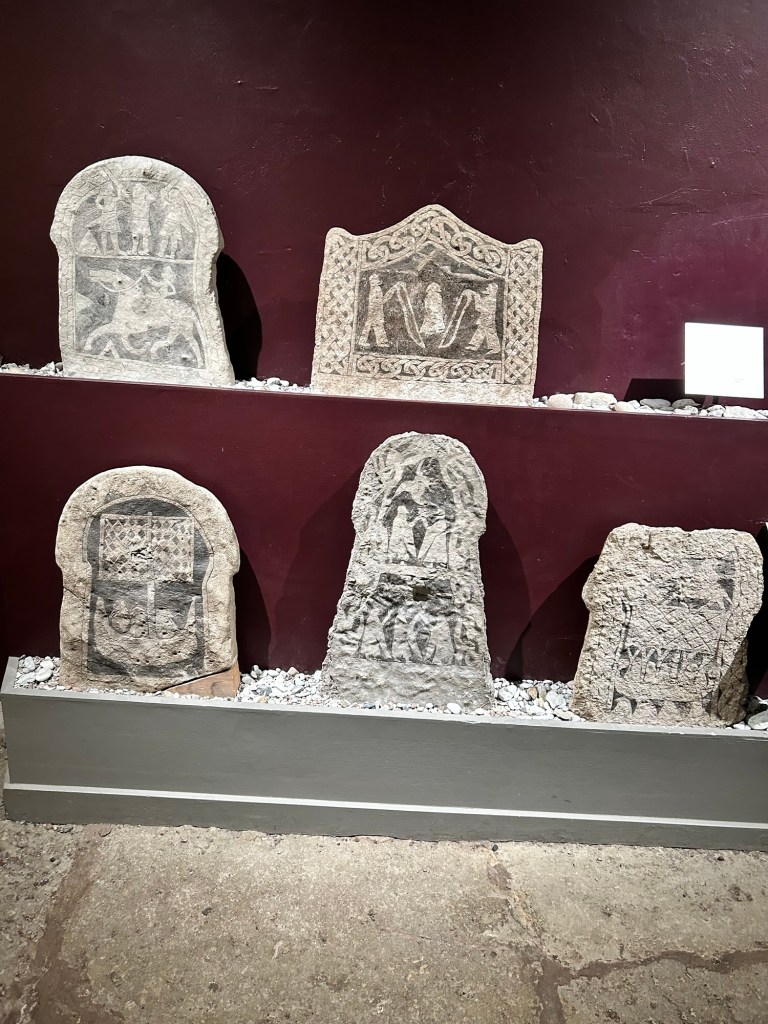
Here are a few scenes of that gallery.
This came from the early Christian era, most likely commissioned by someone looking to protect his farm.The pinwheel also is a harbinger of good fortune.This tells the story of a horse and a deer.
This one has a sensor, which fills in the colours when someone approaches.
There are several others in the gallery, but here is a tableau of some smaller reproductions from around Gotland.
Up to Floor #1, we find The geology of Gotland. It, like the rest of Scandinavia, was once buried under ice. As the glaciers retreated, the Baltic Sea filled in, while islands like Oland, Aland, Bornholm and Gotland remained above water, being the tops of small hills.
Sandstone and limestone predominate the gently rising, but mostly flat landscape. There are some forests, but Gotland is still mostly farmland.
Floors 2 and 3 feature the history of Gotland and stories told by local children and youth, respectively. The historical part begins with a Norse creation story. Odin, representing the Sun, brings the world to life. He and other deities guide people in the ways of right living. All the while, the ravenous Wolf watches and waits. At the end time of Ragnarok, the Wolf will swallow Odin.
On that cheerful note, the story of Gotland proceeds, through its early days of increasingly successful farming, the Viking Era, Hanseatic League and incorporation into the Kingdom of Sweden.
It was during the Hanseatic period that the wall encircling Visby was built. At the East Gate, all peasants wanting to sell produce at Visby’s market had to pay a toll. Those trying to sell elsewhere were fined pr flogged. This was the stricture of the manorial system.
On the third floor, there are both paintings and recorded stories by Gotland residents.
The painting above shows the juxtaposition of hillside Visby with the sea.
The museum was founded in 1875, by Per Arvid Save( pronounced SAH- vay) and the Friends of Gotlanf, with the aim of preserving the island’s rich heritage and sharing it with the world. Dr. Save encouraged the farmers and fishers of Gotland to safeguard the picture stones they found about their homes and nearby lands.
Next, I will visit the ruined churches of Visby’s centrum, with the help of my laptop.
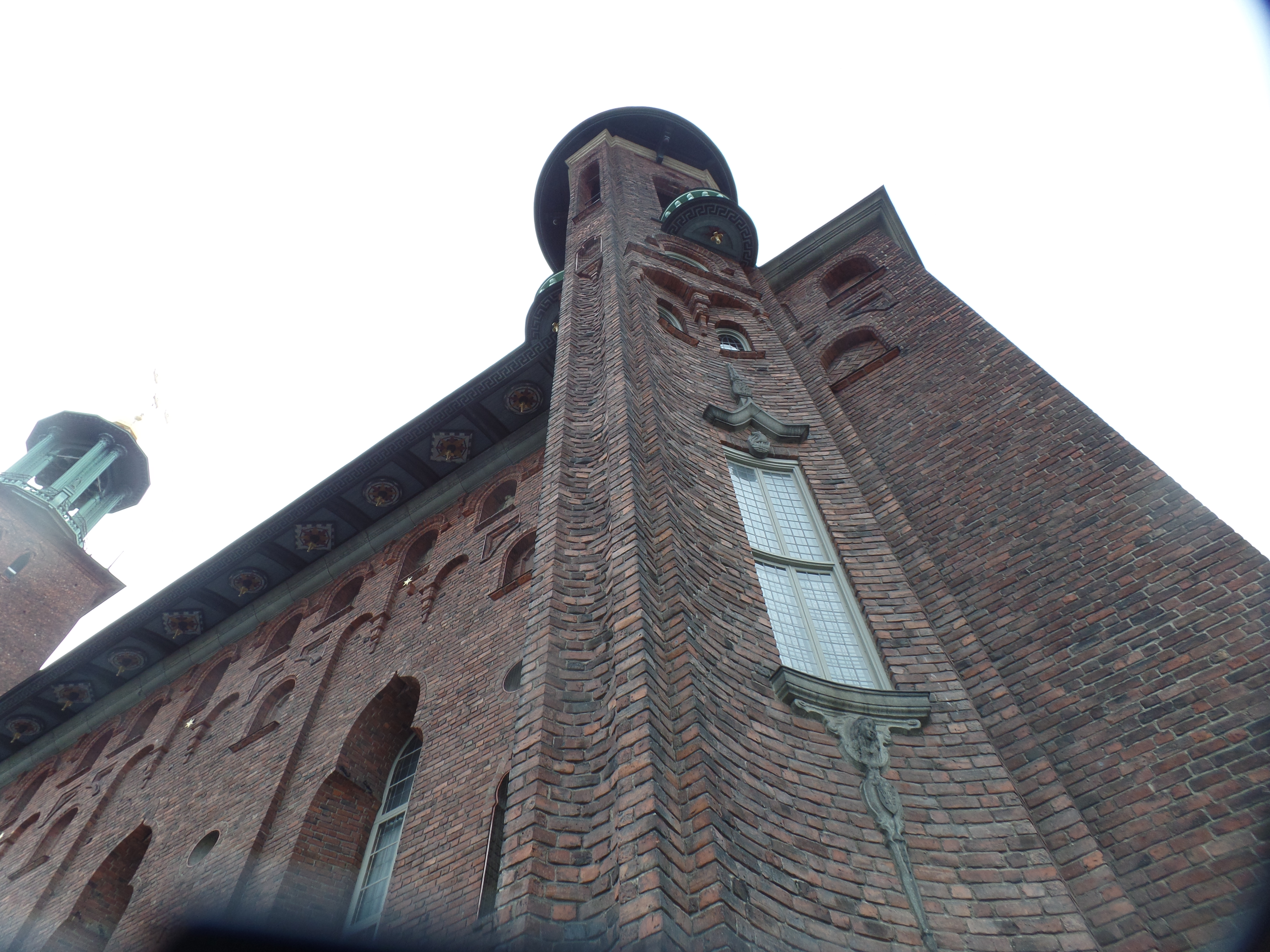
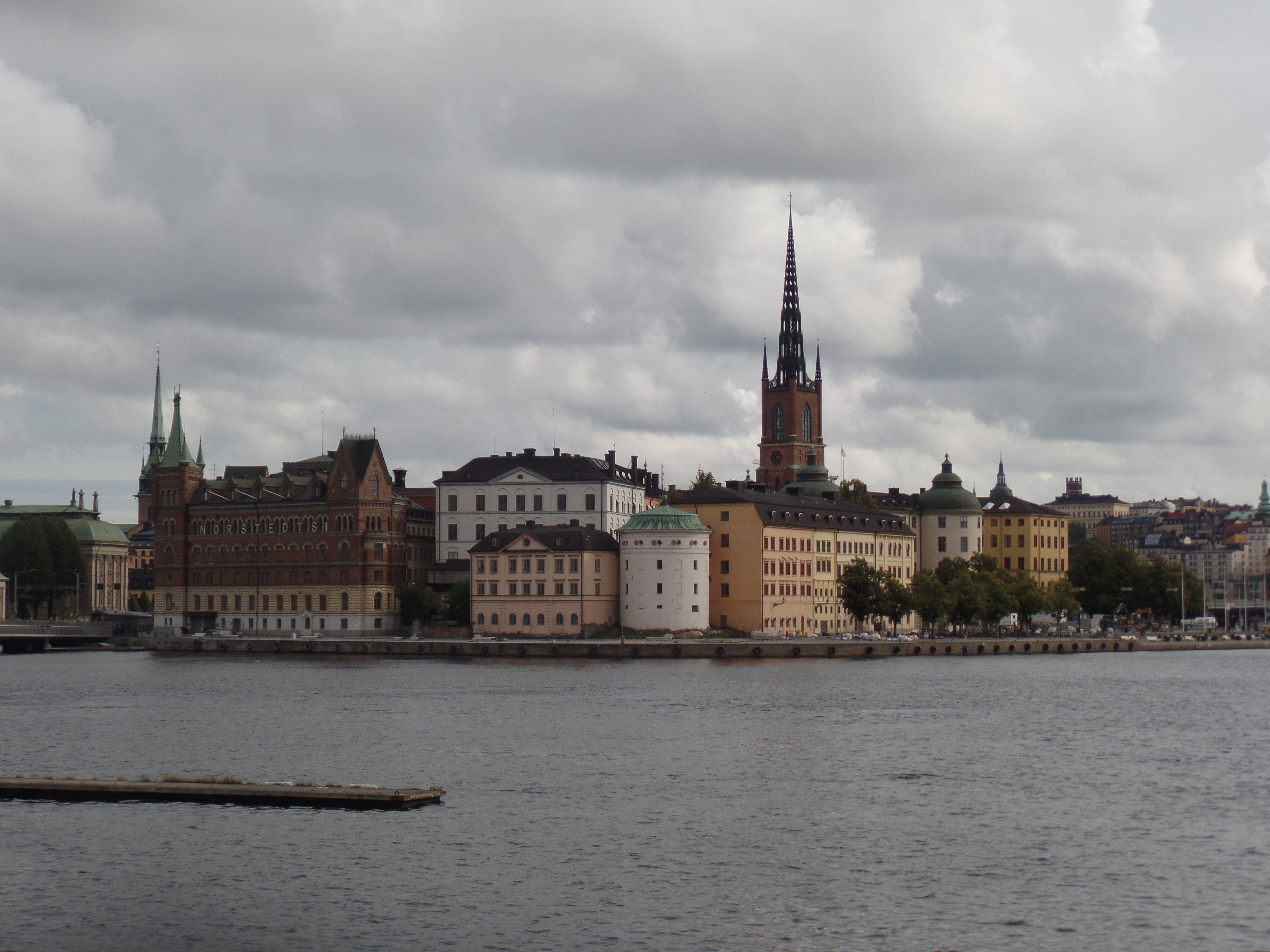
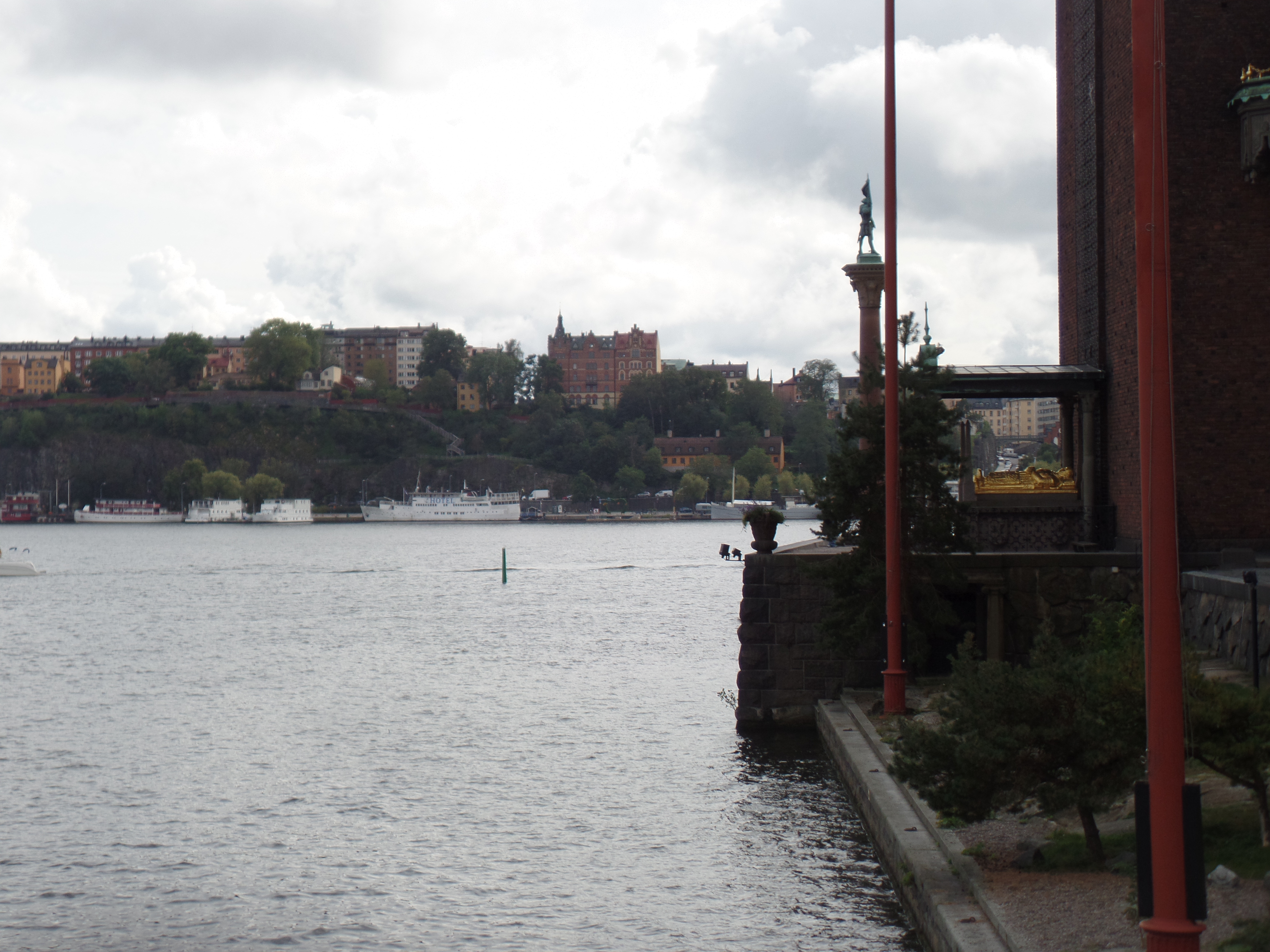
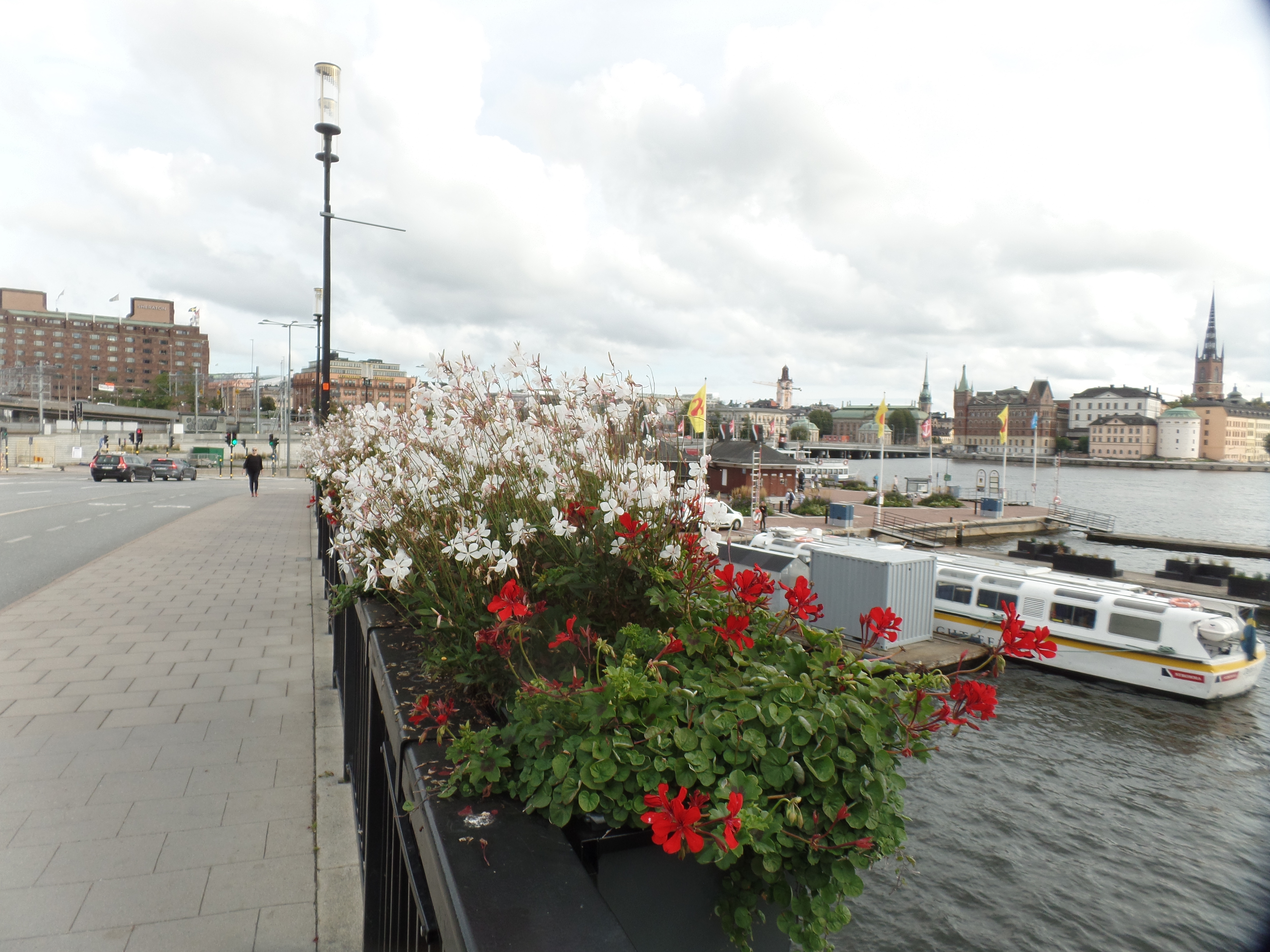
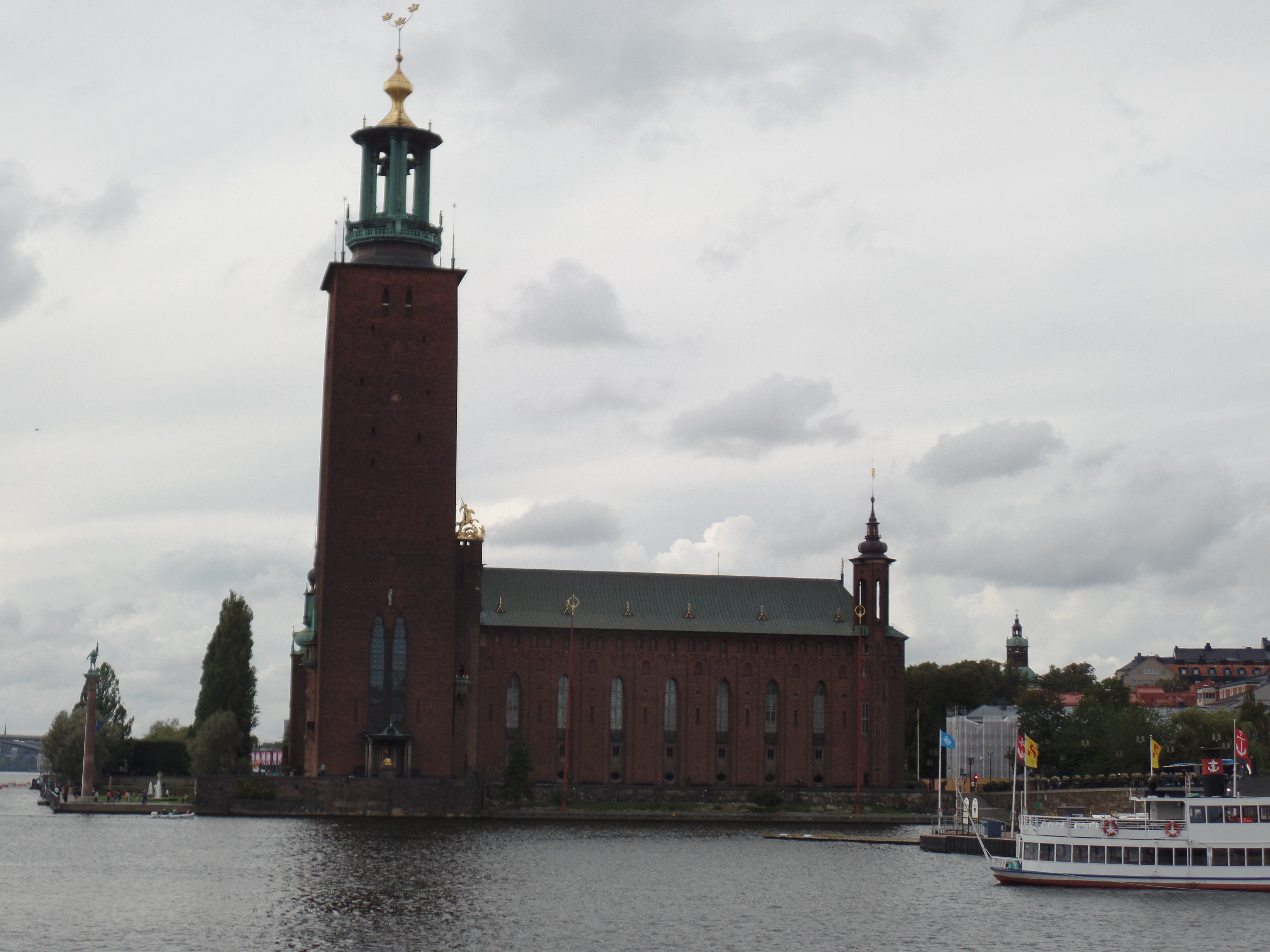
September 14, 2025, Stockholm- Between Nomad Cave and Stockholm Palace are several interesting churches, Stockholm City Hall and the salubrious greenspace on both sides of Stockholm Strom. There are the two houses of Sweden’s Parliament and the northern end of the pedestrian mall that leads to Central Station.
So, here are ten scenes of Kungsholmen (King’s Home), the neighbourhood where I am staying, and of Gamla Stan-the island which houses the Palace, Parliament and Stockholm’s Old Town.
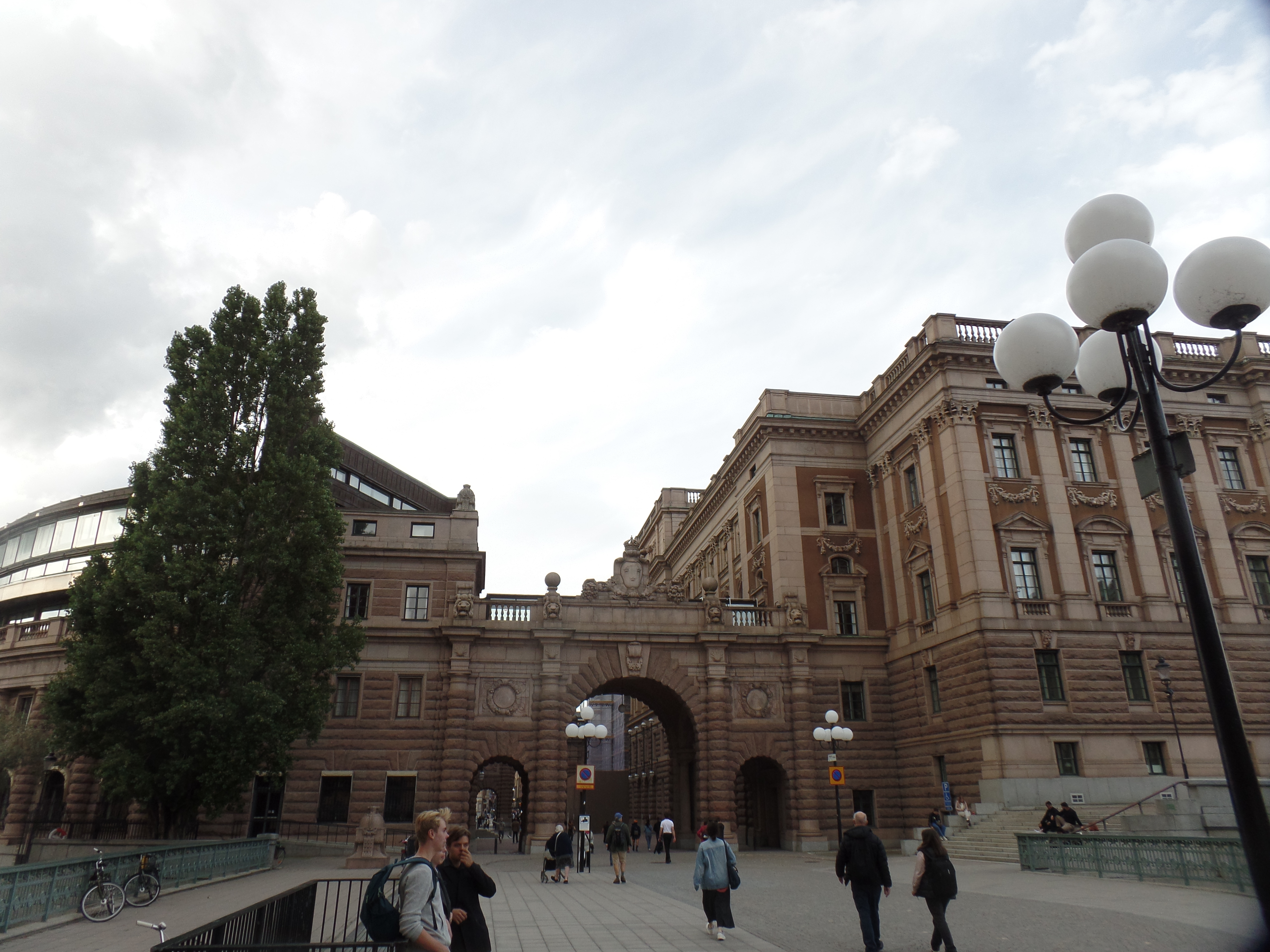
The stairs are just beyond the door. Be mindful!So much of Kungsholmen is stately and well-appointed.. Anna Whitlock was a Swedish social reformer and educator, at the turn of the 20th Century. Her Gymnasium continues to offer five academic preparatory programs, with the philosophy of total mind-body engagement.Kungsholms Kyrka’s Rector ordered a group of tourists out, just as I entered the foyer. I didn’t need to know Swedish to get his meaning!The upper reaches of Stockholm Stadshuis (City Hall)This is Gamla Stan, in a nutshellNear the southern dock along Stockholm StromHouseboaters like bright coloursA more complete view of Stockholm StadshuisThe two Houses of Parliament, viewed from the south.!2 Blocks of non-stop eating and shopping- Regeringsgatan is one of two long pedestrian malls in Central Stockholm.
Stockholm is a never-a-dull-moment kind of place. I noted some parents interacting with their children, around Stadshuis. Two boys were testing their mothers, by dawdling on their bicycles, while the mothers walked on ahead. One of the boys got the hint and “showed” how fast he could catch up to Mom. The other had to be retrieved, and got to hold his mother’s hand while slowly peddling towards home. Other young parents were dealing gently, but masterfully, with tired, squawking toddlers, as I purchased two bottles of Fortified Water, at the neighbourhood market, in Kungsholmen.
NEXT UP: The ill-fated Vasa and some hard-luck Vikings
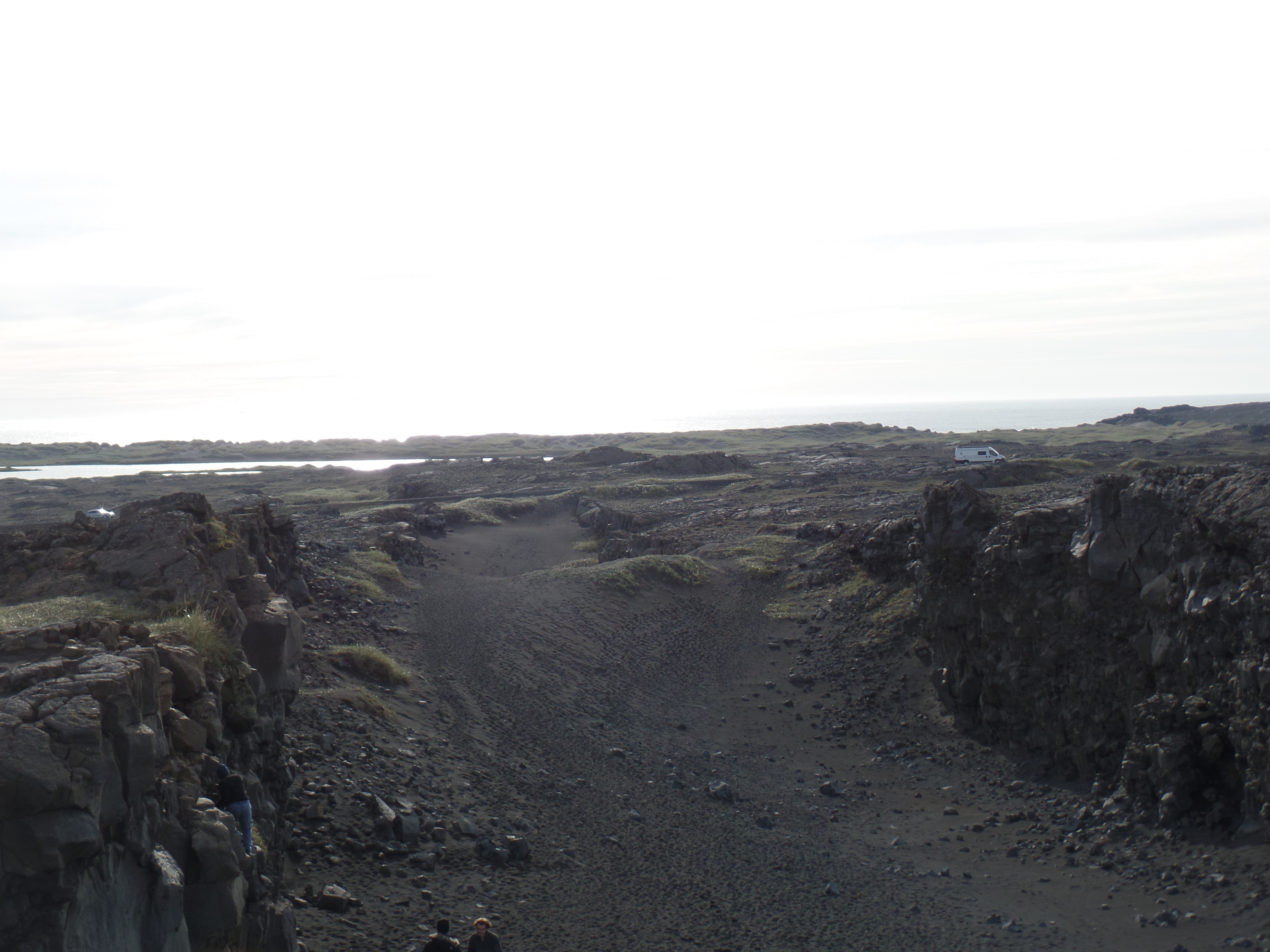
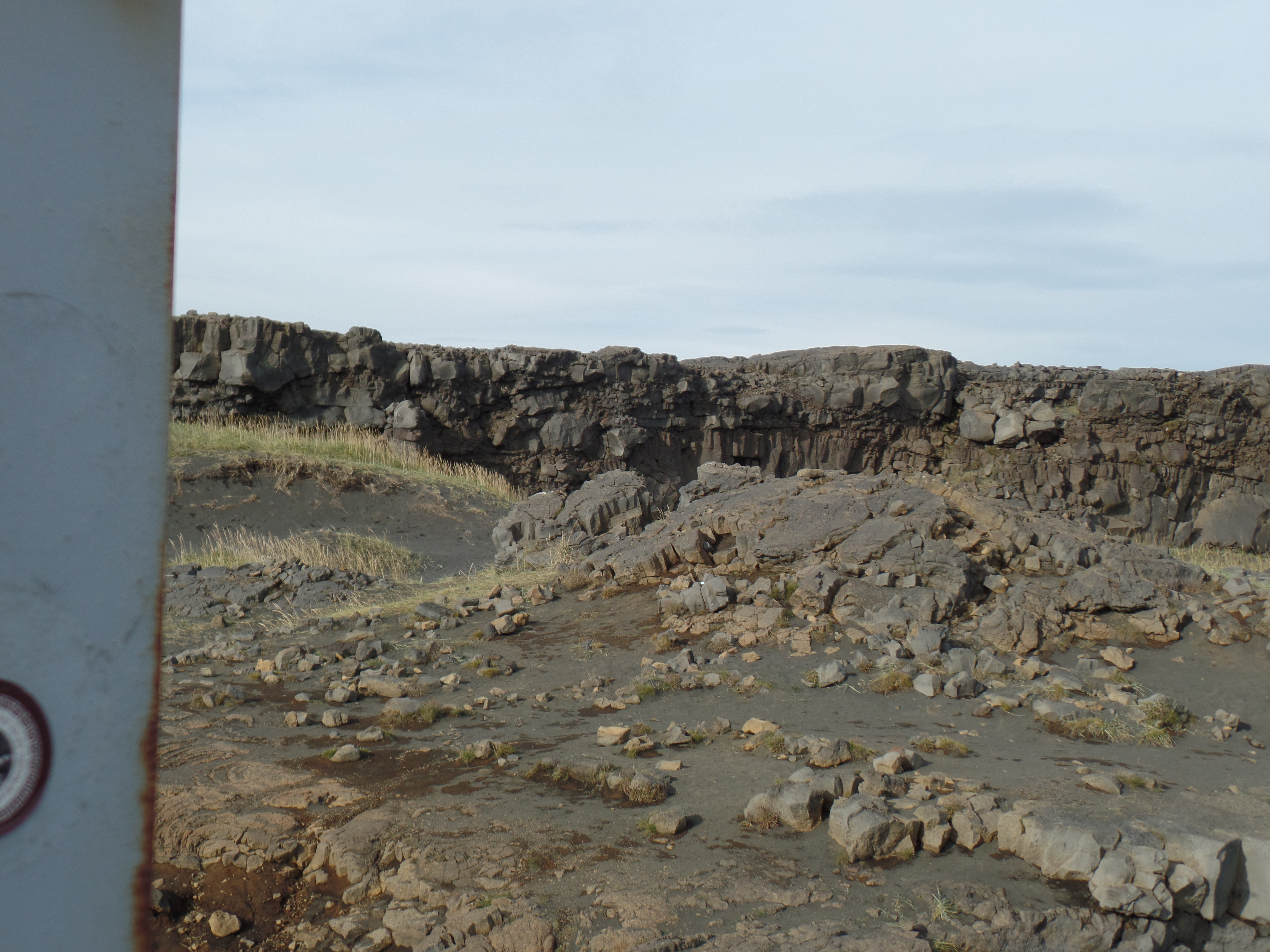
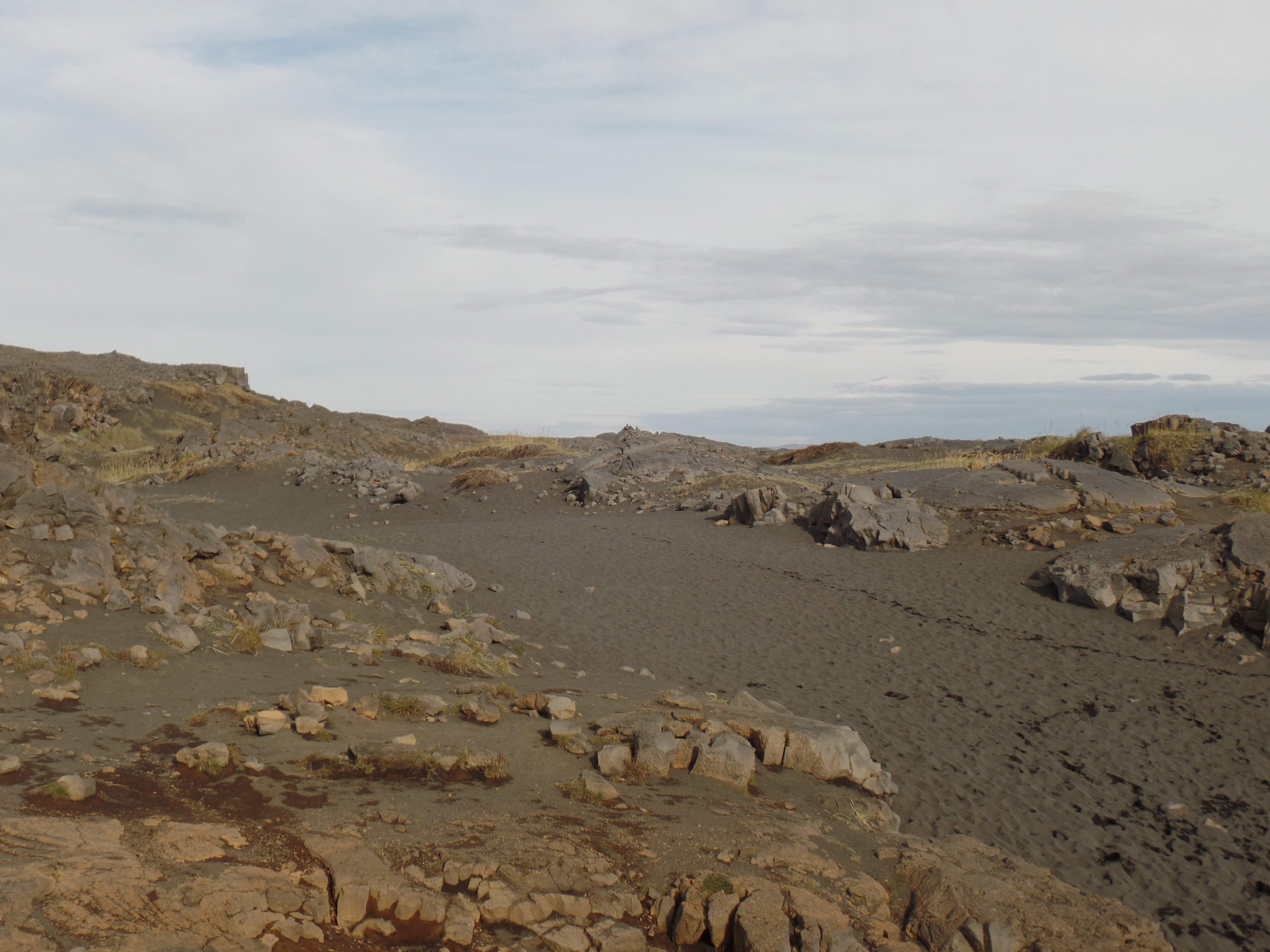
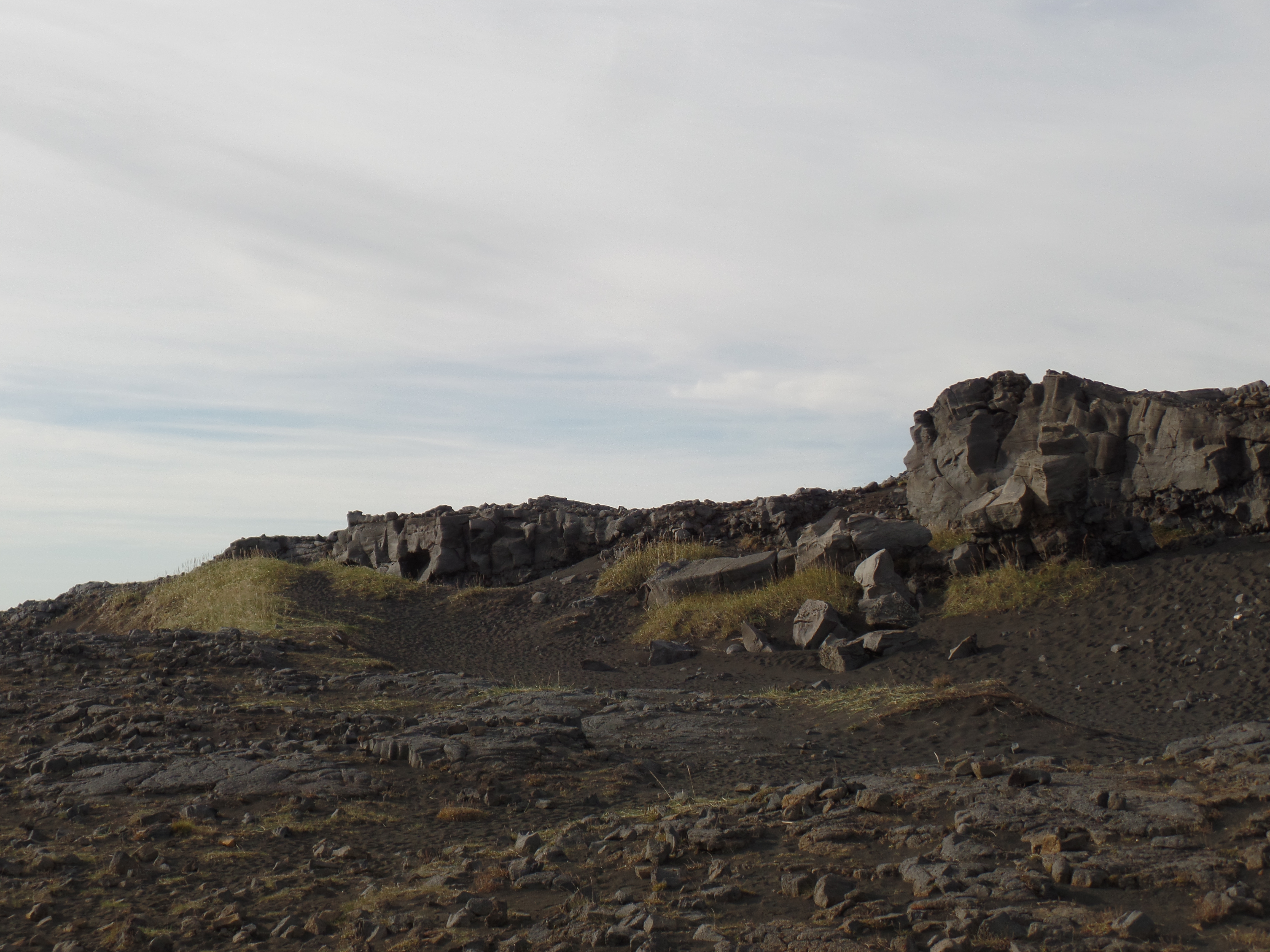
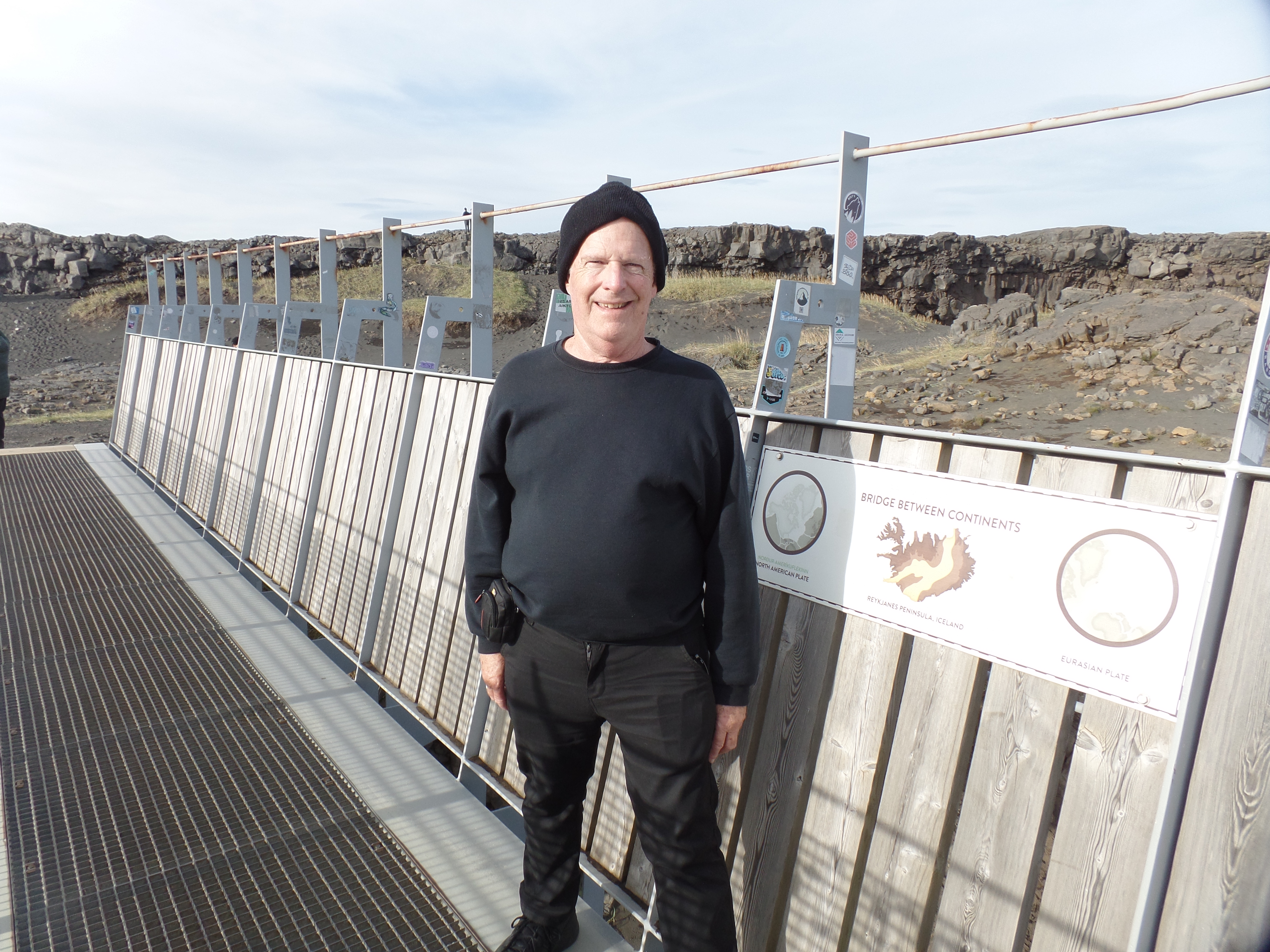
September 12. 2025, Keflavik, IS- It was rather fortuitous, that today should be the day that I was able to visit the European-American Continental Bridge. Here, near Iceland’s southwestern tip, two tectonic plates are separated by a now slight gap, called the Silfra Fissure, which is widening by a few centimeters each year. Eventually, there will be even more distance between the two continental shelves. https://perlan.is/articles/tectonic-plates-iceland
I engaged the services of a local gentleman, in bridging the gap between my hostel room in the Keflavik suburb of Kellir and Pingvellir National Park, where both the Bridge and active, free-flowing hot springs are located. Here are some scenes of the park:
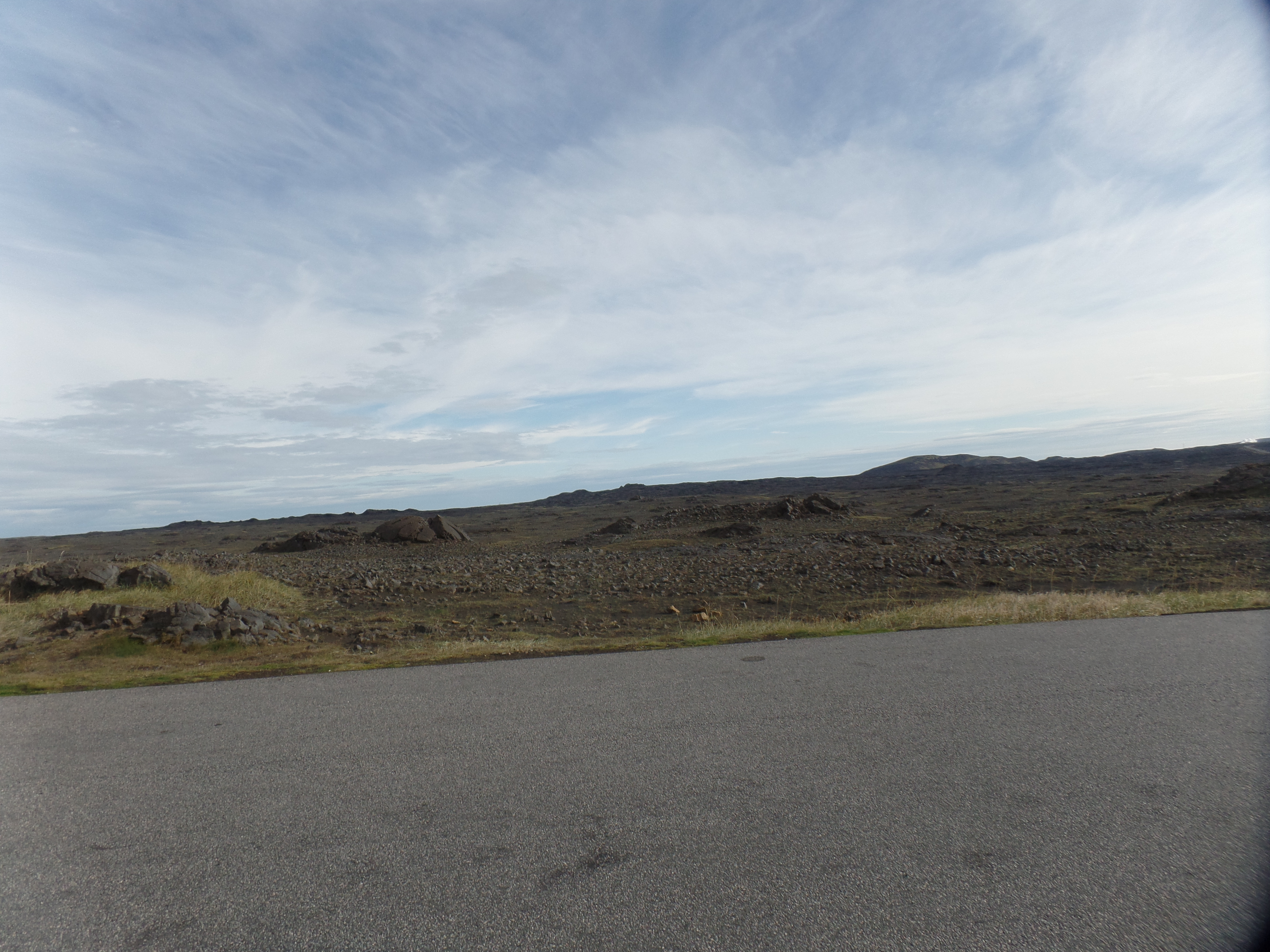
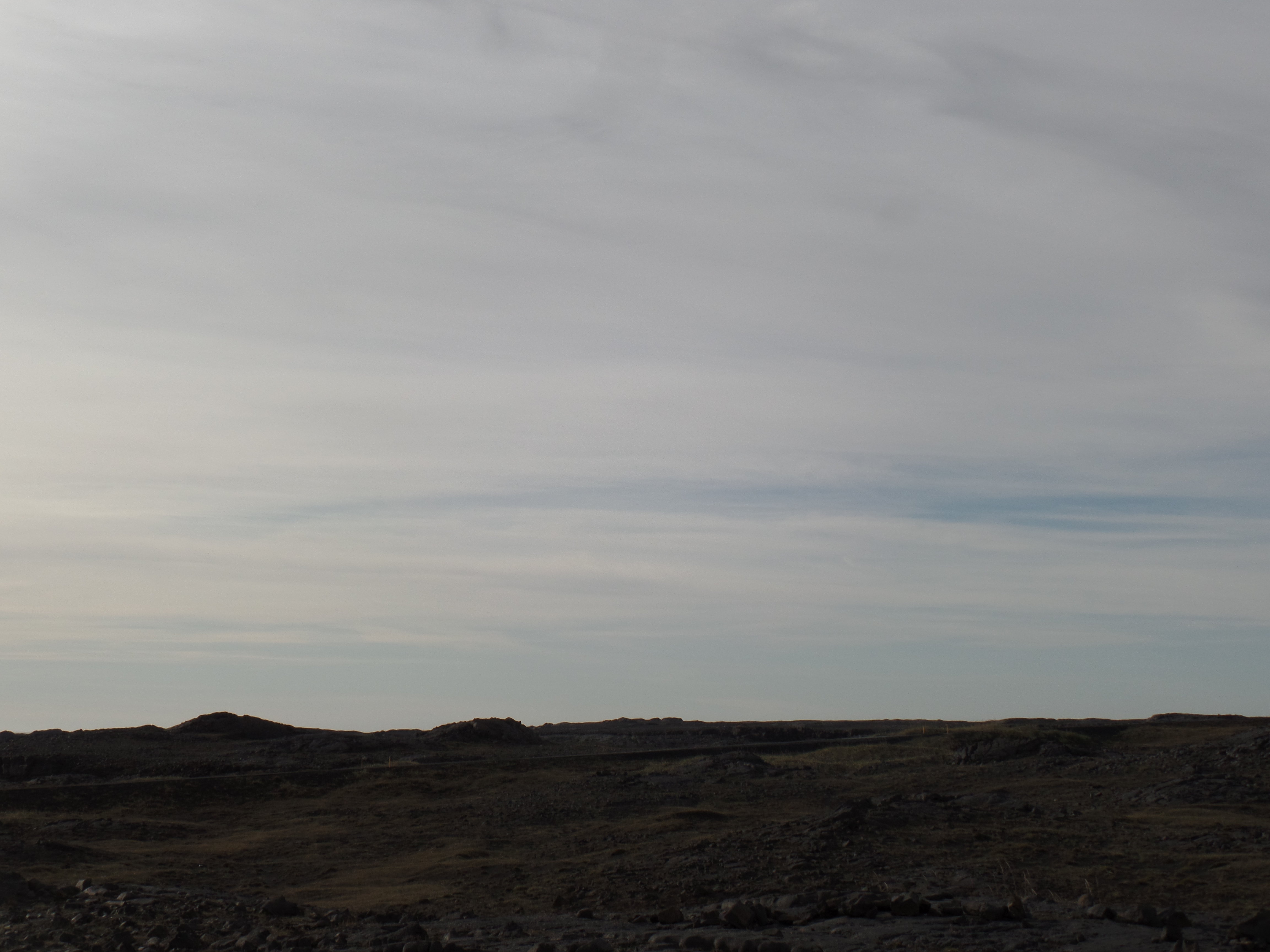
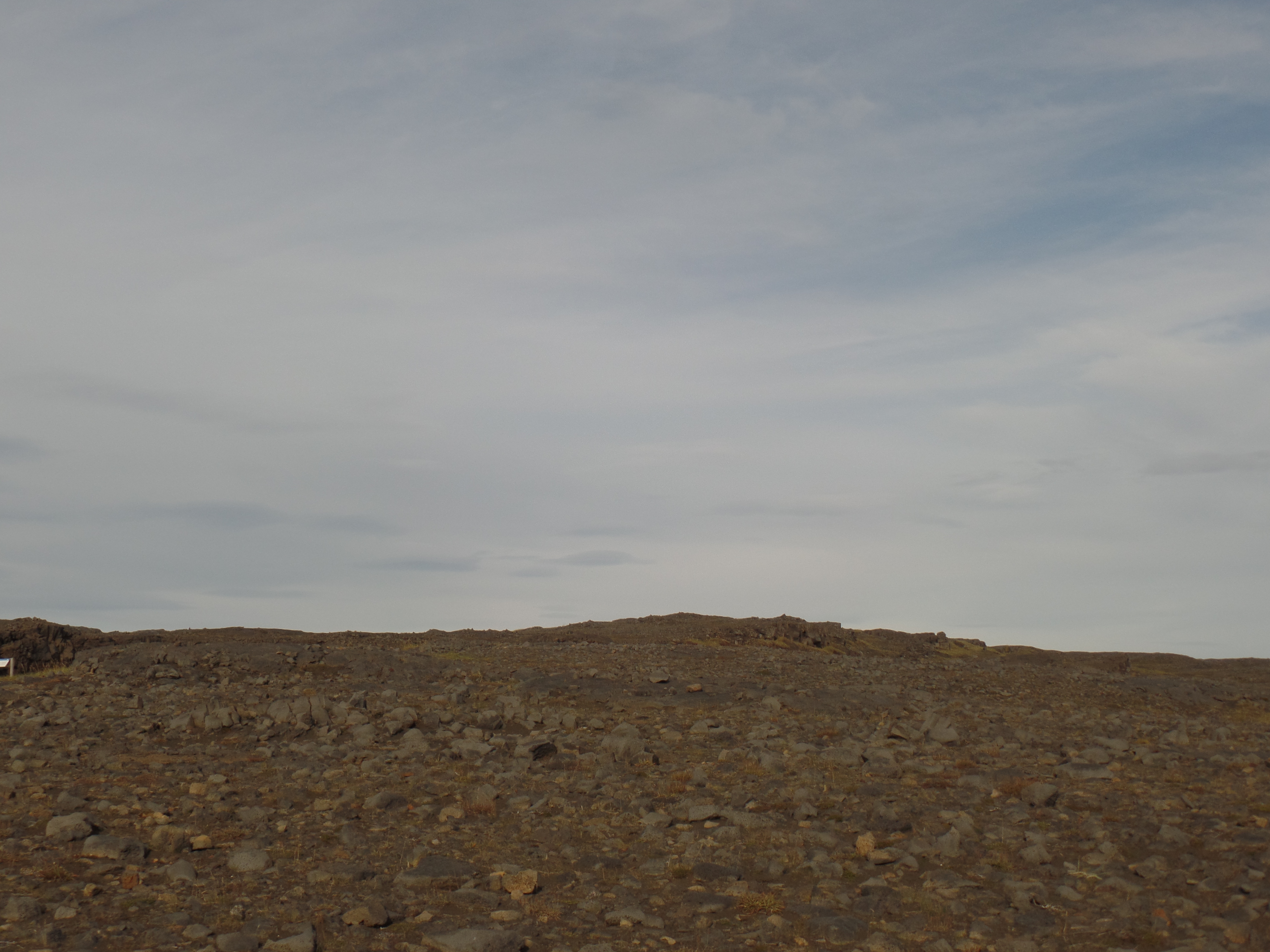
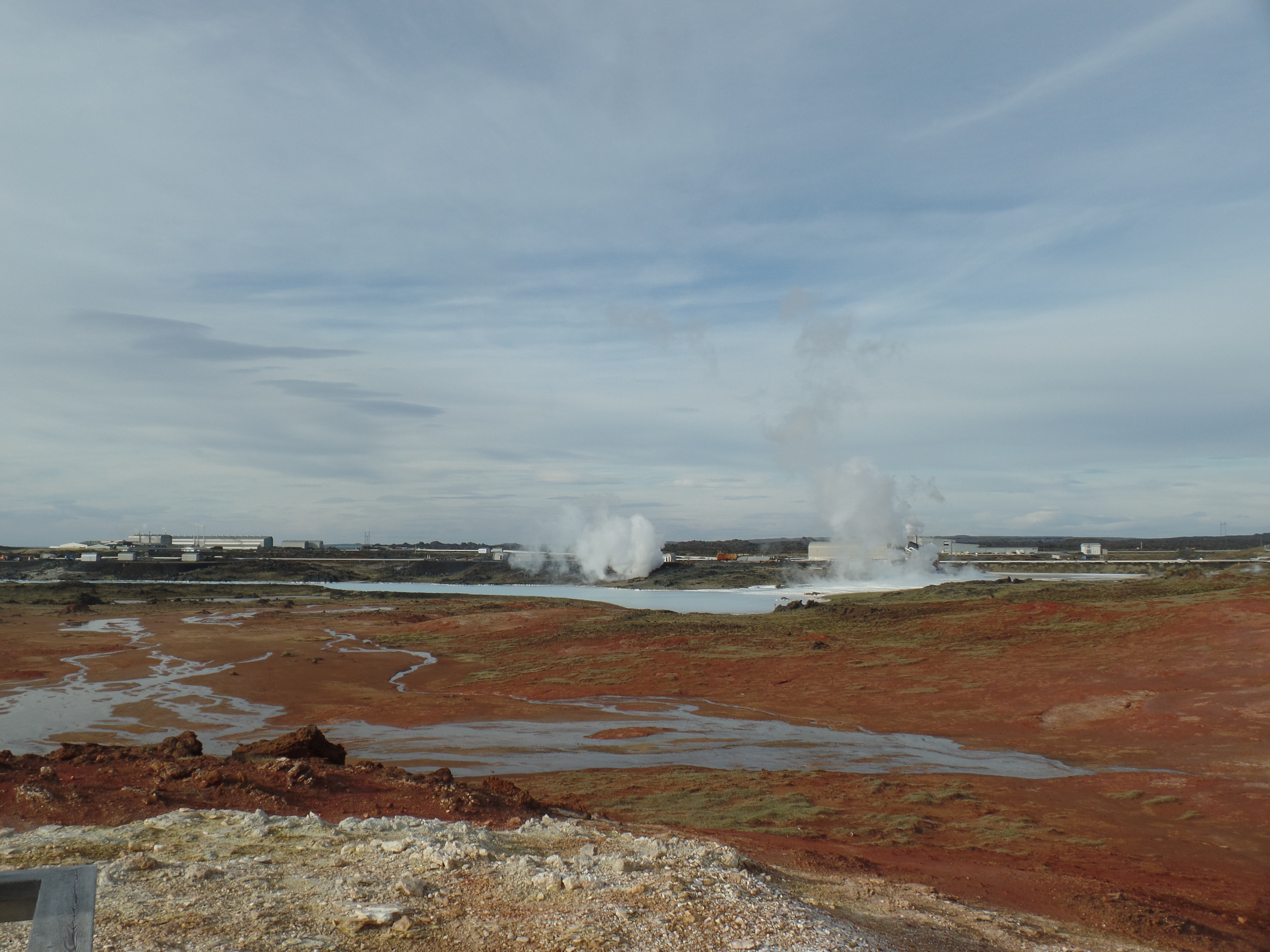
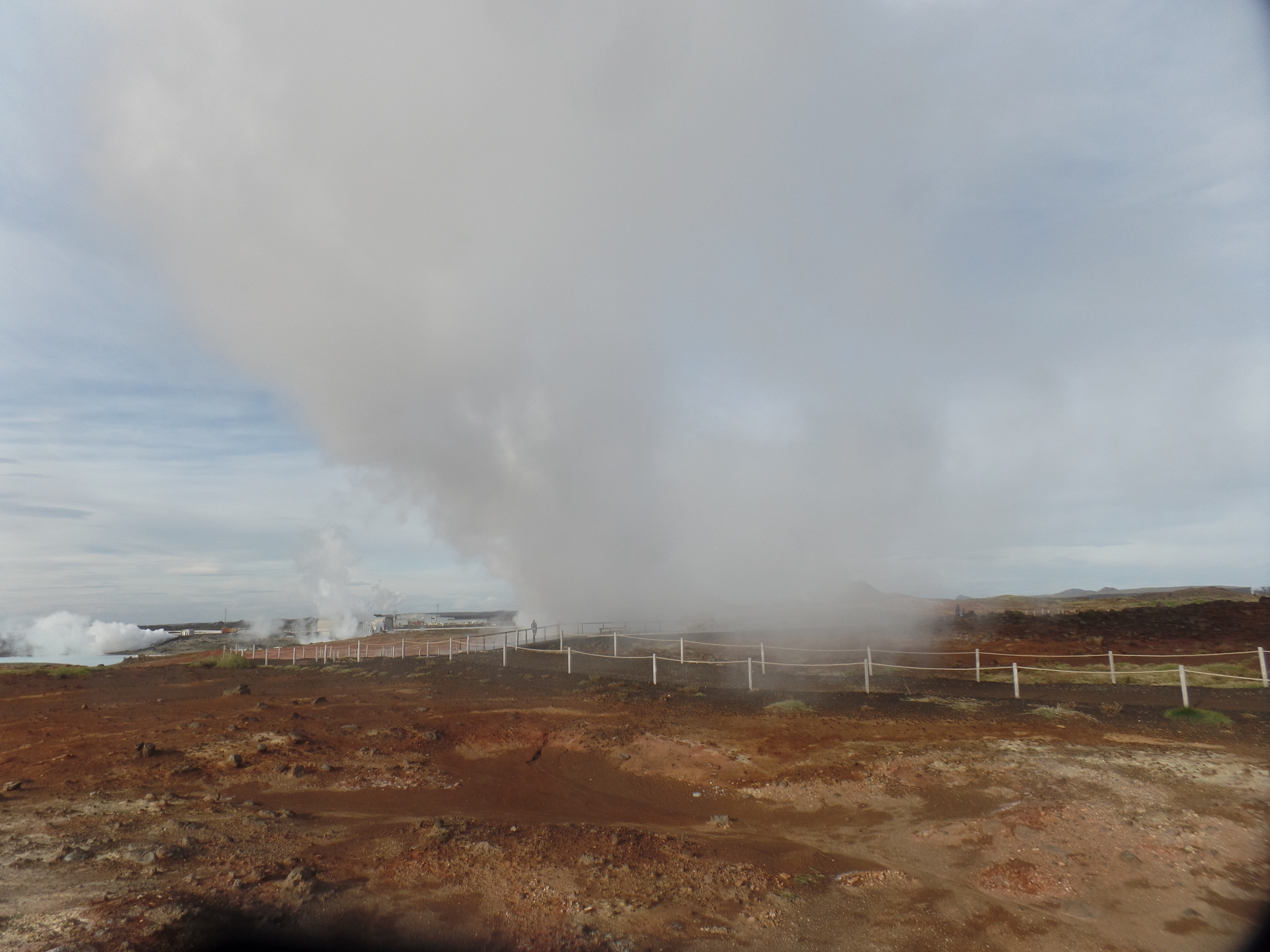
PIngvellir National Park, IcelandThe geological limit of North America-for nowThis could be the surface of the Moon.An Indian gentleman ran here (from Bengulu).Pingvellir Canyon, with a wealth of volcanic soil.The summit of Pingvellir-EastThe summit of Pingvellir-westThe midpoint of the continental gap.Stay off, and avoid a hot foot!Tapping into the Earth’s might (above and below)Saving on coal
Thus was my last full day in Iceland, for now, proving to be the most auspicious. Mankind has once again seen the fruits of division. Let’s take a lesson from Mother Earth, and show that there can be unity, even as we move through tension.
Welcome to Stories From Tina- A tapestry of life woven with words. Here, every post is a heartbeat, every story a step on the path of extraordinary journey. Join Tina as she unfolds chapters of her life, sharing raw, honest experiences and the pearls of triumph to the valleys of challenge, Tina's tales are more than just personal anecdotes; they're beacons of inspiration and understanding, igniting conversations and community. Whether you're seeking solace in shared struggles or celebrating the quirks of daily life, Tina's reflections offer a comforting shoulder, a knowing smile, and a guiding light. Dive into a world where every story matters, and find a friend in Tina - because her story is, in many ways, everyone's story. Subscribe to Stories From Tina, and transform the ordinary into extraordinary, one post at a time.




































 A Sagittarian Seeker