October 21, 2025, Dublin- The two ladies, ecstatic at seeing one another after an apparently long time, began excitedly chatting as the bus left Rosslare, for central Wexford. They were mirrors of my mother, and two of her three sisters.
I know that my grandfather’s family left this part of Ireland for Germany, sometime in the late 15th or early 16th century. That information was passed to me as a child, by my eldest maternal aunt, who looked exactly like the silver-blonde haired woman holding court on the bus. The other two ladies could have been Mom and her closest sister, when they were in their forties. I have long felt a bond with the Irish, and with Celts in general, without really knowing why-until today.
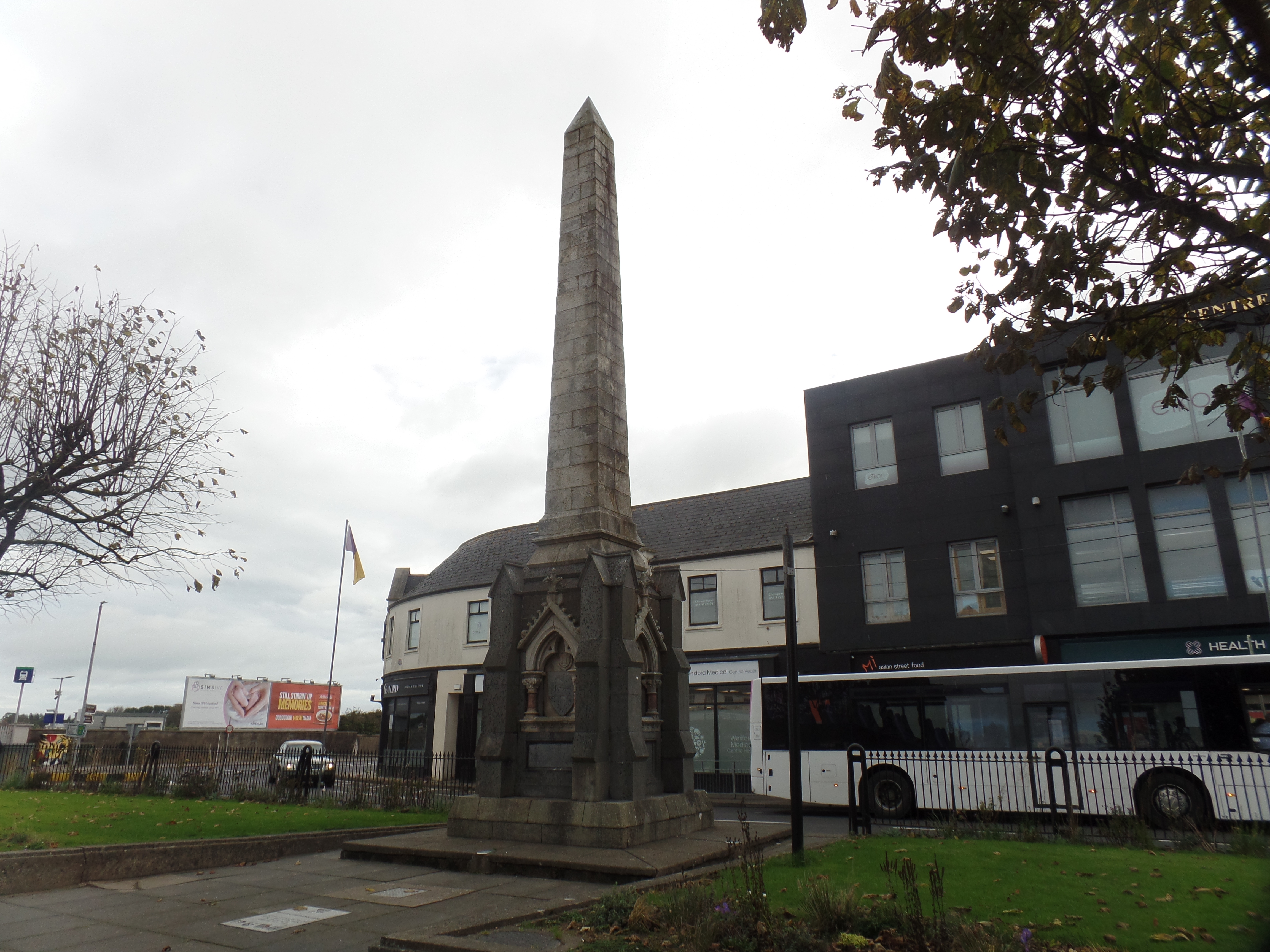
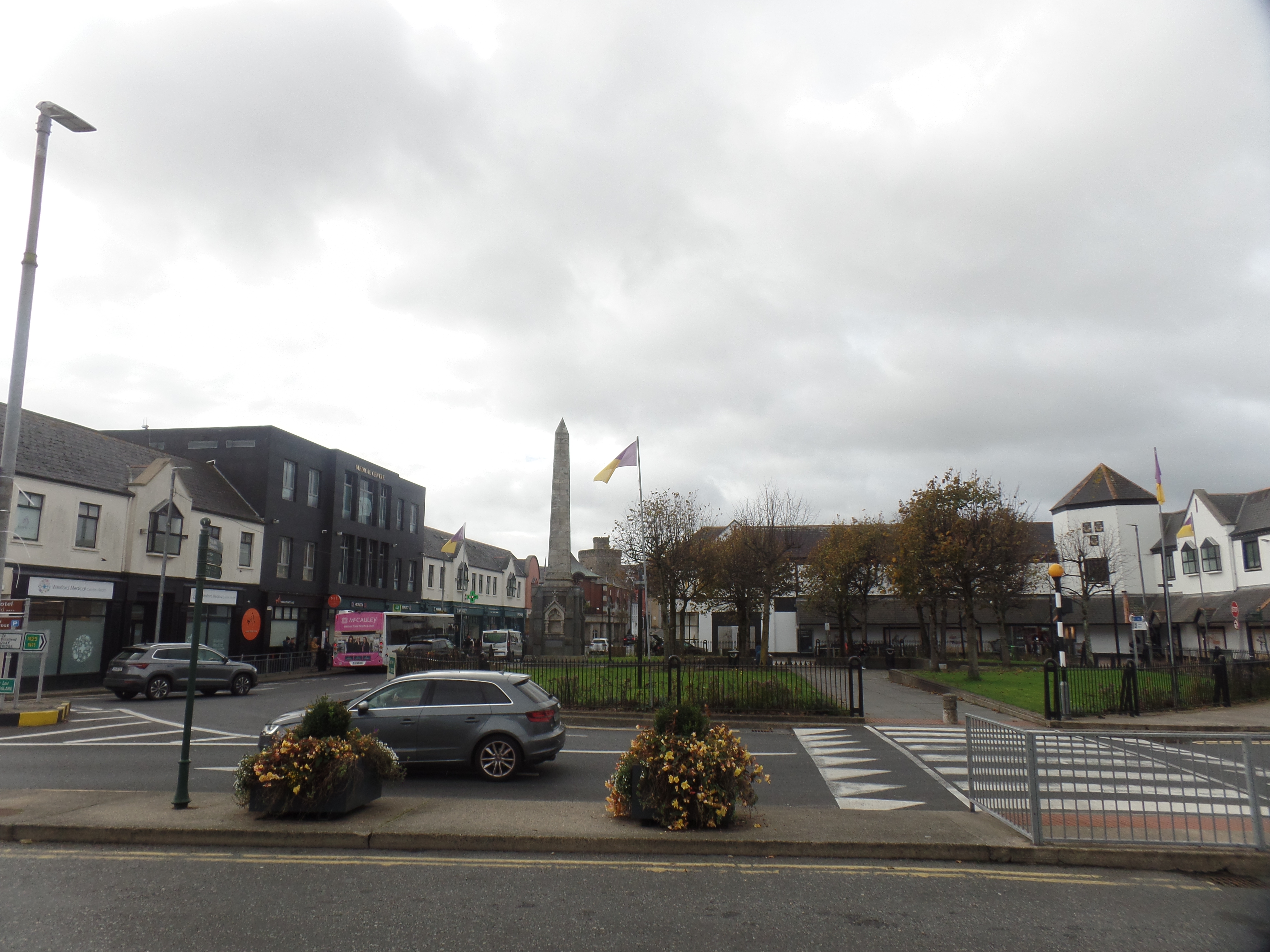
Once in Wexford, I had about an hour to while away, until the train to Dublin was ready to leave. So, with bag and baggage, I walked about Redmond Square and the West Side Cultural District. Here are some scenes from this town that, in an ancient surprise, was likely the ancestral home of the Cooks, who became the Kusch family, once in Germany.
Redmond Obelisk, WexfordA broader view of Redmond Square, Wexford
The Redmond family brought the train to Wexford and drained marshland, to make the area fit for human habitation.
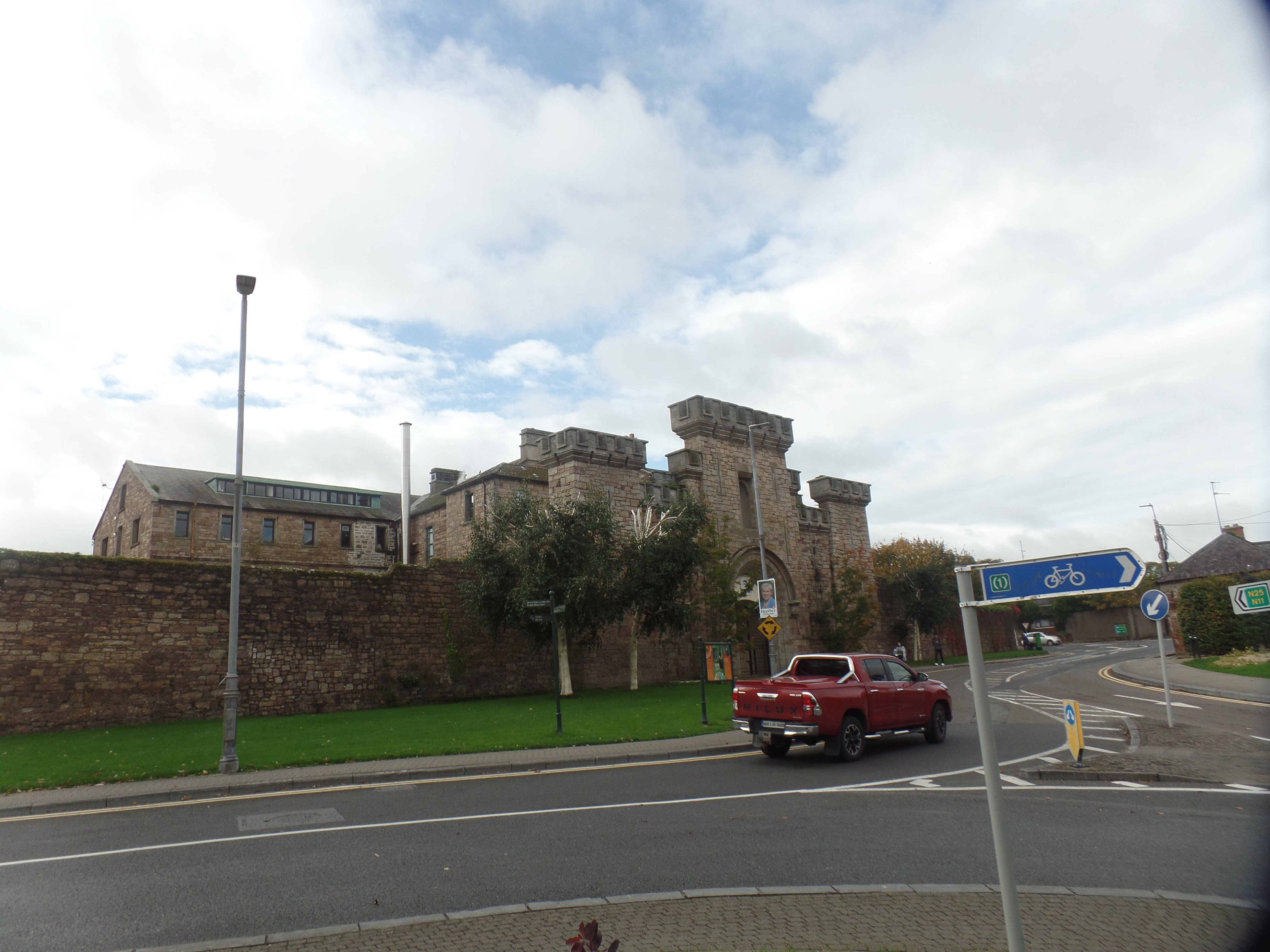
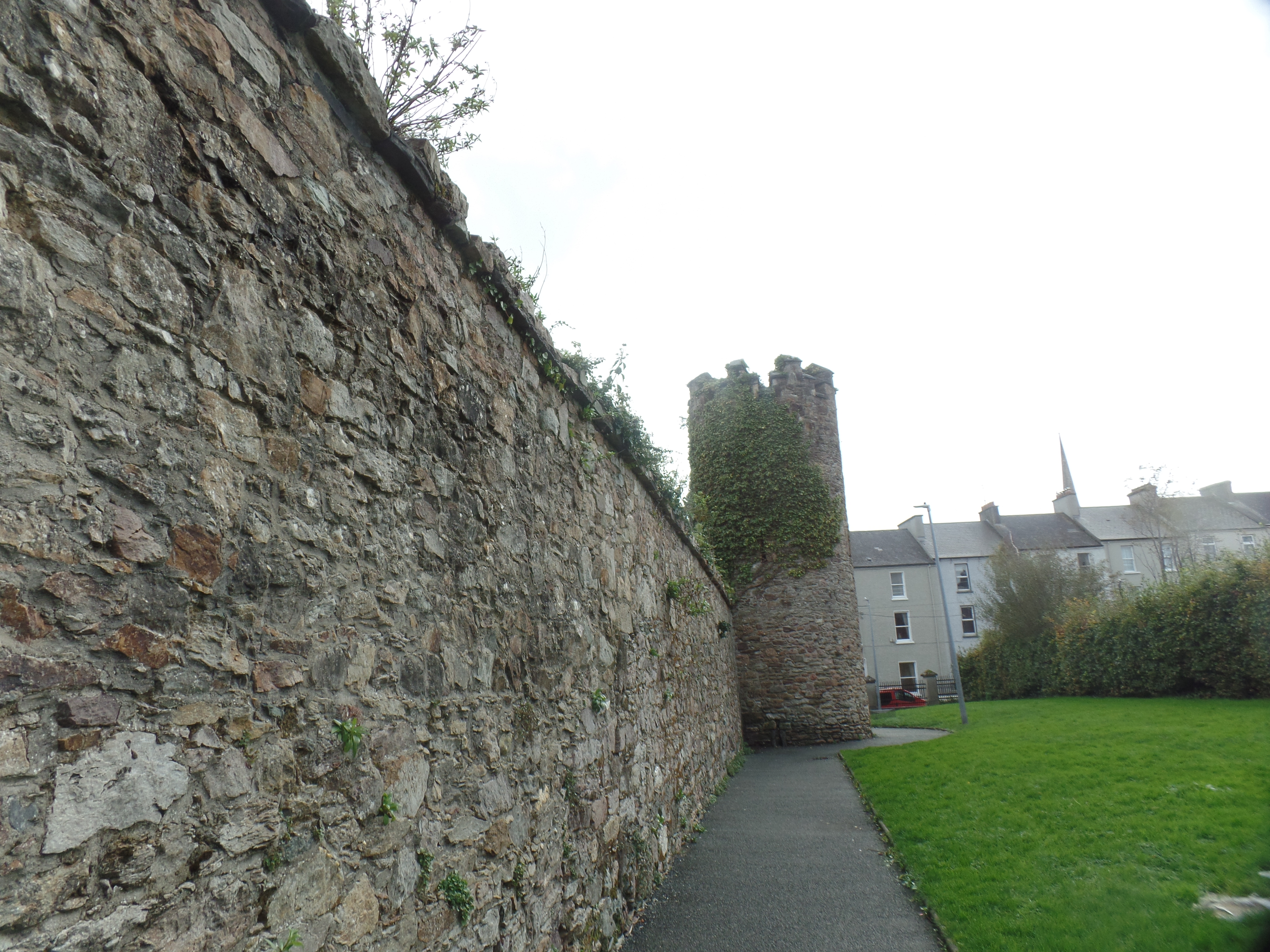
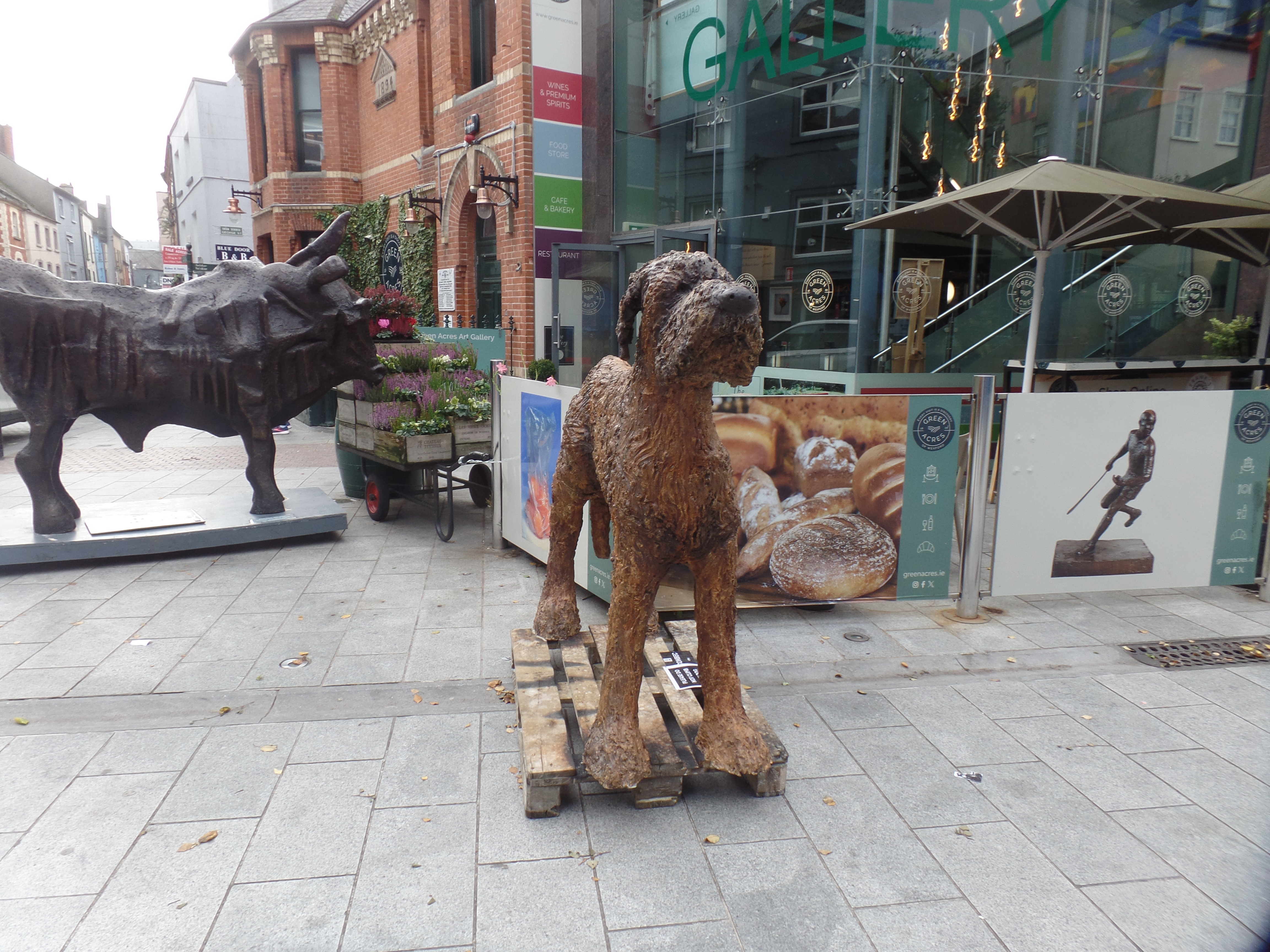
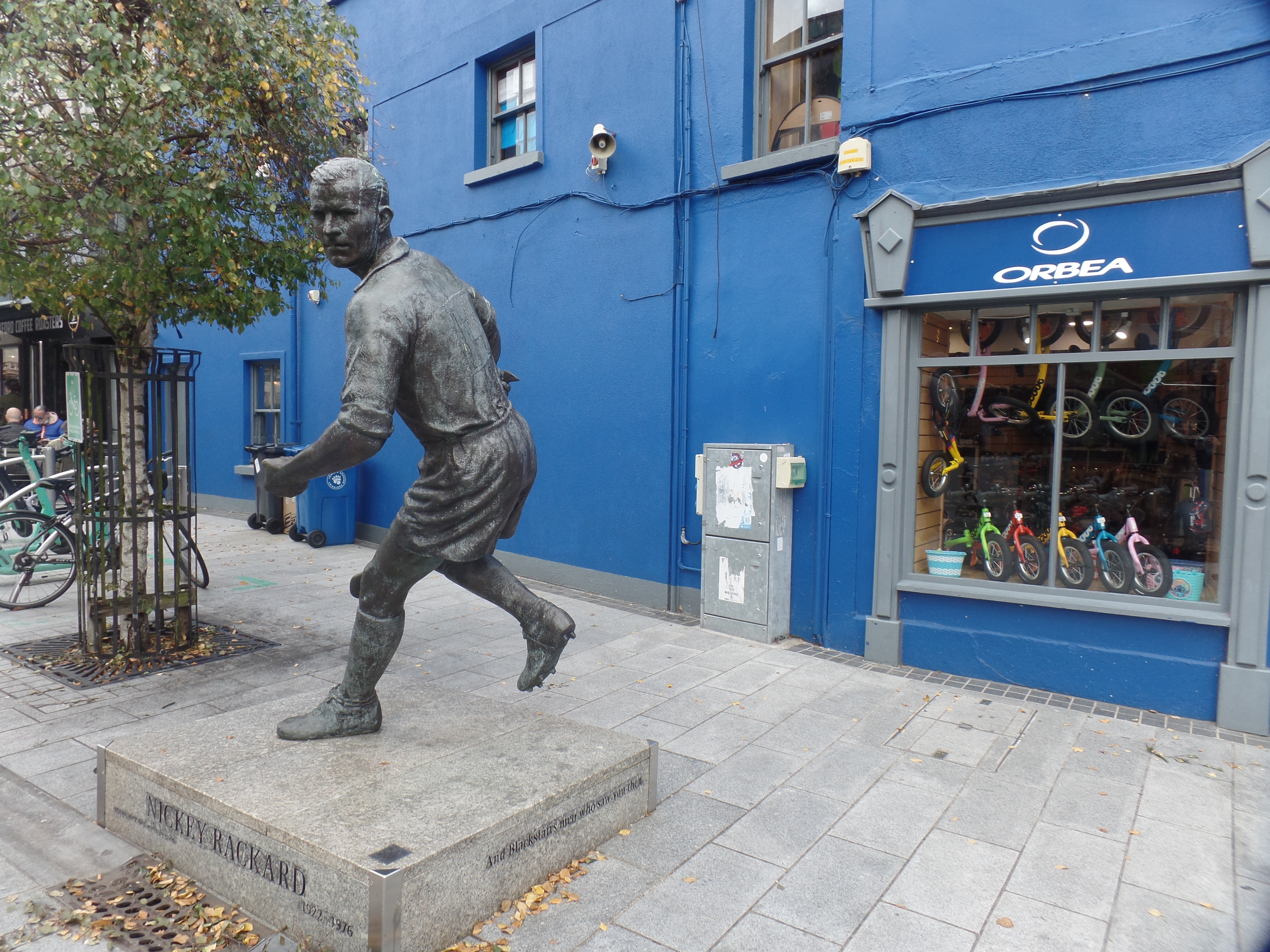
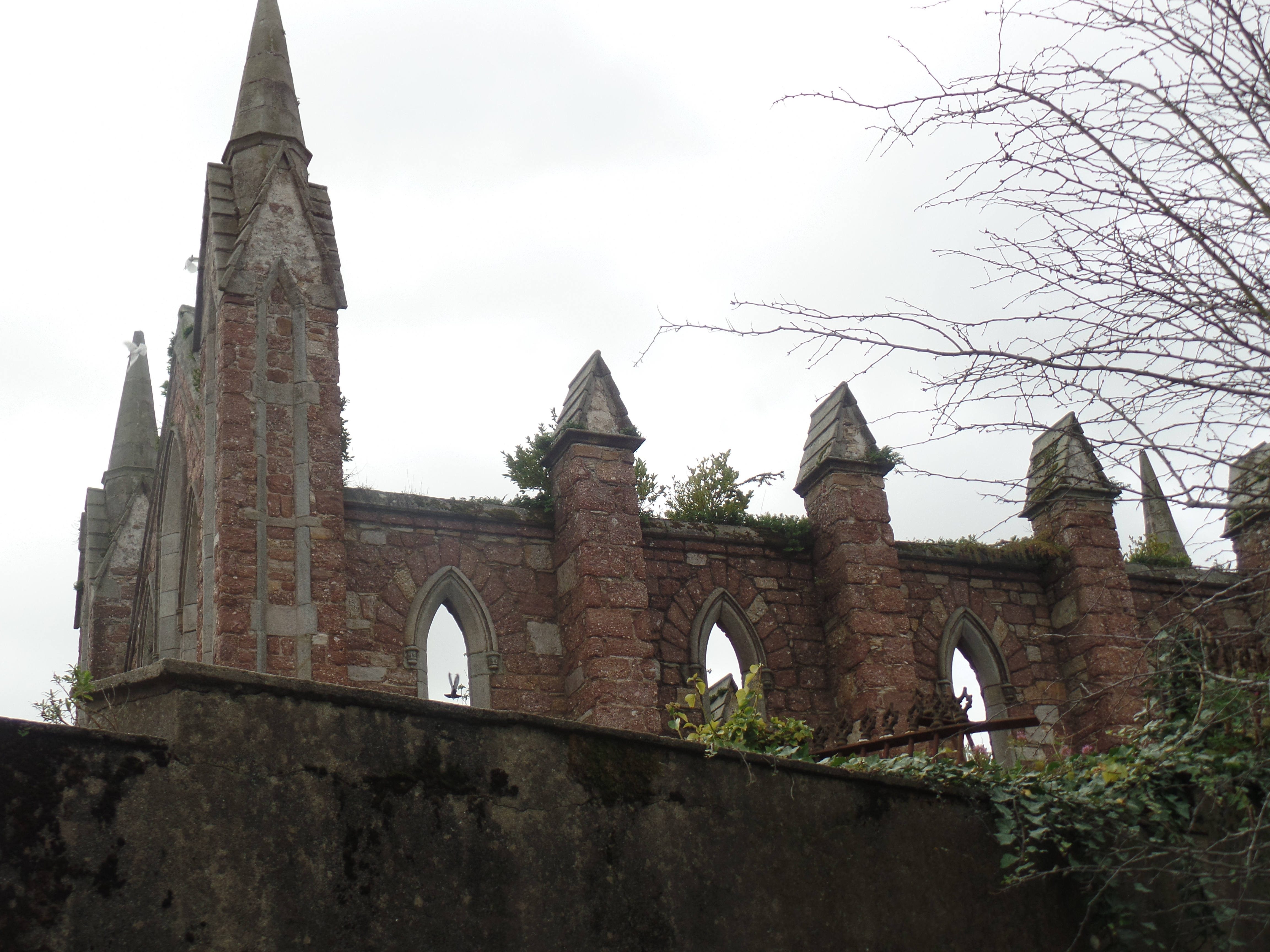
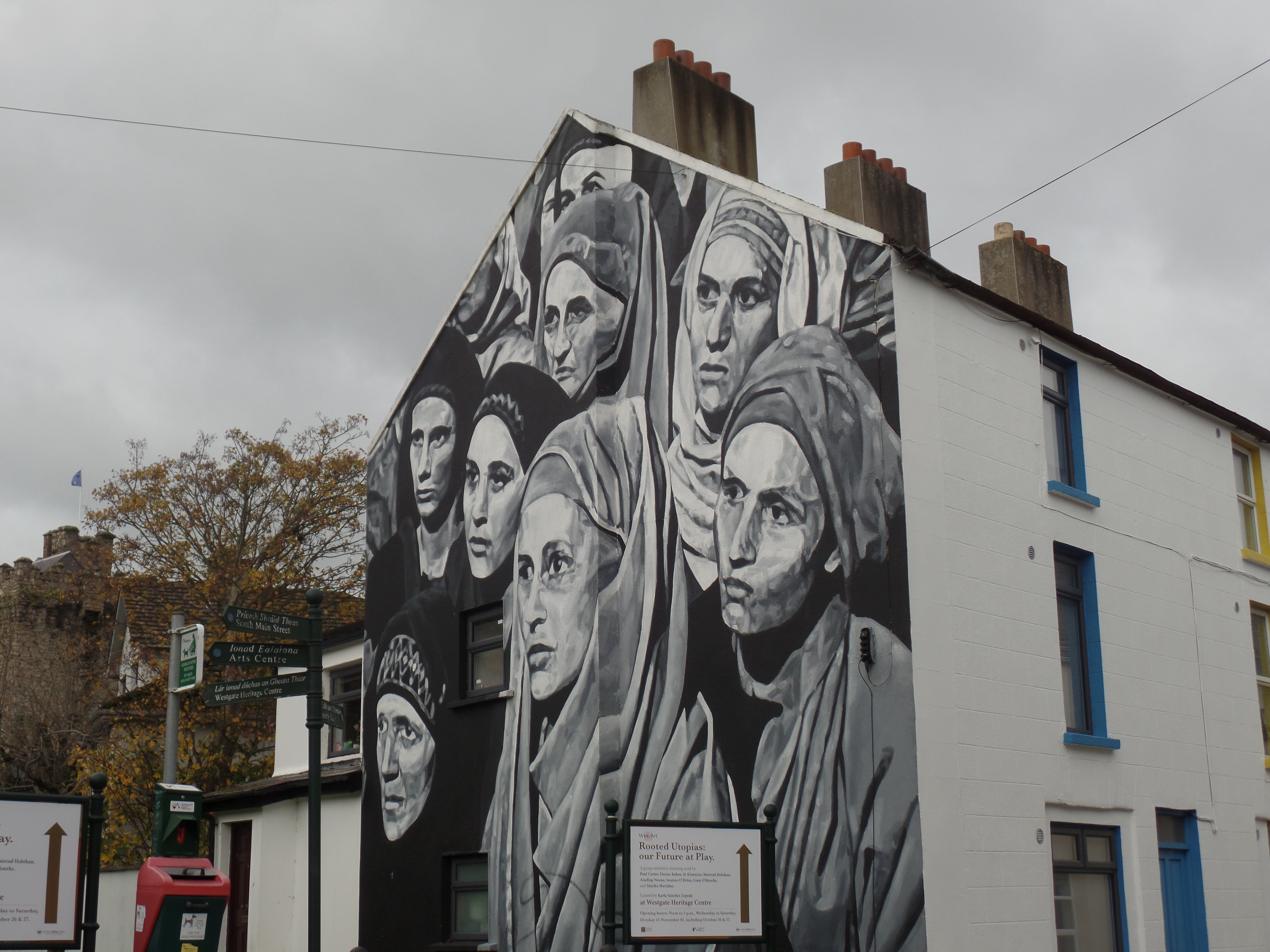
West Gate, Old WexfordWest Wall, Wexford (above and below)The “Sheriff Street Bull” of Old Wexford. Ironically, the sculpture by John Behan is titled after Sheriff Street, Dublin, which is where he grew up. There is another replica, I’m told, in Galway, western Ireland. John was fascinated with bulls, which he likened to the Irish male, who felt forced to move away or to return to an uncertain future. That may well have been the case with my Cook forebear, off to Germany to seek his fortune, in the days of the Hanseatic League.Statue of Irish Wolfhound, Westgate, WexfordNicky Rackford, a legendary Irish Hurler, who hailed from Wexford. Hurling is an ancient Gaelic sport, akin in many ways to Gaelic football. It is described more fully here: https://en.wikipedia.org/wiki/HurlingRuins of Selskar Abbey, an Augustinian monastery of the 12th Century. (Above and below)The indomitable Irish women, celebrated in Westgate, Wexford
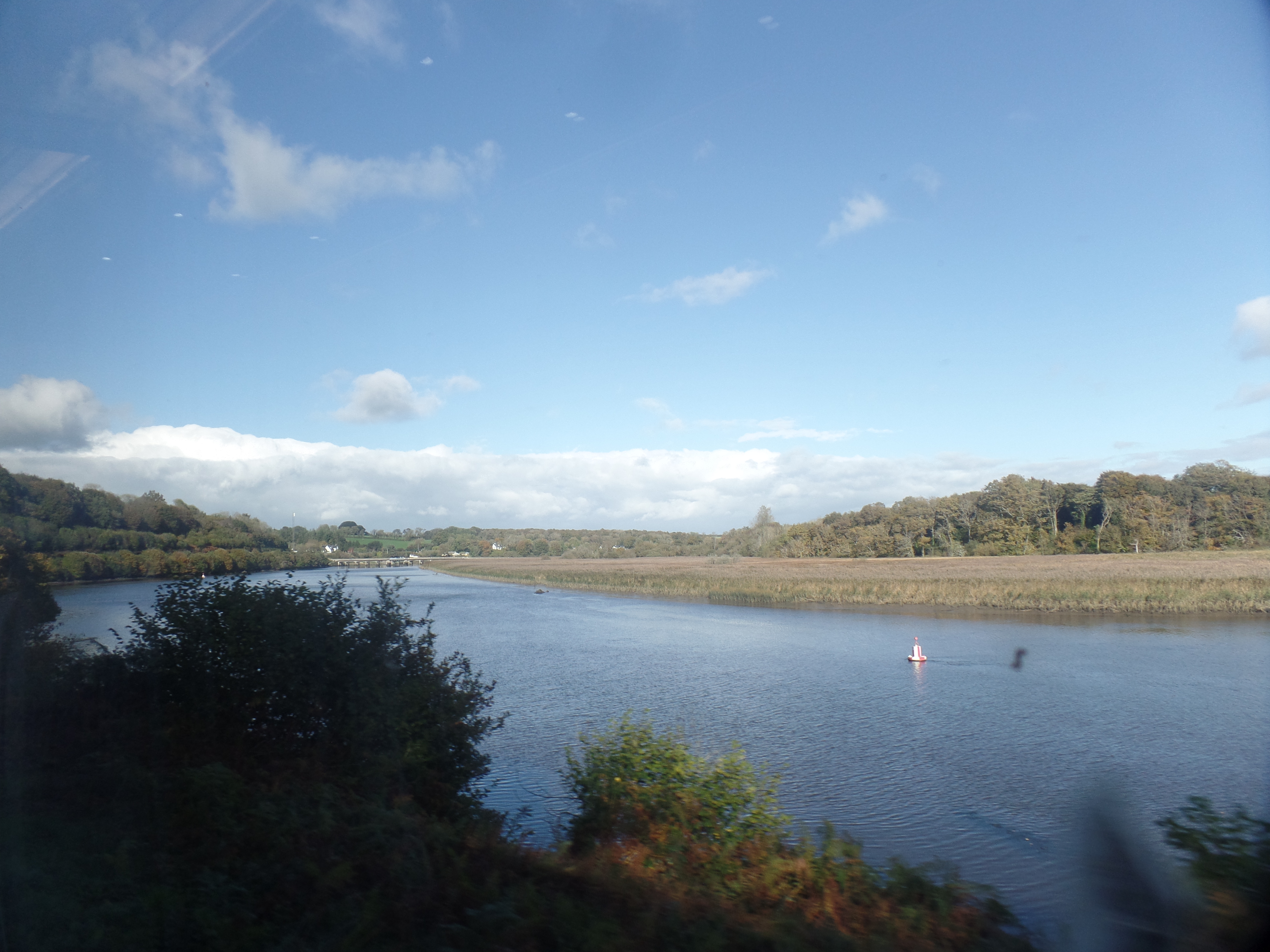
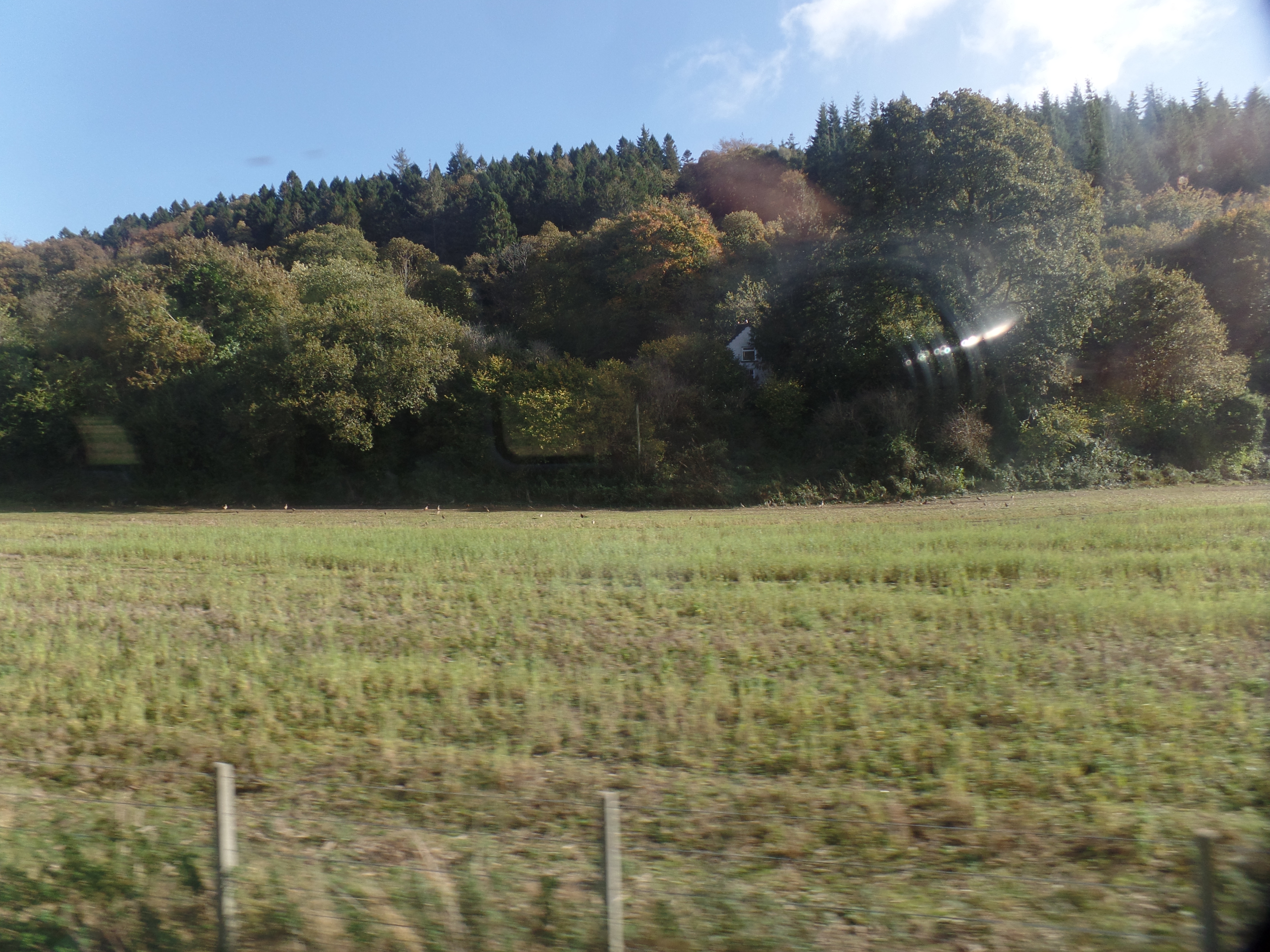
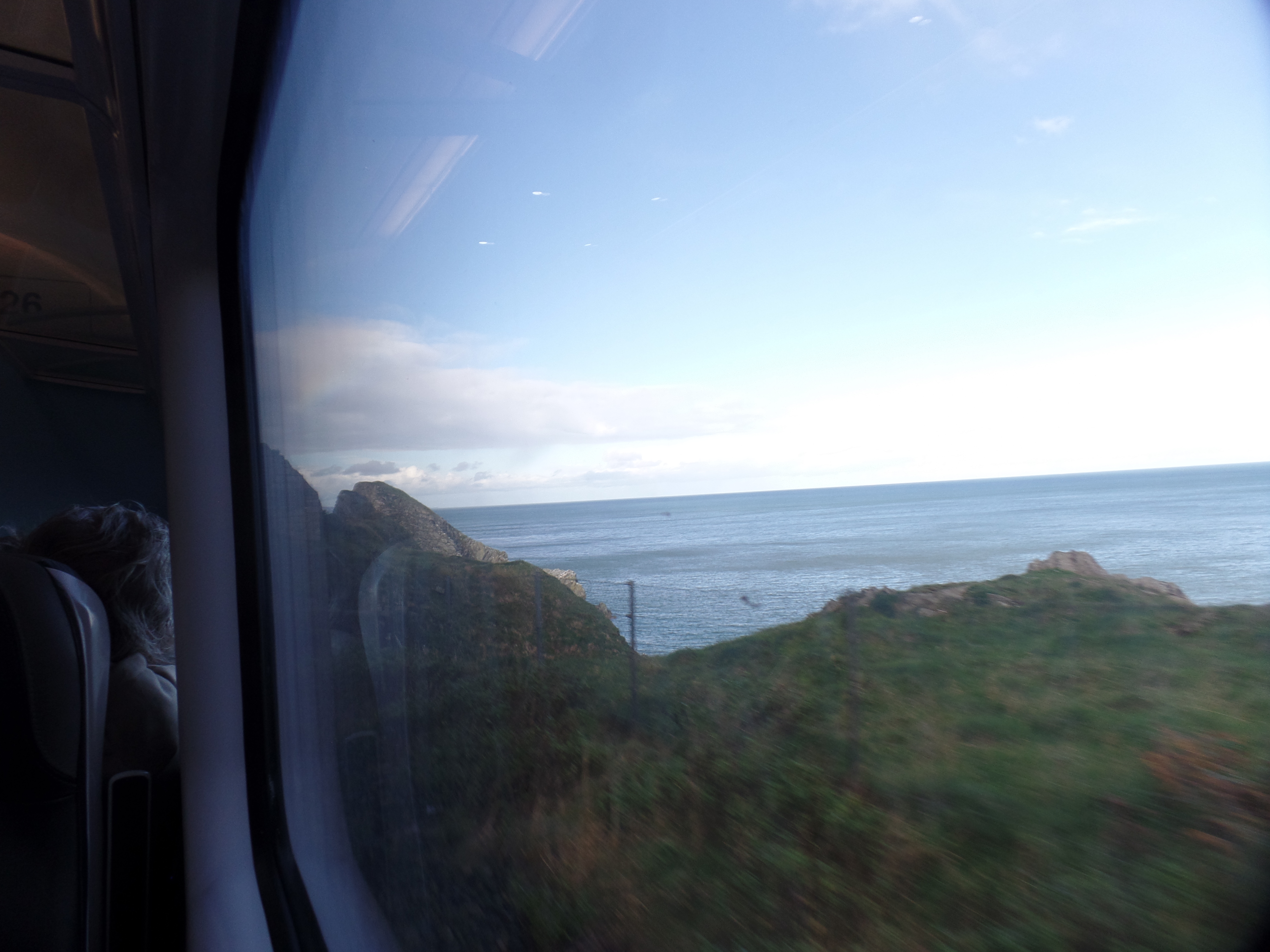
It was time to board the train, so I left things like the John F. Kennedy Arboretum for another time. I did get a few glimpses of Muir Eirann (Irish Sea) from the train, between Wexford and Dublin.
Irish Sea, south of Arklow Irish horses, enjoying life by the seaNorth end of inlet, above WexfordAvoca River, near WicklowFoliage, outside WicklowRiver Vartry, near WicklowRainbow above Irish SeaWicklow HeadWicklowIrish Lights Building, Dun Laoghire (pronounced dun leary)
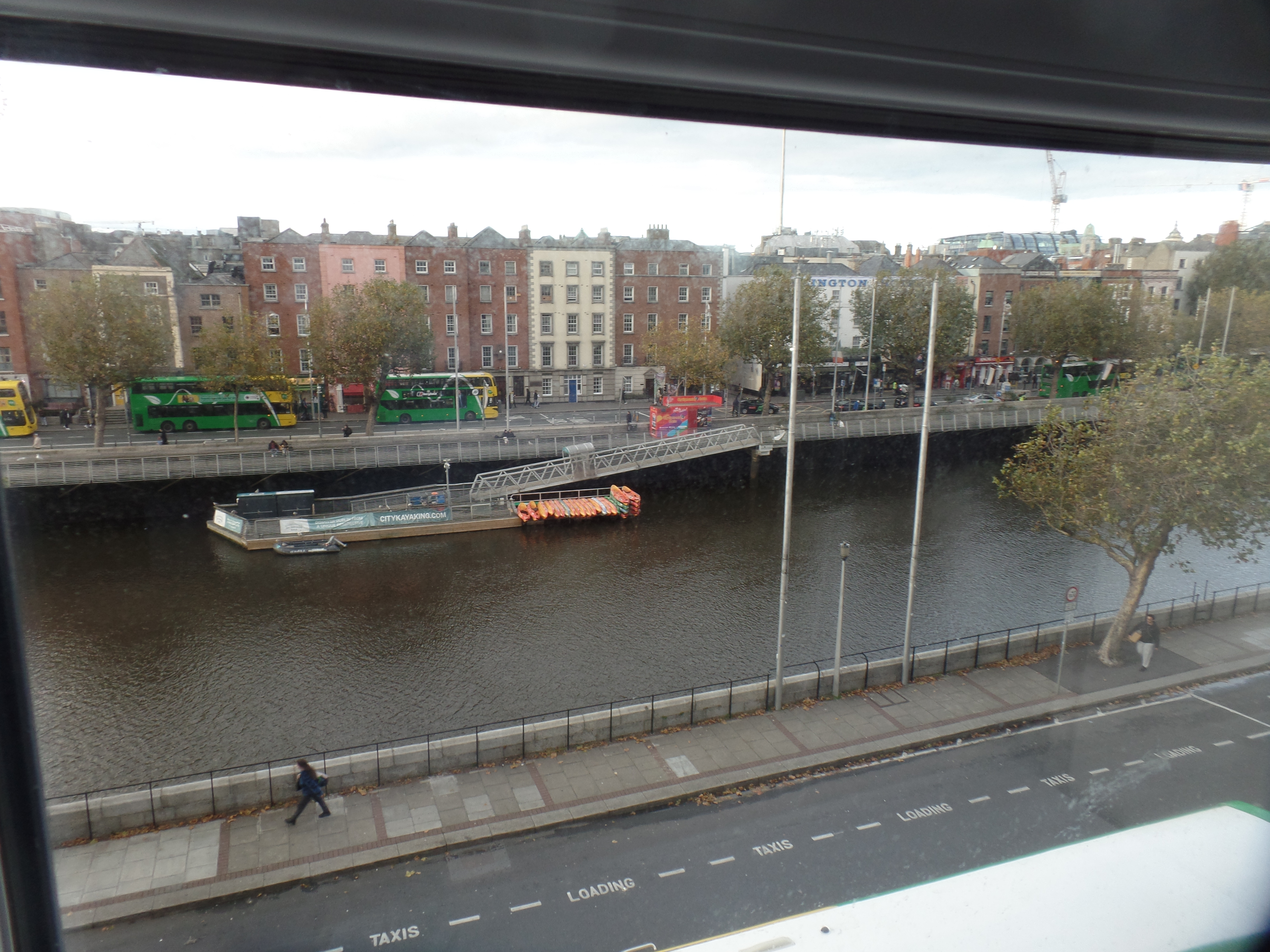
At long last, we arrived at Connolly Station.
River Liffey, from Connolly Station
To my Cook relatives, your song resonates through the centuries. To my Connolly relatives (on my Dad’s side), this station is named for your distant cousin, an Irish national hero-but you knew that.
October 20, 2025, Rosslare, Ireland- It had slipped my mind, the location of Ocean Lab Cafe-a function of “landmark bleed” (my term), where two places that are close to one another while still some distance apart, become adjacent in my mind. So, my friend Sian and I walked to the grocer, looking for the cafe. As we learned, Ocean Lab Cafe is on the berm that is closer to Goodwick Jetty. The grocer is off the street below. I had been to both, yesterday, while a bit tired from the day’s journey-thus, the landmark bleed.
No matter, we sat and enjoyed hot tea, with no crumpets, as it was mid-morning, and I had enjoyed a full Irish breakfast at Rose & Crown, prior to meeting Sian in the foyer of the guest house. We walked a short bit along the beach, both savouring the salt air and very pleasant clear sky. Ocean Lab is a small aquarium and oceanographic education centre for local children. It also offers Welsh products for visitors, so I purchased a box of tea bags and a tin of chai, each produced locally.
Our meeting lasted about two hours, then it was time for me to head towards the ferry to Ireland. Sian drove me as far as the ferry entrance. I then had to walk around a few barriers, to what turned out to be the Fishguard Harbour Train Station. I was the last one through the chute, but no matter-I was still five minutes shy of the gate closing, and that was only to board the bus to the ship. As it happened, we had to go back and pick up all the people who had been inside the priority visitors’ lounge. We ended up leaving well in time.
I decided to do something different this time-put my computer and journal in stowage and turn off my mobile phone. I enjoyed a full lunch, then sat and contemplated St. George’s Channel-the narrows of the Irish Sea, only nodding off for a short time, in mid-voyage. A few small children who were excited to look for whales, and a snoring man, the next table over, were there to break any monotony. The emerald sea was basically rather calm today, and the mood on board rather relaxed. We were in Rosslare in four hours and twenty minutes.
Irish customs and immigration checked the two American passports separately, but were a pleasant, jovial pair, thanking us for our cooperation. The rest of the bus riders faced a canine unit inspection, which turned up a couple of cans of English ale, and thankfully no drugs. We were let loose within ninety minutes. My transition from Europort to Home from Home Guest House did, however, entail a workaround past the usual tut-tutting from Spectrum, that I could not call my host without being connected to WiFi, and there was no connection at the port. A kind fellow passenger, who lives in Wexford, called my host and got directions. I found the bus that serves Rosslare, rode as far as Coast Hotel and voila, my host, Gemma, was waiting for me as I got off the bus. “You’d never find the place, in this darkness”, she said, and we walked the five minutes to the apartment house. I was given a cozy and warm introduction to Irish lodging facilities, with the requisite bath tub (in the British Isles, a mere shower stall is frowned upon, though some hoteliers have little choice.) Gemma excused herself, and I headed back to Coast Hotel, for a dinner of fish and chips. The meal was more than ample, and I felt another nice day had passed.
October 19, 2025, Fishguard & Goodwick, Wales- In 1797, a group of French soldiers sailed from Camaret-sur-Mer, Brittany to an area near the port of Fishguard. Their orders were to invade Wales and destabilize Britain. The rather cockeyed scheme failed, largely due to the soldiers having been poorly trained. They spent their first hours in Wales getting drunk. When they became sober, they found themselves surrounded-by a group of local women, armed with pitchforks. The Welsh women were led by one Jemima Nicholas, who secured twelve of the soldiers by herself. The course of this invasion is chronicled on a remarkable piece of art: The Last Invasion Tapestry. https://lastinvasiontapestry.cymru/
I stood at the tip of the jetty where much of the action took place. It is not a steep path from the water’s edge up to the top of the jetty, but mooring at that part of Fishguard Harbour would require very detailed knowledge of the rocks and shoals. The Jacobin troops would not likely have had that knowledge, but the locals did then, and certainly do now. When the invaders arrived, the Welsh men were at the area now used as a ferry port for travel to Ireland, and the women were guarding the jetty. The uninvited guests had no chance.
I left Salisbury fairly early, catching what i thought would be a train to Bristol, then was prepared to catch a separate train to Cardiff, Swansea and on to Carmarthen and Goodwick. Lo and behold, the train on which I embarked was headed to Swansea, and would arrive there four hours earlier than the train for which I had a ticket. With the okay from two conductors en route, I stayed on the train, clear to Swansea.
The train ended at Swansea, a key crossroads, west of the Welsh capital of Cardiff. I had to use a replacement bus to go on to Carmarthen, and so had to exit the train area. A transit auditor looked at my ticket and gave a mild scolding about not waiting at Cardiff for the later train. He then looked at his watch, sighed and told me to just go to ticket control and have my ticket exchanged. That was done very easily and I joined the queue for the bus to Carmarthen.
This bus, which took the place of the train, due to work being done on the tracks, took us through rolling hill country, in land from the winding and rocky coast of southwest Wales. It is said that Carmarthen may be the oldest town in Wales, having been founded by the Romans, around 75 AD/CE. We did not have any time to look around, though, as the train to Fishguard & Goodwick was set to leave, eight minutes after the bus rolled in. Besides, on a Sunday, most places were closed.
Once the lightly-populated train got to Fishgaurd & Goodwick, I had about thirty minutes before check-in at Rose & Crown Inn. I was able to stow my bags in an unused room, then went down to look about the town. As I walked near the harbour, three local boys were listening to some techno pop, on a hand-held radio. One of the lads started doing a fist pump dance. I pumped my fist a bit, which got them giggling.
The jetty on which Jemima and her crew stood against the invasion force is now a place for locals to walk their dogs and for visitors to get in their steps.
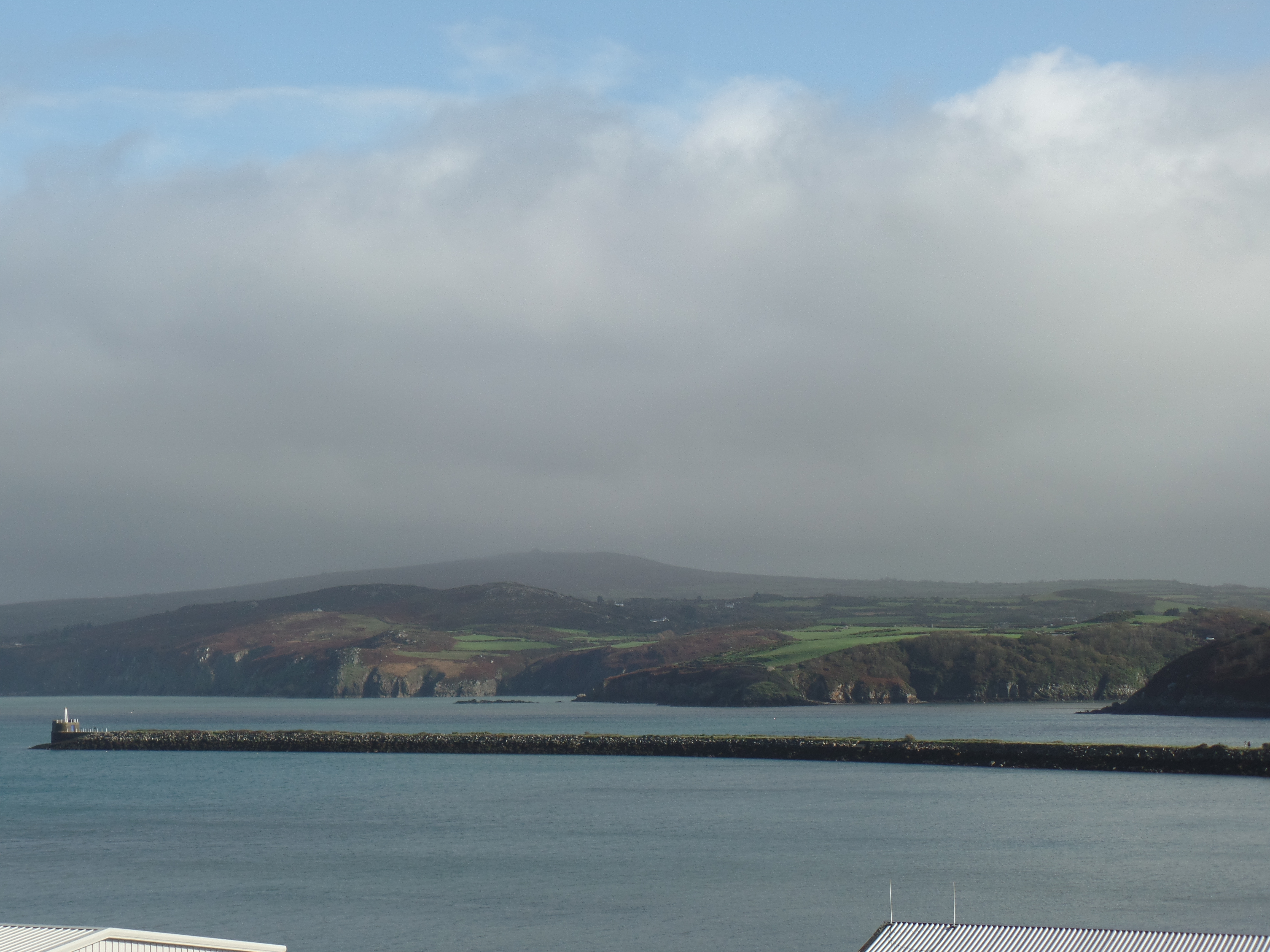
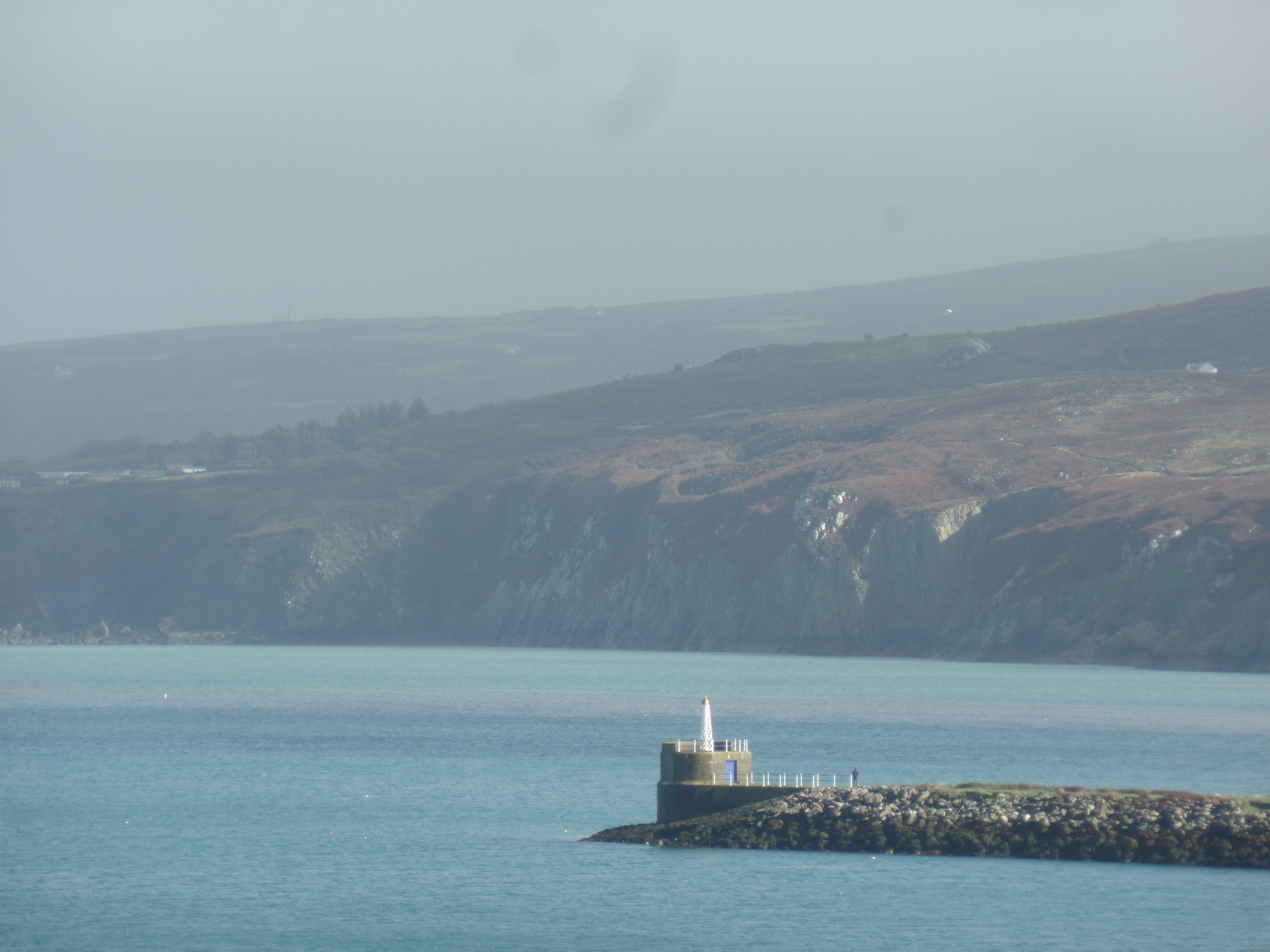
Rose & Crown Inn, GoodwickA fishing dog, at Goodwick JettyFishguard Harbour, with Goodwick Jetty to the far right.Goodwick Jetty, with Pembroke Peninsula to the south (above and below)Fishguard Town, from Goodwick Jetty
My purpose in Goodwick is to meet a friend from Pembroke, tomorrow morning. This evening, though, I settled in at Rose & Crown. The young lady at desk had been working largely alone, all day, and looked exhausted. She nonetheless summoned cheerfulness and helped me get up to the room. The fresh crew at dinner time was also very pleasant and offered a plate of brisket with fried potatoes- great stuff!
This small introduction to Wales has given me a fine impression of the country within a country. Tomorrow morning, my friend from Pembroke and I will walk about the harbour area, just a bit, then head over to Ocean Lab Cafe, a Goodwick original.
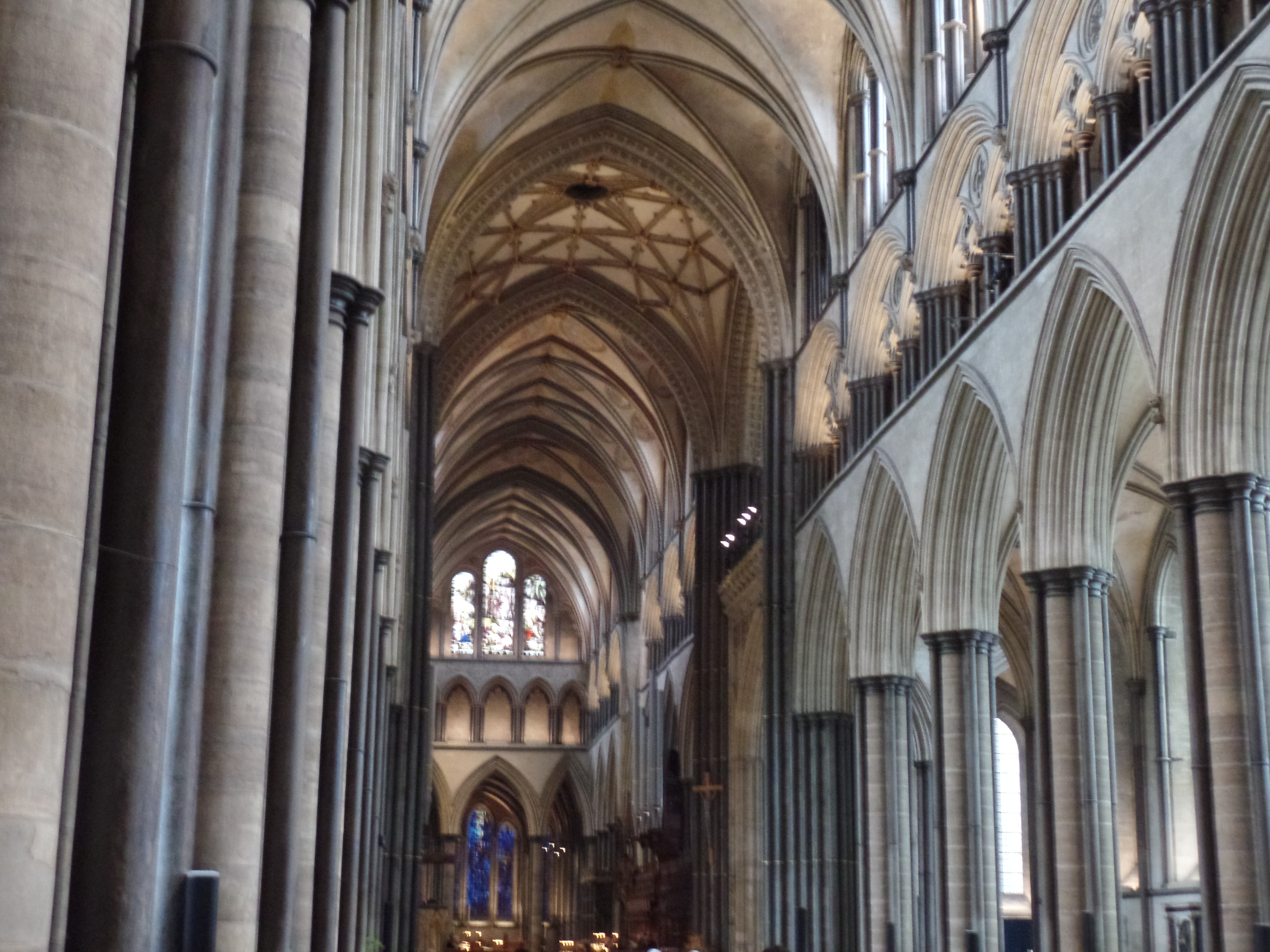
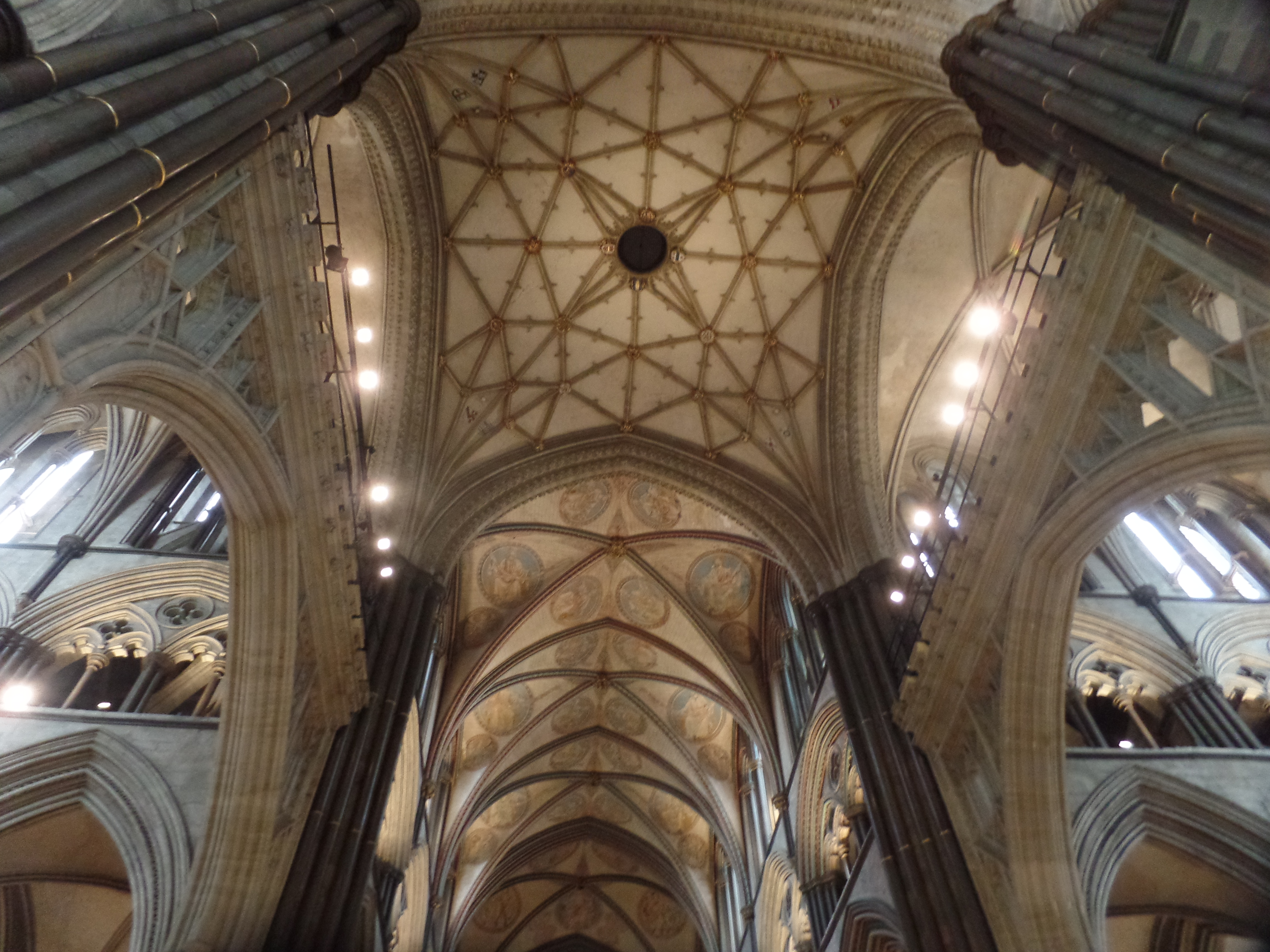
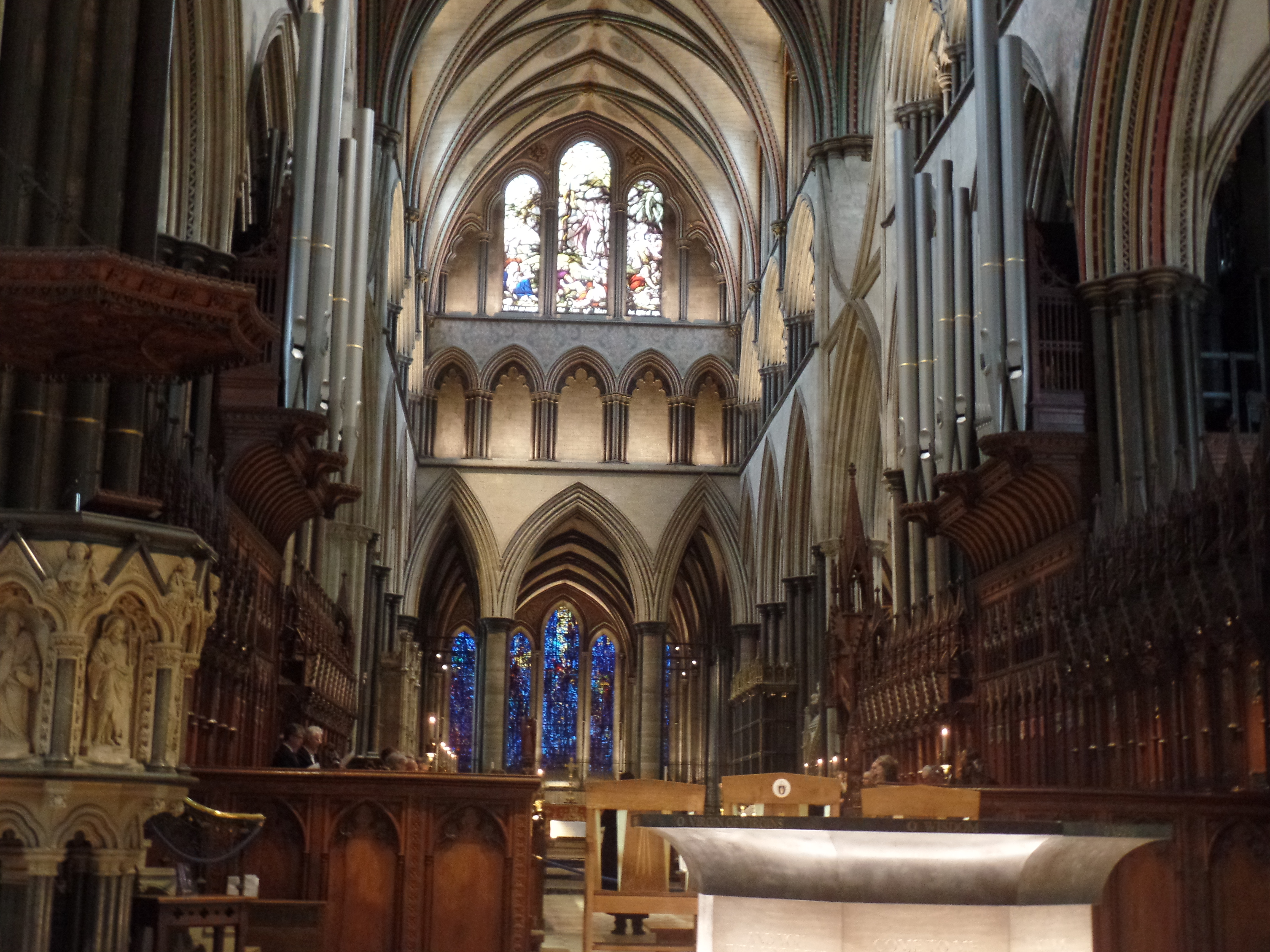
October 18, 2025, Salisbury, England- I arrived at Victoria Lodge, on Salisbury’s north side, a little after 3. The kindly, proper host’s intel said that the last bus to Stonehenge would leave the train station at 4. She was going by the summer schedule, which ended on September 30. I thanked her, and realized that the afternoon was meant for Salisbury Cathedral, a place that was set aside for special study by my Art History professor, in 1973.
The Cathedral Church of the Blessed Virgin Mary was originally at a site now called Old Sarum, as was the community of Salisbury. Old Sarum is now an English Heritage property, a recognized and well-preserved historical site. The community moved two miles south, to its present location, in the early 13th Century (1220) and the new cathedral was completed by 1330. https://en.wikipedia.org/wiki/Salisbury_Cathedral
I walked about the Cathedral Close (area outside the church) first, then took in the magnificence of the use of light, which so enthralled Dr. Eichholz, back in the 1970s, that we spent nearly two weeks on various aspects of Salisbury Cathedral.
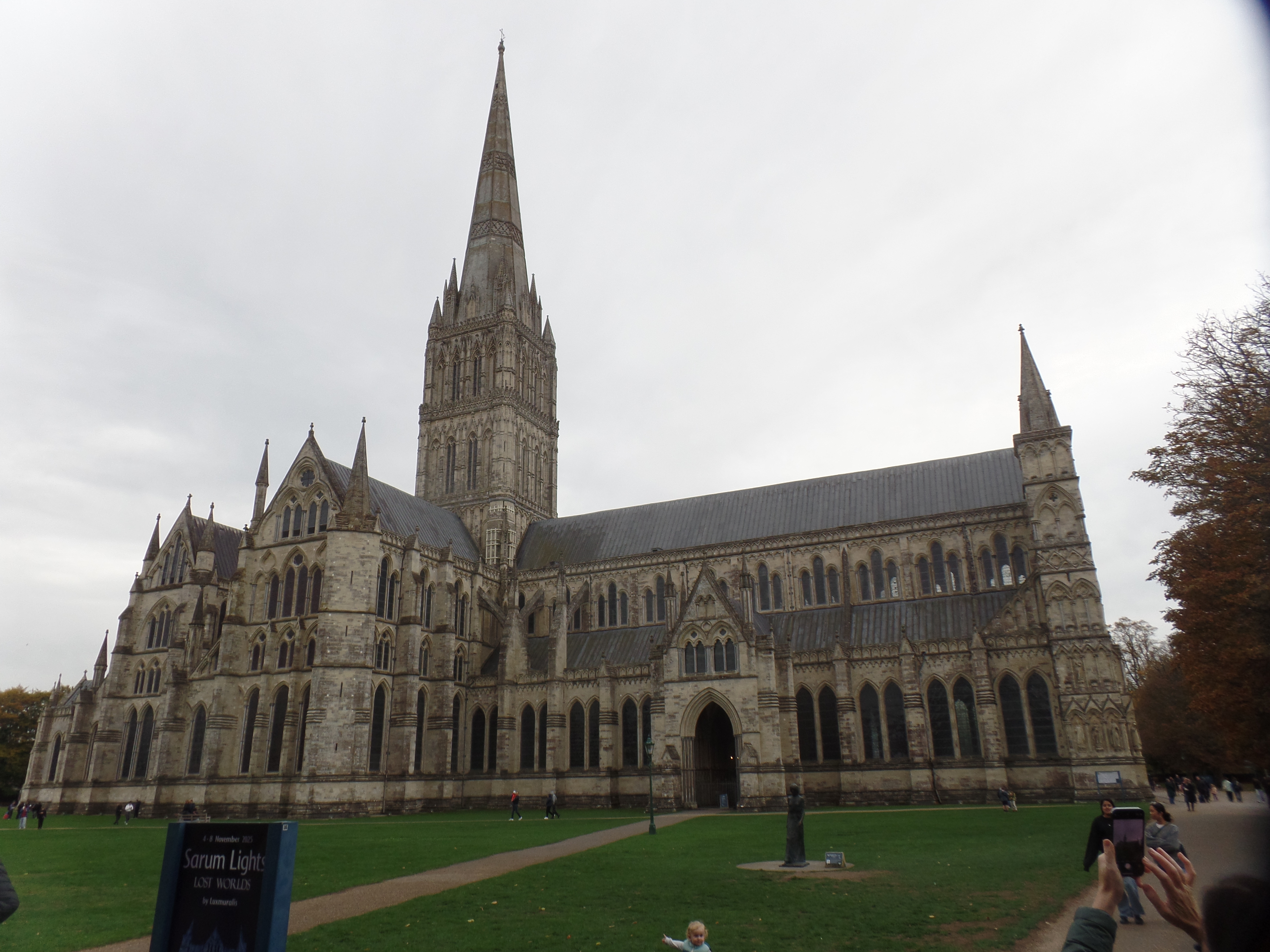
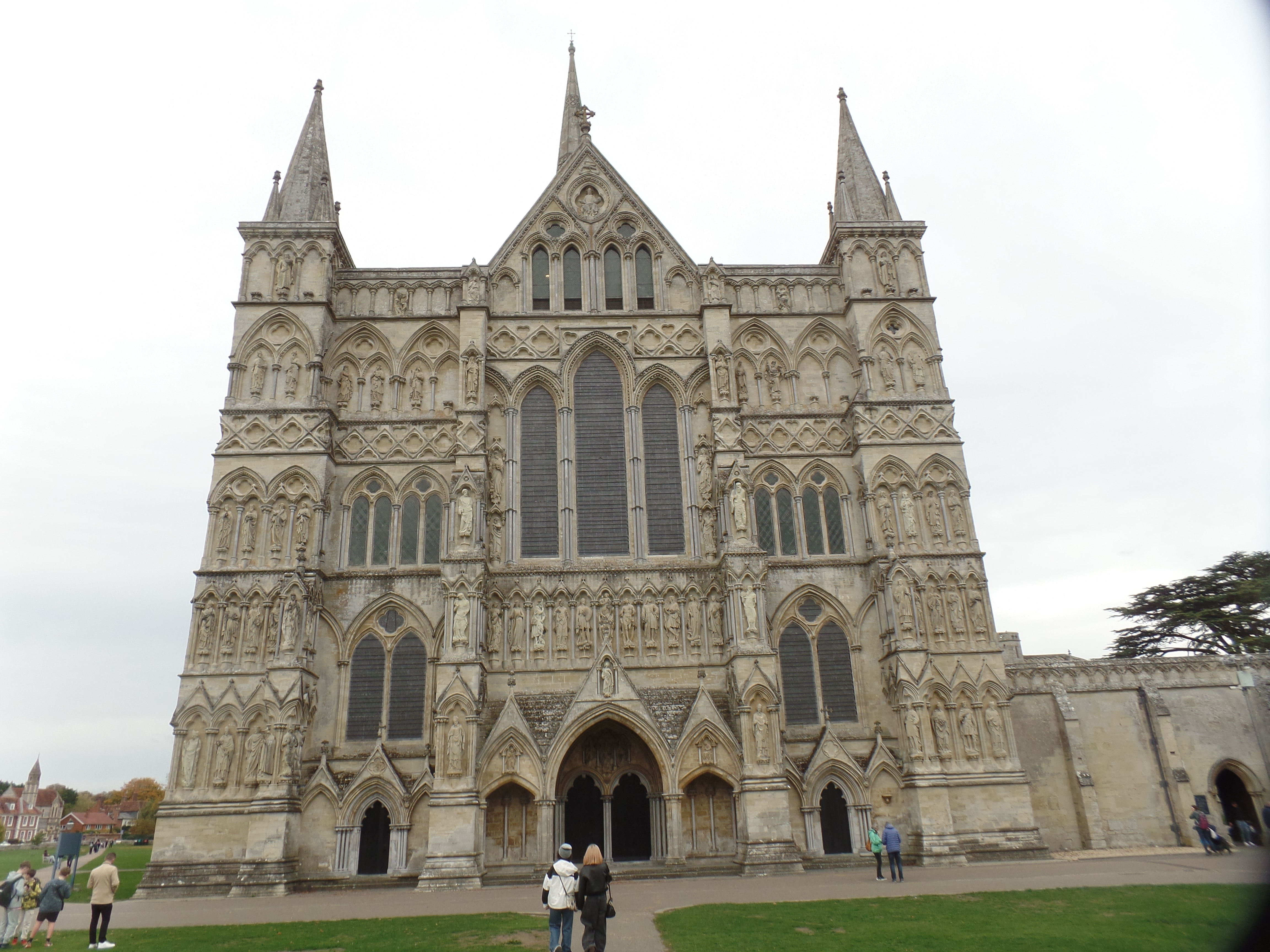
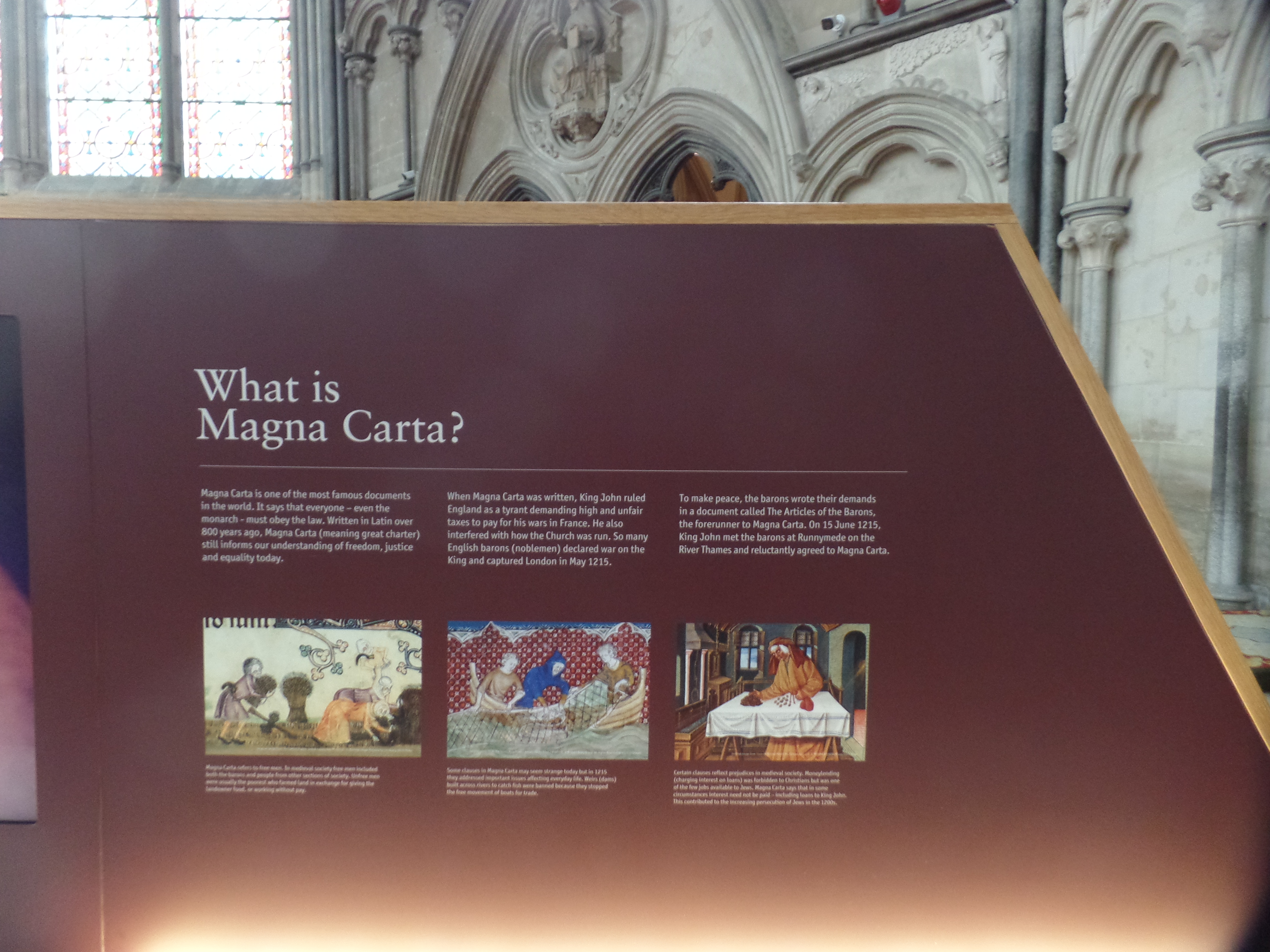
Salisbury Cathedral, full exterior“Walking Madonna”, by Dame Elisabeth Frink, north lawn of Salisbury CathedralNorth face of Salisbury CathedralStained glass of North Side, Salisbury CathedralTransept, Salisbury Cathedral (above and below)Nave, Salisbury CathedralCeiling, Salisbury CathedralChancel, with choir in practice, Salisbury CathedralBumping Stone, Salisbury Cathedral-at which a new initiate into the choristry has his or her head bumped on the stone seven times, whilst the chorus sings.Stained glass, above Baptismal Font, Salisbury CathedralAltar, Salisbury CathedralExplanation of Magna Carta, Chapter House, Salisbury Cathedral. The original was brought to Salisbury by Elias of Dereham, who had been at Runnymede, in 1215, and was now supervisor of the initial construction of the Cathedral.
The docent in Chapter House explained the course of the Magna Carta’s being first signed by King John, then repudiated by him, with the connivance of Pope Innocent IV. It was this papal duplicity that set the wheels in motion for the English Reformation, which took place 300 years later.
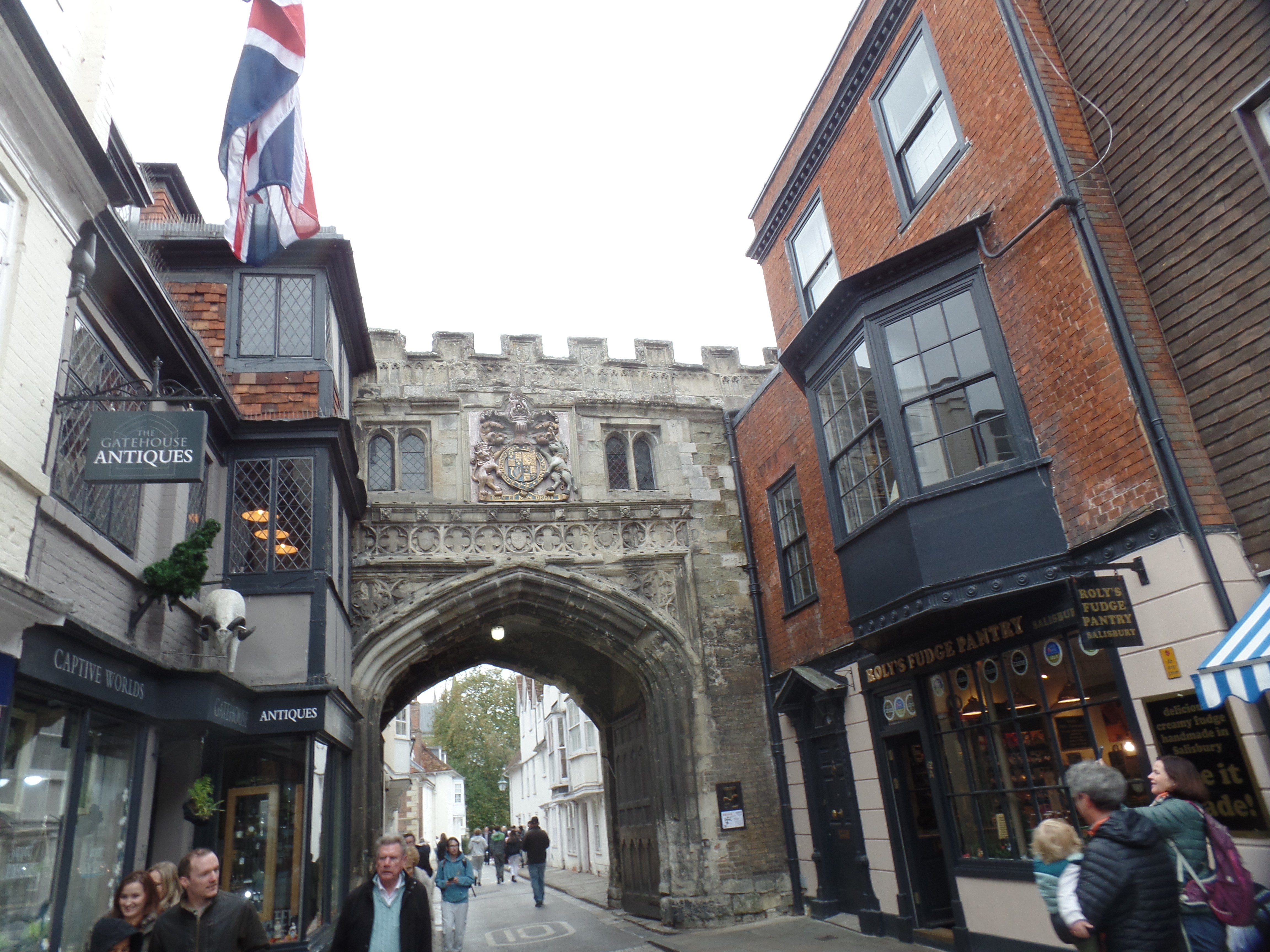
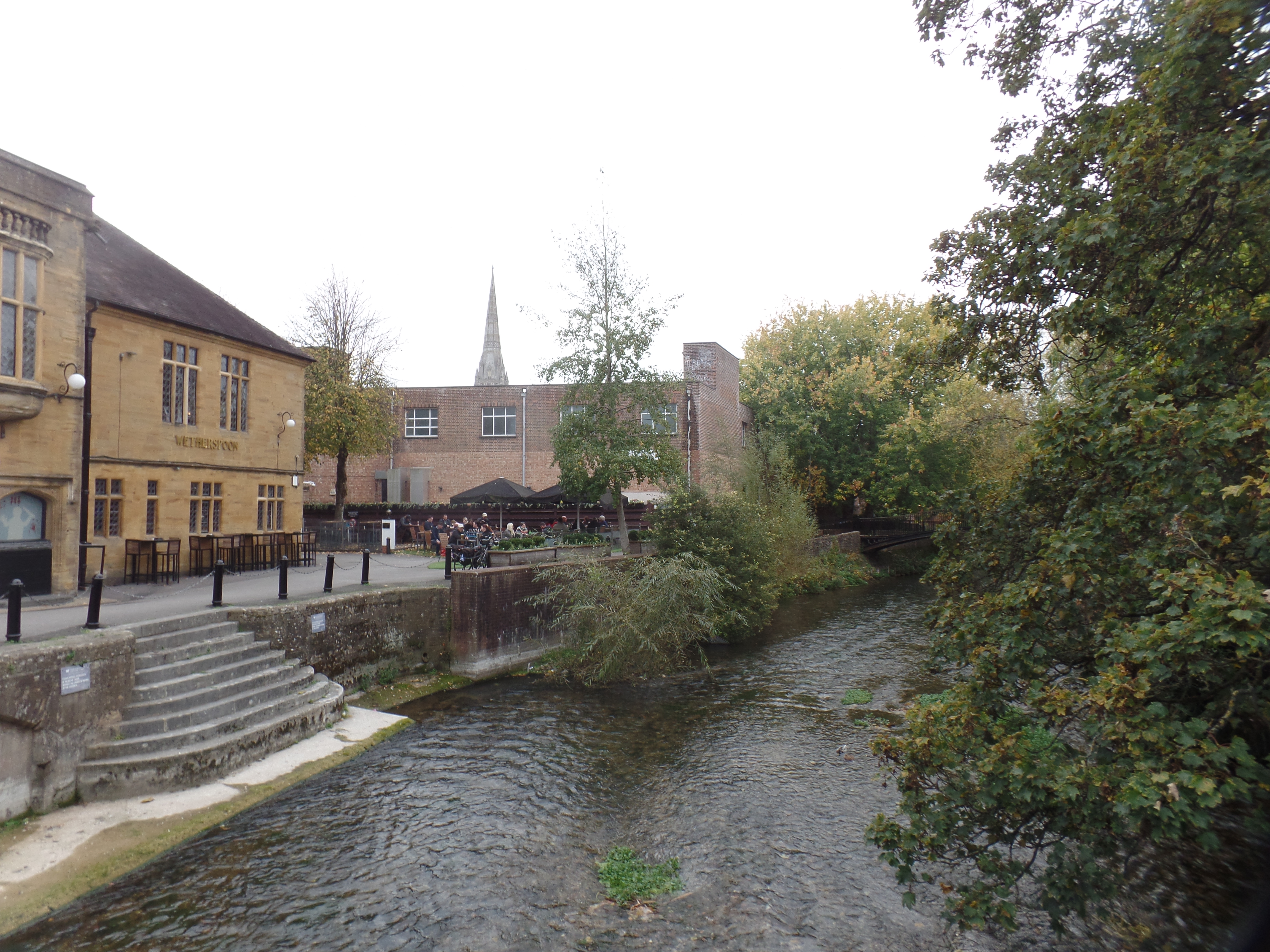
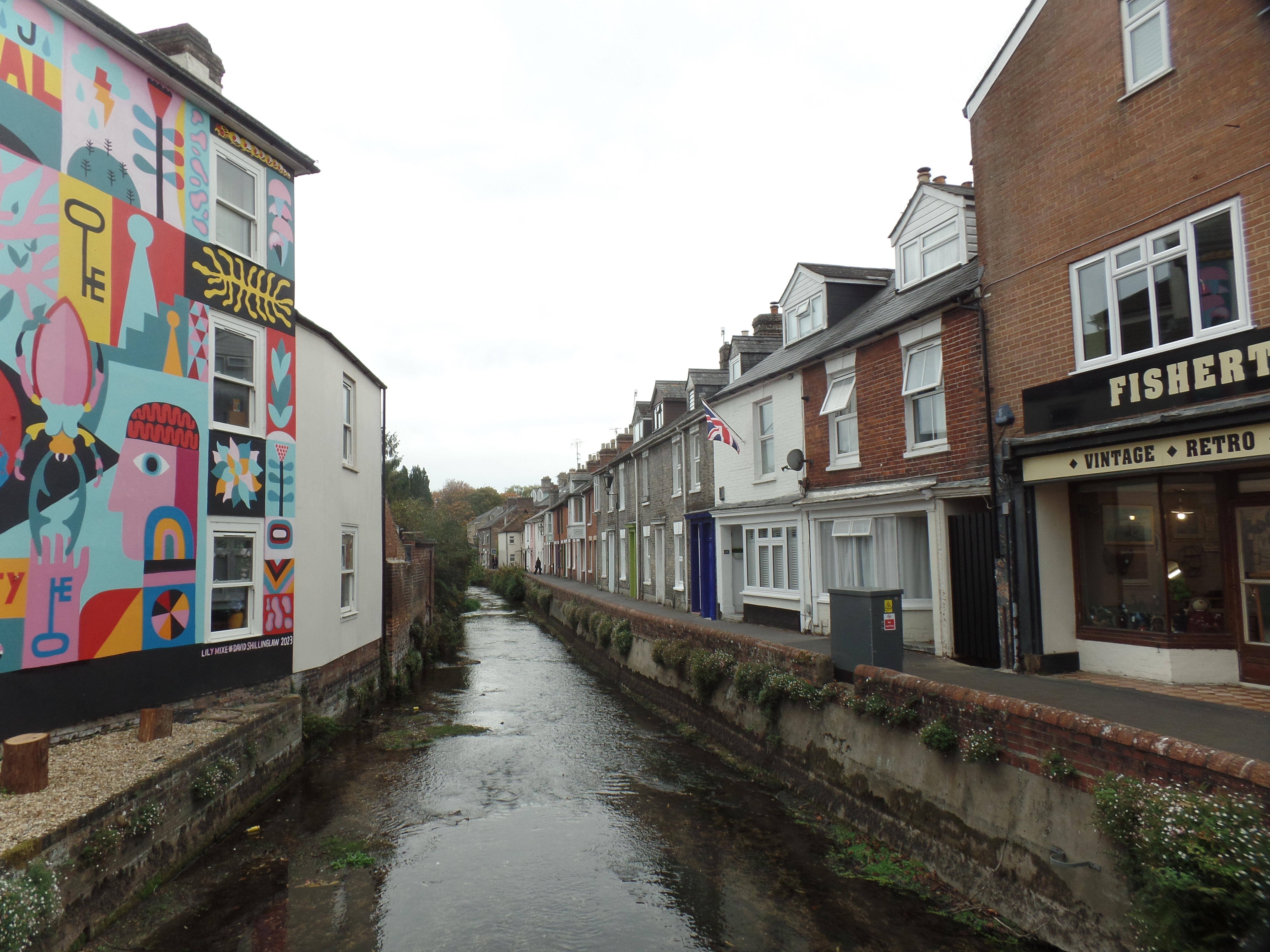
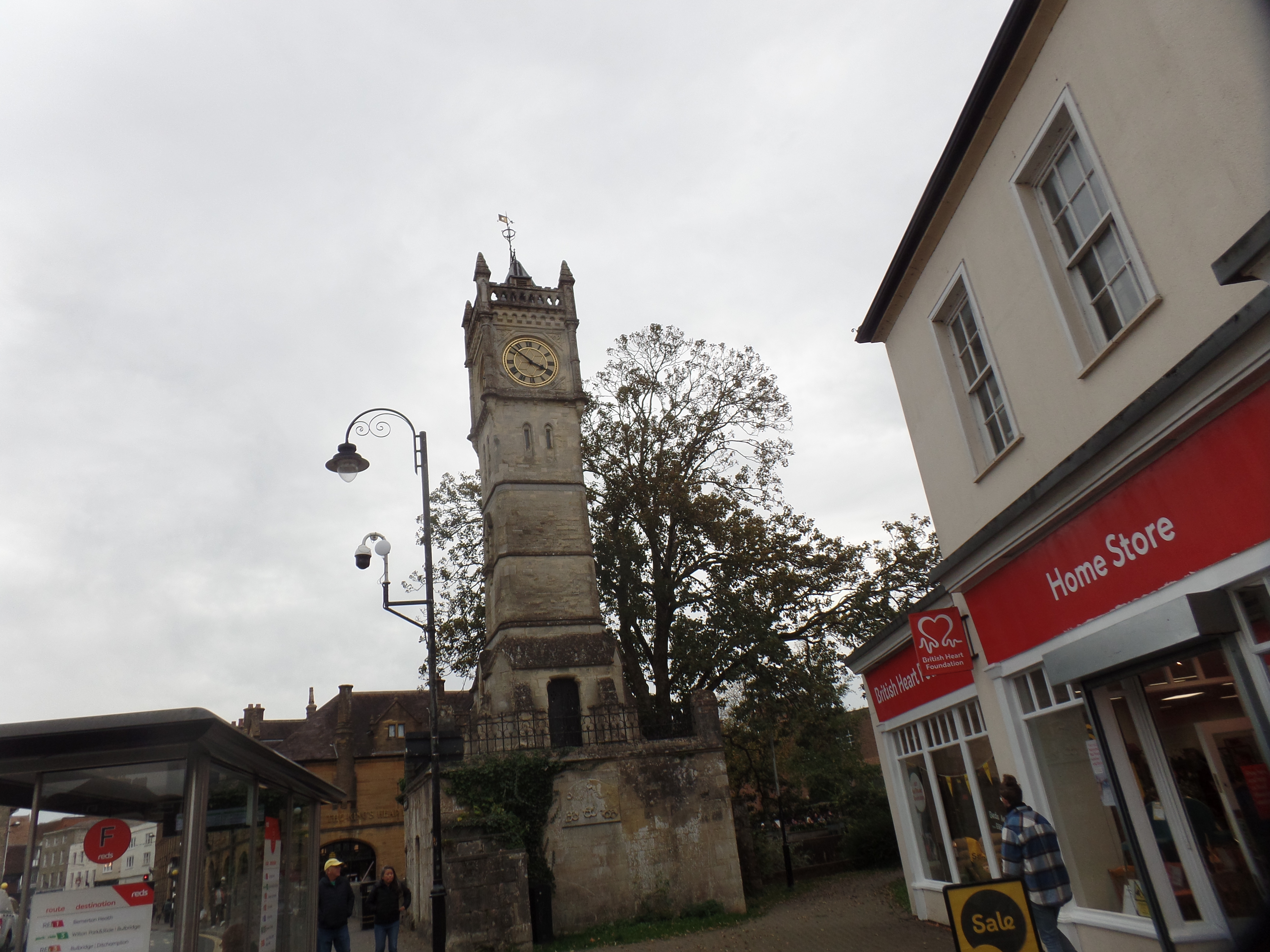
West Gate (Church Gate), Salisbury TownRiver Avon, with Cathedral spire in background.River Avon, serving as a canal, center SalisburyClock Tower, Salisbury City Centre
The center of Salisbury was packed with visitors, and many dining venues were expected to be packed. I had an early dinner at Cote, a French-style cafe, then walked back to Victoria Lodge, the day having been more than full-even without Stonehenge.
October 18, 2025, Portsmouth, England- Dawn came, the ravers and revelers had gone home and it was time to ready for another train ride. So, after the morning routine, I headed down to breakfast-greeted cheerfully, with a bit of wariness, by the Scottish hostess. It was a lovely full English spread, with bacon, scrambled eggs, grilled tomatoes and baked beans-along with the buffet standards- fresh vegetables and fruit, croissants and toasting bread, a few pastries, hot and cold beverages. It looked to be the last such buffet on this journey, so I took my time and enjoyed.
After breakfast and devotions, it was time to see Portsmouth, on the morning after. There was no huge mess left over-the street crew had come early and was still out in force. I headed first, through the east end of Guildhall with the goal of the near waterfront.
Here are some scenes of a Portsmouth morning.
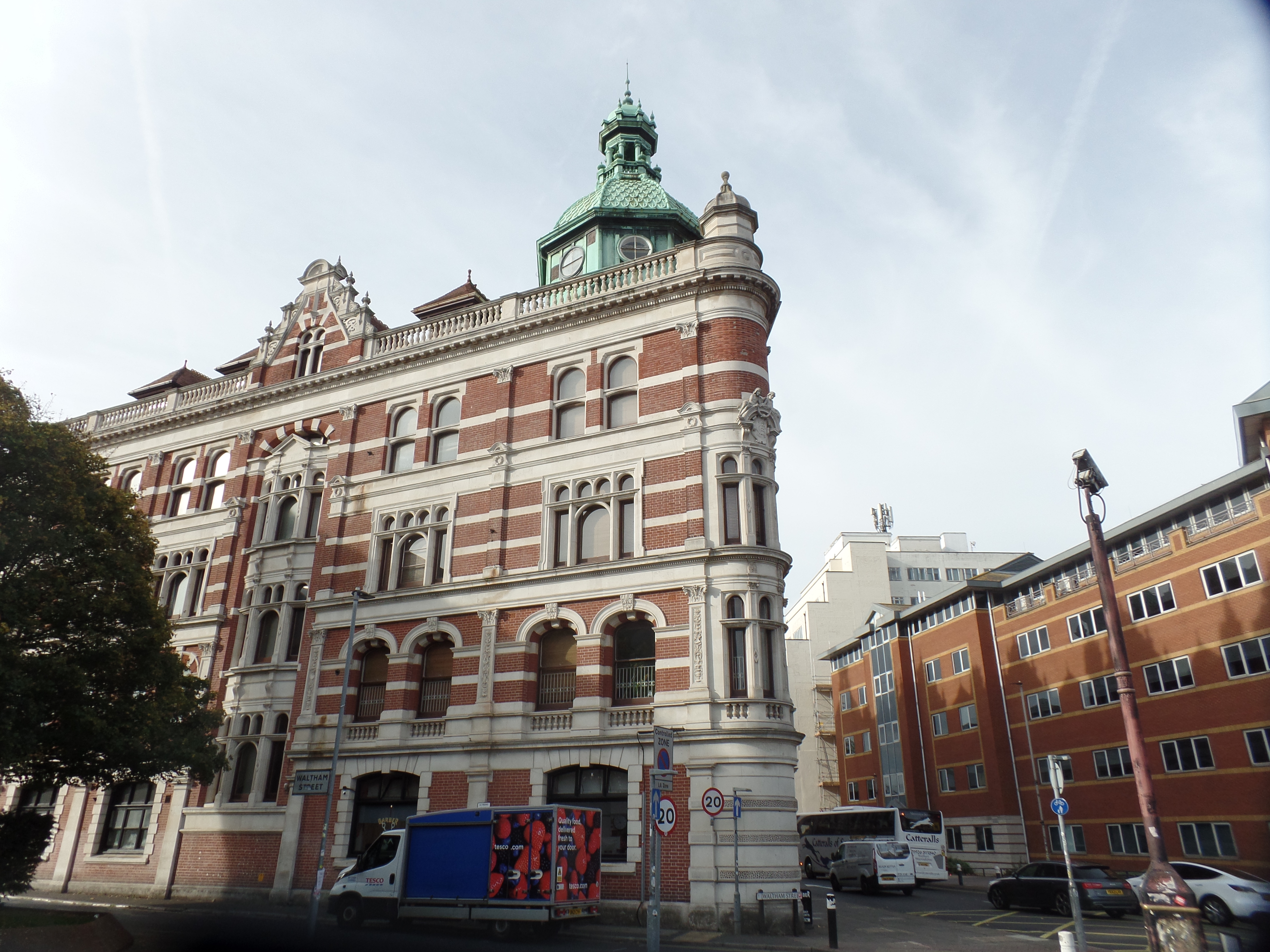
Triangular office building, Guildhall
Crossing the busy intersection, looking right, left and right again (It’s even written to do so, on the pavement), I walked past fields of young men practicing on the Rugby field-a Royal Navy facility. Portsmouth is RN headquarters, after all. At the end, there are the monuments to science and technology, with Spinnaker Tower to the right of the lower round building. Spinnaker is a place from which to get breathtaking views of Portsmouth, Southampton and the surrounding area. I had little time, though, before the scheduled train, so this was my look at the area.
Spinnaker Tower (center) and Science complex (round towers)Street art (and “Sir Isaac Newton”) This rather offbeat focus on vision, and “sea aliens”, was at the entrance to the small wood that is in the background.
Heading back to IBIS, I retrieved my bags and started towards the train station. The majestic Guild Hall was no worse for the wear, after hosting many flirtatious youngsters and others, the previous night. It is now an event center, and does its job rather well.
Portsmouth Guildhall
Guildhall Square honours tradition.
Queen Victoria, Guildhall SquareHampshire War Memorial
With that, I headed to the train station, expecting to board the train towards Salisbury. Yet, there was no train to Salisbury. Britrail has an occasional cancellation. This was one such. The Transit Officer explained what I would need to do to re-route, so about forty minutes later, I was on a train to Fareham, and from there to Southampton, where I changed trains again. The rigmarole meant that the train would arrive in Salisbury at 3 p.m. This meant that I would not be going to Stonehenge, as the last bus to that venerable site leaves at 2 p.m., during the “winter months”, which in tourism parlance include October.
This gave me more time to focus on Salisbury itself, and on its majestic Cathedral. More on them both, in the next post.
October17, 2025, Portsmouth, England- The instructions given me by the young man who worked maintenance for the city of Dieppe only revealed to me how often he has been on the far north side of his adopted city. I got in another good walk, thanks to the clarification I received from the middle-aged couple who had emerged from a cafe along my initial route.
I found the port city, about an hour northwest of Rouen to be struggling somewhat, trying to decide where to modernize and where to preserve. It can be an attractive city, especially if services between the Train Station and the Ferry Terminal, some 2 kilometers to the west, are better advertised. Right now, the shuttle is only promoted by a phone application. The question persists- What if phone service hits a dead zone? I have run into that situation with buses in one or two cities along the way, as well, though not in France.
Long story short, I did reach the ferry terminal, after a 30-minute walk. It is an austere, but still comfortable place, lying almost under the white chalk cliffs that are mirrors of the well-known cliffs of Dover. The charming purser was the first person to mention the shuttle to the train station-for those arriving from Newhaven, Nonetheless, if there were her counterpart at the train station, it would save a lot of difficulty for some of those in not so good shape.
Here are some views of Dieppe, from the train station to those white cliffs.
Old Customs House, DieppeMain fishing pier, DieppeWhite cliffs-of Dieppe (above and below)
Once on board the vessel, I went into a cabin-a new experience. Being able to catch up on writing, whilst on board a ship was an experience I’ve had on only one other occasion: The Tiger Cruise from Honolulu to San Diego, in 2014. I also slept for an hour or so. When curious about our progress towards England, I could monitor on this laptop. I did miss interaction with others, but managed to be among the crowd for the last 20 minutes of the voyage.
At the small port of Newhaven, it didn’t take much time to process into the United Kingdom, as customs and immigration are streamlined and train passengers are processed first, so as to not get stranded in the small town, with few lodging options. I was on the train to Brighton, then to Portsmouth, in short order.
Portsmouth on a Friday night is a revelation. The Guildhall District, where both the train station and IBIS Hotel are located, is also the home of University of Portsmouth. The club scene is especially lively tonight, but no one bothers the lone traveler walking with backpack and wheeled suitcase. They are all just having a great time and music fills the air. I’m happy to see it all.
October 17, 2025, Portsmouth, England- The earnest young man, a maintenance worker for the City of Dieppe, told me that the route to the ferry terminal was “not long” and was “visible straightaway from around the corner to the left.” I followed his directions, met a couple who were out walking on a delightful Friday afternoon and got more complete directions. Twenty-five minutes later, I walked into the Ferry Terminal.
Taking on the road involves just this sort of time allowance, and patience with people whose own understanding of routes and systems is not as complete as they fancy it to be. It also involves workarounds for spotty WiFi and being a quicker study for technological innovations than has ever been the case. That alone, to me, is a cure for dementia. (Disclaimer: I am not a medical professional. I just know how it feels to be adapting to a savvier world.)
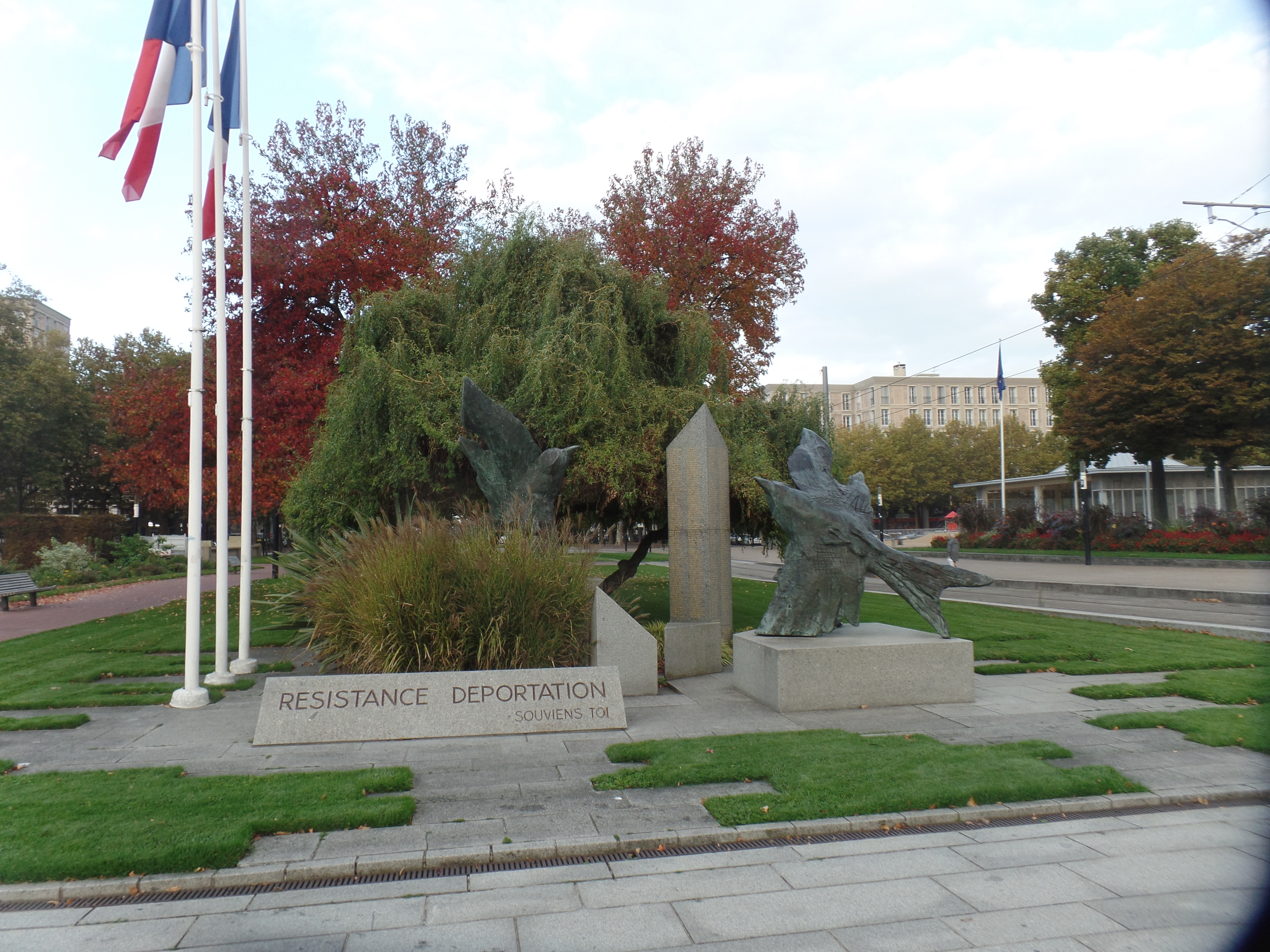
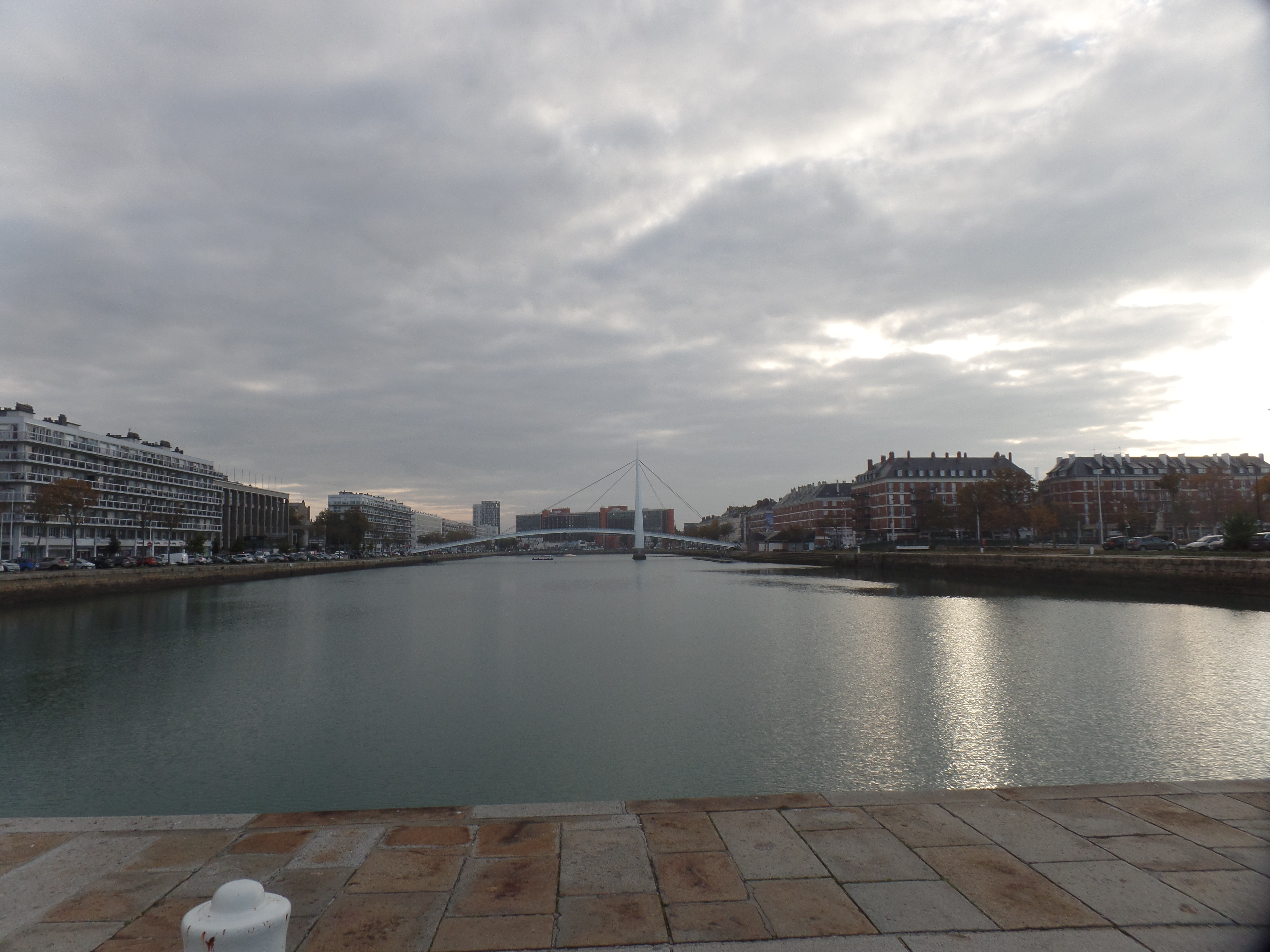
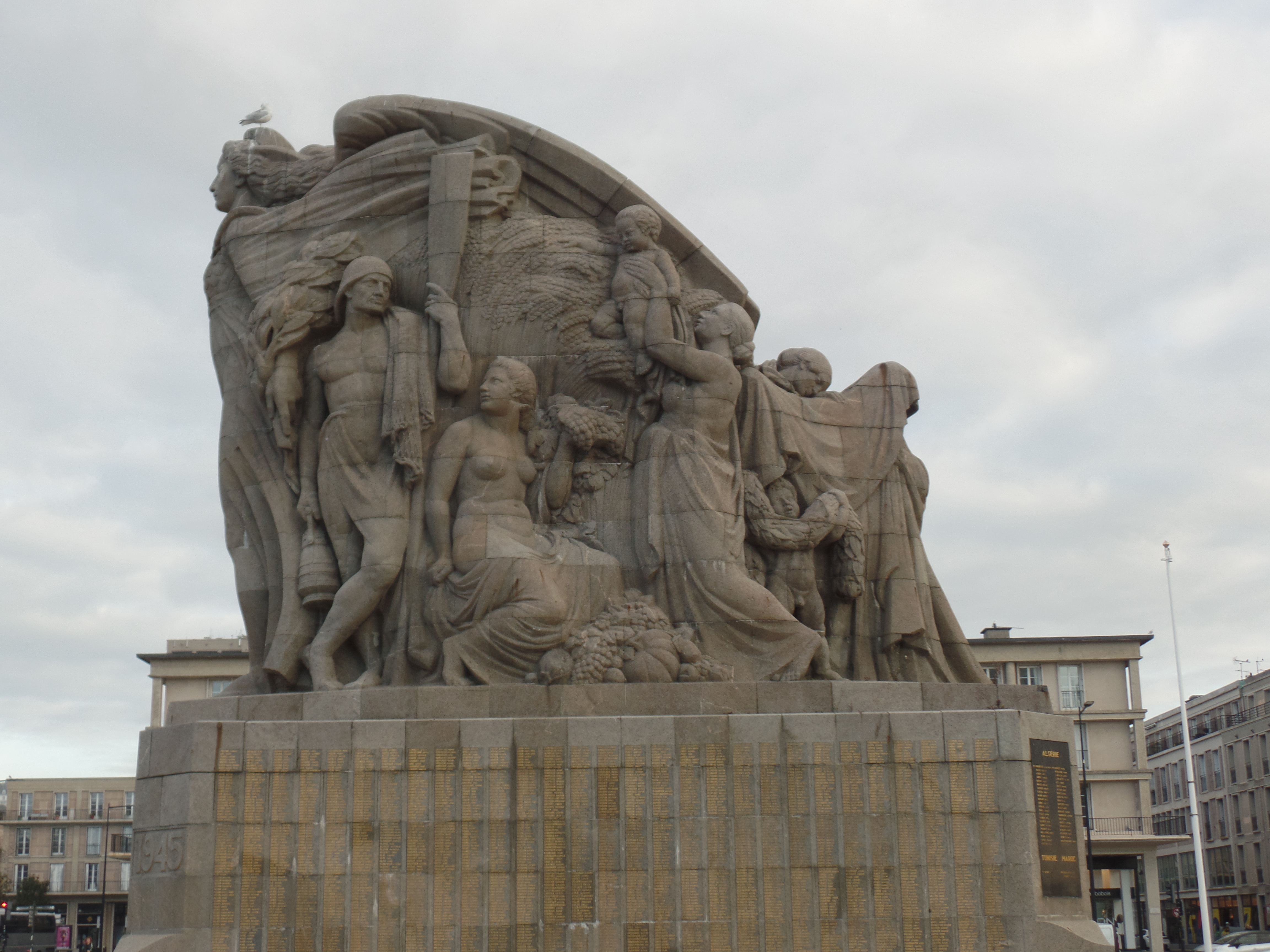
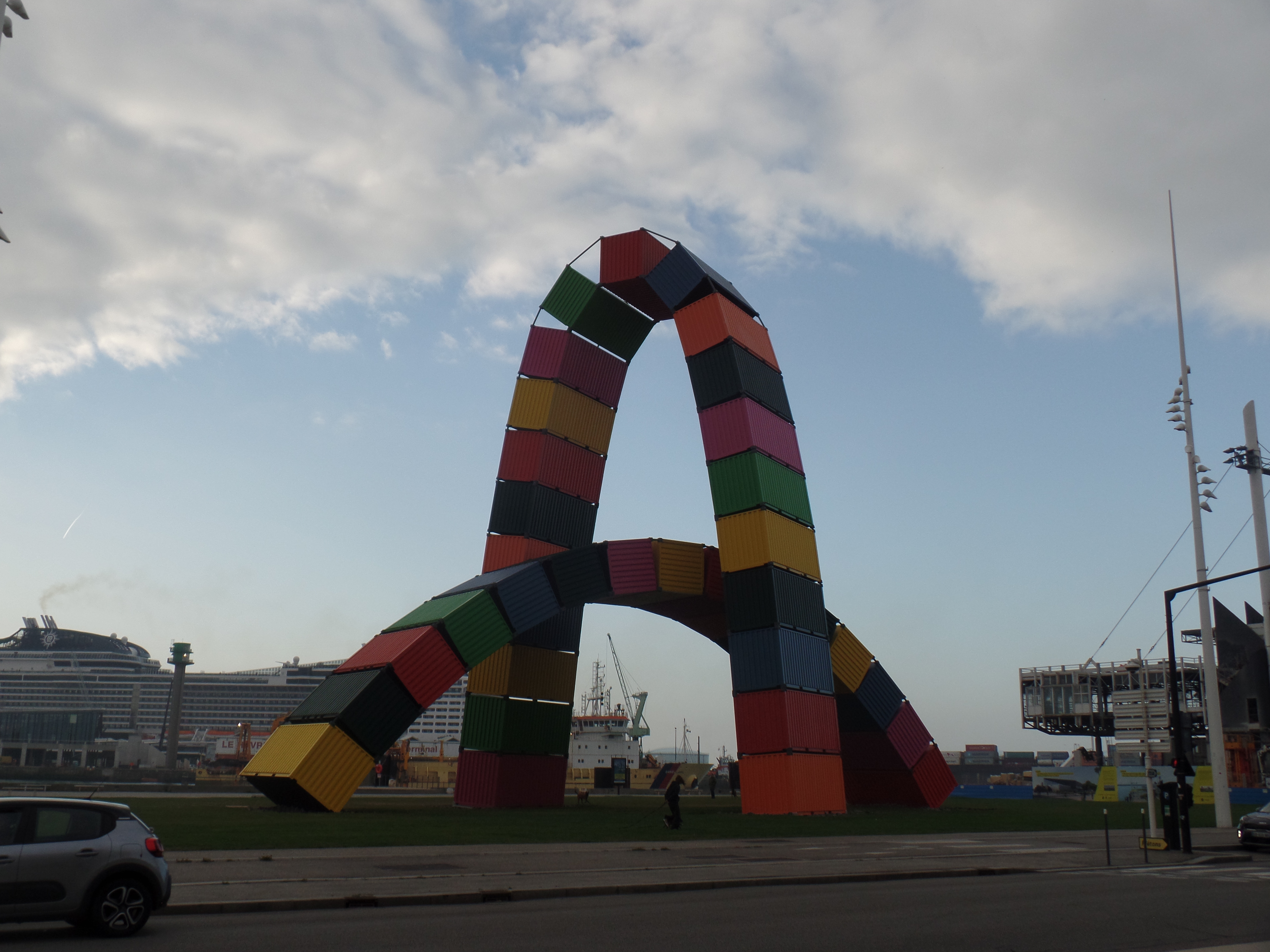
The day started with a fine breakfast at JOST Hostel. Before checking out, I did a walkabout to Le Havre’s waterfront and back. Here are some scenes:
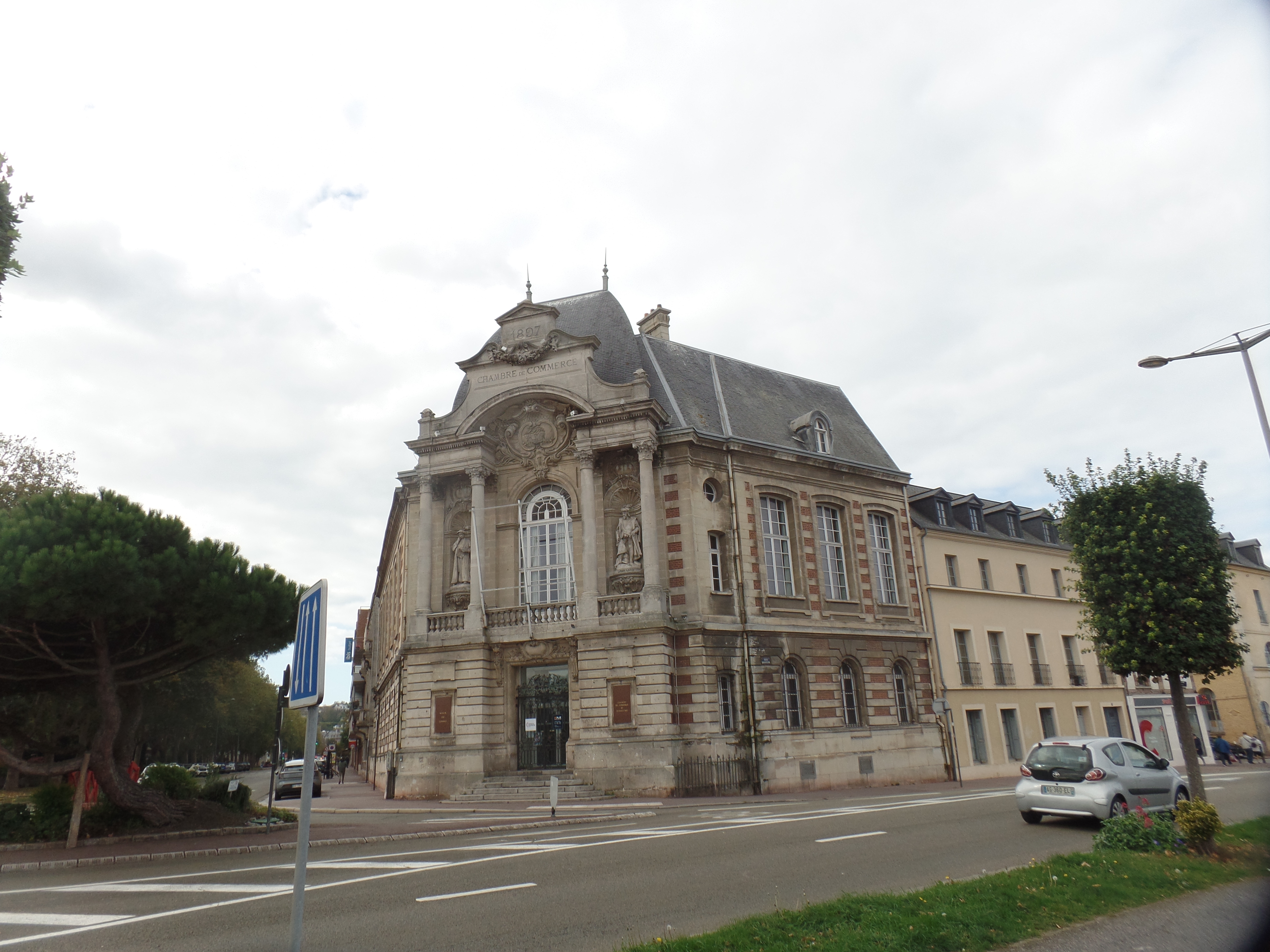
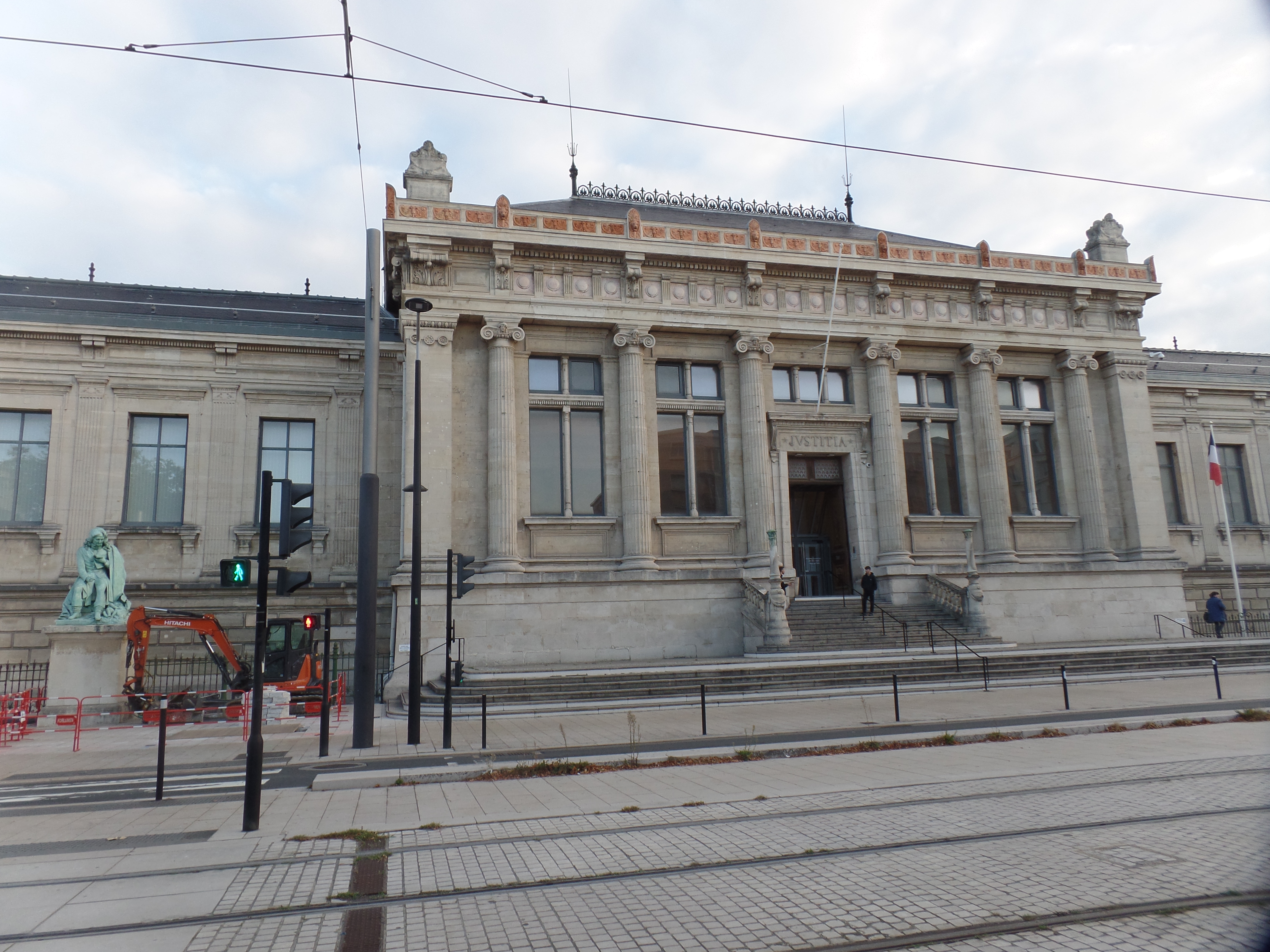
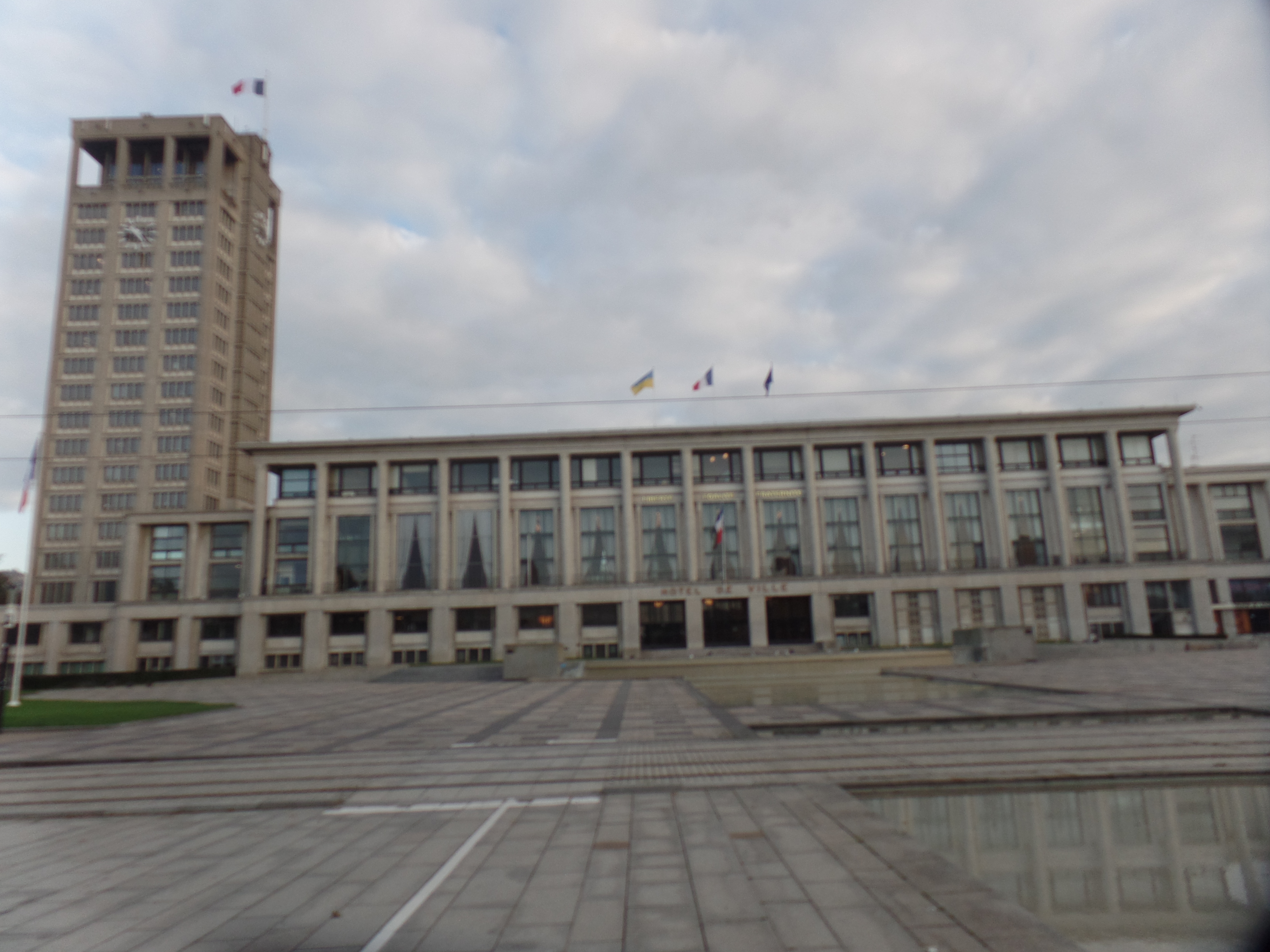
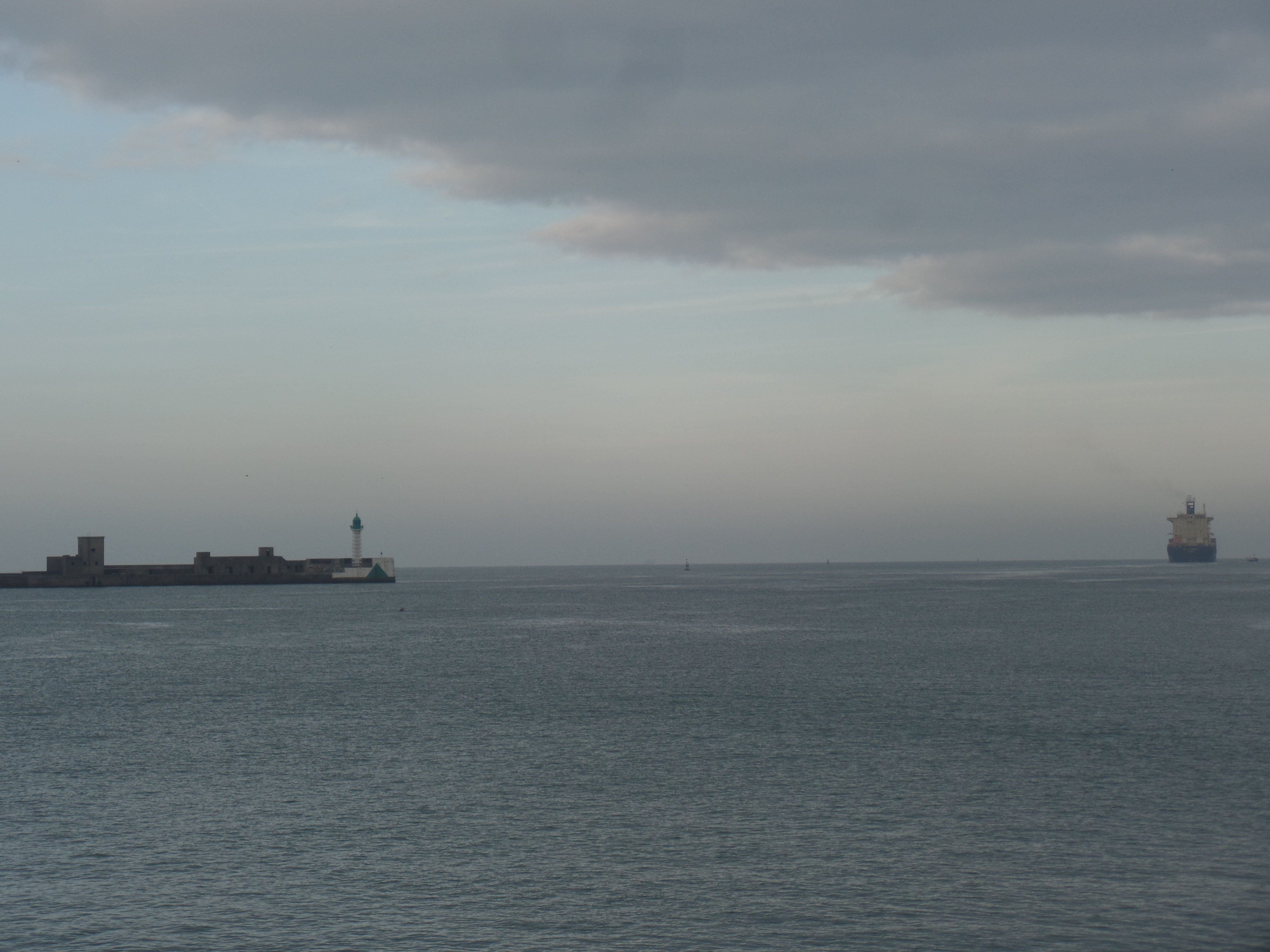
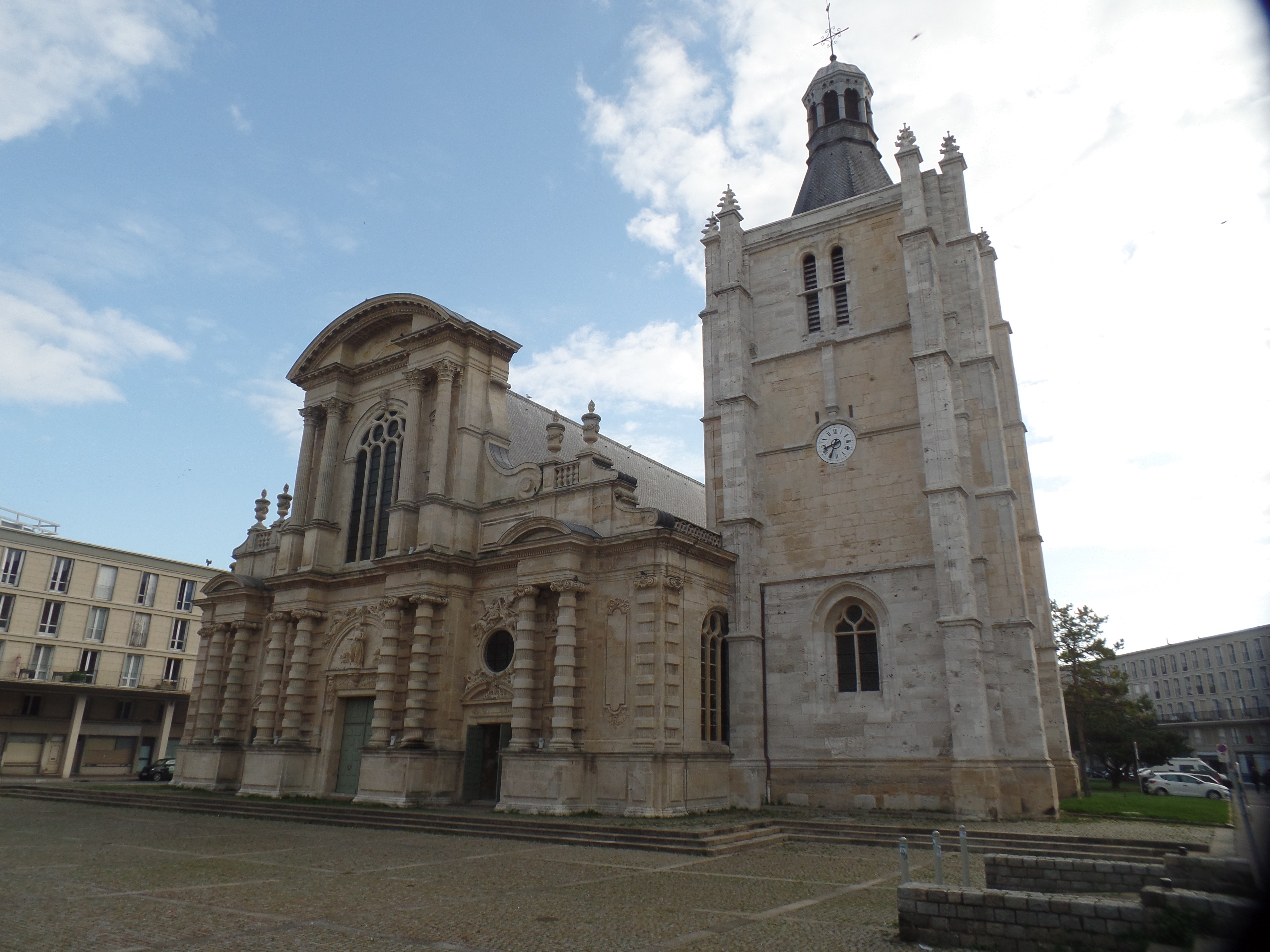
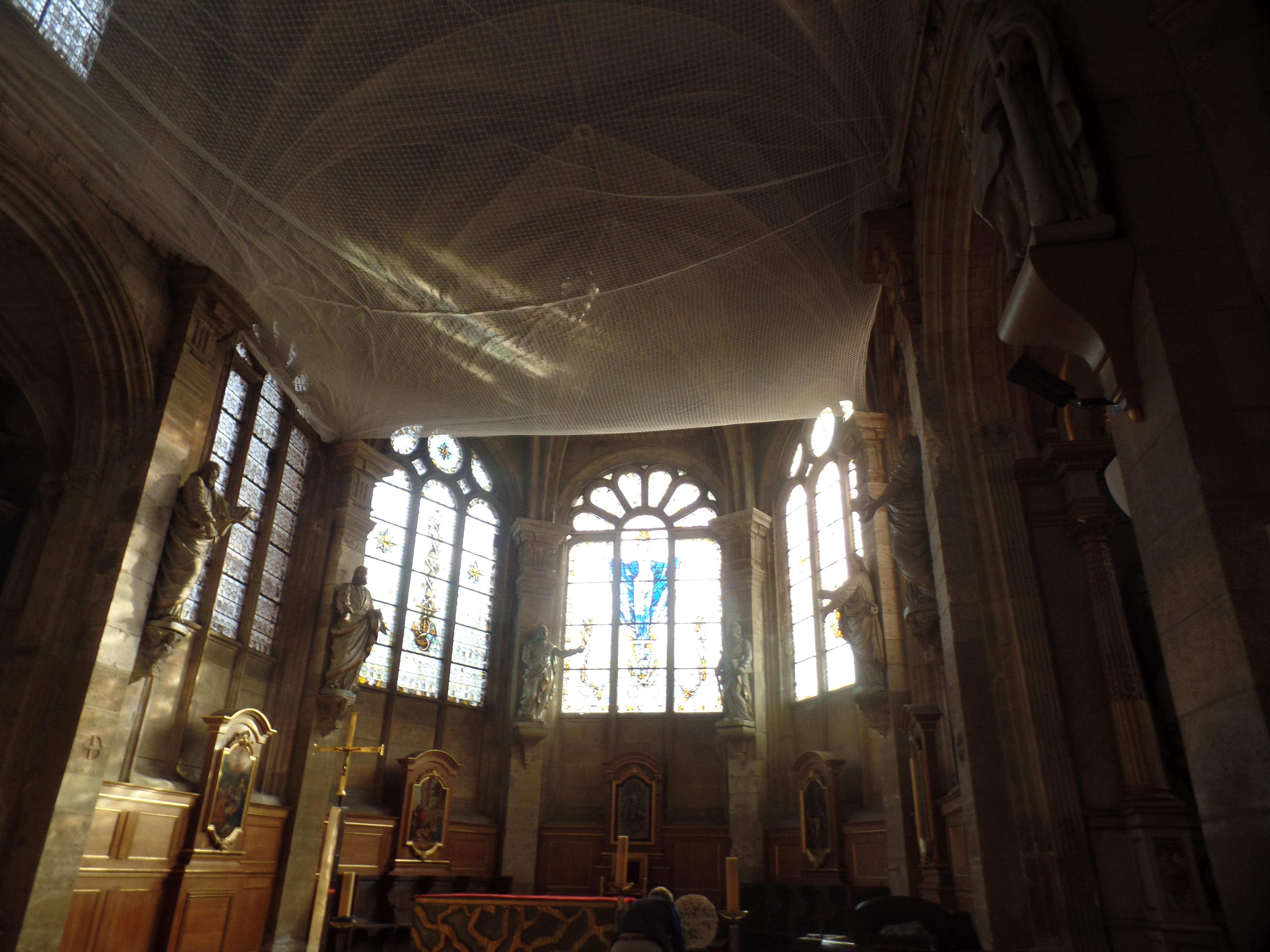
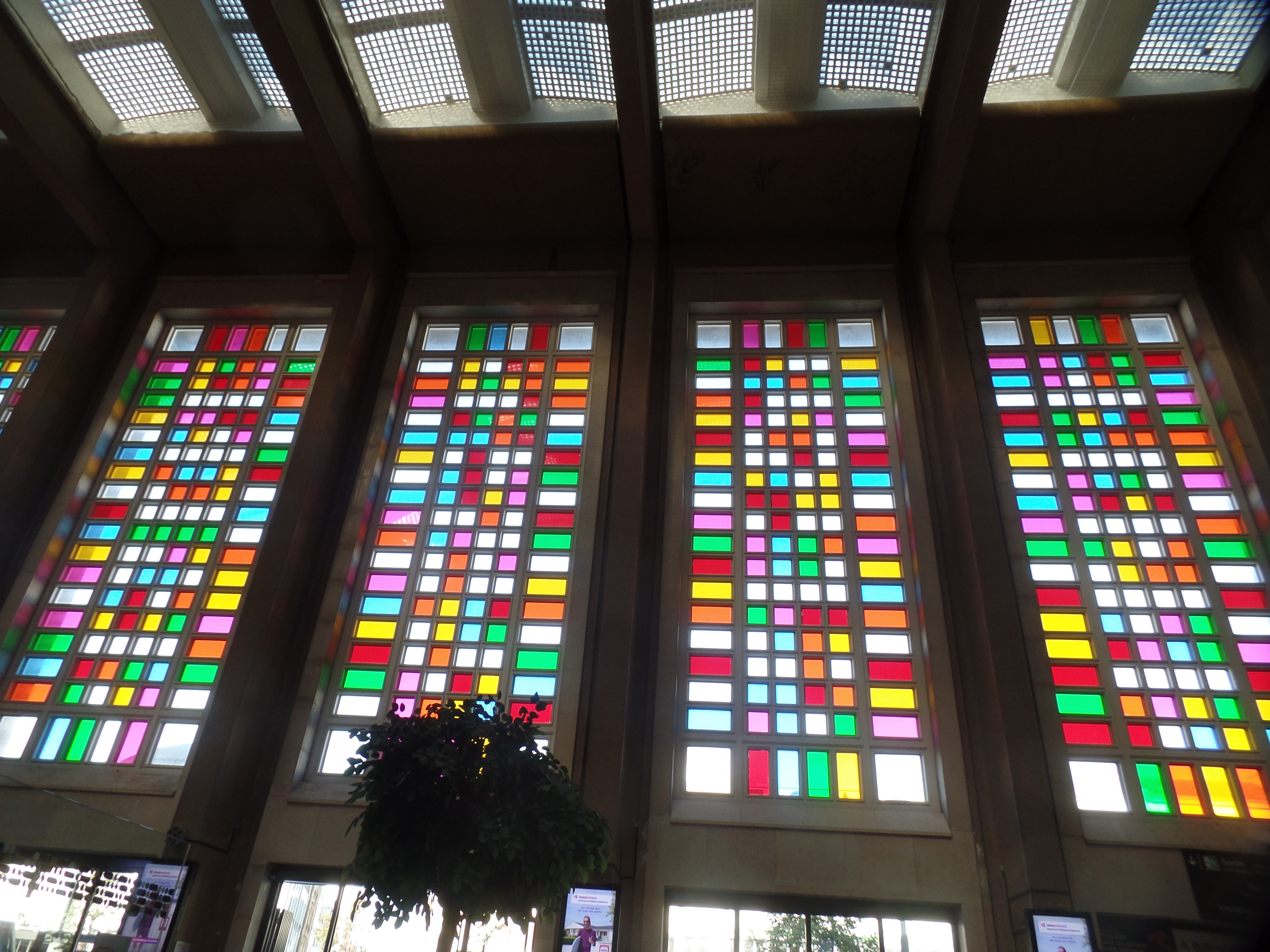
Le Havre Palais de JusticeLe Havre City HallMonument to Resistance Fighters of World War IISeine River, approaching the English Channel (La Manche)Monument aux Morts, Le HavreAlta Tower, with fluid geometry; created by Auguste PerretTwin Rainbow Arches, Le Havre Port. This was in celebration of Le Havre’s 500th anniversary and was also designed by Auguste Perret. It is made of 36 shipping containers, welded together.Sea gate, with approaching ferry ship.“The Signal”, by Henri-Georges Adam, at Malraux Museum of Modern ArtAuguste Perret’s Show ApartmentNotre Dame de Le Havre (Cathedral)Interior of Notre Dame de Le HavrePipe Organ, Notre Dame de Le HavreStained glass, at Le Havre Central Train Station
With my walkabout complete, I headed on the train bound for Rouen, then transferred to another train to Dieppe.
October 16,2025, Le Havre– I left Metz, after a sumptuous breakfast in Hotel Escurial’s fine restaurant. The train ride to Paris Est was uneventful, though the French countryside is always a tonic for the soul. Once in Paris, I asked an African immigrant, a security guard, where to find the bus to Gare St. Lazare, from which trains to Normandy and Brittany are dispatched. He personally favoured the Metro, but with baggage to handle, I was in no mood for the grifters and pickpockets who hang out in all too many Metro stations. He then directed me to the area south of the train station, where buses arrive and depart.
After a few minutes of asking around, I spotted the bus that goes to St. Lazare. Another young immigrant was getting set to start his driving shift, and invited me on, sans ticket. He maneuvered swiftly through Paris traffic, and we were near St. Lazare, with plenty of time to spare before my train to Rouen and Le Havre was set to depart. His “price”? I had to get off two stops later and walk back. “No one can have everything”, he said, knowingly. It was no big deal.
In 2014, I was on another train to Rouen, and we passed through a suburb called Mantes-La Jolie. My seat mate pointed out that there was little “jolie” about the town. This time, though, Mantes-La Jolie presented a clean, upbeat appearance-even lacking the graffiti that seems to be universal elsewhere across Europe.
Rouen, too, seemed a tad happier a place than what I saw eleven years ago. For that matter, at least in the above-ground gathering places and along surface streets, I felt perfectly safe in Paris as well. The hype about “crime-ridden France” seems to be just that-a false flag. The train strikes of two weeks ago are a blip.
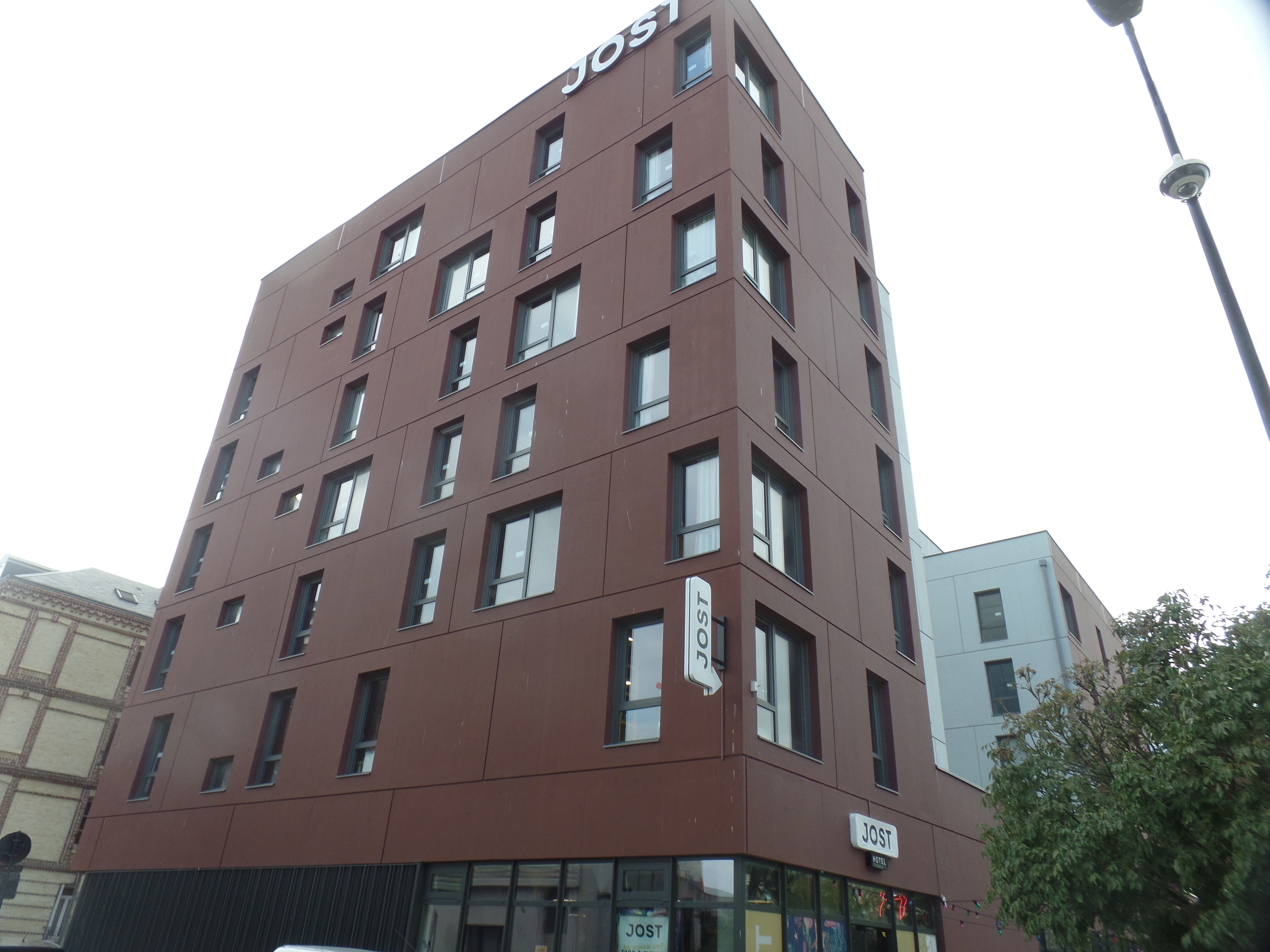
It was in an upbeat mood, bolstered by the kind, if snarky, immigrants who I encountered everywhere, that I found myself in the shiny port and university city of Le Havre. I had half expected a gritty seaport. There was none of that, and I walked a short distance to JOST (Joy of Sharing Together) Hostel. It is the closest lodging to any train station thus far, except for Helsingor. It also has a Food Court, with six restaurants under the auspices of one bar. I chose a northern Italian option.
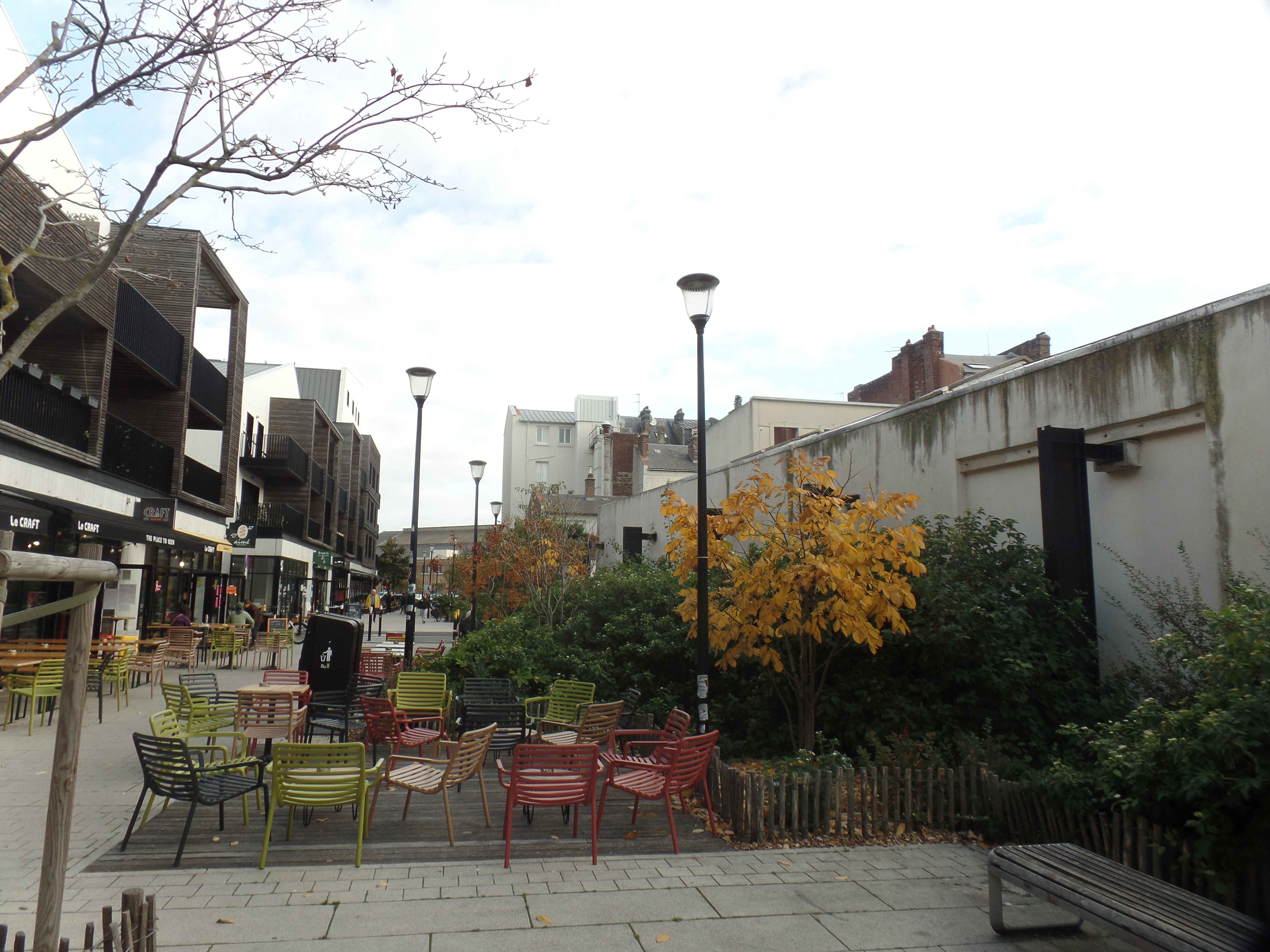
The University quarter of Le Havre is a place of great modern art and architecture. Here are a few scenes.
JOST Hostel. I was “only” on the fourth floor.Pole- Simone Veil. This social and sport event center is named for the late magistrate Simone Veil, who was a survivor of the Holocaust of 1941-45. She became the first President of the directly-elected European Parliament, in 1979. In her years of recovery from the horrors of war, Simone Veil was a champion of women’s rights in France and across Europe. She died in 2017, at the age of 89.Enclosed arbor, Allee Aimee Cesar. The great social activist from Martinique offered a thought which is apt for people like me, who visit different places, almost with abandon. “Beware, my body and my soul, beware above all of crossing your arms and assuming the sterile attitude of the spectator, for life is not a spectacle, a sea of griefs is not a proscenium, and a man who wails is not a dancing bear.” It is indeed the duty of the traveler to show empathy with those visited. Rue Le SueurSidewalk cafe, Place Le SueurTorso in Action, Place Le Sueur
Le Havre has indeed cast off its former image as a gritty port, and is fully embracing the vibrant commercial culture that has continued across the English Channel, despite BREXIT and largely because of, rather than despite, the Chunnel. I will have time, tomorrow morning, to more fully look around this energetic port.
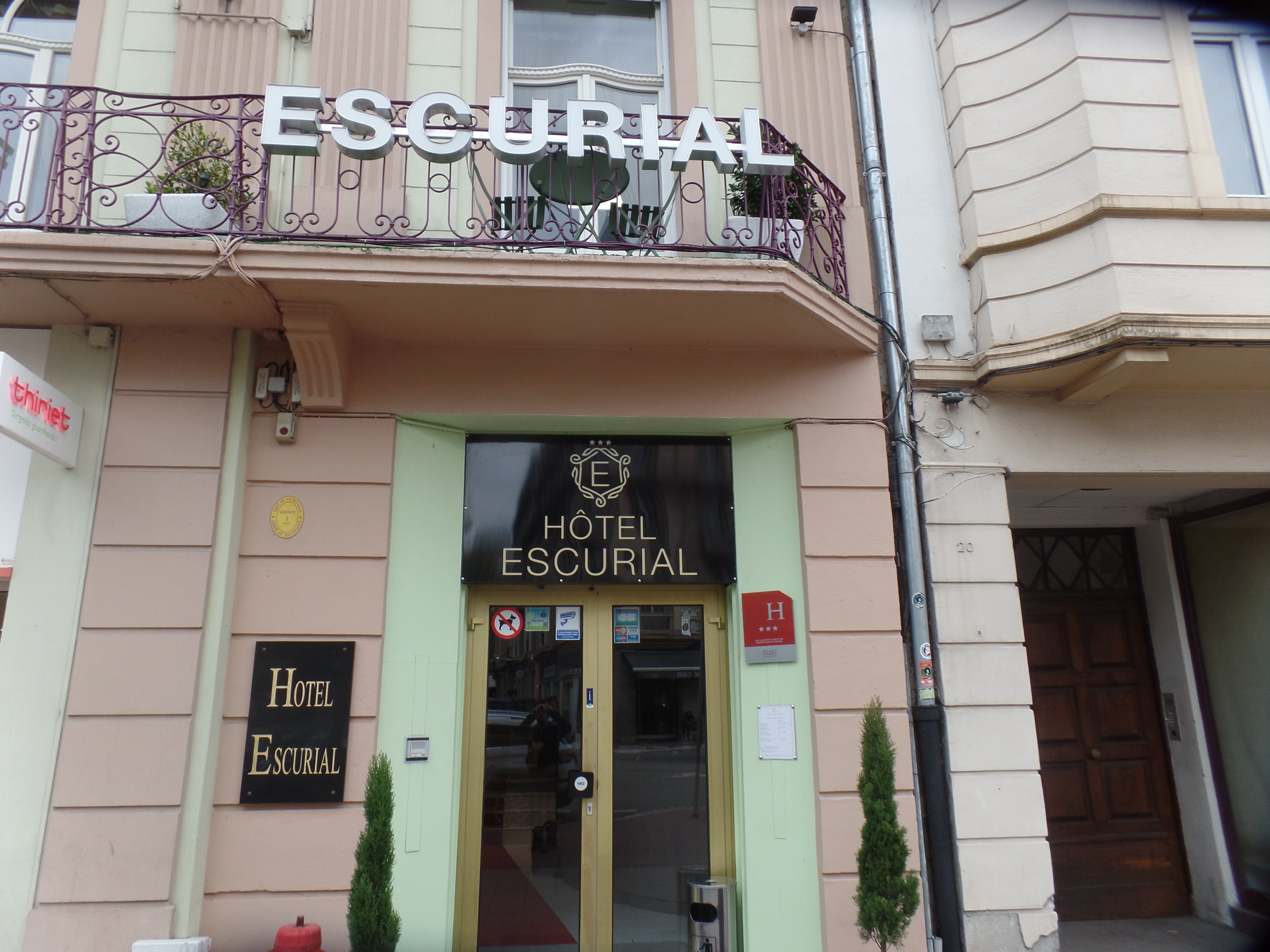
October 15, 2025, Metz- Stately Hotel Escurial is probably the easiest to find, of any hotel that hasn’t been right next to the Train Station (only the hotel in Helsingor, Denmark has fit that description). It is bordered by a health food grocer, with bright green lettering and the Hotel Cecil, which once catered to the British upper crust, is prominently to the west of Escurial. Besides, it has a regal Spanish ring to it.
I arrived here in mid-afternoon, the first stop of three, on a Strasbourg-Luxembourg route, which I last took in the opposite direction, in 2014. At that time, Metz was more a place for regrouping my energy, as Strasbourg was this time. Today was more about giving Metz the limelight.
I got my laundry done in Strasbourg, for the most part figuring out the instructions, which were in French, and managing to get the clothes washed and dried within the allotted time and walked back to Hotel Strasbourg, in plenty of time to return to the main train station. I even helped a college student and a disabled woman, just a little.
Once in Metz and settled in at Hotel Escurial, it was off to look at two different areas of the Old City. First, though, I had to get a new mouse for my computer. A shop was located about four blocks from Hotel Escurial, and the task was quickly done.
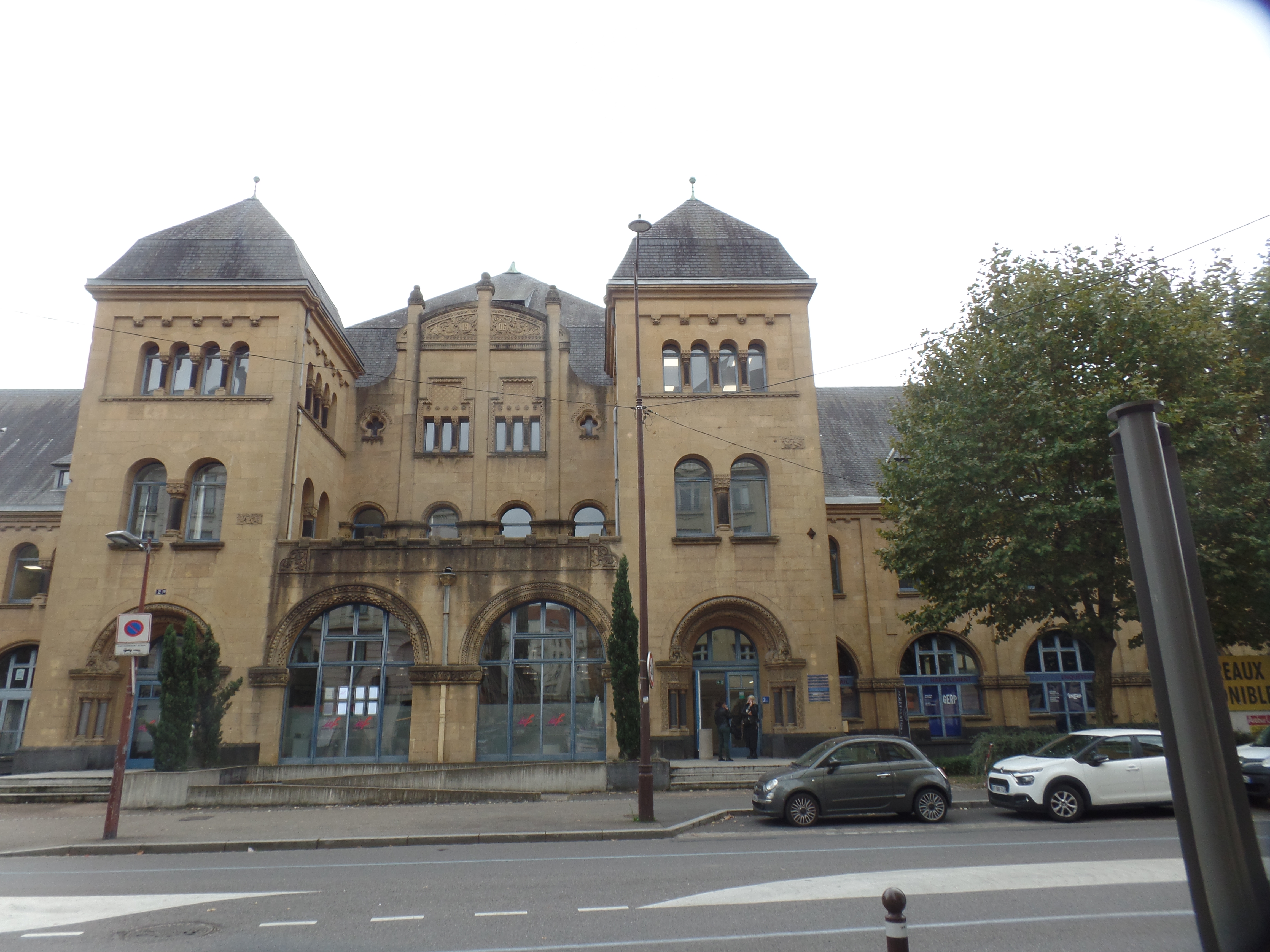
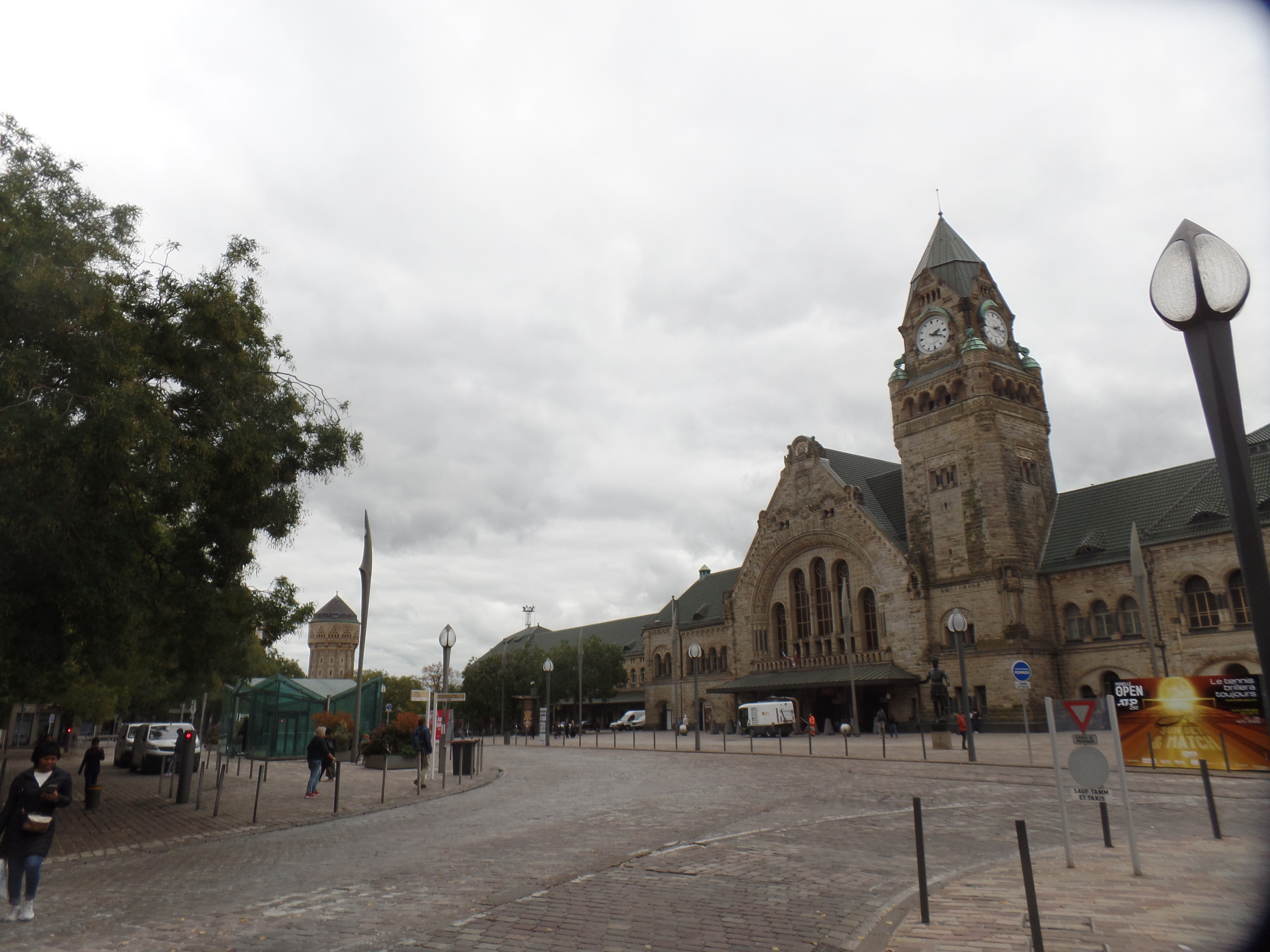
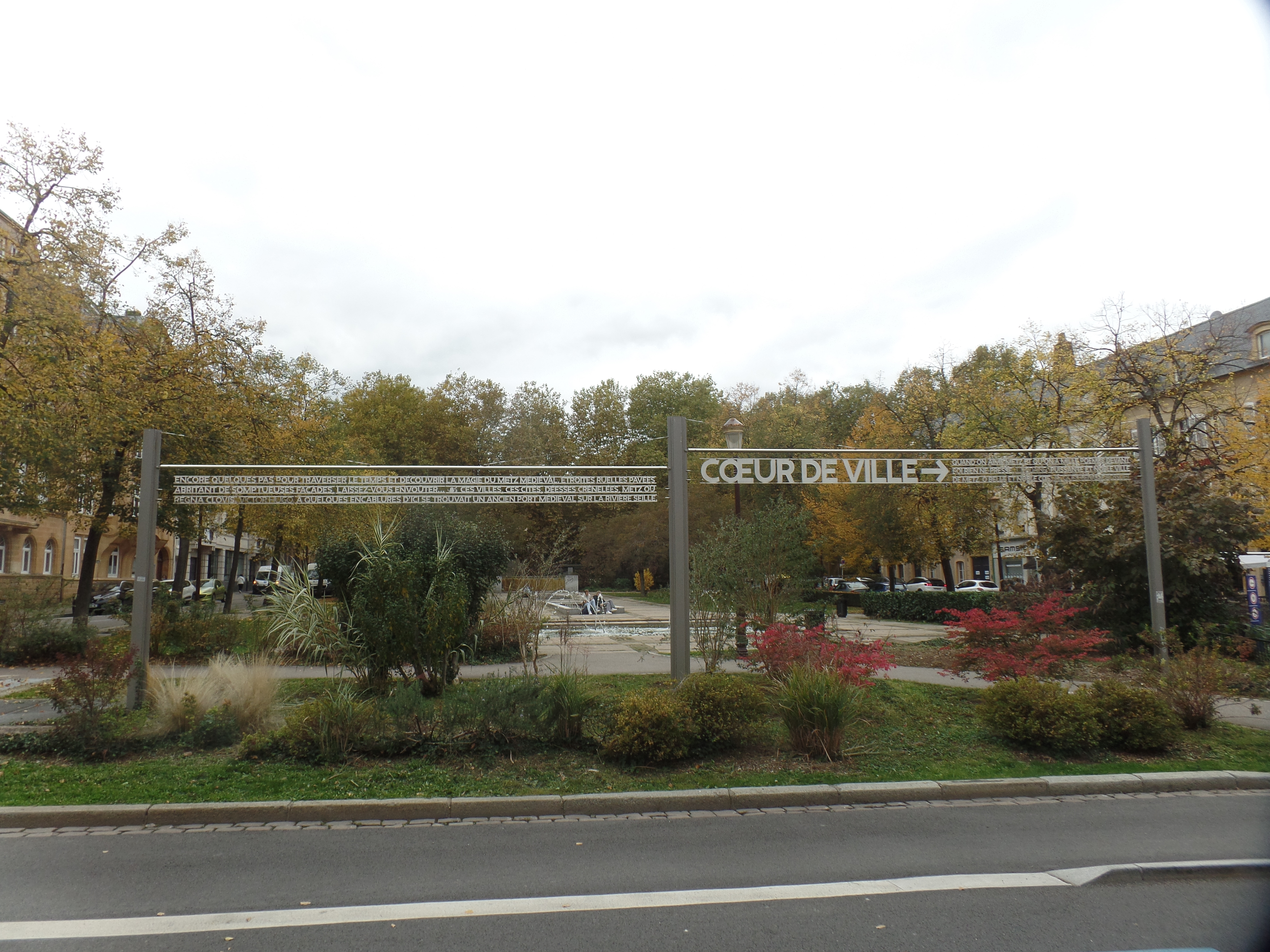
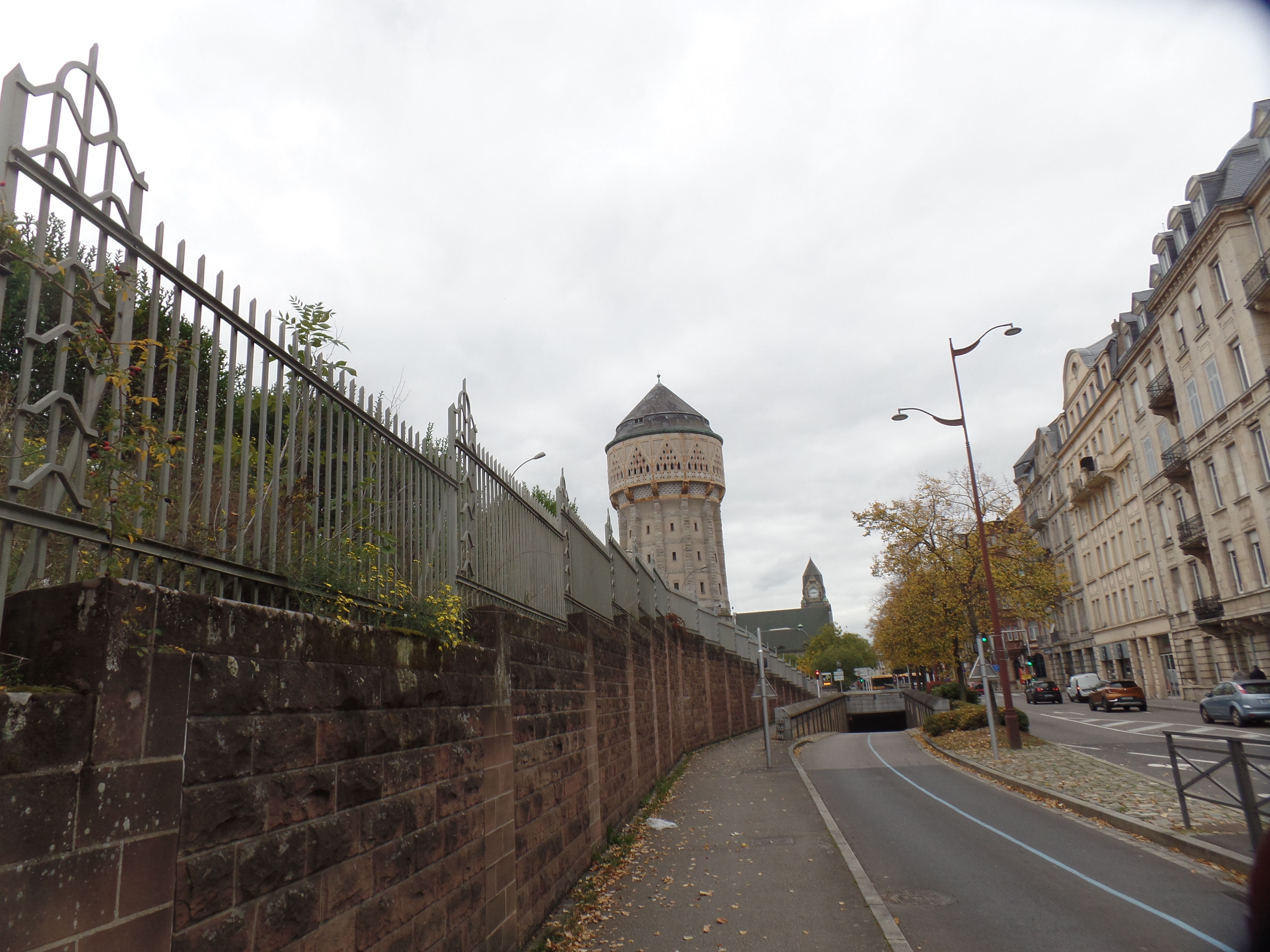
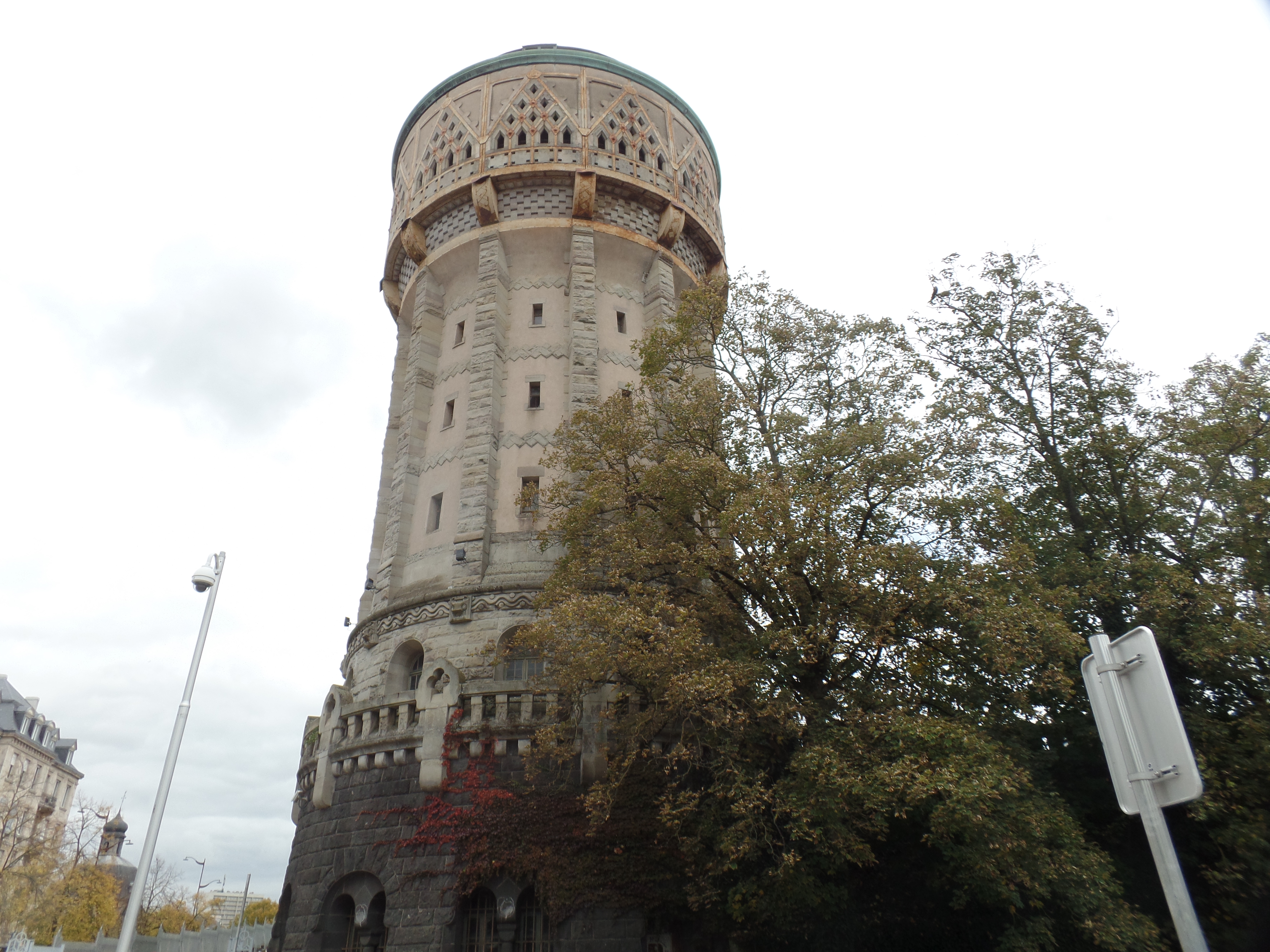
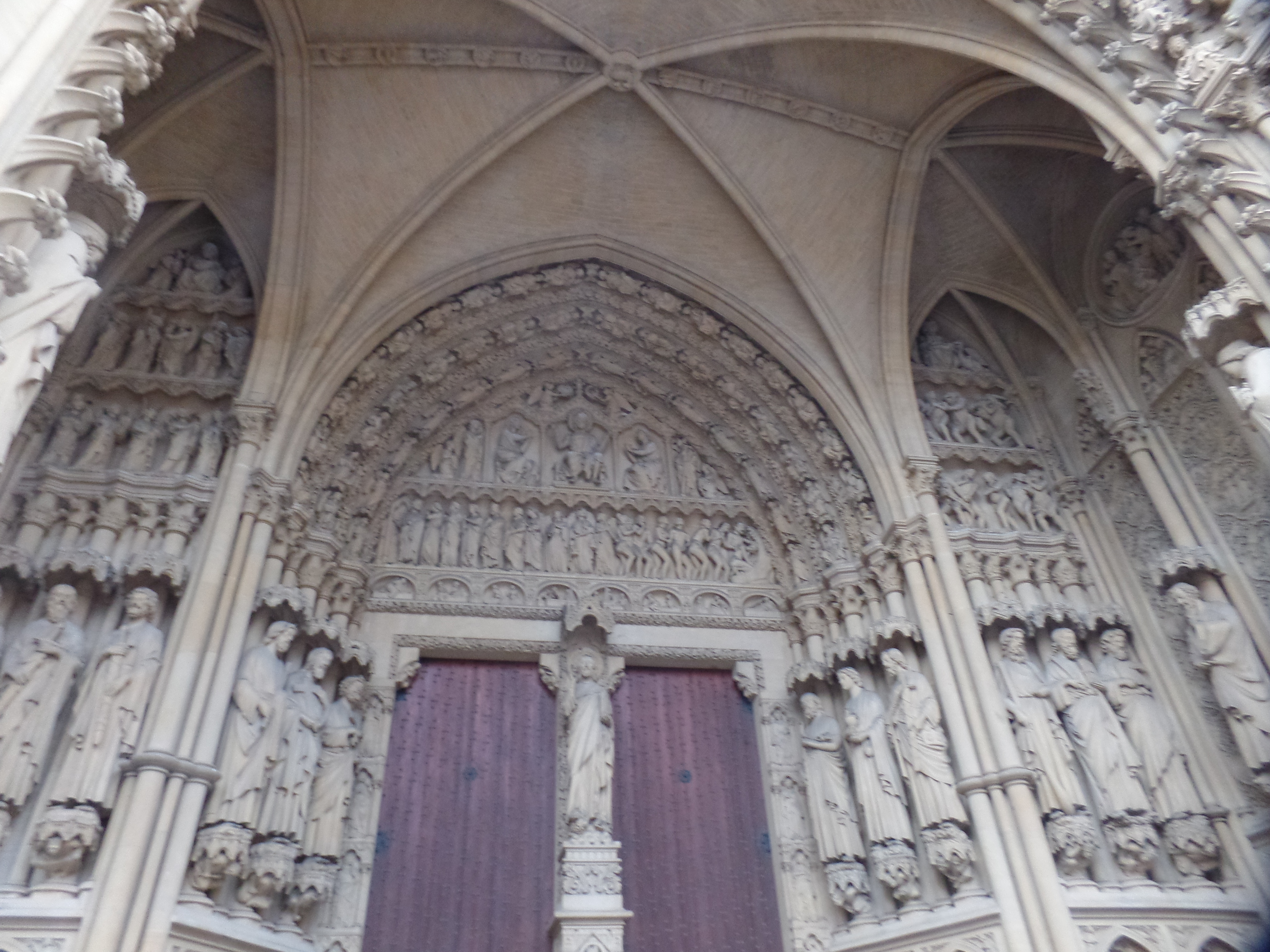
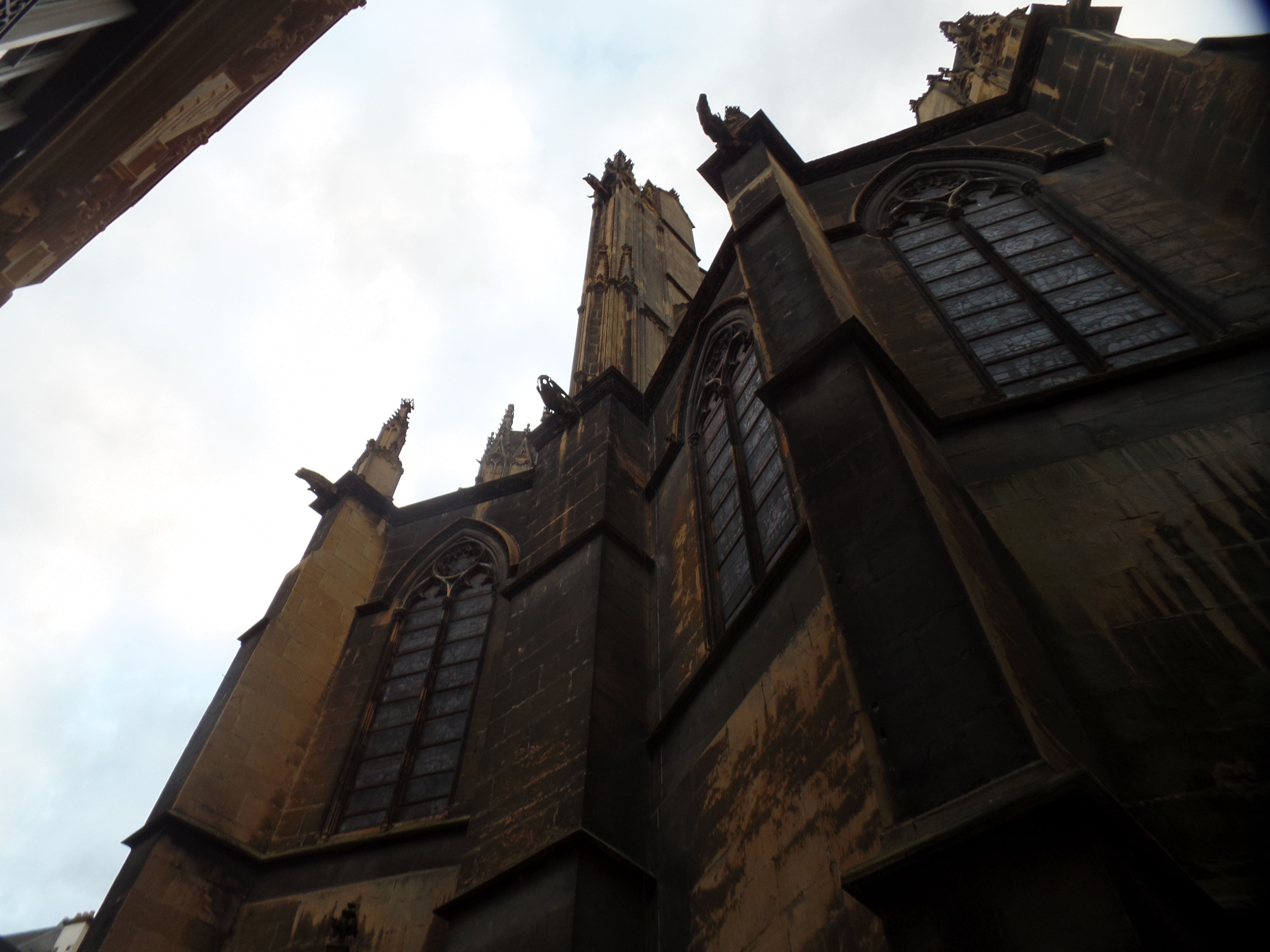
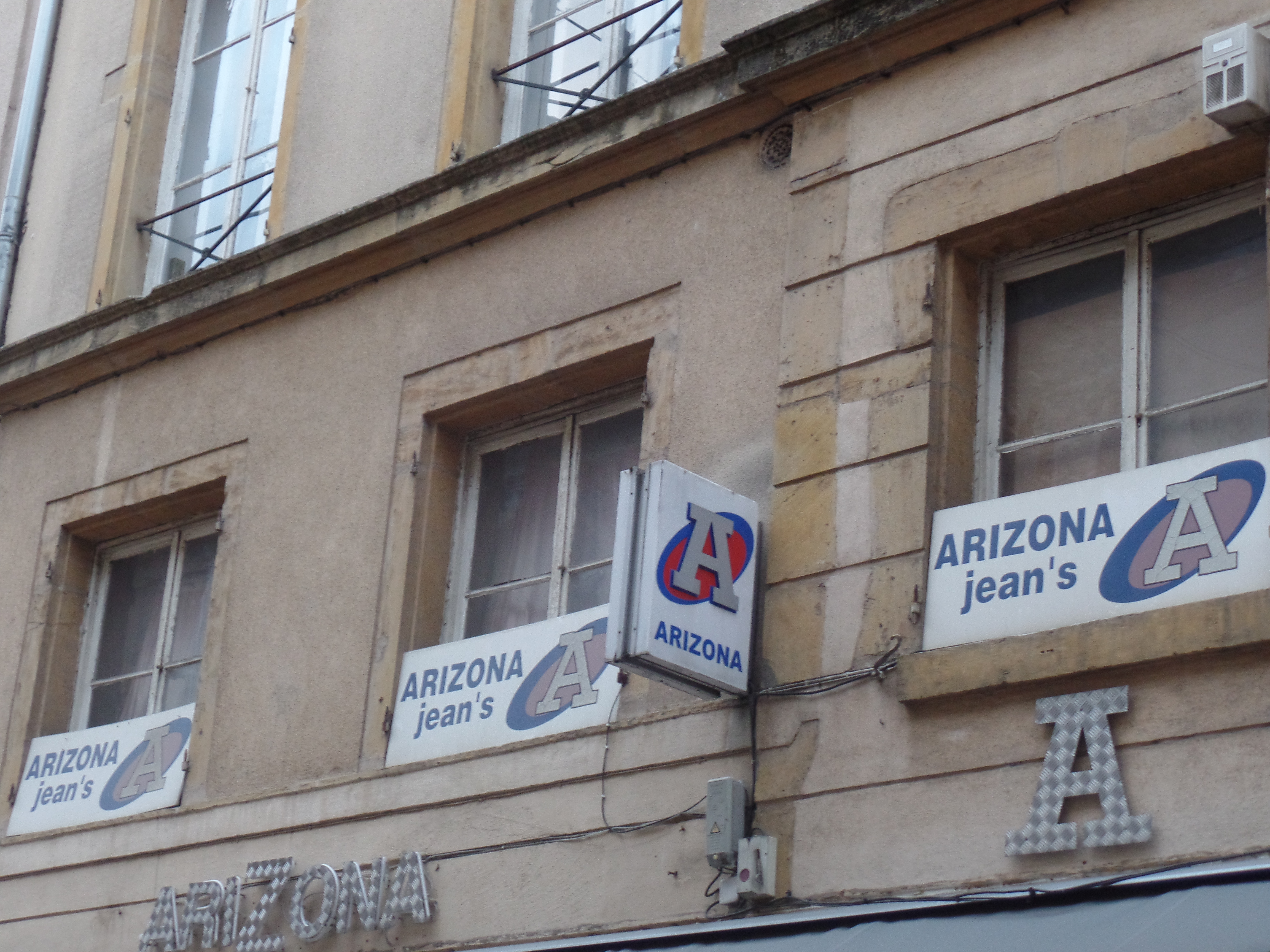
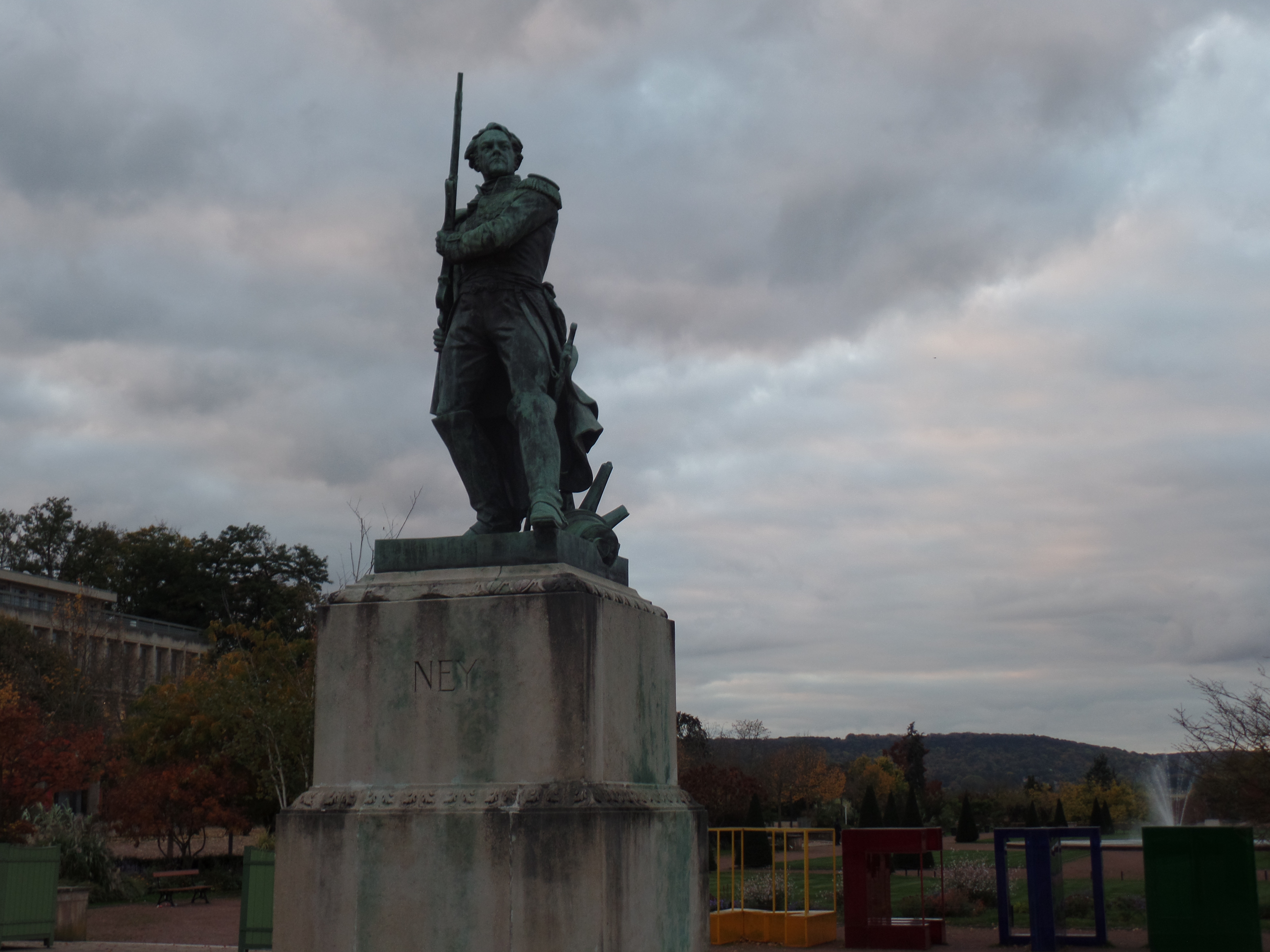
Hotel Escurial. MetzGare Centrale (Main Train Station), MetzGare Centrale (Main Train Station), MetzColour matters in Metz, the year round.North Wall of Old City, with Water Tower in backgroundOld Water Tower, MetzGeneral Charles De Gaulle, at his squareInterior of Metz Cathedral (Above and below)Stretching towards the sky, Metz Cathedral exterior (above and below)Images of saints, Metz CathedralSpires on southwest corner of Metz CathedralWestern side of Metz CathedralAbraham de Faubert, Marshal of France under Henry IV and Louis XIII. Marshal De Faubert established new methods of siegecraft, during the constant wars between England and France during the 17th Century. He is considered a key figure in the survival of the French State, in that uncertain period.Arizona in Alsace-LorraineEast Gate of Old City, MetzMichel Ney, Napoleon’s sub-commander, who was from Lorraine. He was executed for treason, after Napoleon’s defeat at Waterloo.Three corkscrew spirals, Parc de Ney
My exploration of Metz was complete, for now. Dinner followed, being a simple toasted bagel with cream cheese and minced onion-at a small, cozy place named simply “The Coffee Shop”. It was a fitting end to a day devoted to a blend of simplicity and grandeur.
October 14, 2025, Strasbourg- I took no photos of Strasbourg this time. Hotel Strasbourg-Monatagne Verte is lovely and the area around it is serene, almost bucolic. The quiet paths that lead, safely, across the bustling highway into older neighbourhoods of this economic hub of northeastern France are worthy of several shots.
I simply was not in the photographic frame of mind, no pun intended. My camera has a day to charge and I am giving myself time to sit and reflect. Tomorrow morning, I will go across to Laverie Valiwash and take care of my wardrobe. This evening, I will rest, as my message to friends here received no reply. A nice French dinner was my solace. The staff at Hotel Strasbourg are superb.
The trains from Frankfurt were a standard car to Offenburg, then a commuter train the rest of the way. Most of the people on the second leg were university students heading to one of the small German border towns that serve as suburbs to Strasbourg: Places like Kehl, where a team of German and French border police checked tickets and passports. Once the kids were gone, there were only a few of us going the rest of the way to Strasbourg. The trams and buses at Centre Gare (railway station) go towards the Cathedral, to the European Union facilities and other areas that are in the direction opposite where I was headed. Montagne-Verte is a fairly new area of town, and as was said earlier, has a rustic air to it, even with the apartment buildings and tourist hotels that are carefully interspersed within its greenery.
One of these years, I will set aside three days or so, to give justice to a visit to this bustling town. Tonight, though, I am just regrouping, getting ready for the last week or so of a fascinating journey that has had many aspects of whirlwind to it.






































 A Sagittarian Seeker