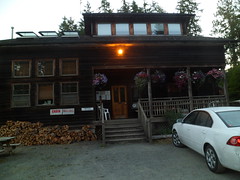
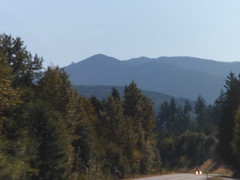
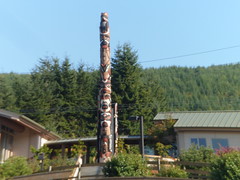
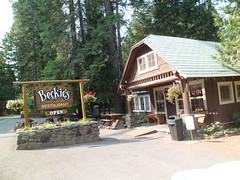
Monday, Sept. 24, found me waking up in one of the finer places in which I’ve stayed, hotel-wise. Union Creek Resort has several cabins, which are in reality country houses, along the upper Rogue River, east of Prospect, OR. I could easily stay here for several days and just relax, albeit sans TV- which I have done more often than not this trip, anyway. Here is the cabin I used the other night.


The folks here were as gracious and helpful as any I’ve met, anywhere in the world- and the Rogue River Gorge is a spectacular backdrop.


It’s quite apparent why the Rogue is a favourite of white water rafting buffs.
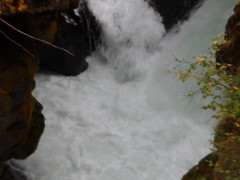
I stopped briefly downriver, at Mill Creek Falls, closer to “downtown” Prospect.
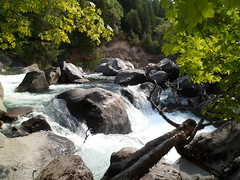
The Rogue River defines so much of what makes this southwestern sliver of Oregon’s interior. One could easily, as I said initially, spend days in relaxation and meditation.

I continued, through bustling Medford, to the laid back ambiance of Ashland, interior southwest Oregon’s southernmost town, and a haven for theater, especially Shakesperean theater. The Ashland Springs Hotel is among the tallest buildings between Portland and Santa Rosa, if not San Francisco. I waited briefly here for my friend to appear.

The staff here were very warm, in greeting the various guests, and phone inquirers, who happened along while I was waiting.
Once Jody arrived, we went by the Elizabethan Theater, and its two satellite theaters. This is the nation’s oldest Shakespearean venue, and is an outdoor theater-in-the-round.

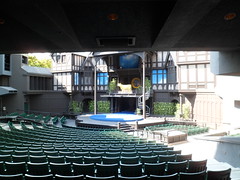

The Shakespearean Festival takes place for several evenings, right around this time in September.
We had a fabulous lunch at Greenleaf Restaurant, along Ashland Creek and in the central plaza. It was hot in Ashland that afternoon, but the creek made a big difference in comfort level. I will caution against drinking much, if any, of the lithium water that is available on the plaza, for tasting. I gave it a shot, in sporting fashion, with no ill effects. Lithium water is what it is, though.
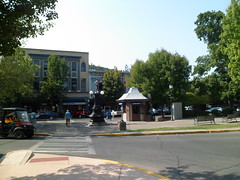

After lunch, before Jody had to leave, we sat in Lithia Park, by a duck pond, and discussed life in general.
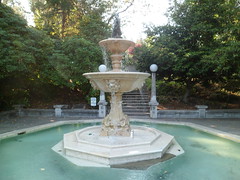
After Jody left, I went back to Lithia Park and explored a bit further. Some resident deer had captivated a woman, who was hiding behind a post, so as to get several photos of the creatures. I found a blind of my own, and took the animals’ portrait.

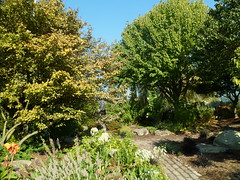
There are numerous small gardens within Lithia Park as well.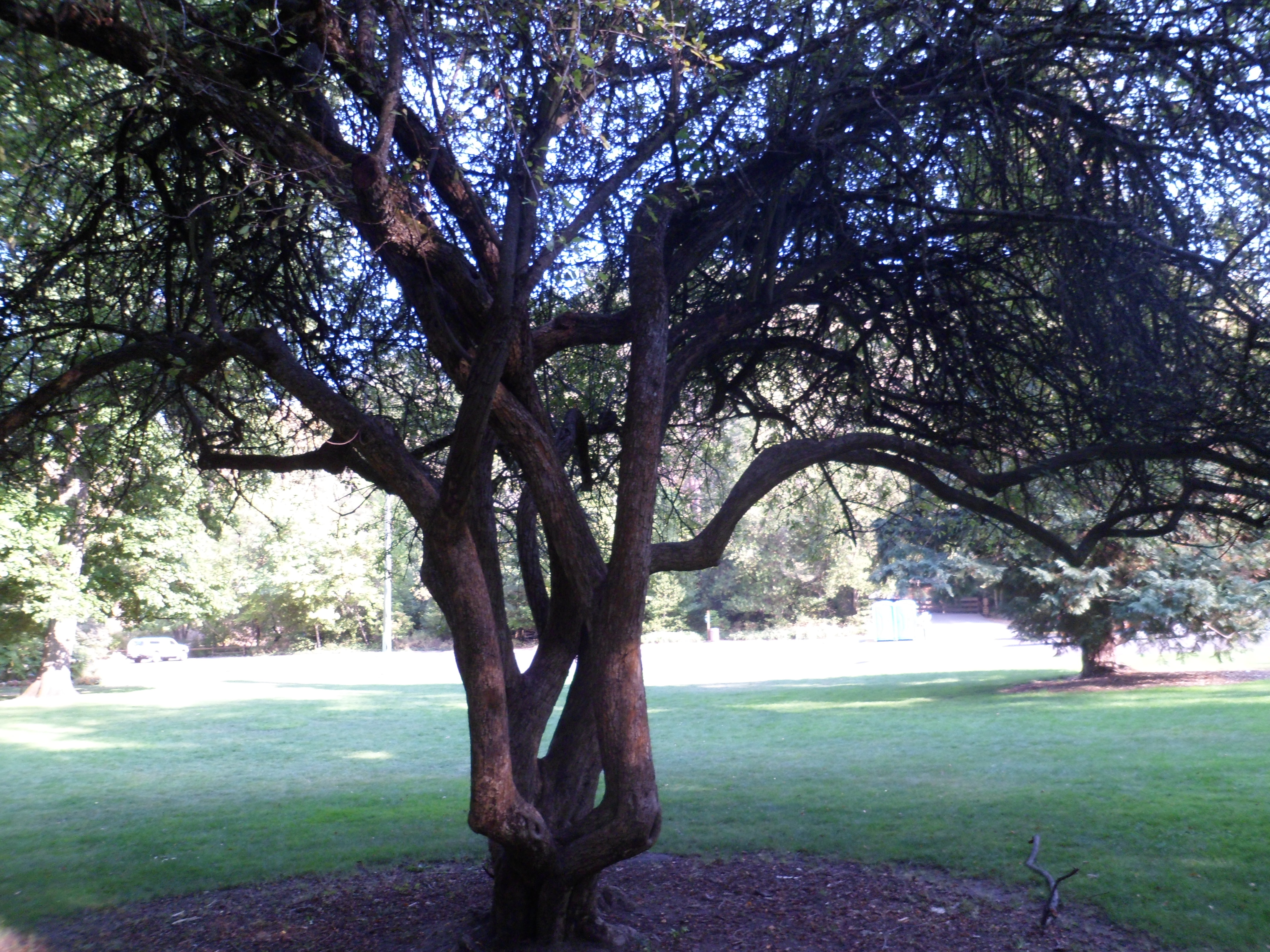
My days tend to start early, get taken up longer than I expect, with posting and other aspects of my routine (praying, etc.), so before I know it, it’s mid-afternoon. I returned to my car, gassed up and headed towards Mt. Shasta and the small town of McCloud, CA. , which sits serenely at the great dormant volcano’s foot.
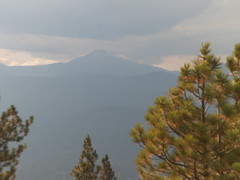
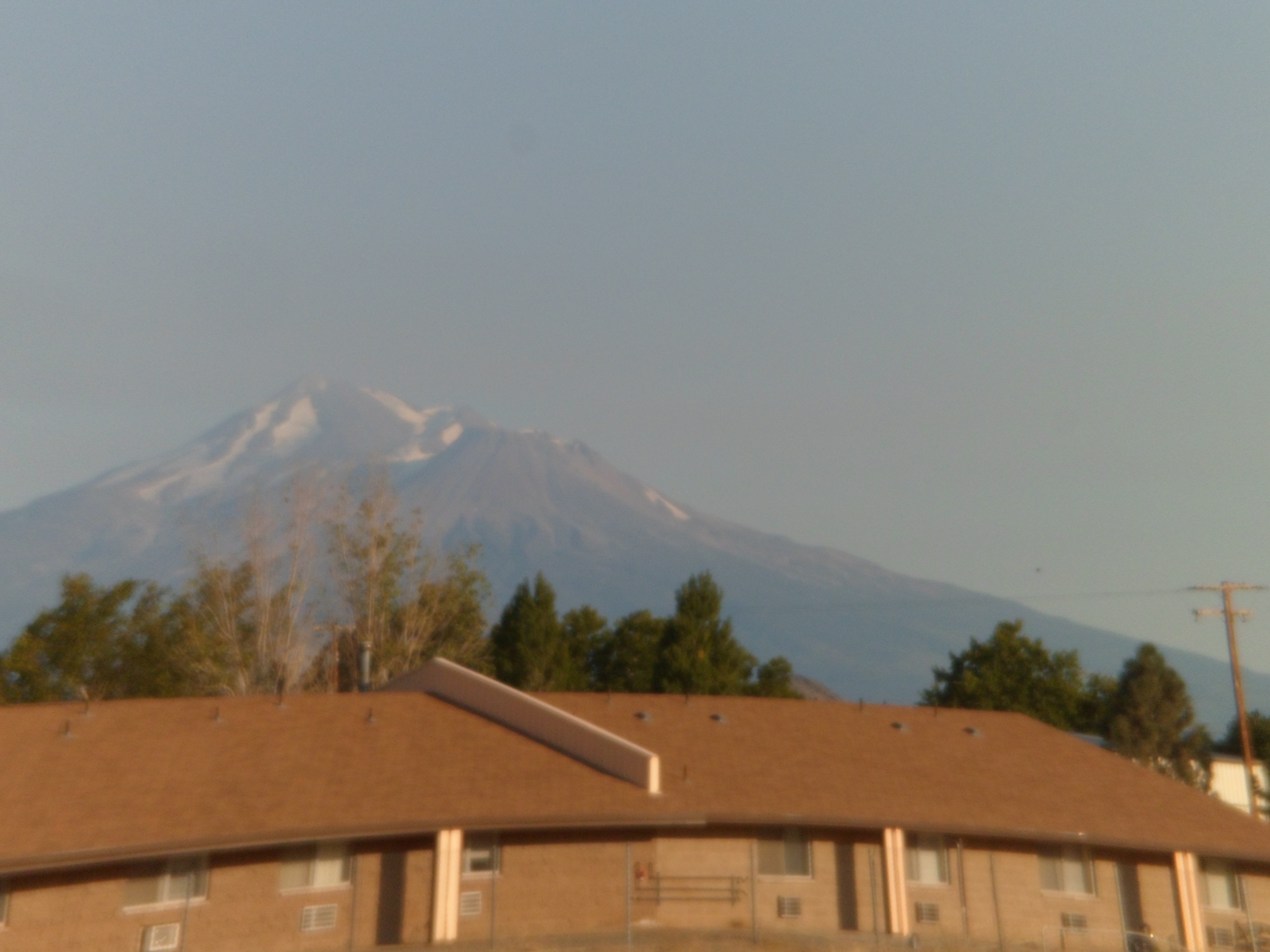 Here is a northern view of Mt. Shasta. Below, is McCloud Hotel.

Mt. Shasta is more clearly visible from this southeast viewpoint.
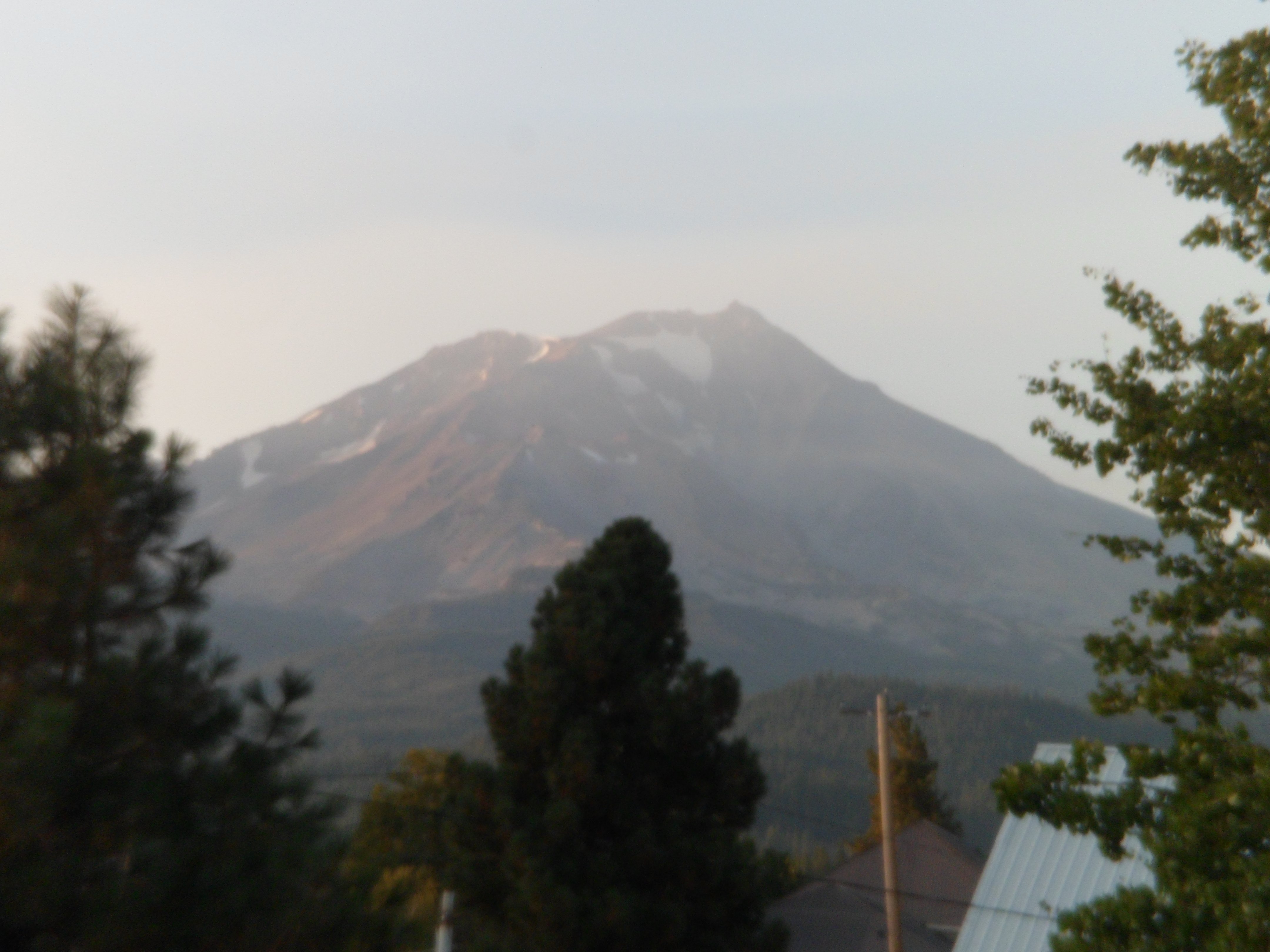
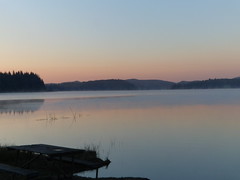
Finally, I found Lake Britton, and a campsite operated by Pacific Gas & Electric Company, on forest service land, east of Mt. Shasta. This gave me the perfect amount of solitude, which I rarely crave, but needed on Monday evening.

Next up: Lassen Volcanic National Park.