
August 31, 2014, Flagstaff- I spent Sunday of Labor Day weekend, nearly a month ago, walking and re-acquainting myself with two Flagstaff-area National Monuments that pertain to the Sinagua people, who were ancestors of the Hopi, Zuni and Tewa people of today. I have been to both Walnut Canyon and Wupatki National Monuments, several times, but not since Penny passed on. It was time to make another visit.
I went to Walnut Canyon first, as it is the more archaeologically-sensitive and needs to be shuttered and locked up, each night. The centerpiece is the Island Trail, which takes visitors to a “sky island”, separate from the Colorado Plateau. It is there that most of the Sinagua ruins are to be found. The rest, in cliffs, to the east and
west of the sky island, can be easily seen from there, but are not accessible to the public. First, is the view of the canyon, from the Visitors’ Center.

The next several shots are of the Sky Island and its ruins. It is my practice to walk around an area clockwise. Most people prefer to go counterclockwise, so I find myself coming across more folks coming from the other direction.
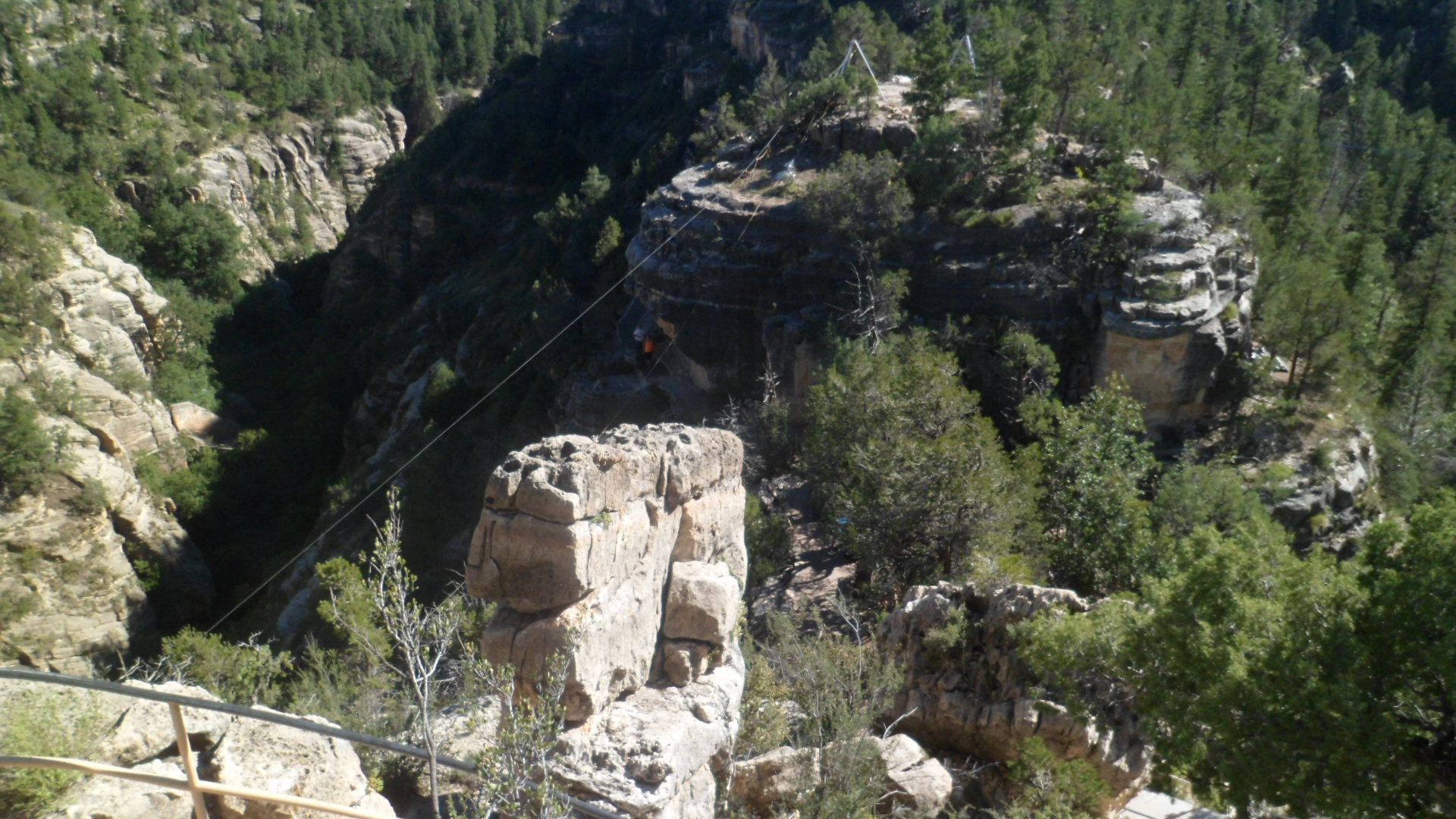

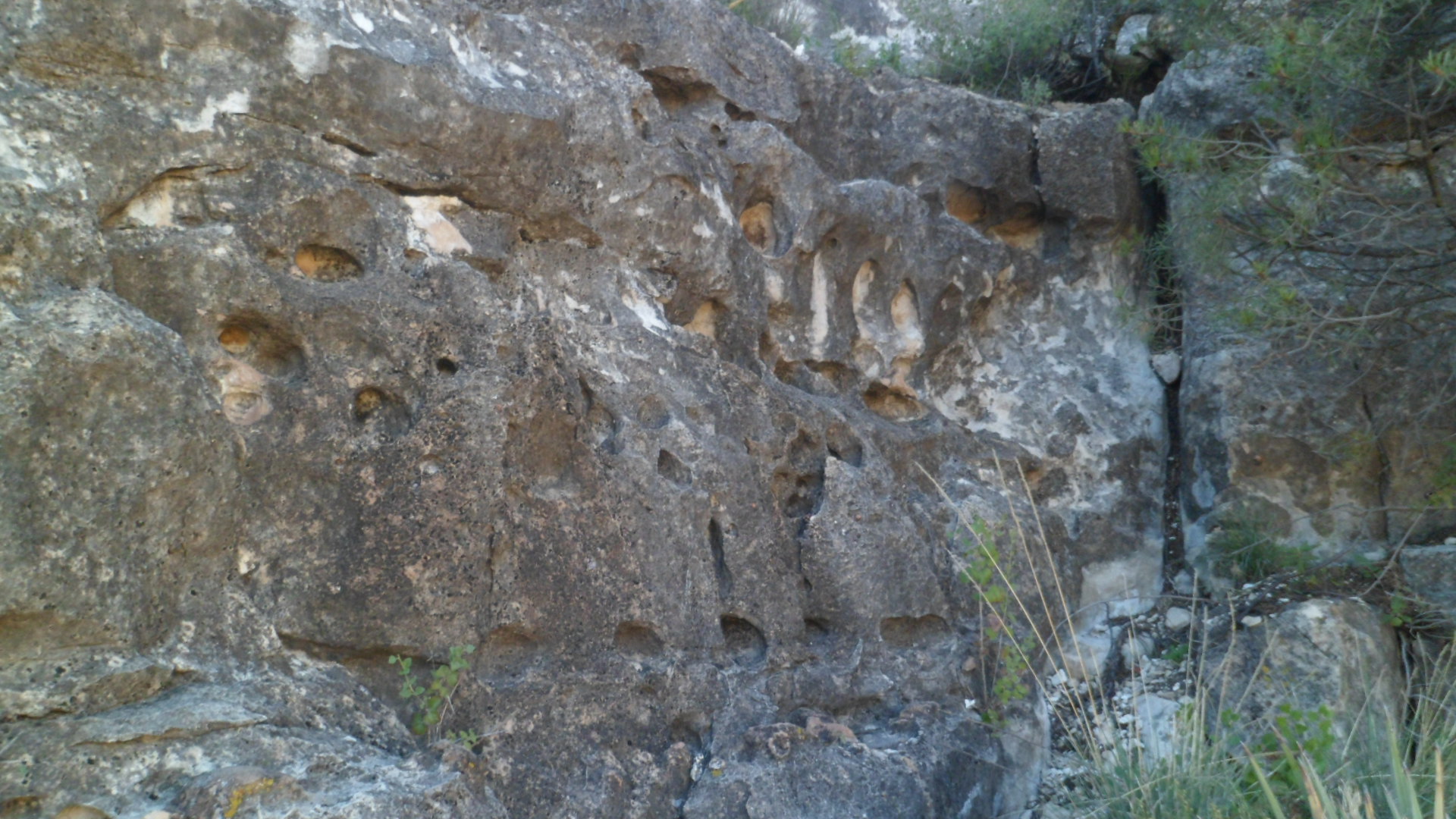
The overhangs made natural places of refuge, and many were used as open-air kitchens, hence the soot marks that are visible in some scenes.


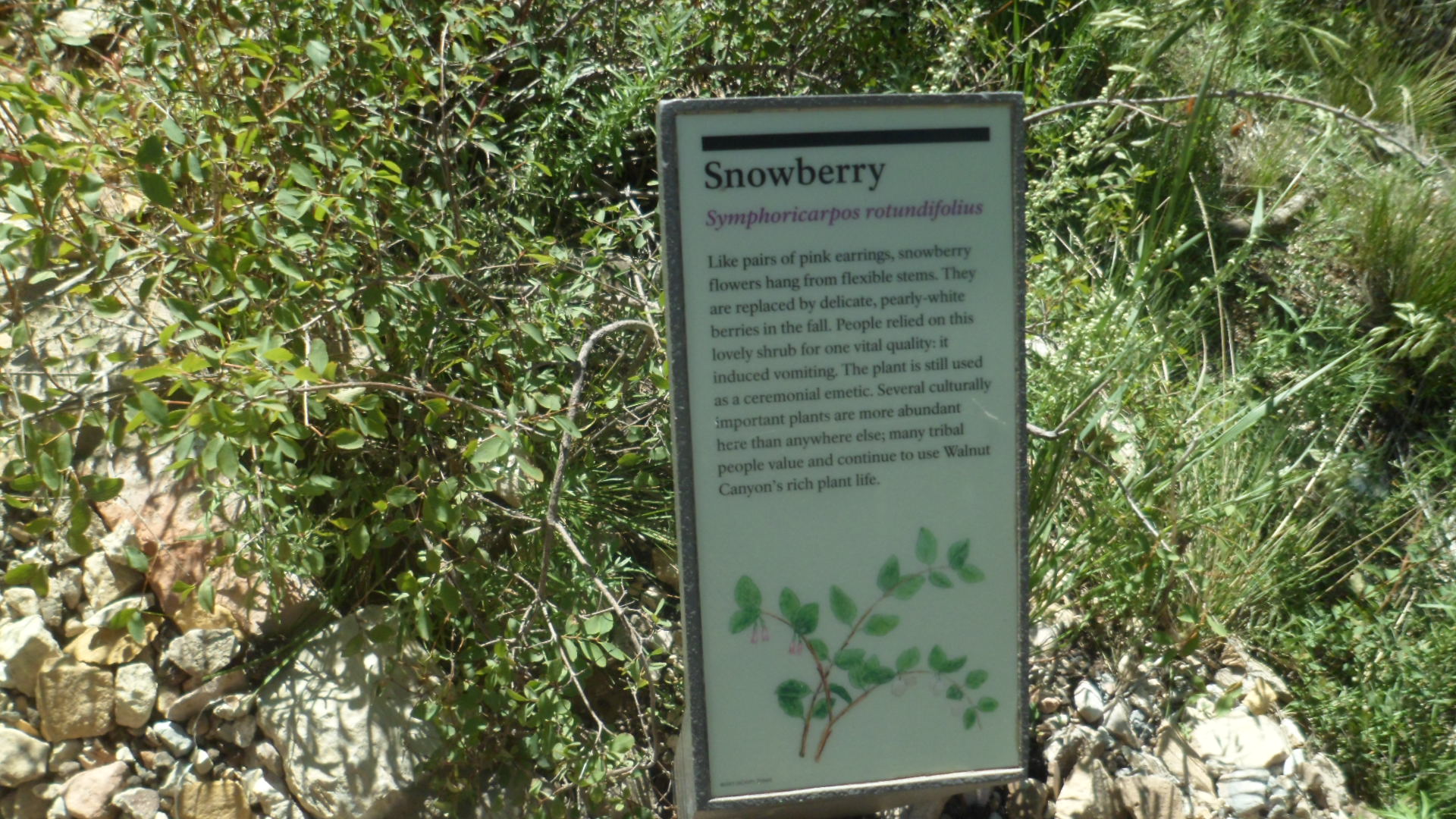
This informational sign describes the snowberry, a medicinal plant, used by the Sinagua for treating gastrointestinal ailments.
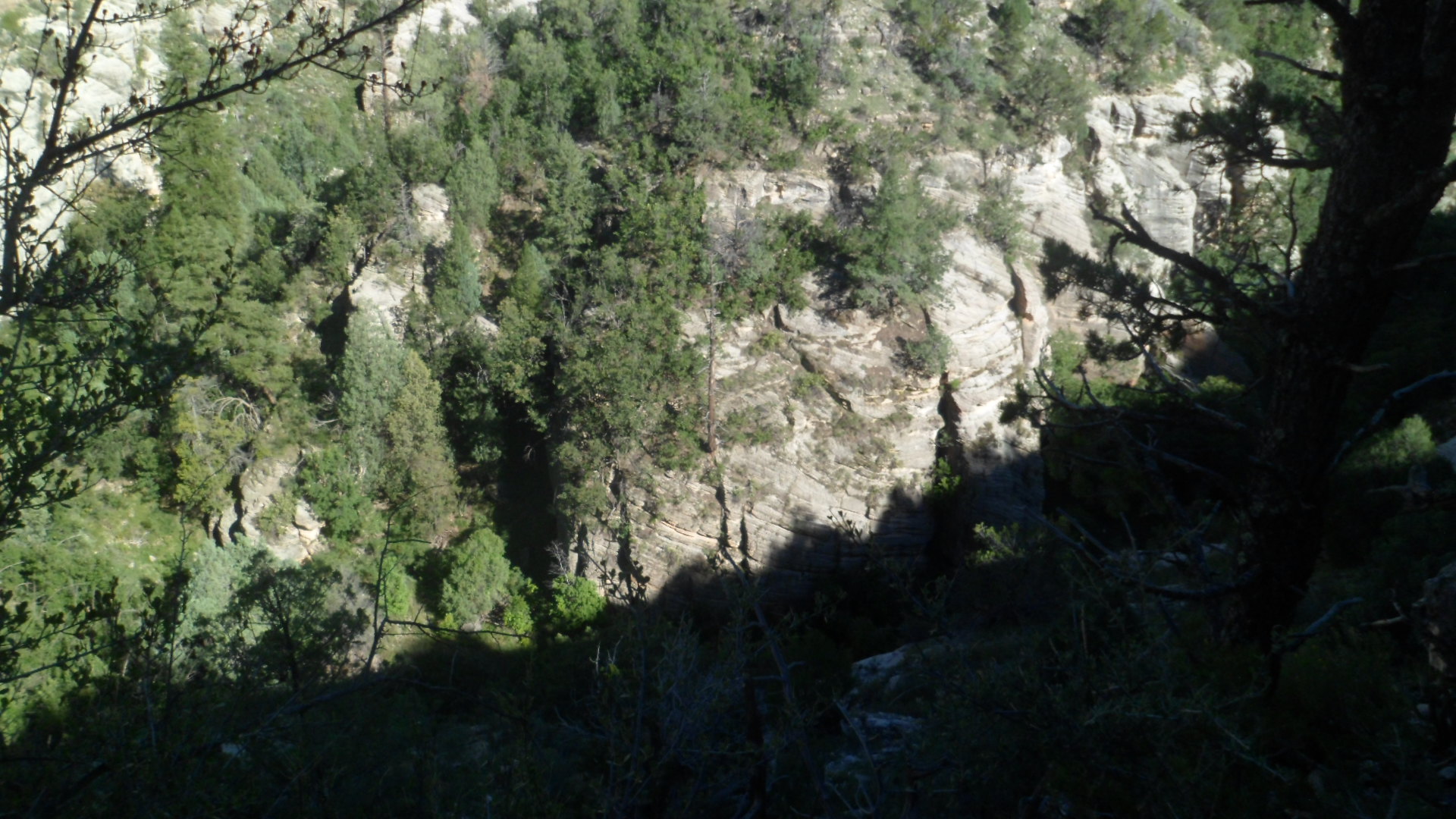
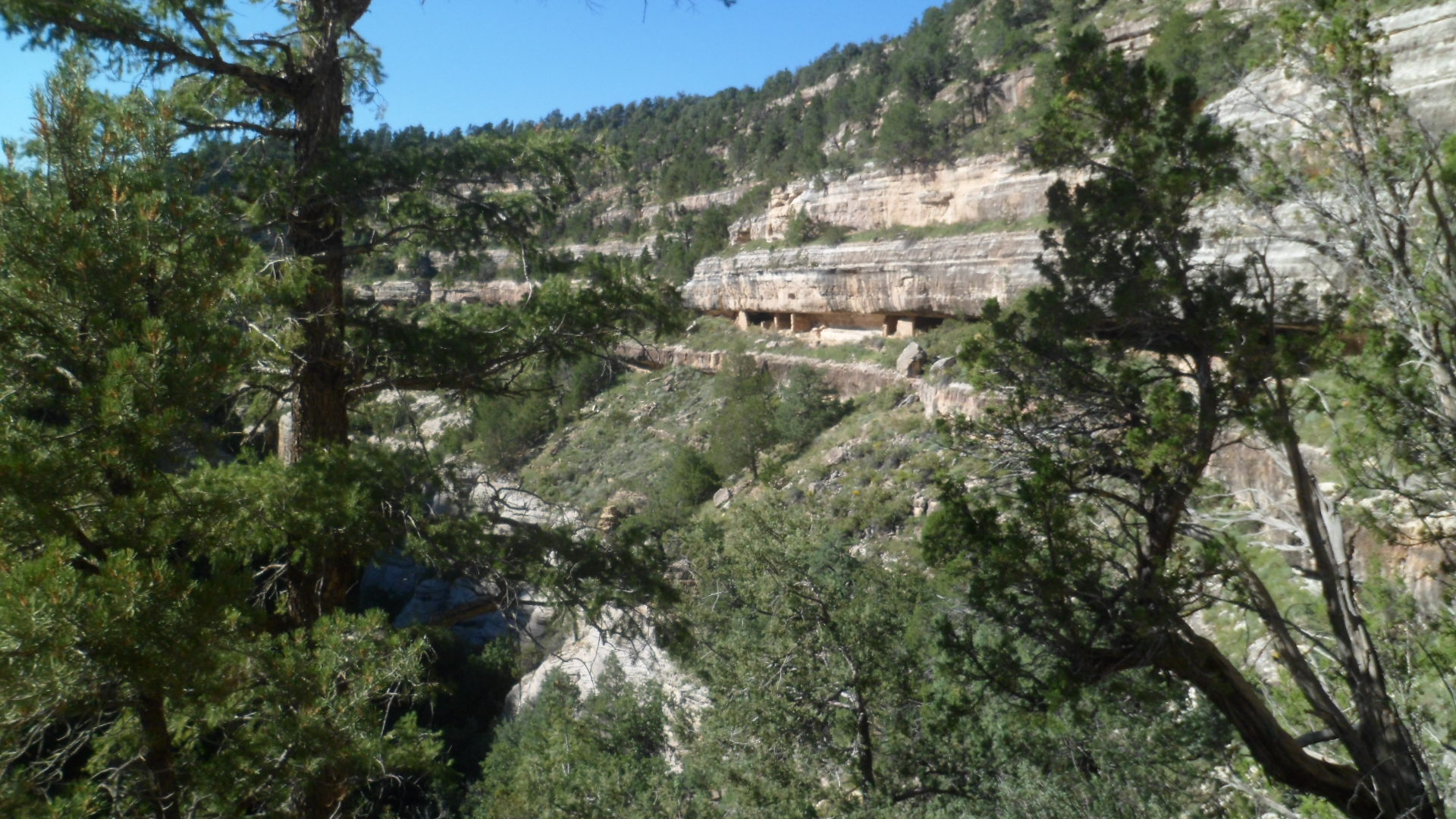
Now for some views across the canyon, to the dwellings outside Sky Island.

Lastly, Mother Nature throws in some rock formations that just seem to have personality.

Walnut Canyon may be said to have been one of the safer spots for the Sinagua, given its relative inaccessibility in pre-Columbian days.
NEXT: Wupatki
 A Sagittarian Seeker