November 13, 2026- When her father told her how much he treasures her, Hana said “I know”. The little girl has been prescient about a number of things, since she came into this world. That she is adamant about some things and more sanguine about others, only underscores that prescience.
She had a fairly uneventful day.choosing to nap for nearly two hours this morning, somehow expecting that she would go with me to the chiropractor’s office this afternoon, thus making an afternoon nap impractical. Her mother kept her home, which led to extended playtime with Mommy, and no second nap.
HANA’S NOTE: I keep seeing my grandmother floating above us. I say “Rama”. She smiles at me and I smile back.
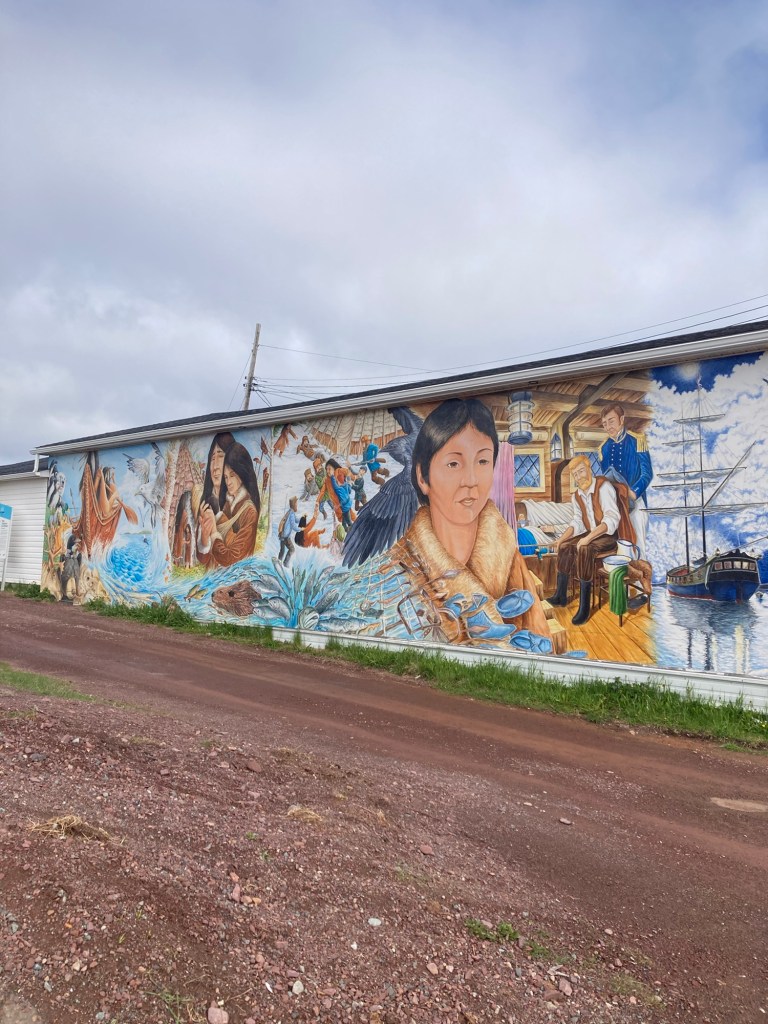
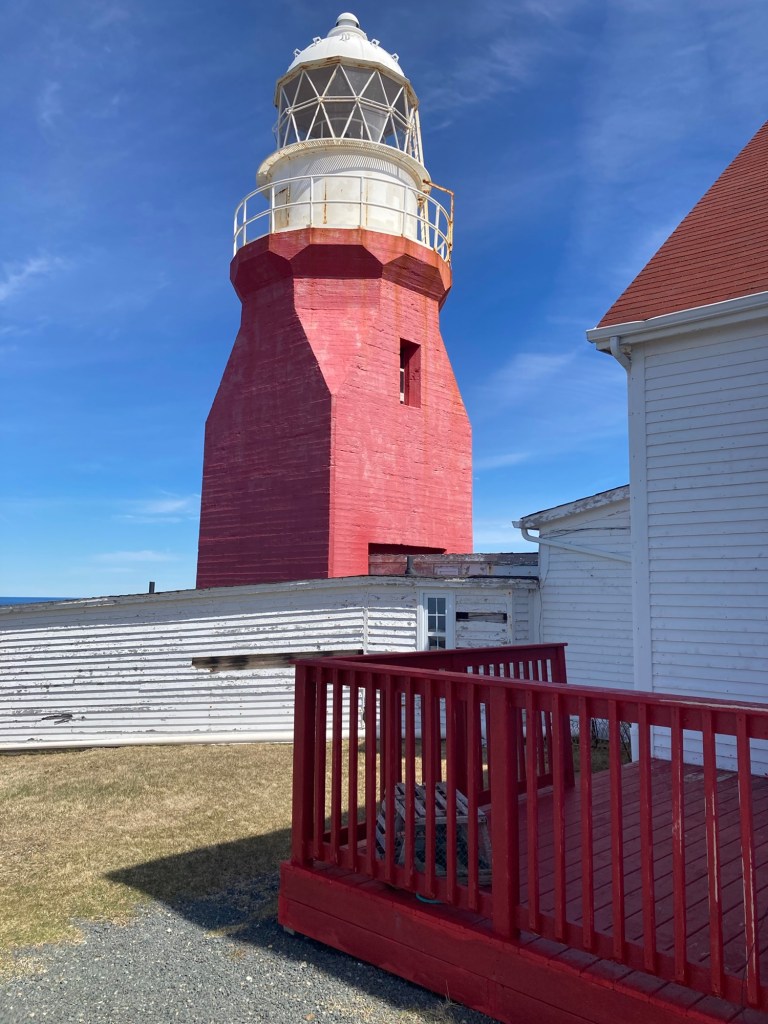
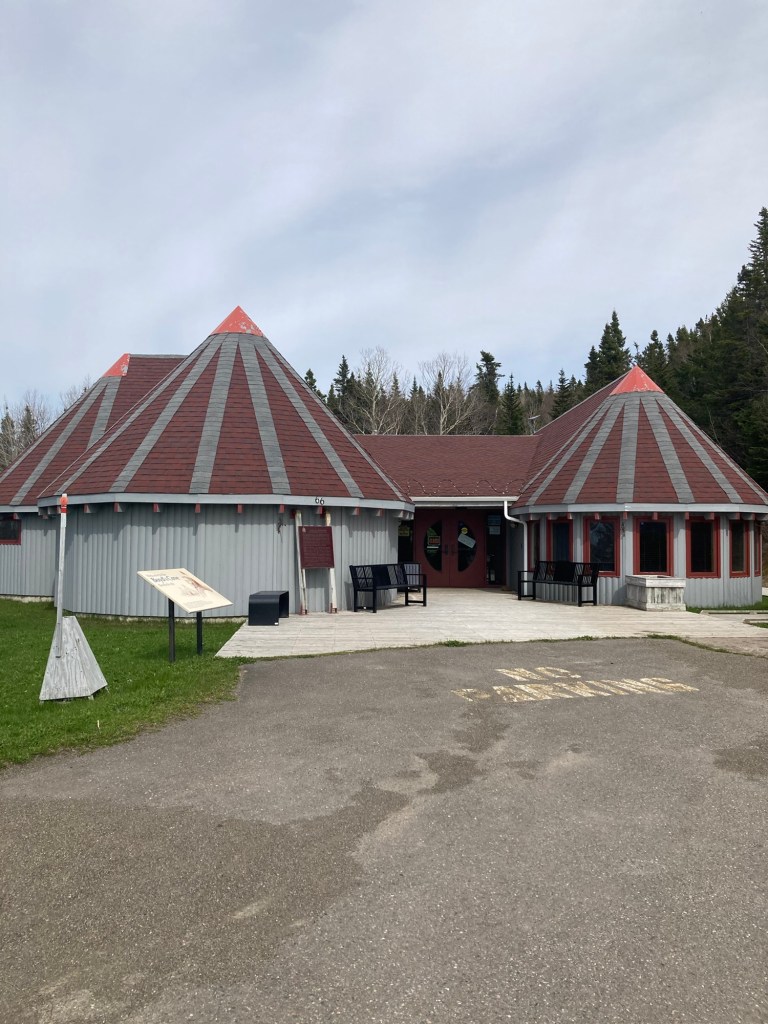
EXPANDING CIRCLES: Newfoundland and Labrador (+St. Pierre & Miquelon)- I have been to Canada’s tenth, and newest, province twice, in the last four years. A bonus was a visit to the remnant of French North America, two years ago. Being able to set foot on soil once proven to have been trodden by Norse explorers, nearly three centuries before the Spanish and Portuguese conquistadores arrived was a golden travel moment. Circumnavigating the harsh and incredible beauty of Newfoundland was all the more golden. Spending two days in St. Pierre was a sublime honour. Like Cape Breton and Mid-coast Maine, Newfoundland feels like another home.
The Turf: Western Newfoundland is covered by the Appalachian Mountains; Long Range is the chain’s northeasternmost extension.. Boreal forest covers much of central and northeastern Newfoundland, with rolling hills quite common. The southeastern area, including the Avalon Peninsula, is also composed of thick boreal forest, with a rocky coastline. St. Pierre and Miquelon are the tops of mountains that were largely submerged by the Atlantic Ocean, as glaciers shrank at the end of the last Ice Age. Labrador, and the northernmost part of Newfoundland, are covered by the Canadian Shield, an area of high-grade metamorphic and igneous rock, left behind by the retreating glaciers. Topsoil in the Shield is thin.
Newfoundland and Labrador is drained by the Churchill, Naskaupi, Natashquan, Fraser, Bay du Nord, Humber, Gander,Exploits and Main Rivers, as well by their tributaries. Riviere Belle drains the island of Miquelon. Ruisseau Patural drains the island of St. Pierre.
First Nations and Inuit-Newfoundland and Labrador is the ancestral home of the Mi’kmaq, Innu, Inuit and of the now extinct Beothuk people.The Mi’kmaq name for Newfoundland is Taqamkuk. There are also people of mixed European and Inuit descent, who prefer to called Southern Inuit. The Beothuk clashed with Norse settlers in northern Newfoundland, leading to the Norse departure after three years. The Beothuk themselves were decimated by European diseases and eventually died off around 1829. The othe rindigenous groups have survived and become recognized by the Canadian and Provincial governments, with reserves established for the Mi’kmaq and Innu. The Innu name for Labrador is Nitassinan. The Inuit have a self-governing region, called Nunatsiavut, in northern Labrador. While Mi’kmaq fishers and trappers visited St. Pierre and Miquelon, they did not establish any permanent settlements on the islands.
Where I most feel at home: Margaree, Corner Brook, Doyles, St. Lunaire-Griquet, Grand Falls-Windsor, Botwood, Twillingate, St. John’s, Grand Bank, St. Pierre
Where I most feel at peace- L’Anse aux Meadows, Parsons Pond, Isle aux Morts, Botwood, Twillingate, Anse a Pierre.
Future Five: Southwest Labrador, Lower Avalon, Fogo Island, Burgeo, Miquelon
NEXT: Quebec