Eastbound and Back, Day 33: To The Prairie Home

2

May 31, 2024, Grapevine- The hardened but mannerly farmer must have already been on the job for several hours, and he was ready for a true farmhand’s breakfast. We introduced ourselves, we shook hands, and he groused about the previous day’s event in New York, as the footage droned on, on the small cafe’s TV. Then, we both focused on breakfast.

On this drizzly morning, I was pleasantly surprised to find a haven of charm, organization and good food, in the small cotton town of Ruleville, founded by J.W. Rule, in 1898, expressly as a cotton processing center. It was the home of Fannie Lou Hamer, who brought the Civil Rights struggle to the cotton farms.

A worker bee of a woman, named Winde, exuding grace, strength and a focused work ethic, runs Stop and Shop-Not Your Mama’s Tea– a long name for a boutique and cafe, but as fine a place to enjoy a full country breakfast as any of the full-on cafes I have experienced on this journey. Here, I found the South at its finest.

Winde’s breakfast stood by me all day, through western Mississippi, across Louisiana and the eastern third of Texas. My mission was simple: Get to my little family in this bustling airport town, by a decent dinner time. That, I did, stopping to deposit my month’s rent at a bank branch in east Texas, and alternately driving along a nearly empty highway, then finding people driving like bats out of the underbelly-each trying to outdo the other.

I got in to Grapevine, despite a few accidents that had traffic snarled more than usual, and a scrum that blocked access to the short route here. It was okay, though, to go the longer way around, as it actually deposited me closer to the apartment complex that lies a bit west of Grapevine Mills Mall.

So, this quieter day, with no focus on history or scenic spots, brought me to Son’s side, as he applied himself to a major portion of the work that will bring his baccalaureate study to a successful close. It will be an affirming weekend for the three of us- Aram, Yunhee (his wife) and me.
Eastbound and Back, Day 32: Shiloh

2

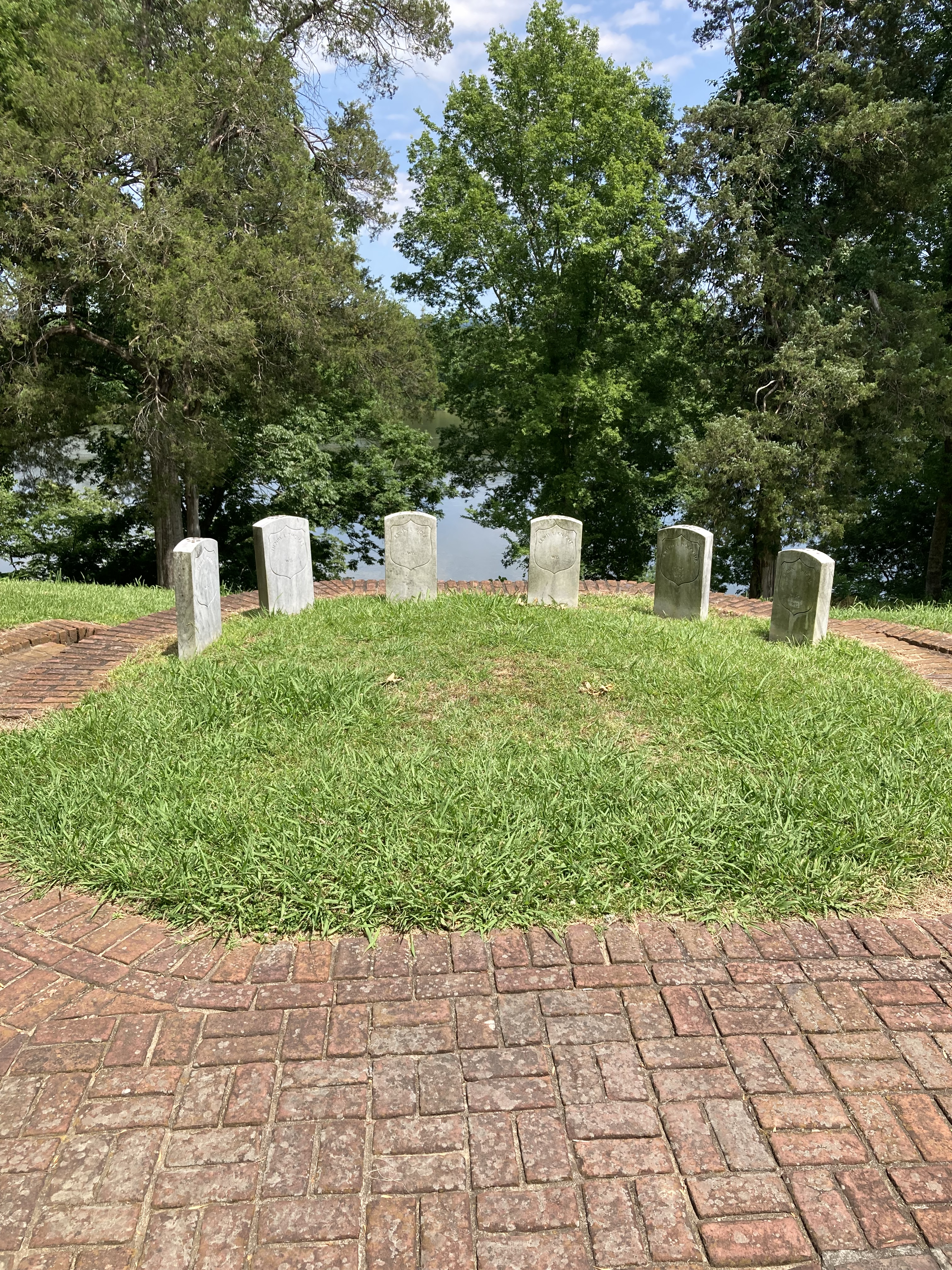
May 30, 2024, Ruleville, MS- There is a small mound, in the Shiloh Indian Mounds National Historical Landmark, that indicates the former dwelling place of a family of some status, in the vibrant community that once occupied a large area here, just west of the Tennessee River. On either side of the small mound is a larger mound, used for burials. The westernmost of these was used by the 28th Illinois Infantry Division, as a temporary burial site for its dead, after the Battle of Shiloh, in April,1862. The dead men were later laid to rest at Shiloh National Cemetery.

Shiloh,in Hebrew, means “tranquil; abundance”. The place bearing the name, in southwest Tennessee, was once that. In March and April, 1862, that all changed. The Civil War had come to western Tennessee and northern Mississippi. General Ulysses S. Grant had brought his troops int o the area, after a signal victory at Fort Donelson, north of Nashville, Facing them was the Confederate Army of the Mississippi, led by General Albert Sidney Johnston, based in Corinth, a major railroad hub and link between Memphis, Nashville and New Orleans. It was Corinth that was Grant’s true target. 23,000 men would die, in the course of this battle, making it the bloodiest episode in the American Civil War. https://npplan.com/parks-by-state/tennessee/shiloh-national-military-park-park-at-a-glance/shiloh-national-military-park-history-of-the-battle-of-shiloh-and-corinth/

Shiloh, prior to the battle, was a humble village of farmers, who had settled the area around 1816, having come by river, from Knoxville and Nashville. Farmers from Savannah, Georgia named the nearby County Seat for their former place of residence. Shiloh was named after a settlement in Samaria that had been referenced in the Bible (Jeremiah, 7:12-15.)

I have long wanted to visit this site, being dissuaded only by its remoteness and other more pressing concerns, when traveling to/from other parts of Tennessee. Today, there was lots of time, so I made three separate loops around the park, focusing somewhat on Pittsburg Landing and on the Shiloh Mounds. Here are some scenes of those loops, as well as of the short trail through the Mounds preserve.

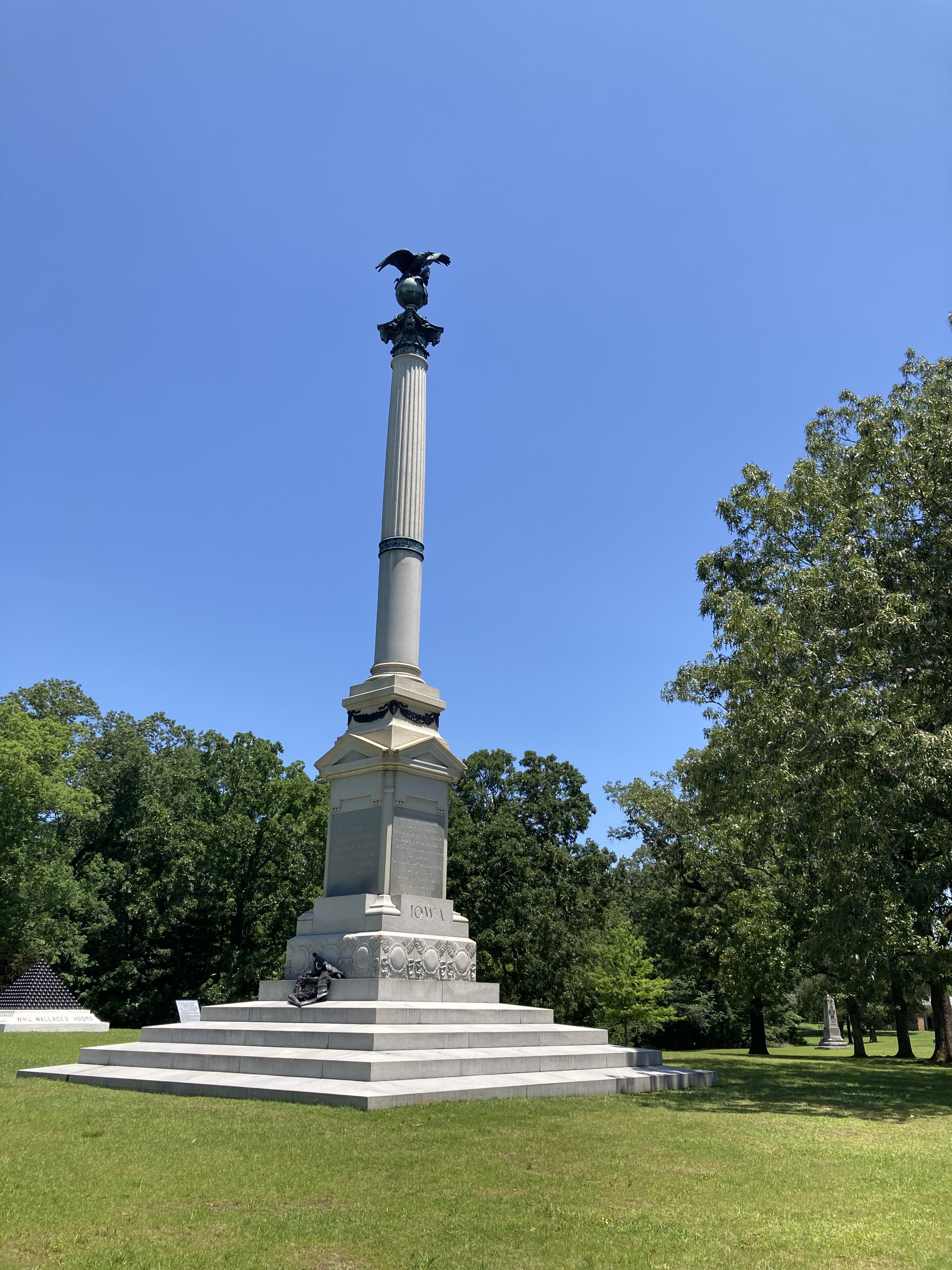
Iowa Infantry Memorial, Shiloh National Military Park

Graves of comrades from Illinois, Shiloh National Cemetery, overlooking the Tennessee River, above Pittsburg Landing

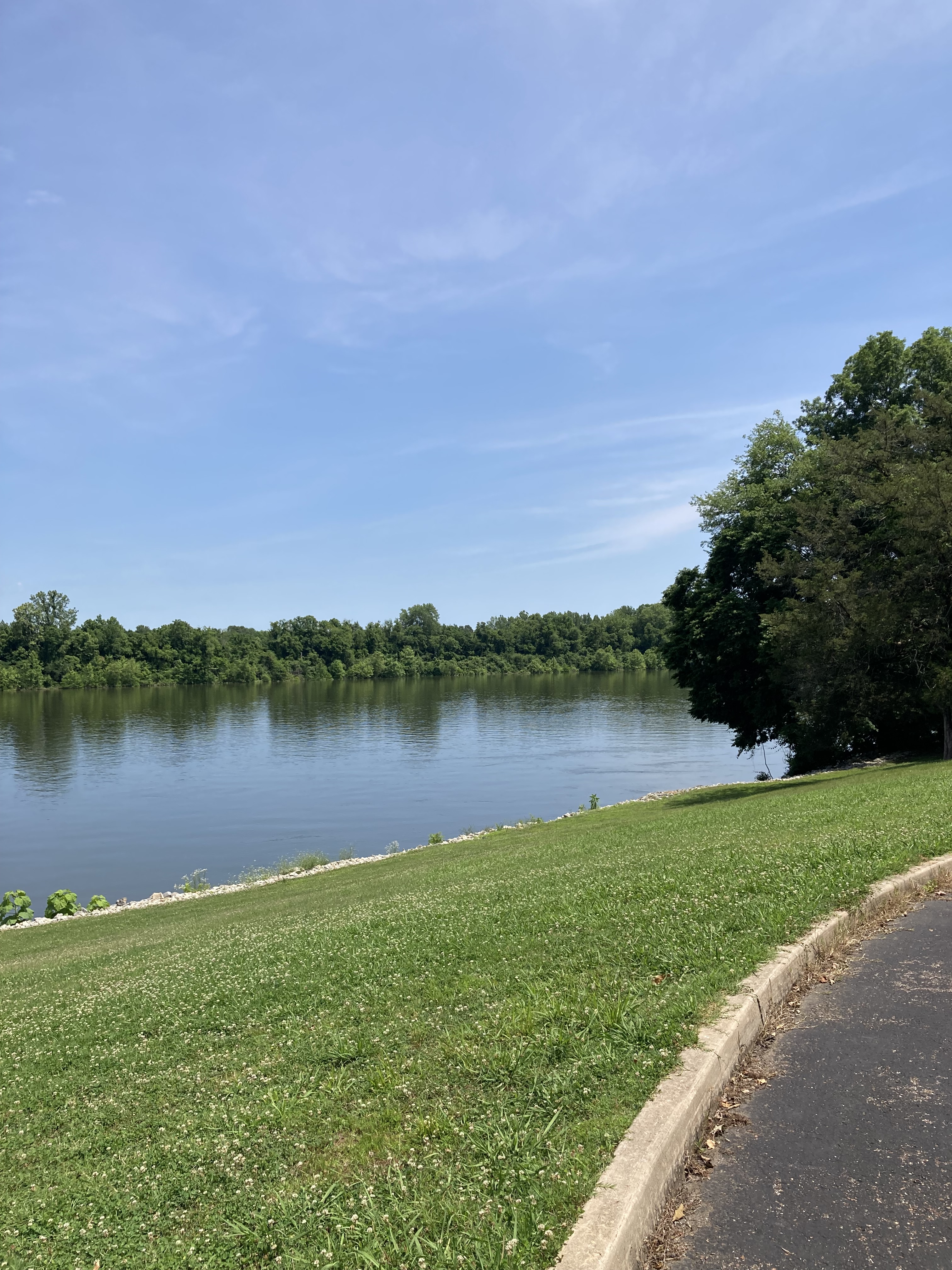
View of Tennessee River, at Pittsburg Landing.

Site of wooden palisade, built by Iroquoian residents of Shiloh area, around 1200 A.D./C.E. It is not known why this wooden wall was built.

Burial Mound, Shiloh

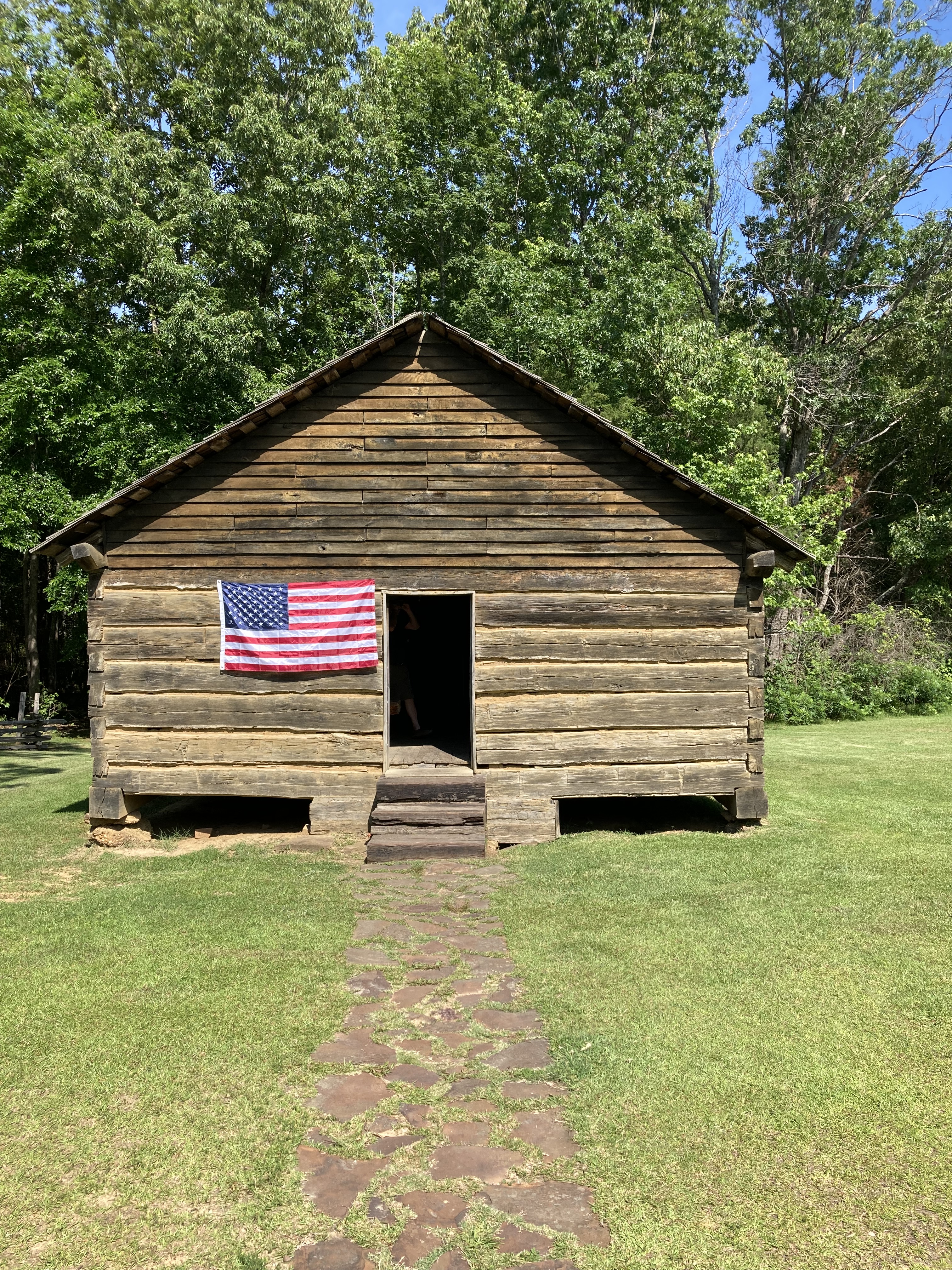
Replica of Shiloh Meeting House (Church), which had served as General Johnston’s headquarters during the first parts of the battle

I left, rather shaken, especially after viewing the film about the carnage, Given current tensions in the nation, right now, it is instructive for anyone with a conscience to take time and review what happened, when the idea of enslavement of others became somehow conflated with the notion of preserving freedom. Nationhood is NOT a zero sum game.

Driving south and west, I made a brief visit to Sumner, MS, where the courthouse at which the accused killers of 14-year-ole Emmett Till were acquitted of murder charges. They later admitted having committed the crime. https://en.wikipedia.org/wiki/Emmett_Till

Tallahatchee County Courthouse, where Roy Bryant and J.W. Milam were acquitted of the murder, to which they later confessed.

I had had enough of carnage and injustice, for one day, and have settled in for the night at Ruleville Inn, in the hometown of Civil Rights icon Fannie Lou Hamer. It’s a modest, but clean little place- albeit one where guests provide their own towels and wash cloths. The bed is new, though, and the TV works nicely.

The 2018 Road, Day 38: Memphis, Part 2- Martin and The Mountain Top

12

July 2, 2018, Memphis-

SAMSUNG CAMERA PICTURES

From the time I was a nine-year-old, trying my best to vicariously understand why Black people were struggling for the same rights my parents seemed to have, I have been fascinated by people like Martin Luther King, Jr., Malcolm X and Fannie Lou Hamer.  Rosa Parks and her story came a bit later to my consciousness, when I was in high school, and the works of Langston Hughes were part of our tenth grade English curriculum.

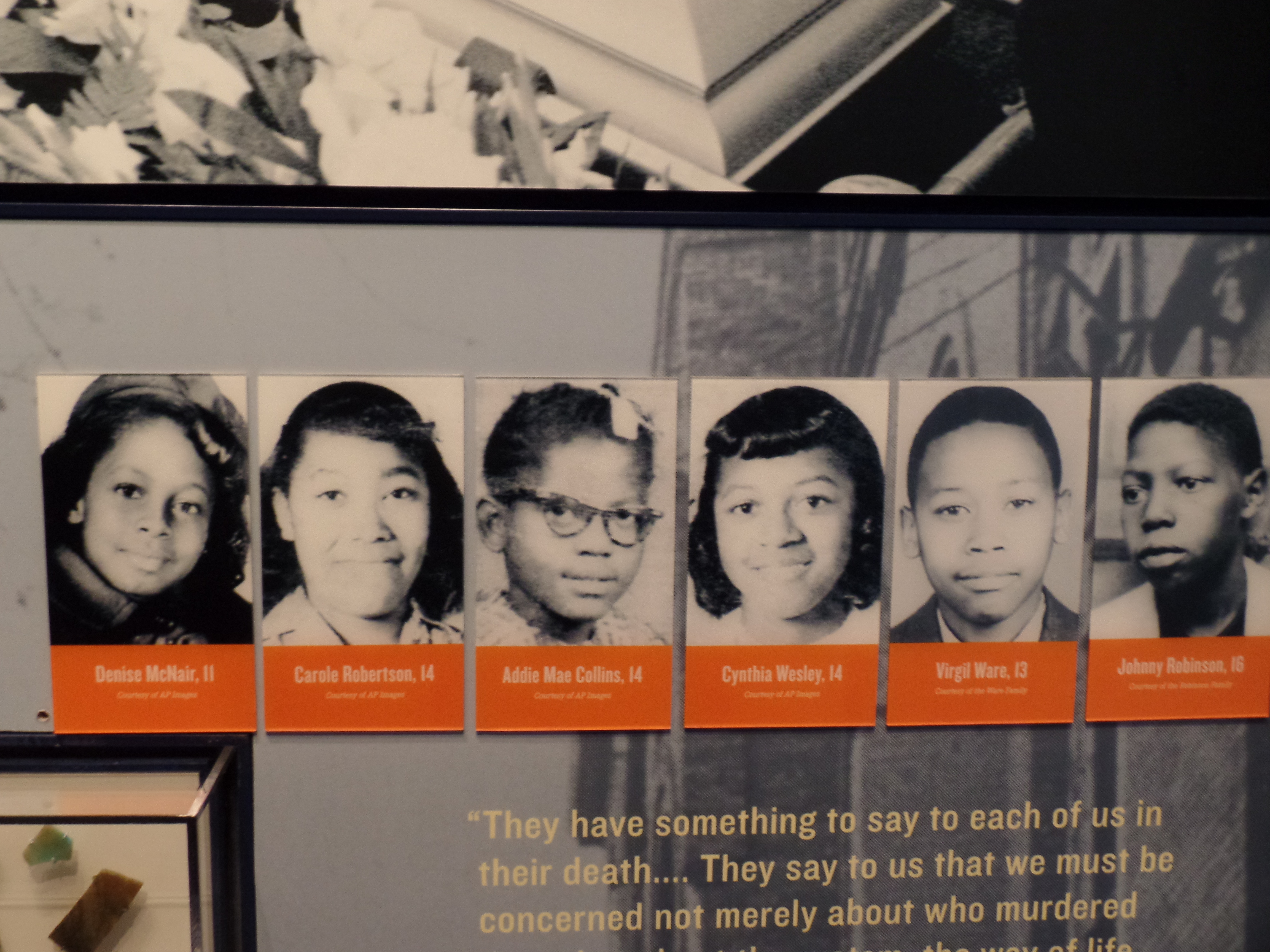
The murders of Emmett Till, the children in the Birmingham church bombing, the Civil Rights workers in both Alabama and Mississippi, Medgar Evers- all hit me hard.  I remember my Dad being pissed about the assassination of Malcolm X- “He was just starting to be reasonable”. It struck me that maybe that dialogue with White America was what got Malcolm killed; that maybe the powers that be don’t want the common folk to get along.  His death turned me from Goldwater youth to angry leftist radical.  The common denominator, for both alt-Right and Far Left seems to be the sense that the poor are just fodder-for those with money to burn.  1968 just added gasoline to my fire.

Time has made me recognize the complexity of the whole ball of wax.  I remain committed to a solid implementation of social justice, though, and visiting the National Civil Rights Museum brought me to my knees, in silent, shaking tears.

Martin Luther King, Jr, indeed made it to the mountain top. While his last physical gaze was at the eastern edge of downtown Memphis, his spiritual gaze saw the heights of recovery from a deeply-embedded misogyny, from a dalliance with classism and Marxism and from narrow focus on the cause of Black folk.  He spoke of, and was moving towards, leaving no one out:  Opposition to the Vietnam War was a part of his new credo, but so was the plight of hardscrabble farmers and miners in Appalachia and the Ozarks. Forging ties with La Raza Unida and Native American activists was a rising tide, but so was listening to the children of European immigrants who were living increasingly precarious lives, in poor urban neighbourhoods and rural slums, alike.

So, my morning was focused, in three museums in and around  Lorraine Motel.

SAMSUNG CAMERA PICTURES

This establishment had been one of a relative handful of inns, across the country, where African-Americans could stay in safety, whilst traveling.

SAMSUNG CAMERA PICTURES

In the main hall, there are replicas of key episodes in the Civil Rights struggle. Below, is a depiction of Rosa Parks, taking her rightful place on a Montgomery bus.

SAMSUNG CAMERA PICTURES

This credo has been, to varying extents, followed by the greatest of those who have sought to bring about meaningful change.

SAMSUNG CAMERA PICTURES

Those kids were my age, or younger, and that this did not matter to the bombers will forever burn in my heart.

SAMSUNG CAMERA PICTURES

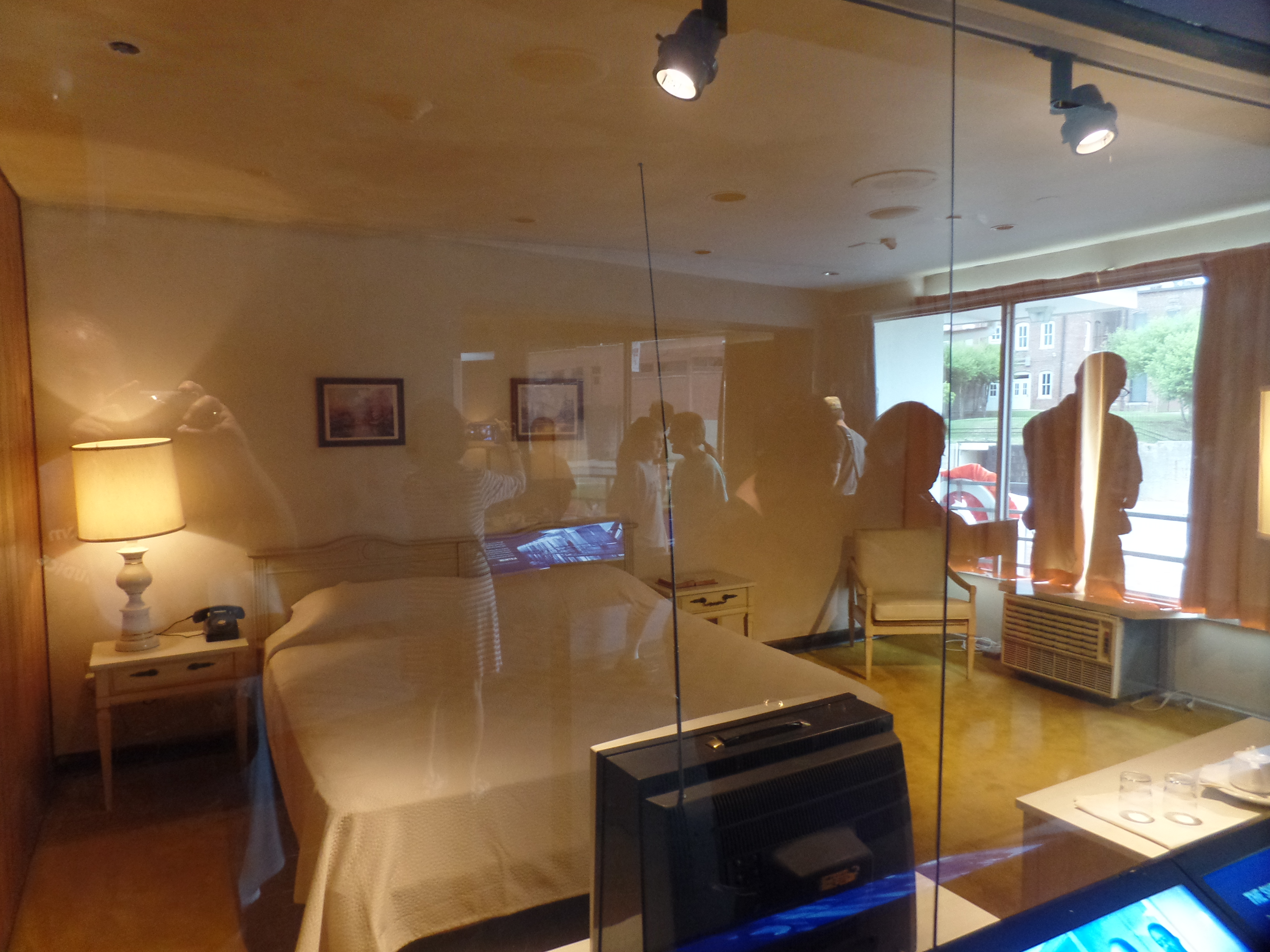
These two bedroom photos show the room occupied by  Dr. King (top) and by one of his top aides(bottom).

SAMSUNG CAMERA PICTURES

SAMSUNG CAMERA PICTURES

This museum, across the street from the Lorraine, features two floors that exhibit details and archives of the assassination and the investigation into James Earl Ray and his suspected associates.    The  killings of other key figures of the Civil Rights Era are also examined here.SAMSUNG CAMERA PICTURES

My evolution, as a compassionate soul, is far from finished.  Being a “woke white man” is a worthy goal, but I still feel a bit drowsy.  This has nothing to do with my visiting places associated with the Confederacy or pondering conservative statements:  One must know what the “other side” thinks, and why, if there is to be a lasting peace in society, and in the world.

Lastly, before heading to the musically significant Beale Street, I stopped for a late lunch at one of Memphis’ oldest eateries.  The Arcade has been around since 1959.  The crew definitely made me feel at home, at the counter.  I’ll be back again.

SAMSUNG CAMERA PICTURES