The Road to Diamond, Day 328: An Ancient Surprise

2

October 21, 2025, Dublin- The two ladies, ecstatic at seeing one another after an apparently long time, began excitedly chatting as the bus left Rosslare, for central Wexford. They were mirrors of my mother, and two of her three sisters.

I know that my grandfather’s family left this part of Ireland for Germany, sometime in the late 15th or early 16th century. That information was passed to me as a child, by my eldest maternal aunt, who looked exactly like the silver-blonde haired woman holding court on the bus. The other two ladies could have been Mom and her closest sister, when they were in their forties. I have long felt a bond with the Irish, and with Celts in general, without really knowing why-until today.

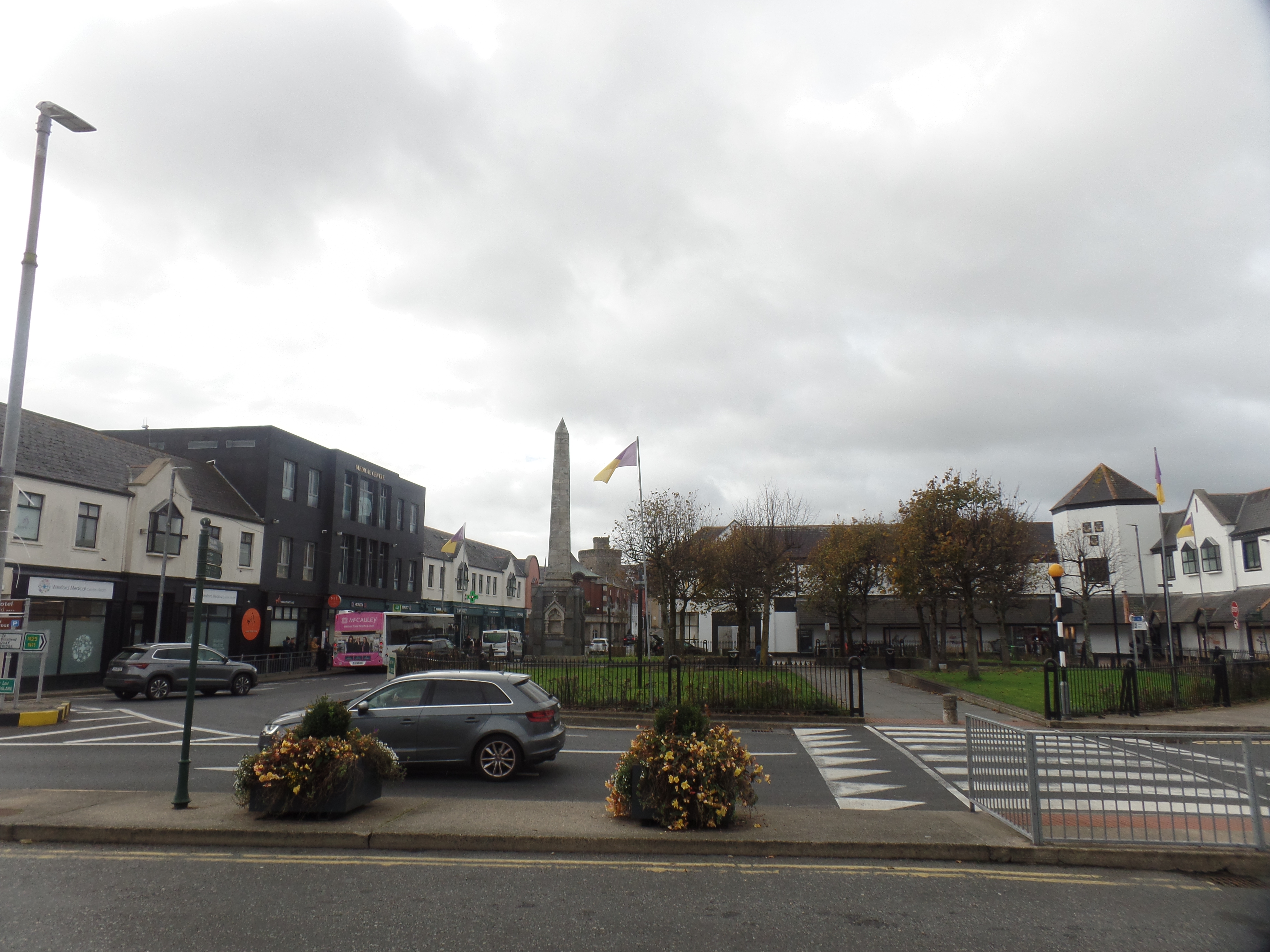
Once in Wexford, I had about an hour to while away, until the train to Dublin was ready to leave. So, with bag and baggage, I walked about Redmond Square and the West Side Cultural District. Here are some scenes from this town that, in an ancient surprise, was likely the ancestral home of the Cooks, who became the Kusch family, once in Germany.
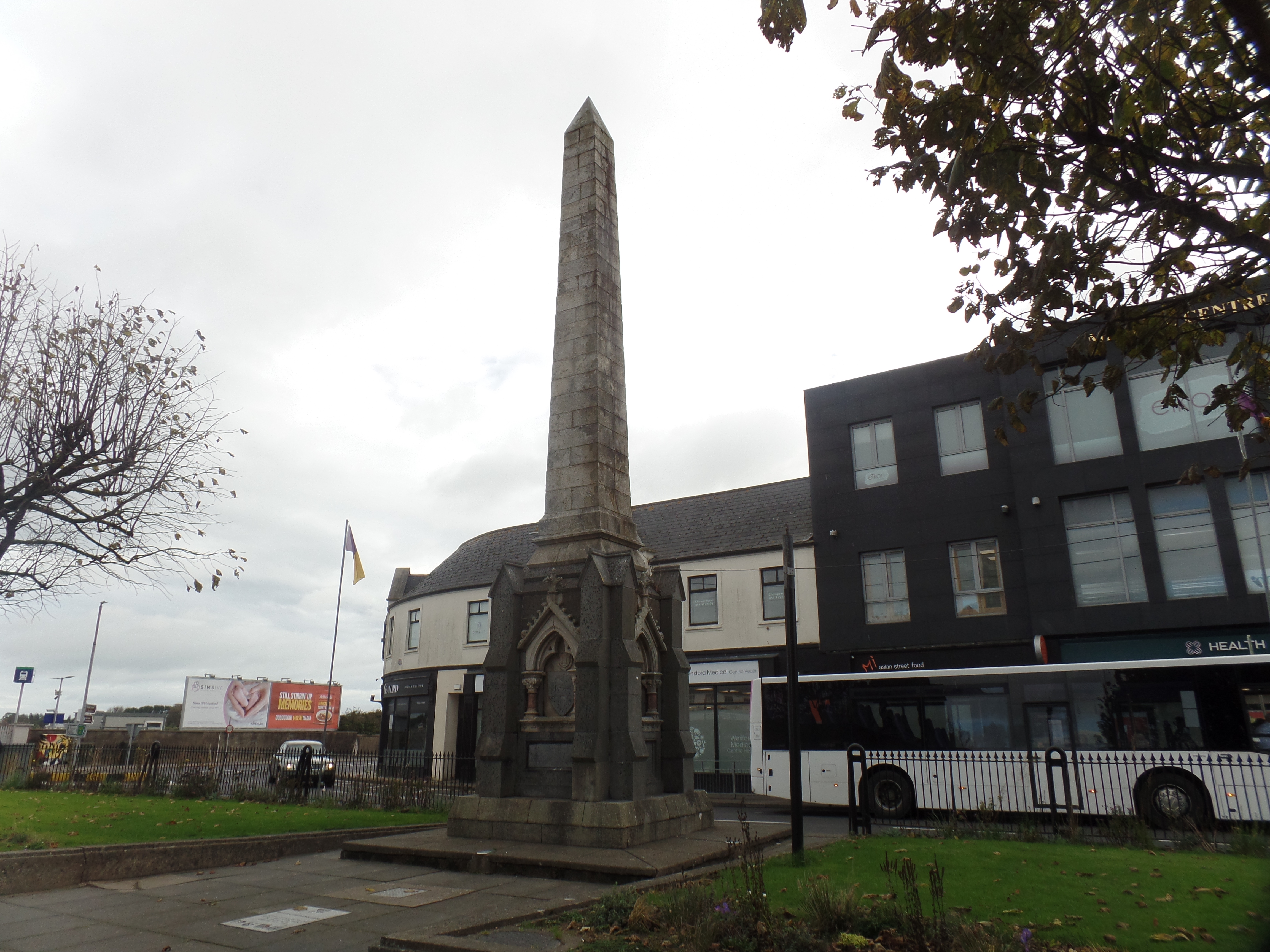
Redmond Obelisk, Wexford
A broader view of Redmond Square, Wexford

The Redmond family brought the train to Wexford and drained marshland, to make the area fit for human habitation.
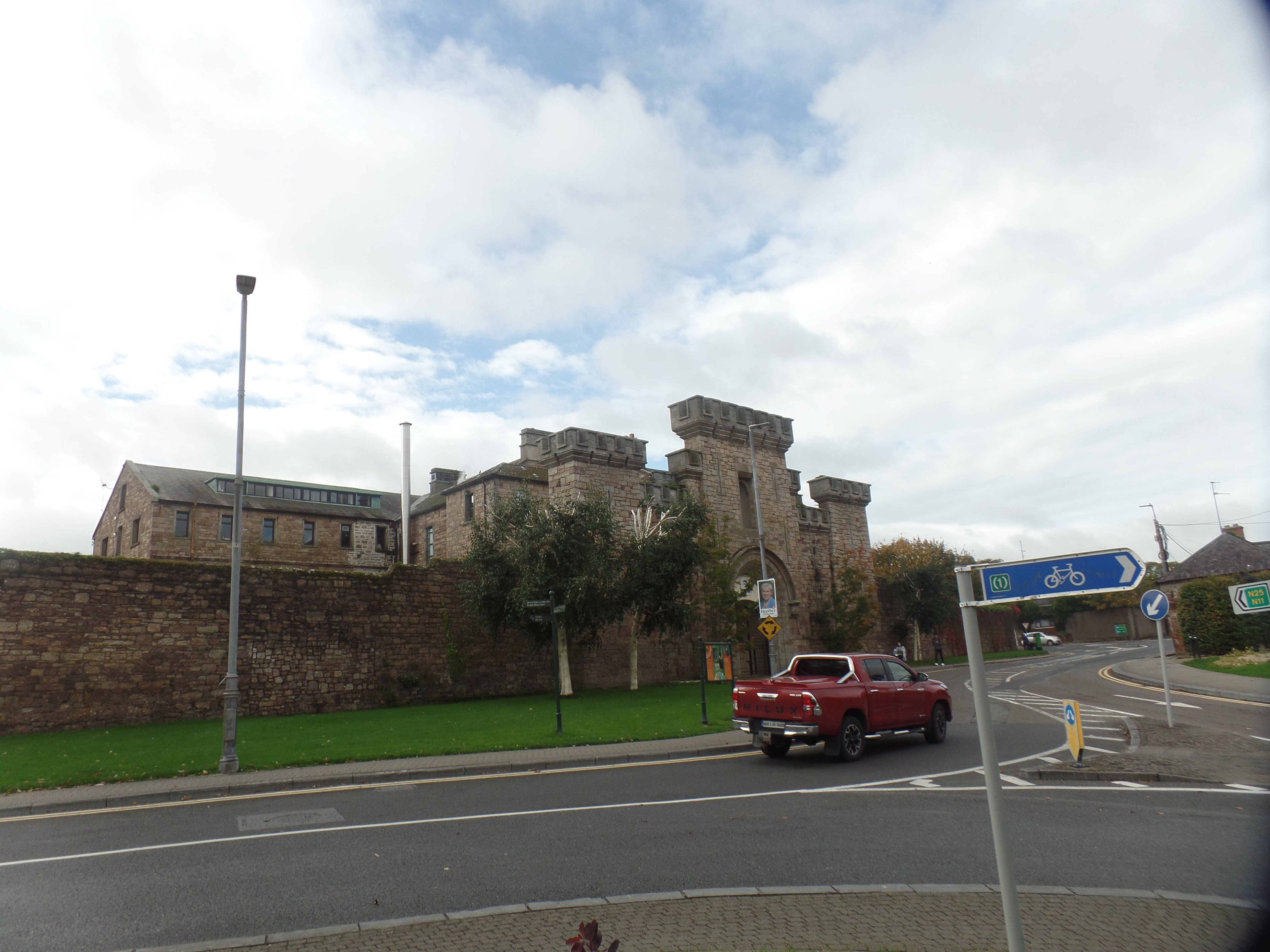
West Gate, Old Wexford
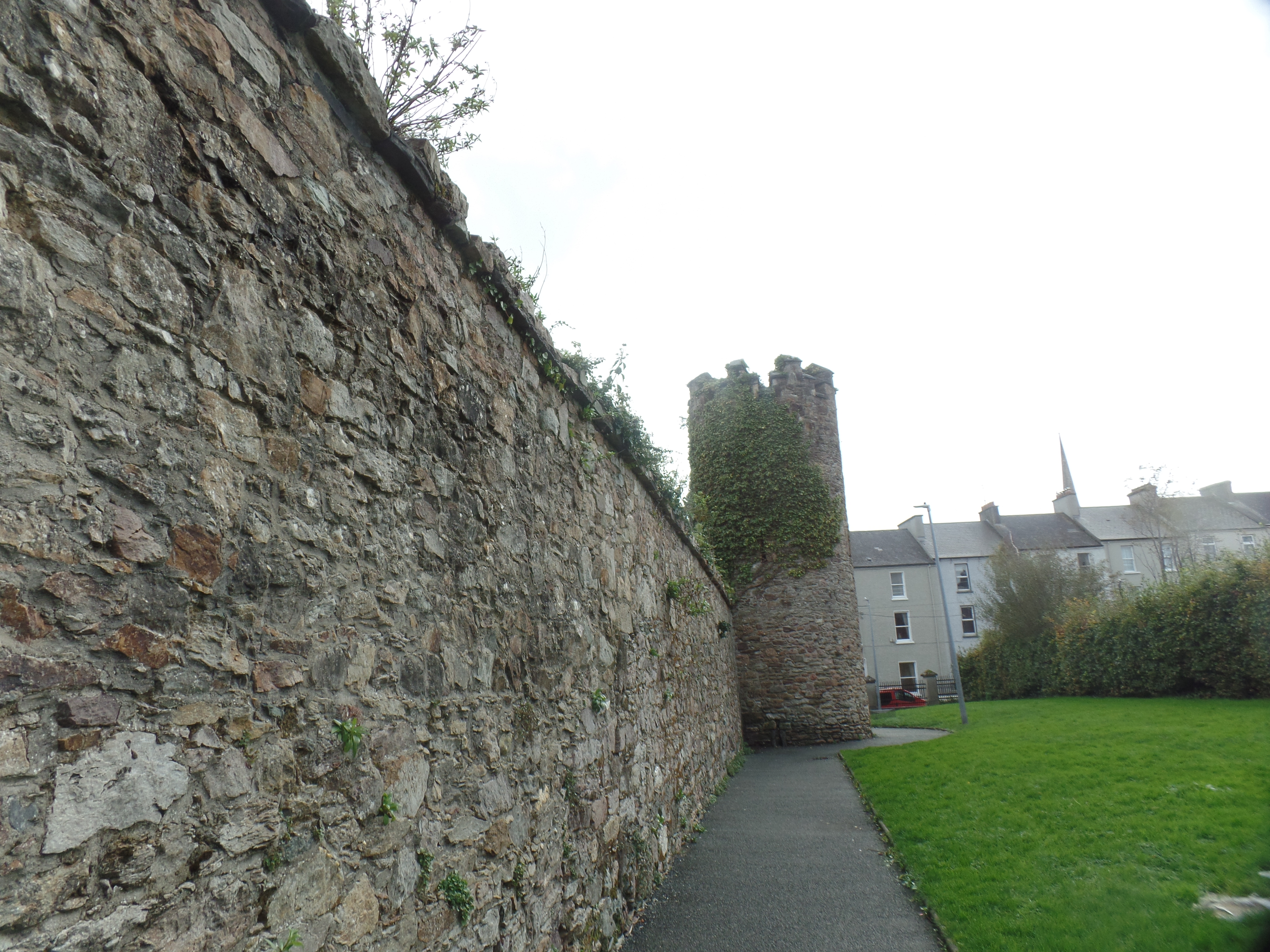
West Wall, Wexford (above and below)
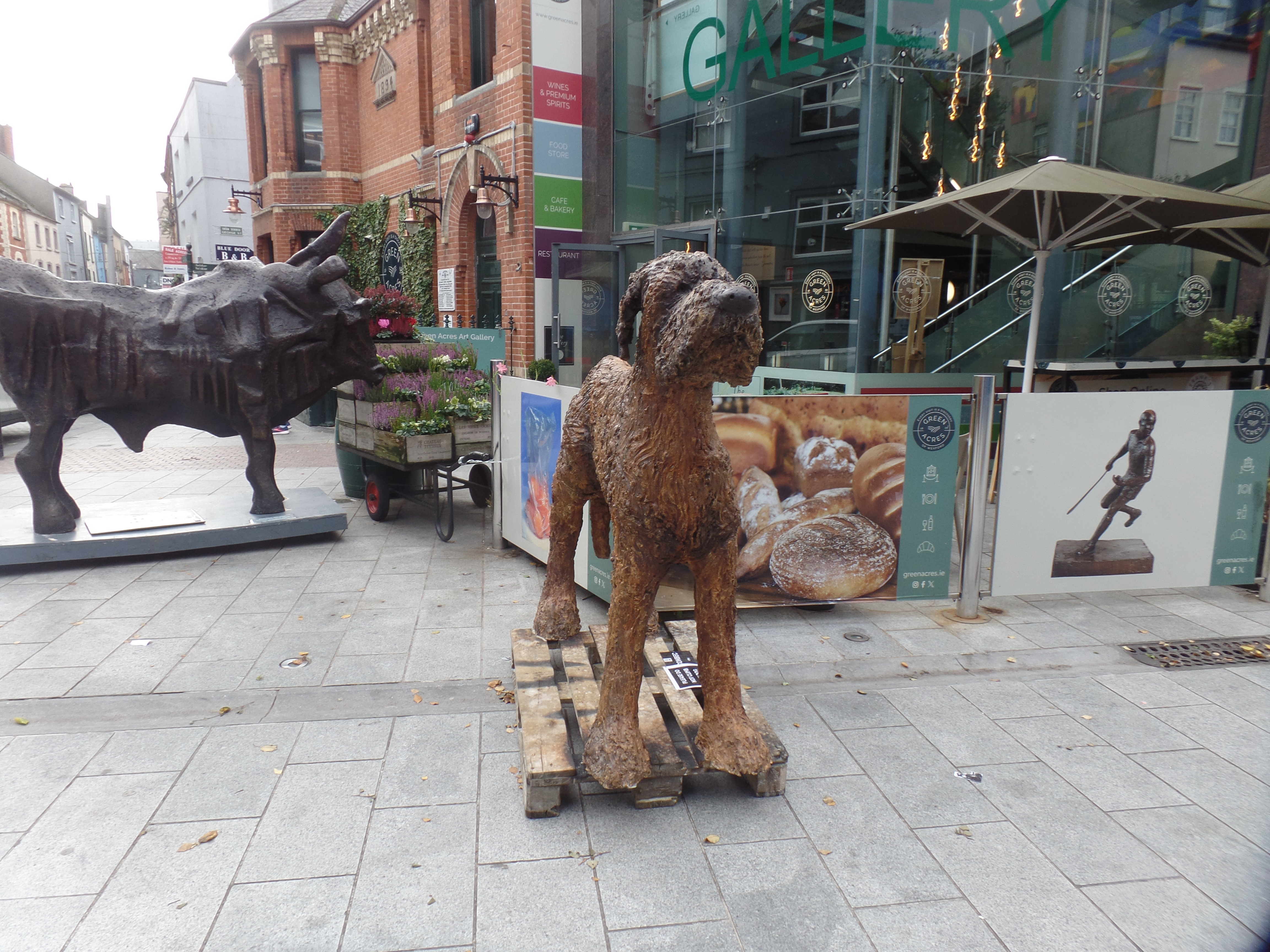
The “Sheriff Street Bull” of Old Wexford. Ironically, the sculpture by John Behan is titled after Sheriff Street, Dublin, which is where he grew up. There is another replica, I’m told, in Galway, western Ireland. John was fascinated with bulls, which he likened to the Irish male, who felt forced to move away or to return to an uncertain future. That may well have been the case with my Cook forebear, off to Germany to seek his fortune, in the days of the Hanseatic League.
Statue of Irish Wolfhound, Westgate, Wexford
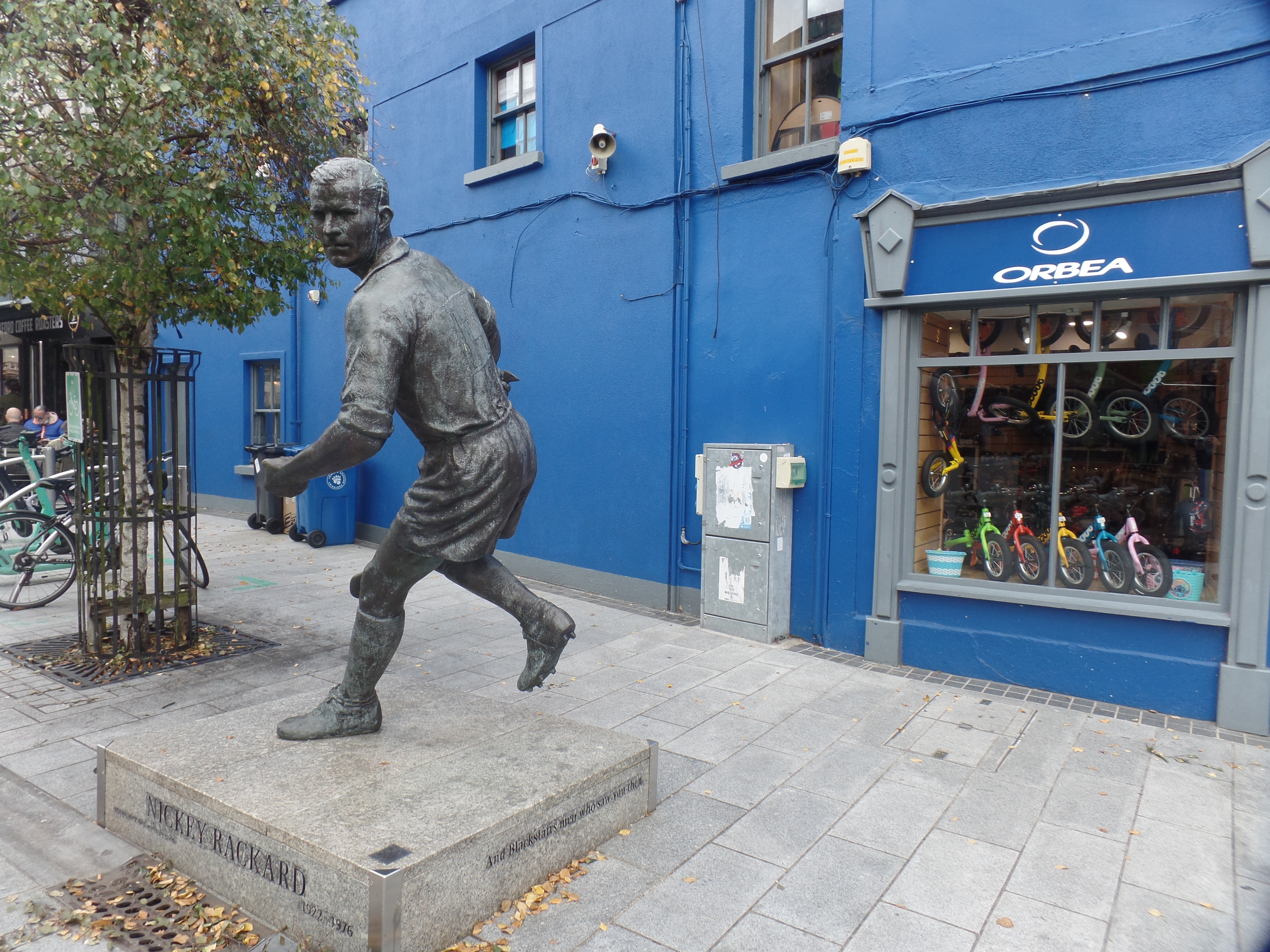
Nicky Rackford, a legendary Irish Hurler, who hailed from Wexford. Hurling is an ancient Gaelic sport, akin in many ways to Gaelic football. It is described more fully here: https://en.wikipedia.org/wiki/Hurling
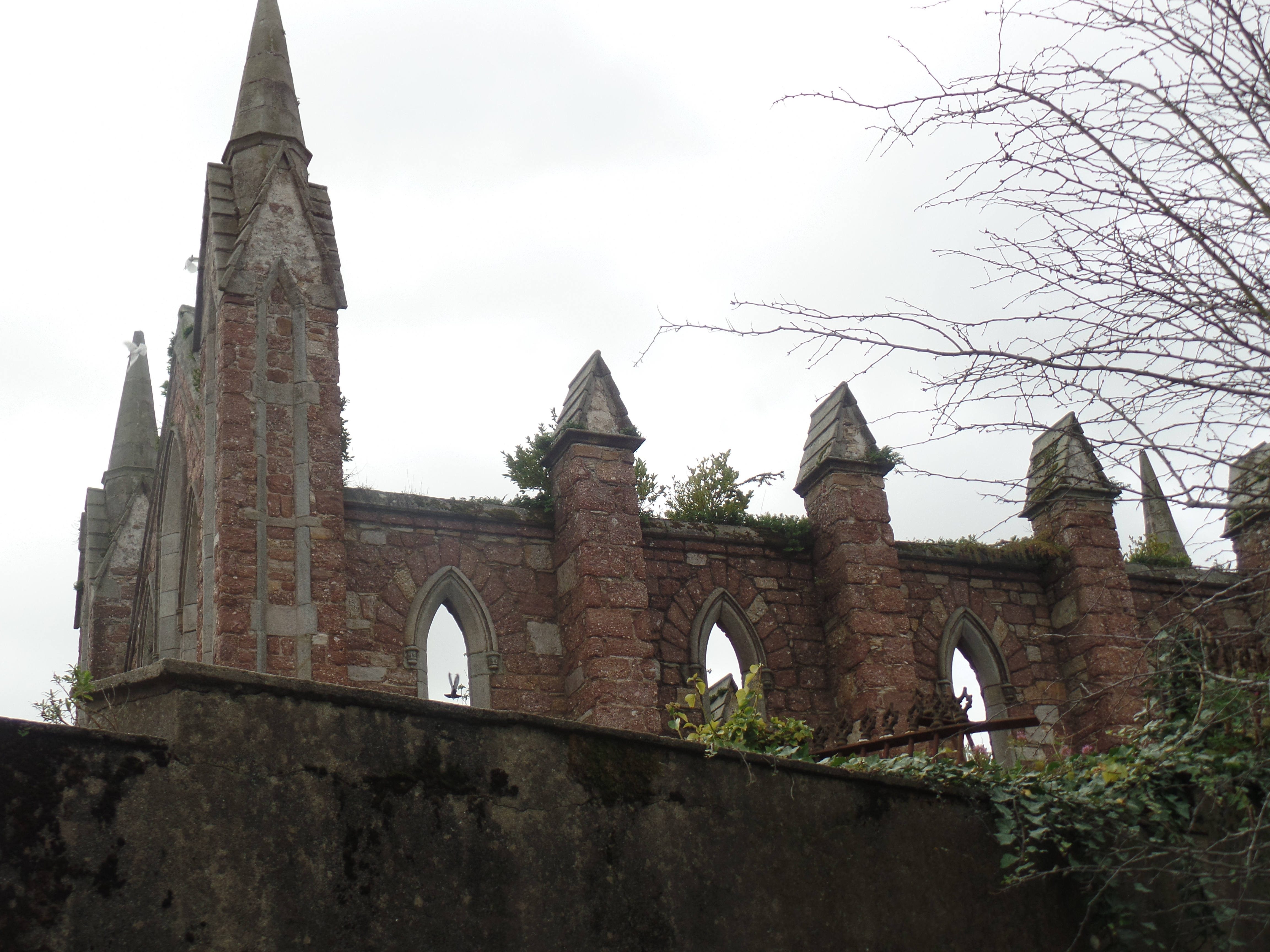
Ruins of Selskar Abbey, an Augustinian monastery of the 12th Century. (Above and below)
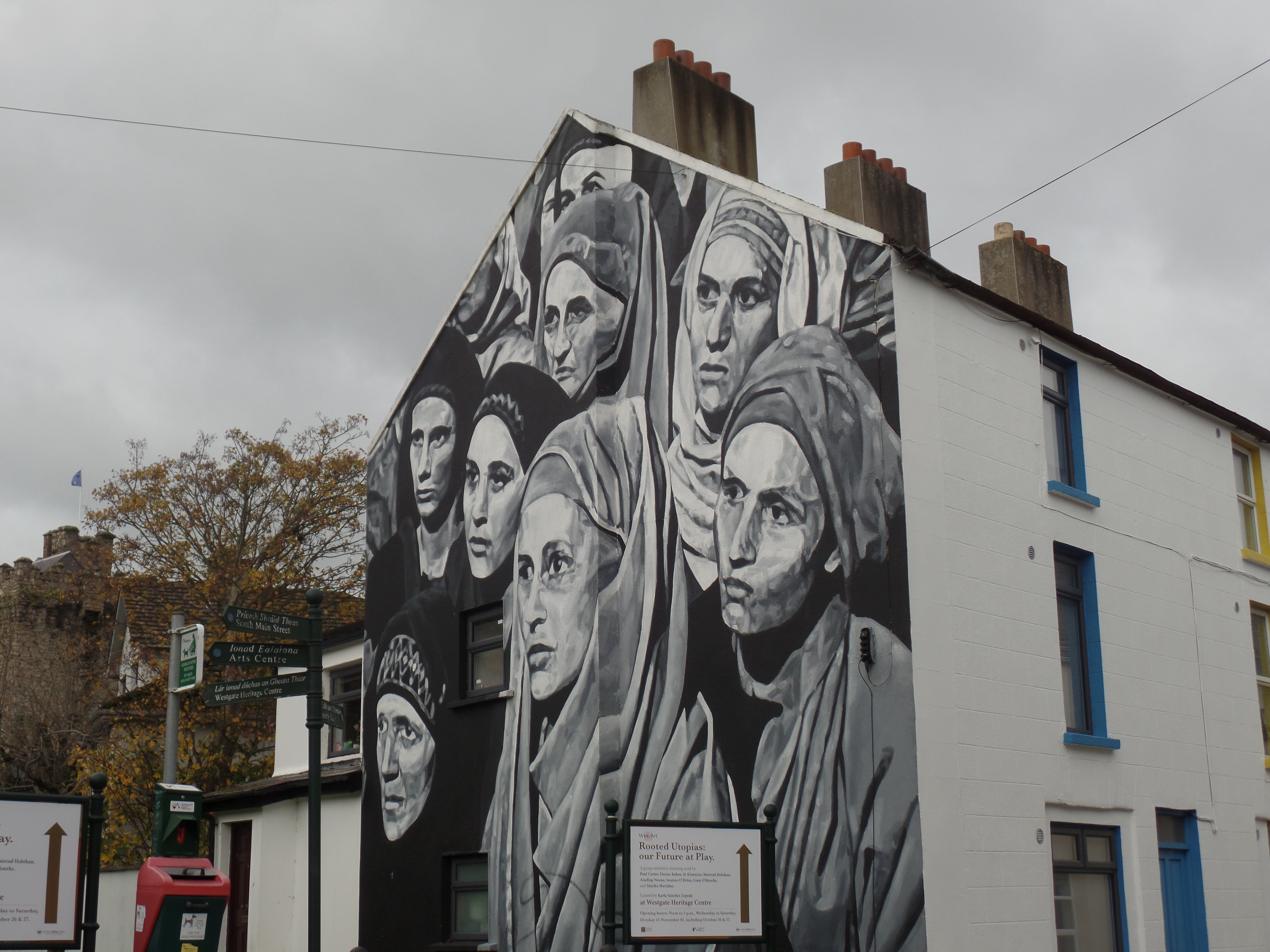
The indomitable Irish women, celebrated in Westgate, Wexford

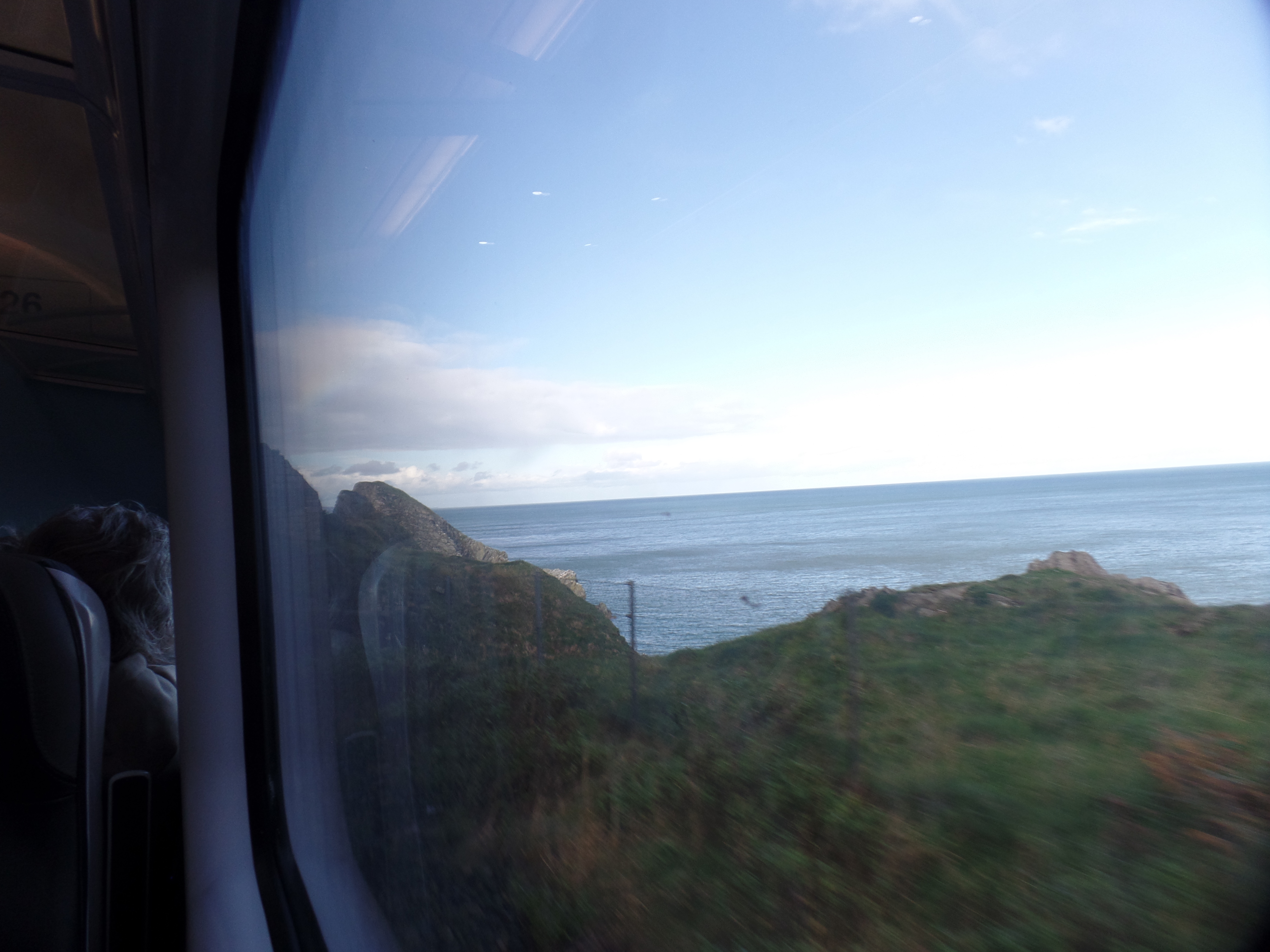
It was time to board the train, so I left things like the John F. Kennedy Arboretum for another time. I did get a few glimpses of Muir Eirann (Irish Sea) from the train, between Wexford and Dublin.

Irish Sea, south of Arklow
Irish horses, enjoying life by the sea
North end of inlet, above Wexford
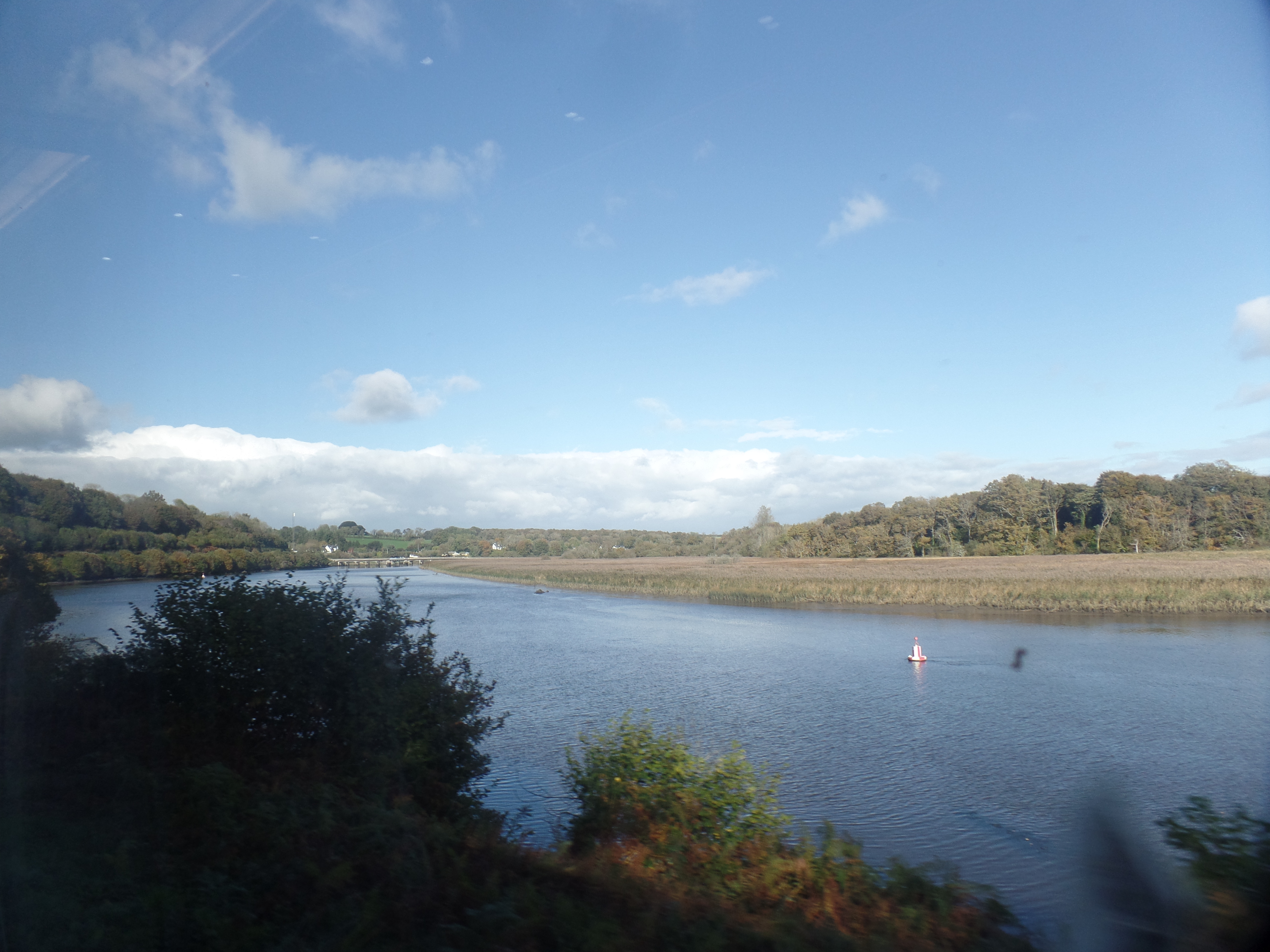
Avoca River, near Wicklow
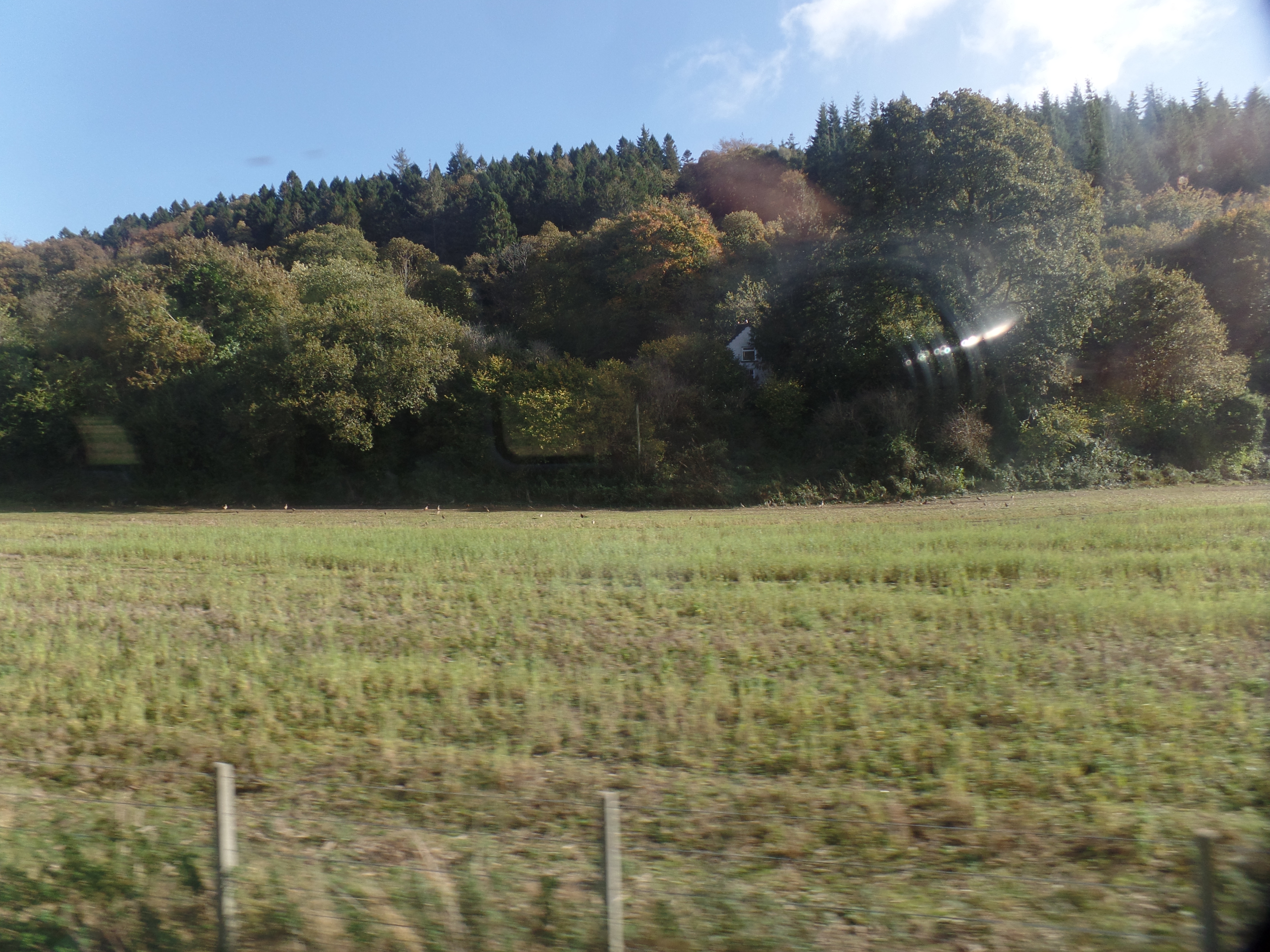
Foliage, outside Wicklow
River Vartry, near Wicklow
Rainbow above Irish Sea
Wicklow Head
Wicklow
Irish Lights Building, Dun Laoghire (pronounced dun leary)

At long last, we arrived at Connolly Station.

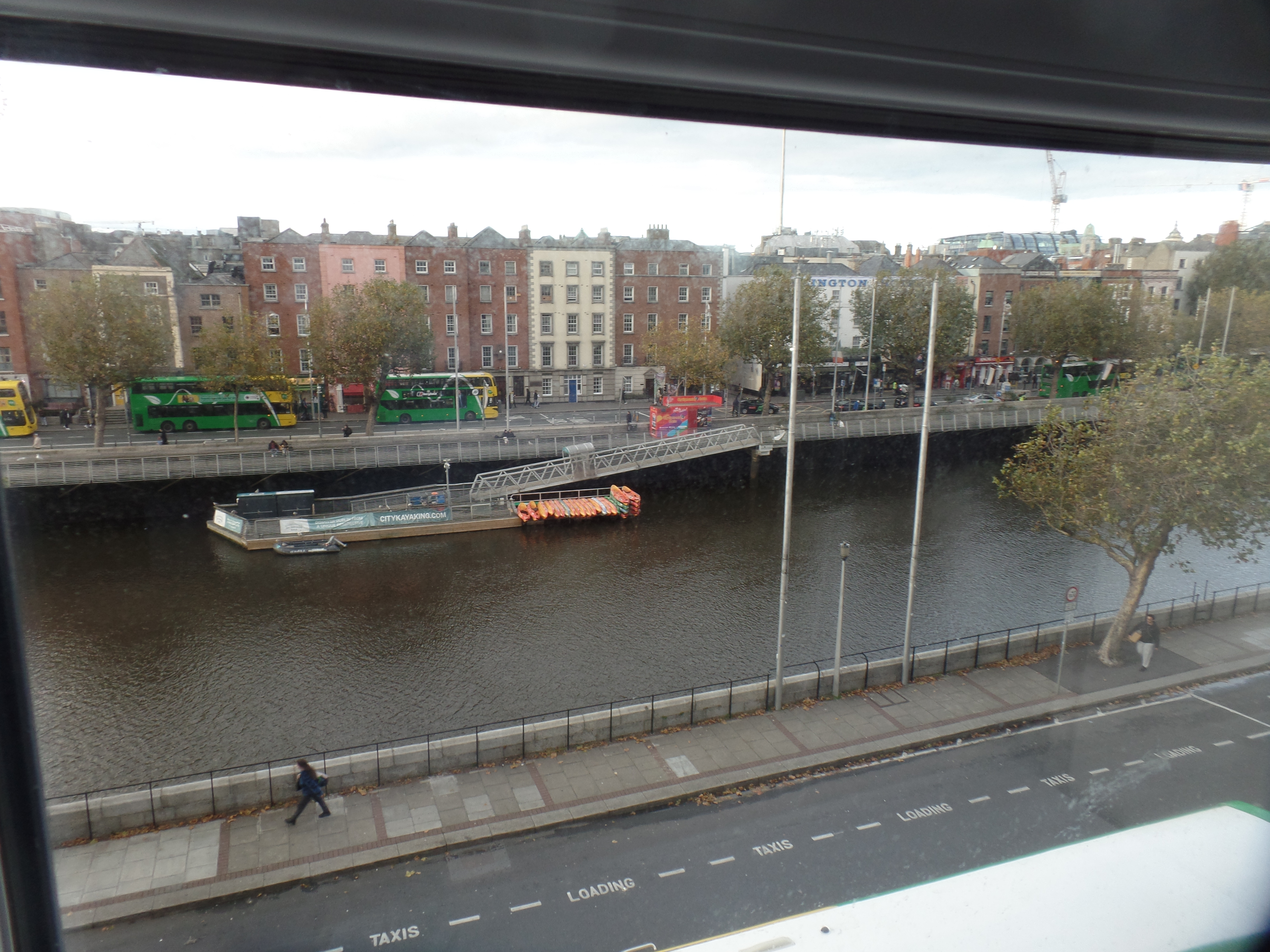
River Liffey, from Connolly Station

To my Cook relatives, your song resonates through the centuries. To my Connolly relatives (on my Dad’s side), this station is named for your distant cousin, an Irish national hero-but you knew that.

The Road to Diamond, Day 296: Picture Stones and A Watchful Wolf

0

September 19, 2025, Visby, Gotland-

Today’s festivities will be shared in two parts, as some photos are on the iPhone gallery and the cable for my phone doesn’t quite connect to the Lenovo.

Sharing is caring, regardless, so let’s take a look at Gotland Museum. There are four floors, each with two or three galleries. Floor 0 is where we enter, pay admission, check out the bookstore and spend time with Gotland’s unique Picture Stones.

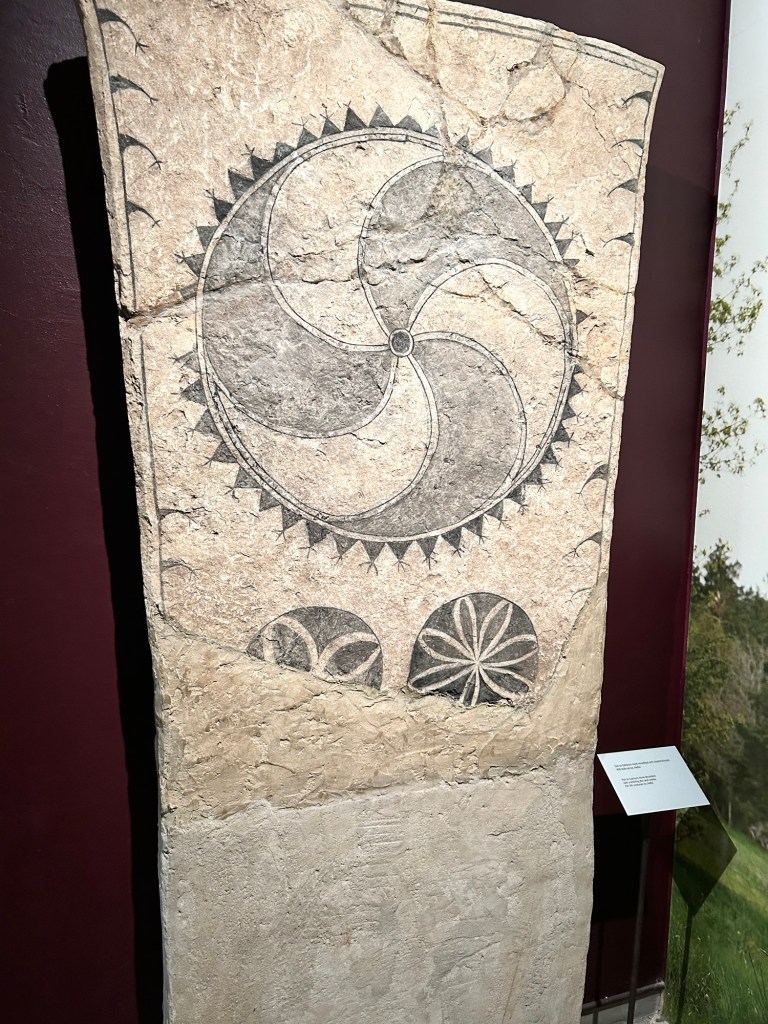
Many picture stones were originally painted with red, yellow or blue pigment. Most have lost the pigmentation, over the centuries.

The standing stones are all over Gotland and its northern offshore sibling, Faro (not to be confused with the resort city in Portugal’s Algarve). See gotlandpicturestones.se

Here are a few scenes of that gallery.

This came from the early Christian era, most likely commissioned by someone looking to protect his farm.
The pinwheel also is a
harbinger of good fortune.
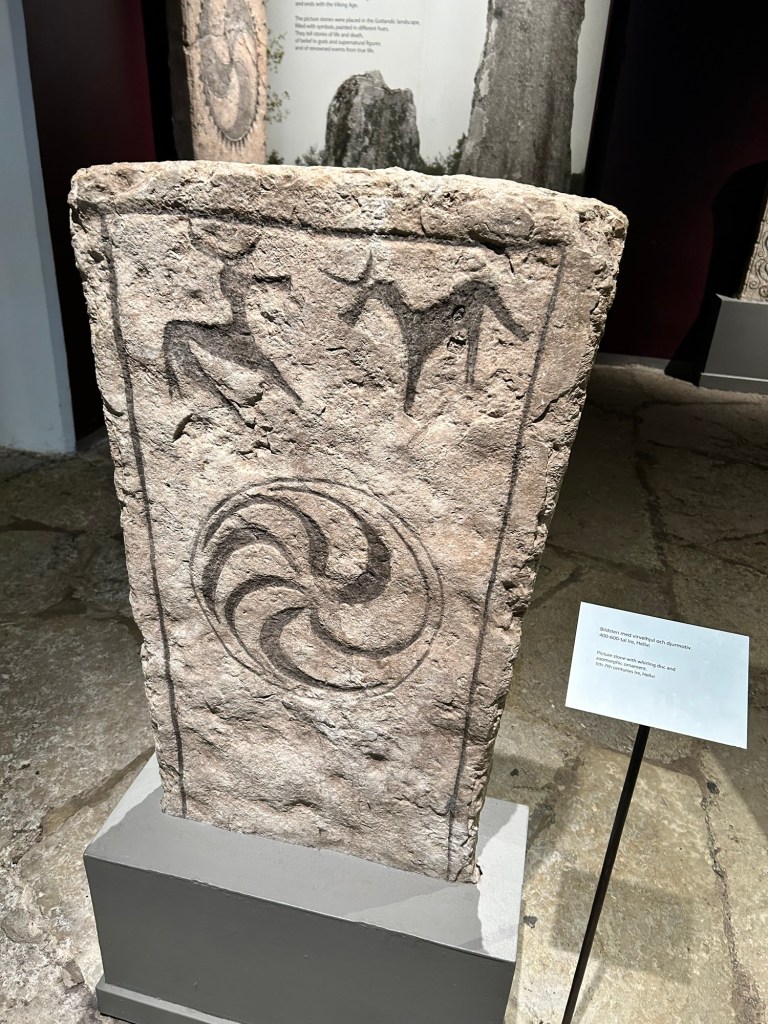
This tells the story of a horse and a deer.

This one has a sensor, which fills in the colours when someone approaches.

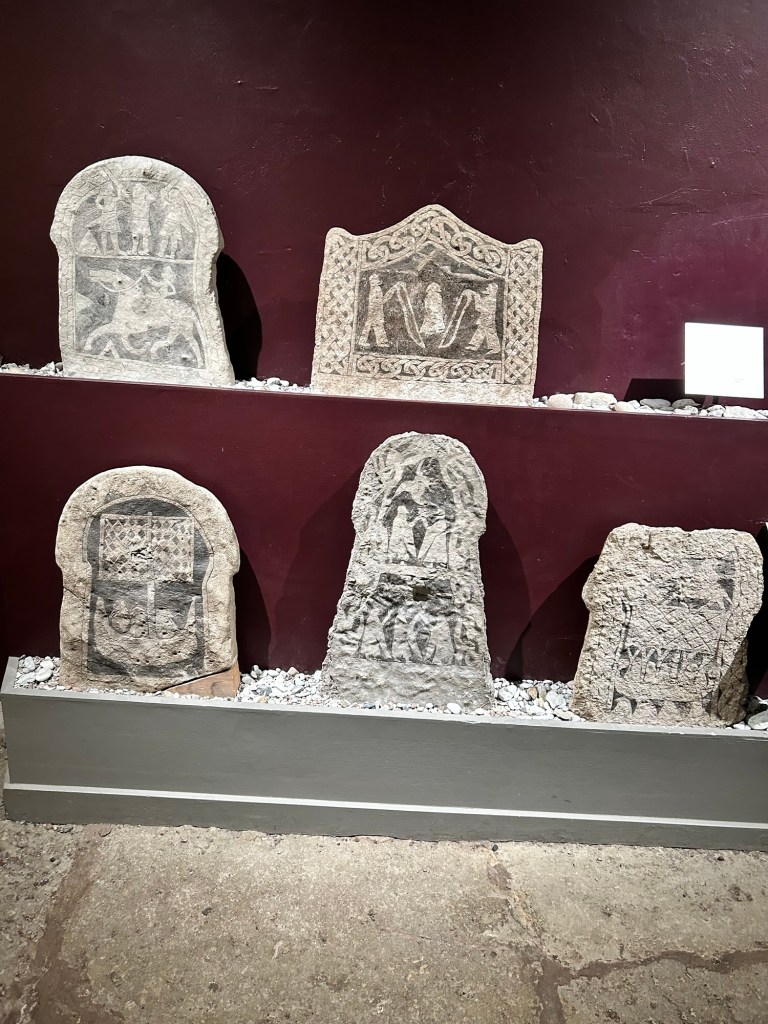
There are several others in the gallery, but here is a tableau of some smaller reproductions from around Gotland.

Up to Floor #1, we find The geology of Gotland. It, like the rest of Scandinavia, was once buried under ice. As the glaciers retreated, the Baltic Sea filled in, while islands like Oland, Aland, Bornholm and Gotland remained above water, being the tops of small hills.

Sandstone and limestone predominate the gently rising, but mostly flat landscape. There are some forests, but Gotland is still mostly farmland.

Floors 2 and 3 feature the history of Gotland and stories told by local children and youth, respectively. The historical part begins with a Norse creation story. Odin, representing the Sun, brings the world to life. He and other deities guide people in the ways of right living. All the while, the ravenous Wolf watches and waits. At the end time of Ragnarok, the Wolf will swallow Odin.

On that cheerful note, the story of Gotland proceeds, through its early days of increasingly successful farming, the Viking Era, Hanseatic League and incorporation into the Kingdom of Sweden.

It was during the Hanseatic period that the wall encircling Visby was built. At the East Gate, all peasants wanting to sell produce at Visby’s market had to pay a toll. Those trying to sell elsewhere were fined pr flogged. This was the stricture of the manorial system.

On the third floor, there are both paintings and recorded stories by Gotland residents.

The painting above shows the juxtaposition of hillside Visby with the sea.

The museum was founded in 1875, by Per Arvid Save( pronounced SAH- vay) and the Friends of Gotlanf, with the aim of preserving the island’s rich heritage and sharing it with the world. Dr. Save encouraged the farmers and fishers of Gotland to safeguard the picture stones they found about their homes and nearby lands.

Next, I will visit the ruined churches of Visby’s centrum, with the help of my laptop.

The Art of Durability

10

July 19, 2017, Philadelphia- 

Whilst waiting for some family members to meet me at downtown Philadelphia’s Cafe Ole,

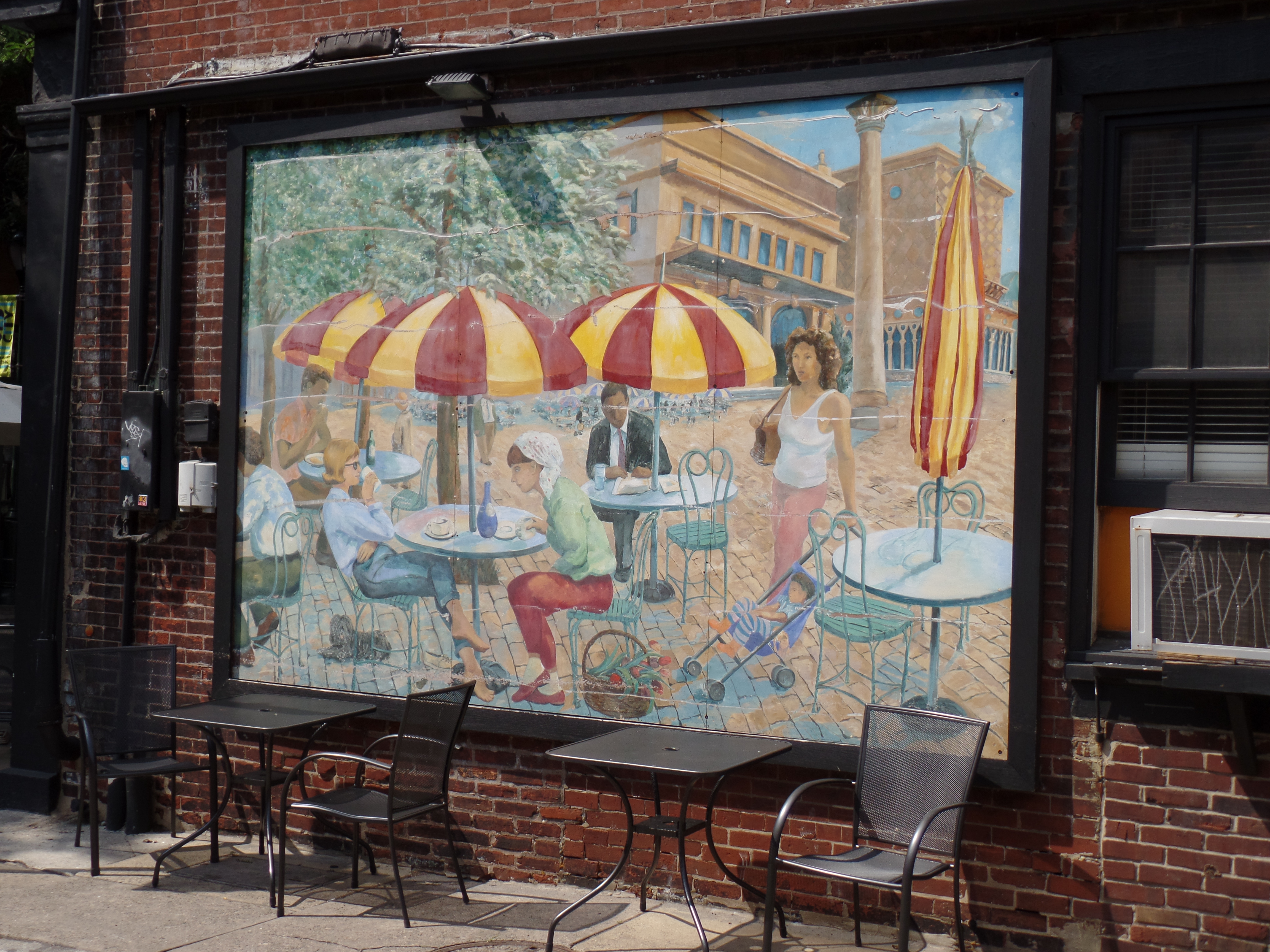
SAMSUNG CAMERA PICTURESI spotted an intriguing wall, across the street from the coffee house:
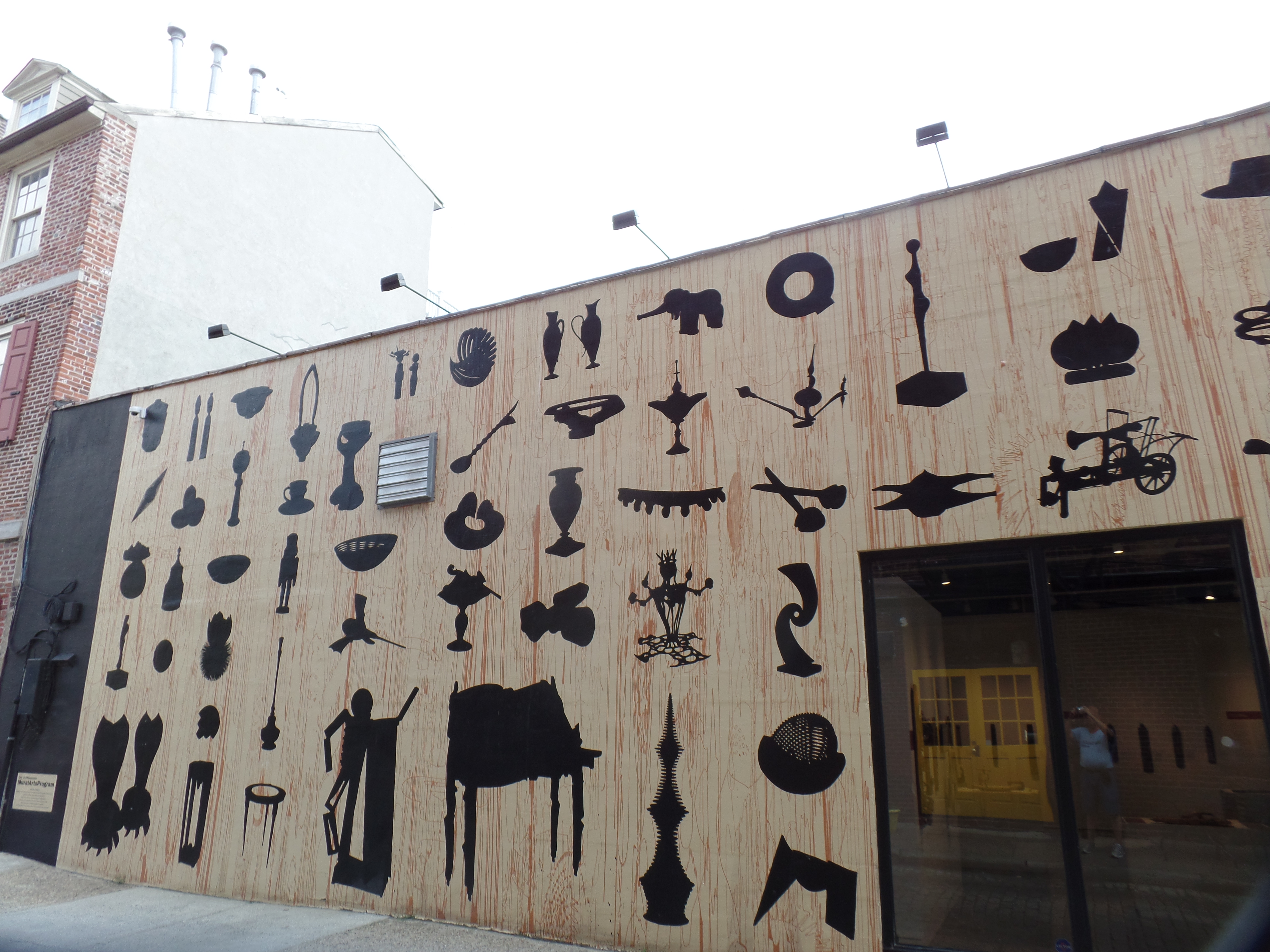
SAMSUNG CAMERA PICTURES

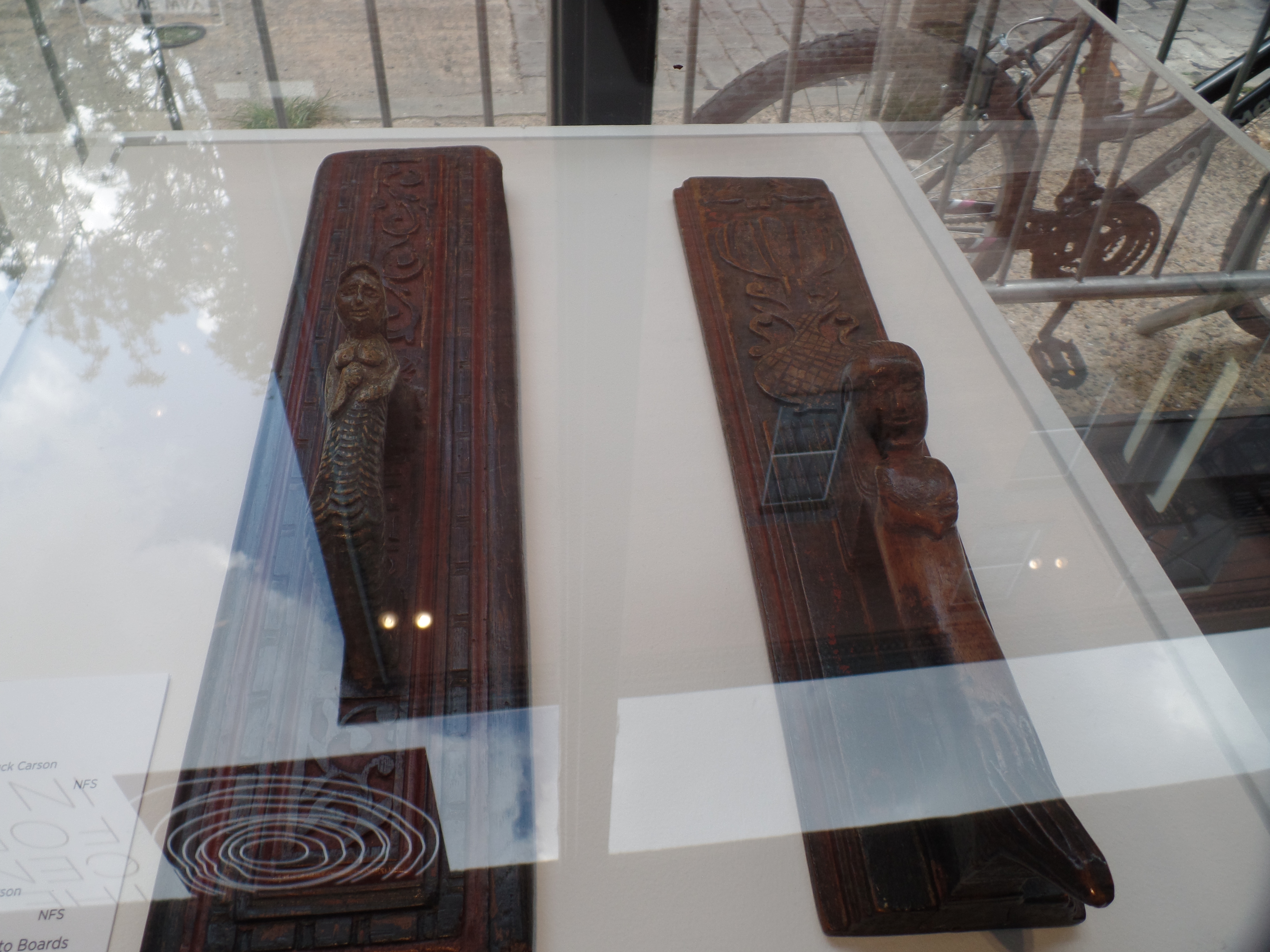
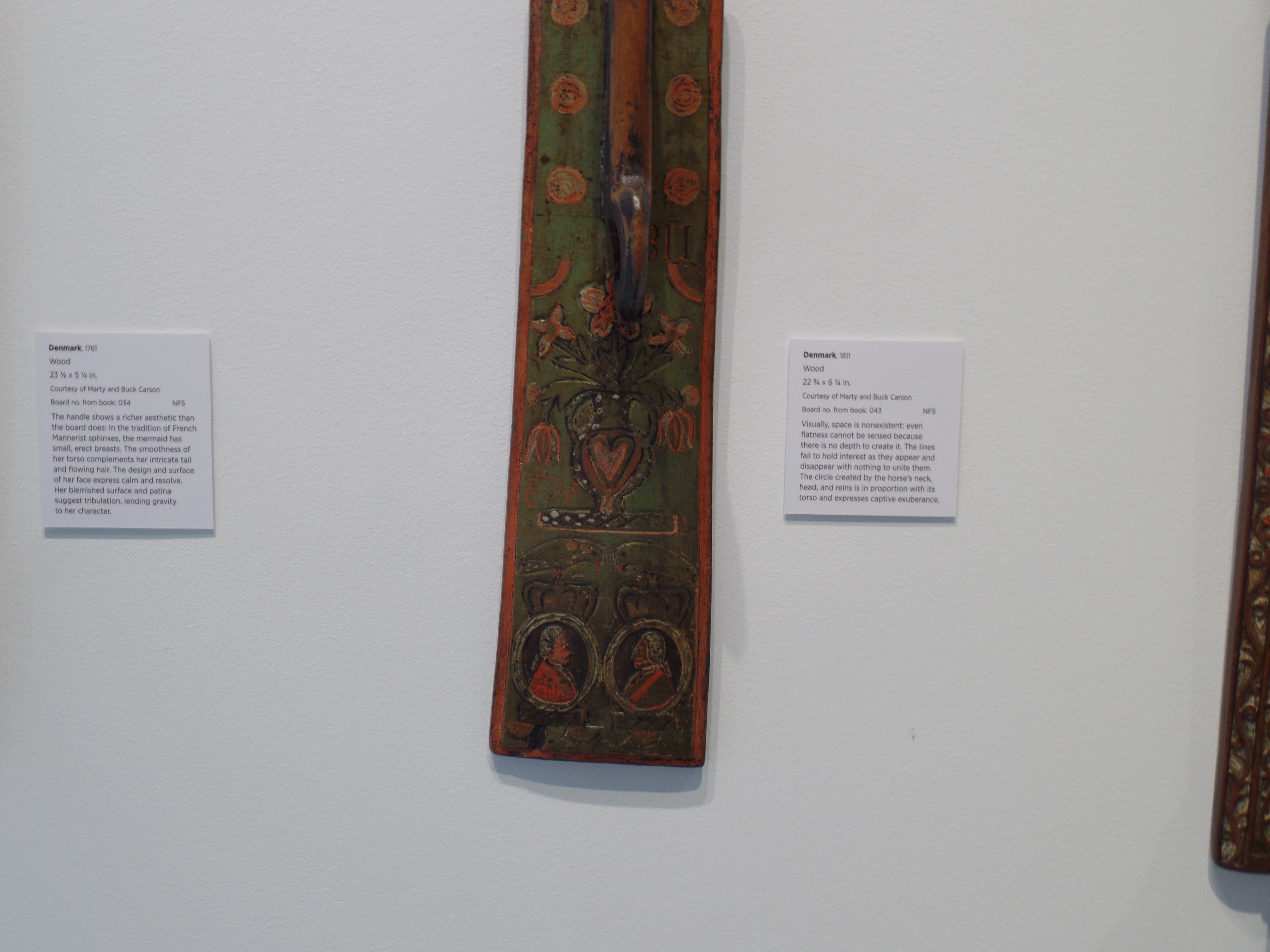
A brief walk showed that this belonged to a museum and art gallery, the Center for Art in Wood.  I spent about an hour, in the astonishing museum, which showcases both the traditional plank art of northern Europe and several contemporary pieces, from around the globe.  Several variations use the root word, Mangle, meaning cut, as their base.  Below, is a Danish piece, called a manglebraette.

SAMSUNG CAMERA PICTURES

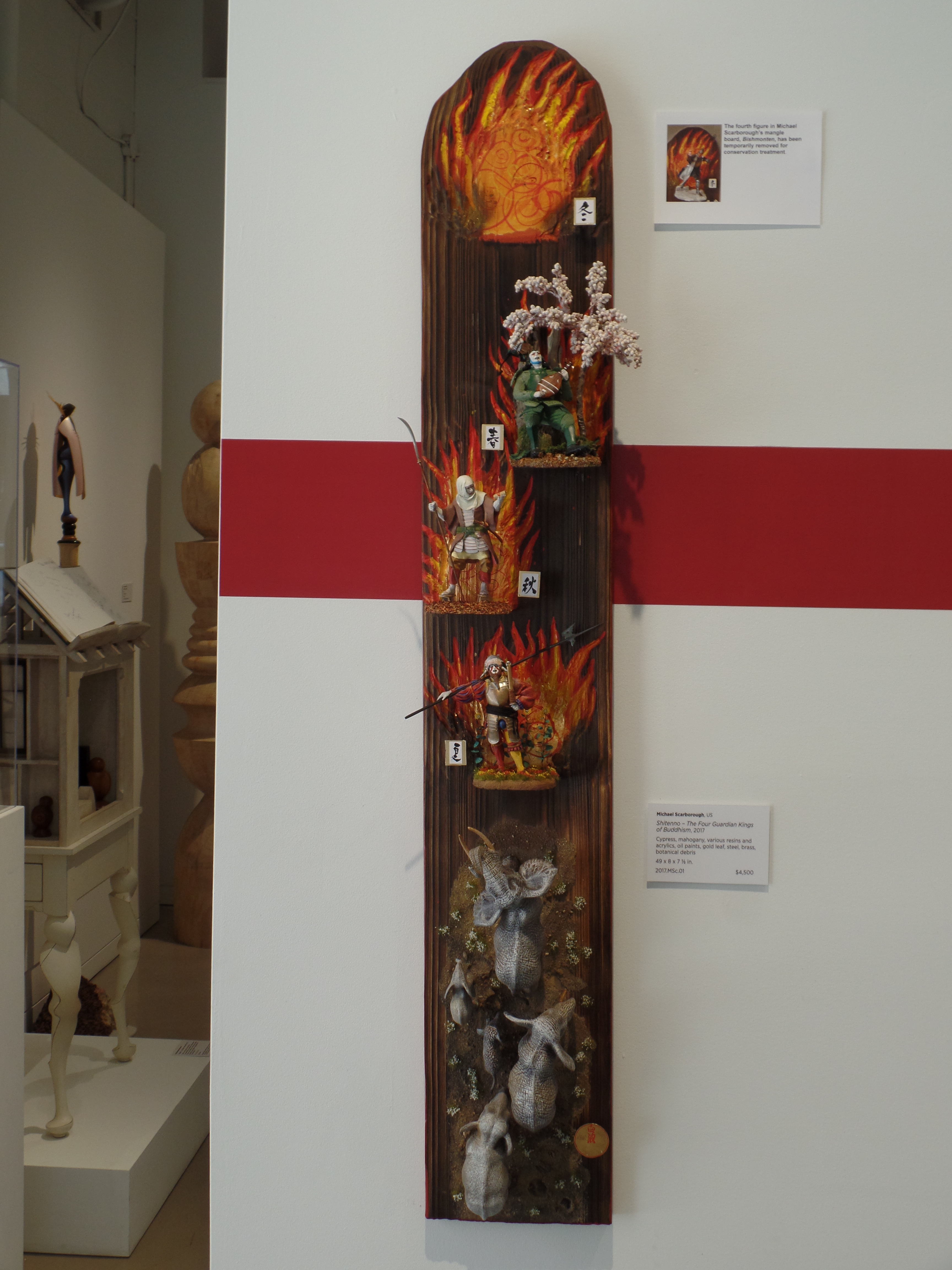
Bear with me, I am taking the liberty of interspersing the traditional ware with contemporary pieces.  This one, by an American, Michael Scarborough, celebrates Buddhism.

SAMSUNG CAMERA PICTURES

Australian artist, Ashley Eriksmoen, presents this Judeo-Christian piece.

SAMSUNG CAMERA PICTURES

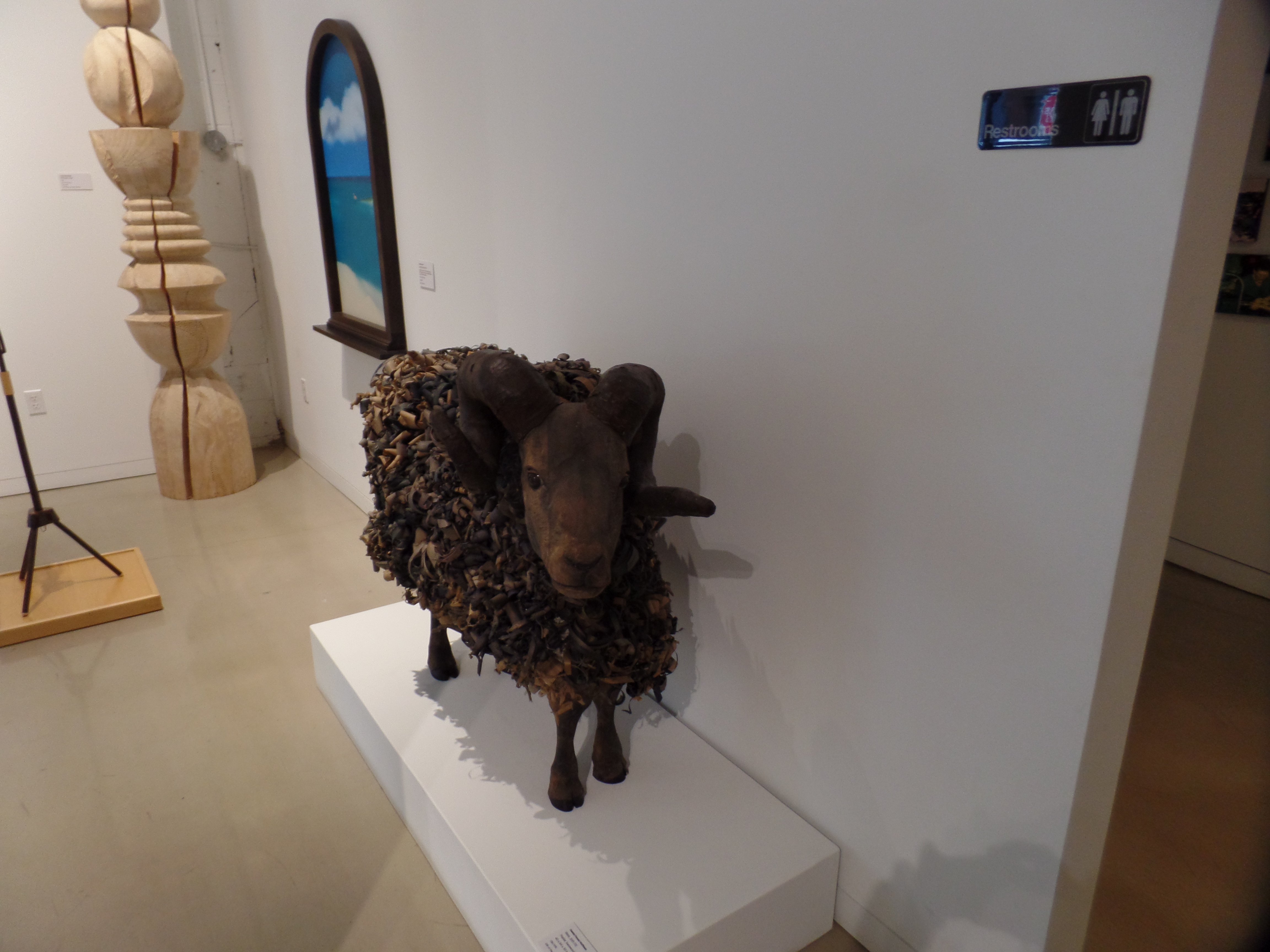
Who wants a wooden sheep?

SAMSUNG CAMERA PICTURES

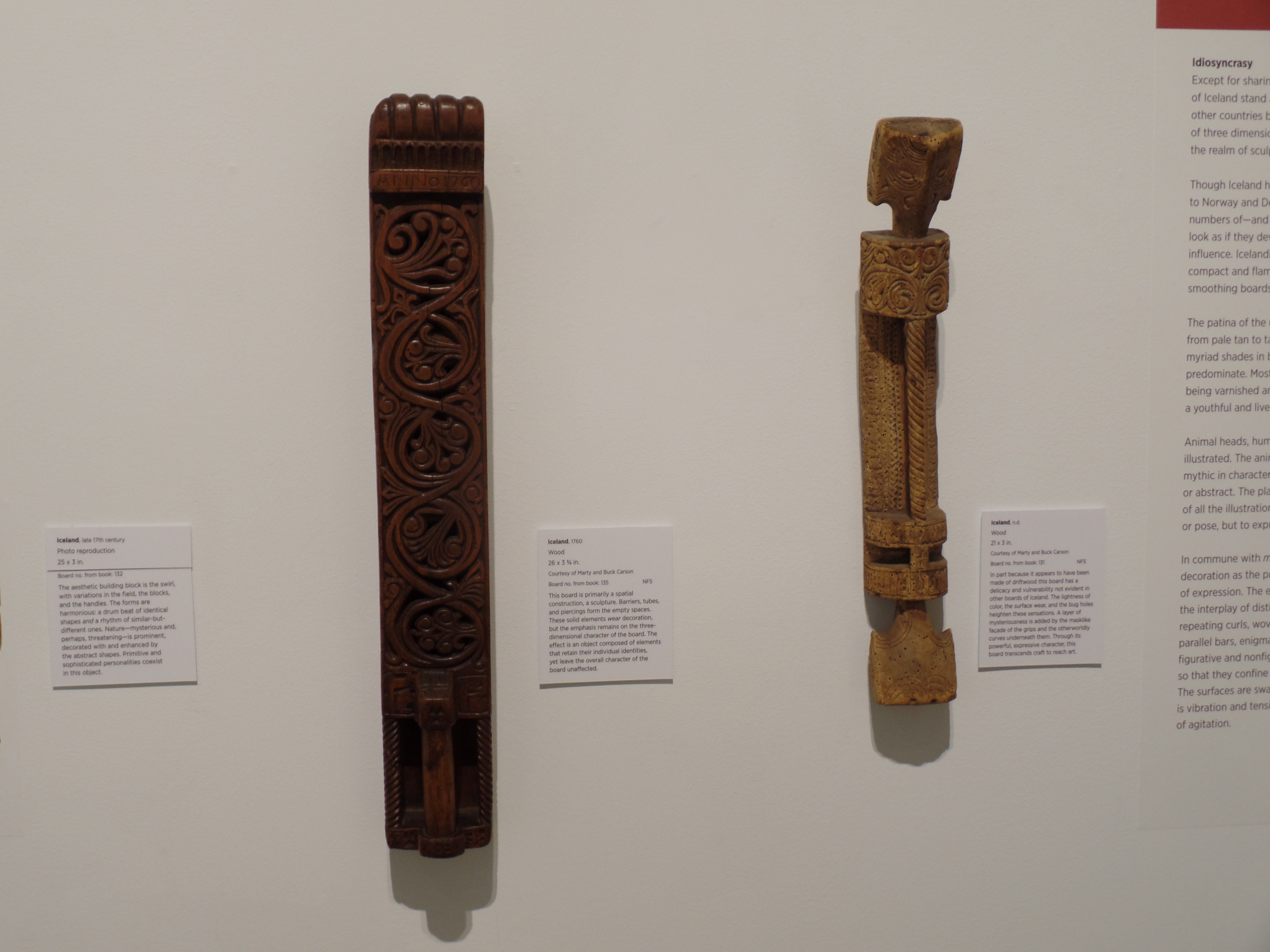
These Icelandic pieces are examples of that nation’s trafakefli traditional craft.

SAMSUNG CAMERA PICTURES

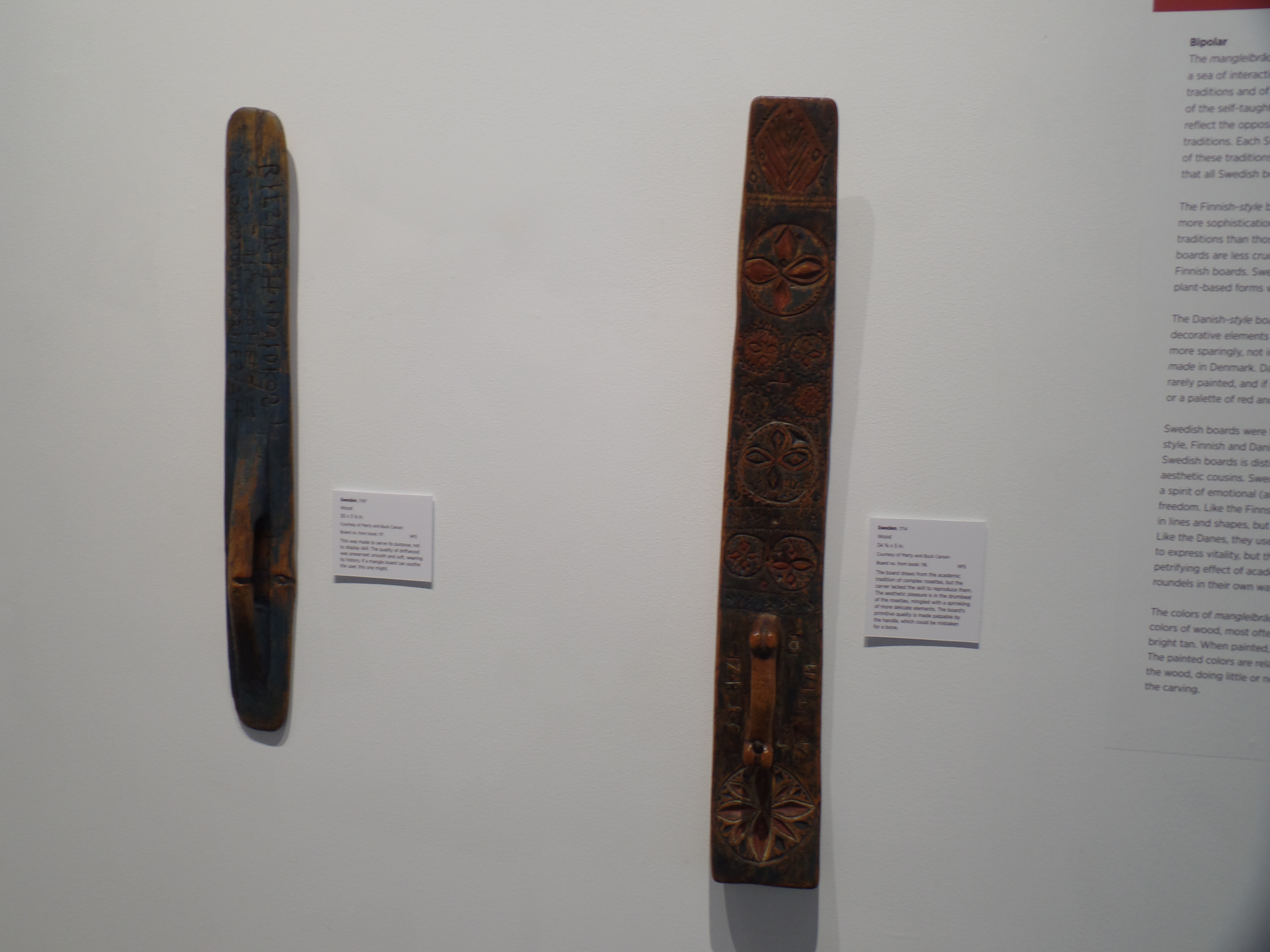
Sweden’s variation is known as mangelbraden.

SAMSUNG CAMERA PICTURES

Norway’s woodcraft, mangletraer, is displayed at the front of the exhibit.  Some pieces are in glass cases.

SAMSUNG CAMERA PICTURES

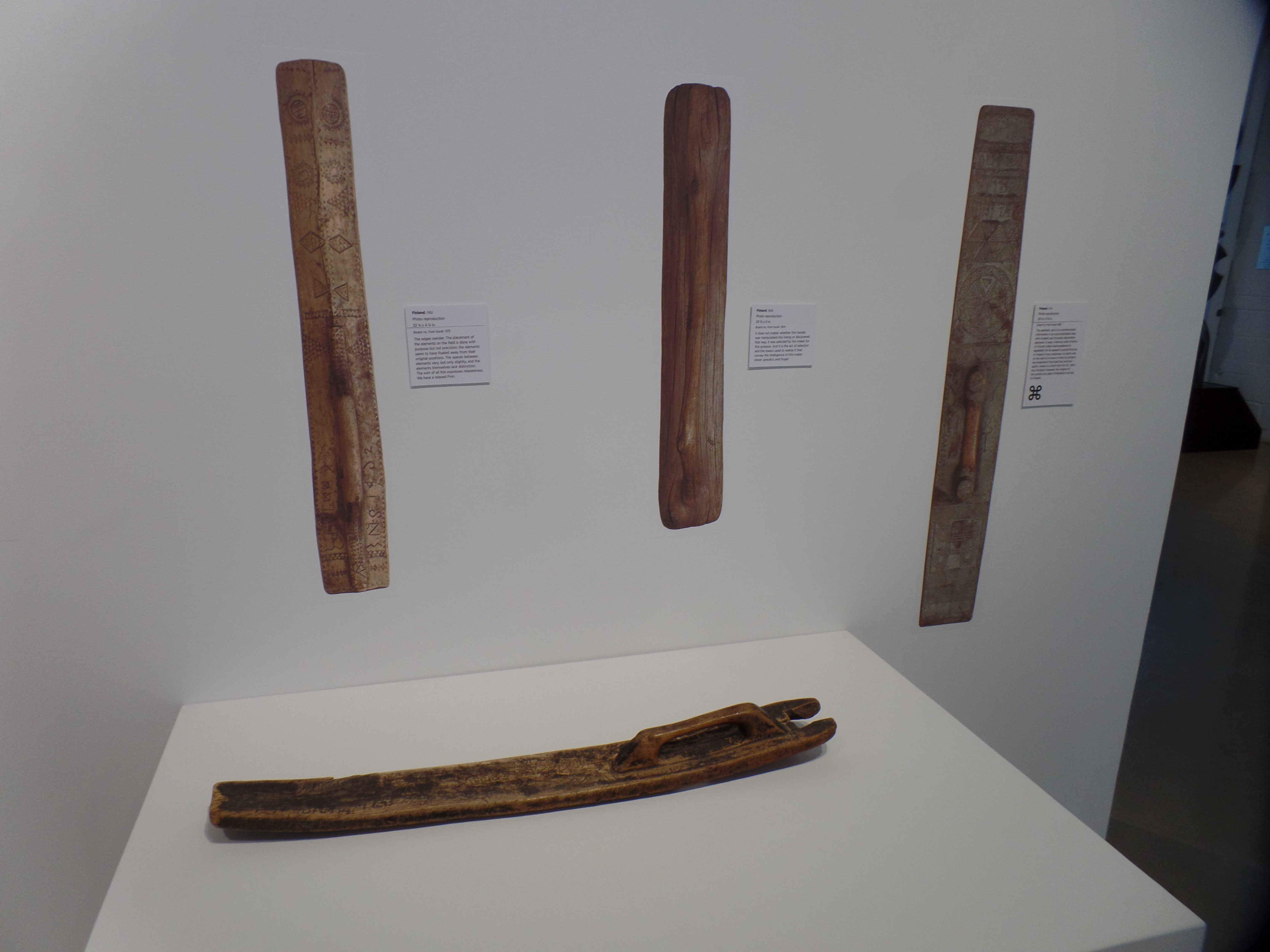
Finland adopted the art form, as well, and is the easternmost country in which the mangleplank tradition took root.  Its form is called kaulauslandet.

SAMSUNG CAMERA PICTURES

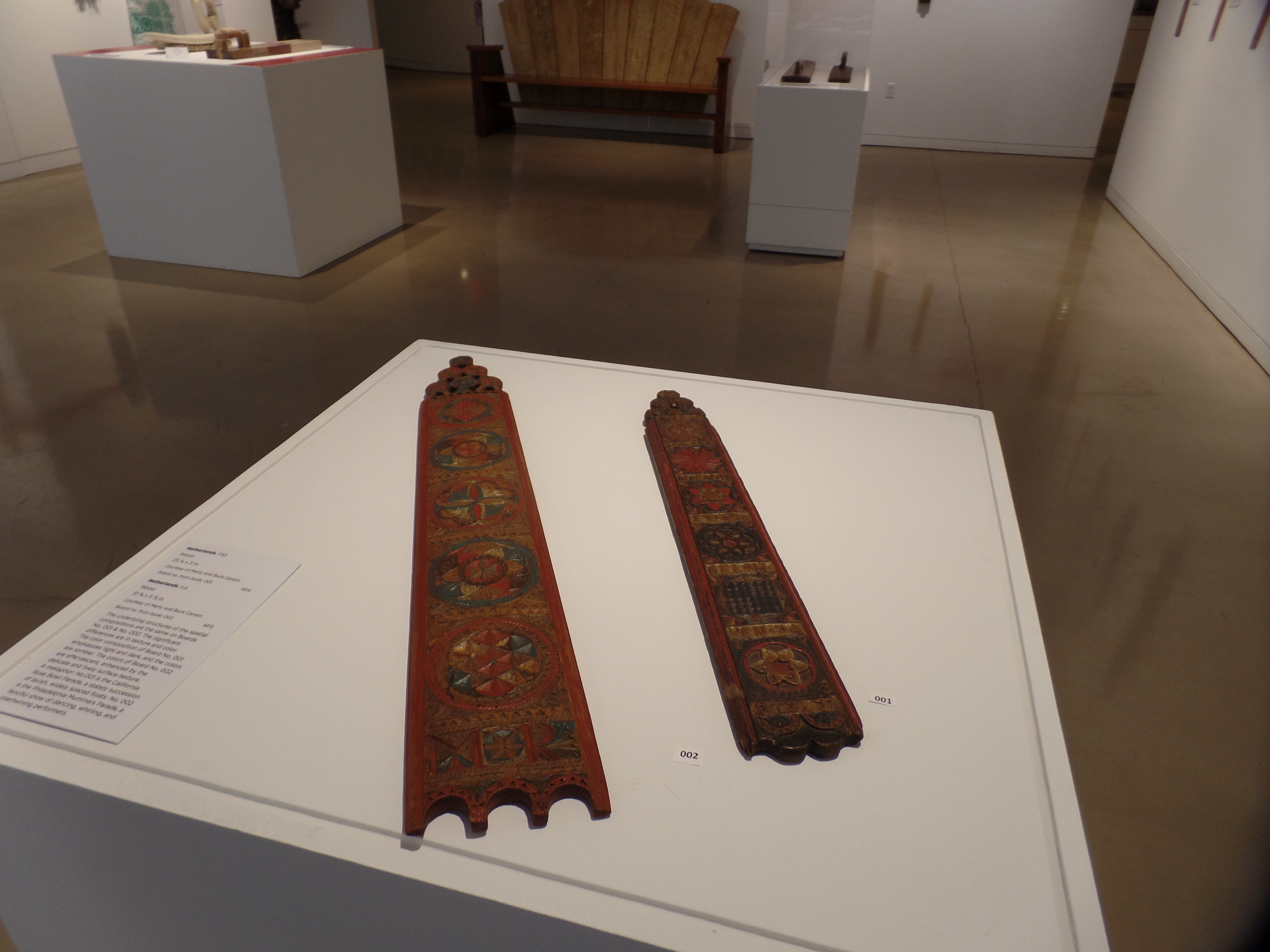
Surprisingly, it is the Netherlands which is credited with originating the art form.  Merchants of the Hanseatic League spread it to the Nordic lands.  The Dutch form is called mangelplanken.

SAMSUNG CAMERA PICTURES

The variety, in both styles and uses, of woodcraft could capture one’s interest for hours, I think.

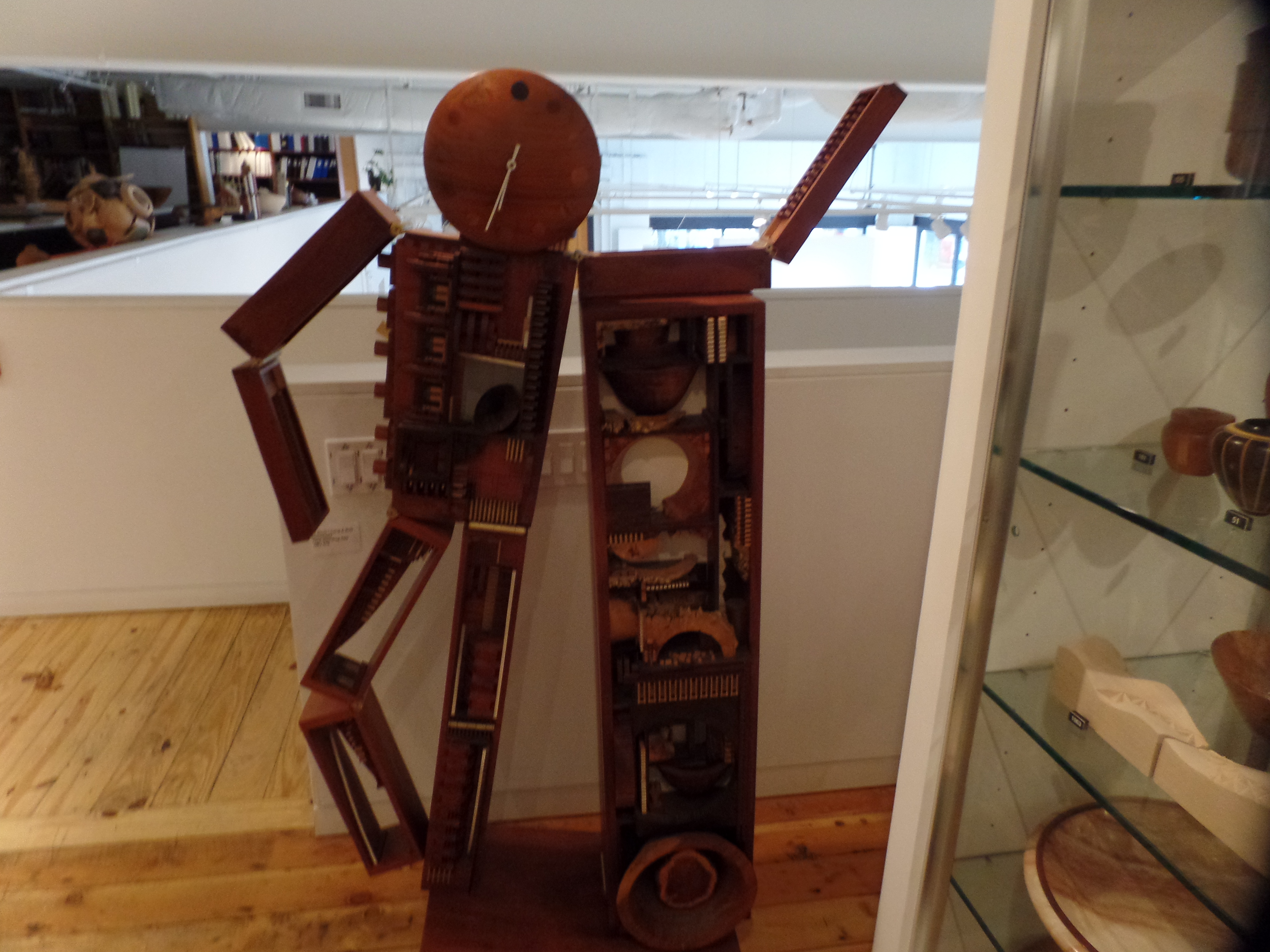
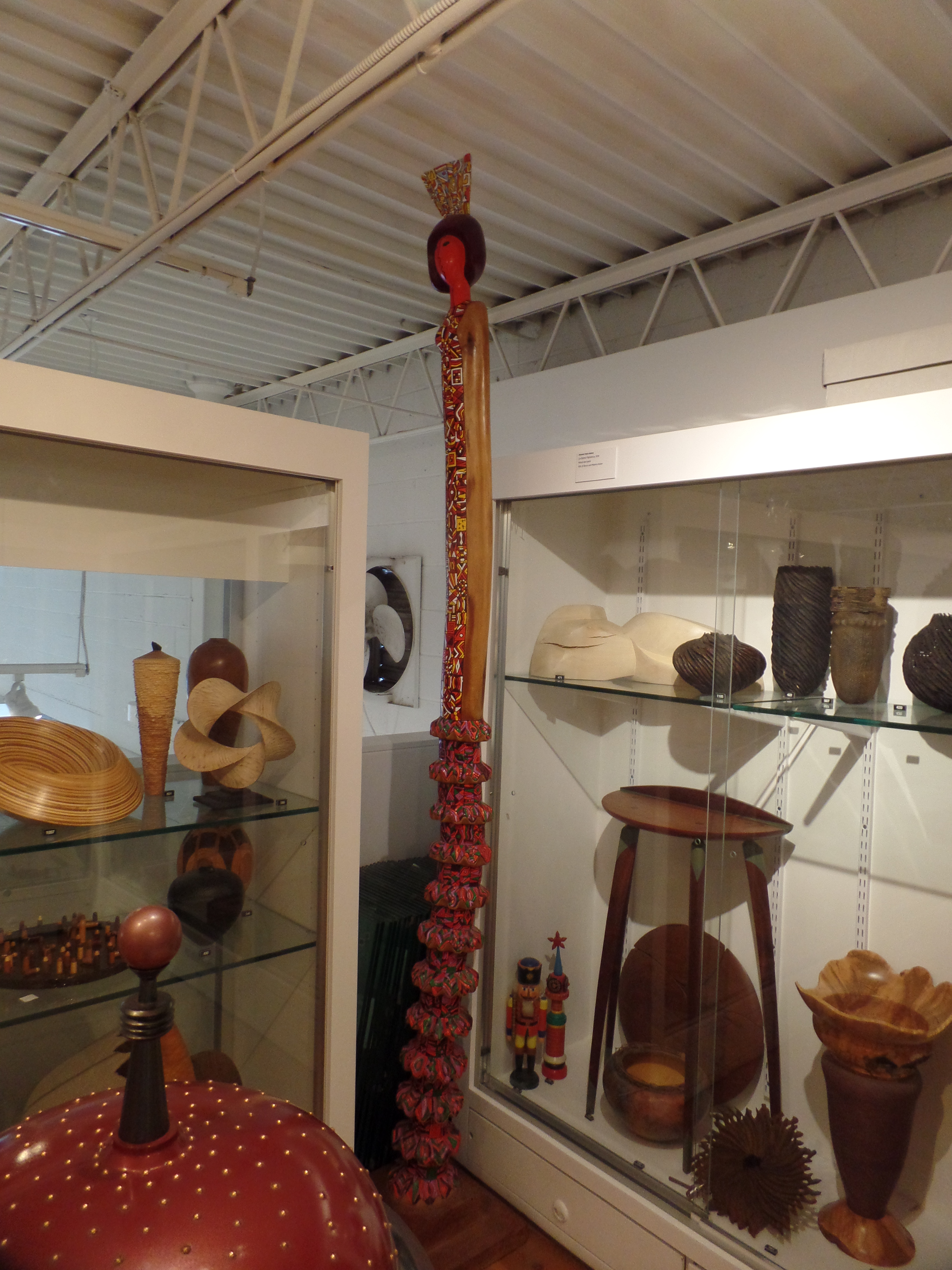
Here are a couple of other contemporary pieces.

SAMSUNG CAMERA PICTURES

SAMSUNG CAMERA PICTURES

I will definitely be back here, next summer, at the very least as a customer-for one of the gallery shop’s more utilitarian pieces, while learning more about plank art.  I, who whittled as a child, could possibly fashion something of use, one of these fine days.