Revitalized

2

January 20, 2024- The watchful Apache man saw that all the modern conveniences that had been installed in his new restaurant kitchen were still missing a key component: A means of heat. He had a stack of firewood on hand, and was able to get a fire going, safely, in his fireplace. The cook stove, of course, was a secondary means of heat. In time, the solar heater would be on track, but for the time being, the fireplace saved the day.

This was one of the vignettes that flowed through “Gather: The Fight to Revitalize Our Native Foodways”, a film that was shown this evening, at our Elks Performing Arts Center. The film illustrated First Nations people working to re-establish viable food systems, in areas across North America. A Dineh farmer is working to increase use of the Little Colorado River, in its traditional role as a water source. A young Lakota Sioux woman is spreading understanding of the nutritional value of the meat of grass-fed bison, such as her father raises. A Yurok man is teaching young men in his northern California community about traditional spear fishing, and keeping salmon populations sustainable. A San Carlos Apache grandmother is teaching a young girl about catching kangaroo rats, and respecting the home of a rattlesnake-not just because it is venomous, but because it, too, is a living being and helps keep the rodent population in balance. She is also teaching the child about harvesting edible desert plants. The White Mountain Apache chef is likewise using local products, in his preparation of dishes at Cafe Gozho’o’ (the second o is silent). Gozho’o’ means happiness, harmony or balance, in the Nde’e’ language of the Apache people.

The key to all this is revitalization, for which this is a year. A friend here in town received final clearance to move her possessions to a house which she had inherited, over a year ago. There had been delays in the move, for various reasons, which have now been resolved. I helped with moving some of the items, this afternoon. Her life, and livelihood, are being regenerated.

My own life has not been stagnant, yet its pace, too, is picking up, in terms of financial, interpersonal and goal-setting elements. This will be a truly interesting year, one in which decisive action becomes the norm.
The Hoop of Life

2

October 1, 2022- He once held court, while sitting up in the fold-out bed at our home in Jeddito, Arizona. It was the mid-1990s, and things were fairly good. Tokaya Inajin, better known as Kevin Locke, was succeeding in popularizing hoop dancing, and making the meaning behind the art form clear to all who attended his performances.

He was also a fine singer, a true champion of the Lakota Sioux people, from whom he emerged. Yet, he eschewed violence and saw fit to reach out to all people, reminding everyone that the four colours of humanity were equal before the Creator. His take, like mine, was that no one be excluded, even if they themselves sought to exclude. It was a learning process, which involved a fair amount of unlearning.

Tokaya Inajin, “The First to Arise”, in Lakota, was as proud of his mainstream name and activities, as he was of being part of a First Nation. He embraced a variety of musical styles, following in the footsteps of other First Nations musicians whom he admired, but staying true to the message that his mother’s people had a central part to play in stewardship of the Earth. To that end, illustrating the Hoop of Life was his central muse.

Kevin left us, yesterday, to join the spirits who watch over those still engaged in the work of that stewardship. His presence here was a blessing, from start to finish.

Here is an example of his work, from a visit he made to the Miccosukee Nation.

The Road to 65, Mile 201: Southeast IS Northwest, Day 10- More Totems, and More Floating

2

June 17, 2015, Ketchikan- I was fortunate today, to have the hostel agree, European-style, to hold my bags until it was near time for my ride to the ferry terminal.  The ten-day Alaskan experience was coming to a close.  I have enjoyed a fairly good taste of “Southeast”, and this last day on land, in Ketchikan, was no exception.  I had breakfast in two different venues:  A street stall, across from the Cruise Ship docks, which had fairly good muffins and coffee.,and in Sweet Mermaids, where the steel cut oatmeal and fresh berries were accompanied by an hour of WiFi.

When I was first walking around the waterfront, this morning, a man called out- “You, from Arizona!  How do you like Southeast?”   Hmmm, do Arizonans stick out?  Of course, I told him I thought the region was exquisite and that I was having a great time.  Turns out, he is from Scottsdale, and knew the Methodist pastor, who is from Tucson.  Even in a busy tourist venue like Ketchikan, word gets around fast.

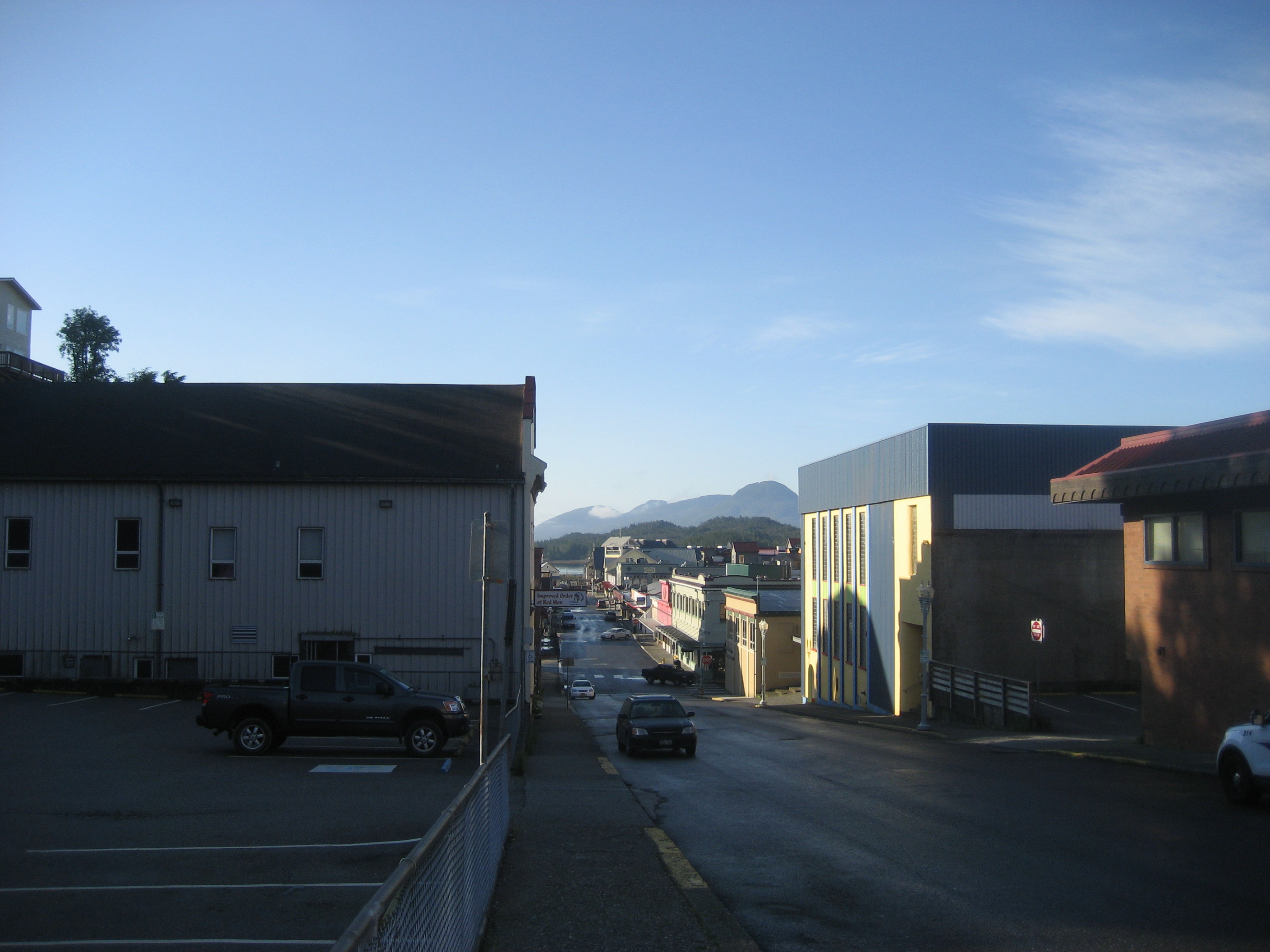
This is the street where the stall is located.

771

I spent some time walking along and observing the fisherfolk.  This craft was in the channel, just off Saxman.

772

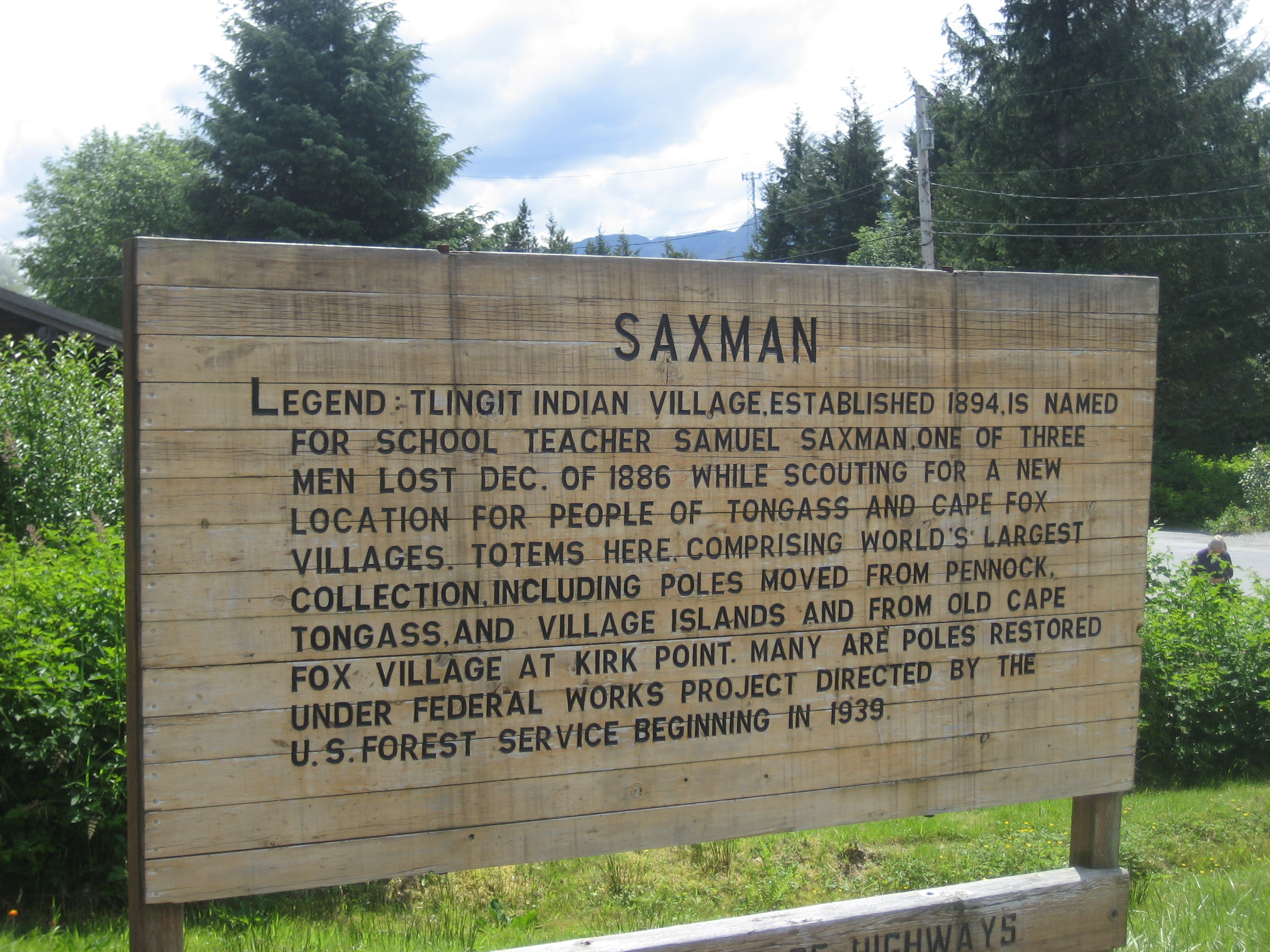
Saxman, two miles south of downtown Ketchikan, is a Tlingit village, named fro a great local teacher, who died in the line of service to his community.

806

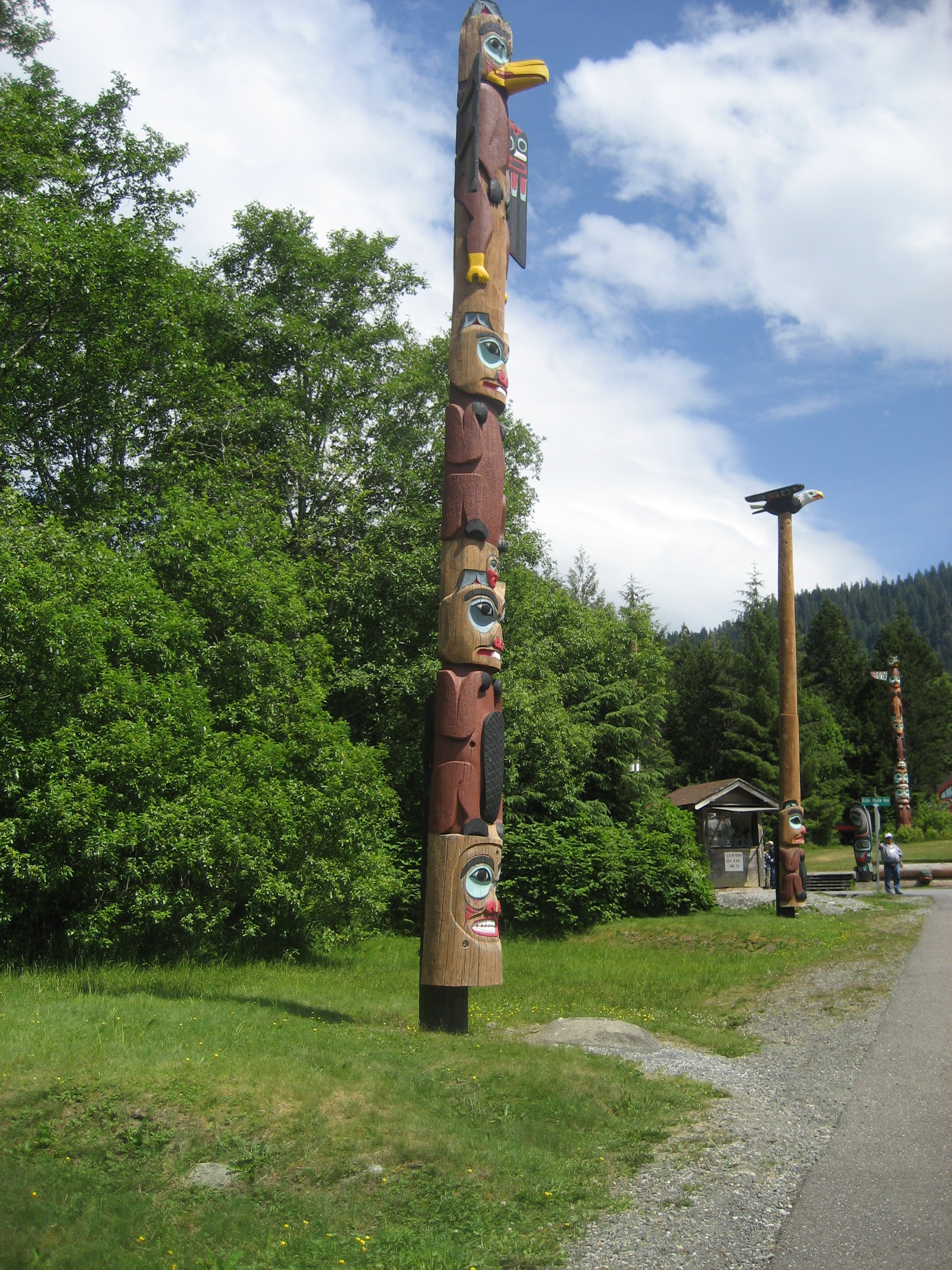
There are several totem poles, both honourific and modern, which comprise a public park.  Tourists wishing to visit the ceremonial hall and carving studio, must pay $ 5 per person, cash only.  The outside, however, is free of charge.  I bought a hand-made rattle, from the Village Store, and will use it at a Drum Circle which some friends back in AZ have, every month.

As you can see, many of the totem poles are well-maintained by their clan moieties.

790

792

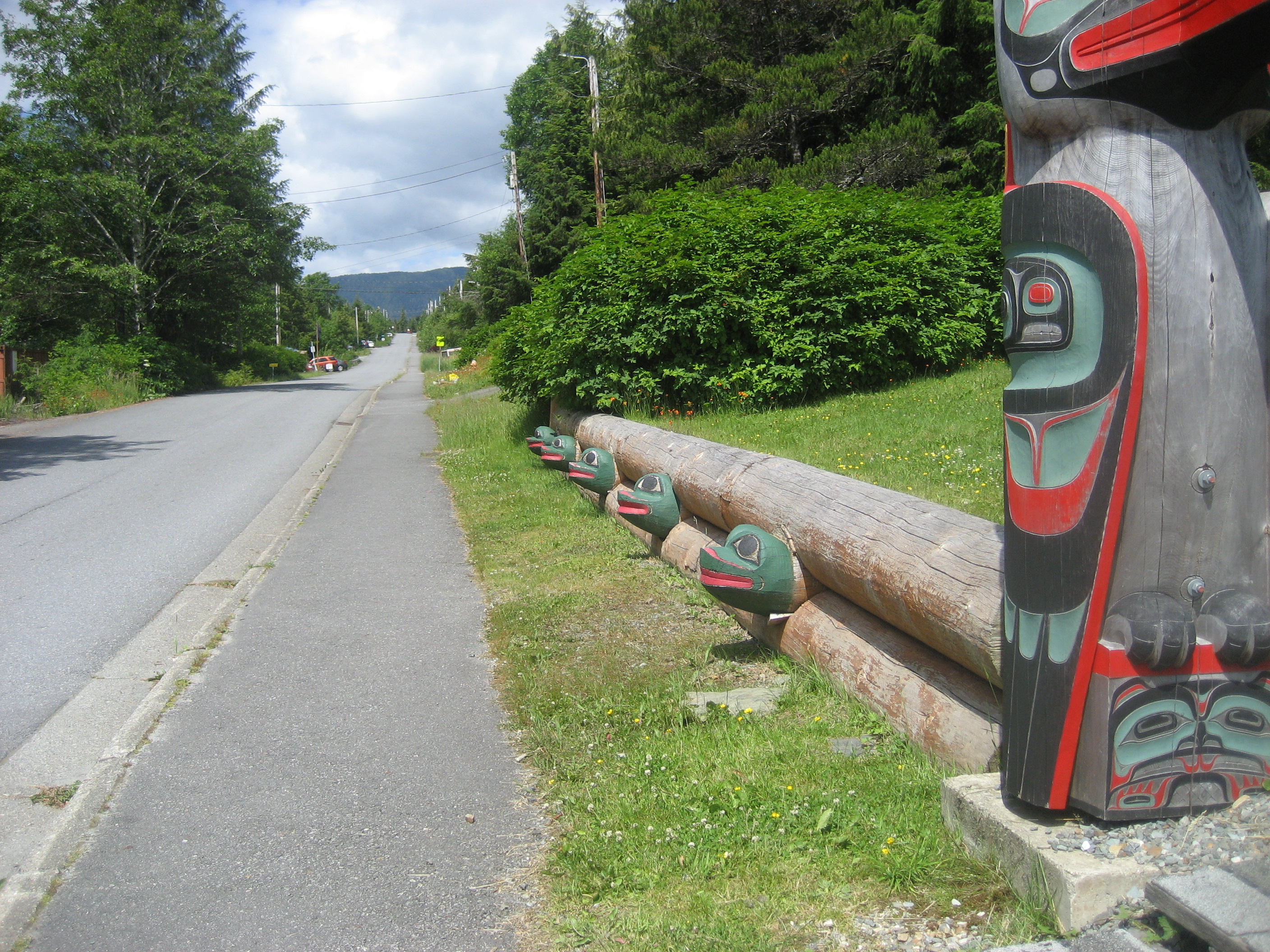
Frogs are seen as protectors and sentinels of the water.

795

796

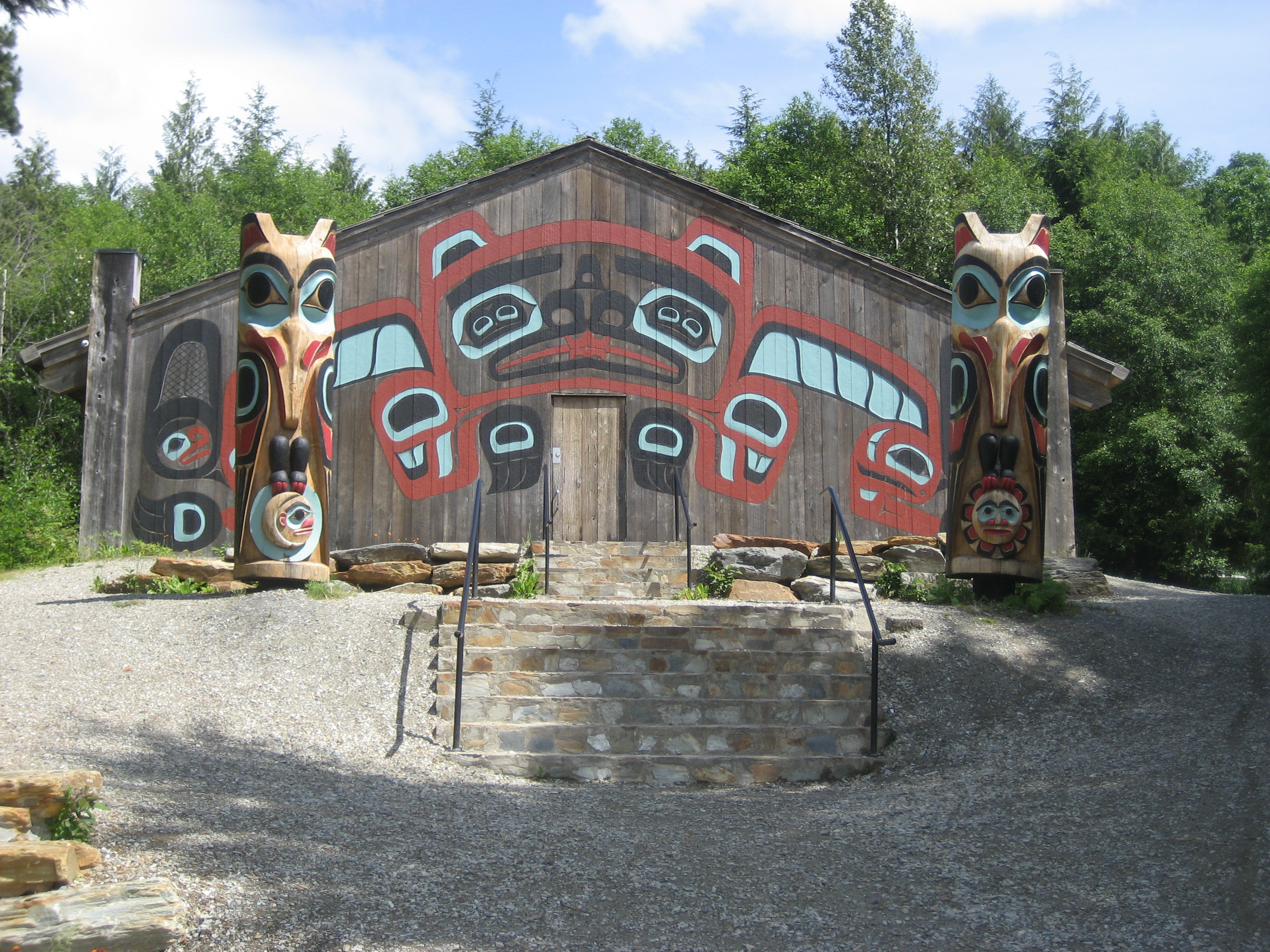
The guardian totems here are properly greeting the visitors.

800

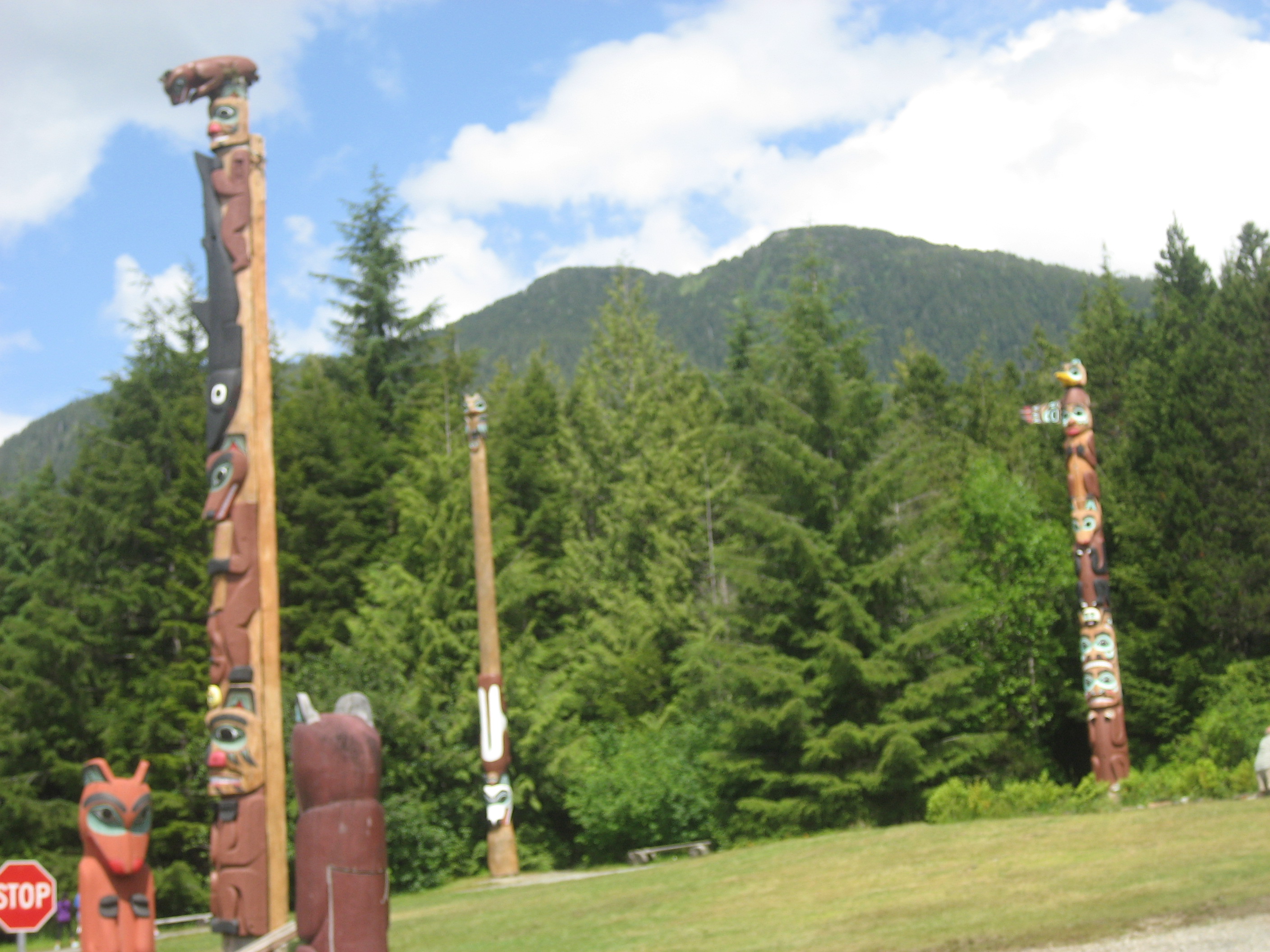
Here is a view of the totem field.

811

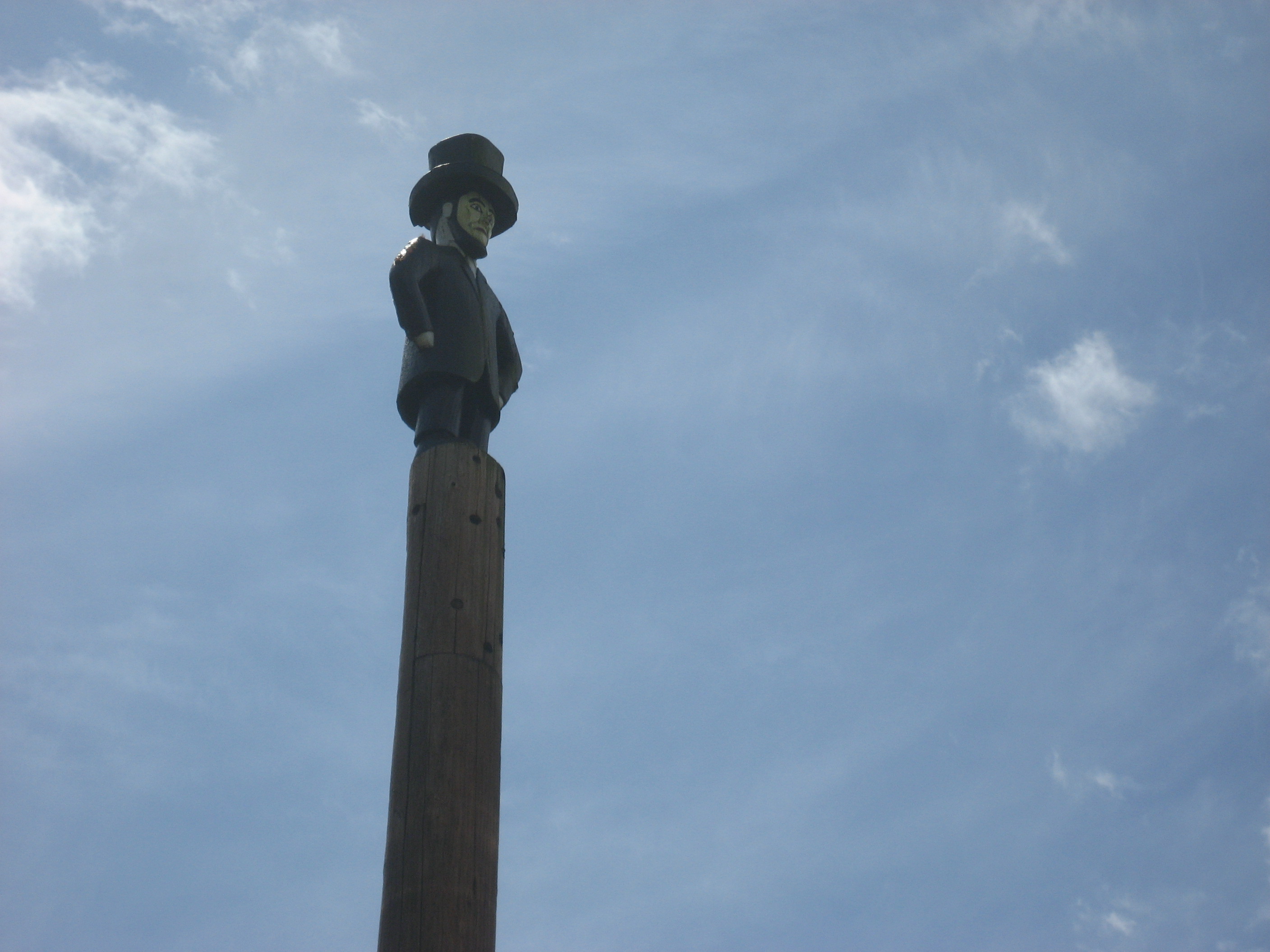
Abe Lincoln stands in exile, so situated because of his treatment of the Lakota Sioux, to which the Tlingit and Haida people take great umbrage.

808

This is the exterior of the Ceremonial Hall, where drumming and singing take place.

802

This is the taxi driver’s pride and joy.

819

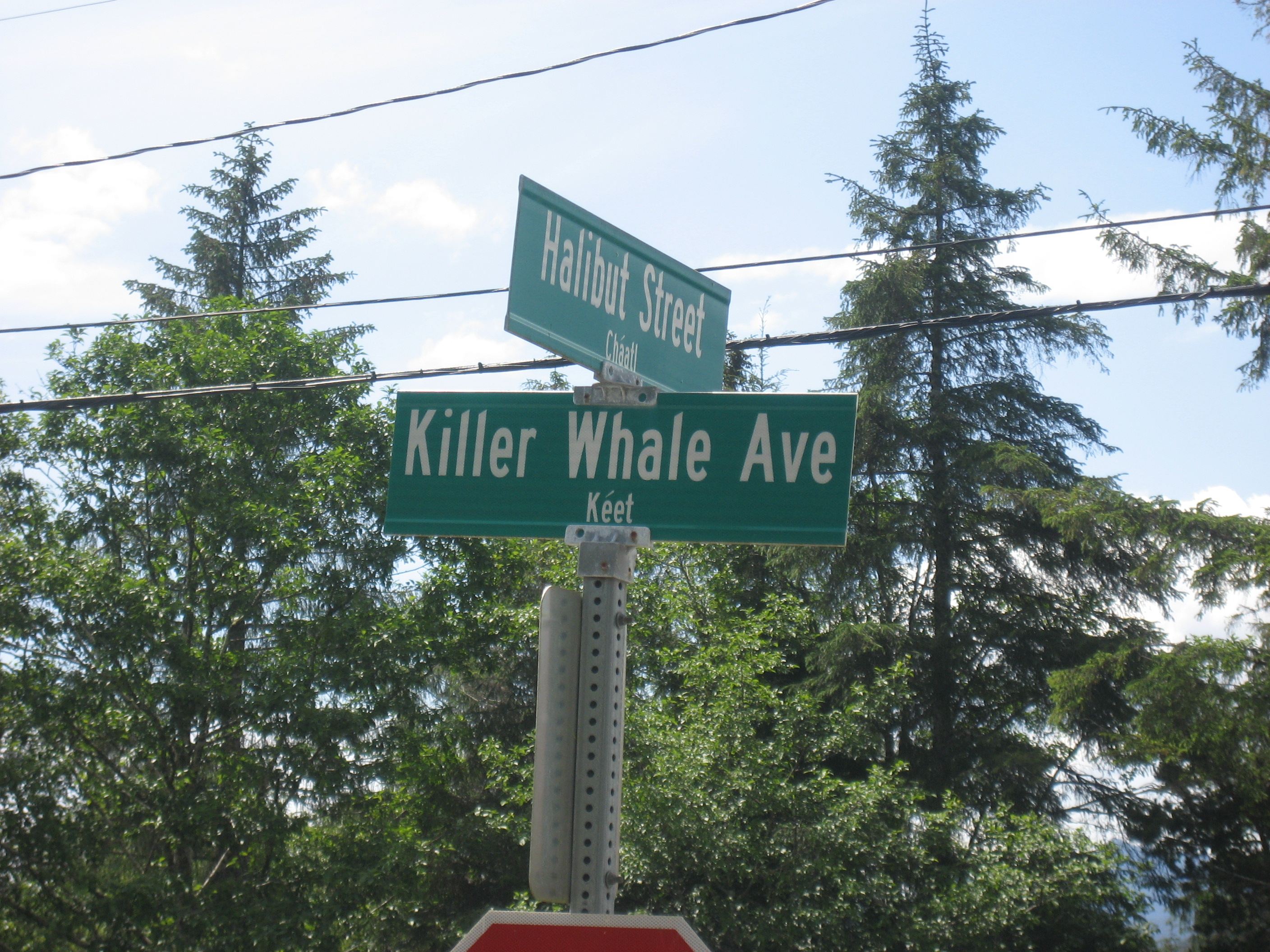
Street signs are in English and Tlingit.  The Tlingit language is offered in public schools, throughout southeast Alaska, and in coastal British Columbia.

820

Well, after this visit and a lunch at Polar Treats, downtown, it was time for me to head to the ferry. My Ketchikan friend, Ms. Chapman, took me to the terminal, and I bid a fond farewell to my new friends and communities of this magical set of peninsulas and islands.

826

The people who work the ship are also embedded in my heart.  After two days together, on the way up, several of the crew somehow remembered me, when I showed up again for meals and around the ship.

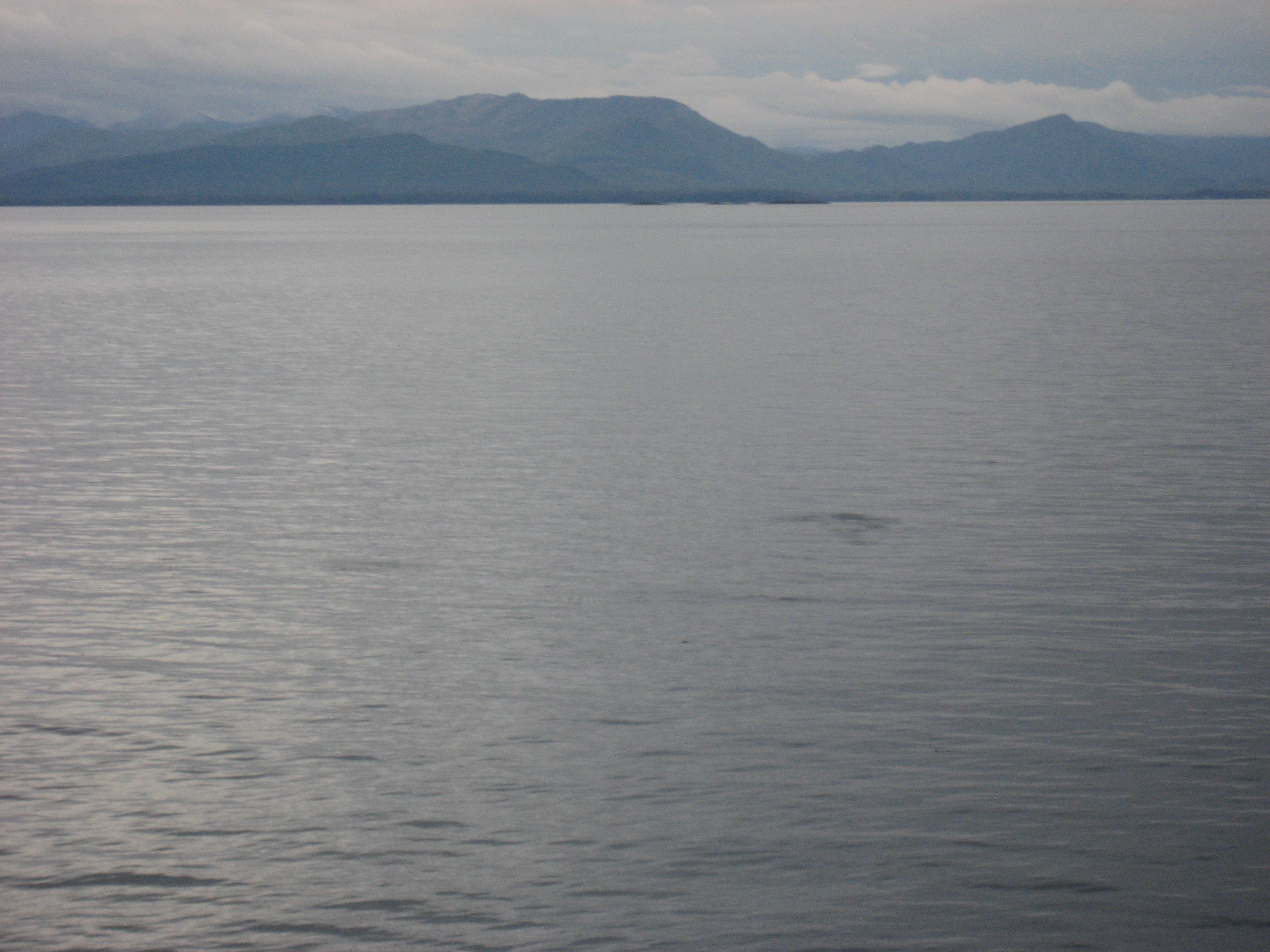
A couple of orcas were off the port side of the ship, as we left U.S. waters.

827

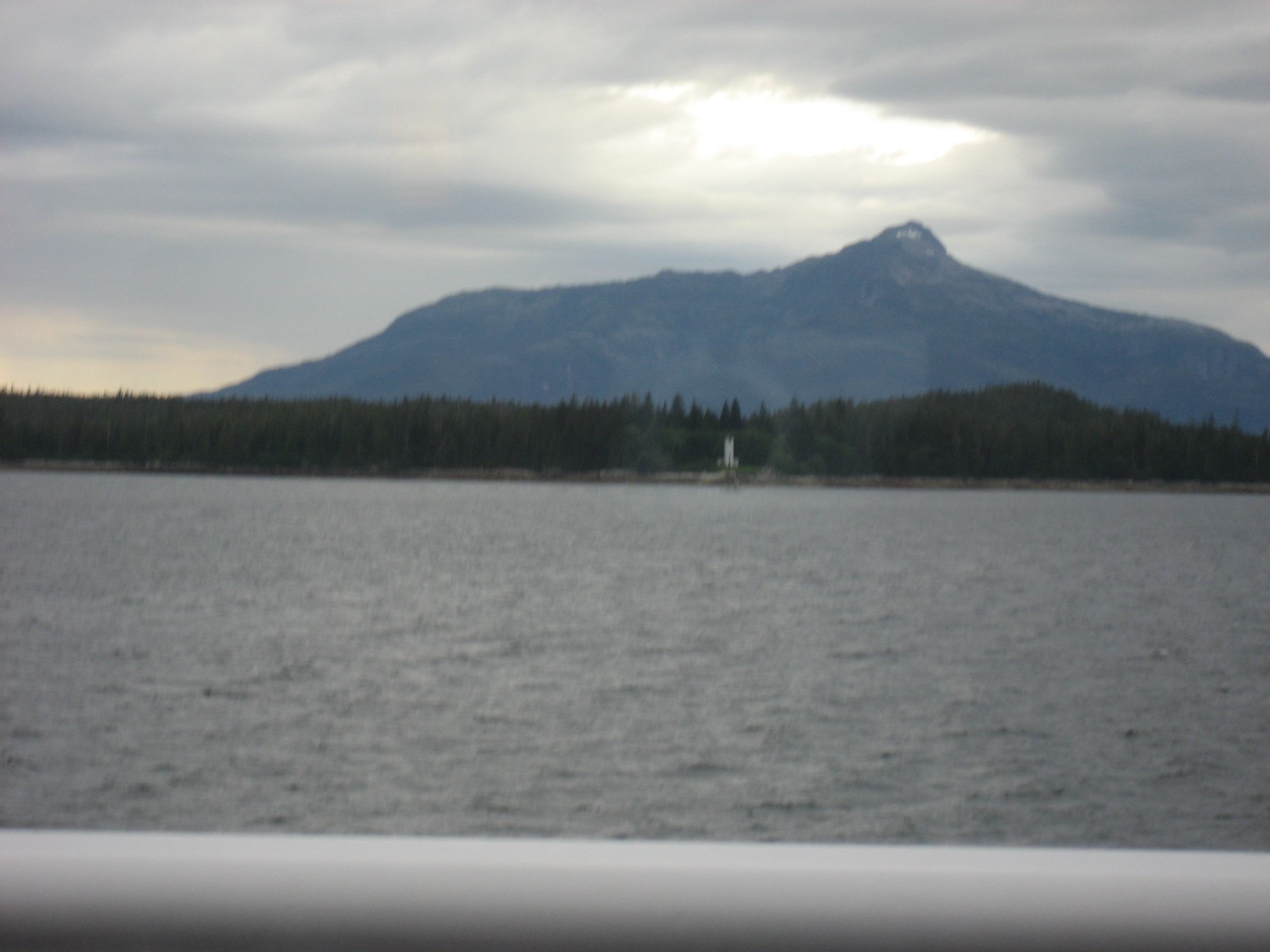
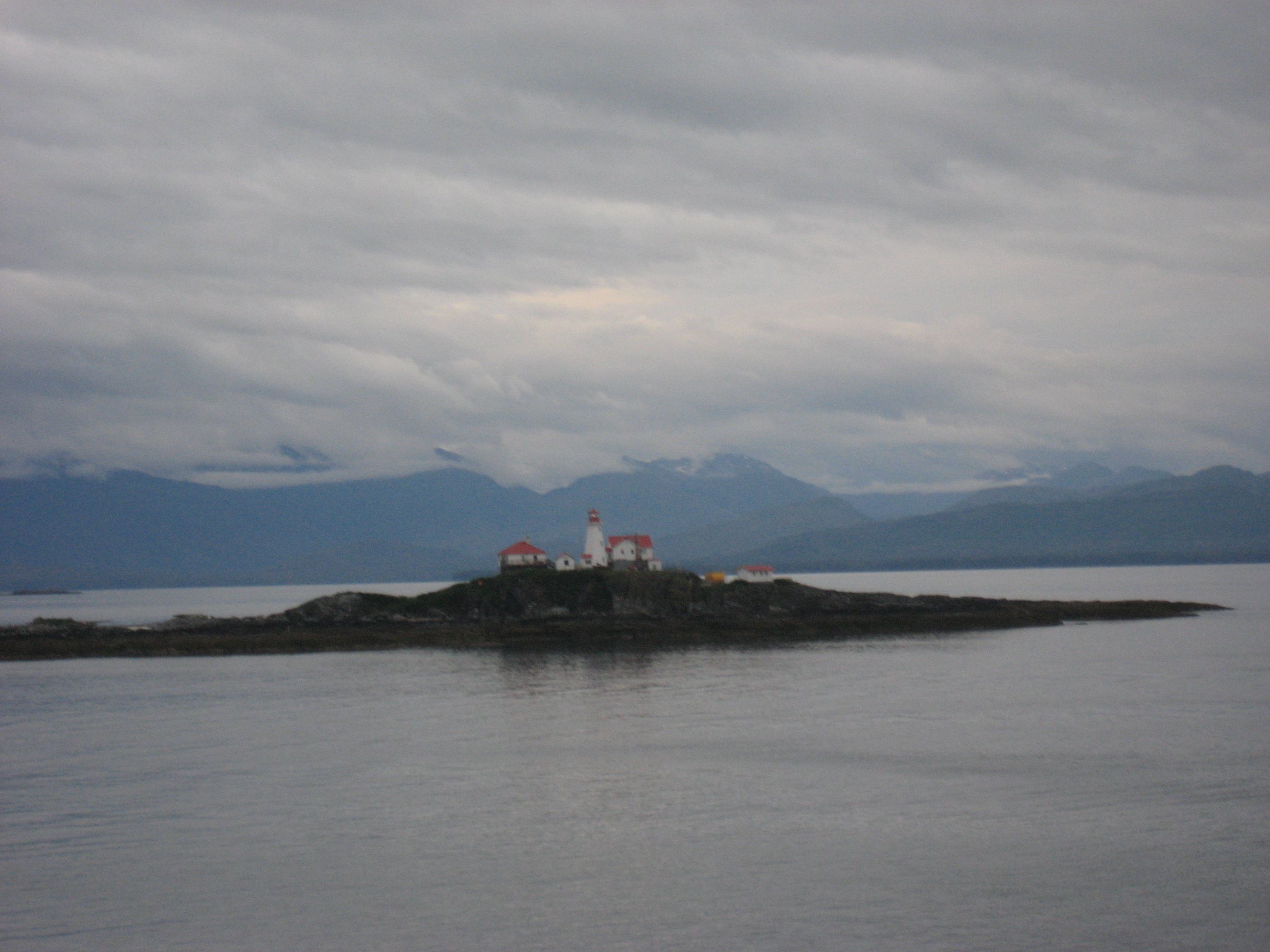
Green Island Light is manned by a Canadian family, who stay for a period of three months, then are succeeded by another family.

831

Cold and mist were the Alaskan farewell, as we headed into the waters off British Columbia.  I will be back some day.832